
COMING TO AMERICA… the Early Canary Birds!
The first canaries were brought to Europe by Spanish sailors who passed through the Canary Islands – named for the large dogs (canines) rather than the small green birds who lived there.
Spanish monks had a monopoly on the small songsters but, as the story goes, a Spanish ship bound for Spain was wrecked and the cargo of birds was released and found a new home in Italy. Some of these may, or may not, have bred with local song birds.


These canaries moved across Europe: Italy, Spain, England, and Germany. In 1587 Spain it was noted that some had been bred to be clear yellow. By 1709 a book published in England mentioned 28 different varieties. The English loved variety, the French fancy feathers, the Scotch unique shape, and the Belgian and German breeders the canary’s trained songs. Judging became a competitive sport. At first canaries were the expensive pets of kings and queens, kept in gilded cages, but the canary soon became available even to peasant breeders.
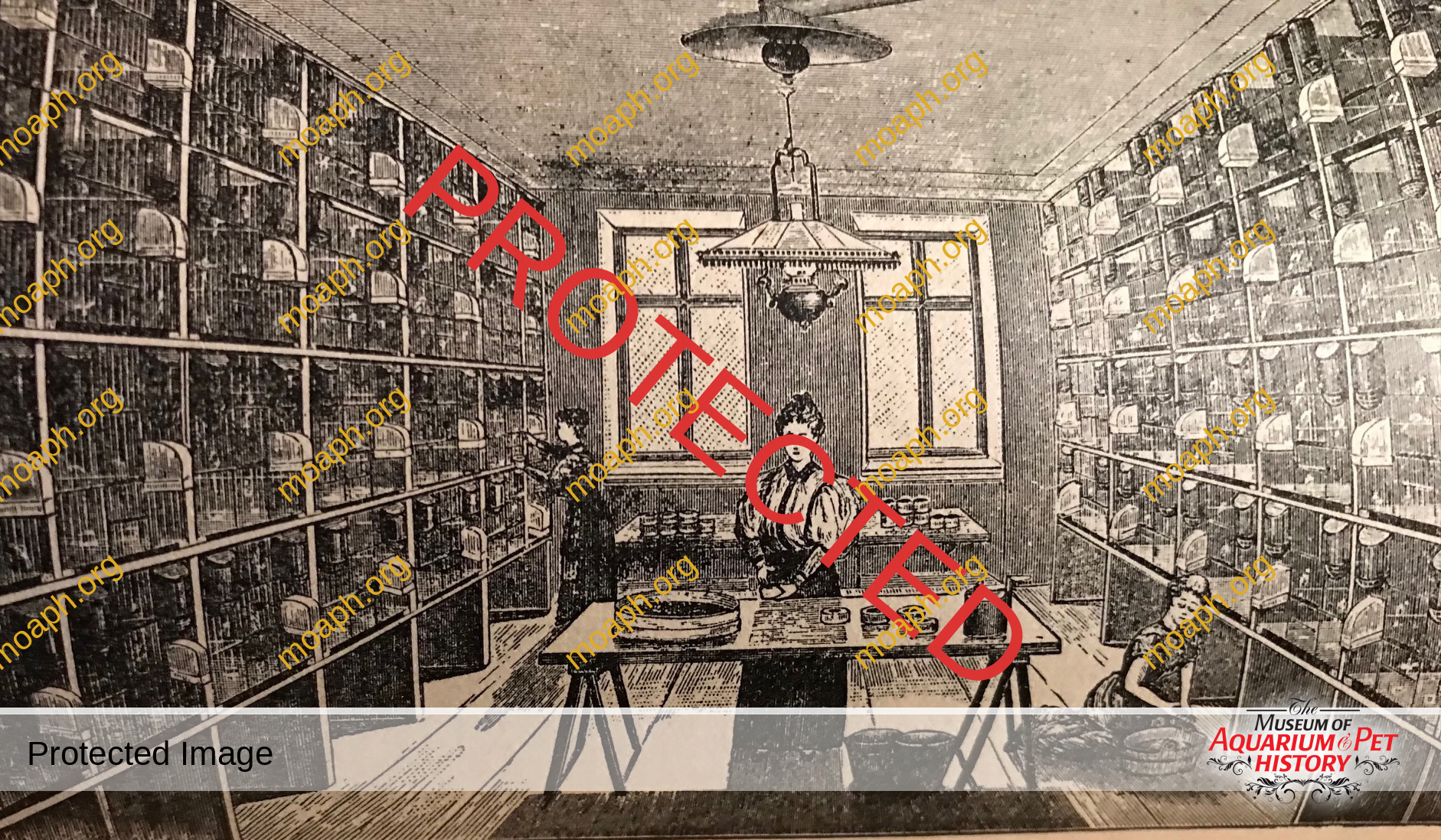

So how did canaries arrive in America? It is most likely the earliest birds arrived with early American settlers. There is no record of a large import until 1840, but the sale of canary birds grew slowly until the late 1800’s. There wasn’t much interest or expertise in breeding these birds, the European quality was difficult to match. However, manufacturers of wire like Andrew Hendryx started making bird cages as well as fishing reels. George Holden imported a number of canaries to NYC in the 1880’s. Eventually, during the 10 or so years before WWI, there were over 3 million canaries imported, many from Germany where breeding canaries had become a cottage industry.

Since there were no planes, trains, or automobiles crossing the the ocean, most early canaries arrived in America via ship. Breeders often transported birds in back packs to horse-drawn coaches and trains to take them to bird warehouses in Europe, where selections were made by bird buyers. Birds were placed individually in a small wooden 5x6x6” cages with a wooden box for seed and a small stone cup for water. These cages were bound in “crates” of around 252 each, and covered in canvas. One such bird buyer traveled with 3 to 6 of these crates, so about 750 to 1500 birds! He was responsible for feeding and cleaning each individual bird and fending off mice and other vermin, while securing them through bad weather. It’s amazing that losses were normally small.

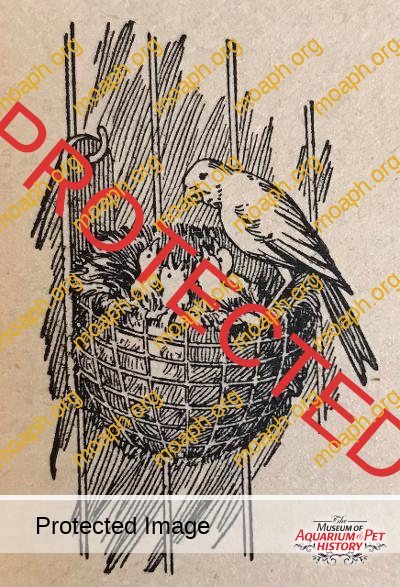

The 1920’s saw another increase in canaries when Max Stern arrived in NY with 5,000 canaries from Germany as payment for a debt he was owed. It did not take long for him to determine that canary accoutrements might be a profitable business and Hartz Mountain was formed. Other companies followed the canary band wagon, and soon many American peasants were also happy canary owners. Some even found a bit of Magic!