Goldfish and Textile Hemp: The Long-Lost Perfect Marriage
Commonly known as “textile hemp”, Cannabis sativa is a remarkably versatile plant, capable of thriving even in challenging soils. Cultivated since ancient times for a wide range of uses, it originated in Central Asia and was introduced to multiple regions of the world. It was used to produce clothing, shoes, table and bed linens, curtains, paper, sacks, ropes, ship sails, carpets, fishing nets, oils, flour-based products, and animal feed.
In the West, the commercial exploitation of textile hemp took off during the golden age of sailing and European maritime expansion. Back then, the demand for sails and rigging surged exponentially. Initially cultivated for household needs, C. sativa in some countries changed into a thriving industry, becoming a vital source of livelihood for thousands of humble farming families who were at the forefront of the production chain.
During the second half of the 19th century, in the Kingdom of Italy several eastern areas of the Po Valley (the Po is Italy’s longest river) were planted with textile hemp. The resulting production stood out for both its quantity and quality, and by the early 1900s Italy had become the leading producer of hemp fibers in Europe and, in terms of volume, the second largest in the world after Russia.
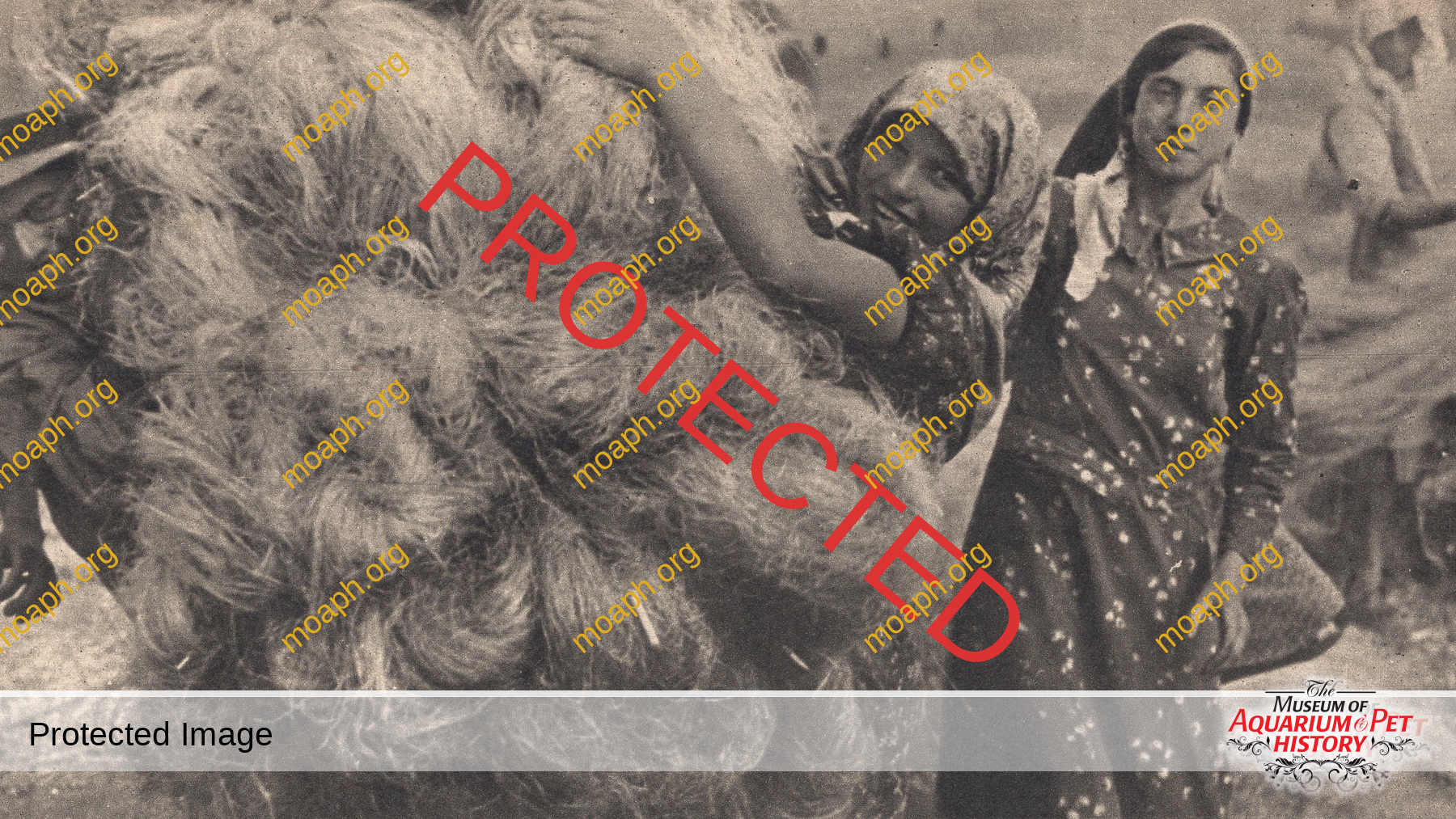
Raw fibers of C. sativa.
Retting ponds
Sowing typically took place in March. By August, the towering plants (this species can exceed 16 feet in height within a few months!) were harvested and left to dry in the sun. Once the drying period was complete, farmers bundled the stems together, tied them into large rafts, and submerged them in retting ponds with the help of heavy stones.
These ponds were man-made, stagnant water basins, usually rectangular in shape and no deeper than about 6 feet. They were dug in the lowest areas of farmland to collect rainwater more efficiently. Additionally, they were placed at a reasonable distance from farmers’ homes, as the retting process produced an unpleasant smell.
Farmers also used them for washing hemp fabric, doing laundry, and breeding fish and ducks for food. The ponds also served as a place to bathe, cool off in the summer, and teach children to swim with the help of empty pumpkins used as rudimental flotation devices.
At the height of production, the number of retting ponds introduced to the landscape of the Eastern part of Po River plain was staggering. To give an idea, in the fields that surrounded the city of Ferrara, the most active city in the textile hemp business, there were around 10,000 ponds.
The water retting was crucial to separate the outer layer of fibers, used for textile purposes, from the woody core of the stem. At the end of this process, which usually lasted 4-10 days, the plants were removed from the pond, washed, and left to dry under the sun once again. The next steps were: breaking, scutching, hackling and spinning.
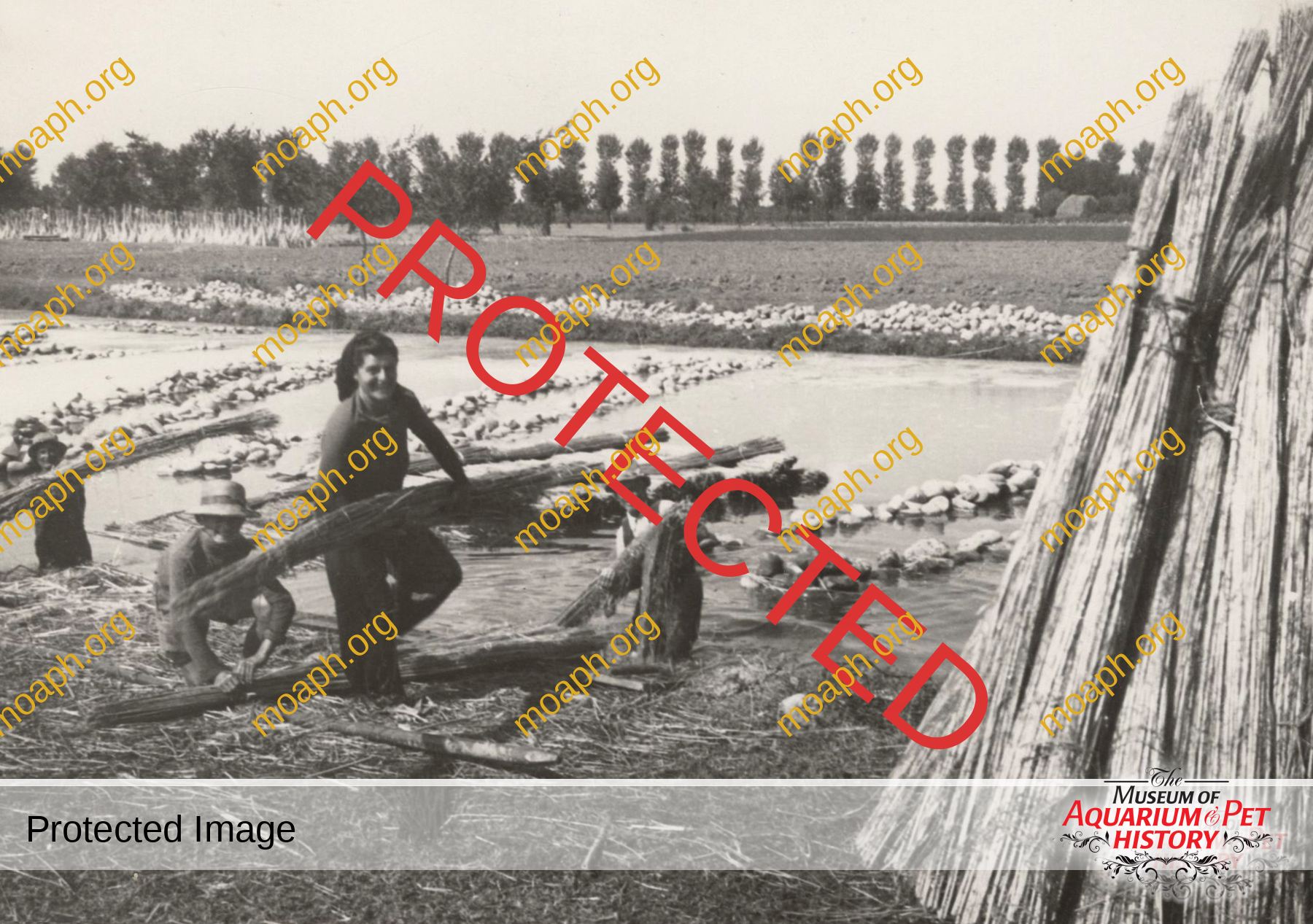
Hemp farmers at work in the 1950s. Larger basins like this were often rented out to multiple families of hemp farmers. Image source: Touring Club Italiano.
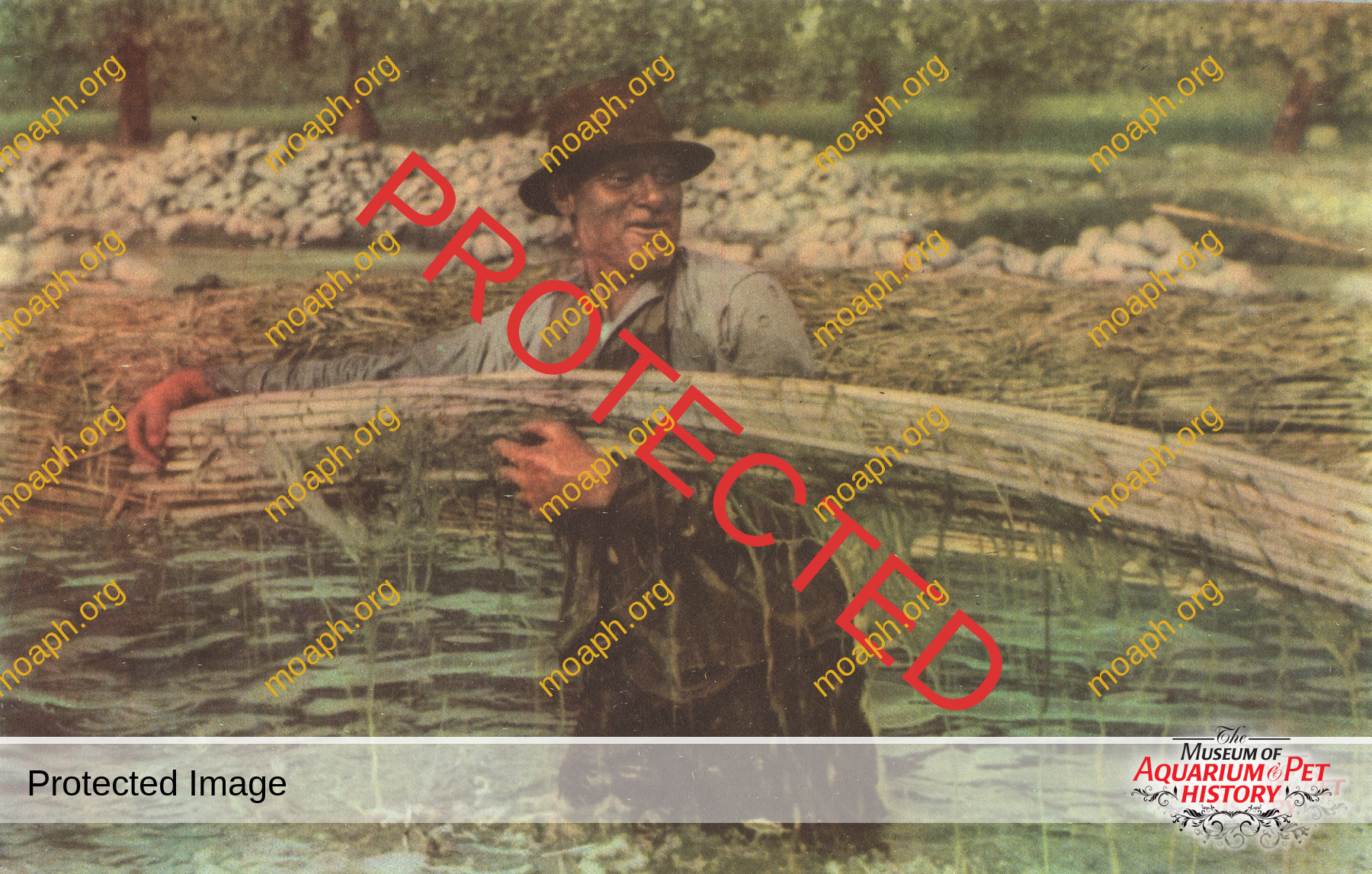
At the end of the retting process, the bundles were removed from the water and left to dry. Farmers who carried out this operation had to take particular care to prevent the soaked stems from breaking due to their considerable weight. Illustration from the magazine Tempo, October 2, 1941.
At this point, our readers are certainly wondering what on earth all this has to do with the history of the aquarium hobby!
Goldfish heaven!
Well, it was thanks to the retting ponds that, by the second half of the 19th century, a parallel business emerged and turned the county of Bologna, which is located in the southern Po Valley, into Europe’s leading producer of goldfish.
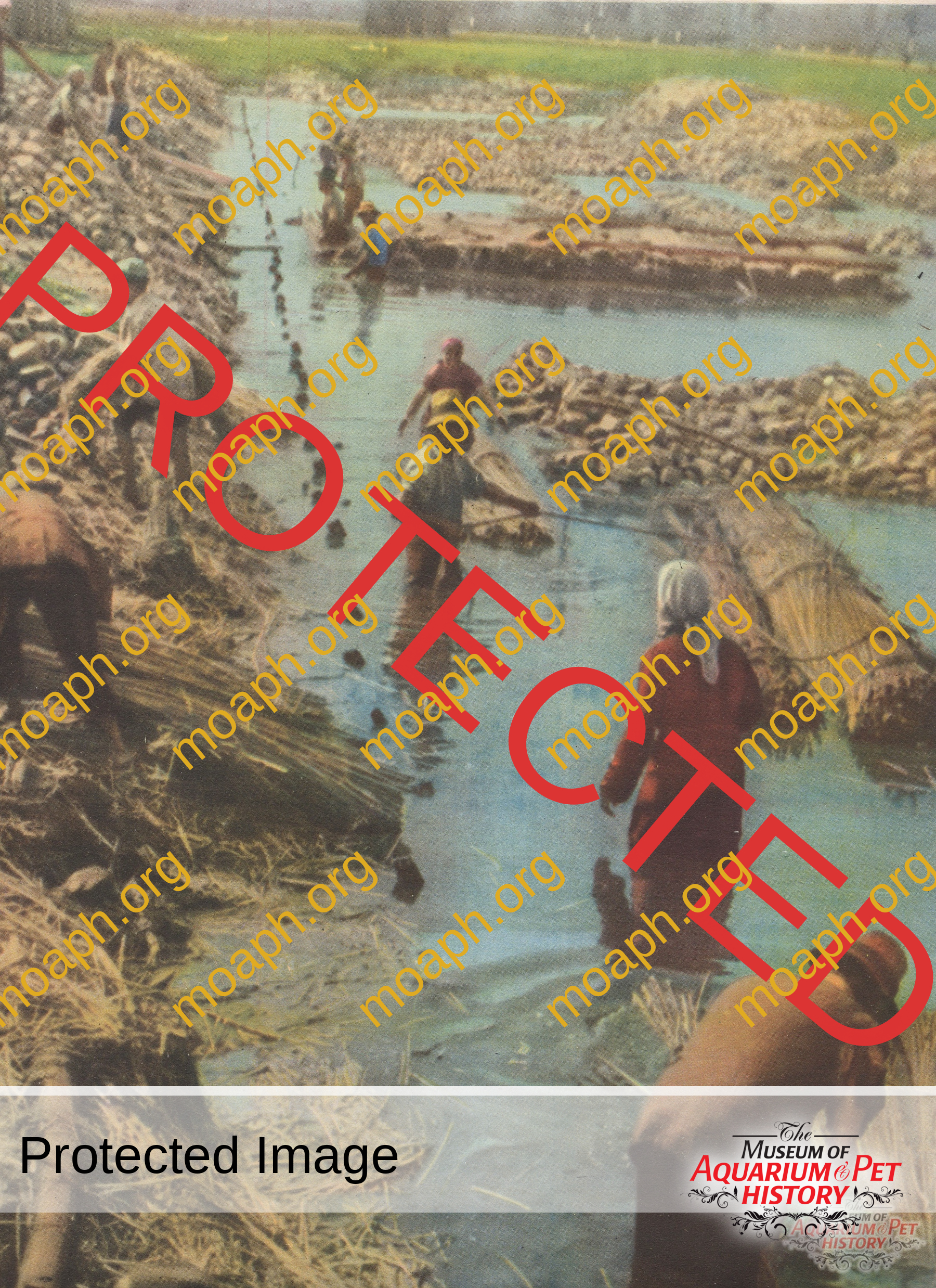
A typical retting pond. Notice the large number of rocks. Illustration from the magazine Tempo, October 2, 1941.
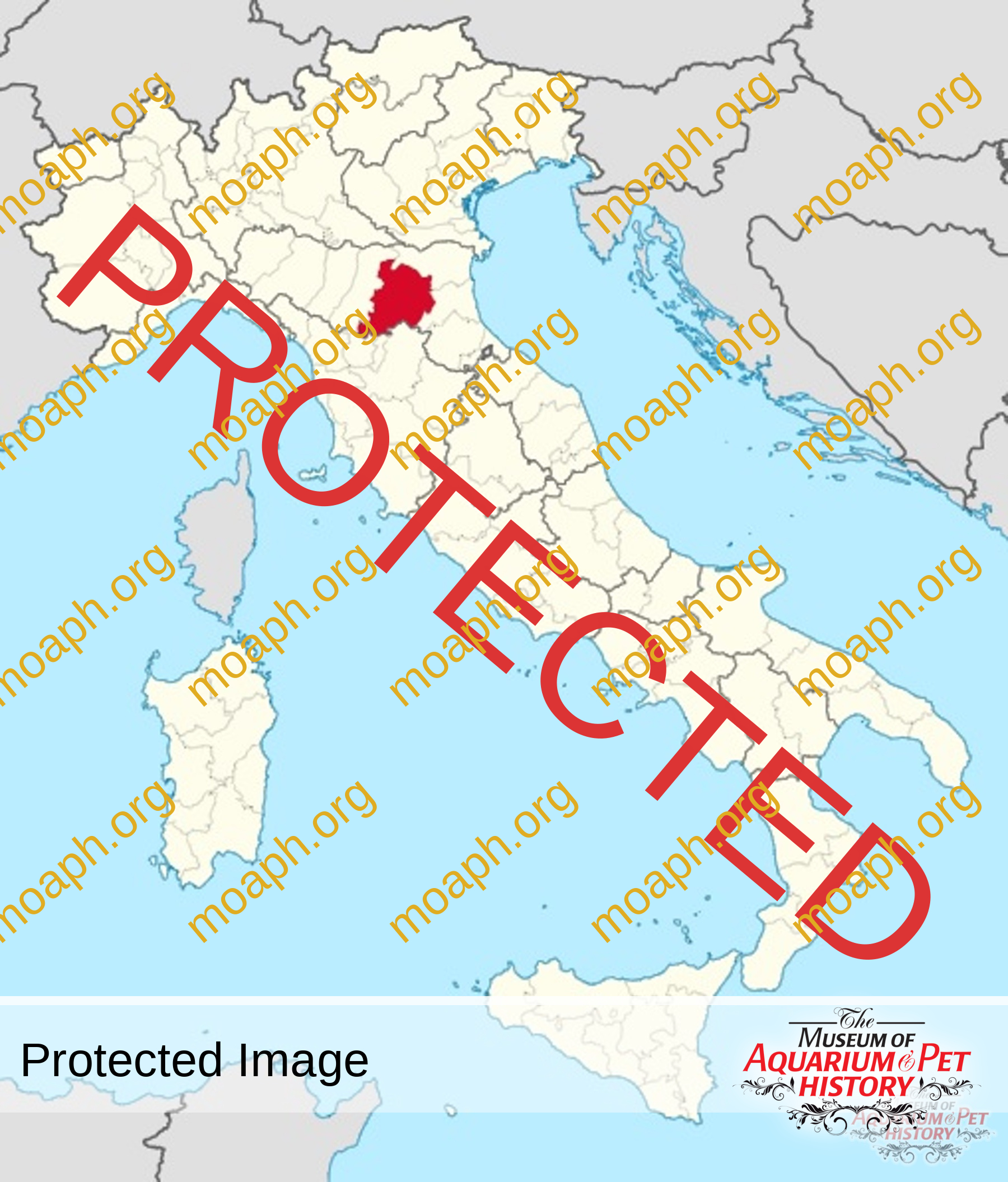
The present county of Bologna.
The retting ponds, in fact, were rich in nutrients and teeming with aquatic microorganisms. By introducing a sufficient number of adult specimens in April, goldfish propagated abundantly. At the end of the retting process of hemp, the ponds swarmed with fish ready to be collected. It was enough to drain the basins almost entirely – an operation that hemp growers used to carry out in any case – walk into the mud, and glean a thriving harvest.
The first company to establish this rural industry was founded by Luigi Biagi back in 1870, and it is still in business, now run by the fifth generation of the Biagi family. Their early production was pretty traditional and consisted of common goldfish, comet goldfish, shubunkin and nymph goldfish, which were fed with dried Daphnia. Exactly as with for textile hemp, the goldfish business involved men, women and children.
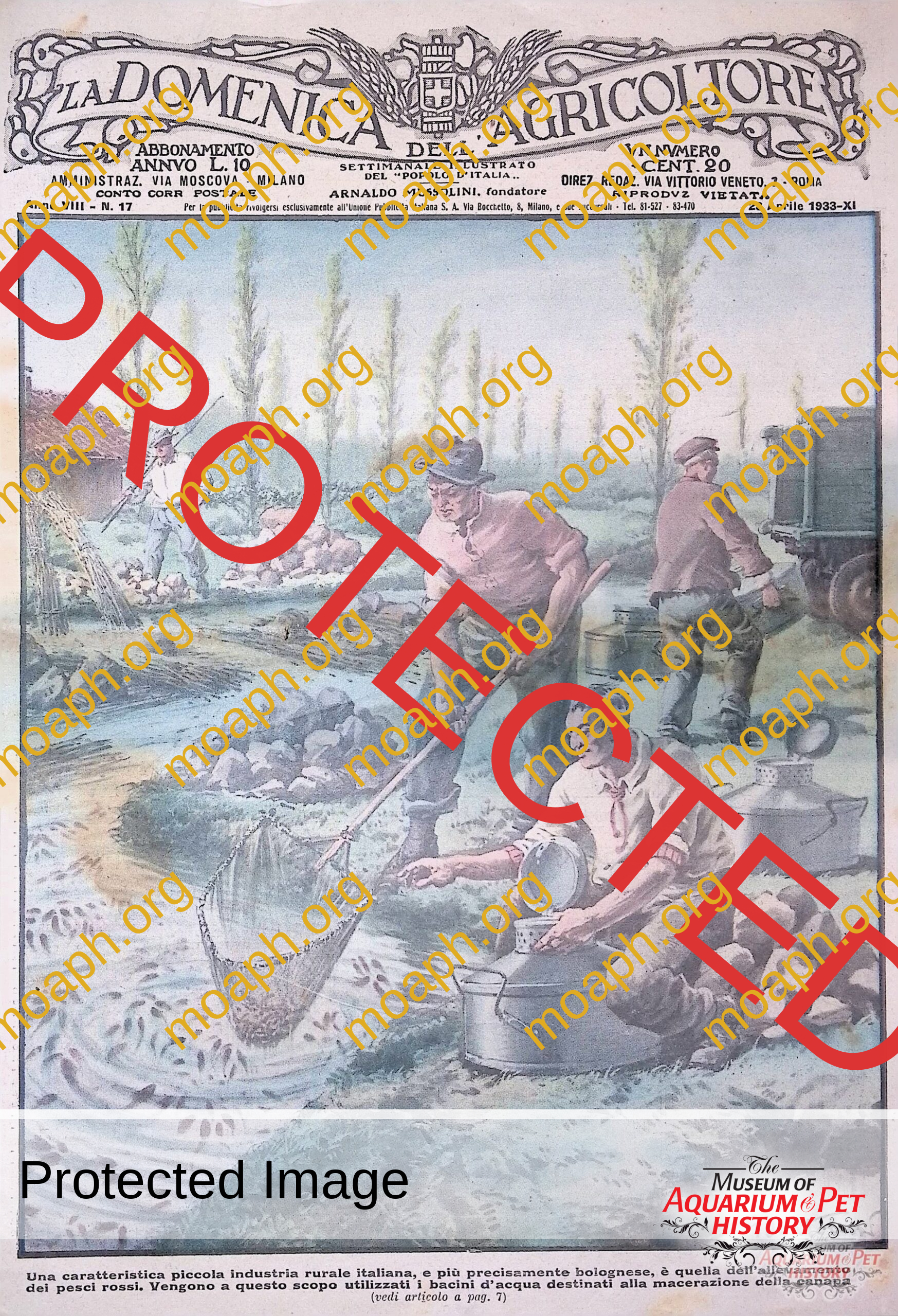
Cover of the weekly magazine La Domenica dell’Agricoltore – Settimanale illustrato del Popolo d’Italia, April 23, 1933 (Vol. VIII, No. 17). Illustration by Gerolamo Bartoletti. Notice the typical shipping cans of that era.
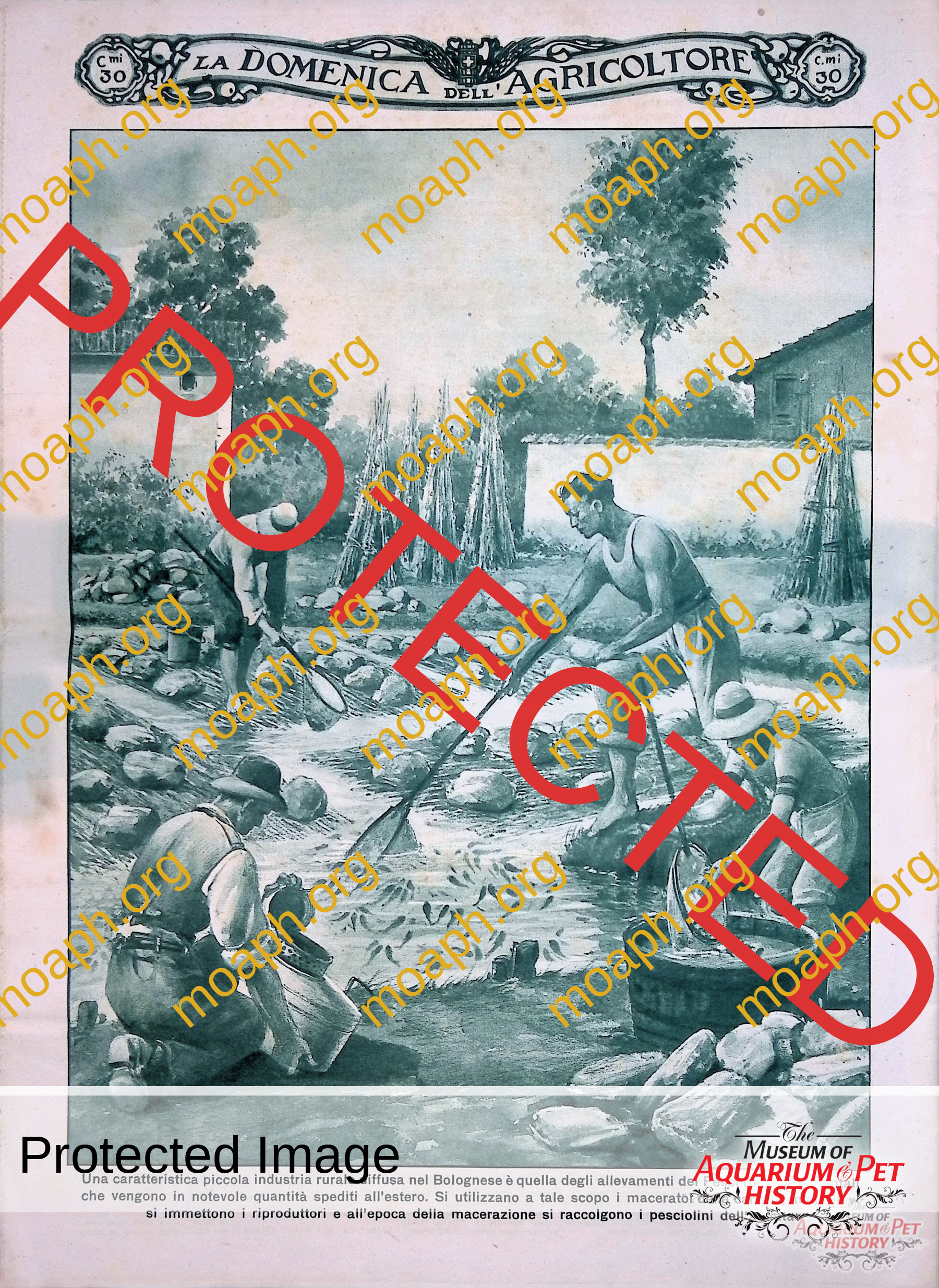
Goldfish farmers at work. Illustration from La Domenica dell’Agricoltore – Settimanale illustrato del Popolo d’Italia, September 17, 1939 (Vol XIV, No. 38).
Since the demand for ornamental fish in the country was poor at that time, Biagi’s company mostly focused on the German market, even opening a branch in Munich to streamline distribution. Goldfish were shipped in cans, whose water was changed at border points. In the early 20th century, as rail transport improved, exports began to reach other European countries as well. Besides, to compensate for the lower demand for goldfish during the winter months, the company, which in the meantime took the name Barilli & Biagi, started selling tree seeds to nurseries.
Traces of a forgotten past
During the years between WWI and WWII, Barilli & Biagi built a facility in the historical location at Casalecchio di Reno, with artificial ponds for storing and growing goldfish, while the retting ponds remained the primary source of supply. Unfortunately, Casalecchio di Reno was bombed between 1943 and 1945, and the fisheries suffered irreparable damage.
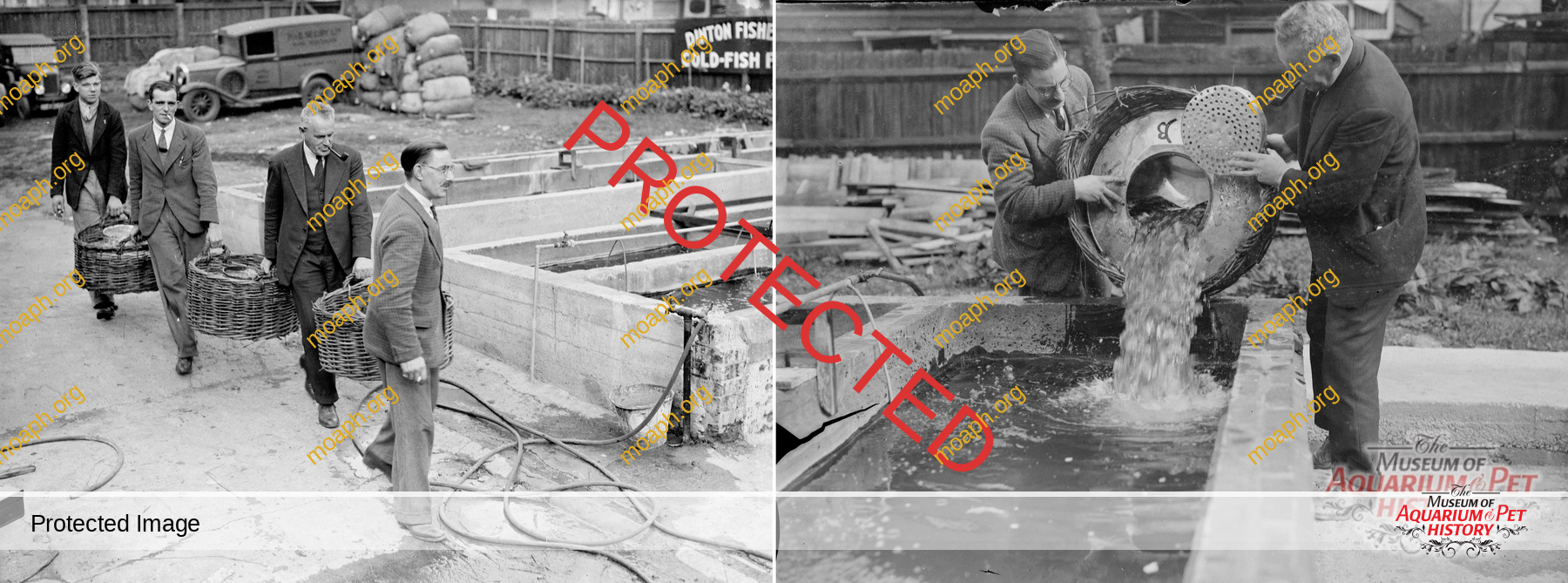
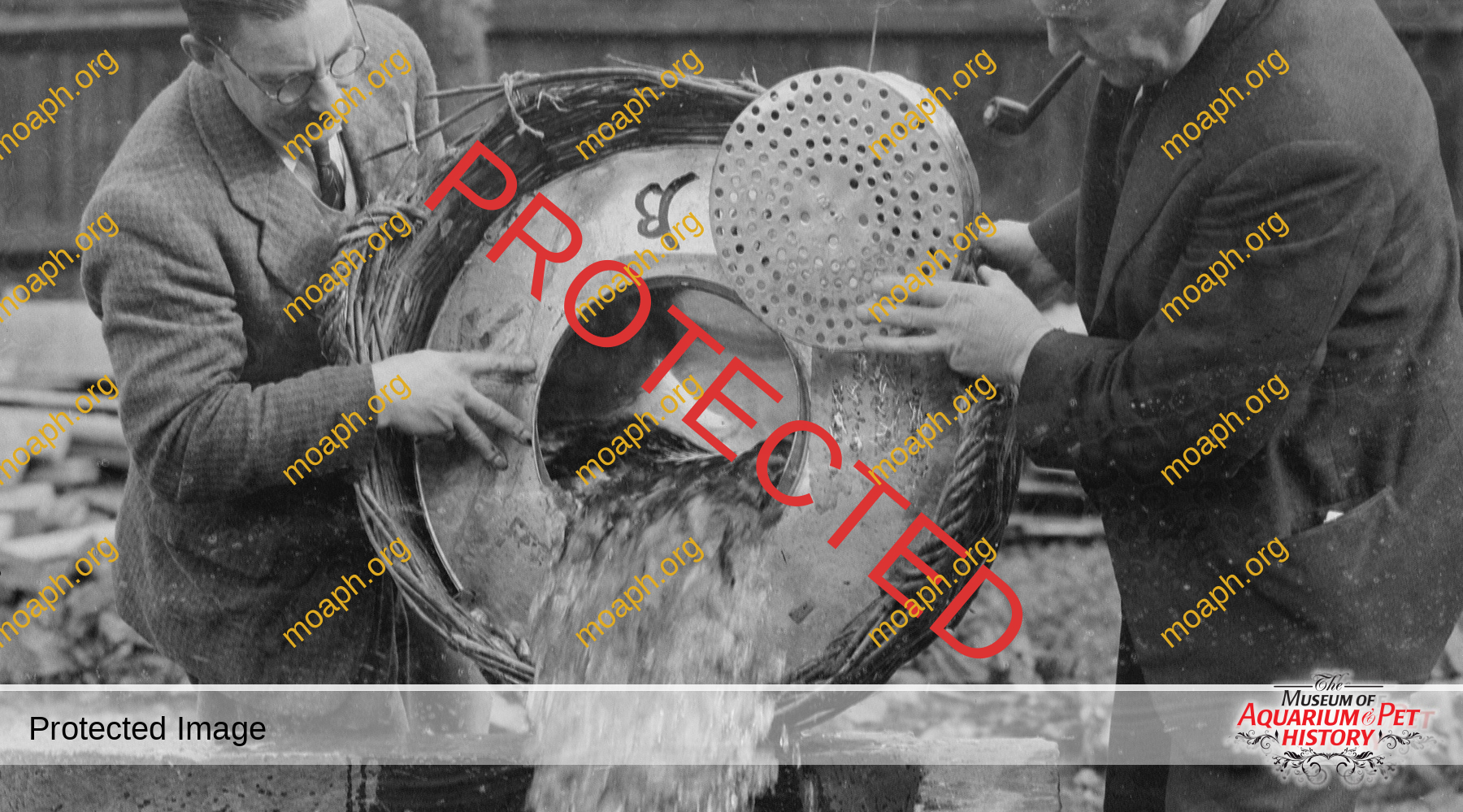
In October 1935, the Kingdom of Italy under Benito Mussolini’s fascist regime attacked Ethiopia (then known as Abyssinia). This aggression led the League of Nations to impose sanctions against Italy, including a ban on trading many goods abroad. Before the sanctions took effect, several countries stockpiled large quantities of Italian goldfish. These images, dating back to those very days, show the unloading phases of a shipment of Italian goldfish purchased by Dinton Fisheries, Alperton (London).
There are few pre-WWII written traces from the years when much of the goldfish available in Europe “spoke Italian”. However, my research has allowed me to uncover some valuable original documents related, for example, to Franzoni Roberto & Figli, a local competitor of Barilli & Biagi. Like the latter, this company produced and wholesaled goldfish using the retting pond system, but in the 1910s it also opened a retail store at Bologna, where it sold goldfish and their feed.
Both companies also specialized in reptiles and amphibians, which were abundant in and around the retting ponds. Even in this case, the demand to fulfil came from the German market. Sadly, records of Franzoni Roberto & Figli vanish in the 1940s. In contrast, Barilli & Biagi resumed operations in 1946, moving to a new location after their original site in Casalecchio di Reno was destroyed.
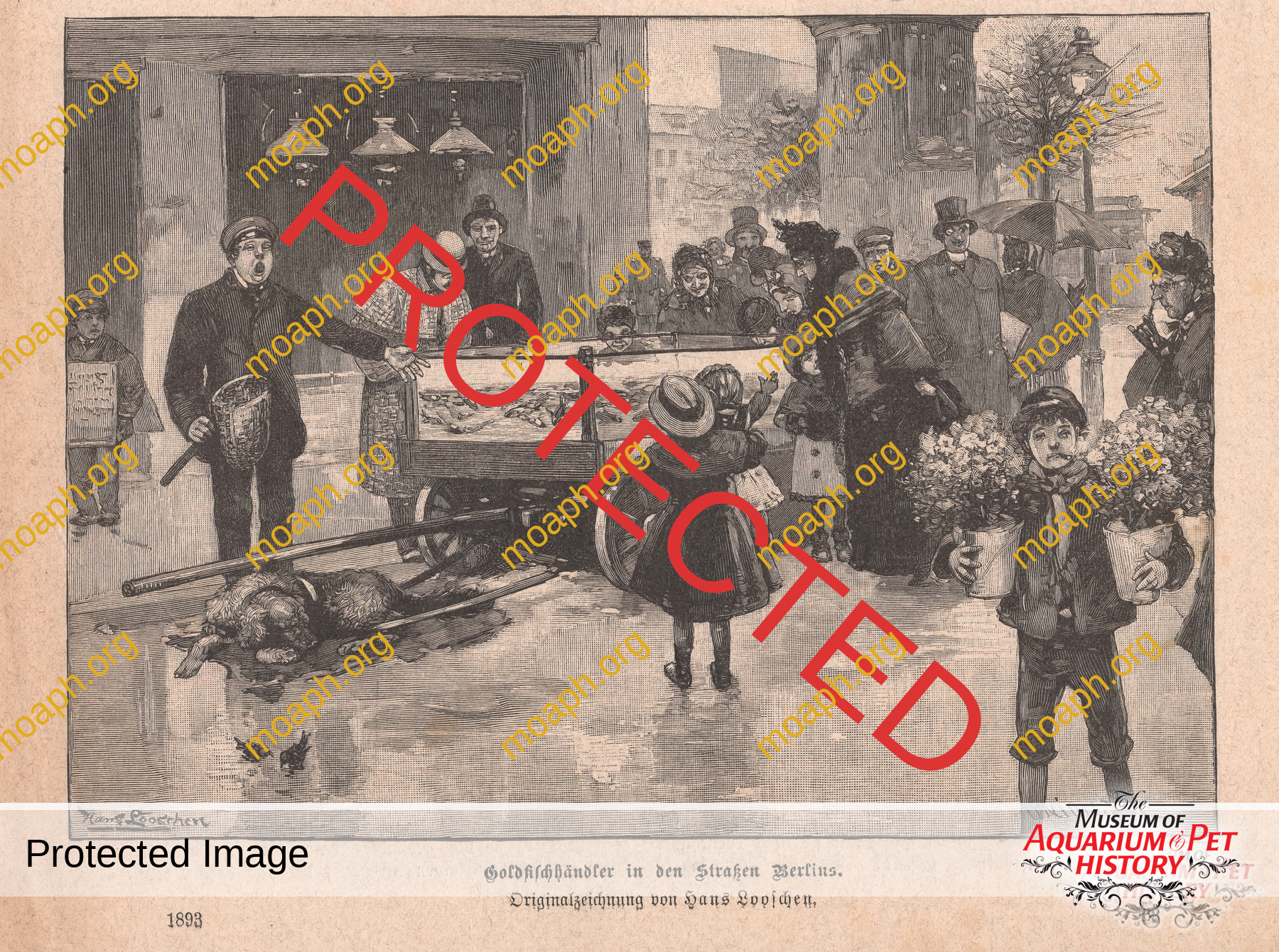
Vendor of goldfish in the streets of Berlin. Illustration from 1893.
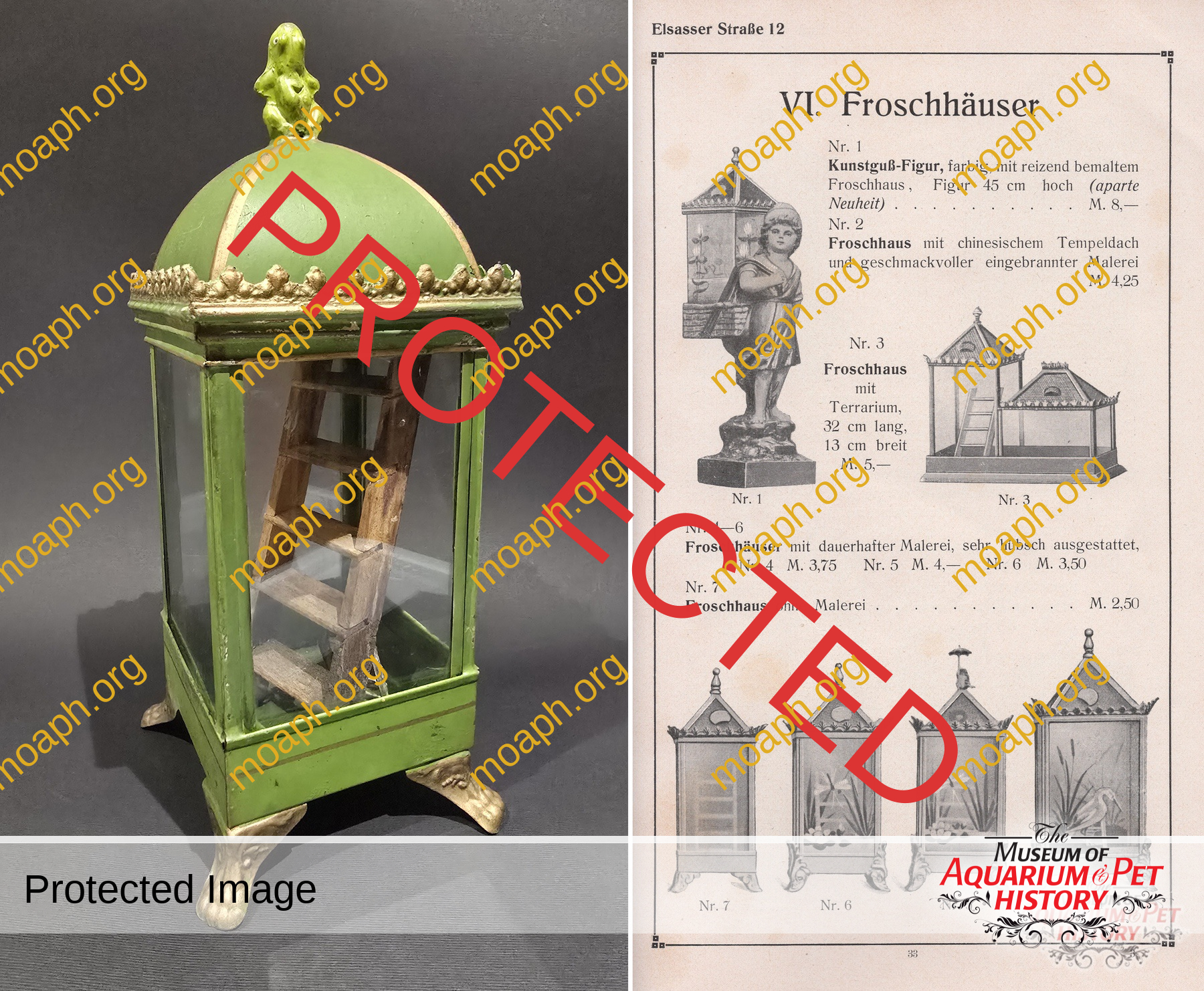
German hobbyists really loved to keep reptiles and amphibians. These are some examples of the typical enclosures used before WWII to keep frogs. Notice the wooden ladder, which was considered a must-have accessory.
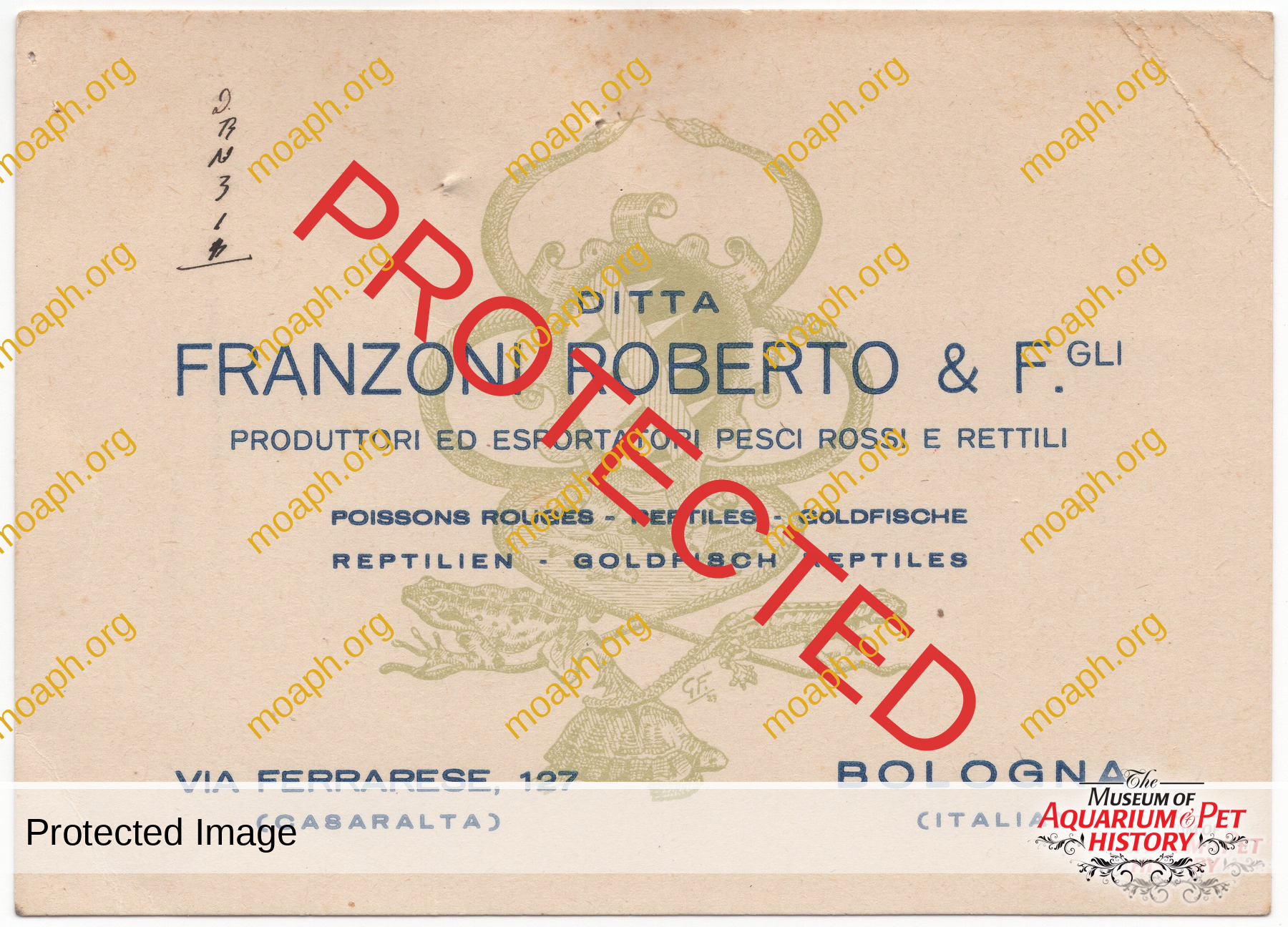
Early 1930s Roberto Franzoni & Figli trade card printed in Italian, German, and French.
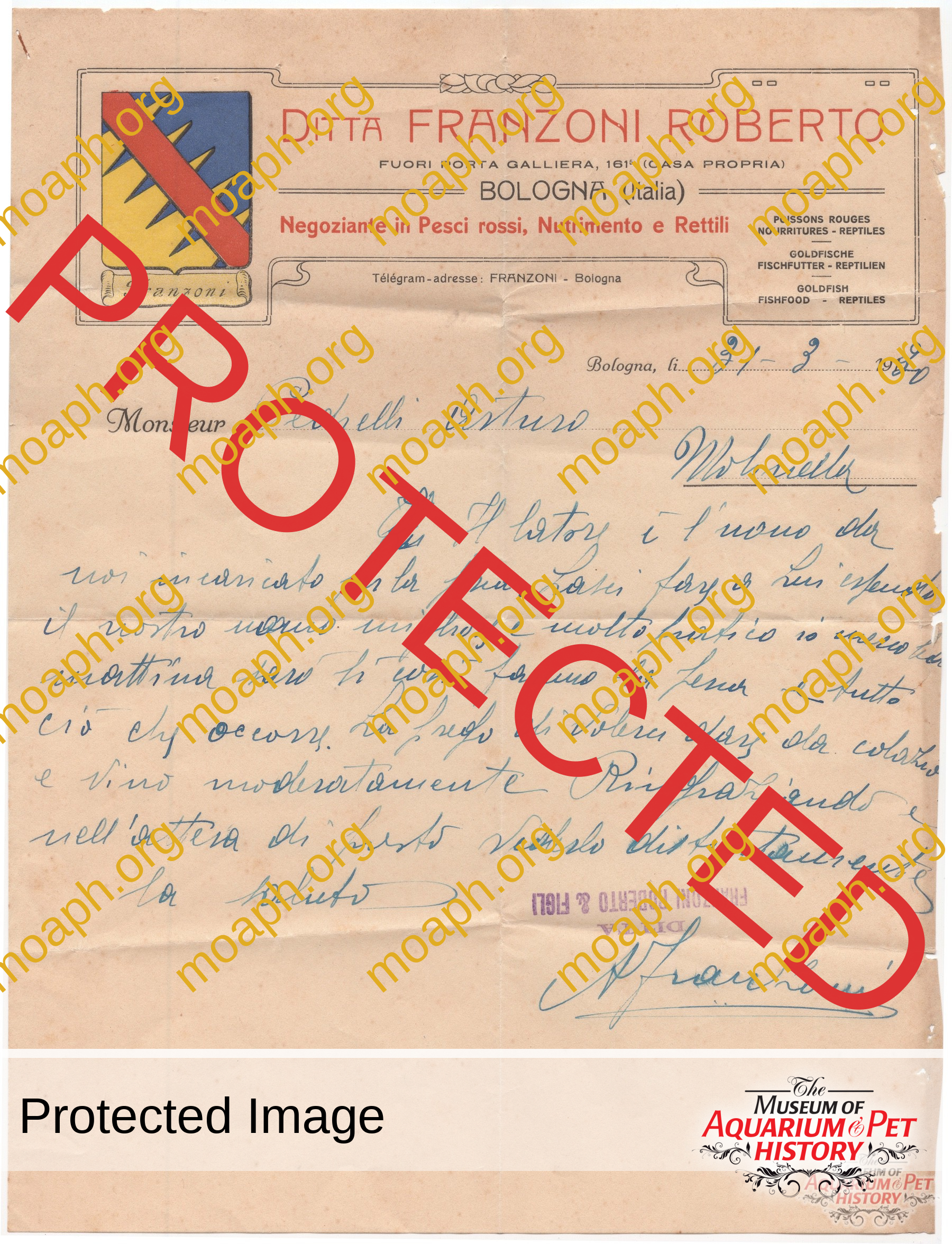
Letter written by Roberto Franzoni & Figli on March 31, 1930.
After WWII, the unstoppable rise of cotton and synthetic fibers led to the decline of the textile hemp industry in Italy, as happened many years before in other countries. The writing on the wall for hemp fabric production came in the 1970s, when the Italian government strictly prohibited cultivation of C. sativa due to the close similarity to C. indica.
What’s left
In Italian regions like Emilia-Romagna, Piemonte, Lombardia, Veneto and Campania, thousands of retting ponds were closed to recover land for agriculture and the construction industry.
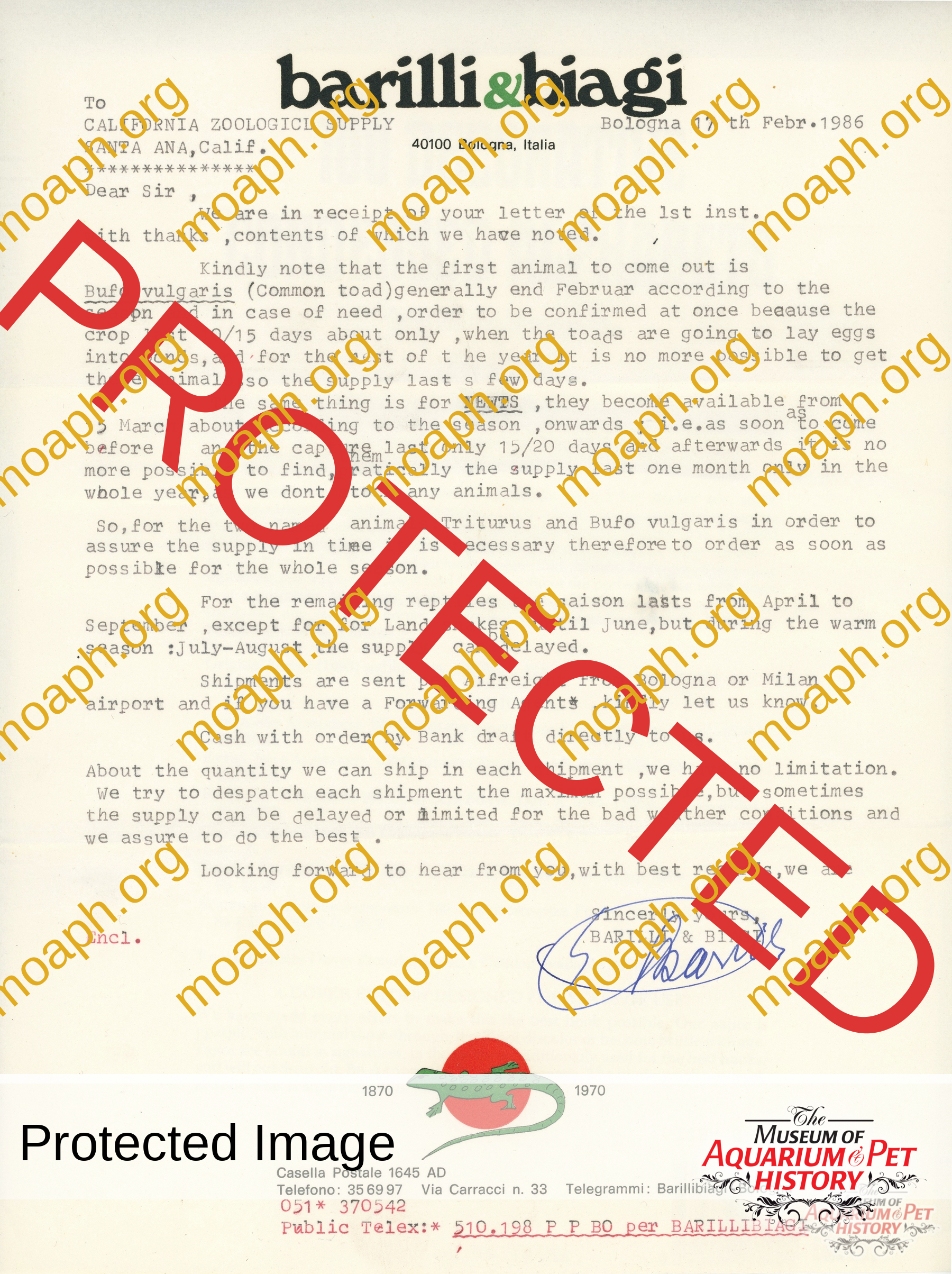
Letter sent in 1986 by Barilli & Biagi to the California Zoological Supply company. Courtesy of Gary Bagnall.
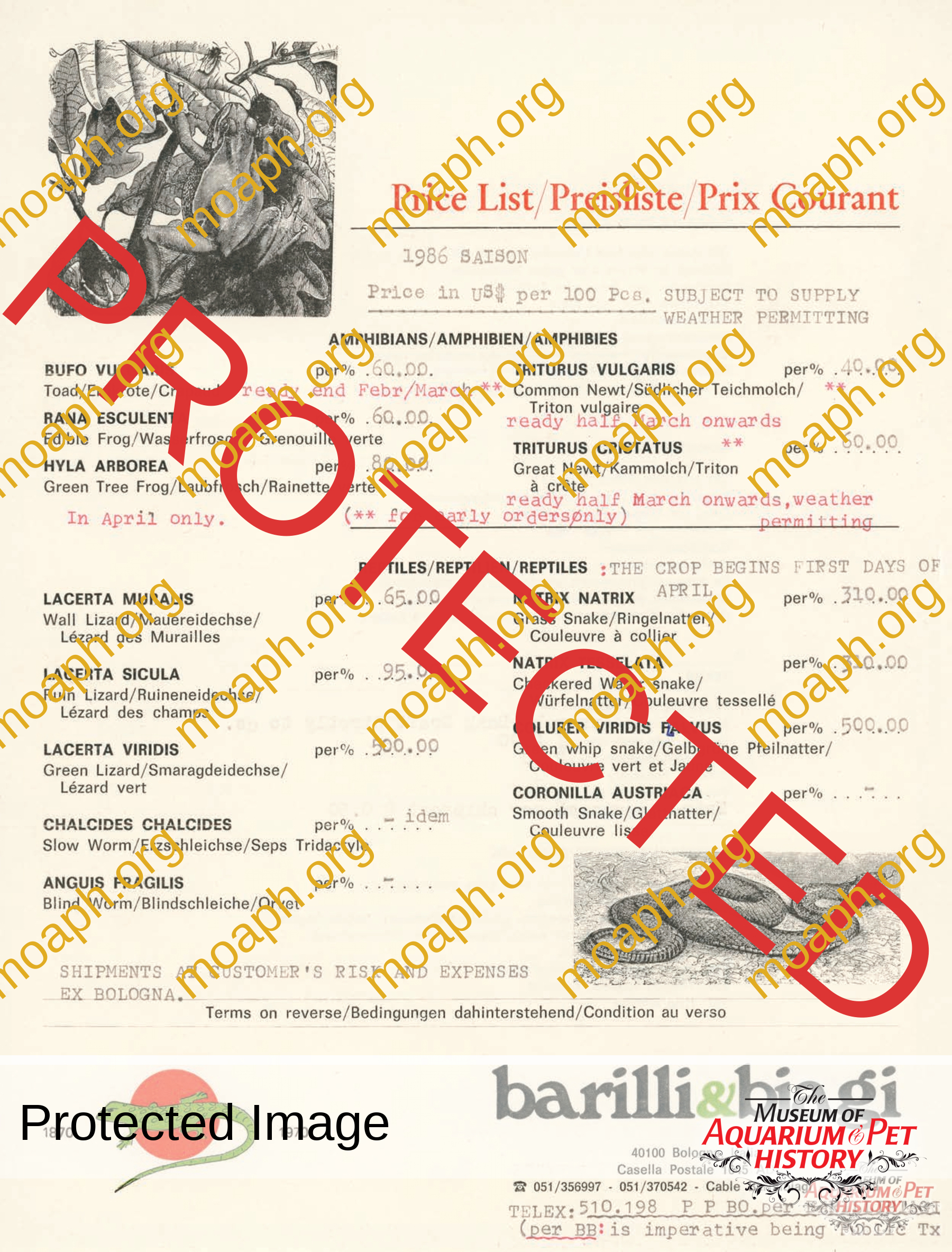
Barilli & Biagi’s amphibian and reptile pricelist from 1986. Courtesy of Gary Bagnall.
At the end of the century, however, researchers began taking a closer look at the historical and ecological value of the remaining retting ponds, with the aim of preserving them. Traditionally used as irrigation reservoirs for farmland, these basins are in fact important for the biodiversity of the Po Valley. Furthermore, they turn out to have another crucial function: helping to prevent floods. Acting as natural buffers, they are able to slow down and absorb excess rainfall, reducing the impact of extreme weather events linked to climate change. When the soil and artificial drainage systems are overwhelmed by heavy rain, these old ponds once again come to the aid of local communities.
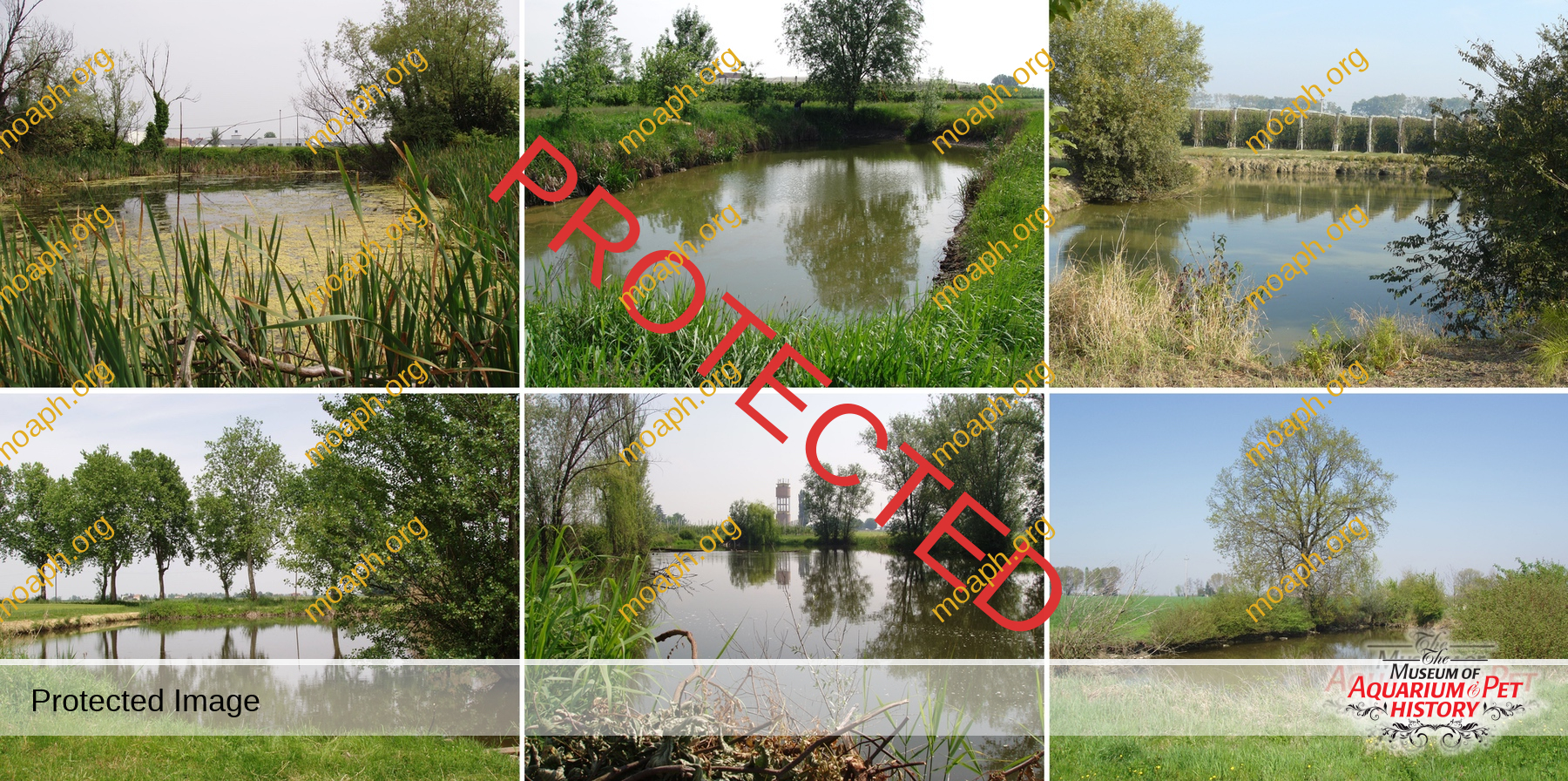
Today, the surviving retting ponds host interesting aquatic plants such as Lemna spp., Myriophyllum spicatum, Nymphoides peltata, Persicaria amphibia, Potamogeton crispus, Ranunculus thricophyllus, and Salvinia natans. In these old basins, which effectively replaced many of the natural aquatic environments of the Po Valley that disappeared following the land reclamation works completed in the 1960s, you can find many species of unicellular organisms, gastropod molluscs (genera Viviparus, Stagnicola, Planorbarius, and Planorbis), aquatic insects, crustaceans like the shrimp Palaemonetes antennarius, isopods, and amphipods. Among the fish, catfish and carp are pretty common. If you are lucky enough, you can spot also rare animals like the toad Bufo bufo, the newts Triturus carnifex and Lissotriton vulgaris, and the European pond turtle Emys orbicularis. Courtesy of Museo Civico di Storia Naturale di Ferrara.
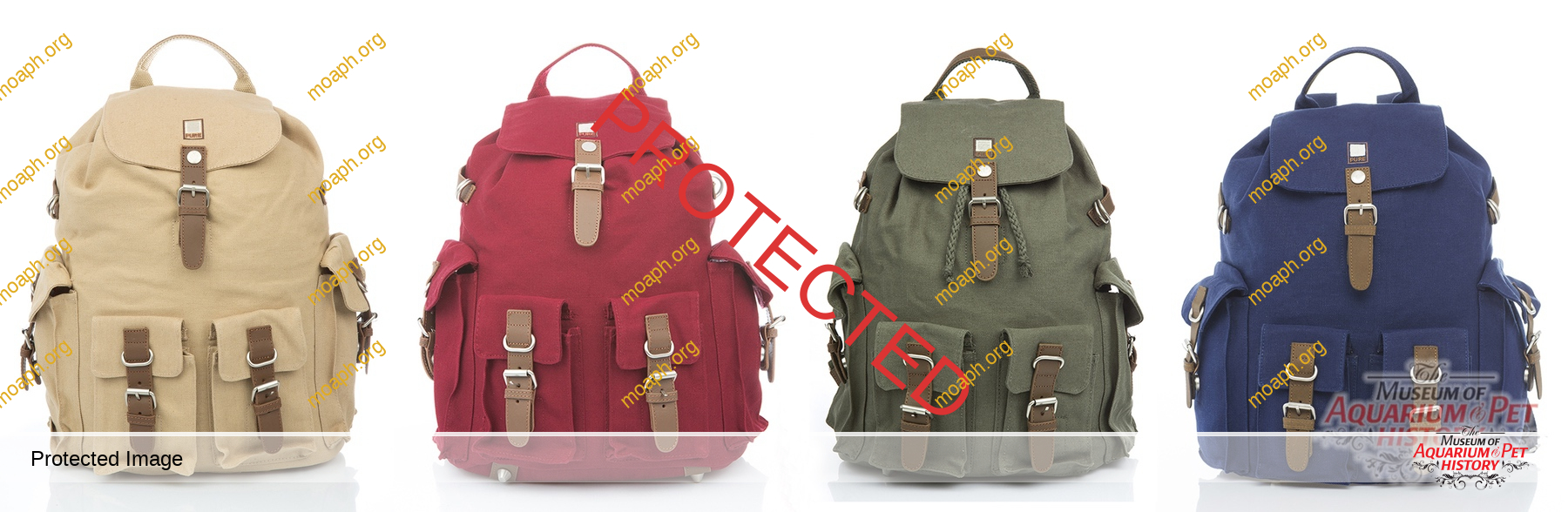
Hemp fabric is similar to fabrics like linen, jute, flax, and bamboo, which are obtained from plant stems or basts. When turned into fabric, hemp has a texture similar to cotton but with a slightly canvas-like feel. Since it can also be grown and processed sustainably, hemp is an excellent choice for eco-friendly people. The cultivation of textile hemp is currently making a comeback in various countries due to its incredible versatility. It is used in textiles, human nutrition, cosmetics, construction, the automotive industry, and even for animal bedding.
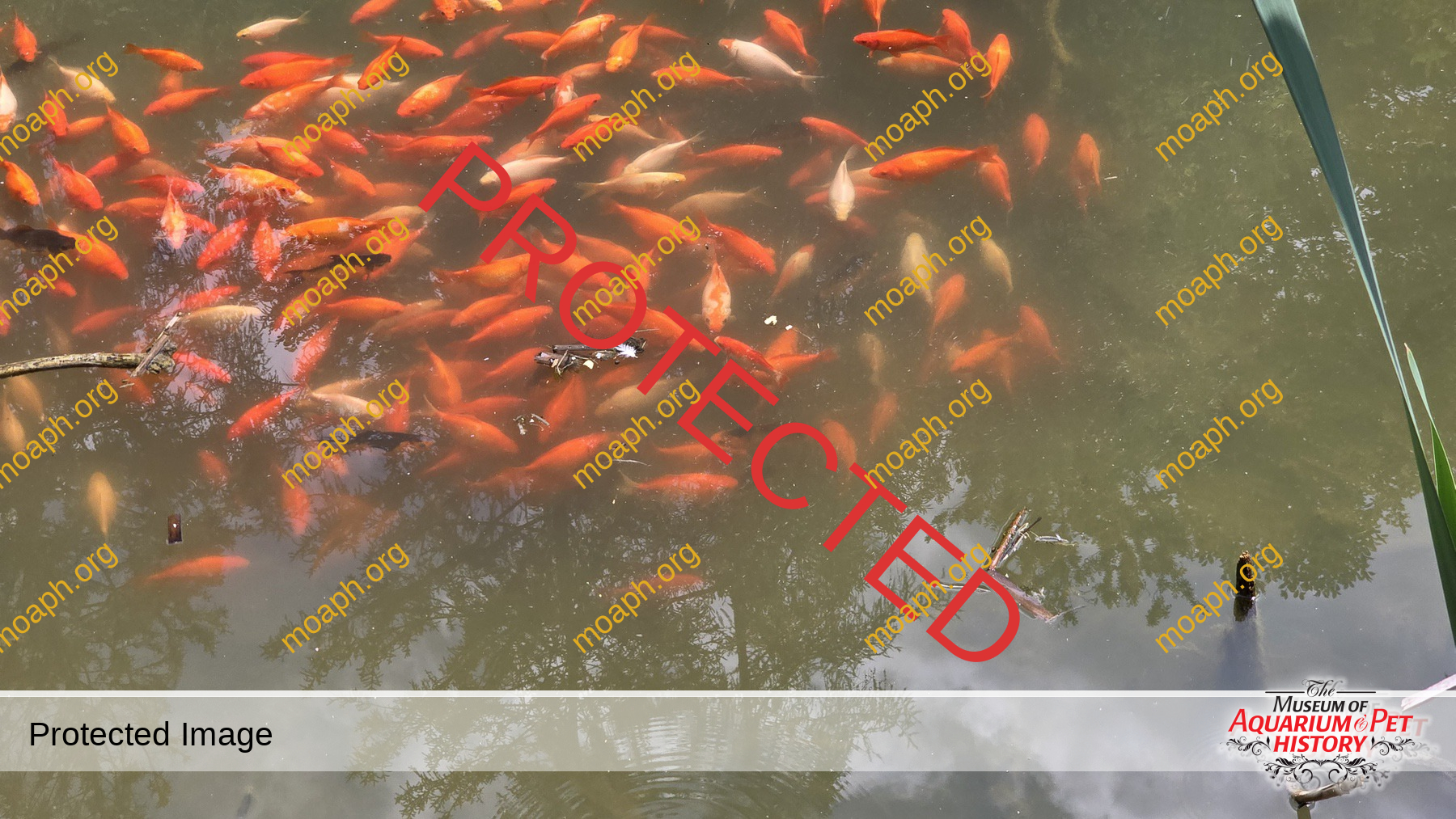
I’ve had the chance to visit several old retting ponds during my nature rambles, and they’ve never disappointed me. Among the several species of plants, fish, amphibians, reptiles, birds, and mammals which still find refuge there, I have often spotted them too: goldfish.