Barnum and the American Museum – VARIA
Quite often I find the performing of research akin to going to my local grocery store to pick up a few items. I have my mental list of the few that I need, but by the time I am heading out to the car I have half a shopping cart of “items” that were not on my list. So, it goes with the research process. When on just about any search I often end up with additional “items” of varying importance. Some of them fall into the factoid class that can more or less stand by themselves. Others are tantalizing bits of information that beg for more research and can lead to more complete presentations.
What I offer below was mentally generated from the above-mentioned type of items. Some are complete in themselves while others beg for additional information. One thing that they have in common is that in one way or another they share a relationship to P.T. Barnum and/or his New York City American Museum. While my primary interest in these is related to the aquarium, some other topics are also herein considered. With that said let us consider……
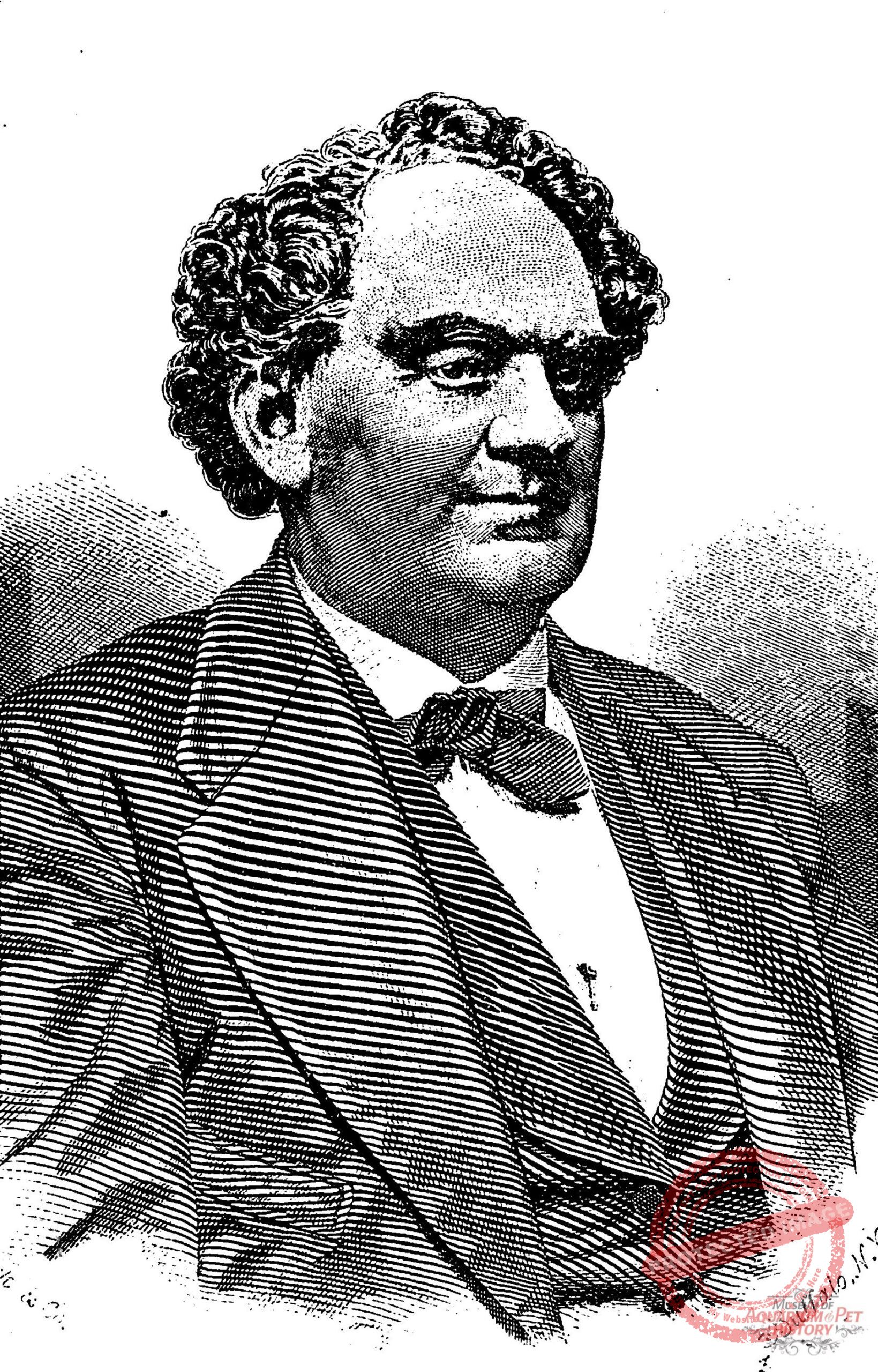
Figure one: P.T. Barnum – The man at the front of, and behind, the curtain at the American Museum. Author’s collection.
The Price Of Admission
Books about P. T. Barnum have for many years been a growth industry. And, though it may have slowed somewhat this continues. Barnum is a fascinating multi-layered person who lends himself to various forms of change and revision. Books containing chapters dealing with him are wide ranging and these potentially cover overall views or often dial into specific aspects of his life, career or projects. While the majority of what follows is not specific towards his aquarium it was, of course, affected.
One of my favorites in these latter style books is “The Poetics of Natural History” by Christoph Irmscher. The first edition of the book was published in 1999 and a second edition followed in 2019. The chapter in this book of interest herein is titled “Collecting Human Nature: P. T. Barnum.” (see below and in References).
In this section I wish to make some comments on a statement made by Irmscher. This is “Barnum never raised his twenty-five-cent admission fee…” This is in referral to Barnum’s American Museum which was located at the corner of Broadway and Ann Street in lower Manhattan, New York City. The statement appears on page 106 of the first edition and 117 in the second.
Interestingly in two Barnum based books within a similar time frame this was shown to be not true. These books are 1989’s “P. T. Barnum: The Legend and The Man” by A.H. Saxon and 1997’s “E Pluribus Barnum: The Great Showman and The Making of U.S. Popular Culture” by Bluford Adams. Possibly the lack of their information being used is that it was overlooked. In both volumes it is included in the extensive “Notes” sections contained in the rear of the books. In these Saxon noted “Toward the end of the Ann Street museum’s career…the admission fee was thirty cents…” (page 362) and Adams noted “Prices went up to thirty cents…in 1864.” (page 209). In 1864 Barnum had been forced to raise his price by five cents to thirty cents. Extreme inflation, income tax increases and other factors all heavily influenced by the ongoing Civil War were contributing factors.
For offering specific information on this topic I am including below a “Particular Notice” that Barnum had published in all of his New York City newspaper advertising platforms (Times, Herald, Tribune, etc.) in the last days of August 1864. The formatting varied somewhat from paper to paper. My presentation is based on that which appeared on page seven of the August 28th issue of The New York Times. The increase is noted to be taking effect on September 5, 1864. This price increase lasted until the eventful day in July of 1865 when the museum was destroyed by fire.
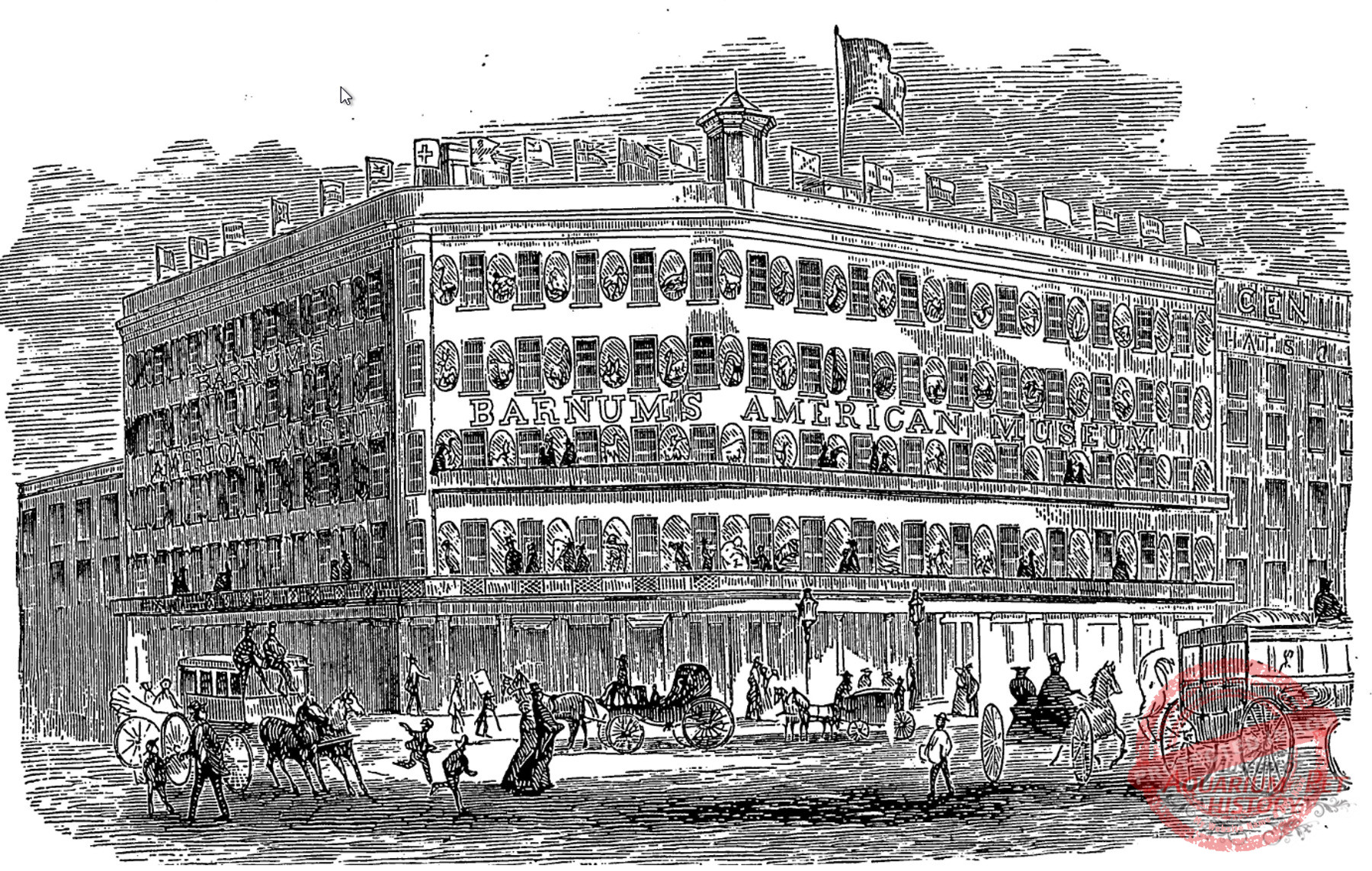
Figure 2: Barnum’s American Museum, Broadway and Ann Street, New York City. The price of admission was raised in 1864. Author’s collection.
PARTICULAR NOTICE.
“It has ever been a source of pride in me (regardless of extraordinary attractions and immense expenditures) to be able to say “Admission to all only 25 cents.” And until that sum became in value LESS THAN 10 CENTS IN COIN, and the expense of the Museum, by reason of the appreciated value of everything considerably more than doubled, I persistently declared my price unalterable. But greatly to my regret, I now find myself compelled to do one of two things, viz; either reduce the value of my attractions or slightly increase my prices. The first I cannot do, for I would sooner close the Museum than feel that I cannot at any cost secure every attainable novelty. To choose, therefore, the other alternative becomes a matter of necessity, and I hear announce that on and after Monday, Sept. 5, five cents will be added to the price of admission, and a like sum to reserved seats. The price of admission for children under ten remains as heretofore at 15 cents, and I shall most gladly return to my old figures when the state of the currency will again permit me to show all for a quarter.
The public’s humble servant, P. T. BARNUM.”
In closing, one unrelated note needs to be made here. When Barnum brought his first beluga whale to the museum in late 1861 it was housed in the basement. This was not in a “…special glass tank…” (Irmscher, 1999, page 142 and 2019, page 151). The tank was a swimming pool-like structure built of concrete and bricks.
A Few Different Things
Obviously, my main interests regarding Barnum deal with his involvement with aquariums. But in doing research regarding this, information on other animals that are potentially of interest to MOAPH readers has come to light. So, with this in mind I would like to offer some notes in this area. What follows does not pretend to offer complete coverage but only brief mentions which may act as a guide to other areas of interest. These notes are based on newspaper advertisements.
- In the New York Daily Tribune of February 8, 1854, a notice in the Amusements Column announces the “National Poultry Show” which would be held at Barnum’s American Museum. Interestingly Barnum is noted to be the President of the National Poultry Society. This event would include, among others, turkeys, ducks, wild geese and pigeons. One party is noted to be exhibiting 14 coups and others are committed to 15, 19, and 20 coups. Probably due to his recognition and statue, Barnum notes in the ad that “All the Railroad Companies…” will ship exhibits “…free of charge.” All entrants are also to be offered free access to the Museum.In the following year the Worcester [Massachusetts] Daily Spy newspaper issue for January 20 notes that the Fowl Convention being held at Barnum’s New York Museum is “…a decided hit.” It is also noted to draw large crowds. Obviously, some of this group may consist of citizens which might consider the exhibits as potential food or just egg producers. But I would guess that at least some fancy chickens, and especially pigeons, then as now, found a place in the home arena as pets. Lastly, in the April 27, 1865, issue of the New York Times, Barnum’s American Museum offered information on the “Grand National Poultry, Pigeon and Rabbit Show” again sponsored by The National Poultry Society. Rabbits…an interesting addition! I have no doubt that other such shows existed between 1854 and 1865 and this could be an interesting research area.
- Now to a “real” full time pet candidate. In the New York Daily Tribune newspaper for January 25, 1861, Barnum’s advertisement covers the coming “…greatest CANARY BIRD SHOW ever gotten up in this country, surrounding one of his larger Halls with beautiful Cages of BELGIAN CANARY BIRDS, bred in this country entirely by members of the Excelsior Canary Bird Fanciers Association from imported stock.” Information on this may well have been presented in some specific canary literature of the time. Did the canary association of the time have a publication?In January of 1862 the Canary Bird Show was again held at Barnum’s Museum “…along with the usual, and new exhibits.” (Sunday Dispatch newspaper, New York, New York, January 19, 1862).
-
Barnum is famous for his large National Dog Shows which were held quite often at the American Museum. In May of 1862 such a show “… comprised of sixty different breeds.” took place. It was noted that “Two Thousand Dogs” were expected to be exhibited. The dates for the show were May 12th through the 17th. But it ended up being extended for another week. Whew! Barnum hyperbole? (Sunday Dispatch newspaper, May 4, 1862). In that same year, Barnum took over the Aquarial Gardens in Boston. It initially closed for about a month and reopened in June, with, you probably guessed it, The Great National Dog Show. Herin “…nine hundred and thirty-seven splendid specimens…” encompassing
“Forty-one Different Breeds…” were exhibited. (Boston Herald newspaper, June 18, 1862). Nearly five thousand people were reported to have attended the show on June 17th! Overall, the dog shows seemed to generate the largest amount of material in the newspapers. General articles and listings of the winners in the multiple classes were regularly seen in the various papers.
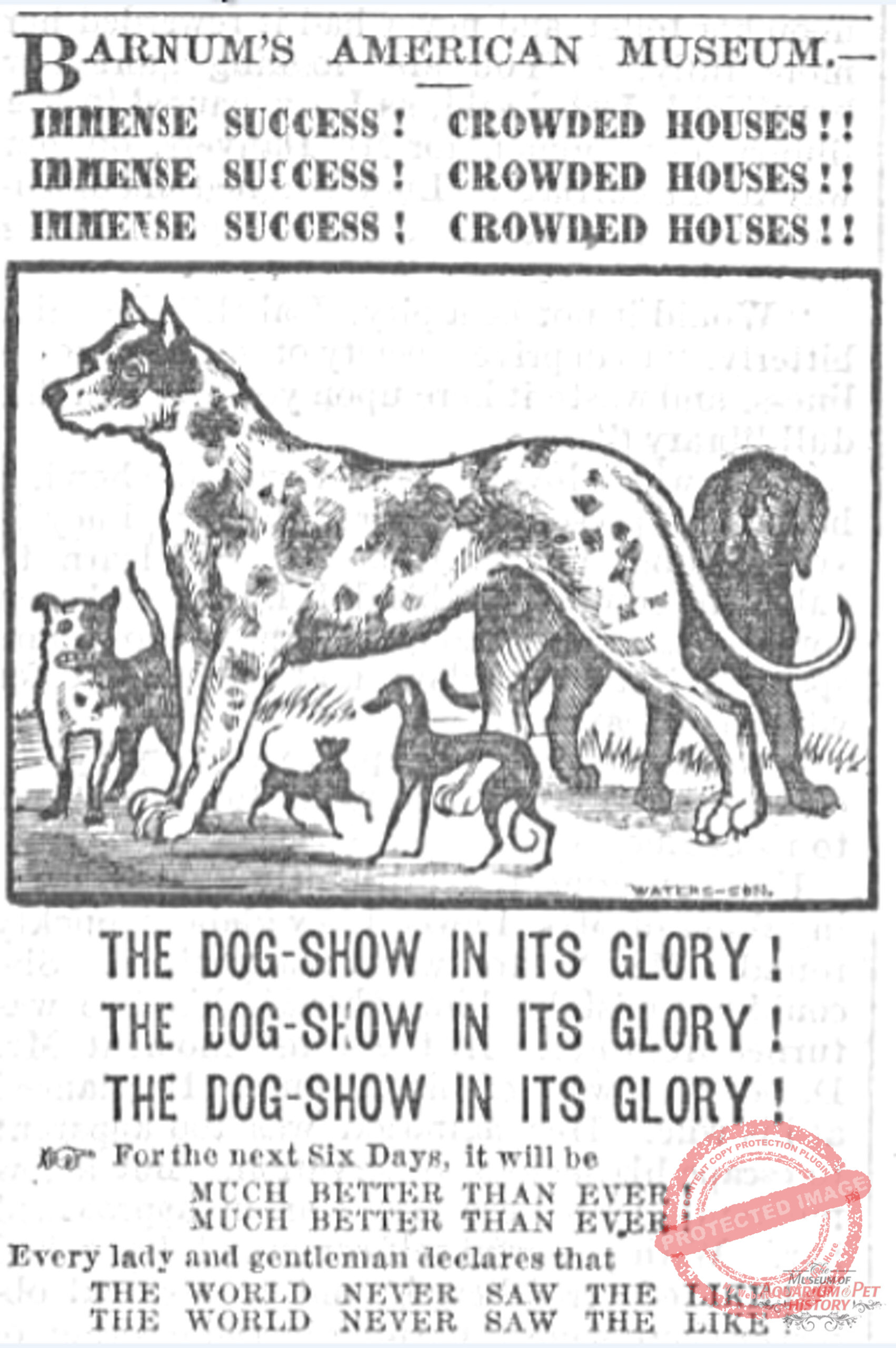
Figure three: Detail of Dog Show newspaper advertisement. Library of Congress.
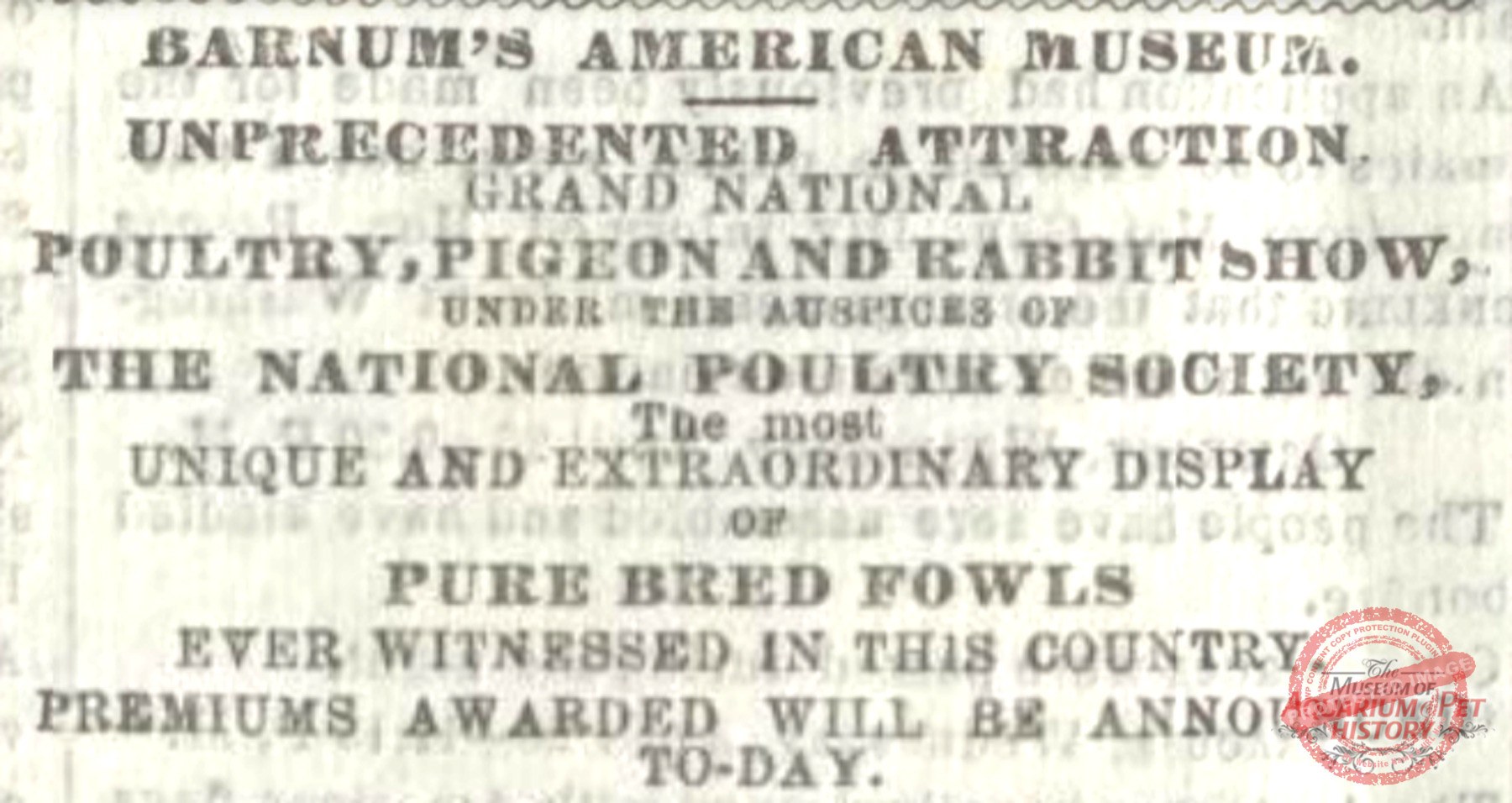
Figure four: Detail of Poultry, et al. Show newspaper advertisement. Library of Congress.
Henry D. Butler In Boston
Henry D. Butler is a very important part of the aquarium history of the United States. This includes both the hobby and public aquariums. As co-owner of Barnum’s American Museum in New York, with partner John Greenwood, Jr. (Barnum was still the man behind the curtain) he was in charge of the development and opening of the aquarium therein in September of 1857. He was the author in 1858 of the second aquarium book published in the U.S. (possibly the third – see On the Track of What Might Well Be America’s First Aquarium Book | The Museum of Aquarium and Pet History on this website). He went on to partner with James A. Cutting and opened the Aquarial Gardens in Boston, Massachusetts in April of 1859. Along with Cutting he partnered on the first successful collecting of salt water tropical fishes in Florida and the Gulf of Mexico. Later he was the General Superintendent of the Coup and Rieche New York [City] Aquarium which opened in 1876. After this he was in charge of the travelling aquarium with Coup’s New United Monster Shows. In 1897 he was helpful in getting certain projects moving for the New York Aquarium which opened at Castle Gardens in Battery Park, New York. Quite a CV! But for this piece I want to look at an early situation involving Butler. It is lacking in many details, but it is worth putting down what is currently known as a base for future studies.
In early March of 1858, a fair to help the poor was set up in The Music Hall in Boston Massachusetts. Early on a salt water aquarium belonging to hotel magnate Paran Stevens was available for viewing. It was noted that “It excites much attention.” (Boston Evening Transcript, March 9, 1858). Two days later another aquarium (“… on a magnificent scale…”) was set up (same newspaper, March 11, 1858). This was the work of Henry D. Butler who brought everything needed from New York to Boston. He also brought “circulars” on aquaria with him. What follows is quoted from this circular.
“An aquaria consists of fresh and salt water crystal ponds, varying in capacity from ten to one hundred gallons. These ponds are enclosed in plate glass. They are perfectly translucent, and being artificially furnished with rocks, sand, &c., with varieties of sea-weed growing in them, afford a vivid representation of the bottom of the sea. Here, therefore, we can have, in their natural element and conditions, every variety of living marine and fresh water fish, molluscs, zoophytes and plants. The scene is at once wonderful and intensely beautiful. Hours of delight may be spent in watching the habits of the lobster, oyster and muscle [sic] and in examining the singular mechanism with which the shrimp, the star fish, the sea spider, the trout, pike, sea anemones and nudibranchs seize and devour their prey, and disport themselves as freely as if they were still enjoying their full latitude in the ocean or river where they first saw life.
No pen can describe the beauty of the brilliant zoophytes which embody nearly every color and shade known to us. Many of these sea-animals have every appearance of belonging to the vegetable kingdom, and we are thrilled with apparent plants and flowers extend their stems or leaves and seize such prey as comes within their grasp. In England, books and engravings, almost without number, are being published upon the subject, and thousands of families in Great Britain have their beautiful Parlor Aquaria placed at the side of their bird-cages and their garden and hot-house plants and flowers.”
This piece is interesting as it is assumed to have been written by Butler. As noted above, Butler will have a book published later in the year, but overall, he has relatively little in shorter and/or periodic type literature published. A copy of this circular would be a very interesting piece to see. There are several interesting periodic pieces by him that have yet to see the light of day in history reporting and I am planning a piece on these for later this year on this site. A question that arises is what was Butler doing in Boston besides the fair? How he and Cutting got together is an open question. Did Butler come to Boston to also see him? Did he just happen to meet him at the fair? Was Paran Stevens possibly involved? A lot of loose ends worthy of chasing are presented here.
Always Room For An Adjective
Much has been written regarding P.T. Barnum’s advertising…a lot of it by him. He used, and perfected, many forms of advertising that are still in wide use today. M.R. Werner, in his biography of Barnum (1923), noted that “…Barnum was one of the first men in the United States to realize the power of the paid adjective…” (page 42). This specific comment was regarding theatrical attractions but Barnum, and those later working for him, expanded this out to just about anything that could be advertised. If it was there, there was an adjective for it. Werner also notes that the “patent medicines” of the day used a wide variety of adjectives in their advertising – these may well have had a part in guiding Barnum towards their use.
When Barnum’s aquarium opened in September of 1857 it was initially billed as The Grand Aquaria. Over the years of the aquarium’s existence in the American Museum, Barnum, and again his workers, made good use of adjectives in the advertising of it. In the everyday advertisements nothing special might be said about it…but for the greatest part it was always Grand or Charming or Elegant…pick your adjective. Below is a list of the adjectives to go with Aquaria that I have put together from reviewing numerous advertisements for the Museum. I have no doubts that I may have missed others. When they are found they will be added to the list.
- Admirable Aquaria
- Attractive Aquaria
- Beautiful Aquaria
- Charming Aquaria
- Chaste Aquaria
- Crystal Aquaria
- Elegant Aquaria
- Exquisite Aquaria
- Famous Aquaria
- Far-Famed Aquaria
- Finest Aquaria
- Grand Aquaria
- Incomparable Aquaria
- Inimitable Aquaria
- Interesting Aquaria
- Magnificent Aquaria
- Marvelous Aquaria
- Matchless Aquaria
- Only Aquaria
- Peerless Aquaria
- Perfect Aquaria
- Renowned Aquaria
- Splendid Aquaria
- Superb Aquaria
- Talked About Aquaria
- The Aquaria
- Transparent Aquaria
- Unrivaled Aquaria
- Unparalleled Aquaria
- Wonderful Aquaria
As a last note I would like to pass along a situation that surely must have Barnum’s “fingerprints” on it. In the October 30-31, 2021, issue of the Wall Street Journal is a long article on the business The Cheesecake Factory. Included therein is a Sidebar that presents a list from the almost 500-page corporate operations manual which covers all aspects of the running of its restaurants. Included therein is a listing of 42 suggestions for adjectives that can be used to describe their namesake dessert. Just writing this makes me want to get an Amazing, Decadent, Fabulous, Mouthwatering, Yum-a-licious piece of their product. I wonder if the person, or persons, putting the list together knew that they had in great part none other than the great P.T. Barnum to thank for the concept?
A Really Grand Aquarium?
When Barnum’s “Grand Aquaria” opened at the American Museum in the middle of September 1857 it received a lot of press. One interesting subject around this relates to the number of tanks that were present in the facility, which was located on the second floor of the Museum. The numbers of them provided in various sources vary greatly. Of course, the greatest numbers appear to have been provided by the Museum itself- not, I guess, a real surprise. One broadside, undated but obviously created around the time of the opening, noted that the “Aquaria” was comprised of “…two or three score of crystal tanks…”. Forty or sixty tanks is definitely a Barnumesque hyperbolic overcall. More realistic numbers of the tanks present vary from twenty-five to thirty-five. And as time progressed at least smaller numbers of tanks were added as needed.
On May 20 of 1861 an interesting article appeared in the “City Items” column of the New-York Daily Tribune newspaper. Rather than paraphrasing it I am presenting the whole of the article as it appeared. It is easy to say that the “plan” never came to fruition. But it is exciting to think what an aquarium it would have been should it have taken place. Nice plan – but no follow through. But later Barnum would use some of the second-floor space when the large Whale Tank, which was resurrected from the Aquarial Gardens in Boston, was set up there. That, as is said, is a tale for another time. So please read on and imagine what it might have been if the plan had gone through.
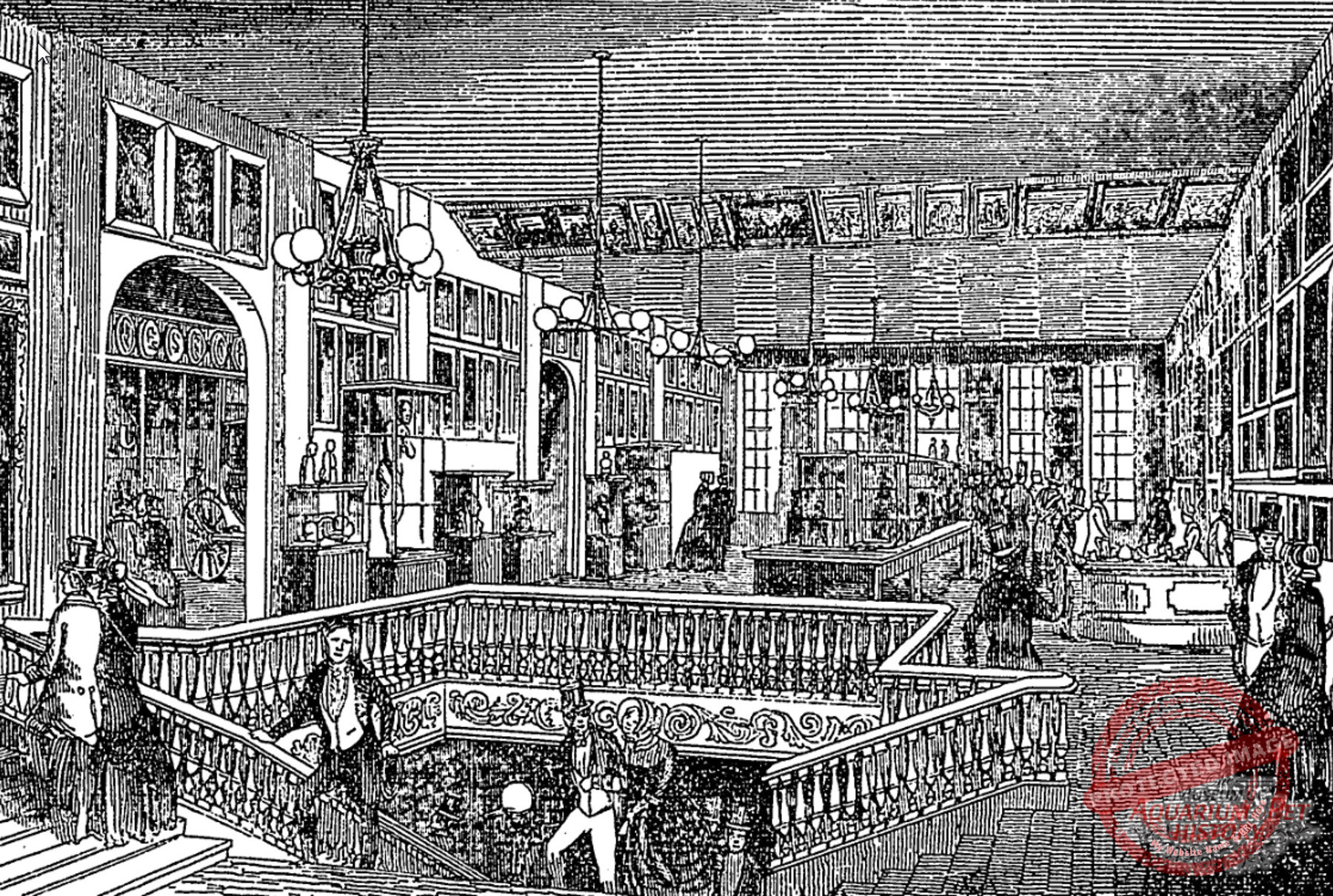
Figure five: Main room on the second floor of the Museum. Secondary rooms are to the right and left. Imagine this filled with aquariums! Princeton University.
“Barnum’ American Museum. – Despite all excitements of war, or all counter attractions presented in more peaceable times, the Museum continues to be the magnet about which are ever attracted throngs of delighted and edified peoples. And these crowds are not, as is commonly but erroneously supposed, made up, for the most part of country people and strangers to the city, but are, in the great majority, composed of citizens of New-York.
Not so much to see the dramatic performances, though these are always excellent, and not to regard for the thousandth time the “curiosities”, though those present subjects for many delightful hours; not so much to regard the antics of the bears, or the still more complicated antics of the “Lightning Calentor, [sic]” though both are calculated to afford the rational spectator delight almost unlimited; not so much to regard with indescribable feelings the Bearded Lady, or the Dwarf Lady, or the Albino Family, or the Happy Family, or the What Is It – all provocative of comment more or less complimentary — but, for the most part, the constant visitors, those who never tire of going to the Museum, and those who never tire of staying there, are the delighted crowds who throng the Aquarial Hall and watch every movement of every fish and strange water-bird and beast.
Mr. Barnum, who, months ago, perceived, in the peculiar interest of the public of his Aquaria, a new and most powerful element of popularity for the Museum, has never relaxed his efforts to make this department as complete as possible. To this end he has personally chartered a vessel, which has for several months been cruising in tropical seas (wherein are found the rarest and most beautiful fishes), for the sole purpose of capturing for the Museum all the com-at-able [sic] denizens of the sea that it is possible to add to the Museum collection. Several installments of these strange fishes have lately arrived, and are of peculiar interest. It is, we understand, Mr. Barnum’s intention to entirely remodel and greatly enlarge this department of the Museum. To this end he has secured the services of Mr. Damon of Vermont, a young man who has made aquarial science his especial study, and who has probably more experience in the care and management of marine pets than any other man of his age in America.
Mr. Barnum’s Aquarium Hall will be the finest in the country as soon as he has completed his arrangements for devoting thereto the whole of the second story of the Museum, removing the wax figures, the snakes and all the other curiosities now occupying that space, to the upper rooms of the building. This will give an opportunity of presenting at one view all the inhabitants of the ocean, the river, and the pond, where size is not too great, and whose nature will admit of their living within restricted bounds. In these times, when the business of amusing the people might be supposed to be a risky one, there can be no surer proof of the prosperity of the Museum that to see the manager making preparations for so great an outlay. Still, in increasing the extent and interest of Aquarial Department of the Museum, Mr. Barnum shows that he fully understands that it is this particular part of his “Old Curiosity Shop” that is most acceptable to the best intelligence of his best patrons.”
Aquariums For Sale At Barnum’s Museum
I have been somewhat anguished considering this entry. On one hand it desires to have an in-depth discussion. But I will stick with my introduction and consider this as a brief piece on the topic warranting additional research. I will have, later this year, an article on the origin, planning and implementation of Barnum’s Grand Aquaria, providing additional information on this and other relevant topics.
In the previously mentioned September 1857 broadside there was heavy emphasis on the aquarium as being “…A POPULAR, BIZARRE AND BEWITCHING FAMILY NOVELTY! For Parlors, Drawing Rooms, Gardens or Conservatories.” It is noted that tanks of all sizes were available for sale – both standard and ready to go and as might be required by the purchaser. Below are seen a standard rectangular tank and a non-standard one that would be considered a special order. Some explanation is required for the standard type tanks.
The measurements provided are as listed on the broadside. No gallonage figures were provided. I have added these following the formula provided by Axelrod, et al. (1983, page M-500) which is length times width time depth divided by 231. As you can see the capacities listed appear a bit strange compared with the standard sizes that aquarists are used to today. This is due to not knowing exactly how the measurements were made. Most likely the length and width are outside measurements, but information on the thickness of the glass used is not available. I feel sure that it was of greater thickness than that seen in modern aquariums. With that in mind the following tank sizes (L,W,D) are what is listed by Barnum and the gallonage are my figures based on the above formula. The prices are as given on the broadside.
|
In 1857 |
Today’s Equivalent |
|
|
1ft. 8in. Long, 1ft. 1in. Wide, 1ft. 1in.Deep-3380 =14.63 Gal. |
$10.00 | $375 |
|
2ft. 2in. Long, 1ft. 2in. Wide, 1ft. 2in.Deep-5096 = 22.06 Gal. |
$15.00 | $570 |
|
2ft. 6in. Long, 1ft. 6in. Wide, 1ft. 6in.Deep-9720 = 42.08 Gal. |
$20.00 | $760 |
|
3ft. 0in. Long, 1ft. 4 in. Wide, 1ft. 6in.Deep-10,368 =44.88 Gal. |
$30.00 | $1138 |
|
3ft. 6in. Long, 1ft. 8in. Wide, 1ft. 9in. Deep -17,640 =76.36 Gal. |
$35.00 | $1328 |
The provided prices are of historical interest. Although there were others selling aquariums in New York City (and elsewhere) no prices are evident in any of the advertisements seen to date. Regarding prices and monies available to possible buyers I would suggest that you might wish to check out the last page of my previous article available on this site (How Much is That Doggie in the Window – 1880s style How Much is that Doggie in the Window – 1880s Style | The Museum of Aquarium and Pet History). Therein are links to two sources which discuss salaries in a variety of professions in New York.
Lastly, and of course not least, it is noted that specimens can be furnished for the stocking of purchased tanks. Not to be overlooked, to my mind, would be for new aquarists to collect some of their own stock in the New York City wilds of the late 1850s.
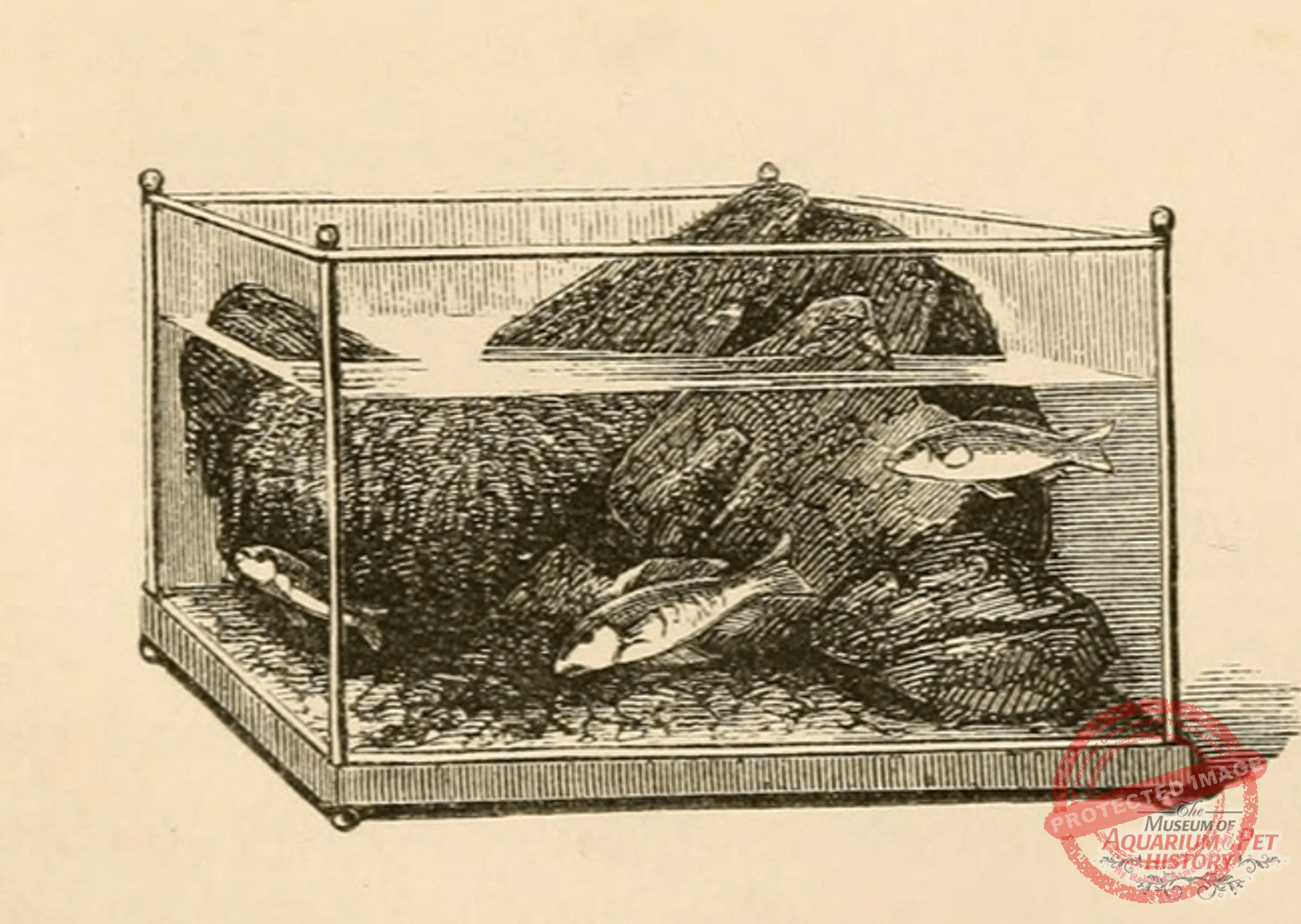
Figure six. Standard shaped aquarium as illustrated on the 1857 broadside. Boston Public Library.
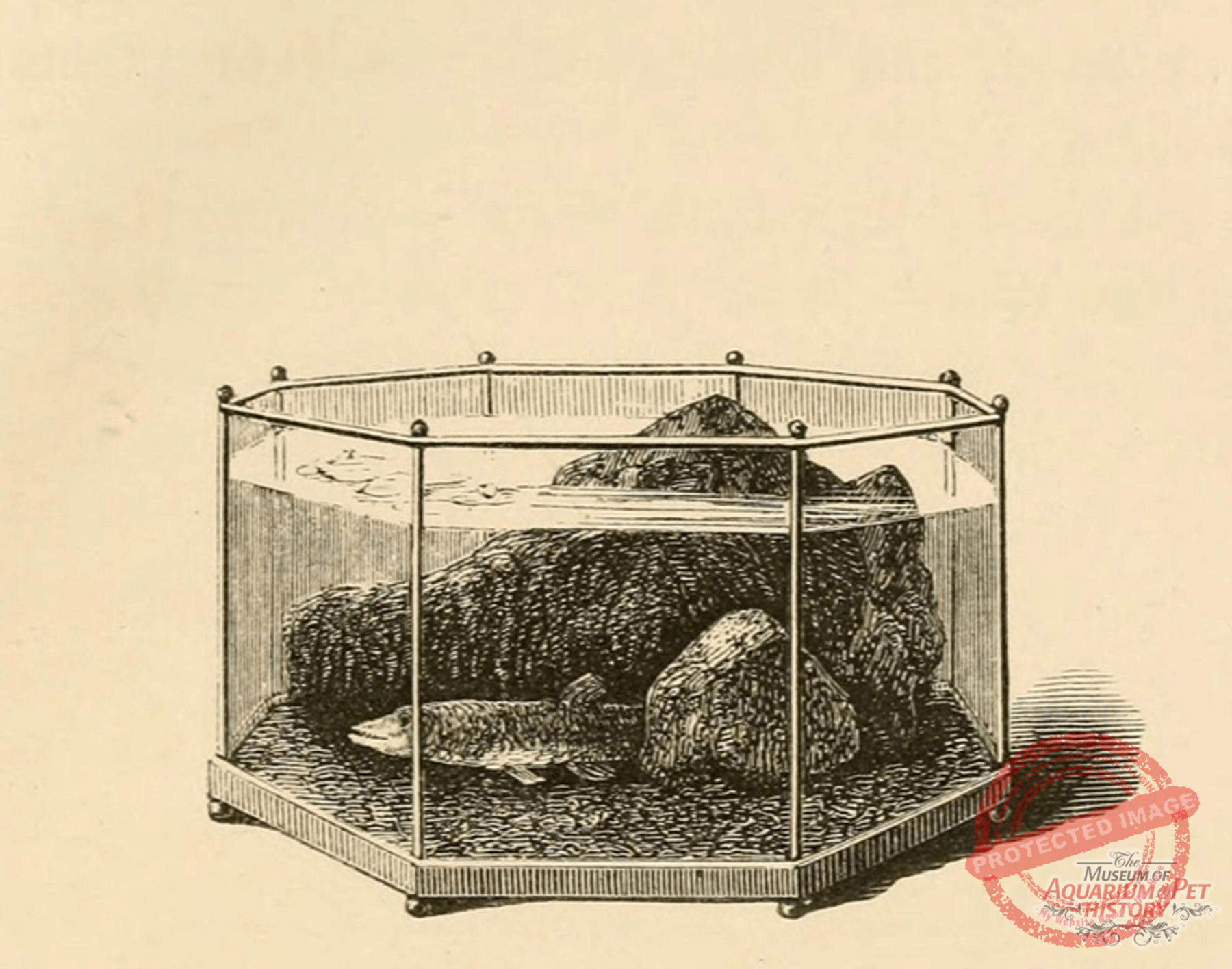
Figure seven. An octagonal, non-standard aquarium that could be built on order at Barnum’s Aquarium. Boston Public Library.
Bibliography and Suggested Reading.
Adams, B. 1997. E Pluribus Barum: The Great Showman & U.S. Popular Culture. University of Minnesota Press. 249 pages.
Axelrod, H.R, Emmens, C.W., Burgess, W. E. & N. Pronek. 1983. Exotic Tropical Fishes, Second Revised and Expanded Edition. TF.H. Publications. This is based on the looseleaf edition, so page numbers may vary depending on the copy at hand.
Harris, N. 1973. Humbug: The Art of P.T. Barnum. The University of Chicago Press. 337 pages.
Irmscher, C. 1999. The Poetics of Natural History. Rutgers University Press. 354 pages.
Irmscher, C. 2019. The Poetics of Natural History, Second Edition. Rutgers University Press. 379 pages.
Saxon, A.H. 1989. P.T. Barnum: The Legend and the Man. Columbia University Press. 437 pages.
Werner, M.R. 1923. Barnum. Harcourt, Brace and Company. 381 pages.