Berlin Aquarium and Terrarium History and Stories – Series 1: Scholze & Pötzschke (Part 1: The Company’s Beginnings and Rapid Rise)
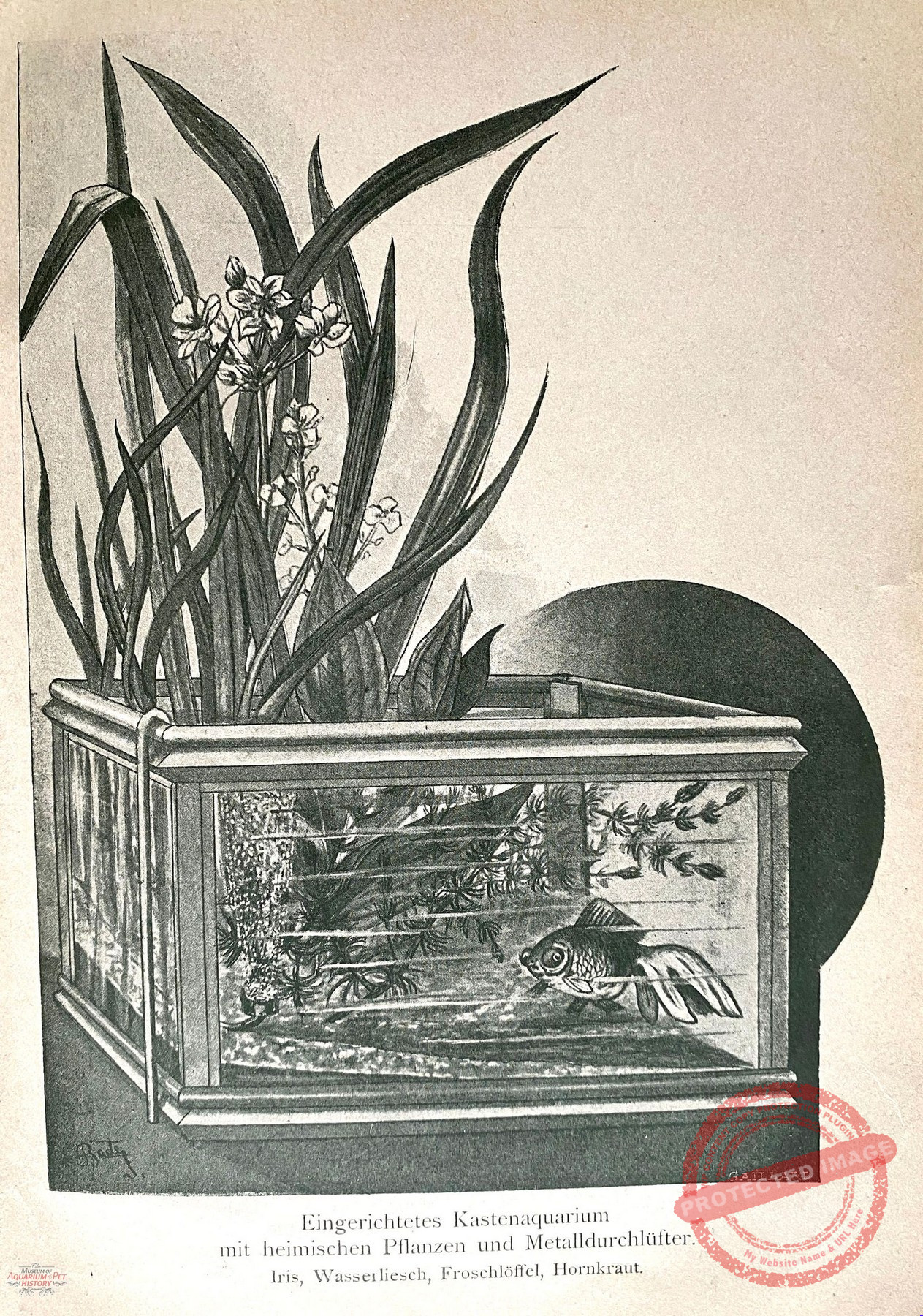
Box aquarium, illustration from Ernst Bade: DasSüsswasser-Aquarium (“The Freshwater Aquarium”), Berlin 1898.
There was a time, long past, for which many a German yearns in these days of economic stagnation. These were the Gründerjahre—the foundational years following the Reichsgründung (the founding of the German Empire) by Bismarck in 1871, which culminated in the First World War—and the so-called “Golden Twenties.” During this latter era, Berlin served as a pioneering, globally emulated avant-garde culture in every conceivable regard: a bastion of entrepreneurial success and a beacon of social equality, pioneering women’s suffrage, growing acceptance of sexual and gender diversity, and universal healthcare and social security. It was a time when economically pivotal sectors began to take shape. Whatever propelled the nation forward experienced a tremendous boom. Consequently, amidst the deluge of new patents, ideas, and the opportunities they engendered, a share of prosperity invariably trickled down to the smaller, industrially peripheral disciplines. One such discipline, even then, was the nascent and rapidly evolving field of aquarium and terrarium keeping.
Now, the Germans of that era were not as adept at copying as the Chinese are today. Yet, they shared one defining trait: once a concept had been pirated and its engineering mastered, an indigenous product soon emerged—one vastly superior and ingeniously refined compared to the original. Such was the fate of the aquariums built in England and perfected in Germany, or the Wardian case, which the Germans developed further into well-ventilated, heatable terrariums. From around 1880 onward, this technical niche gained ever-increasing momentum. The widespread introduction of electrification provided a tremendous developmental catalyst of its own. By the 1920s, the artistic movement known as Neue Sachlichkeit (New Objectivity)—led architecturally by the Bauhaus founders in Weimar and Dessau, who championed a worldwide stripping away of architectural ornamentation in favor of practical utility—supplanted the whimsical forms of Jugendstil (Art Nouveau).
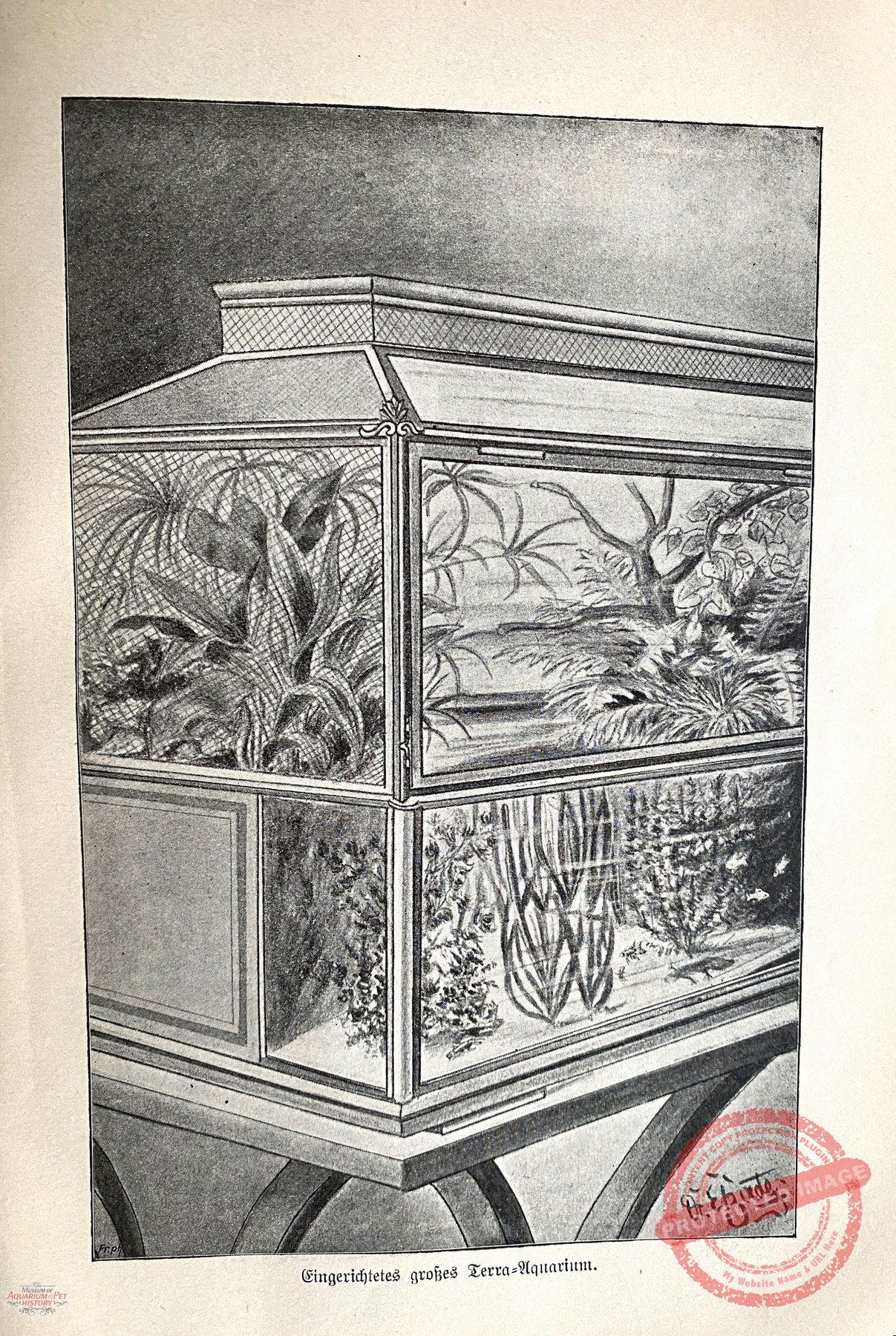
Terra-aquarium, illustration from Ernst Bade: Das Süsswasser-Aquarium (“The Freshwater Aquarium”), Berlin 1898.
Henceforth, it became possible—not merely from the perspective of animal husbandry, but also due to an aesthetic philosophy aligned with the zeitgeist (the defining spirit or mood of a particular period of history)—to manufacture aquariums, terrariums, and all necessary equipment in functional forms and with great pragmatism (A pragmatic attitude or policy – truth of meaning). Functionality and ease of operation defined everything developed and produced from that moment on. A retrospective glance at the pet trade of that era reveals many a revolutionary innovation. This technological foundation was the vital prerequisite for sustaining increasingly delicate species of animals and plants—creatures whose care and transport grew evermore complex—under human stewardship, both in public zoos and show aquariums as well as in the homes of private enthusiasts.
Knowledge that had scarcely been tested, and was therefore not yet part of common lore, was now swiftly codified and distributed. This did not, however, apply to blueprints for aquarium and terrarium technology, as manufacturers were determined to guard their commercial monopolies. Conversely, manuals on the care and maintenance of aquariums or terrariums sprouted like mushrooms, manifested in a multitude of newly published books during this period. I shall refrain from a meticulous enumeration (the action of mentioning the number of things one by one) and critique here, as this shall form the subject of a future chronicle. Thus, virtually everything required for successful husbandry was well prepared. Yet, from whence were the animals to be procured? In the early years, sailors and business travelers with an affinity for the hobby and a desire to earn a modest secondary income brought various specimens with them. Since they usually possessed scant knowledge regarding the requisite environmental conditions, Paul Nitsche, the then-chairman of the Berlin aquarium society “Triton,” summarily self-published a guide on the importation of live fish, as well as reptiles, amphibians, marine life, and aquatic plants. In the subtitle of his volume, Nitsche wrote: “… gleichzeitigeine Anweisung für jeden Seereisenden, sich leicht einen reichlichen Nebenverdienst zu schaffen” (“…simultaneously a manual for every seafaring traveler to easily secure a plentiful secondary income”).
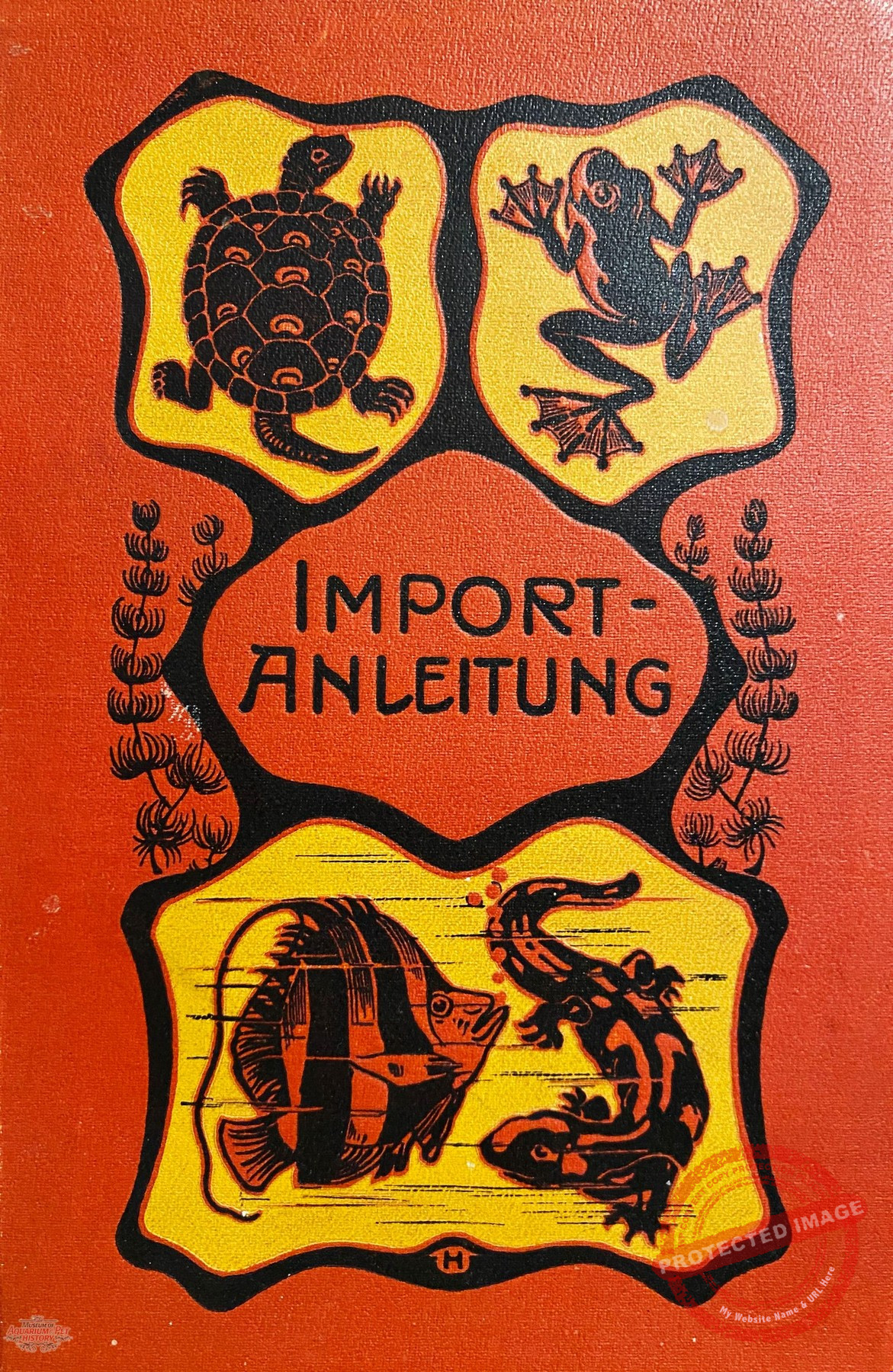
Cover of the book „Import-Anleitung“ (“Import Guide”) by Paul Nitsche, Berlin 1901.
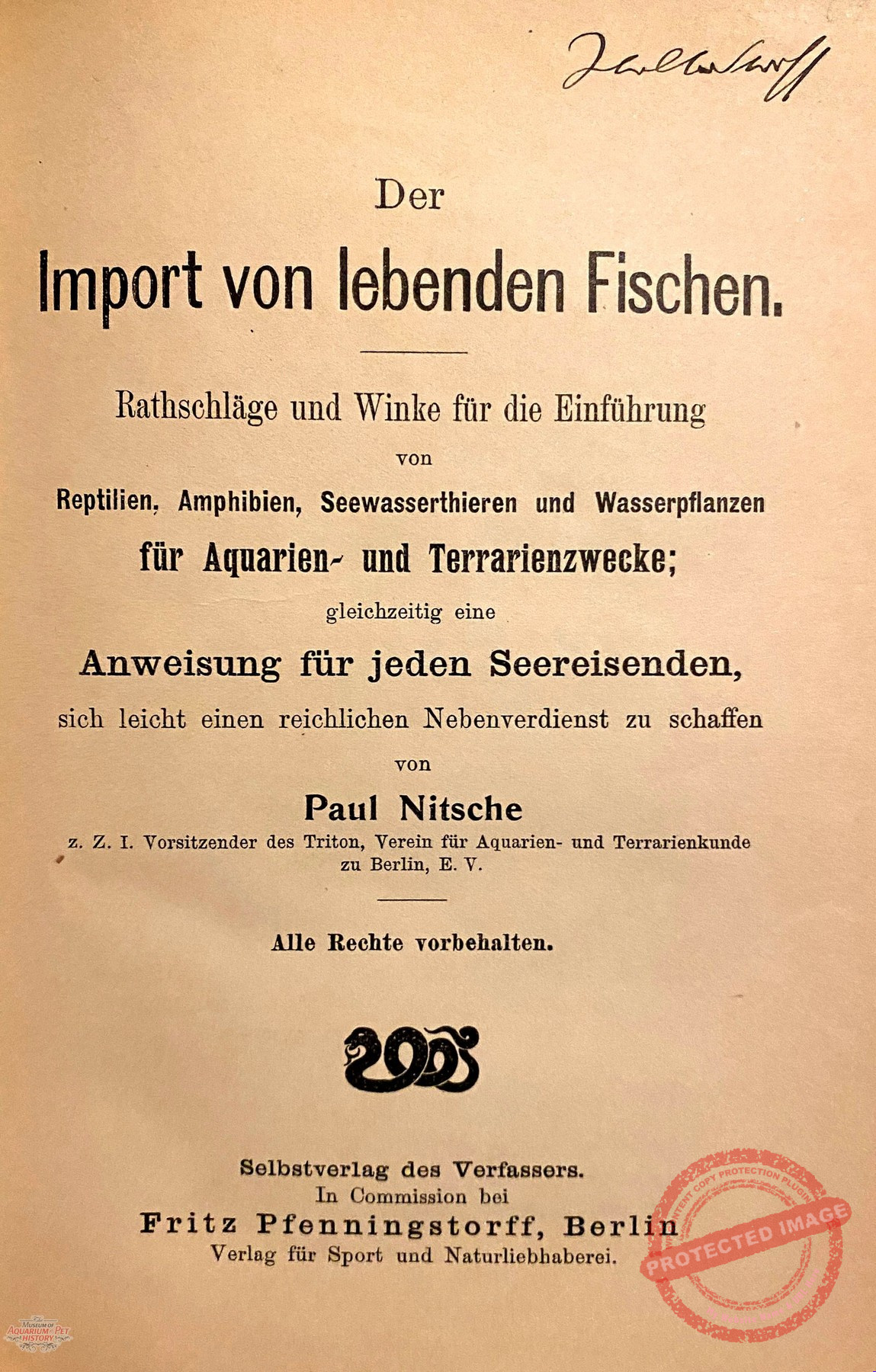
Inside title page of Paul Nitsche’s „Import-Anleitung“.
For a beginning, this was promising indeed, but the hobby expanded at a breakneck pace, and the aquarium and terrarium virus infected millions like a pandemic. It was the first golden age of aquariums and terrariums, with its epicenter in Germany. The strongholds of the movement were the soft-water regions of Thuringia (where the first aquarium society was established in 1882), Leipzig (where Emil Adolf Rossmässler labored and published his celebrated book „Das Süsswasseraquarium“ / “The Freshwater Aquarium”), Hamburg (where transatlantic vessels arrived bearing live “stowaways” and where Carl Siggelkow distinguished himself as the premier fish importing agent, credited with the initial imports of the guppy, Poecilia reticulata, in 1908, and the angelfish, Pterophyllum scalare, in 1911), and, naturally, Berlin. The Prussian capital was home to the “Triton” society with its exceptionally talented breeders, the newly emerging Zoo-Aquarium, and a nucleus of biological science at the Friedrich-Wilhelm-Universität (today’s Humboldt University) with its renowned Naturkundemuseum (Museum of Natural History).
By the late 19th century, pet shops already existed in Berlin. Their commercial prosperity grew steadily, prompting many who had been enamored with aquariums, terrariums, or aviary birds since childhood to establish themselves as founders of new enterprises. While contemporary pet superstores are predominantly found on the peripheries of major cities, these Berlin shops were situated in highly central locations. One such establishment, founded in 1890 by Otto Preusse (anative of Thalmühle near Frankfurt an der Oder), was located at Alexanderstrasse 28a, near Alexanderplatz int he very heart of Berlin. Preusse possessed a conceptual advantage over his competitors: he cultivated professional interest and established a robust foundation of knowledge with his 1896 book „Das Zimmer-Aquarium“ (“The Indoor Aquarium”), alongsidepublishing an extensive, illustrated catalog. He styled his business the „Aquarien-Institut – Erste Special-Handlung für die Aquarien- und Terrarienkunde“(“Aquarium Institute – First Specialized Establishmentfor Aquarium and Terrarium Lore”). In the German idiom, „erste“ (first) did not necessarily denotechronological priority, but rather, in the sense of “first-rate” or “premier quality,” it signified quite simply the finest pet shop around.
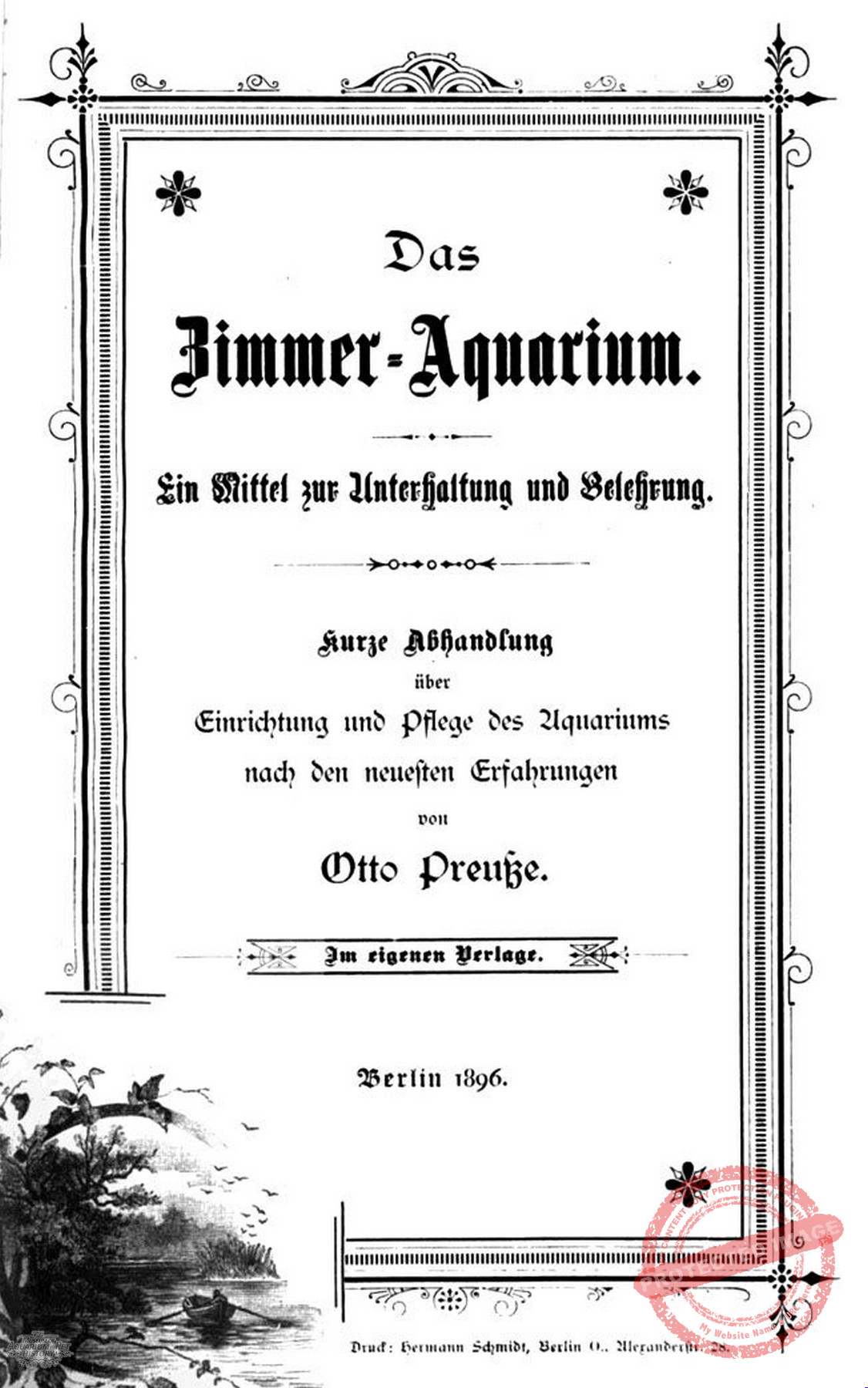
Inside title page of Otto Preusse’s book „Das Zimmer-Aquarium“ (“The Indoor Aquarium”), Berlin 1896; it is of interest that the book’s printer, Hermann Schmidt, was also a tenant in the very same building at Alexanderstrasse 28 where Otto Preusse’s shop was located.
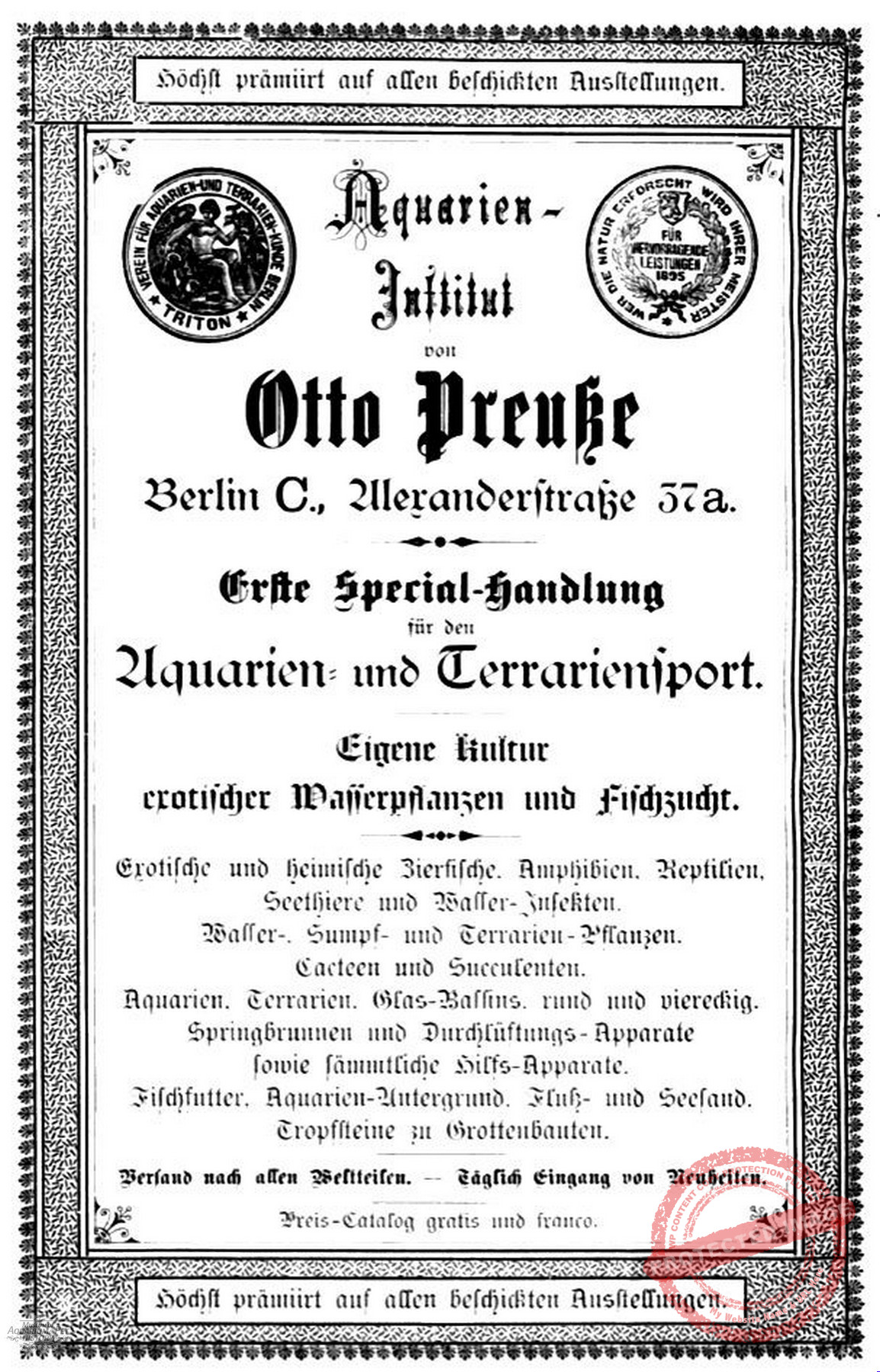
Immediately following the title page in Preusse’s book is this full-page advertisement for his establishment.
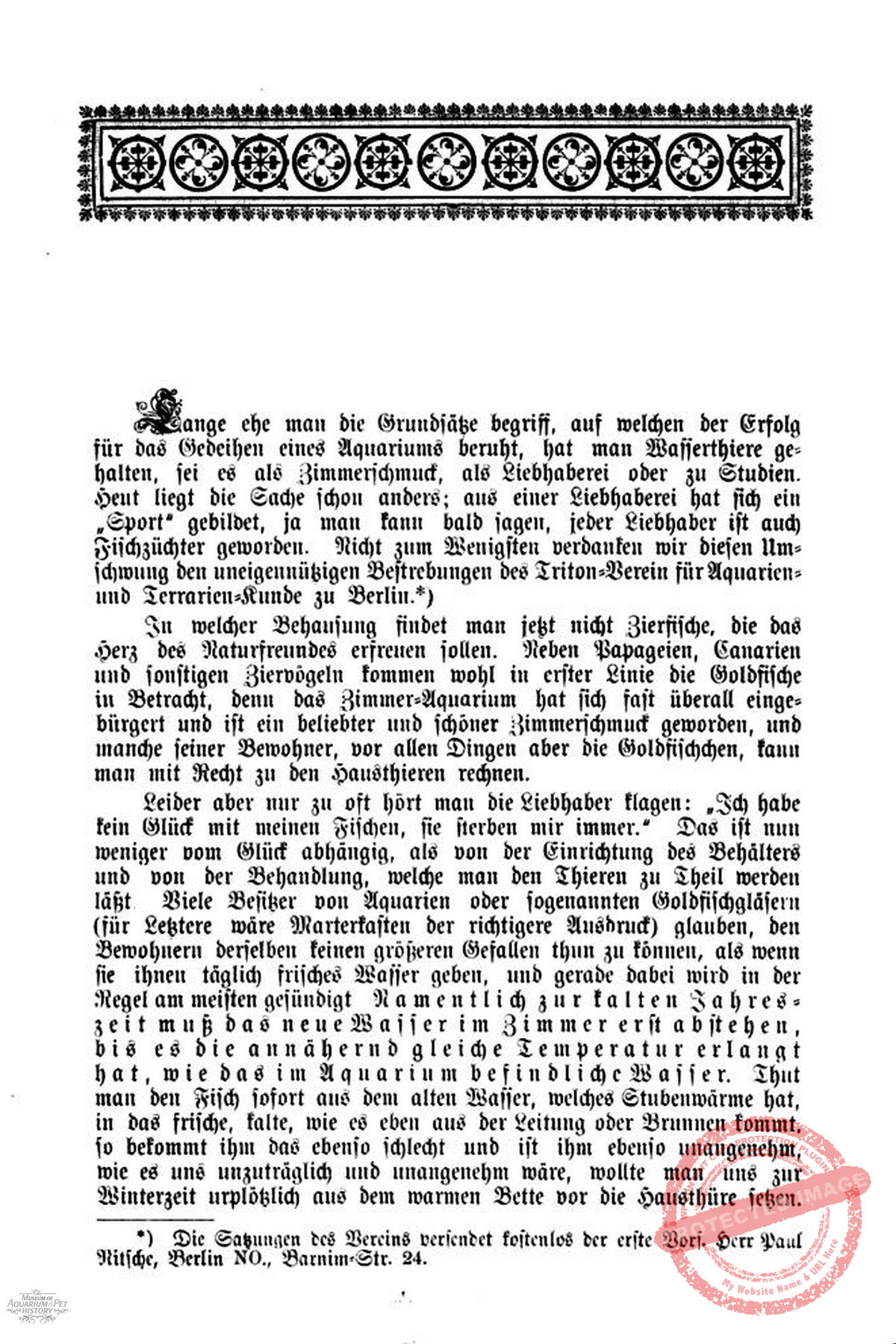
The text on the first page of Preusse’s book offers a vivid impression of the contemporary mindset and the state of aquarium keeping at the time.
Translation:
“Once the principles upon which the success of an aquarium is based were understood, aquatic animals were kept, be it as room decorations, as a hobby, or for study. Today, the situation is quite different; a hobby has developed into a sport, indeed, one can soon hunt, and every enthusiast has also become a fish breeder. We owe this transformation in no small part to the selfless endeavors of the Triton Society for Aquarium and Terrarium Science in Berlin.
In what dwelling can one not now find ornamental creatures intended to delight the heart of the nature lover? Besides parrots, canaries, and other ornamental birds, goldfish are probably the first to come to mind, for the indoor aquarium has become almost universally established and has become popular and beautiful room decoration, and some of its inhabitants, especially goldfish, can rightly be considered domestic animals.
Unfortunately, all too often one hears enthusiasts complain: “I have no luck with my fish, they always die on me.” This depends less on luck than on the setup of the tank and the treatment given to the animals. Many owners of aquariums or so-called goldfish bowls (a leisure, “torture chamber” would be a more accurate term) believe they can do their inhabitants no greater favor than to give them fresh water daily, and this is precisely where the most sins are usually committed. Especially during the cold season, the new water must first stand in the room until it reaches approximately the same temperature as the water in the aquarium. If the fish is immediately taken from the old, room-water into the fresh, cold water, as it comes directly from the tap or well, it is just as bad for them and just as unpleasant as it would be for us to suddenly be seen out of our warm beds and onto the front door in winter.”
And by all accounts, it truly was. However, in 1905, Otto Preusse desired to relocate back to his hometown of Thalmühle to operate a fish breeding facility, and consequently sought a successor for his leased commercial premises. From this period, an advertisement survives in which Otto Preusse announces the relocation of his business to larger quarters at Alexanderstrasse 37a. Yet, it appears this move—directly adjacent to the famous „Burg“ (the Fortress), the Berlin Police Headquarters constructed of red stone—never actually materialized. Instead, the relocation to Thalmühle was now imminent.
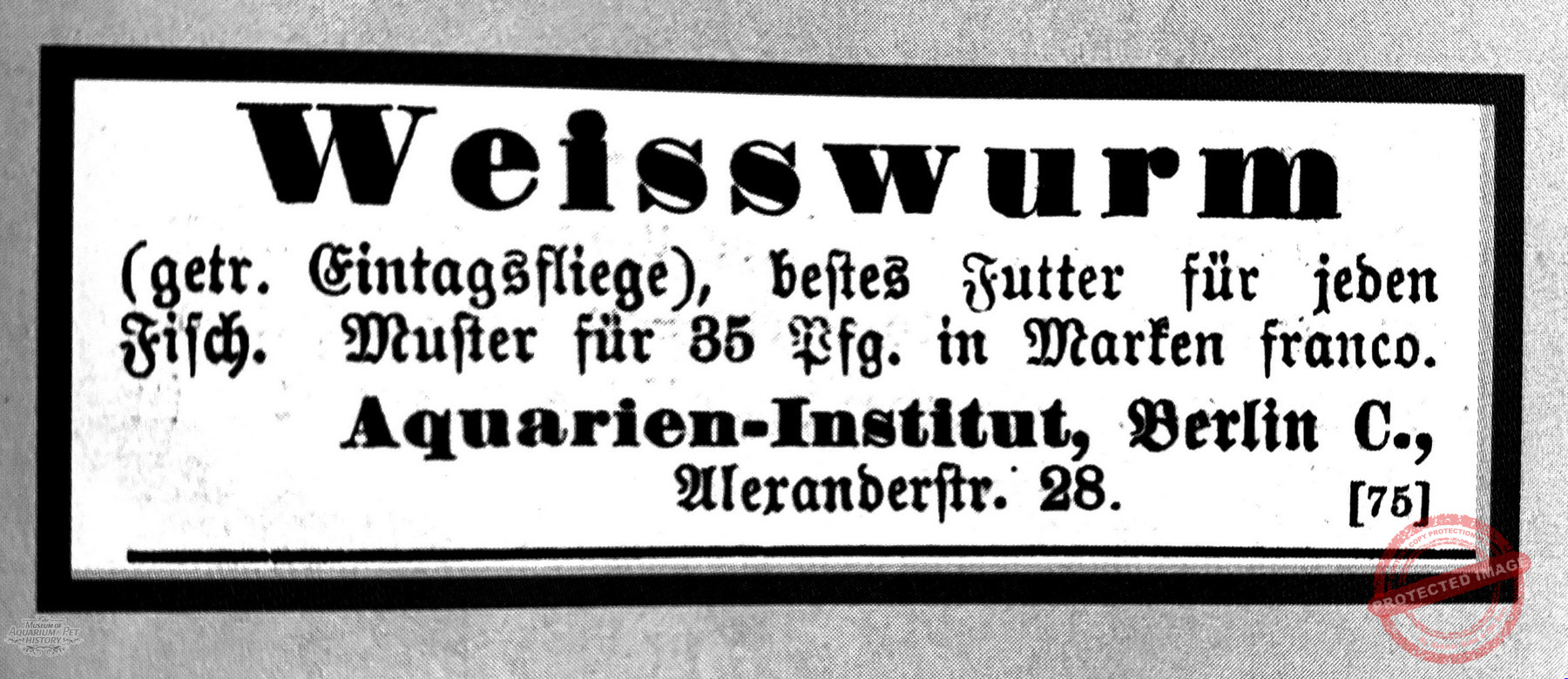
Advertisement for Otto Preusse’s business at Alexanderstrasse 28 around the turn of the century.
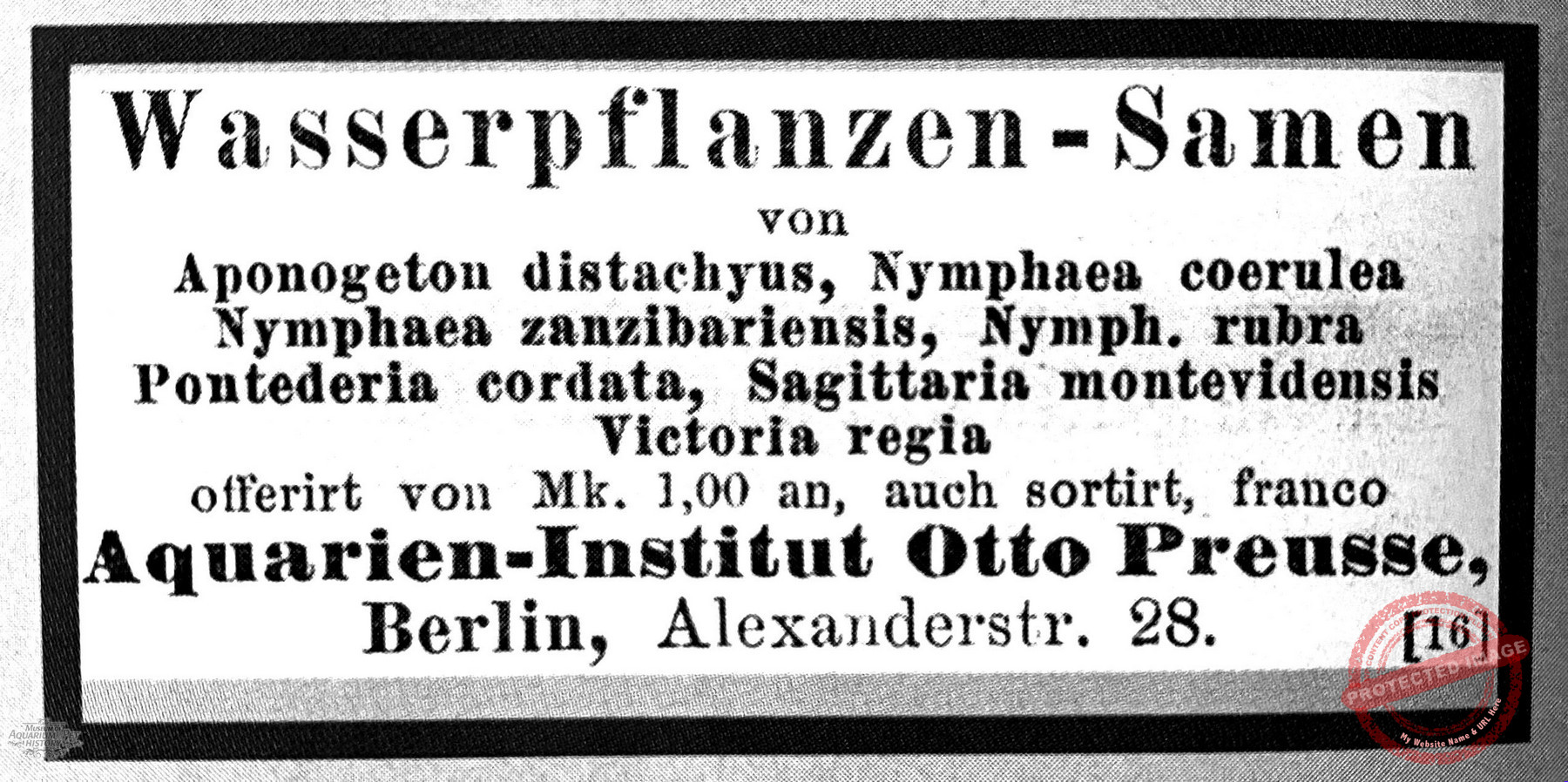
Advertisement for Otto Preusse’s business at Alexanderstrasse 28, featuring various aquatic plants.
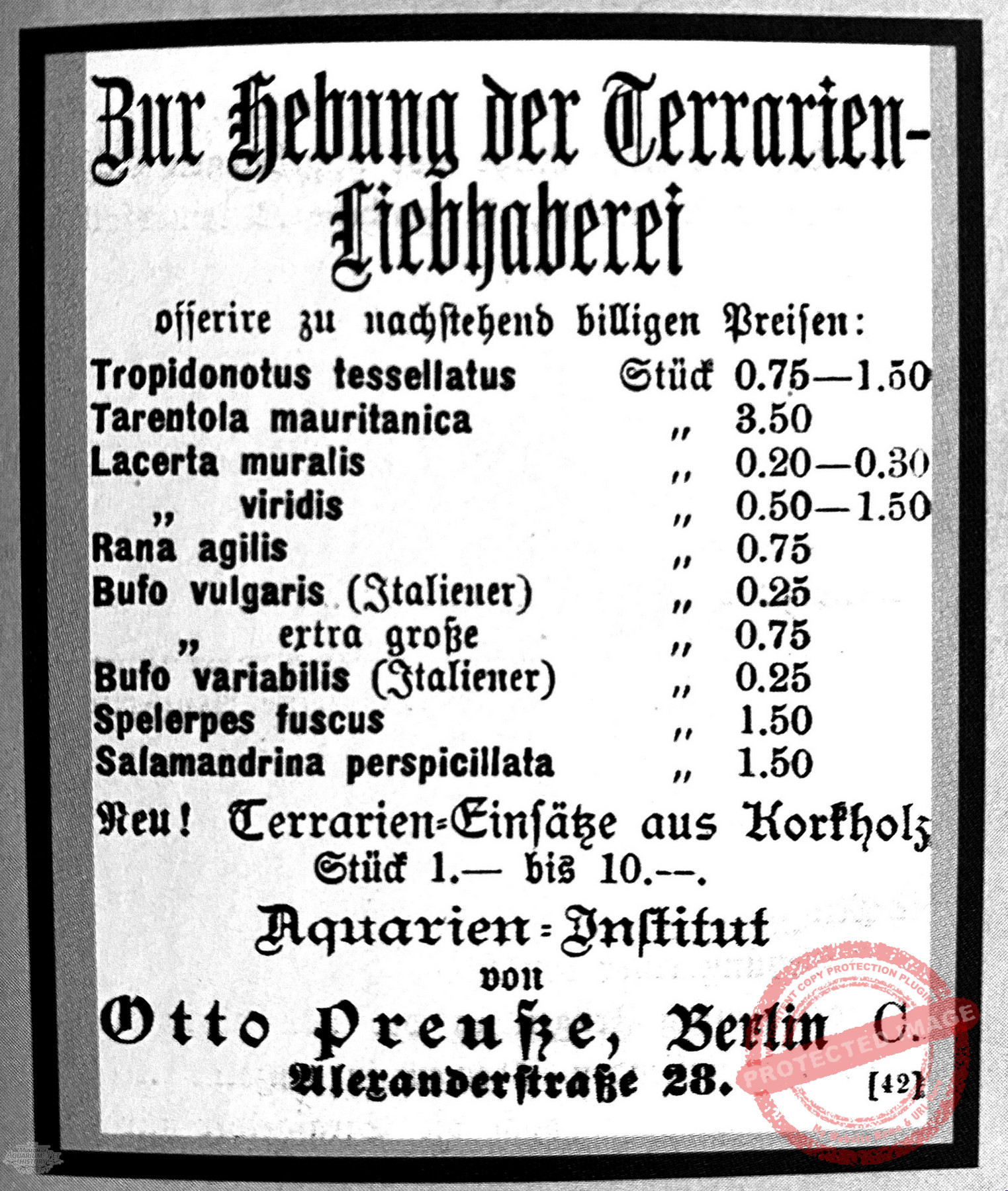
Shortly before the transfer of ownership in 1905, Otto Preusse began importing reptiles.
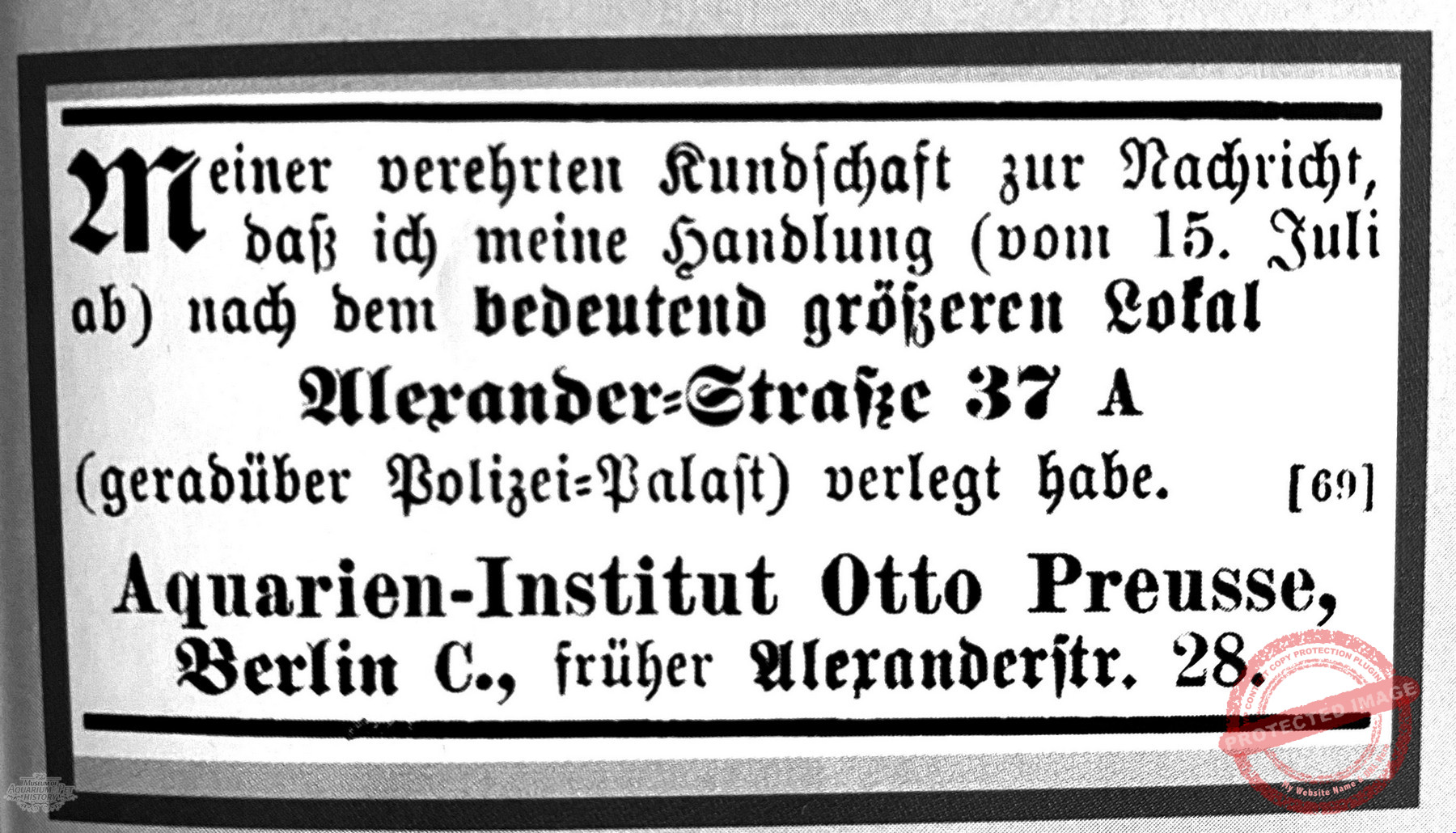
With this advertisement, Otto Preusse announces the relocation of his business to Alexanderstrasse 37a; however, no record survives indicating that he ever actually moved there, which would have placed him in immediate proximity to his successors and now-competitors, “Schopö.”
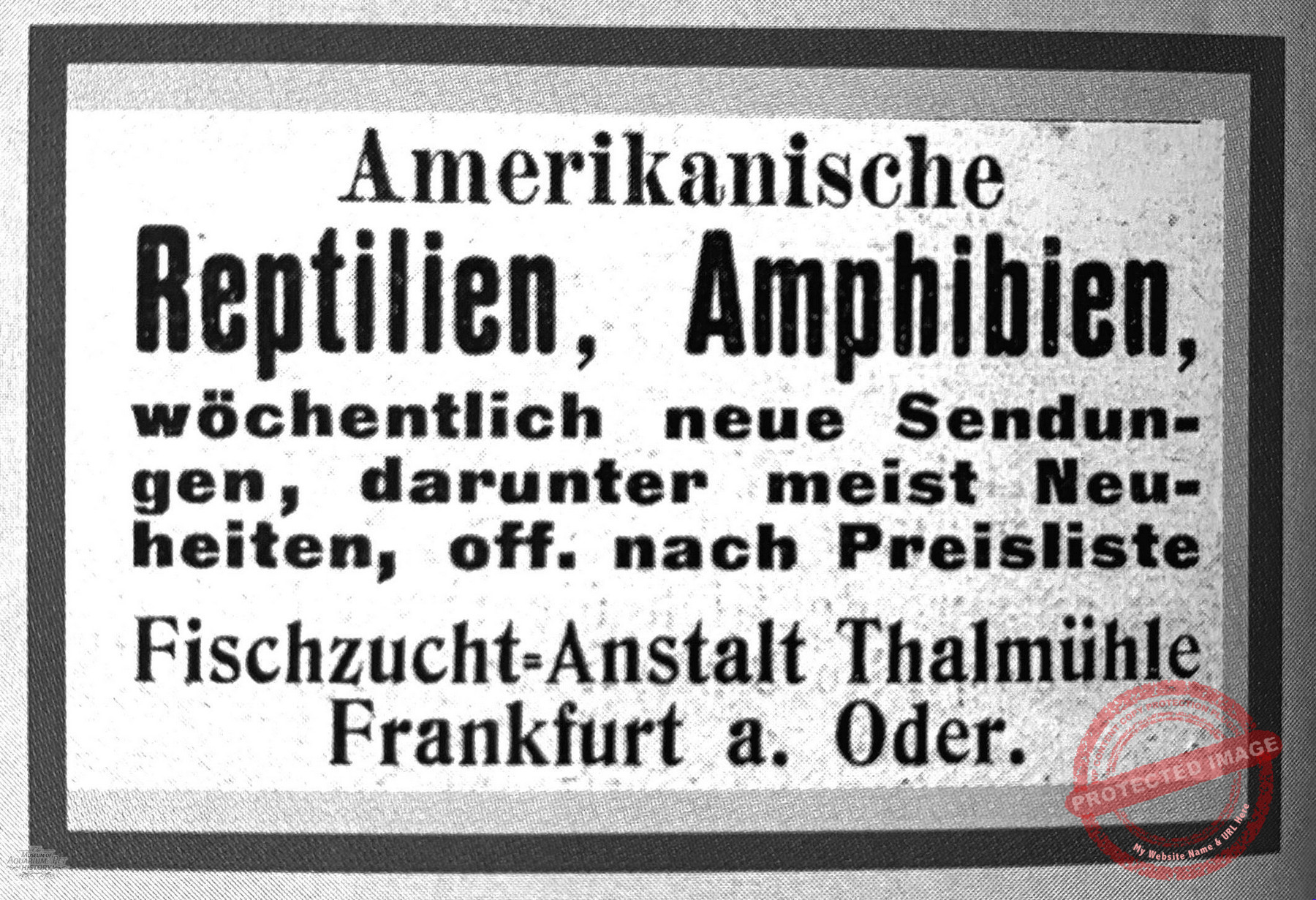
Shortly thereafter, his business is found in his birthplace of Thalmühle, where he was likely offered far more economical rates for commercial premises.
It is highly probable that the closely befriended aquarists and terrariophiles Arthur Scholze and Paul Pötzschke—both of identical age and a mere 24 years old in 1905—were patrons of Otto Preusse and knew the establishment intimately. Apprised by the proprietor of the opportunity, and asked whether they harbored an interest in assuming control of the business and continuing it under their names with the corporate suffix„ Otto Preusse Nachf. (Nachfolger)“ [Successor], they assented. Thus, on July 17, 1905, they opened their shop—initially designated „Aquarien-Institut Scholze & Pötzschke (Otto Preusse Nachf.)“—at Alexanderstrasse 28a, soon expanding to include an external warehouse at Alexanderstrasse 27, on the corner of Magazinstrasse.
The two new owners hailed from Saxony—specifically from Bautzen near the Oder and from Löbau—regions known for their soft-water habitats. They must have possessed prior experience in fishkeeping and breeding; moreover, they were evidently possessed by an insatiable curiosity and a profound thirst for knowledge. In Hamburg, both men had previously completed a commercial apprenticeship at a merchant house, graduating with excellent credentials. It is highly probable that during this period, they frequented the establishment of the importer Carl Siggelkow, where they “got a taste” for new species that had yet to be introduced to the hobby of aquarium and terrarium keeping. The foundation of any success invariably rests upon an entrepreneur’s accurate self-assessment. He must discern what will afford his enterprise a solid commercial footing at the outset and discipline his impulses. Consequently, Arthur Scholze and Paul Pötzschke started modestly, focusing initially on the sale of fish tanks, terrariums, aquatic plants, and an assortment of utility supplies. Alongside fish, their live stock included all manner of birds—most notably parrots—as well as various feeds for them.
At first, Arthur Scholze and Paul Pötzschke maintained a cordial relationship with the previous owner, Otto Preusse. The seasoned dealer and breeder intended to support the newcomers, thereby deriving a mutual benefit. During a meeting of the Berlin aquarium society “Triton”—to which he and both of his corporate successors belonged—he offered them a joint share in an import shipment of North American amphibians and reptiles. Having achieved initial success with their founding concept, Arthur Scholze and Paul Pötzschk chose to embrace new risks. Prompted by Preusse’s offer, they immersed themselves in the study of terrariophilia. Indeed, amphibians and reptiles were becoming increasingly popular in the hobby, a trend that closely mirrored the advancing capabilities for heating and illuminating terrariums.
Merely a year after the founding of “Scholze & Pötzschke,” terrarium animals were officially integrated into their inventory. While aquarium fish arrived primarilyfrom Hamburg, sourced from multiple continents, the terrarium animals journeyed across the Atlantic from North America. Otto Eggeling, then-chairman of the New York society “Salamander”—which unfortunately existed only from 1893 to 1909—operated an import firm for aquarium and terrarium stock under his own name. By 1906, the Berlin firm of “Scholze & Pötzschke” had secured the exclusive European agency for the New York-based “Otto Eggeling” company. Preusse, by contrast, remained first and foremost an active fish breeder, and his facilities were tailored accordingly. Yet, when Otto Preusse organized Berlin’s first exhibition of professional ornamental fish dealers and breeders in September 1908, serving as exhibition director in cooperation with the “Triton” society, “Scholze & Pötzschke” were notably excluded. Evidently, relations between the two firms had cooled.
By 1909, the “Schopö” (combination of the names Scholze & Pötzschke) corporate coffers were sufficiently filled to activate an essential marketing instrument—one that doubled as a status symbol and which their predecessor, Otto Preusse, had already utilized around the turn of the century. In the spring of 1909, “Schopö” published its first magnificent 224-page catalog, presented in a landscape format to match the body shapes of most of their charges. On the title page, rendered in black, red, and gold (perhaps a veiled nod to Arthur Scholze and Paul Pötzschke’s political leanings, reflecting a preference for liberty and democracy in Germany), one sees two crocodiles arranged anti-parallel to one another at a seesaw-like angle. Though depicted with their toothy jaws agape, the graphic artist somehow managed to strip them of any menacing appearance. The title text, printed in red against a black background, reads as follows: „Scholzeu. Pötzschke – Reptilien Spezialhaus – Aquarien Institut– Berlin 27 Alexanderstr. 27 u. 28“ (“Scholze &Pötzschke – Reptile Specialty House – Aquarium Institute – Berlin 27 Alexanderstr. 27 & 28”). Thus, reptiles now occupied the premier position and were accorded the largest share of pages within the catalog.
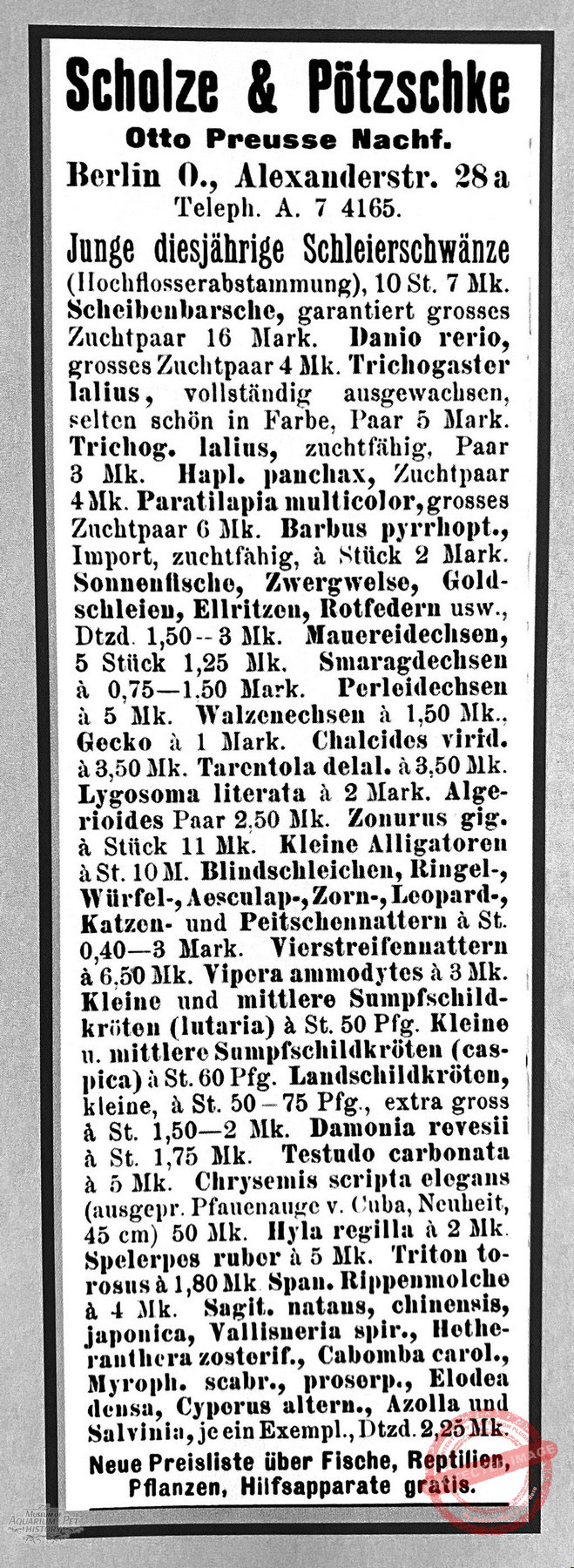
One of the earliest advertisements for “Scholze & Pötzschke,” which still includes Otto Preusse’s name in the corporate styling.
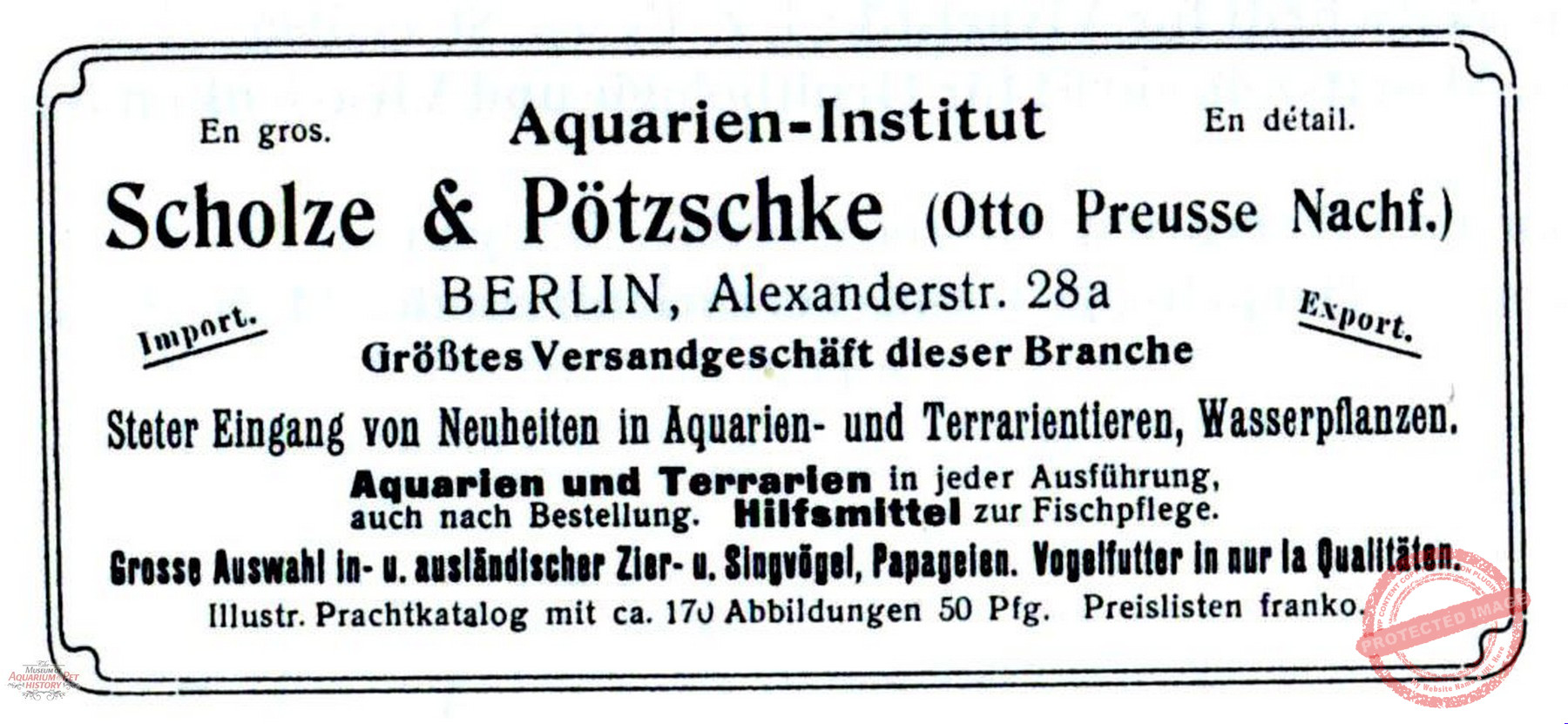
Another advertisement from the company’s founding year.
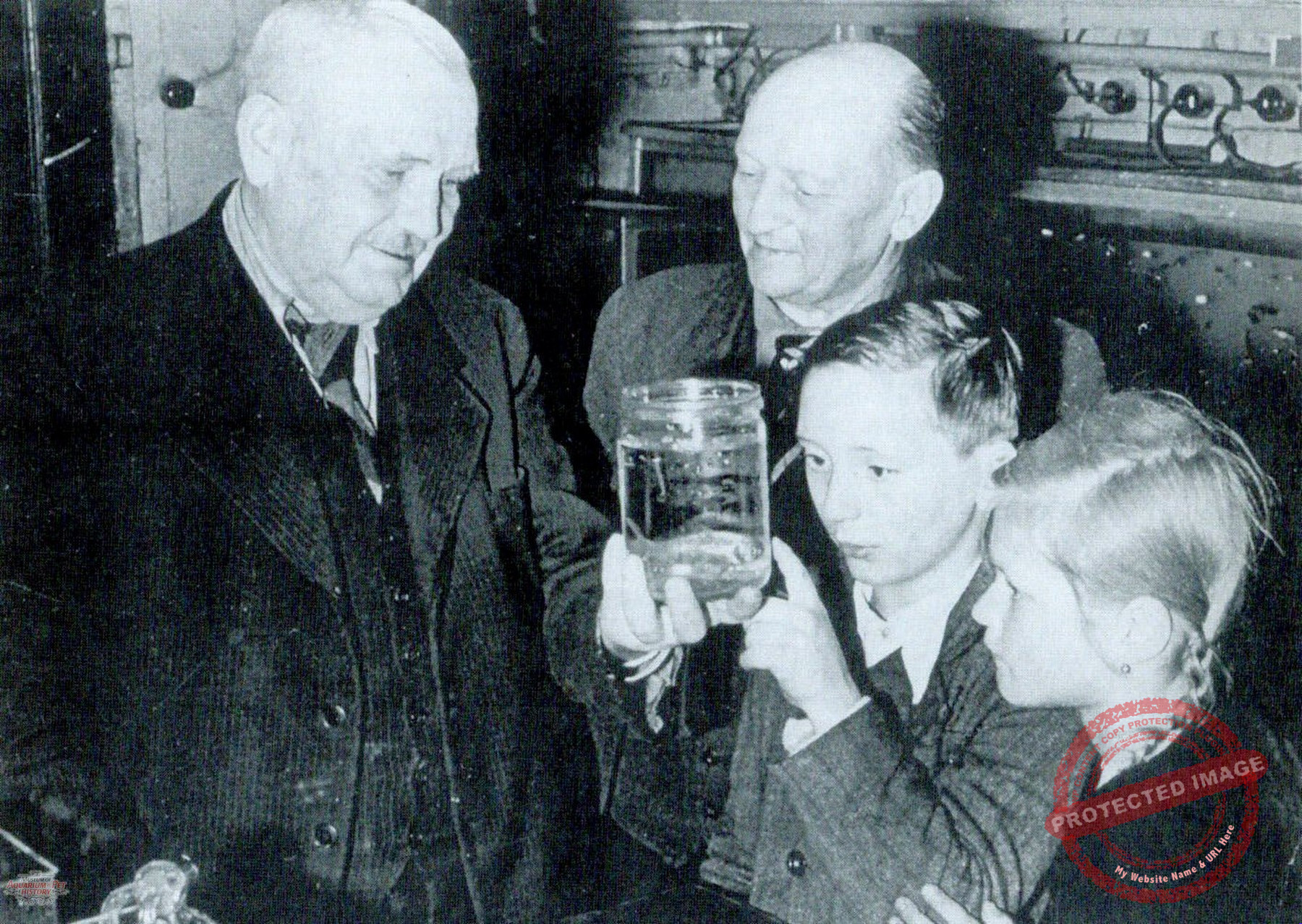
Photographs of Arthur Scholze (left) and Paul Pötzschke (right) are exceedingly rare; this photo dates from the post-war era in the late 1940s.
This—in all likelihood the first comprehensive “Schopö” catalog—was initially advertised not in Berlin, but in September 1909 within the exhibition guide of the Vienna aquarium and terrarium society “Lotus.” The full-page advertisement notes that, supplemental to the catalog, up-to-date inventory lists were available free of charge. These were printed on green paper, and their release was always eagerly anticipated by aquarists and terrariophiles. The deluxe catalog was further lauded as a reference work for novices. Thenceforth an staple of the business, it weighed half a kilogram and could be purchased by domestic customers for 1.25 Reichsmarks, or by international buyers for 1.45 Reichsmarks, postage included (about 30 U.S. cents at the 1909 exchange rate). The catalog was advertised with the following copy: “500 artistically executed illustrations of reptiles, amphibians, and fish. Plants, containers, and accessories; 224 pages thick on the finest glossy art paper, detailing the diet, optimal husbandry, size, native habitat, temperature requirements, etc., of each individual animal.”
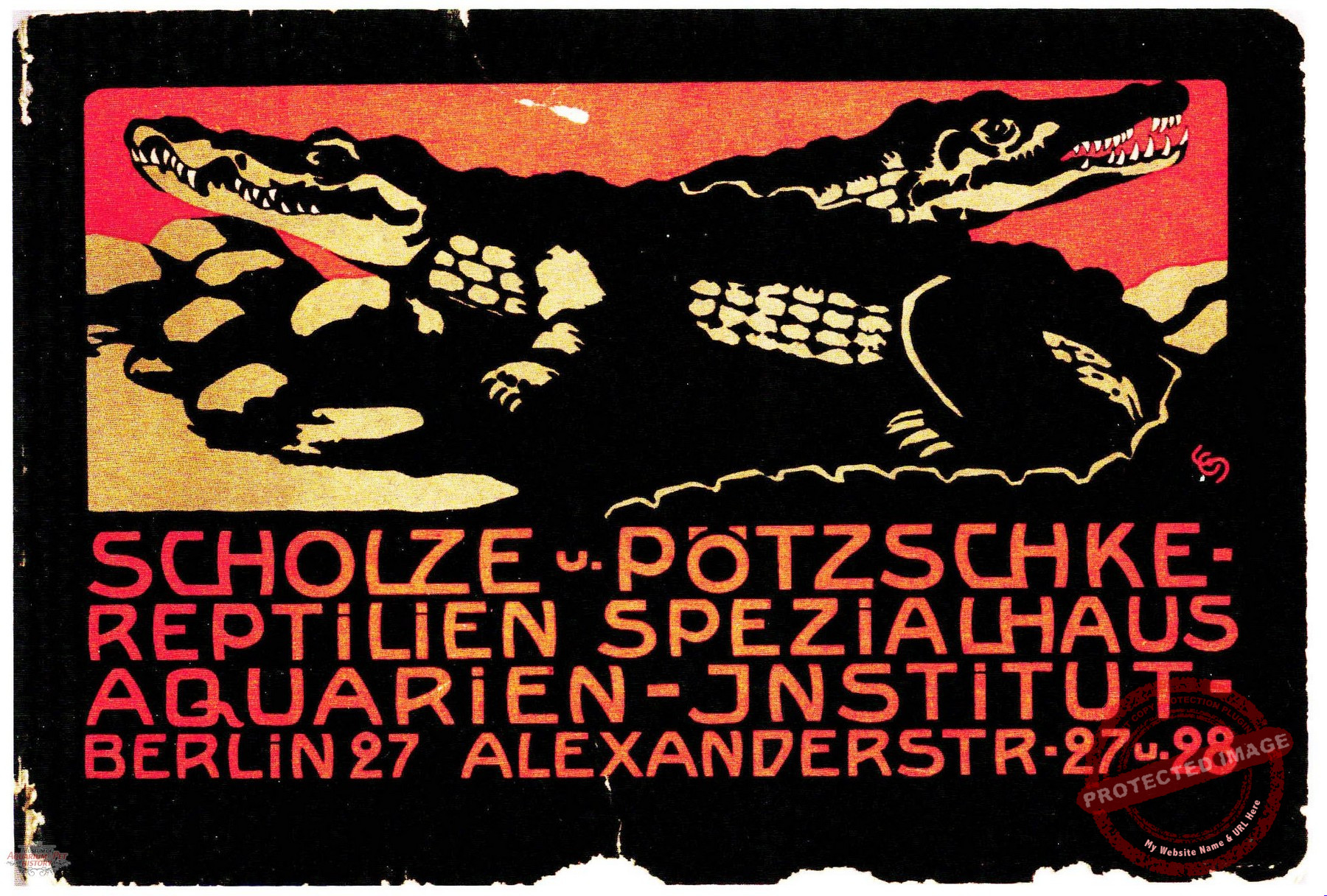
The first Prachtkatalog by “Schopö,” issued in 1909,was colloquially dubbed the “Crocodile Catalog”; the cover design was executed by Curt Scholze.
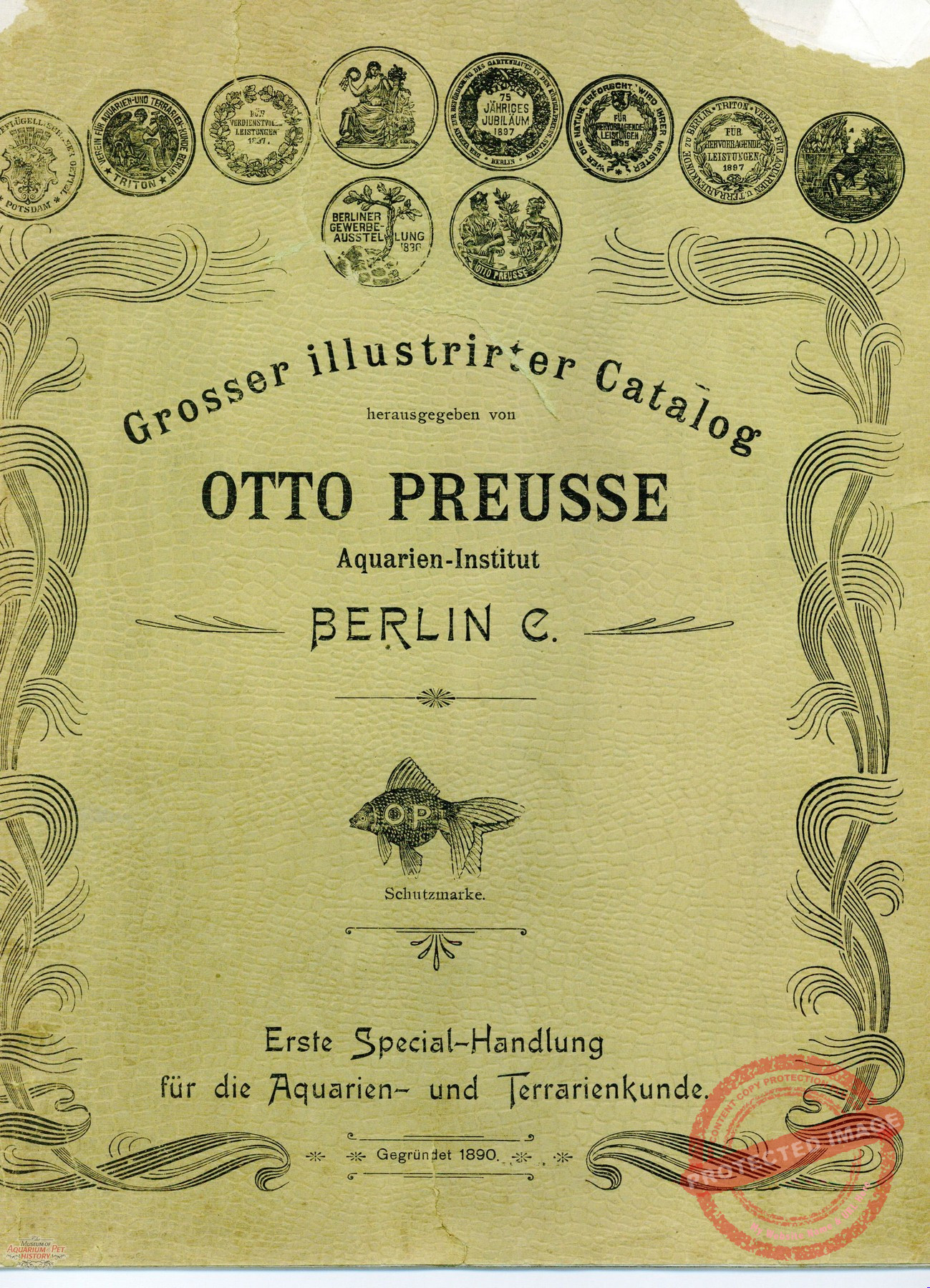
The precursor to the famous “Schopö“- Prachtkatalog (deluxe catalog) was this large, illustrated catalog by Otto Preusse.
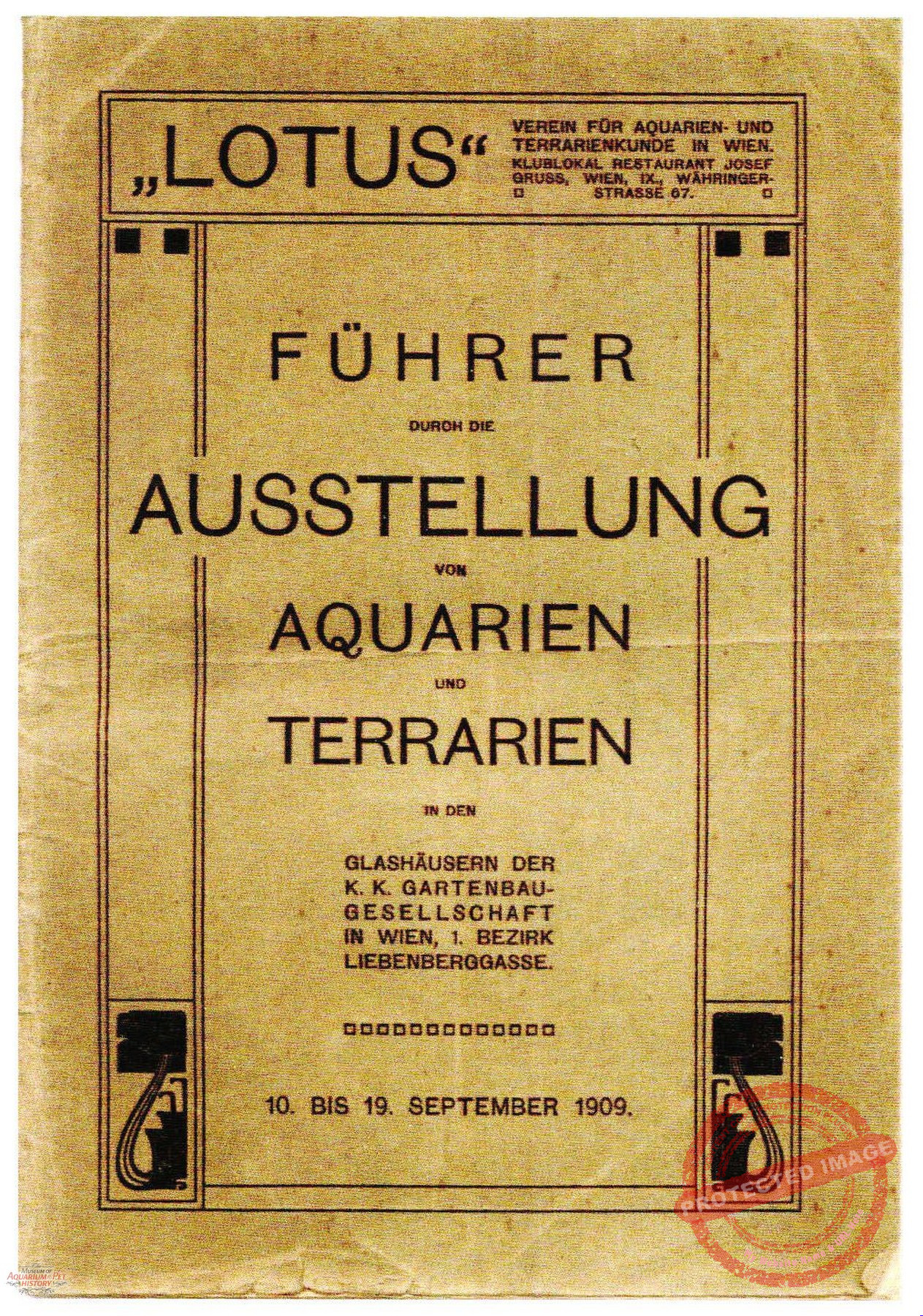
The first Prachtkatalog was initially advertised within the exhibition guide of the Viennese society “Lotus.”
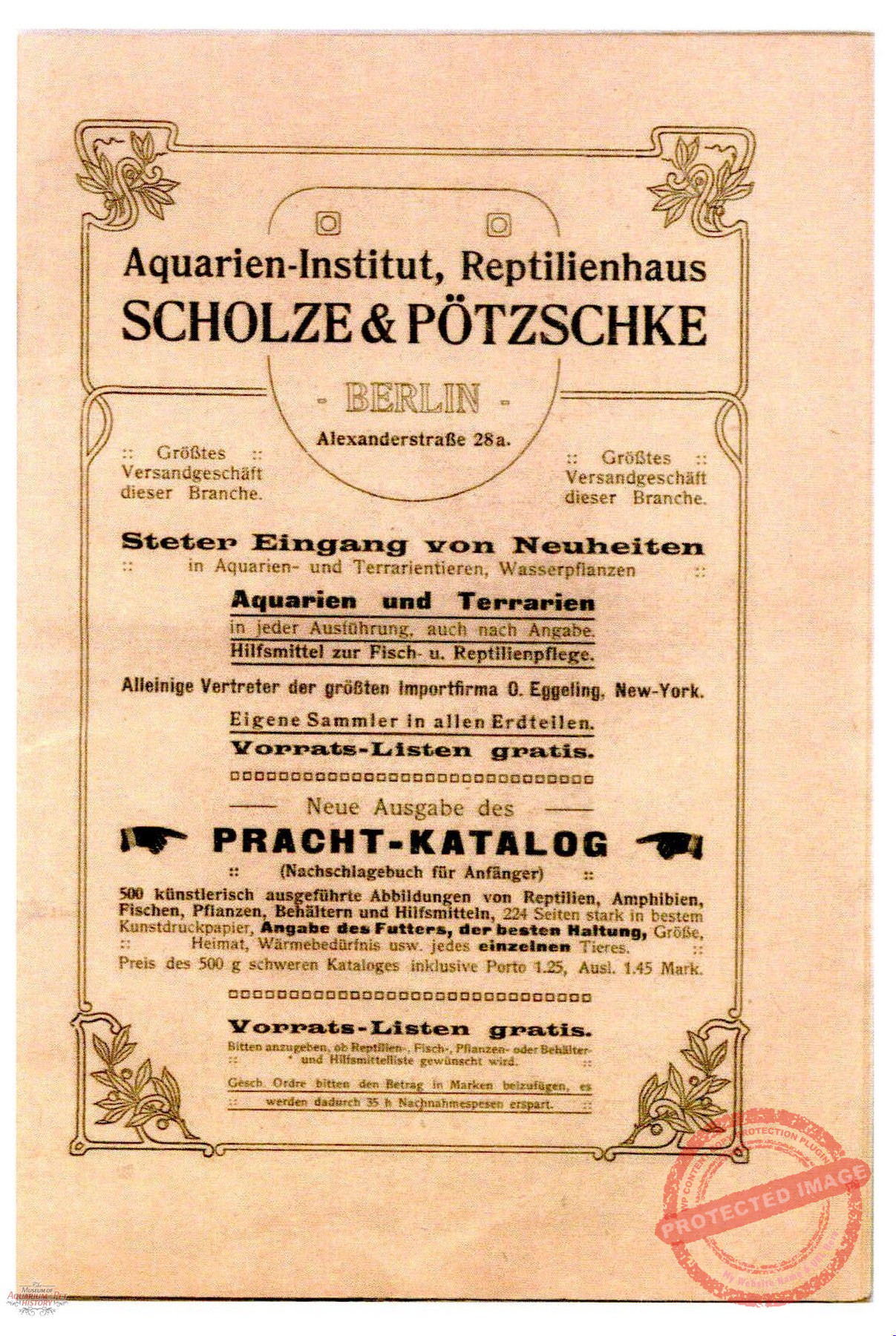
“Schopö” advertisement in the “Lotus” exhibition catalog.
Before I proceed with the chronological narrative, I wish to acknowledge at this juncture that a wealth of material has been gathered and published by two of my close friends, which proved invaluable to my research on “Schopö” and put me on many a fruitful scent. The first is Hans-Albert Pederzani, who lived for many decades until his 99th year in a modern building erected on the exact site of the original “Schopö” address (Alexanderstrasse 27), and who had worked at “Schopö” as a schoolboy. The second is Frank Fritzlen, the premier antiquarian bookseller for aquarium and terrarium and cynological literature, possessed of immense erudition and a burning passion for historical texts. His antiquarian bookshop, “Castellum,” is the richest and most meticulously organized repository for these subjects worldwide. Through their meticulous research and subsequent publications, both men have made it possible for us today to know precisely when each of the three deluxe catalogs of the Scholze & Pötzschke firm was published. I draw upon the insights of these two friends to provide, for the first time, a comprehensive account of “Scholze & Pötzschke” from their inception to their demise.
If one examines the illustrations across all three catalogs, one finds the signature “Curt Scholze” on a vast number of the color and black-and-white animal prints (the originals of which were undoubtedly in color as well). He was the brother of Arthur Scholze; his artistic and graphic talent (he also designed the respective cover pages) was a stroke of good fortune for the firm, keeping the external costs of catalog production within modest bounds. Frank Fritzlen succeeded in acquiring several of Curt Scholze’s original artworks. It is to him that we owe the illustrations displayed here. The two brothers formed the tandem within the company that dealt directly with the terrarium animals. Arthur Scholze traveled perpetually across the globe to import specimens from every corner of the earth. The firm advertised with the slogan: “Our own collectors on all continents.”
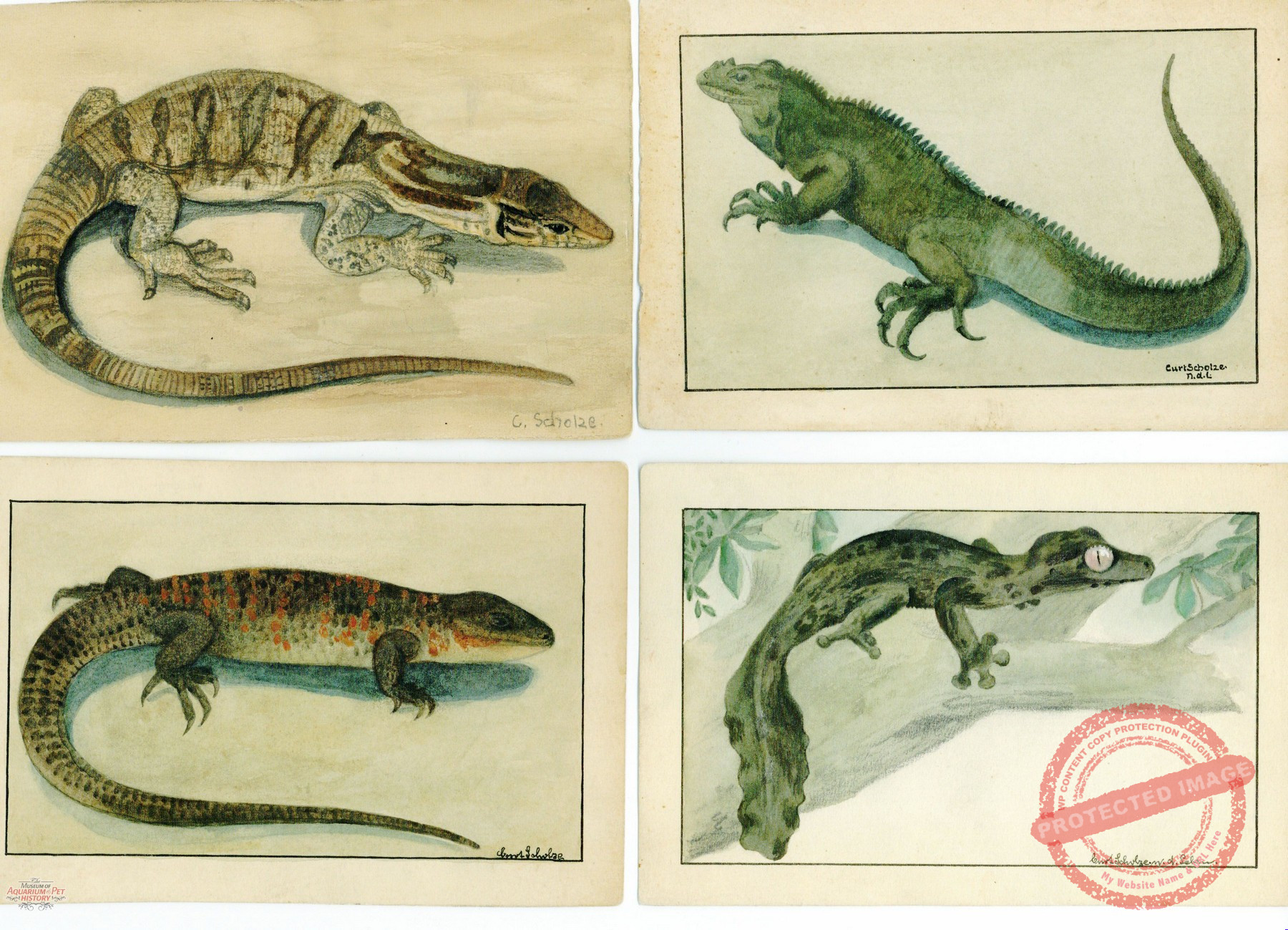
From the estate of Werner Schröder, the former director of the Berlin Aquarium at the Zoo, Frank Fritzlen acquired several original watercolors by Curt Scholze. These were meticulously prepared for the deluxe catalog, though most were unfortunately printed only in black and white or omitted entirely; pictured here are four of them: Spiny-tailed Monitor, Varanus acanthurus (top left); Rhinoceros Iguana, Metopocerus cornutus (now Cyclura cornuta; topright); Berber skink, Eumeces schneideri (bottom left); and Common flat-tail gecko, Uroplatus fimbriatus (bottom right).
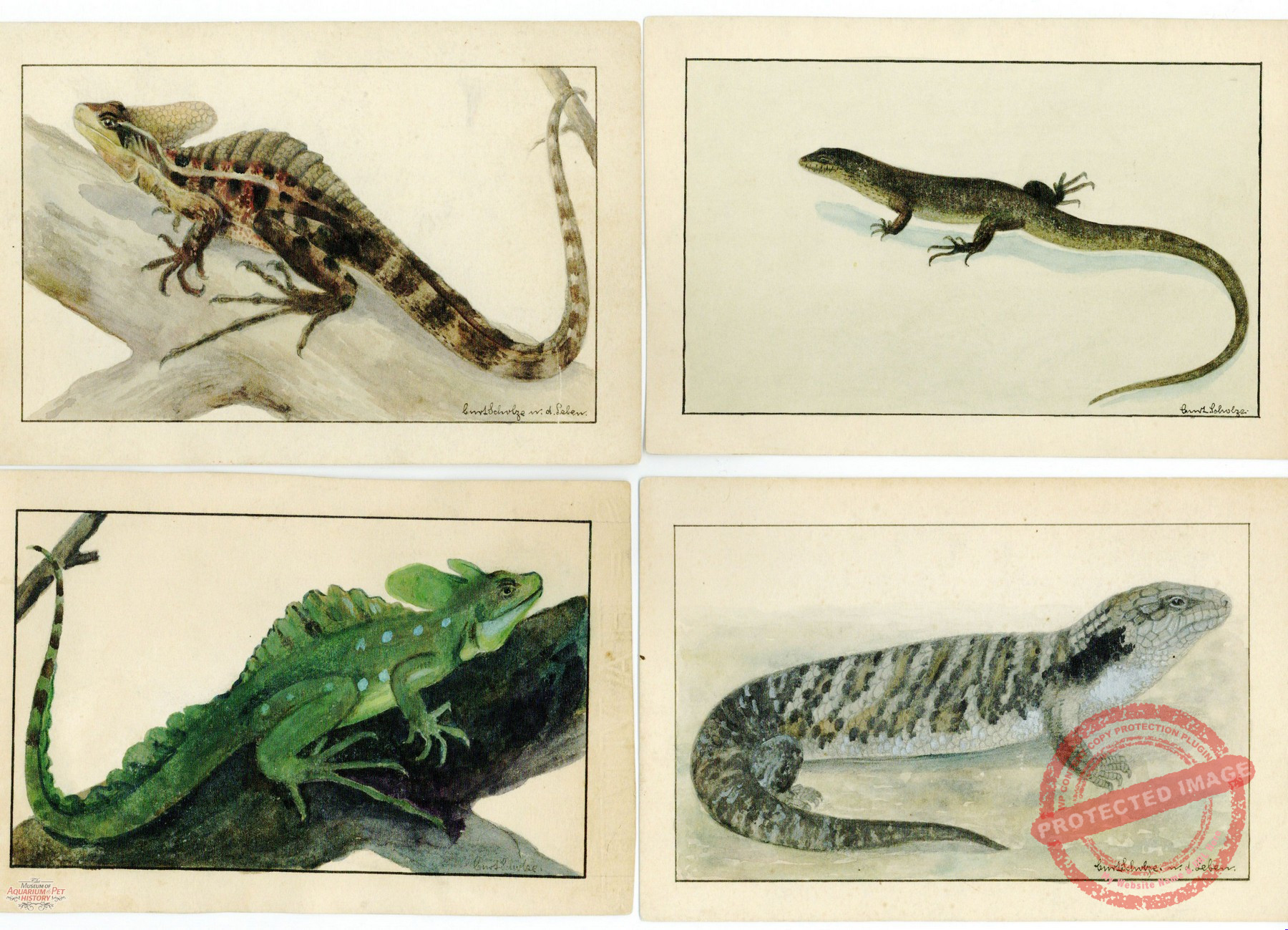
Another four originals by Curt Scholze: Brown Basilisk, Basiliscus vittatus (top left); presumably Desert Skink, Egernia inornata (top right); Green Basilisk, Basiliscus plumifrons (bottom left); and Common Blue-tongued Skink, Tiliqua scincoides (bottom right).
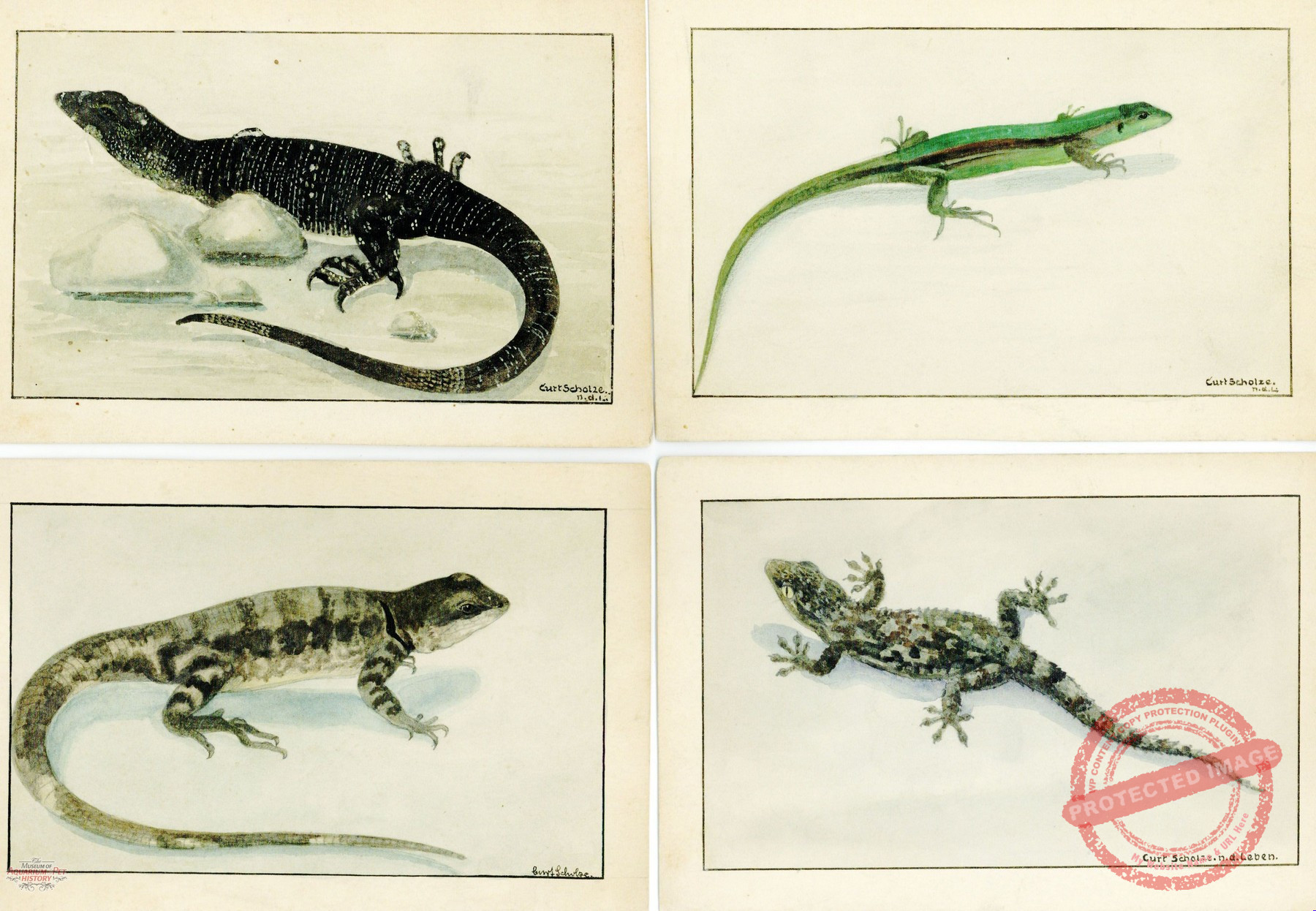
Another four originals by Curt Scholze: Presumably Argentine black and white tegu, Teju meriianae (top left); presumably Giant ameiva, Ameiva ameiva (top right); presumably Common Collared Lizard, Crotaphytus collaris (bottom left); and presumably Moorish gecko, Tarentola mauritanica (bottom right).
In the intervening years, an increasing number of international business alliances had been forged, such that “Schopö” frequently served as a transit station or quarantine facility for amphibians and reptiles. They sold onwards to pet retailers, other wholesalers, nearly every zoological garden in Europe, university institutes, natural history museums (which also received specimens that had perished), and, naturally, private enthusiasts. The ranks of their clientele included illustrious names and celebrated institutions. A prime example—the aquarium of the Berlin Zoological Garden and its founding director, Dr. Oskar Heinroth, the father of ethology—will be chronicled at a later point in this series.
Something truly extraordinary must be highlighted at this juncture, for it represents a historical anomaly in the entire annals of the livestock trade: “Schopö” offered a lifetime guarantee for all delivered animals—akin, in essence, to a pet life insurance policy. Even in those days, it was the dealers’ foremost priority to care so meticulously for their charges that this commercial practice posed no untenable risk, serves instead to permanently cement their corporate success. Arthur Scholze and Paul Pötzschke employed an exceptional, thoroughly educated, and practically trained staff who made such a survival guarantee possible. Every animal was first systematically acclimated to terrarium conditions, particularly regarding the specific feeder animals, plants, and supplementary products available. The insights garnered during this process were directly passed on to the clientele. In the deluxe catalogs, vast multitudes of husbandry details were didactically organized and published in the manner of a specialized textbook.
For this reason, “Schopö” remains celebrated today—at least within Europe—not merely as the vanguard of an exemplary import enterprise, but as the entity that instilled in novices from the very outset the realization that this hobby can only be sustained through biological self-education, a deep comprehension of the life expressions of one’s charges, and a steadfast willingness to assume lifelong responsibility for the animals. In stark contrast to the anthropomorphism and sentimental trivialization of animals emerging in Germany during that same era, the ethos (the spirit of a culture, era, or community) advocated and published by “Schopö” remained biologically precise, sober, and yet anchored in a knowledge-based affection for their livestock. The nascent (just coming into existence and beginning to display signs of future potential) animal protection movement of the time—nourished by Waldemar Bonsels’ 1912 book „Biene Maja“ (“Maya the Bee”) and a flurry of successive works, such as those by Manfred Kyber, which engineered a misguided, entirely altered sentimentality toward animals in children through stories of rabbit schools and animal monarchies—could only gain widespread traction following the Nazi rise to power, an influence they unfortunately retain to this day.

Cover of the 1912 children’s book „Biene Maja“ (“Maya the Bee”) by Waldemar Bonsels, whose style and anthropocentric view of animals induced a worldwide boom in humanized animal stories, ultimately paving the way for Disney characters.
The “Schopö” catalogs are a veritable treasure trove documenting which amphibian and reptile species were imported into Europe for the very first time at the date of publication. They are countless! As early as the crocodile catalog of 1909, a photograph of the tuatara, Sphenodon punctatus, was featured—sourced from Paul Krefft’s volume „Das Terrarium“ (“The Terrarium”)—bearing the annotation: “Confidently anticipated with our spring import of this year.” Although competing importers existed in England, “Scholze & Pötzschke” outpaced their rivals through the sheer abundance and quality of their vast inventory, particularly regarding the amphibians and reptiles of the Australasian region. The sheer volume of individuals was equally staggering; a single import shipment from North America, for instance, would contain not a mere five, but fifty alligators. Housing such a vast number of animals, which demanded immense space, was feasible only because numerous institutions and dealers had submitted advance wish lists and pre-orders. The remainder constituted a calculated business risk, which almost invariably yielded a profitable outcome.
It was Paul Pötzschke who, alongside his competent staff, kept the fish tanks and terrariums in immaculate condition. He operated as the business manager: orchestrating advertisements, setting prices, cultivating relationships with both the livestock and the clientele, and shoulder virtually all the bureaucratic demands of corporate management. However, Paul Pötzschke harbored a distinct partiality for aquariums and their denizens. Thus, it is hardly surprising that “Schopö” was already selling more than one million aquarium fish annually at the time, among them numerous initial imports and the progeny (a descendant or descendants of a person, animal, plant, or offspring) of first-time captive breedings. Whenever Arthur Scholze was not traveling abroad, he dedicated his efforts to the terrariums and their inhabitants. Such was the division of labor between the two proprietors. They were deeply revered by their employees and patrons alike—a rare phenomenon both then and now.
The imperial monarchy existing in Germany prior to the First World War offered a highly fertile ground for commercial growth within the newly emerging pet industry from the turn of the century until 1914. The immense volume of initial imports of fish, amphibians, reptiles, and invertebrates, as well as tropical flora during this epoch, stands as a testament to this boom. Avast portion of this traffic was directly attributable to”Schopö.” Soon, the escalating numbers of individual animals within the facilities of both commercial premise sat Alexanderstrasse 27 and 28 were no longer sufficient. It was a stroke of serendipity, therefore, when a complex of antiquated buildings on Alexanderstrasse was slated for demolition to make way for a modern structure, driven forward by the men’s clothing department store “Kajot” (officially “KJ,” though Berliners utilized a spelling that mirrored the phonetic pronunciation of these two letters). The site in question was located at Alexanderstrasse 12.
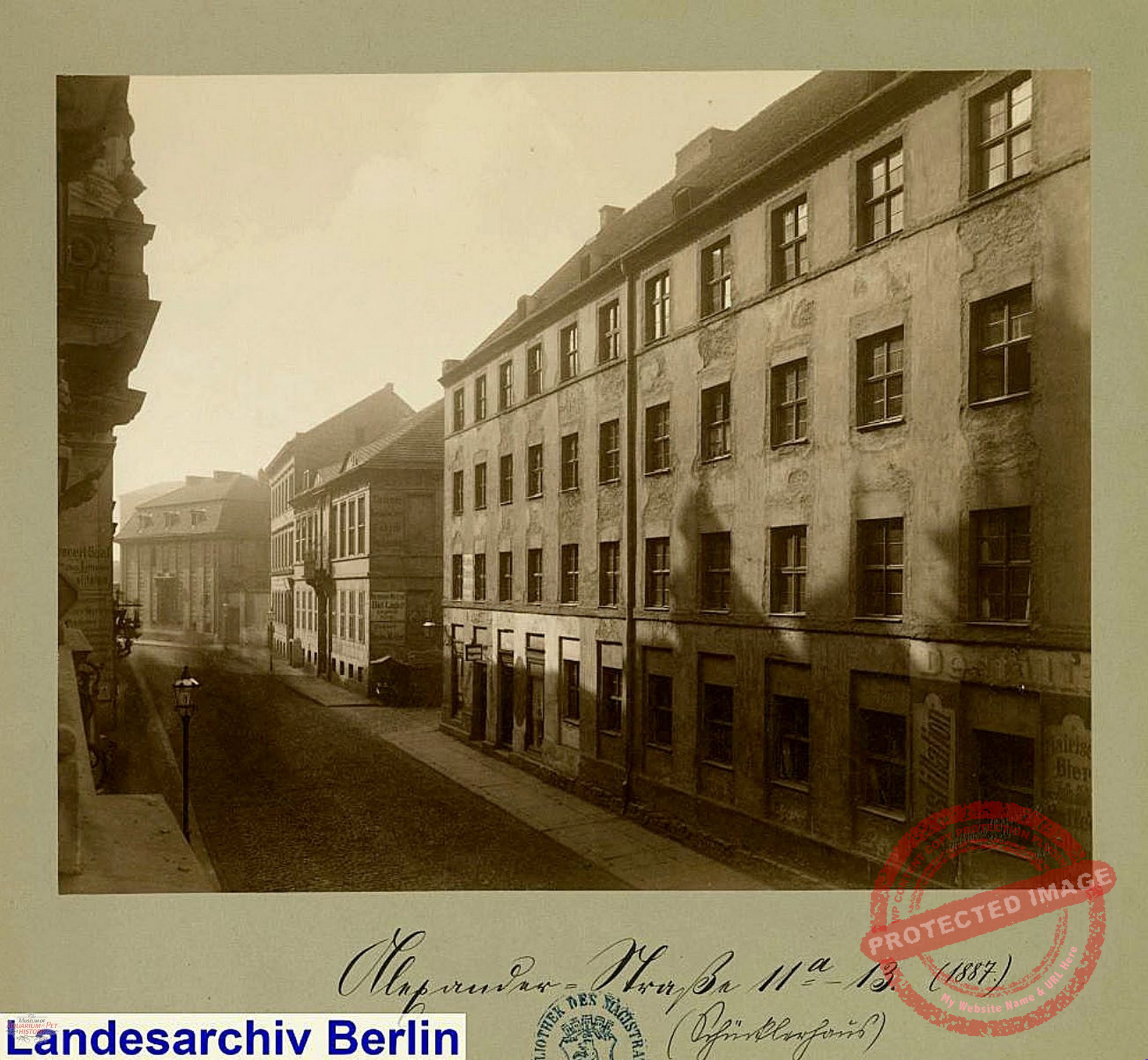
The antiquated buildings of Alexanderstrasse (here showing house numbers 11a to 13 in the year 1887; photograph from the collection of the Landesarchiv Berlin) were no longer fitting for the era and had fallen into disrepair; in 1914, many of them were demolished to make way for modern structures.
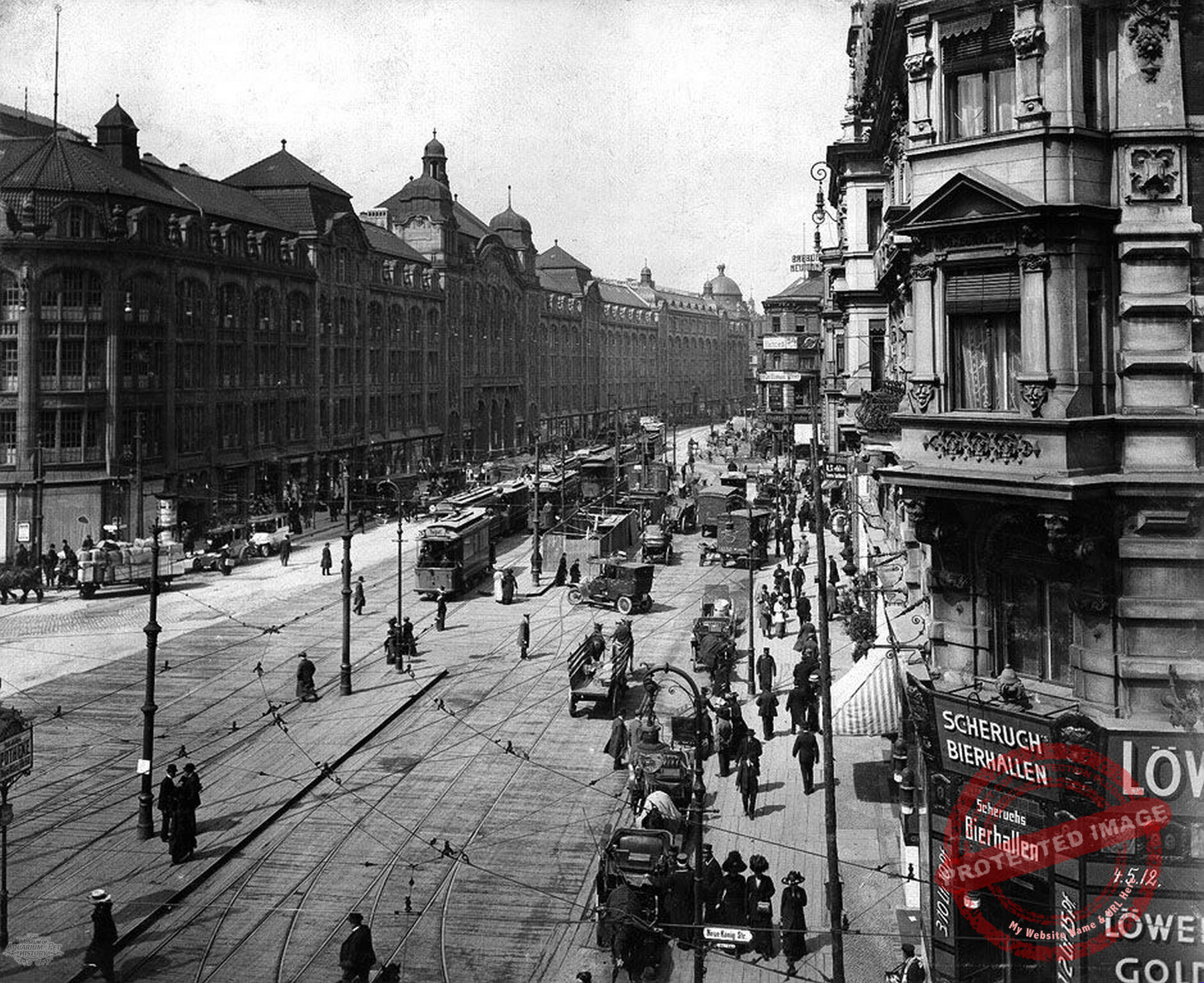
Alexanderstrasse became a bustling commercial thoroughfare during the first half of the 20th century.
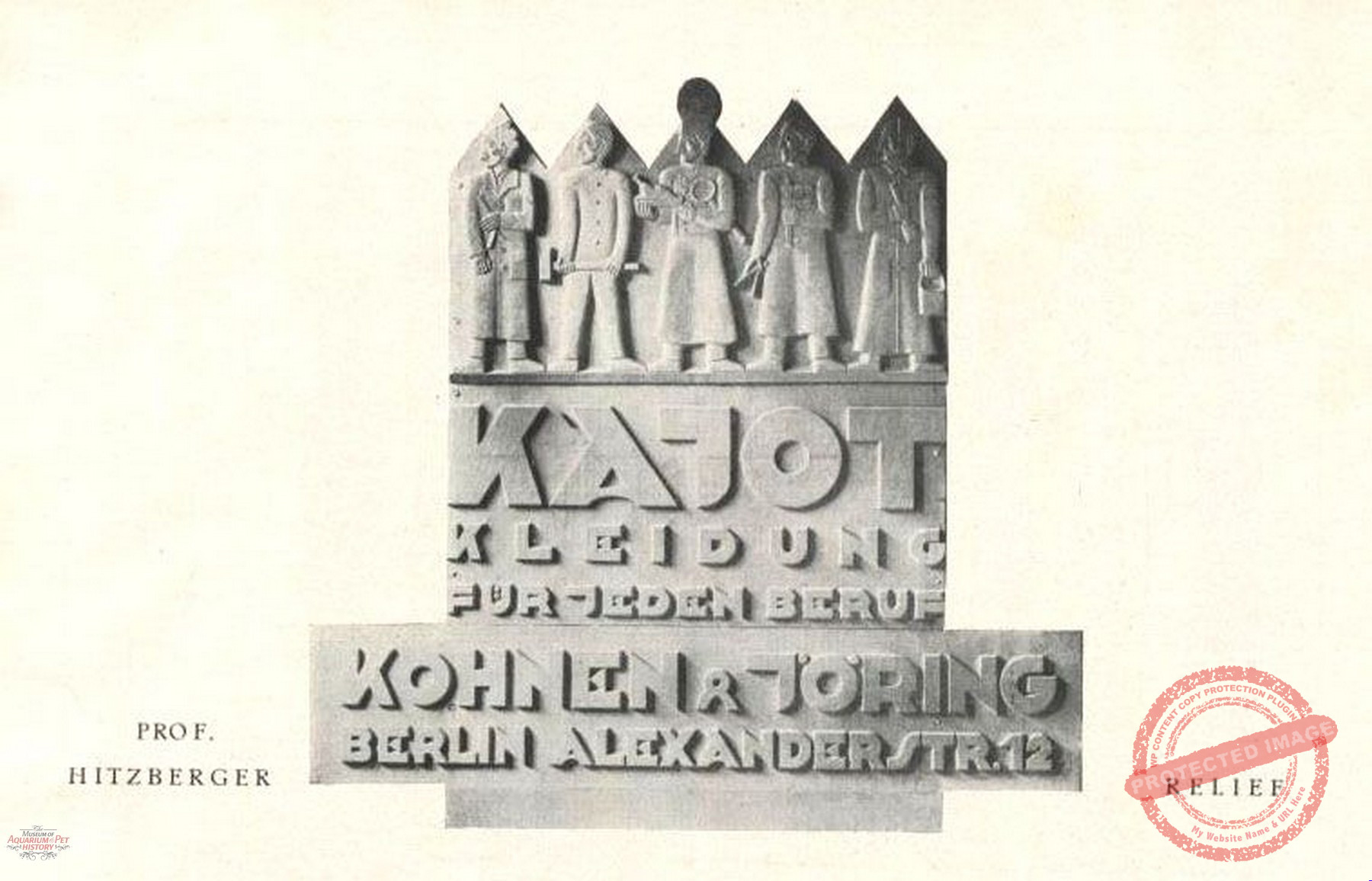
The “Kajot” department store shaped the fashion trends and architectural design of that era; shown here is the entrance relief designed by Professor Hitzberger, the very environment in which “Schopö” began to flourish.
Prior to the First World War, entrepreneurs in Berlin were enjoying a period of pronounced prosperity. Innumerable new builds materialized everywhere, and thus modern, metropolitan commercial edifices (a building – especially a large imposing one) were erected along Alexanderstrasse as well. Directly opposite the business premises of “Scholze & Pötzschke” rose the new structure at Alexanderstrasse 12. The fifth and topmost floor remained vacant. Its singular advantage lay in a sprawling glass roof and a footprint of 1,500square meters (approximately 16,000 square feet)—offering vastly more space than their previous quarters. Arthur Scholze and Paul Pötzschke seized this prime opportunity and leased the entire penthouse floor. The extraordinary developments that unfolded from this expansion, and the particularly prominent, high-volume client whose patronage virtually insured the financial risk of such an immense enlargement of the company’s facilities, will be chronicled in the next installment of this series.