A Country of Dogs
The British Isles are home to some of the world’s most popular breeds, and there are certainly enough variations to appeal to everyone today, from the tall, rangy Irish wolfhound through to the popular and characterful Jack Russell terrier, named after the West Country parson who created these small dogs. Around 60 breeds in total have been developed in these islands, of which the majority are terriers.
But what is usually forgotten is that unlike the situation today, where most breeds are kept primarily as pets, their origins are reflective of the landscapes, the times and the social order in which they were created. All these factors have left an indelible mark not just on the appearance of today’s breeds, but also on their characters, which a would-be pet owner now ignores at their peril.
Early days – introduction
One of the earliest reasons underpinning the domestication of the wolf and the transformation into domestic dogs was its ability to detect possible danger, especially at night. It is said that Julius Caesar invaded Britain partly to acquire some of the ferocious dogs being bred here. Strangely, the bullmastiff is the only true guardian breed created in Britain over the course of recent centuries: it was bred from a combination of the mastiff and the old-style, large and more aggressive English bulldog, being used by gamekeepers on the Victorian estates to deter poachers.
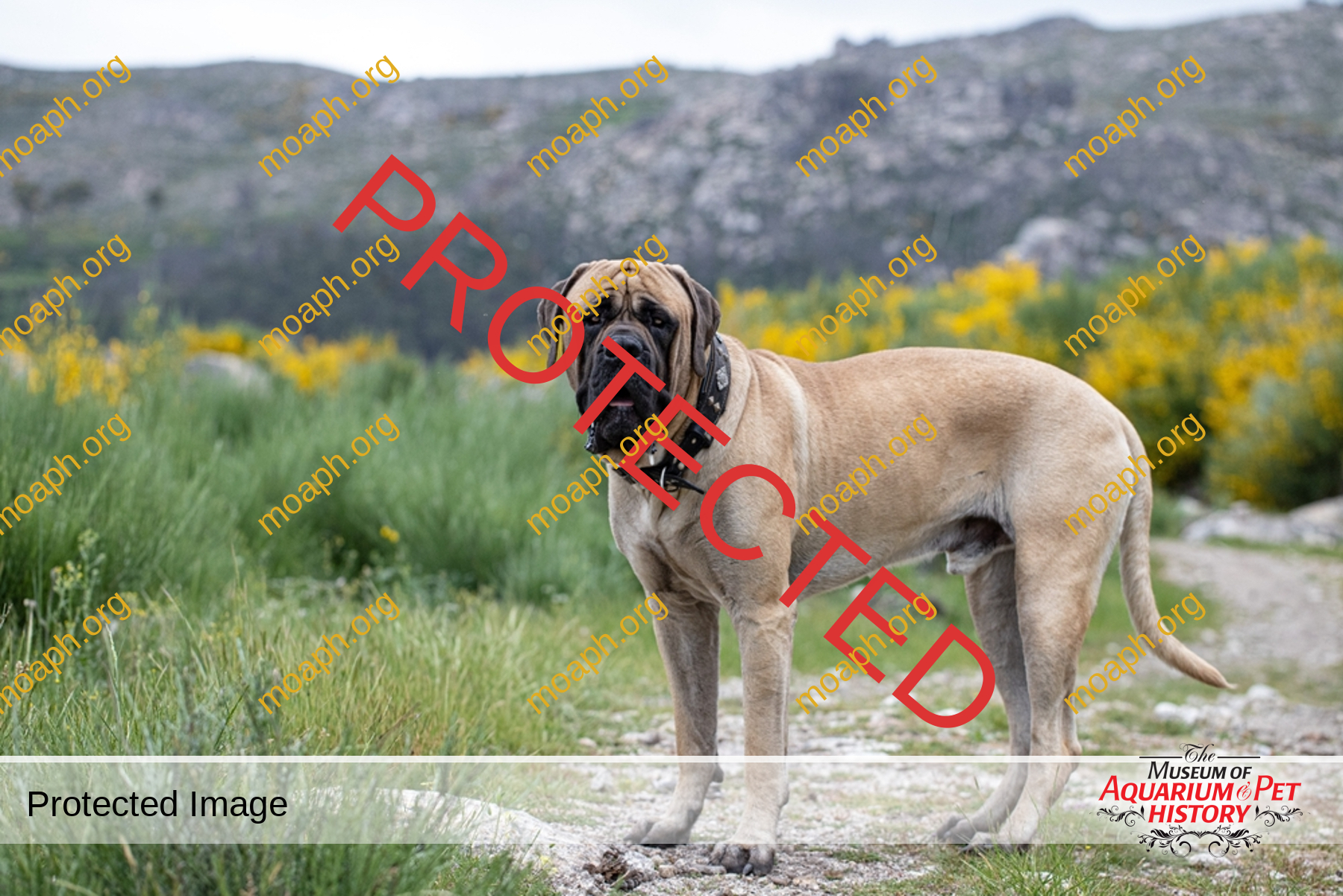
English mastiff (England) Photo Credit: Monica Arauz/www.shutterstock.com
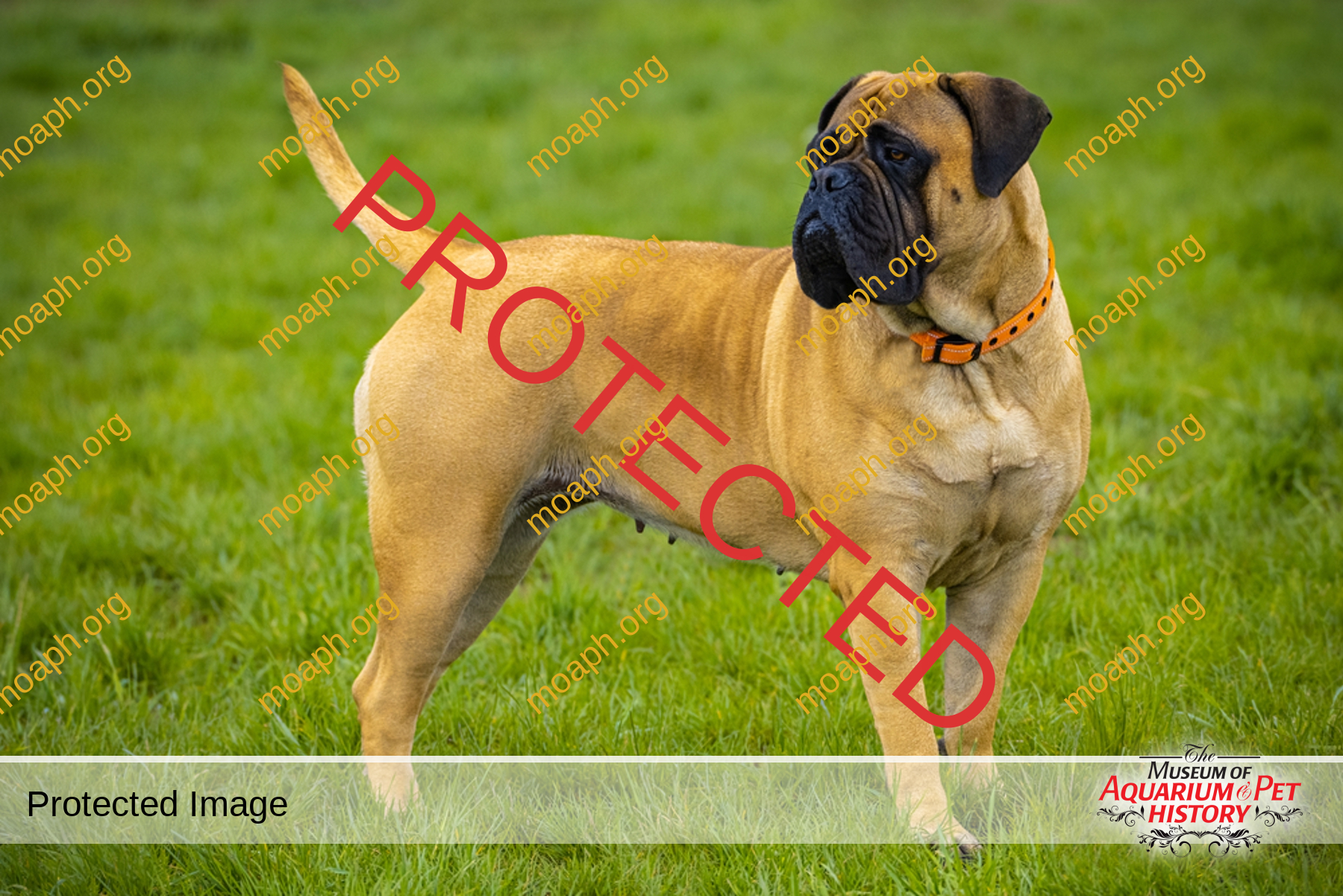
Bullmastiff (England) Photo Credit: Michael J Magee/www.shutterstock.com
Flock-workers
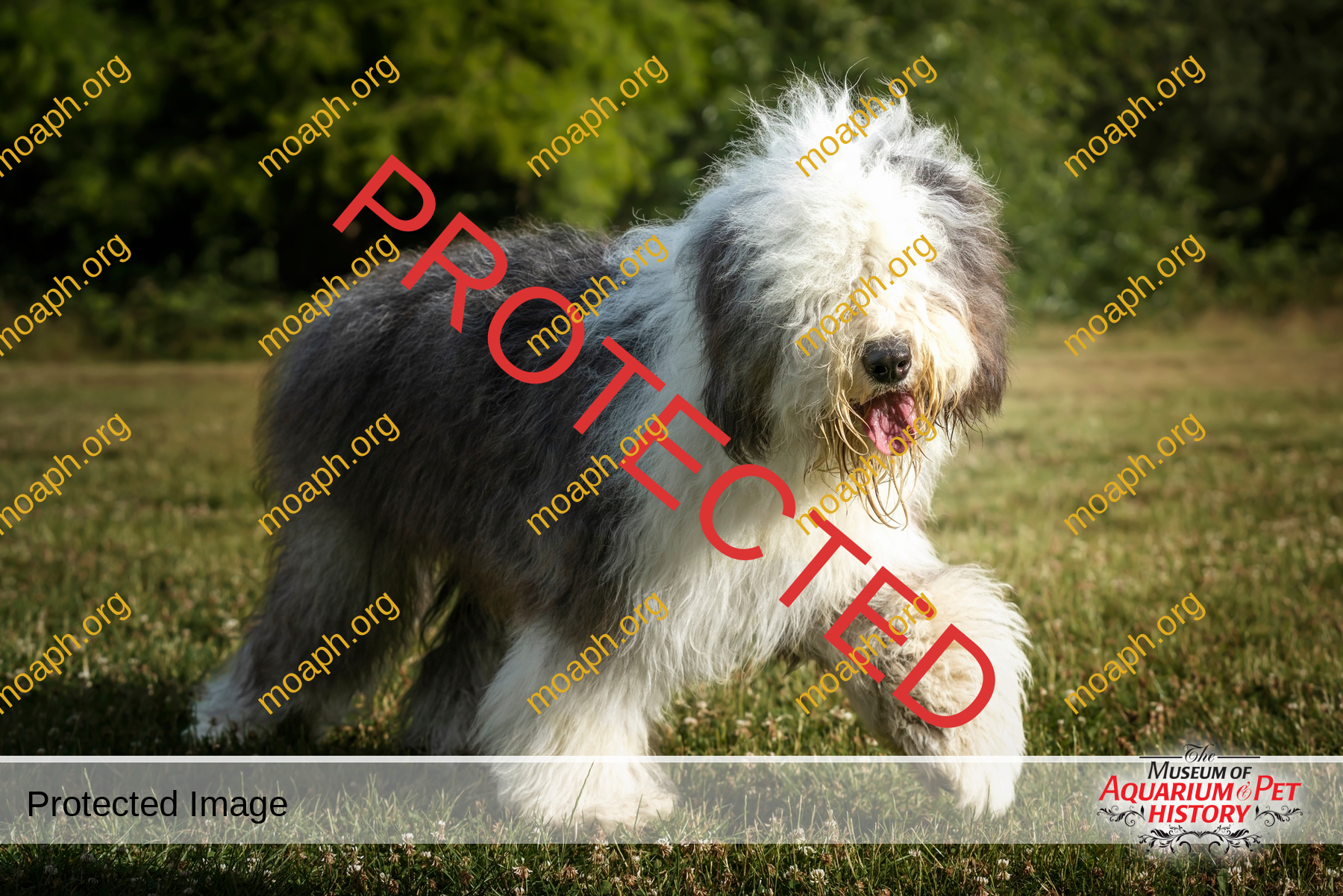
Photo Credit: chrisukphoto/www.shutterstock.com
Old English sheepdog (England)
Traditionally used for herding cattle and sheep, the Old English sheepdog is known for its rather shaggy, gray-and-white coat and bear-like appearance. Its rolling gait and thick fur are distinctive. It also used to be called the Bobtail, when it was legal to dock the tails of dogs. There is an early portrayal of a dog resembling the Old English sheepdog in a painting by the famous English artist Thomas Gainsborough, dating back to 1771, confirming that it has a long-standing history, with the bearded collie believed to have played a part in its development. Since 1961, the breed has become well-known for advertising Dulux paint, to the extent that the Old English Sheepdog is now sometimes called the Dulux dog!
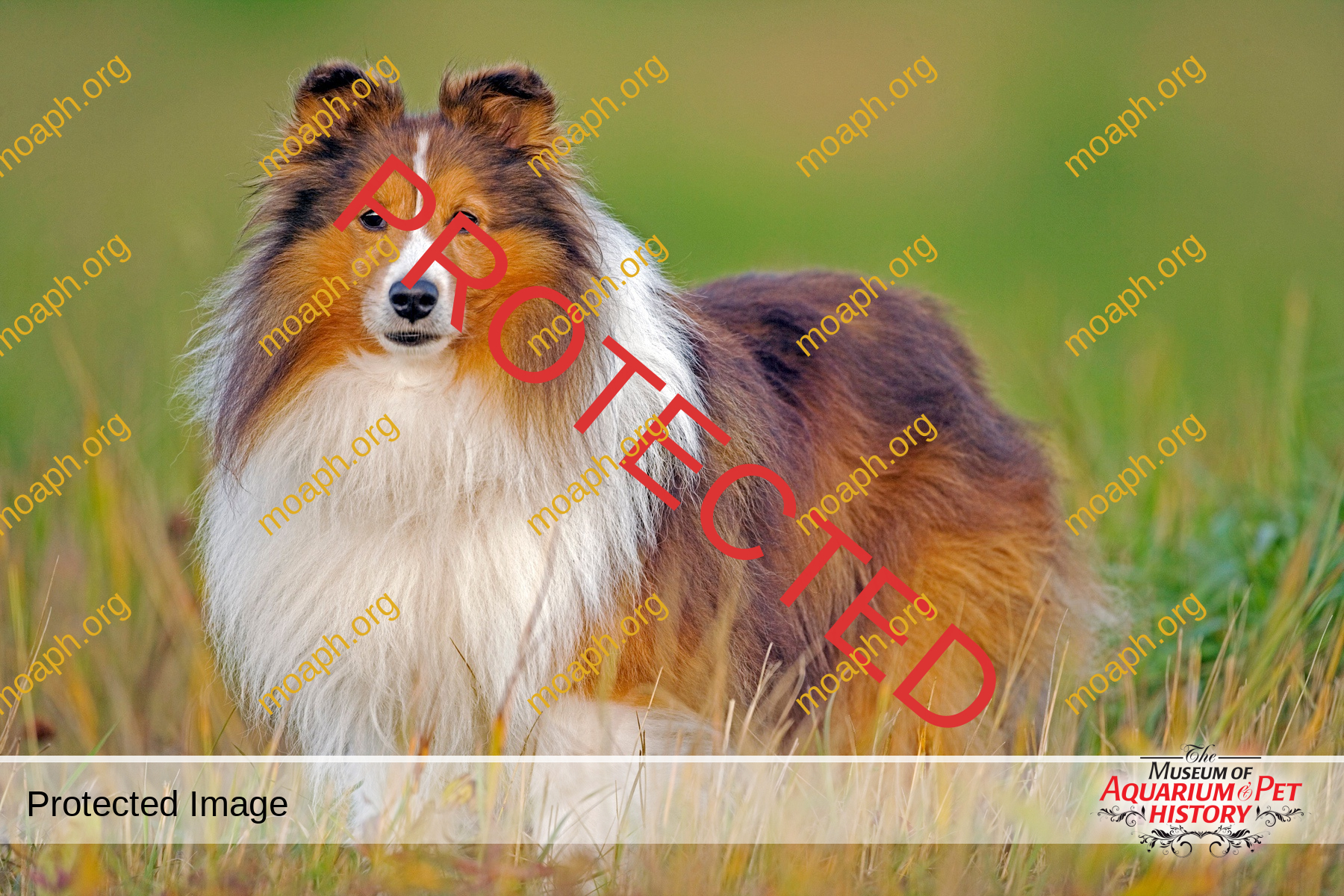
Shetland sheepdog (Scotland)
Also known as the Sheltie, this breed originates from the Shetland Islands. Like Shetland ponies and Shetland sheep, it is smaller than the corresponding mainland breed in guise of the rough collie. These sheepdogs were traditionally used in part to keep the sheep away from growing crops, rather than simply herding them, in a landscape where fencing was rare. There may have been some early input from the larger rough collie in the early days, explaining the similarity in appearance today.
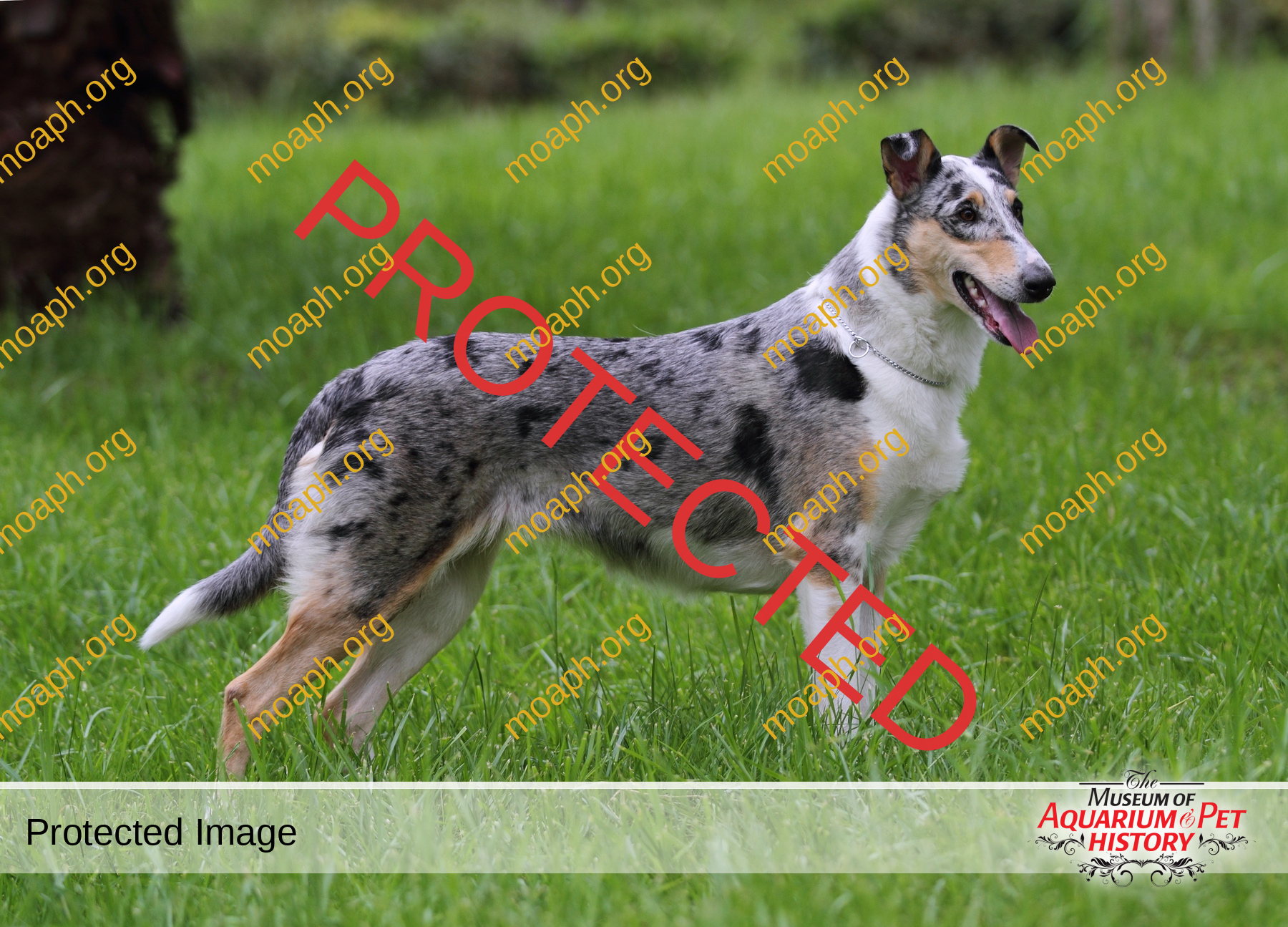
Smooth collie Photo Credit: Golland/www.shutterstock.com
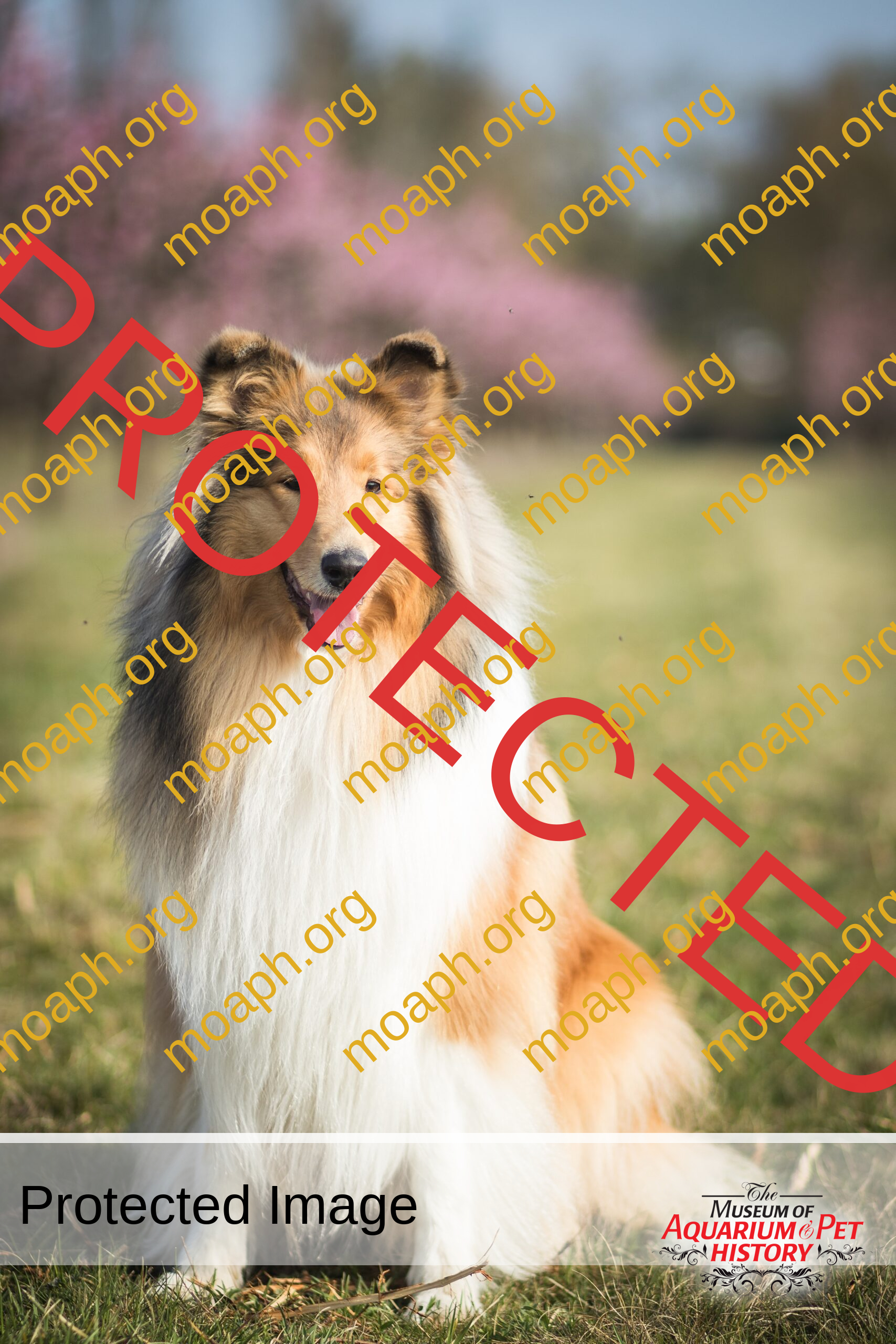
Rough collie Photo Credit: AnetaZabranska/www.shutterstock.com
Rough & smooth collies (Scotland)
These breeds were developed in the 19th century as herding dogs to work with sheep and other livestock. Their history traces back to local herding dogs, refined through selective breeding for intelligence, agility, and loyalty. The rough collie, with its long, dense coat, and the smooth collie, with its sleeker appearance, were bred for the rugged Highland terrain. Popularised by Queen Victoria’s interest in them, and subsequently, the appearance of rough collies in the role of ”Lassie,” they became beloved companions up until the last quarter of the 20th century. Today, their popularity has declined significantly, with the smooth collie in particular becoming quite scarce, with fewer than 30 puppies in total being registered annually in the UK.
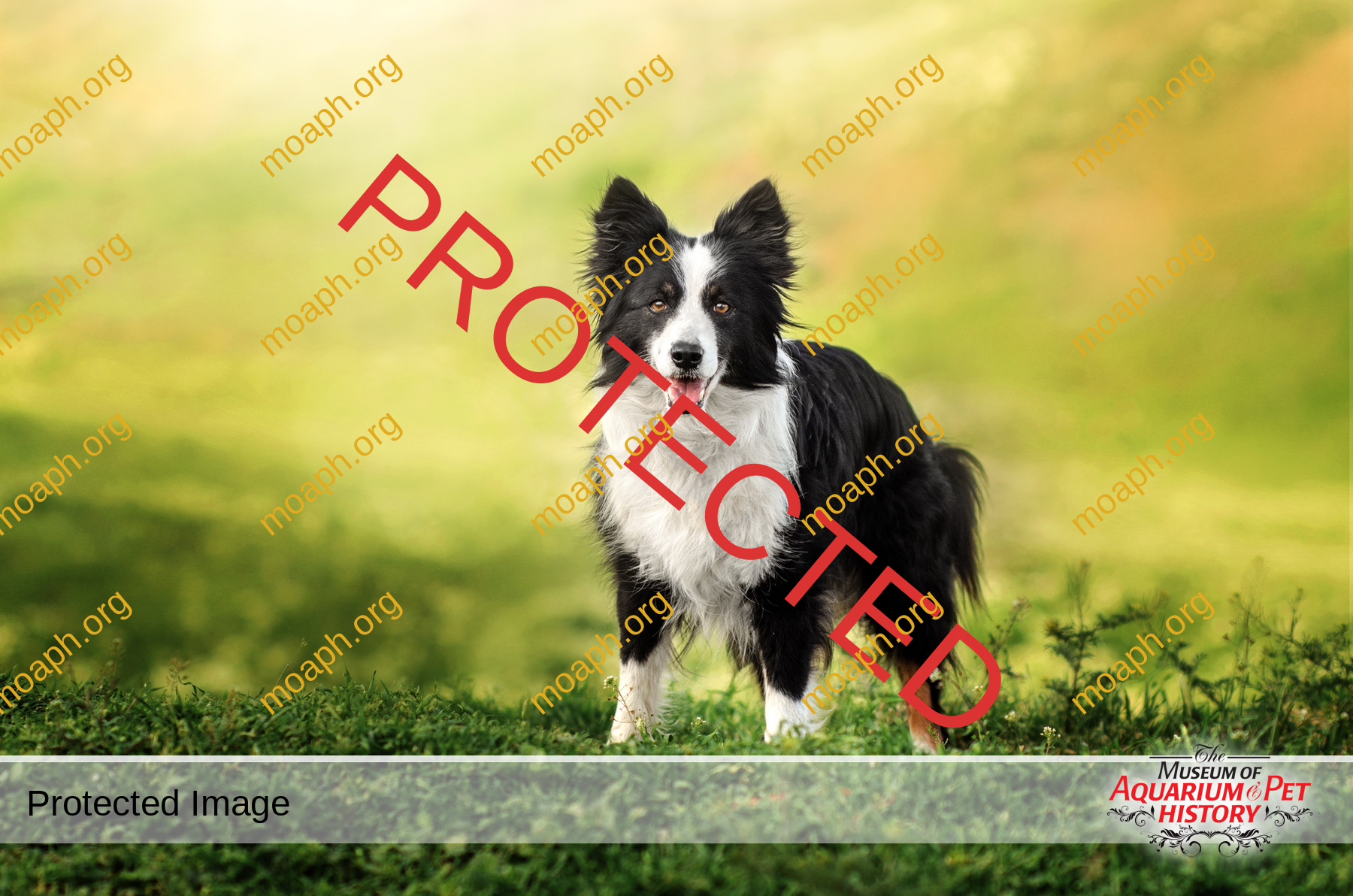
Border collie (Scotland)
Popularly considered to be the most intelligent domestic dog – is this borne out in reality? An assessment of their working style and abilities suggests that this could indeed be the case. They love canine sports like flyball.
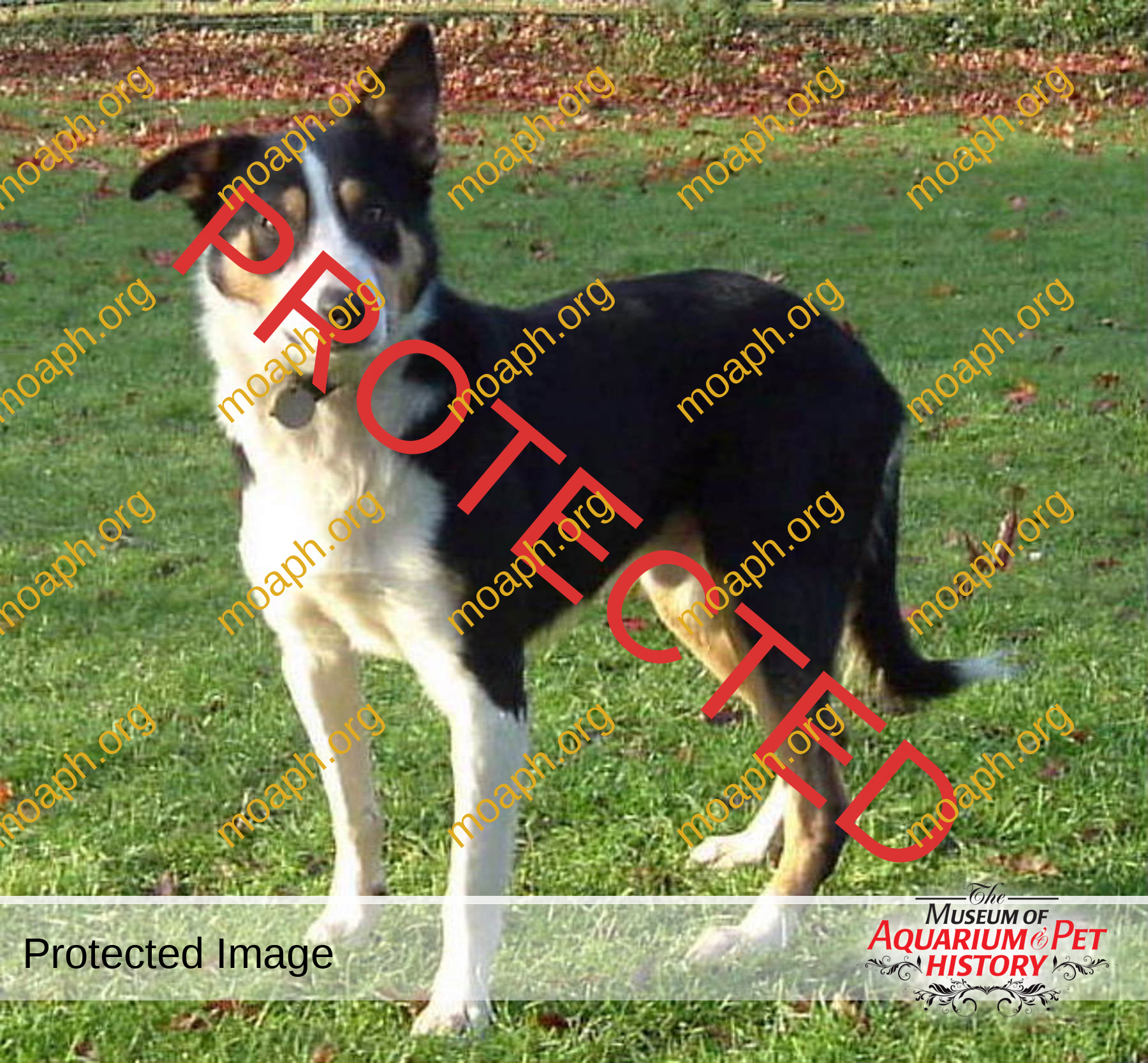
Welsh collie (Wales)
Unlike other, now scarce or even extinct Welsh breeds of sheepdog, this one is descended from Border collie stock. The Welsh collie itself nearly went extinct at the end of the 20th century.
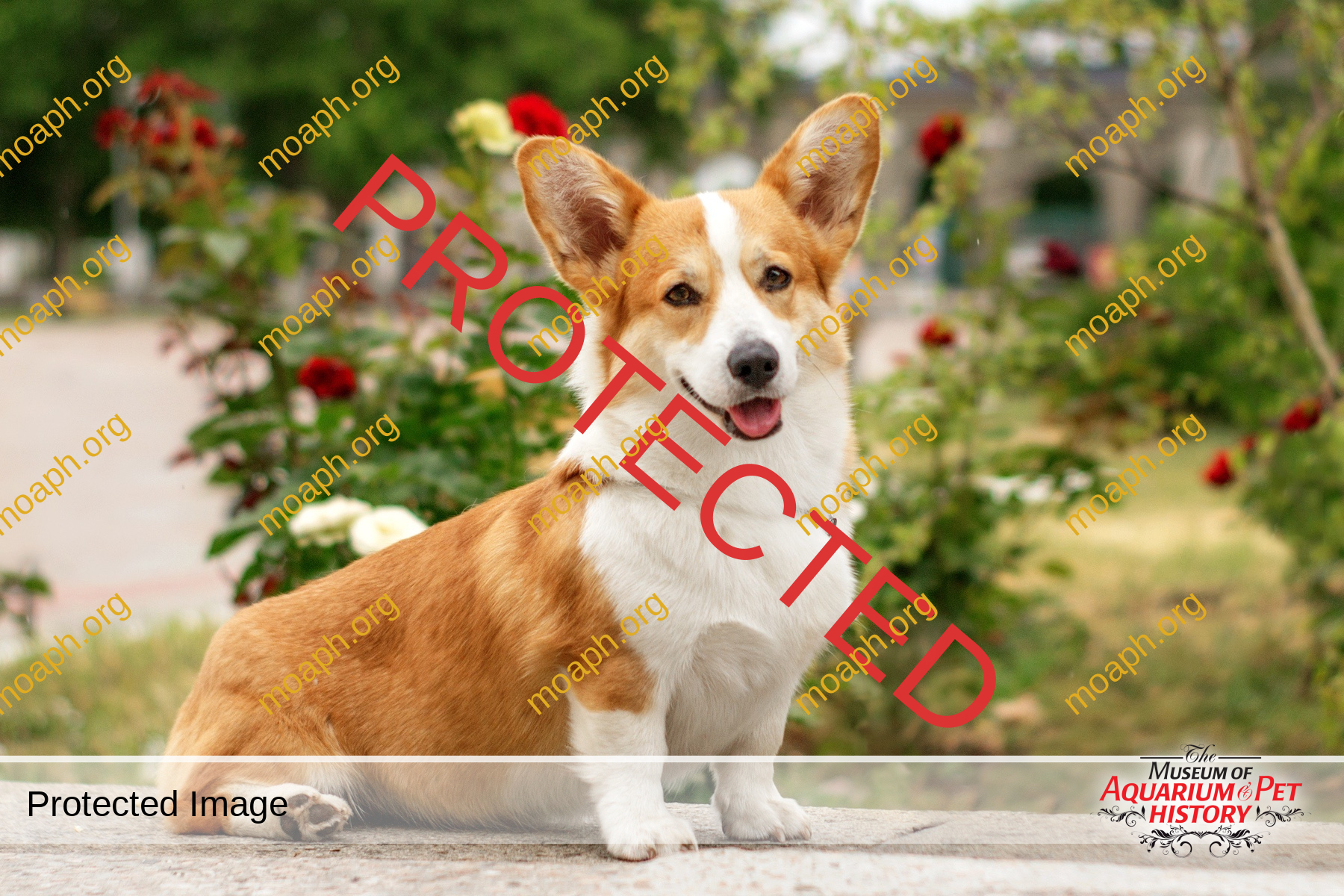
Pembroke corgi
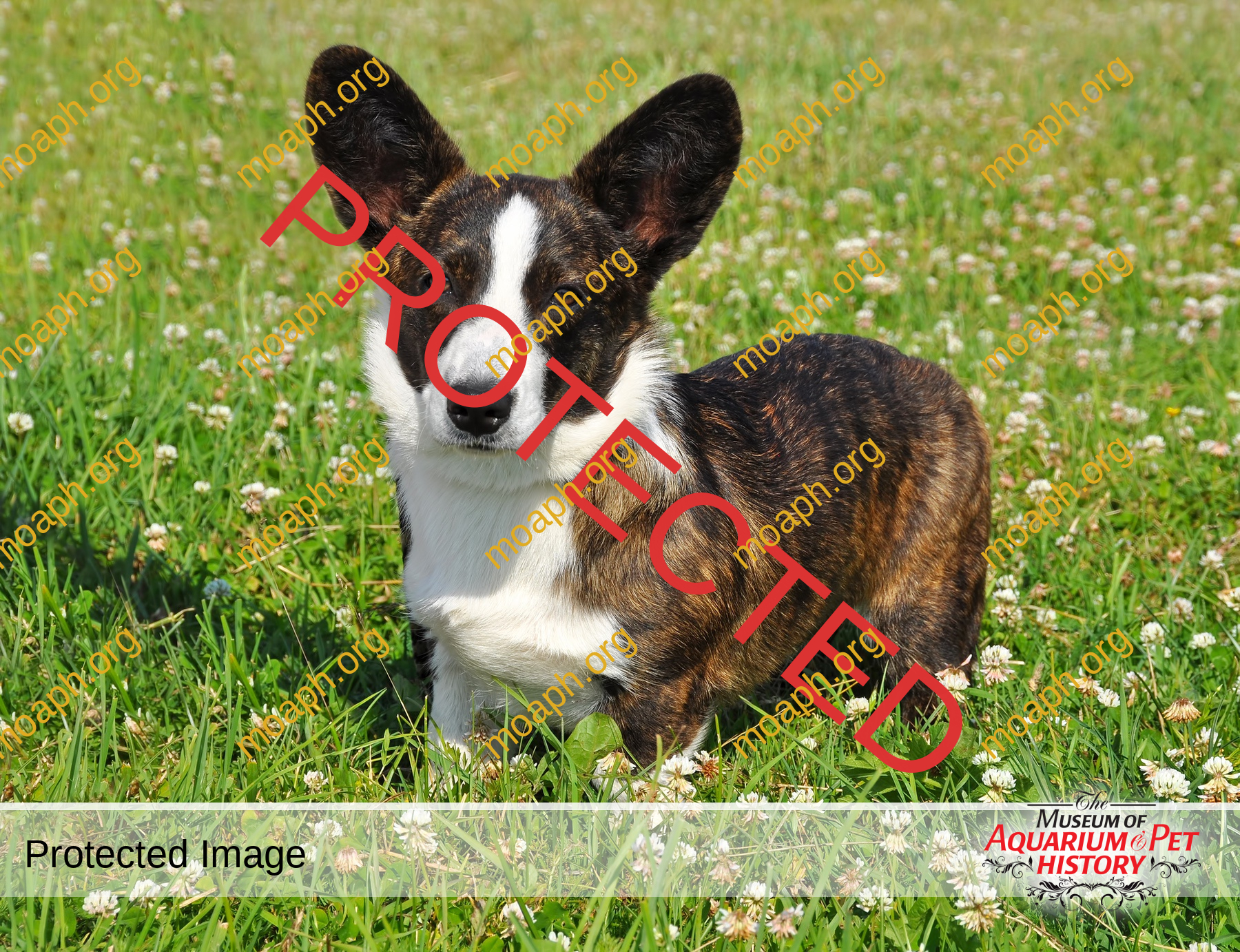
Cardigan corgi
Welsh corgis (Wales)
There are two types of these small cattle-herding dogs, with the Pembroke form favoured by the late Queen Elizabeth II, rather than its Cardigan relative. Why are they prone to nipping people? It relates to their original function as cattle-herders. Even their royal champion was bitten by her charges! The word ‘corgi’ come from the Welsh language, and translates as ‘dwarf dog’. These two breeds used to be grouped together originally for show purposes, but were separated in 1925. The Cardigan has larger ears and long fox-like tail.
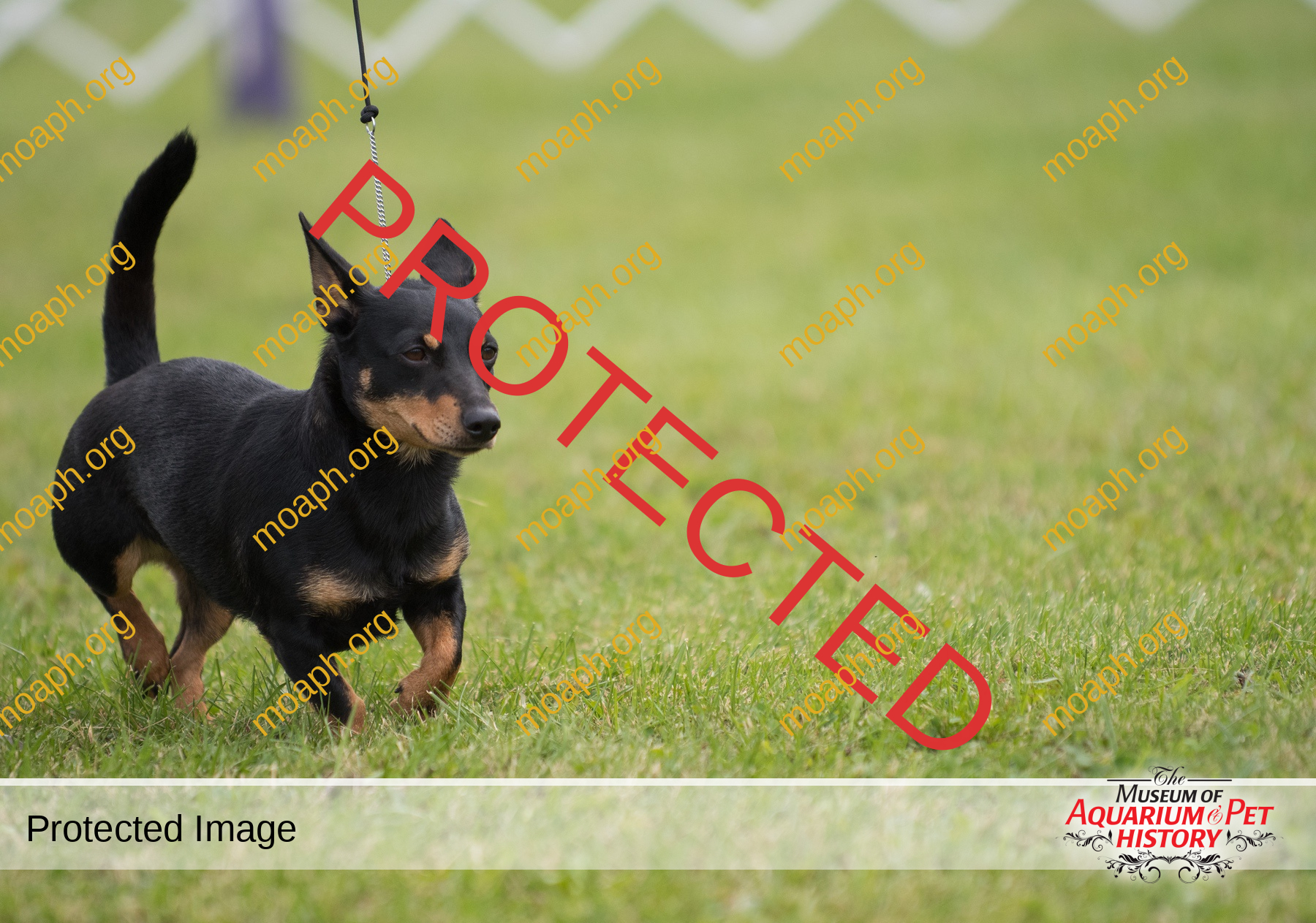
Lancashire heeler (England)
Some breeds go extinct, and this was basically what happened with this farm breed during the 1960s, but it has since been revived and has become popular in the show ring.
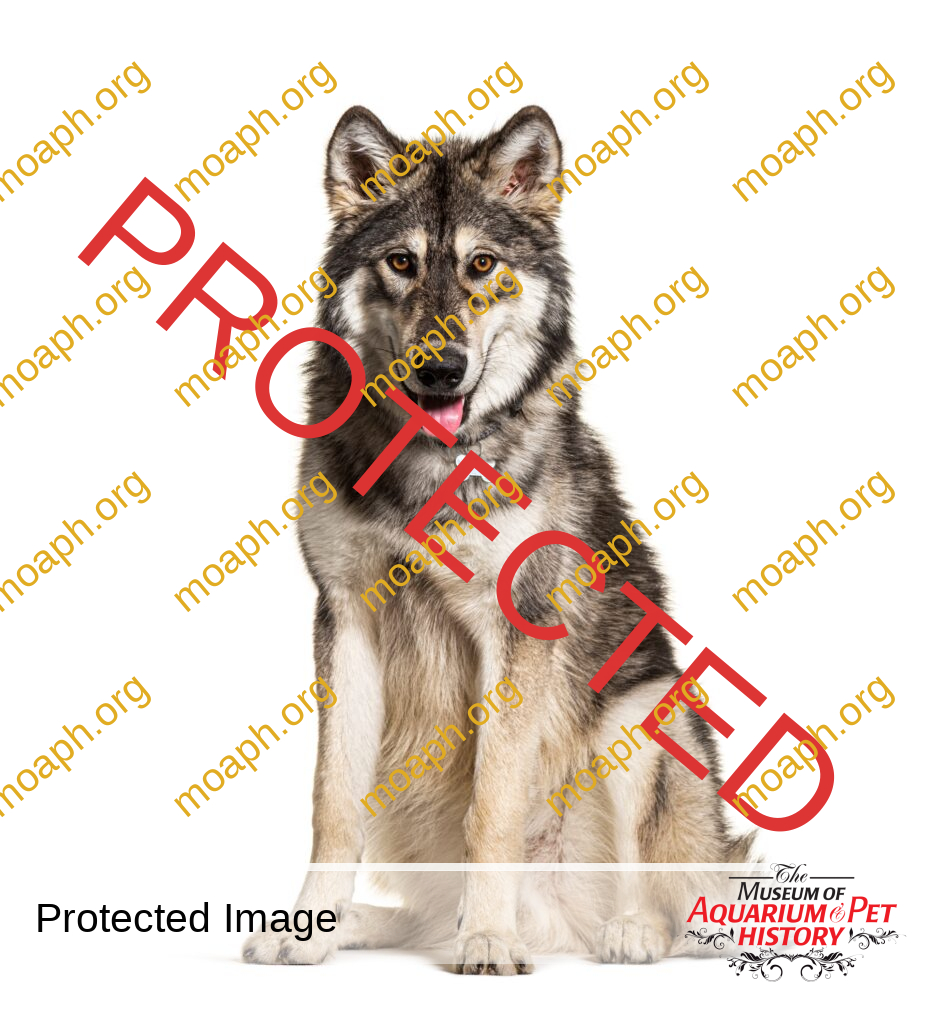
Northern Inuits (England)
Proof that the canine scene in the UK is continuing to evolve and develop. The aim in this case is to create dogs that resemble wolves, using German shepherd dogs as a base breed, along with northern breeds such as Siberian huskies. The success can be measured by the fact that this developing breed has attracted a worldwide audience appearing in this role in Game of Thrones. This case also reveals how new breeds can still be created… and that they may not be suitable for everyone.
Gundogs
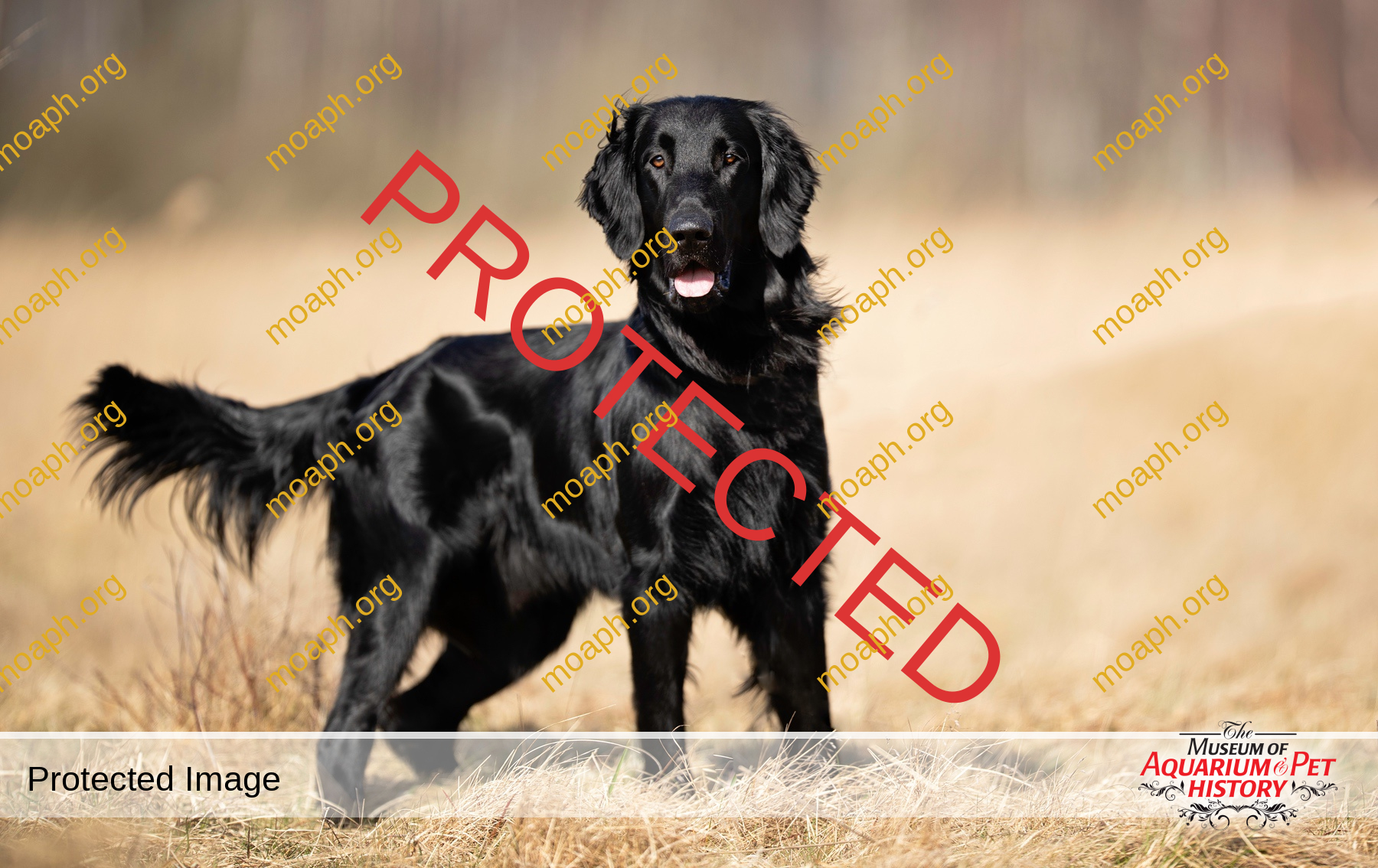
Flat-coated retriever (England)
Early examples in the 19th century had wavy coats, thanks to the use of setters in the breed’s early development. As this characteristic disappeared its name had to be changed from wavy-coated to flat-coated. A ‘single colour’ breed, defined in part by its black coat.
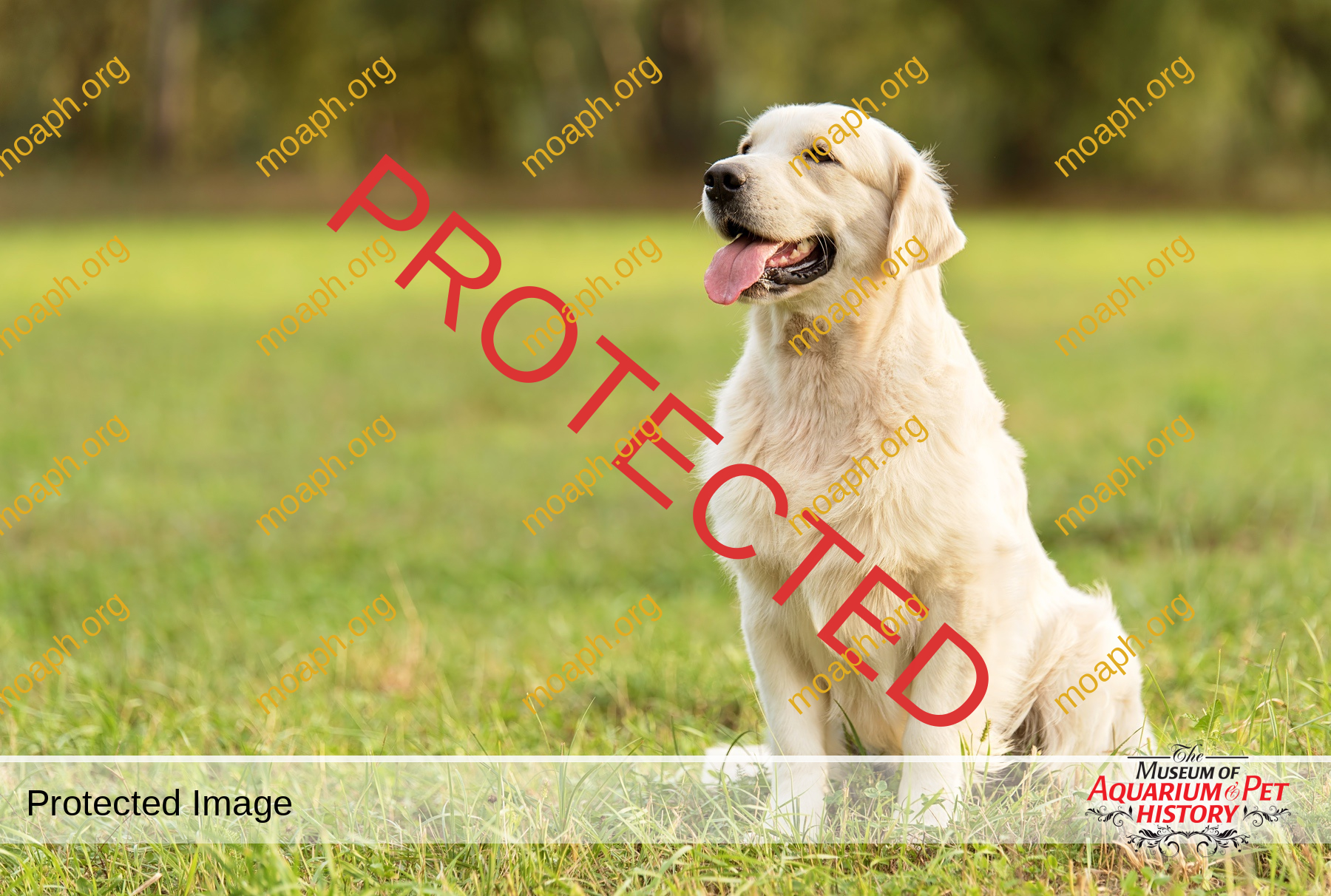
Golden retriever (Scotland)
This has now become one of the popular breeds in the world, thanks to its attractive colouration, biddable nature and sound temperament, which has allowed it to be transformed into a hugely popular family pet.
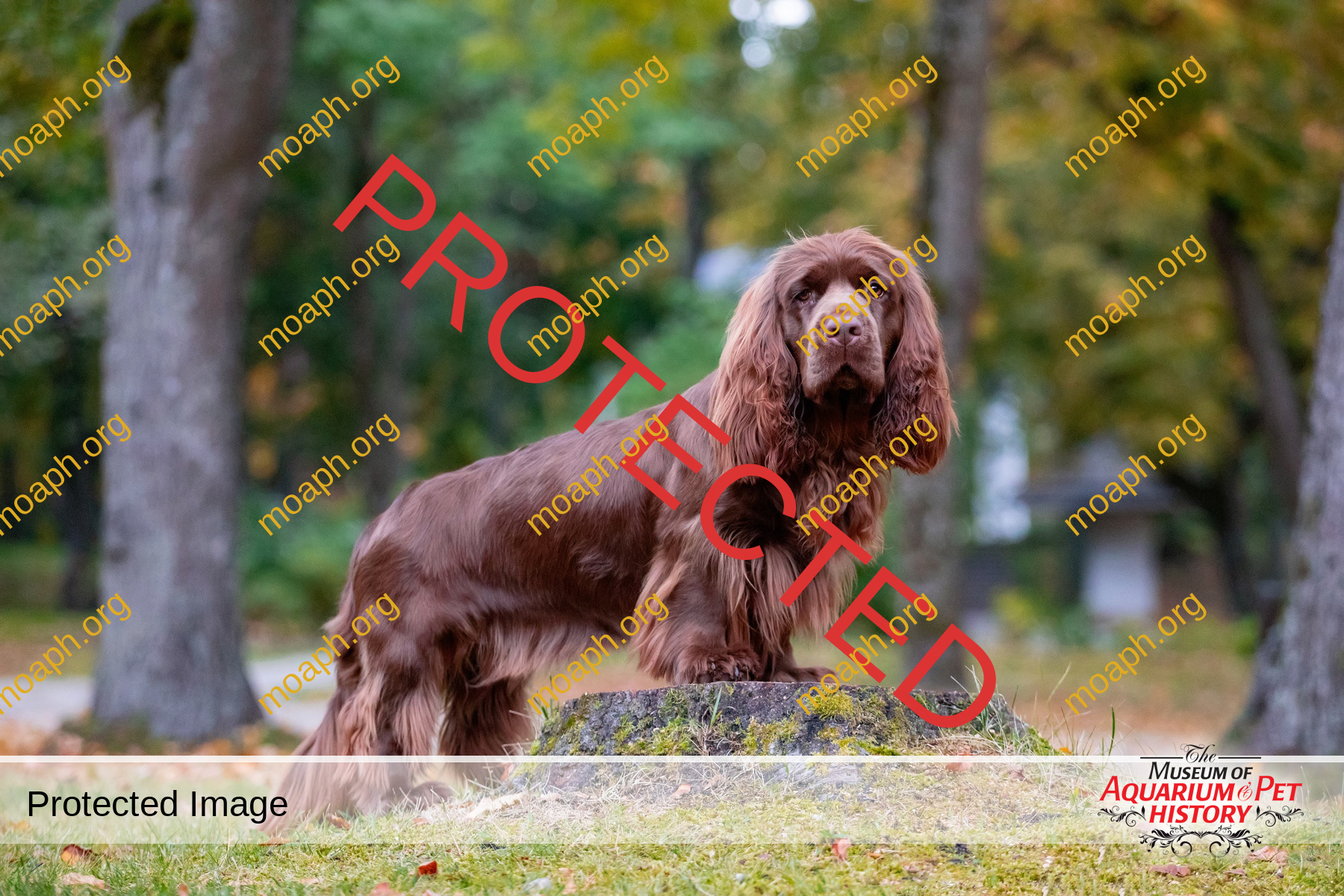
Sussex spaniel (England)
Created by a Mr A.E. Fuller on his estate near Hastings, it moves relatively slowly, with a very distinctive rolling gait, and also has a voice that is said to allow its handler to recognise the type of game that it has located when it is hidden from sight. It flushes game in woodland areas, and is a breed shaped, like many others, by its original environment.
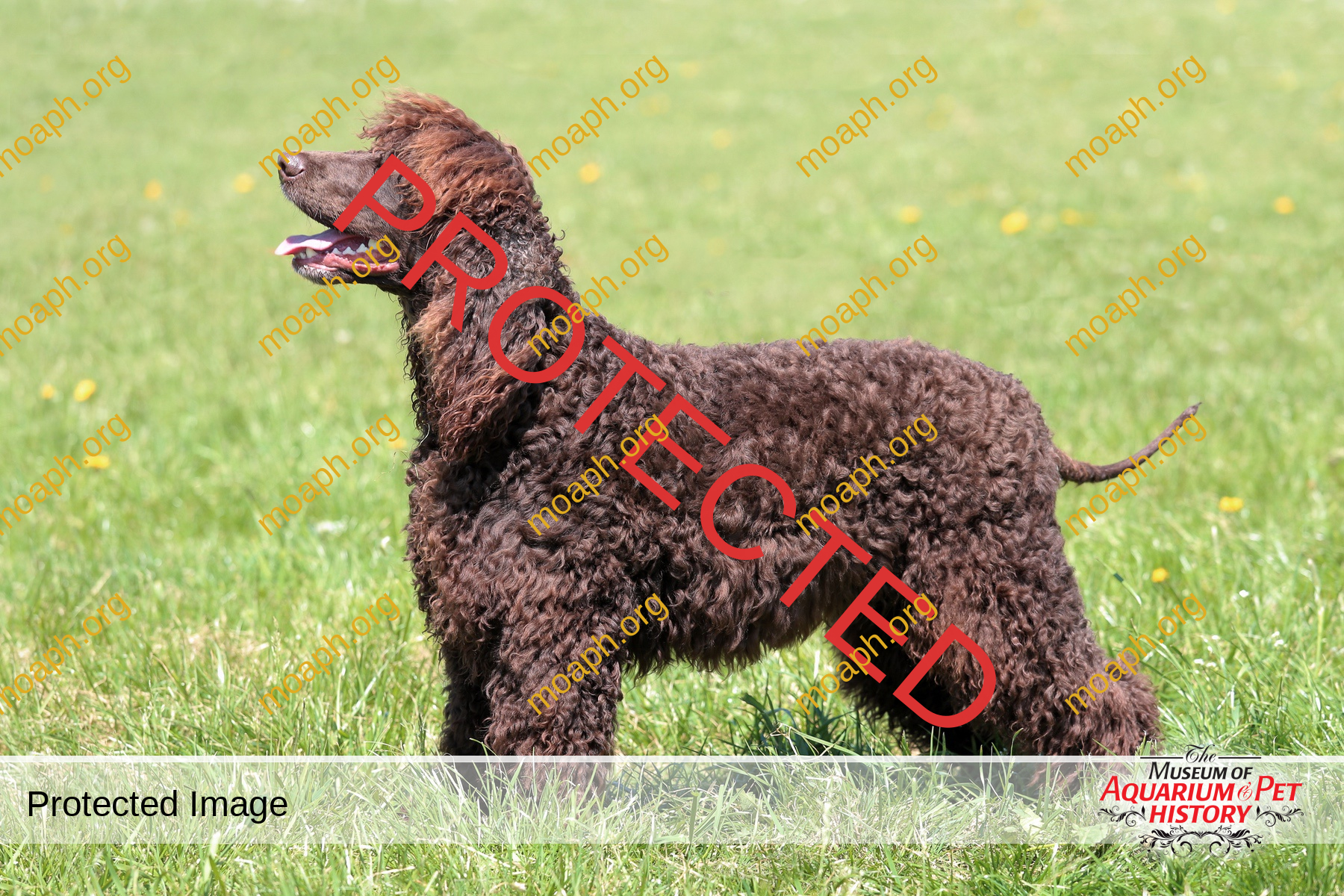
Irish water spaniel (Ireland)
A breed with ancient roots, and the largest of the spaniels, with what is aptly described as a rat’s tail. It plunges readily into cold water to retrieve waterfowl, being well-protected by its dense, curly coat, and is a talented swimmer.
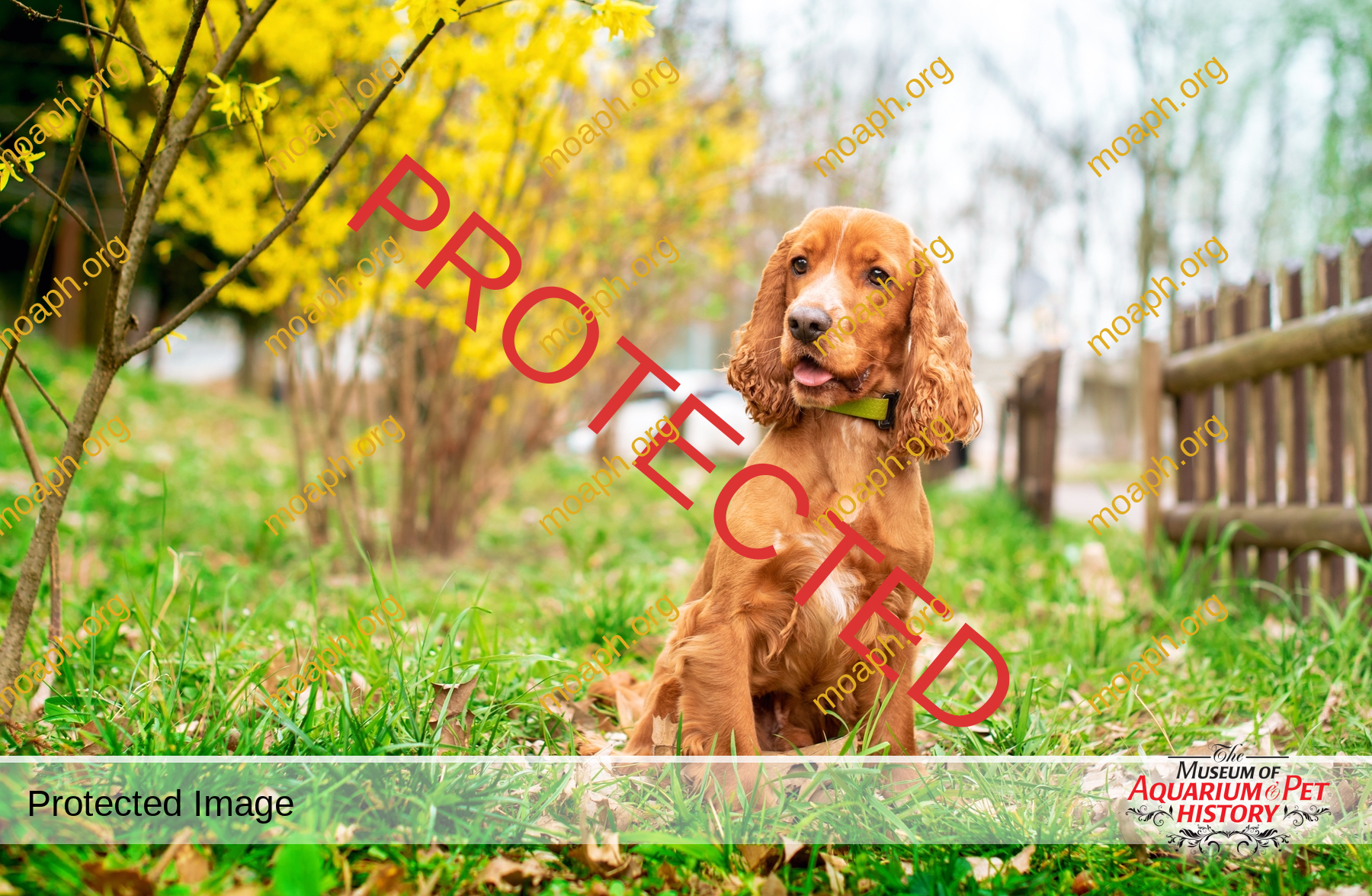
Photo Credit: Tymoshenko Olga/www.shutterstock.com
English cocker spaniel (England)
Bred in 19th-century England for flushing woodcock, the English cocker spaniel is a lively gundog with a silky coat and soulful eyes. Smaller than its American counterpart, its cheery, affectionate nature shines through in fieldwork and as a family pet. Its medium build and wagging tail reflect its boundless energy. The breed holds the record for the number of Best in Show awards at the famous Crufts Dog Show, having achieved a total of seven wins. Its most recent success was in 1996.
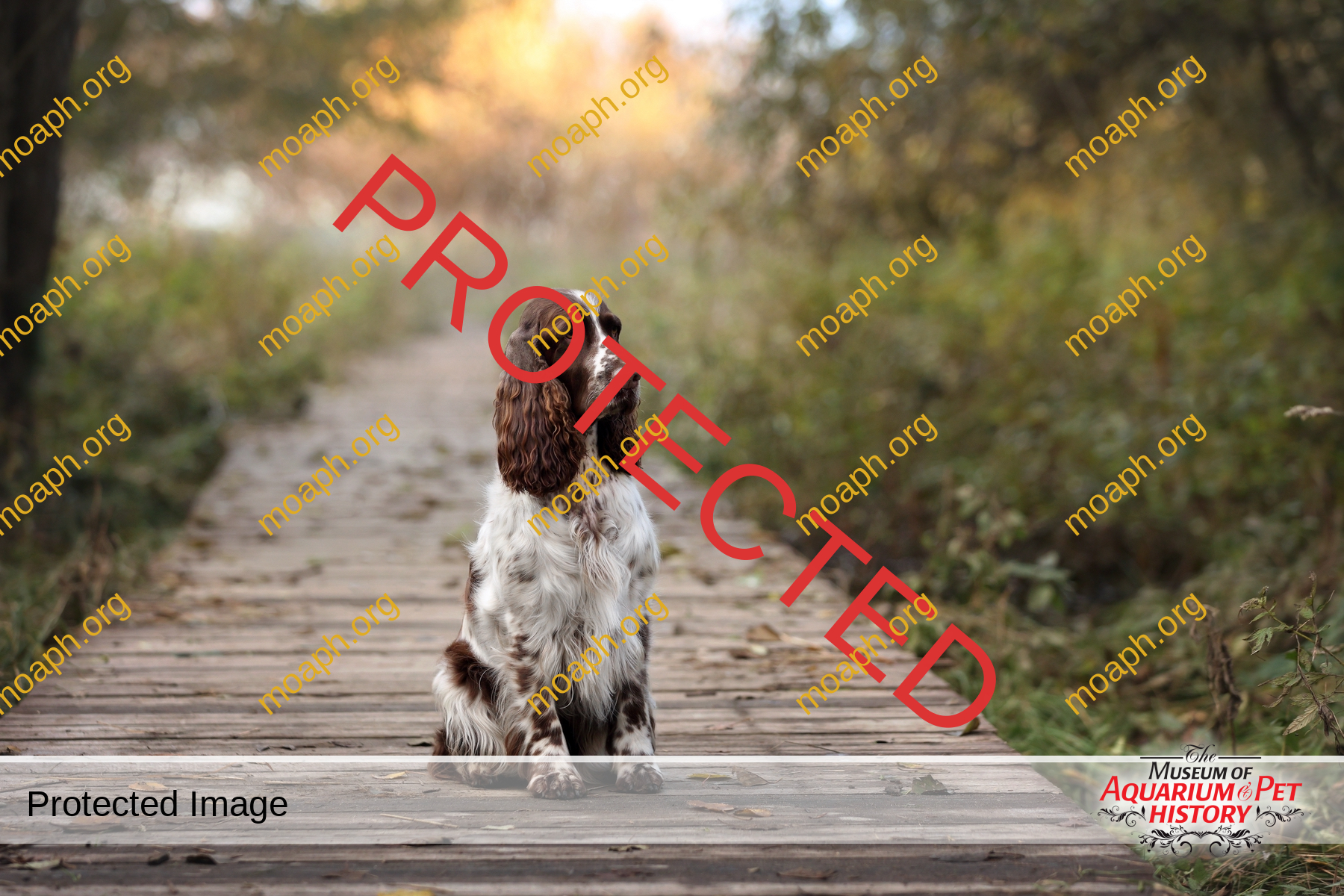
Photo Credit: Ivanova N/www.shutterstock.com
English springer spaniel (England)
Created in England for flushing game, the English springer spaniel was bred from the now extinct Shropshire and Norfolk spaniels. The description of “springer” refers to the way in which it works, flushing or “springing” game birds from cover, causing them to take flight. Springers are closely related to the early English cocker spaniels. Both types could be born in the same litter in the early days of their development, and then over time, the smaller cocker spaniels were evolved into a separate breed. Today, English springer spaniels are widely used as sniffer dogs, trained to seek explosives or drugs.
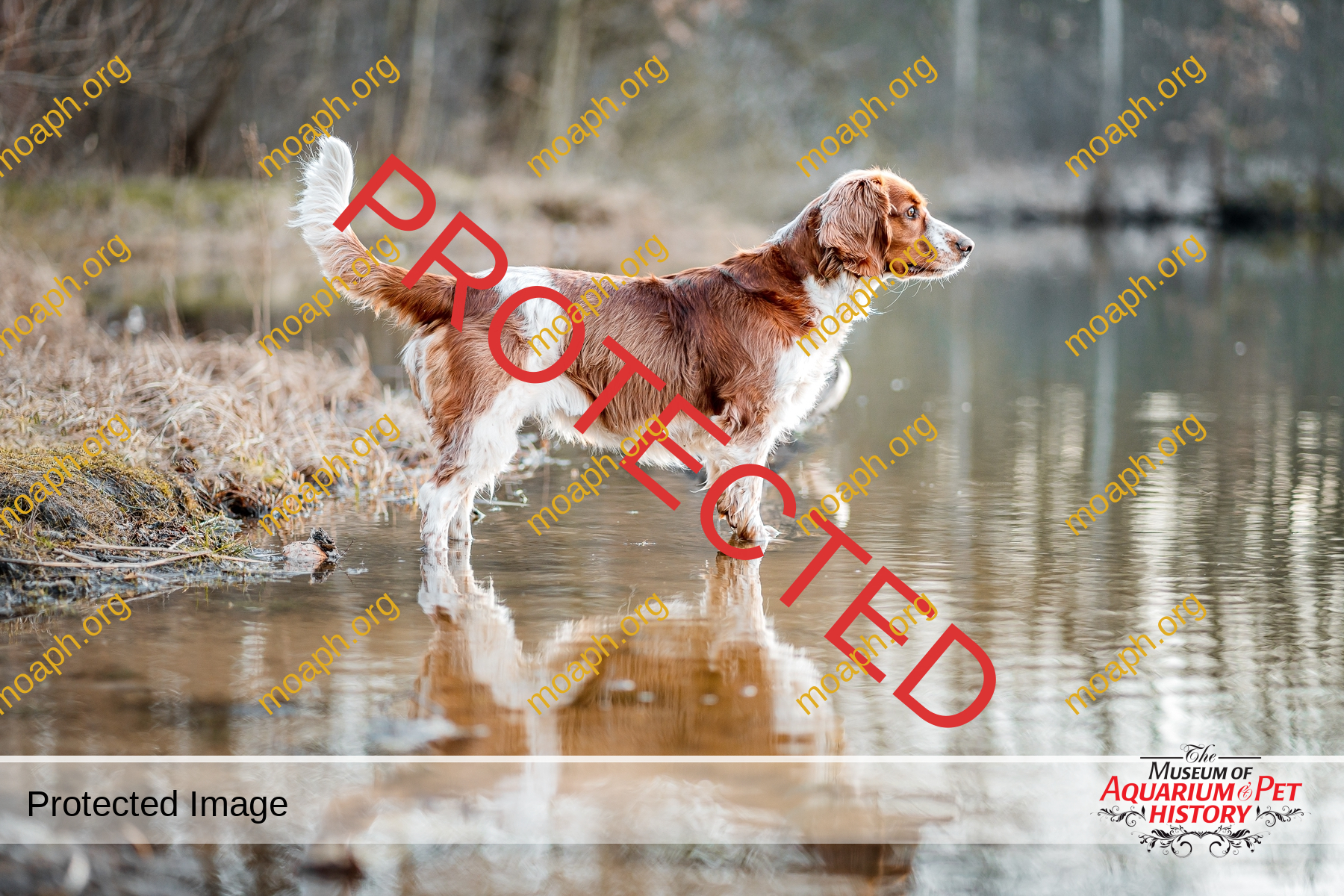
Photo Credit: el-ka/www.shutterstock.com
Welsh springer spaniel (Wales)
Developed in Wales for flushing game, the Welsh springer spaniel is smaller than its English cousin. It has a distinctive red-and-white coat and is much scarcer than its English counterpart. It has been known under a variety of names, being known previously both as the Welsh starter and as the Welsh cocker. It was originally bred to flush birds, causing them to take flight. Rather than relying on guns however, the accompanying huntsman used trained falcons to overcome their quarry.
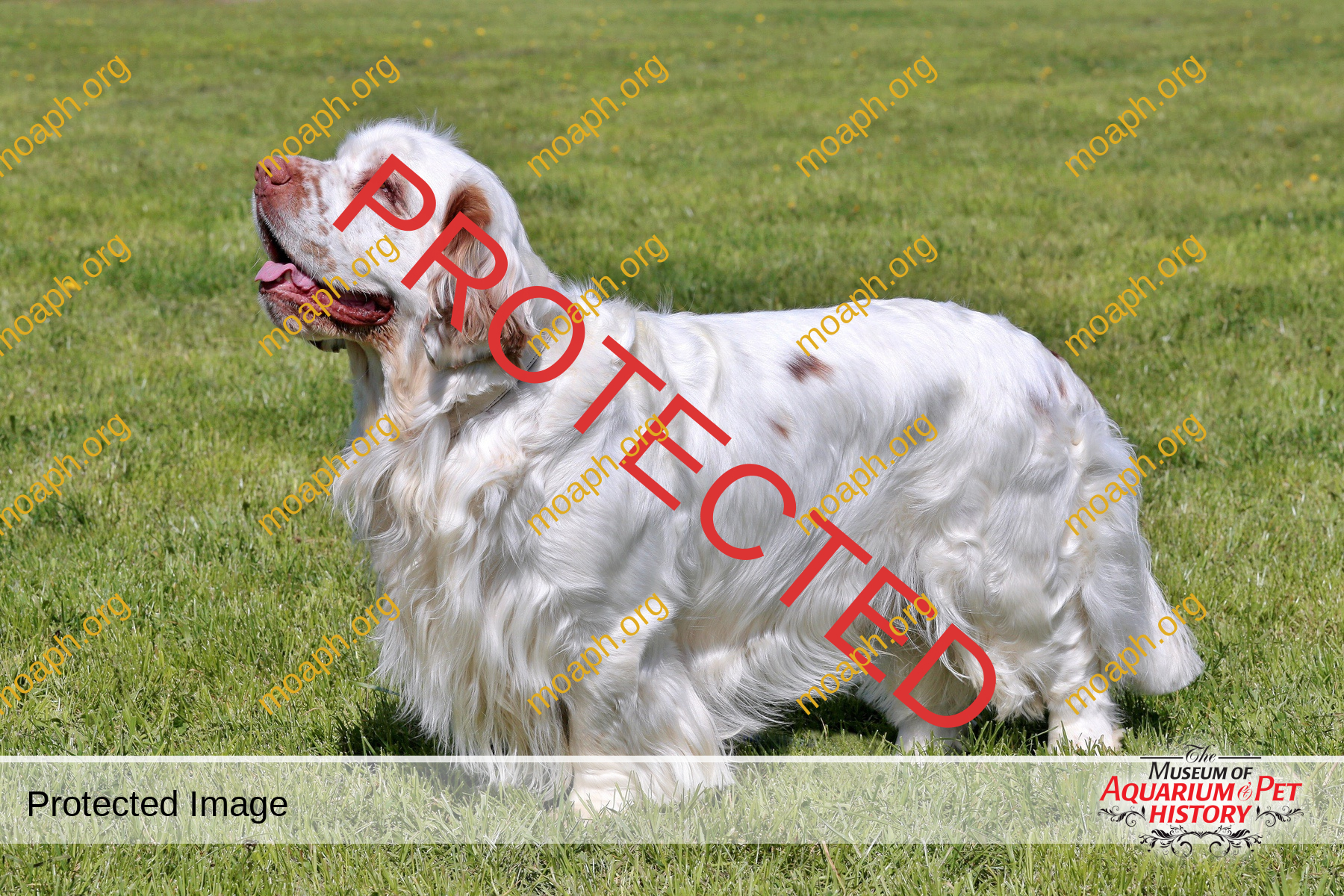
Clumber spaniel (North-eastern England)
Another breed that was developed in accordance with the terrain where it was expected to work. Originated at Clumber Park. Nottingham, this is a large, slow-working spaniel. The breed was a particular favourite of Queen Victoria (who was a great dog-lover). Favoured in due course by her son, King Edward VII, who was not very mobile in his latter years, but luckily, these spaniels moved at a suitable pace for him!
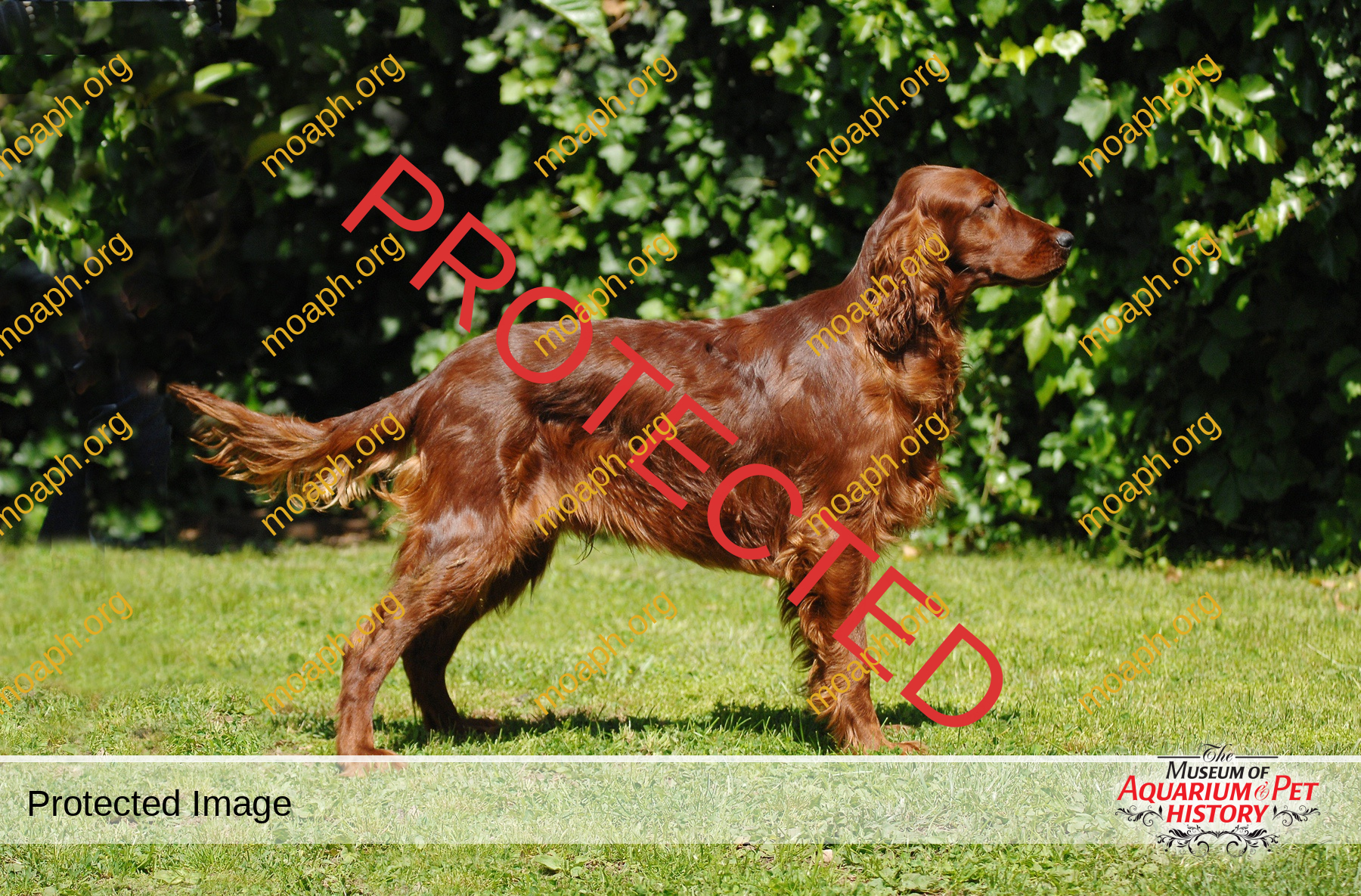
Irish (“red” or indeed red & white) setter (Ireland)
There are traditionally three forms of this breed, with the pure chestnut-red variety having become most popular today, although the red and white form is the traditional form, and used to be trained to hunt in the company of falcons in the mediaeval period. The third form called “shower of hail”, because of white spotting on a red background, is now exceptionally rare, but used to be popular in the far north-west of the country.
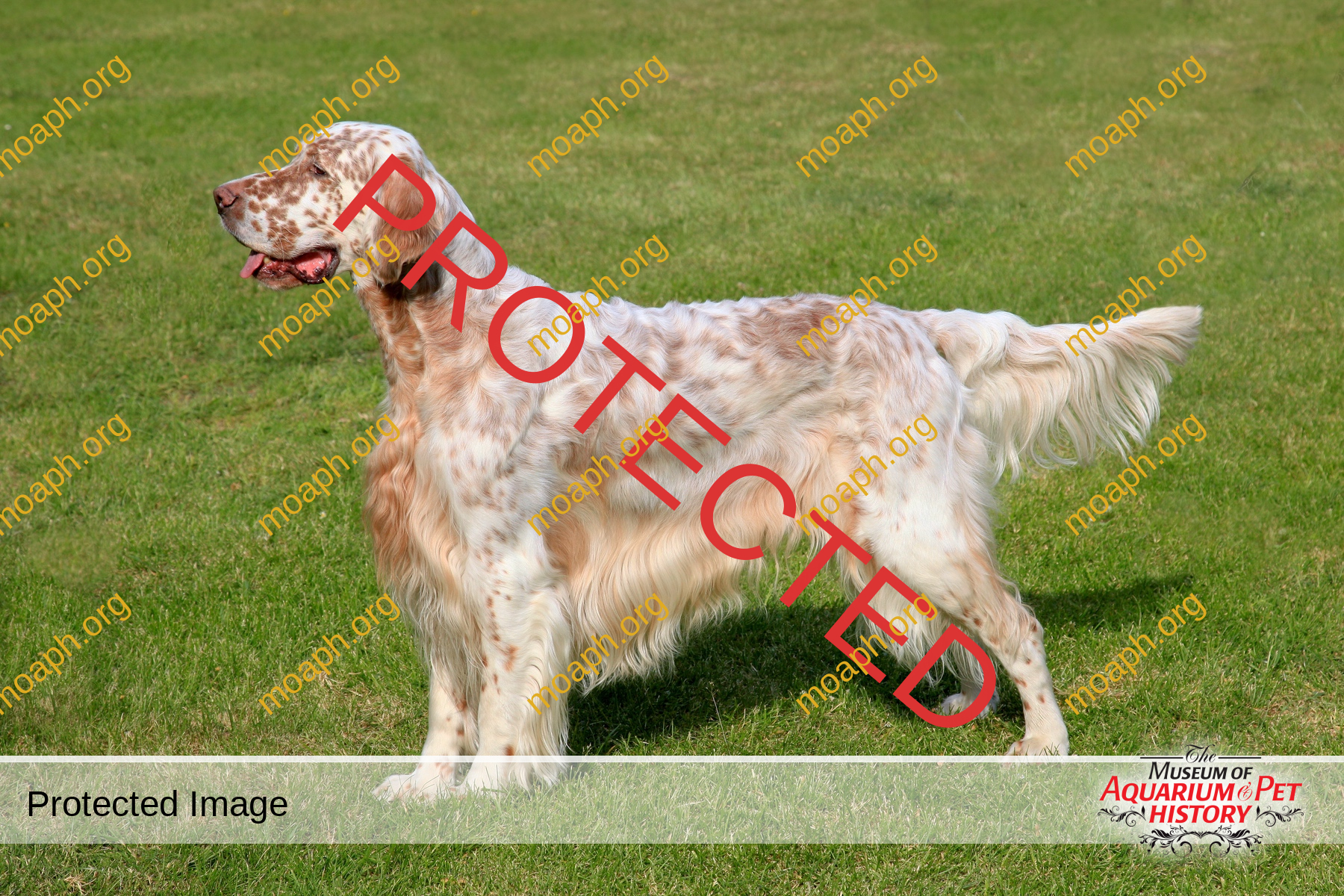
Photo Credit: Radomir Rezny/www.shutterstock.com
English setter (England)
This is a gundog breed that was developed largely in the 19th century, and when working in the field, it points game with elegance. Its white-and-colored, feathered coat and athletic build are striking. Gentle, friendly, and intelligent, it is a skilled hunter, pitched against birds such as pheasants, quail and grouse. It is still occasionally described as the Laverack setter, named after Edward Laverack who did so much to develop the breed, and then after his death in 1877, Richard Llewellin continued doing so, using some of Laverack’s setters.
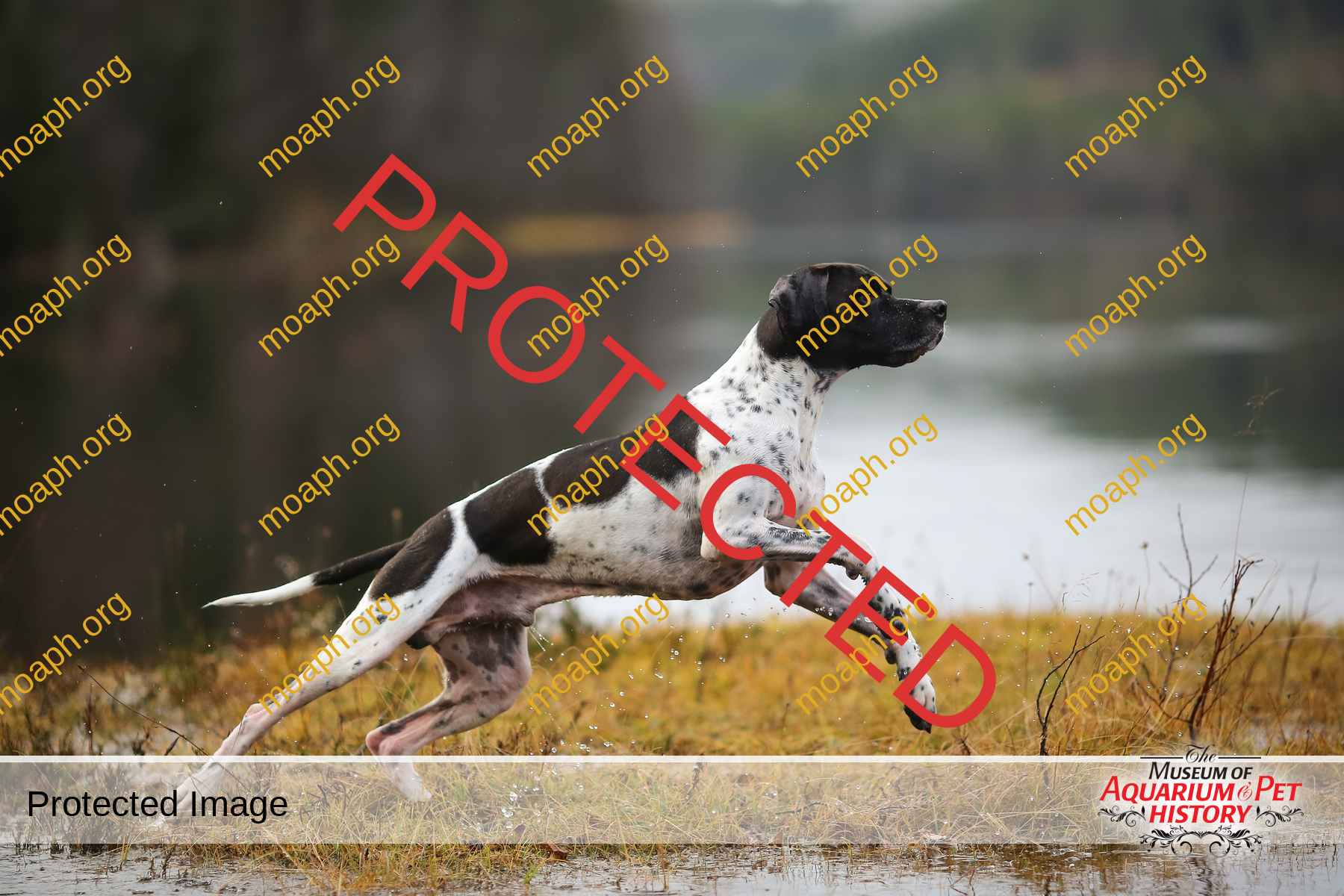
Photo Credit: Jelena Safronova/www.shutterstock.com
Pointer (England)
This breed originated in the 17th century, being developed as a gundog for locating and pointing at game. Bred from a mix of greyhounds, foxhounds and Spanish pointers, it was then refined over successive centuries for speed, agility, and keen scenting ability. Enthusiasts prized its elegant form and instinctive pointing behaviour. By the 19th century, the pointer had become a standardised breed, excelling in field trials and remaining a favoured hunting companion. It is an active breed with good stamina.
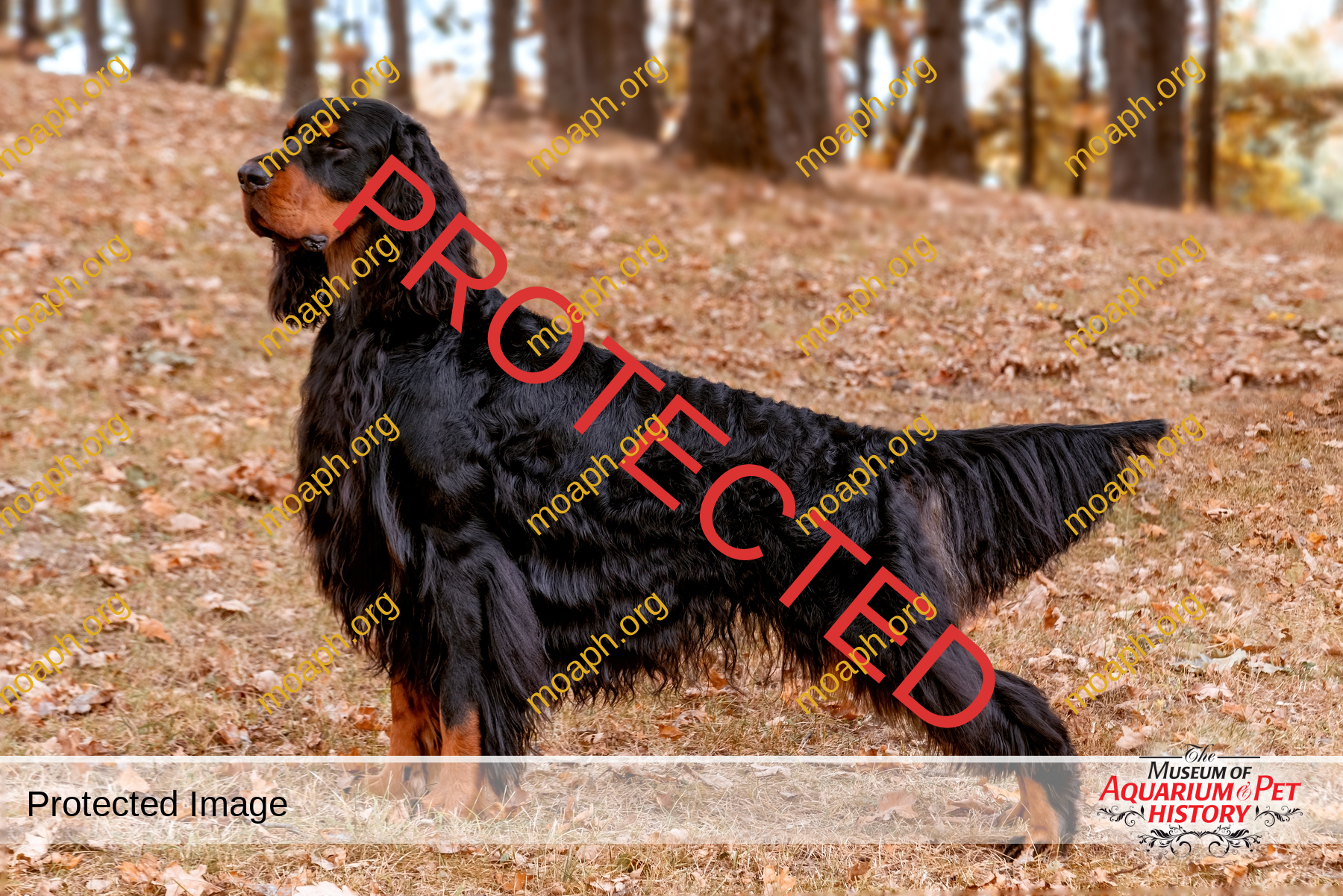
Photo Credit: Olga Maksimava/www.shutterstock.com
Gordon setter (Scotland/Ireland)
Bred in 19th-century Scotland for hunting game birds, the Gordon setter is the largest setter, with a striking black-and-tan coat. Its elegant, muscular build and loyal, intelligent nature stand out. Although its exact ancestry is unclear, its origins probably trace back to early forms of spaniel, many of which have become extinct over the past two centuries. The Gordon setter was developed in its modern form by Alexander, the 4th Duke of Gordon at his castle located at Fochabers, near to the Moray coast. His original stock may have originated from Ireland.
Urban dogs
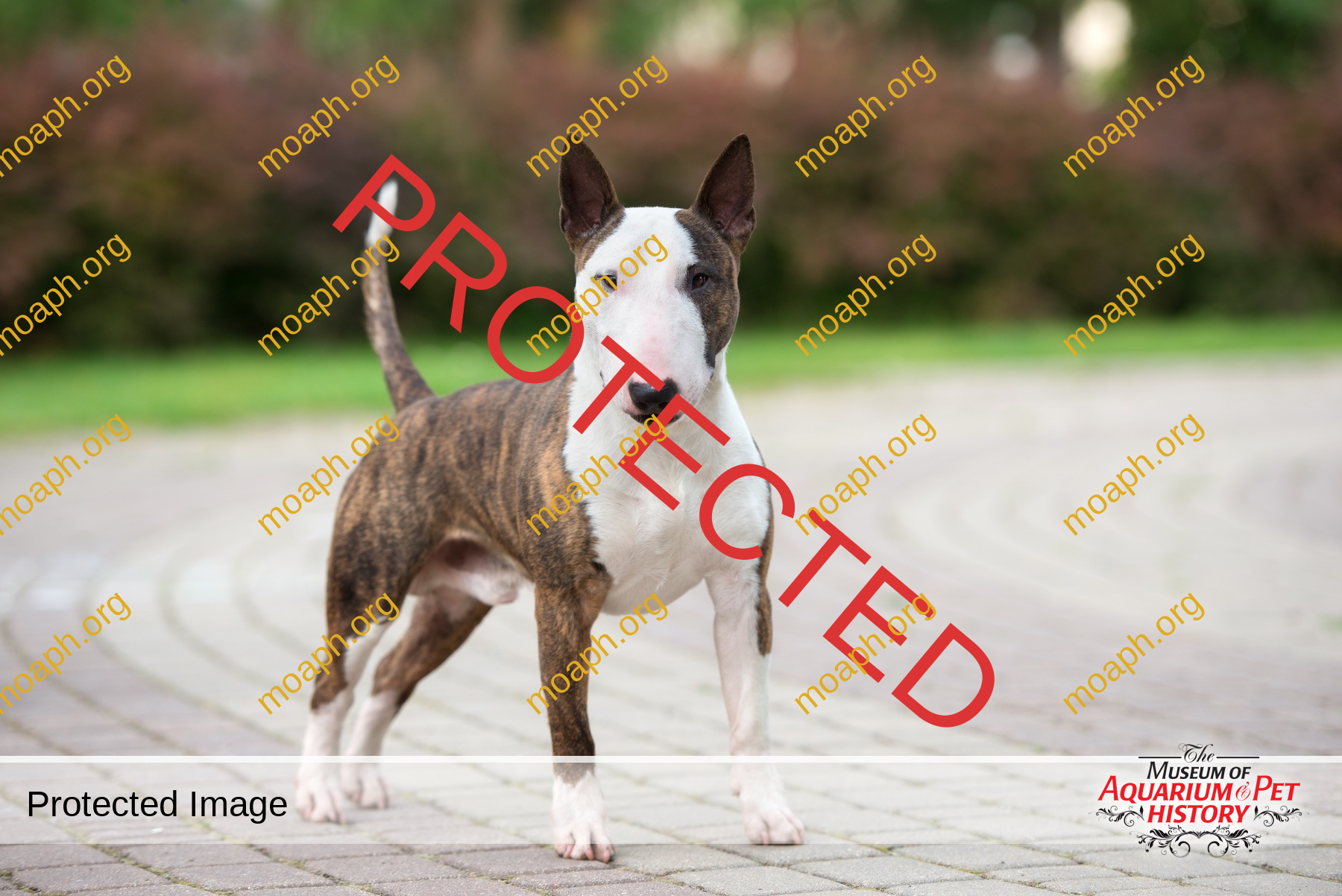
Bull terrier (England)
A breed dating back to the era of dog-fighting, and with a very distinctive appearance. Its roots lie in the urban conurbation of Birmingham. Noted for its intelligence as well as its strength. The dog-lover and author Sir Walter Scott referred to an example of the bull terrier as being “the wisest dog I ever had.” A miniature form has also been created.
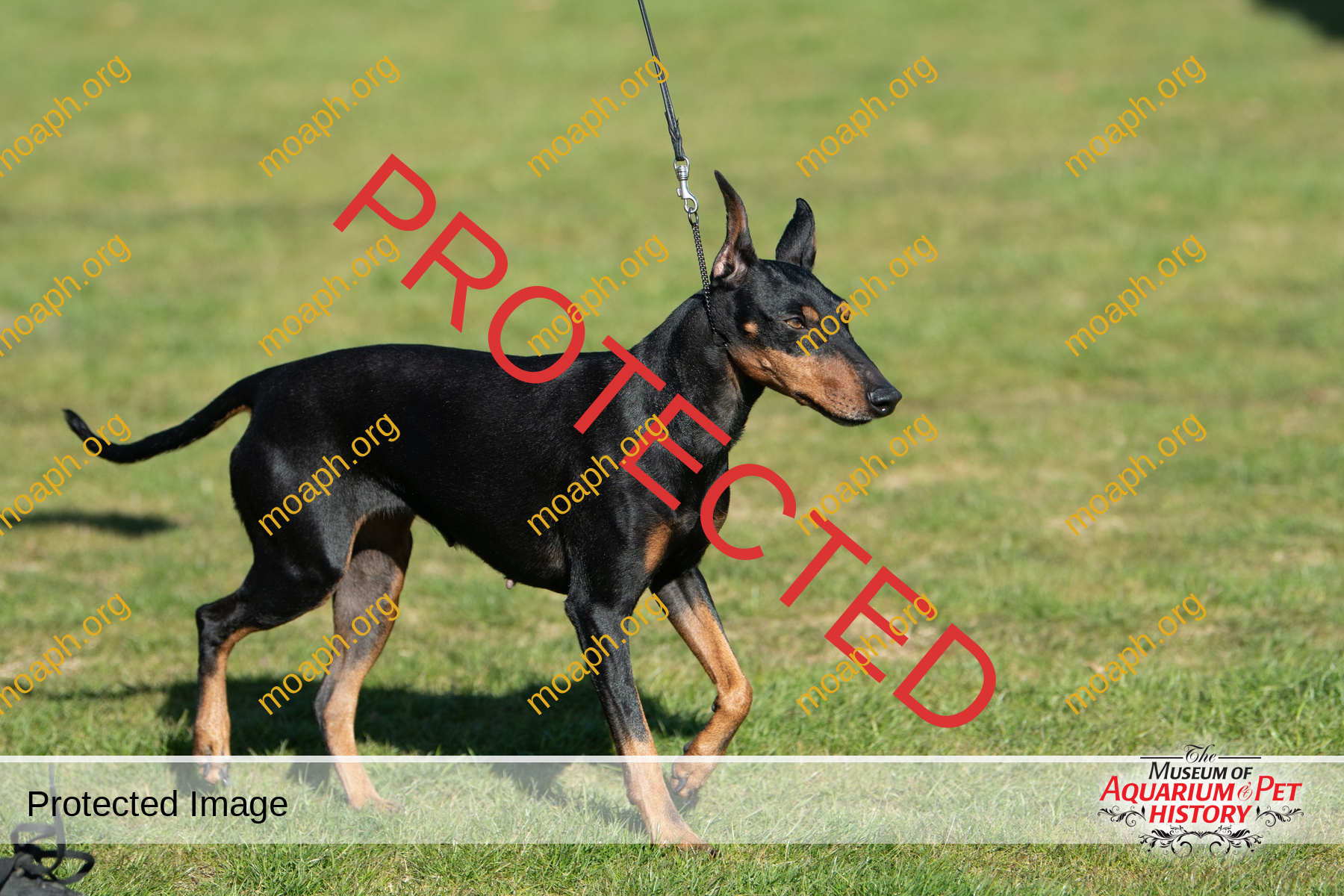
Manchester terrier (England)
As people moved from the countryside to the rapidly growing conurbations as the Industrial Revolution gained momentum, new breeds were developed which were useful in the urban environment. This breed was a highly efficient ratter, and featured in the rat pit competitions that were popular events in public houses, where customers would bet on which dog could kill the greatest number of rats in a given period of time. (Strangely, dog showing ultimately developed out of this activity).
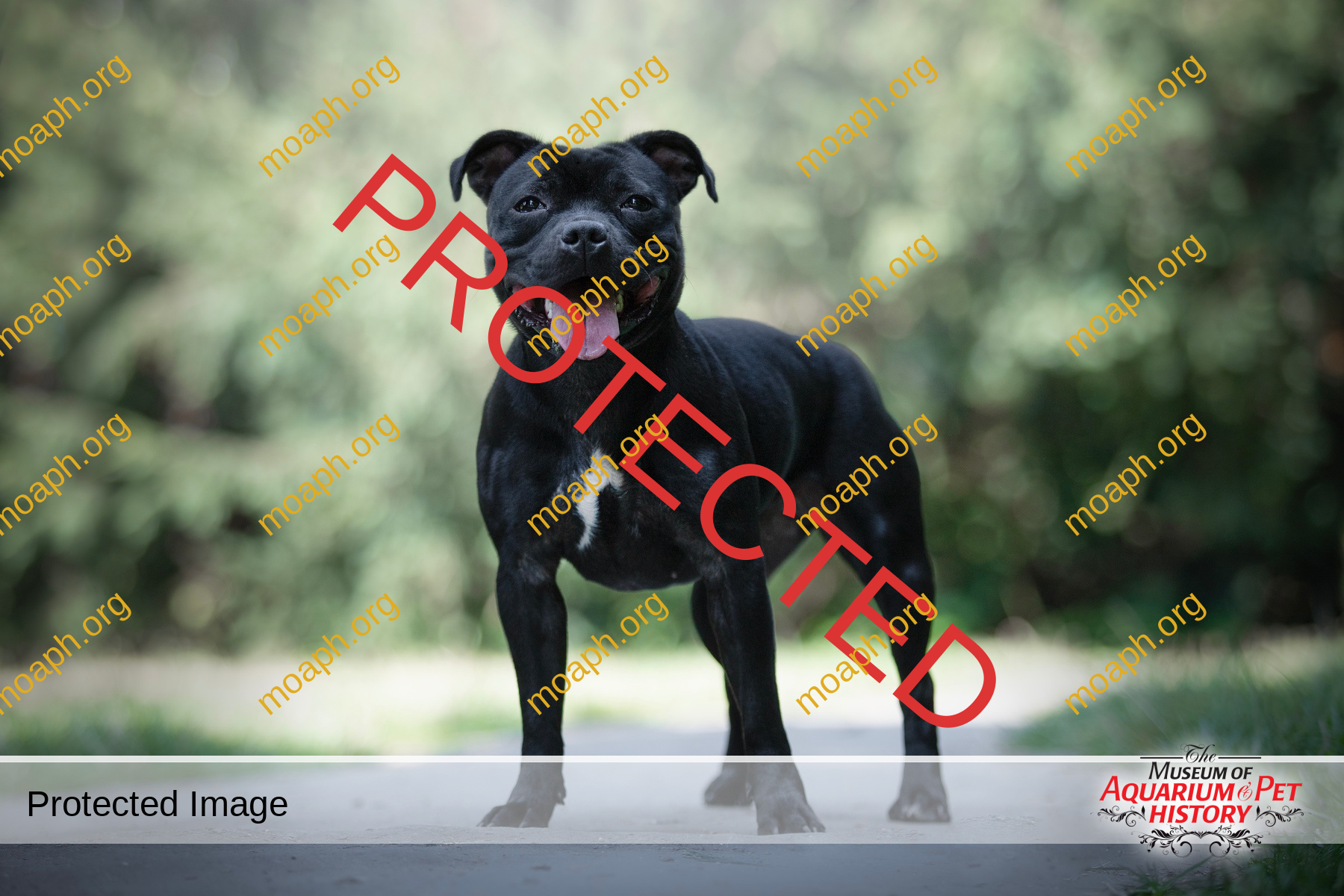
Staffordshire bull terrier (England)
Dog-fighting was another popular form of ‘entertainment’ during the Victorian era, especially following the ban on bull-baiting which was brought in during 1835. The Staffie was first developed for this purpose, and is well-suited to urban living.
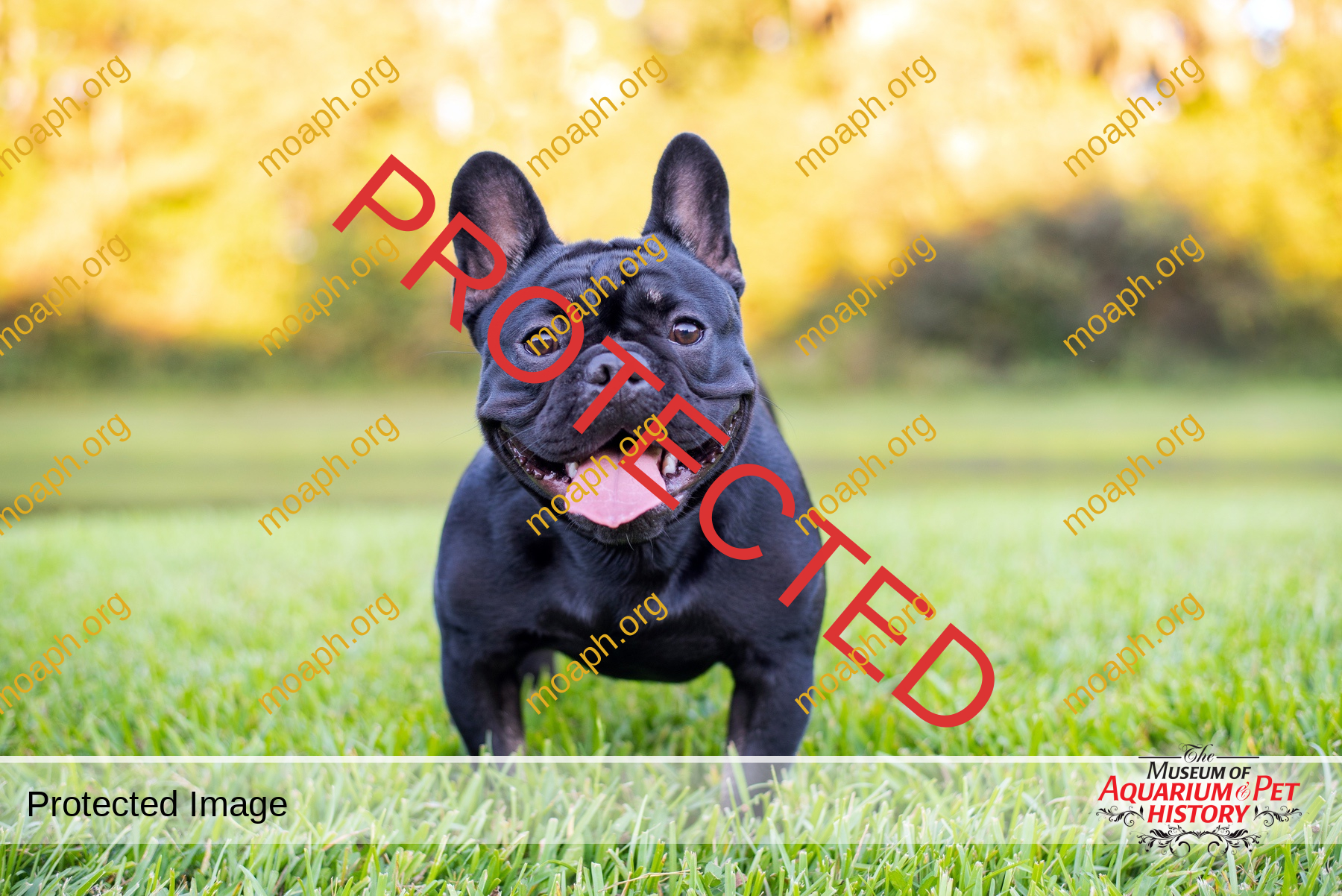
French bulldog (England)
The Industrial Revolution saw major changes in people’s working environments. Many of England’s lacemakers, seeing their jobs replaced by machinery, emigrated to northern France, taking their toy bulldogs with them. The bloodline ultimately developed there into the French bulldog of today, which is now close to rivalling the Labrador retriever as the most popular breed in the world.
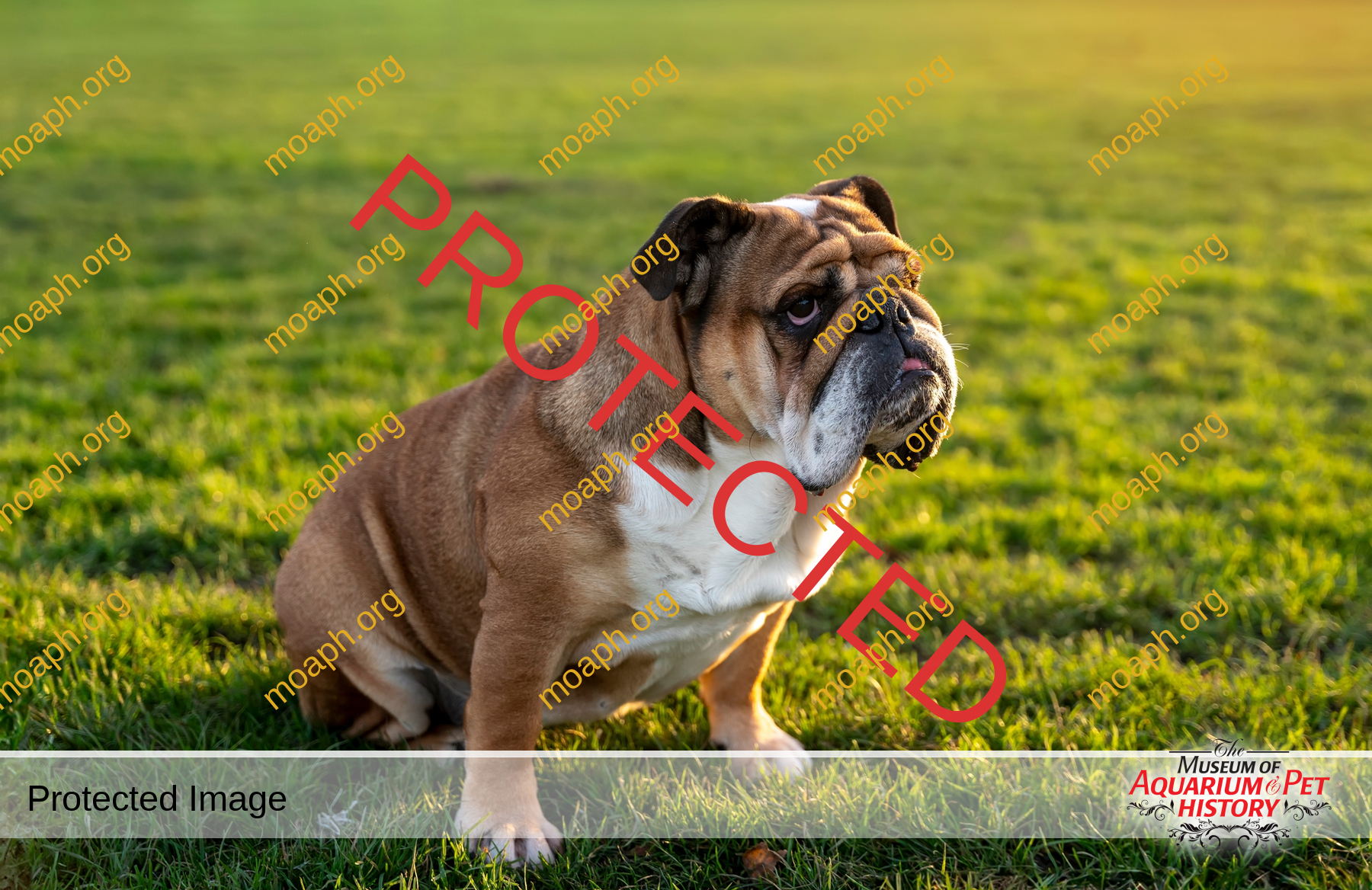
Photo Credit: Irene Miller/www.shutterstock.com
English bulldog (England)
Descended from mastiff stock, English bulldogs were originally bred for bull-baiting, until this cruel activity was outlawed in 1835. The breed was deliberately created with a flattened face to help it cling on to the bull that it was attacking. Over time, and after entering the show ring, the appearance of these bulldogs has altered. They became shorter in stature, and significantly, their head size increased. This meant that a high percentage of English bulldog puppies needed to be born by Caesarean section, while the flattened face left them vulnerable to breathing difficulties. Changes in the judging have now helped to reduce these issues. The Bulldog has become a symbol of British tenacity, being closely linked with Sir Winston Churchill, the country’s leader during the Second World War.
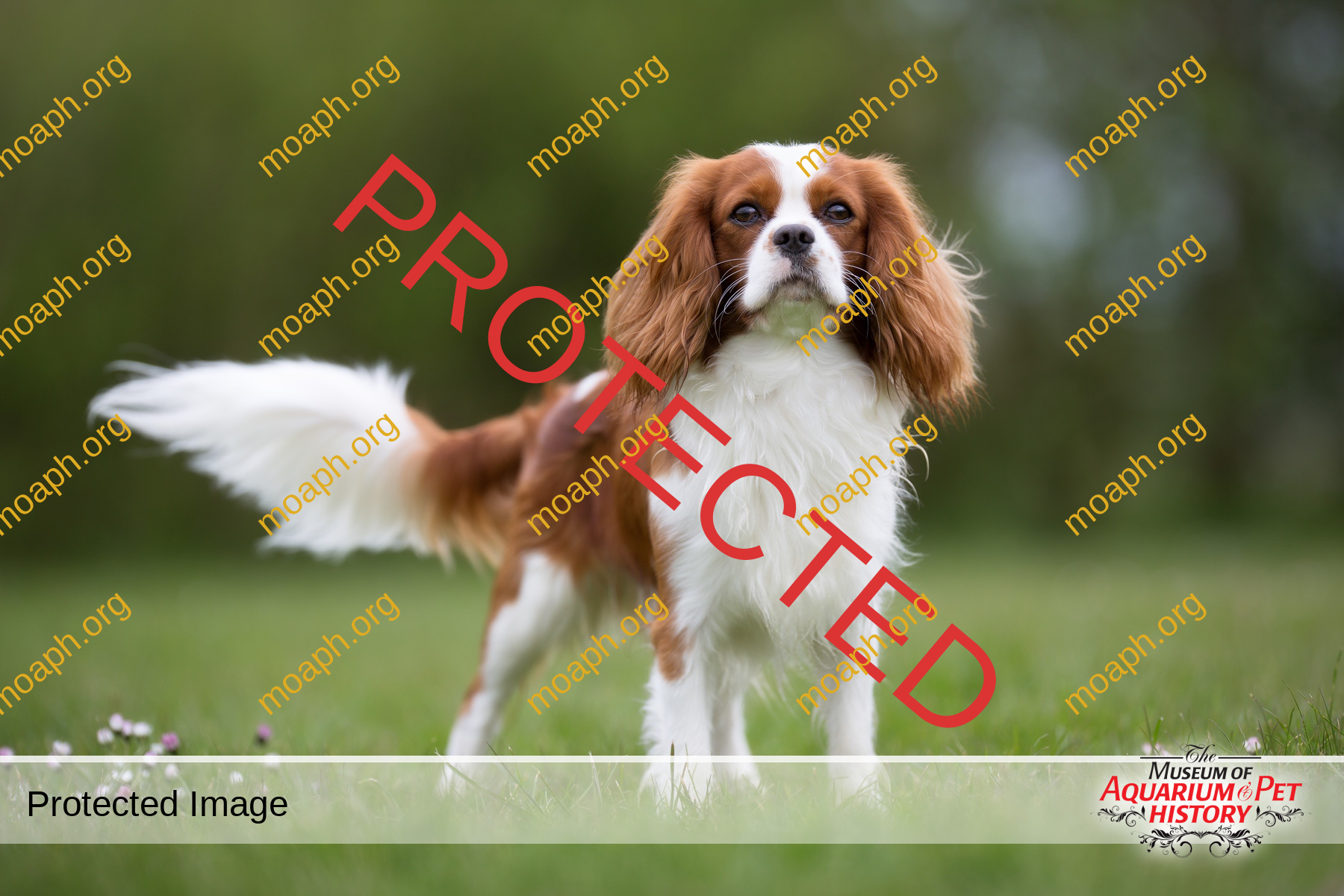
Cavalier King Charles spaniel (England)
By the turn of the 20th century, changes in the appearance of the King Charles spaniel had become very evident, notably in the shape of their nose, which had become short and compact. A wealthy American called Rosewell Eldridge, visiting Crufts in 1926, decided to put up a large sum of money to encourage breeders to revert to the original type, with these toy spaniels now known as Cavalier King Charles spaniels. Unfortunately, bred from a limited gene pool, health problems have become prevalent in this breed today.
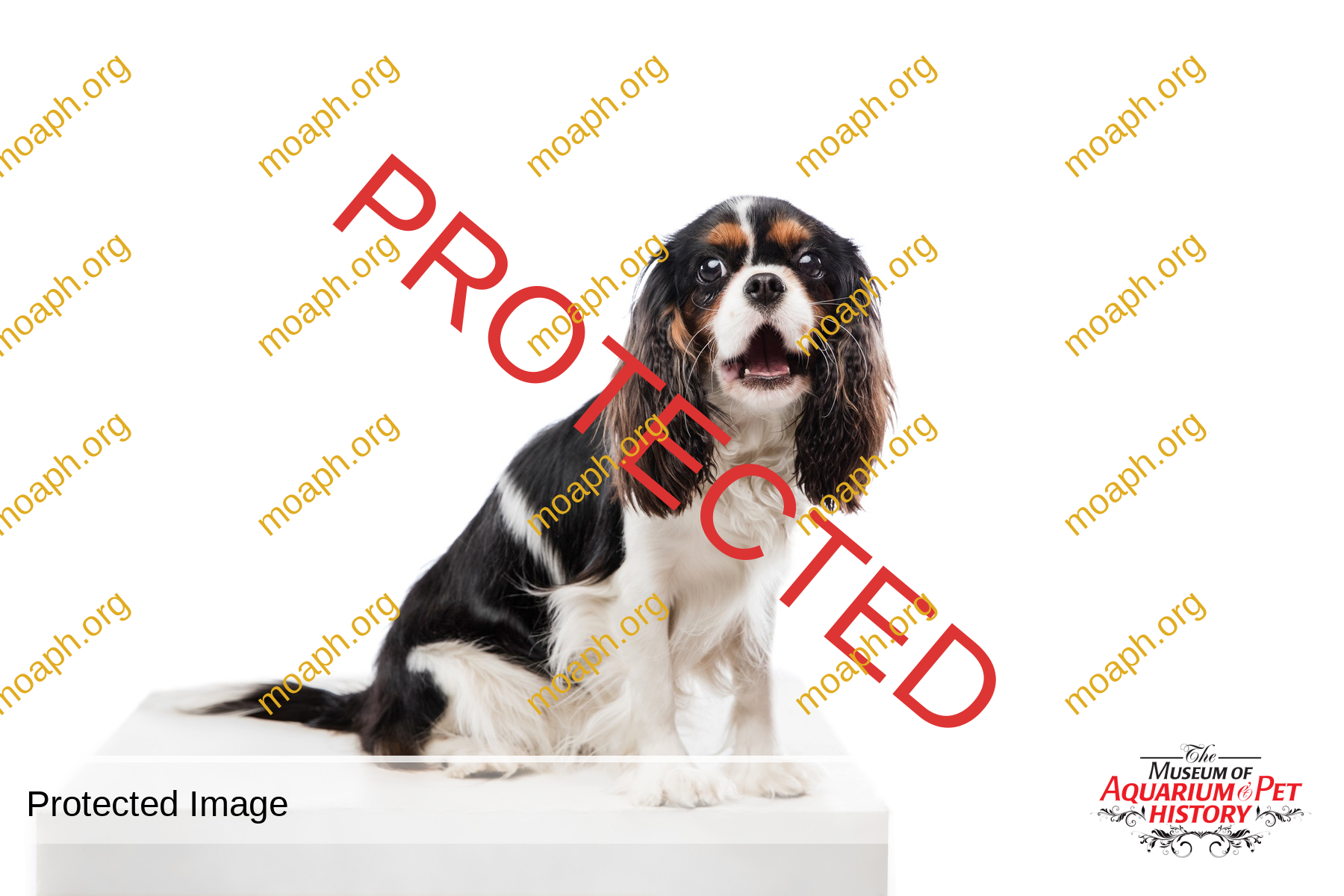
King Charles spaniel (England)
During his time in exile after the execution of his father, King Charles encountered toy (=small) spaniels on the continent, and when he returned to take the throne in 1660, he encouraged their development at court. The diarist Samuel Pepys recorded how the king’s palace at Hampton Court was overrun with such dogs, and they travelled with him as well, even on state occasions.
Hounds
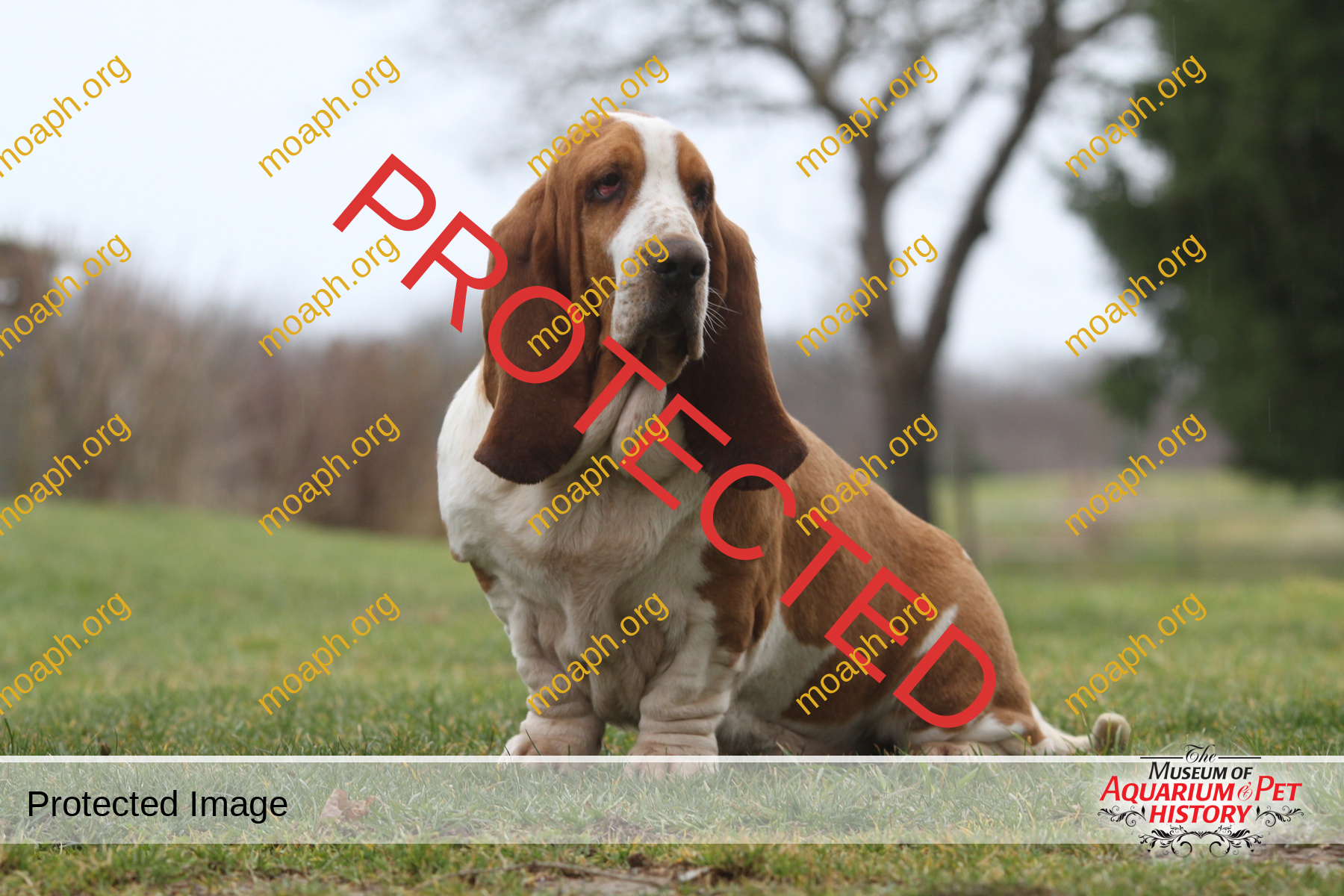
Basset hound (England)
Created by Sir John Everett Millais, founder of the pre-Raphaelite brotherhood, and a painter who began as a child prodigy, being the youngest member accepted to the Royal Academy Schools. It is perhaps ironic that this breed has become the best-known form of basset in the world, in spite of the fact that all other forms were created in France, with the name ‘basset’ being derived from the French word ‘bas’, meaning ‘low’, referring to the breed’s short-legged stature.
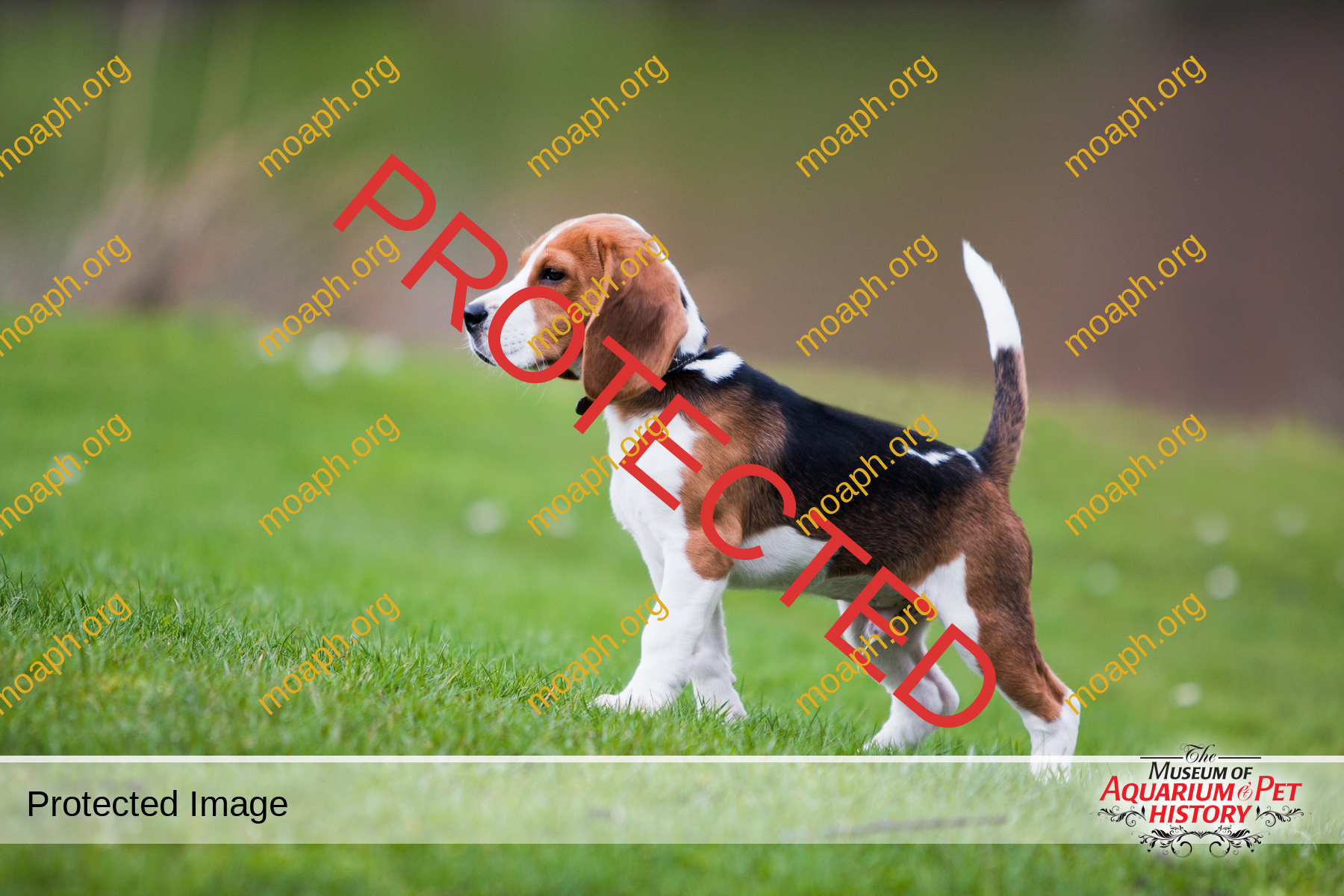
Beagle (England)
As a pack hound, beagles are typically social and friendly by nature, but in true hound fashion, once they pick up a scent, they are likely to head off into the distance, regardless of instructions to the contrary. Various different types of beagles – some much smaller than the standardised version of today once existed. The origins of the modern beagle lie in the county of Essex.

Photo Credit: vickd/www.shutterstock.com
English foxhound (England)
The English foxhound is a pack hound with a decidedly athletic build and exceptional stamina. These hounds have been bred since the 16th century for fox hunting, Individual packs with distinctive markings were created on some of the great estates, with pedigree records for many of these packs extending back to the 18th century, dating back further than any other breed. Ironically perhaps, it was only in 2025 that the Kennel Club accepted working examples of the breed for show purposes. This was essentially because their highly social nature and incredible levels of energy make these foxhounds unsuitable as household pets for most people, particularly in urban areas.
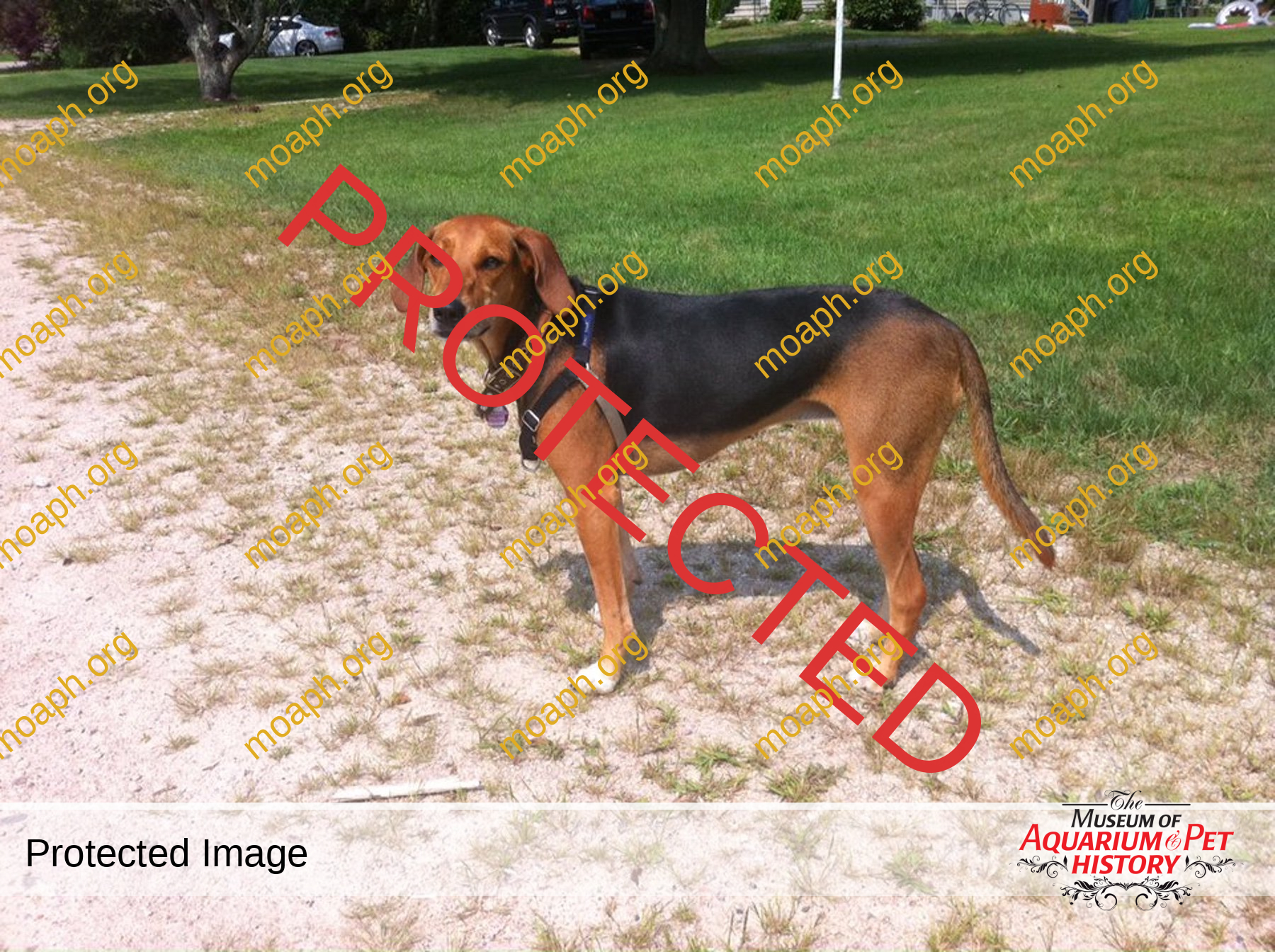
Kerry beagle (Ireland)
In spite of its name, this hound, from the south-west of Ireland, is not a beagle, being significantly larger in size – but small in comparison with the Irish wolfhound, which may explain the use of this description. In Gaelic, beag means ‘small’. They have a long history – the Scarteen pack in County Limerick has been kept there by the Ryan family for nearly three centuries, with the original founding stock being said to have originated from France prior to 1735.
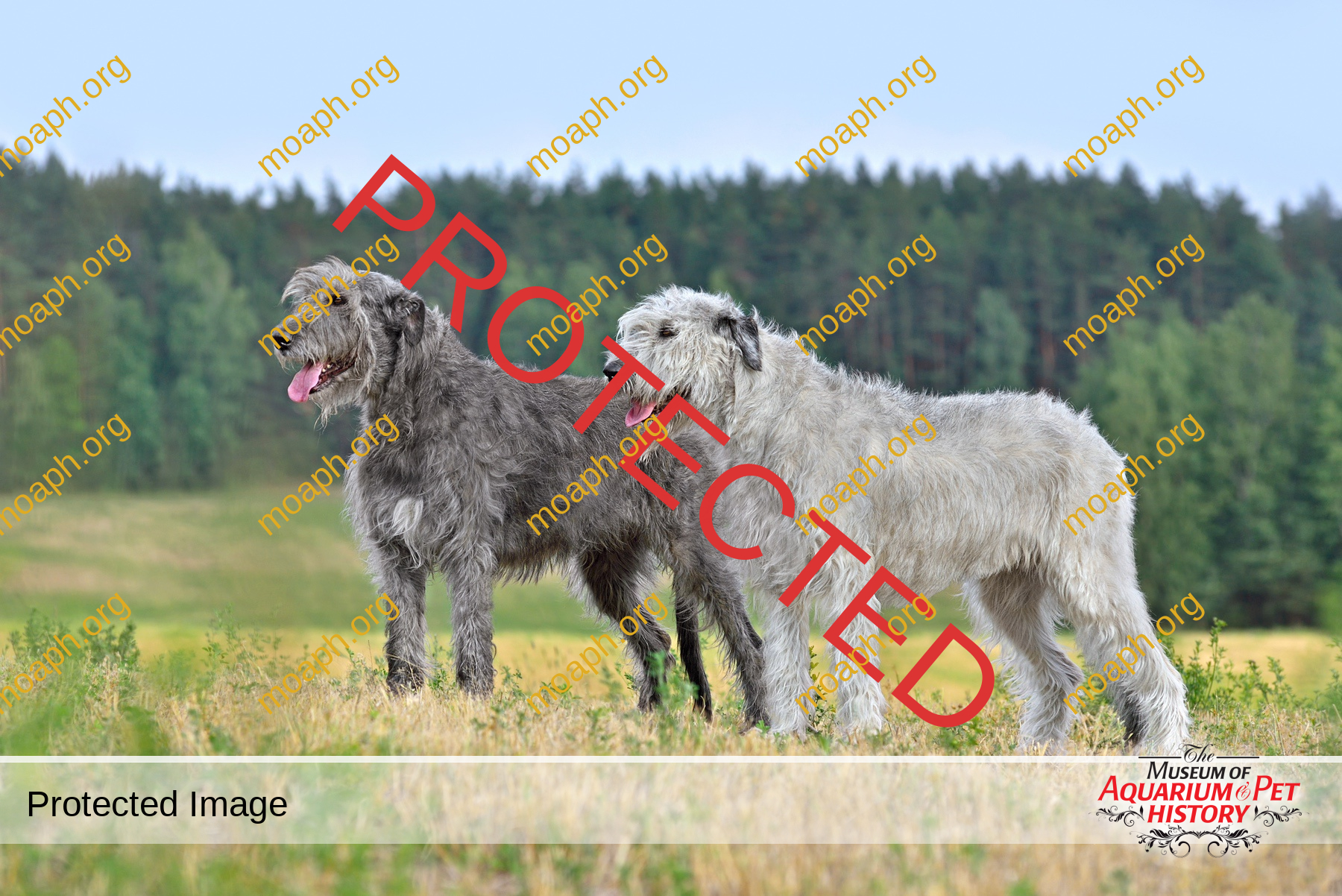
Irish wolfhound (Ireland)
It is no exaggeration to say this breed is a gentle giant, as it ranks as the tallest breed in the world. Its history is inextricably linked to that of wolves in its Irish homeland. As wolves were hunted to extinction by the 1780s, so the fortunes of these huge dogs also went into an almost terminal decline. The breed might even have disappeared entirely, if it had not been for the foresight of one man, a Capt. Graham, who saved it from extinction.
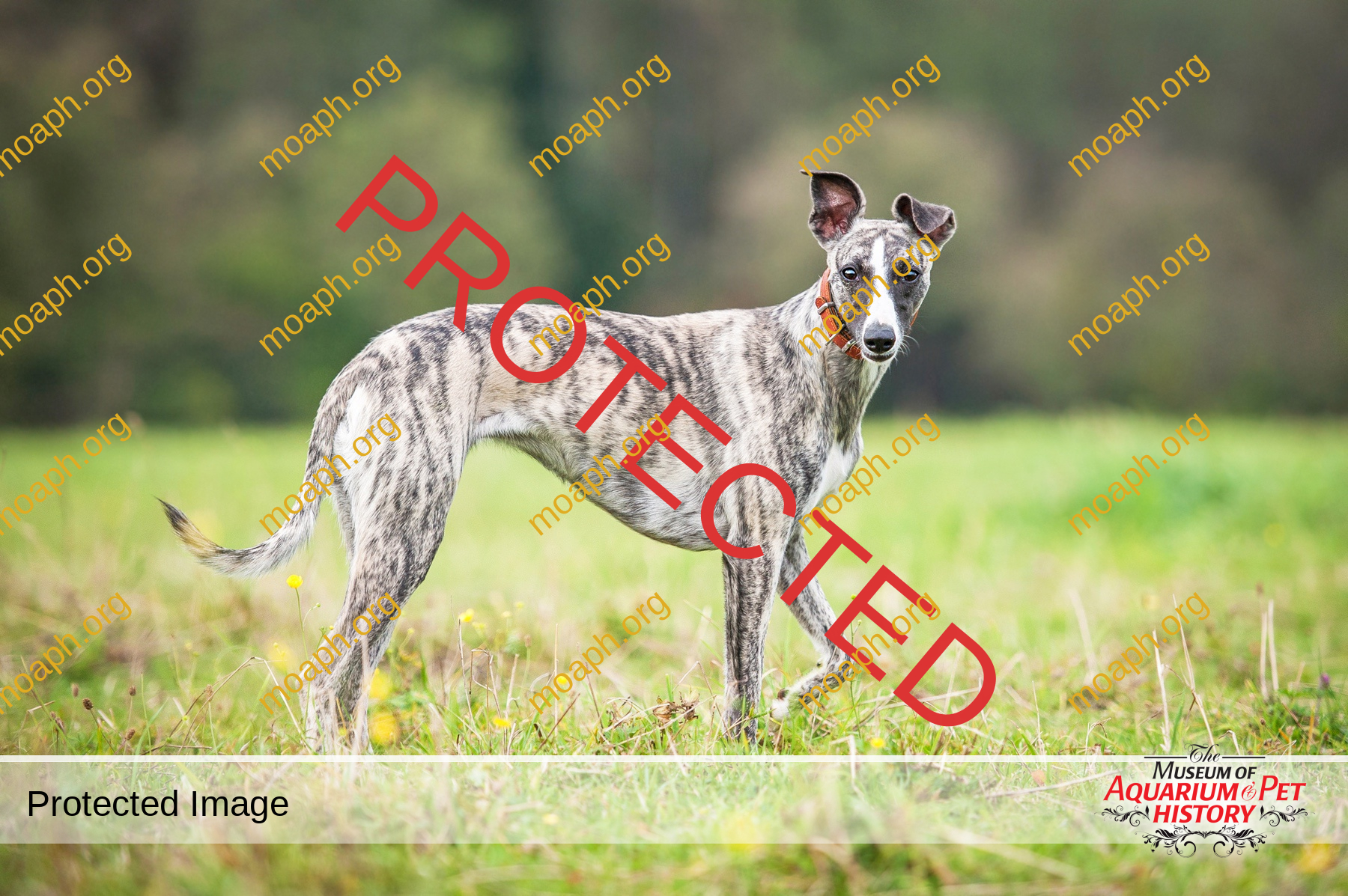
Whippet (England)
Best-known as the ‘poor man’s greyhound’, these athletic dogs are actually faster than the larger greyhound when sprinting over short distances. They ran down back alleys in the working class areas where their owners lived, with bets being made on the likely winners of these races. Their speed also meant that whippets were valuable in catching rabbits for the pot, providing free food for their owners.
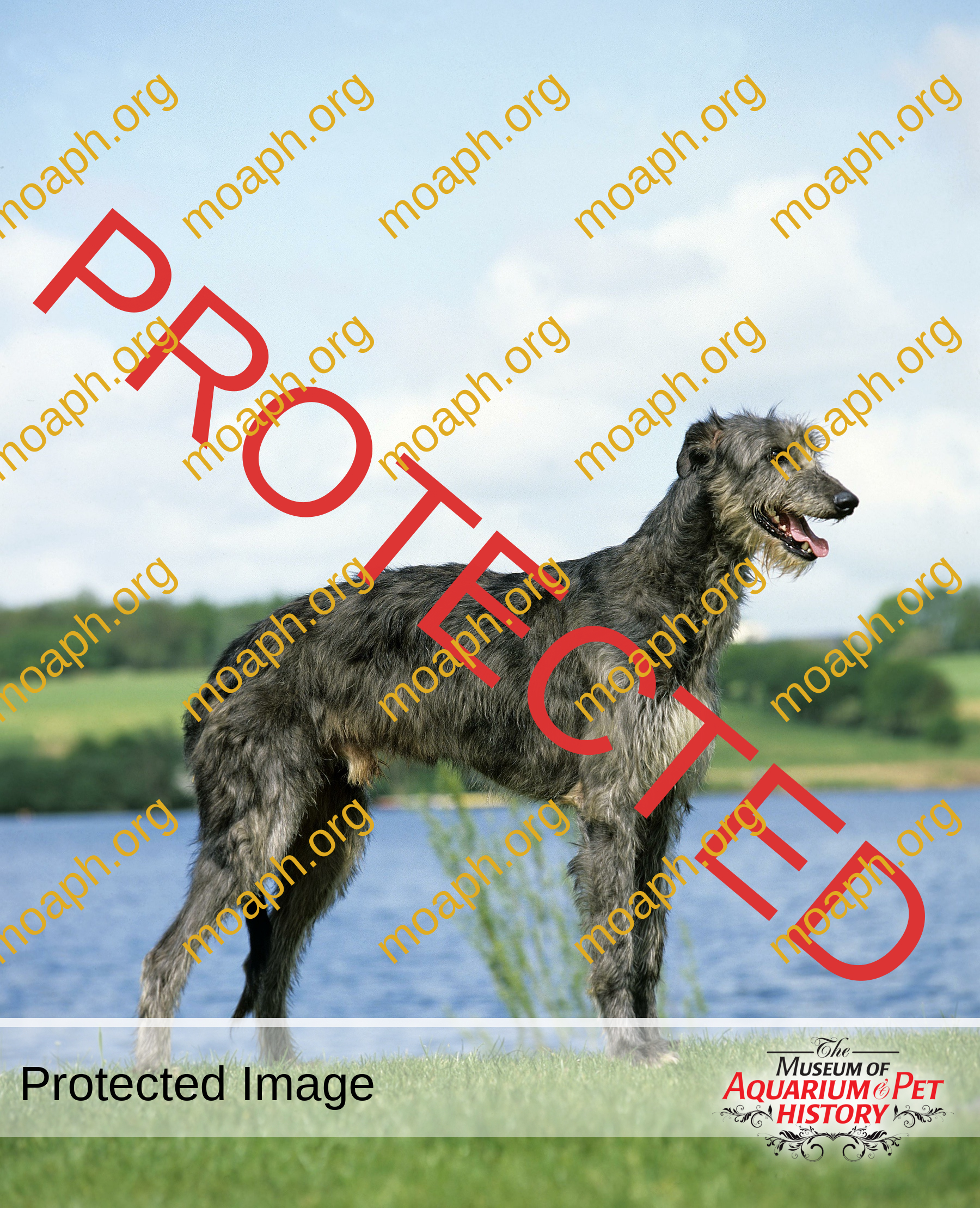
Deerhound (Scotland)
Immortalised by Queen Victoria’s favourite artist Edwin Landseer, these rangy hounds have a long ancestry, dating back centuries. Equipped for speed and stamina, they provided the most efficient means of hunting deer in the Highlands up until the development of firearms that could be used for this purpose.
Terriers
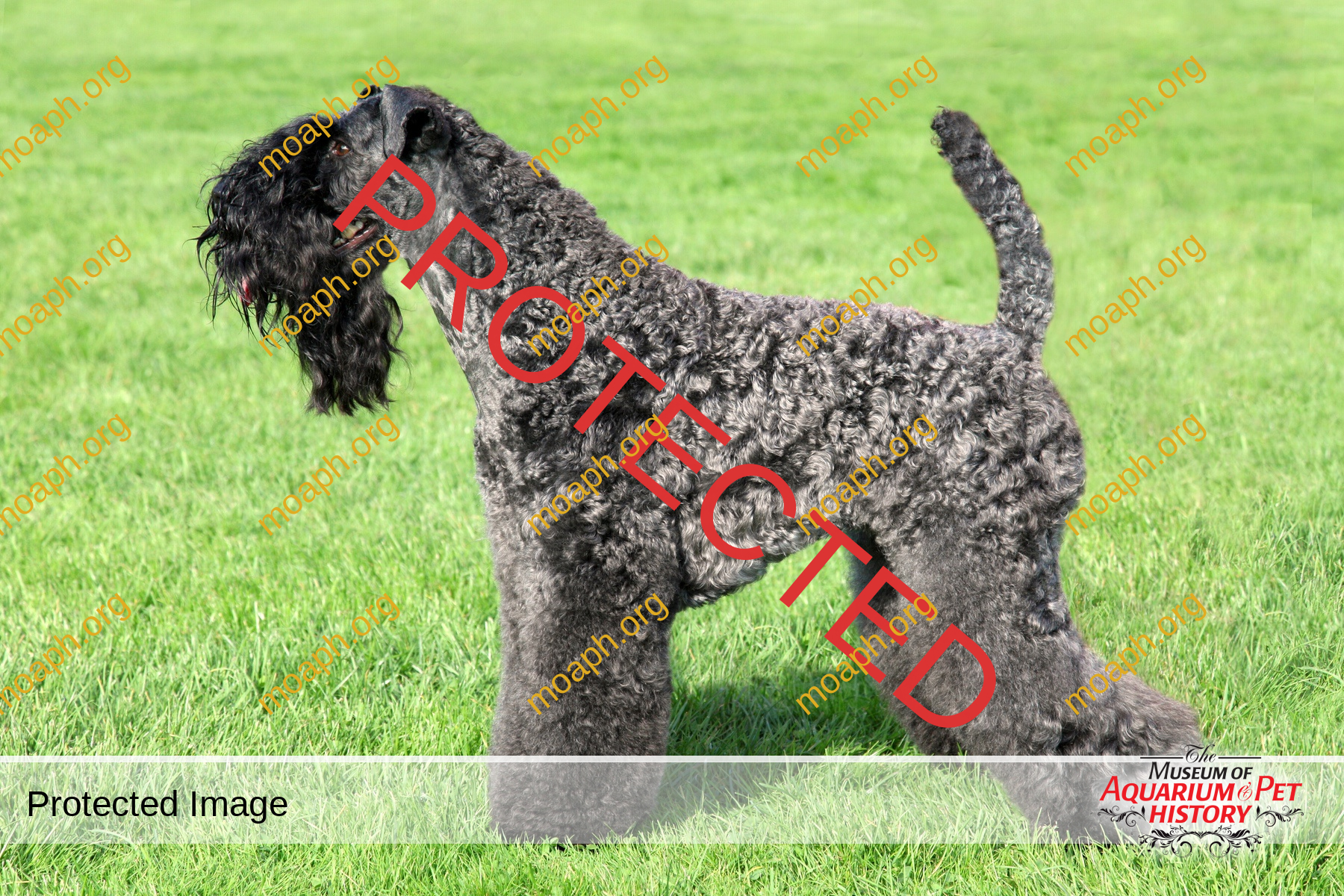
Kerry blue terrier (Ireland)
This breed is designated as the National Dog of Ireland, originating from the south-west of the country, in County Kerry. These terriers are unusual in that their colouration changes significantly as they grow older, with puppies being black at birth, and the coat itself also has an unusual silky-woolly quality.
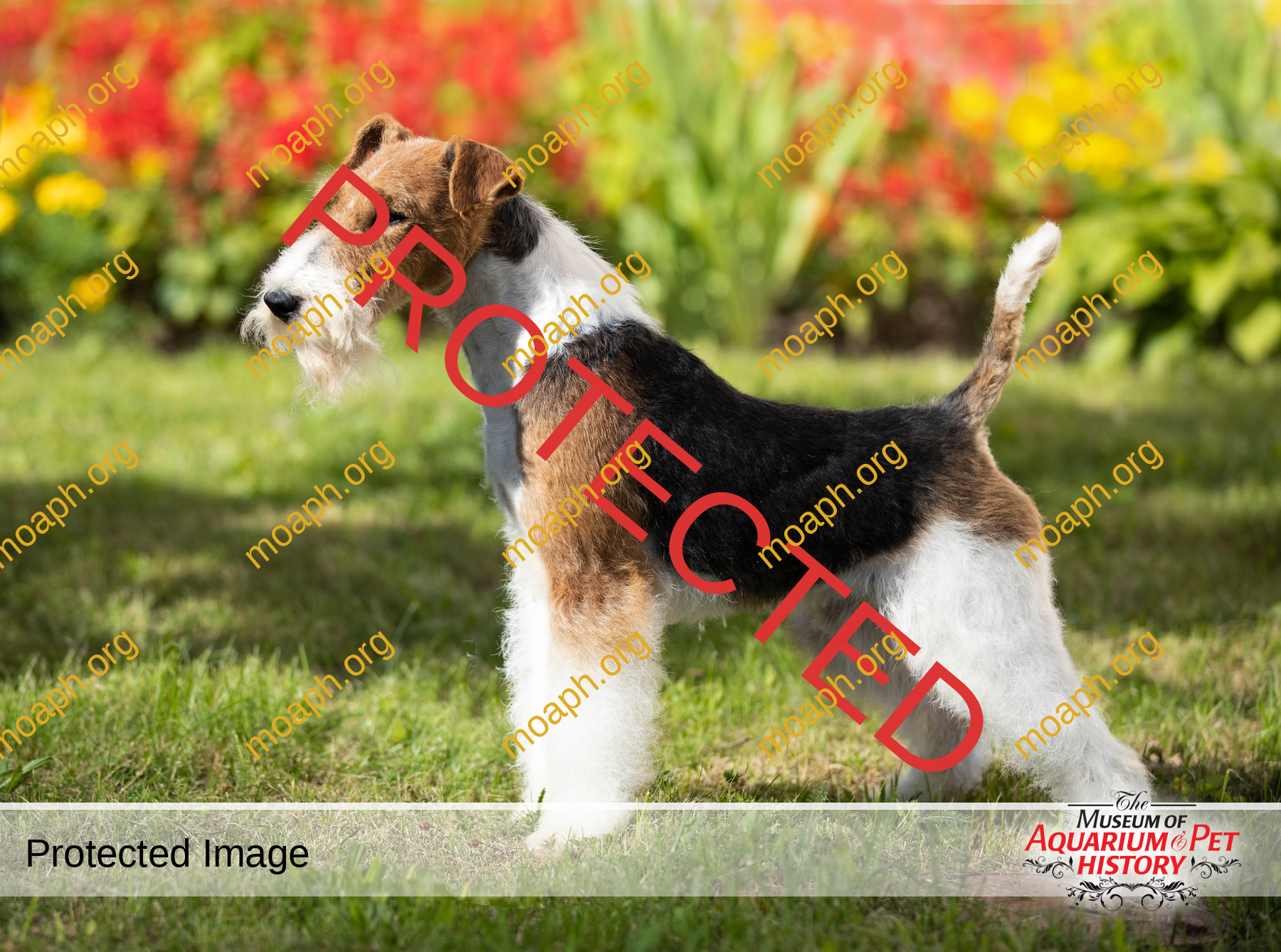
Wire fox terrier (England)
The ultimate chic pet in the early 1920s, these terriers (and their smooth-coated cousin) were used originally to flush foxes out of their earths. The breeds gradually diverged from the 1870s onwards, being recognised separately, although there is a clear relationship still evident between them.
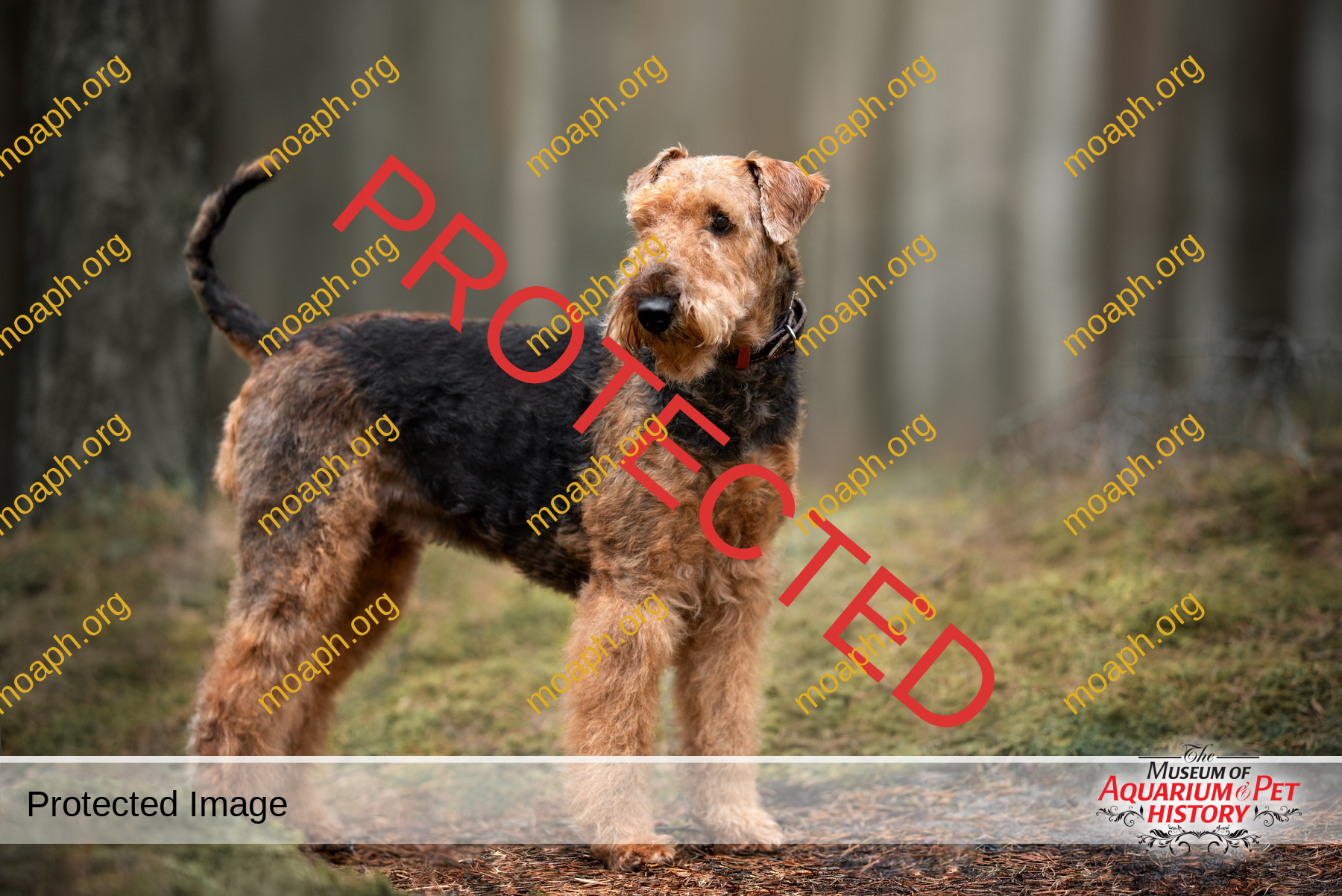
Airedale terrier (England)
The largest of the terrier breeds, the Airedale’s ancestry is closely associated with that of the River Aire in Yorkshire. Although originally used for hunting otters, it has proved an incredibly versatile and brave breed, playing a key role as a messenger dog for example, delivering vital dispatches between the trenches in the First World War. A very formidable opponent, however, if challenged, and even today, the Airedale terrier is not particularly well-disposed to canine companions. Its coat needs particular grooming care.
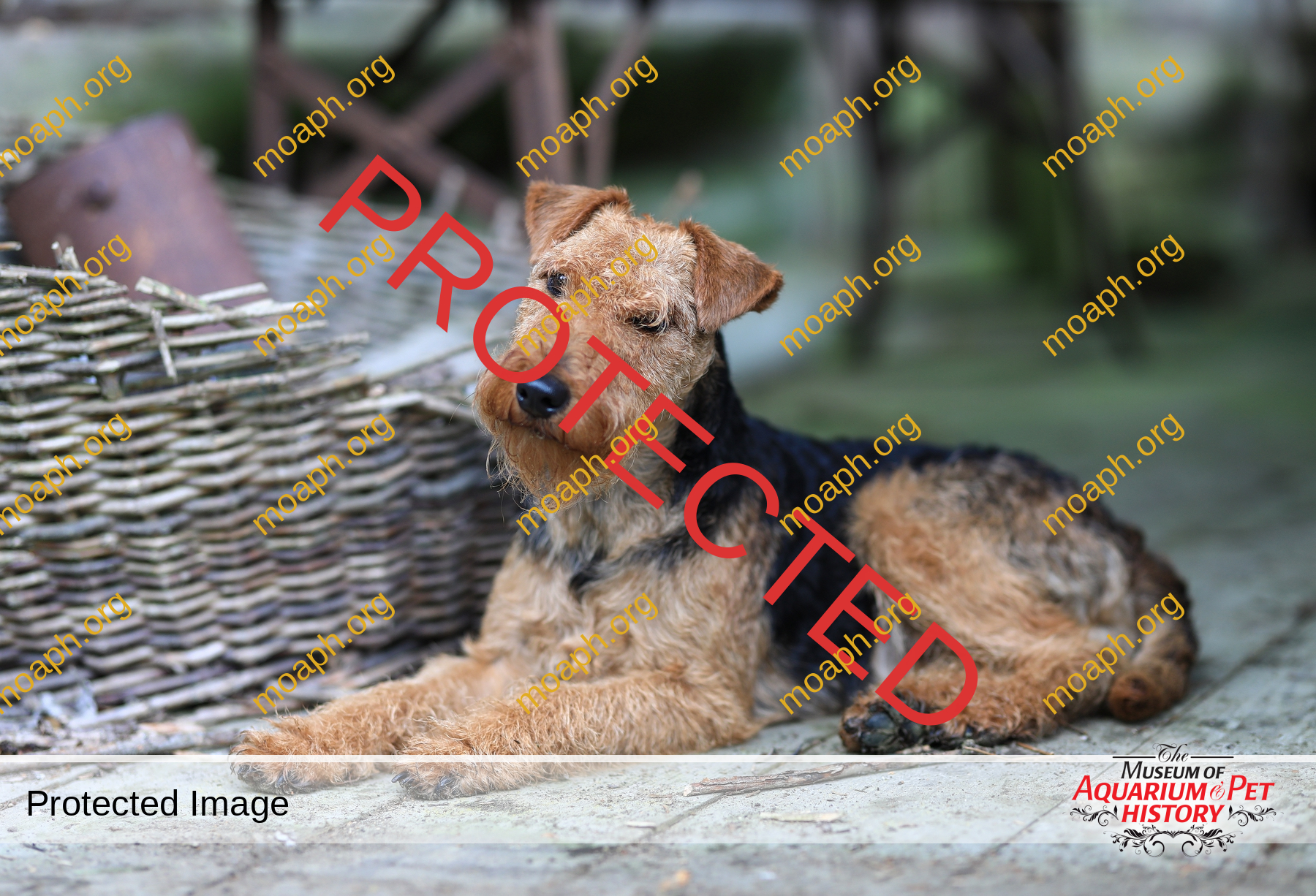
Photo Credit: MaCross-Photography/www.shutterstock.com
Welsh terrier (Wales)
Developed in Wales for hunting foxes, badgers, and vermin, the Welsh terrier was first bred in the 19th century. It resembles a miniature Airedale in appearance, with a wiry, black-and-tan coat and sturdy build. Bold, energetic, and friendly, it is a spirited companion typically with a strong hunting instinct, and like many terriers, it enjoys digging. The breed still remains most popular in its homeland even today, although it has established a wider following.
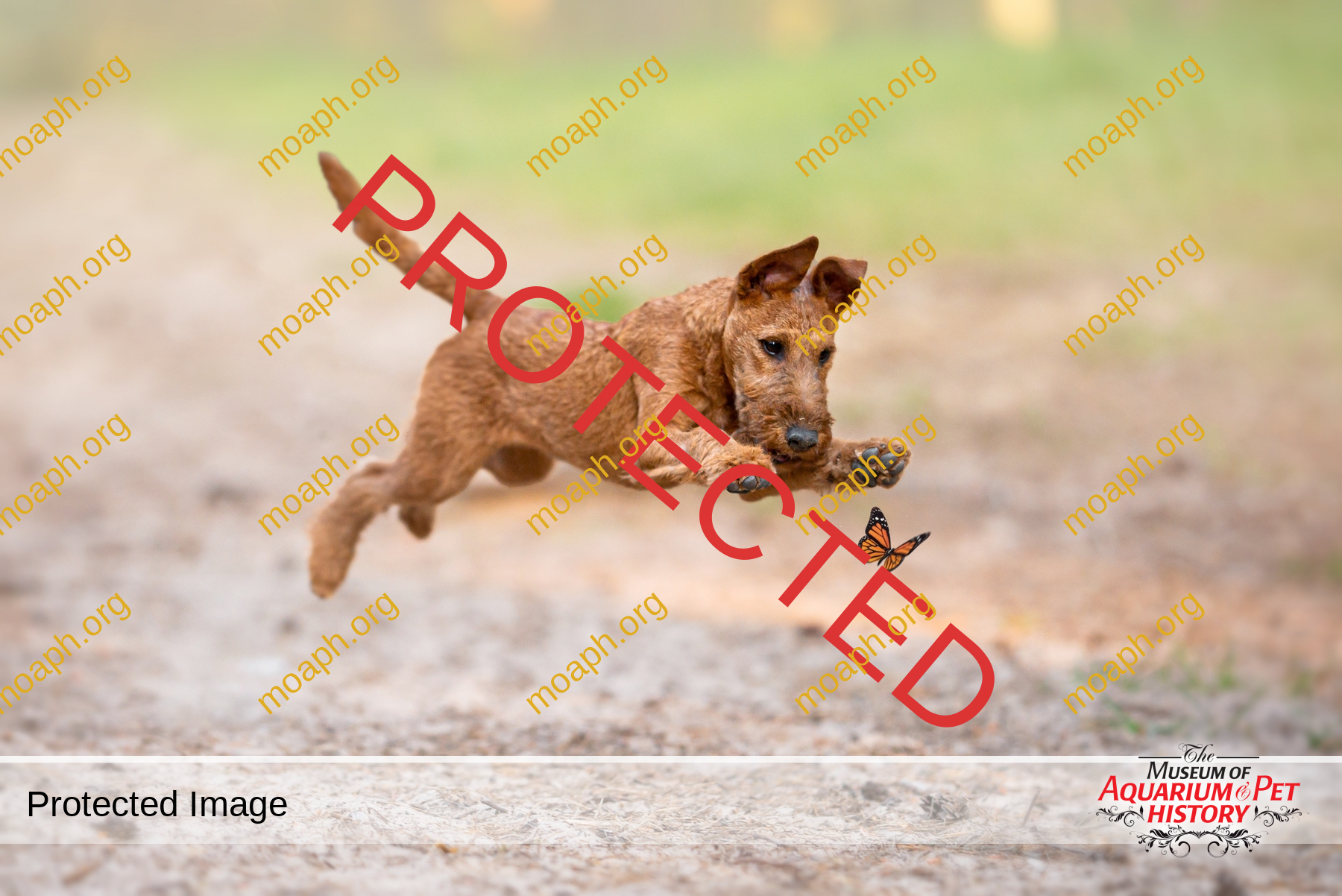
Photo Credit: Mariya Kuzema/www.shutterstock.com
Irish terrier (Ireland)
Bred in Ireland for hunting, guarding, and vermin control, the Irish terrier has been documented since the 19th century, although its exact origins are not documented. The breed has a quite distinctive fiery red and wiry-textured coat. Its lean, athletic build and fearless spirit earn it the nickname “daredevil.” and it is known in its homeland under its Gaelic name of Brocaire Rua. Loyal and affectionate, it makes a versatile companion, and by the 1880s, it ranked fourth, in the list of the most popular dog breeds of the Britain and Ireland.
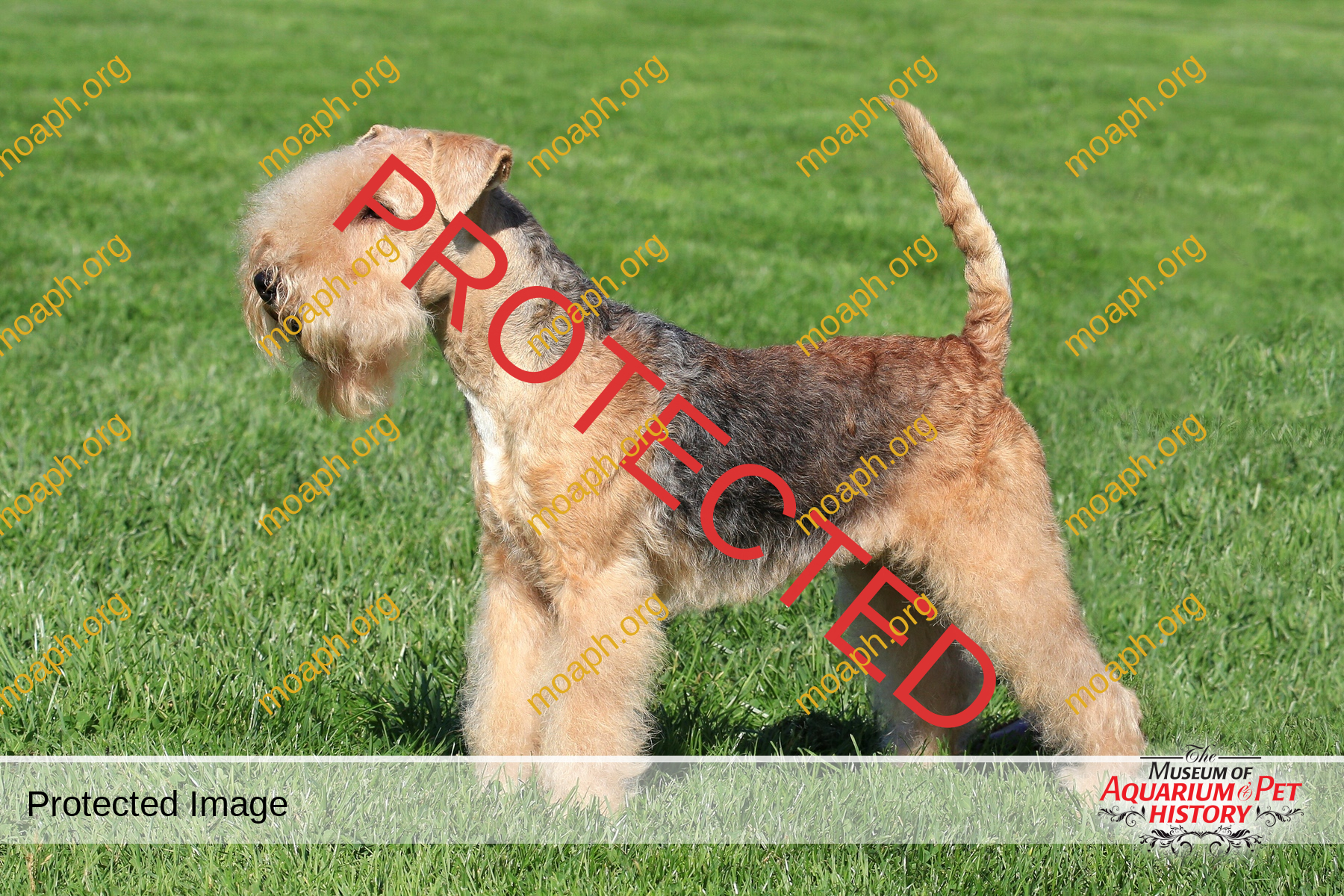
Photo Credit: Radomir Rezny/www.shutterstock.com
Lakeland terrier (England)
First bred in England’s Lake District in the north-west of the country, this terrier was used in the 19th century to hunt vermin and protect livestock. A relatively small, sturdy dog, taking the name of its rugged homeland, it has a distinctive wiry coat, which is black and tan, red, or wheaten. Known for its bold, confident demeanor, the Lakeland is intelligent, independent, and energetic, with a keen hunting instinct. Its ancestry features old English black and tan terriers. Other close relatives include the Patterdale terrier and fell terrier.
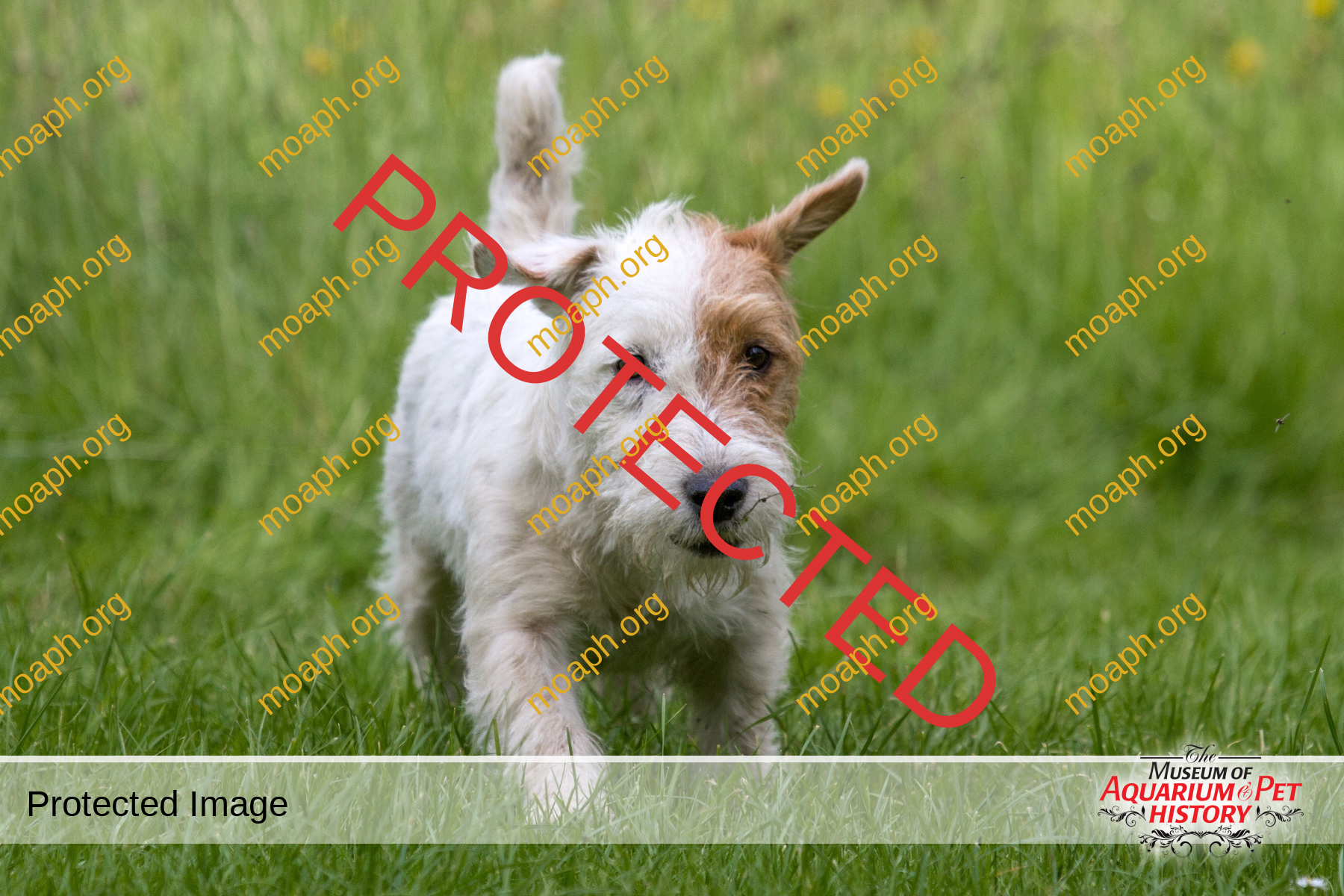
Lucas terrier (England)
The creation of Sir Jocelyn Lucas, who felt that showing had compromised the working ability of his much-loved Sealyham terriers, and so set out to create a new breed of terrier that has not (to date) received recognition from the Kennel Club, nearly 30 years after Lucas’s death. The naming of the breed was the subject of a question in Parliament, as Lucas (who was MP for Portsmouth South for many years) wanted to know if it was legal to name the breed after himself. Clearly, he wasn’t breaking the law by so doing…
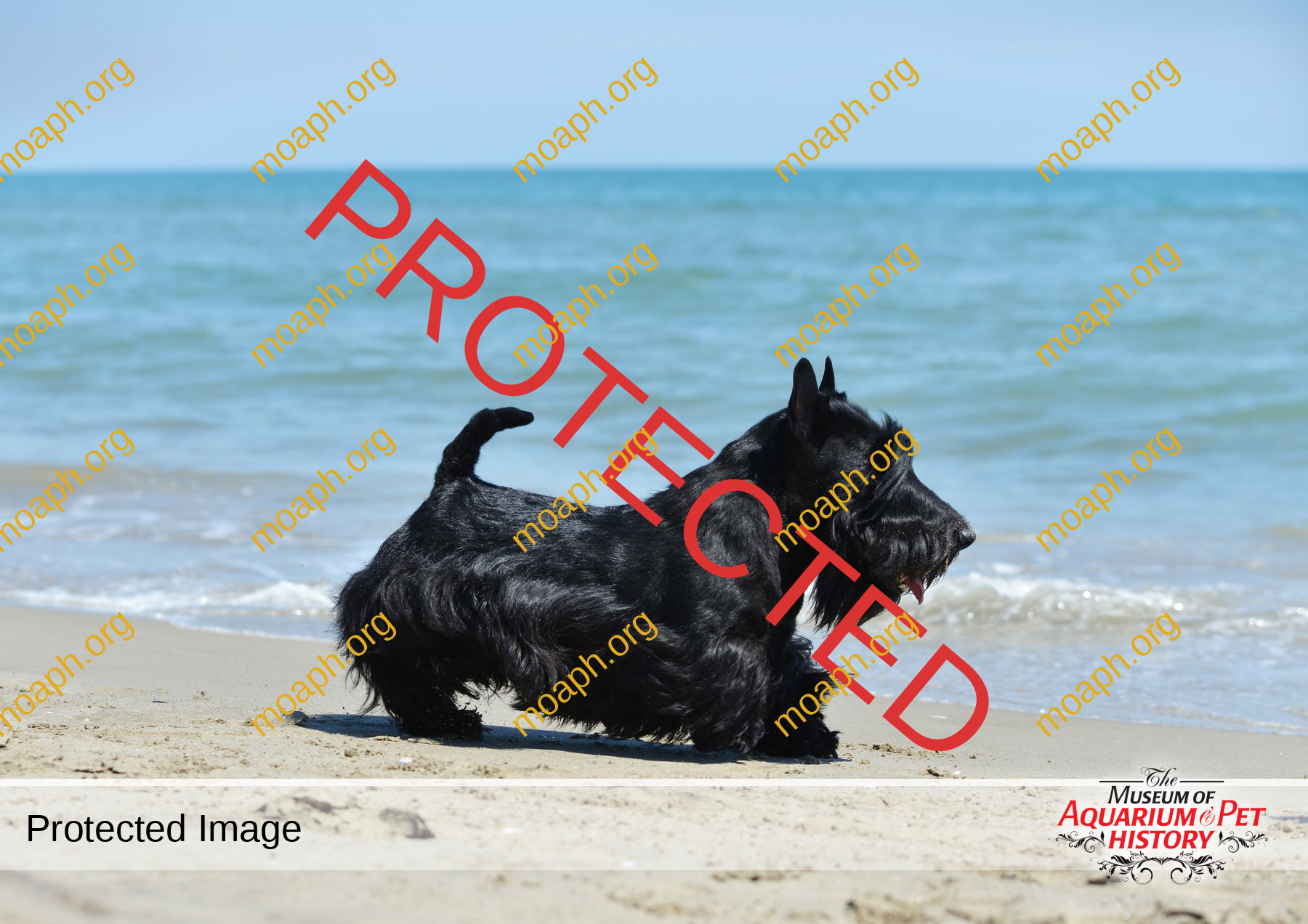
Photo Credit: cynoclub/www.shutterstock.com
Scottish terrier (Scotland)
Bred in Scotland to control vermin, the Scottish terrier, or “Scottie,” emerged in the 19th century with a distinctive wiry coat and bearded face. Its compact, muscular build and bold, confident personality define the breed. Its unique silhouette has seen it become an advertising icon, being used to sell Scottish whisky, for which it became a well-known brand symbol, and proving to be a popular token in the Monopoly board game. The breed has also attracted a range of famous owners from the author Rudyard Kipling to President Franklin D. Roosevelt.
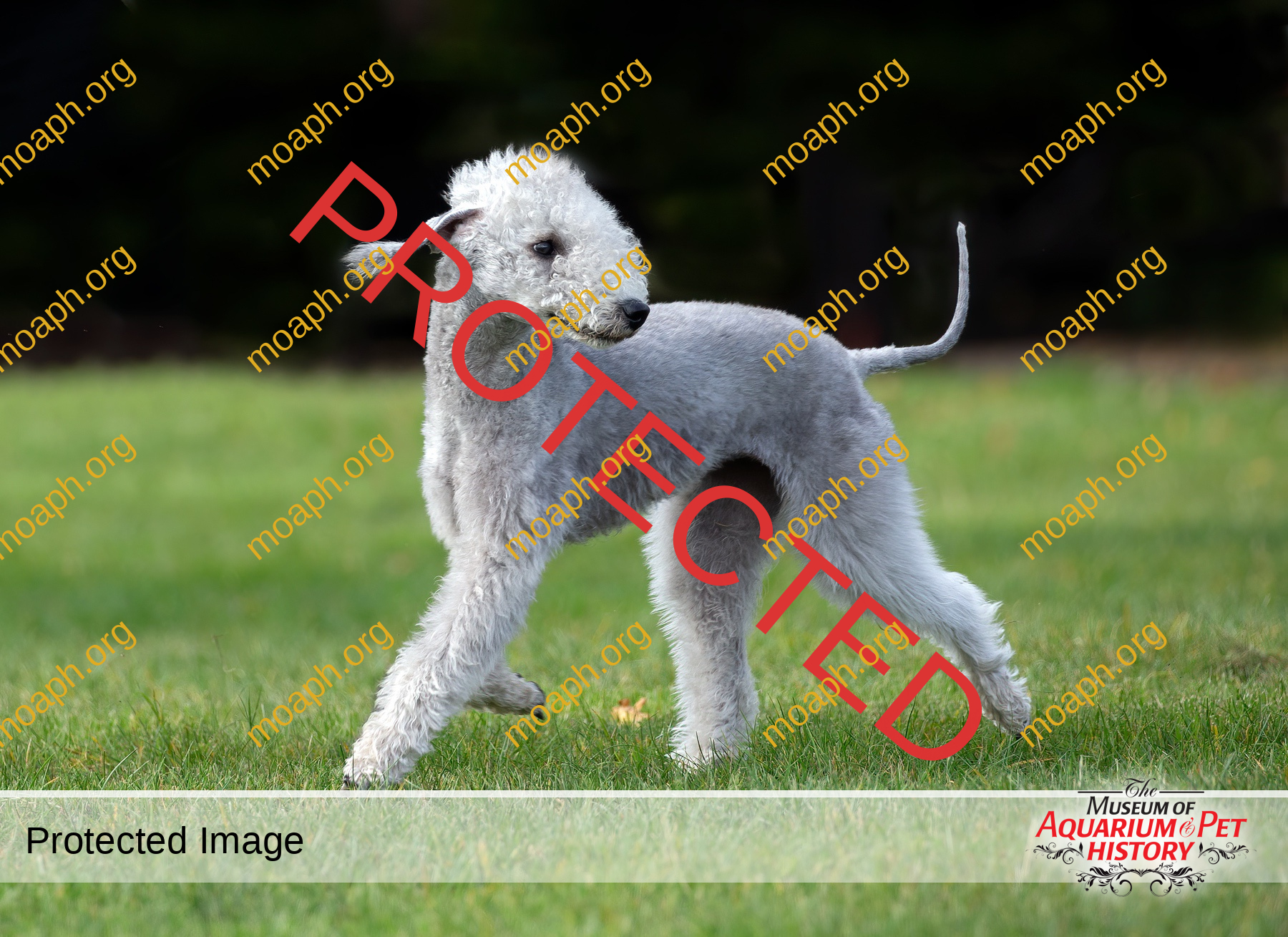
Bedlington terrier (England)
A highly distinctive breed characterised in part by its so-called ‘roach back’. This describes the sloping of the back down to the hindquarters that is most commonly a feature of hound breeds like the whippet. It was created in the Northumberland mining village of Rothbury in the 1780s, but now takes its name from another village nearby. Reckoned to be not just the quickest but also the smartest of the terriers, according to 19th century dog writers.
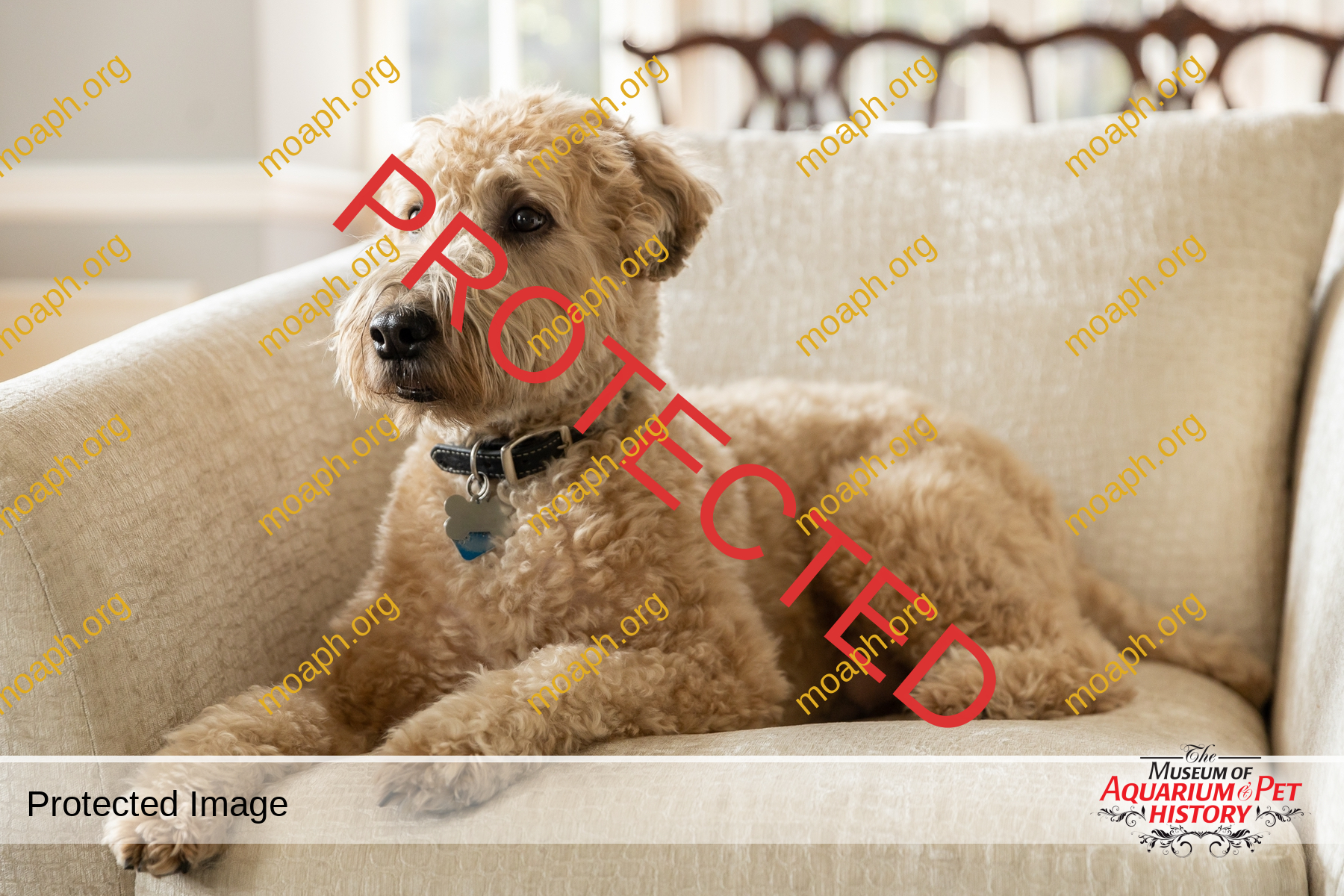
Photo Credit: Joseph Hendrickson/www.shutterstock.com
Soft-coated wheaten terrier (Ireland)
Another breed originating in Ireland, proving to be a versatile farm dog, the soft-coated wheaten terrier herded stock, was a dependable guard and hunted vermin. Its soft, silky, wheaten-colored coat is unique, and takes up to three years to develop to its full extent, with puppies being reddish-brown in color at birth. Although tracing its origins back certainly into the 1800s, this terrier breed remained unrecognized in its homeland right up until 1937.
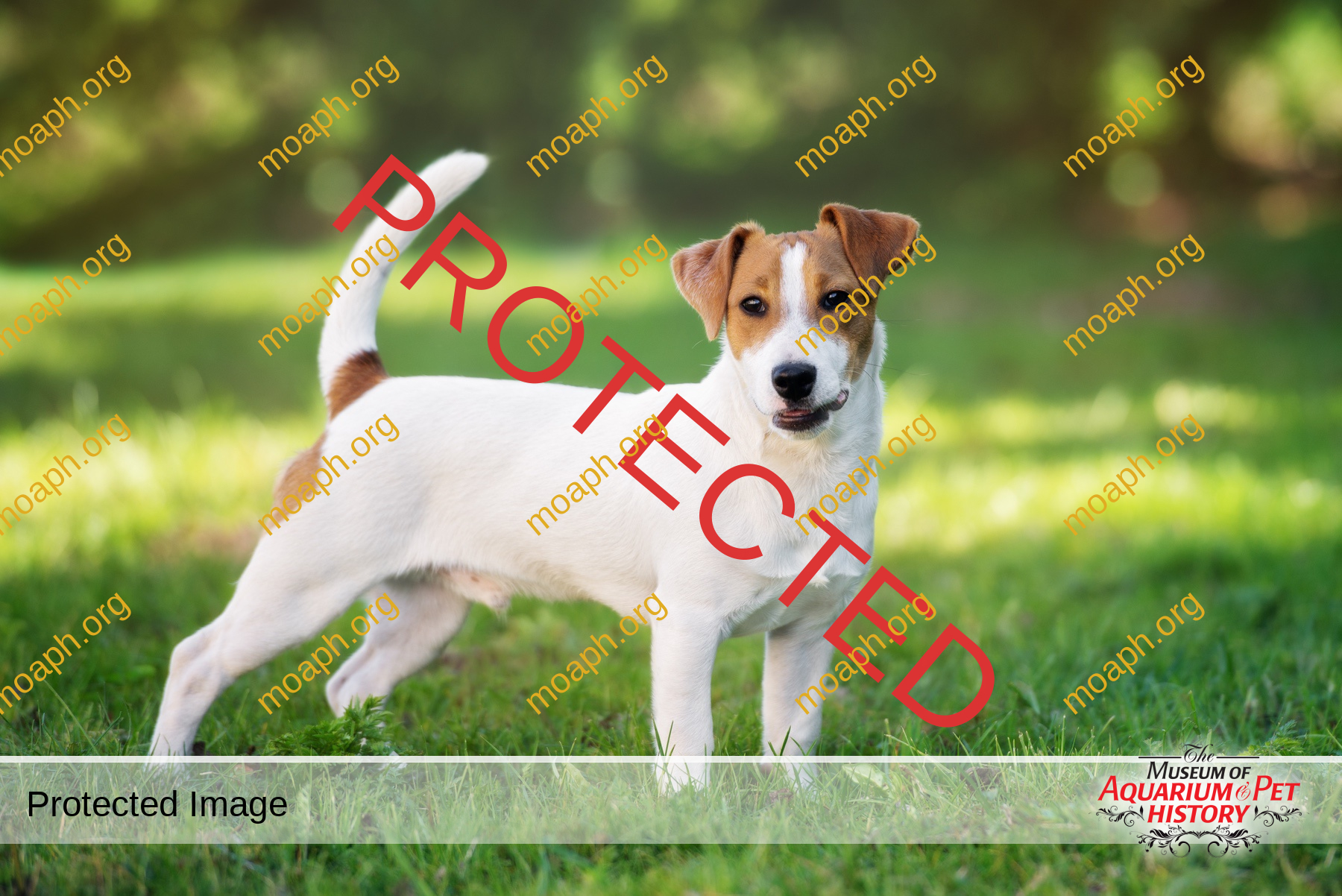
Jack Russell terriers (England)
Devotees of these common and lively terriers were not in favour of having them standardised for show purposes. Finally though, a breed standard was agreed in 1989 for a type known as the Parson Jack Russell Terrier, characterised by its relatively long legs. These terriers all bear the name of the Rev John (Jack) Russell west of England, although the original founder of the breed was acquired by Russell when he was studying at Oxford in May 1819.
There’s a pub commemorating this event close to where it happened in the village of Marston, known simply as The Jack Russell, although now abandoned. It was nearly burnt down in an arson attack recently, and permission has now been granted to replace it with a block of flats.
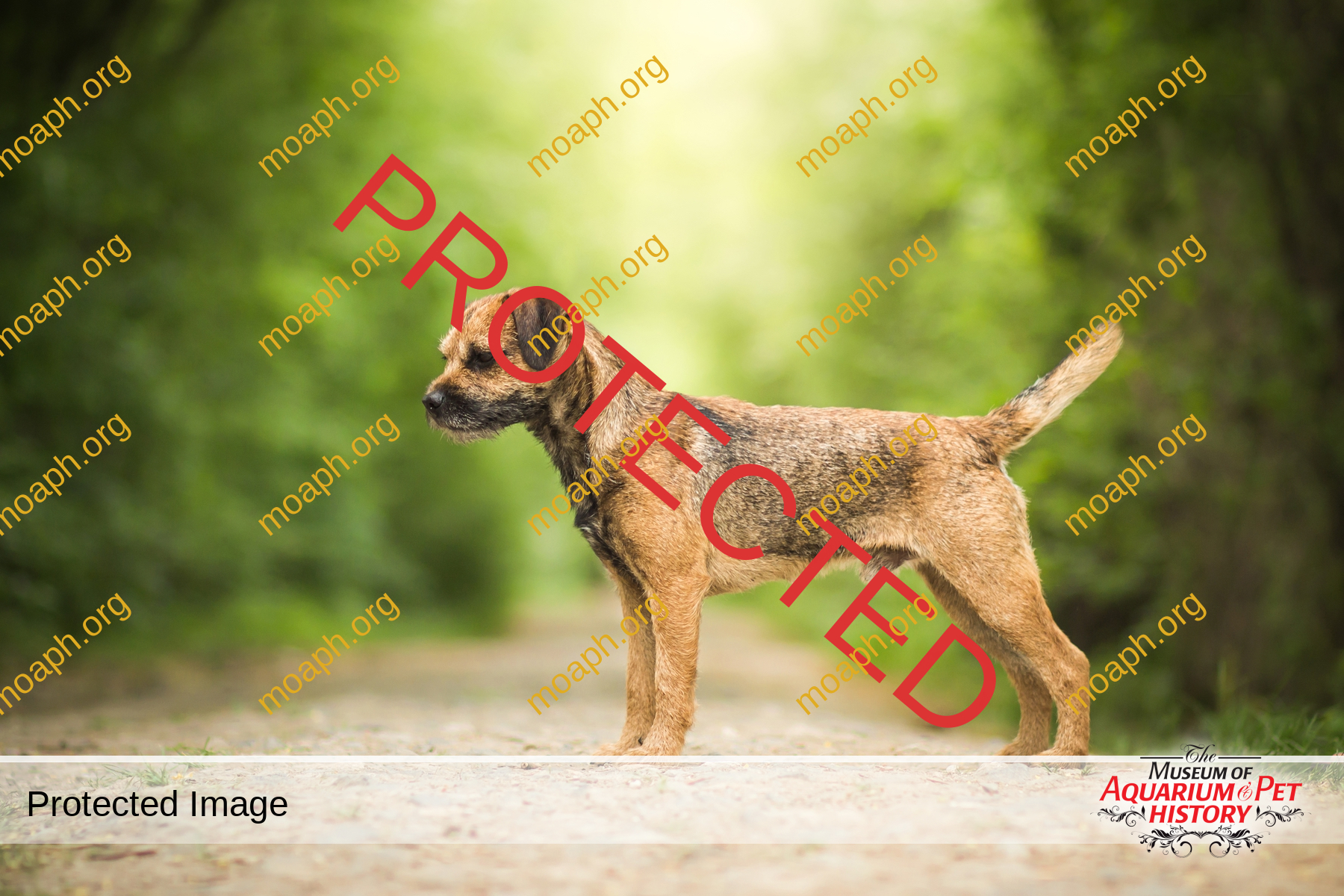
Photo Credit: xkunclova/www.shutterstock.com
Border terrier (England/Scotland)
Originating in the rugged England-Scotland border region, the border terrier was bred in the 18th century for fox and vermin hunting. Its wiry, weather-resistant coat and compact, agile build suit harsh terrains. Known for its friendly, alert demeanor, this terrier is a loyal companion with a strong prey drive. Its tenacity shines in agility and earthdog trials, while its affectionate nature makes it a versatile family pet, thriving with active owners who provide ample exercise.
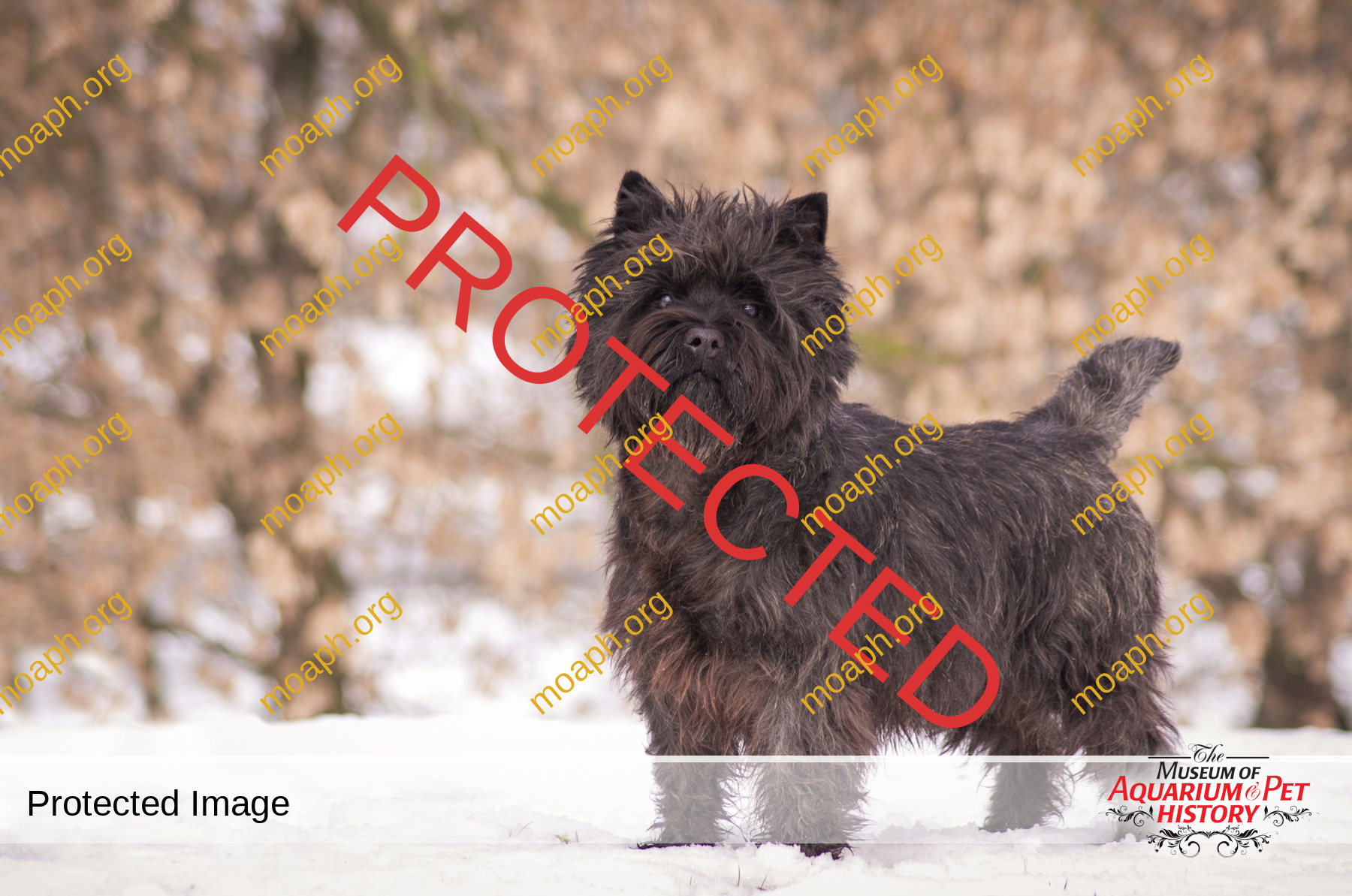
Cairn terrier (Scotland)
Developed in the Scottish Highlands, the cairn terrier was bred to hunt vermin hiding in cairns (rock piles). Its shaggy, double-layered coat protects against harsh weather, and its small, sturdy frame enhances agility. Bold yet cheerful, it’s famously known as Toto in the film The Wizard of Oz. This spirited companion combines tenacity with charm, excelling in urban or rural settings. Unfortunately, like a number of the terrier breeds today, the Cairn has become something of a rarity.
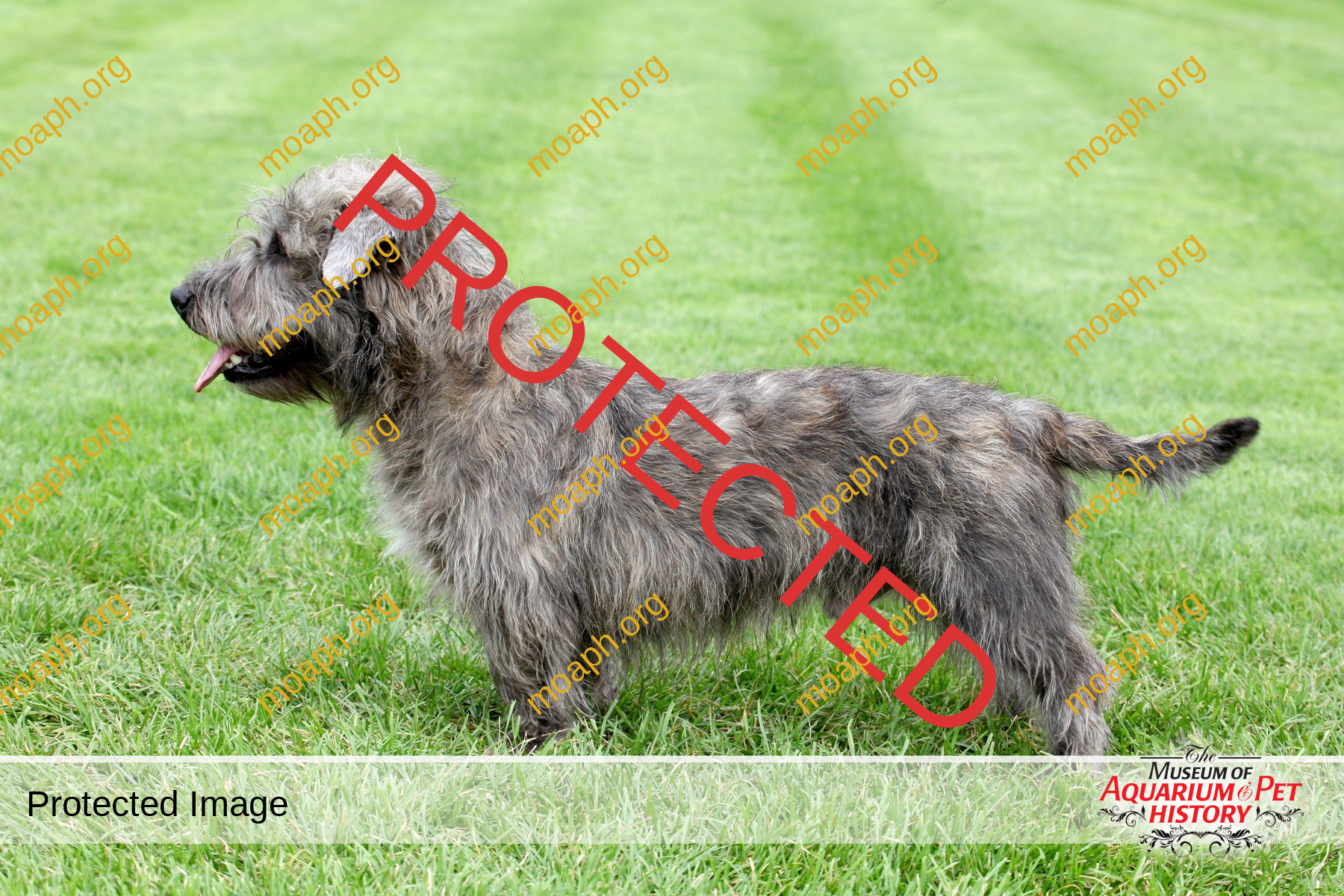
Glen of Imaal terrier (Ireland)
Bred originally south of Dublin in County Wicklow, this is one of Ireland’s oldest terrier breeds, and records show that it has changed little in appearance for over 300 years. A versatile and adaptable breed, the Glen of Imaal terrier has built up a stronger following over recent years in other parts of the British Isles and elsewhere.
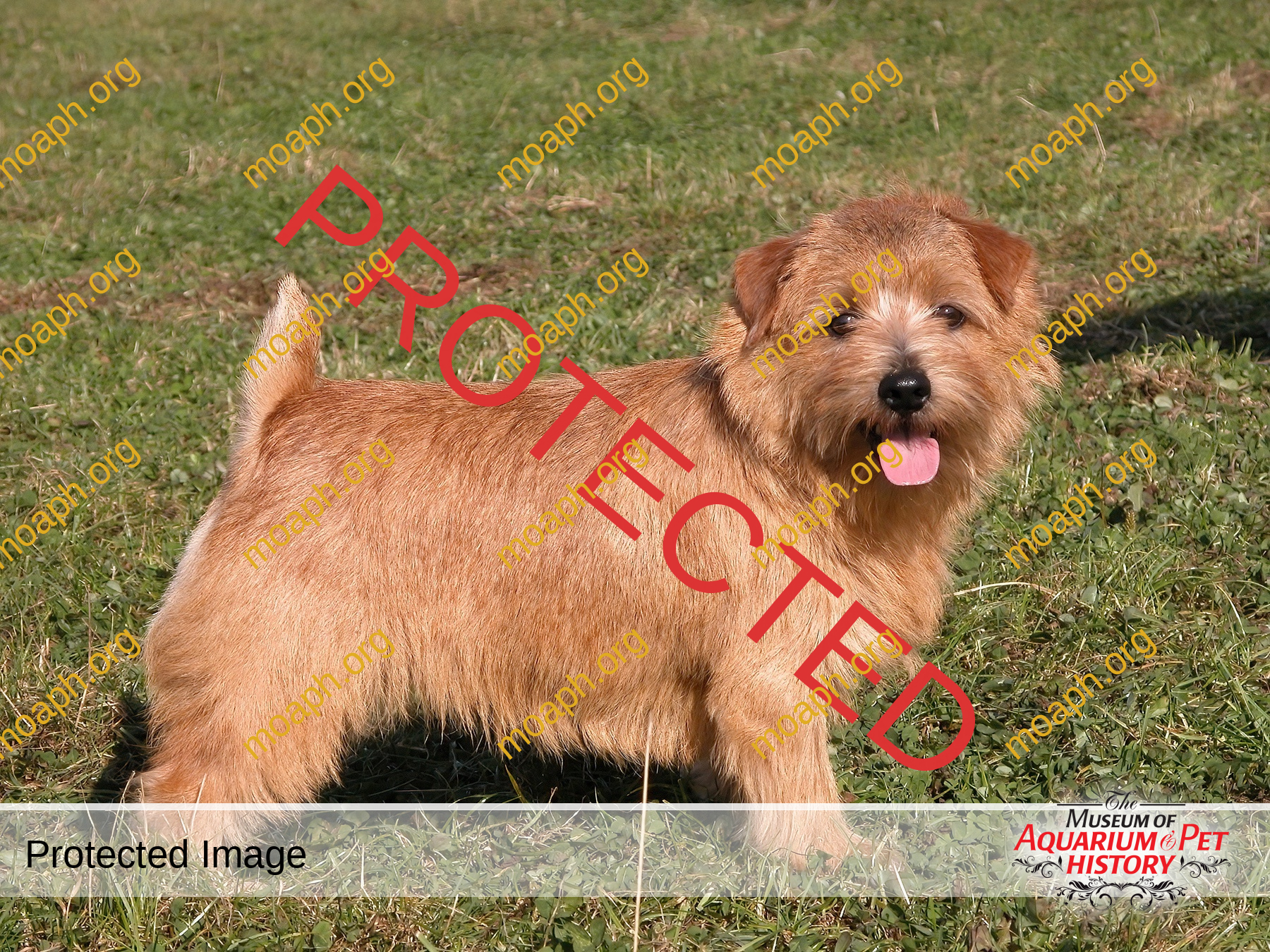
Norfolk Terrier
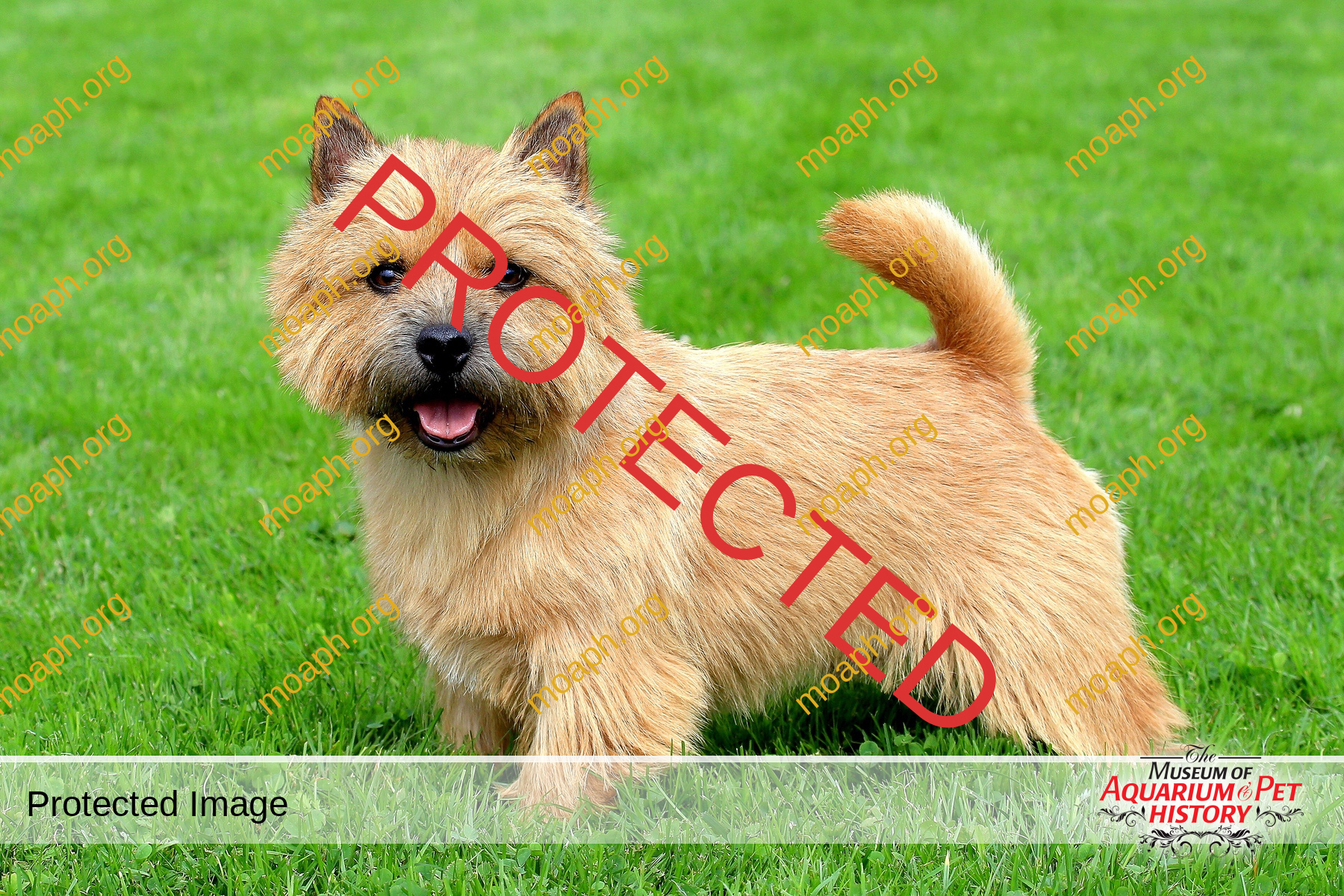
Norwich Terrier
Norfolk/Norwich terriers (England)
These closely related breeds are still considered as one in some parts of the world. Their origins can be traced back to the 1870s, and they came from a stable on the Trumpington Road in the centre of the city of Cambridge in eastern England. Students there bought them for hunting rats. The Norfolk, unlike the Norwich, has drooped rather than pricked ears.
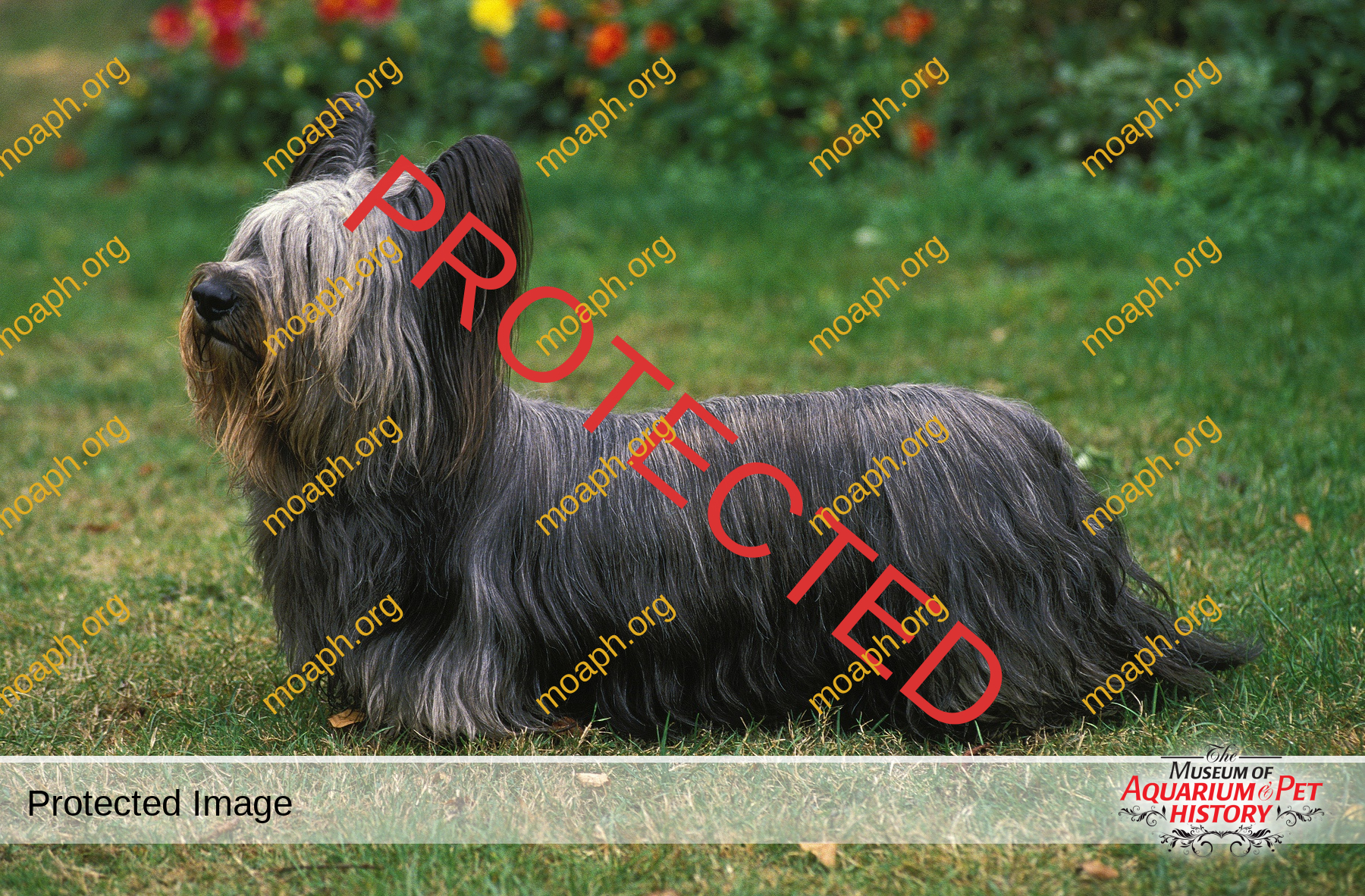
Skye terrier (Scotland)
A breed popularised by Queen Victoria, but subsequently made more famous because of the loyalty displayed by the Skye terrier called Greyfriars Bobby, as immortalised in various films and books through the years. He was named partly after the Edinburgh churchyard where his owner was buried, refusing to leave the graveside, and returning here if taken away elsewhere.
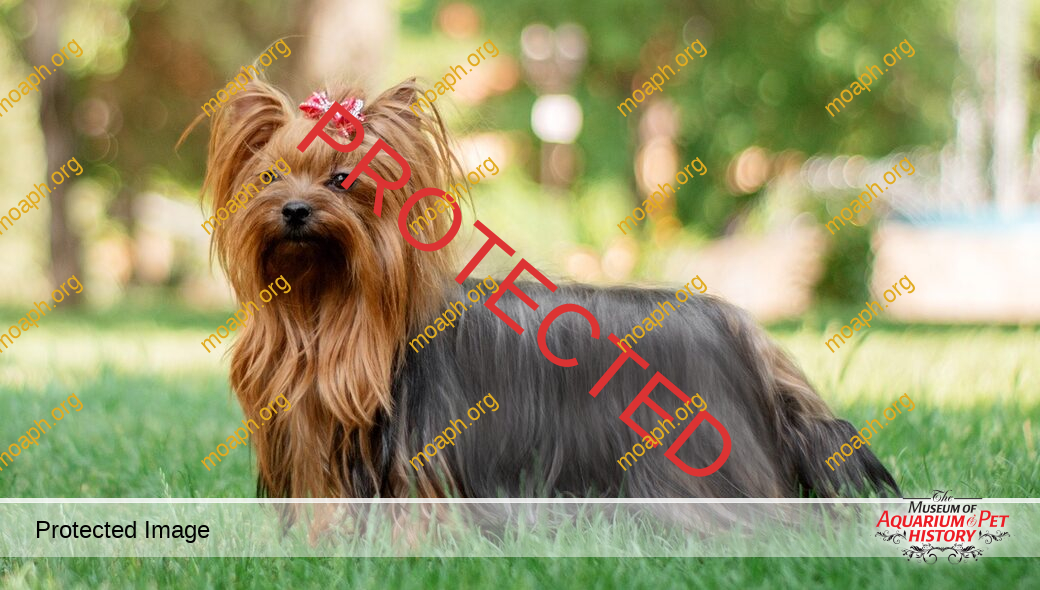
Yorkshire terrier (England)
Scottish workers heading to the industrial heartlands of Yorkshire in search of work brought their terriers with them, and these created the breed now known today as the Yorkshire Terrier. Yorkies may look like lap dogs, but they still display typical terrier characteristics, being feisty, lively and intelligent. Over the years, the tendency was to shrink the size of the Yorkshire terrier, but strangely, it coat remained long, and requires diligent grooming, especially for those about to enter a show ring.
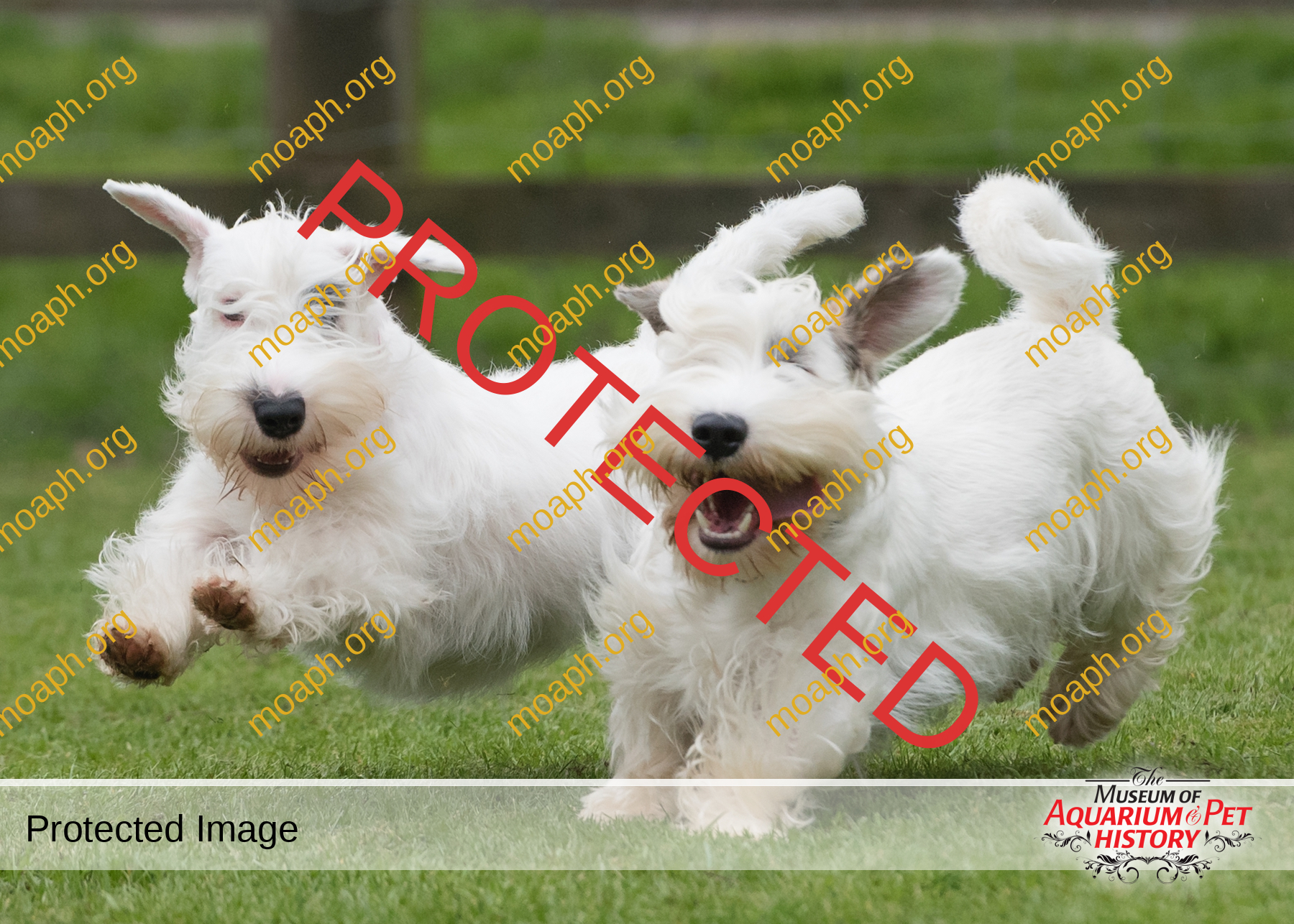
Photo Credit: Karen Appleby/www.shutterstock.com
Sealyham terrier (Wales)
Created in 19th-century Wales, the Sealyham Terrier was bred by Captain John Edwardes for at his property, called Sealyham House in Pembrokeshire, which explains the breed’s name. It was used originally for badger and fox hunting. Its white, wiry coat and sturdy, low-slung build are distinctive. Sealyhams were incredibly popular in the early 20th century, attracting owners such as Tallulah Bankhead, and Elizabeth Taylor, as well as members of the British royal family. Now though, there is a genuine risk that the breed could become extinct.
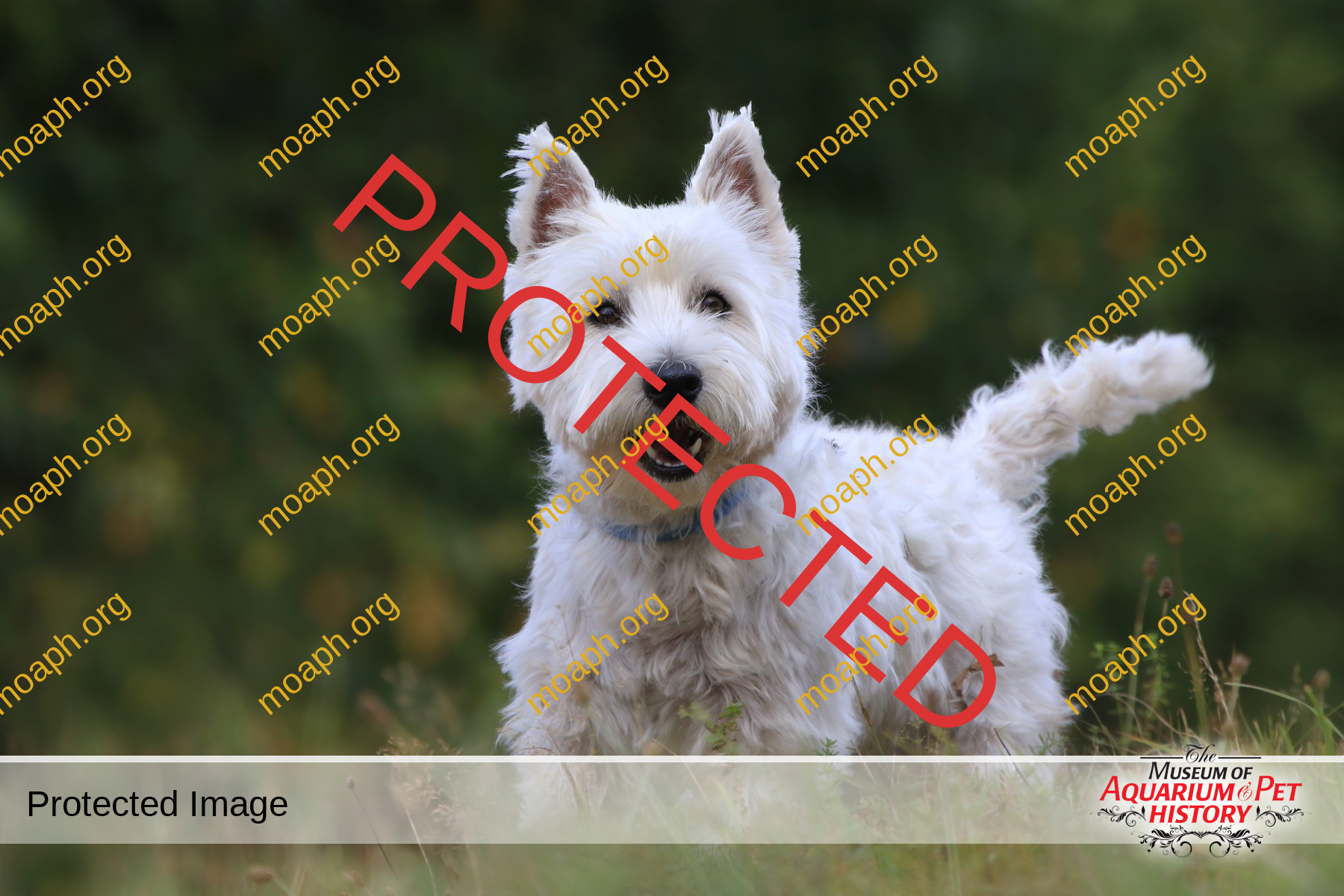
West Highland white terrier (Scotland)
A breed typified today by its colouration, and undoubtedly one of the most popular terriers kept as a pet, in spite of a predilection to assorted skin problems! The distinctive colour came about because the breed’s creator shot and killed one of his beloved brown terriers accidentally, believing it to be a fox, and swore that he would never make the same mistake again – hence the development of the Westie’s white coat.
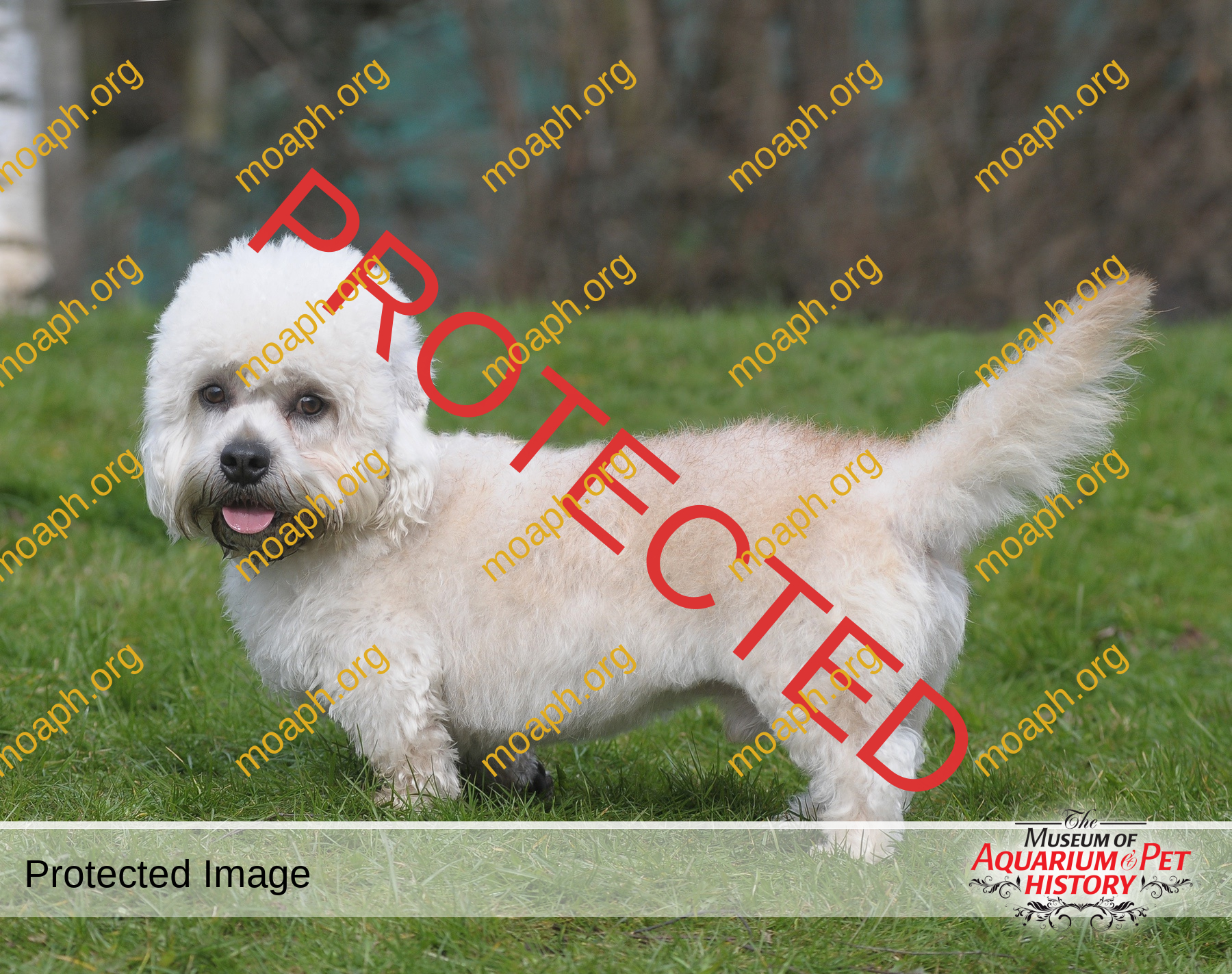
Dandie Dinmont terrier (England)
The only breed of dog named after a fictional character, as featured in Sir Walter Scott’s novel Guy Mannering. Dandie Dinmonts were developed in the north-west of England, in the Lake District. The breed is characterised also by its loud bark, which is disproportionate for its size, not to mention its unusual appearance, including a strange topknot of hair on its head.