Brighton’s Aquarium – The Victorian Marvel That Defied the Odds
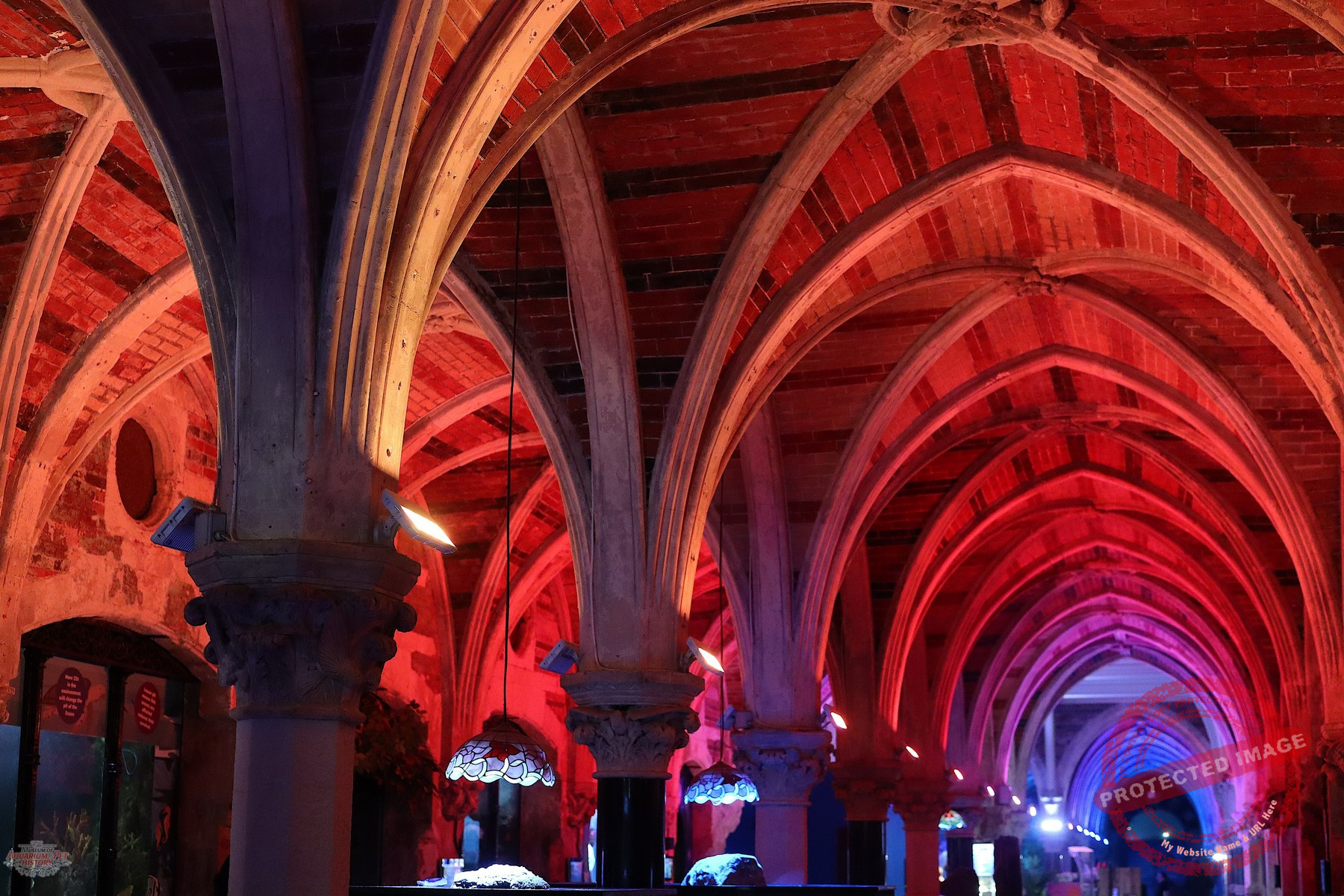
Step inside the world’s oldest operating aquarium, and the carefully restored Victorian building transforms into a living, glowing cathedral of the sea.
Photo by Akara Heart.
In the middle of the nineteenth century, a quiet revolution transformed how ordinary people encountered the natural world. For centuries, the ocean had remained largely opaque—its inhabitants known only through fishermen’s tales, dried specimens in cabinets of curiosity, or the occasional stranded creature on a beach. Then, almost suddenly, the deep became visible. Glass tanks filled with living seawater, plants and animals appeared first in private parlors and soon in public buildings, allowing Victorians to gaze upon anemones, octopuses and shoals of fish as if the sea itself had been brought indoors.
The catalyst for this change was the work of Philip Henry Gosse. Born during 1810, in Worcester, England, Gosse had spent his formative years in Newfoundland and the United States before returning to England as a self-taught naturalist of unusual observational skill and artistic talent. In the early 1850s, while living in the south-west, on the coast of Devon, he perfected a method of keeping marine animals alive for months in closed glass vessels both by balancing the oxygen-producing activity of seaweeds with the respiratory needs of the animals, and also by ensuring the safe breakdown of the animals’ waste products. Previous attempts had failed, often because the water quickly became foul. Gosse’s insight into how to create a biological equilibrium within what was a miniature ecosystem changed everything.
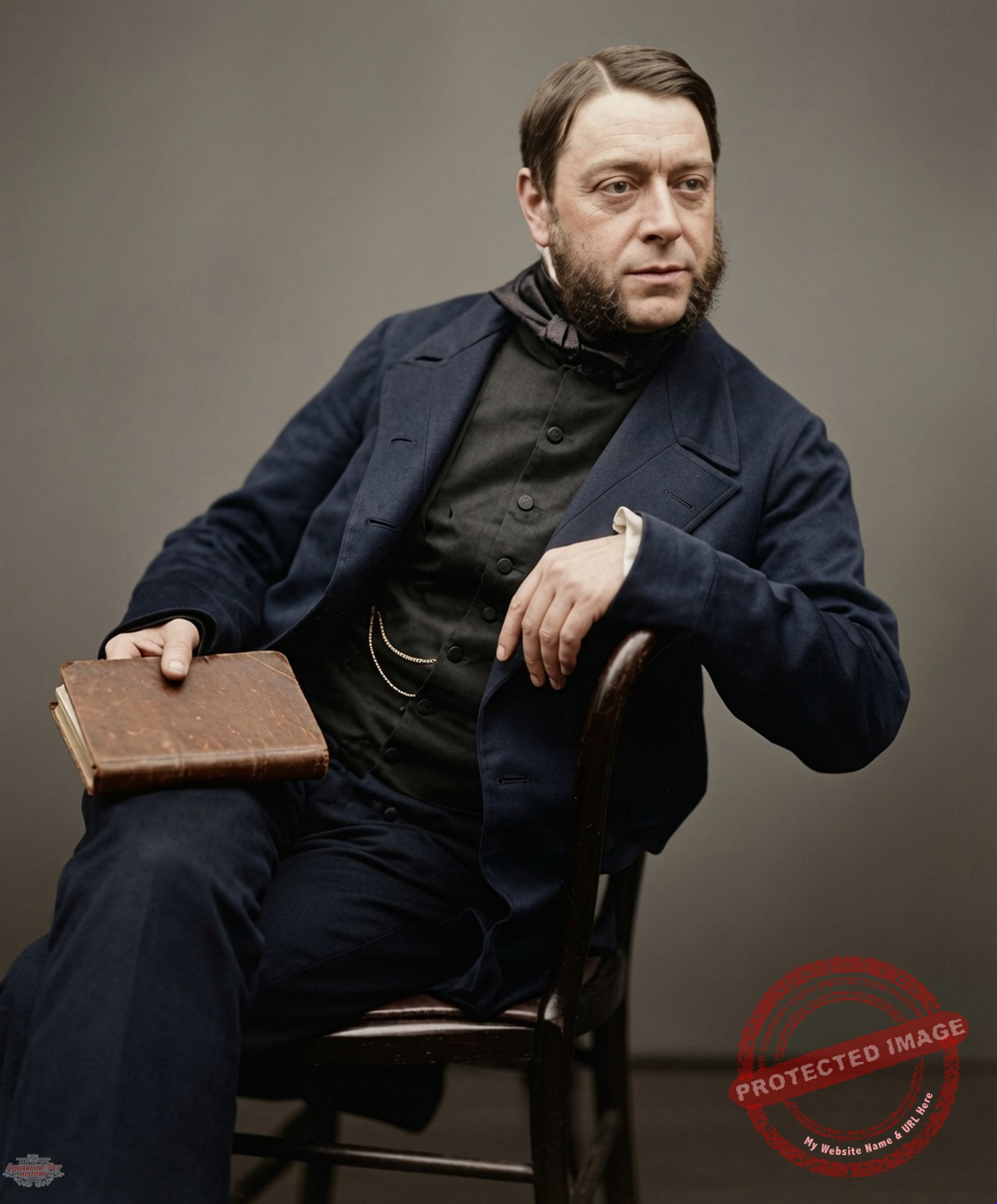
Philip Gosse in 1855. Source: PD.
The Start of the Trend
In December 1852, Gosse transferred a collection of specimens he had kept healthy for two months into a new so-called ‘Fish House’ at the Zoological Gardens in Regent’s Park, London, now known as London Zoo. On 21 May 1853, the world’s first public marine aquarium opened to visitors. Gosse stocked the tanks and, the following year, published a book entitled The Aquarium: An Unveiling of the Wonders of the Deep Sea.
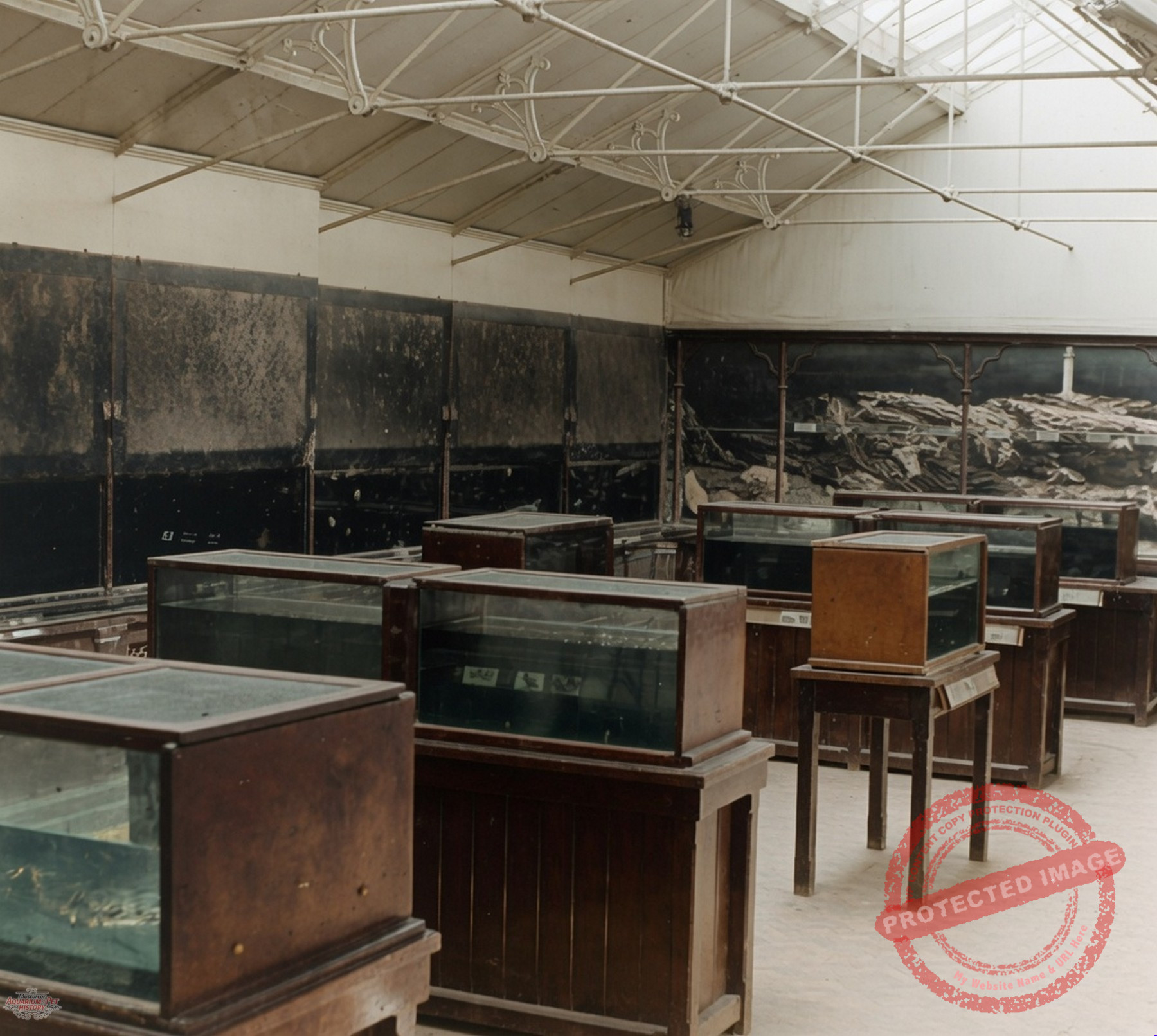
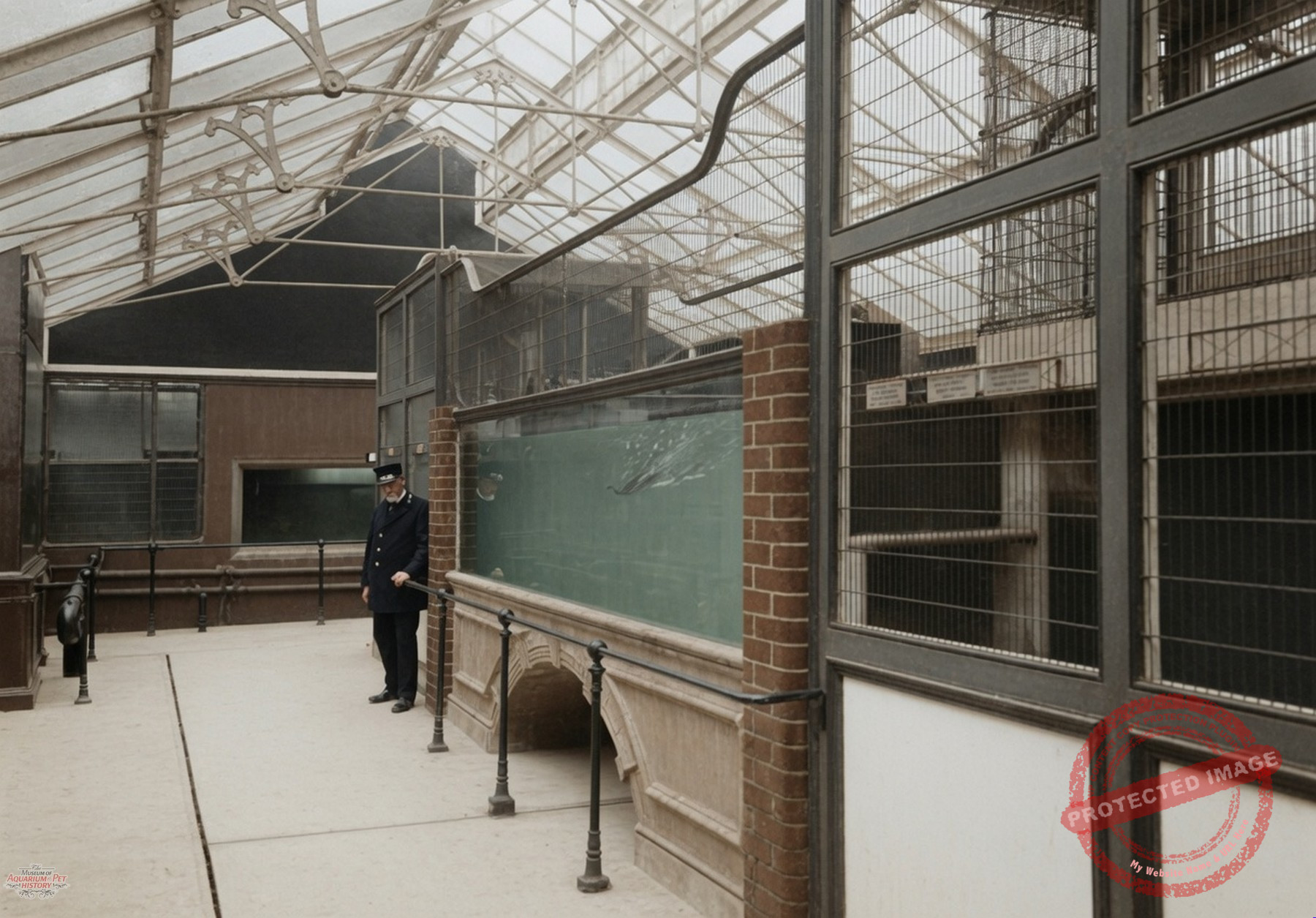
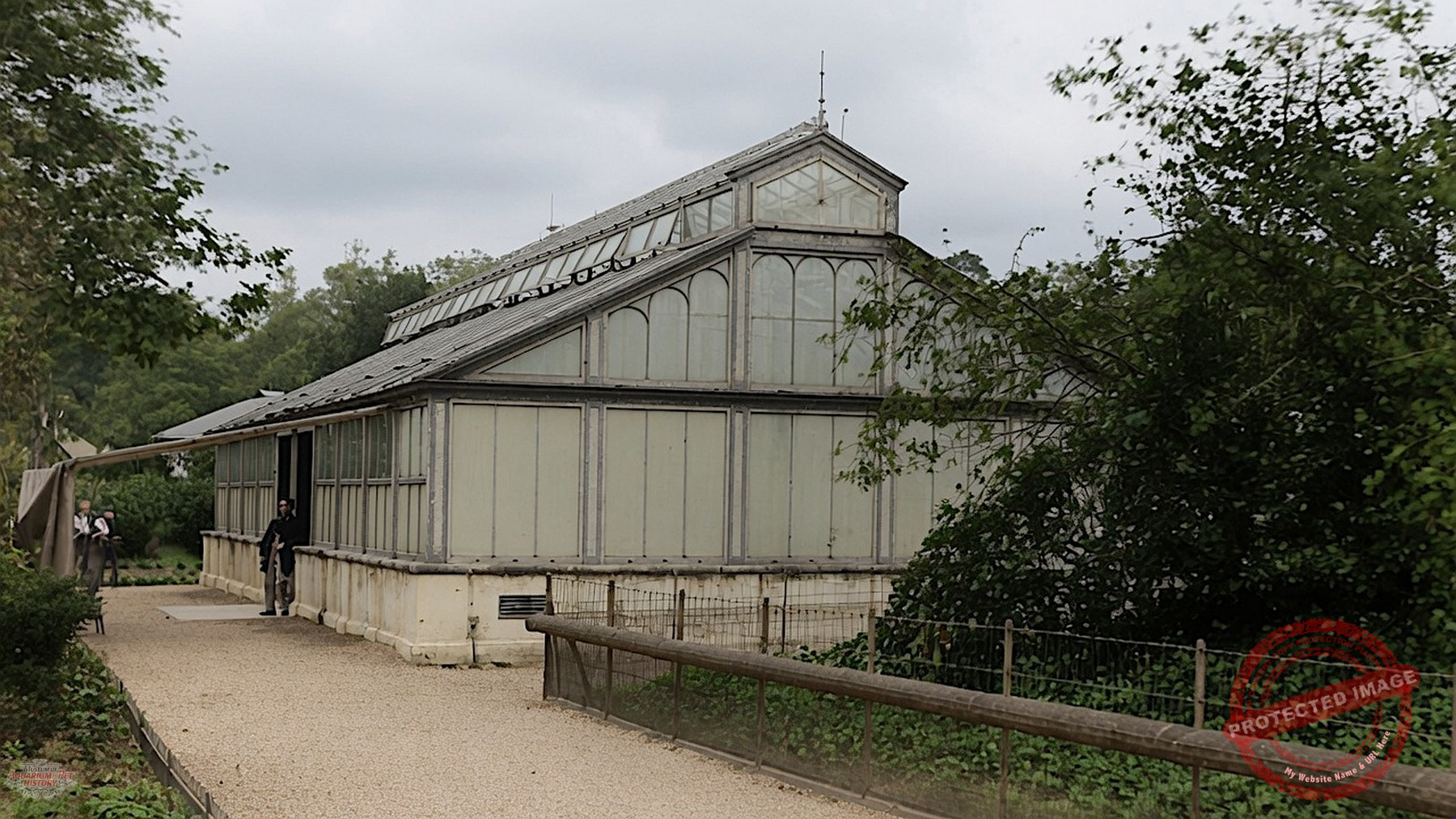
Views of the Fish House at London Zoo – exterior and interior images.
The book sold rapidly, featuring twelve very expensive color lithographed plates capturing the beauty of marine life, and brought the word “aquarium” into everyday language. Gosse himself preferred this abbreviated description to the clumsier alternative of “aqua-vivarium”, effectively meaning an enclosure for living creatures in water. His efforts ignited a national craze. Parlor aquariums became fashionable status symbols; coastal collecting expeditions multiplied; and commercial suppliers of tanks, artificial seawater and livestock sprang up.
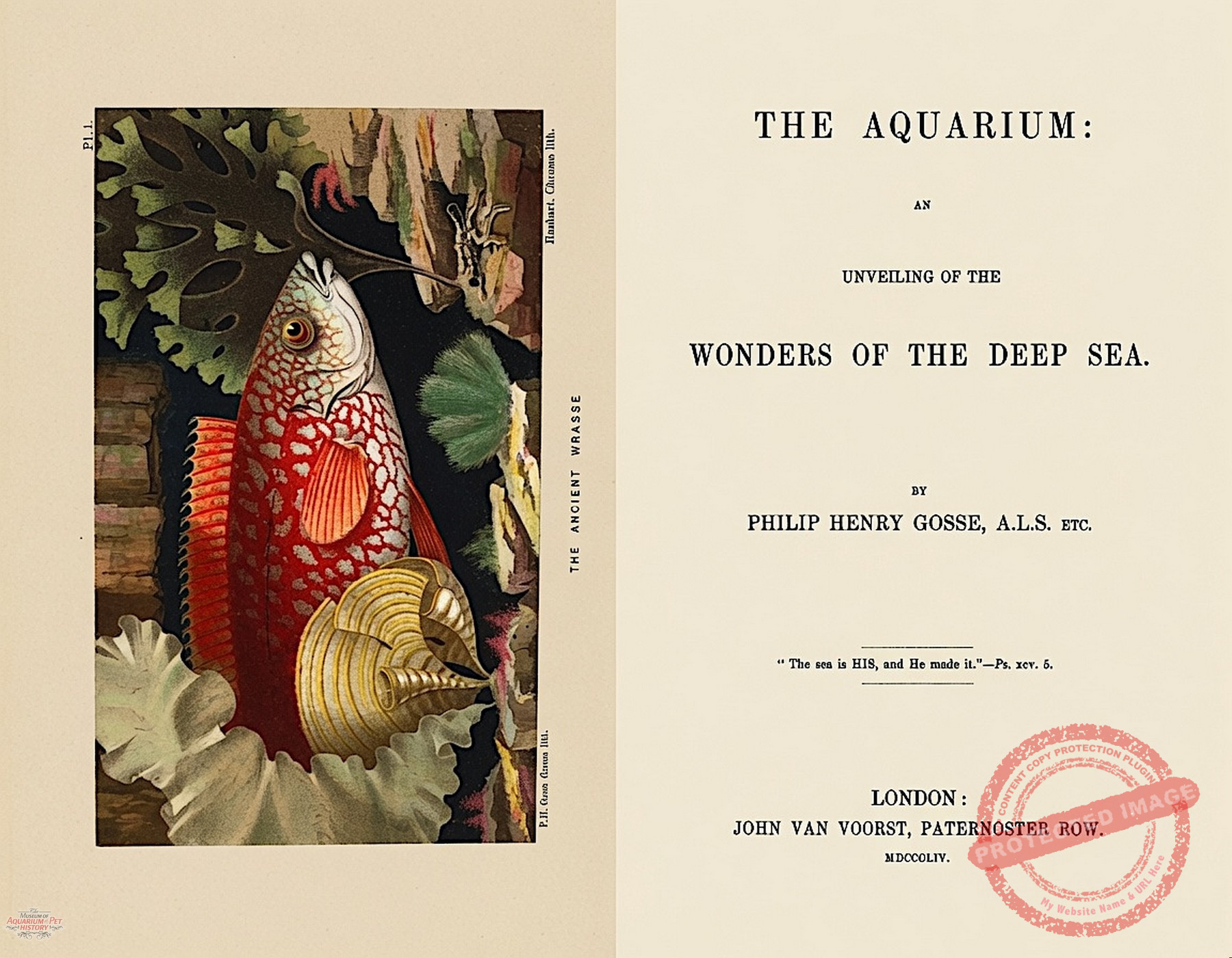
Gosse’s ground-breaking book was spectacularly illustrated, at a stage when color printing was highly unusual and costly.
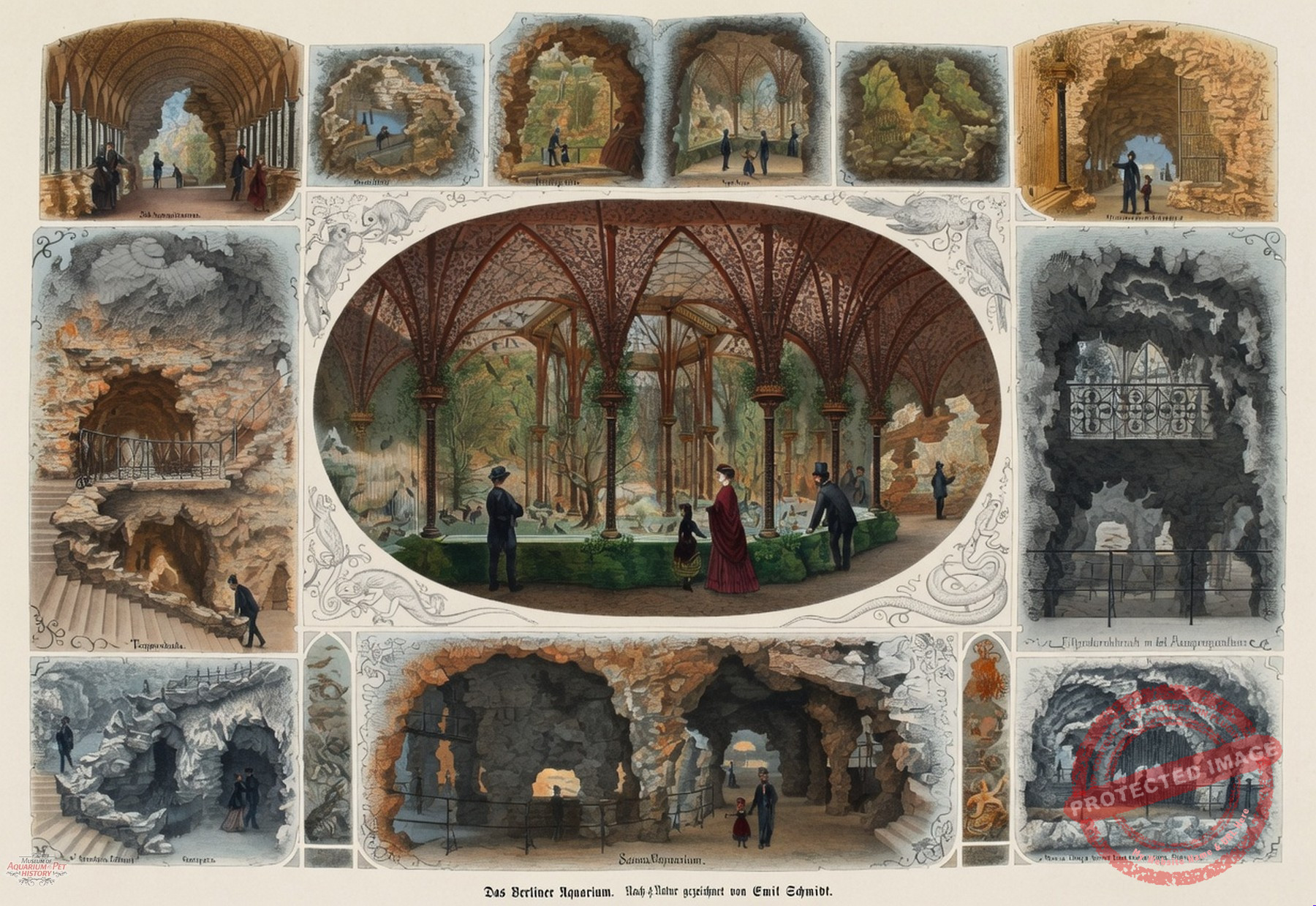
This is the famous multi-panel illustration by Emil Schmidt, published during 1873 in Die Gartenlaube, which was the first mass-market German newspaper. It shows the dramatic grotto-style interior of the aquarium in Berlin, which opened in 1869 and was designed like an artificial cave system.
Conception and Construction
In the 1860s, Brighton was already a celebrated seaside resort, with its reputation established previously by royal patronage and the railways that brought day-trippers and longer-stay visitors down from London in barely an hour. Regular coach trips from around the country later helped to swell their numbers too. The idea of a major aquarium was effectively a natural progression from the widespread enthusiasm that Gosse had helped to create, combined with observations of the success of continental set-ups. Eugenius Birch, the civil engineer celebrated for designing Brighton’s West Pier, visited the aquarium at Boulogne-sur-Mer just across the English Channel in France, and returned convinced that Brighton should have an even finer public aquarium to attract visitors.
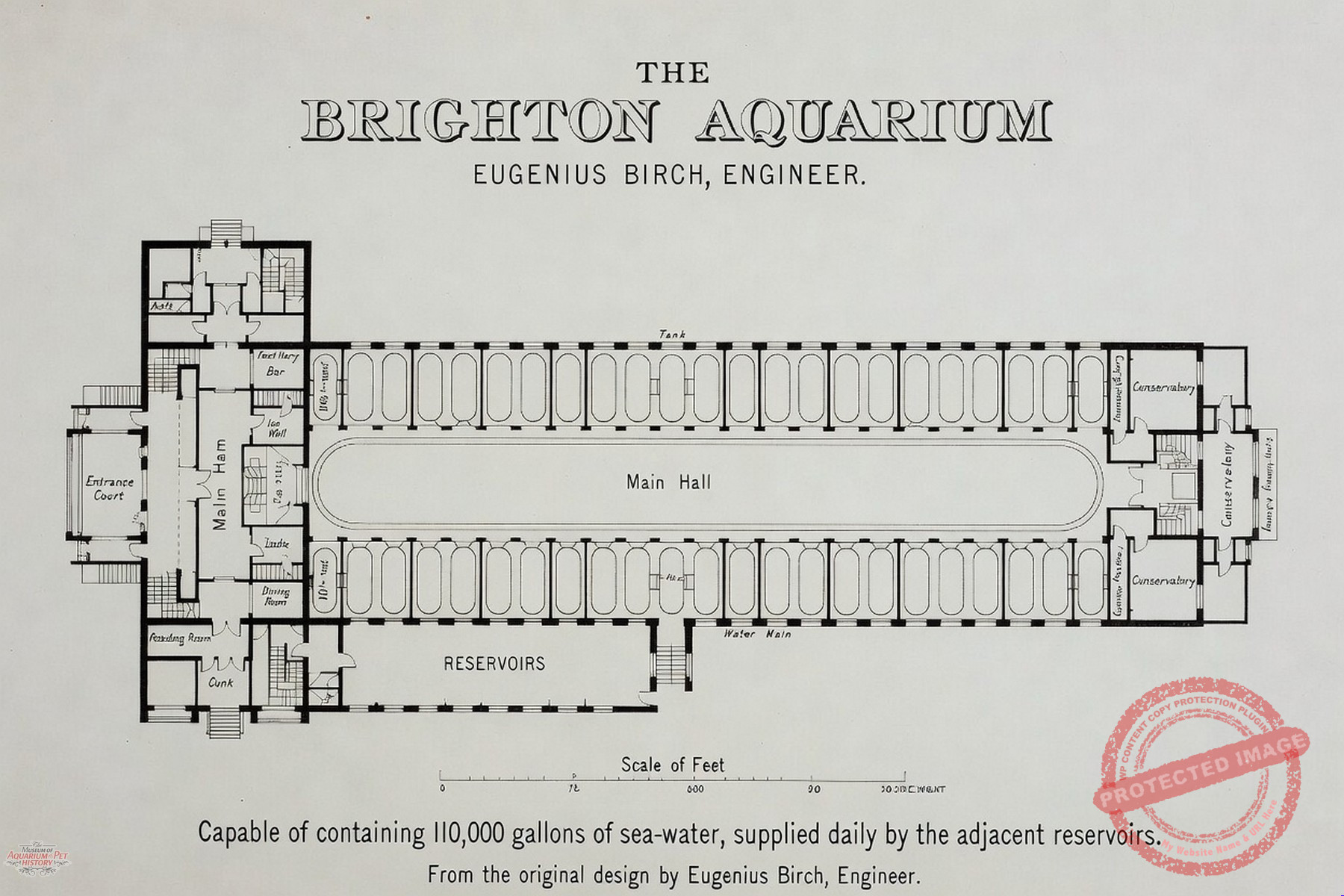
Birch’s plan for Brighton Aquarium.
Parliamentary authorisation came in 1869 with the passing of the Brighton Aquarium and Improvements Act. Work began the same year on a site that required substantial sea-wall construction and the creation of what became Madeira Drive, so that the new building would not obstruct views from the fashionable clifftop houses on Marine Parade above.
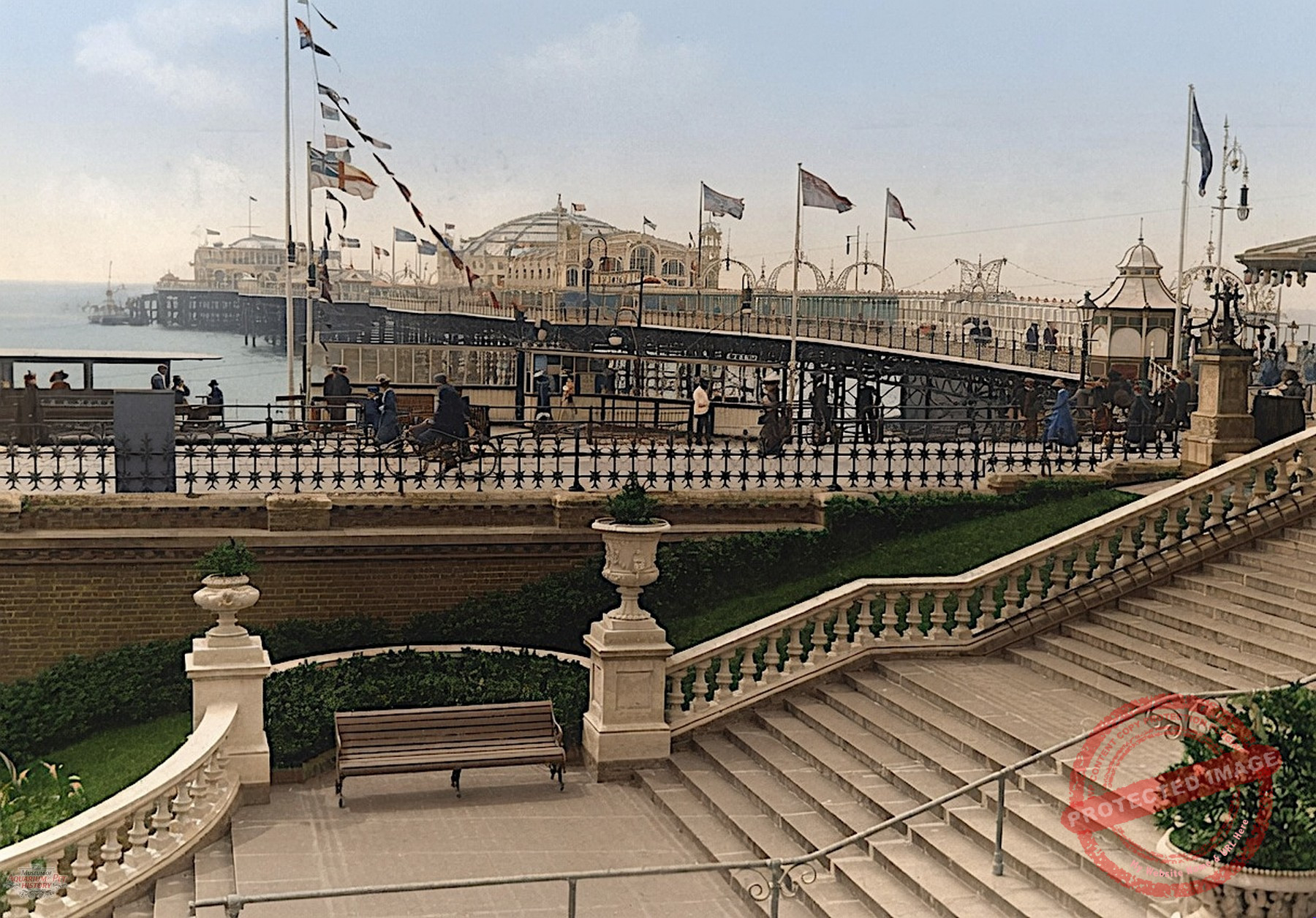
The sea was literally a stone’s throw away from the newly-built aquarium, with its entrance positioned below ground, as seen in this photograph from 1917.
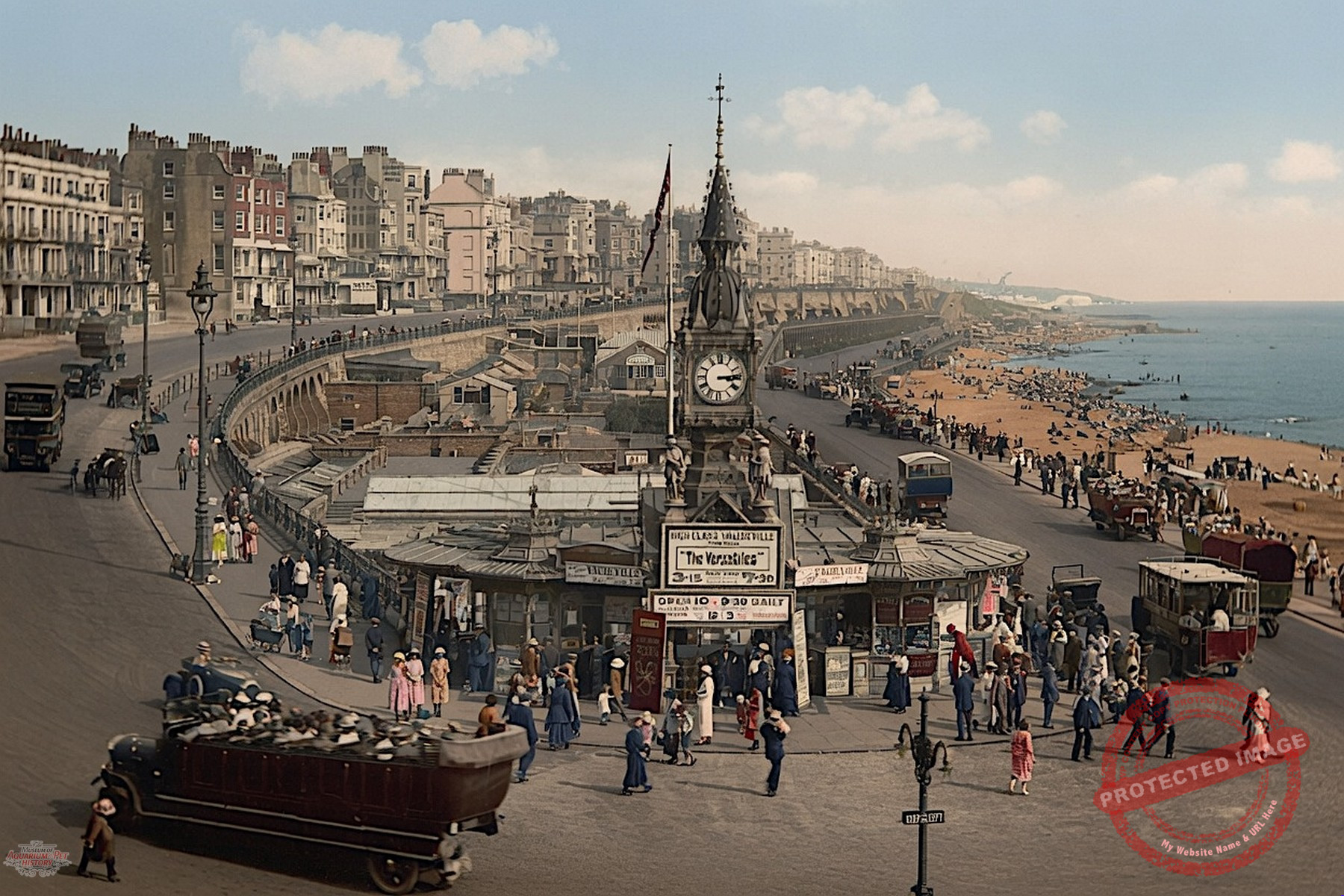
The aquarium was set low so as not to disrupt the sea views of those living in the houses above the site on Marine Parade, as seen in this later image from the early twentieth century.
The structure that emerged was deliberately monumental yet largely subterranean when viewed from the road above. A long vaulted corridor, 224 feet (68 m) in length, was lined with display tanks. At its heart stood a central hall containing a 100-foot (30 m) tank holding roughly 110,000 gallons (132,000 US gallons/500,000 litres) of seawater, marking it out as the largest aquarium tank in the world at that time.
Architectural influences mixed Gothic vaulting with Pompeian and Italianate details: columns of Bath stone, red Edinburgh granite and green serpentine marble, capitals carved with marine motifs, and decorative statues. Ancillary spaces included a reading room, a restaurant and a conservatory with fernery and cascade. The total cost for the project reached somewhere between £130,000–£133,000: equivalent to more than $25 billion dollars today, allowing for inflation, which was a huge sum.
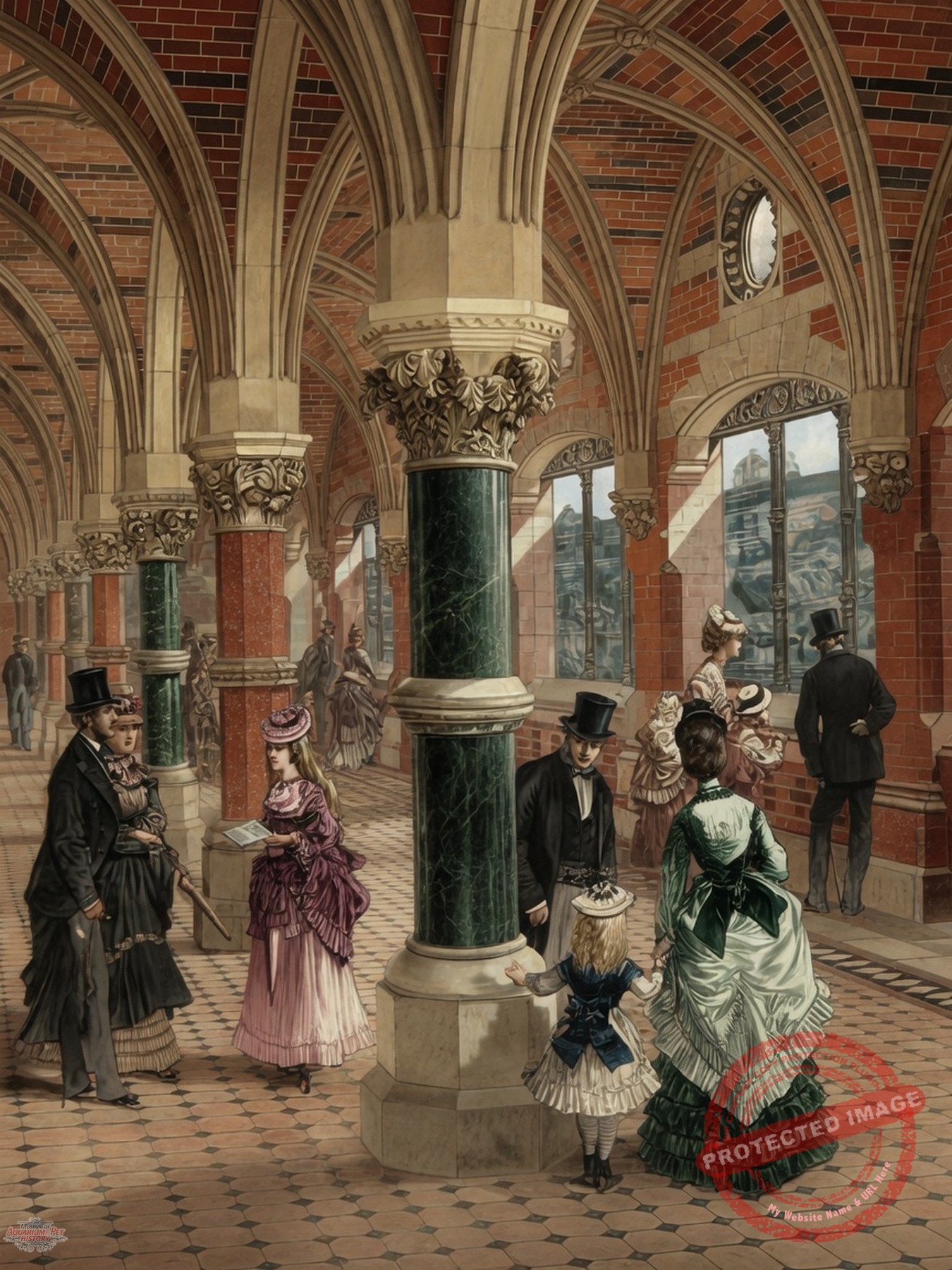
An engraving celebrating the opening of Brighton’s aquarium from the Illustrated London News in August 1872.
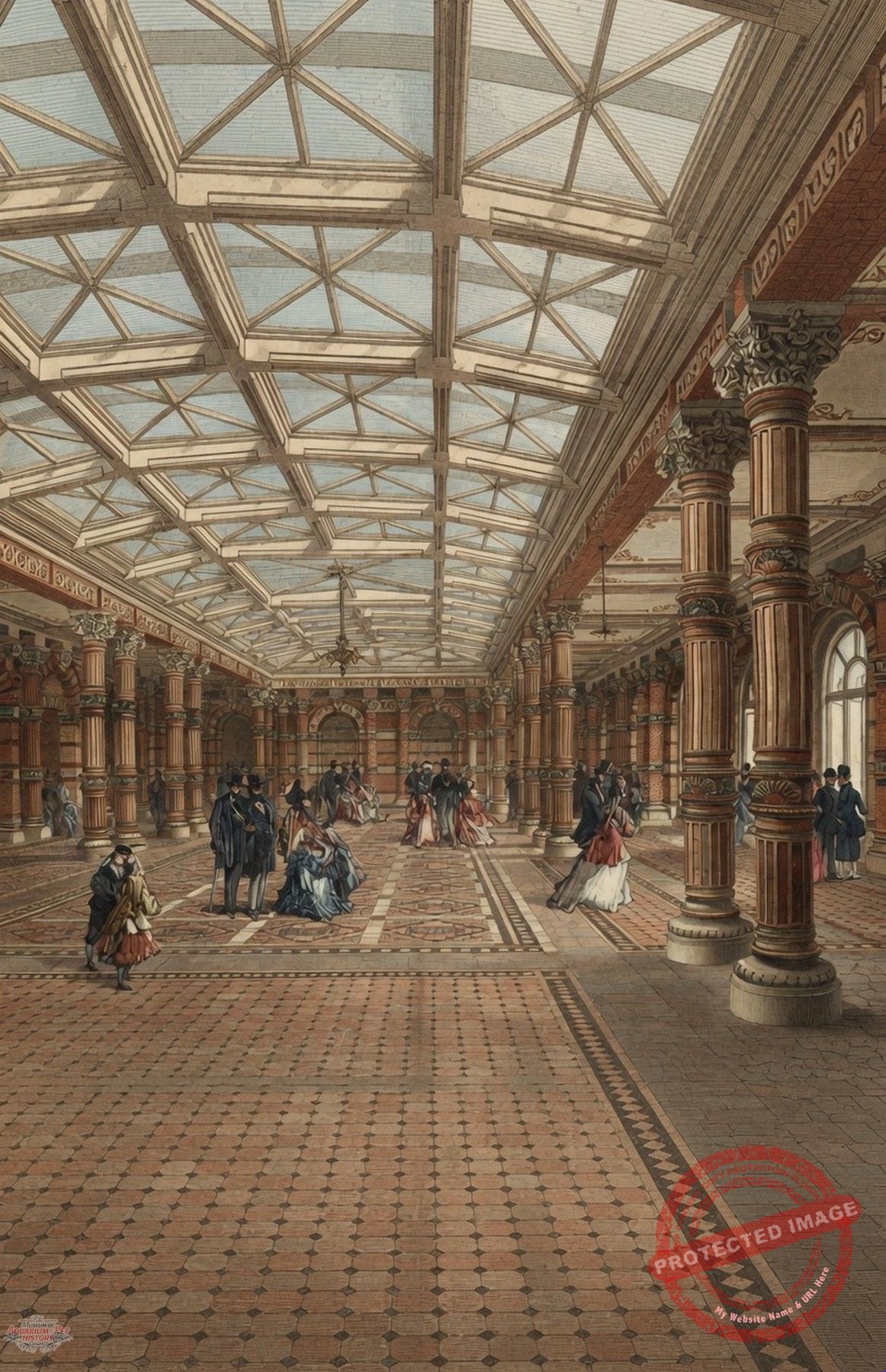
The entrance to the aquarium was an impressive space, although this no longer exists today.
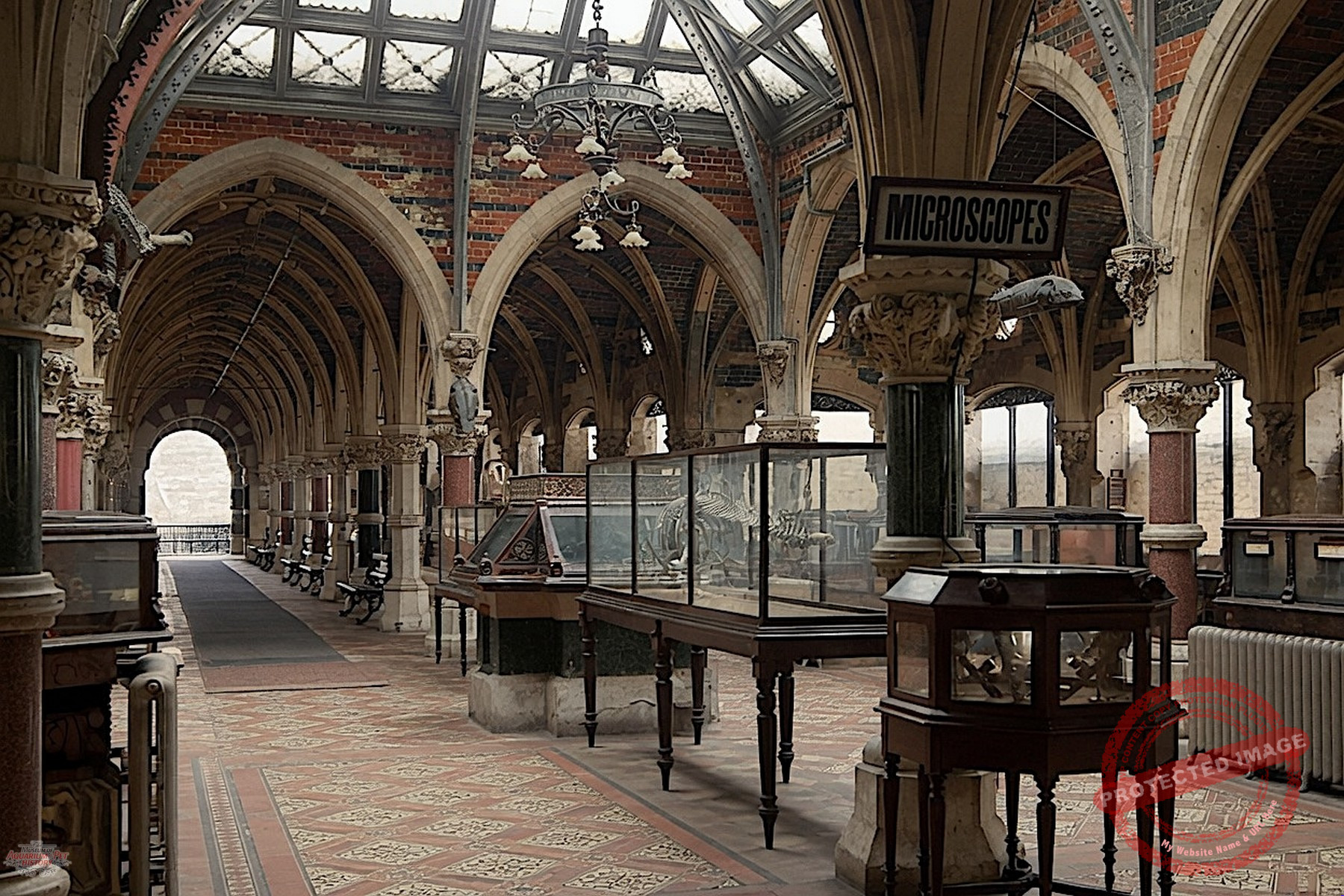
Science and spectacle combined together in the layout of Brighton Aquarium.
Early Years: Fashion, Novelty and Marine Spectacle
The aquarium was an immediate fashionable success. Visitors could admire not only fish but an octopus that became a celebrity, a live Norway lobster that caused a sensation in 1874, and, from 1877, sea-lions. A manatee later appeared in a tank designed for eye-level viewing. The roof terrace, completed in 1874 and extended in 1876, offered a garden, roller-skating rink, café, smoking room and a music conservatory. Organ recitals, lectures, concerts and ultimately plays filled the calendar. Royal visitors arrived, with the building functioning as a social destination as much as a zoological one.
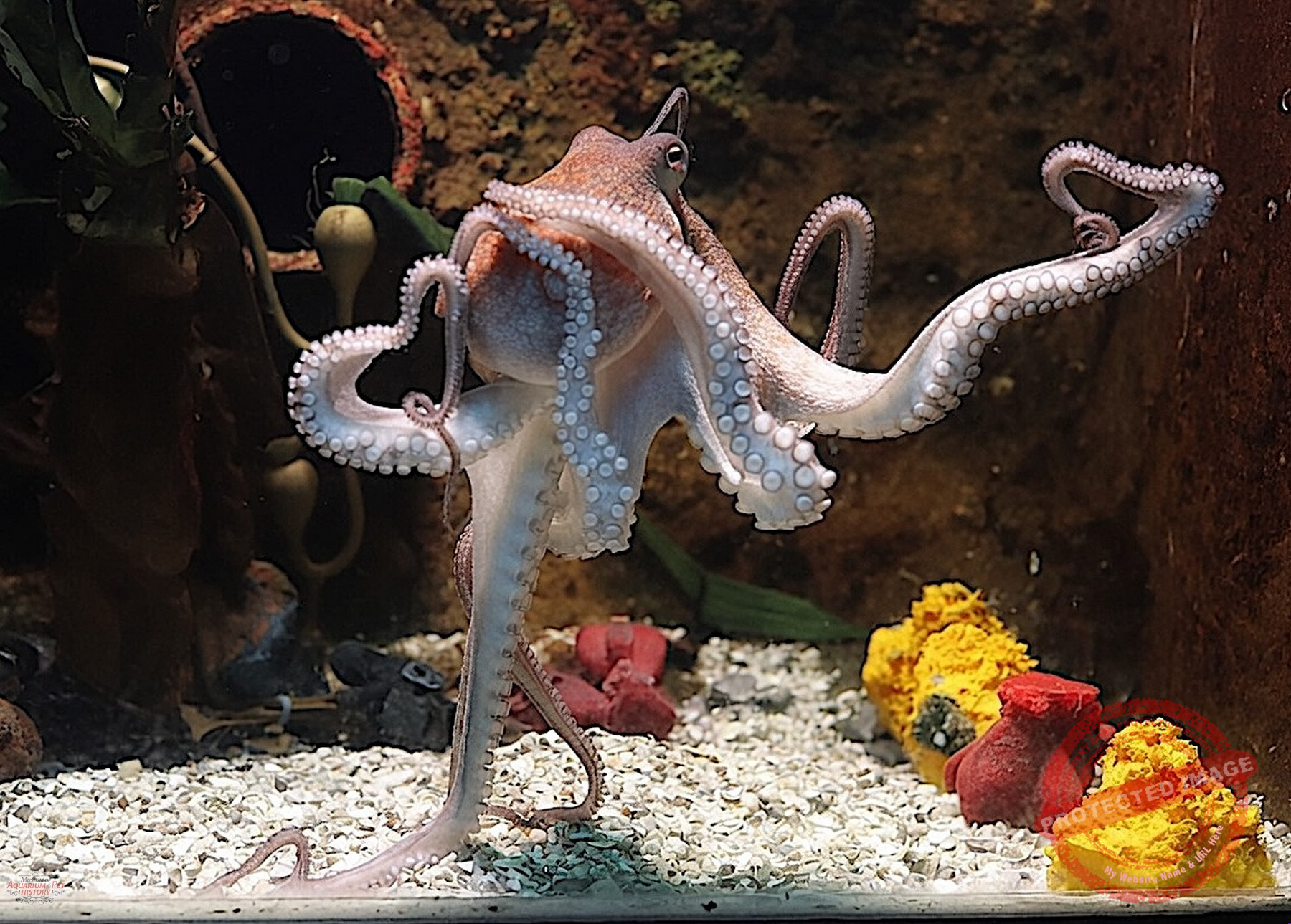
An octopus soon became a celebrity after Brighton Aquarium opened. This is the current octopus resident there, and is a very popular exhibit, continuing a tradition that has lasted over 150 years. Photo by Akara Heart
Municipal Ownership and the 1920s Transformation
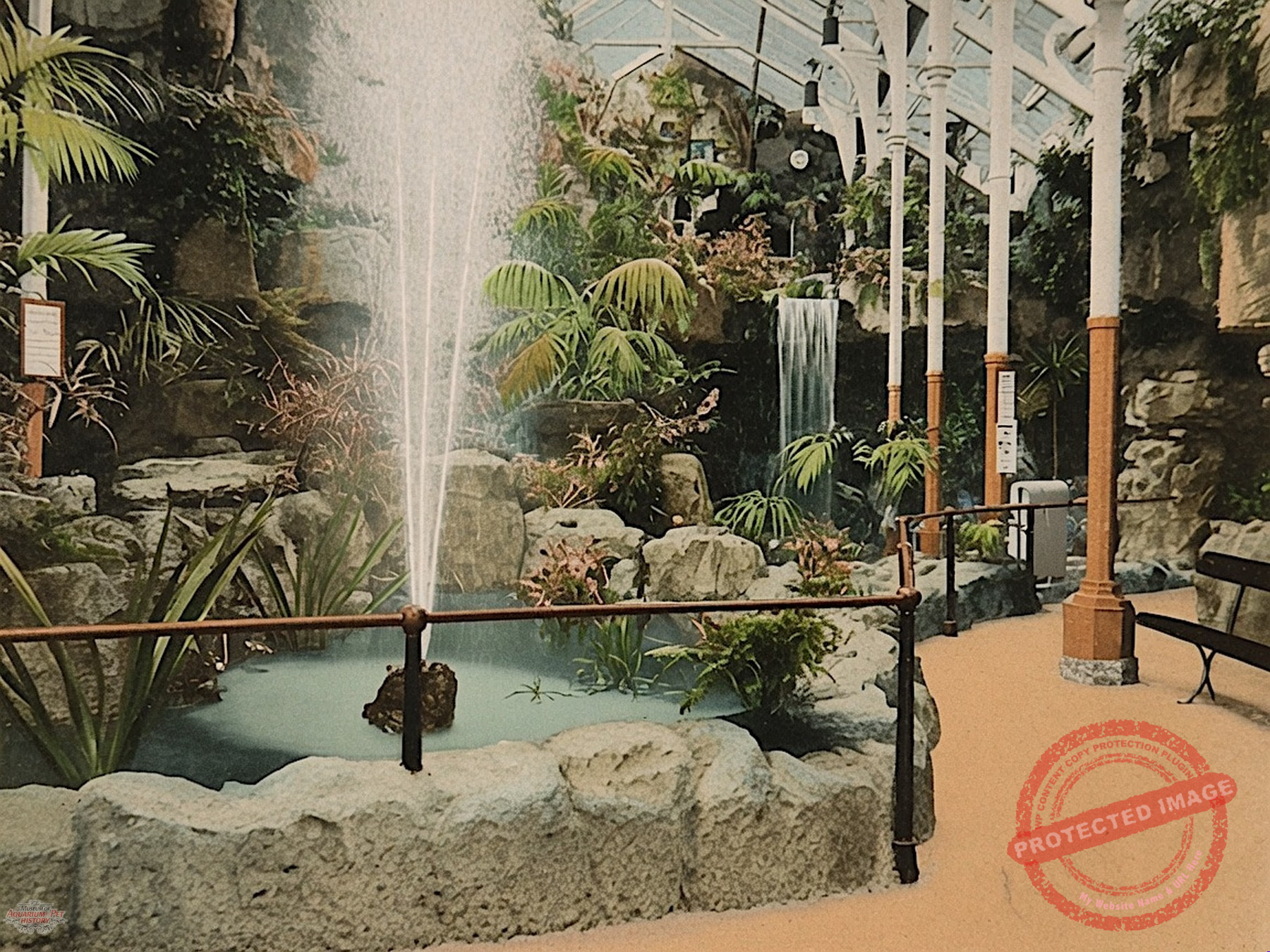
A photograph of the Winter Garden which was introduced to Brighton Aquarium.
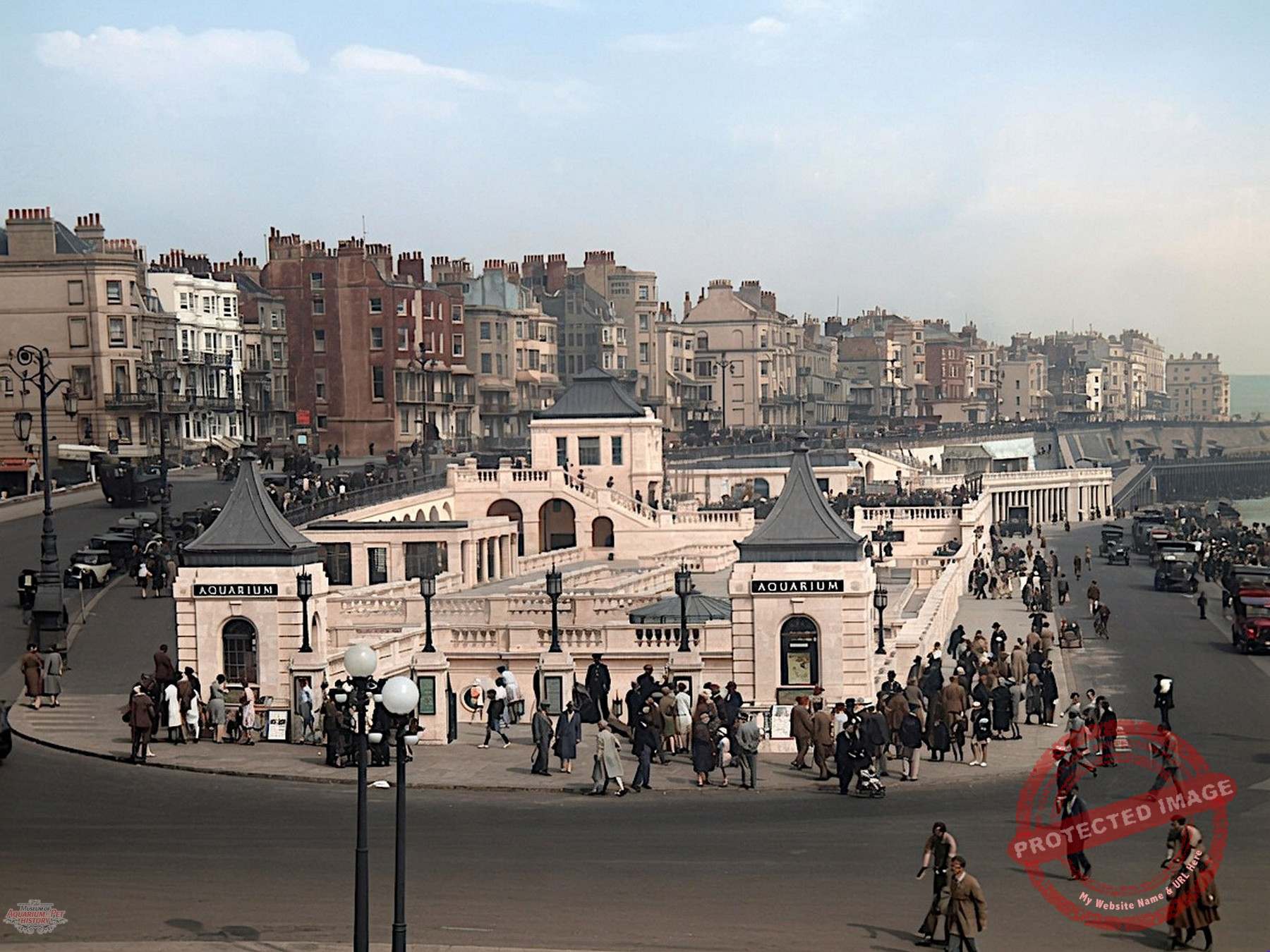
The rebuilt exterior to the aquarium. Note that the Gothic clock tower was removed during these renovations.
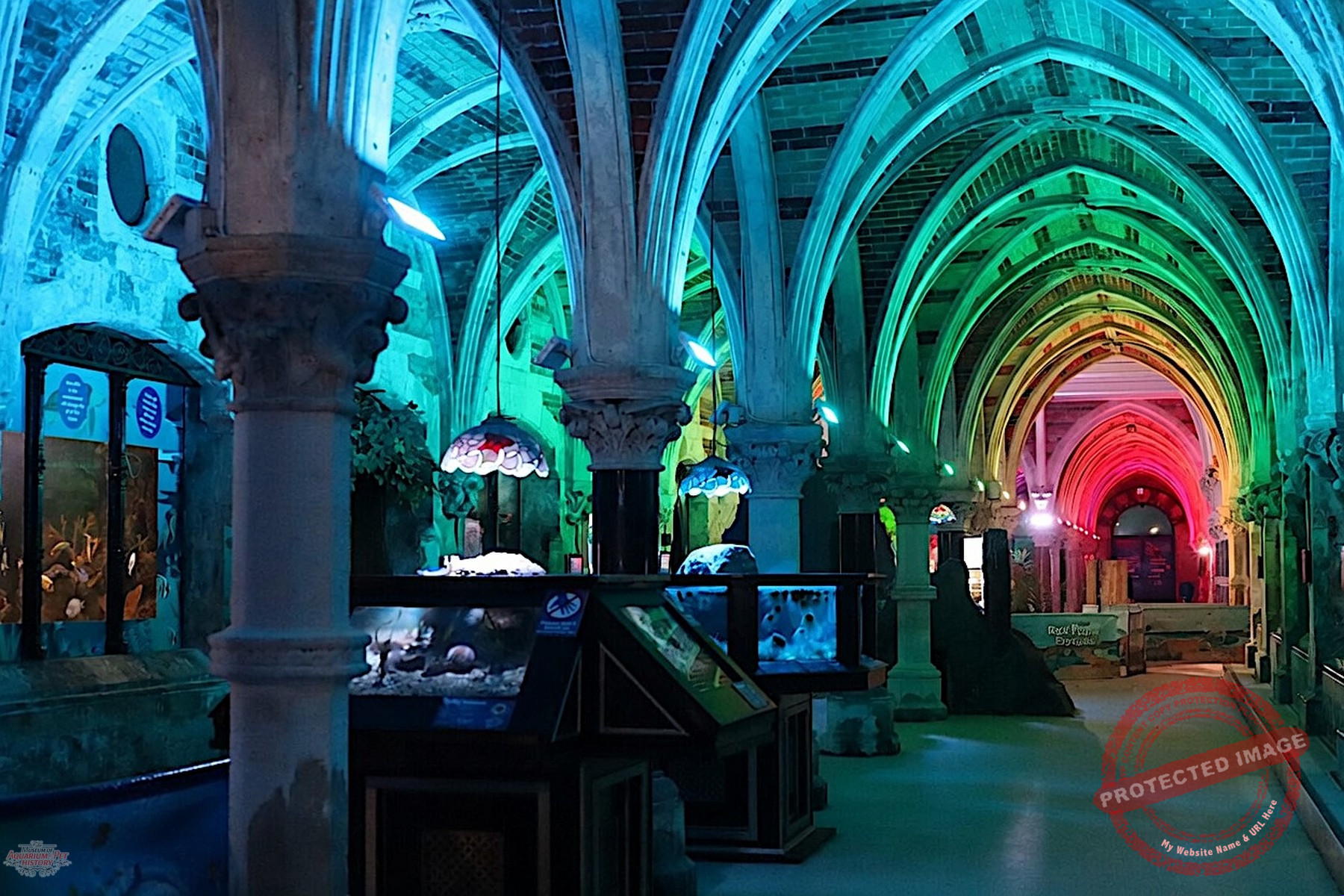
The high-vaulted Gothic ceiling has been in place throughout Brighton Aquarium’s history. Photo by Akara Heart.
Mid-Century Diversification and Wartime Interruption

Chimpanzee tea parties proved popular once Brighton Aquarium recovered from the war years. Various parrots and monkeys, plus an American alligator were displayed there in the 1960s.
The Dolphinarium Years and Changing Attitudes
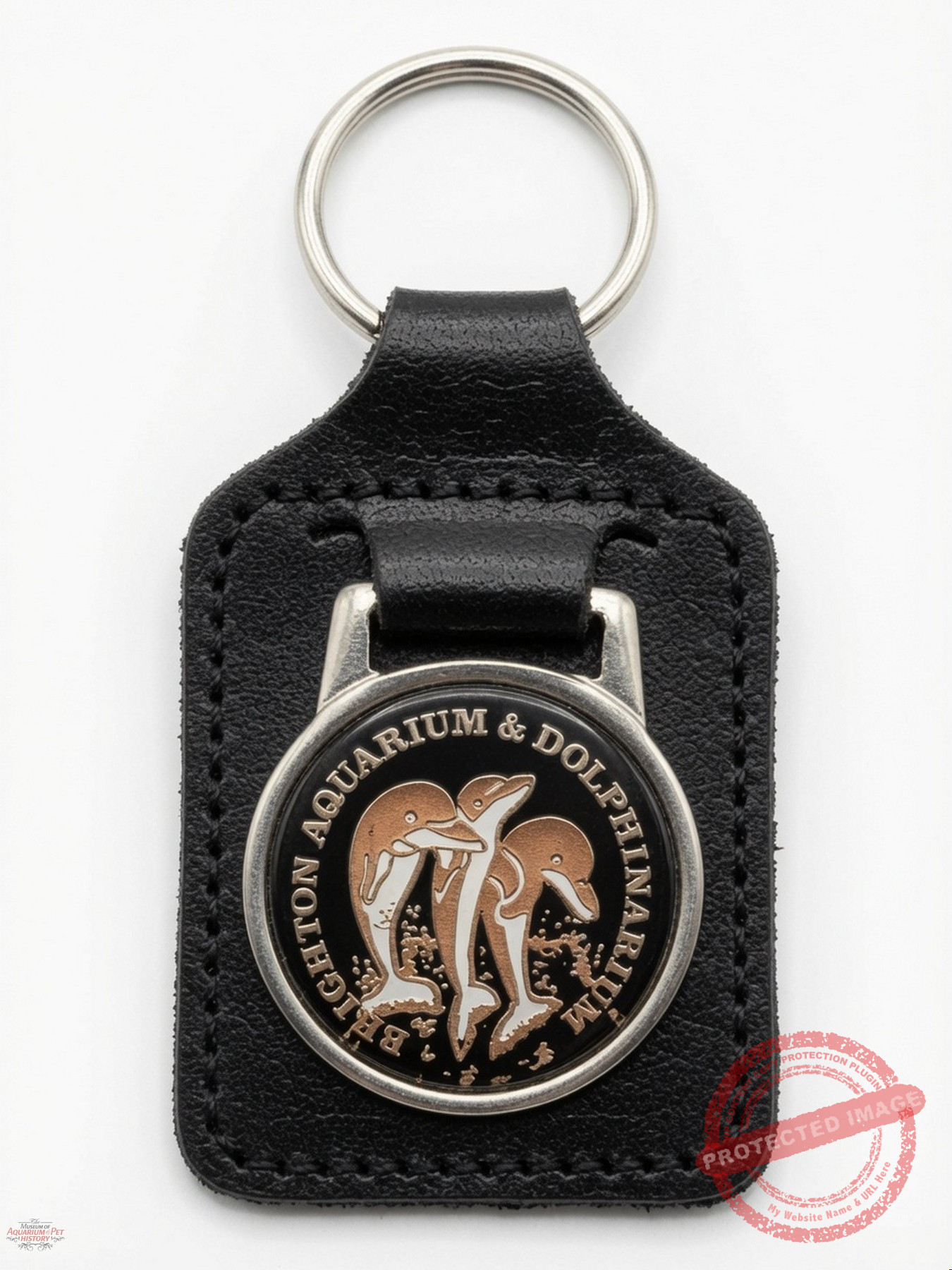
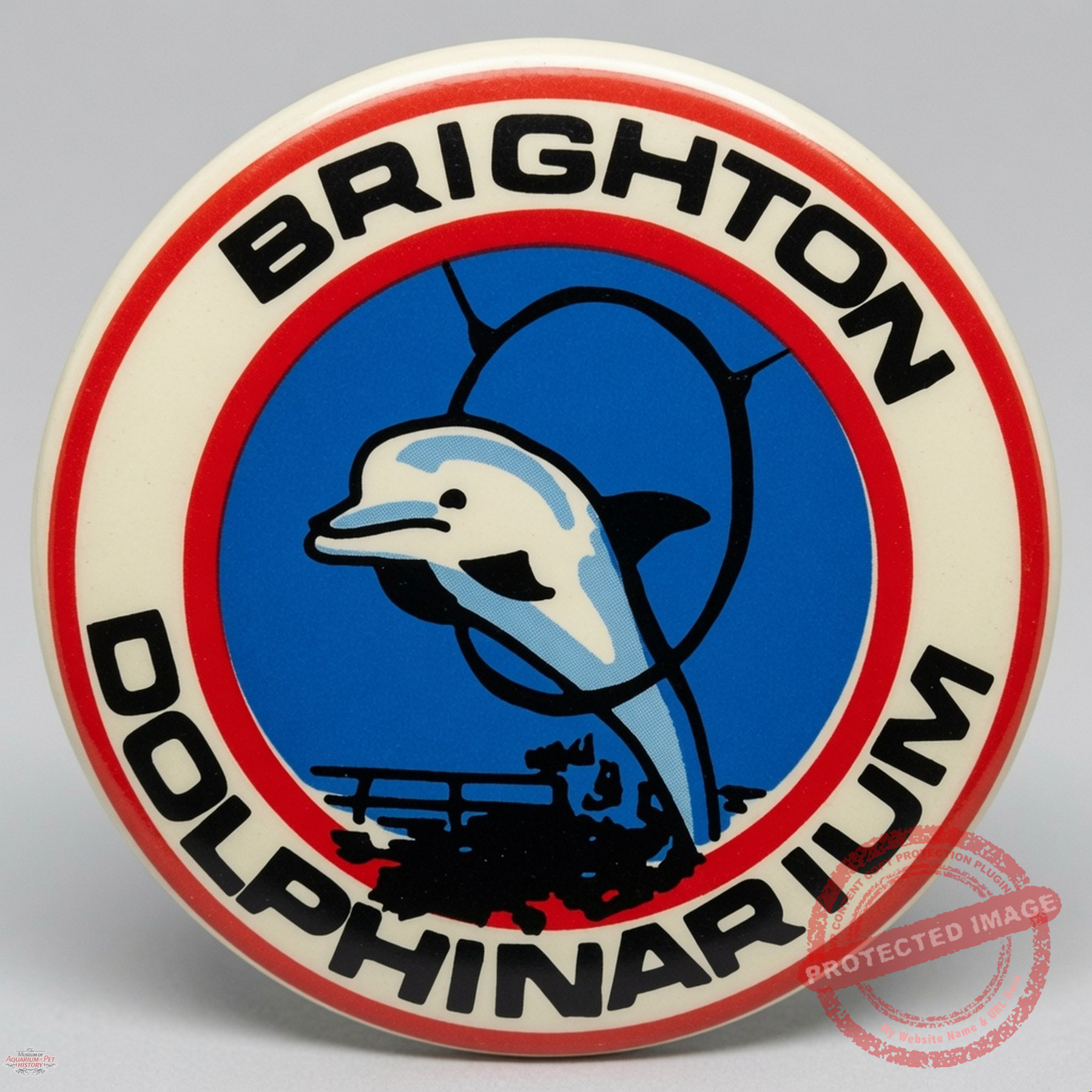
For a period from the late 1960s onwards, dolphins became an integral part of Brighton Aquarium, with the name of the attraction changed to reflect their arrival.
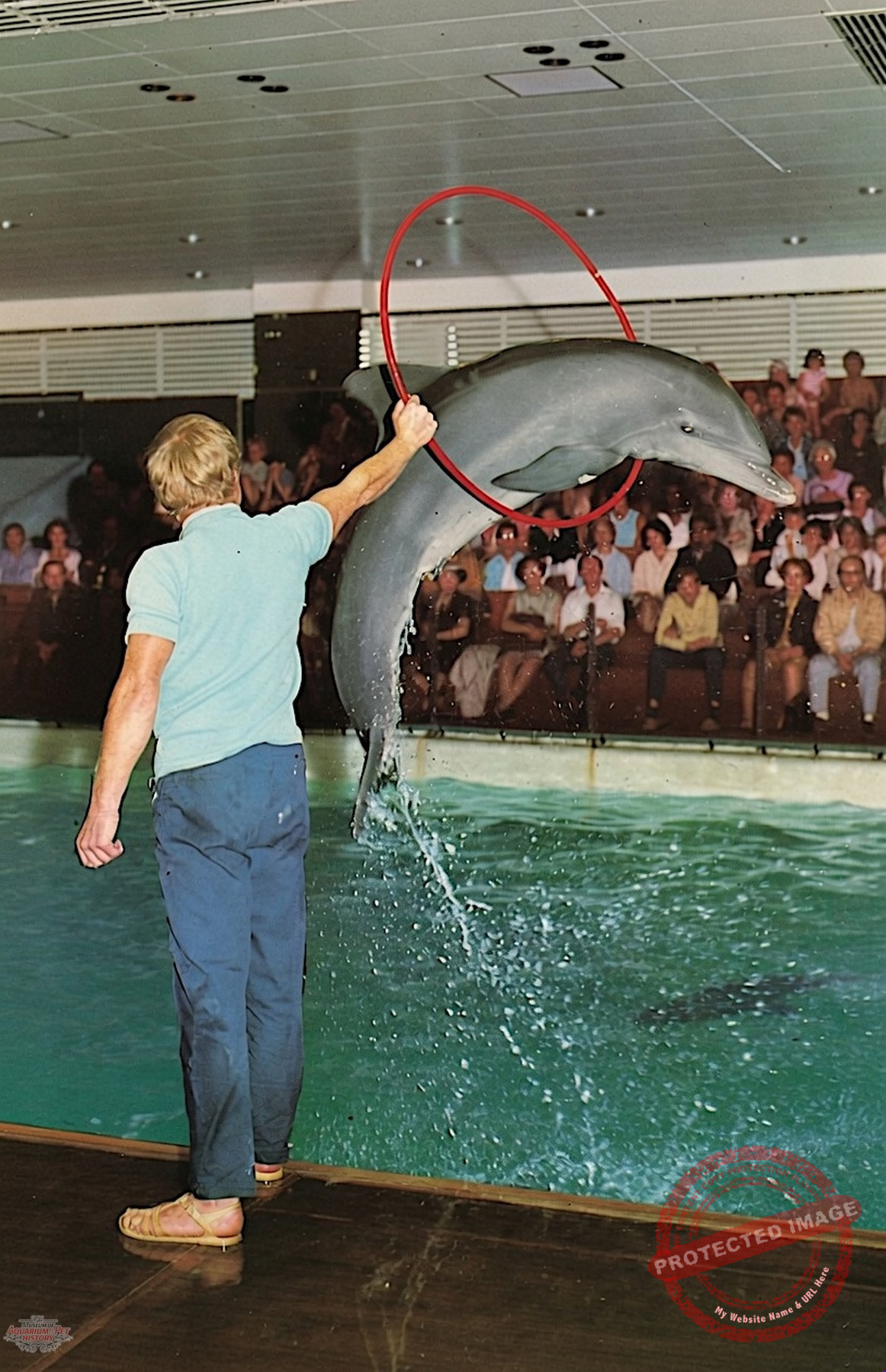
Dolphin shows took place through the day, and the seating in the arena could accommodate 1,000 people for each show.
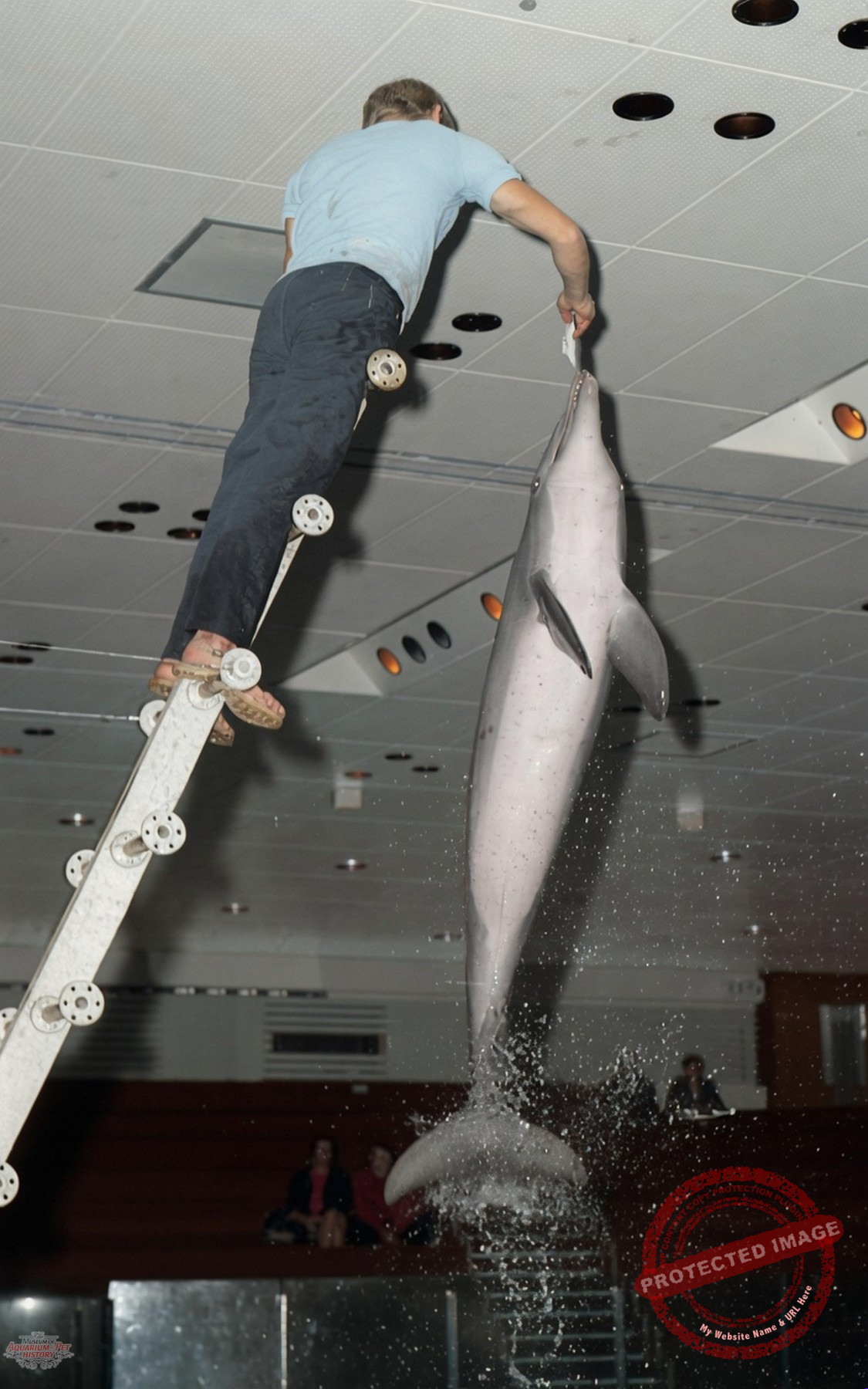
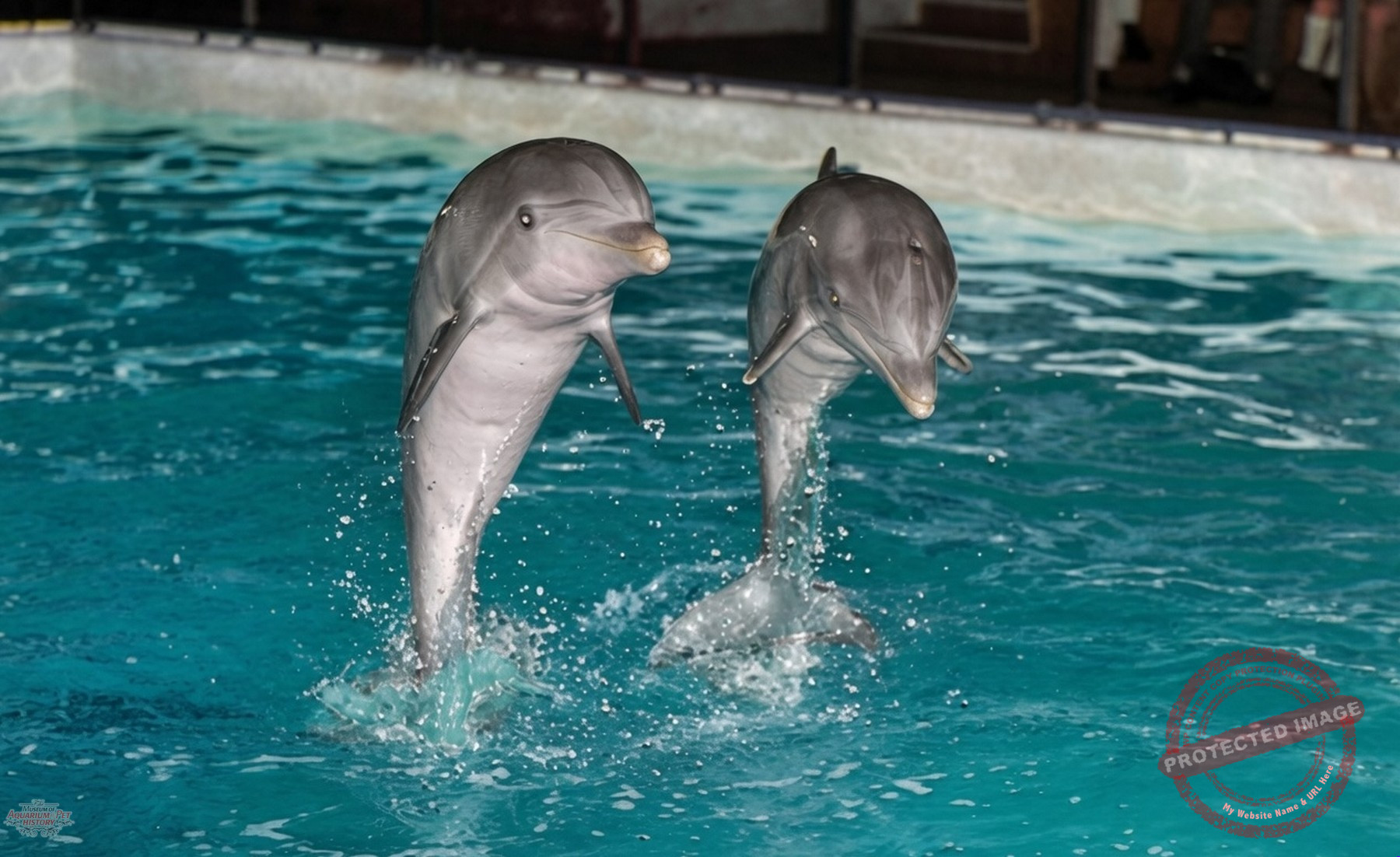
The two remaining Bottle-nosed Dolphins were returned to the wild.
The last two Bottle-nosed Dolphins, Missie and Silver, were transferred for rehabilitation and eventual release into the wild in the Turks and Caicos Islands—an early example of such a program, although whether they actually survived for any time back in the wild is unclear.
Reinvention as a Sea Life Centre
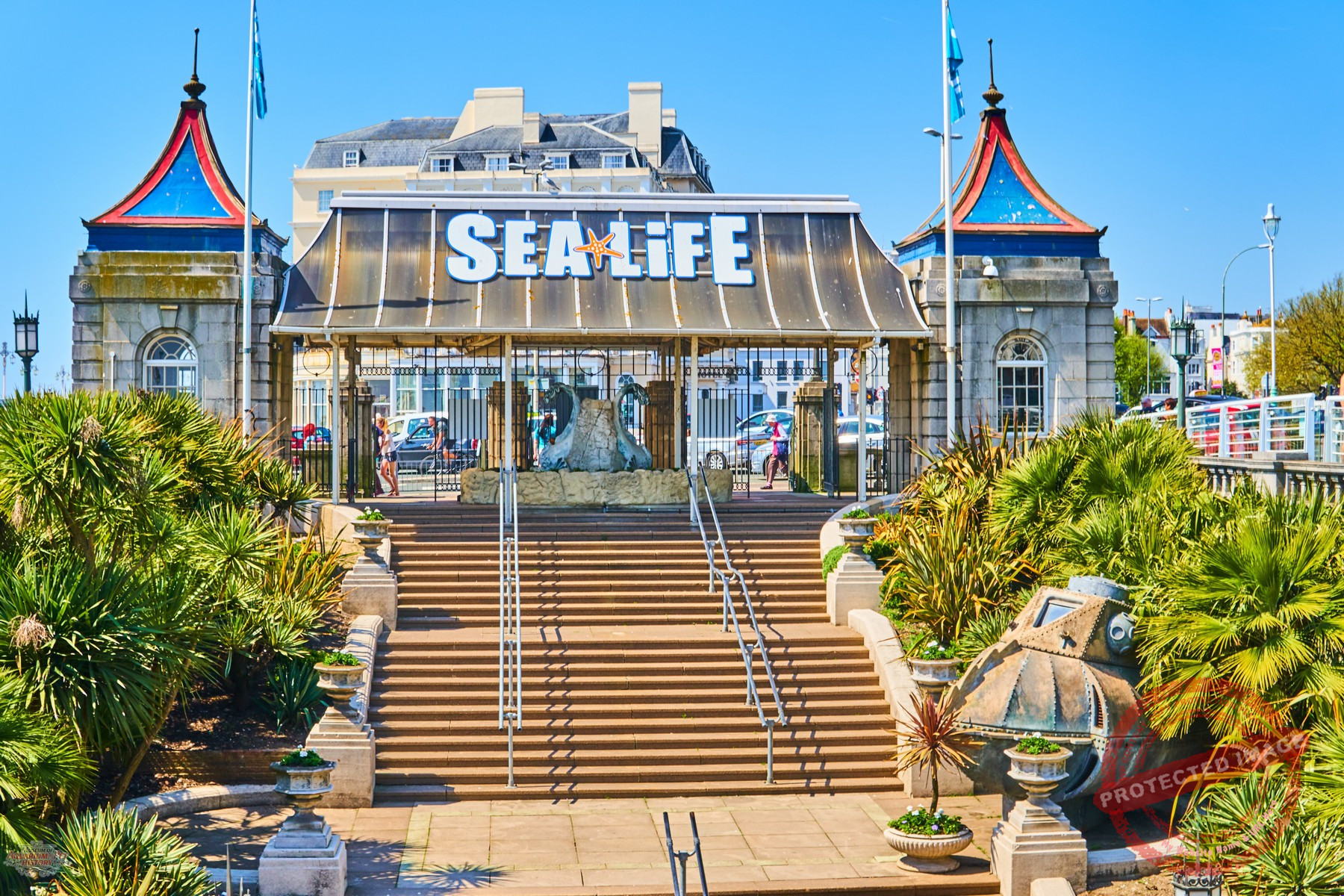
A view looking up from the entrance to the aquarium to the top of the entry point. Photo courtesy Michaelasbest/shutterstock.com
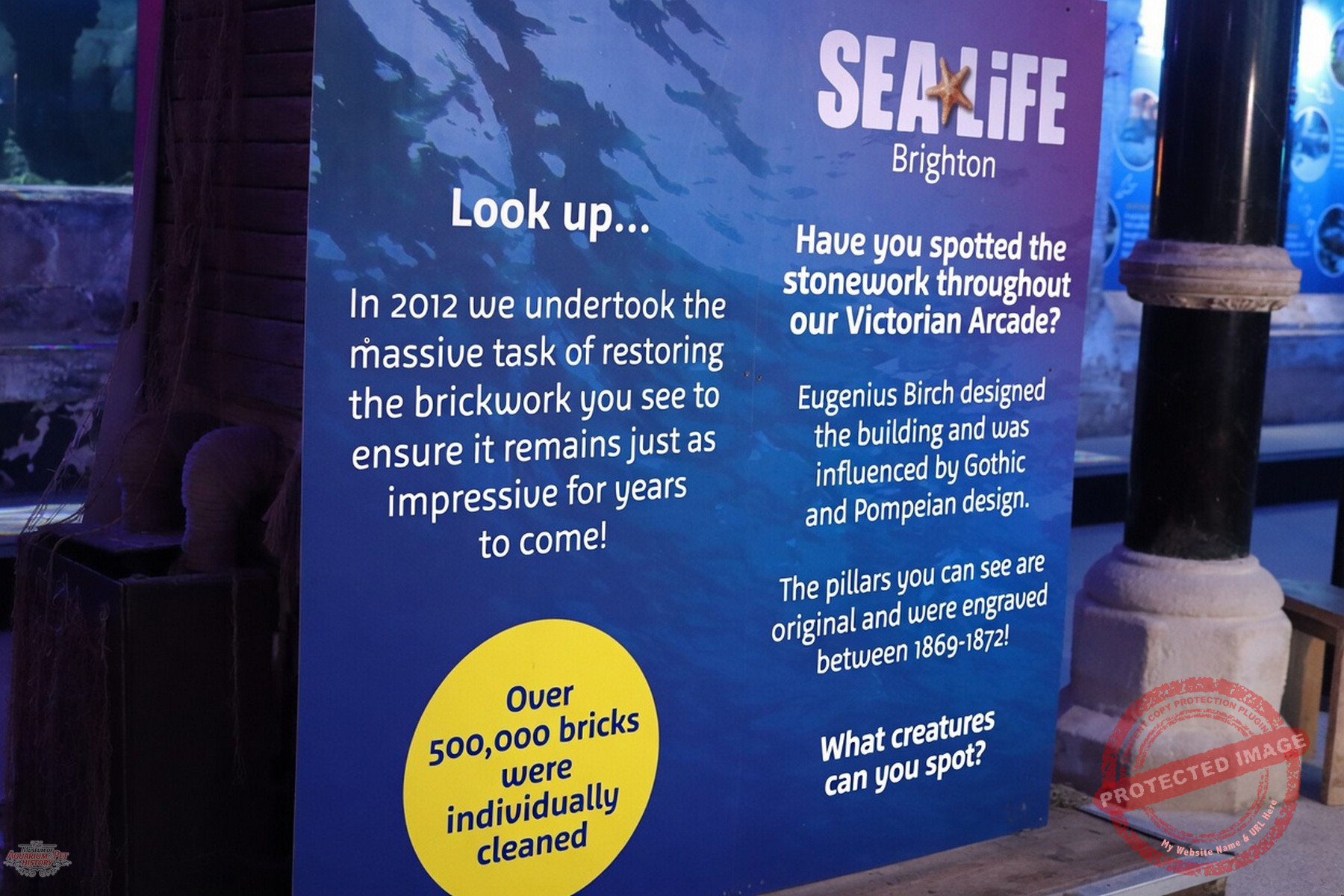
Restoring the fabric of the building to reflect its Victorian heritage was an important aspect of the work undertaken by the aquarium’s new owners. Photo by Akara Heart.
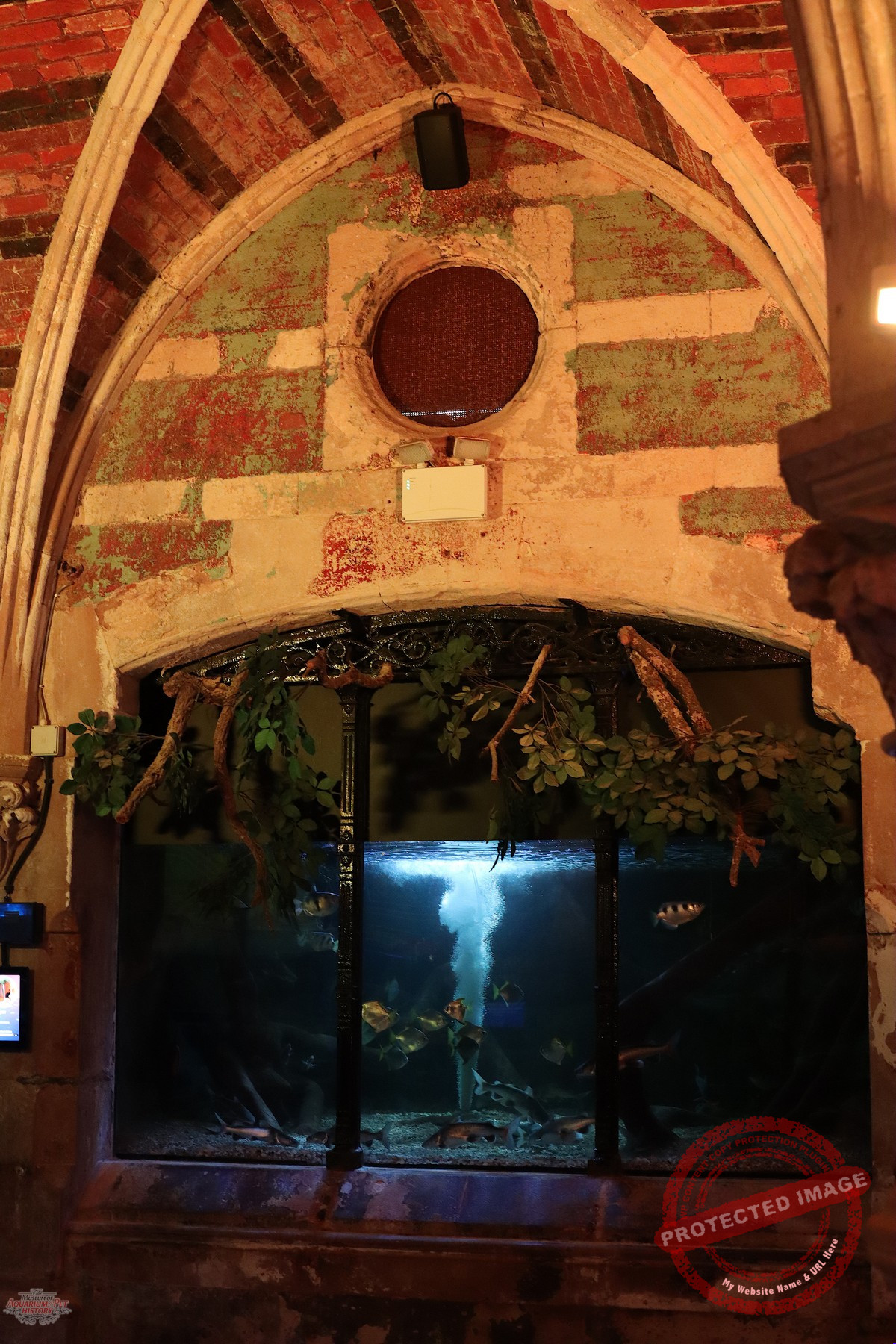
The heritage of the building was preserved as much as possible, as seen here in this original tank front. Photo by Akara Heart.
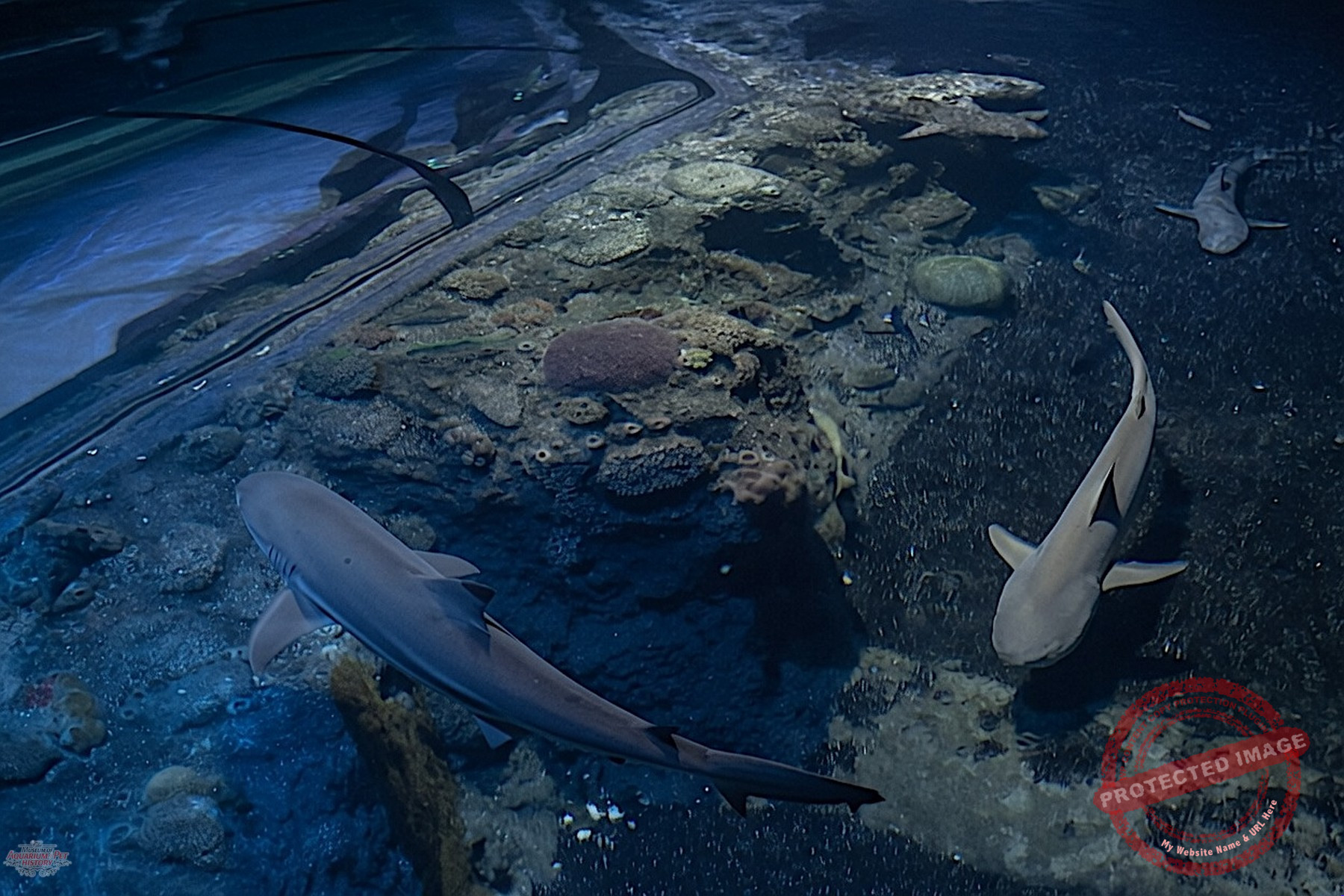
Sharks now swim where dolphins used to jump. Photo by Akara Heart.
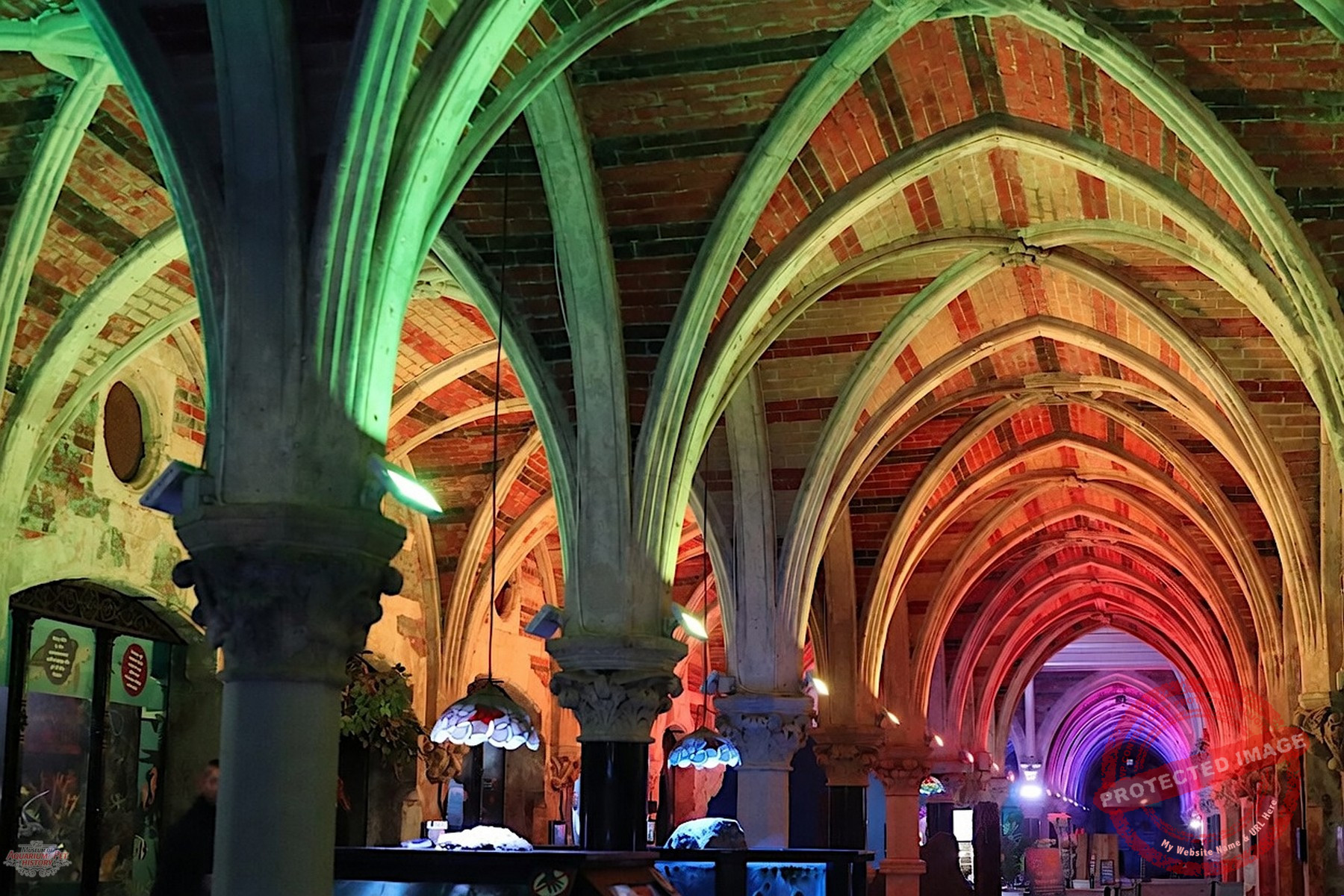
The lighting in the building is very atmospheric, capturing the Victorian feel of the original aquarium. Photo by Akara Heart.
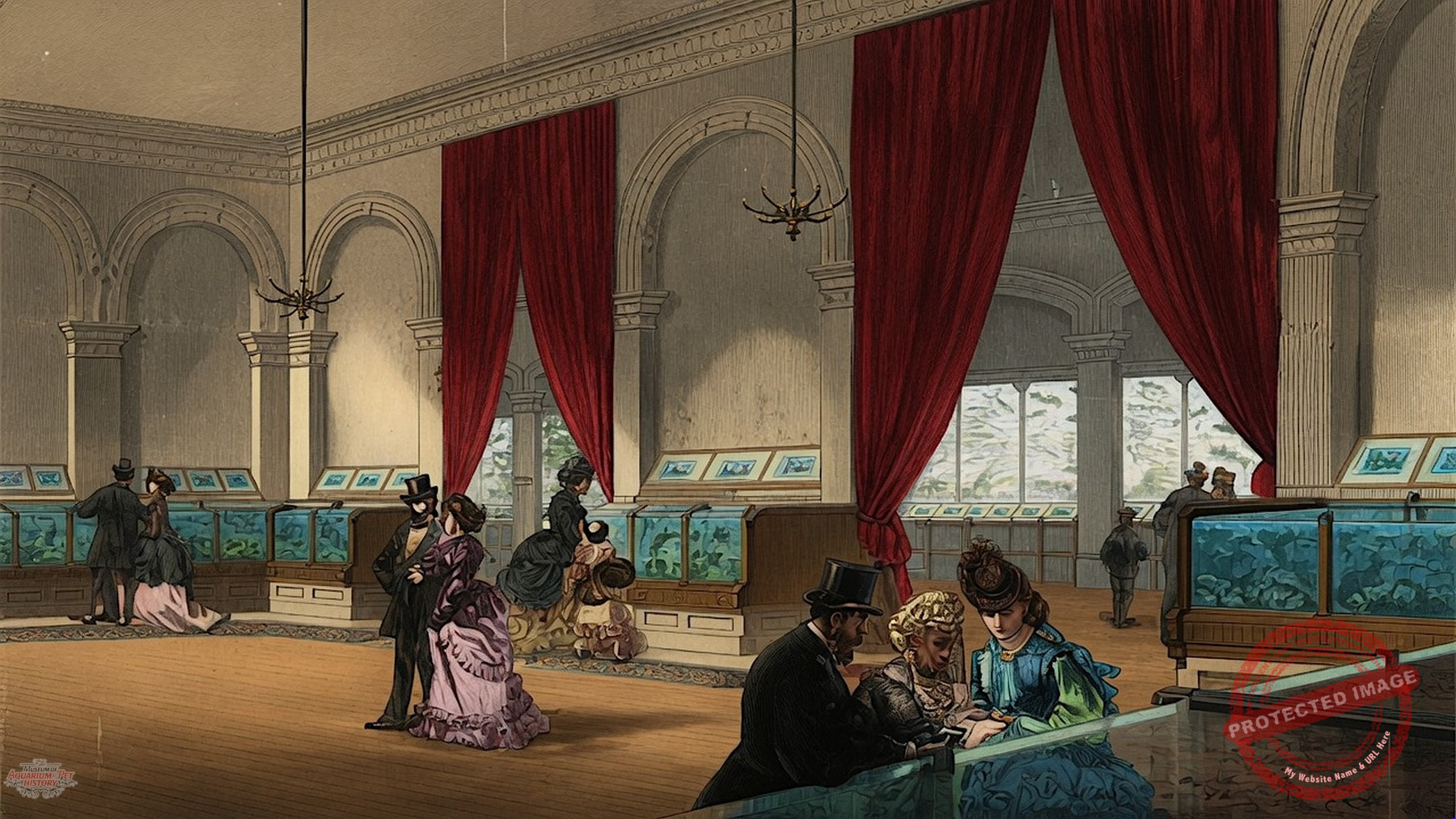
An internal view of the Crystal Palace Aquarium.
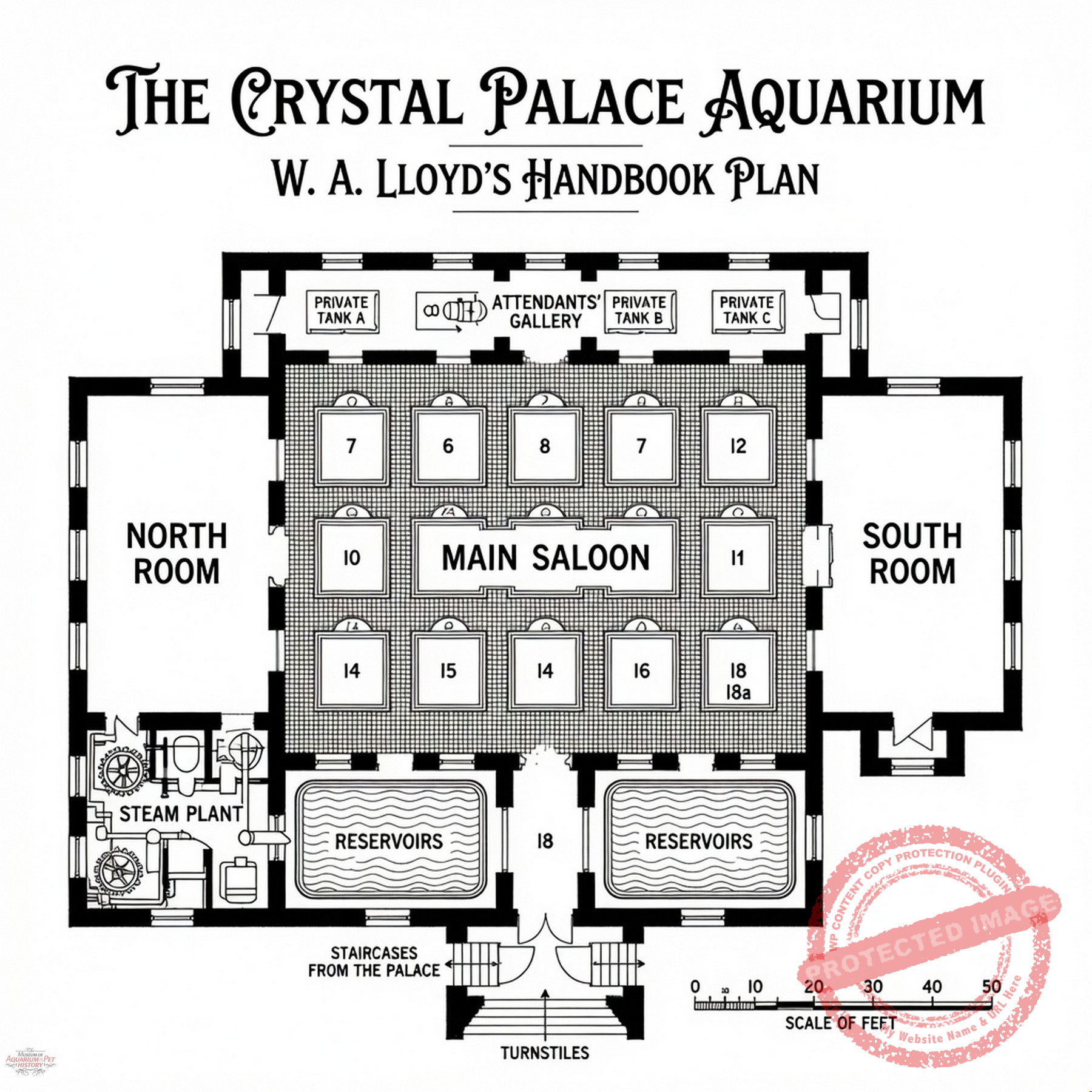
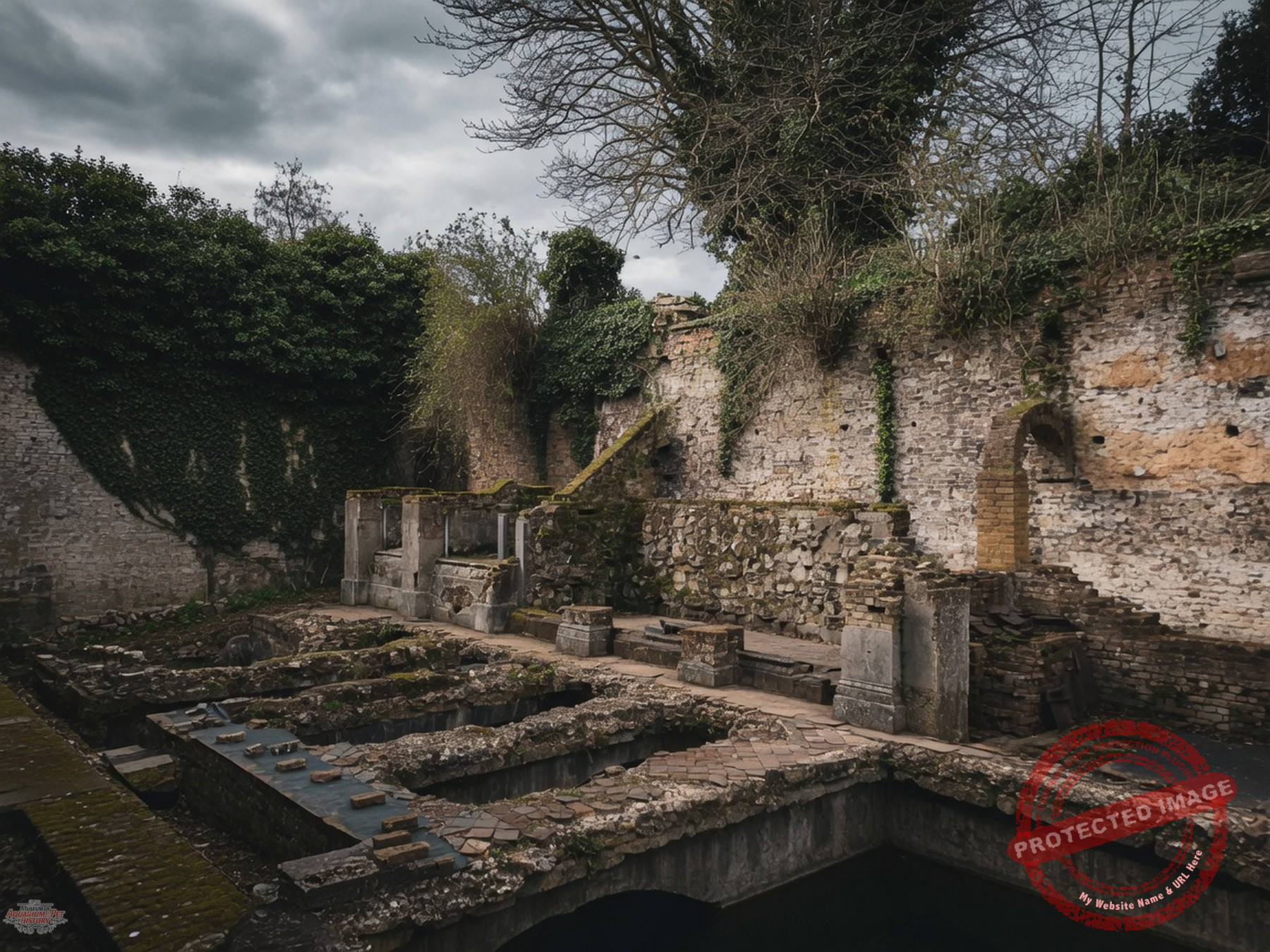
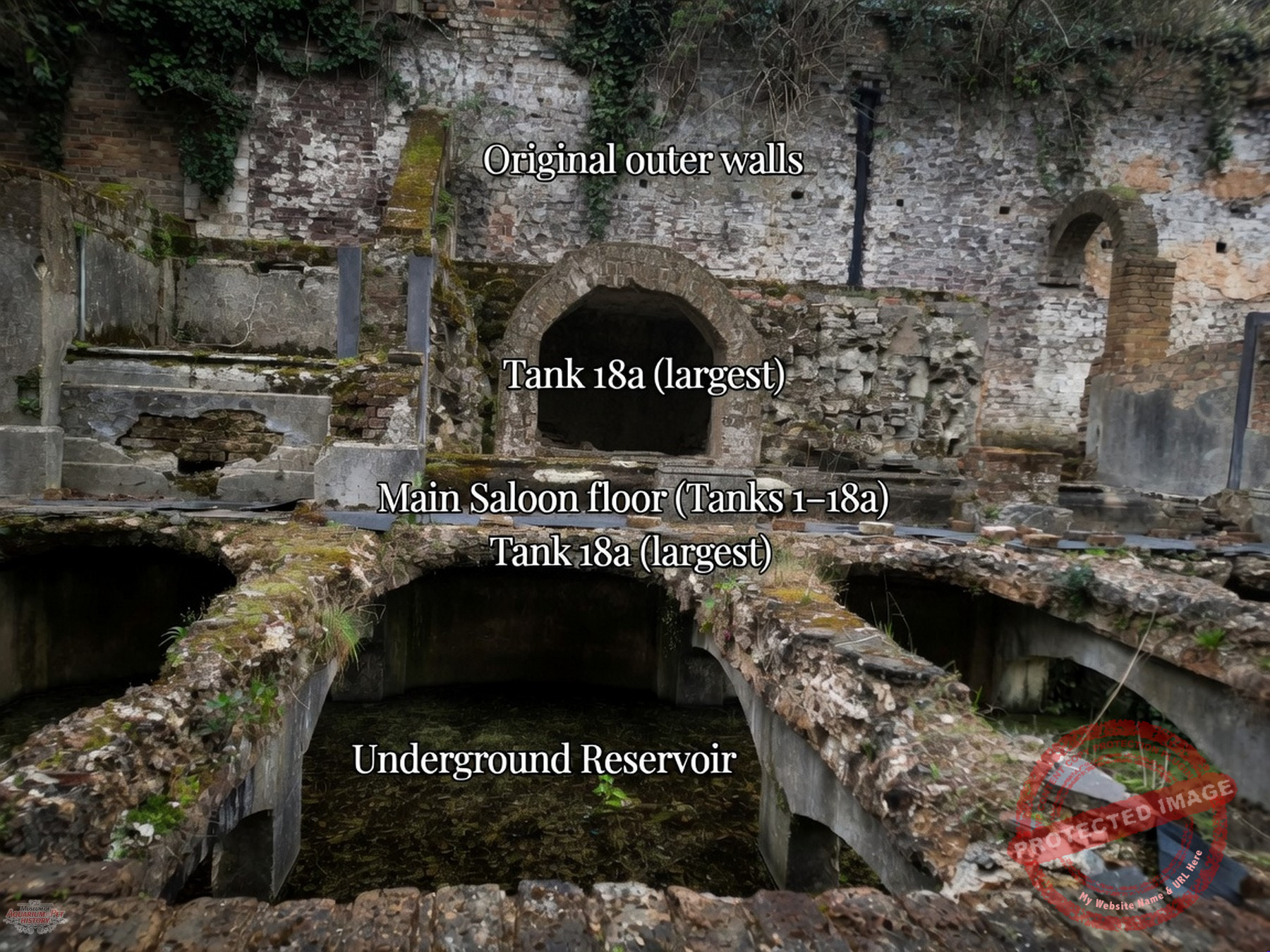
In the north of England, Scarborough’s far larger and more exotic Hindu-Moorish aquarium, also designed by Eugenius Birch and opened in 1877, struggled financially almost from the start. It passed through successive reinventions as People’s Palace and Aquarium, then Gala Land, before finally being demolished in 1968 for a car park. No trace remains of this large venue, which covered an area of nearly three acres.
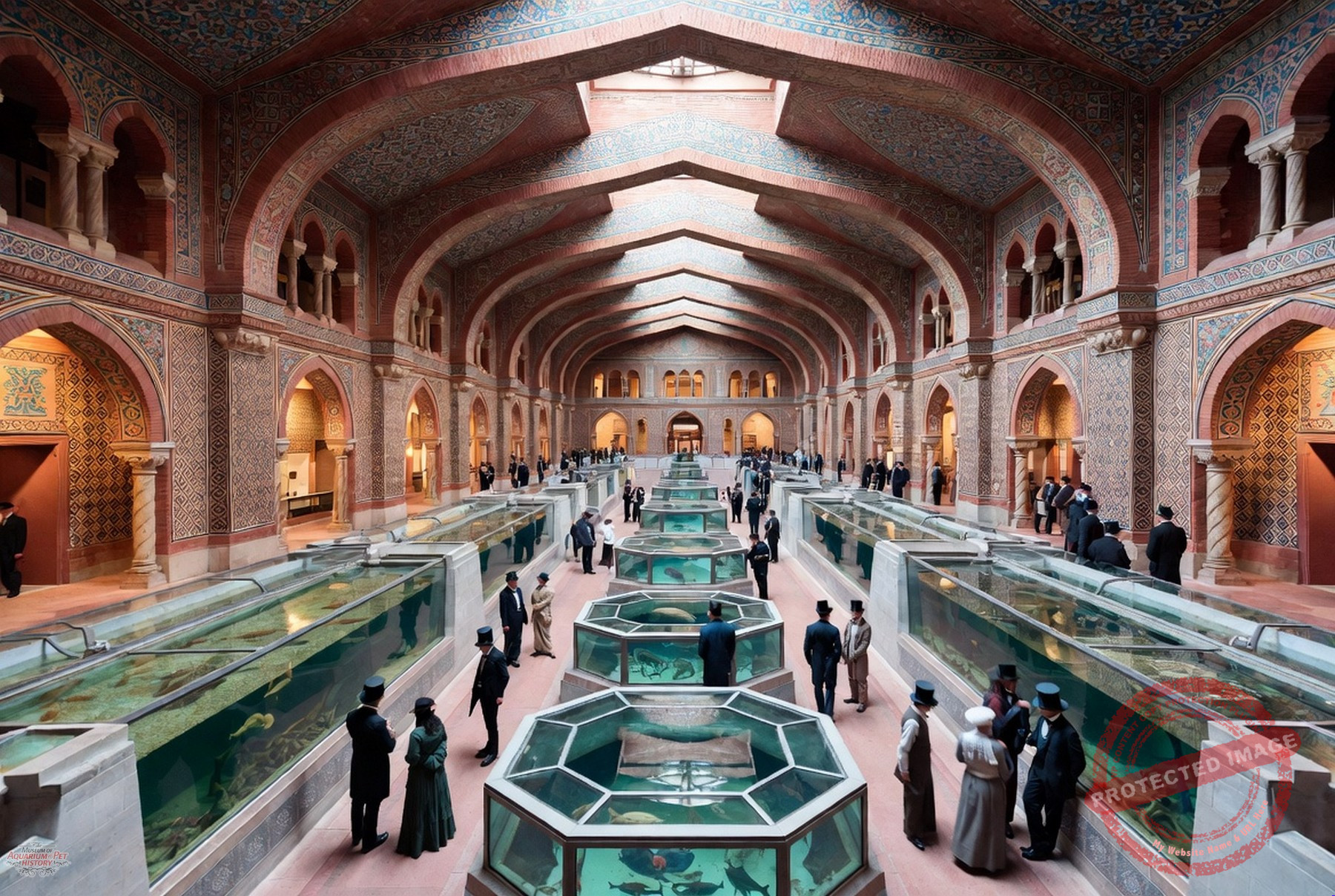
Internally, this aquarium had a strong eastern design elements – these may have been a reflection of the influence of Brighton’s famous Royal Pavilion on Eugenius Birch.
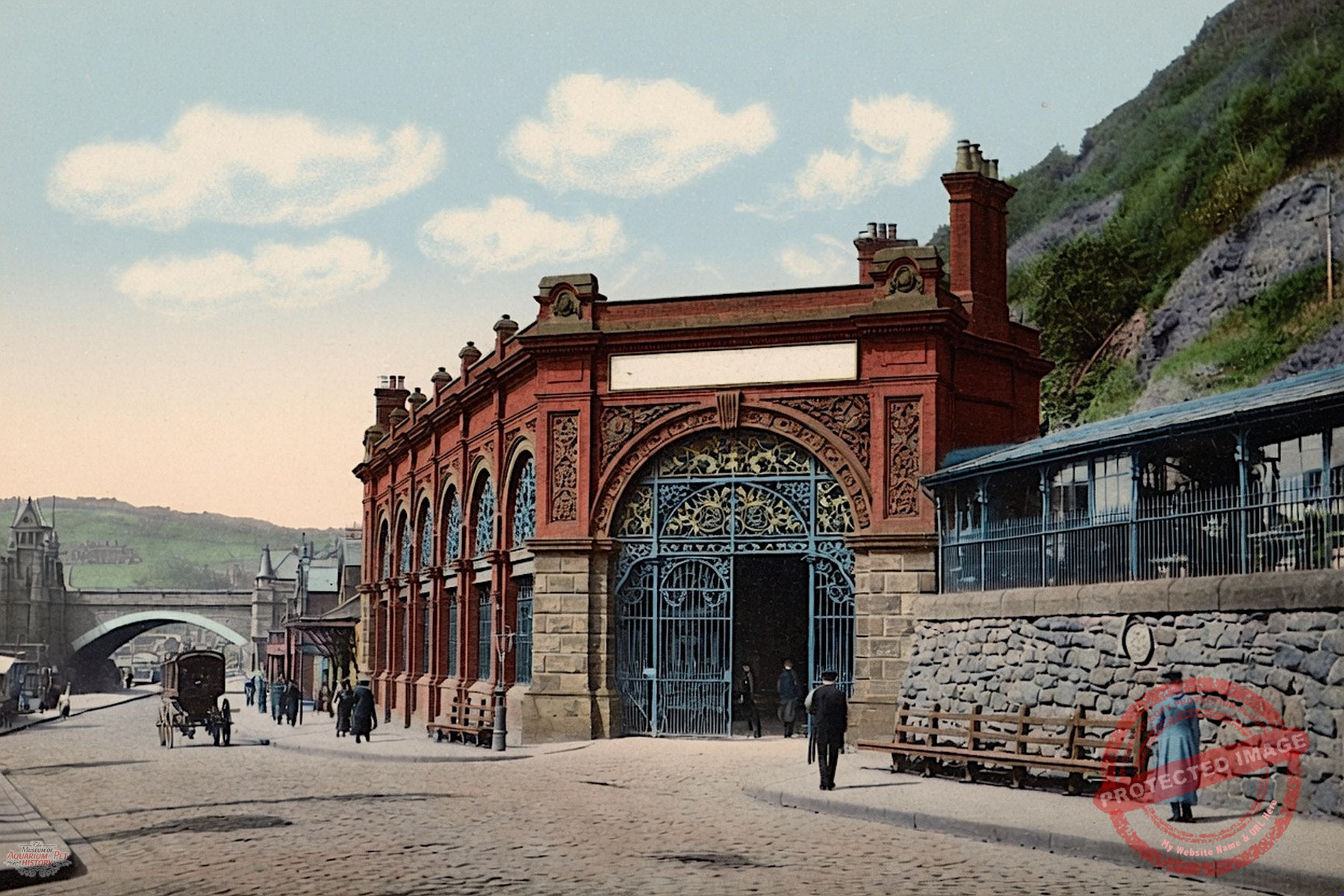
The short-lived Royal Aquarium and Winter Garden, which stood opposite Westminster Abbey in London, closed in 1903, having only opened in 1876. The attached theatre surviving for another four years until that too was demolished. The aquarium had thirteen large tanks, but they were often only sparsely stocked. Things there were so bad that a dead whale had to be placed on display in 1877 as a stop-gap attraction. The situation was even worse outside the capital, with equivalent provincial ventures lasting literally only a few years after opening, leading to the loss of huge sums of money.
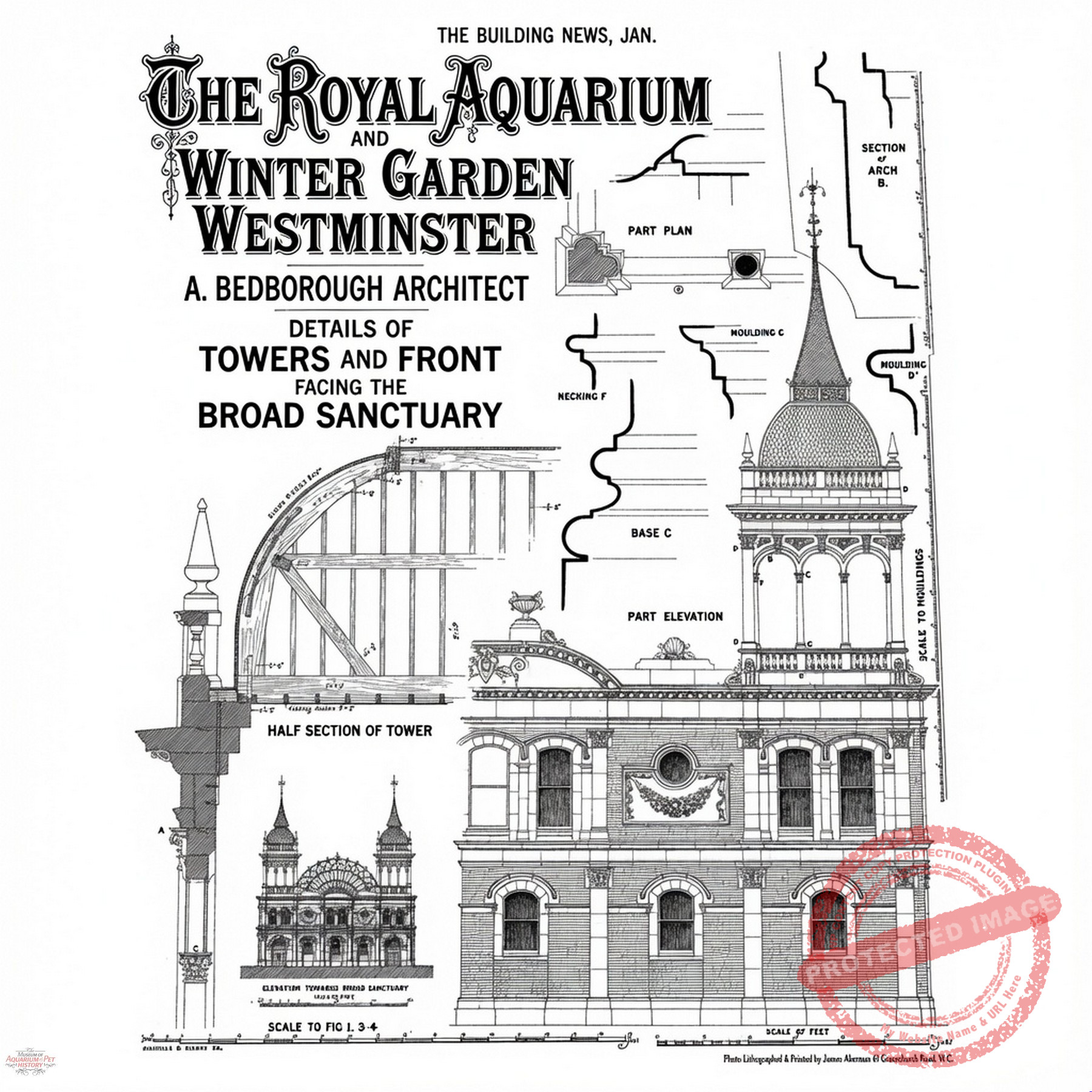
The plan of the Royal Aquarium.
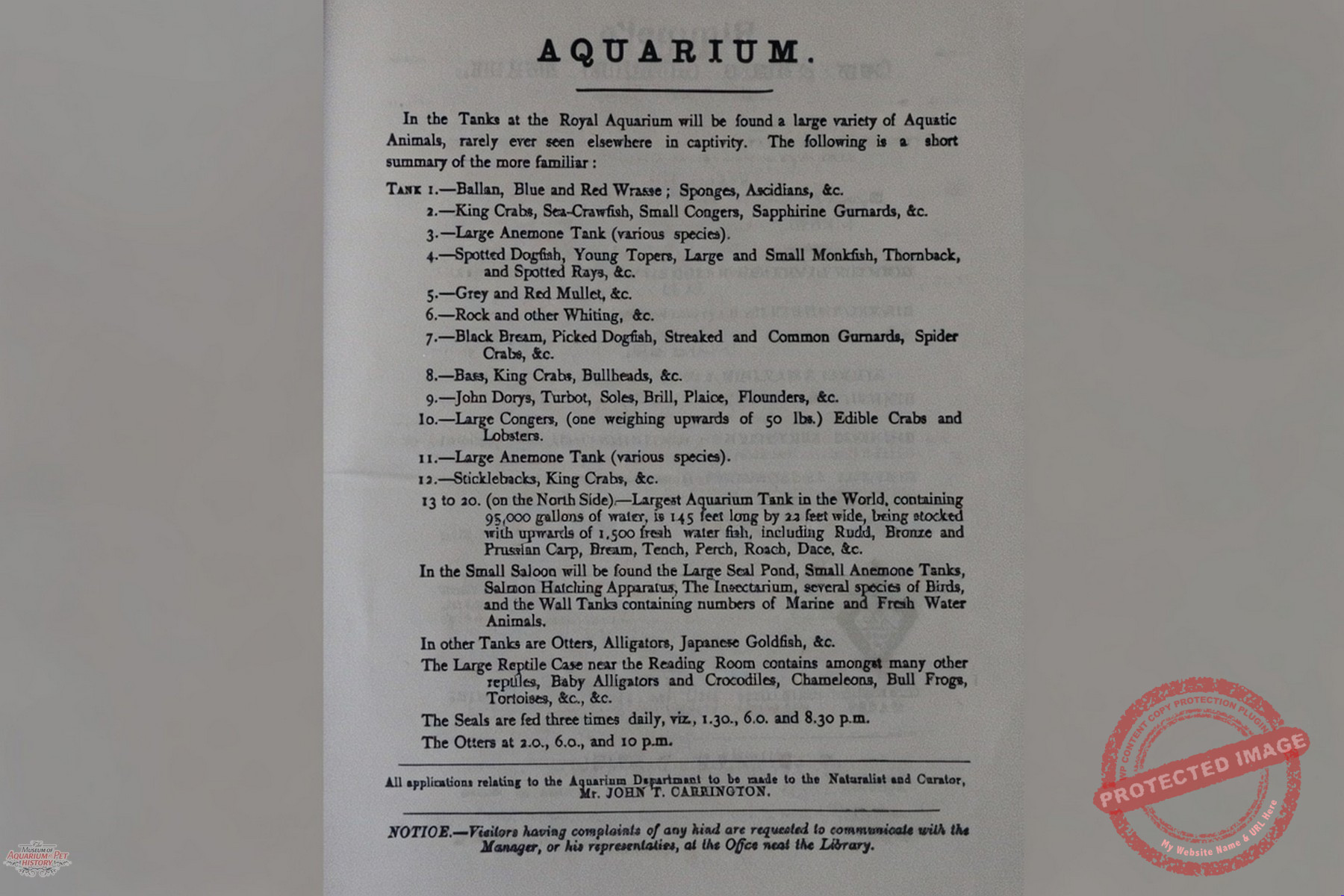
A list of species which it was claimed were exhibited at the Royal Aquarium.
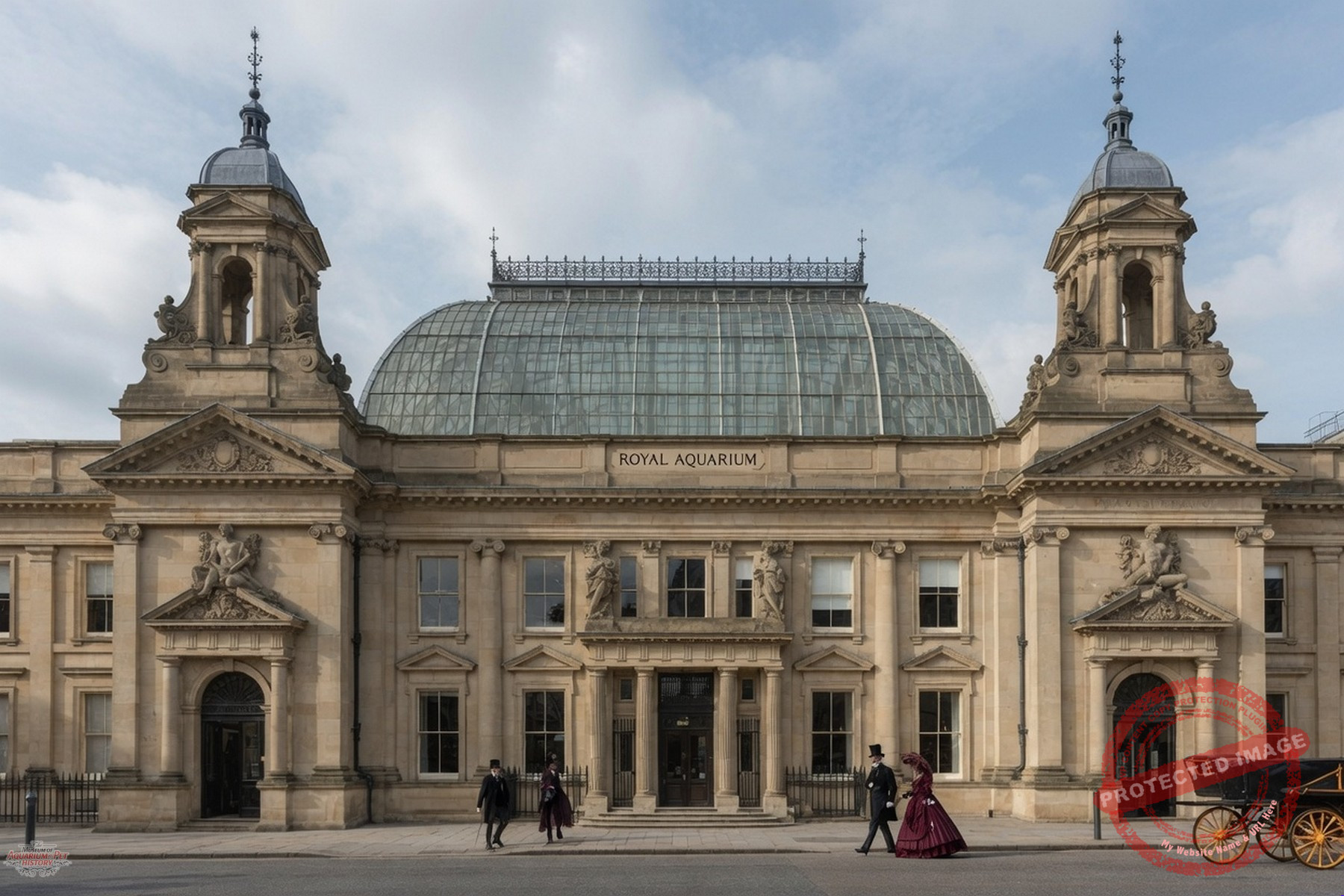
The exterior of this building, which stood in one of London’s most important and prestigious locations.
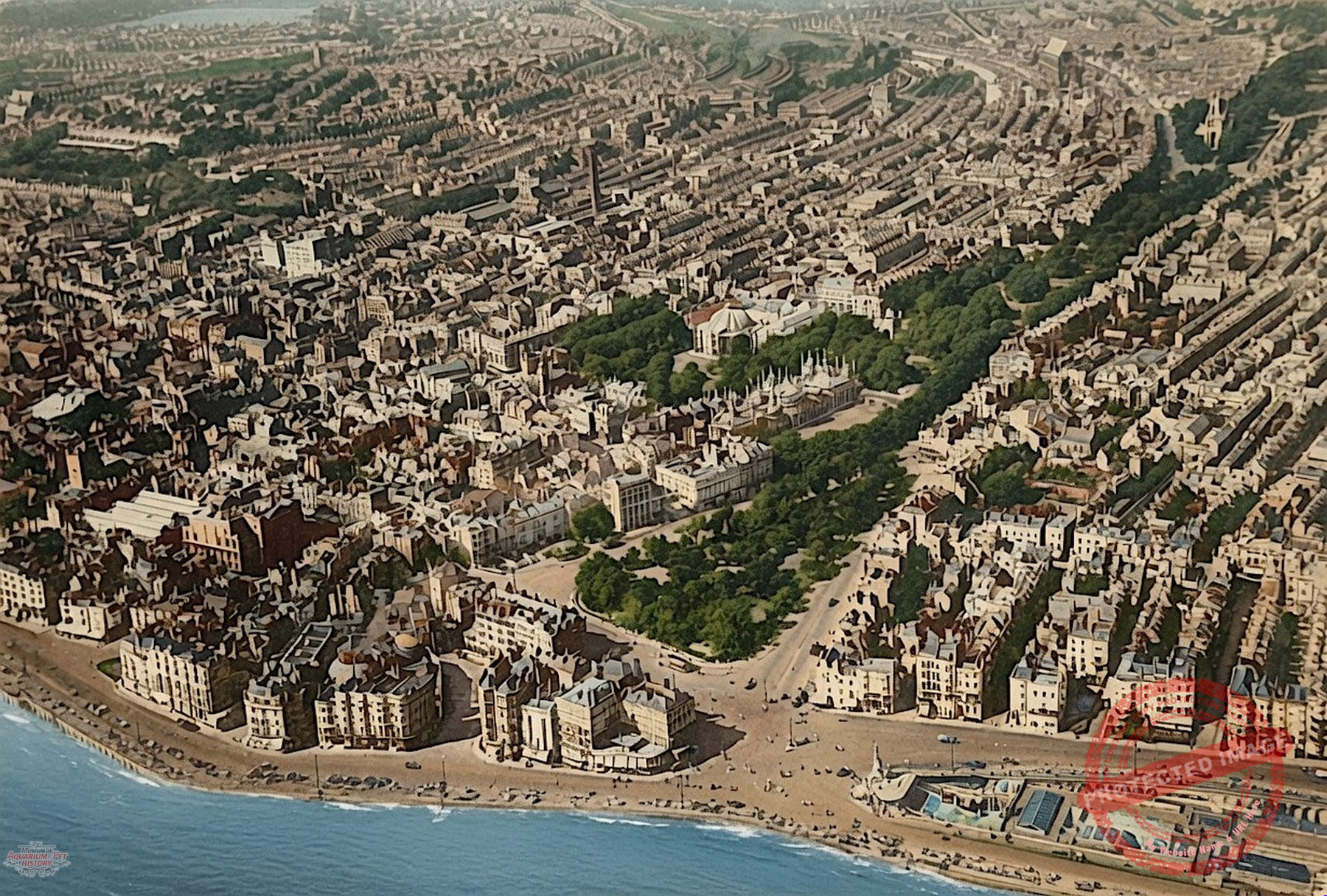
An early aerial view, revealing the proximity of Brighton Aquarium (bottom right) to the sea.
The aquarium also benefited from early municipal intervention. Corporation ownership from 1901 provided a safety net unavailable to purely commercial companies elsewhere; ratepayer support and civic pride kept the institution alive through lean periods. Its architecture and design helped too. The building’s large volume and roof terrace allowed repeated conversion to concert halls, nightclubs, museums, baths and play areas to reflect the latest trends, without destroying the halls where the tanks were sited.
Although reinvented on various occasions through its history, Brighton Aquarium has operated continuously and indeed, once established as a permanent civic amenity, it became harder to close completely. Most recently, late twentieth century professionalisation under Sea Life ownership brought modern husbandry standards, marketing expertise and capital investment that earlier municipal or private managers could not match, while the Grade II architectural listing ensured that demolition was never a realistic option.
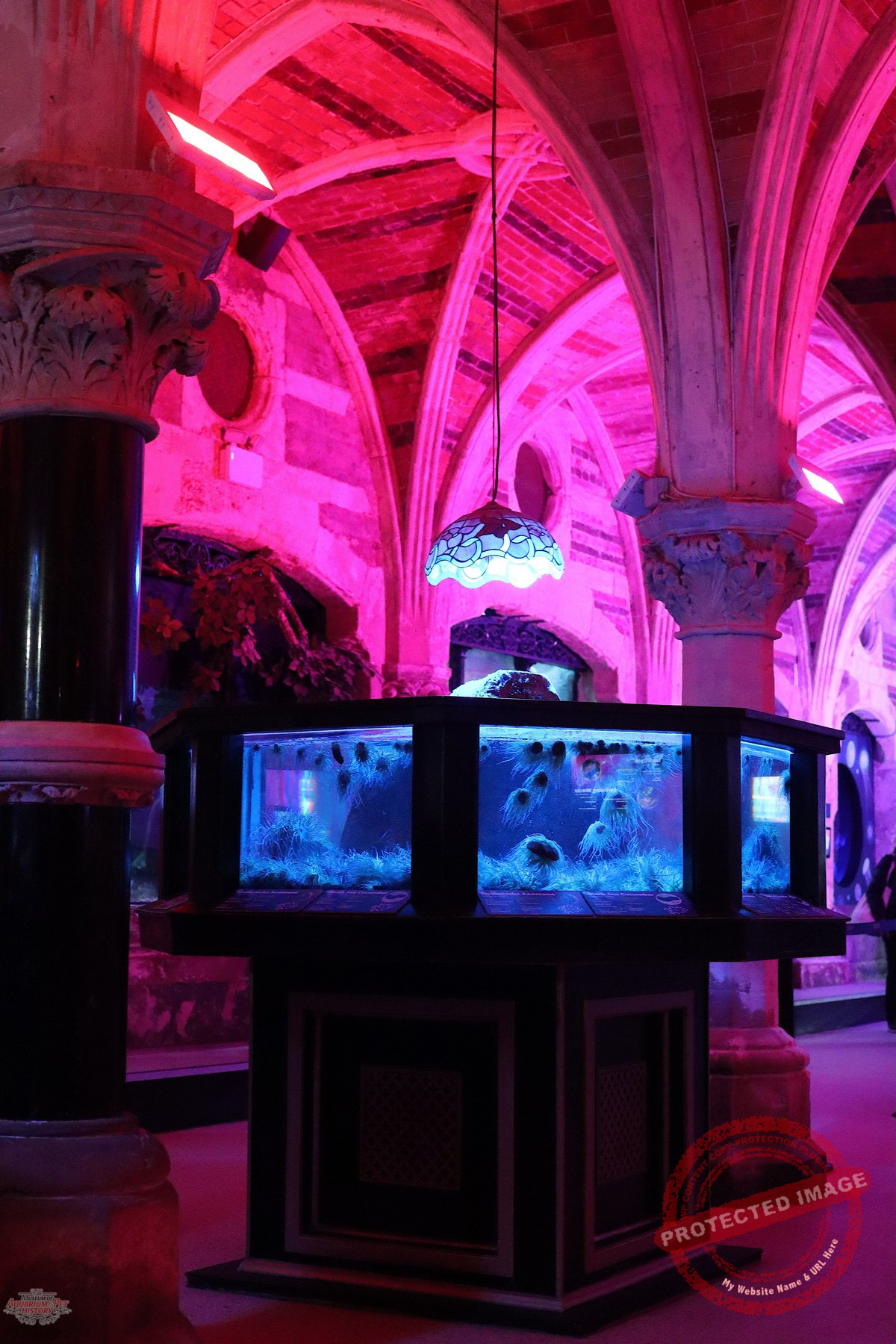
A rare survivor – an original octagonal wooden framed viewing tank still in use today at Brighton Aquarium. Birch utilized the same design at Scarborough too. Photo by Akara Heart.
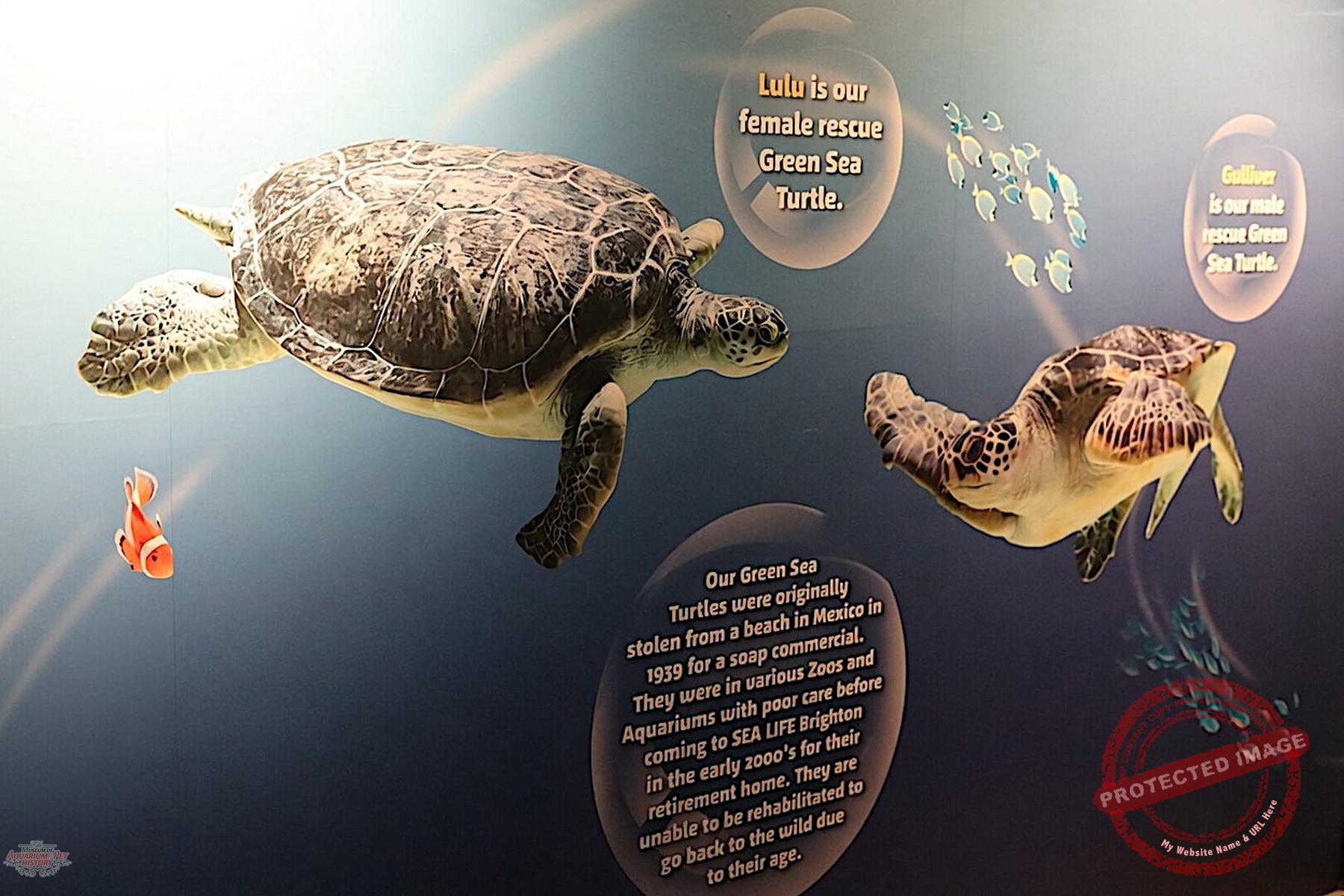
The aquarium today is heavily involved in rehabilitation and conservation projects, as well as education, with behind-the-scenes facilities being used to aid stranded or injured sea turtles in need of assistance. Photo by Akara Heart.
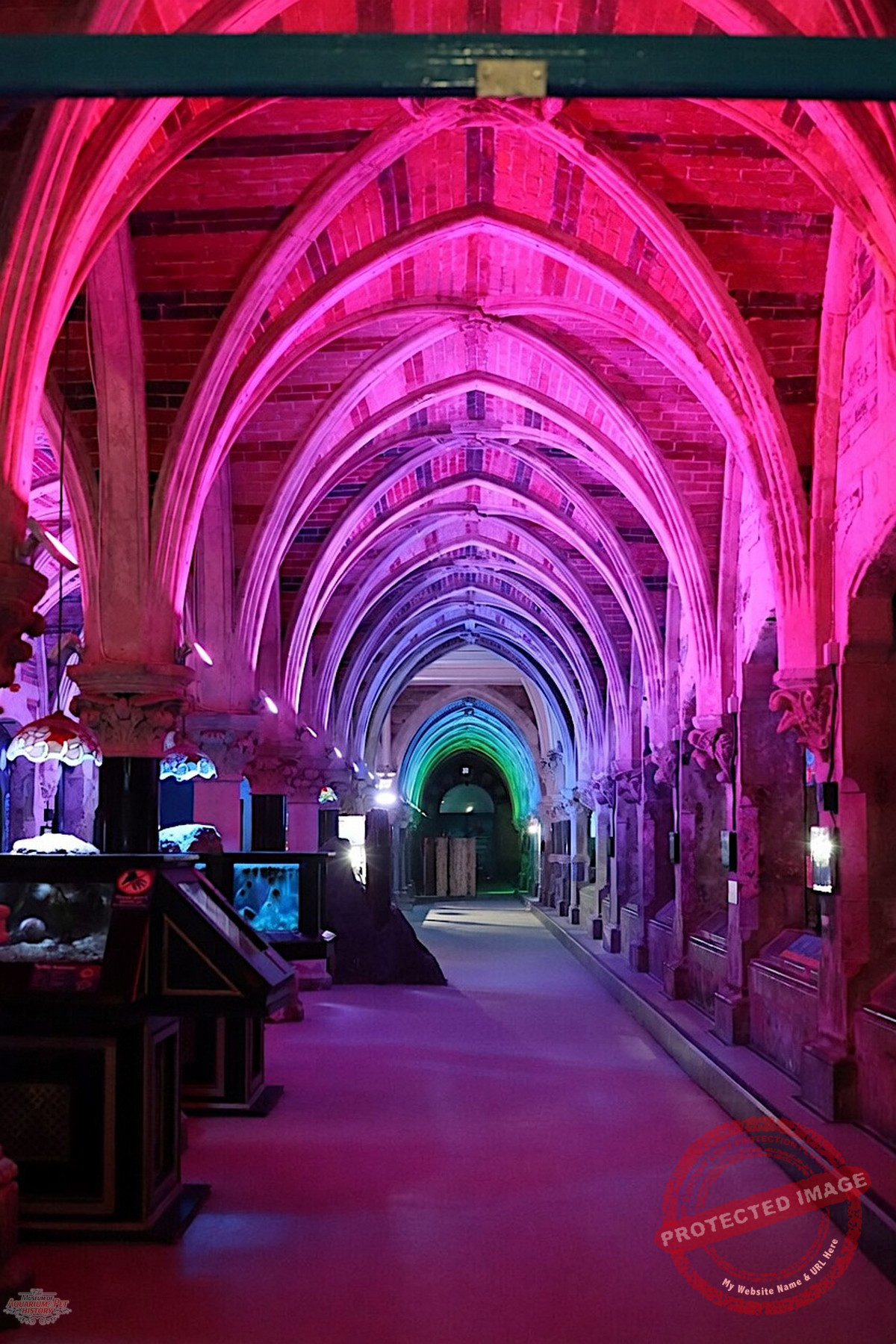
Looking down the main corridor at Brighton Aquarium towards the end of the building, where the former dolphinarium has now been converted into a walk-under set-up, allowing visitors to experience sharks and other marine life swimming overhead. Photo by Akara Heart.
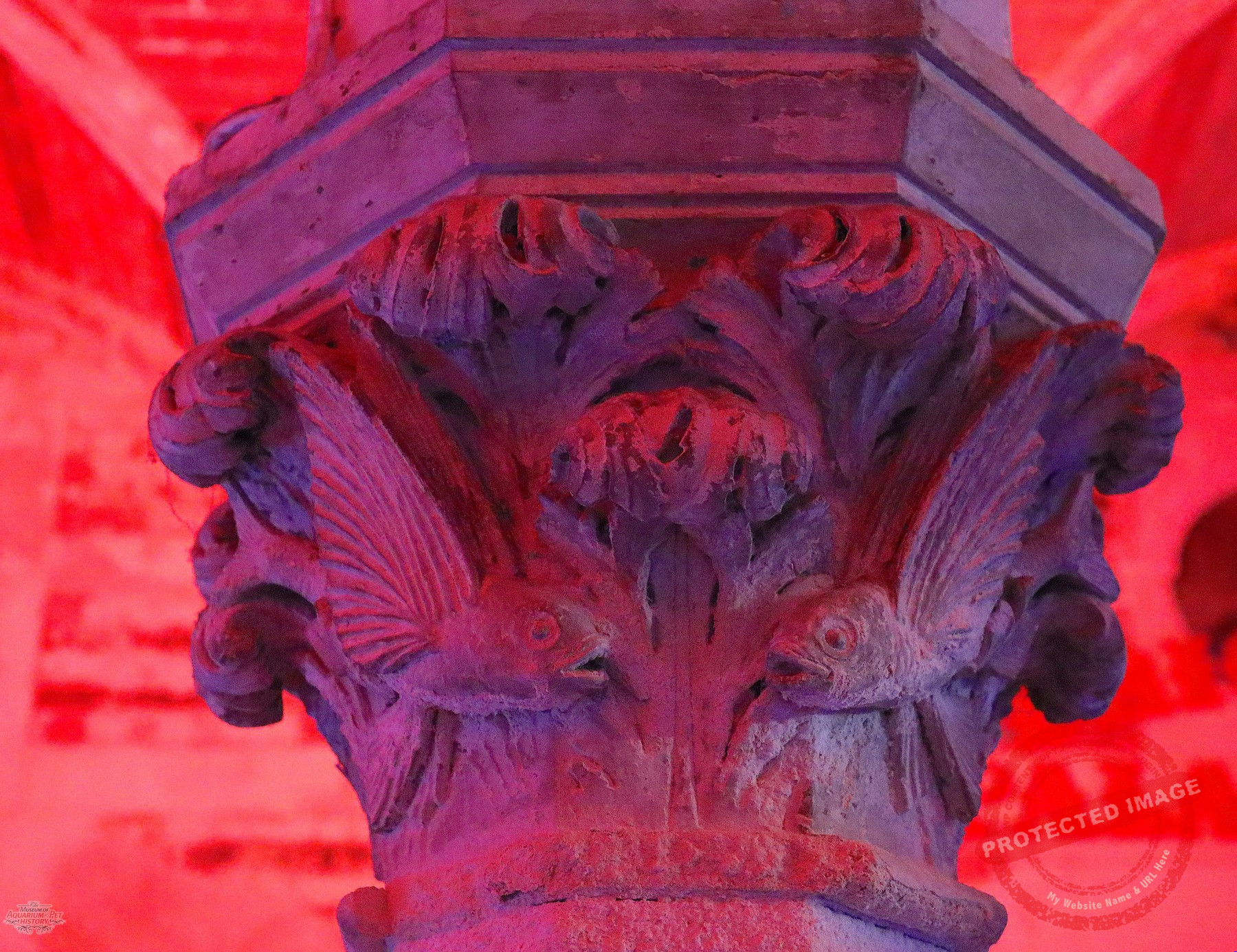
Flying fish and other aquatic creatures carved over 150 years ago decorate the top of the pillars beneath the vaunted roof. Photo by Akara Heart.
- Akara Heart and I would like to extend our deepest thanks to Savannah and also Neil Harris, General Manager at SEA LIFE Brighton, for their kind and generous assistance during our visit. Without their help and support, this article would not have been possible.
Visit SEA LIFE Brighton
Website: www.visitsealife.com/brighton
Opening times vary seasonally (typically from 9:30am or 10:00am, with last entry one hour before closing). Please check the official website for the most up-to-date hours before your visit.