British Bird Garden Pioneers: The Enthusiasts Who Built the UK’s Avian Attractions.
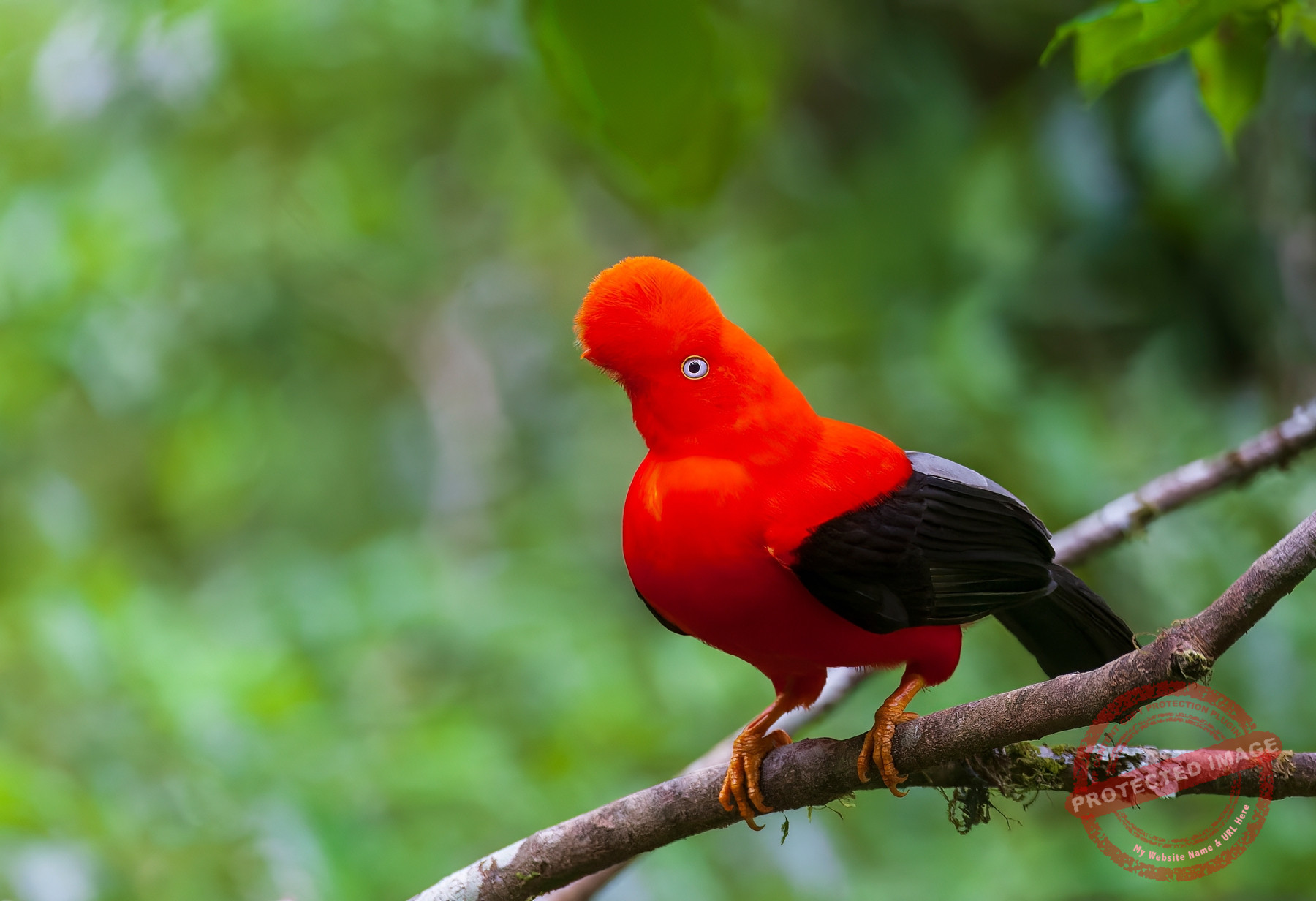
A stunning male Andean Cock-of-the Rock (Rupicola peruviana). This exotic species thrilled visitors to Len Hill’s collection at Birdworld. Photo courtesy TravellerMG/www.shutterstock.com
In the optimistic years after the end of the Second World War in 1945, Britain shook off rationing and embraced the motor car. This in turn helped to trigger a consumer leisure boom and allowed a new kind of attraction to spring up in the countryside. The 1960s and early 1970s reflected the birth of the bird gardens open to the public, established and run by private individuals.
Increasing interest in the natural world fuelled by television naturalists and the arrival of color television, combined with a thriving avicultural hobby, helped to create the perfect conditions to attract large numbers of visitors to these establishments. Passionate individuals — some with zoo experience, others fulfilling childhood dreams — turned historic estates, manor grounds, and even land near a major airport into living showcases of feathered diversity. They bred rare birds, welcomed visitors in their tens of thousands, and pioneered breeding for conservation.
The growth in this new, expanded form of bird-keeping did not arise by chance. It drew on a deeper British avicultural tradition that had been quietly evolving over the course of decades. One of its most influential wellsprings was Keston Foreign Bird Farm in Kent. Active from the 1930s through to the 1960s and beyond, this establishment had become a pioneering center for importing, acclimatizing and breeding exotic birds under British conditions. Its ethos emphasized the use of outdoor aviaries rather than purely heated indoor setups, as well as the integration of birds with sympathetic planting in such surroundings, both for their well-being and to emphasize their visual appeal.
Staff and the techniques developed at Keston helped to bridge the gap between the elite aristocratic collections of previous eras and the more accessible, post-war public displays that would flourish after Keston’s demise. Former personnel carried this practical, breeding-focused philosophy into new projects, shaping the character of many of these privately-run bird gardens that opened to the public.
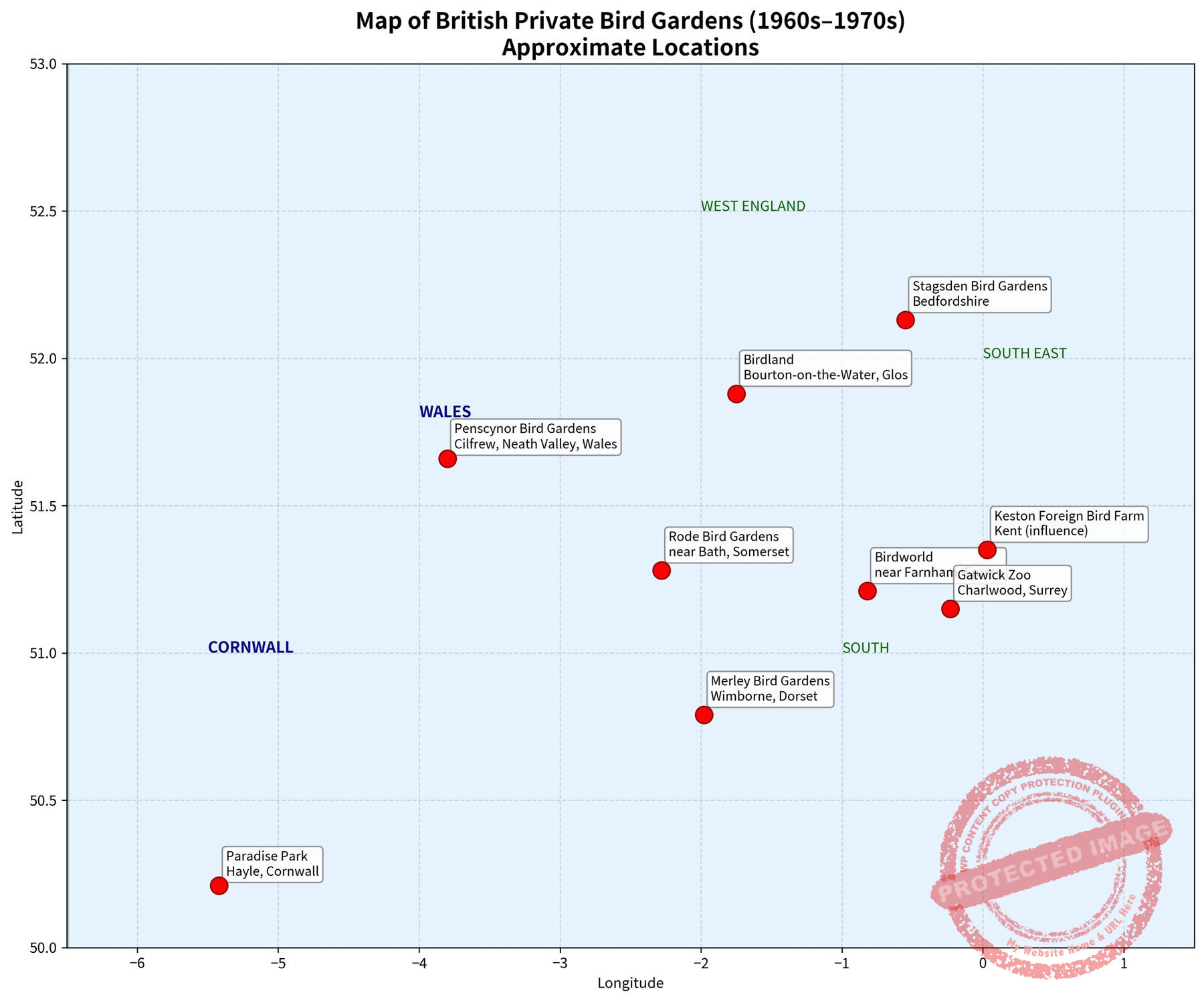
This map provides a schematic overview of where the collections were located. They are overwhelming located in the milder southern part of England.
Rode Bird Gardens
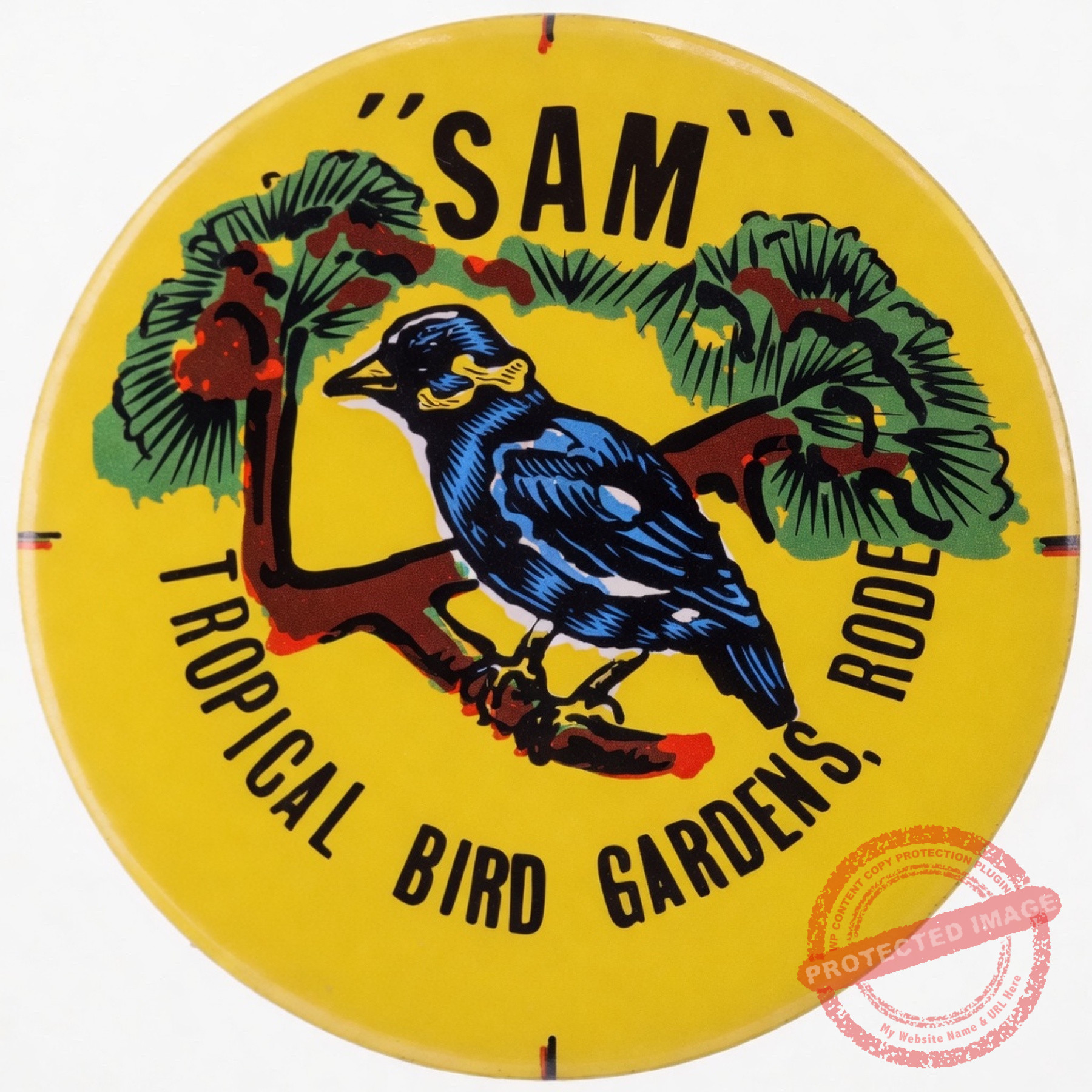
Sam was a famous Greater Hill Mynah Bird (Gracula religiosa), being renowned for his talking and mimicking abilities, often appearing on local radio. Sadly, he disappeared around 1967 and was never seen again.
Notable amongst them was Donald H.S. Risdon. During the years before and after the Second World War, he had worked at Keston, where scientific curiosity met real-world husbandry. Risdon absorbed this ethos completely, and it never left him. Subsequently, he became general manager of Dudley Zoo in the English Midlands, but there, he felt birds were too often largely overlooked in this mixed collection. Luckily, he soon met his ideal partner to pursue his avian dream further, when he walked into a Birmingham pub for a drink. The couple started talking, and Donald’s chat-up line was wonderfully characteristic of the man: “You must come and see my animals sometime!”.
Betty and Donald married soon afterwards, lived in a flat inside Dudley Zoo’s offices, and spent 1961 scouring Britain for the perfect site for opening a bird collection to the public. In September that year, they moved into the grounds of Rode Manor, located near Bath in the west of England. The main house, built in 1737, had been demolished in the 1950s following a devastating fire, but its existing lake and an arboretum provided considerable potential as the perfect setting for a public display of all types of birds.
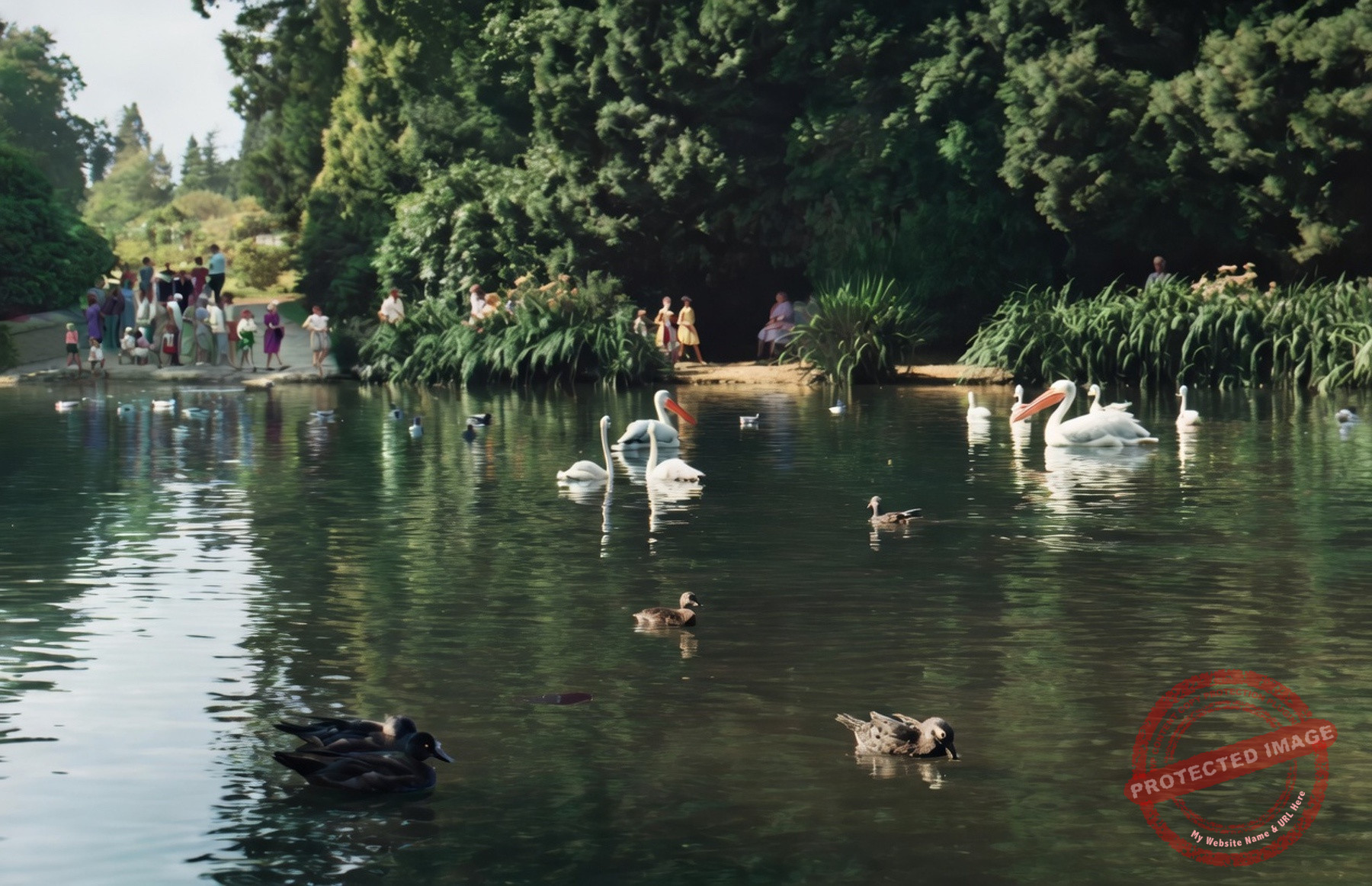
The lake at Rode Bird Gardens, home to an assortment of waterfowl and pelicans.
It was no easy task, however. The land was being partly used as a market garden but already, much of it was reverting to the wild. What followed was something akin to a labour of love. Betty recalled hacking their way into what was becoming a jungle and removing the worst of the weeds. The place slowly came back to life. Friends and family helped to dig drains, build aviaries, supervise the turnstiles and run the office, allowing Rode Bird Gardens to open for the first time in 1962.
At Rode, Risdon consciously incorporated Keston’s philosophy. The gardens featured planted aviaries designed for the welfare of the birds, affording them seclusion and nest sites, with a strong emphasis on successful breeding rather than mere display. Free-flying macaws became a signature attraction, and the collection developed a reputation for its work with endangered species. Donald regularly contributed reports to the Avicultural Magazine, documenting breeding successes at Rode (ranging from the macaws themselves to waterfowl like shelducks) and revealing the continuity of the careful, methodical approach he had acquired at Keston.
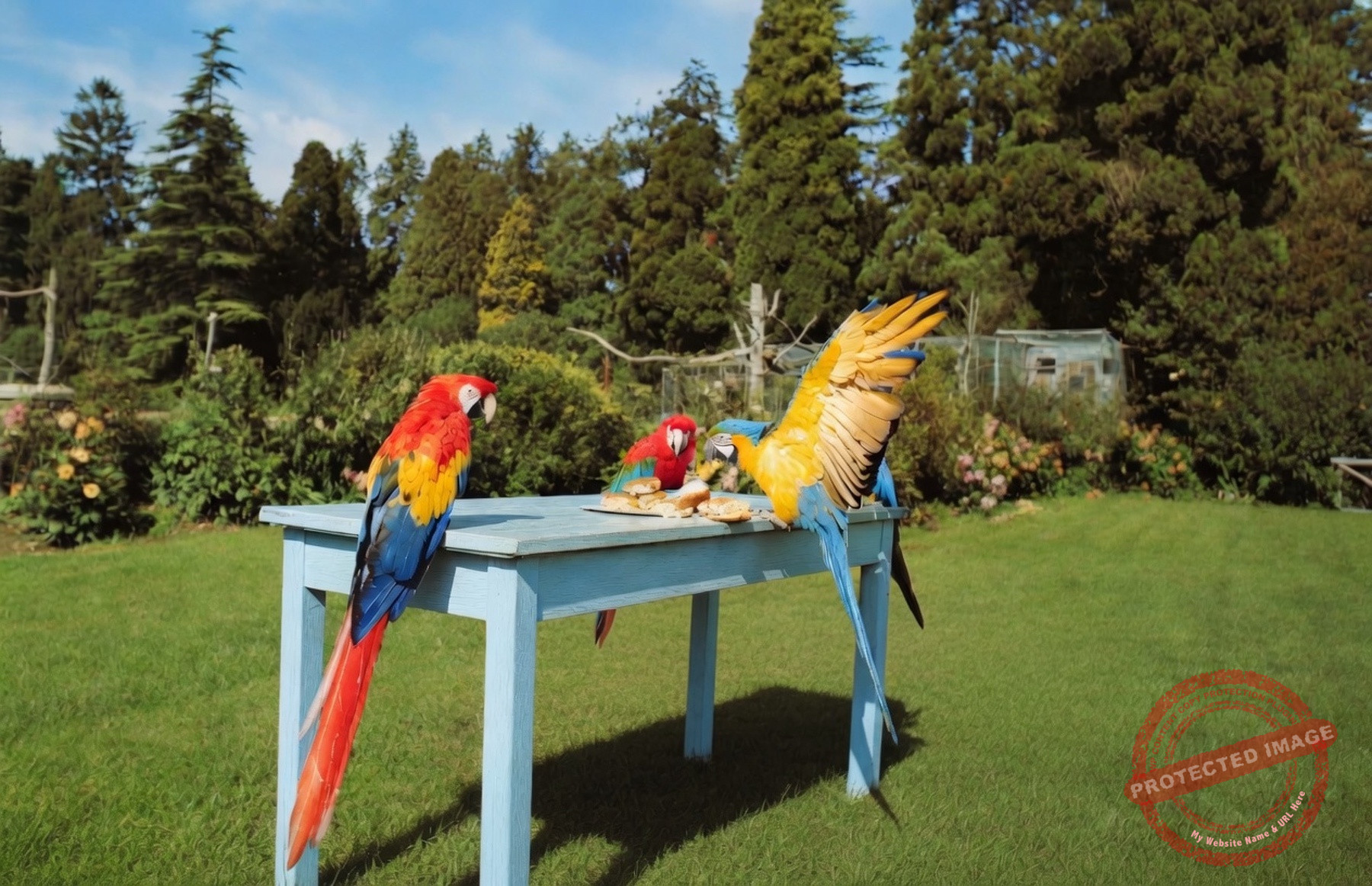
Liberty macaws were a feature of the collection at Rode, and bred there regularly.
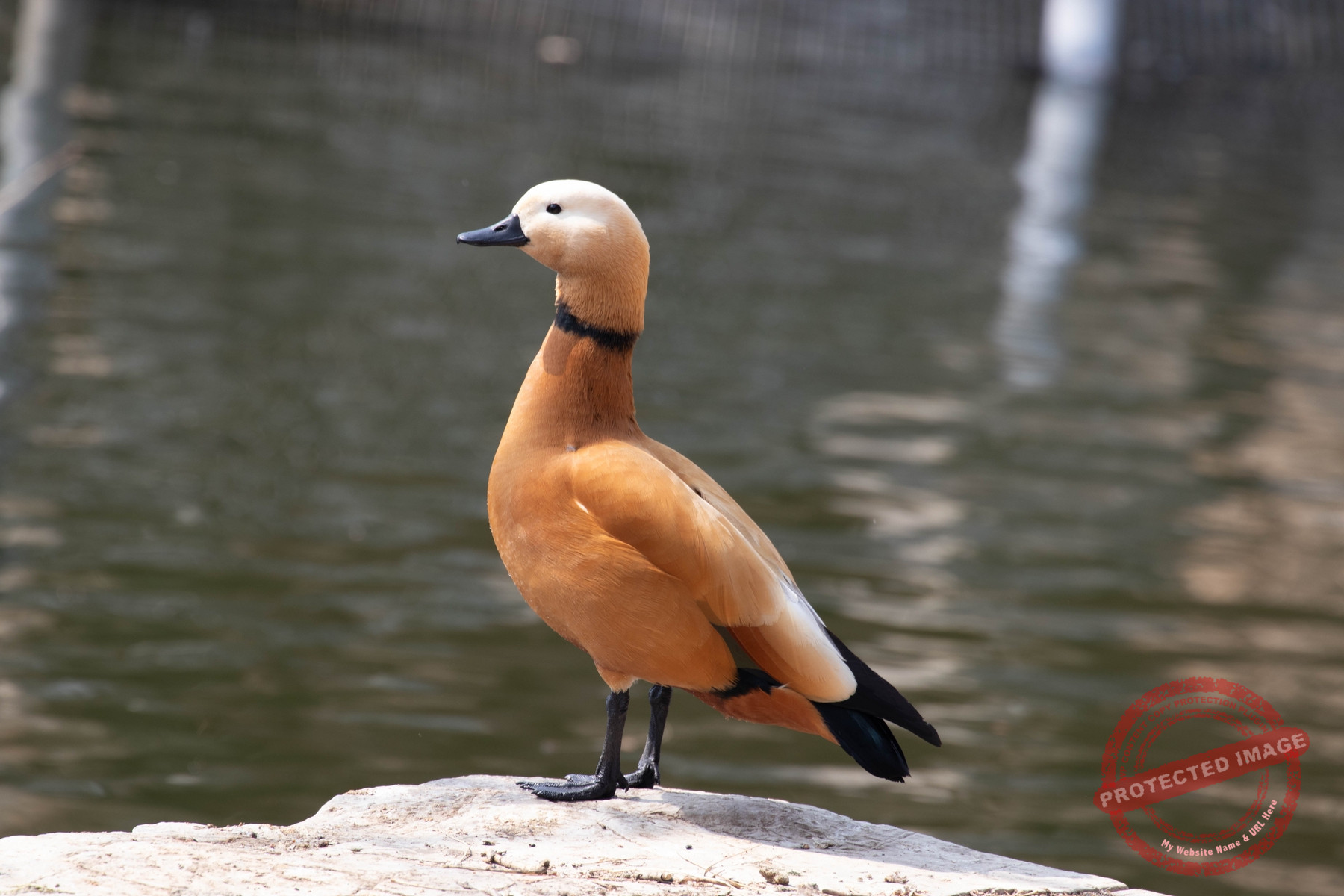
Waterfowl including shelducks as seen here were regularly bred at Rode. Photo courtesy Foreverhappy/www.shutterstock.com
The Risdons’ creation became a much-loved destination for nearly forty years. There were winding paths through mature plantings, formal Victorian-style gardens that Betty developed into a notable arboretum in the 1970s, and aviaries housing a rich collection of species. A miniature railway added to the family appeal, but conservation and breeding work always remained at the heart of the enterprise.
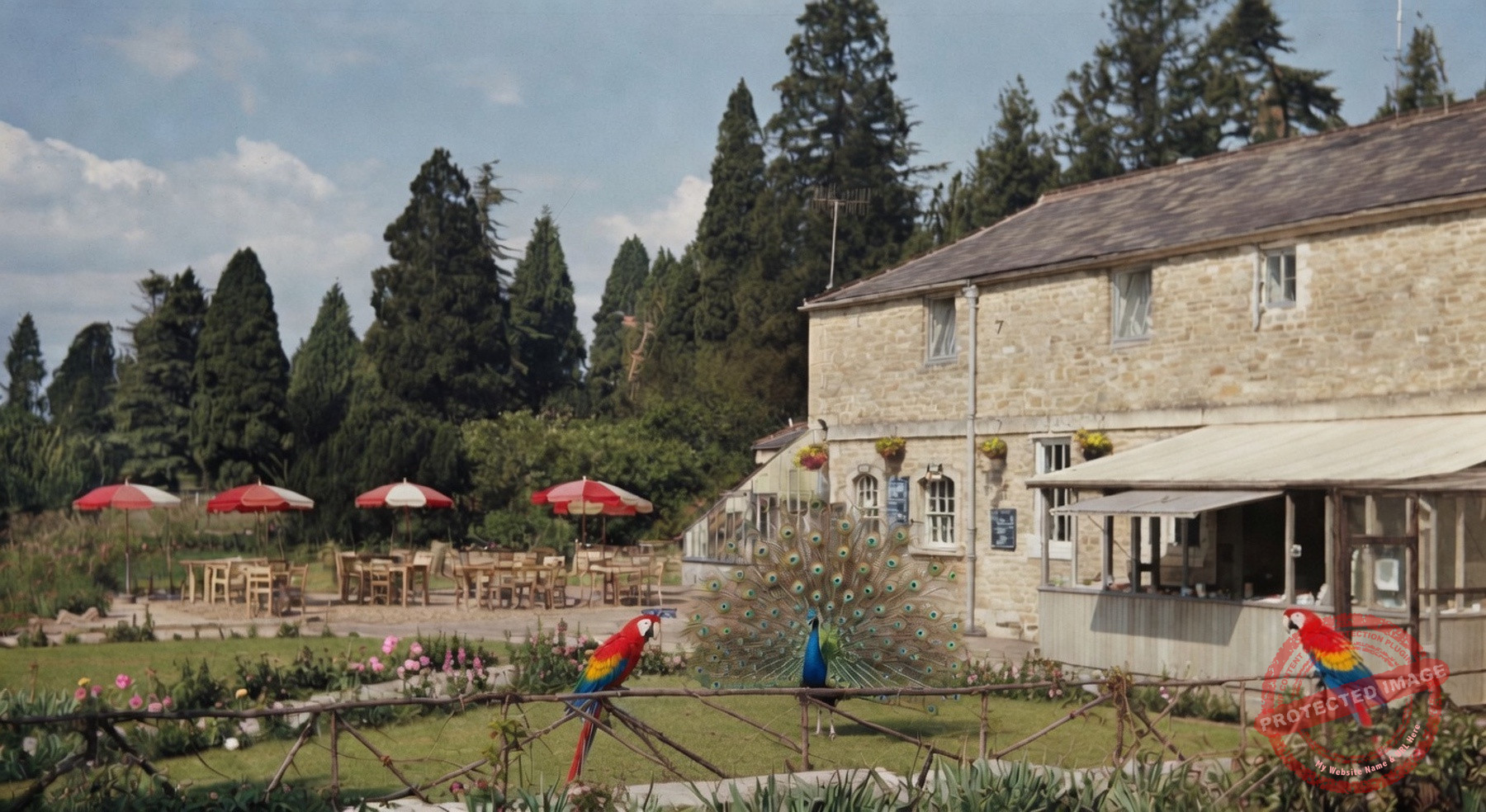
A view of Rode Bird Gardens from 1965.
Betty’s love for gardening saw her involved in the founding the British Clematis Society and she even had a clematis named after her. She wrote autobiographical books, including The Roads from Rode. After Donald passed away in 1994, she continued with characteristic vigor, embarking on various adventurous travels. She undertook an Arctic cruise at the age of 79, and then travelled to the other end of the world on a voyage to South Georgia near the Antarctic, before her own death five years later.
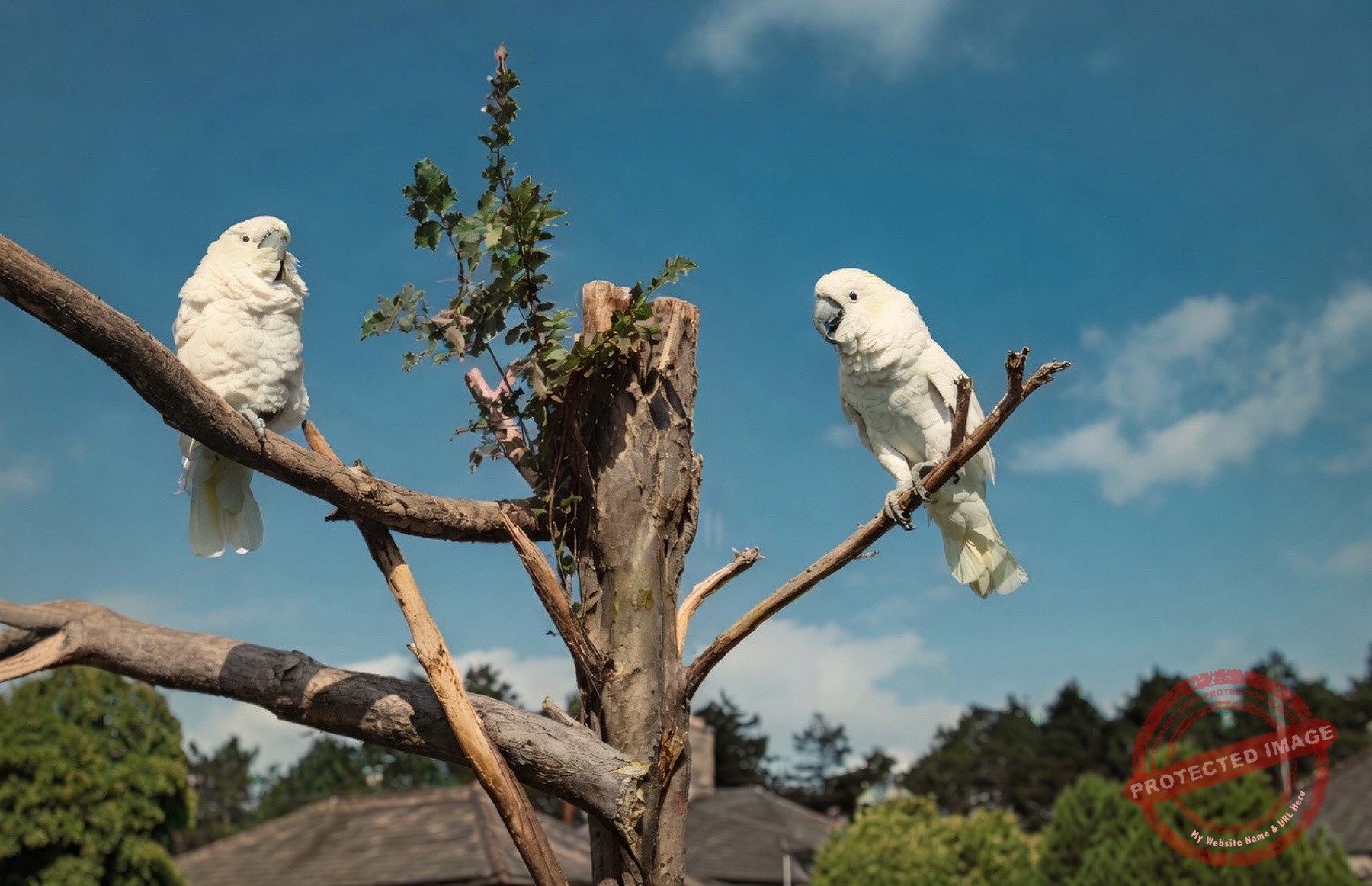
A pair of Umbrella Cockatoos kept at liberty at Rode.
But by this stage, as the turn of the millennium approached, the pressures were mounting. Operating costs had risen sharply, competition from larger zoological attractions was growing, and finding someone willing to continue Rode as a going concern proved impossible. Without a buyer able to keep the bird gardens viable amid rising expenditure, the collection closed at the turn of the century, with the birds being dispersed to other collections. The site, with its lake and historic landscape, was redeveloped for exclusive housing. Today, homes now stand where macaws once flew free, although some mature trees and an indication of the old arboretum still remain visible to those who knew the area previously.
The Penguin Millionaire
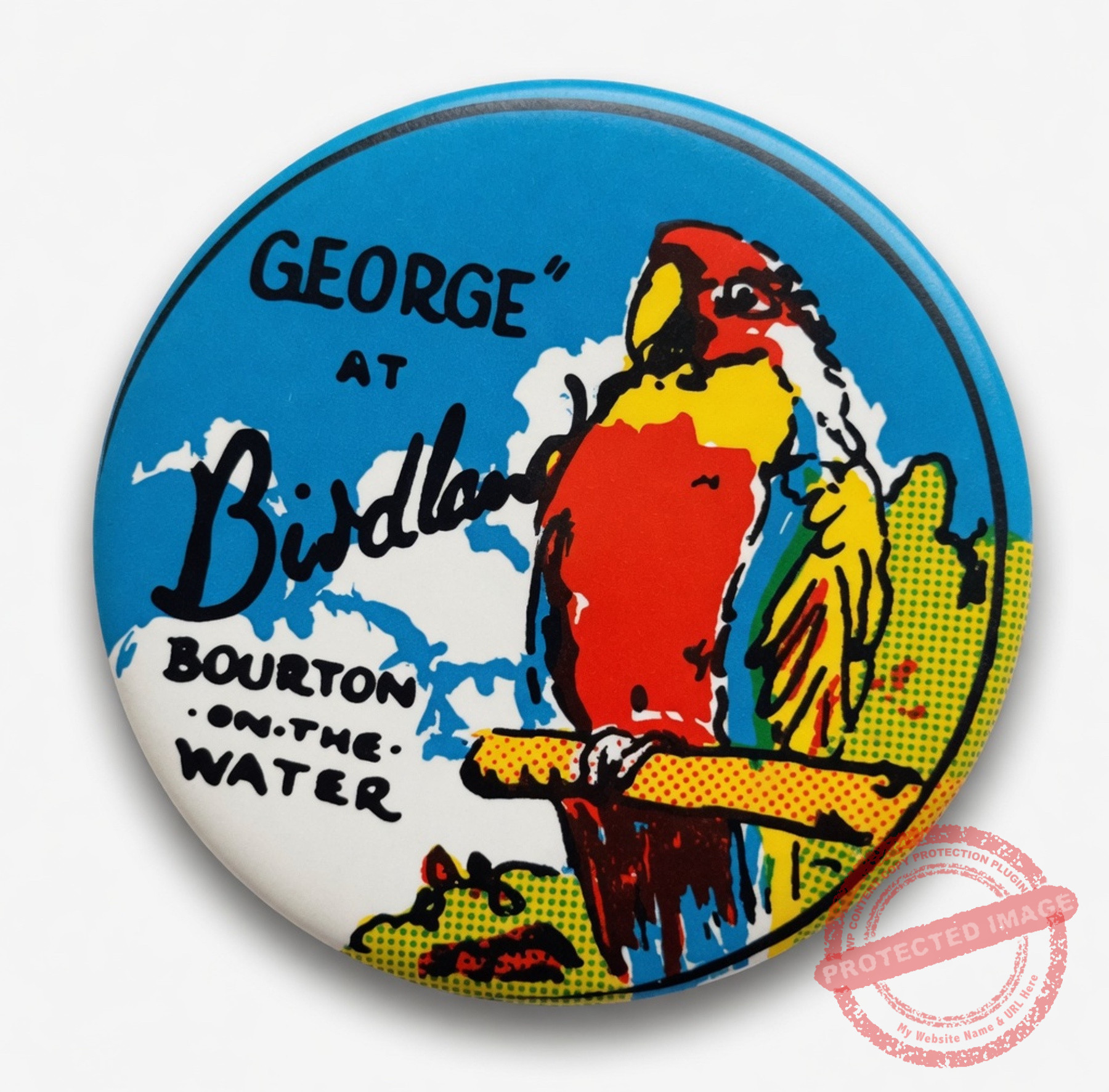
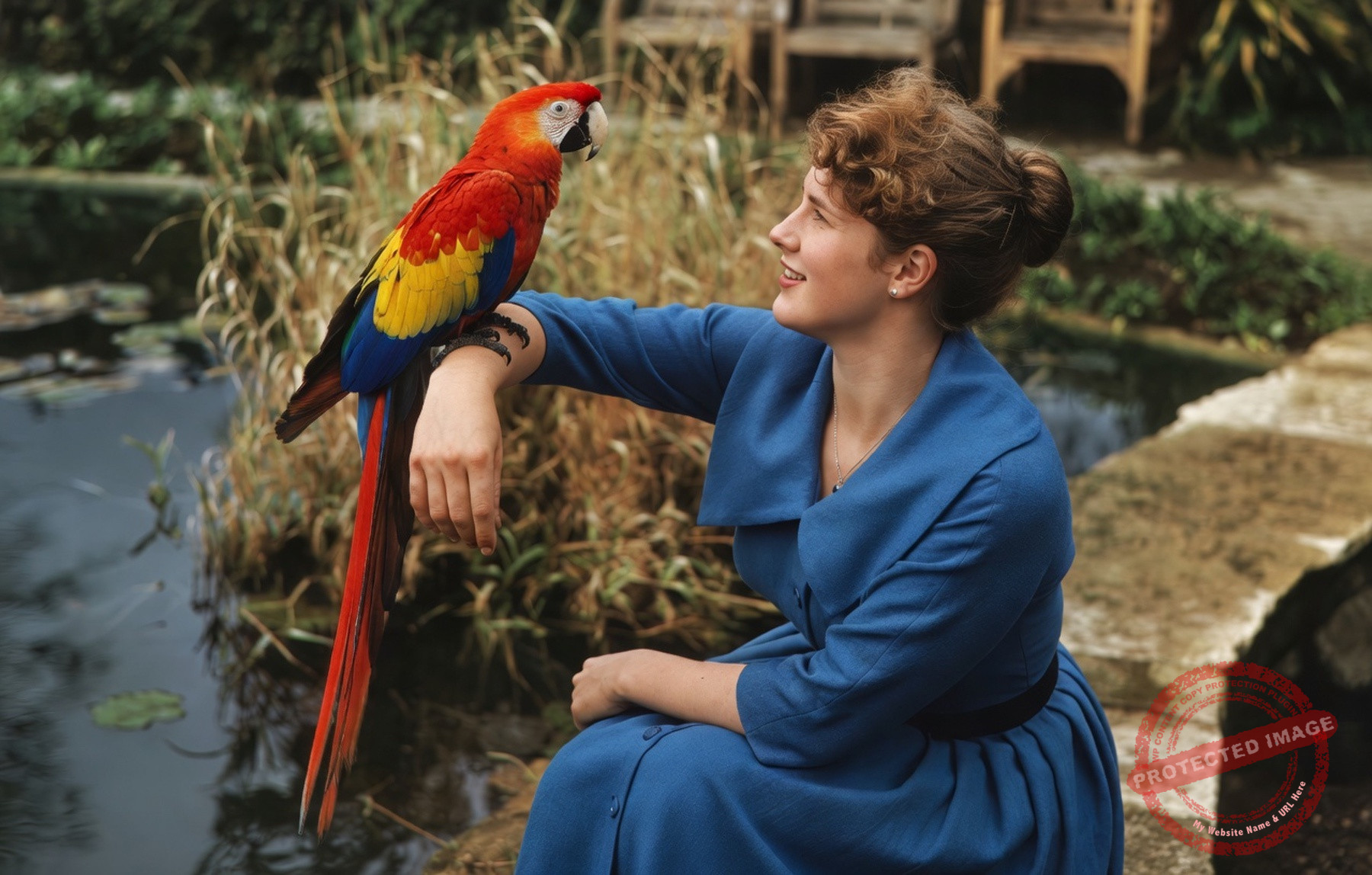
A badge and photo portraying George, a famous Scarlet Macaw (Ara macao) who lived at Birdland.
Len Hill was a highly successful Cotswold builder with a deep interest in birds, who can be credited with developing arguably the most attractive bird garden in Britain. He opened his collection at Birdland in the five acre (2 ha) grounds of a beautiful Tudor manor house called Chardwar, in the one of the country’s most picturesque villages: Bourton-on-the-Water in Gloucestershire.
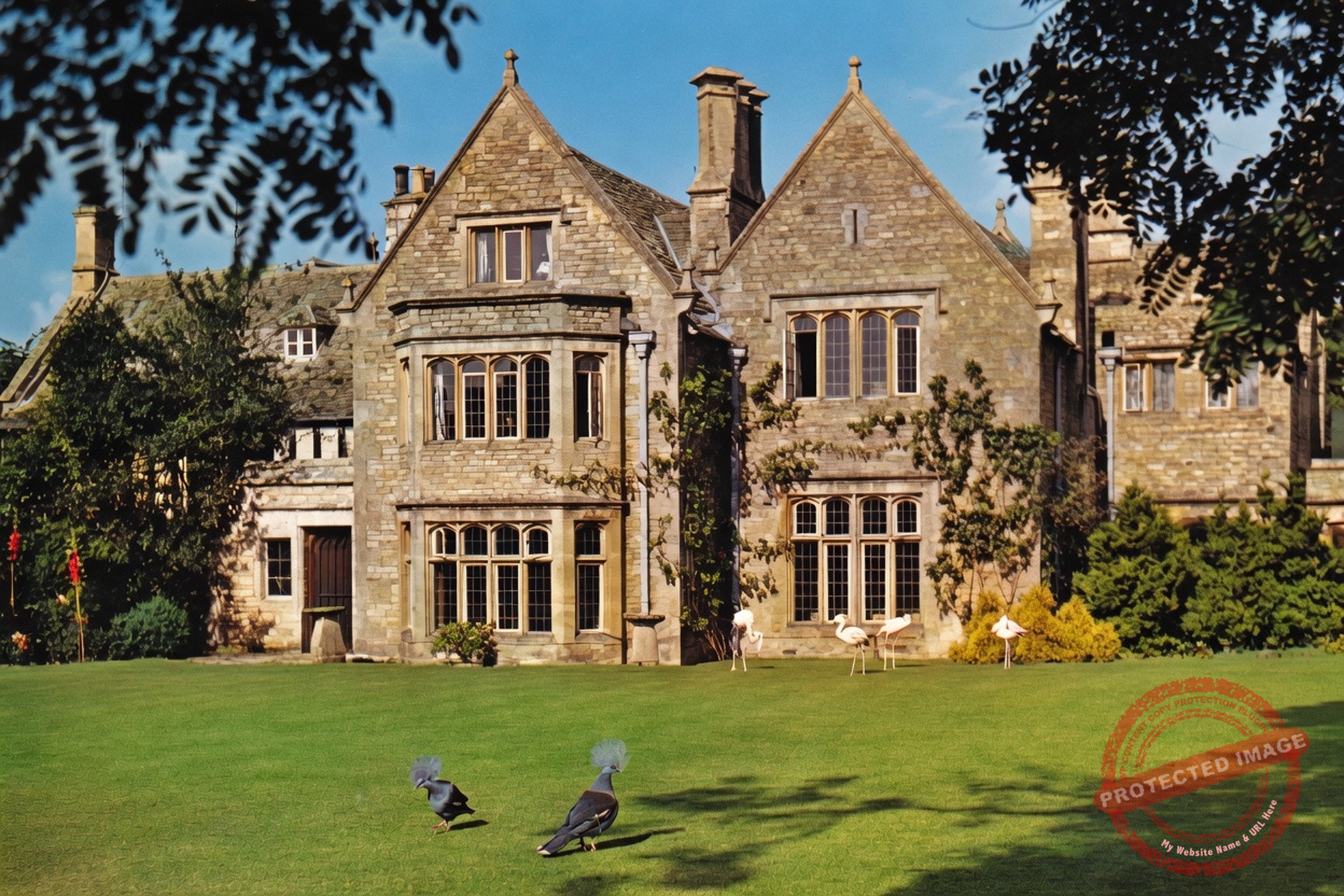
The manor house around which Hill developed his collection.
Hill was a dedicated bird lover who built a collection that included rare and spectacular species. These included two Lear’s Macaws (Anodorhynchus leari) which were the only ones in Britain and probably Europe at that stage; various hummingbirds; cocks-of-the-rock; swift parakeets and birds of paradise among them.
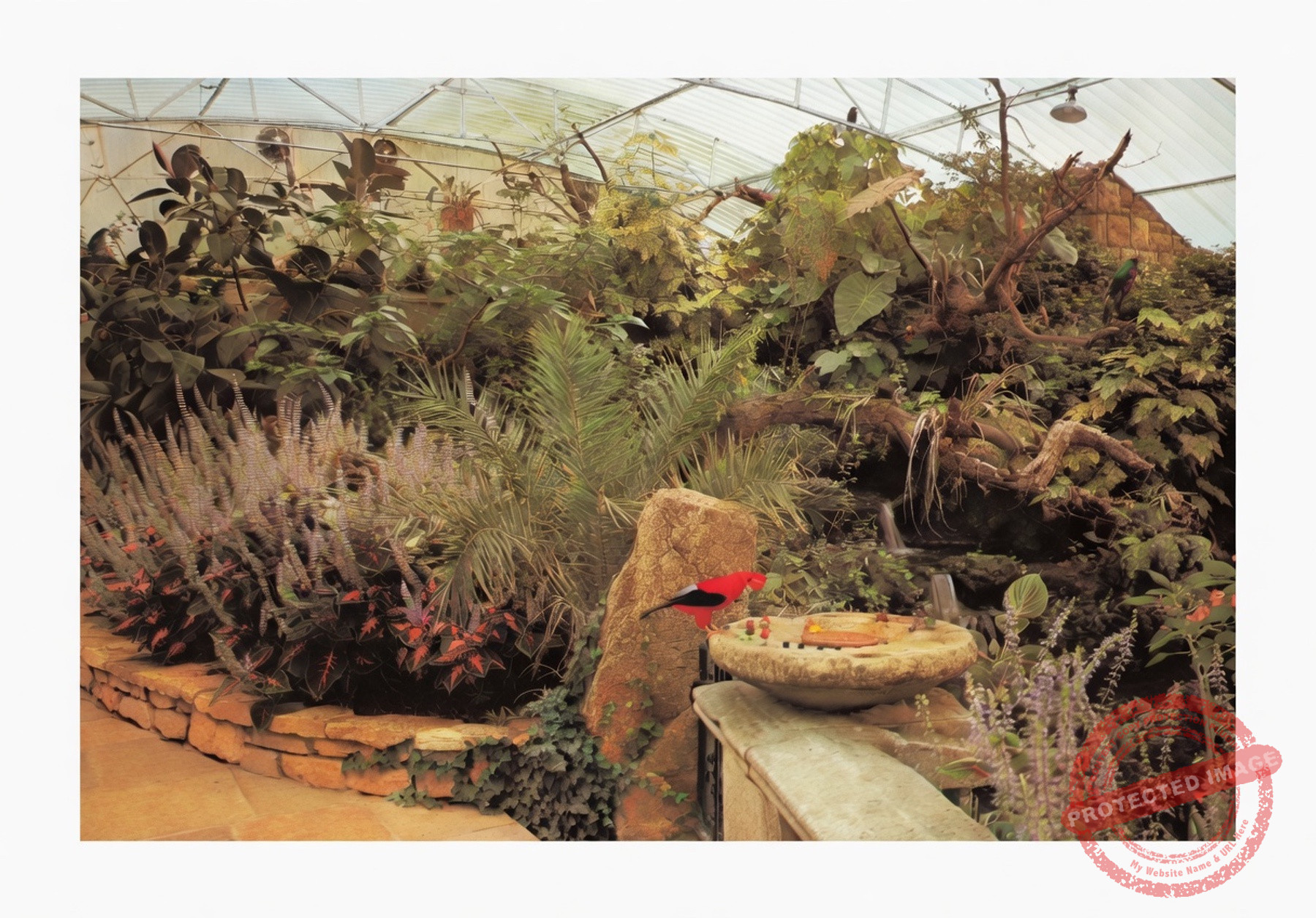
Birdland’s Tropical House, with the Andean Cock-of-the-Rock in the foreground.
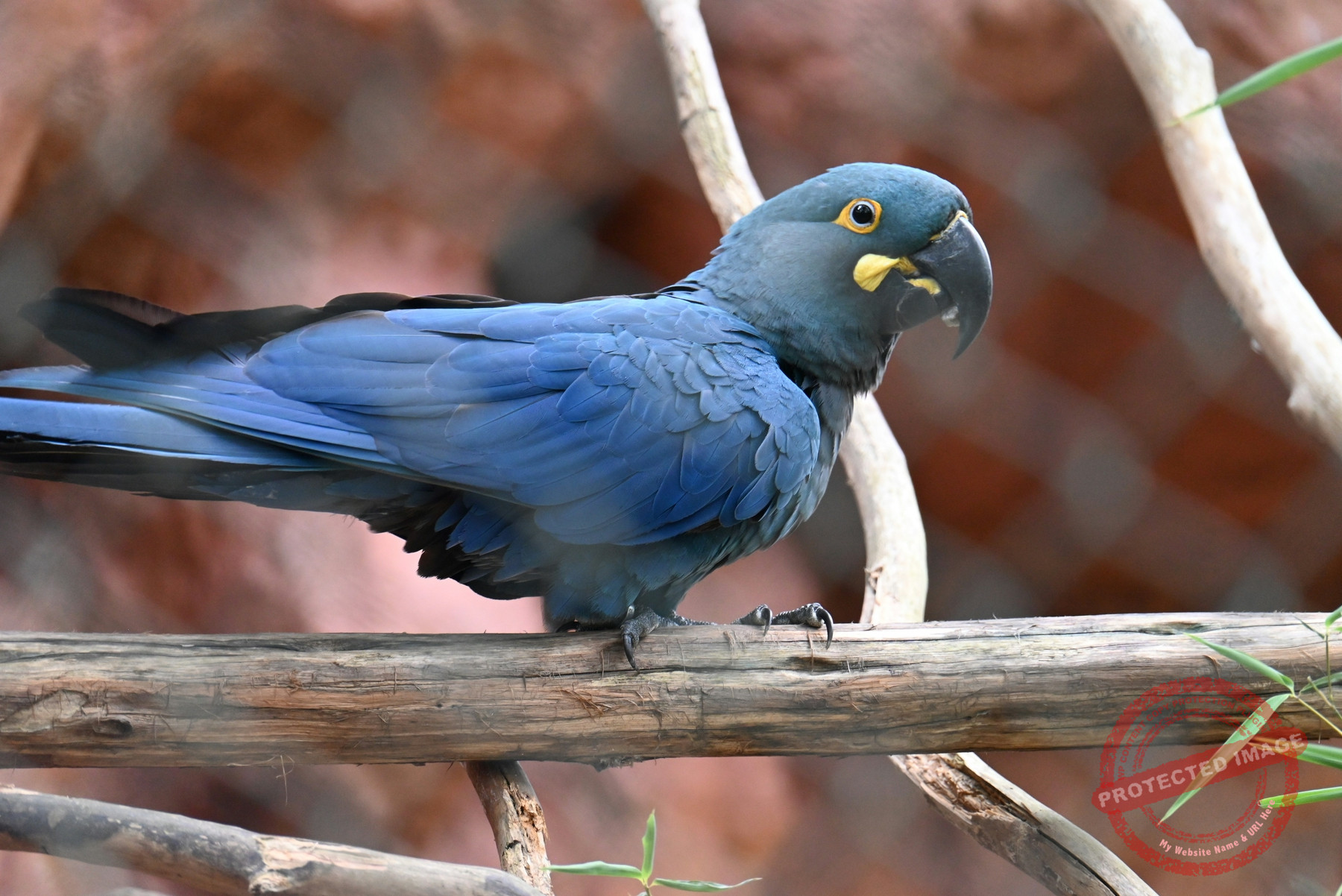
Lear’s Macaw. Photo courtesy Usman912/www.shutterstock.com
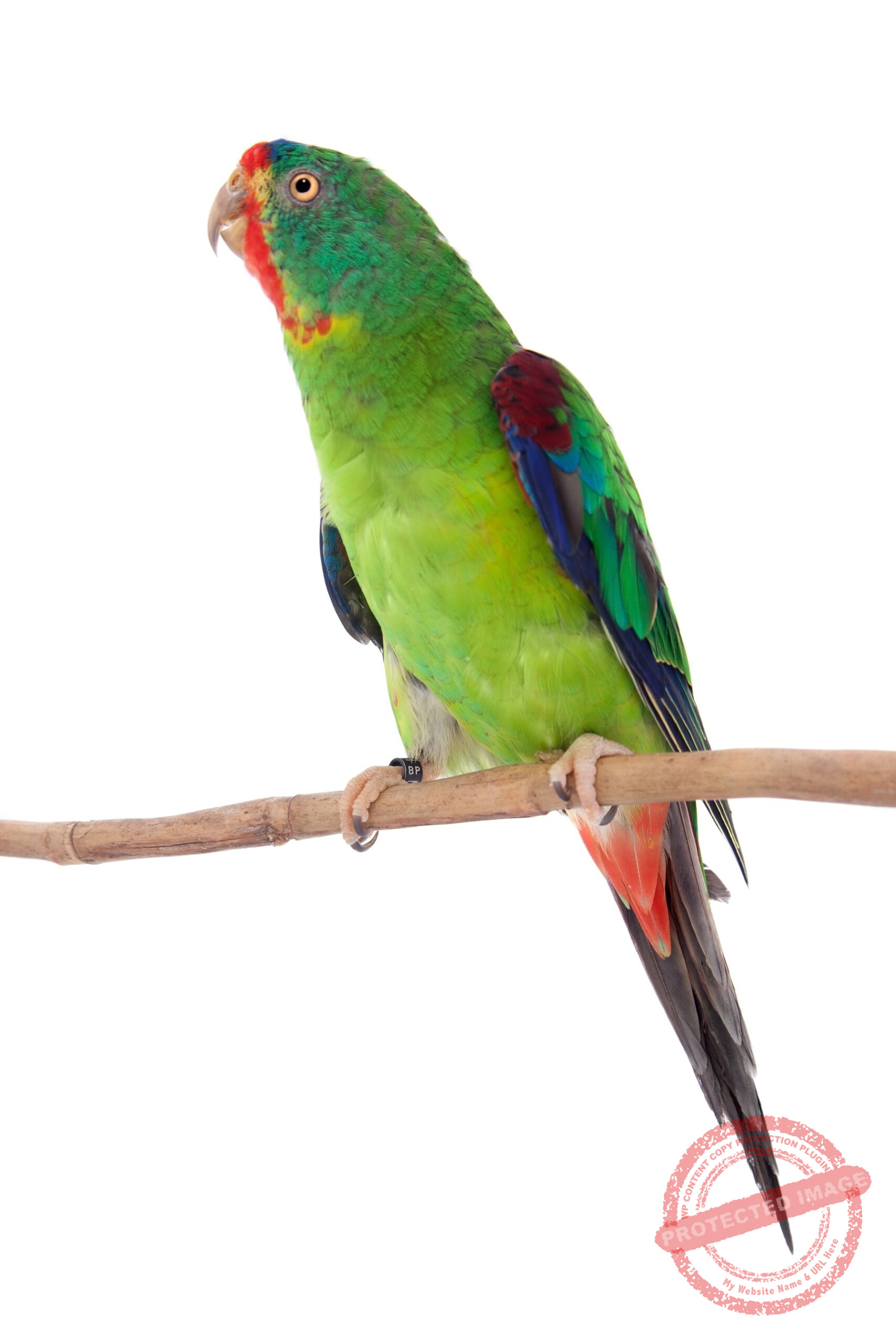
Swift Parakeet. Photo courtesy Rosa Jay/www.shutterstock.com
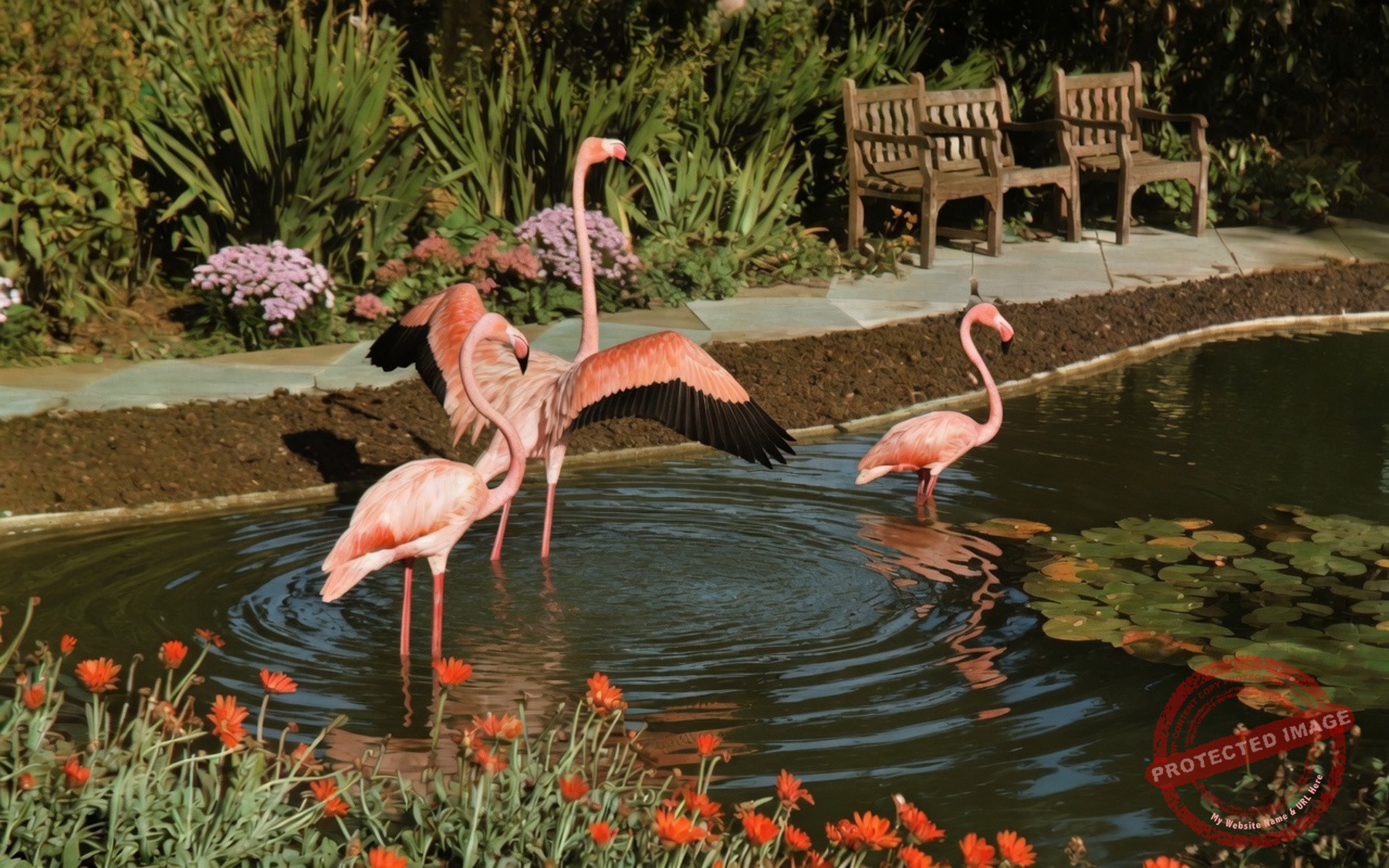
Cuban Flamingos at Birdland.
Hill’s most unexpected move came in 1970, however, thousand of miles away from this blissful setting, on the fringes of the Antarctic. For the sum of approximately $7,400 (£5,500), he purchased the remote, uninhabited Jason Islands (known as Grand Jason and Steeple Jason) in the Falklands — the north-westernmost islands of the archipelago. He turned them into a private bird reserve, swapping a few of the resident penguins there for stock from other UK collections to enrich the range of species that could be seen at Birdland.
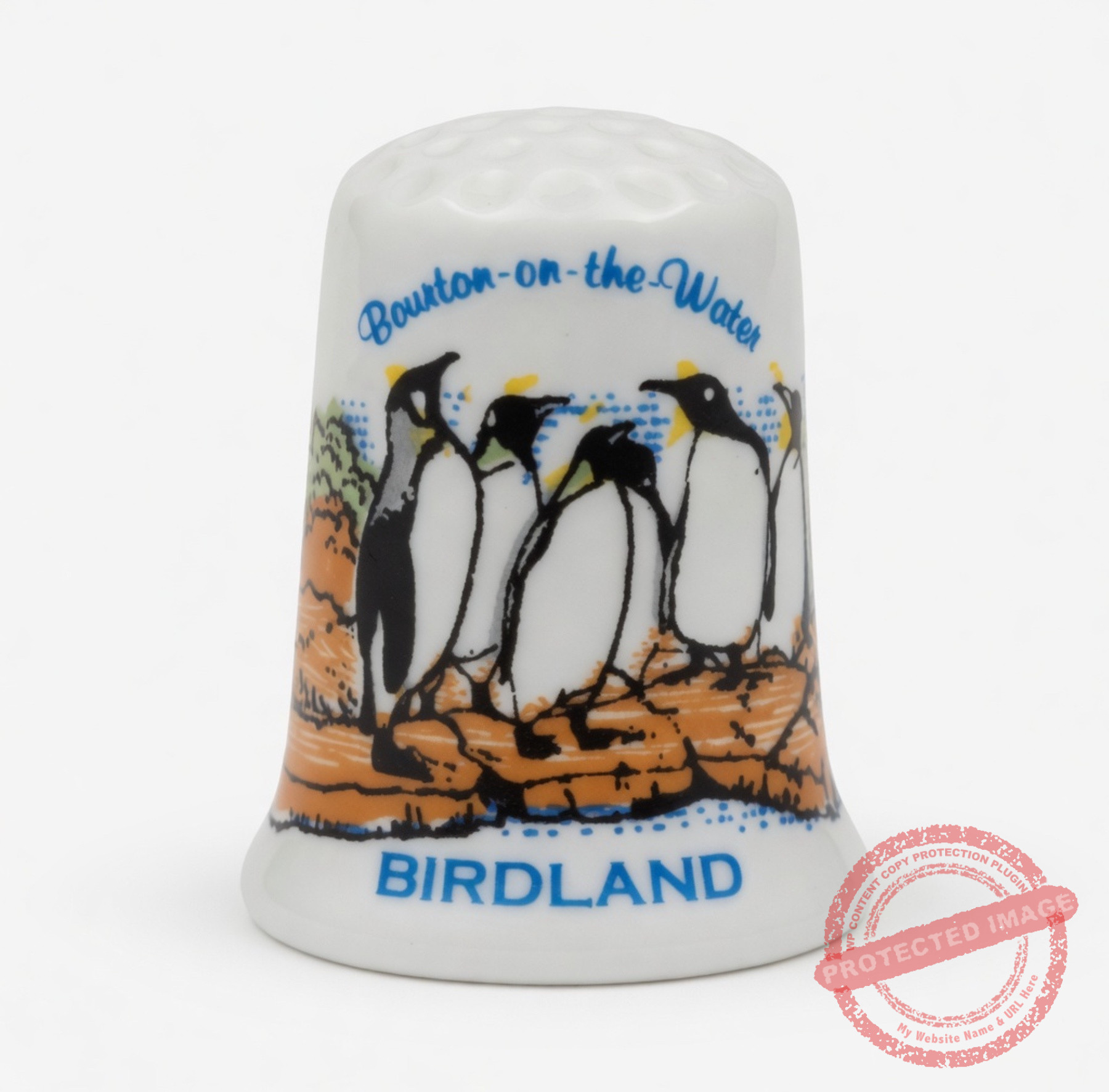
A promotional thimble featuring penguins sold to visitors to Birdland.
In order to help fund this ambitious project, Hill commissioned his own postage stamps in 1970 (featuring his portrait, the islands, and Gentoo Penguins under the banner “Conservation Year”) and even issued a series of private banknotes in five denominations, illustrated with penguins and his own image. The notes were marked “valid until 31 December 1979.” The Falkland Islands Government wisely chose not to intervene in what was clearly a private, if flamboyant, initiative. Hill, meanwhile, was accorded the nickname of the “Penguin Millionaire,” thanks to the number of penguins which he was then responsible for overseeing.
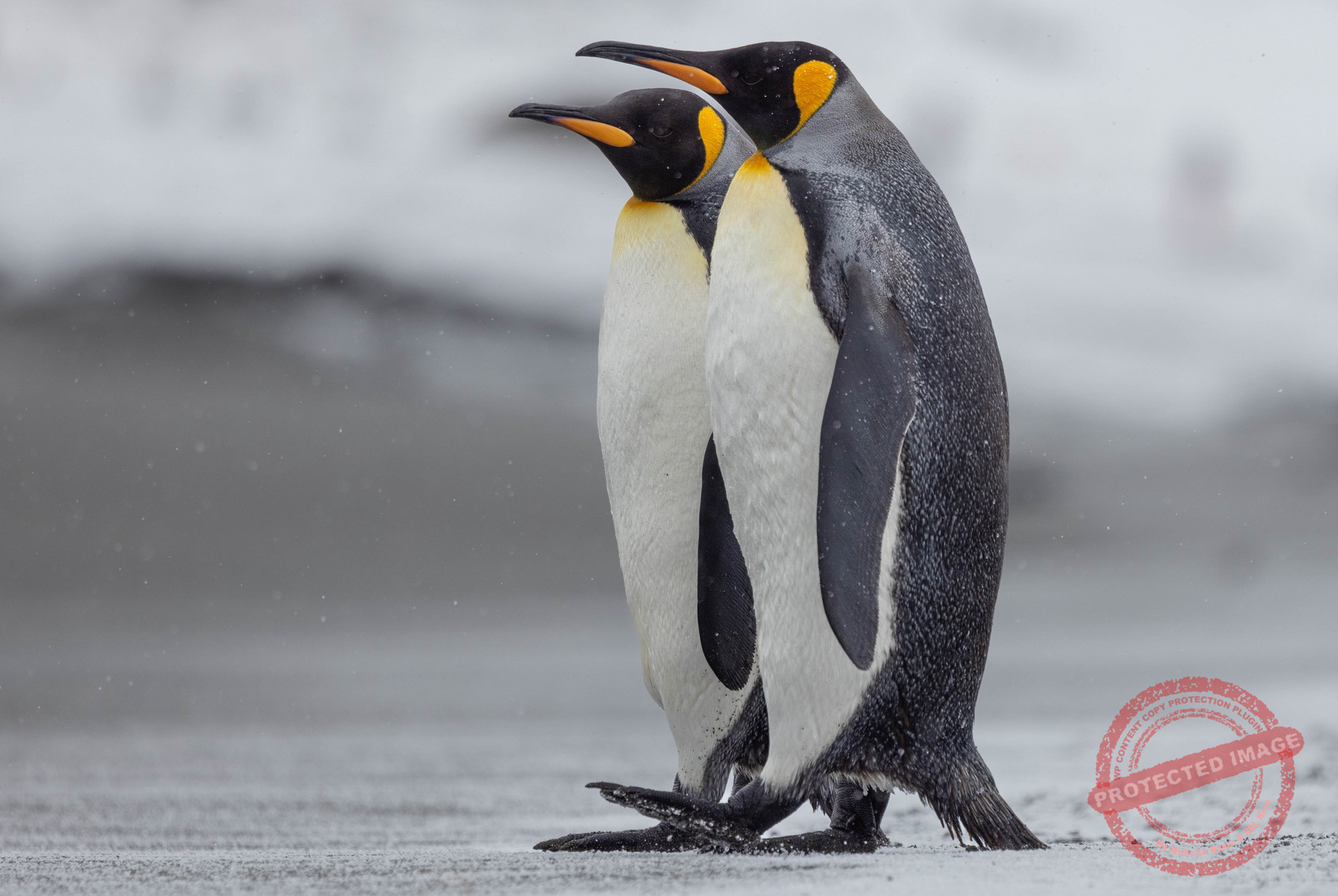
King Penguins (Aptenodytes patagonicus) were a major draw for visitors coming to Birdland. They are the second largest species of penguin in the world. Photo courtesy Shlomi Hasan/www.shutterstock.com
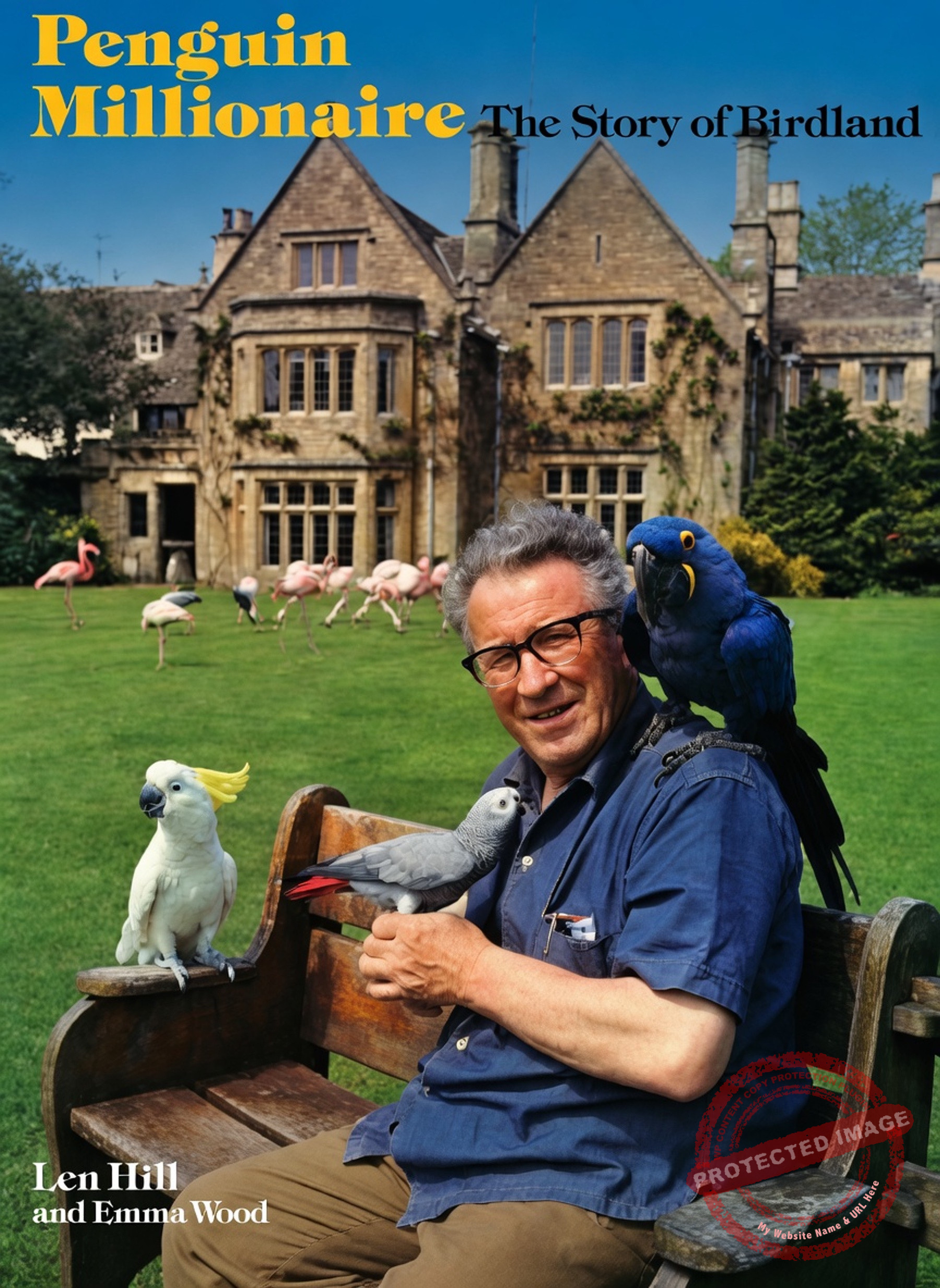
Len Hill’s autobiography was published under the title of Penguin Millionaire.
Hill even provided live King Penguins for the 1992 film Batman Returns which starred Michael Keaton in the title role. Unsurprisingly, they became a star attraction at Birdland itself. The park also supplied the Royal Air Force’s Central Flying School with a succession of pelican mascots beginning in 1962. Overall, this collection offered visitors something special: over 150 open aviaries, many built in part using local Cotswold stone, set amid gardens and woodland, with the River Windrush flowing through the grounds.
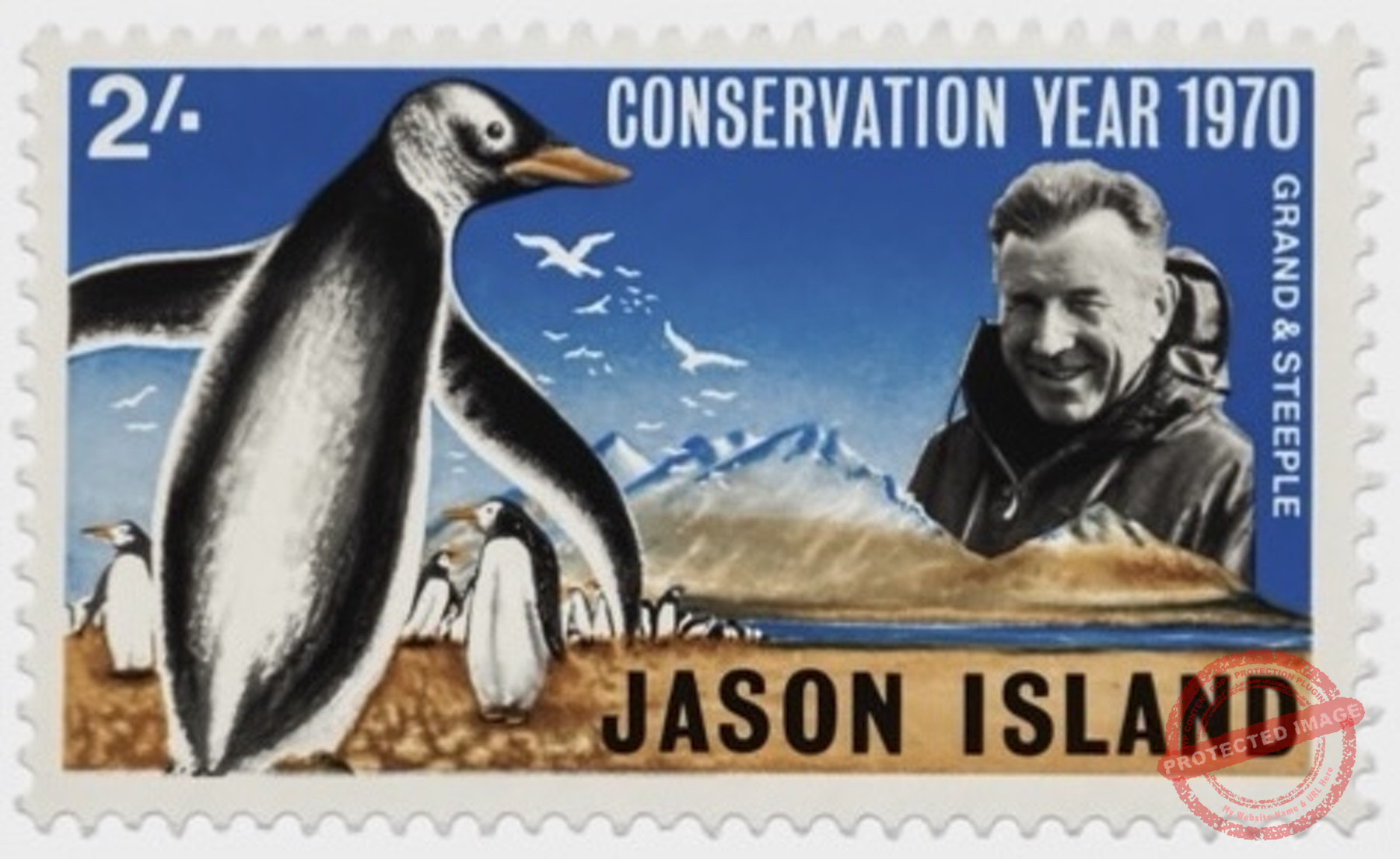
One of the stamps released by Hill, after his acquisition of the Jason Islands.
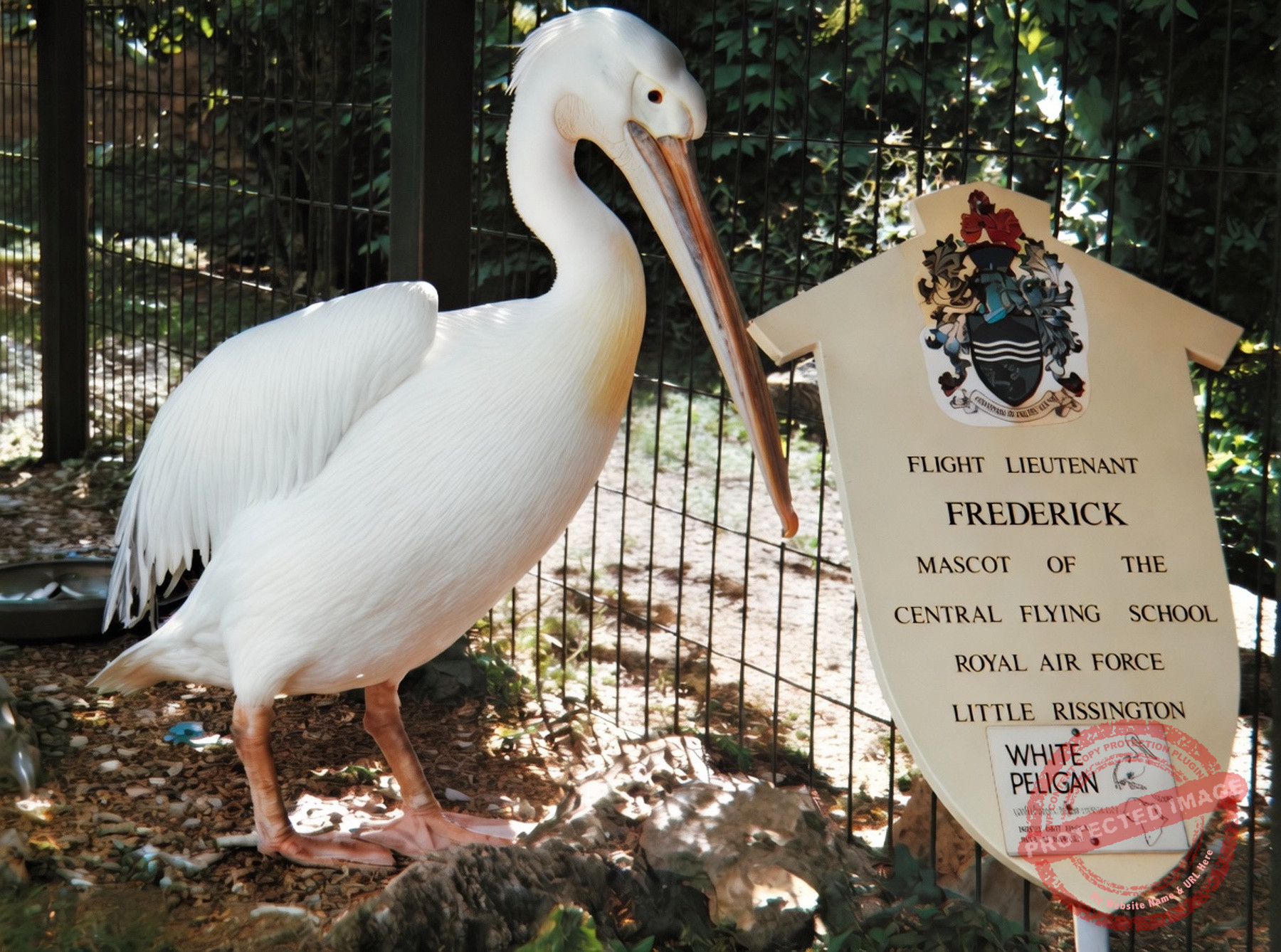
One of the Air Force pelican mascots that lived at Birdland.
In spite of his remarkable effort however, financial pressures again eventually told. After Hill’s death, his family sold both the park and the islands. Birdland moved in 1989 to its present larger seven acre (2.8 ha) site — a former poplar plantation and trout farm — where more than 150 mature trees still create a beautiful canopy. The new owners, first the Trigg family and then later Ian Cunningham of Livingstone Leisure, have kept the spirit alive. Now known as the Birdland Park and Gardens, it welcomes around 73,000 visitors a year, houses some 500 birds, participates in international breeding programs including for the vulnerable and beautiful Golden Conure (Guaruba guarouba), and features a Desert House and the Marshmouth Nature Reserve alongside the river.
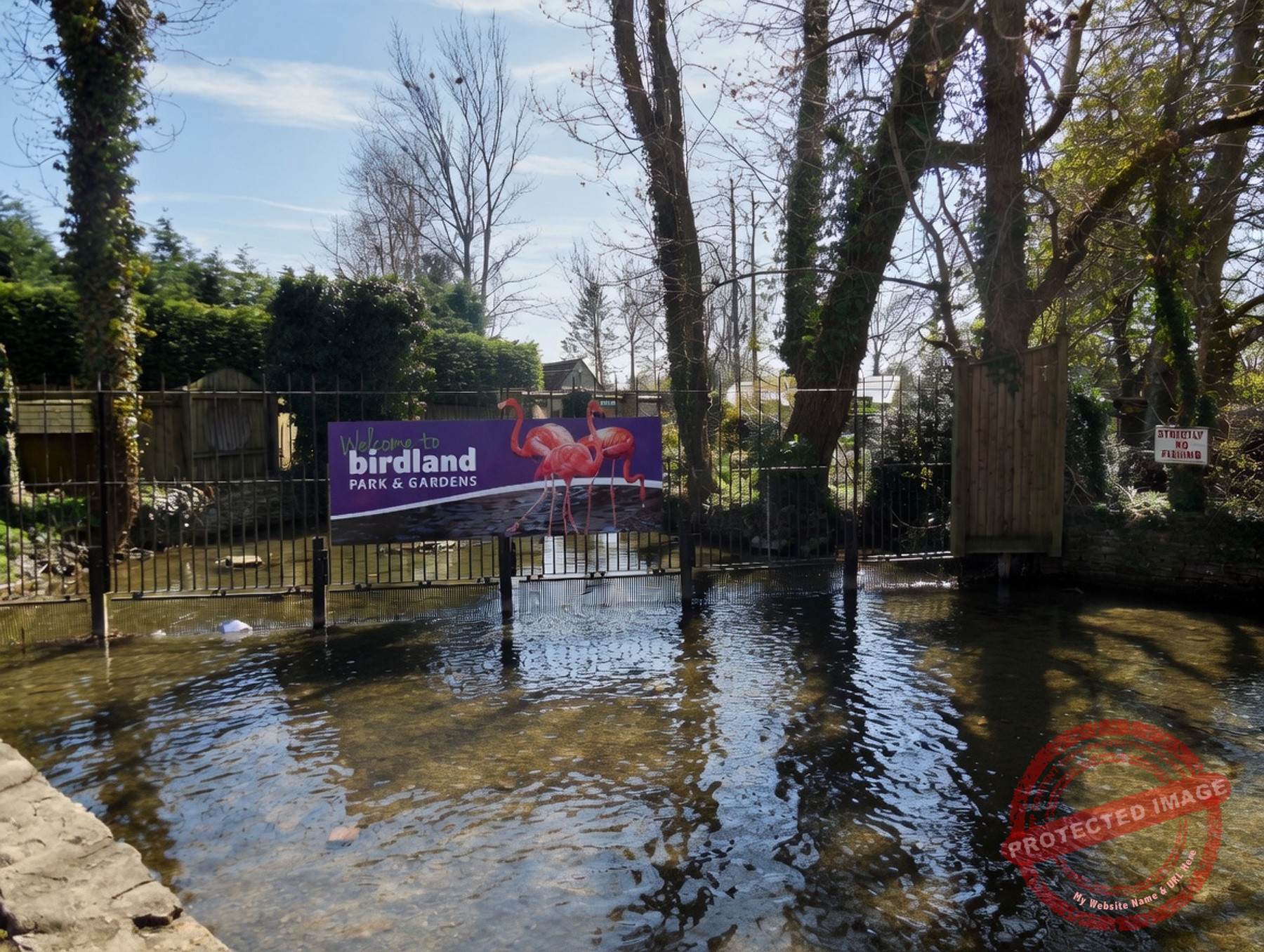
The new location of this famous bird collection still lies in the same village today.
It still remains one of the most charming and enduring legacies of that pioneering era today. While some of the original intimate magic of the Chardwar years is gone, the spirit of Hill’s vision endures in a well-regarded collection that continues to delight visitors. Birdland itself stands as one of the success stories from that era, being a bird garden that adapted and survived where others did not, and has managed to retain much of its original ethos.
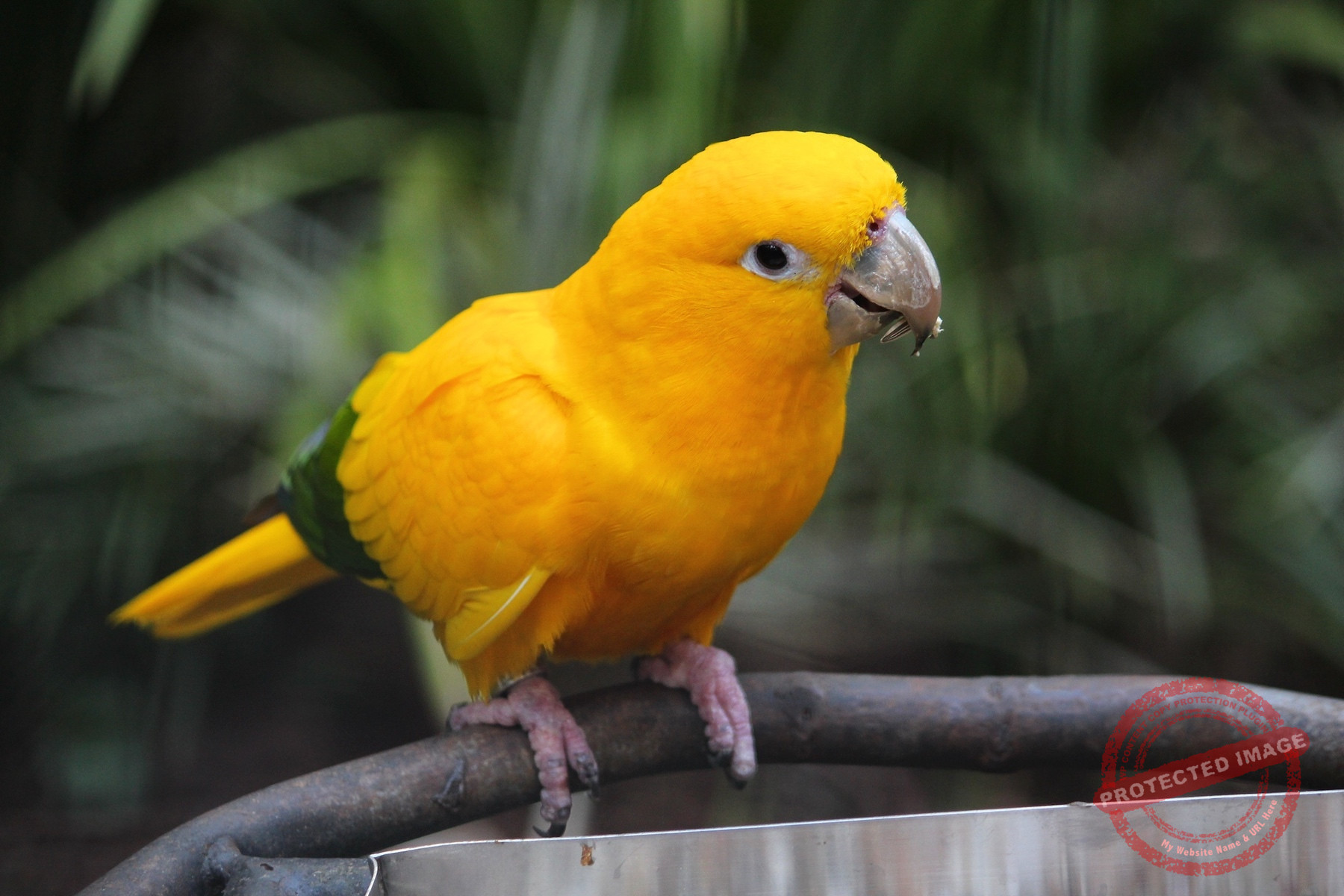
The Golden Conure is one of the most attractive species being bred at Birdland Park and Gardens today. Photo courtesy Tupungato/www.shutterstock.com
A Welsh haven
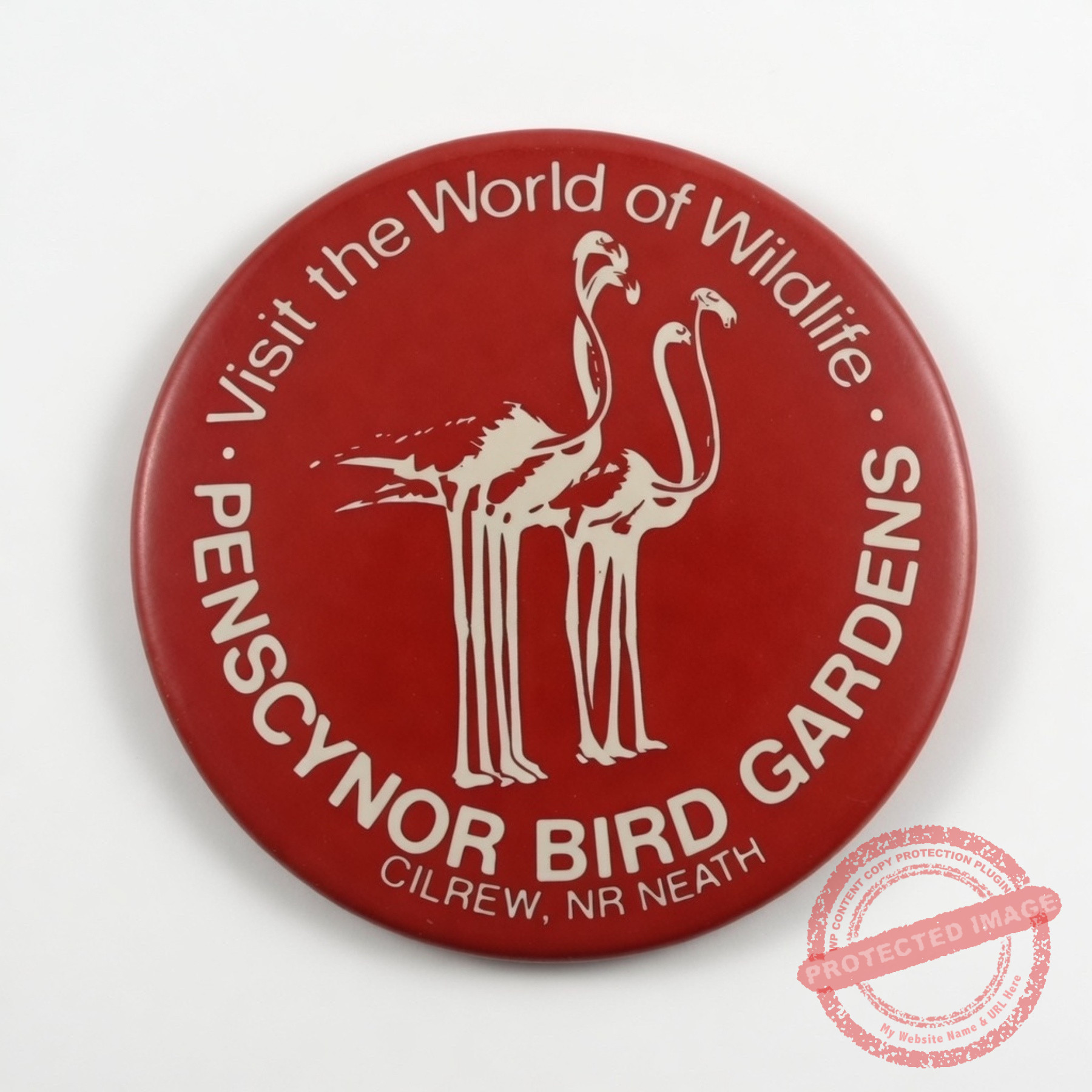
Penscynor Bird Gardens Pin.
Meanwhile, further to the west in the lush Neath Valley of South Wales, near to Cilfrew, another builder decided to combine his construction skills with his interest in birds. What had simply started out in 1966 as Idris Hale’s personal bird collection continued to expand and ultimately opened to the public in 1971, as the Penscynor Bird Gardens. On its eleven acre (4.5 ha) site, it became one of Wales’s biggest tourist attractions during the 1970s and 1980s, ultimately developing into a fuller wildlife park.
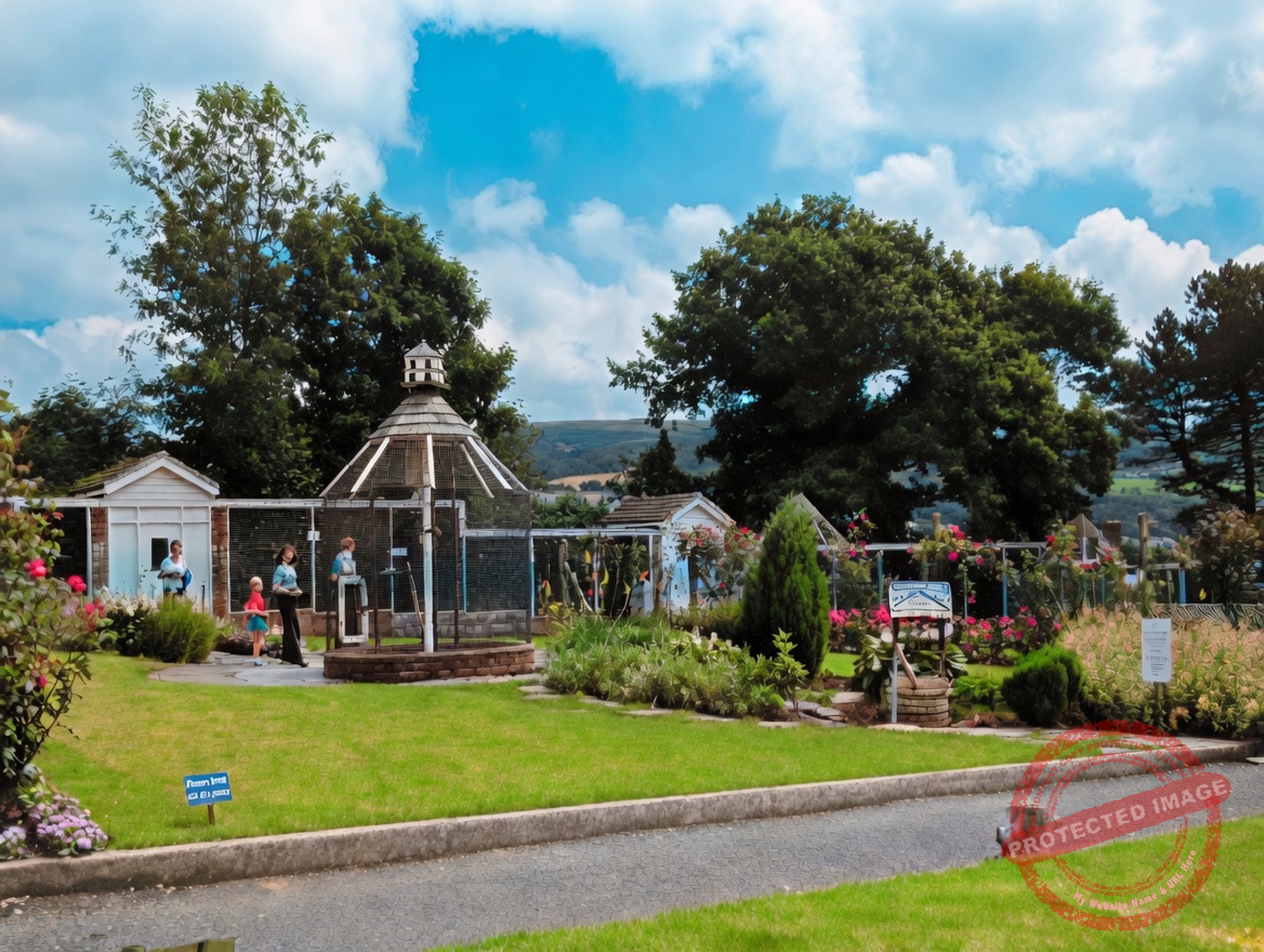
Penscynor Bird Gardens view.
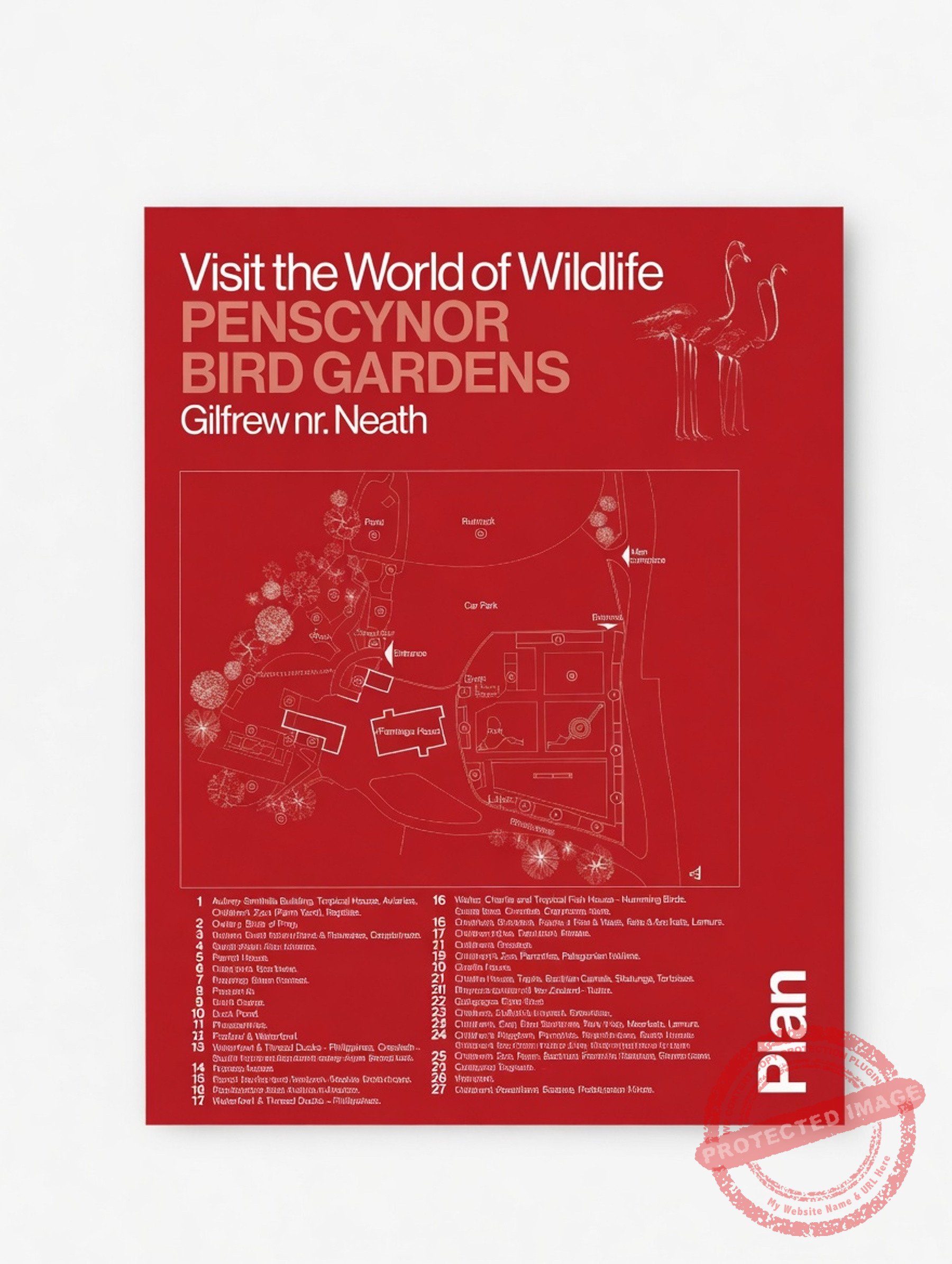
Penscynor plan 1
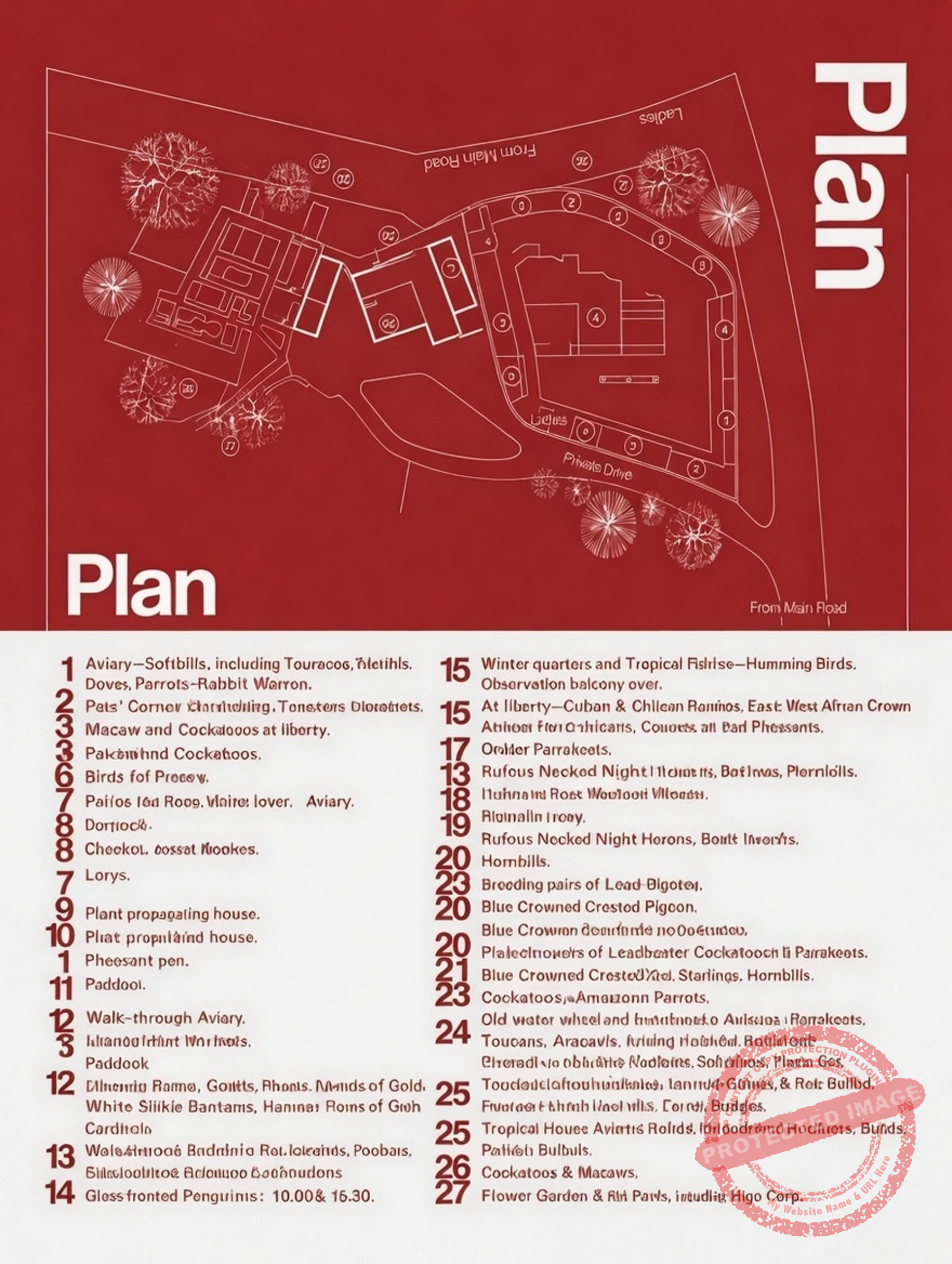
Penscynor plan 2
It provided a venue for countless school trips and family days out, offering close encounters in a picturesque valley setting that felt both adventurous and immersive. Its popularity was enormous, but like many of its contemporaries, it eventually faced insurmountable challenges.
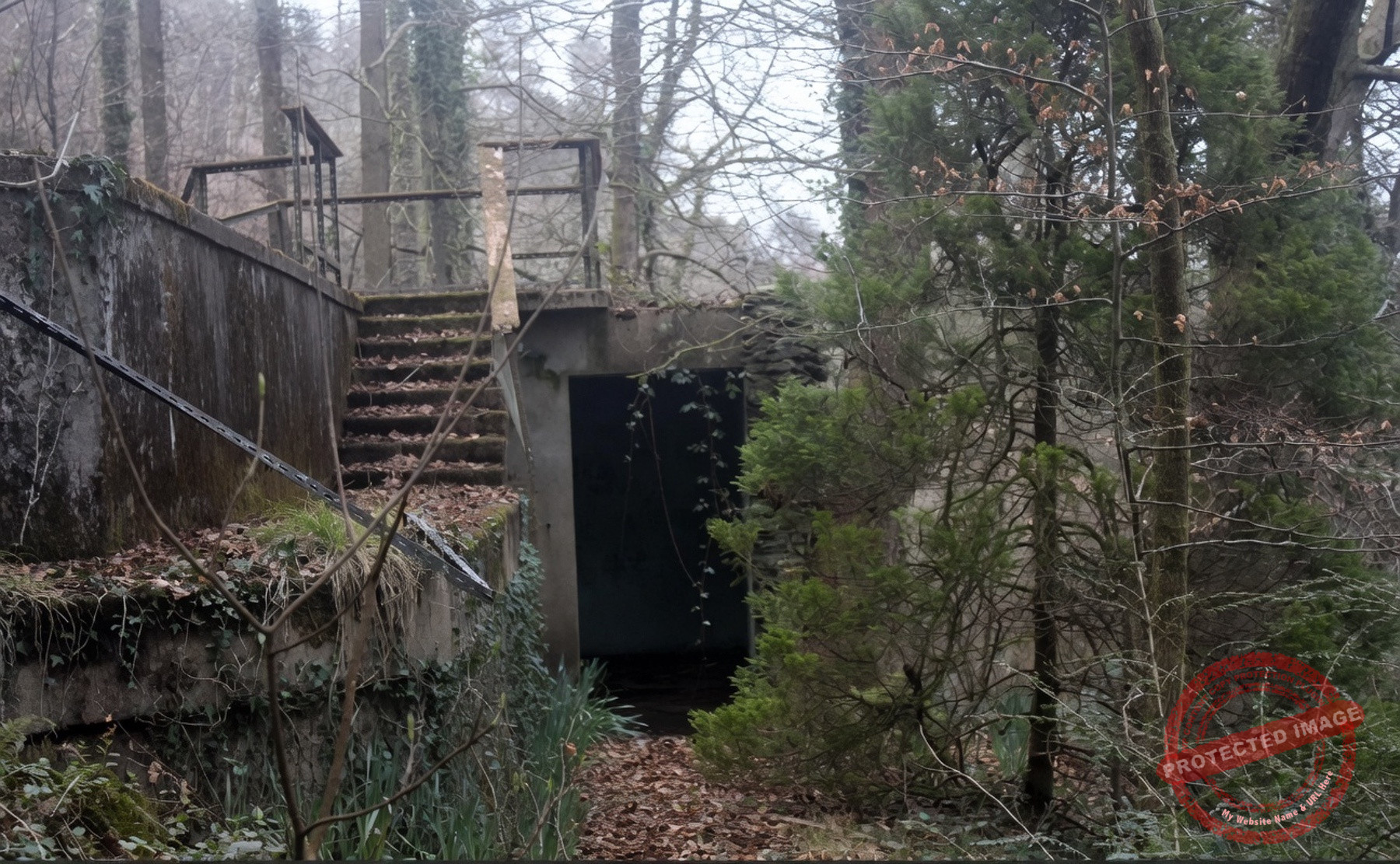
The ghostly ruins of the penguin pool still survive today, over a quarter of a century after Penscynor Bird Gardens closed.
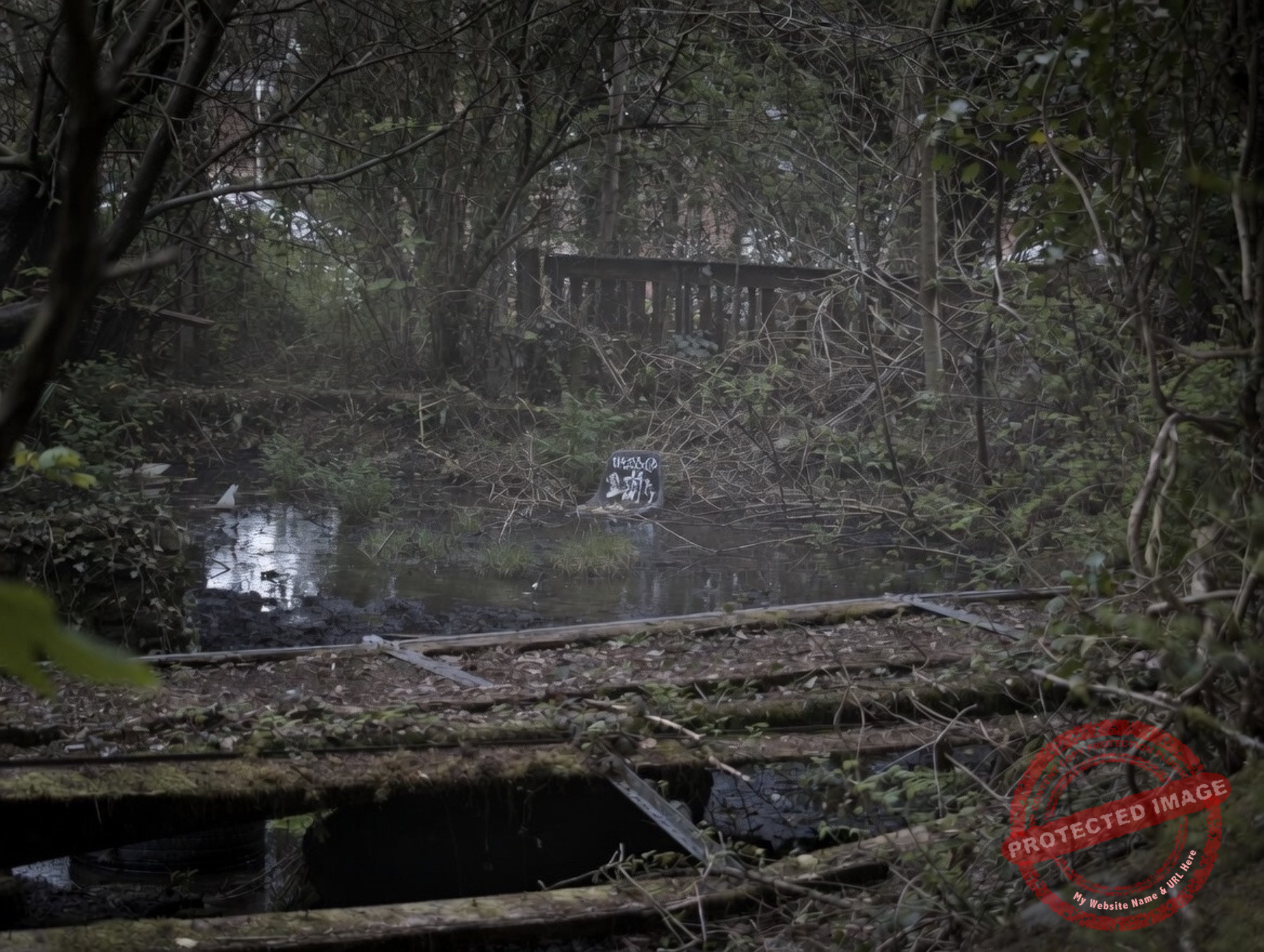
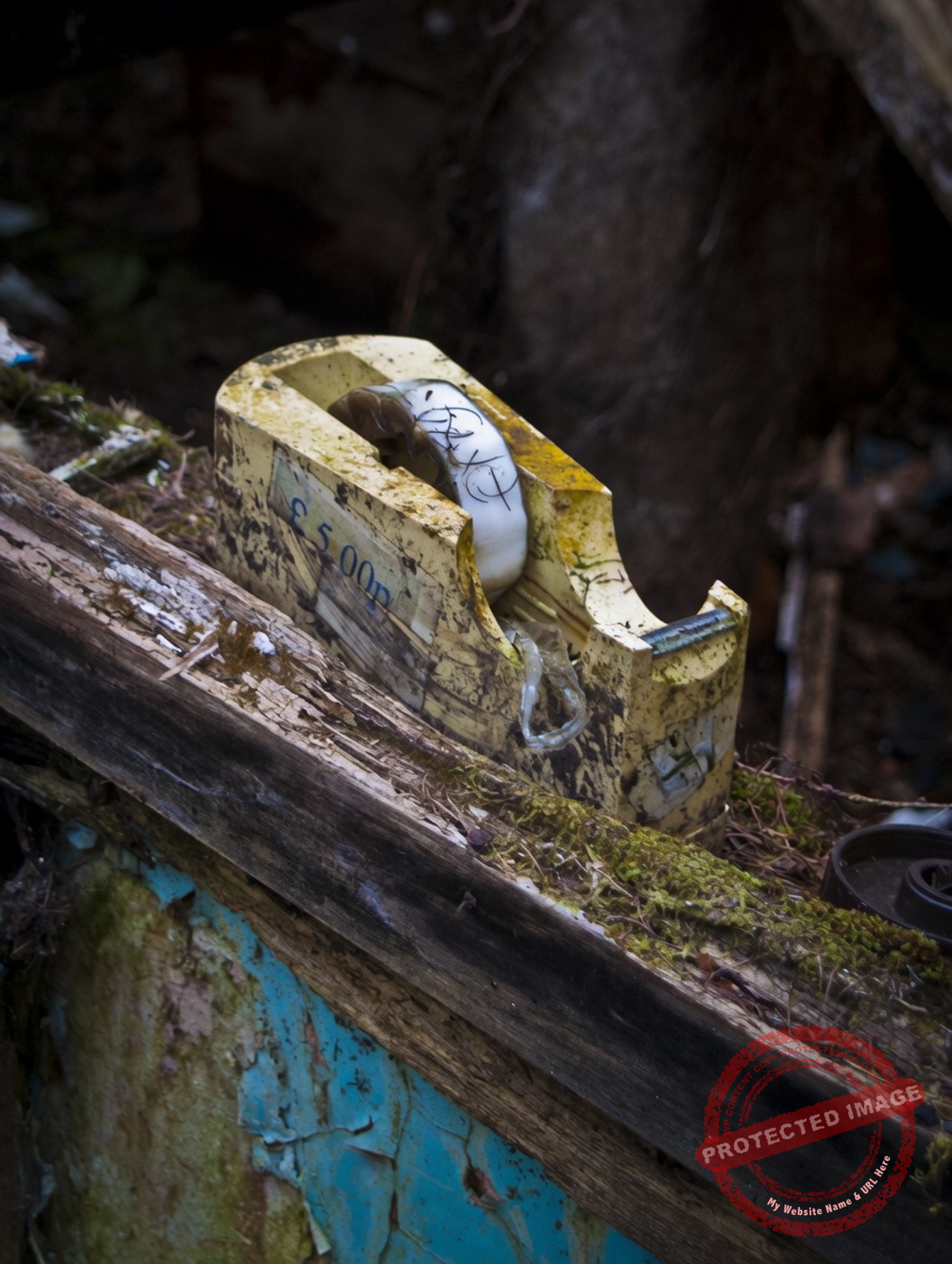
The ghostly ruins of the penguin pool still survive today, over a quarter of a century after Penscynor Bird Gardens closed.
Penscynor closed in September 1998 with the animals and birds being rehomed. Although some of the site was sold for housing, much still remains essentially untouched, including many of the enclosures themselves, creating ghostly atmospheric ruins which nature has started to reclaim.
Enter Birdworld
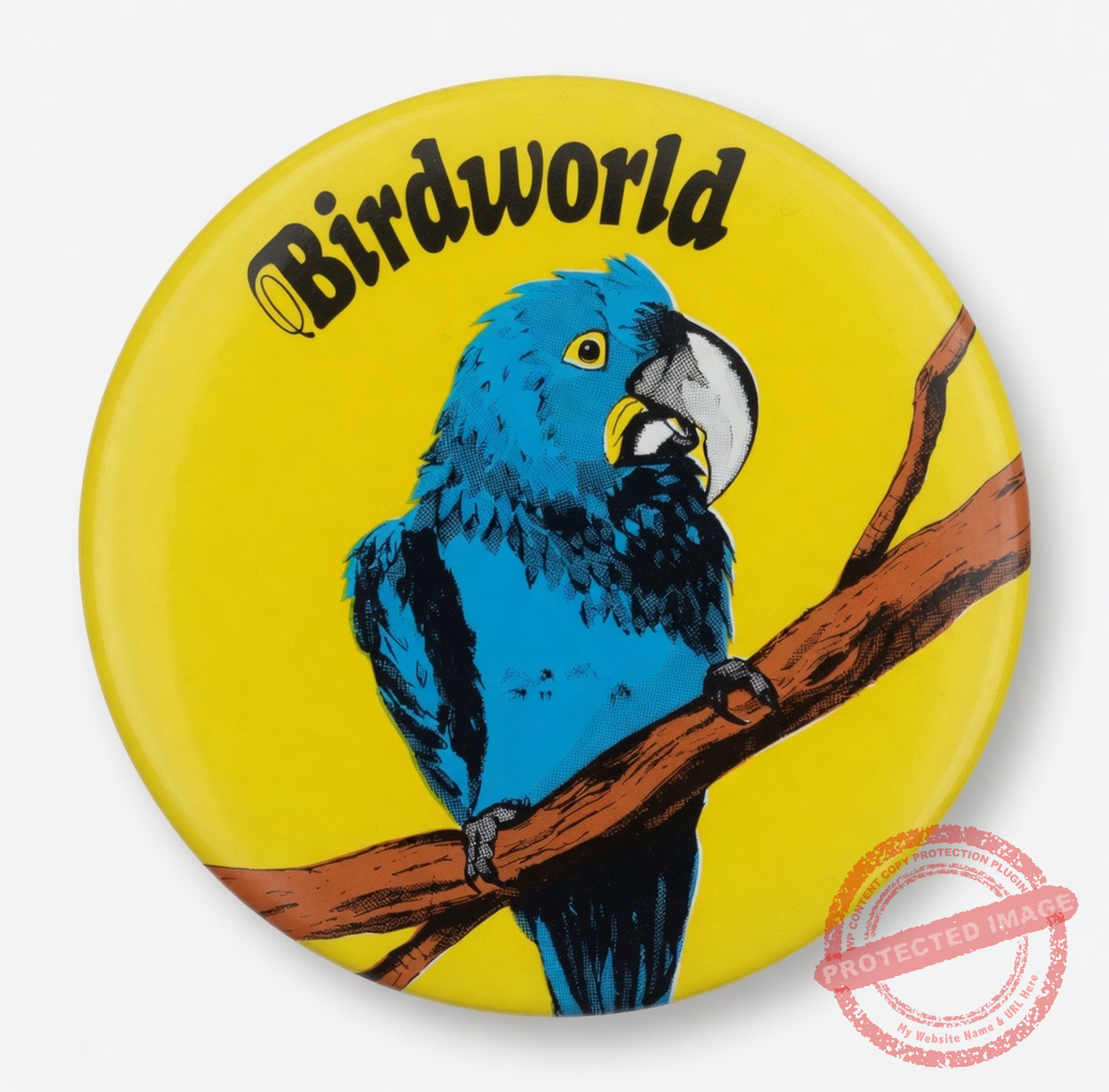
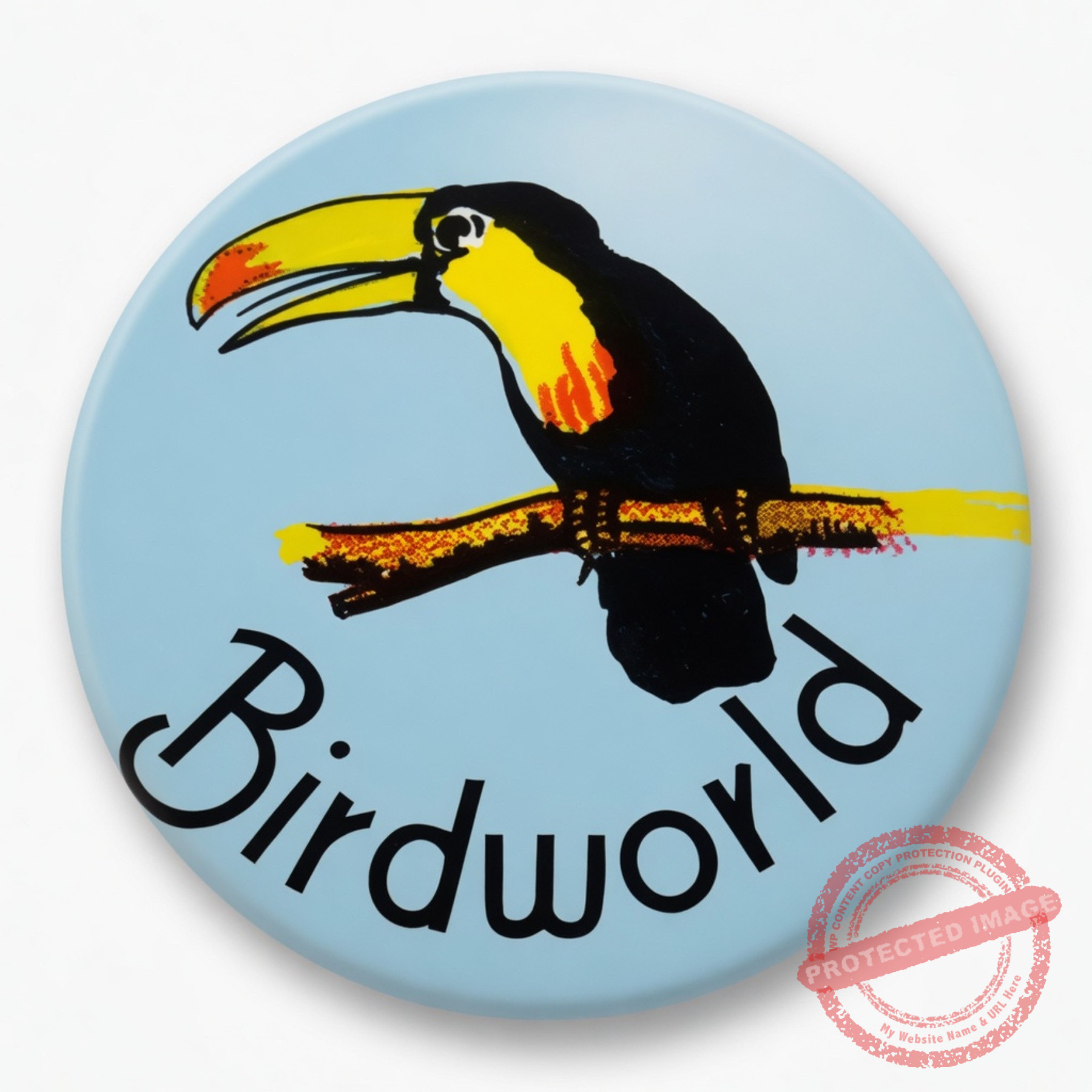
Some distance to the south-west of London, in the wooded area south of the town of Farnham, Roy Harvey and his family opened Birdworld in 1968. Originally having been involved in farming in Gloucestershire, the Harveys moved to Surrey and it was here that their keen interest in birds led to their personal collection developing into a public park. For 28 years, they grew the collection as a true family business, with the next generation taking day-to-day charge in the early 1990s.
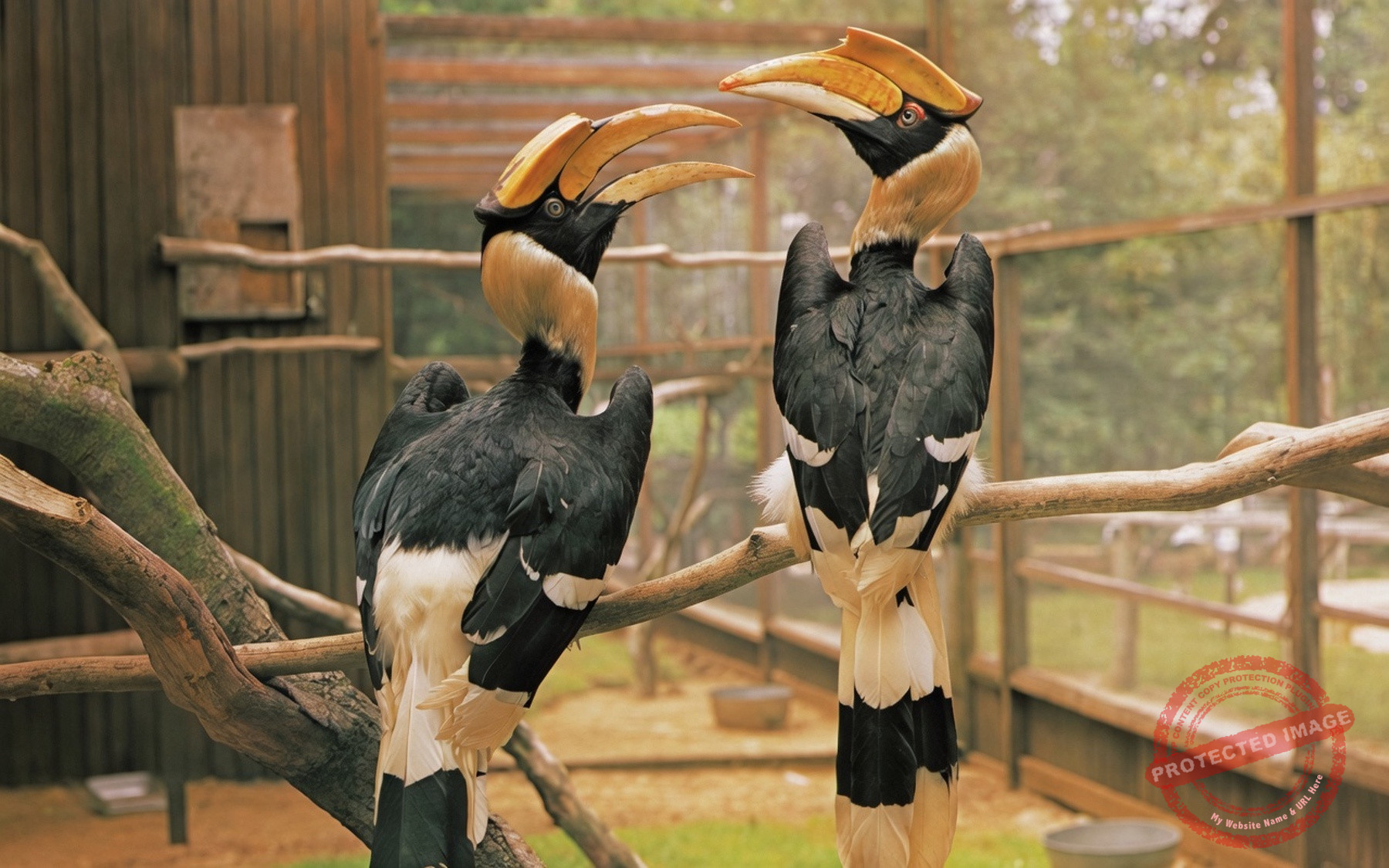
Large aviaries housing an impressive collection of hornbills were a feature of Birdworld, along with macaws.
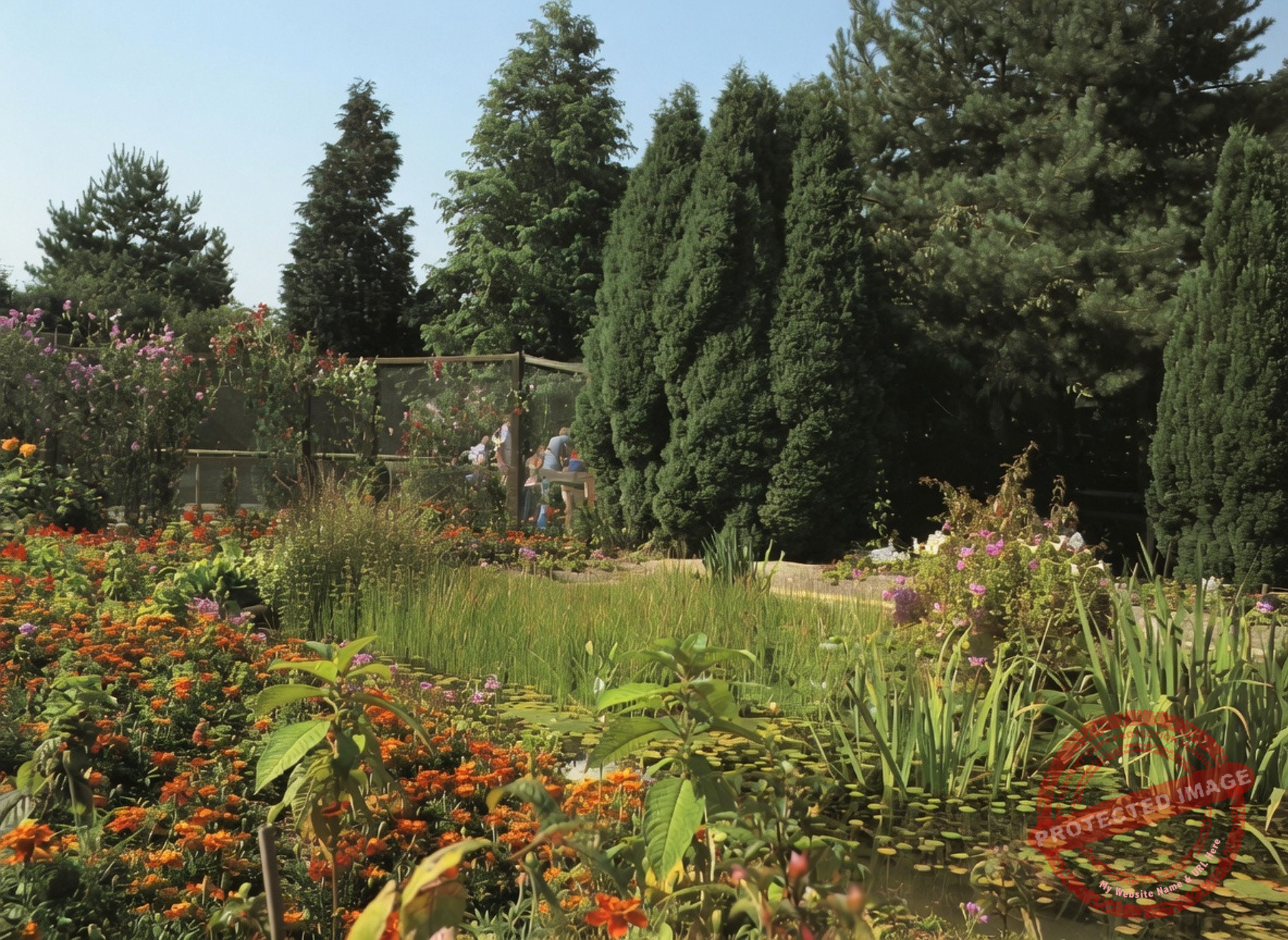
The grounds were very well-designed and landscaped.
Then in 1996, they sold to a retail garden center company, and finally in 2020, Birdworld passed into the care of the Haskins Group, another garden center operation. Rather than fading however, it evolved, adding features like the whimsical Terry Pratchett Owl Parliament, Penguin Beach, walk-through aviaries, and new play facilities, while strengthening its conservation work.
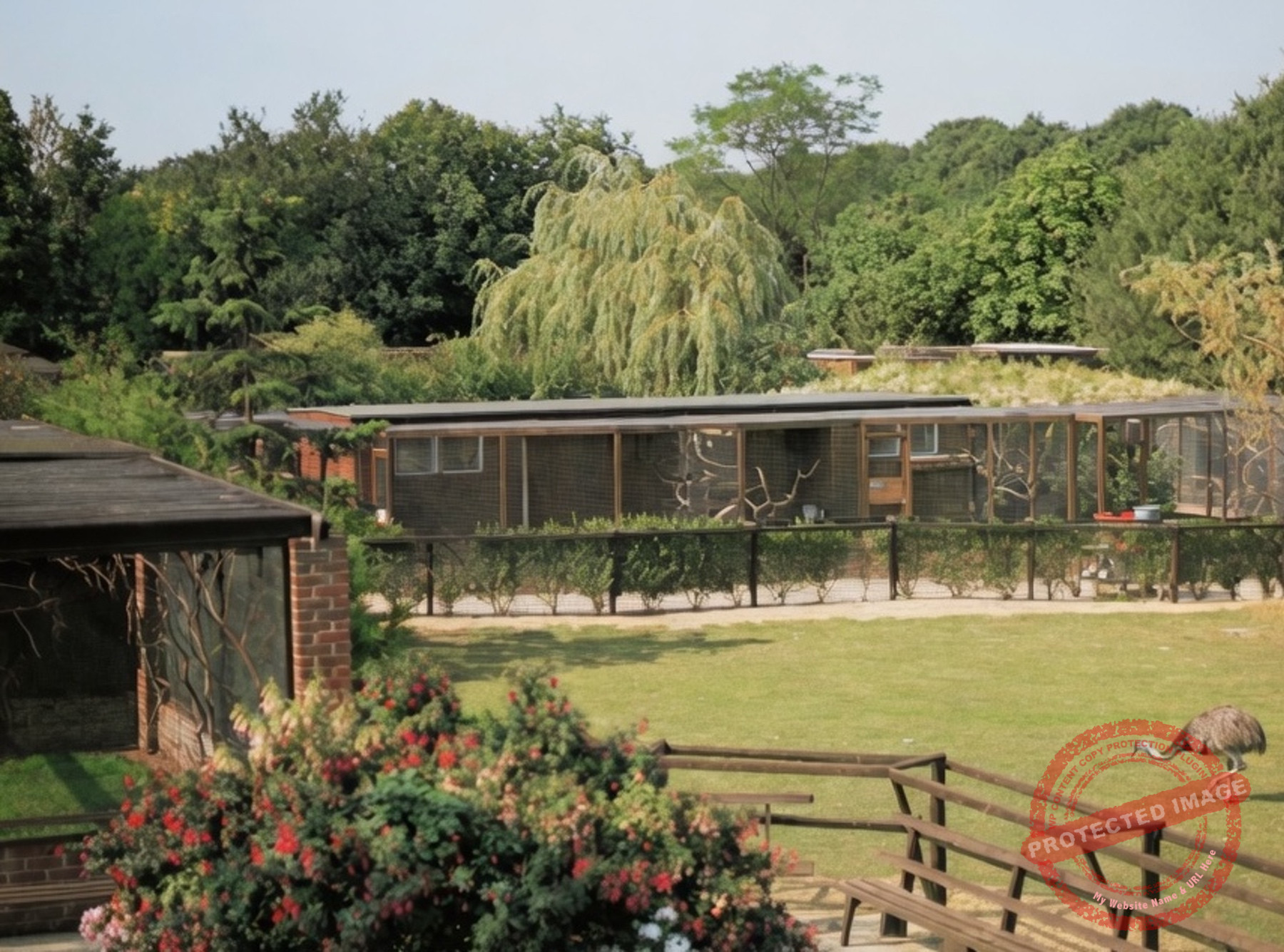
An emu (Dromaius novaehollandiae) explores its paddock at Birdworld back in the 1970s.
Today, Birdworld retains a strong focus on breeding programs as part of its conservation efforts, including the successful breeding of the critically endangered African or Cape Penguin (Spheniscus demersus) with multiple chicks being raised in recent seasons as part of collaborative zoo efforts. Confined to South African waters, this is the only Old World species of penguin.
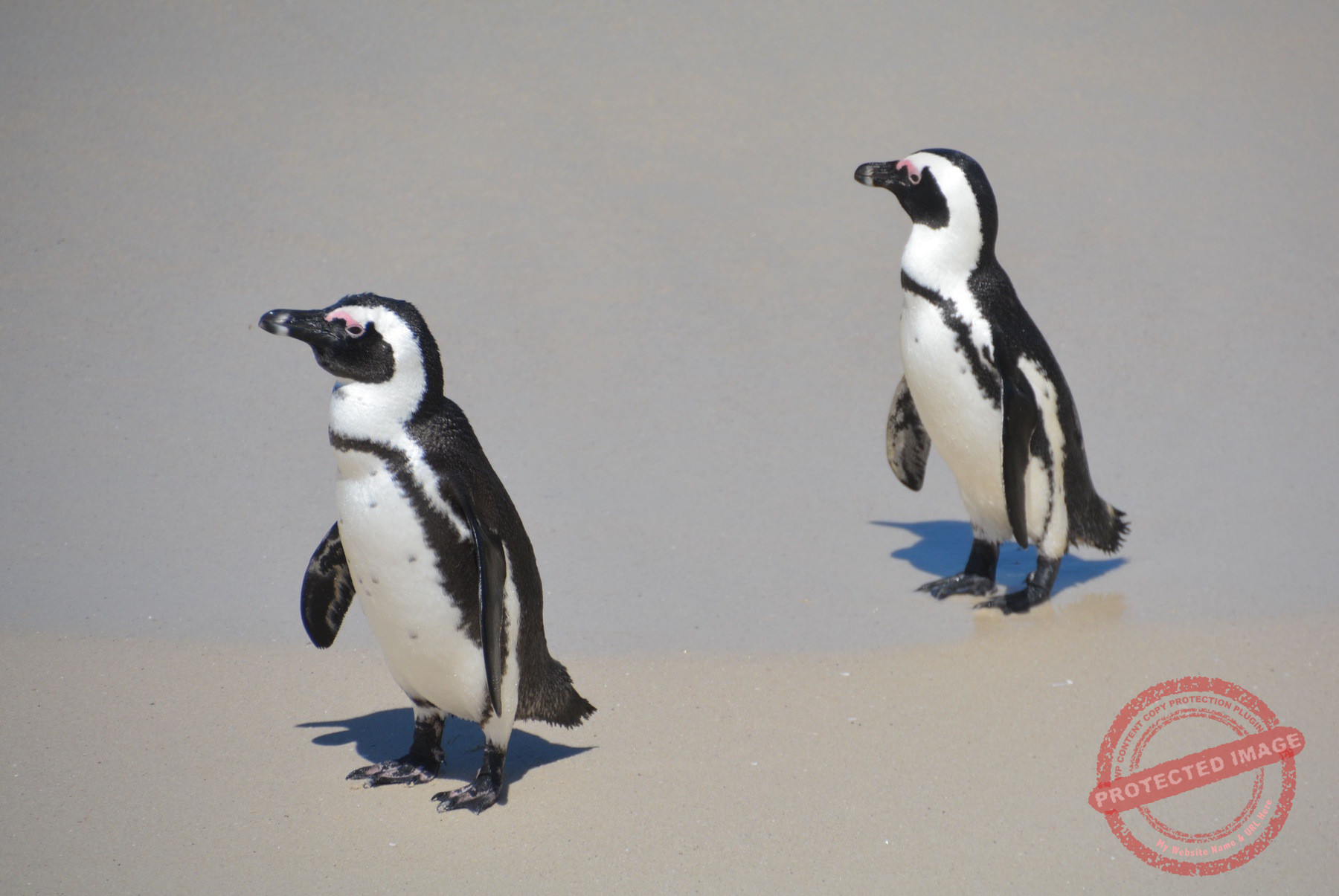
African Penguins are now regarded as highly endangered, but Birdworld is successfully breeding this species. Photo courtesy Susan Diego/www.shutterstock.com
Birdworld has now been recognized as a British and Irish Association of Zoos and Aquariums (BIAZA) accredited attraction, being home to well over a thousand birds today, and has ongoing expansion plans. Unlike many, it has shown that the entrepreneurial family model could, by adapting, survive and prosper in changing times, but corporate investment appears to have played a key role in its survival.
Stagsden Bird Gardens, Bedfordshire
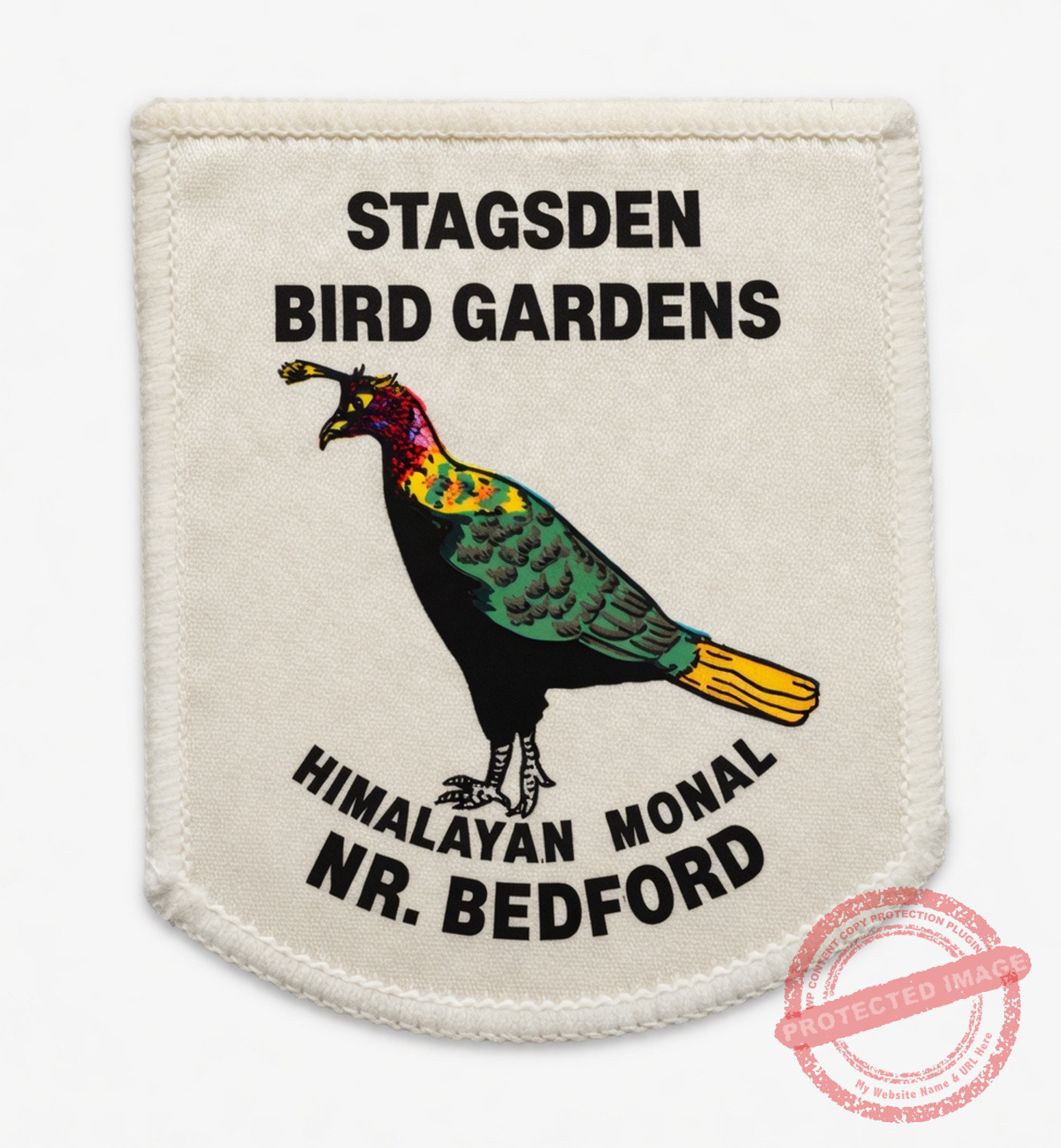
Somewhat further north, in the quiet Bedfordshire village of Stagsden, another private bird garden opened its gates in 1965. Founded by Frederick Ernest Benjamin Johnson (1920-1982), simply referred to as “F.E.B.” by those who knew him well, Stagsden Bird Gardens was set in eight acres (3.2 ha) of attractively landscaped grounds and quickly established a strong reputation among bird enthusiasts. While it housed a wide variety of exotic species, including parrots and pheasants, it became particularly well known for its excellent collection of waterfowl, including the development of a lavender mutation of the Common Moorhen or Waterhen (Gallinula chloropus).
Unlike some of the more commercial operations that emerged during this period, Stagsden retained a distinctly personal character. Frederick Johnson ran the gardens with a clear passion for the birds themselves, and the collection was noted for its quality and careful husbandry. For nearly three decades, it offered visitors a peaceful and rewarding day out, drawing both families and serious aviculturists who appreciated the standard of the birds and the setting.
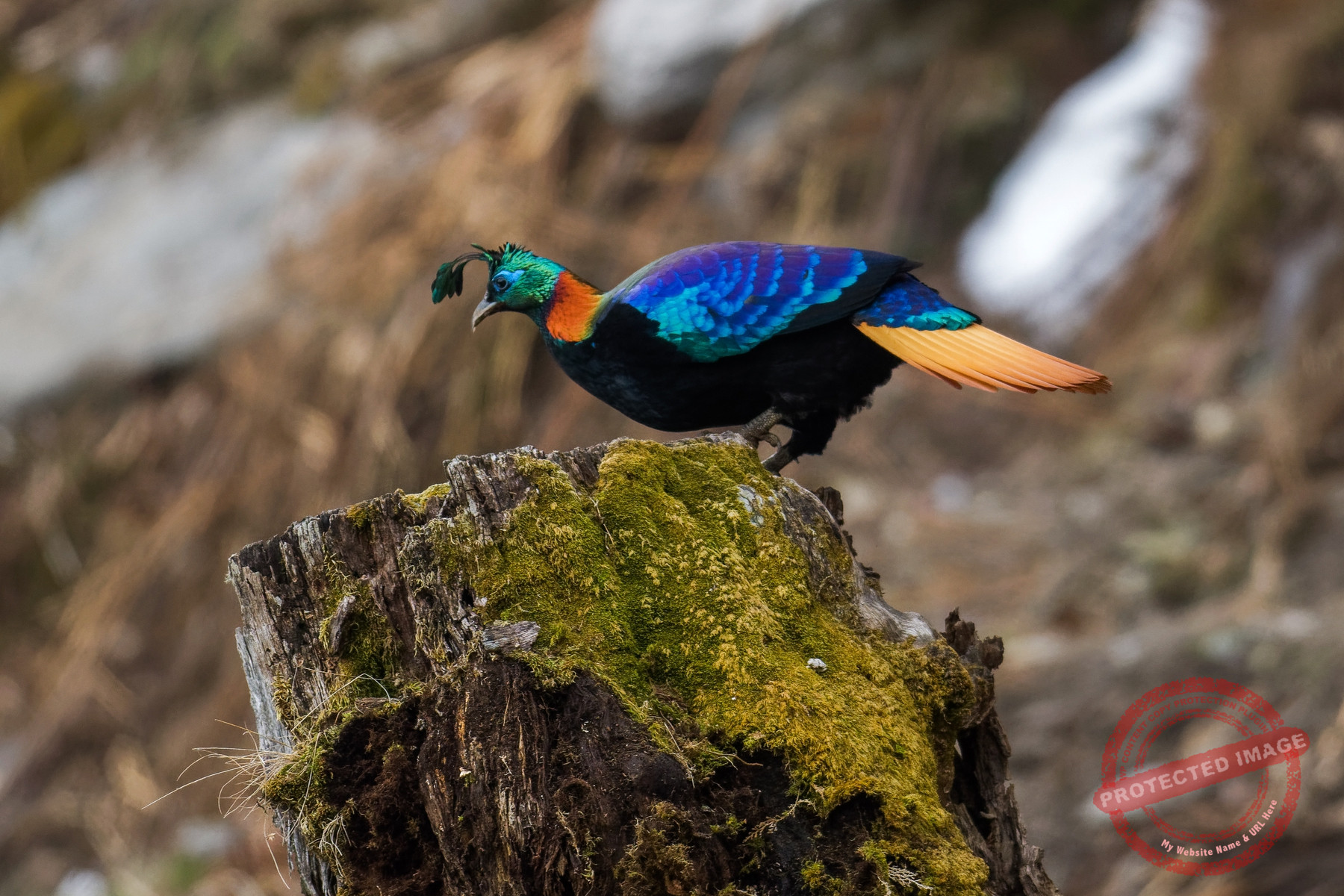
The spectacular Himalayan Monal (Lophophorus impejanus) was one of the species to be seen at Stagsden. This pheasant from the Himalayan region is the national bird of Nepal. Photo courtesy Kamal Hari Menon/www.shutterstock.com
Stagsden Bird Gardens belonged firmly to the same tradition as the other privately run collections of the era: an owner-led venture born out of a genuine enthusiasm for exotic birds. It never sought to become a large theme-park style attraction, remaining focusing instead on the birds and the pleasure of seeing them in well-planted surroundings.
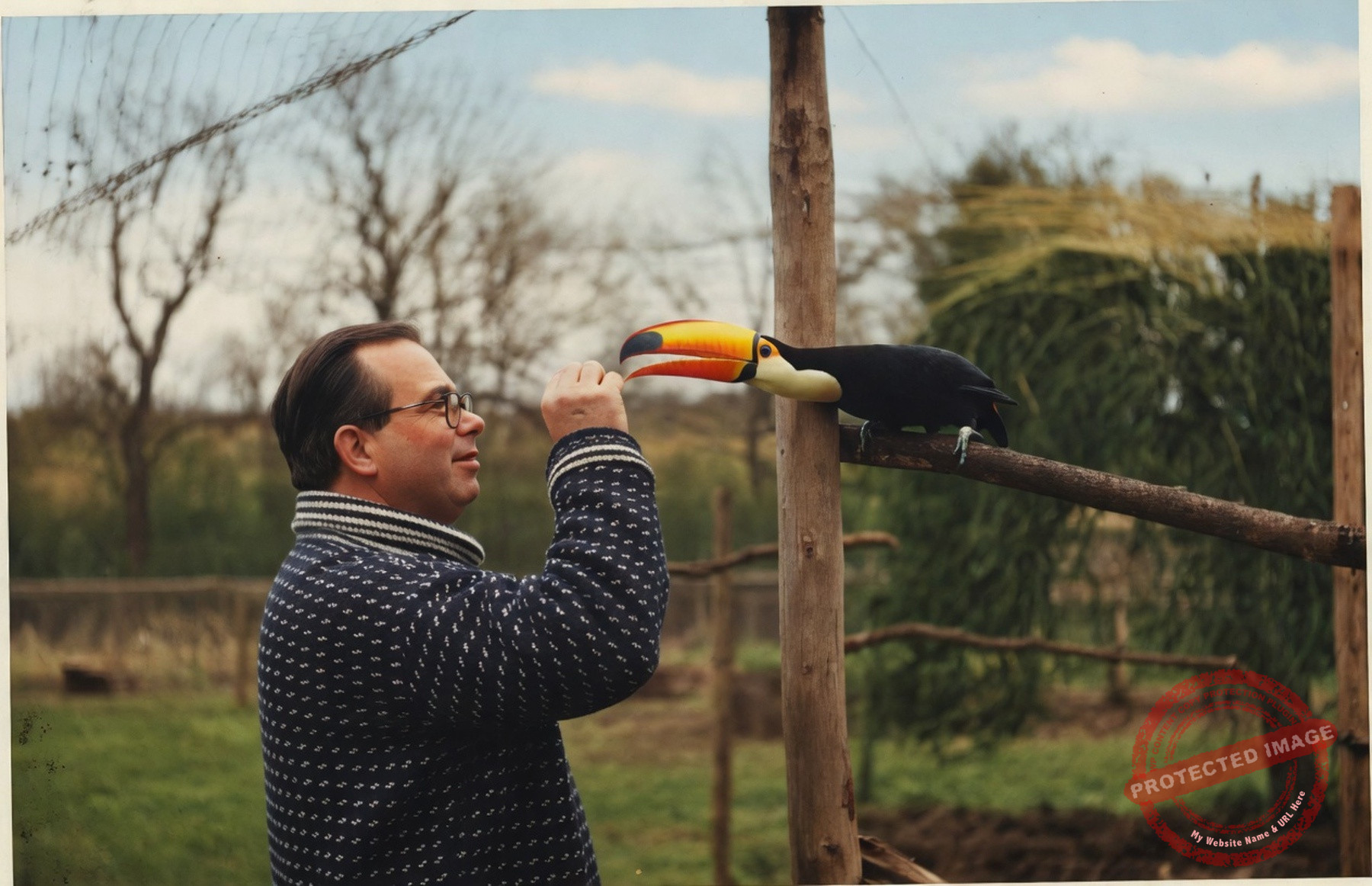
A Toco Toucan being offered a treat in one of the aviaries at Stagsden by “F.E.B.”. There were also large paddocks for cranes.
The gardens continued to operate successfully for more than a decade after Frederick Johnson’s death. Like so many similar establishments however, it eventually closed as rising costs and changing circumstances made it increasingly difficult to sustain. Having run out of options, Stagsden Bird Gardens shut in September 1994. The Rayment family, who were the owners at the time, tried to sell the collection and business as a going concern, but unfortunately there were no buyers.
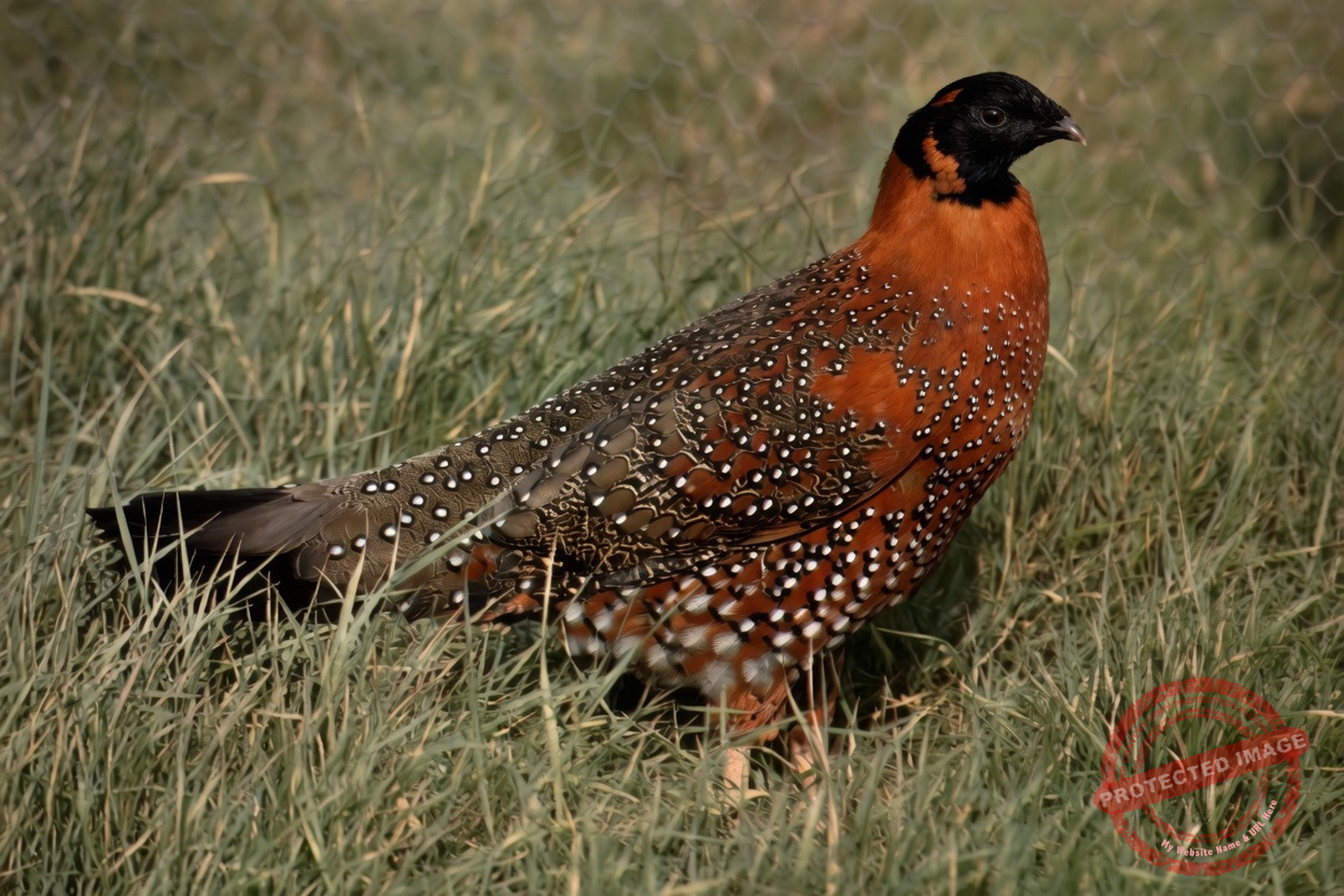
A male Satyr Tragopan (Tragopan satyra), another member of the pheasant family from the Himalayas kept at Stagsden Bird Gardens.
After closure, the aviaries and enclosures were cleared, with the birds being transferred to new homes. The grounds were then converted into paddocks for horses, and the house itself was sold separately. So, unlike some other former bird gardens that were ultimately redeveloped for housing, the Stagsden site was not built on. The land was repurposed for equestrian use, and today, the core of the site appears to have remained as open paddocks.
Merley Bird Gardens
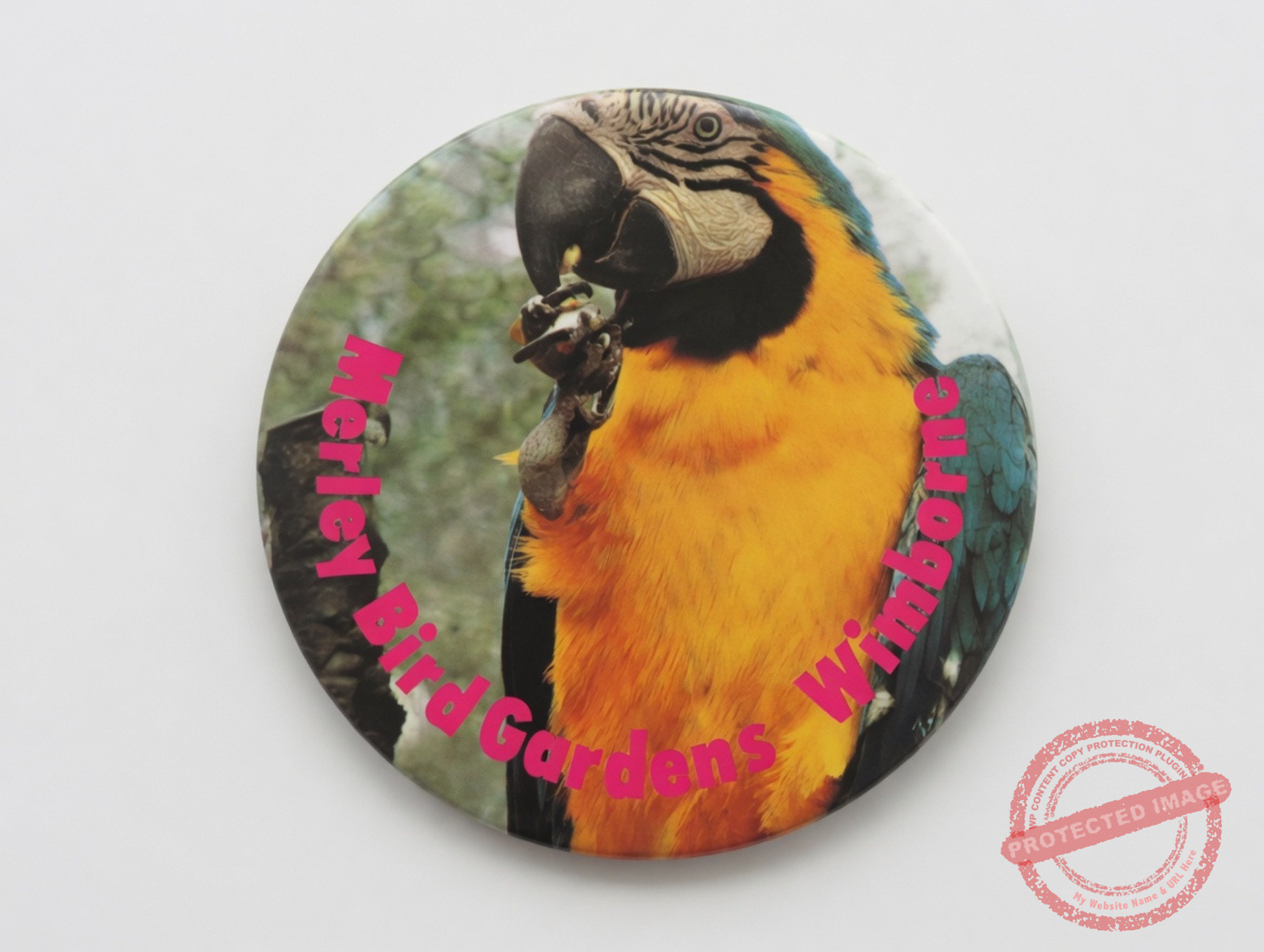
Not far from the historic town of Wimborne Minster in Dorset, heading down to the southwest of England, another private bird garden took root. It was here during 1968, within the grounds of the handsome Georgian property called Merley House, that a couple called Mr and Mrs John Hudson established Merley Bird Gardens, soon passing control of the business to a keen aviculturist called Kevin Martin. Set within the parkland of this fine Grade I listed mansion, the collection offered visitors a more intimate experience than some of the larger attractions. There was a mix of parrots, macaws, flamingos, pelicans, penguins and pheasants displayed in planted aviaries and landscaped grounds, largely incorporated within a large walled garden.
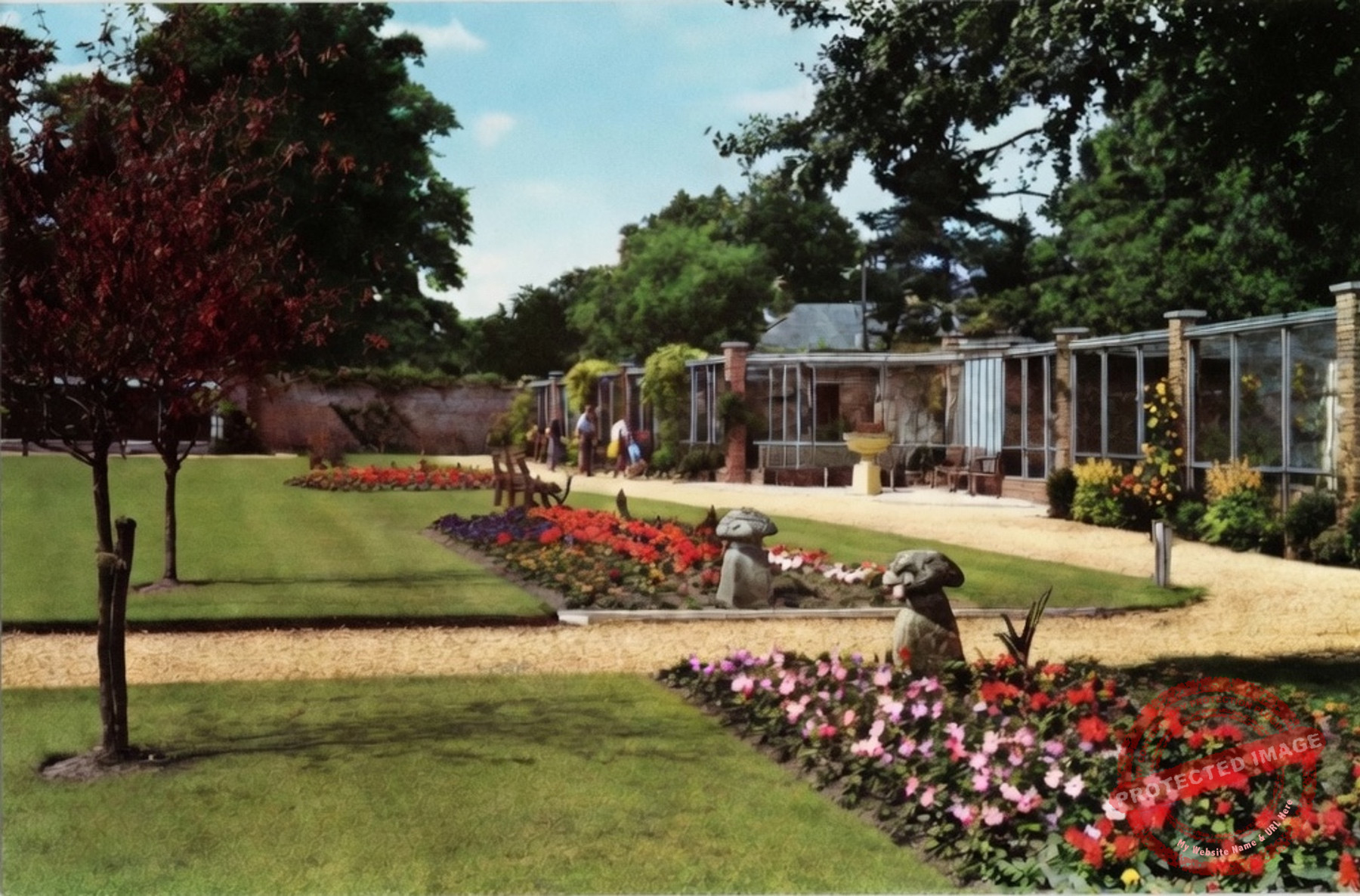
The walled garden was a design feature at the center of Merley Bird Gardens.
In common with most of the other bird gardens of this era, Merley was very much an owner-led venture. Kevin Martin was the central figure, being personally involved in the care of the birds and the day-to-day running of the attraction. It had the feel of a dedicated enthusiast’s project and was the sort of place where the owner’s passion for birds was evident in the quality of the collection and the care taken with the planting and avian design.
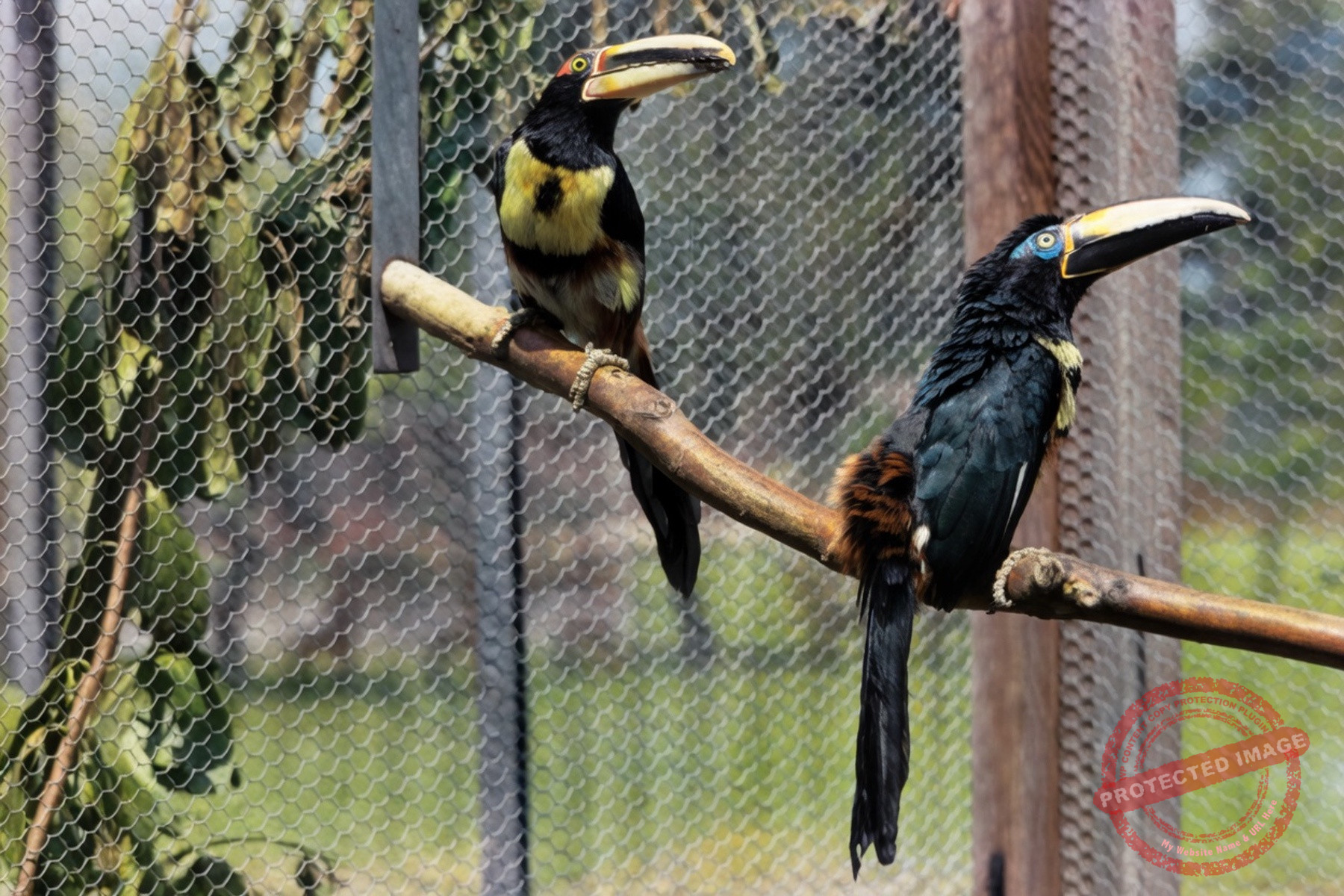
Aracaris were amongst the groups of birds to be seen at this Dorset bird garden.
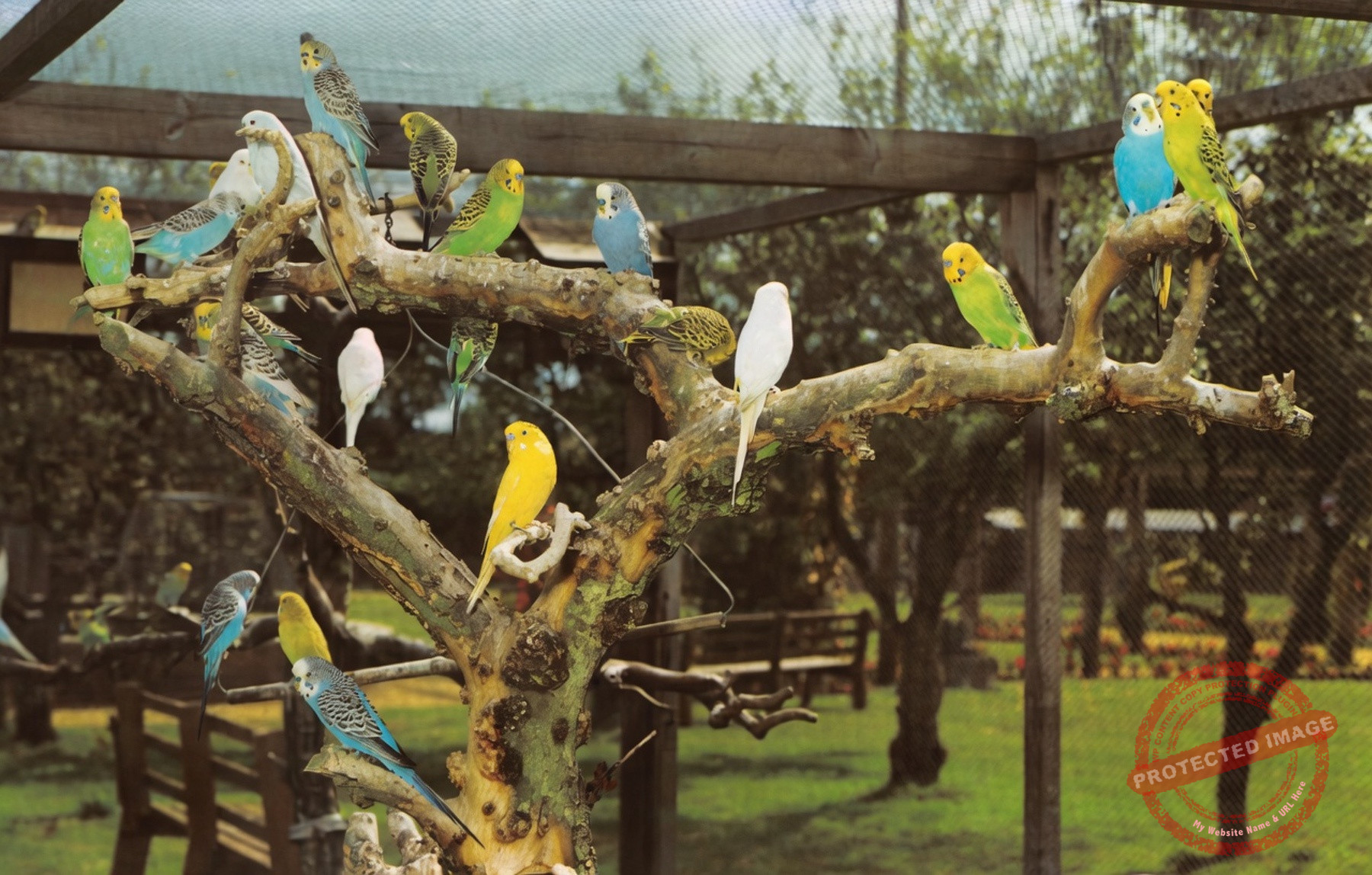
Like other of its kind, Merley was a restful location to visit. Here an aviary of budgerigars would entertain visitors on seats in front of the flight.
For nearly thirty years, Merley Bird Gardens provided an enjoyable and accessible day out for families in Dorset and beyond. However, like so many of its contemporaries, it eventually succumbed to the same pressures that affected the wider sector. Rising costs, fewer visitors and the increasing difficulty of maintaining a high-quality collection on a relatively small scale all played their part. The gardens closed in 1997.
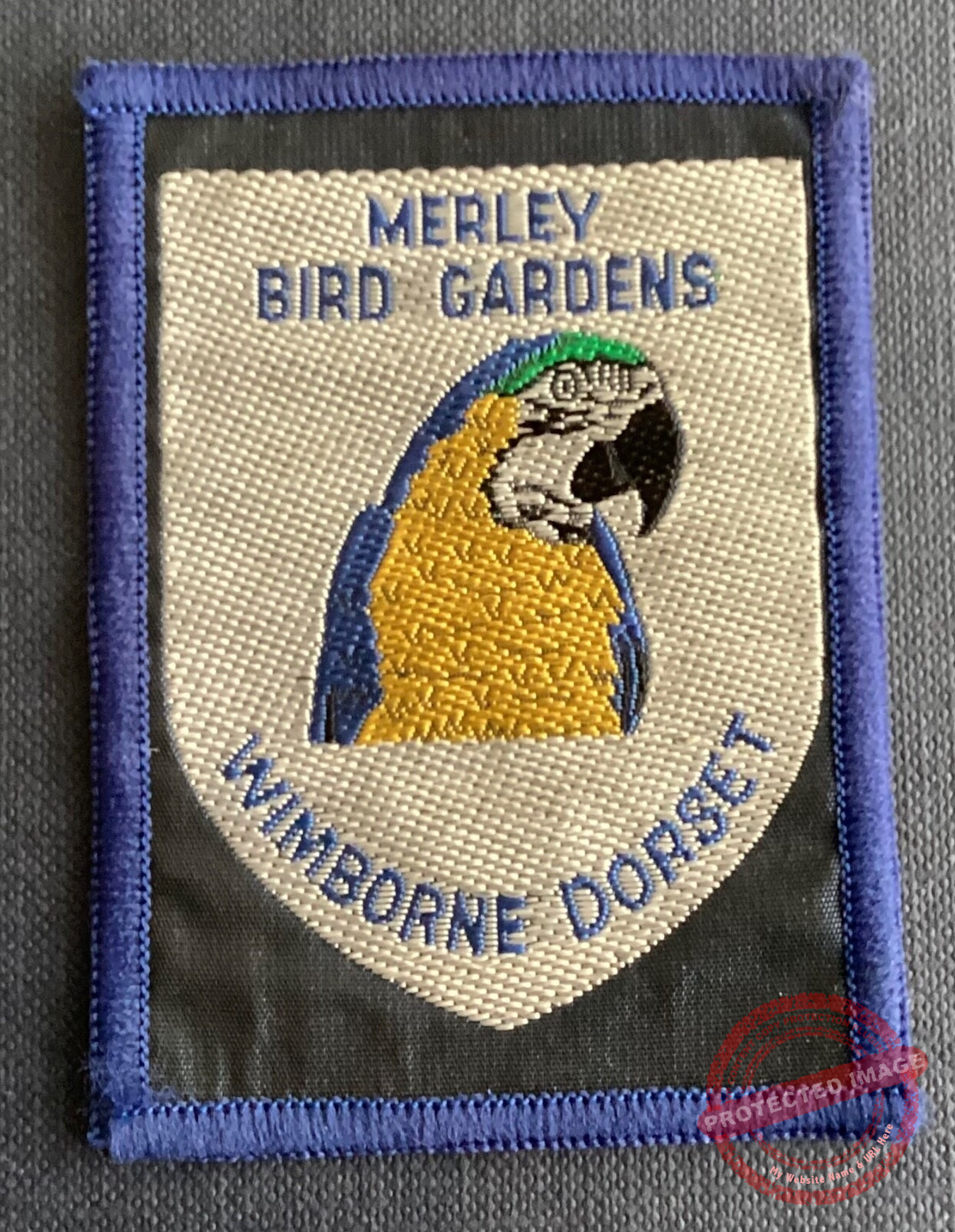
The site was later redeveloped and now forms part of Merley Court Holiday Park, while the historic Merley House itself has found a new life as a wedding and events venue. Though never as widely celebrated as some of the better-known collections of the period, Merley Bird Gardens remains fondly remembered by those who visited it during the period that it was open.
On the wing
Flying into Gatwick Airport today, one of Britain’s busiest airports in the southeast of the country, you might not think that a bird garden would thrive on the edge of this major transportation hub. Yet here, in the village of Charlwood, Terry and Sheila Thorpe opened a zoo in 1973. It was very much in the spirit of the private bird gardens of the era, being a family-run collection. It catered for exotic birds as well as other animals in a relatively compact, accessible setting.
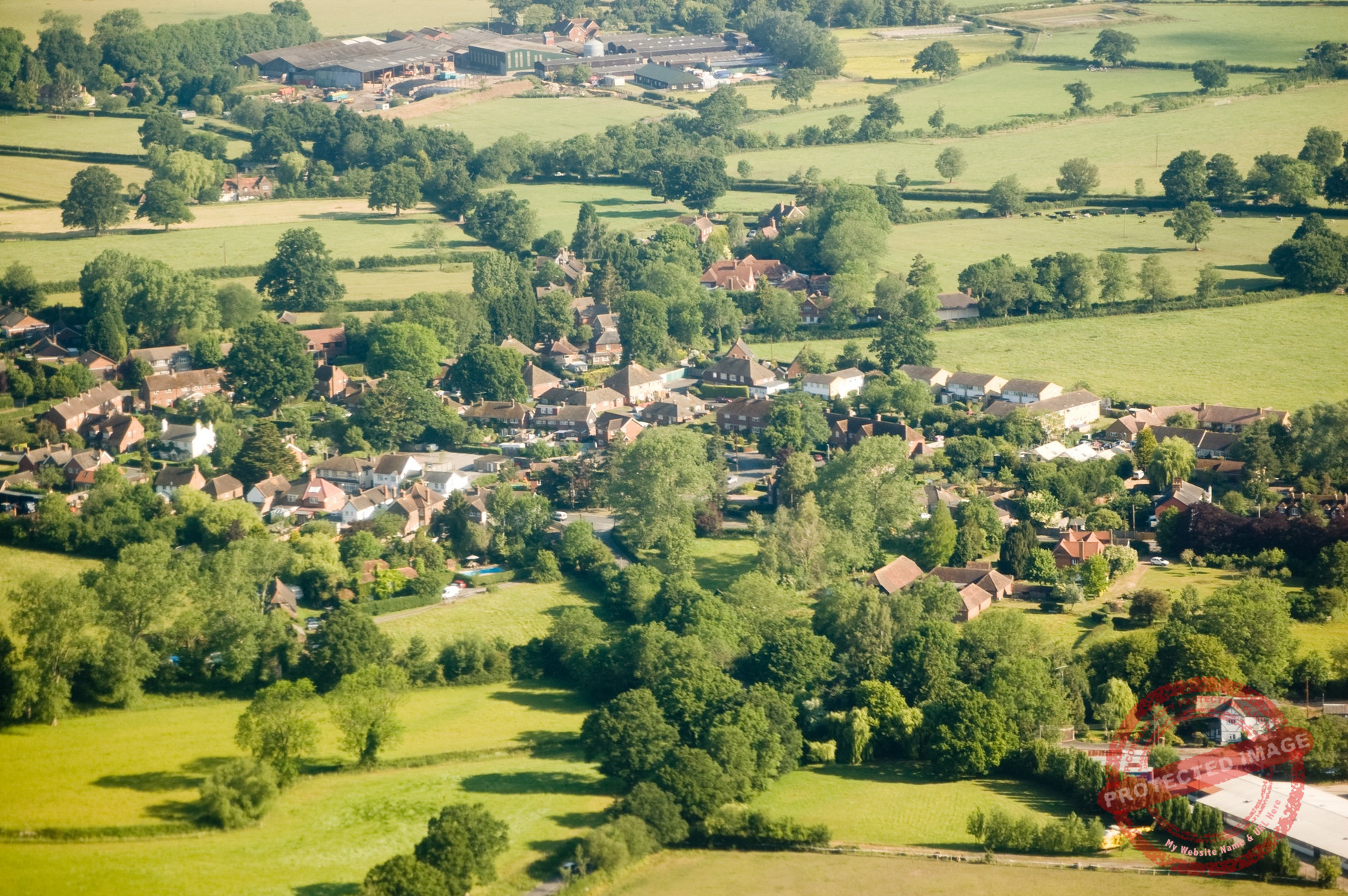
The village of Charlwood lies close to Gatwick Airport. Photo courtesy Bas Photo/www.shutterstock.com
It was a dream come true for Terry Thorpe, an offshore oil consultant, who had nursed a lifelong ambition to run a zoo. In the early 1970s he and his wife Sheila gradually acquired land around their house. Gatwick Zoo opened on seven acres (2.8 ha). It grew to over eleven acres (4.5 ha), housing a total of nearly 900 animals and birds, and drew around 70,000 visitors a year at its peak. Parrots featured prominently, especially macaws; the Thorpes even took some of their beloved parrots with them when they eventually retired to Scotland.
Despite its popularity though, the zoo ran at a loss for many years. Terry described opening it as the fulfilment of his dream yet also spoke of the sheer hard work and responsibility involved. It was not for the faint-hearted. By the early 2000s, with the couple both in their mid-sixties and ready to retire, they struggled to find a buyer.
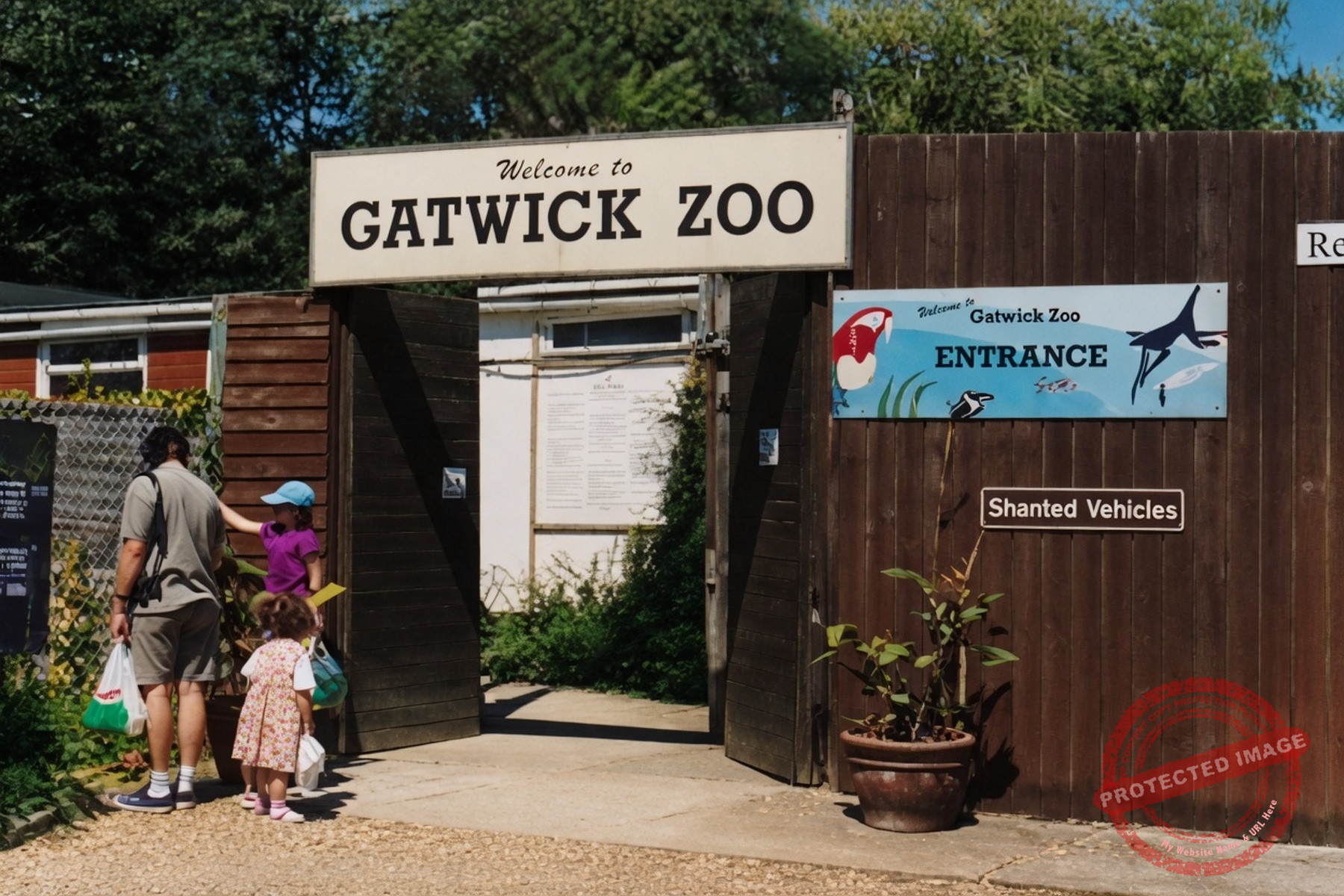
The entrance to Gatwick Zoo.
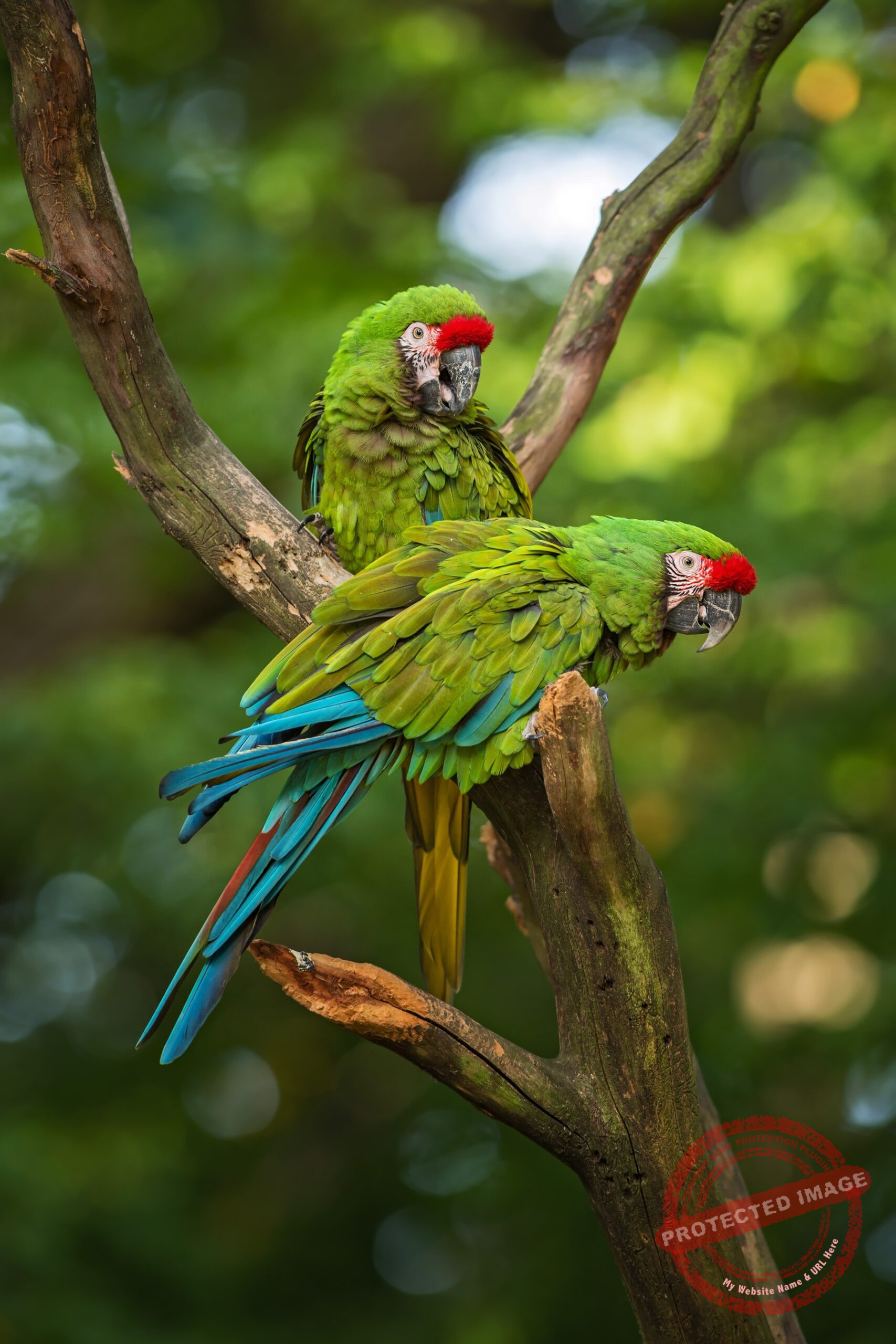
Gatwick Zoo achieved a UK-first breeding with Military Macaws (Ara militaris). Photo courtesy David Havel/www.shutterstock.com
It finally closed in September 2002 and the stock was rehomed elsewhere. Terry Thorpe had intended to close earlier, but planning issues and a public inquiry delayed matters. Much of the site was later redeveloped for housing. Gatwick Zoo’s story highlights both the dedication of small operators and the harsh economic realities that many faced as the century turned.
The Chocolate Story
It had been back in the same year—1973—when Gatwick Zoo opened its doors for the first time that another passionate individual was realising a different avicultural dream in Cornwall, down in the far southwest of England. A highly successful advertising executive called Mike Reynolds — the man behind the iconic Milkybar Kid chocolate campaign and its enduring catchphrases, promoting Nestlé’s Milkybar— had built up a substantial private collection of tropical birds and parrots. With his wife Audrey, he opened what was originally called Bird Paradise at Glanmor House in the seaside town of Hayle, choosing the sheltered Victorian walled gardens as the perfect environment.
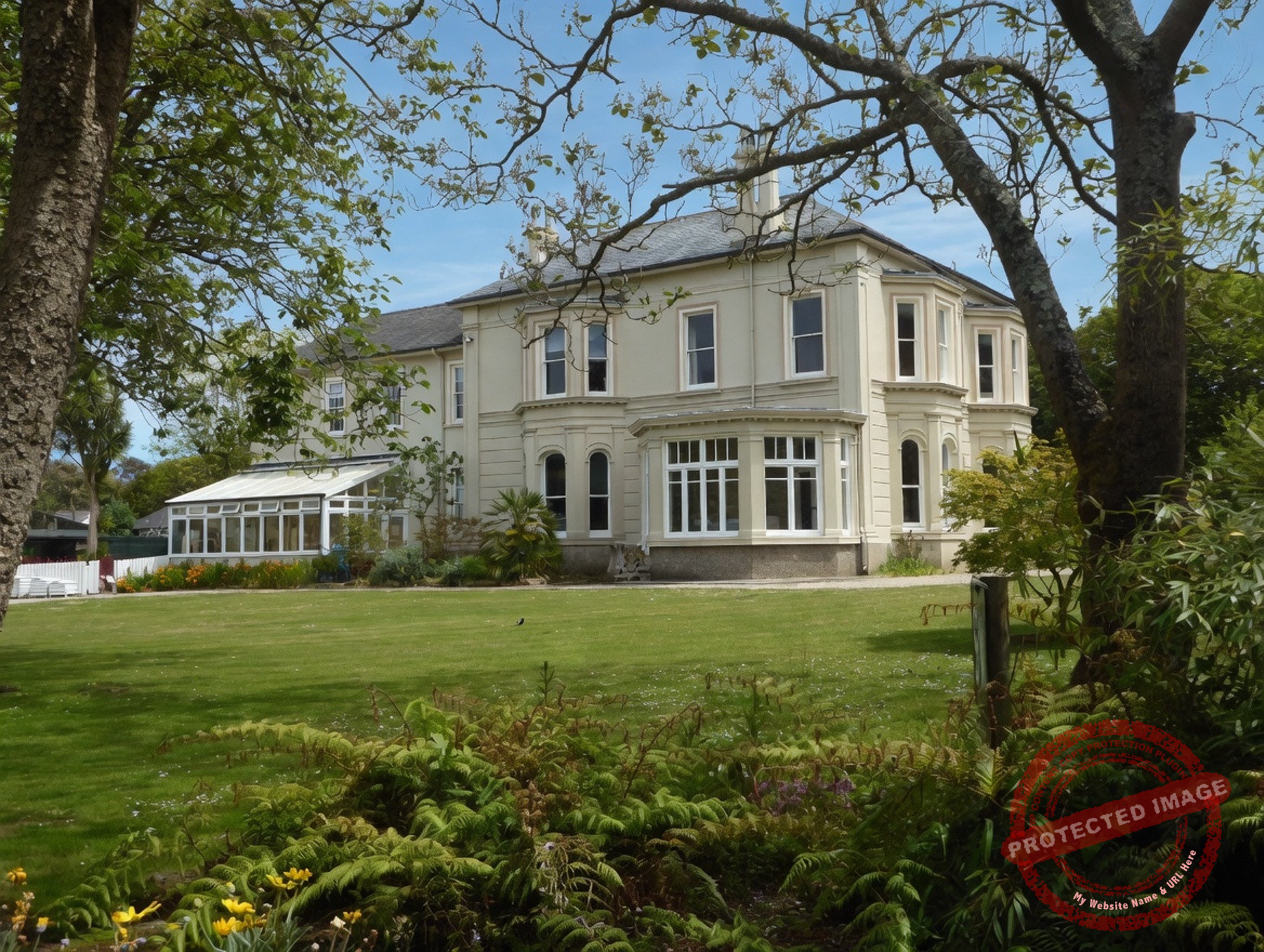
The headquarters of Bird Paradise at Hayle in Cornwall. Photo courtesy Chris Allen CC BY-SA 2.0.
What began as a focused tropical bird garden focused on parrots soon grew into an award-winning sanctuary and major conservation force. Paradise Park (as its subsequently became known) played a leading role in Operation Chough, developing breeding methods and aviary designs that resulted in well over as hundred young choughs (known as “choughlets”) being successfully raised and fledged over the decades. These birds were to make a very significant contribution to conservation locally, helping to restore these unusual corvids to the cliffs of Cornwall after a long period of unjustifiable persecution. The park has also bred various parrots and other species for conservation programs, with several successfully included in wild release projects.
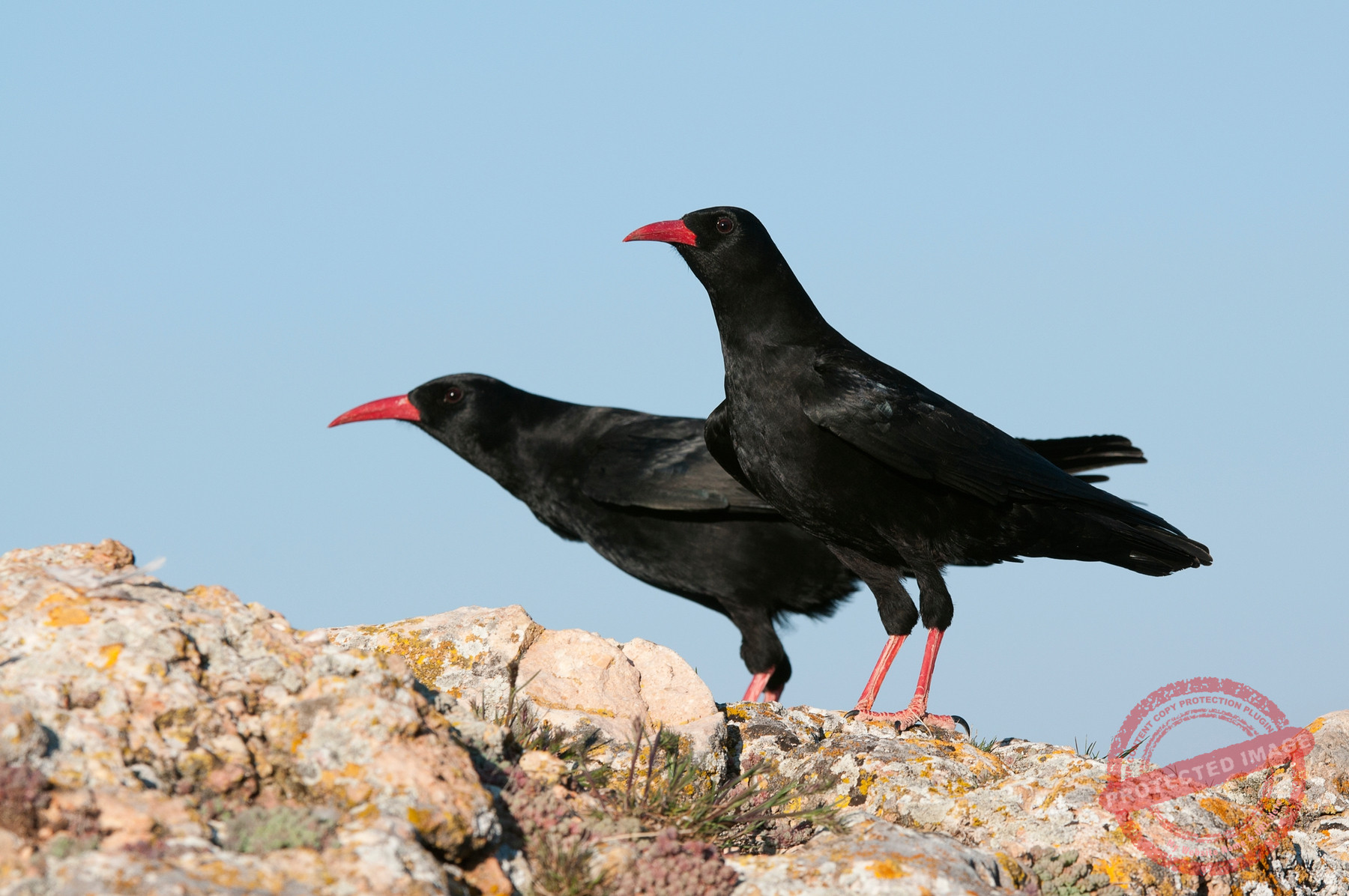
Red-billed Choughs (Pyrrhocorax pyrrhocorax) on the cliffs at Cornwall. Photo courtesy FJAH/www.shutterstock.com
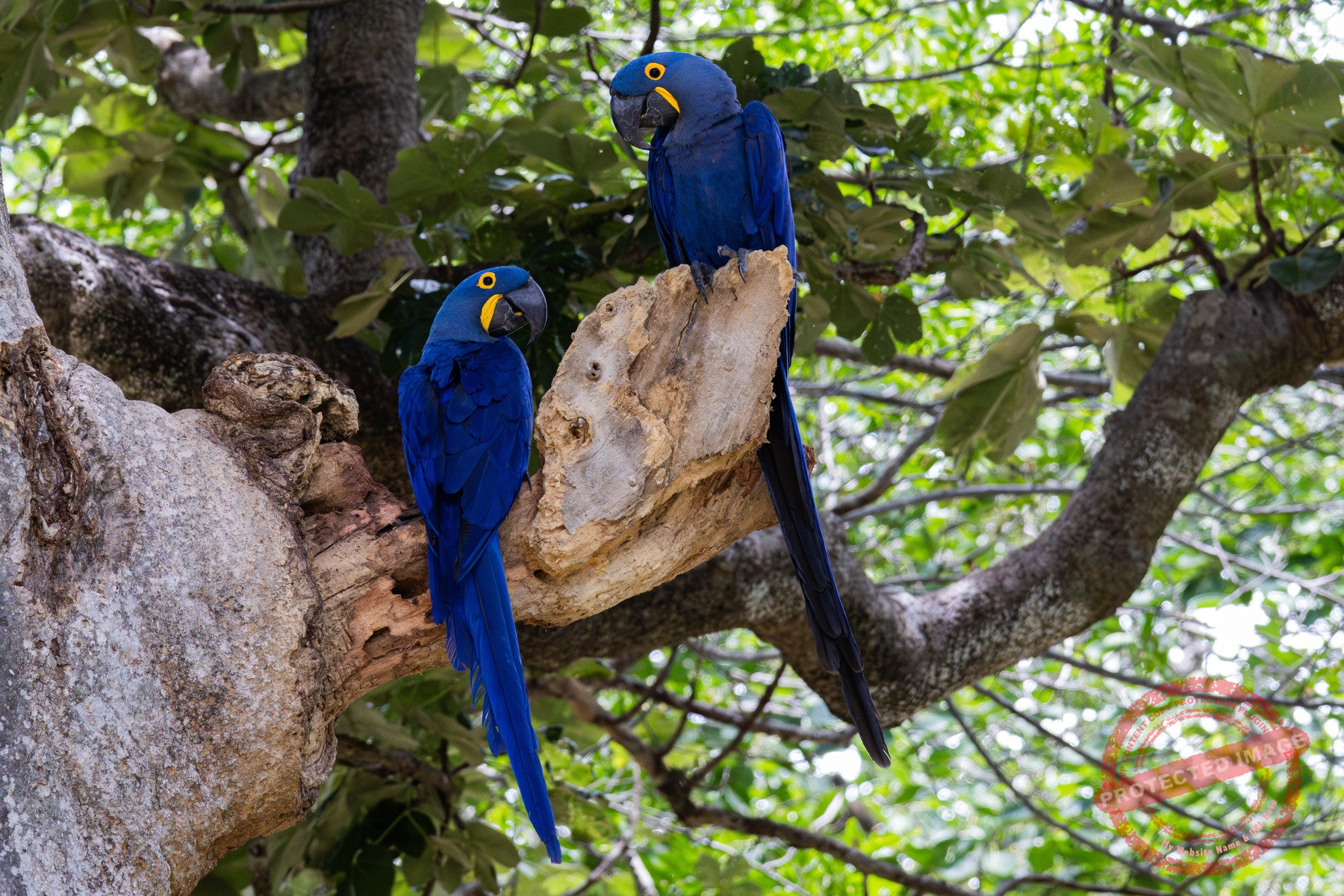
These are two stunning Hyacinth Macaws (Anodorhynchus hyacinthinus) represent the world’s largest parrot species, famous for that deep cobalt-blue plumage, bright yellow eye-ring, and powerful bill. Paradise Park keeps and breeds them, as well as having a public nestcam for a pair called Ronnie & Zulu, plus others like Hulk!
Nor did it end there. In fact, this was just the beginning. Out of all of the privately-owned bird gardens from that era, Reynolds’ vision has left a huge international legacy. As he learned more about the threats facing wild parrots and the real risk of extinction for many species, he realized that admiration of these birds alone simply was not enough. These intelligent, charismatic birds needed a dedicated champion.
With the support of his wife Audrey and a small group of fellow enthusiasts, Reynolds established the World Parrot Trust (WPT) right there at Paradise Park. It started modestly: the couple provided initial funding, free office space, and facilities. The Trust’s mission was nevertheless clear and ambitious from day one—to save wild parrots from extinction while improving the welfare of those kept as pets or living in collections. In its very first year, with limited resources, WPT stepped in to help the critically endangered Echo Parakeet (Psittacula echo) of Mauritius, where fewer than 15 birds remained in the wild. Their contribution of over $16,145 (£12,000) and expert support helped to turn the tide; today the population of these parakeets has grown to over 600.
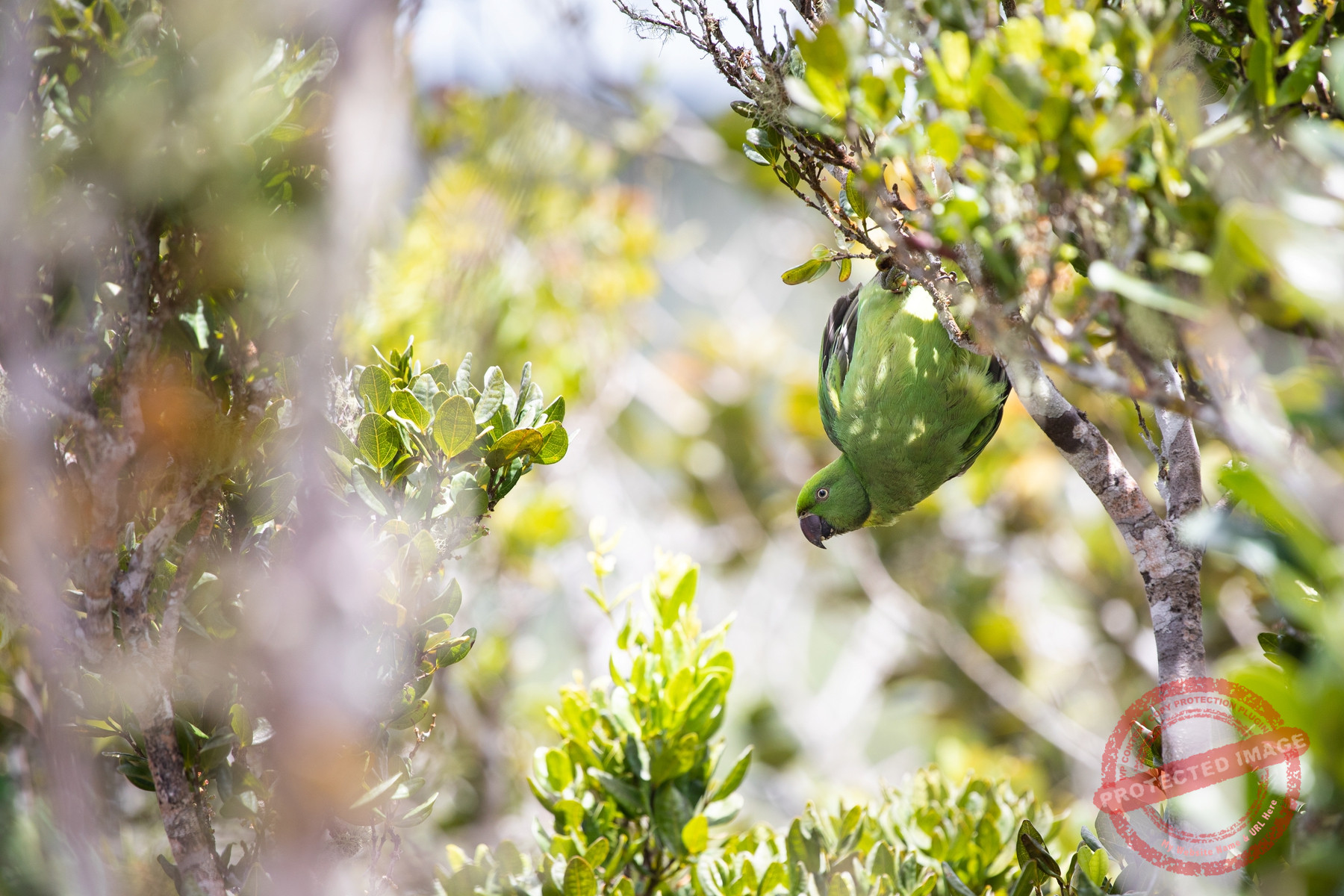
An Echo Parakeet at Black River Gorges National Park in Mauritius. Helping to conserve this species was the first success of the World Parrot Trust. Photo courtesy HedvikaMichnova.jpg/www.shutterstock.com
Under Reynolds’ passionate leadership—first as Honorary Director and later as Chairman—the Trust quickly expanded. In the early 1990s, he launched an innovative education project in the Caribbean, converting brightly painted buses into mobile classrooms complete with interactive displays, games, and videos to teach local children about their native parrots. The buses were donated to St Lucia, St Vincent, and Dominica, and the program helped to reverse population declines in several species.
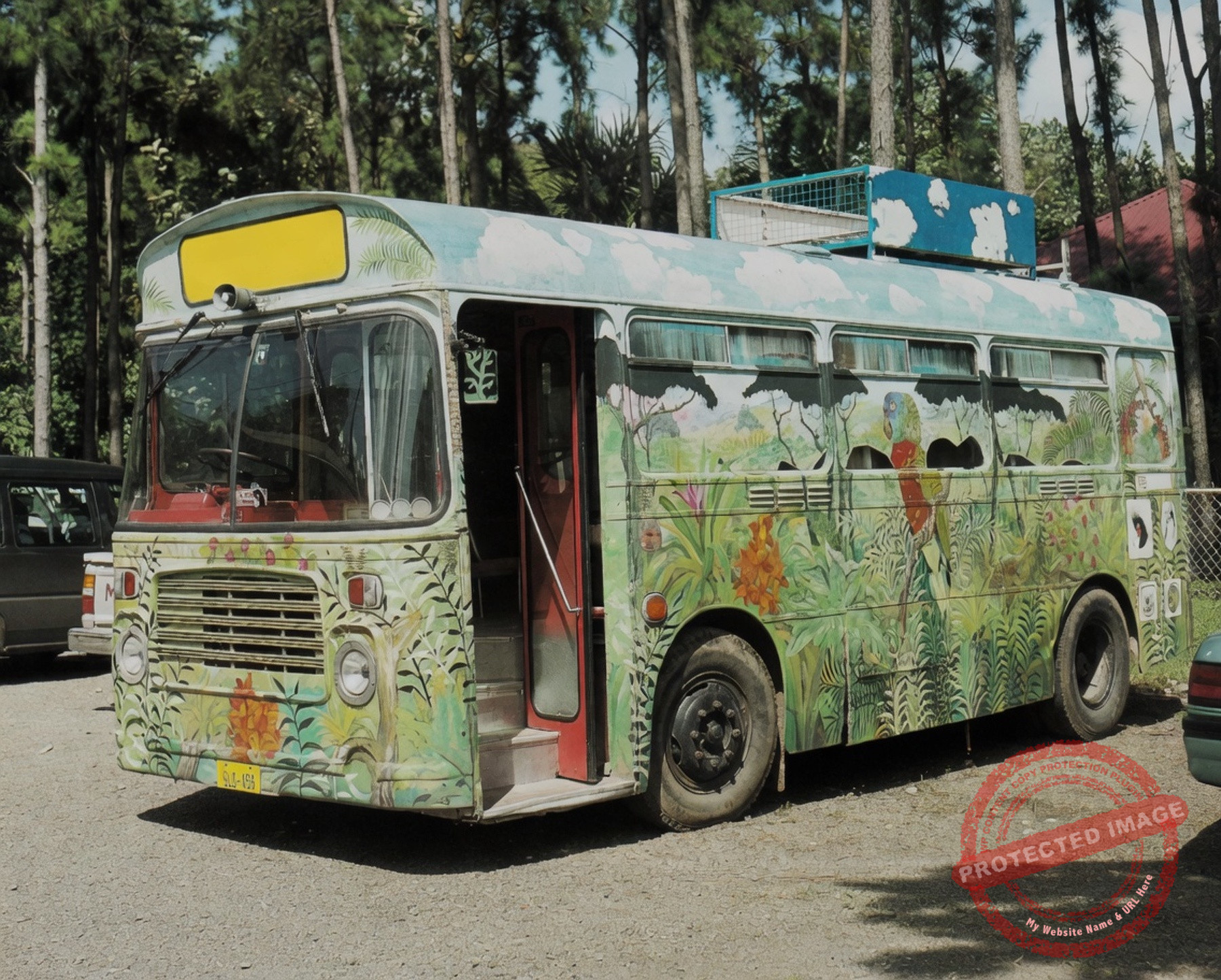
This Jacquot Express was the very first World Parrot Trust Parrot Bus on St. Lucia, dating from the early 1990s. Its name comes from that given to the native Amazon Parrot. Reynolds recognized the importance of education in parrot conservation at an early stage. A similar program was rolled out on other neighboring islands with endemic populations of Amazon Parrots.
By the end of the decade, the WPT had become a true global force for parrot conservation. In 1999, it collaborated with the International Union for the Conservation of Nature (IUCN) to publish the groundbreaking Parrot Action Plan, a comprehensive roadmap aimed to protect 89 threatened parrot species. National branches of the WPT sprang up in countries across Africa, Australia, North America, and Europe, creating a worldwide network of supporters and experts. The Trust has raised millions of dollars and directed funds into hands-on conservation and welfare projects in dozens of countries, and remains an unrivalled force in parrot conservation today.
Mike Reynolds passed away in 2007 followed by Audrey a decade later, but their family continues to run this thriving institution, which celebrated its 50th anniversary in 2023 and remains a leader in breeding, education and reintroduction work. A royal visit from HRH Princess Alexandra for the 30th anniversary underlined its stature.
An epoch draws to a close
Reflecting on that exciting post-war era, these privately-run bird gardens — and other smaller or more obscure collections that dotted the British countryside — were very much of their time. They offered peaceful, intimate, garden-like encounters that felt accessible and magical. Yet they were vulnerable. Legislation played a part in the demise of many. While the Zoo Licensing Act of 1981 was introduced to raise standards, it also increased costs disproportionately, which larger general zoological institutions were better equipped to absorb. The highly popular free-flying macaws which were a feature of many bird gardens then found themselves confined to aviaries, thanks to the introduction of the Wildlife and Countryside Act, 1983. Tropical species demanded expensive heated housing and specialist care, with such costs rising relentlessly. Security too became an ever greater concern and cost, with heartless gangs of thieves starting to target collections, largely unhindered by law enforcement.
Meanwhile, cheaper foreign holidays and ever-more spectacular and frequent wildlife documentaries reduced the novelty of seeing exotic birds in an English garden. Closer to home, there were issues too. Many owners grew older without having a clear succession plan in place, and valuable land near villages or commuter towns was in great demand for housing development. The end result was a wave of closures of bird gardens from the late 1990s onward.
Their legacy
A few, however, did survive and evolve, and are still operating today. Birdland in Bourton-on-the-Water moved and modernized under new ownership. Birdworld blended garden center interests and family-friendly facilities successfully to remain commercially viable, while also deepening its conservation role. Paradise Park in Cornwall, perhaps the purest spiritual successor to the original vision, expanded thoughtfully, and created a highly respected global parrot charity. It remains family-run and thriving today, more than half a century after its inception.
Looking back, all these institutions formed a charming and instructive chapter in Britain’s post-war avicultural story. They sparked wonder and interest in exotic birds amongst millions of visitors, raised awareness of their conservation needs, and became involved in pioneering captive-breeding and reintroduction programs. The privately established bird gardens of the 1960s and 1970s were very much creations of their time — optimistic, sometimes eccentric, owner-driven expressions of curiosity about the natural world, and even today, we still do not have all the answers.