Easiest “Pet” Ever
The year 1975, in the United States, was definitely one to remember for multiple interesting reasons and historical highlights. Let me bring you back in time.
Gerald R. Ford Jr. was president of the country, with Nelson A. Rockefeller (nickname: Rocky) by his side as vice president. Disco music, bell-bottoms, leisure suits, and hiphuggers were all the rage. Three TV series released in that year had a terrific success: Starsky & Hutch, Wonder Woman (my father never missed an episode!), and The Jeffersons. On October 11, NBC aired the debut of Saturday Night Live under the original title NBC’s Saturday Night. The movie of the year was Jaws by Steven Spielberg, while the most broadcasted song on radio was “Love Will Keep Us Together” by Captain & Tennille.
A few Californian nerds started to make a difference. Steve Wozniak, for example, began developing the personal computer that would eventually make him and Steve Jobs famous, the Apple I. Allan Alcorn’s and Harold Lee’s brilliant minds allowed Atari to release a home version of the video game Pong, which came on the market during the 1975 Christmas season. Initially sold for $98.95 only through Sears retail stores under the brand name Tele-Games, Atari’s Home Pong console had a huge success and, along with the Magnavox Odyssey released in 1972, helped to establish the video game industry.
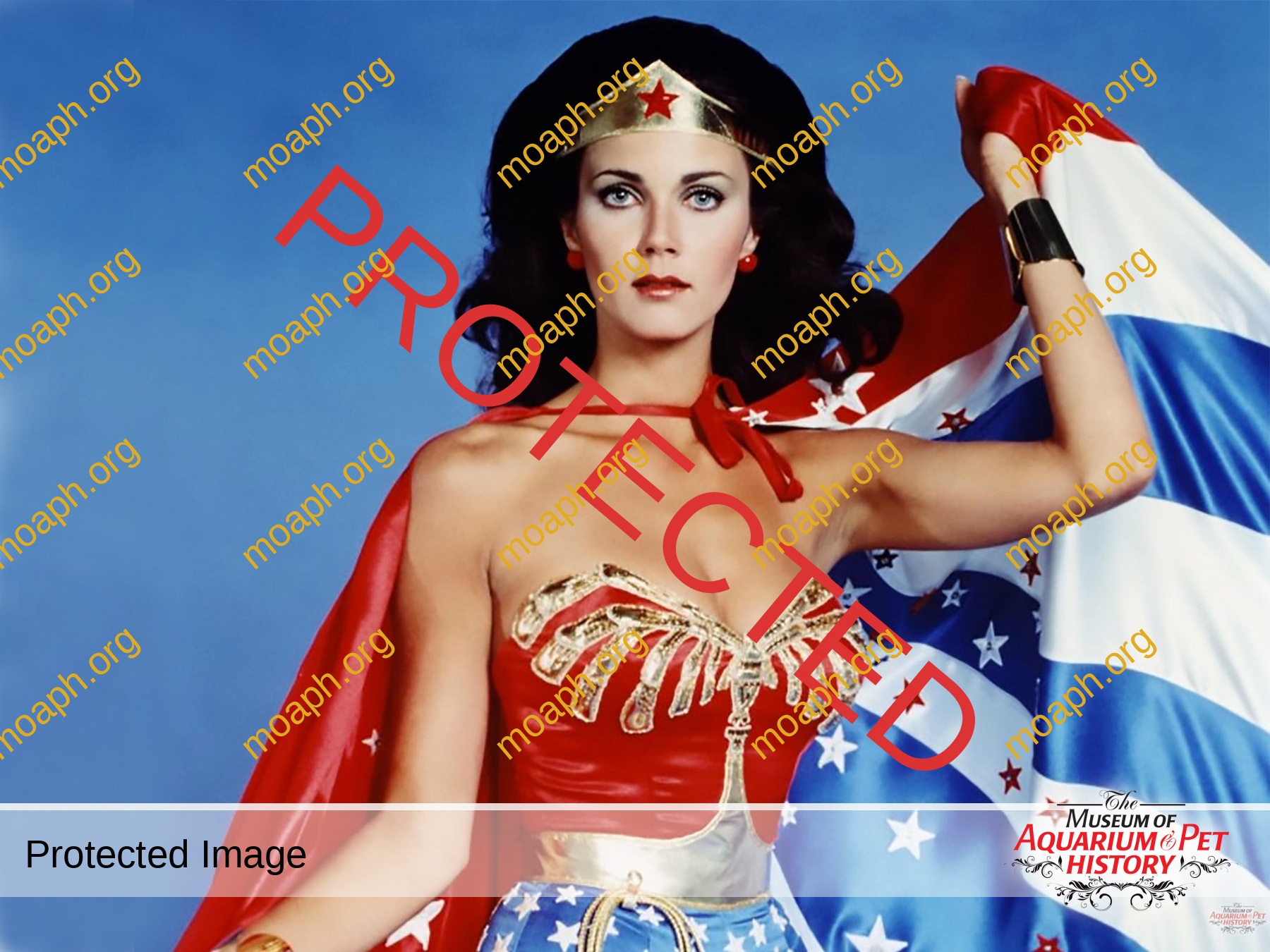
The television series Wonder Woman was released by ABC on November 7, 1975.
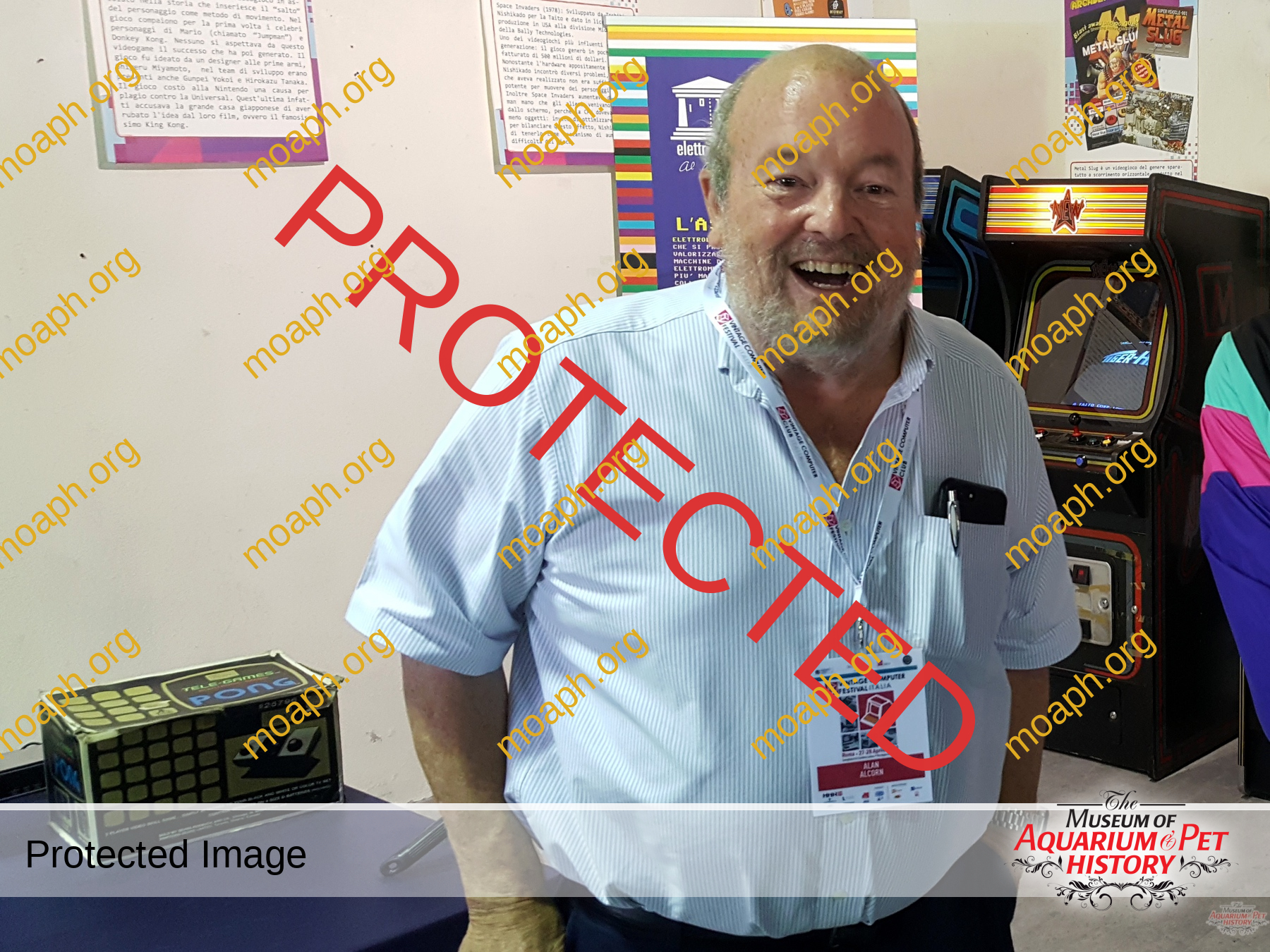
Allan Alcorn photographed by the author in 2019.
This year is also remembered for the unexpected success of two products in particular. The “Mood Ring” was one of them. Basically, it was a finger ring containing a thermochromic element, or “mood stone”, that changed colors based on the temperature of the wearer’s finger. The idea first arose from the jeweler Marvin Wernick, who however did not patent it, thus leaving the field open to other manufacturers such as Joshua Reynolds. In December 1975, the total value of the mood rings sold reached $15 million ($85.8 million in today’s money). The craze faded within a couple of years, although modern versions of these rings are still available nowadays in several online marketplaces and retail stores.
Thinking out of the box
The second novelty is the main topic of this article and was born from a genius idea of Gary Dahl (1936-2015), a broke freelance copywriter living back then in Los Gatos, California. Its name was “Pet Rock”, according to its conceiver the perfect undemanding household “pet”! Today we simply call it a “collectible toy”, but Dahl’s invention in those days became a phenomenon of pop culture and a short-lived craze that Newsweek called “one of the most ridiculously successful marketing schemes ever.”
To develop his concept, the “hungry and foolish” copywriter first used a communication tool that proved winning: deadpan humor. “People are so damn bored, tired of all their problems,” he told People magazine in 1975. “This takes them on a fantasy trip – you might say we’ve packaged a sense of humor.”
From a social point of view, it was a perfect time to sell a smile, in other words, to package a moment of levity that could lift people’s moods. Americans, in fact, were experiencing the end of the prosperity period that started after WWII, and the severe effects of recession. The aftermath of the Vietnam War, and the mistrust of the political establishment which grew up due to Nixon’s Watergate scandal, completed the social framework.
Dahl invented a funny suggestion, essentially asking people to see what happens when you think of a piece of rock as an actual pet. After all the supposed advantages would have been a lot, as a pet rock requires no real commitment, and never dies!
He founded the company Rock Bottom Productions recruiting two of his colleagues as investors, George Coakley and John Heagerty, and purchased a bunch of beach pebbles from the city of Rosarito in Baja California, Mexico.
Supported by the designer Pat Welch, Dahl developed an evocative cardboard box perfectly imitating a pet carrier. Complete with a handle, 14 air holes, wood shaving bedding, and graphics, this clever packaging definitely played a key role in the success of the product.
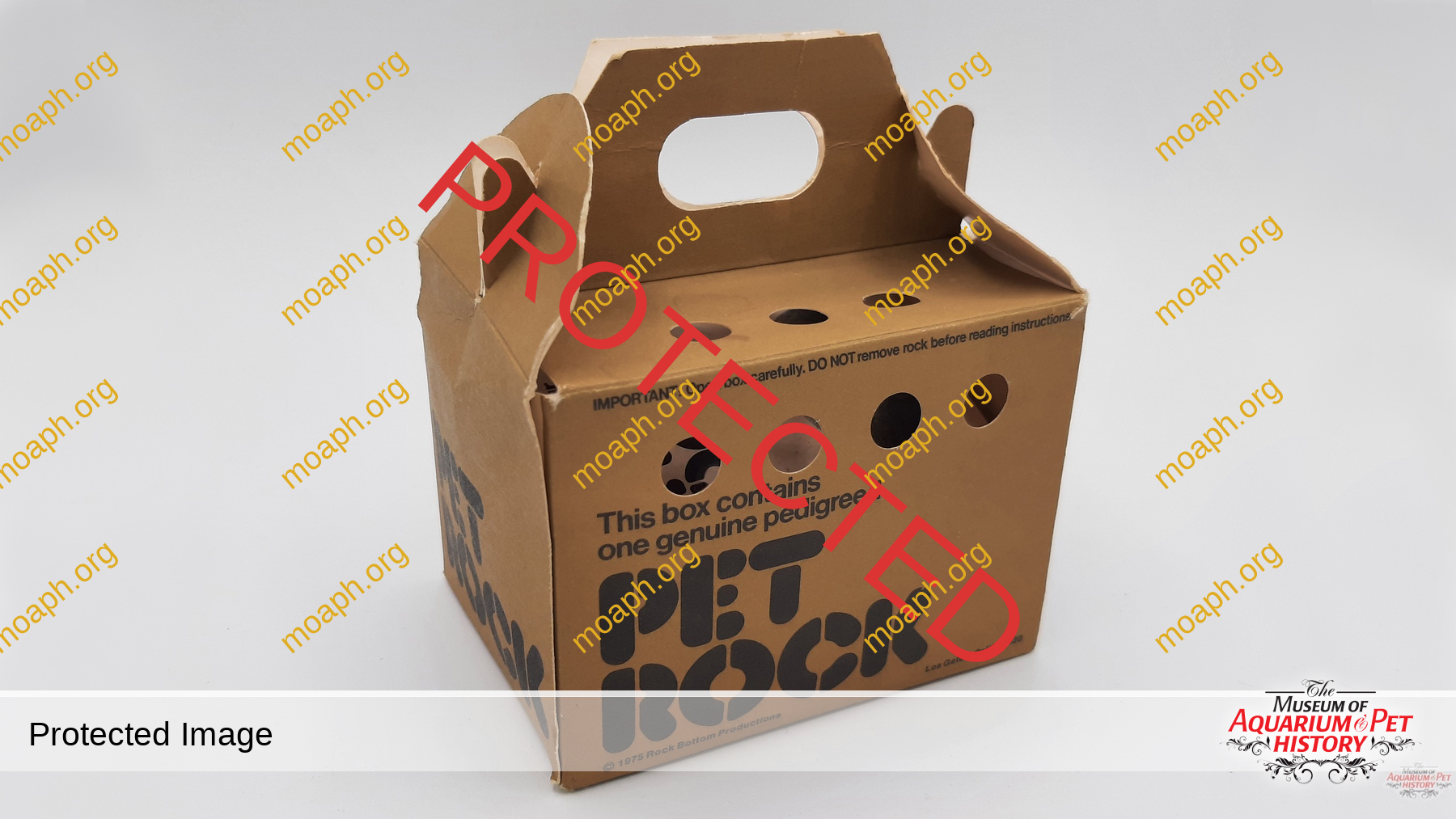
Original Pet Rock kit from 1975.
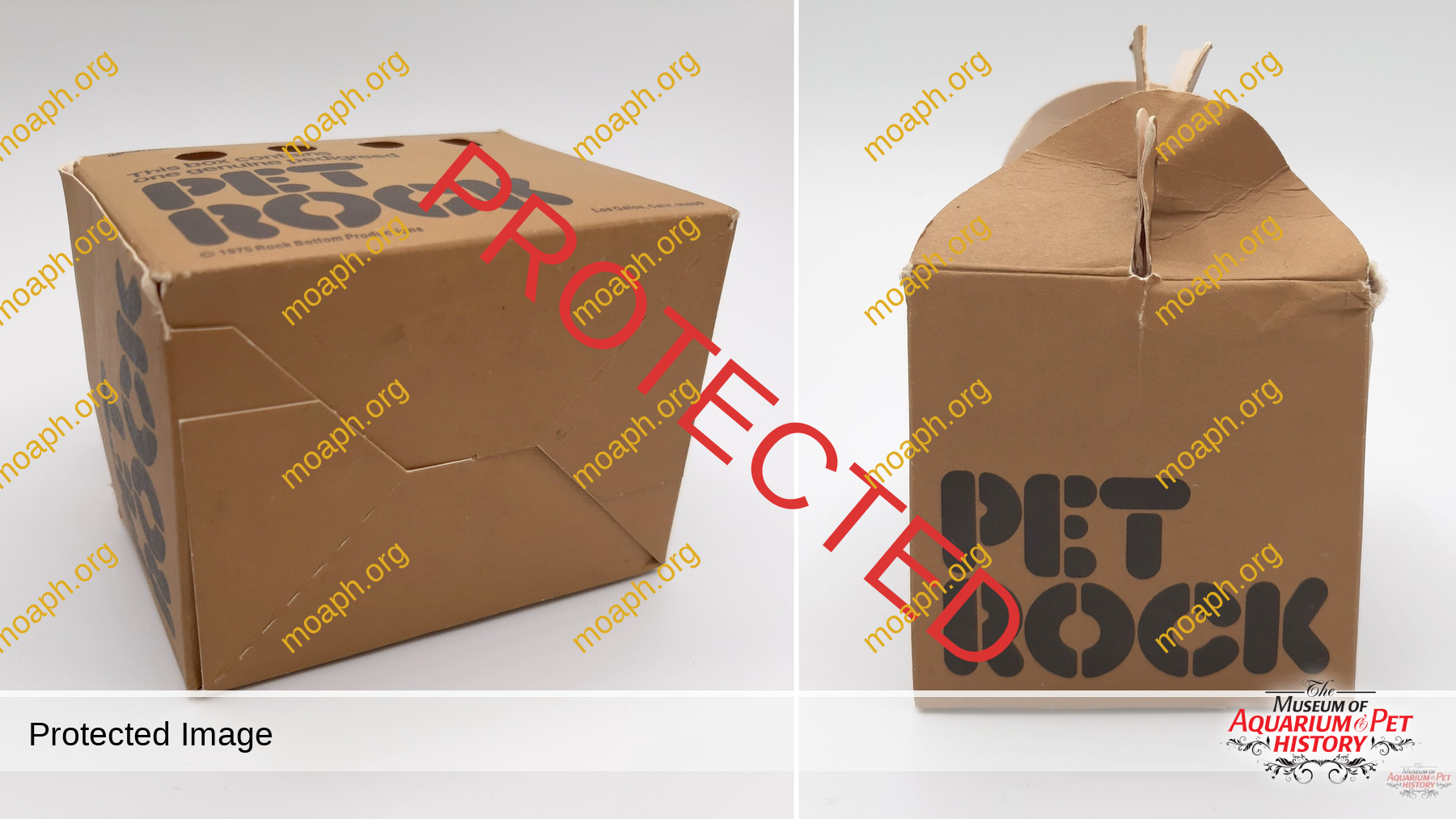
Different views of the pet-carrier-shaped box.
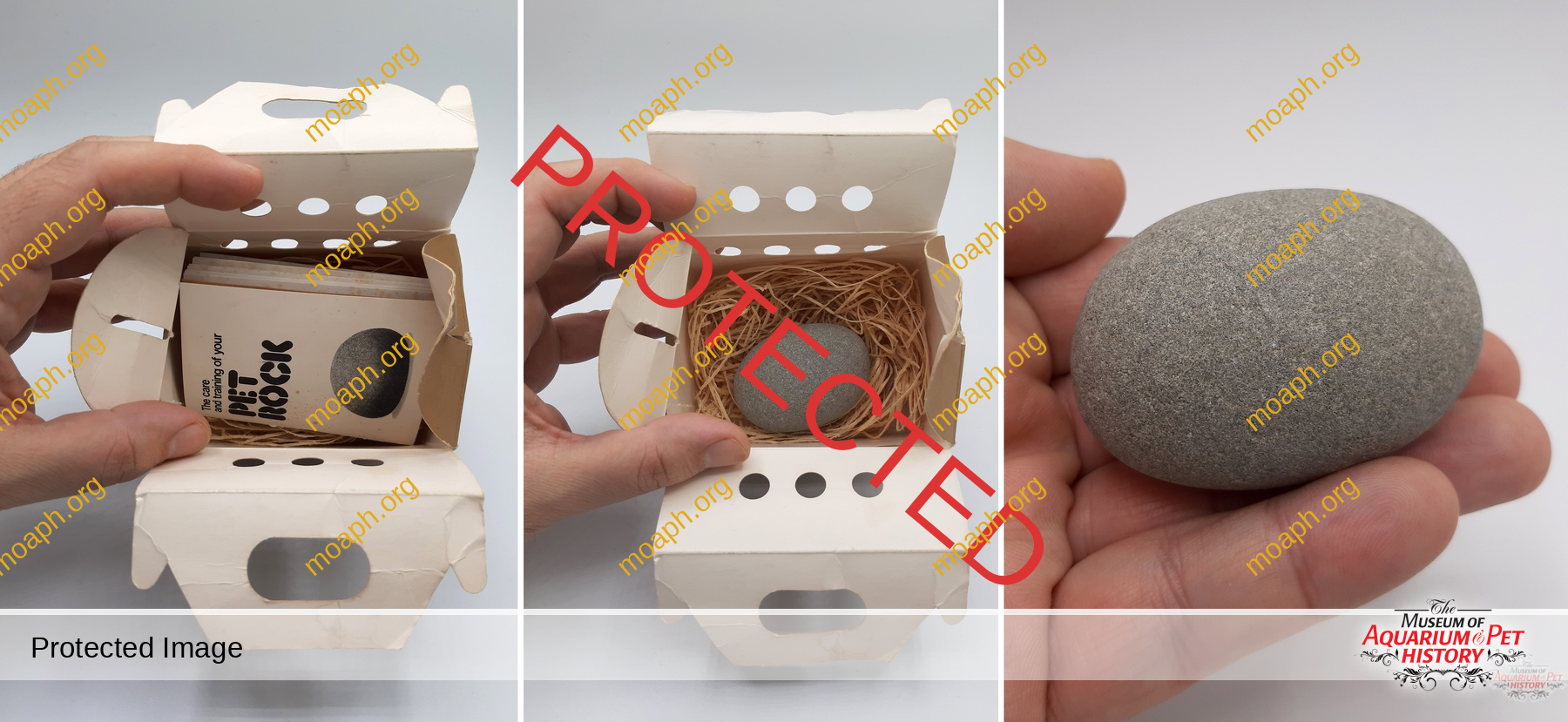
Unboxing a vintage pet rock.
What Dahl really intended to sell
A manual titled The Care and Training of Your Pet Rock, written by Dahl himself as the original first step of his project, completed the kit. This booklet was a masterpiece of deadpan humor, referring professionally and seriously to the rock as an actual pet, specifically a dog, and providing instructions on how to properly raise, train, and take care of it! In a 2006 interview released to the Jacksonville Review, Dahl recalled: “You see, I wasn’t selling rocks. Who in their right mind would pay good money to buy a plain beach pebble, a pebble available by the countless trillions absolutely free? The product never was about selling rocks; I was selling books. The Care and Training of Your Pet Rock, a three-inch by four-inch, 36 page spoof of a dog training manual, was the product, not the rock which happened to tag along with it. This important bit of information – important to me at least – is something which has been overlooked, or misunderstood, or ignored.”
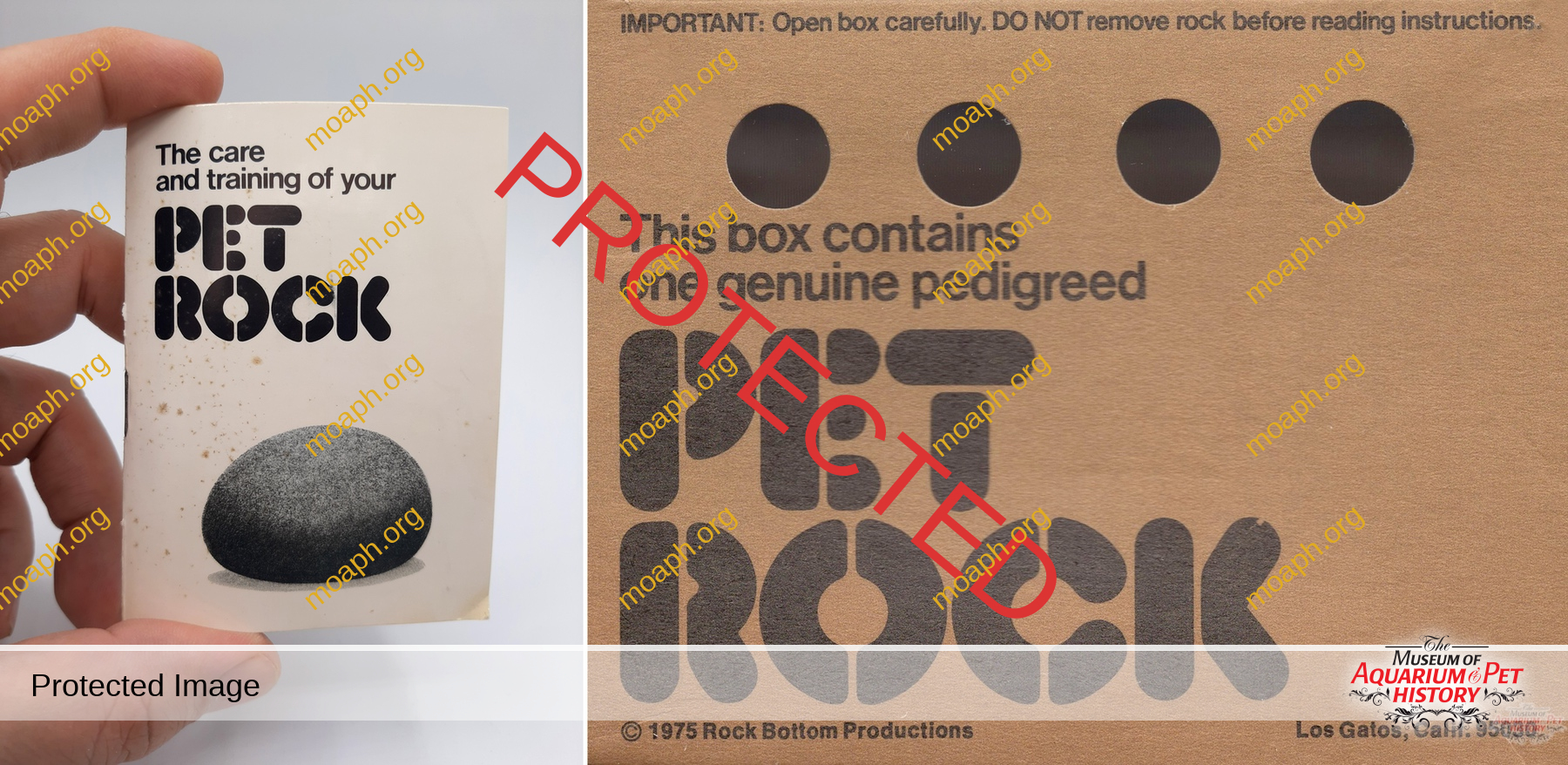
Dahl’s product originally started as a book idea.
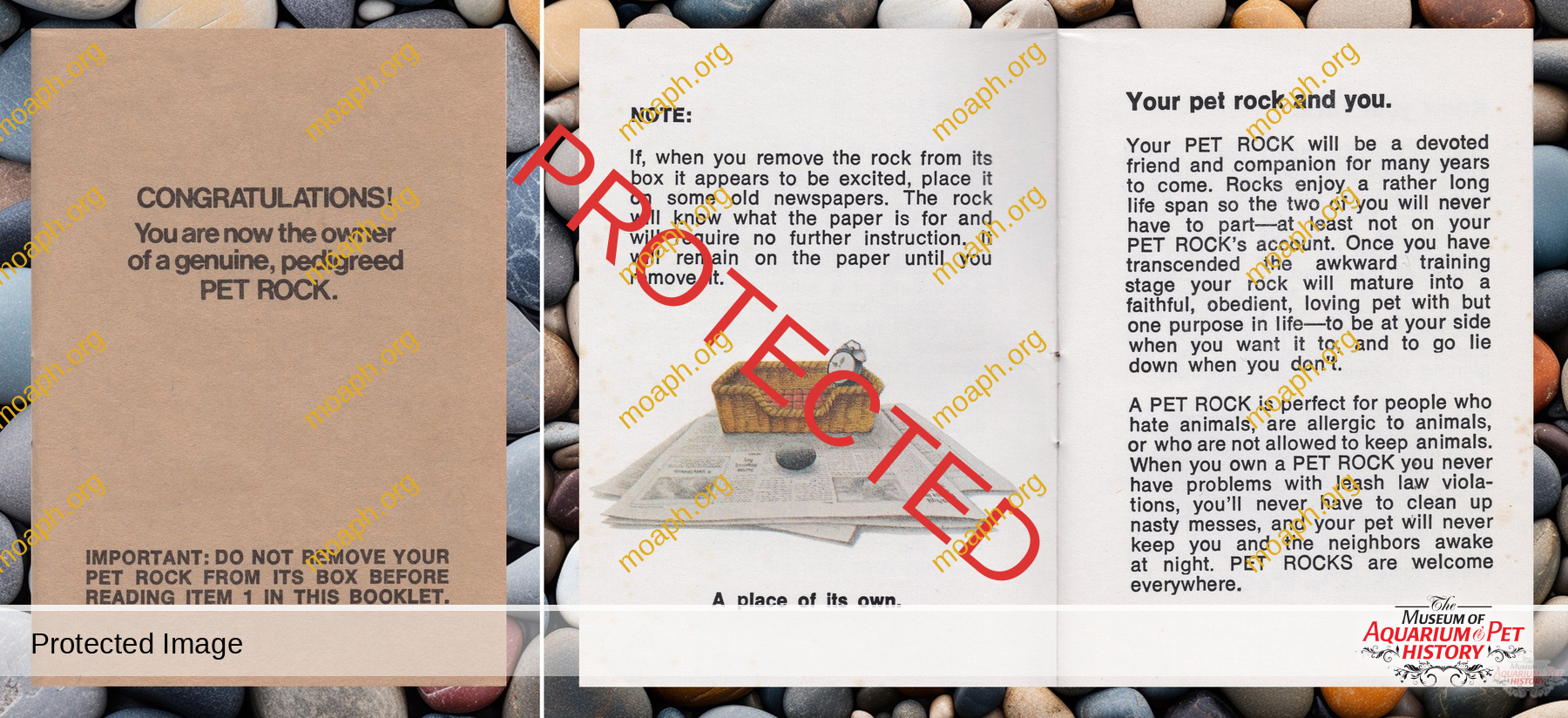
Pages 1, 4, and 5 of the manual.
Despite the fact of not being an expert entrepreneur, Dahl was able to keep down production and packing costs. The biggest expense was the die-cutting and manufacture of the boxes. The rocks, instead, cost only a penny each, while the wood shavings were nearly free. Speaking of the manuals, Dahl included their early run in other printing jobs he was preparing for some of his clients, therefore the only effort was to cut and trim them.
Pet Rock finally made its debut at the San Francisco Gift Fair in August, at a starting price of $2. Dahl’s tongue-in-cheek concept immediately aroused the interest of several retailers. After the fair, orders started coming in. Even two important luxury chains such as Neiman Marcus and Bloomingdale’s made a deal with him to put the novelty on their shelves. At that point, Dahl set the retail price at $3.95 (the same item today would cost $22.59), and began shipping the early supplies on October 1. When the Christmas season arrived, his marketing magic performed perfectly and an estimated 1.3 to 1.5 million Pet Rock kits were sold.
Media coverage did much to boost the sales and to make the product known. People bought a Pet Rock mostly as a joke gift for friends, relatives, and colleagues, or simply because they were intrigued by the fact – a classic trigger in fads – that many other consumers had already purchased it. Whether directly or indirectly, thousands of children got this commitment-free pet as well.
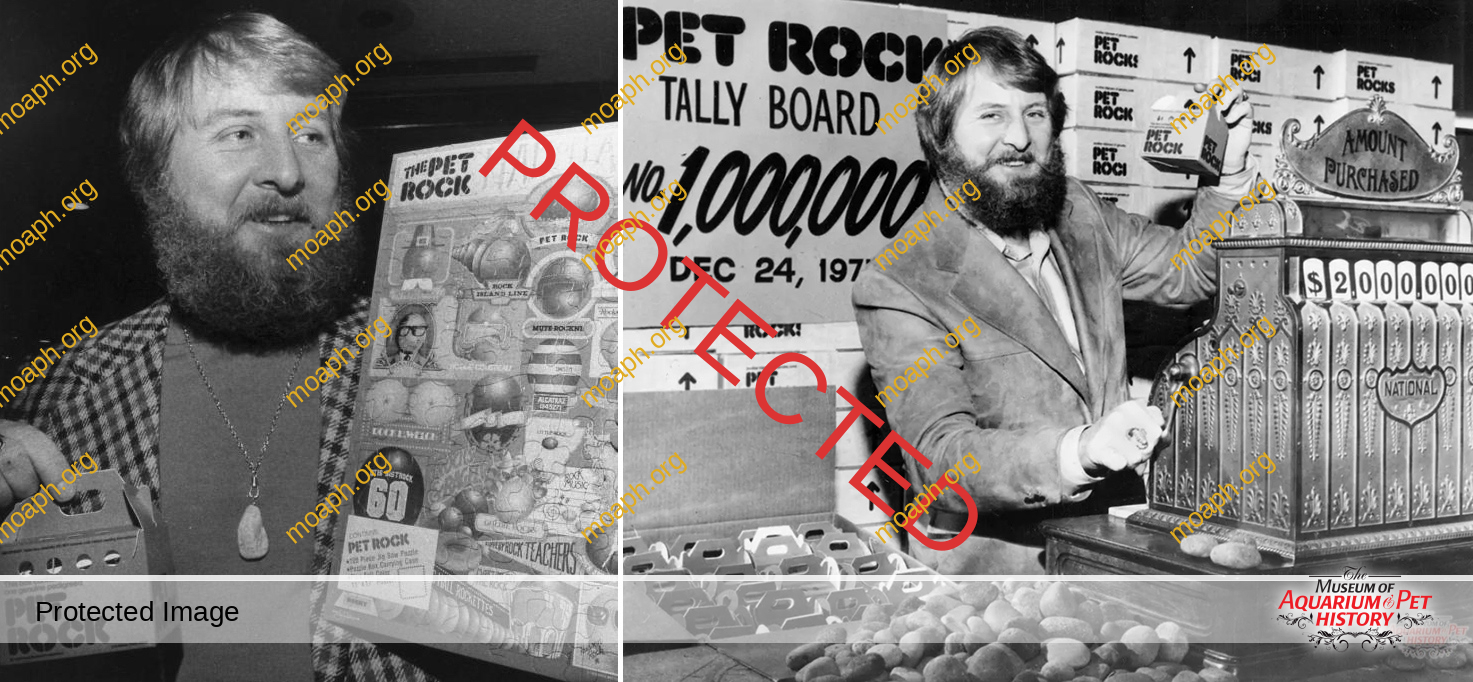
Gary Dahl in 1975.
End of the fad
This implausible, overwhelming success made Dahl a millionaire practically overnight, and a minor celebrity as well. “I had one phone to each ear,” he recalled in a 2011 interview. “I taught my P.R. guy to impersonate me so he could also answer my calls.”
Unfortunately for him, the craze lasted only about half a year. By February 1976, in fact, sales already started to drop down significantly. The product didn’t work anymore, and stores were forced to discount prices. Besides, even though the brand Pet Rock was copyrighted, other companies started in the meanwhile to sell copycats, thus saturating the retail market. Dahl after all couldn’t patent a piece of rock, that’s why his idea was easily copied without legal consequences! His answer to the decreasing income was Pet Rock-themed merchandise (t-shirts, shampoo, etc.), and new extravagant inventions such as the “Sand Breeding Kit”. None of them, however, achieved the same success as pet rocks.
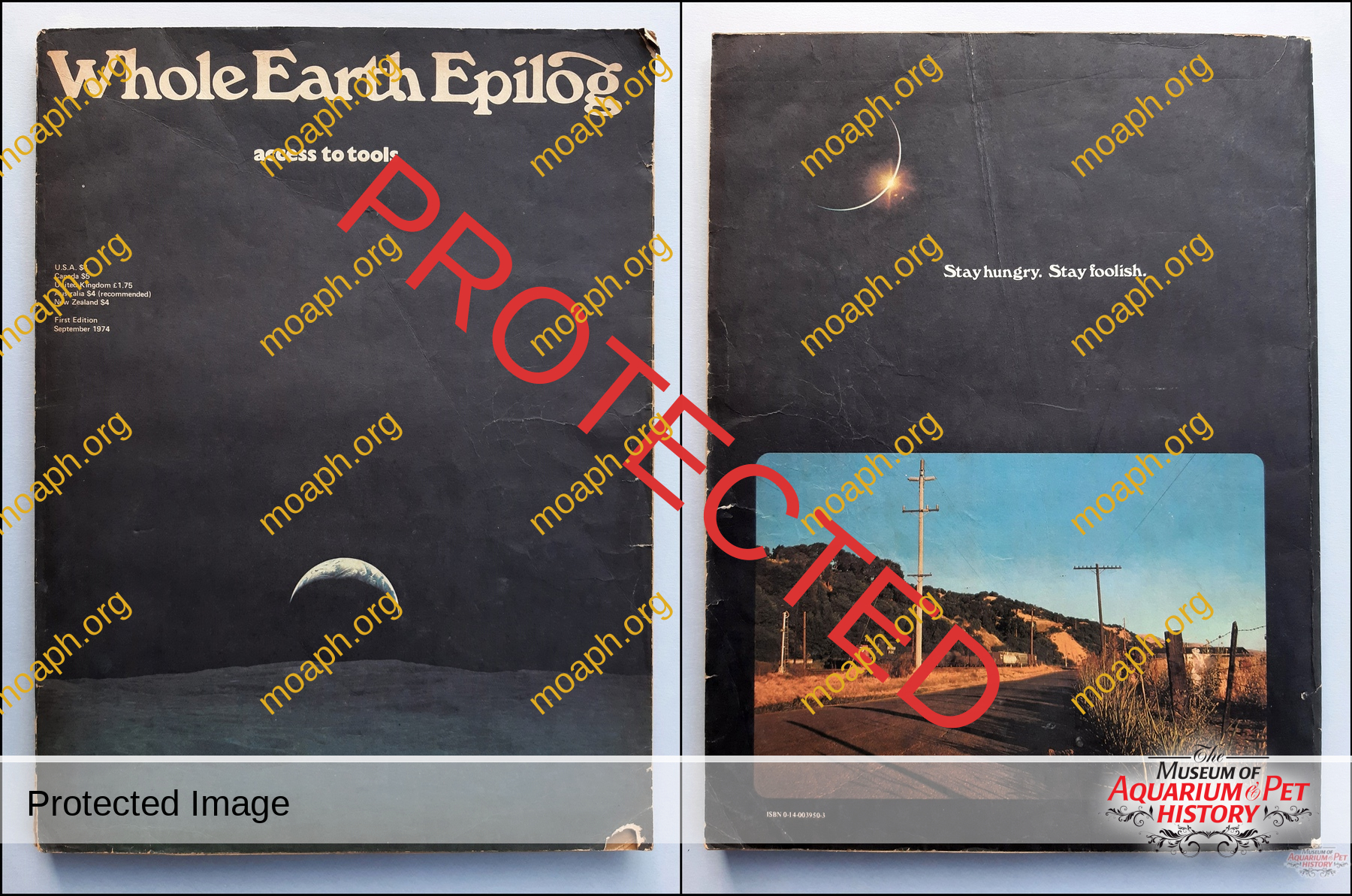
For many mid-1970s people, the special editions of The Whole Earth Catalog were like a Google in paperback form. Here is an example of The Whole Earth Epilog released in 1974, which was followed by The Updated Last Whole Earth Catalog in 1975. During a 2005 commencement speech he gave at the Stanford University, Steve Jobs quoted the words “stay hungry, stay foolish” printed on the back of the 1974 edition, encouraging the students to take risks, not be afraid of failure, maintain a sense of wonder and willingness, and to try new things even if they seemed foolish or unconventional. Gary Dahl had exactly this kind of mentality.
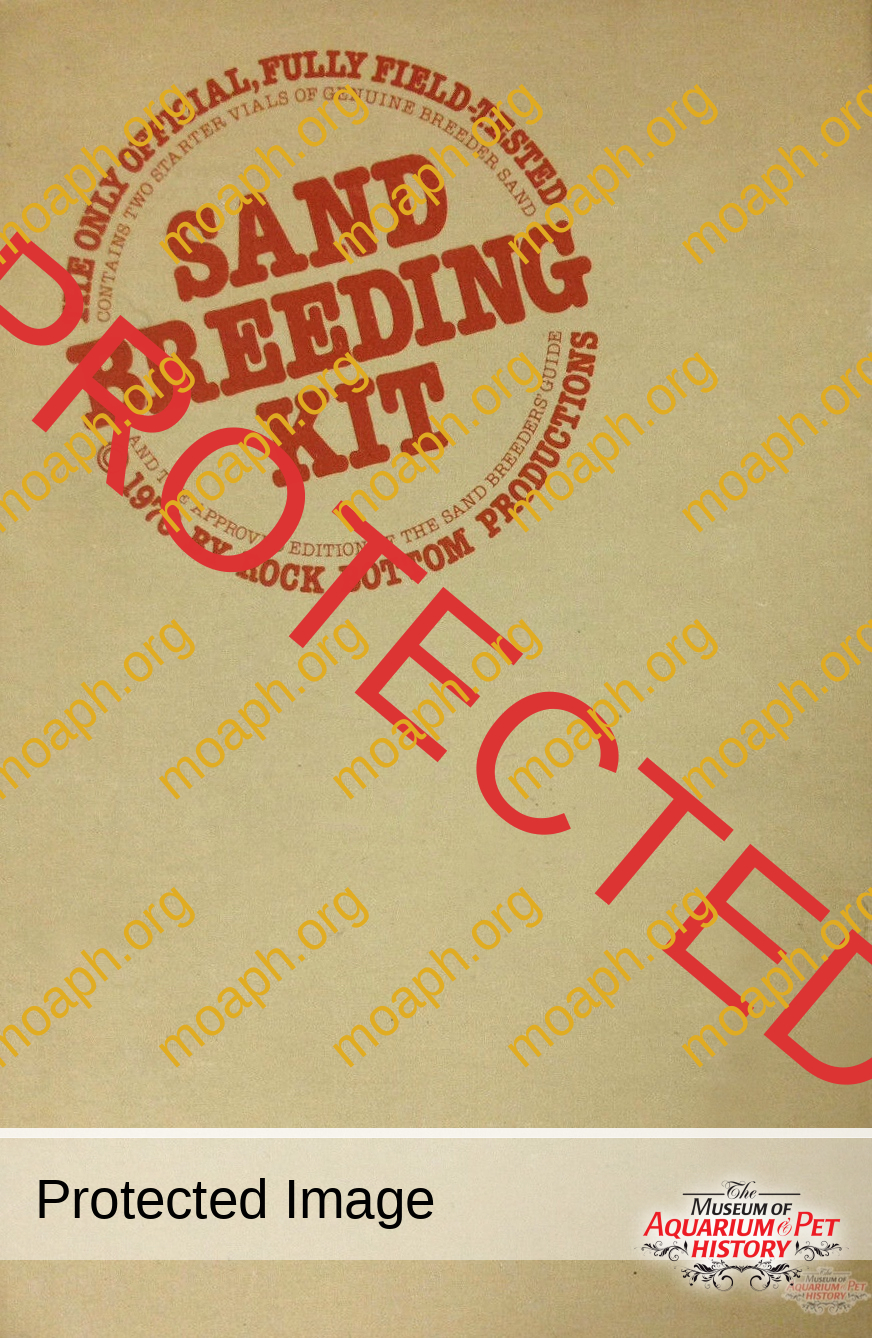
In 1976, Dahl attempted to follow up his Pet Rock success by selling another extravagant product, the “Sand Breeding Kit”!
Troubles were not over. In the late 1970s, in fact, Dahl was sued by his original investors, who claimed they had received a too small share of the profits coming from the Pet Rock business. A court found in their favor, and he was obliged to write them a six-figure check for compensation. John Heagerty, one of the two investors, speaking of Dahl declared: “We would have liked to have continued a relationship with Gary, but money has a divisive element to it. Gary got rich quick and then he wanted more than he deserved.”
Dahl, however, was quite the character and never lost his sense of humor. From the proceeds of his business, he designed and built a pub in Los Gatos, California, which he jokingly named “Carrie Nation’s” after the radical member of the temperance movement who demolished several saloons of the Midwest using a hatchet, and throwing bricks and… rocks! He also worked as a consultant for other inventors, and continued for several years in the advertising business. In 2001, he published the book Advertising for Dummies, which is still a must-have for marketing people.

Dahl’s 2001 book on advertising strategies.
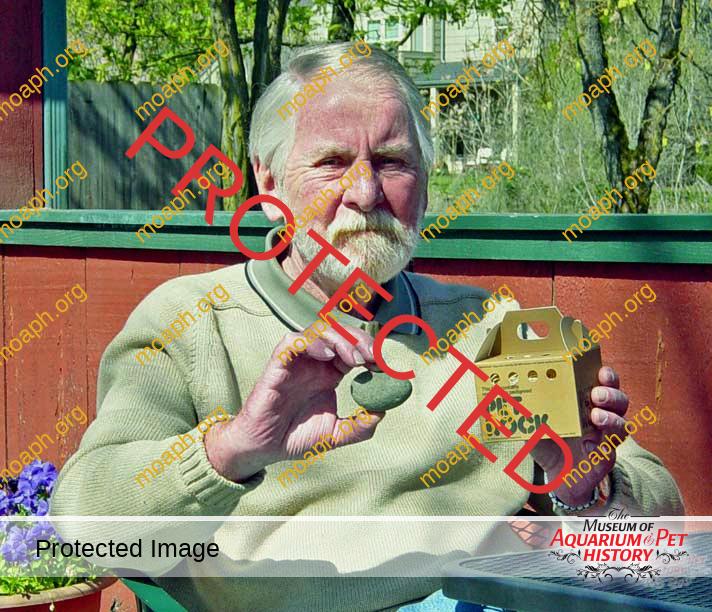
Gary Dahl in 2006. Courtesy of Jacksonville Review Online.
Testing an original Pet Rock
Recently I purchased on eBay a “genuine, pedigreed” Pet Rock from 1975. No barcode on the box, right graphics, and bedding made of real wood shavings. The rock was in there, but it’s nearly impossible to find out if it comes from the original collecting location of Rosarito. I wanted to experience the product, to dive into the joke, and – why not – finally take care of a low-maintenance pet after a life spent dealing with rare and demanding aquarium fish.
The closest thing to a pet rock which I had ever kept was the deadly stonefish Synanceia verrucosa, not exactly the most dynamic species you can keep in your aquarium!
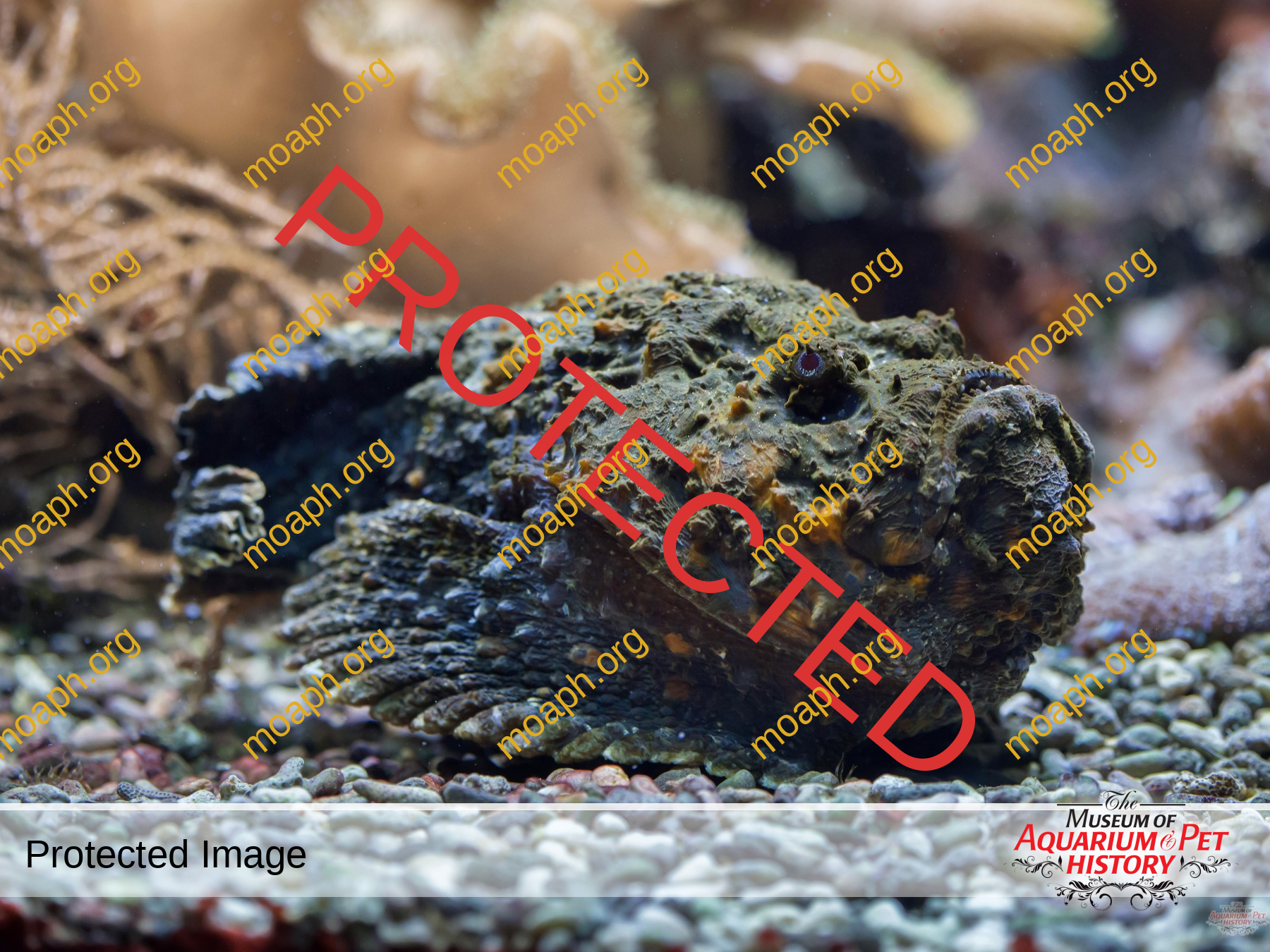
The deadly stonefish Synanceia verrucosa.
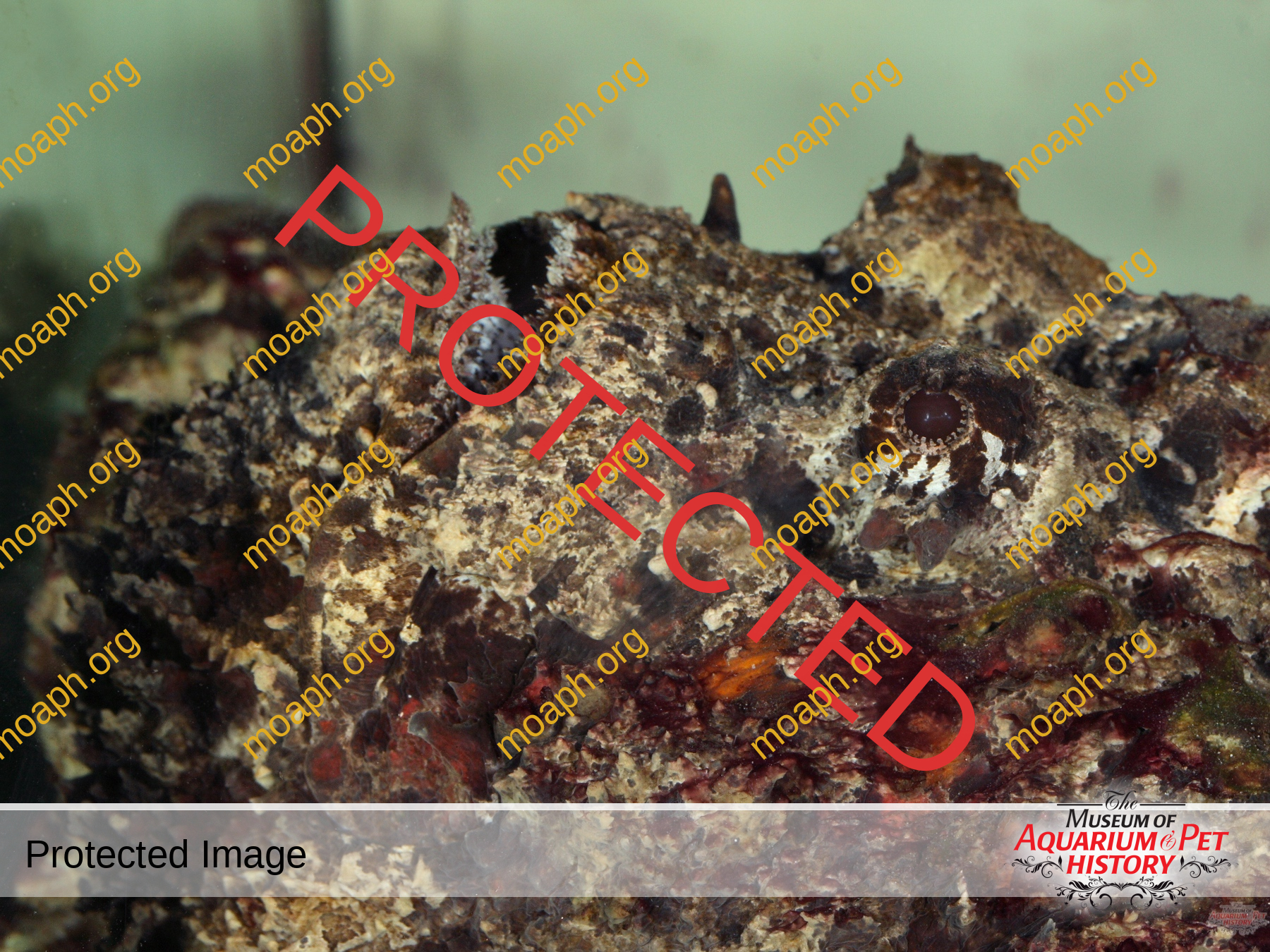
A boring artist of camouflage!
First of all, I read the manual carefully, and must admit that I enjoyed it so much. Trying not to be seen by those who still love me a bit, I treated my rock like an actual pet, following literally the instructions on the booklet and letting it make friends with my other pets. We walked together on the beach and strolled in the woods. I even gave it a name, Peter (masculine form of the Greek word petra, which means “rock”).
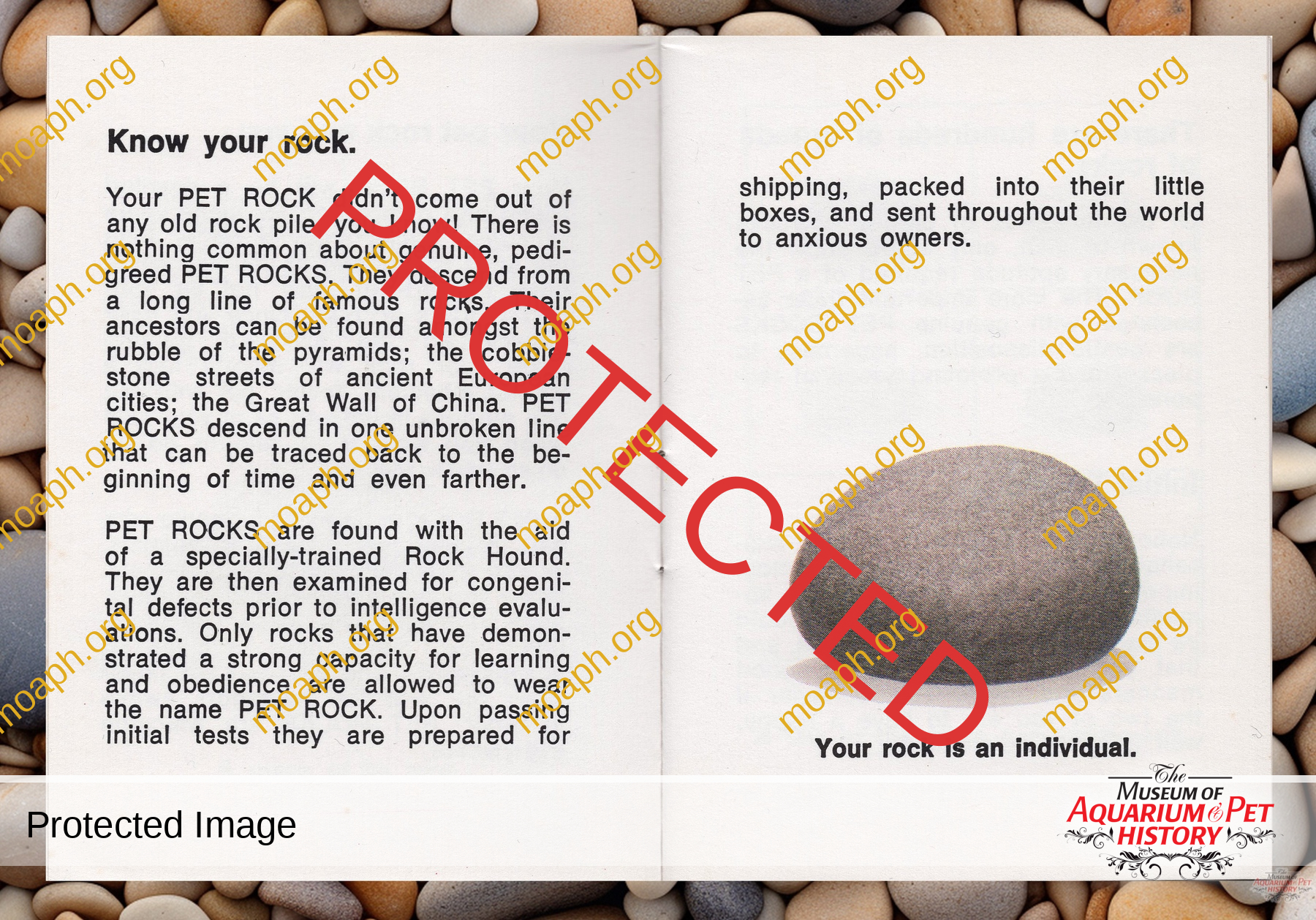
Pages 6 and 7.
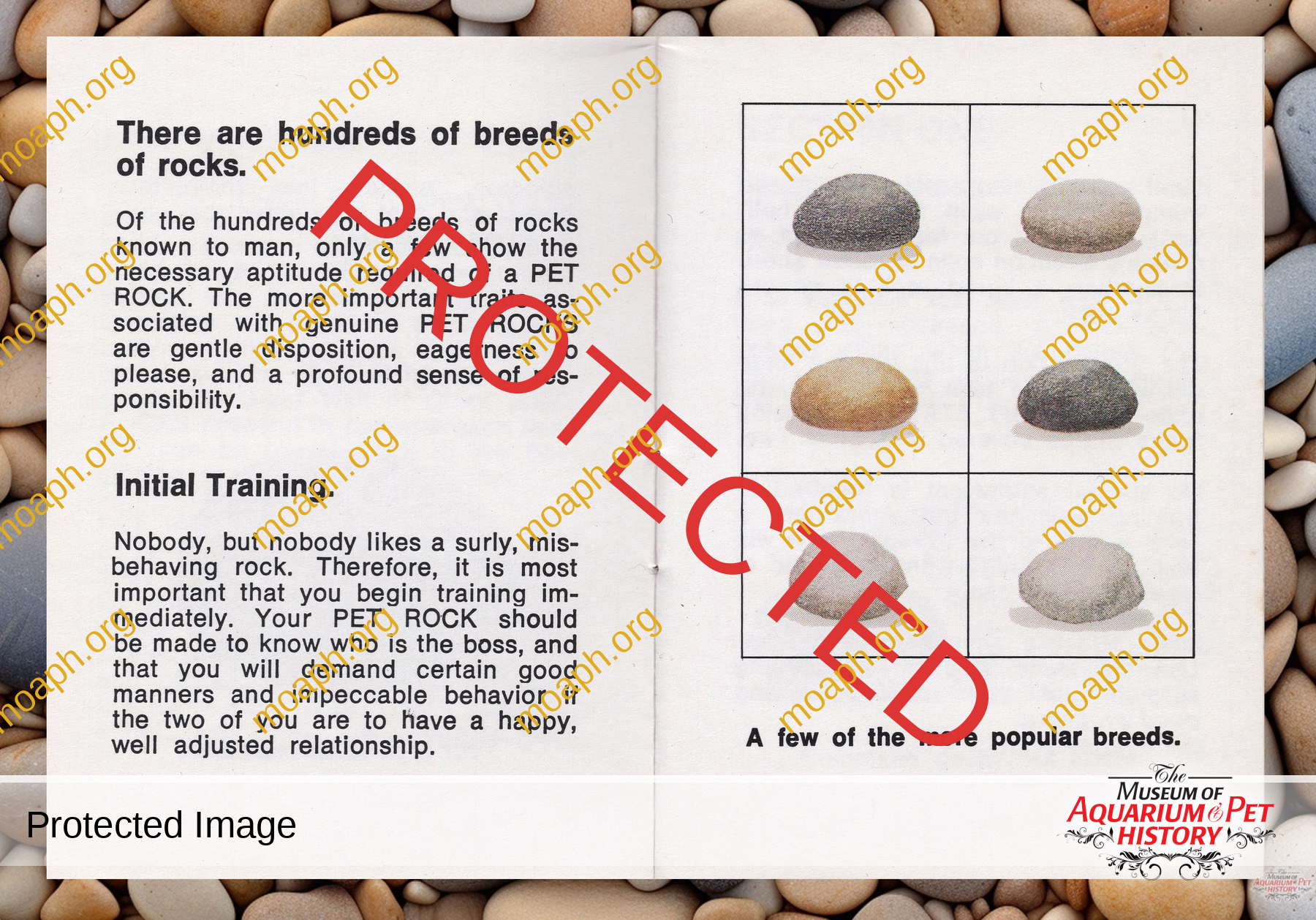
Pages 8 and 9.
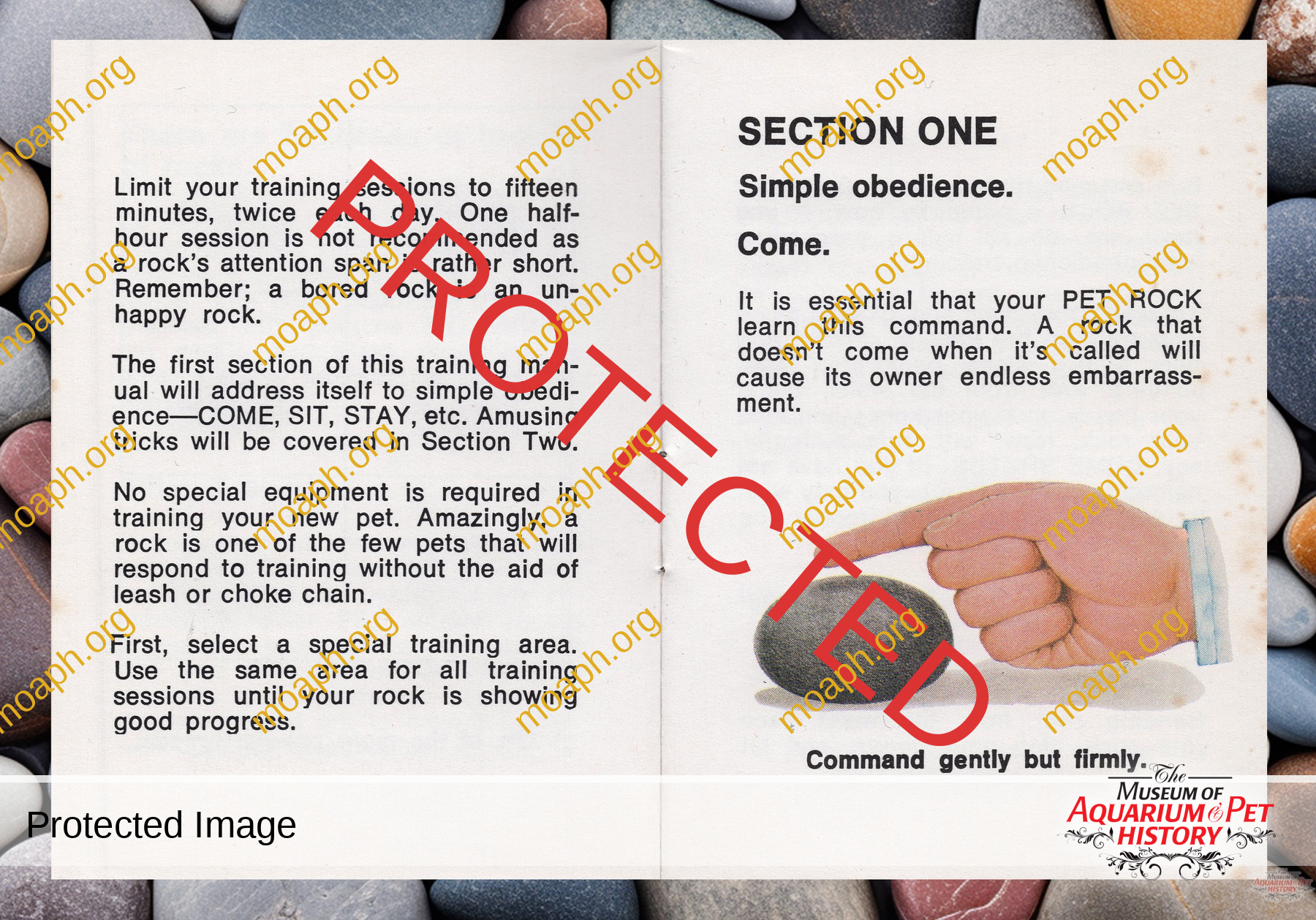
Pages 10 and 11.
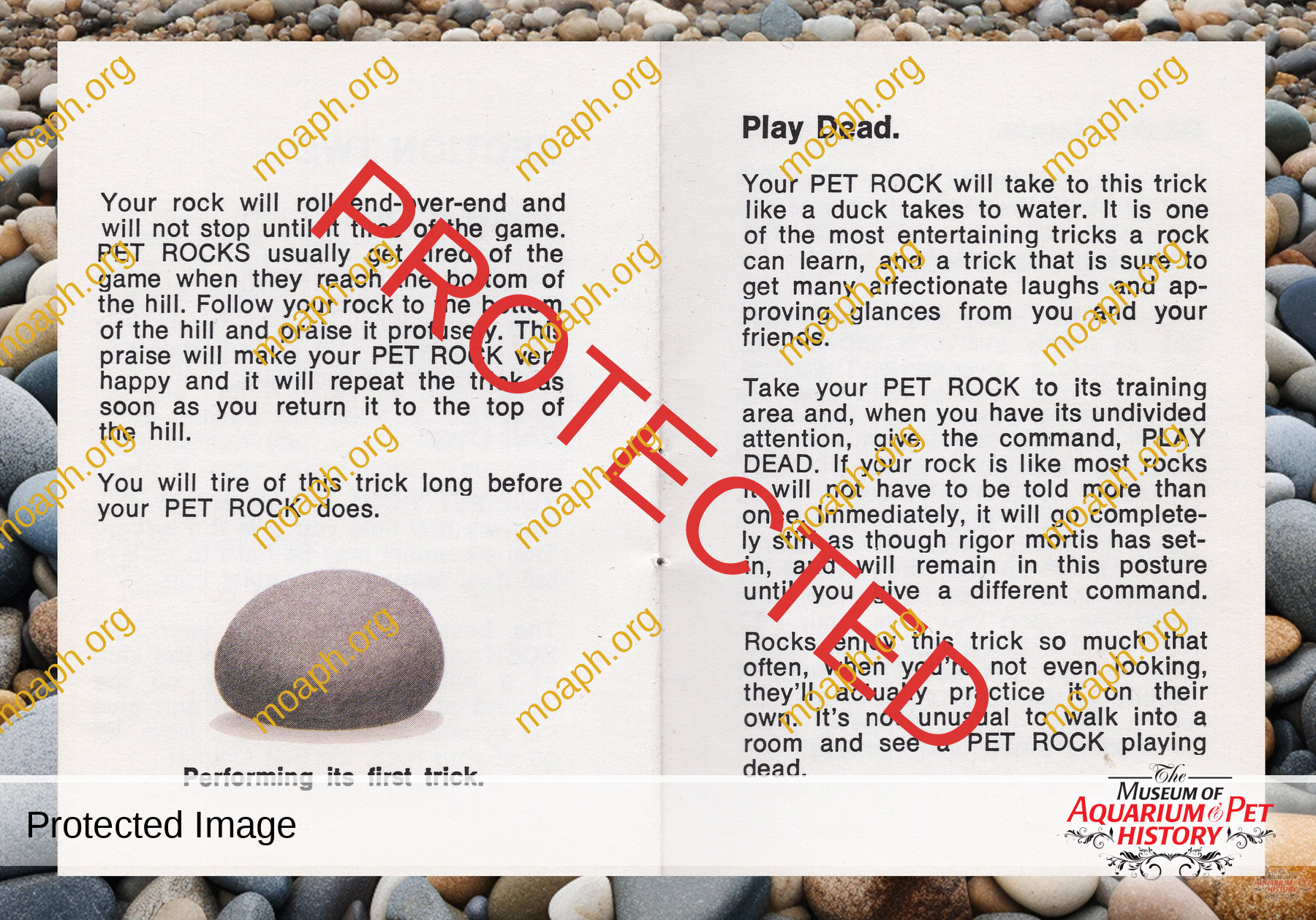
Pages 22 and 23.
Just as I did with my stonefish many years before, I often stared at the rock for a long time with the aim of catching the slightest movement or facial expression, although I’m still not clear where a rock has its face. I was even concerned it might be feeling the lack of other fellow rocks, therefore I collected some on the beach, purportedly a mix of males and females. The manual explains that wild rocks are usually surly, vicious, unpredictable, and impossible to domesticate, but I took the risk for the sake of Peter.
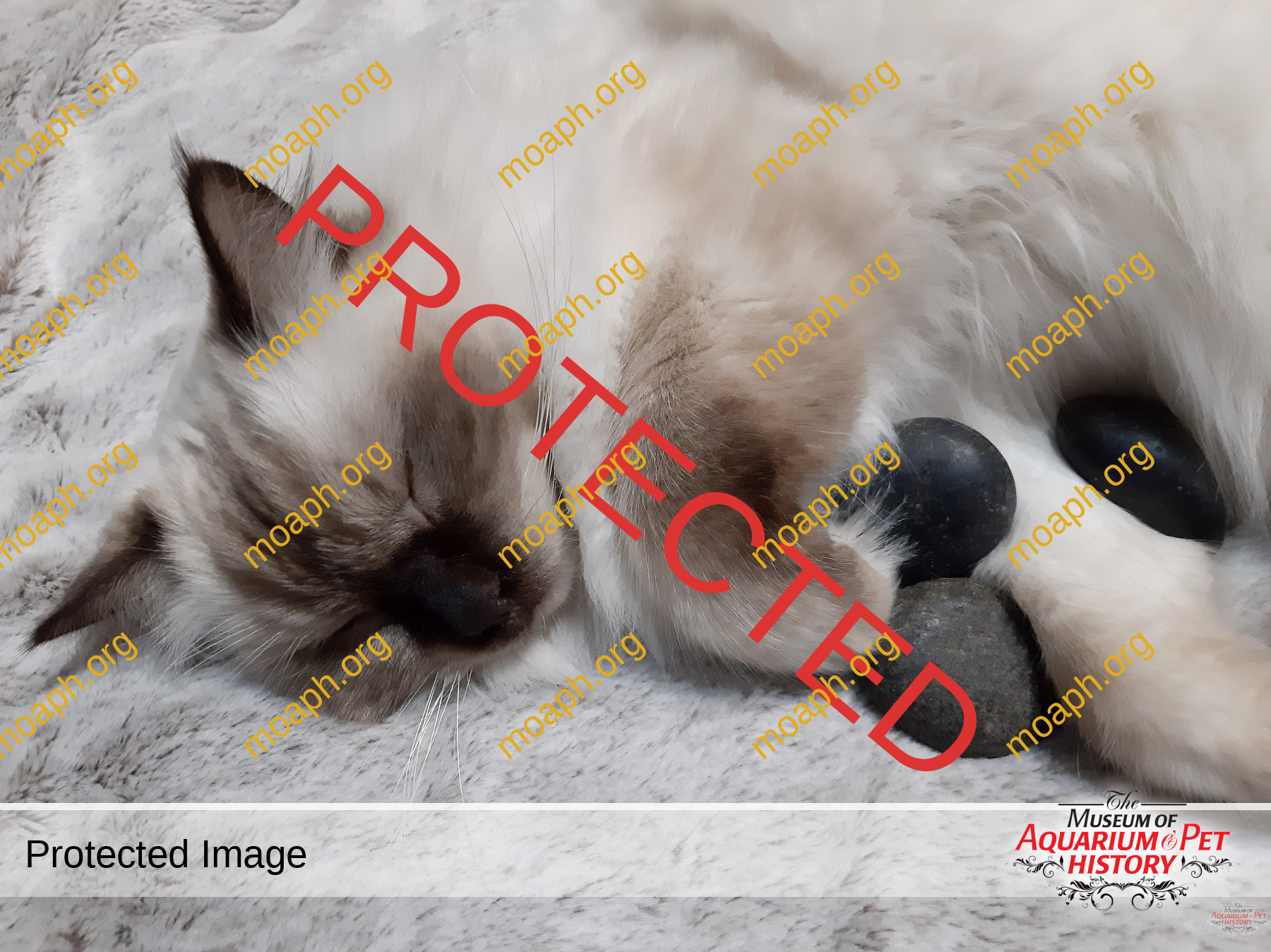
Pet Rocks looking for the warm embrace of a cat.
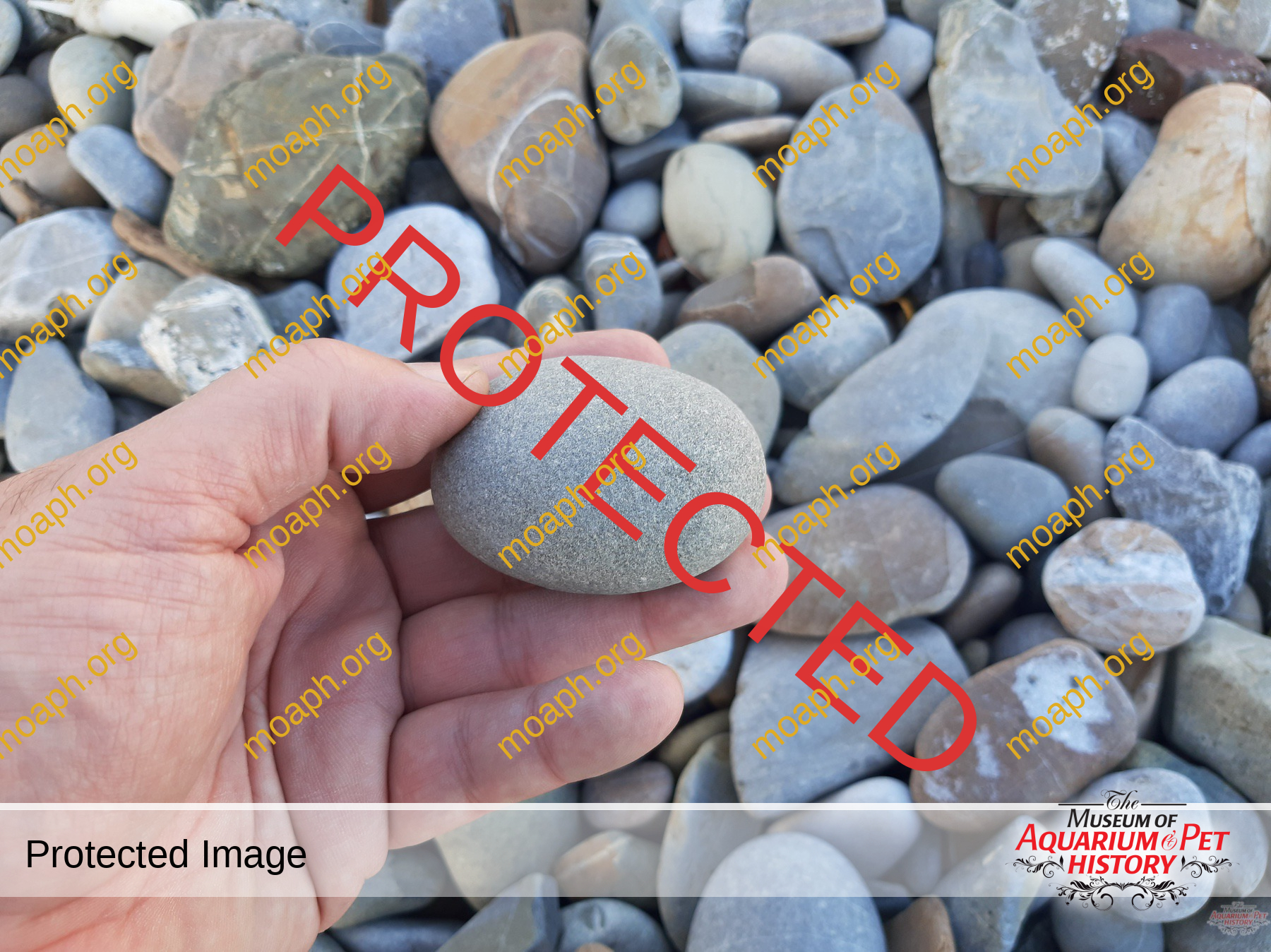
Looking for wild rocks.
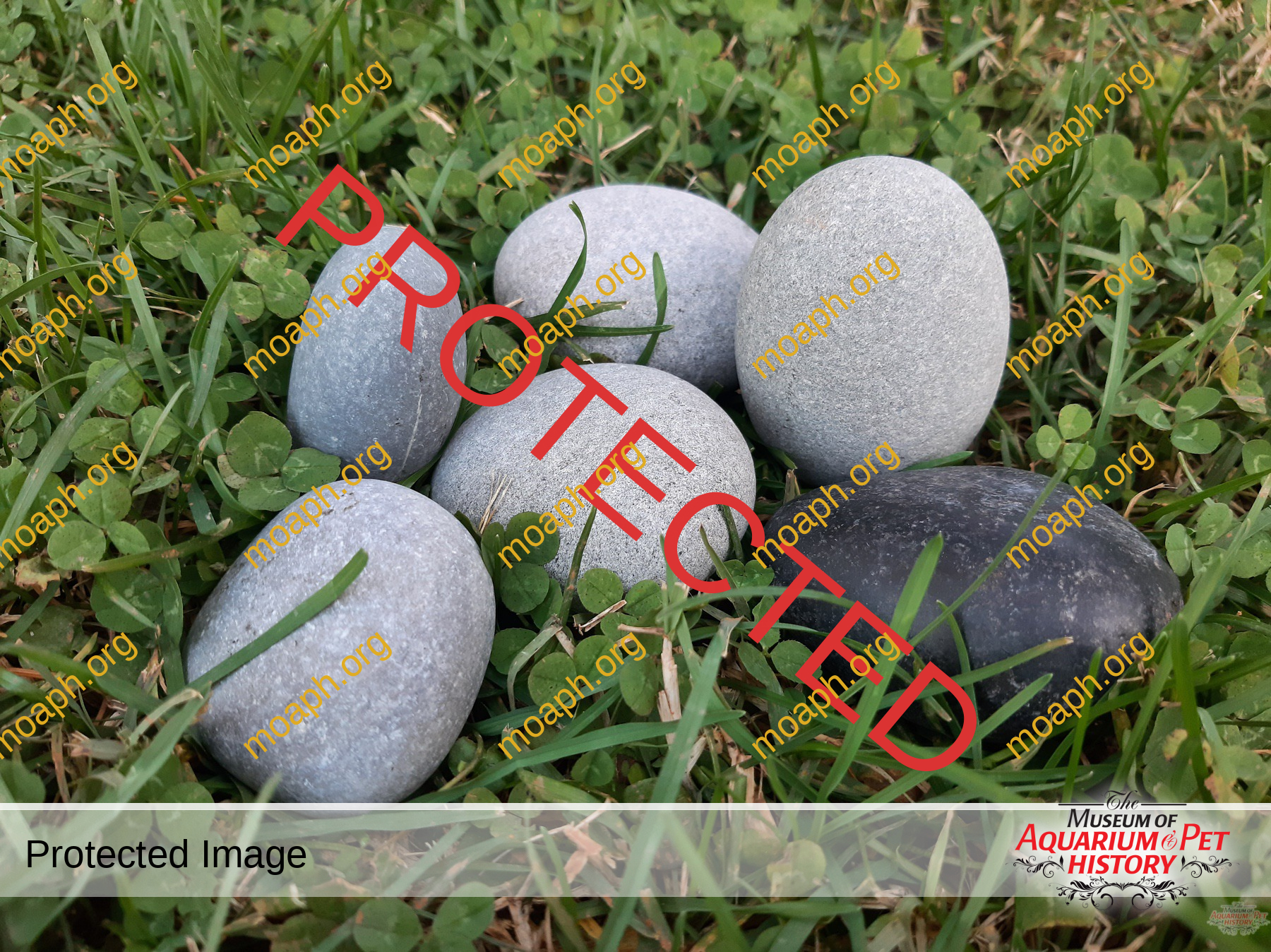
A pack of wild rocks.

Wild rocks spotted during the courtship!
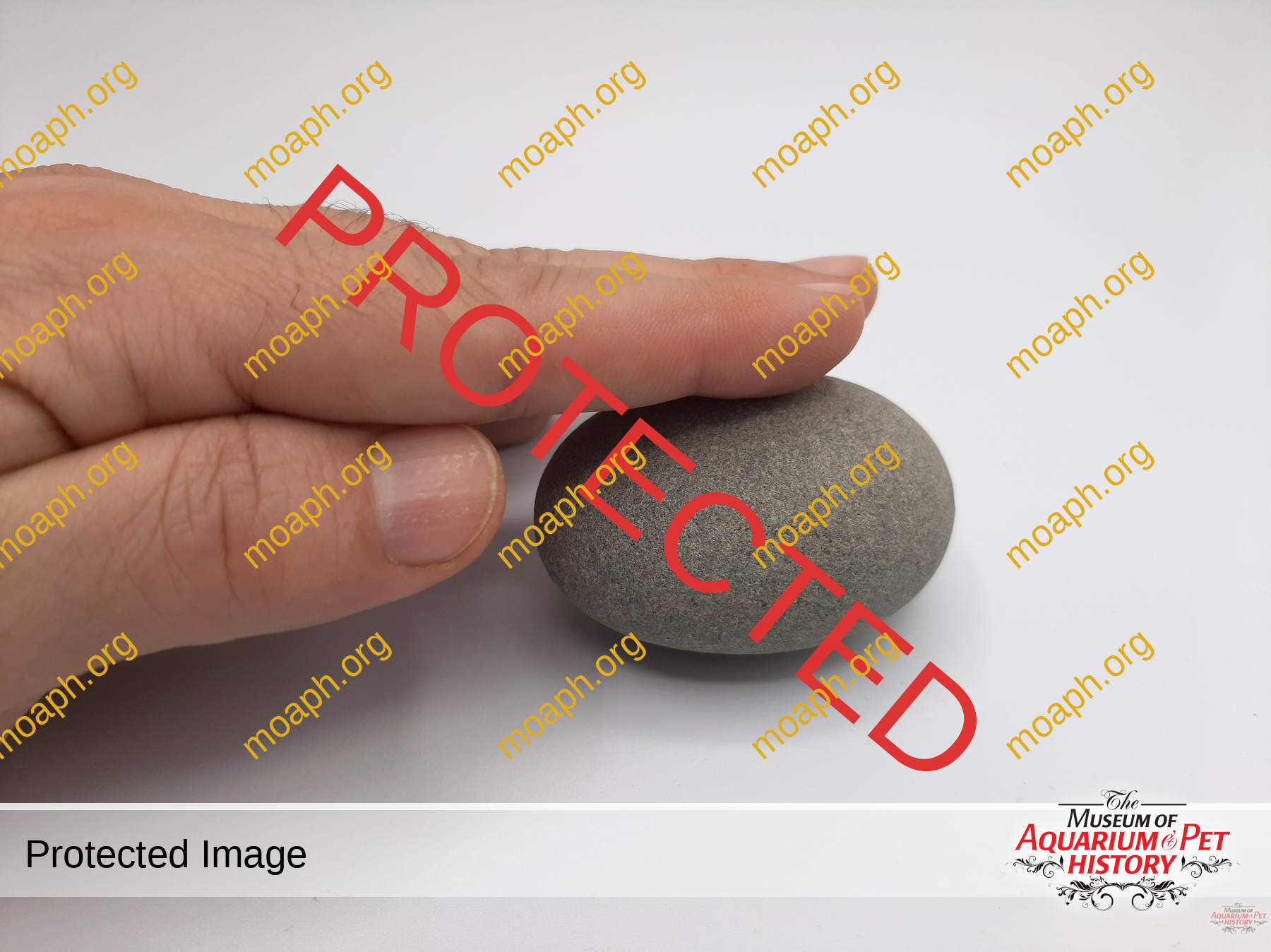
According to Dahl’s training manual, a pat of approval works wonders!
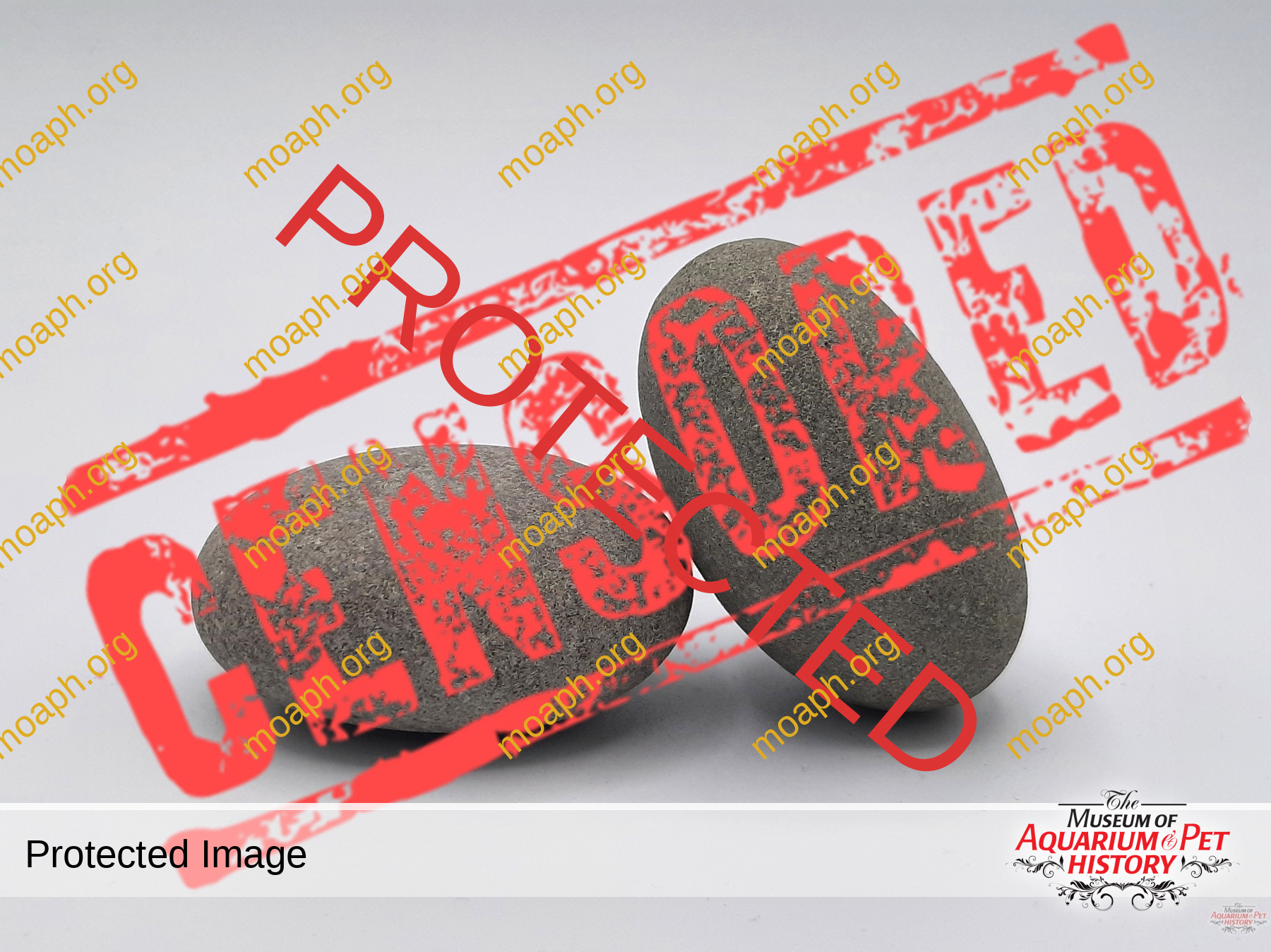
Mating?
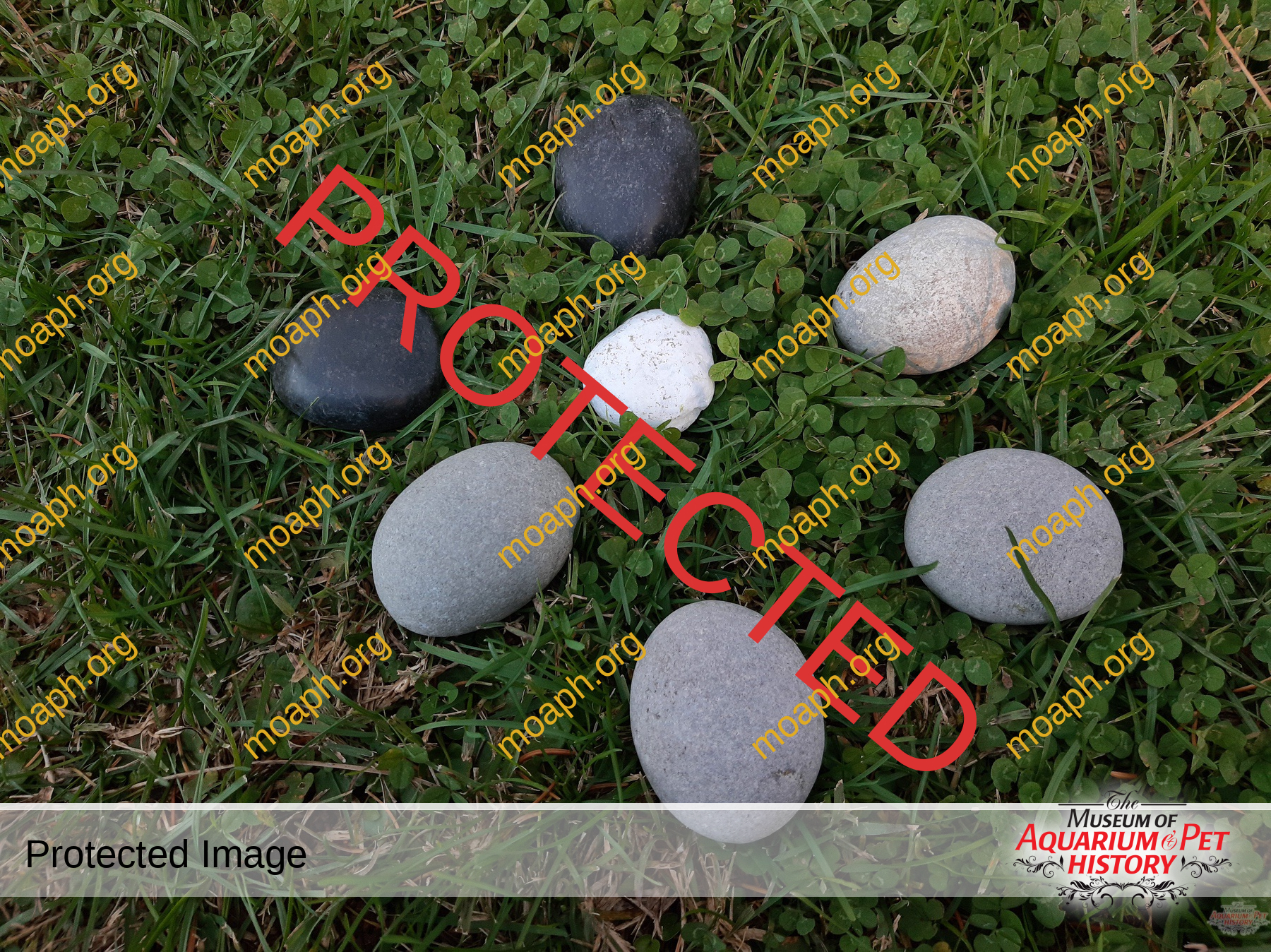
Albino rocks always attract the attention of their own kind.
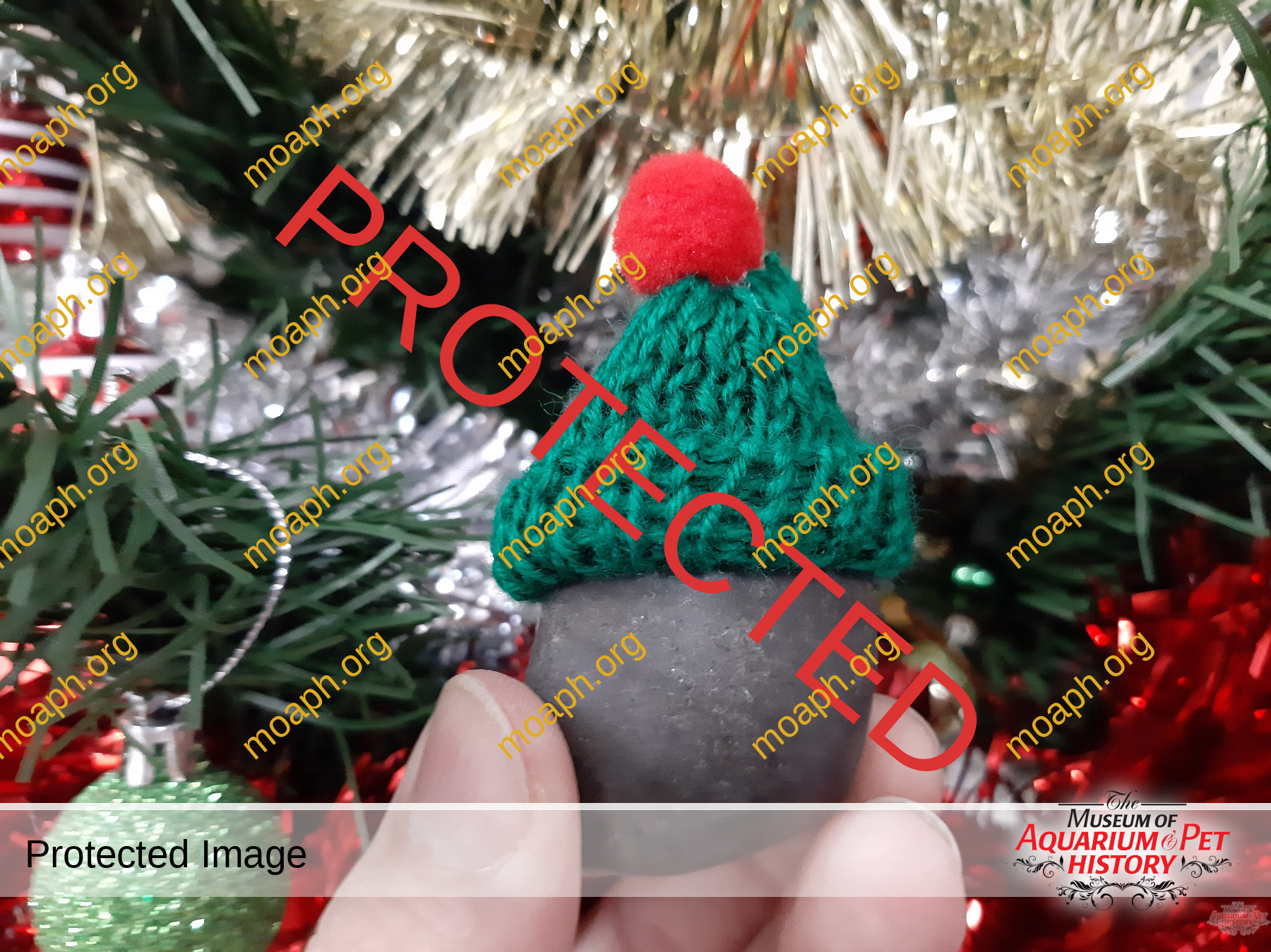
Christmas time…
After a week, I realized that I probably wasn’t the right person to test this lighthearted thing from the self-indulgent 1970s, as the magic didn’t happen! A rock is simply a rock. Not by chance, the name “pet rock” entered the American lexicon as a synonym for a useless entity, or a meteoric success.
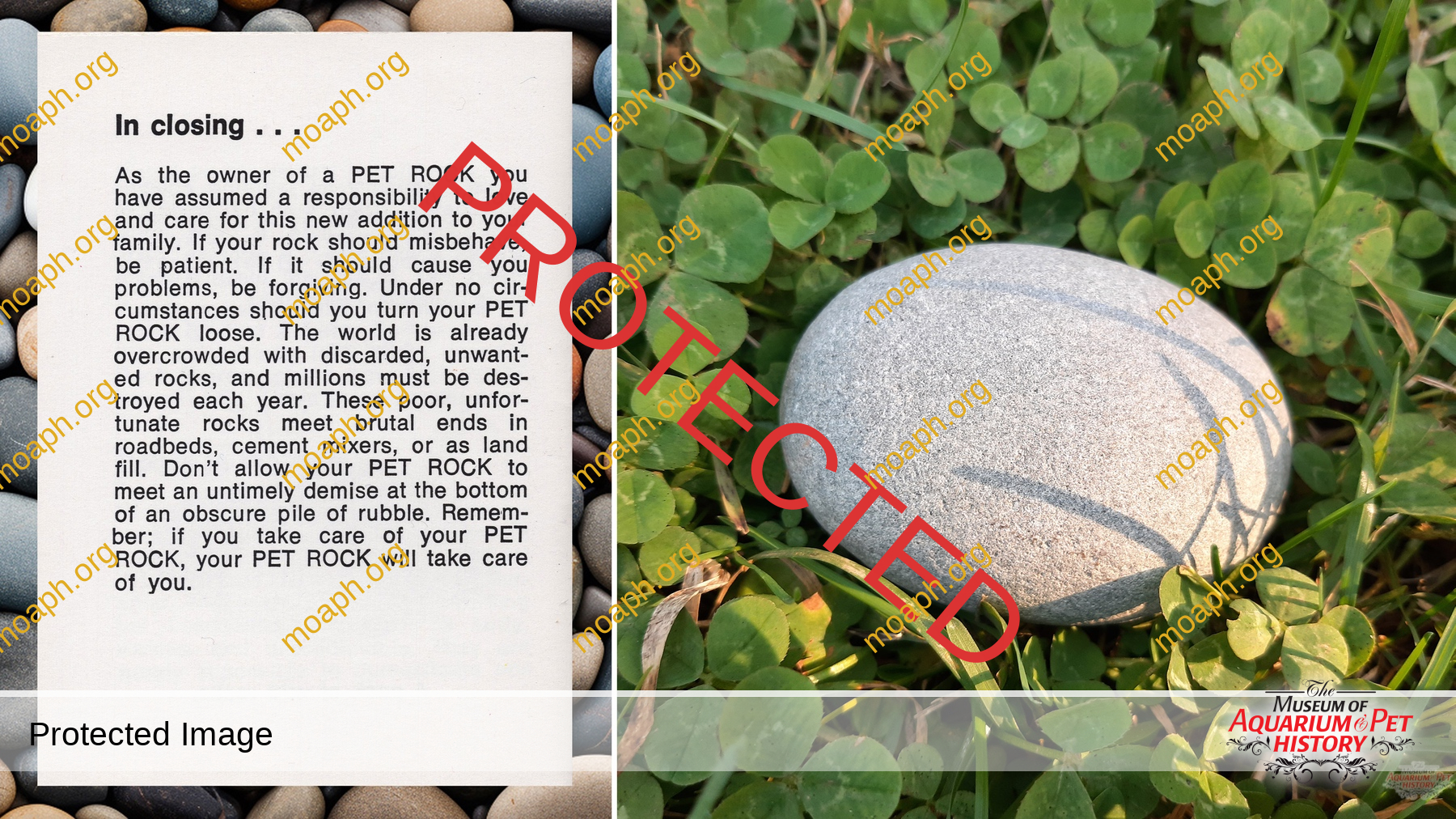
Peter enjoys its last sunset before being placed on the bottom of an aquarium!
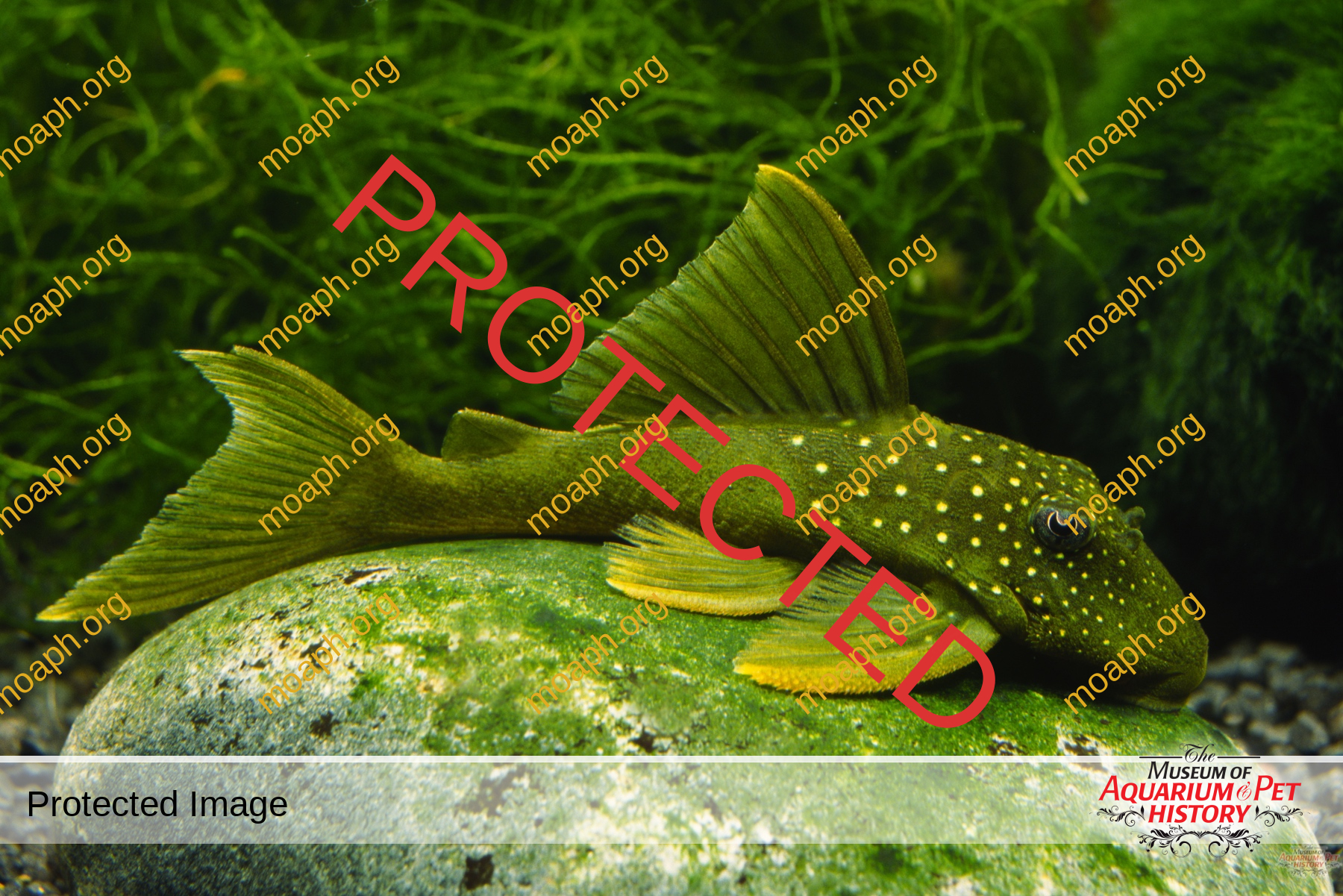
Peter and its new finny pal!
The Pet Rock I never got
From a historical perspective, someone looks at this invention also as a forerunner of that controversial concept of inanimate pets, which from the 1990s developed into products of the toy and video game industries such as Tamagotchi, Furby, and Neopets. Dahl himself, however, confirmed that he never wanted to sell a surrogate of an actual pet, even though his product jokingly revolved around this sensitive subject and abused the term “pet”. The real pet industry back then was healthy and ever-growing, when millions of Americans loved actual pets.
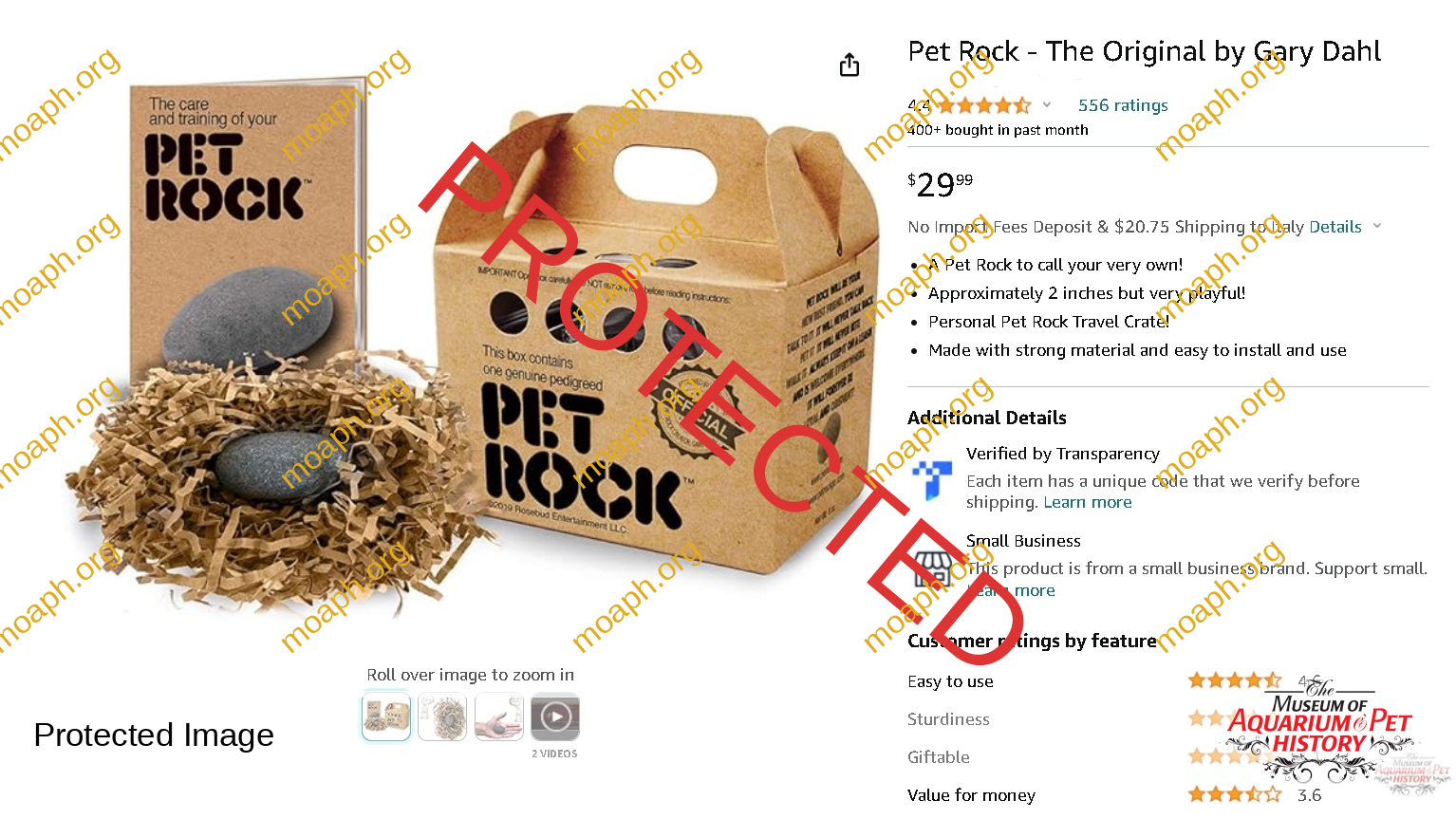
A modern version of the original Pet Rock kit available on the internet.
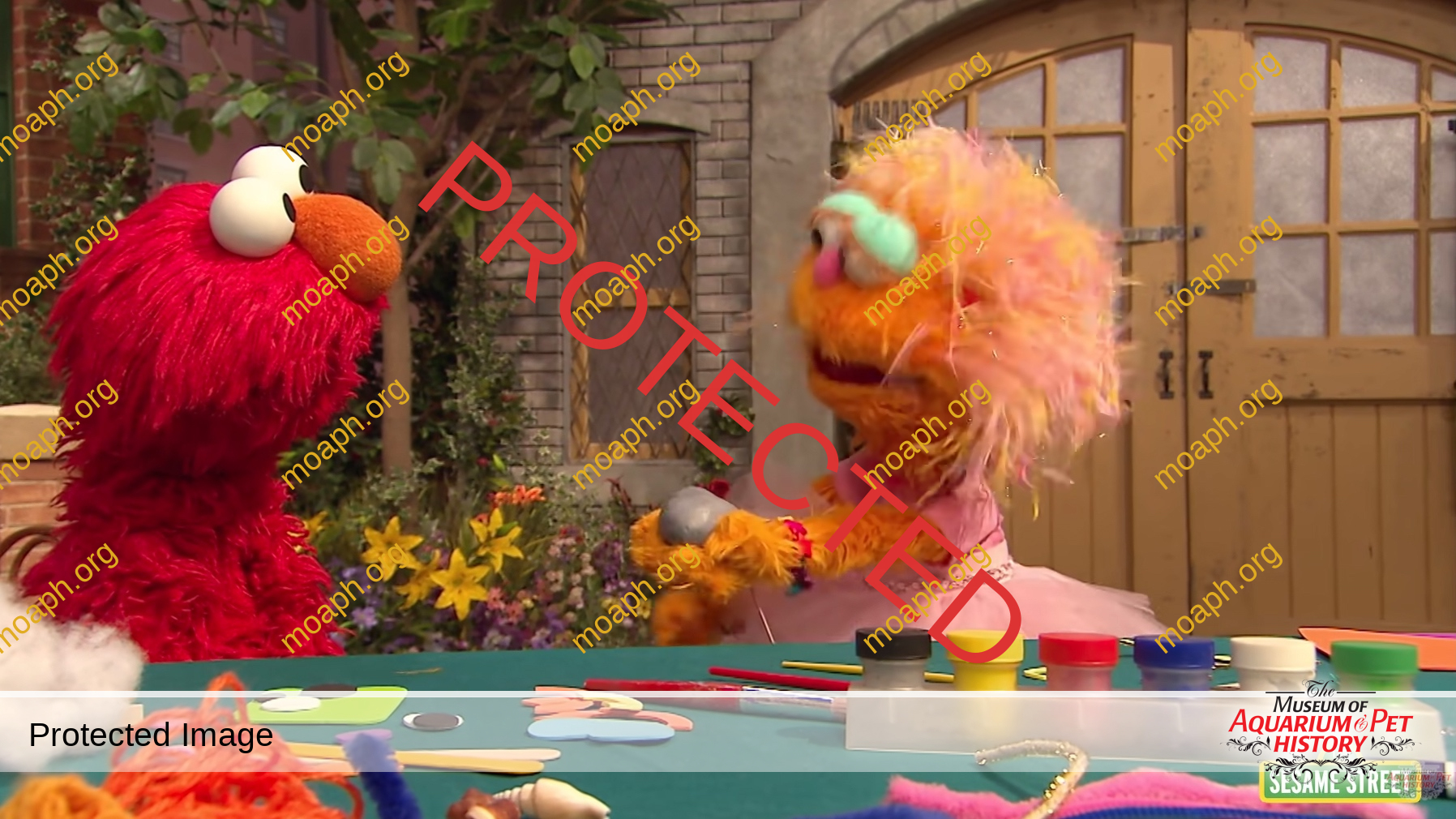
A frame of the popular television series Sesame Street, featuring Elmo and Zoe with her pet rock.
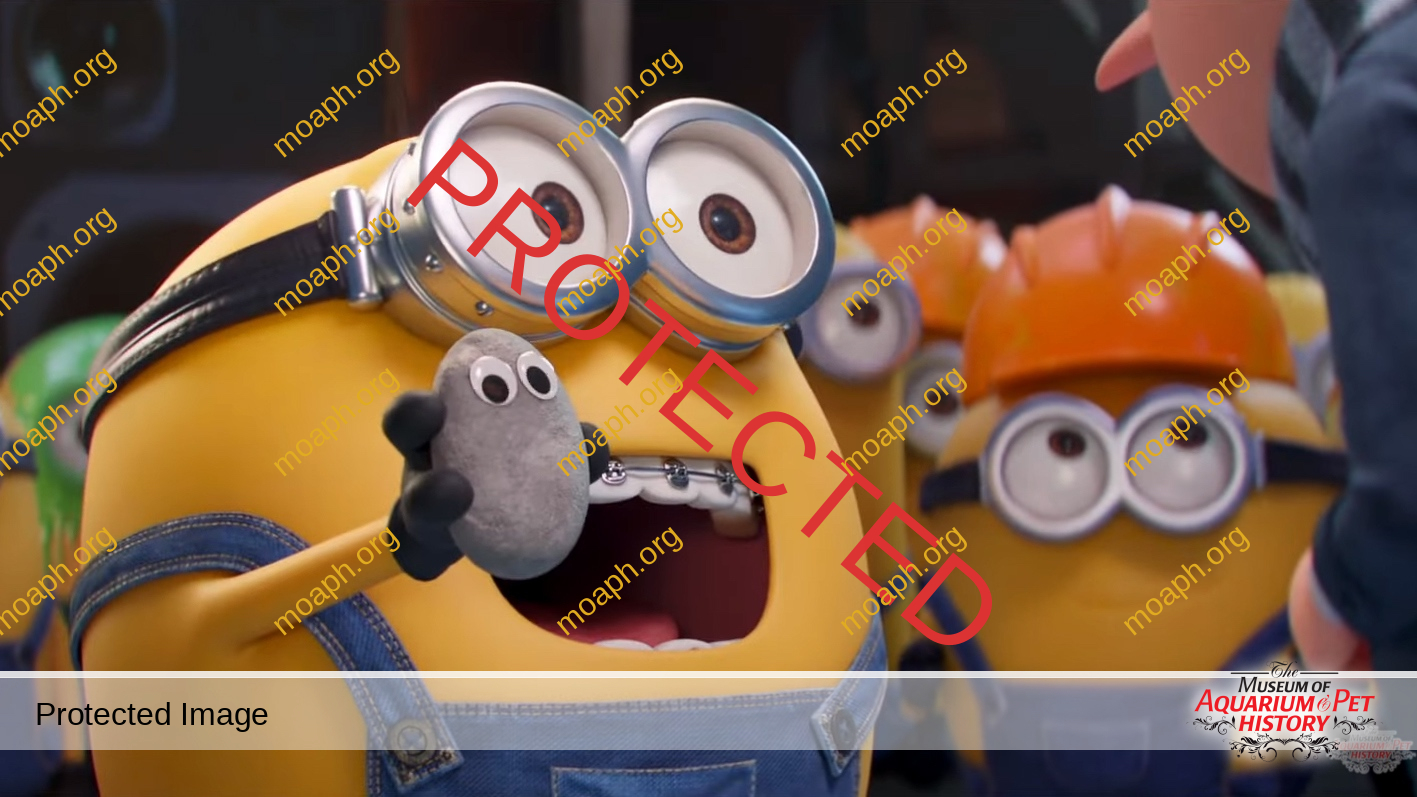
A pet rock featured in the 2022 movie Minions: the Rise of Gru.
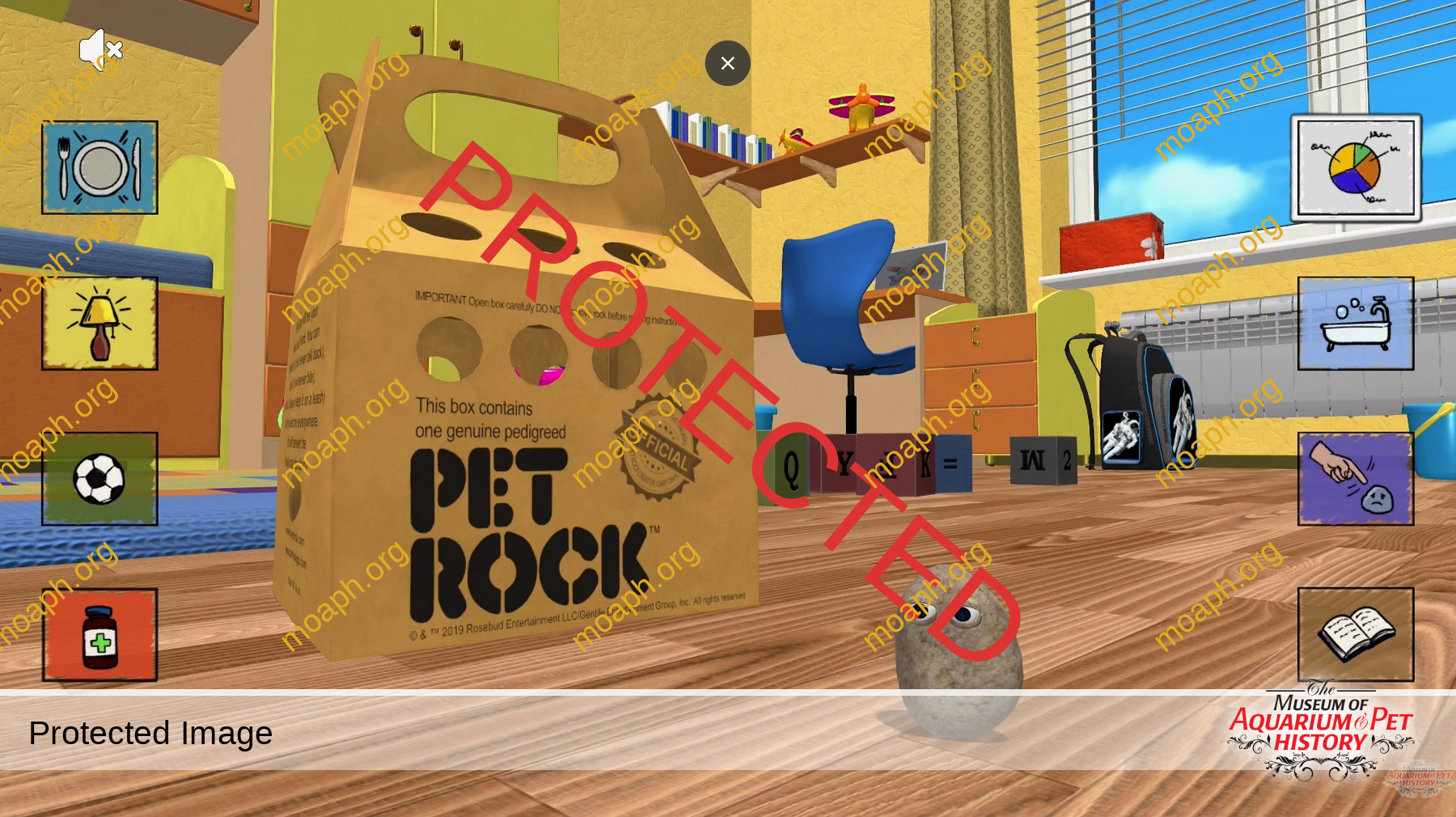
The 2022 videogame Pet Rock developed by Sabec Limited for Nintendo Switch, Android, and iOS.
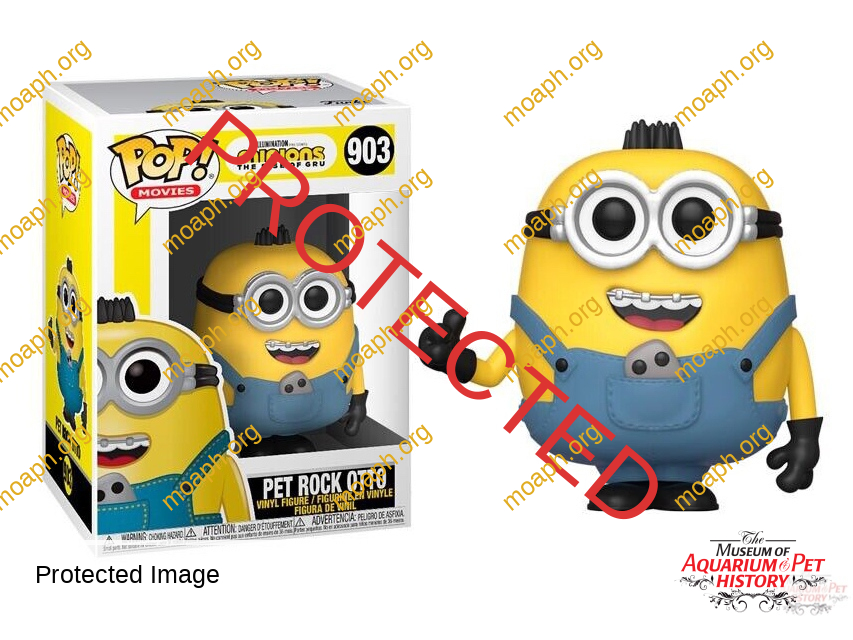
Funko POP! “Pet Rock Otto”.
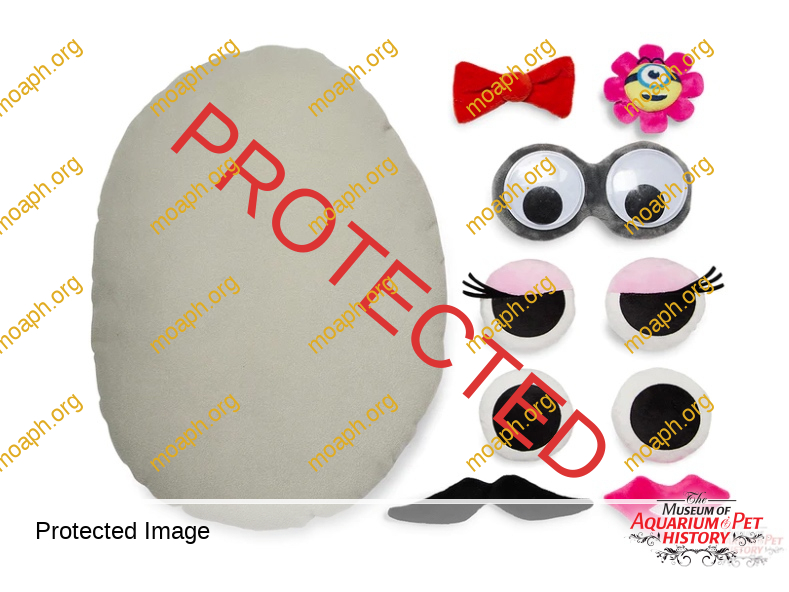
Rock-shaped plush toy.
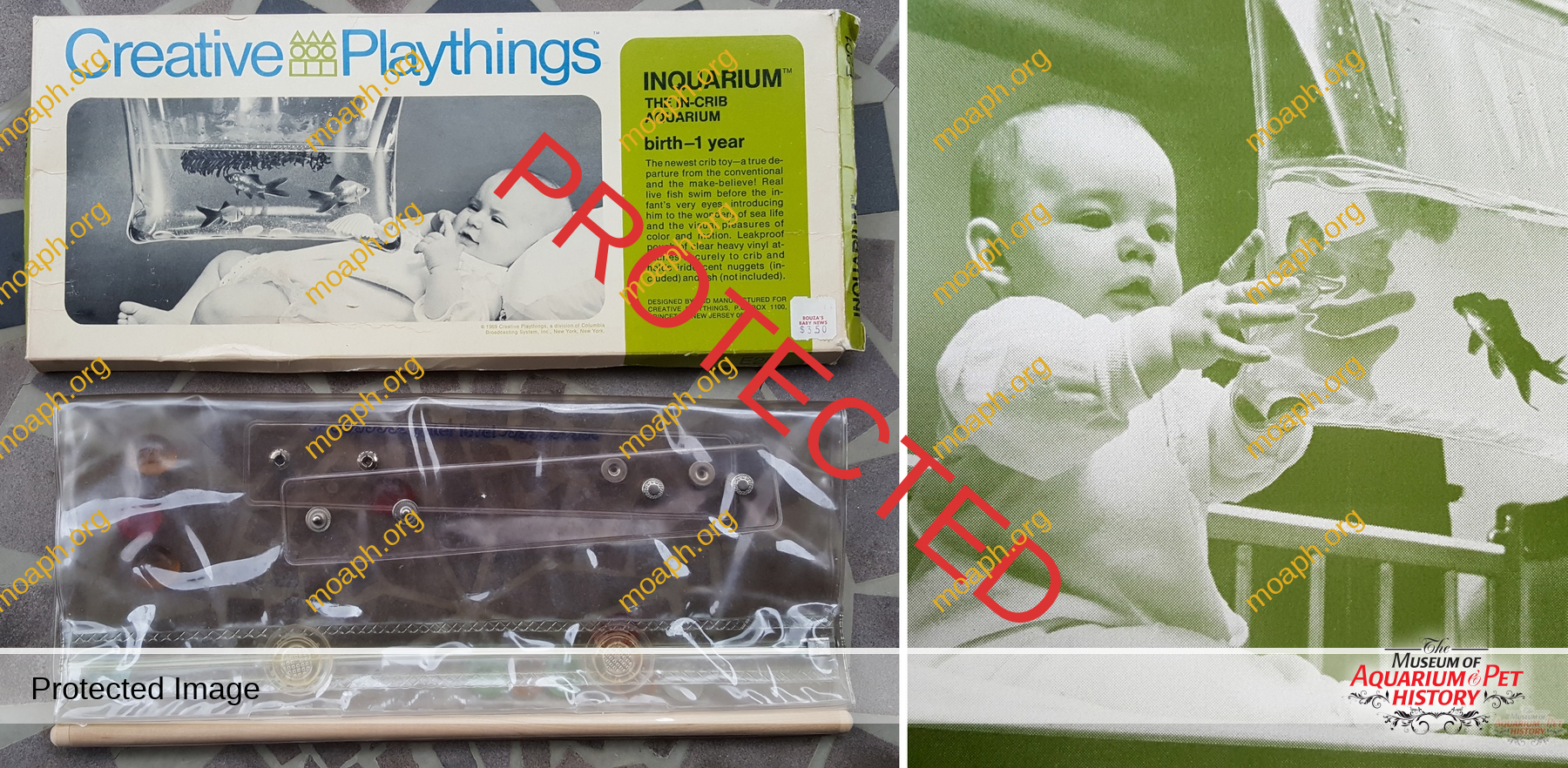
A little anecdotal thing, in conclusion. A few months after my birth, which happened in the same year as the Pet Rock boom, my father visited New York on business. He had the chance to purchase a Pet Rock as an extravagant souvenir, but he chose something else. Back in Italy, he secured an unusual educational item to one of the sides of my crib, a leakproof pouch of clear heavy vinyl to fill with water, iridescent nuggets, and… live goldfish! A few years ago, I discovered that Andre Agassi’s father did an equally unconventional thing for his son, hanging a makeshift mobile of tennis balls over Andre’s crib. Different crib toys, different lives. Agassi became rich and famous, while I still struggle to make ends meet! My only consolation is that we are both bald…
I’m not sure whether my lifetime passion for pets and aquariums started thanks to the subliminal influence I received from my pouch with goldfish, but when someone asks me how long have I been a fishkeeper, I can proudly answer: “Since the early days of my life.” All in all, I’m glad my father didn’t buy that Pet Rock.