Exploring the Legacy of Johann and Ferdinand Maresch
Terracotta & Majolica Manufacturers from 1860 to 1948
Early Life of Johann Maresch:
Johann Maresch was born on July 11, 1821, in Austria-Hungary1 (present-day Austria). He was a skilled ceramic artist, and at a young age, he began working in the city of Teplitz (present-day Czech Republic), a well-known region for ceramic work. Maresch originally created terracotta animals and quickly gained notoriety due to his ability to portray lifelike qualities in his work.
Careers of Johann & Ferdinand Maresch:
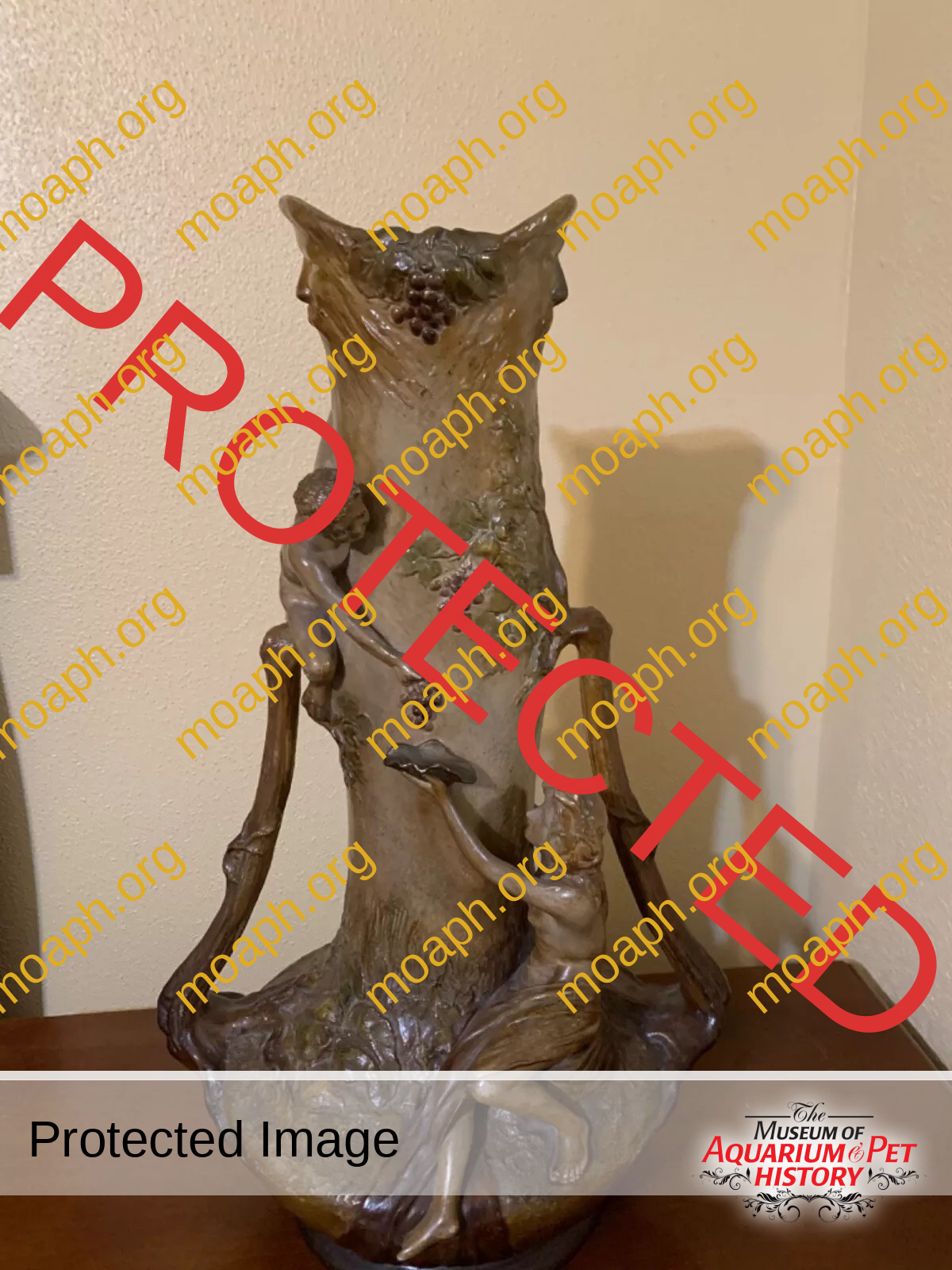
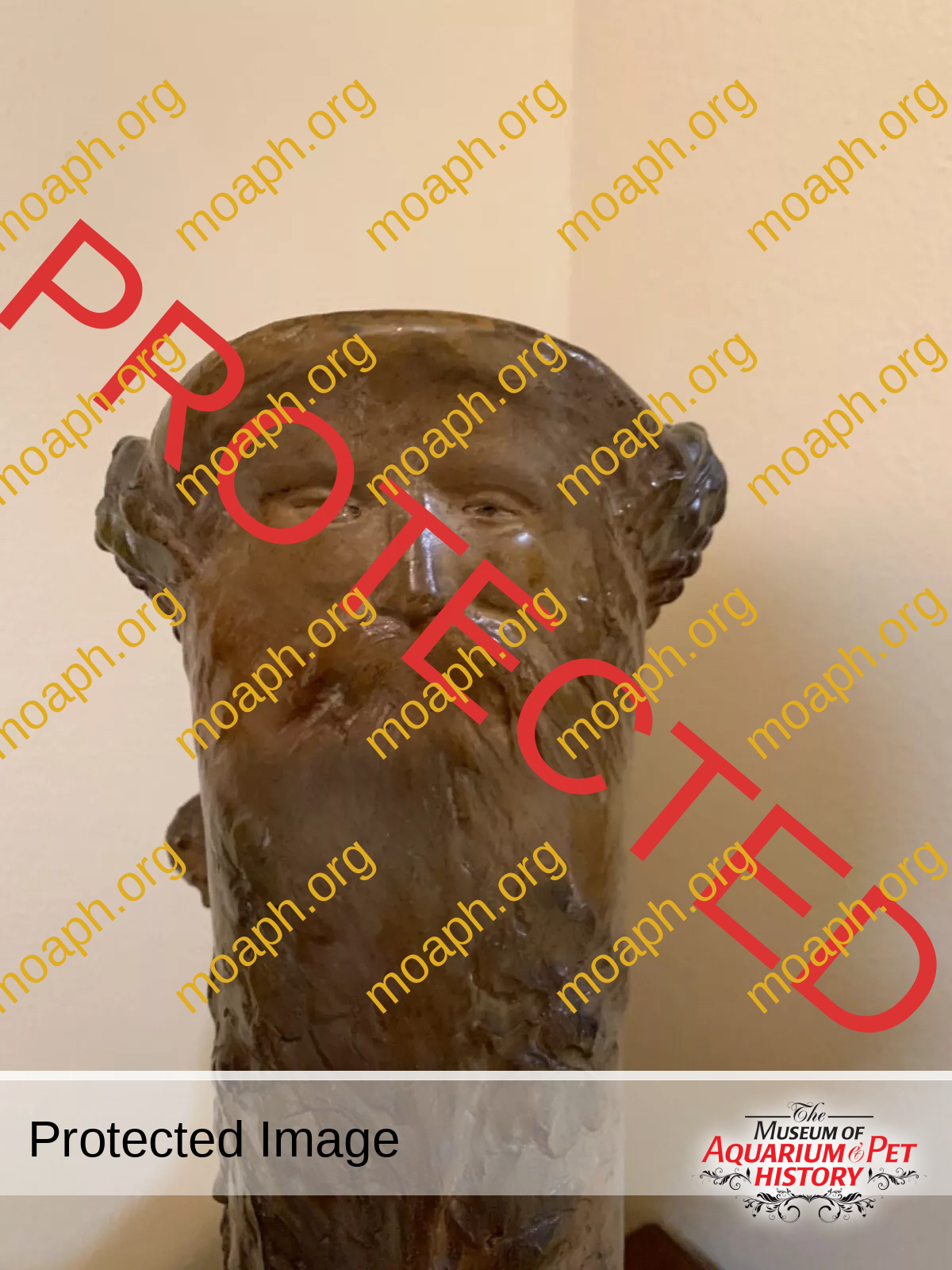
In 1841, Maresch formed a partnership with Adolf Baehr, who owned a ceramic and garden gnome-making factory located on the corner of Teplitzerstrasse and Johanesstrasse in Usti Nad Labem (also referred to by Germans as Aussig an der Elbe), Austria Hungary (present-day Czech Republic). This area was an ethnic German enclave part of the greater Bohemian2 region referred to as the ‘Sudetenland.’ From 1841-1844, Maresch oversaw the first production series of household decorations made from Siderolith3. In 1845, he joined Baehr as commercial director of the company. However, following the passing of Baehr in 1849, Maresch married his daughter, Marie Luise, and became a shareholder of the firm in 1851. In 1860, he took over the business and changed the company’s name from ‘Baehr and Maresch’ to ‘Johann Maresch, Aussig/Bohemia.’ He extended the production to include terracotta figurines and majolicas, which were very popular during that time. Maresch specialized in recreating naturesque scenes in his work resembling the then-popular Art Nouveau4. He accomplished this by using Siderolith ceramics, which naturally mimicked the appearance of stones, which he used as a base for his artwork. Furthermore, his use of an ironstone clay mixture resulted in a stronger, more durable porcelain that could be transported well. These items can be identified with their distinctive ‘JM’ marking.
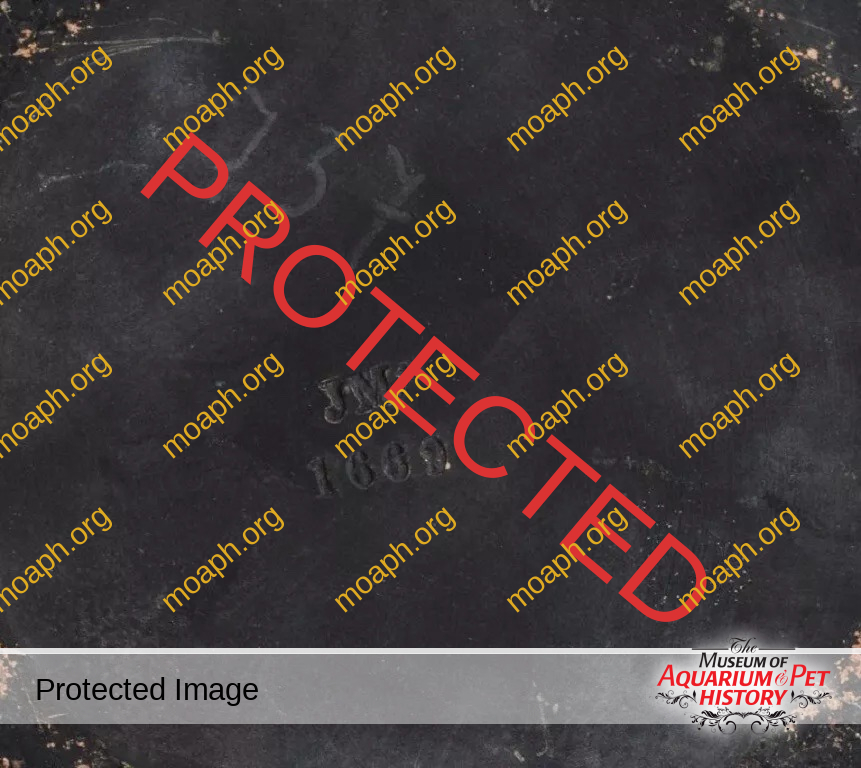
In 1873, his son, Ferdinand Maresch, joined the company and, by 1890, gained leadership of the factory’s production. In 1899, Ferdinand Maresch changed the name to ‘Ferdinand Maresch Siderolith, Majolica and Terracotta Fabrik (Factory)’. However, he did not change the ‘JM’ marking. The company continued to be very popular, expanding into American markets and winning the gold medal in the 1906 German-Czech Exhibition in Liberec, Austria-Hungary (present-day Czech Republic). Ferdinand continued to employ many skilled artisans, such as August Otto, whose high-quality work led to the continued success of the factory. He also launched a new line of garden gnomes, catering to the significant interest in them at the time.
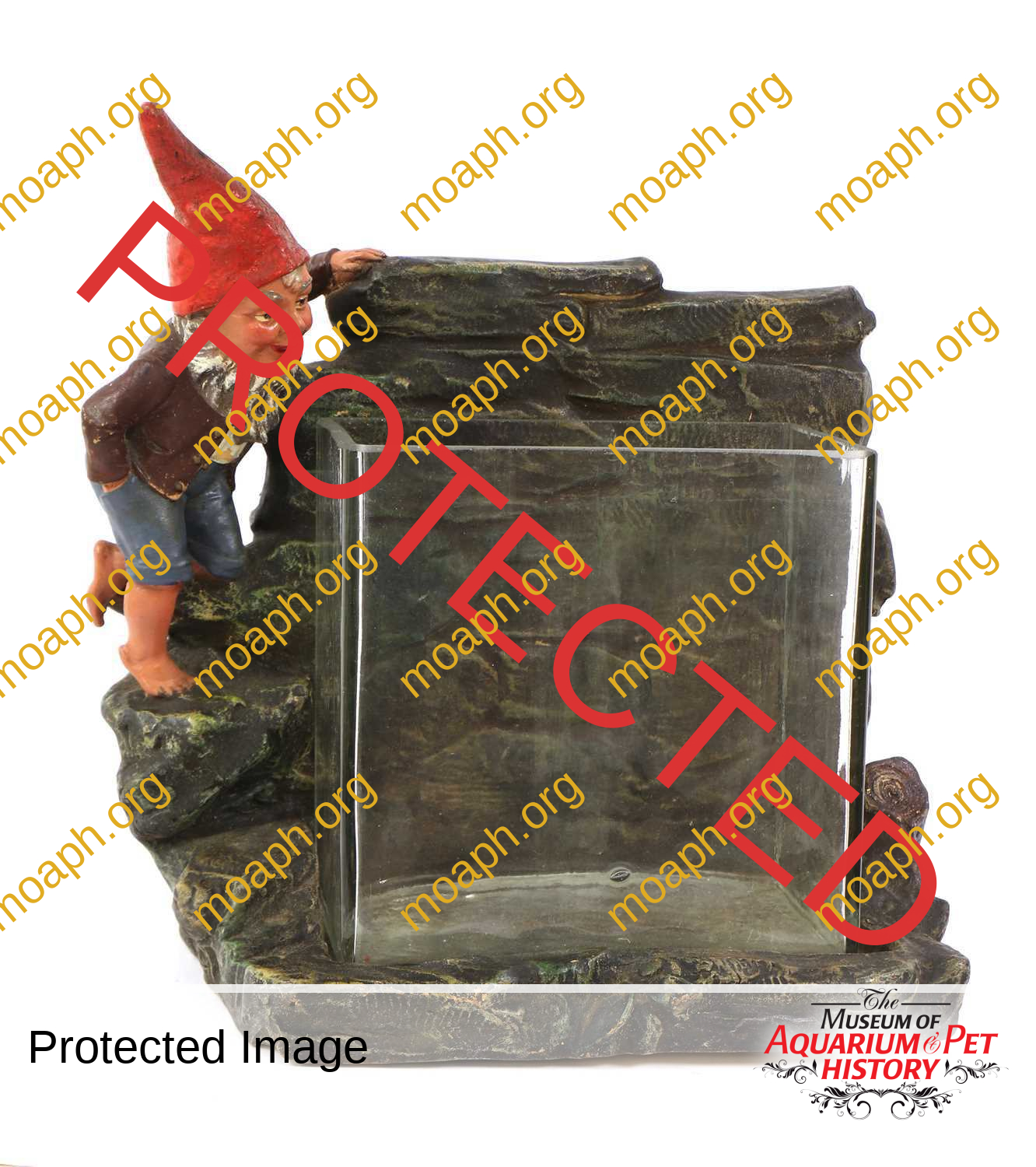
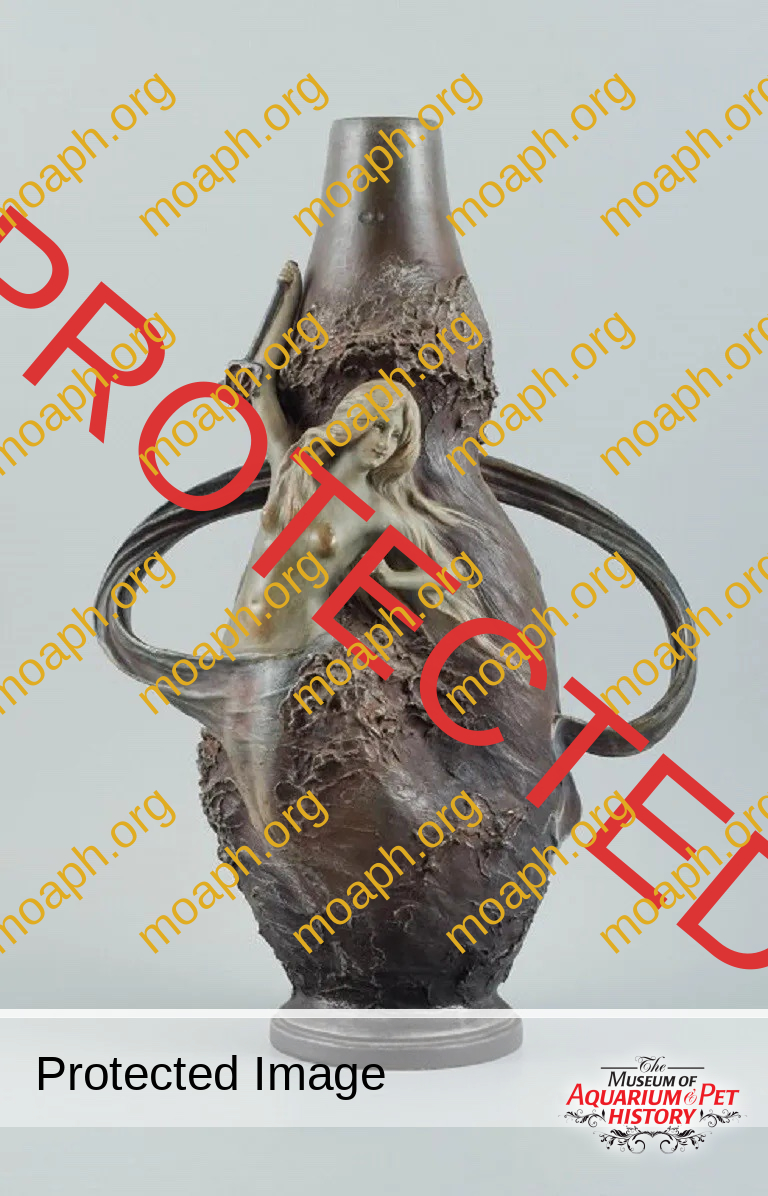
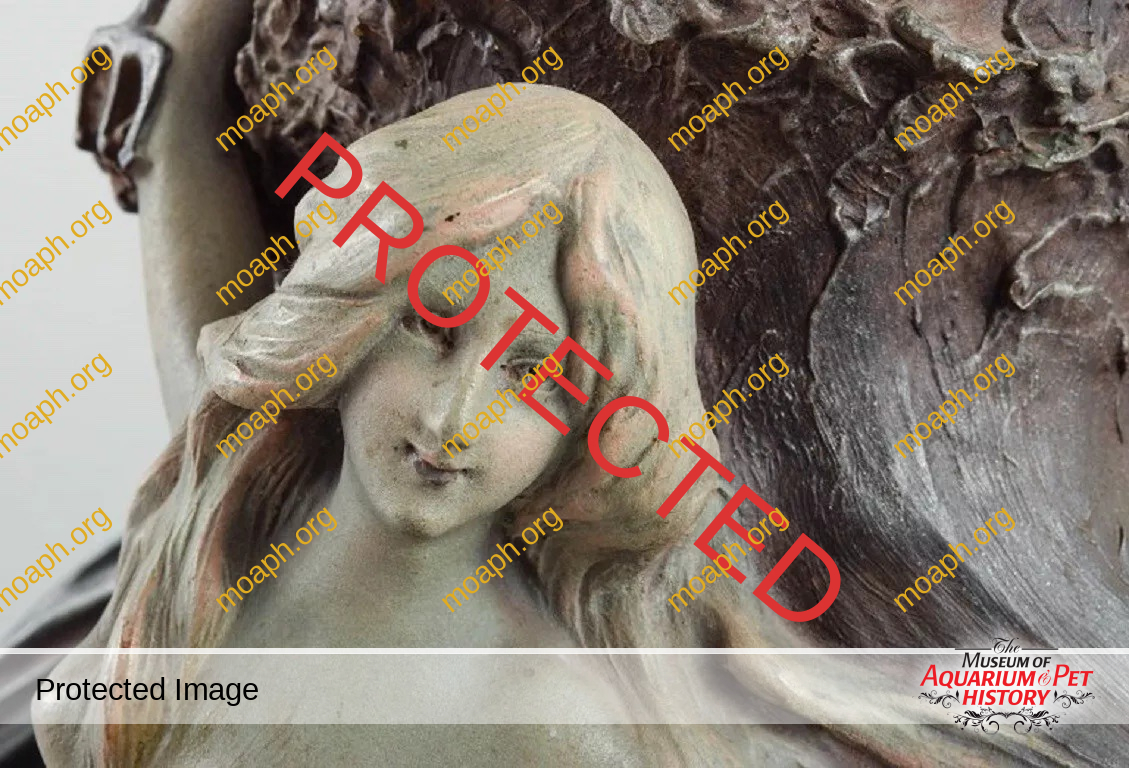
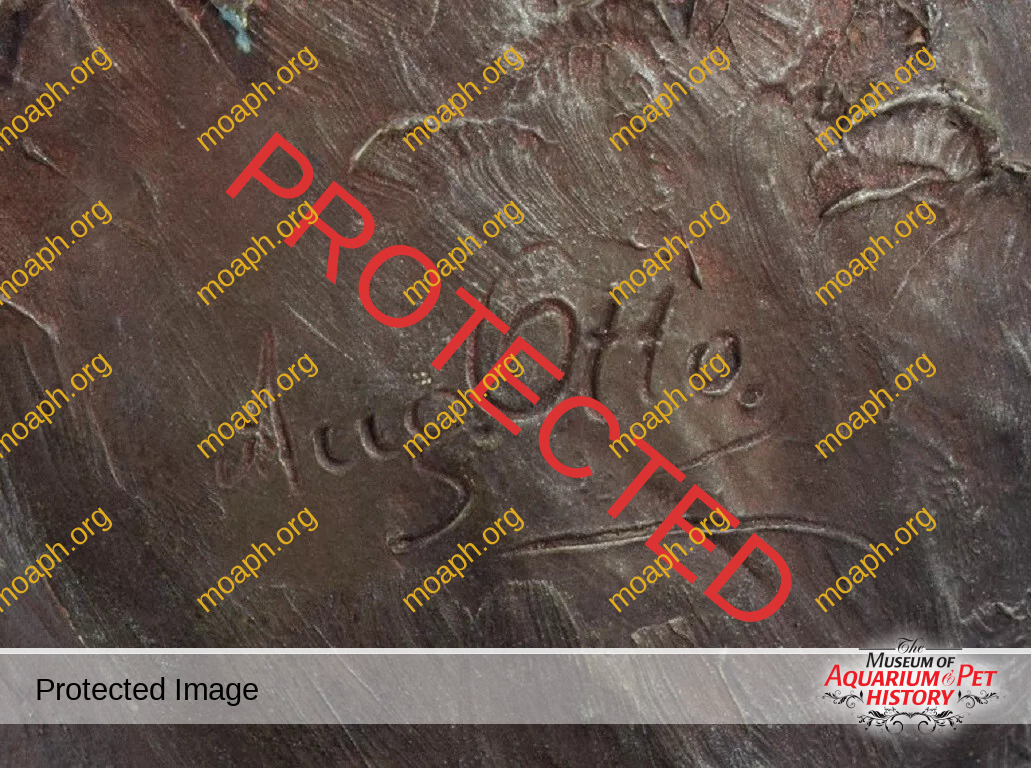
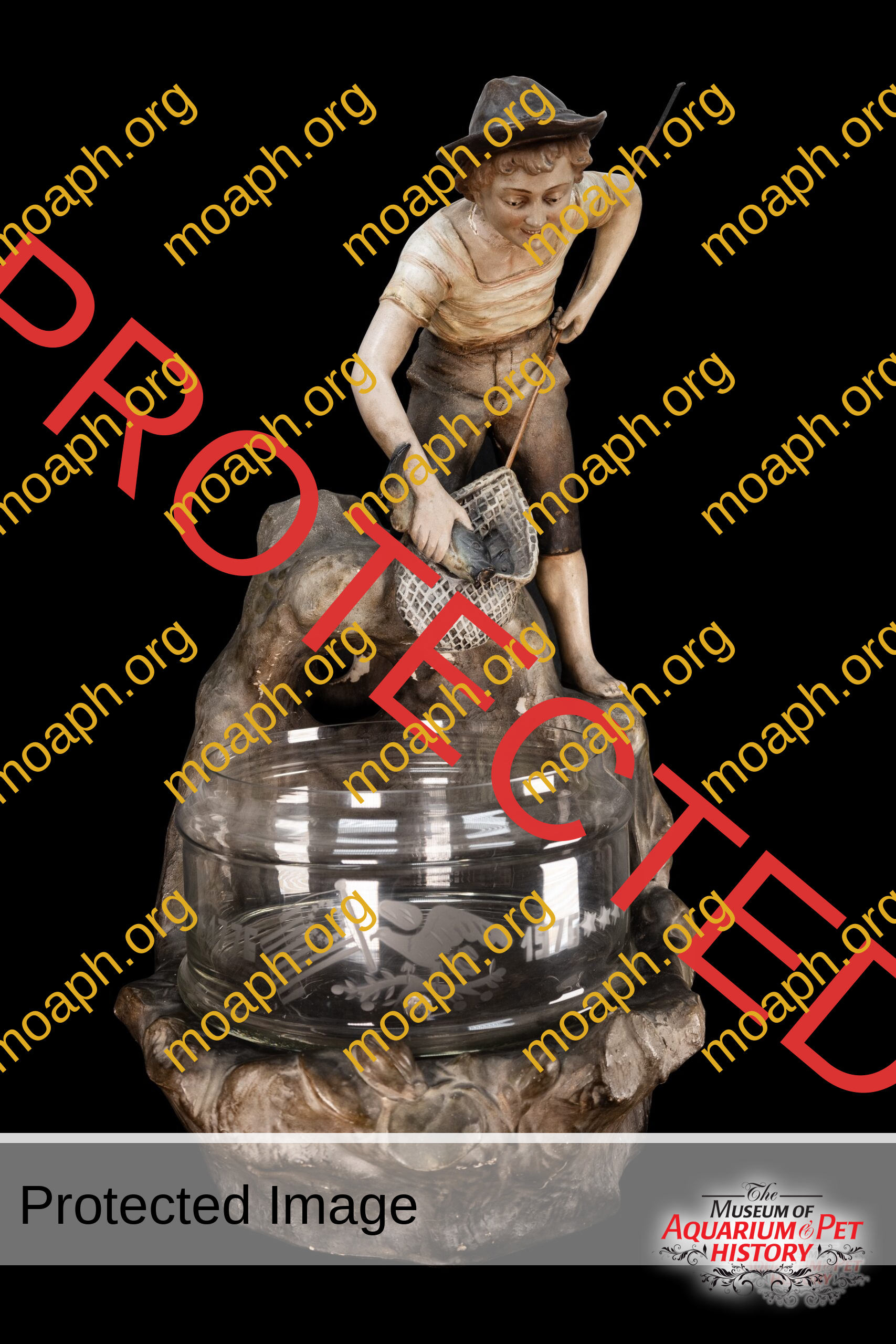
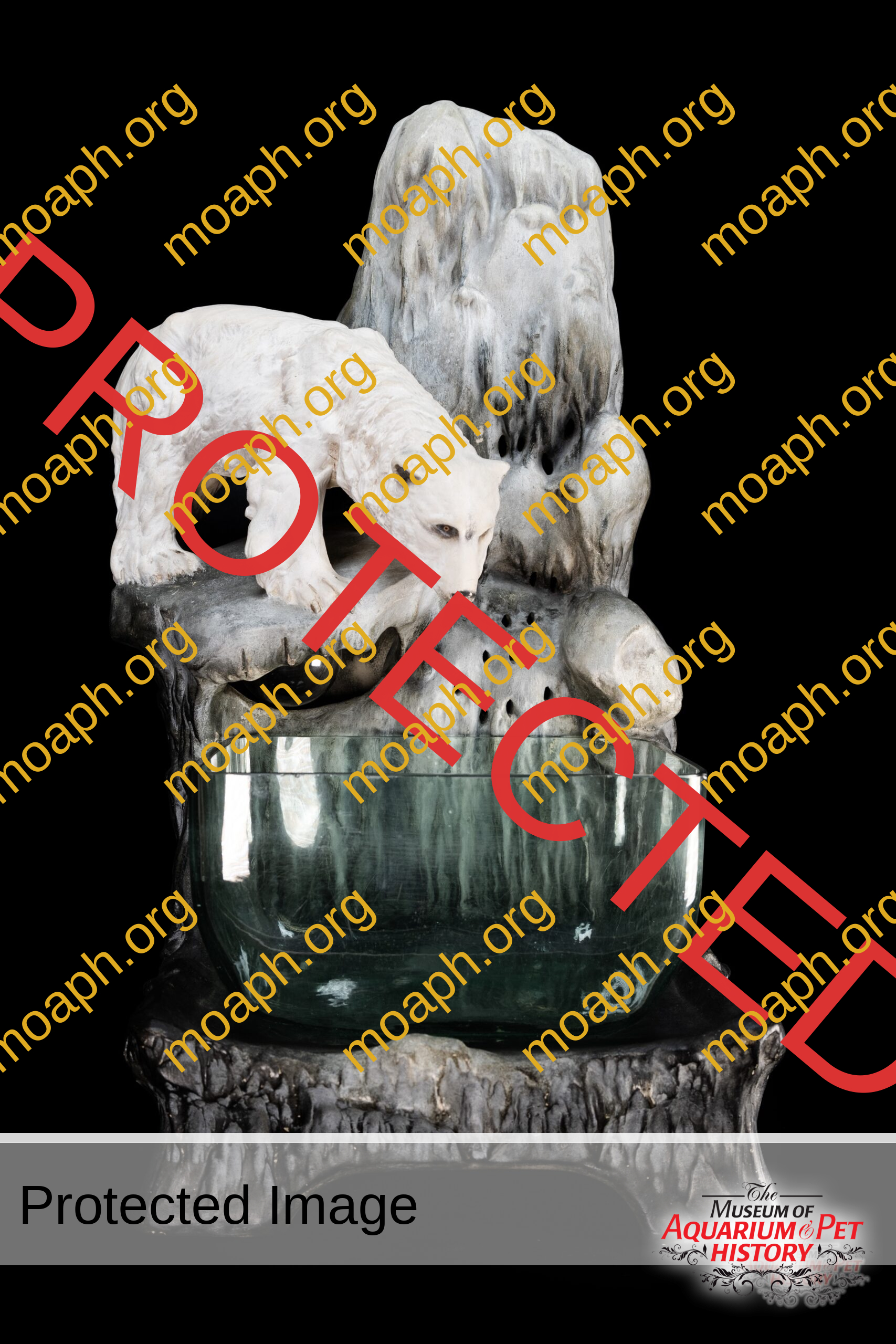
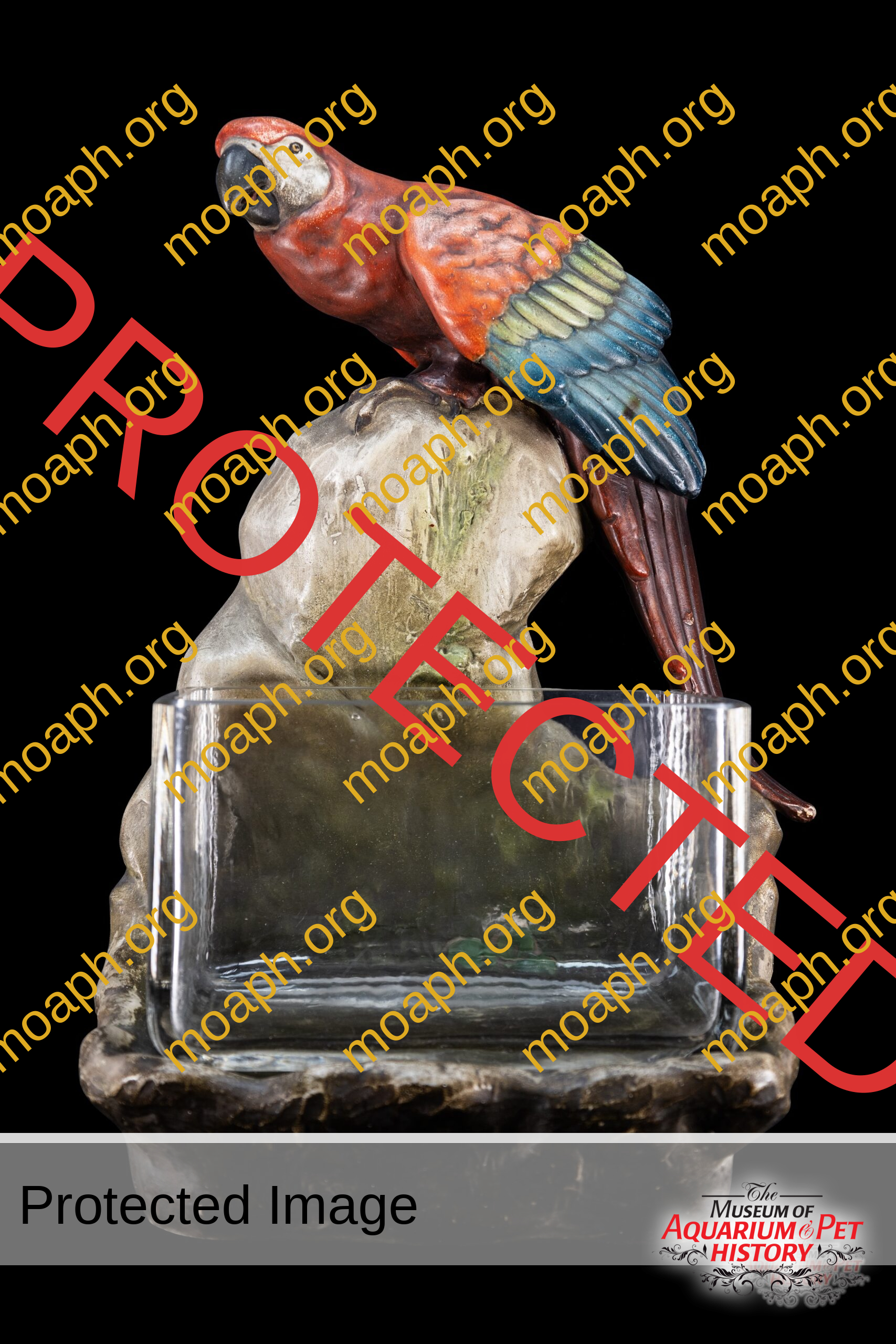
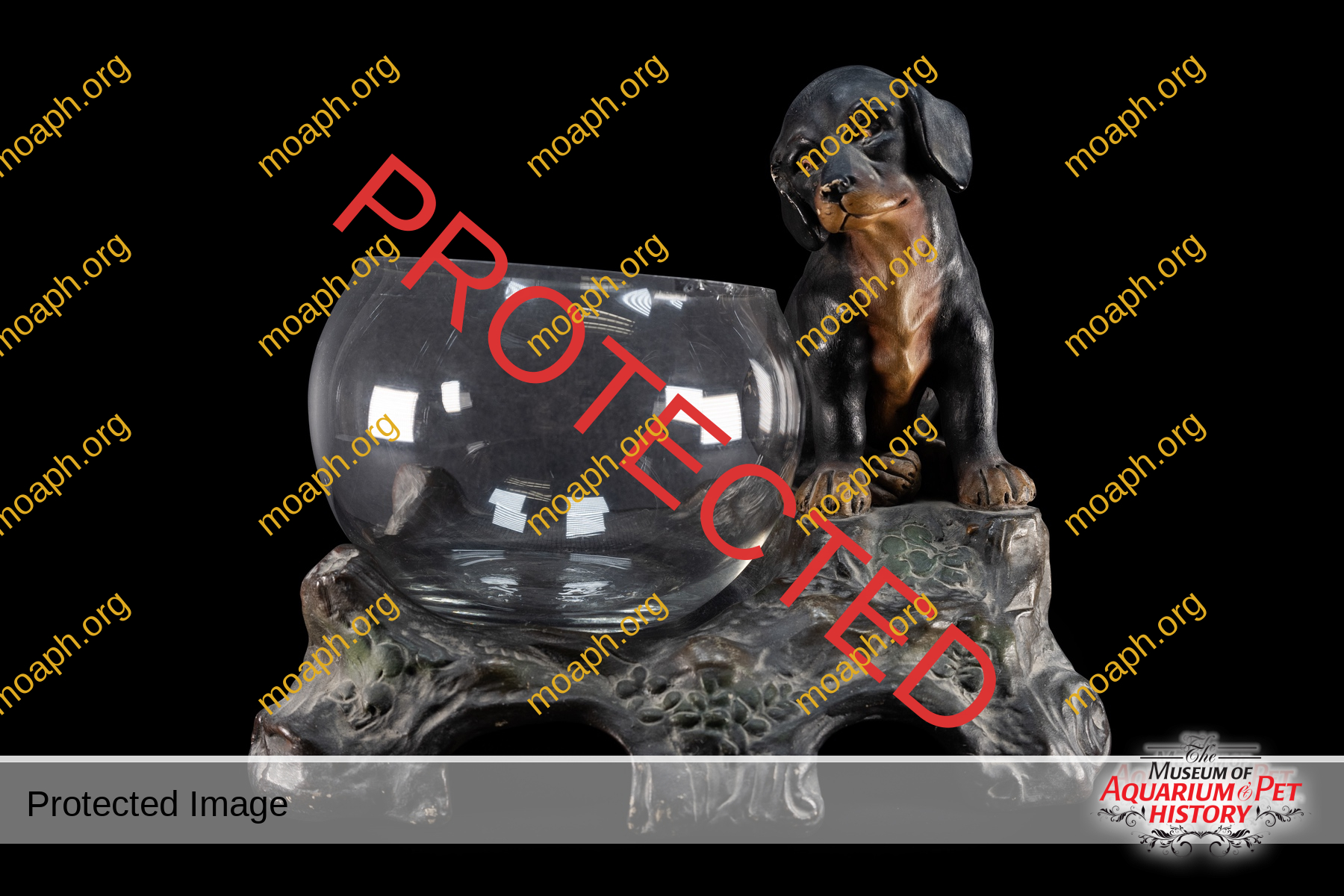
Ferdinand Maresch even increased production to include fish bowls made using the process of bisque pottery. This refers to pottery that has been fired and left unglazed. This results in a matte finish favored by Maresch’s artisans due to its natural appearance, which could also be easily painted. Bisque pottery is very distinctive due to its non-shiny appearance, contrasting most porcelain work of that era. The design of the Maresch fishbowl was largely created by August Otto, which can sometimes be identified by his signature next to the ‘JM’ marking. He often depicted animals or children peering into glass containers where the fish were held. These early versions of aquariums fused the lines between ornamental and practical uses, which was a central theme of the Art Nouveau era. Today, they are sought after by collectors not only for their artistic value but because of the bisque pottery craftsmanship required to construct them.
Collapse:
In 1914, Johann Maresch passed away, and the factory was temporarily shut down due to the outbreak of the First World War. Fortunately, this had little effect on the company’s stability, as it reopened in 1919. It was not until the passing of Ferdinand Maresch in 1940 and the aerial bombing of the factory by US forces in the Second World War that it fell on hard times. Matters worsened when the Germans of the Sudetenland were exiled from the region in 1945, resulting in the removal of many skilled artisans who had long worked at the Maresch factory5 . One last ditch effort was attempted by a former artisan closely connected with Ferdinand, Jaroslav Doubravsky. He wanted to create a model of the Czechoslovakian6 communist president Klement Gottwald. However, no model was provided to him to sculpt, so he relied on photos and film to work with. The sculpture never turned out, and the factory was shut down in 1948 as they were accused of mocking Gottwald.
References
1During the time of Johann Maresch, both the Czech Republic and Austria were a part of the Austro- Hungarian empire which lasted from 1526 to 1918.
2Bohemia: A region of shared cultural heritage encompassing parts of southern Germany and western Czech Republic.
3Lacquered ceramic ware found in Bohemia. It is a type of pottery without glaze, with a strong bronze surface color. Bronze mixed with turpentine or linseed oil is brushed on, then baked in a slow oven.
4Art Nouveau: An art style incorporating linear lines with curves to depict more naturalistic qualities. Often used to create vases, planters and figurines.
5For more information on the German exile in 1945 from the Sudetenland visit: https://english.radio.cz/expulsion-czech-germans-bitter-memories-and-disrupted-relations-8098736
6From 1945 to 1991, the European nations of Czech Republic and Slovakia merged to form Czechoslovakia. This was a communist state a part of the Eastern bloc during the Cold War.
Works Cited
- “Johann Maresch.” askART. https://www.askart.com/artist/Johann_Maresch/11198786/Johann_Maresch.aspx.
- “Neptune Vase.” Gallerease. https://gallerease.com/en/artworks/neptune-vase__12d2efb1bc50.
- “A Large Johann Maresch Pottery Fish Bowl Centerpiece.” Toovey’s Auction House. https://www.tooveys.com/lots/489351/a-large-johann-maresch-pottery-fish-bowl-centrepiece.
- “Johann Maresch Marks.” Steinmarks. https://www.steinmarks.co.uk/page?id=156.
- Skodova, Alena. “2004 will mark the ‘Year of the Gnome’ in the city of Usti nad Labem.” Radio Prague International. 8/8/2002. https://english.radio.cz/2004-will-mark-year-gnome-city-usti-nad-labem-8064677.