
How Much is that Doggie in the Window – 1880s Style
(A.W. Roberts, Barnum’s American Museum, Coup and Reiche New York Aquarium)
(A note: In case you don’t have a feeling of recognition from the above title, the majority of it is the title of a 1953 song written by Bob Merrill and first performed by Patty Page. It was exceptionally popular and reached Number One on two different record rating charts and over two million copies were sold. Later in the same year Lita Roza did a cover of the song in Great Britain, and it also reached Number One there. To be fair other pets are also mentioned in the song: e.g. Verse five – “…I don’t want a bunny or a kitty, I don’t want a parrot that talks, I don’t want a bowl of little fishies, He [her true love] can’t take a goldfish for a walk…”. Lastly on a personal note I must state that I remember singing this song when it came out; most of us 10-year-olds were doing it.)
In a few articles that have previously appeared on the Museum of Aquarium and Pet History website I have made mentions of A. [Alfred] W. Roberts. In this piece I am going to concentrate on one part of an aspect of his life…his writing. But before doing so I want to offer up a brief set of notes regarding him. I must note that what follows is in part from my article “William Alford Lloyd and his Connections to American Aquariums” which was published herein on October 1, 2024. Making note of this is to avoid what has become known in some circles as “self-plagiarism.” With that said:
Some Notes on A.W. Roberts
“Alfred W. Roberts, who for the most part, went under the moniker A.W. Roberts, is an important, but poorly known, part of American aquarium history. I have an ongoing project regarding him that will be presented herein later, but this does seem to be a good time to at least say a few words on his behalf.
A.W. Roberts was a New Yorker (Brooklyn) with a wide range of nature interests, especially those of an aquatic nature. In his late teens he was collecting and selling aquatic plants to the newly formed aquarium (the “Grand Aquaria”) in Barnum’s American Museum. By 1862 he was working regularly for the museum with a specialty in collecting aquatic specimens in New York and around New England. As a part of this he was also second in charge of the aquarium, under William Emerson Damon. During this time, he also honed his skills in art and became a talented artist and professional engraver.
When the Coup and Reiche New York Aquarium opened in 1876 he went on board as Director of Fisheries and collected specimens far and wide. Towards the end of the facility’s function as a true aquarium, he served as the Superintendent and worked, unfortunately to no avail, to maintain the aquarium-based status of the institution. He also, for a while, replaced Henry D. Butler as the person in charge of W. C. Coup’s travelling aquarium with the New United Monster Shows circus.
Roberts was also a prolific writer and produced numerous articles, which he usually illustrated during the 1870’s and 1880’s. Many of these dealt with topics of aquatic natural history and aquariums. Articles of his appeared in a variety of sources including, but not limited to, Harper’s Young People, Scientific American, The American Angler, Forest and Stream and The Young Scientist.”
As noted above, this piece will be concerned with an aspect of Roberts’ writing. What will be covered is a series of articles that he wrote dealing with the price of various pets and some of their associated supplies. These were aimed at younger individuals, a regular audience that Roberts wrote for. This commenced in the January 17th, 1882 issue of the magazine Harper’s Young People (page 183). Either Roberts just treated this as a once only piece or the magazine wasn’t up for such a series. In any case, a year later in the January 1883 issue of the monthly magazine The Young Scientist, in which Roberts was regularly writing a wide variety of articles, he started the series again and it ran for 11 months. I must note here that in The Young Scientist series Roberts’ name is not used. But his regular writing for the publication, the sameness of format, the style and knowledge presented and especially the initial introductory text are pure Roberts. I have, to date, identified over 135 articles written by him and will be preparing a bibliography for submission to the MOAPH website.
Some words regarding how prices of the time may be known by potential buyers are needed here. Many larger pet dealers in the latter quarter of the 19th Century produced sizable catalogs of their “products” which offered both information and prices. See Figure Two for an example of this type of catalog. But this type of publication would most likely not end up in the hands of the audience that Roberts was writing for. Another form of advertising of the time was the trade card. Numerous pet dealers used this attractive method of advertising, but, in my experience, prices were not a feature. Animals and products were noted and that was that. Figures One, a and b, show a typical example of this form of advertising by a New York City establishment. Newspapers and magazines also provided a format for advertising, but these like the trade card were slim on providing prices. Figure Three shows such a format for another popular New York City establishment in 1878.
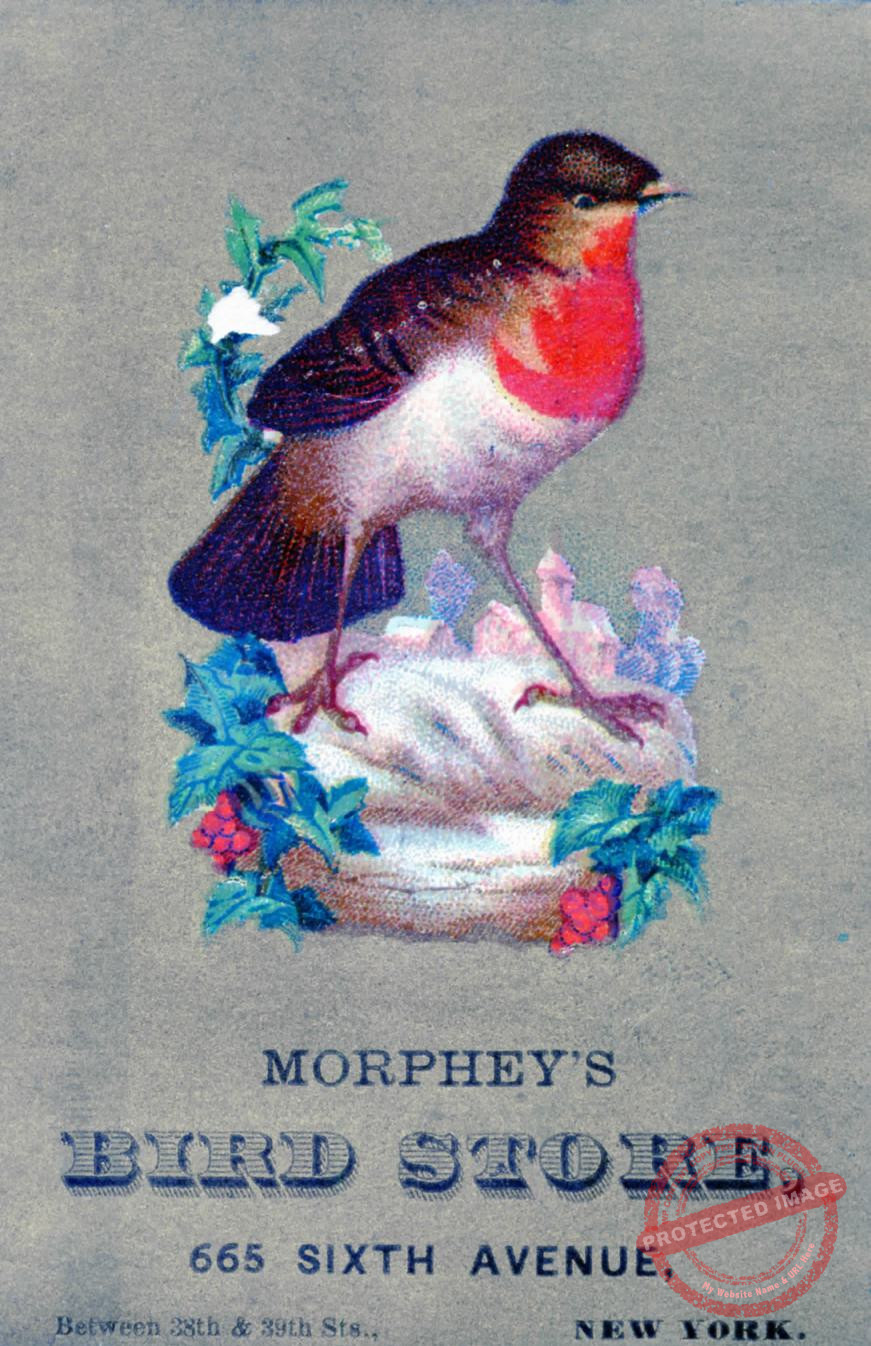
Figure 1a: The attractive obverse of Victorian trade card for a New York City dealer of pets and pet supplies. Authors collection.
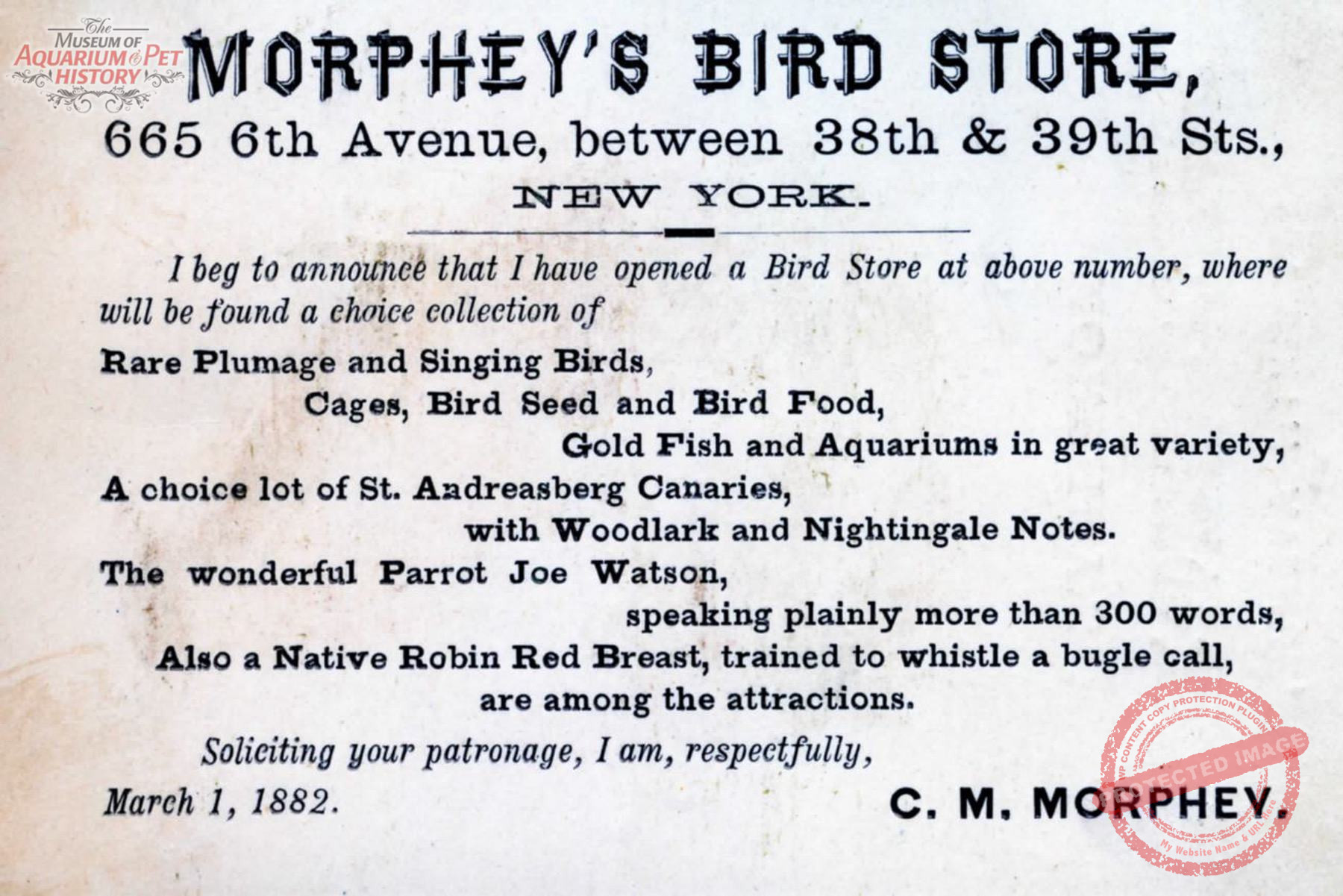
Figure 1b: Reverse of the same Victorian trade card. The majority of such cards are not dated as this one is. This, from a historical information perspective, makes it more valuable. Author’s collection.
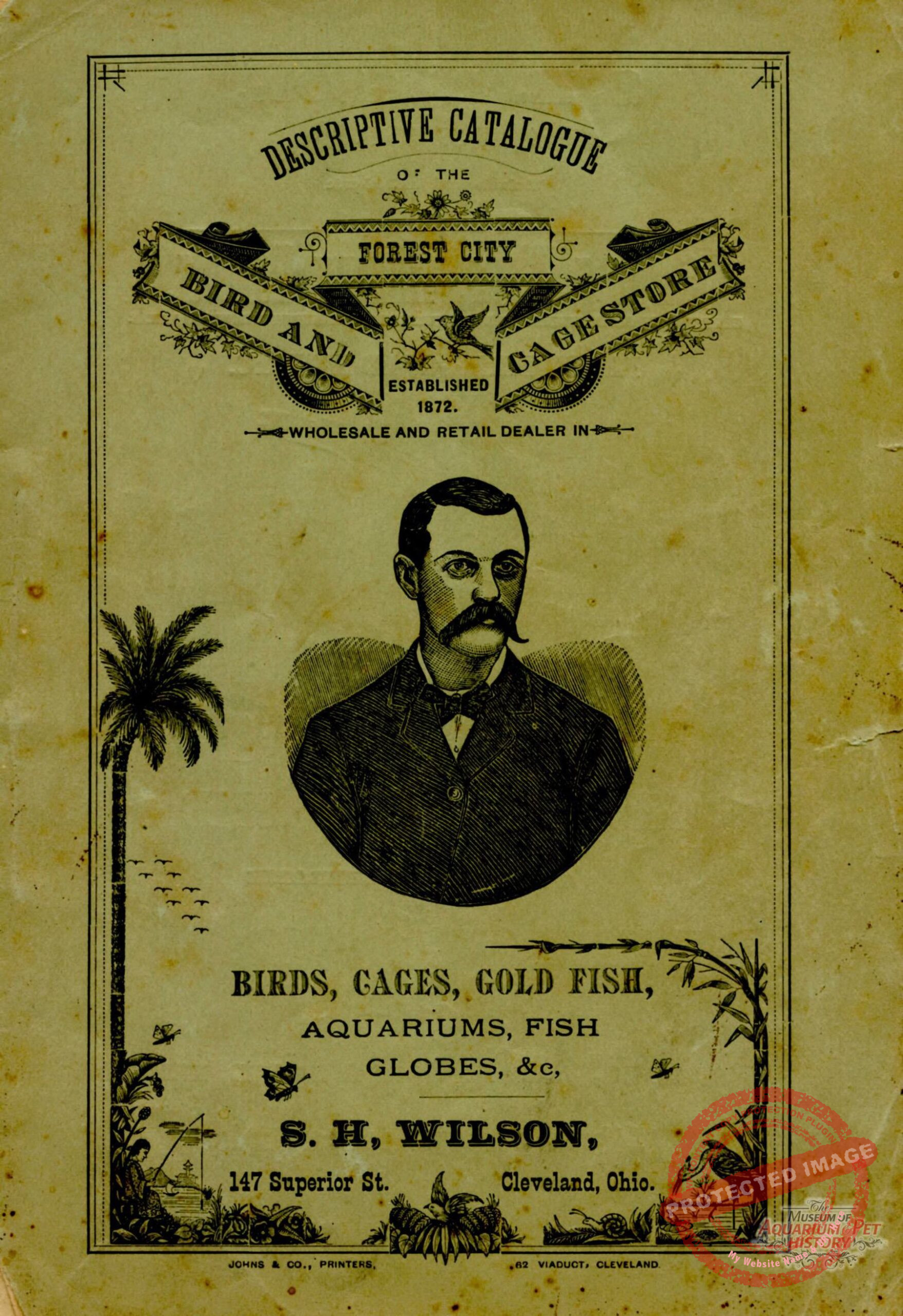
Figure 2: Front cover of a 52-page catalog of pets and pet supplies. This is undated but appears to fit nicely within the general dating time of the Roberts articles. Author’s collection.
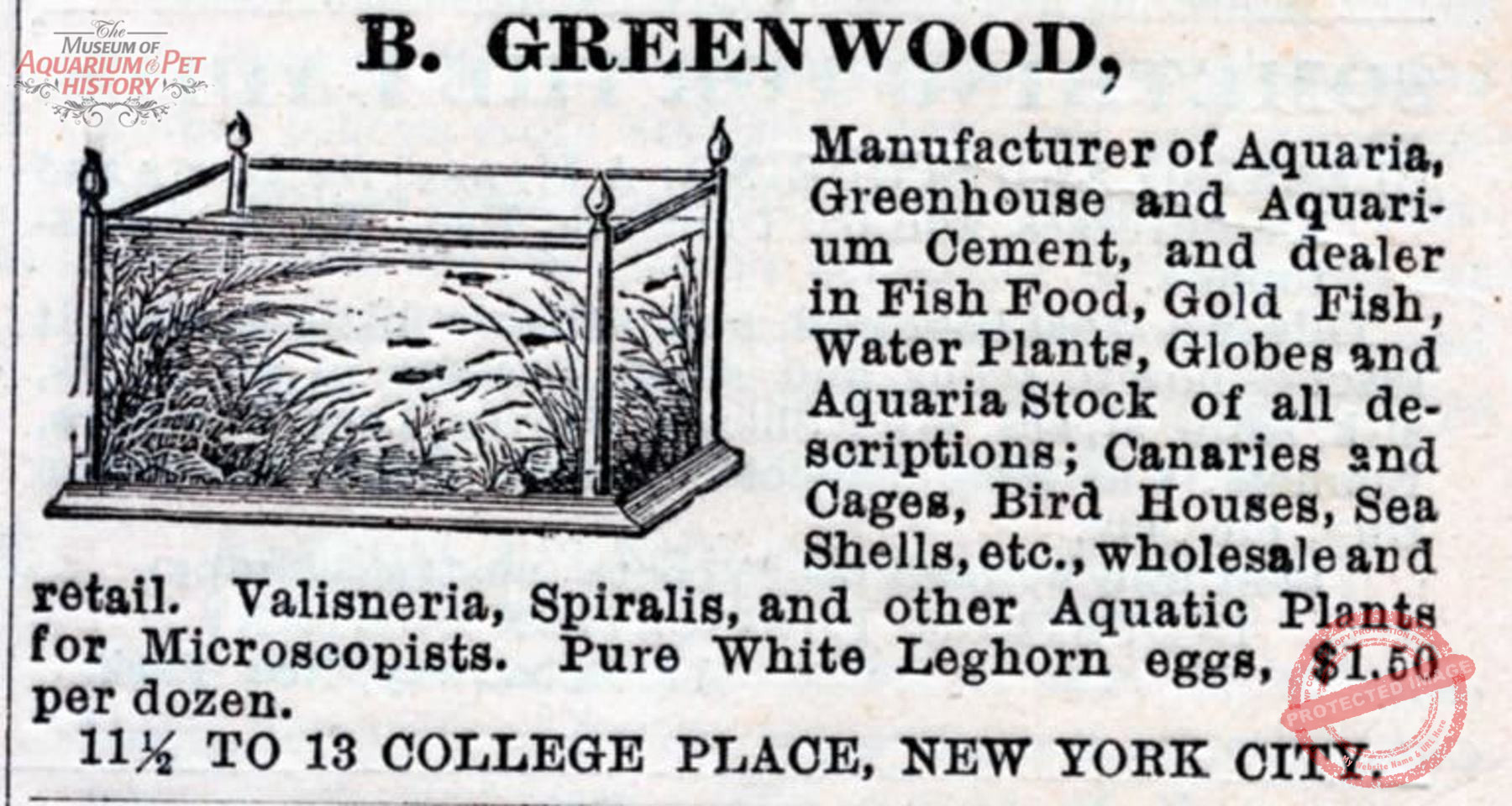
Figure 3: An advertisement for a pet dealer which appeared on the cover page of the March 1878 issue of The Young Scientist magazine. Author’s collection.
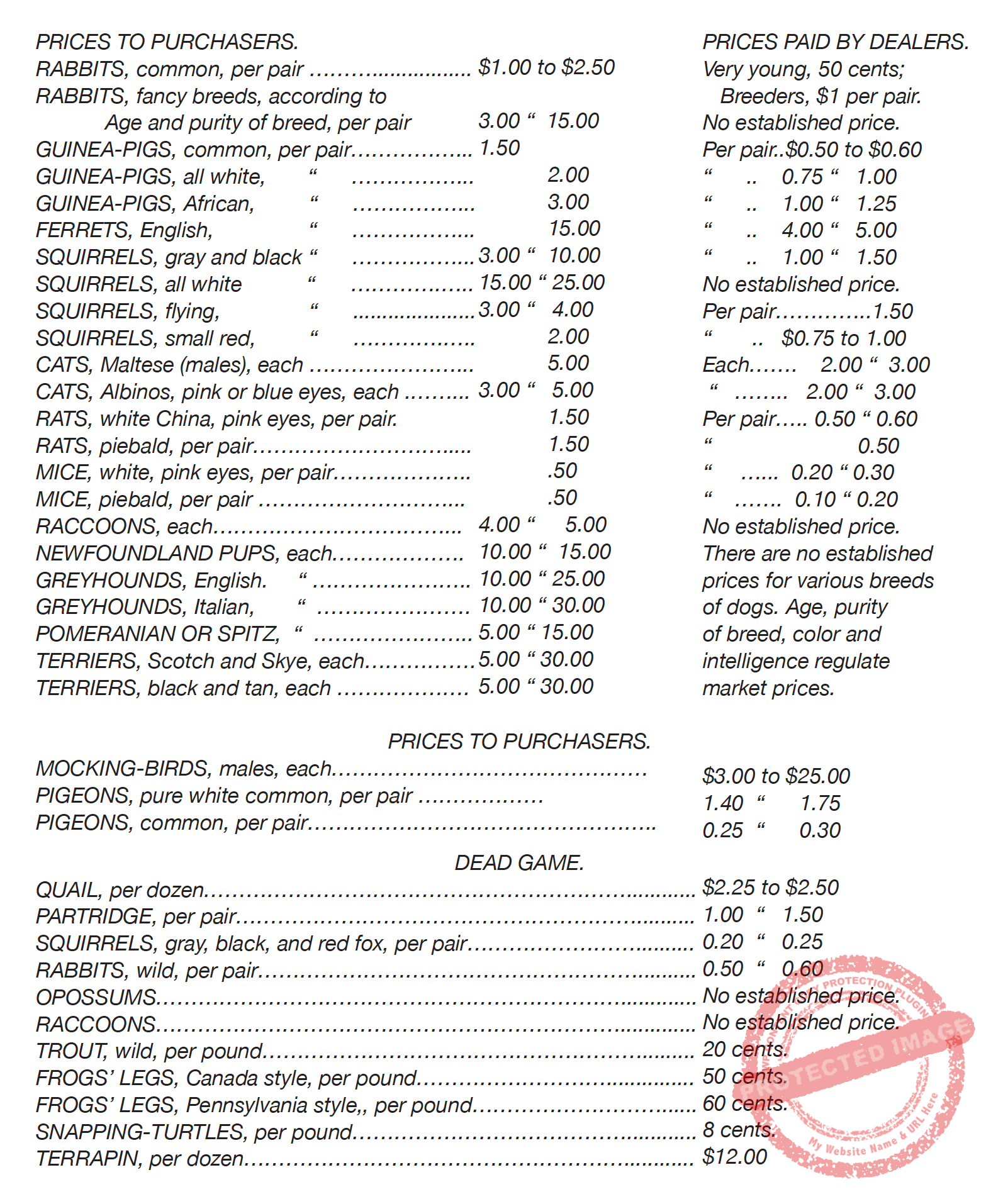
What follows is a transcription of the January 17, 1882 Harper’s Young People presentation.
PET STOCK MARKET REPORT.
BY A. W. Roberts
The report at the end of this article will enable any boy or girl who wishes to exchange pet stock to see at a glance the market valuation placed upon such things as young people probably like to deal in.
In making up this report I have avoided the very high selling prices, and often the very low prices paid by dealers, but have taken the figures of dealers who are satisfied with a fair profit. Purchasers of pet stock will do well to bear in mind that prices vary greatly according to the season of the year, as, for instance, a month previous to the holidays the prices range the highest. During the hot midsummer months, when the young folks are in the country, the demand falls off greatly, so that dealers are forced to reduce the amount of stock on hand and the prices to the lowest figures.
The valuation of pet stock also varies according to the age, shape, color, and purity of breed, and the amount of intelligence or training possessed by the animal. The supply and demand also regulate the market price, as, for instance, I have known gold-fish of best size and color to be disposed of to dealers as low as two dollars per hundred in the months of June, July, and August, but during the months of October, November, and December the same quality of fish rose in price to ten and fifteen dollars per hundred. A caprice of fashion for any particular variety of animal or class of pet stock will often run up the price with dealers.
There is no reason why boys should complain of having nothing to do, when there are so many things that can be raised by them for the New York market that yield a fair profit, and often a large one. By clubbing together, some might raise white pigeons, for which there is so steady a demand and high prices paid. Or a pond might be constructed for raising golden carp, or gold-fish, or German carp. Just think of it: here is the United States government offering, through Professor Baird, thousands of German carp, which have been carefully bred, for free distribution to any persons who have a suitable pond or ponds in any part of the United States. When I was a boy there was hardly any demand for gold-fish, and the German carp was unknown in America; now there is a steady demand for the golden carp at six and eight dollars per hundred, and German carp sells readily at ten and fifteen cents a pound.
Think of all the books, papers, magazines, printing-presses, and scroll-saws that might be purchased with money earned by some such pleasant occupation!
What lots of fun could be had. How much could be learned about the natures and habits of the lower animals. When any of them might die they could be stuffed or set up, thus learning a lesson in taxidermy, or their skeletons might be prepared and set up, and a lesson on comparative anatomy learned. Also studies in pencil or India ink of animal life might be made. Then, again, the club could have a rabbit pie once in a while.
The run of “Market Report” in The Young Scientist magazine began in January 1883. From there it was presented monthly through the November issue. It was absent from the December issue, which has been reported to be the last one which was published. There is one report stating that there was a January 1884 issue, but I have been unable to find any confirmation of this.
Figure Four consists of the first The Young Scientist presentation from January 1883. As with the Harper’s Young People piece there is a not overly long introduction followed by a short listing of various pet prices. As the series progressed it became more comprehensive in its coverage. Figure Five is the November, and last presentation of the series.
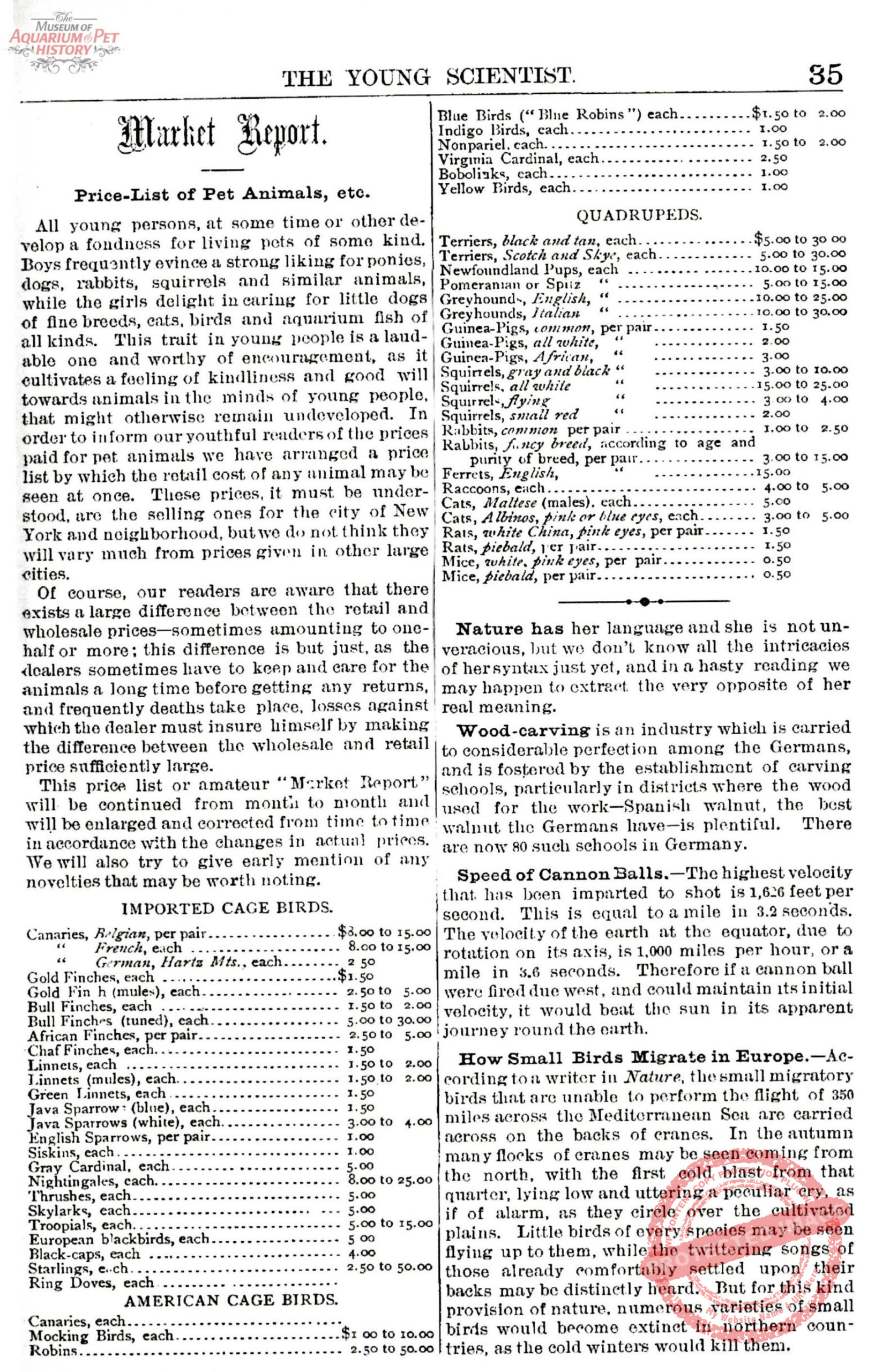
Figure 4: This is the first new presentation of the Roberts’ Market Report article as it appeared in the January 1883 issue of The Young Scientist magazine. Courtesy of Smithsonian Libraries.
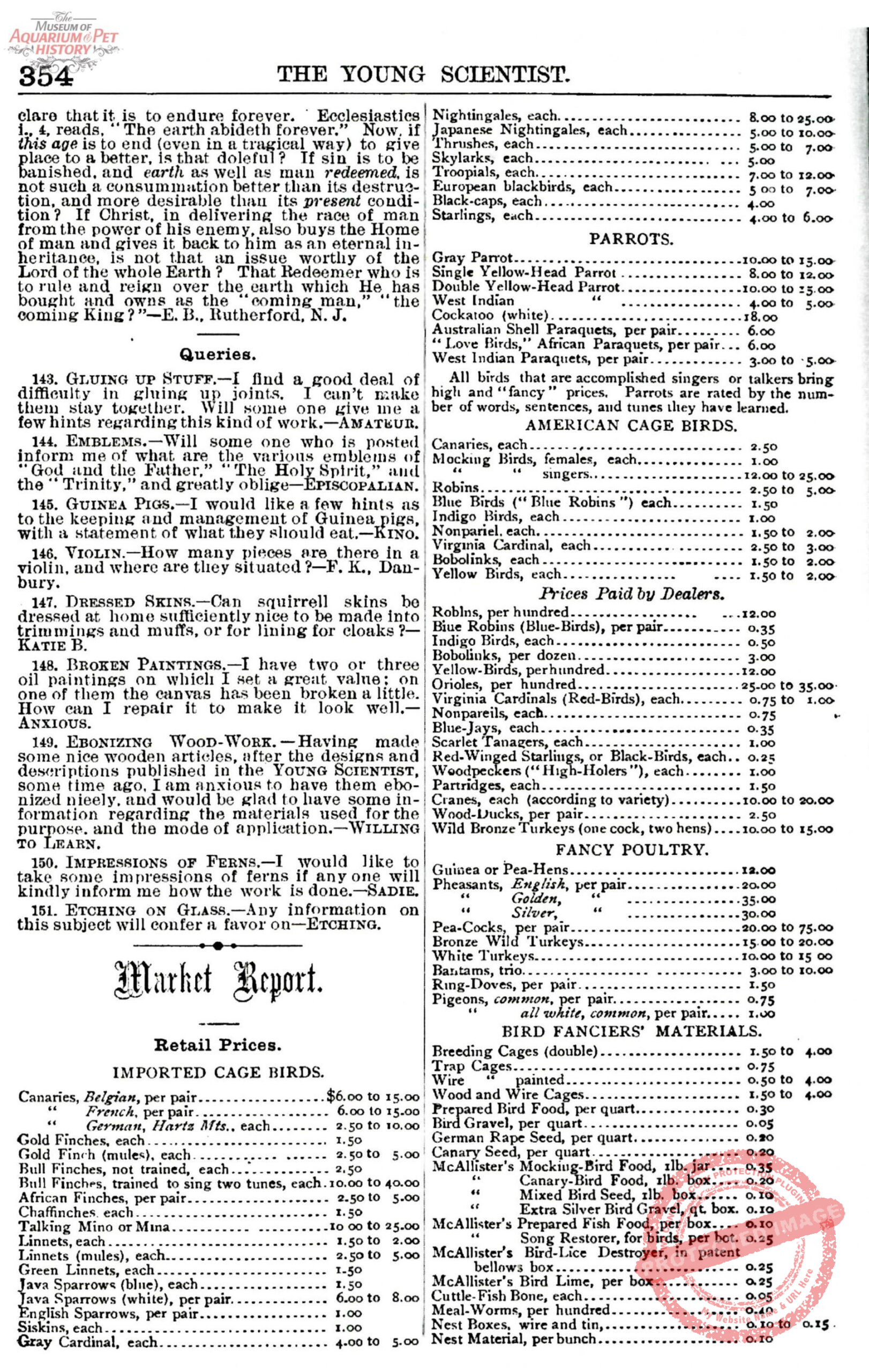
Figure 5a: This is the last presentation of the Roberts’ Market Report article as it appeared in the November 1883 issue of The Young Scientist magazine. Courtesy of Smithsonian Libraries.
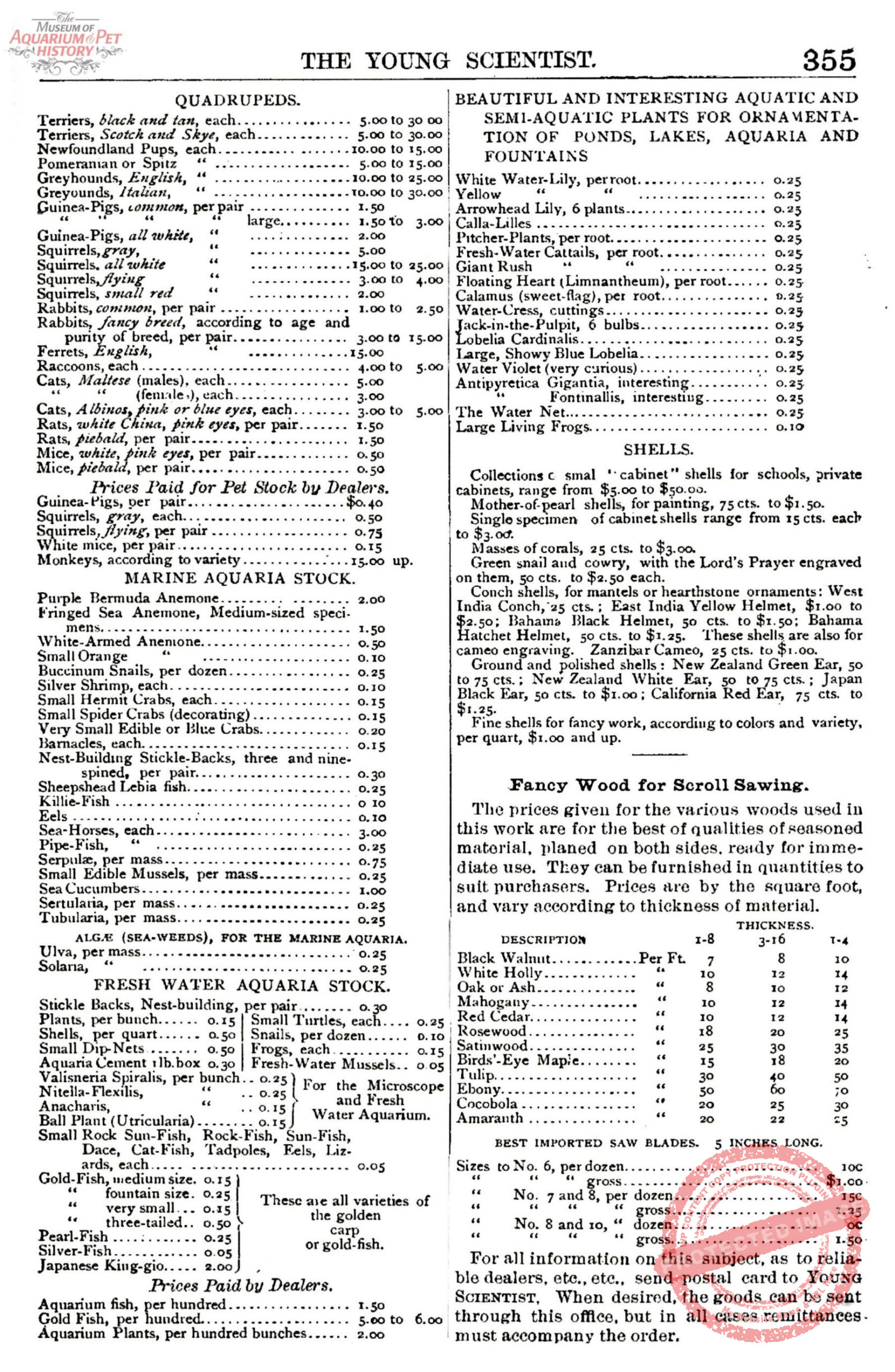
Figure 5b: Second page of Roberts’ Market Report
Overall, the series is a great introduction to the prices of numerous pets, and their supporting supplies in the early 1880’s. It is worthy of study by anyone whose interests lie with 19th Century petkeeping. I will not dig too deeply here but feel that a few initial comments are of worth.
As noted, this series starts off slowly. But it picks up as it goes along. In the February column Roberts has two short articles at the beginning. These are on “The German Carp” and “The Golden Ide.” Other similar pieces would have been welcomed in future columns. Aquarium stock and supplies are added in the March issue. In the May issue additional expansion covers Fancy Fowl, Parrots and supplies for bird fanciers (cages, foods, gravel, etc.). Prices for those wishing to sell stock to pet dealers are noted to be down for the Summer and they tend to stay mostly that way throughout the series. And a species of Anemone from Bermuda is added to the list of Aquarium Stock.
There is an occasional typo that needs watching for. In Figure Four I’ll call your attention to Robin, which is the last bird on the lower left column. The price range is given as “2.50 to 50.00 [!]”. In the February issue this is corrected to a more reasonable “2.50 to 5.00.”
In closing I’d like to offer a few words regarding prices in sources such as this. There are a batch of websites that can quickly tell you what, for example, what $2.50 in 1883 money is equal to in today’s money. And such conversions are often interesting to say the least. But to better place the prices in the “real world” of the time I would like to suggest a couple of publications. These offer up, for a variety of professions, what average salaries were and the amount of work time needed to earn them. Both are broken down by states, so that then as now, regional realities are available for consideration. The two sources are:
- “History of Wages in the United States from Colonial Time to 1928.” Bulletin of the United States Bureau of Labor Statistics., Number 604. Government Printing Office. 1934. 574 pages.
- “Wholesale Prices, Wages, and Transportation: Part3.” Report by Mr. Aldrich. Government Printing Office. 1893. Pages 627-1277.
These may, or may not, be your cup of tea but they are worth checking out. Both are open access documents available at Hathitrust Digital Library (and other sources) at the following links: