My Life in the Pet Industry – Part 4
If you missed parts 1-3 of this article, read them at the links below.
It was 1985. There were still 10 Pet Circus stores. They were small, full-line pet shops focused on live pets. We had just opened our first Pet Supermarket in Hollywood, Florida. We still offered small birds, small animals, and tropical fish. But, the focus was really on a large selection of supplies. We did more business in the Pet Supermarket in the first month of operation than we ever did in any Pet Circus store. Chuck looked at me and said, “Make sure we don’t tell anybody this works.”
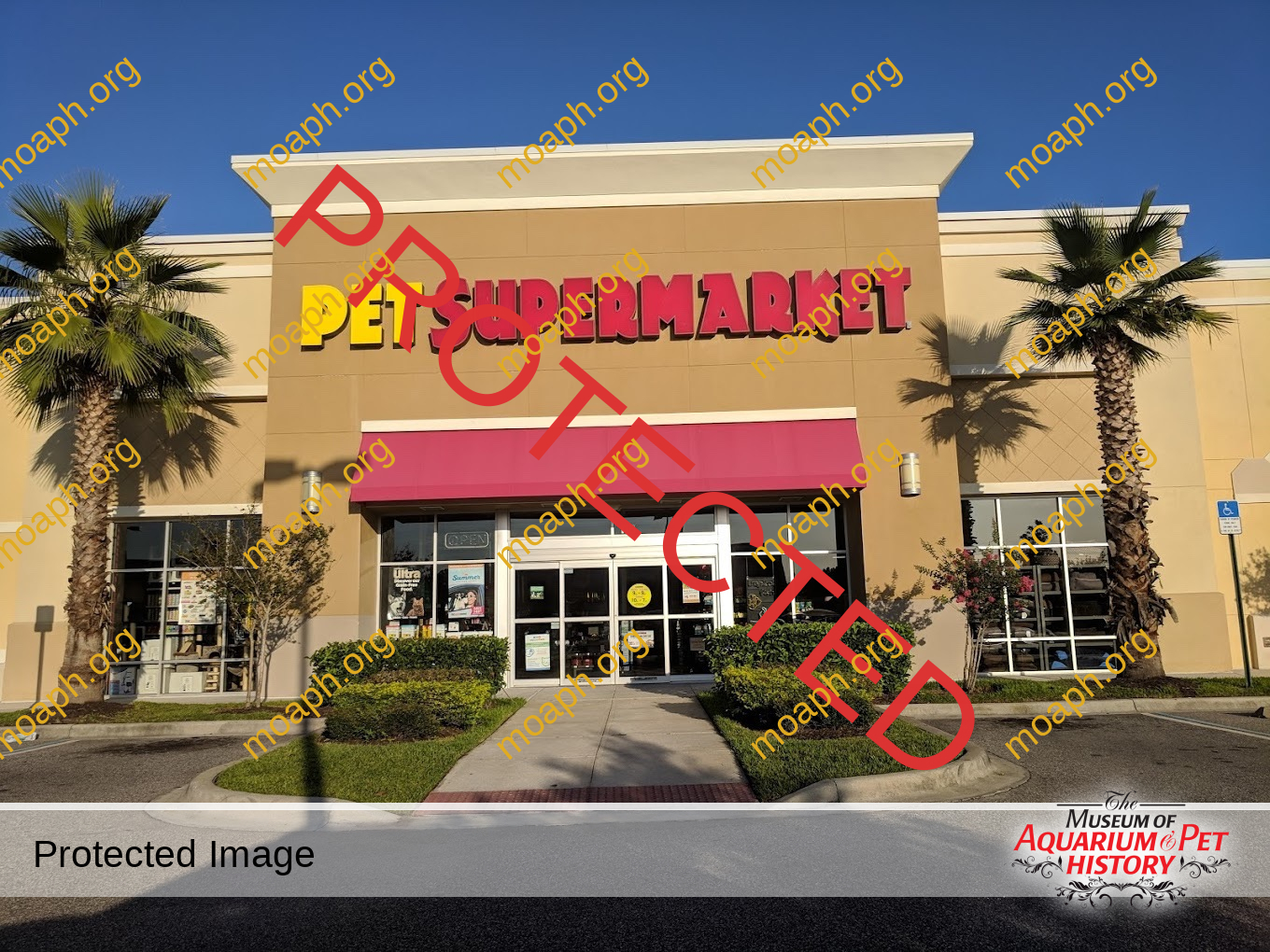
Shortly after, we opened a second store in Pompano Beach. It, too, was an instant success. Coral Springs was next. We jumped to the west coast of Florida with the fourth store in Fort Myers.
We moved to larger and larger warehouses. We had a small fleet of trucks. As leases came up, we closed all of the Pet Circus stores.
The search for good real estate was on. We traveled a lot. Soon, we had locations in every major Florida market. We eventually ended up with stores in nine states.
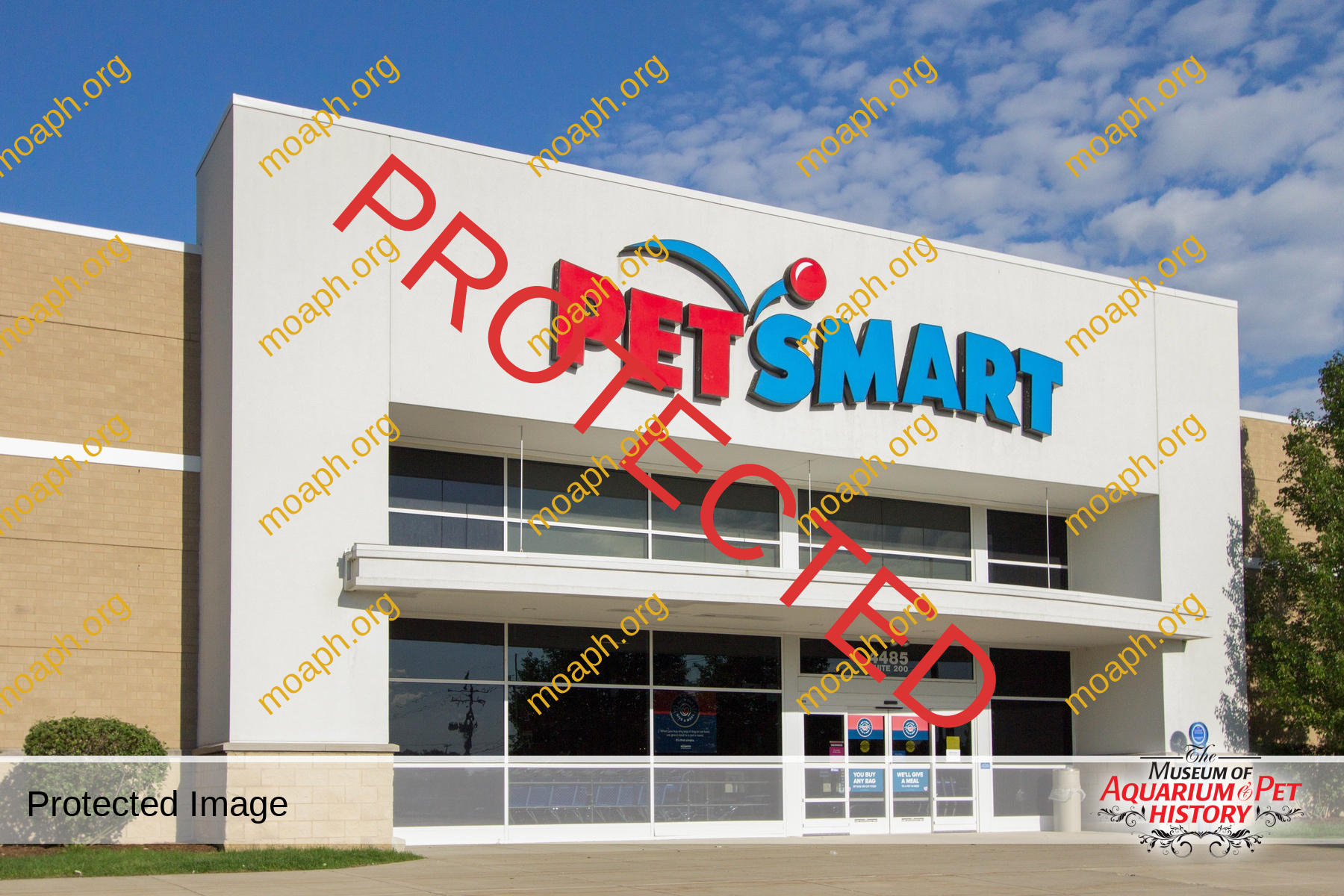
We enjoyed “superstore” status very early on. In the early 90’s, PetSmart and Petco entered the market. While we initially had to sacrifice some market share, typically within a year, we regained our business.

Every day was exciting. I was wearing a lot of hats. I believe that having a deep understanding of how people love their pets (having felt that way about my own) helped me tremendously.
As a buyer, I thought about the validity, quality and value of the products I purchased. Were these products pet people would really want or need? Were they effective and safe? What might someone pay for the product? What was it’s value? Value didn’t mean “cheap”. It means the price is justified. Through study of the data and frequent adjustments, we developed a loyal following for our assortment.
I wanted to be a destination for serious pet owners in every pet category. I would often visit shops that specialized in birds, reptiles, and fish to see what brands were hot. Many times, we were the first chain to offer some of the more specialized brands.
We didn’t ignore the cats. We had to get cat people out of the grocery stores.

The cat department was a mix of popular and premium products. Along with our premium food offerings we offered Fancy Feast and Friskies. They had a 65% market share on wet canned cat. That couldn’t be ignored. Purina promoted these cans with us constantly. We also offered the most popular litters along with a good selection of specialty litters. We placed stickers on each bucket of litter that said: “We’ll Carry it out for You.” We kept lots of litter stacked near the counter. Our associates asked everyone buying cat supplies, “Do you need some litter today?” We sold a lot of cat litter. There were many brands of premium cat foods available as well. Of course, there was also a wide selection of treats, toys, and accessories, too.
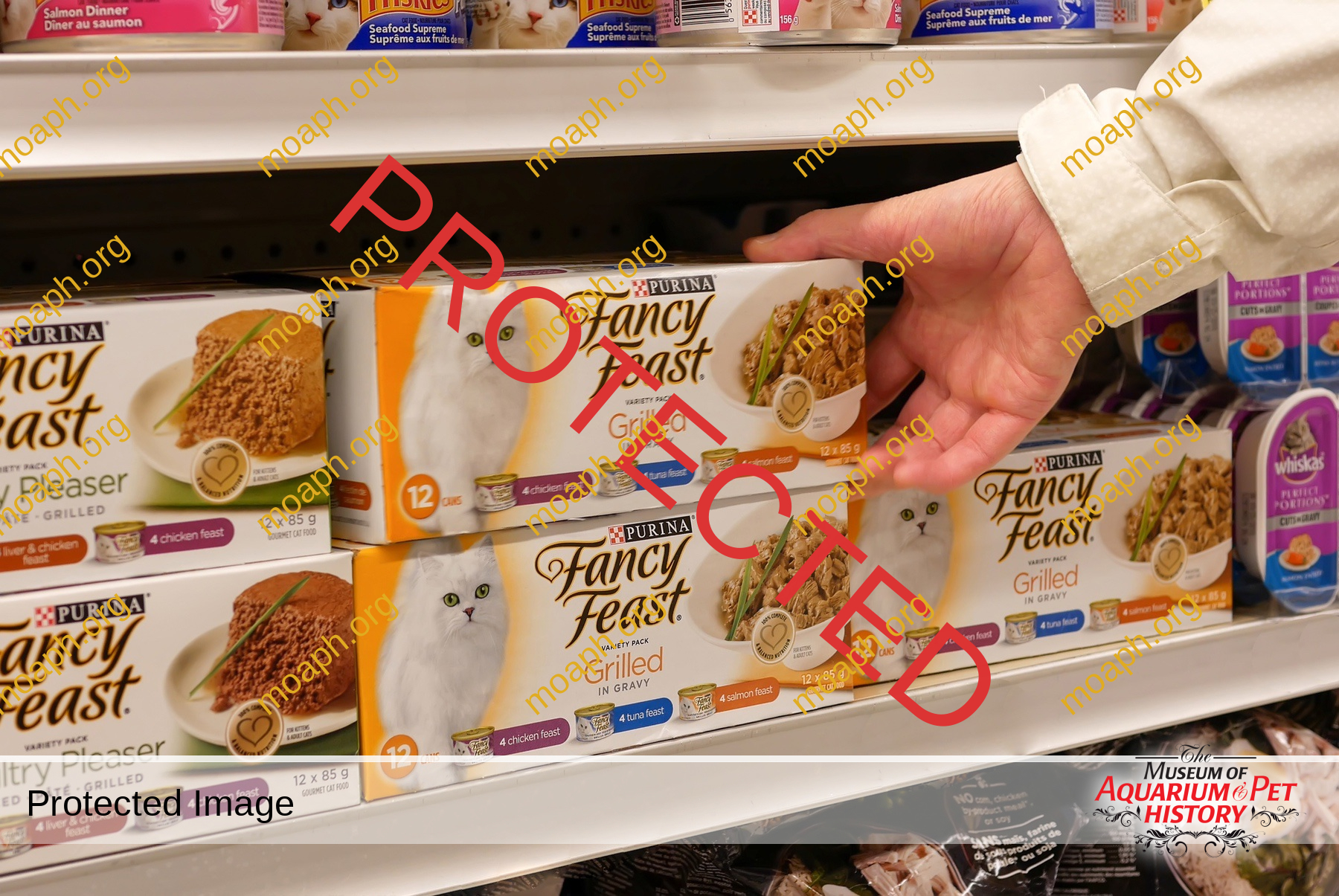
We had a very robust cat business.
We became a one-stop shop for customers who wanted the best for their pets—all of their pets.
We were very fortunate. We had acquired a software package that did it all. Inventory control for the warehouse and stores, accounting, point of sale and a host of other neat functions.
Along with our software guru, Mac Whetsel, we developed an inventory replenishment system that kept product at optimum levels at all times based on current sales. It worked both at individual store level and the warehouse.
Our fill rate was phenomenal. Stores were well stocked. Inventory turned quickly.
I enjoyed meeting with so many people representing the many companies we did business with. Meetings were usually productive and fun.
I was of the belief that business partnerships had to be mutually beneficial. Over the years, I developed some wonderful relationships with my suppliers. Many I still consider friends today
Surprisingly, I even had the opportunity to cross paths with some of my earlier influences.
For some time, we distributed our own tropical fish.
One day, I’m visiting the facility and they’re getting a delivery of fish from a local fish farm. In the door walks Ron Ahlers. You might remember him from my first visit to a professional fish room when I was 14. Ron and Tina had sold their home in New York, moved to Loxahatchee, Florida and bought a working fish farm. We had not seen each other in more than 20 years. It was a special reunion.
One more reunion story.
A letter came across my desk. It was addressed to the “General Manager”. It was from a gentleman currently living in New York, but was planning to move to Florida. He had extensive retail pet experience and was looking for work. It was from my first and probably my most influential mentor, Frank Margiotta, my boss at Ed’s Aquarium. He had no idea who he was writing to.
I called Frank. Without telling him who I was, I told him I received his letter, and that I might be interested in his services. I conducted a very pleasant, incisive interview (and busted his chops a little). At the end, I said, “Frank, it’s Steve Feinberg.” After a long pause, we were both laughing and catching up. Frank was immediately hired and stayed with us for a number of years. I can’t find the words for how much respect I had for Frank. I learned he passed away last year. A fine, honest man.
By now, my title was Vice-President of Merchandise and Marketing.
Business was booming. We brought on an advertising agency.
We interviewed probably six different agencies, large and small. The large agencies wanted to assign our account to a newbie or just produce some video, do a media buy, and be done with us for a year. In other words, we were a small account for a large agency. We weren’t going to get a lot of attention.
I wanted to be a big fish in a small pond.
Lipof Advertising was a small, local agency. I met with Mark Lipof and Nathan Lowery on a regular basis. They were very creative and knew how to take ideas and concepts and make them tangible. (A side note to Matt, their graphics guy. He could put together media same day)
One day, I was in an auto parts store. There was a small sign on the counter that said: “We Speak Transmissions.” At the next marketing meeting, I suggested we use the phrase “We Speak Pet.” We did, and it’s still in use today.

Our mission statement included “the best for you and your pet” on every level. We built our brand around that. It wasn’t just “lip service”. We made certain that it happened.
Our store’s staff were some of the best trained in the industry. Everyone in the stores, even the part-time associates, had a chance to earn bonuses if the store exceeded sales expectations.
I believe that in order to achieve the greatest success, everyone has to benefit from it.
Because the agency was local and could respond same day, we were also able to react quickly to sudden market changes. An idea in the morning could be executed in the stores that afternoon. Even the IT department could have a promotion downloaded to the point of sale system in hours. No one could react to surprise market changes faster than us. From chain-wide participation all of the way down to a single store.
As the years went by, we collected data and studied what worked and what didn’t work. We kept doing what worked and kept experimenting and we never ran out of creative ideas.
Lipof was our agency for 17 years.
We hired a company that gave us a “psychographic” profile of our customers through data research. They were able to isolate and identify people who looked like our best customers. We initially bought this for real estate purposes. They could forecast a stores likelihood of success by running a program on the new market based on the population of people likely to shop with us and give us a sales forecast. Of course, this report was just a tool. You still needed the right location.
I immediately saw the advantages of using these same findings in our marketing campaigns. Our marketing became laser-focused.
We were about to take our brand to the next level.