The Forgotten Aquariums of Venice – Part 1
by Emiliano Spada and Luca Mizzan*
*Director of the Natural History Museum of Venice.
Venice is one of the most charming Italian cities, a magical place suspended over the water, the most romantic tourist destination in the Old Continent. It’s such an enchanting place that someone thought of building replicas of it for business purposes, as happened in Las Vegas at The Venetian Resort.
Venice, however, has been – and still is today – much more than a coveted tourist destination. Over the centuries, this city had in fact a remarkable influence in multiple fields. The “Venetian Republic” (697-1797), for example, contributed significantly to the progress of cartography, astronomy, navigation, metallurgy, medicine, chemistry, physics, and hydraulics. It was also a predominant maritime, mercantile, and military power. Its huge shipyards and armories were pioneers in the mass-production of ships using assembly-line methods. Known as the Venetian Arsenal, they were the largest pre-industrial production complex of the Modern Age.
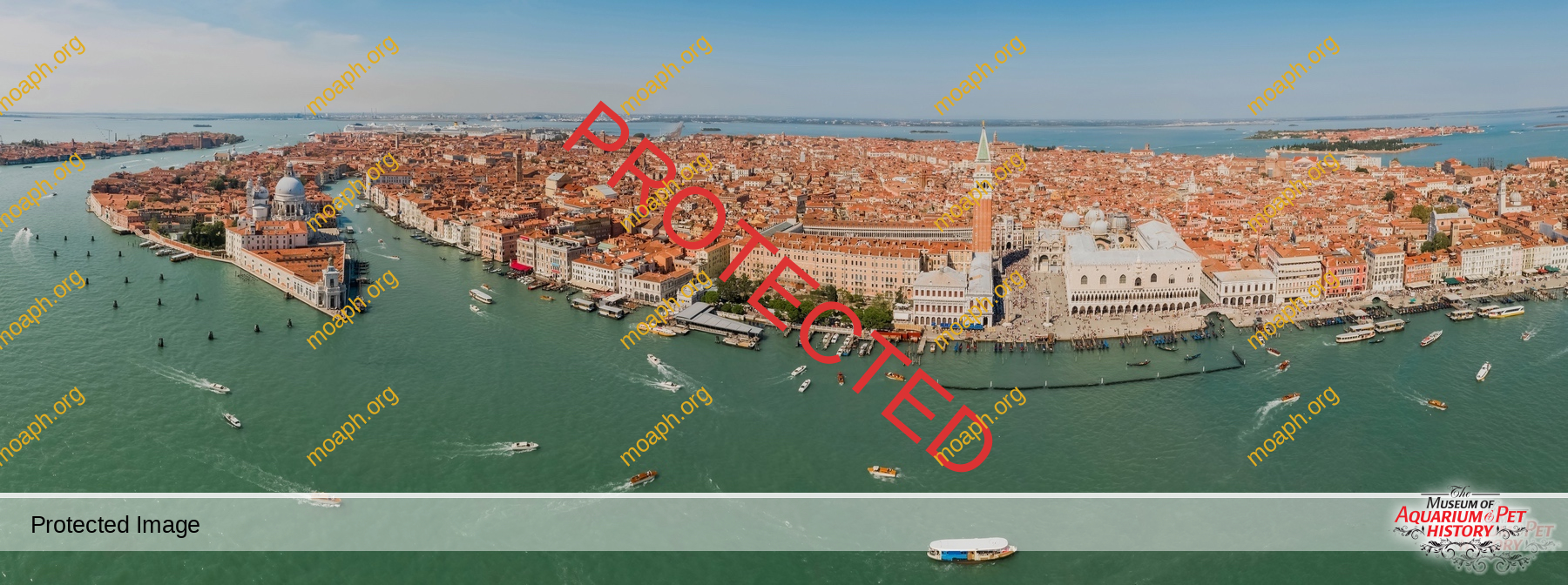
Relying on skillful merchants and brave explorers such as Marco Polo, this respected maritime republic established diplomatic and commercial relations with the Byzantine Empire, Islam, and Far East, thus bringing new ideas, art forms, goods, and cultures to the West.
Venice has always been considered as a cradle of art as well, and not just because of its popular glassworks. In this regard, one must mention the painters of the “Venetian school”, among whom there were illustrious artists such as Giovanni Bellini, Giorgione, Titian, Tintoretto, and Canaletto.
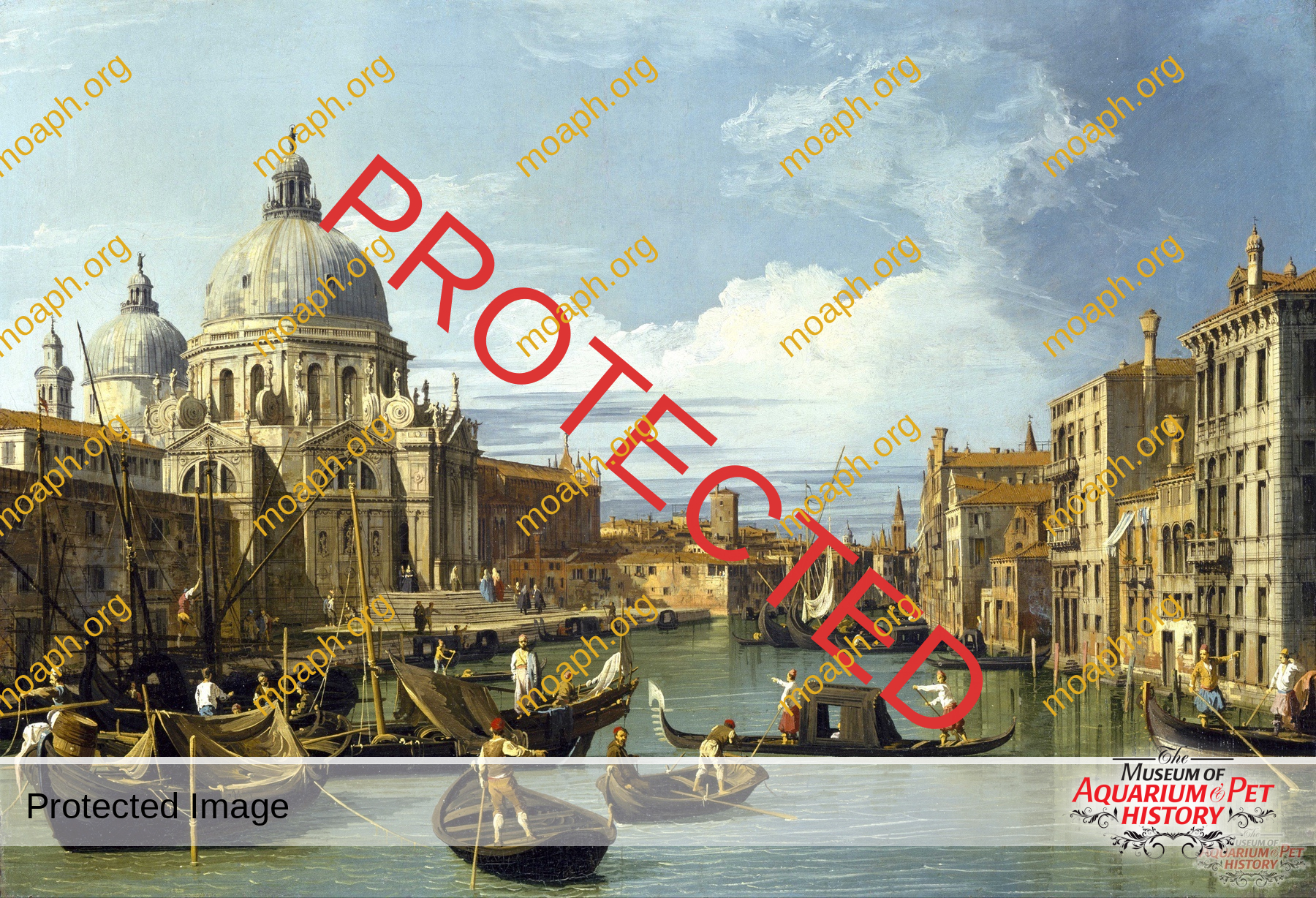
Entrance to the Grand Canal. Painting by Canaletto (1697-1768).
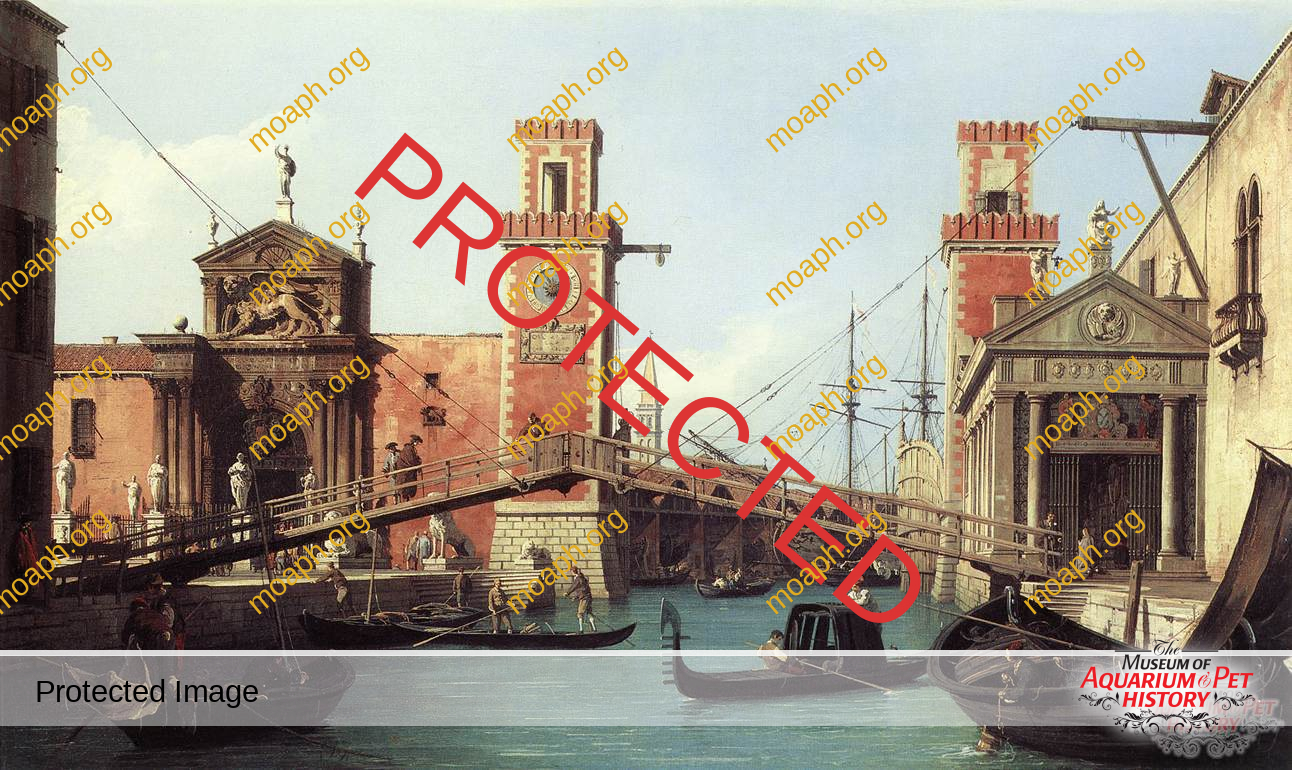
Entrance to the Venetian Arsenal. Painting by Canaletto.
Doge’s Palace
This unique city furthermore boasts an extraordinary architectural heritage made of buildings constructed in Byzantine, Romanesque, Gothic, Renaissance, Baroque, and Neoclassical style. Even today, one is astounded by the engineering prowess that allowed many of these works of art to be literally constructed over water.
One of the most iconic Venetian buildings is undoubtedly the Doge’s Palace, a masterpiece of Gothic architecture which was the heart of the political life and public administration of the Venetian Republic, as well as the official residence of the Doge (the highest political authority). When the Venetian Republic fell in 1797, this spectacular building was converted by the Austrian Empire into a military and government headquarters, starting a dark period which ended in 1866 with the annexation of Venice and the Veneto region to the Kingdom of Italy. After the annexation, it was primarily used as seat of the city’s government, housing administrative offices as well as important cultural institutions like the Venetian Institute of Sciences, Letters, and Arts (starting from now we will simply refer to it as “Venetian Institute”), a prestigious academy whose origins date back to the early nineteenth century and which is still active today.
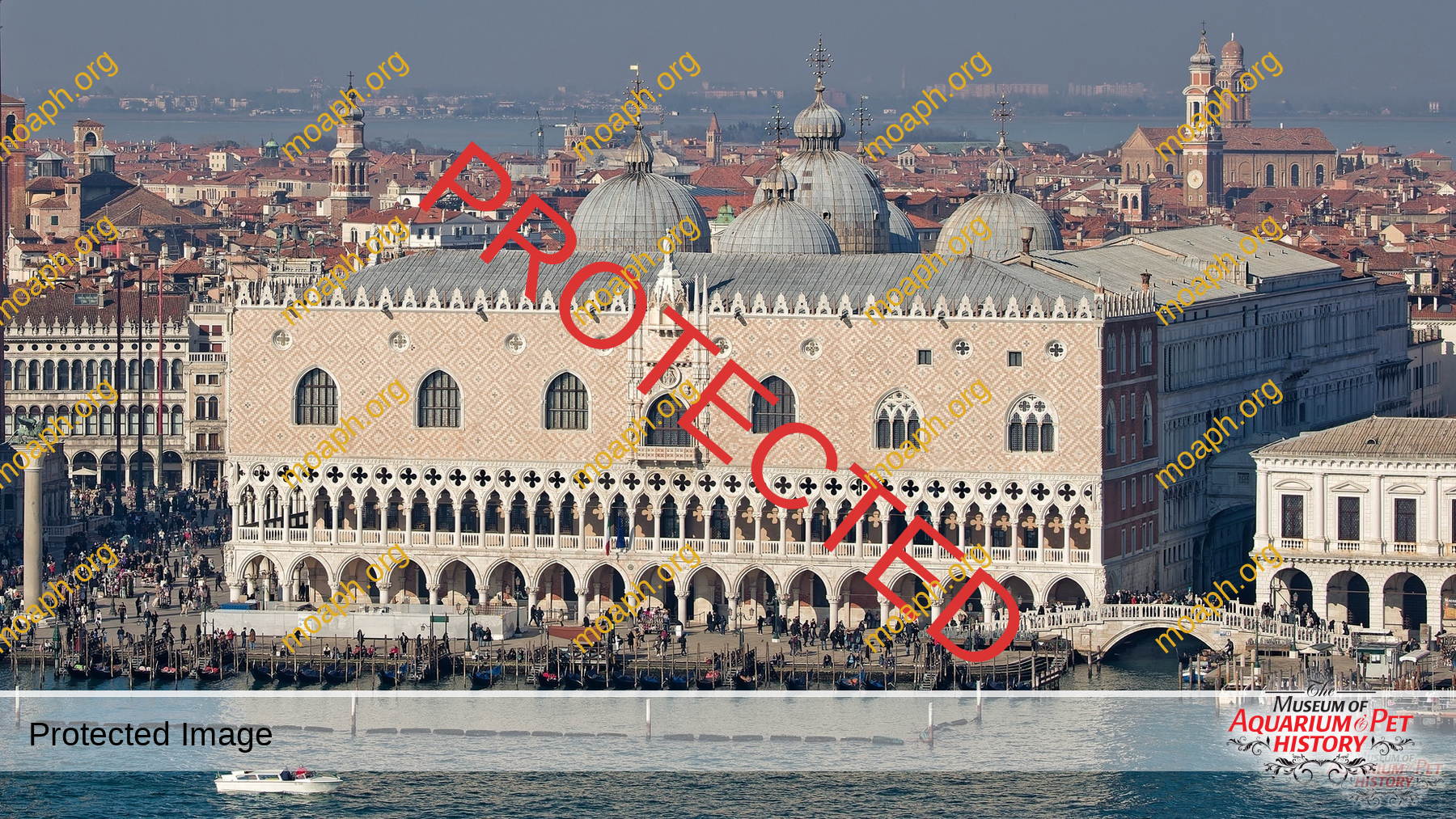
Doge’s Palace.
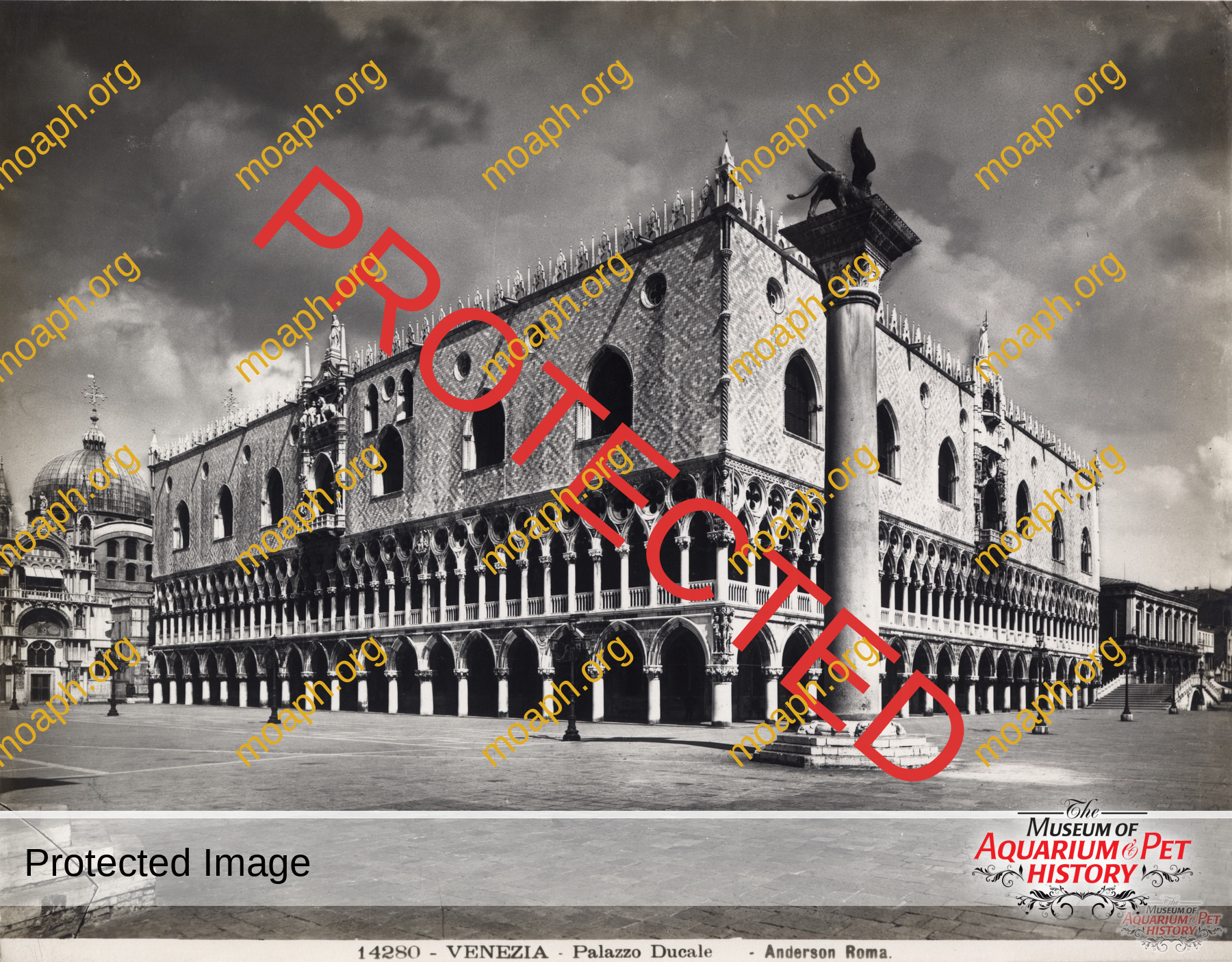
Doge’s Palace, old postcard. Courtesy of the Natural History Museum of Venice.
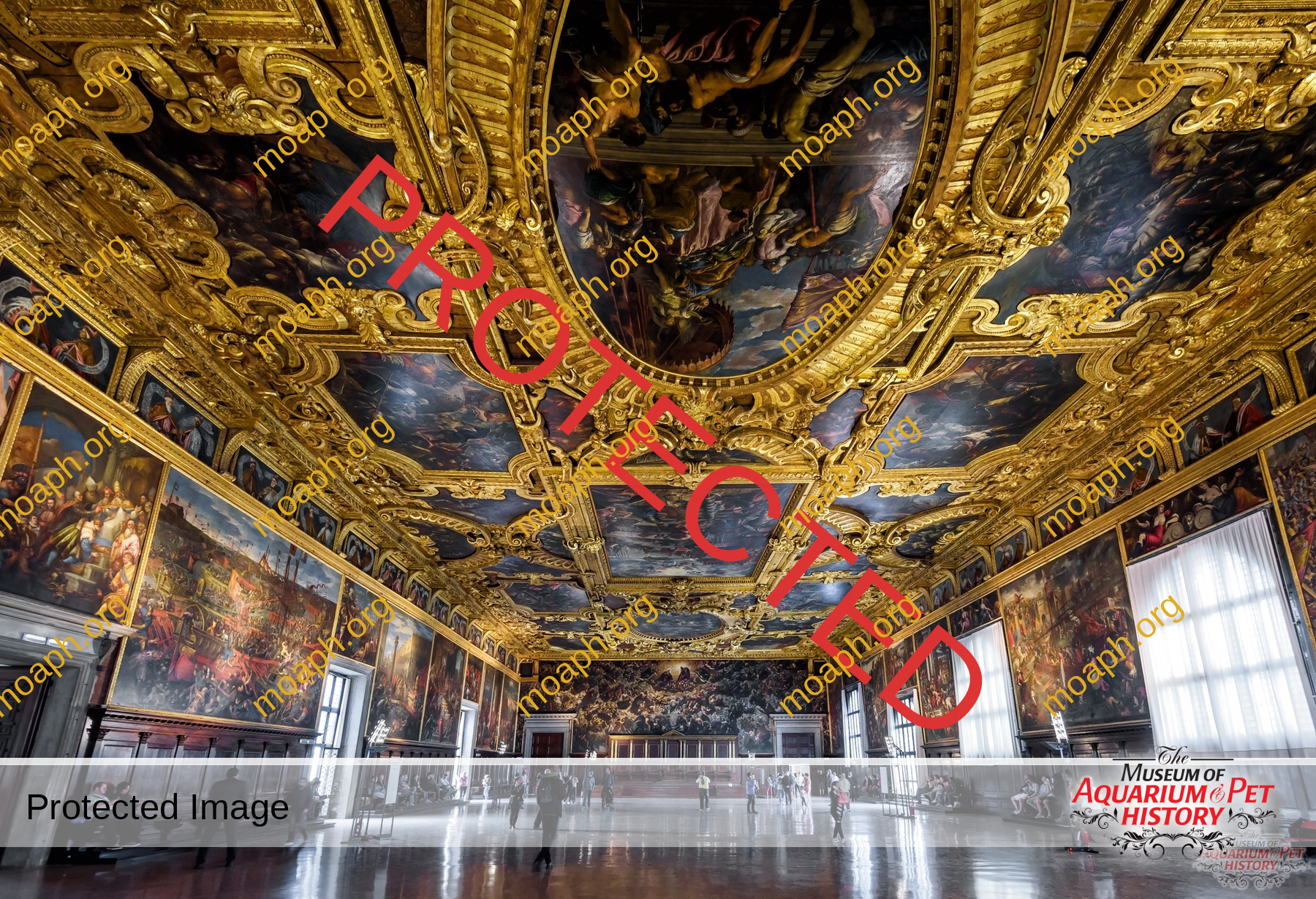
The spectacular Hall of the Great Council at the Doge’s Palace.
In Spring 1871, Enrico Filippo Trois, taxidermist and curator of the scientific collections of the Venetian Institute, presented to his board of directors a project of a public aquarium to be established just inside the Doge’s Palace. Even though he wasn’t an aquarium expert, Trois had an extensive knowledge of animal anatomy, with a strong focus on fish from the Adriatic Sea. At the time, since the scientists and academics of Venice and nearby Chioggia were on the cutting edge of marine biology, the idea of an Aquarium did not arise by chance but developed from a fertile ground.
Project approved! Trois meets Brehm
Trois’ proposal was positively received by the Secretary of the Venetian Institute, Giacinto Namias, who saw this potentially profitable venture as an opportunity to strengthen the Venetian Institute’s presence within the Doge’s Palace. In those days, in fact, rumors circulated that the building would soon be cleared and repurposed.
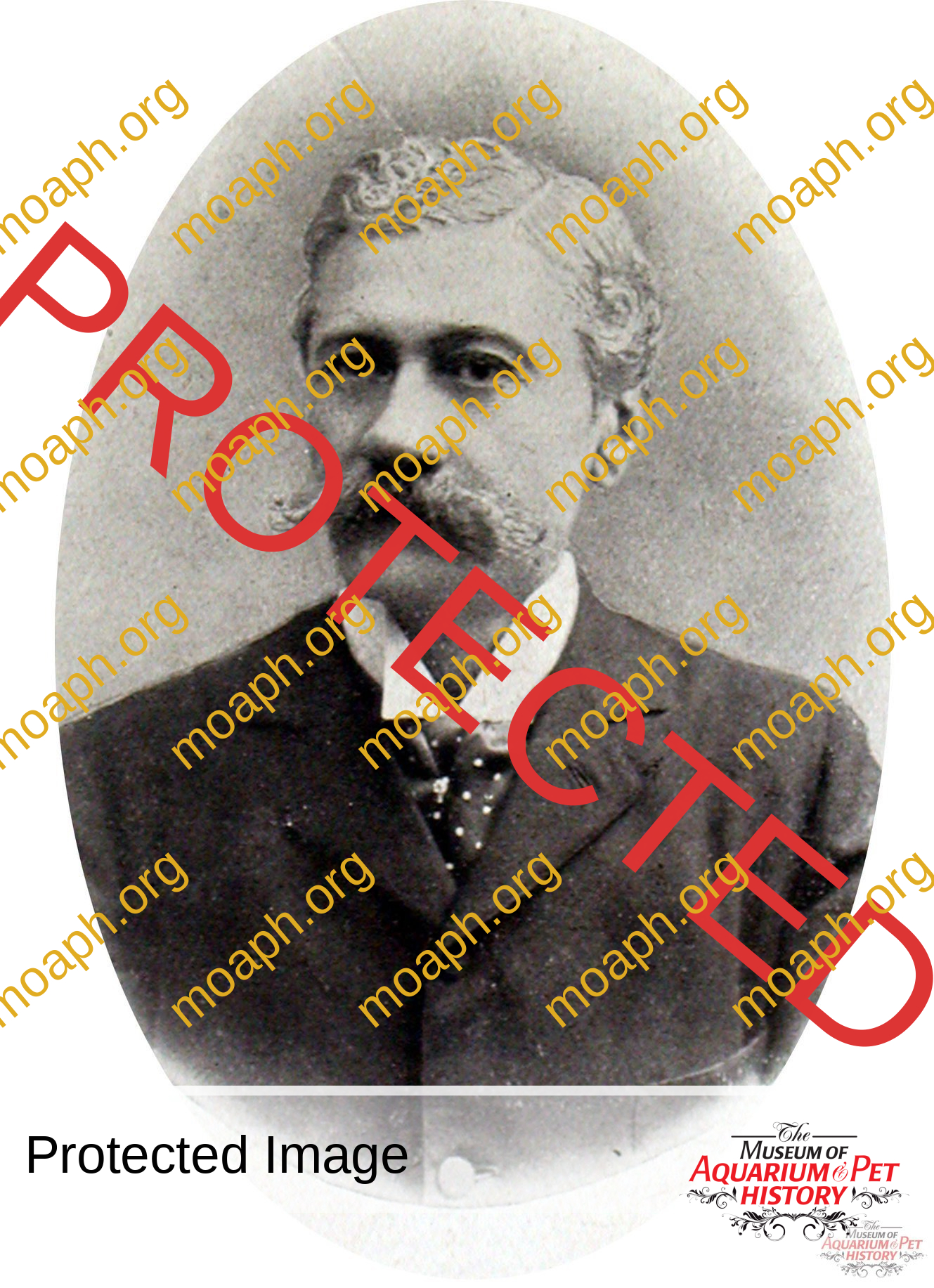
Enrico Filippo Trois (1838-1918) was a passionate student of Natural Sciences under the renowned Venetian naturalist Gian Domenico Nardo (1802-1877). He became curator of the scientific collections of the Venetian Institute in 1866, and proved to be a skilled taxidermist producing more than 2000 preparations preserved both dry and in fluids.
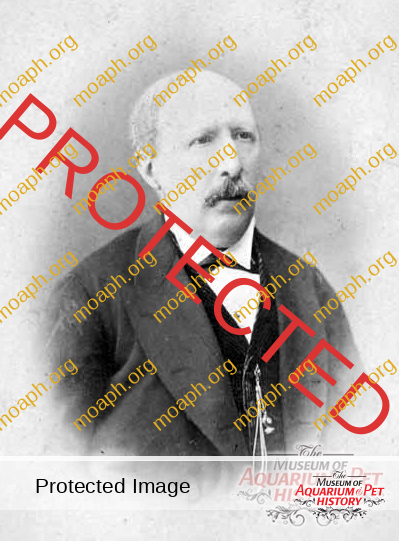
Giacinto Namias (1810-1874) was a doctor who held the role of Secretary of the Venetian Institute from 1855 to 1874. Courtesy of Venetian Institute of Sciences, Letters, and Arts.
The ground floor rooms overlooking the Rio della Canonica (the canal famous for being under the Bridge of Sighs), and still occupied back then by the Chamber of Commerce, were chosen as the ideal location for the Aquarium. On January 13, 1872, the Ministry of Public Education approved the project, but asked Namias for a comprehensive report on the benefits coming from the establishment of this novelty. The latter quickly provided it thanks to the help of Trois, who emphasized two key points:
• The Aquarium of the Venetian Institute would be the first public aquarium of Italy
• The facility had the potential to serve as an experimental laboratory of pisciculture (Trois envisioned an aquaculture industry increasingly reliant on artificial fertilization), thus fostering the scientific and industrial development of one of the traditional sectors of the Venetian Lagoon.
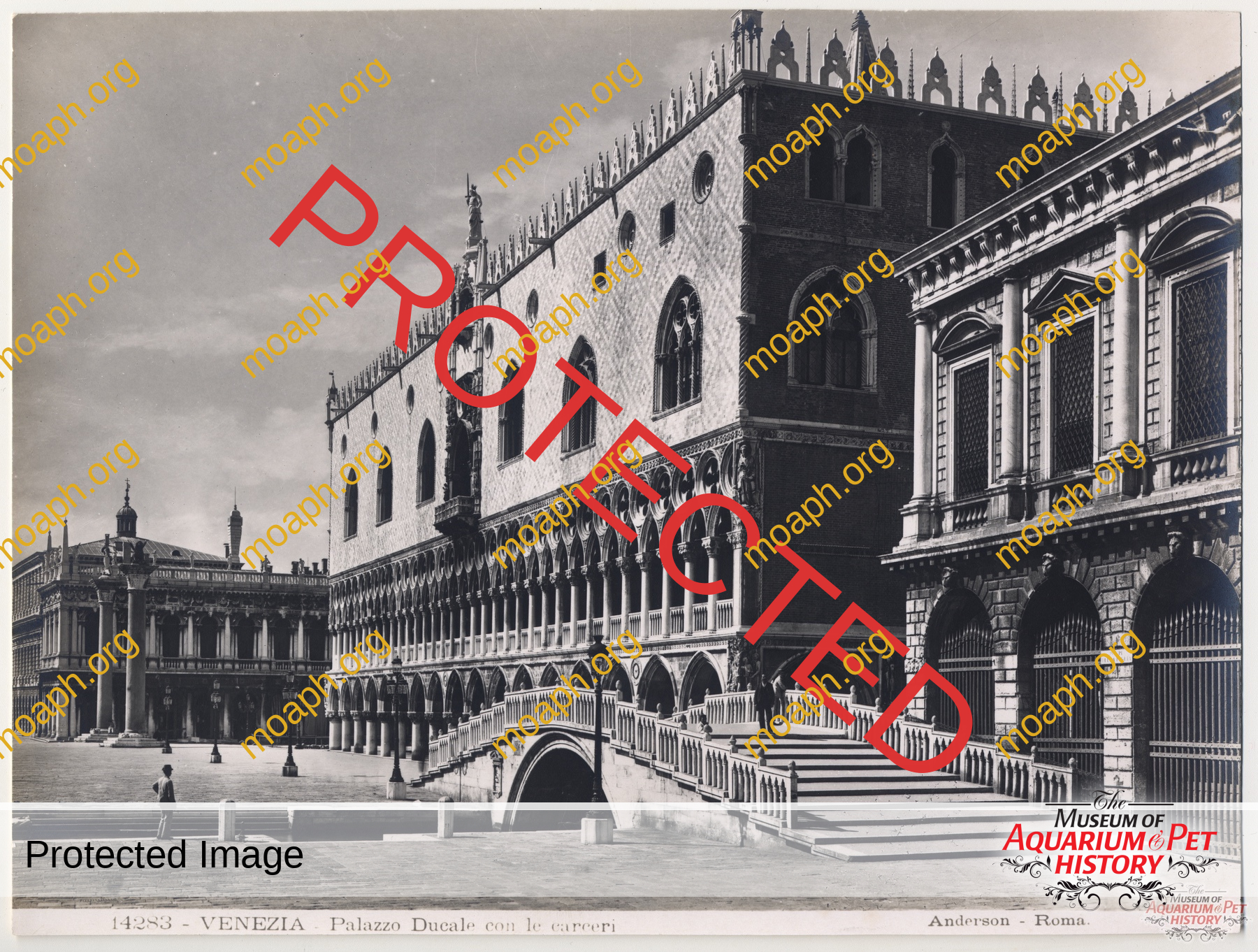
Entrance to the Rio della Canonica, old postcard. Courtesy of the Natural History Museum of Venice.
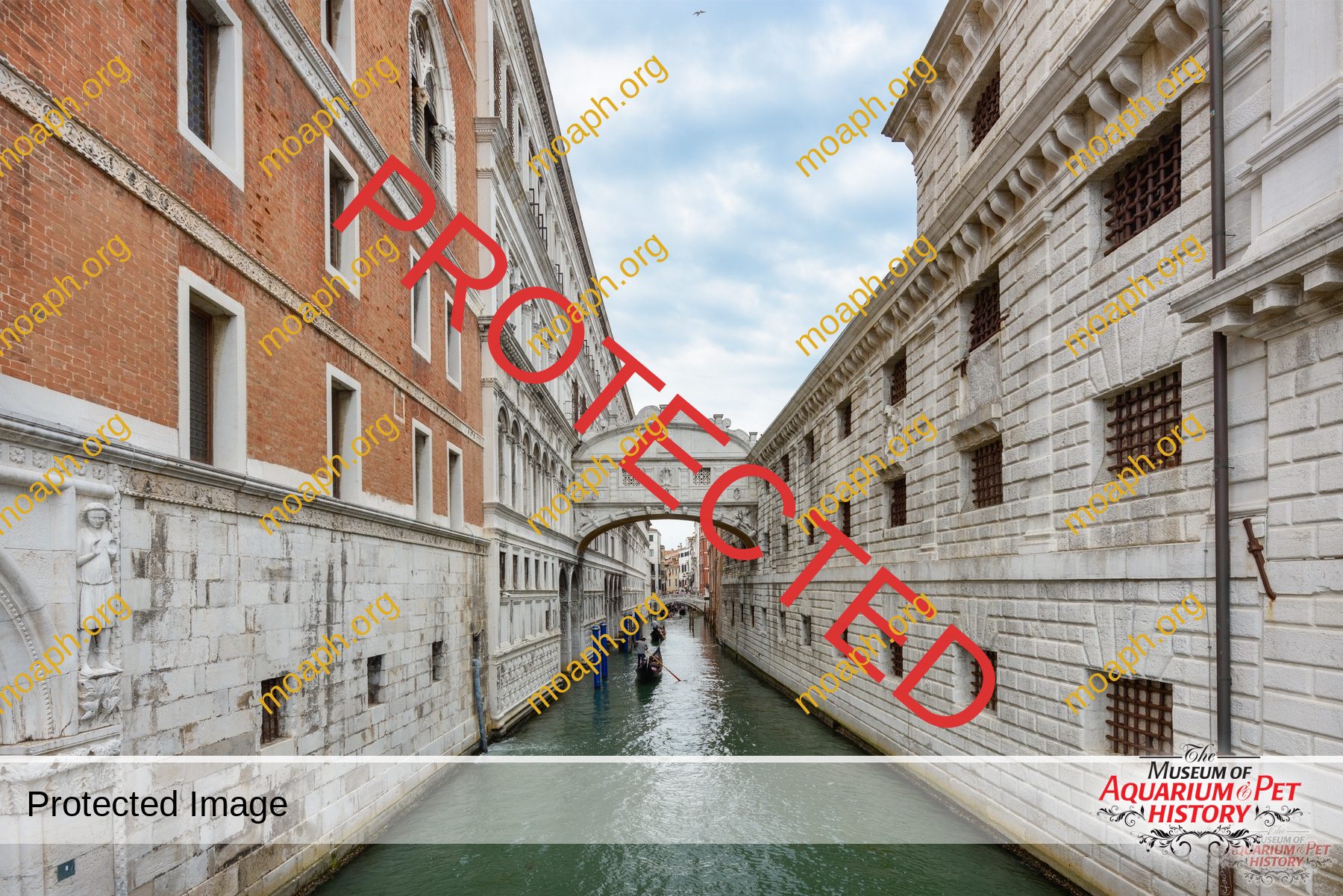
Rio della Canonica.
As to Trois’ first statement, we must point out that, back then, there was already at least one other Aquarium in the timeline of Italian public aquariums. It was designed by the engineer Francesco Del Giudice and inaugurated on May 1, 1871, within the International Maritime Exhibition which took place on the beach of Mergellina (Naples). Built according to the fashion of the time in a grotto-style setting, this temporary facility offered a 13-meter display (42.65 feet) and housed only species from the Tyrrhenian Sea. Its curator was the naturalist Paolo Panceri, who immediately had to face serious issues of cloudy water and a high mortality rate both resulting from inefficiencies of the filtration system.
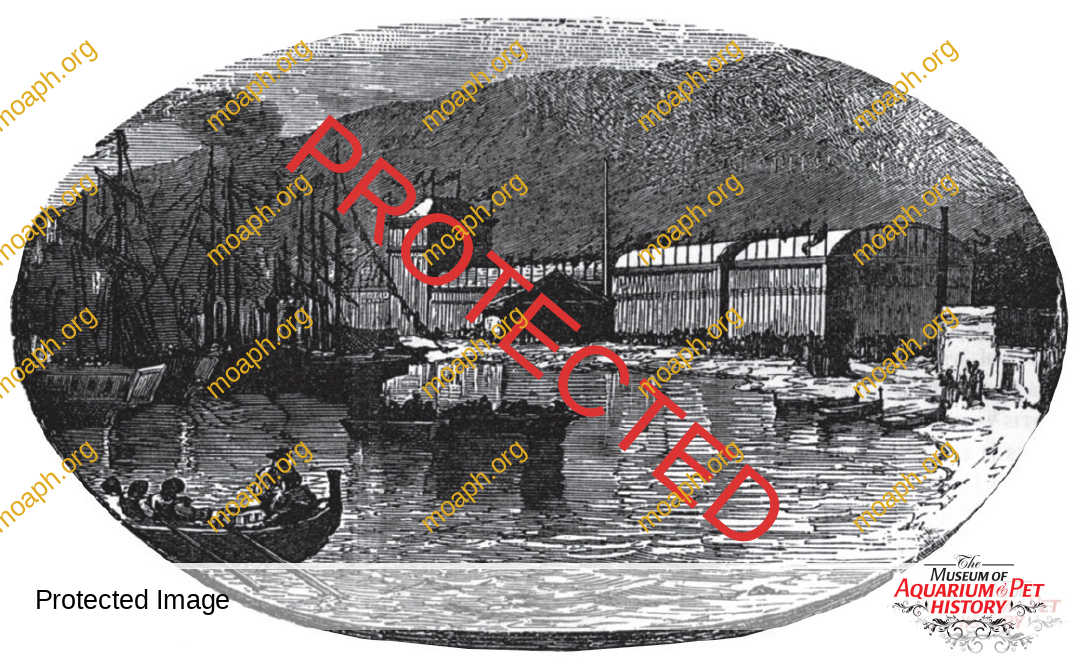
The 1871 International Maritime Exhibition built on the beach of Mergellina (Naples). The Aquarium was inside the small central pavilion.
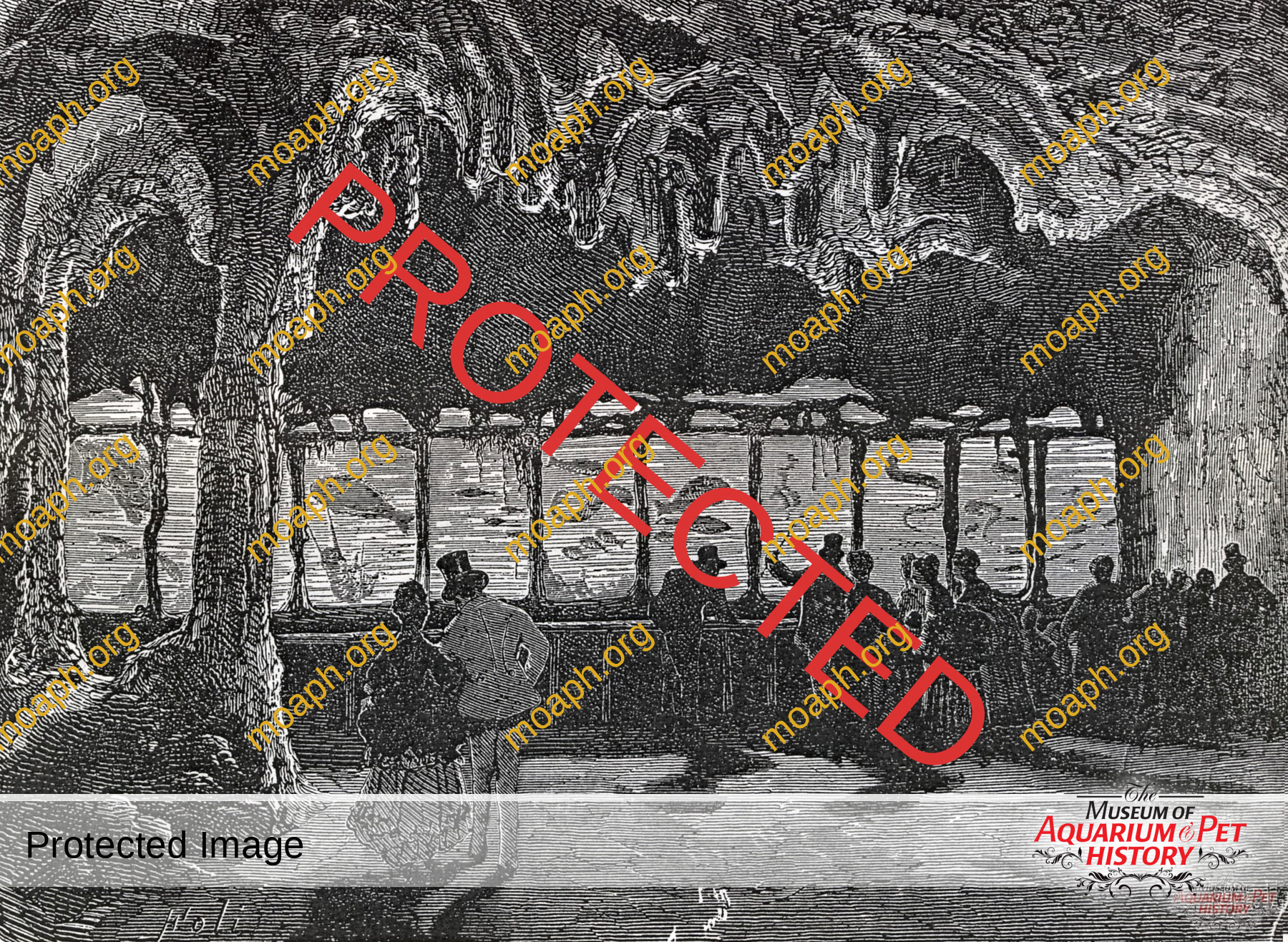
The temporary Aquarium built within the 1871 International Maritime Exhibition. It was dismantled at the end of the Exhibition (July 31, 1871).
Back to the Aquarium at the Doge’s Palace, once enough funds were gathered from the government the Venetian Institute sent Trois to Germany to draw inspiration from the public aquariums at Hamburg and Berlin. During the days spent abroad, Trois met Alfred Edmund Brehm, a German zoologist and popular writer, as well as co-founder and head of the Berlin Aquarium. Invited to visit Venice, Brehm offered valuable advice and drew a sketch of a small Aquarium with 12 display tanks.

Alfred Edmund Brehm (1829-1884) was a popular naturalist and science writer. In 1862, he became head of the Hamburg zoo, and kept this position until 1867. Afterwards, in 1869, he opened Berlin’s first aquarium.
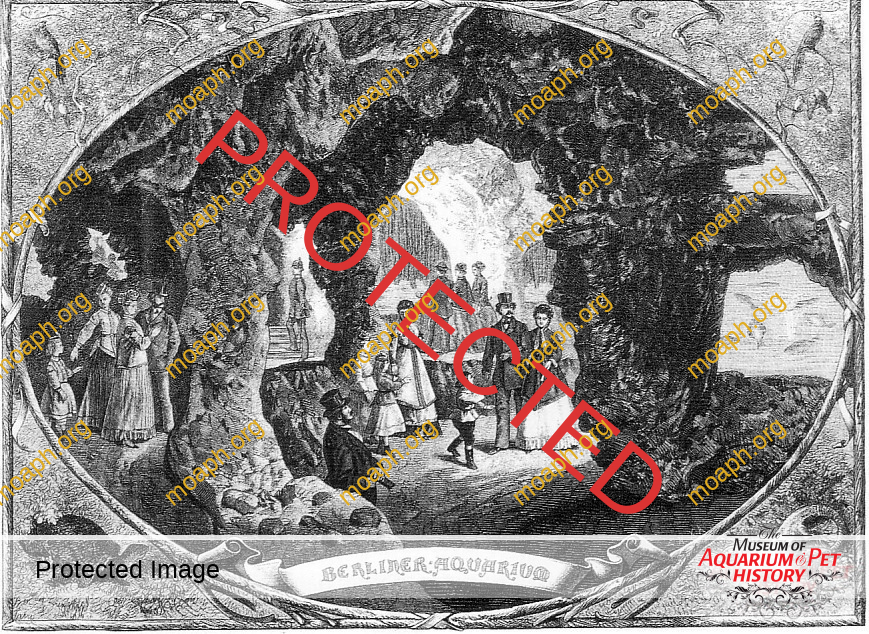
The Berlin aquarium (1869-1910).
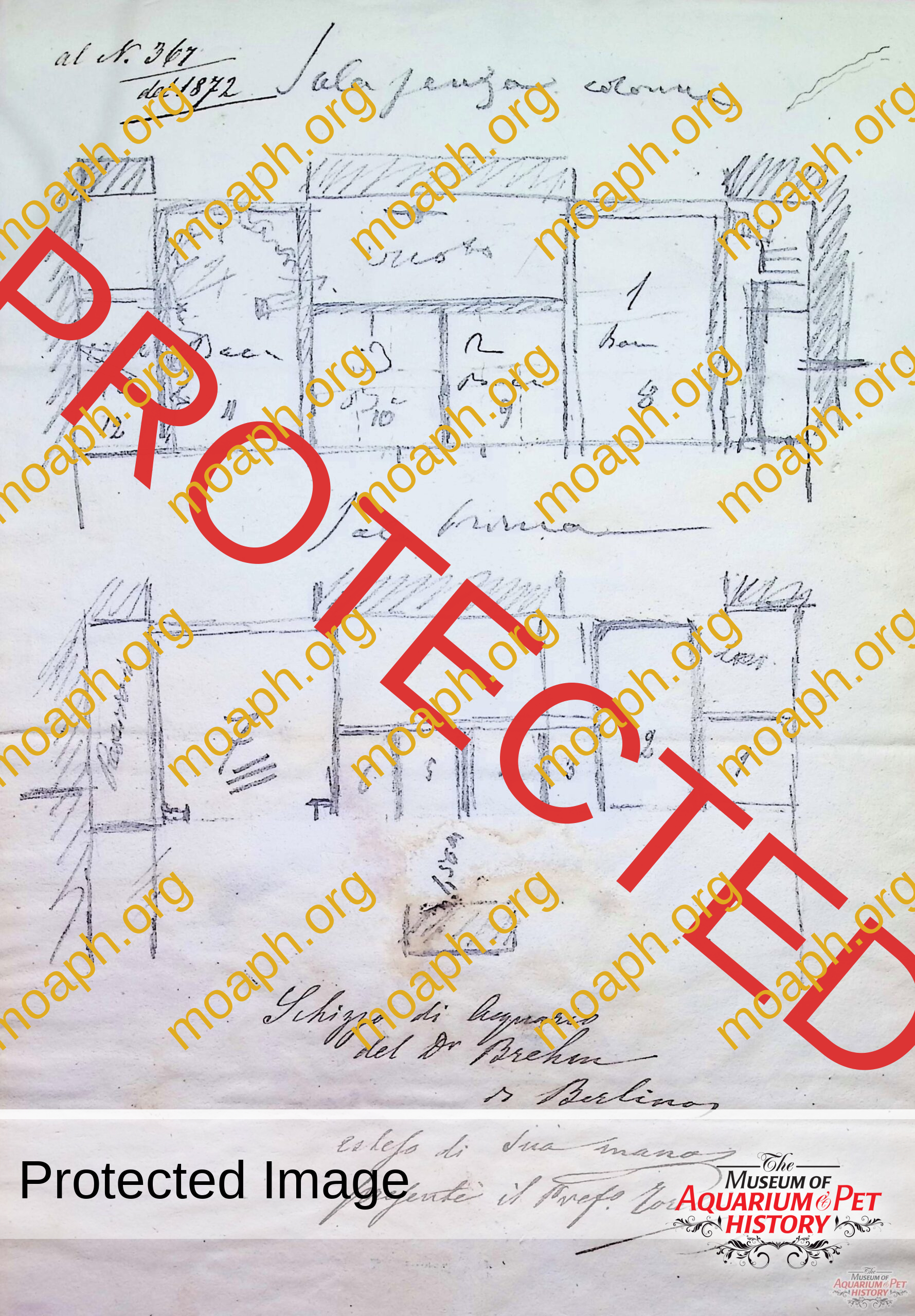
Brehm’s sketch of the Aquarium at the Doge’s Palace. Courtesy of Venetian Institute of Sciences, Letters, and Arts.
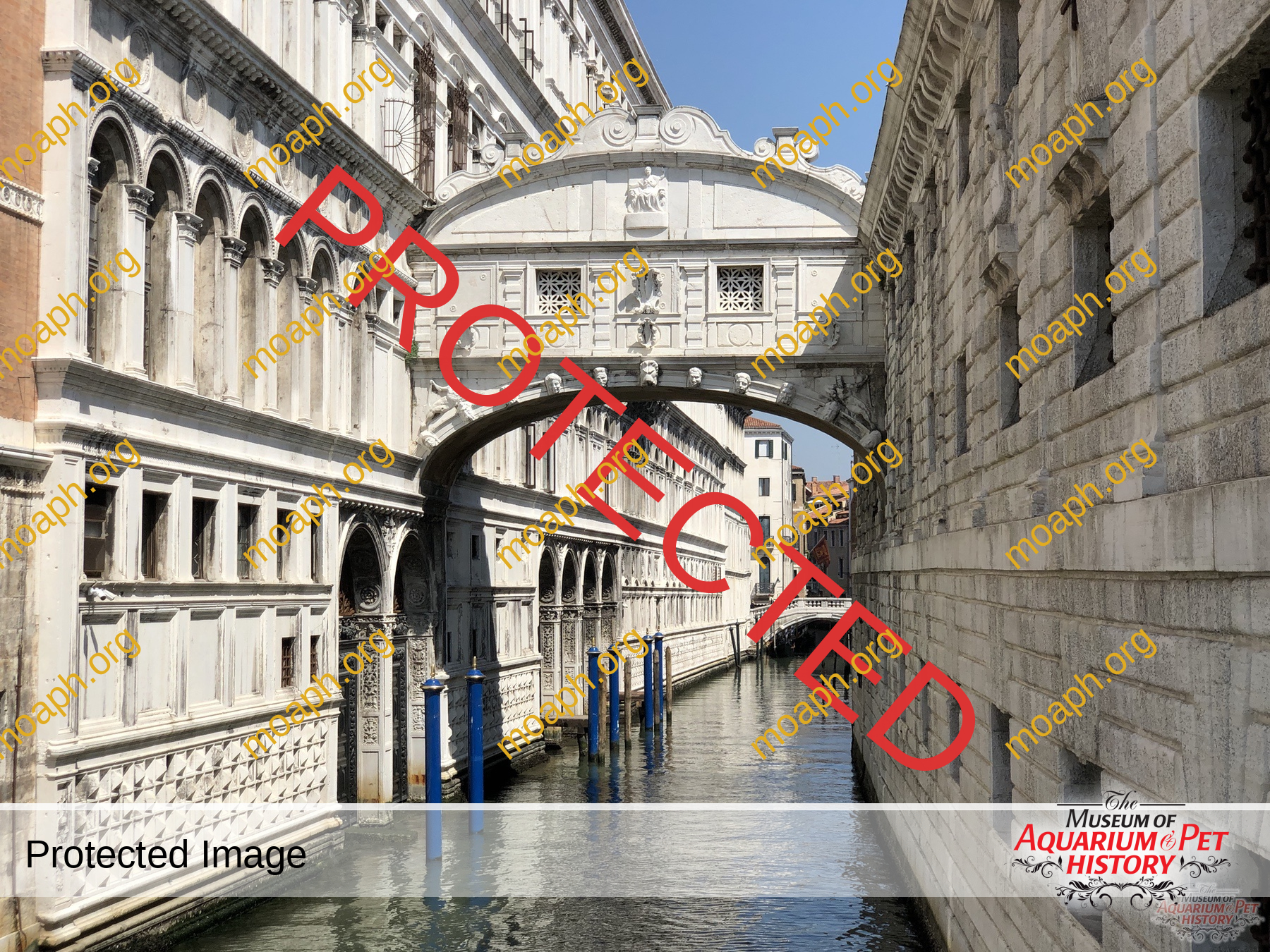
The Bridge of Sighs. Courtesy of the Natural History Museum of Venice.
Inauguration
The load tests carried out by the municipal technicians were quite a gamble. They placed about 15 tons of ballast in the rooms destined to house the Aquarium, and waited for 40 days. After verifying that the ground floor of the Doge’s Palace had not catastrophically collapsed under that weight, it was decided to go ahead!
The work was entrusted to the engineer Pietro Fautrier, and to the building contractor Gaspare Biondetti Crovato. Despite some doubts about Biondetti’s work, the Aquarium was inaugurated without much fanfare on June 9, 1873. The ledger surprisingly survived to this day, albeit a bit battered, and clearly shows that the admission price was 1 lira (the standard monetary unit of Italy before the euro), and that 99 persons visited the Aquarium on the first day.
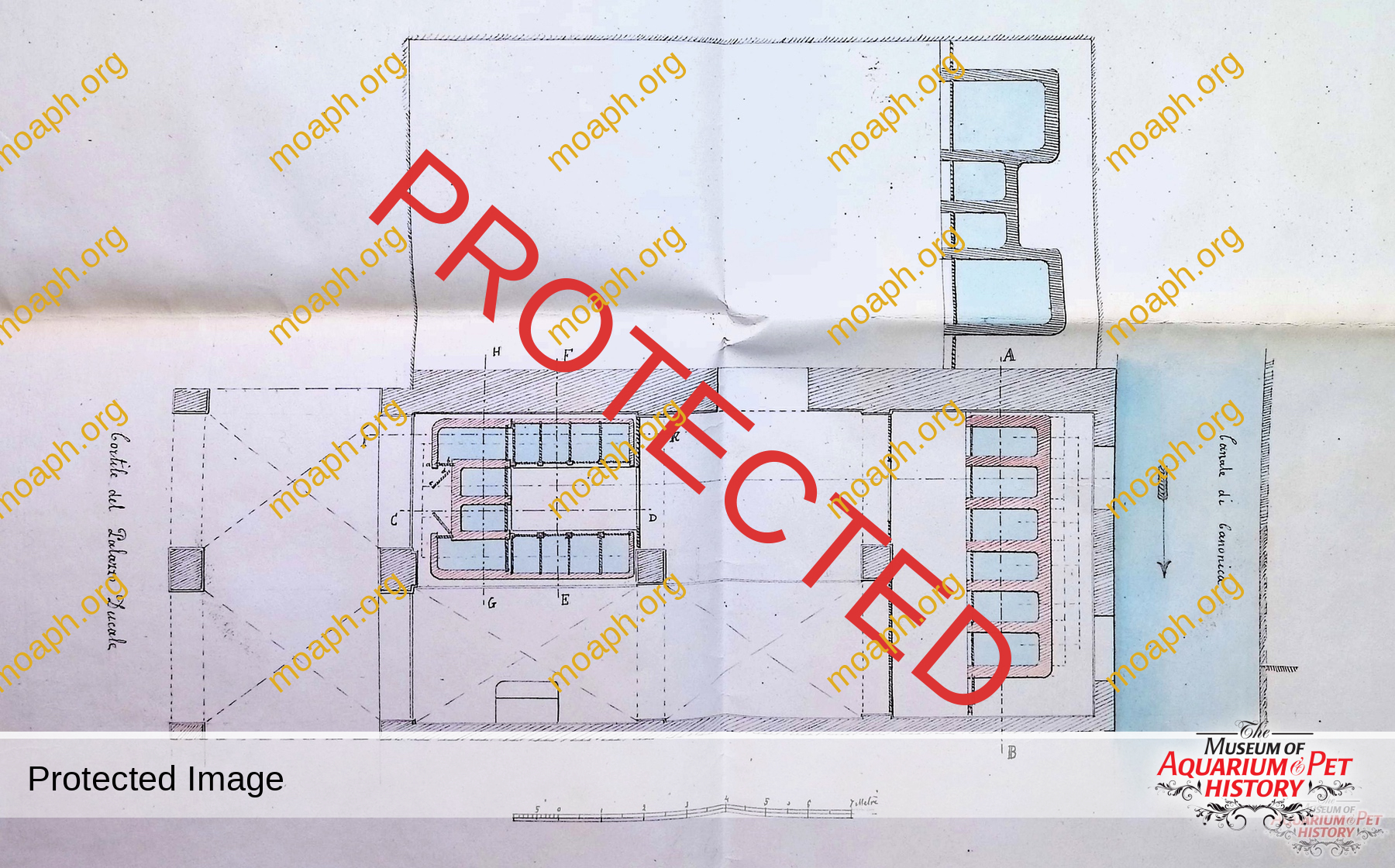
The Aquarium at the Doge’s Palace, drawing from December 1873 signed by the engineer Lazzaro Fubini (1843-1924). Courtesy of Venetian Institute of Sciences, Letters, and Arts. According to the newspaper Gazzetta di Venezia (June 5, 1873), on the opening day the Aquarium had only 4 tanks.
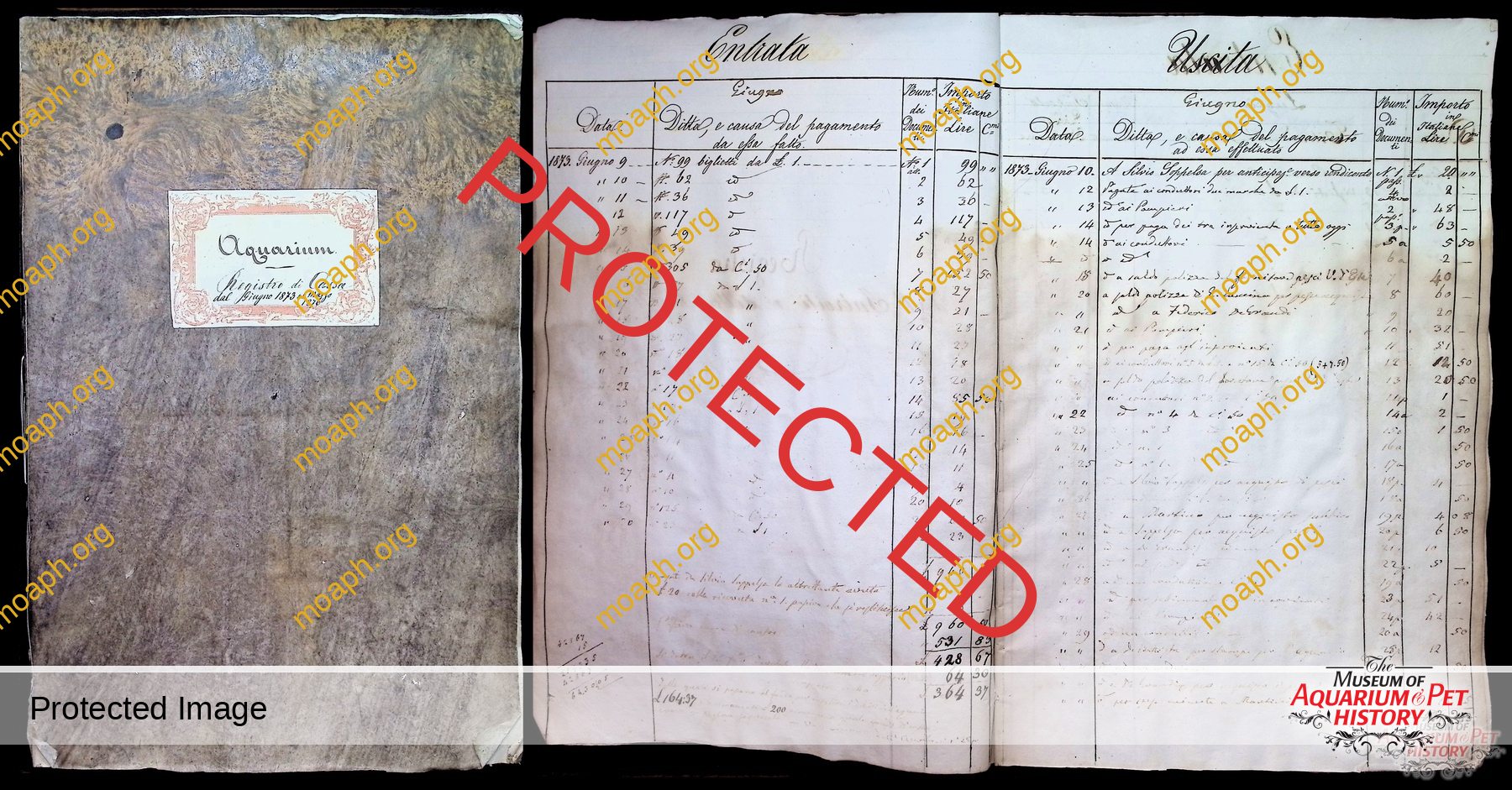
In the original ledger is preserved the financial history of the facility. Courtesy of Venetian Institute of Sciences, Letters, and Arts.
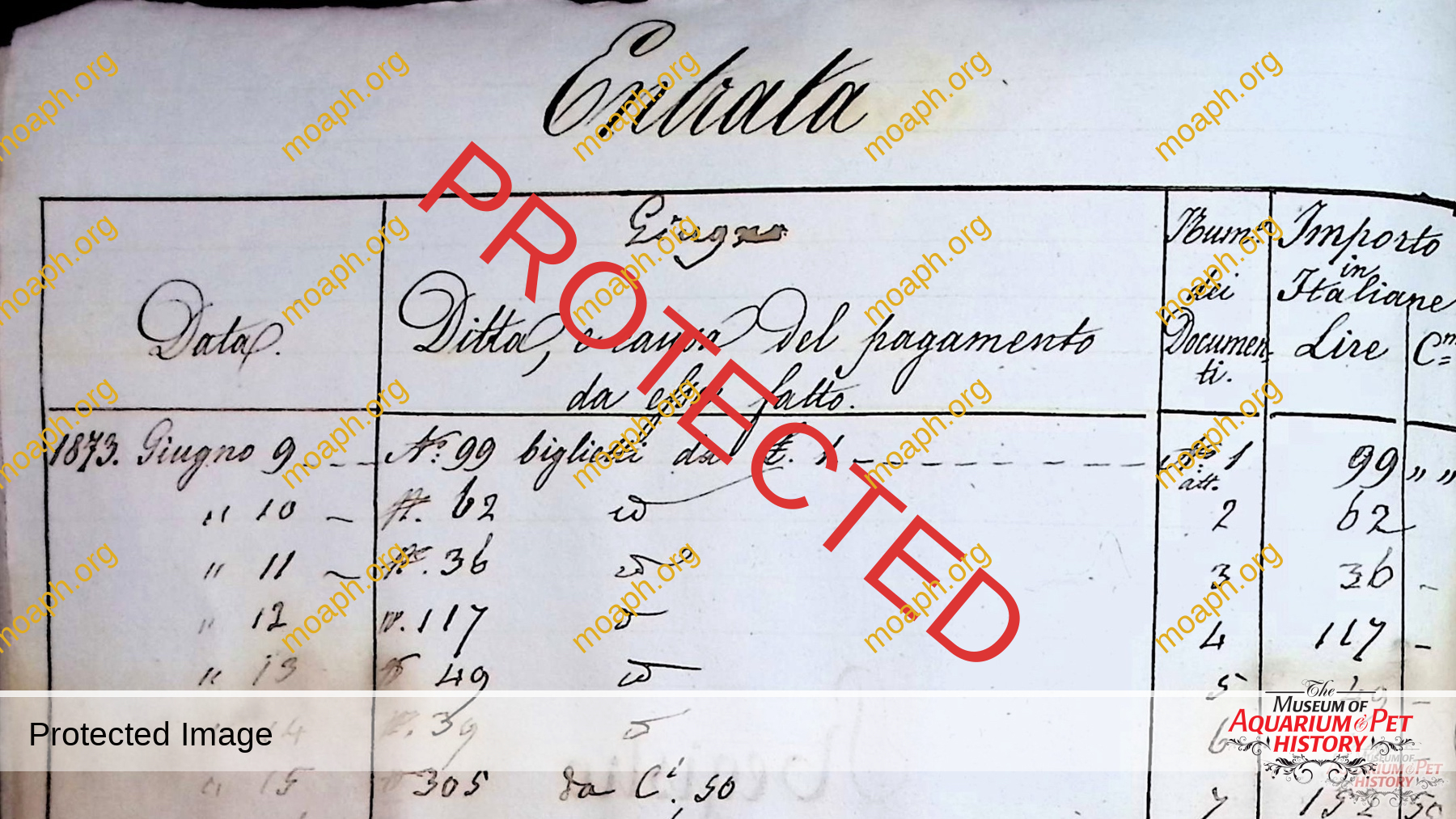
Closeup of the ledger. On day one the Aquarium sold 99 tickets for a total income of 99 lire. Courtesy of Venetian Institute of Sciences, Letters, and Arts.
The tanks were partially illuminated by the sunlight entering through the windows, and it is fair to assume that most of them housed marine and brackish water species from the Venetian Lagoon and the Adriatic Sea. As confirmed by specific and recurrent cost items written in the ledger, the aquatic animals were bought from external suppliers (mostly fishermen skilled in keeping them alive during the transport), as the Aquarium had neither a boat nor its own collectors. Probably the water circulation wasn’t driven by one or more steam engines connected to hydraulic pumps, as was common in the public aquariums of that era, but rather by hydraulic pumps operated by hand at scheduled times.
Unexpected low attendance
Despite the strategic location of the Aquarium, which moreover was just a stone’s throw from St. Mark’s Square, the visitor turnout in the early months was rather disappointing. Venice was literally an open-air museum, and tourists were much more attracted by the countless reminders of its glorious past, rather than by scientific novelties. Venetians, on the other hand, for obvious reasons were already all too familiar with fish, at least as a primary source of food!
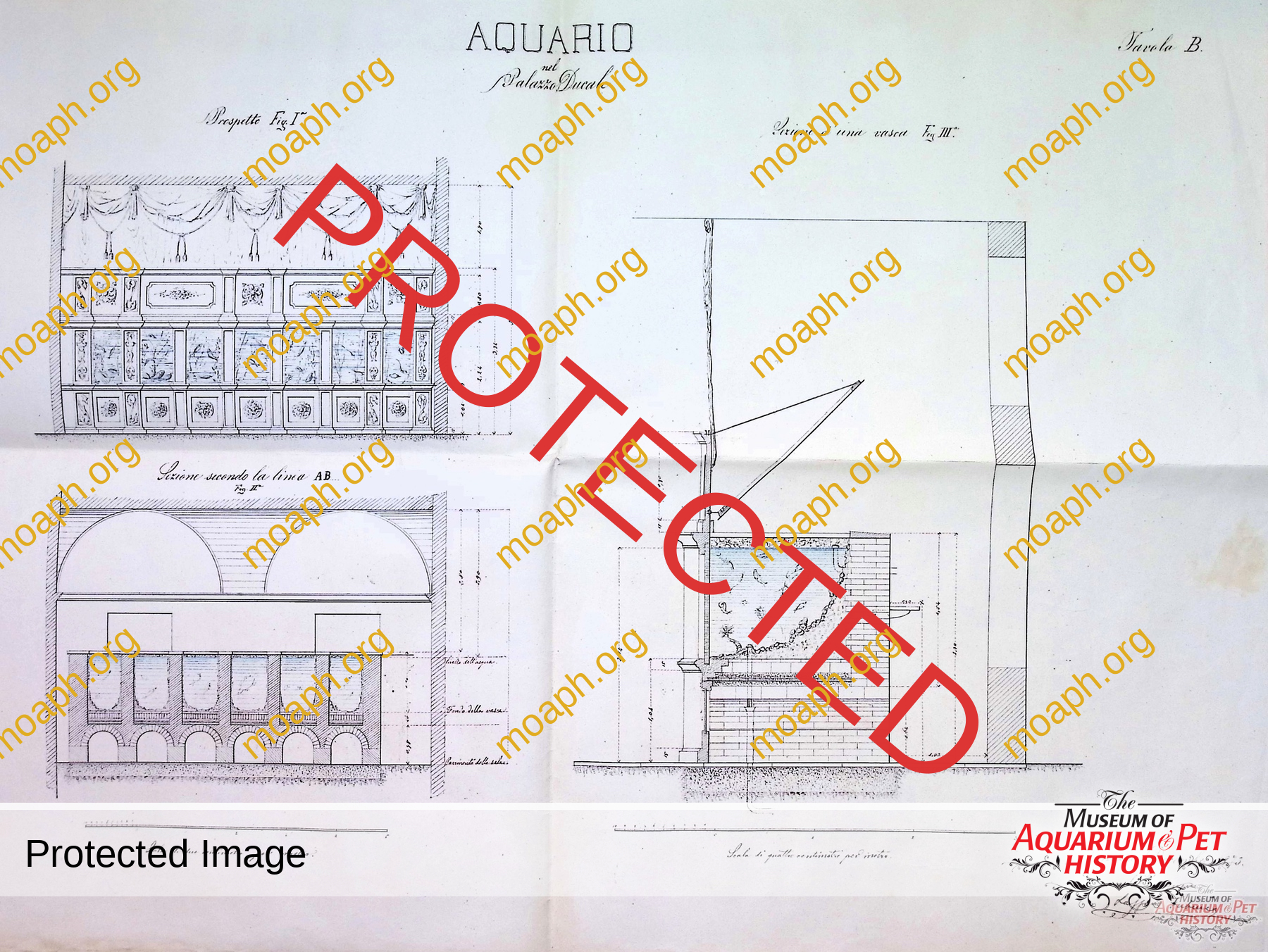
The interior of the Venice aquarium. Drawing by Fubini, December 1873. Courtesy of Venetian Institute of Sciences, Letters, and Arts.
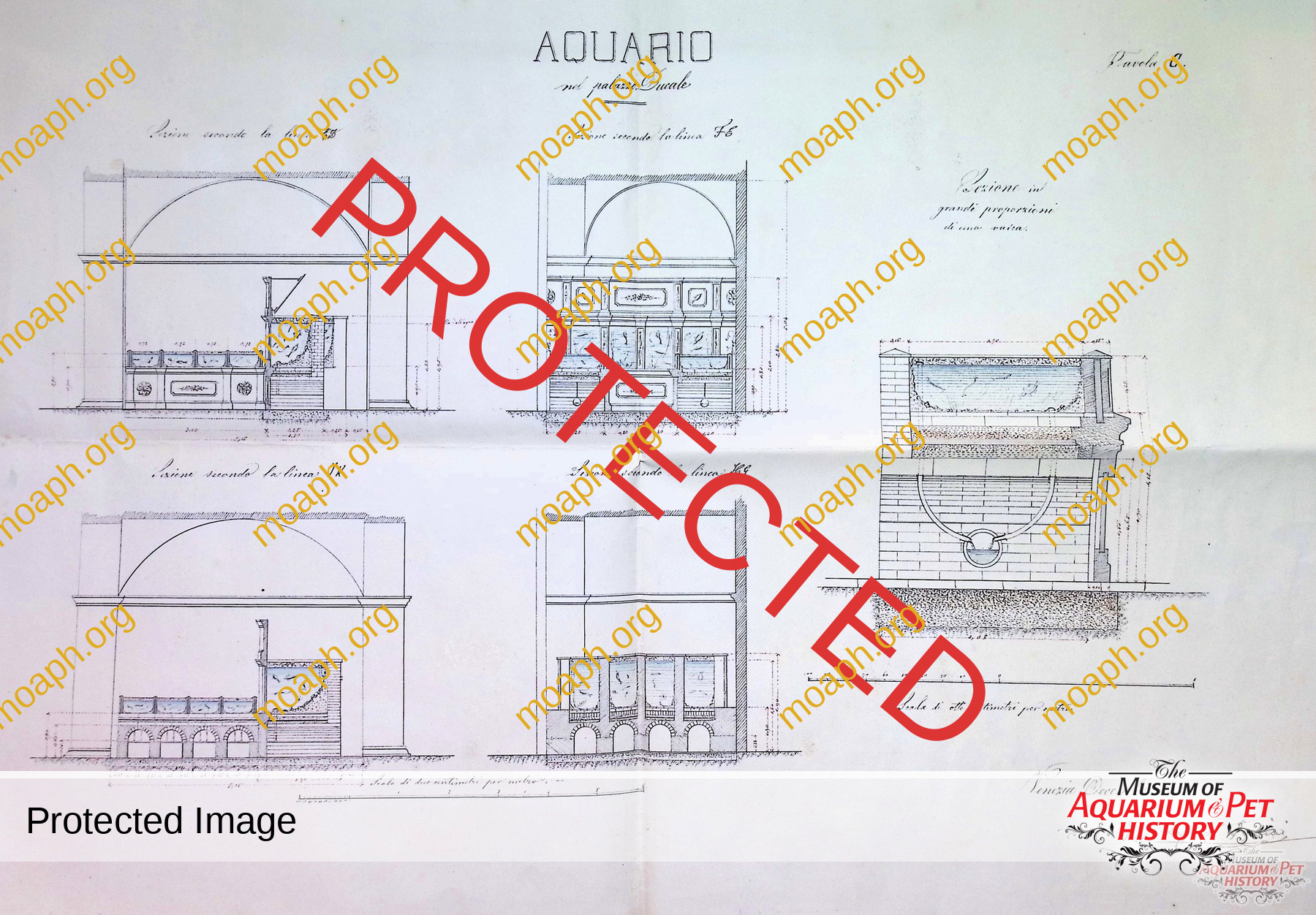
Further details of the interior. Drawing by Fubini, December 1873. Courtesy of Venetian Institute of Sciences, Letters, and Arts.
In March 1874, the new Secretary of the Venetian Institute, Giovanni Bizio, requested additional funds from the Ministry. The goal was to enlarge the Aquarium, both to make it more appealing to the public eye, and to start the pisciculture laboratory originally envisioned by Trois. An enlargement plan was drawn for this purpose by Fautrier, but it sadly remained on paper due to budget issues.
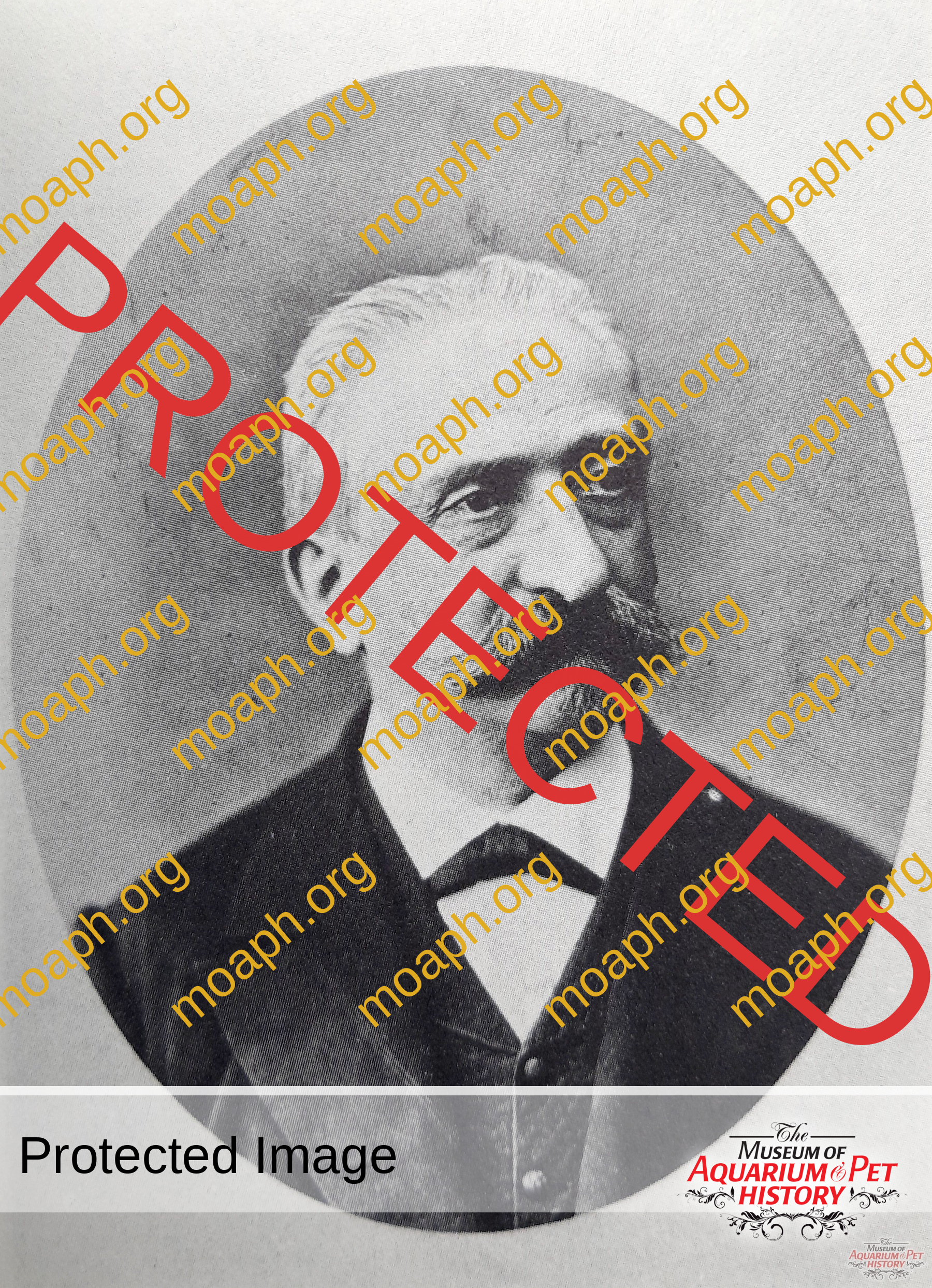
Giovanni Bizio (1823-1891) was a Venetian chemist who held the role of Secretary of the Venetian Institute from 1874 to 1891. His diplomatic efforts were not enough to prevent the Aquarium’s closure. Courtesy of Venetian Institute of Sciences, Letters, and Arts.
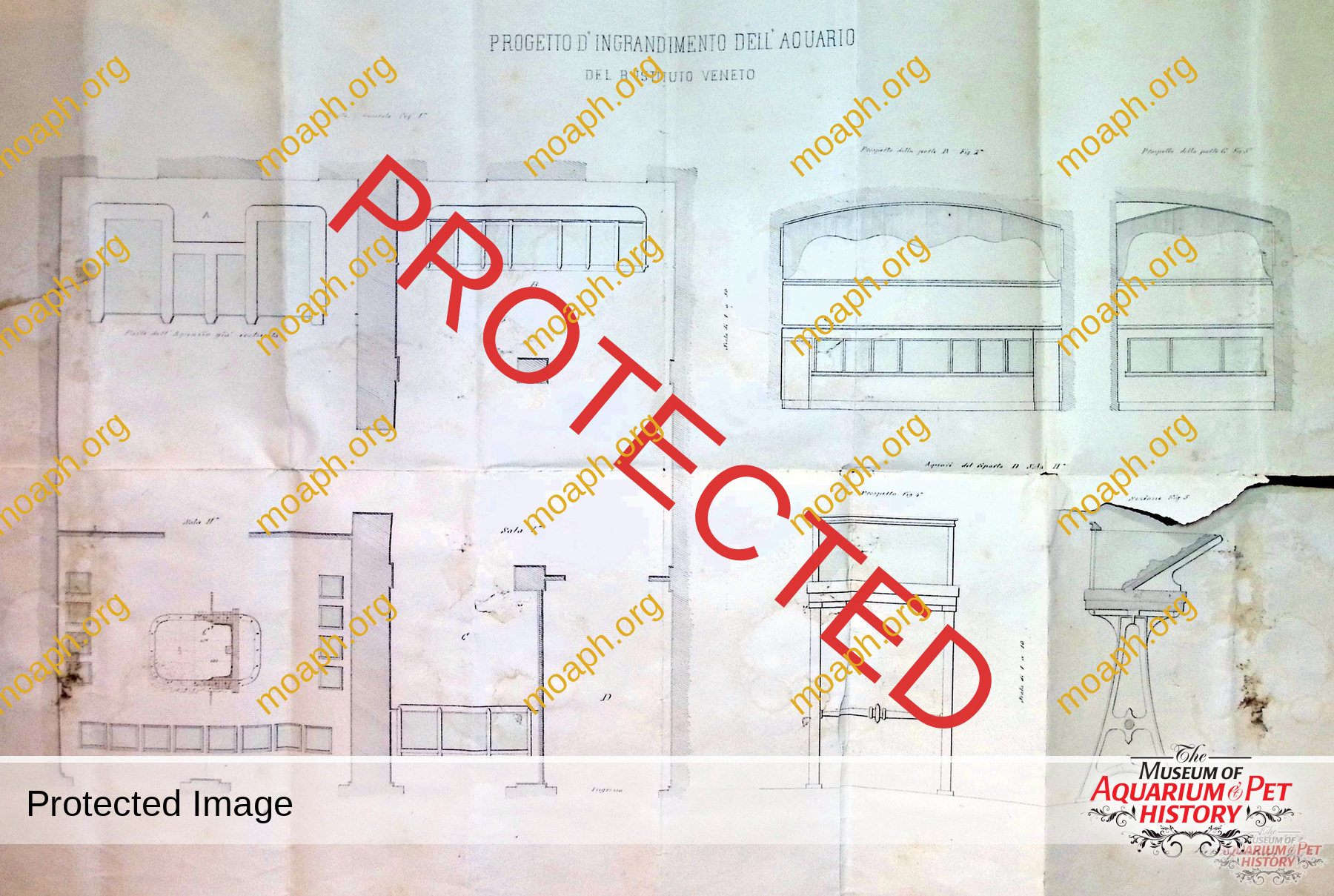
Fautrier’s enlargement project was never carried out due to lack of funds. Courtesy of Venetian Institute of Sciences, Letters, and Arts.
The aquarium, as it stood, did not achieve the expected success, and the low attendance led to its closure to the public on December 31, 1876. Our analysis of the ledger, actually, revealed that probably a few tanks kept on running for scientific purposes until February 1881. In 1891, however, the Venetian Institute moved to a new location (Palazzo Loredan), and in the transfer documents for the premises the Aquarium was described as “abandoned”.
Our research on the forgotten aquariums of Venice led us to investigate the history of other 2 public aquariums, both located in a rather strategic Venetian location: the Lido. We will discuss them in the second part of our article.
End of part 1.
ACKNOWLEDGEMENTS
Many thanks to the Venetian Institute of Sciences, Letters, and Arts for providing us invaluable historical documents and information, and to the Natural History Museum of Venice for proudly contributing on our research.
REFERENCES
Gullino, G. (1996). L’istituto Veneto di Scienze, Lettere ed Arti. Dalla rifondazione alla Seconda Guerra mondiale. Venice, Italy: Istituto Veneto di Scienze, Lettere ed Arti.
M. Bon, C. Vianello and S. Zampieri (2006). Enrico Filippo Trois (1838-1918). Preparati Zootomici al Museo di Storia Naturale di Venezia. Venice, Italy: supplement to Volume 57 of the Bulletin of the Venice Civic Museum of Natural History.
Groeben, C. (2010). “Sotto sarà una pescaria, sopra una piccola università”. La Stazione zoologica Anton Dohrn. In P. Redondi, L’Acqua e la sua vita (pp. 151-202). Guerini e Associati.
Borrelli, A. (2023). Paolo Panceri. Uno scienziato milanese nella Napoli postunitaria. Naples, Italy: Federico II University Press.