The Most Beautiful Aquarium Book
Translated by Alex Haro
The ‘Lutz’ – The Most Beautiful German Aquarium Book of the 19th Century
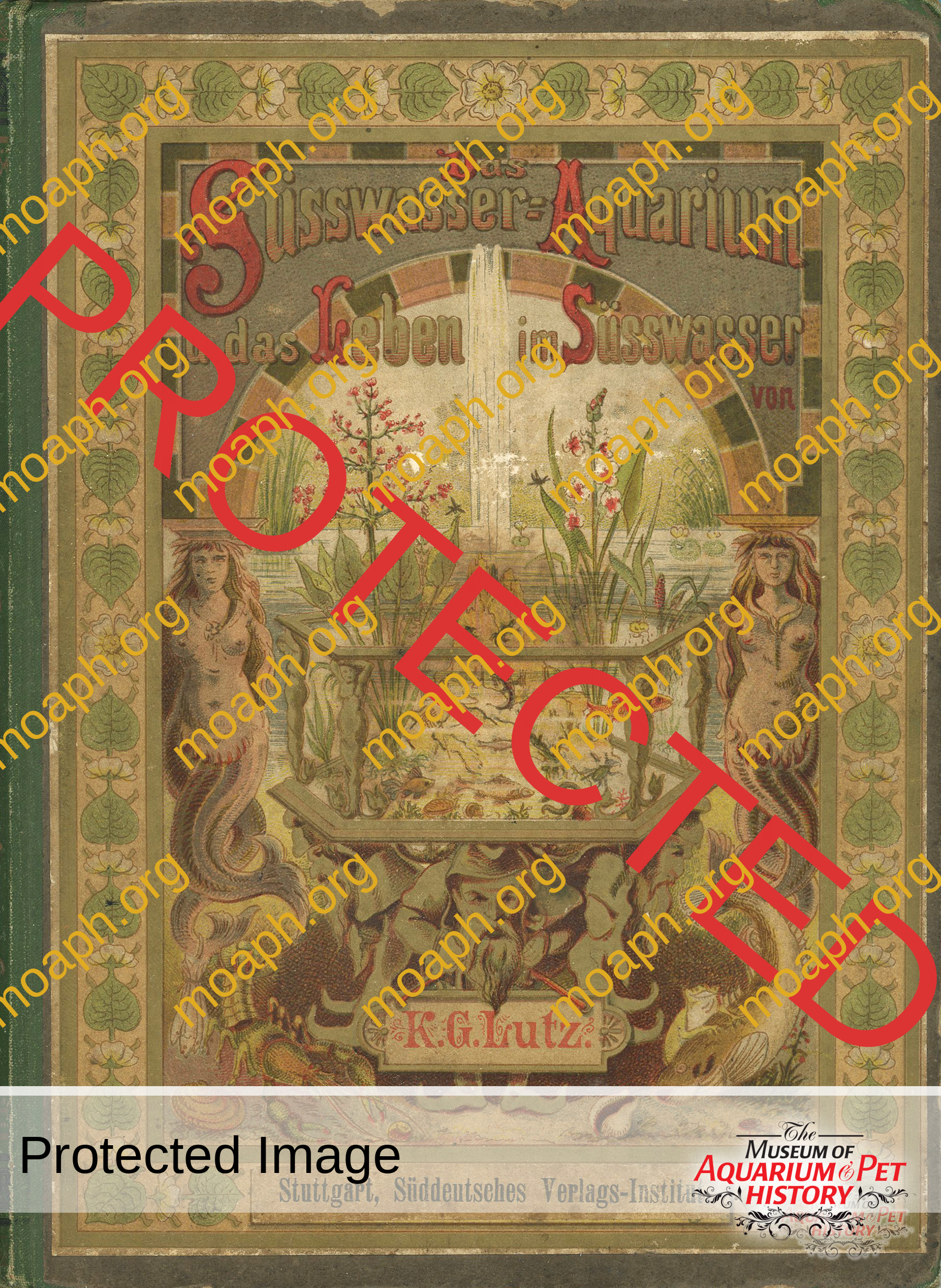
In 1886, the book ‘The Freshwater Aquarium and Life in Freshwater’ by K. G. Lutz was published by Emil Hanselmann’s publishing house in Stuttgart. The book, in an octavo format1 (21.5 x 15 cm), is bound in a green half-cloth cover with a spine title embossed in gold. The title and a colored title illustration are mounted on the front cover. The beautiful title illustration makes the cover undoubtedly the most attractive of all aquaristic book covers of the 19th century.
MOAPH1: A traditional book format that refers to the size for pages used in the printing of early books in which a large sheet of paper or parchment is folded three times to produce eight leaves.
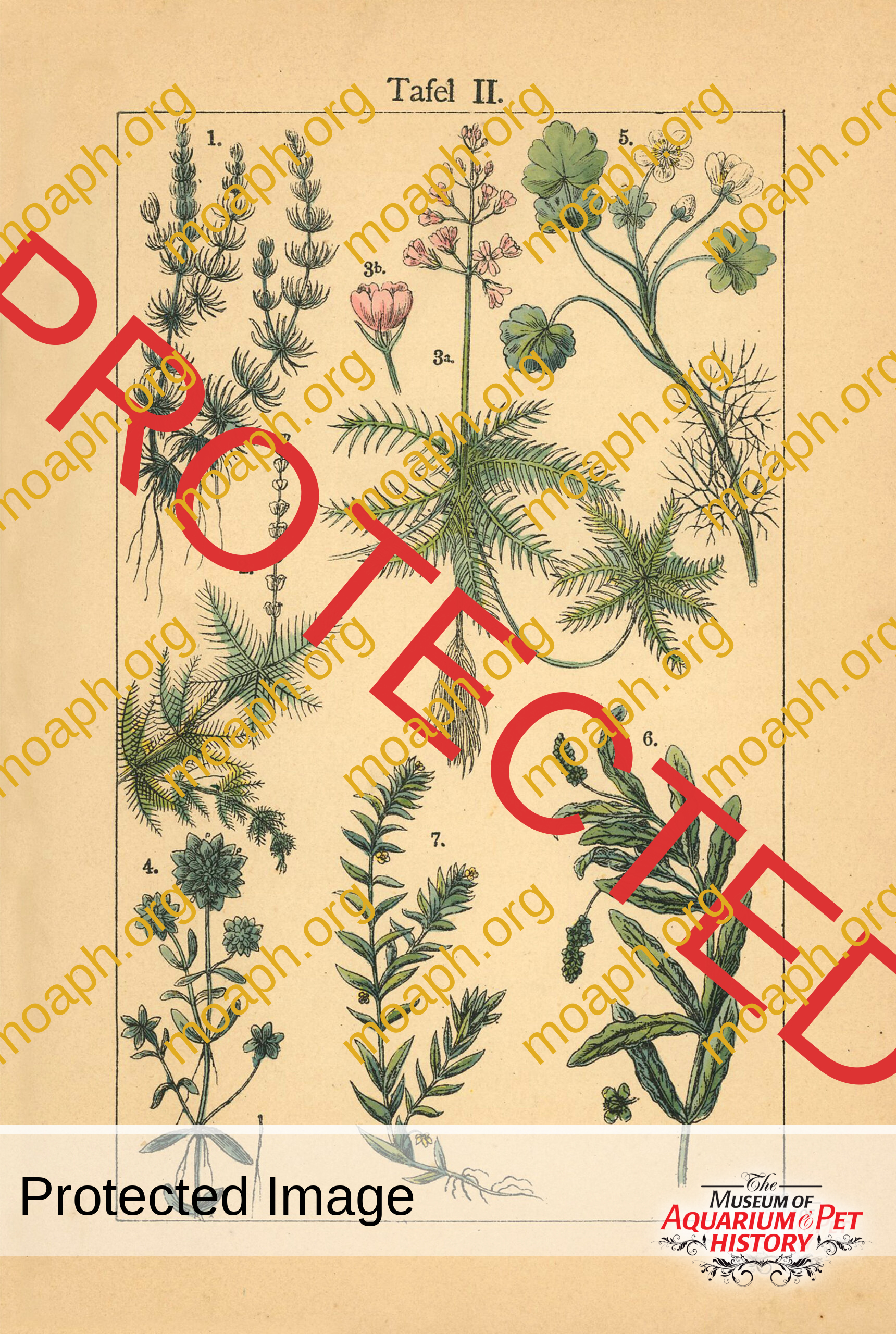
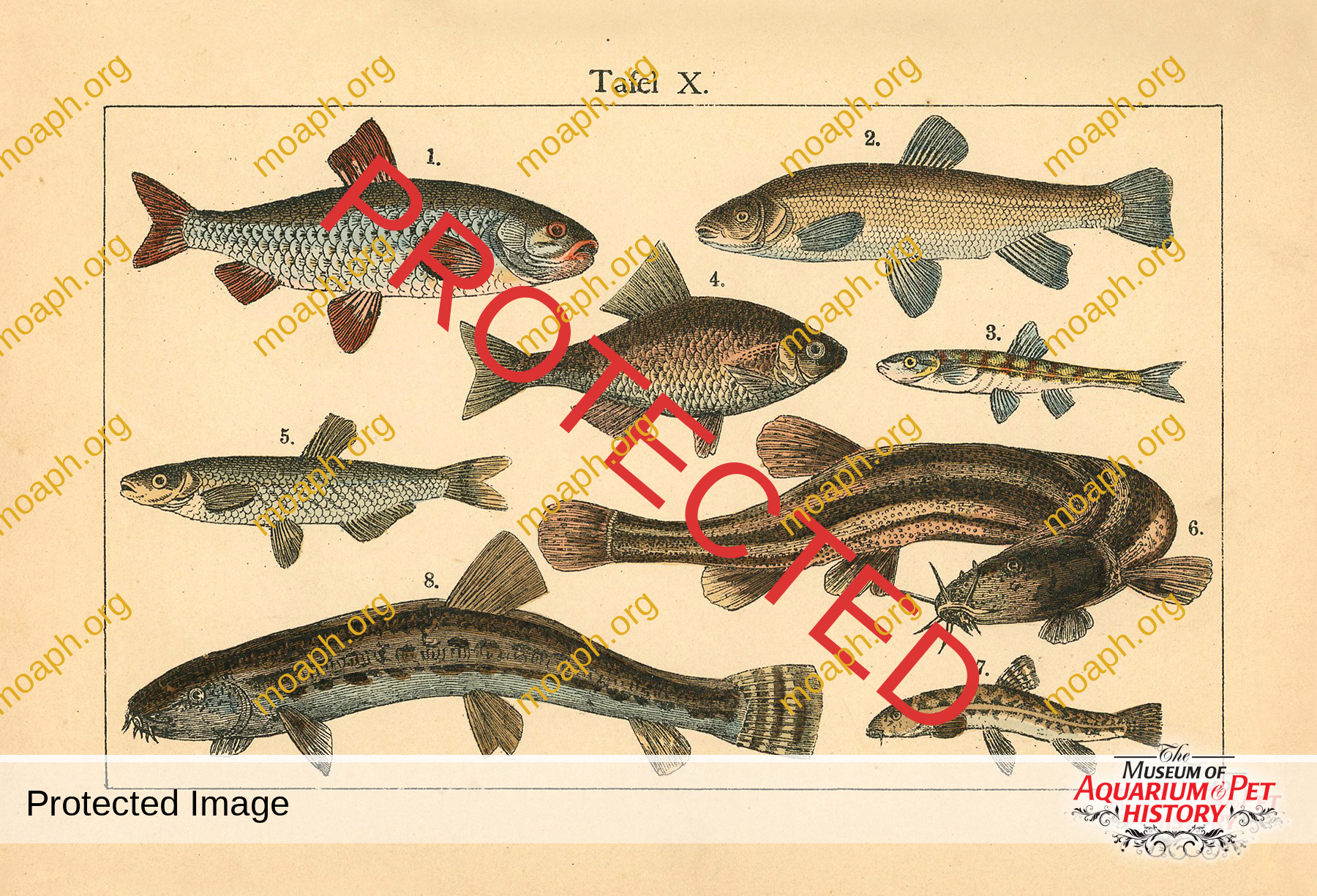
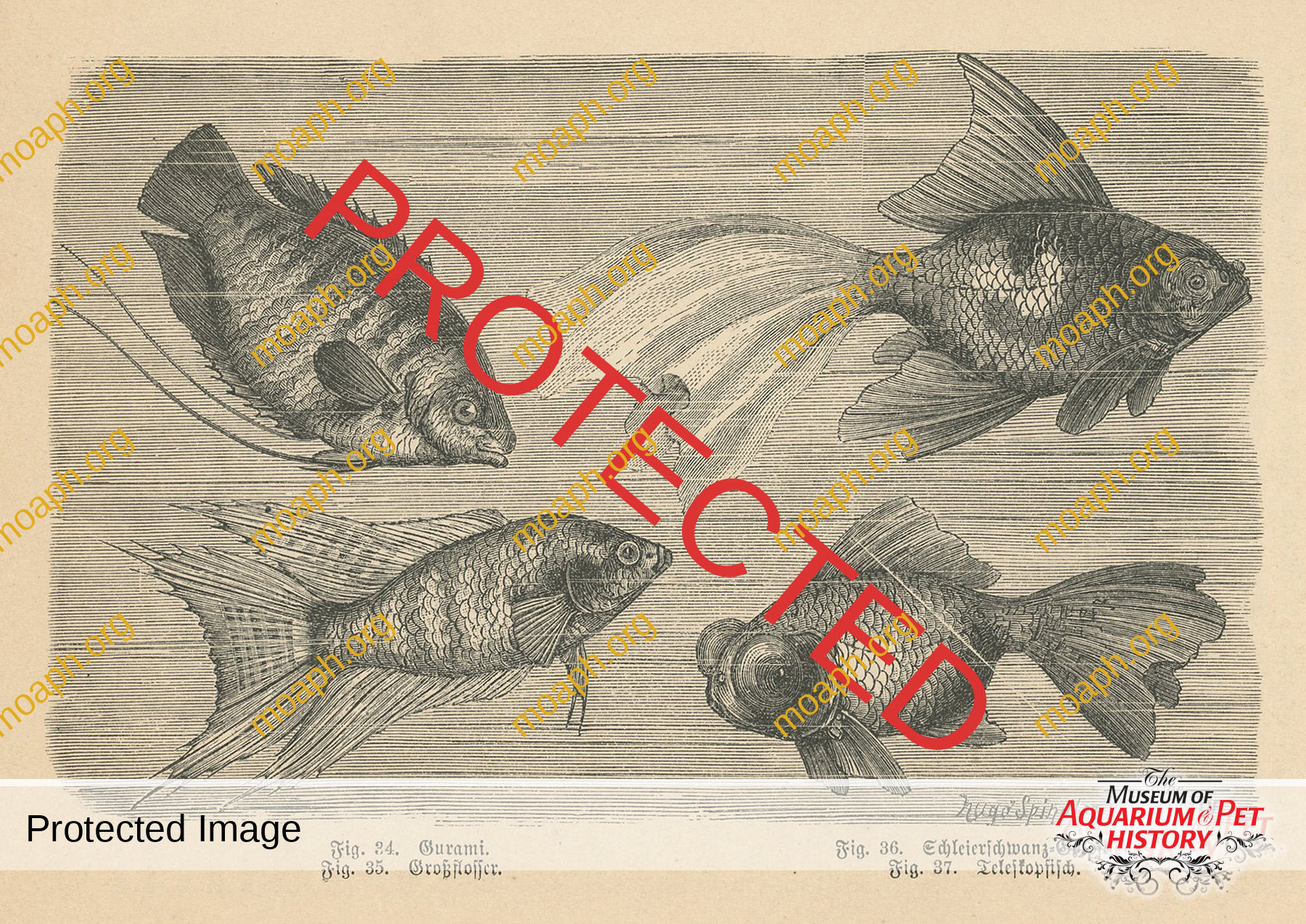
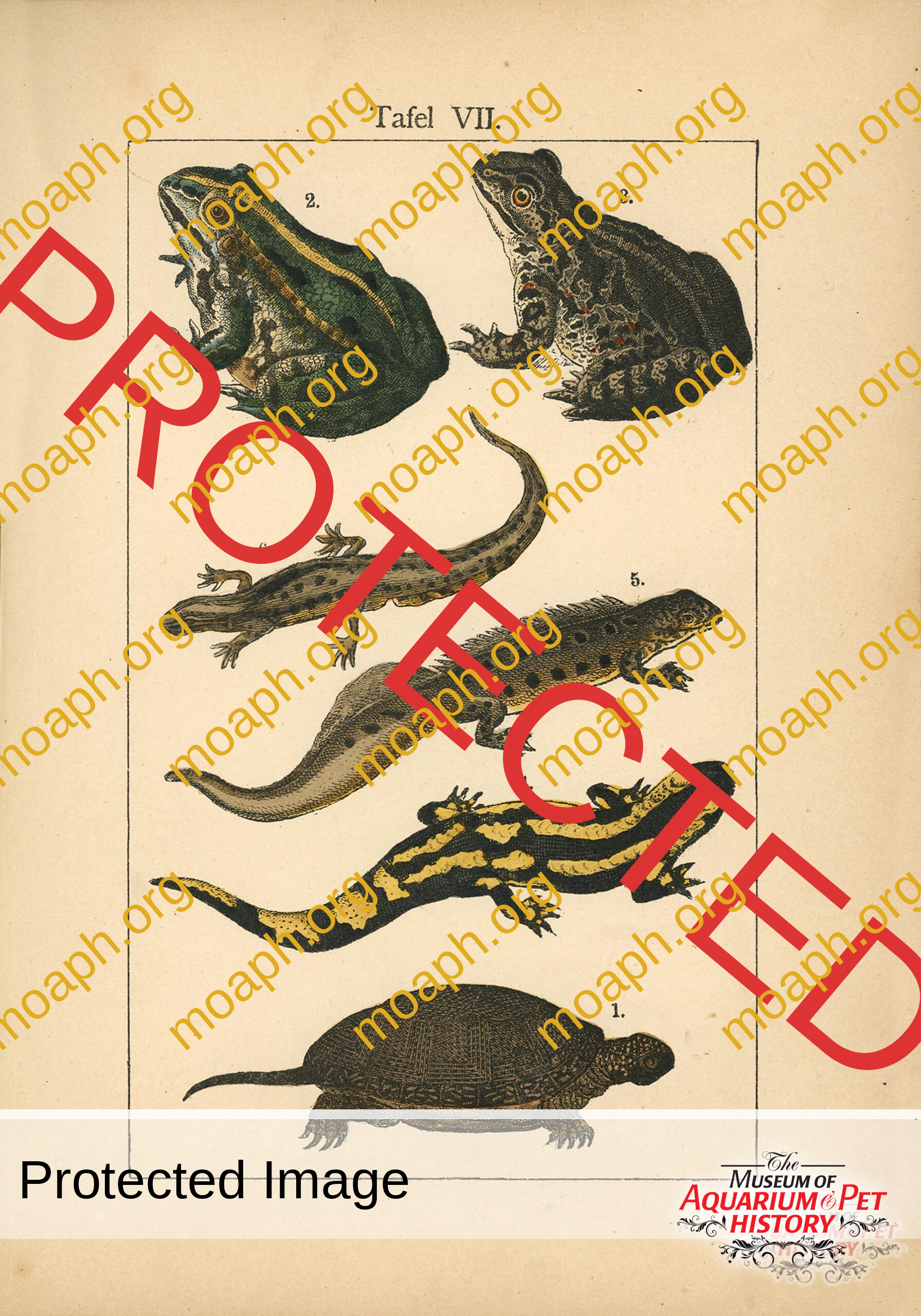
The work comprises VIII, 171 pages of text and is illustrated with nearly 200 color images on 16 chromolithographic plates, as well as 40 partially large-format wood engravings within the text. The color illustrations predominantly depict swamp and aquatic plants, along with fish, amphibians, and water insects. The color illustrations are exceptionally appealing, and the book stands out in 19th-century German aquarium literature for its quantity of illustrations I am not aware of any other work that contains nearly as many illustrations. Most of the text illustrations depict the most commonly used types of aquariums at that time in various versions. Notable is a full-page woodcut that features the first foreign ornamental fish species, including veiltail, telescope goldfish, gourami, and paradise fish.
The text spans 171 pages. The fifirst main chapter, covering over 42 pages, deals with the selection of the container, the appropriate choice of location, setup, the animal stock, and aquarium maintenance. The second chapter is 37 pages long and covers freshwater flora, while the third chapter introduces the freshwater fauna and, at 83 pages, is the most extensive.
The author, Dr. Karl Gottlob Lutz ( 1855-1919), was a senior teacher of natural sciences. In 1887, he founded the ‘German Teachers Association for Natural Sciences’ and was the editor of the association’s journal ‘Aus der Heimat’ (From the Homeland). Lutz and his association saw themselves as ‘revivers’ and ‘preservers’ of Rossmassler’s ideas for popularizing natural sciences. In his aquarium book, Lutz emphasizes Rossmassler’s significance as the founder of German aquaristics and frequently cites him.
The book was likely a sales success, as a second edition was published as early as the following year, 1887. This edition is not externally different from the first, but the color tones of the plate illustrations were slightly modified, the number of text illustrations increased from 40 to 45, and the text expanded from 171 to 189 pages. Both editions are regularly offered in the antiquarian market at moderate prices. Since the book blocks are not bound with thread but only stapled, and these metal staples tend to rust easily, leading to frequent disintegration, any potential purchase should be carefully inspected beforehand. Apart from this, I warmly recommend this ‘gem’ to any enthusiast of old aquarium literature.