The Wise Eminence of Aquatics – Günther Sterba
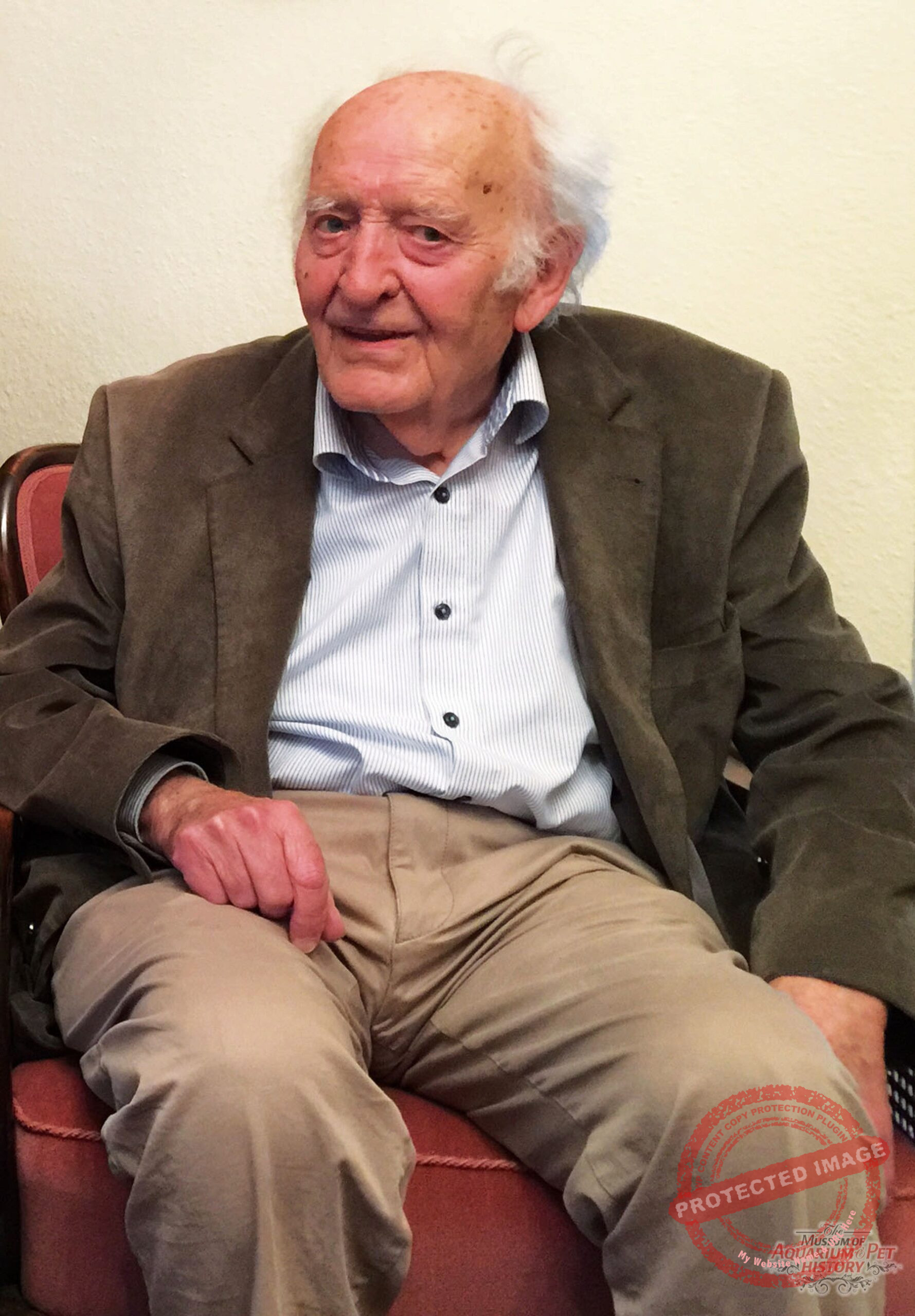
Prof. Dr. Dr. Günther Sterba in 2016
Much has been written by and about Prof. Dr. Dr. Günther Sterba. Readers and followers of the publications of the Museum of Aquarium & Pet History know him not only through Axel Zarske’s obituary, originally published in 2021 in the German journal Aquaristik-Fachmagazin and later made available here in English translation, but above all through his classic works on aquarium keeping—books that are absent from no serious aquarist’s library. The essential milestones of this extraordinary scientist’s nearly one-hundred-year life can be found in Zarske’s obituary. I do not intend to repeat them here. Instead, I would like to highlight a number of lesser-known details and characteristics that I came to know partly through academic correspondence with Günther Sterba and his doctoral students, and partly through personal encounters and conversations with the man who was then regarded as the grand old master of German aquatics. Every meeting with him felt like the opening of a cornucopia overflowing with kindness, generosity, astonishing intelligence, and truly immense knowledge.
How could a man born and raised in a respectable middle-class family in Brüx, northern Bohemia, become, more than ninety years later, what he ultimately was: the wise eminence of comparative vertebrate endocrinology, of circumventricular organs and cerebrospinal fluid in vertebrates; the foremost authority on the mollusk family Olividae; a collector, historian, and author on Meissen porcelain; a breeder and specialist of several groups of orchids; a gifted sculptor working both on monumental pieces and delicate cameos; and, of particular interest to us here, the bestselling aquarium-book author in multiple languages, with more than 1.5 million copies sold? I shall attempt to explain this, while fully aware that any account must remain incomplete. Günther Sterba’s activities possessed so many facets that they can scarcely be grasped in their entirety.
During the 1920s, the sound education and exemplary upbringing provided by his intelligent parents guided both him and his sister toward a development characterized by broad learning and impeccable manners. As early as the age of twelve, young Günther developed an interest in animals and plants, though initially for aesthetic reasons. He wished to surround himself with beautiful living things—the delicate, multicolored patterns of guppies in his first aquarium, for example, and the strangely shaped orchids that bloomed in magnificent colors. His admiration for natural beauty was coupled with a desire to create beauty himself. Yet not in two dimensions, as a painter might, but in three dimensions, as nature itself creates. To the annoyance of his father, a successful and prosperous engineer, Günther Sterba began sculpting during these years. He was determined to earn his living through artistic work one day.
After completing his secondary education and graduating from school in what had by then become the Nazi-occupied Czechoslovakia, he encountered the fate that proved disastrous for most young German men of his generation. First came compulsory labor service, then military service at the front, where Günther Sterba was wounded twice lightly and once severely. While still recovering in a military hospital, he began what was known as a correspondence program for disabled veterans in medicine at Charles University in Prague. Fortune favored him: he spent only three months in British captivity and was therefore able to continue his medical studies at the University of Jena as early as the summer of 1945. In 1946 he successfully passed his preclinical examinations. The academic path thus begun corresponded largely to the wishes of his parents, particularly those of his father. Now that the Sterba family, expelled from Brüx, had lost all their possessions and had resettled in central Germany, Günther Sterba regarded academic success as an obligation—a foundation upon which a new life could be built.
The young Sterba never fully came to terms with the loss of his homeland and property. He felt the humiliation deeply. Yet rather than crushing him, it strengthened his determination to show the world what he was capable of. At the same time, his aesthetic sensibilities drove him to shape his surroundings little by little, until they were filled with objects of artistic value. He wanted to become an outstanding scientist, one successful enough to afford the luxury of continuing his work as a sculptor alongside his academic career. Medicine alone never completely fulfilled him. He was close to completing his studies when, in 1947, encouraged by his most influential mentor at Jena, Prof. Dr. Jürgen Wilhelm Harms, he switched fields and devoted himself to biology. Zoology became his focus. On April 14, 1949, he successfully defended his doctoral dissertation on thymus-related questions in the African clawed frog, Xenopus laevis, earning the degree of Doctor rerum naturalium. Years later, after I had studied Sterba’s aquarium books as a schoolboy and used them as guides for my own hobby, the results of that dissertation would become an important foundation for my own diploma thesis on immunity and resistance in anurans (frogs). In this way, I was fortunate enough to benefit from more than one of his scientific interests.
At the time, Günther Sterba had a wife, Renate, and three children to support. He told me that his income at the University of Jena was meager indeed. To make ends meet, he needed additional sources of revenue. At first, he supplemented his earnings by tutoring students. Since he was already deeply familiar with ichthyological subjects—he was then working toward his habilitation on the physiology and histogenesis of the thymus in the European brook lamprey (Lampetra planeri)—he decided to improve his financial situation by writing books. The first of these was a volume in the then newly established Neue Brehm-Bücherei series entitled The Lampreys. It did not bring substantial income, but that changed in 1954 with the publication of the first volume of Aquarium Science (Aquarienkunde) by Urania Verlag (publisher). The book became a bestseller almost immediately. This was exactly what Günther Sterba had hoped for. The resulting financial security allowed him to pursue his university career with remarkable intensity and extraordinary diligence, directing it toward the path that would ultimately earn him lasting scientific renown.
Although Sterba had already studied brook lampreys extensively in every aspect of their biology, he now devoted himself, almost as a hobby, to the biology, systematics, and care of aquarium fishes that were commonly available at the time, as well as to species he foresaw as potentially suitable for aquarium keeping in the future. Everything he described in the first volume of Aquarium Science and in the subsequent works Aquarium Science, Volume II (first published in 1955) and the book that would remain a standard reference for decades, Freshwater Fishes of the World (first published in 1959), was precise, scientifically grounded, and yet written with such effortless elegance that it remained accessible to any interested reader. For Sterba, aquarium keeping—and indeed all his other pursuits—were never merely hobbies. They were work: meticulous work shaped by broad knowledge and carried out with profound dedication and genuine joy. Sometimes this work was artistic and creative; at other times it was popular science, driven by the desire to explain complex phenomena in a way that anyone could understand. For the first editions of his books, Sterba maintained and photographed countless freshwater fish in his aquariums, accumulated practical experience, and conducted extensive research. It is difficult to comprehend how much time he devoted to these endeavors, considering that he was already heavily engaged in university teaching and scientific research. Günther Sterba possessed what one might call an elephant’s memory, and he was willing to use his limited time with a degree of organization and discipline that bordered on the extraordinary.
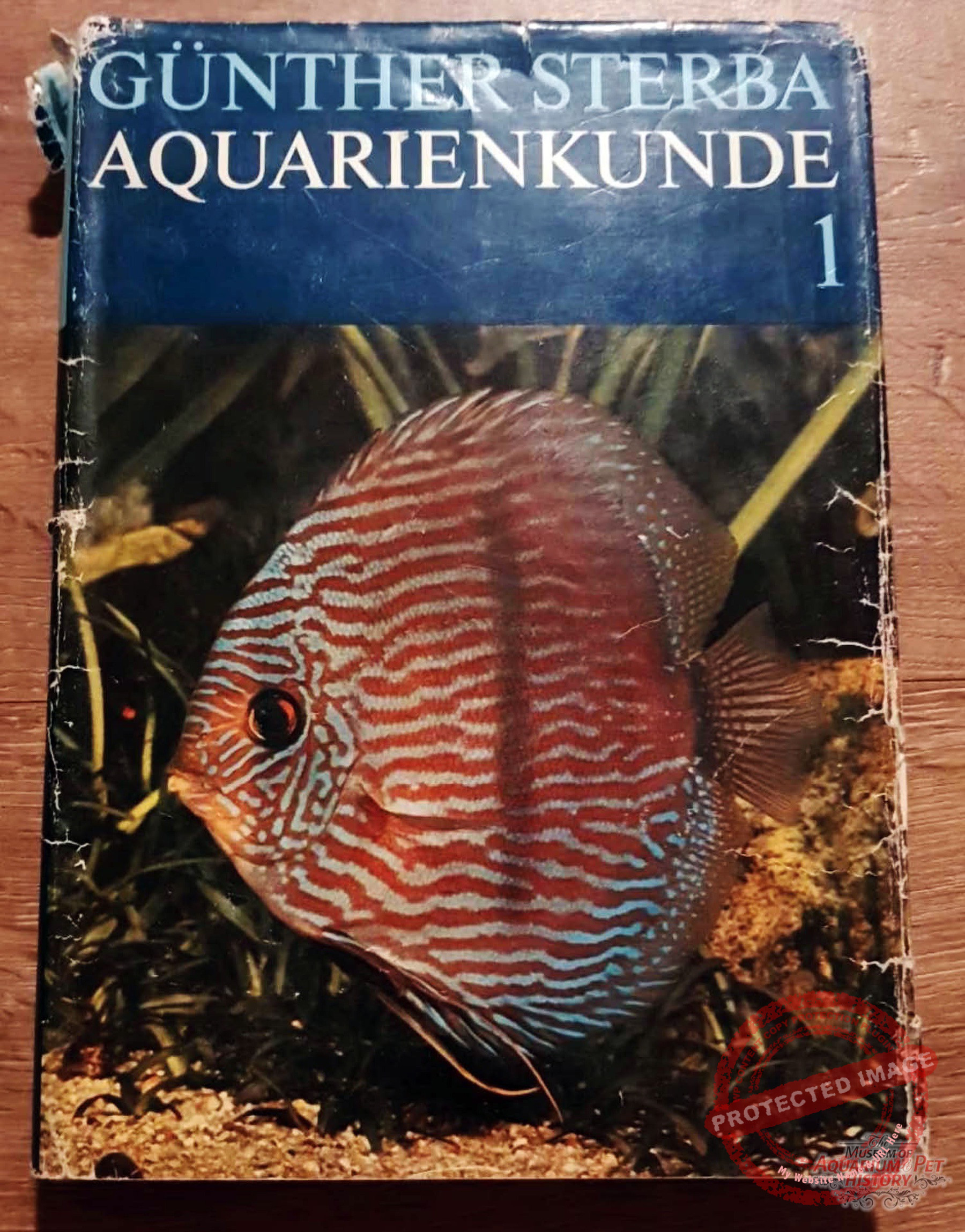
Volume I of Aquarium Science (Aquarienkunde) (general freshwater aquarium keeping and freshwater fishes)
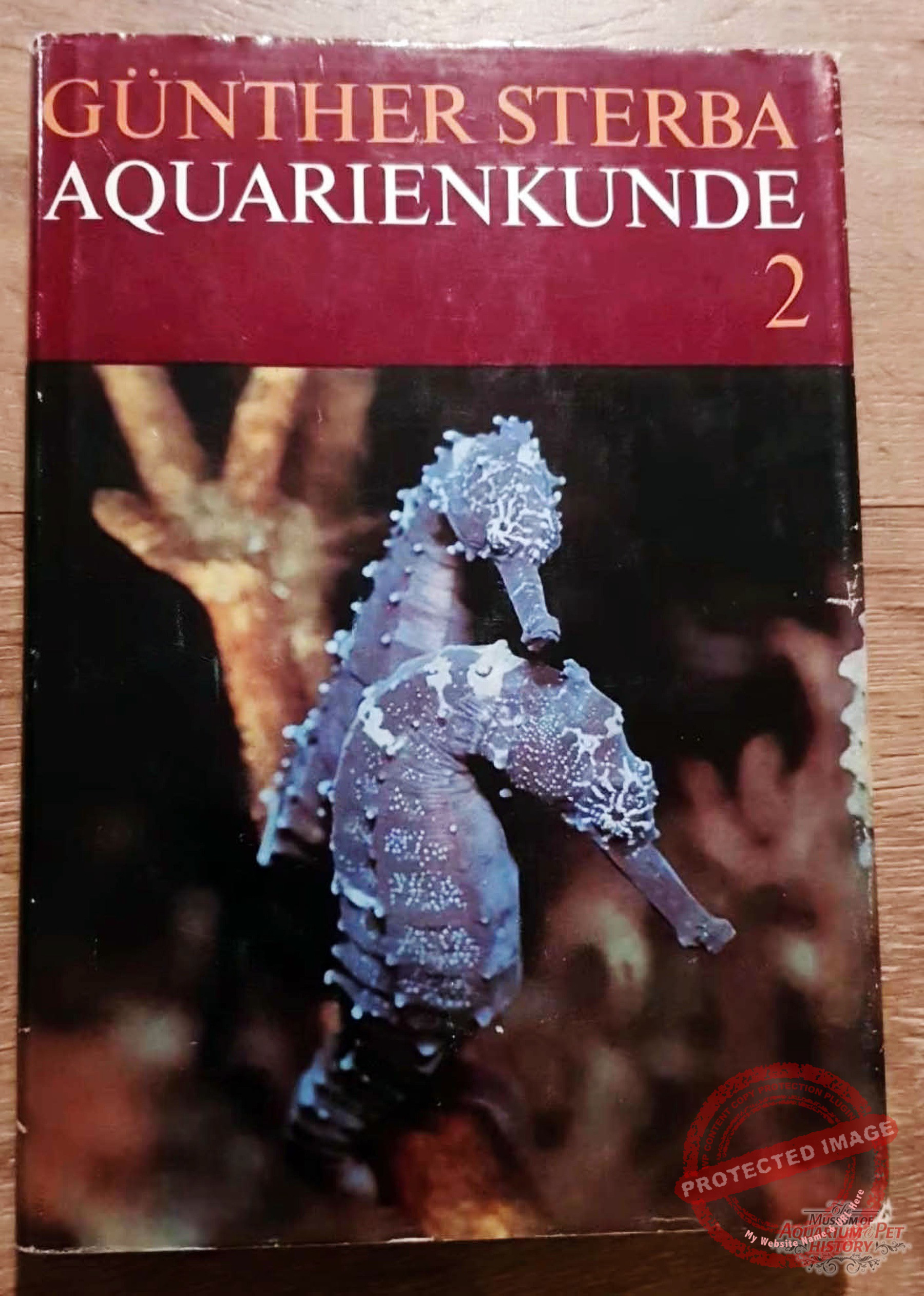
Volume II of Aquarium Science (Aquarienkunde) (fish diseases, aquarium plants, and marine aquariums)
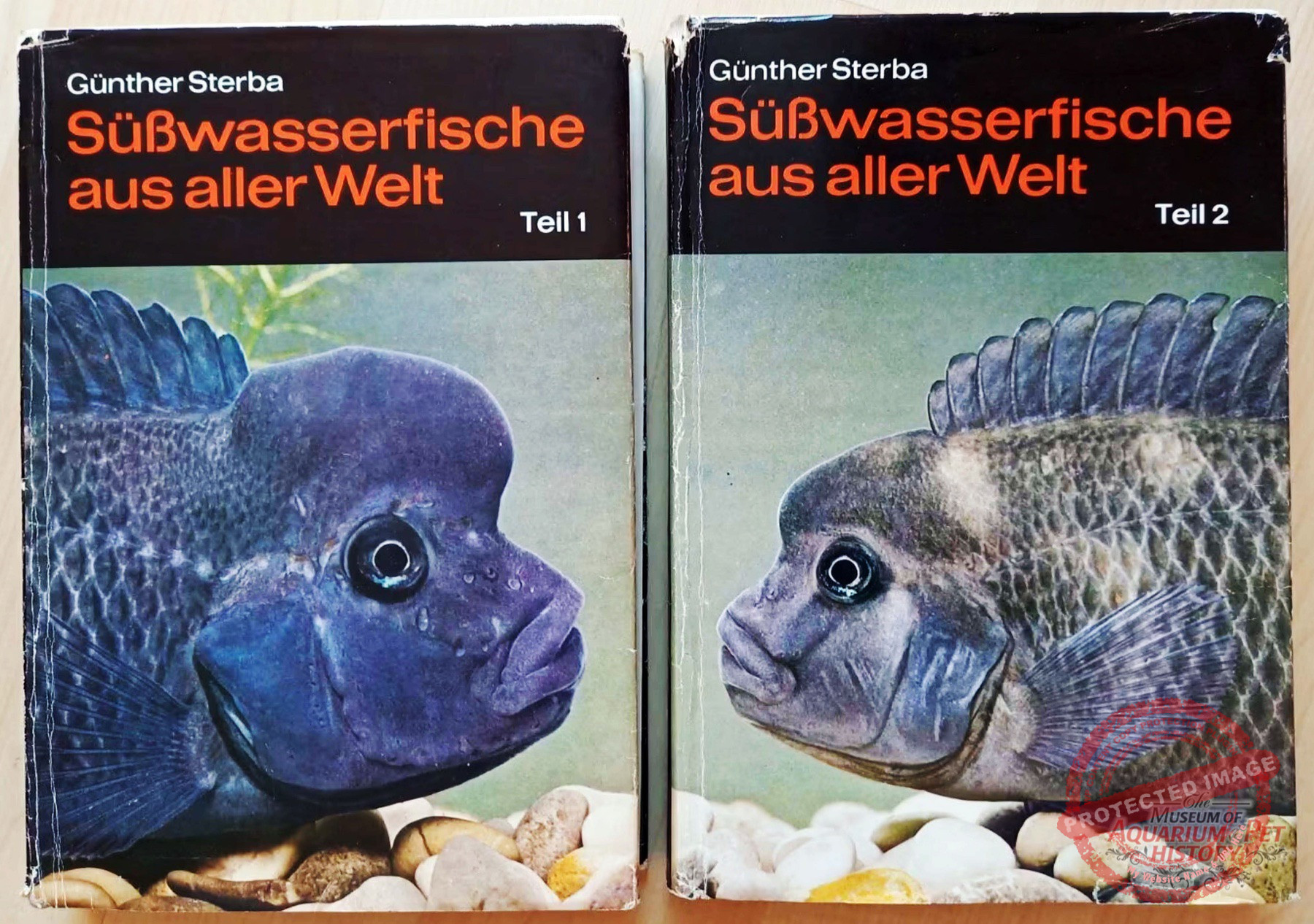
Both volumes of Freshwater Fishes from Around the World
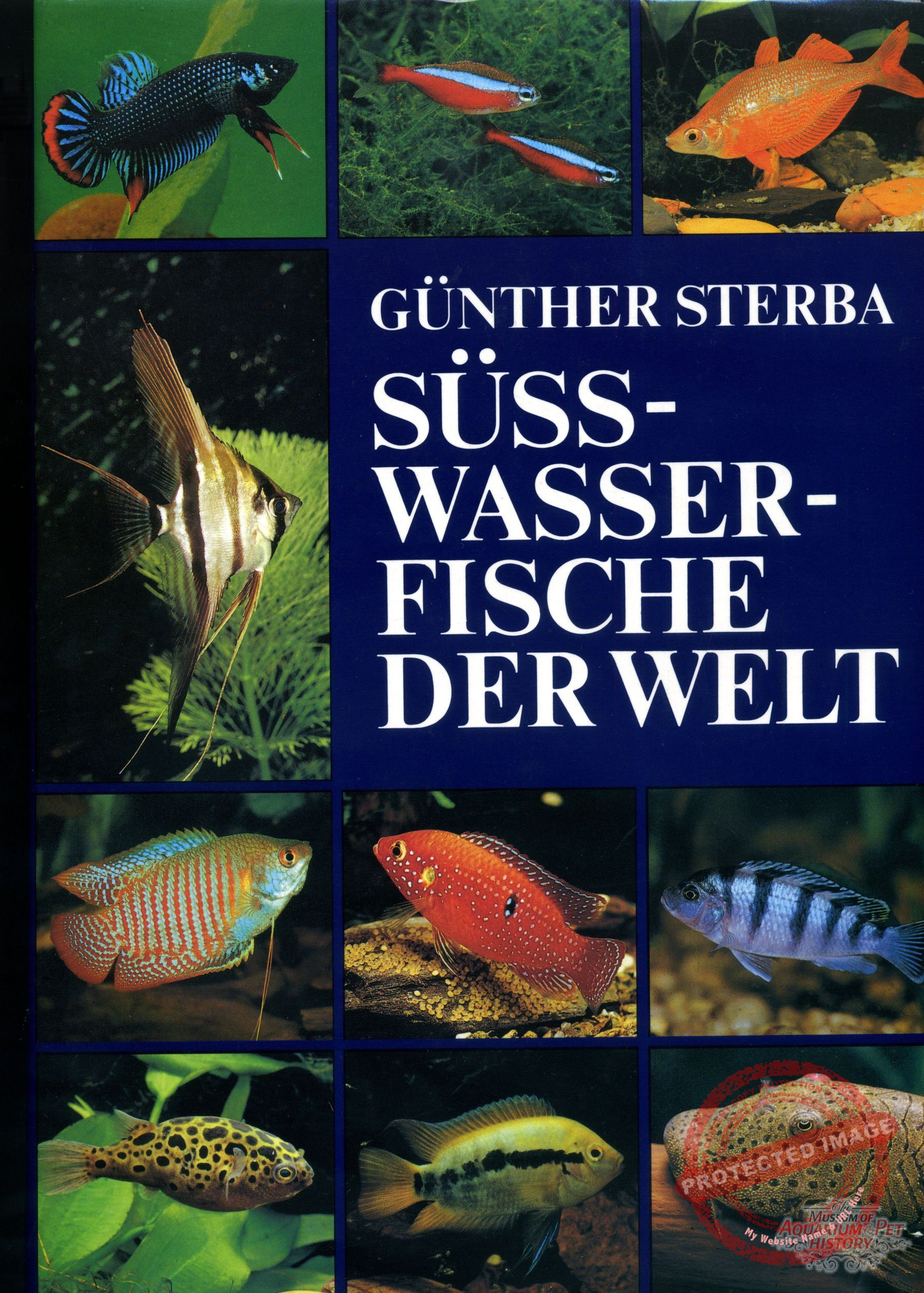
Freshwater Fishes of the World, the title under which the book was published after 1990
On July 1, 1958, he was appointed Professor with teaching responsibilities at the University of Jena. By then, he no longer needed to supplement his income through book sales. Yet he had already signed a contract with Urania Verlag (publisher) for the extensive volume on freshwater fishes, and he fulfilled that commitment punctually and conscientiously. In essence, it was these three aquarium books that Günther Sterba authored himself. Later editions were revised and updated by colleagues, several of whom had once been his students, because specialization within aquarium science advanced at a breathtaking pace. Nevertheless, these works remained standard references for generations of aquarists. “The Great Sterba” became a nickname not only for Günther Sterba himself but also for his monumental book on freshwater fishes. He is generally regarded as the last person capable of writing comprehensively about aquarium keeping and the systematic diversity of freshwater fishes as a whole. Today, such a feat would be impossible. Knowledge has multiplied to such an extent that no single individual can command every detail of the field. Together, these three books achieved a total circulation of more than 1.5 million copies. They were translated and scientifically adapted for aquarists in the United States, Great Britain, Canada, the Netherlands, and the Czech Republic.
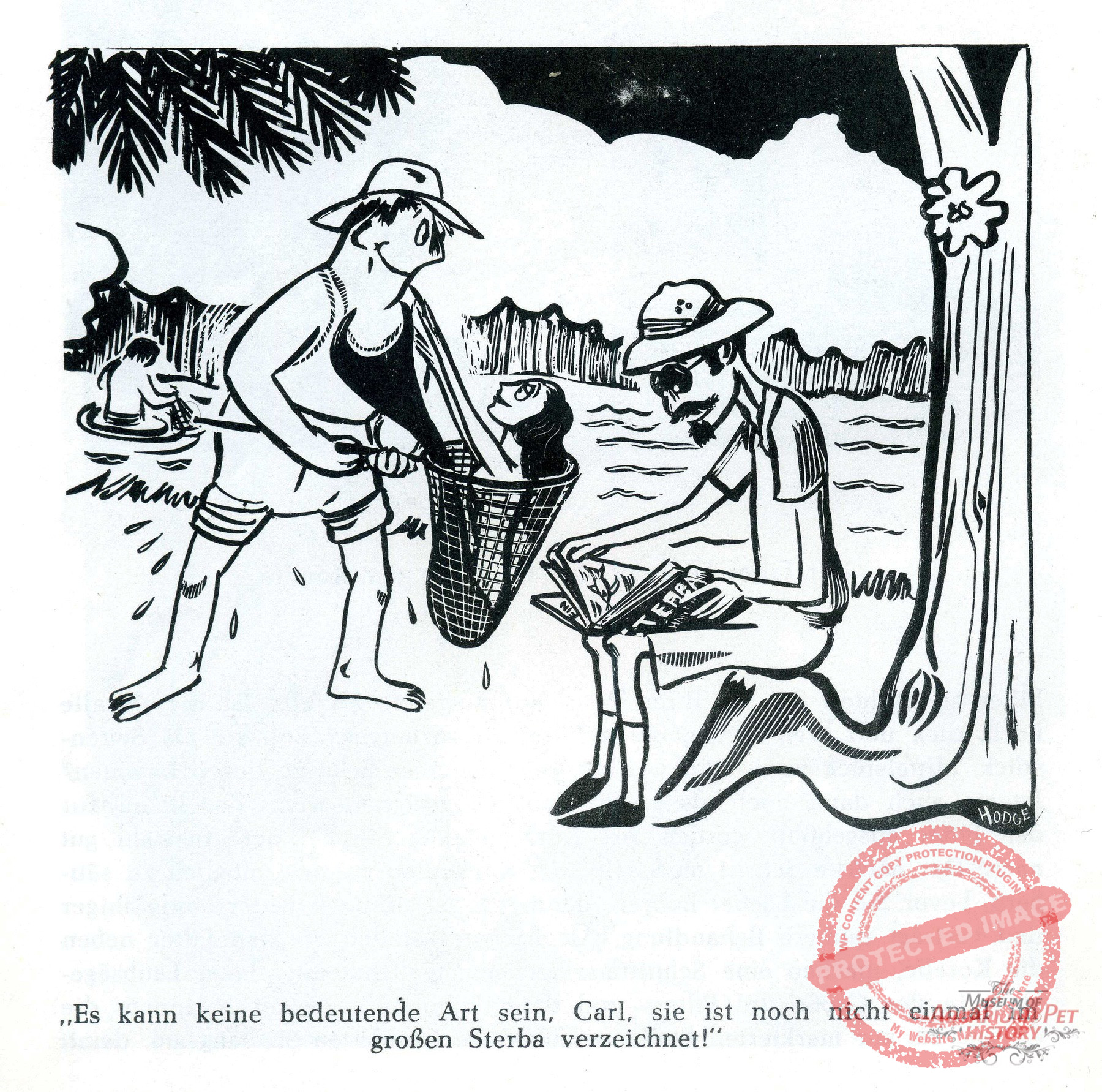
A caricature making a humorous reference to “The Great Sterba.” The caption reads: “It cannot be a significant species, Carl, it is not even listed in the major Sterba reference work.”
Over the years, Sterba’s books were repeatedly retitled, revised, excerpted under different names, or reassembled into new formats. These changes were not always in keeping with the wishes of the original author, who was renowned for precision, thoroughness, and scholarly rigor. What Sterba had once accomplished single-handedly could now only be achieved through the collaboration of many specialists. Consequently, the quality and style of individual chapters in later editions varied considerably. „Süßwasserfische aus aller Welt“ first became „Süßwasserfische der Welt“ in a slightly altered form and was eventually reduced substantially and republished under the title „Aquarienfische“, with important sections omitted. In the Encyclopedia of Aquatics and Ichthyology, published under Sterba’s editorial supervision, the systematic arrangement of fishes was replaced by a lexicographical one. All these changes occurred within the legal framework and publishing practices of the German Democratic Republic. The East German authorities were eager to capitalize on the reputation of the famous professor and his international prestige. Every licensed foreign edition brought valuable hard currency into the country. Even so, Günther Sterba always received his contractual share of the royalties. Only after the fall of the Berlin Wall and the incorporation of East Germany into the Federal Republic did certain publishers apparently believe they could freely exploit rights inherited from the effectively bankrupt GDR. Sterba learned of these practices, demanded his royalties, and received them.
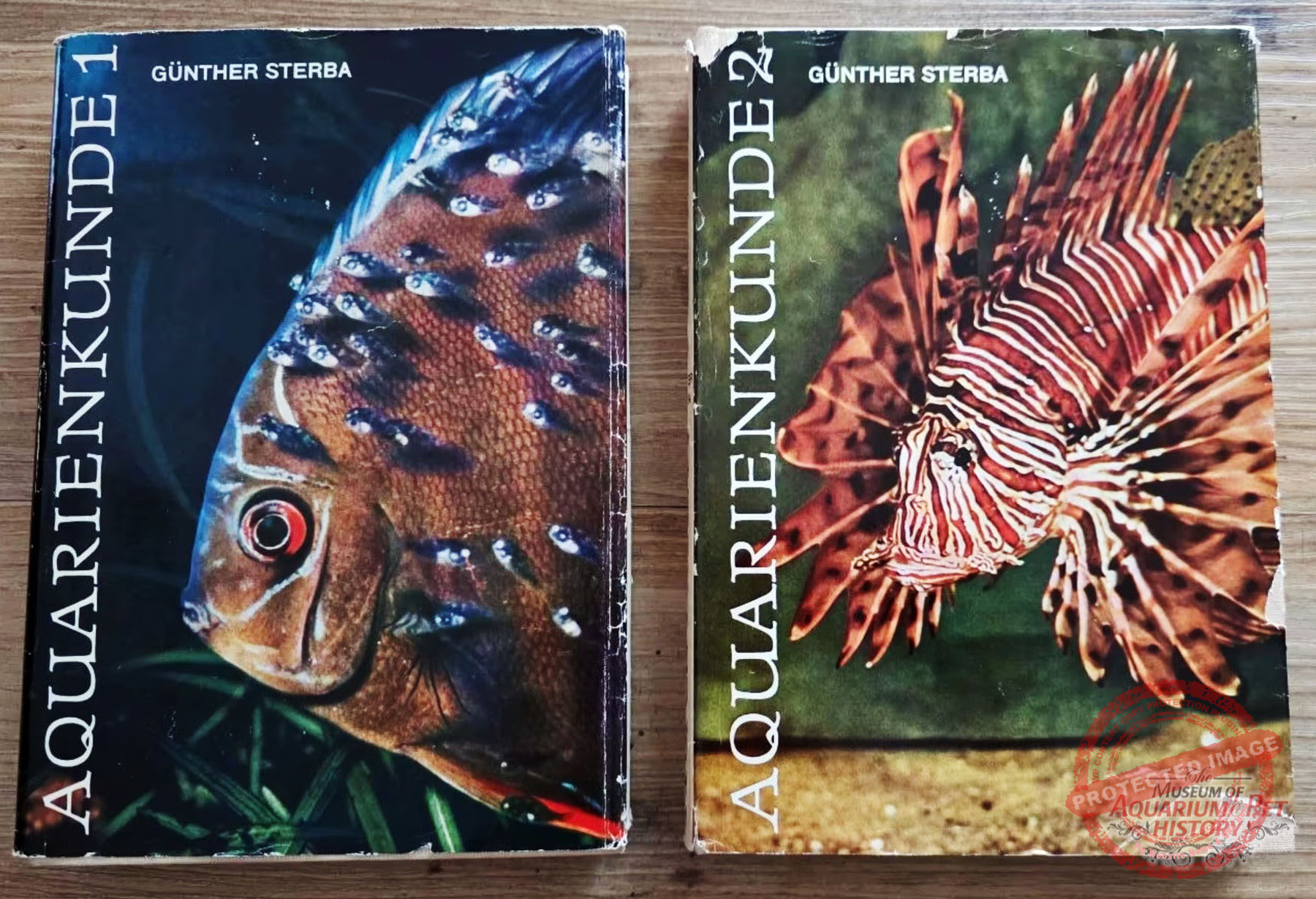
Later editions of the two volumes of Aquarium Science
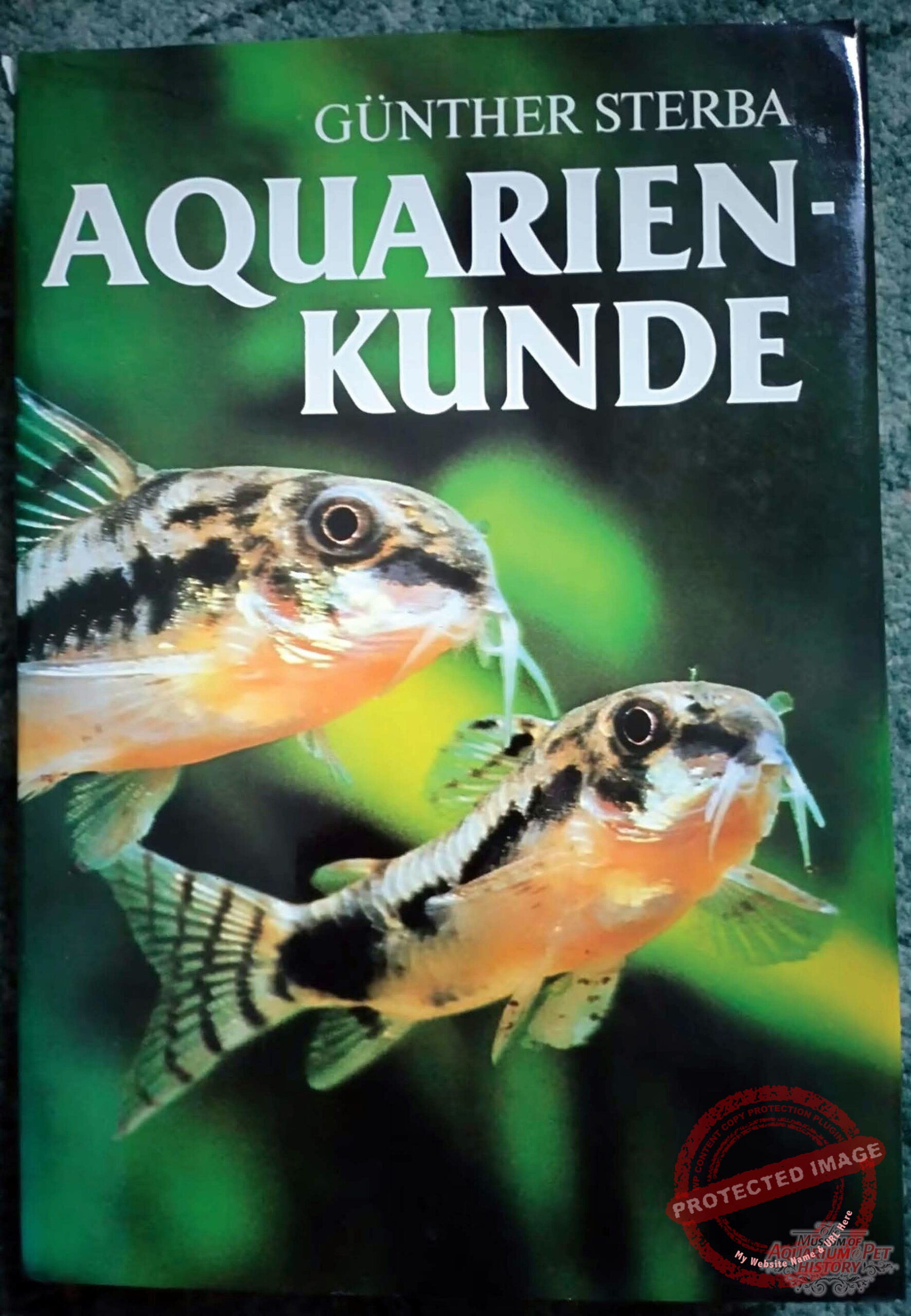
The work’s final publication as a single-volume edition
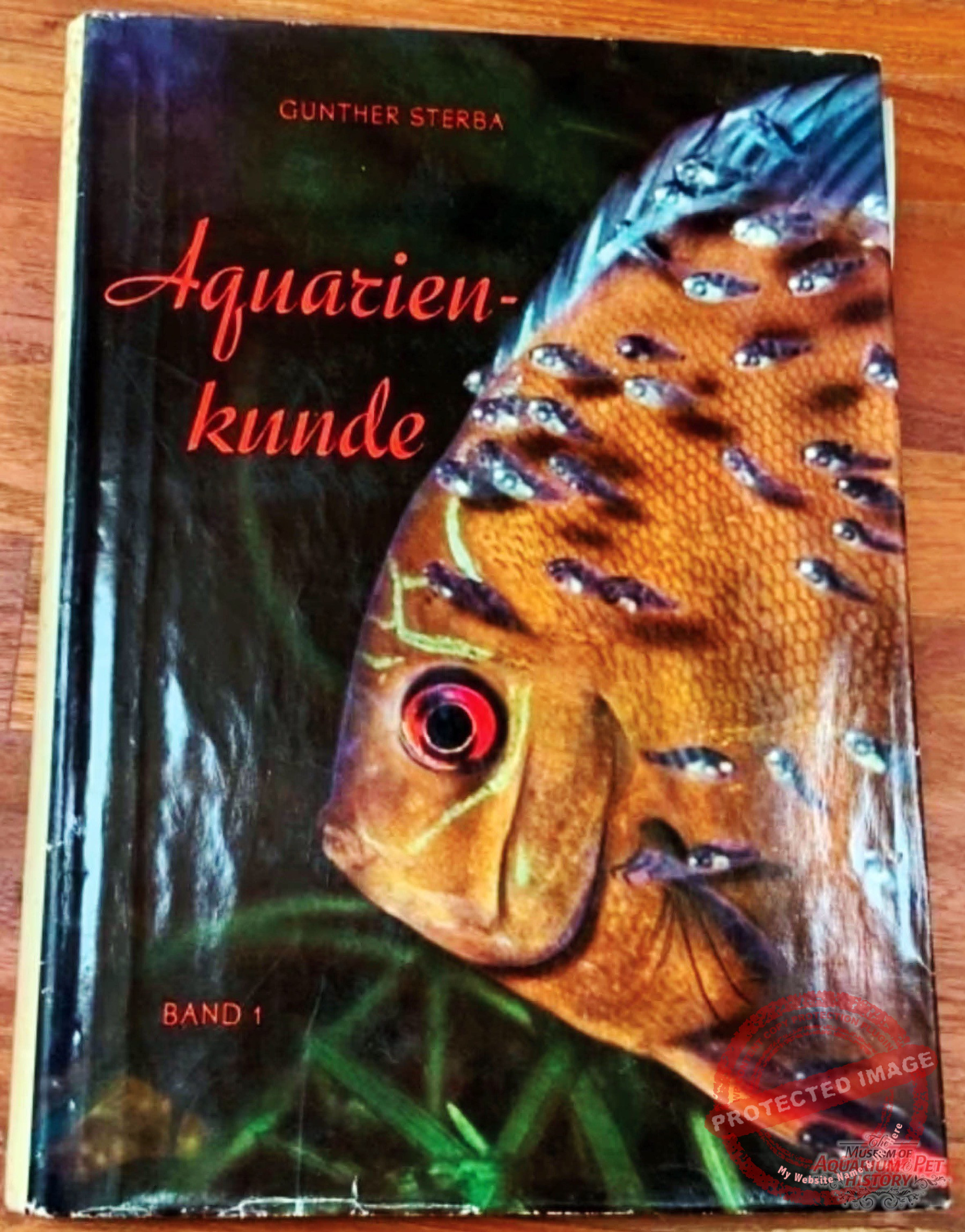
A German licensed edition of Volume I of Aquarium Science
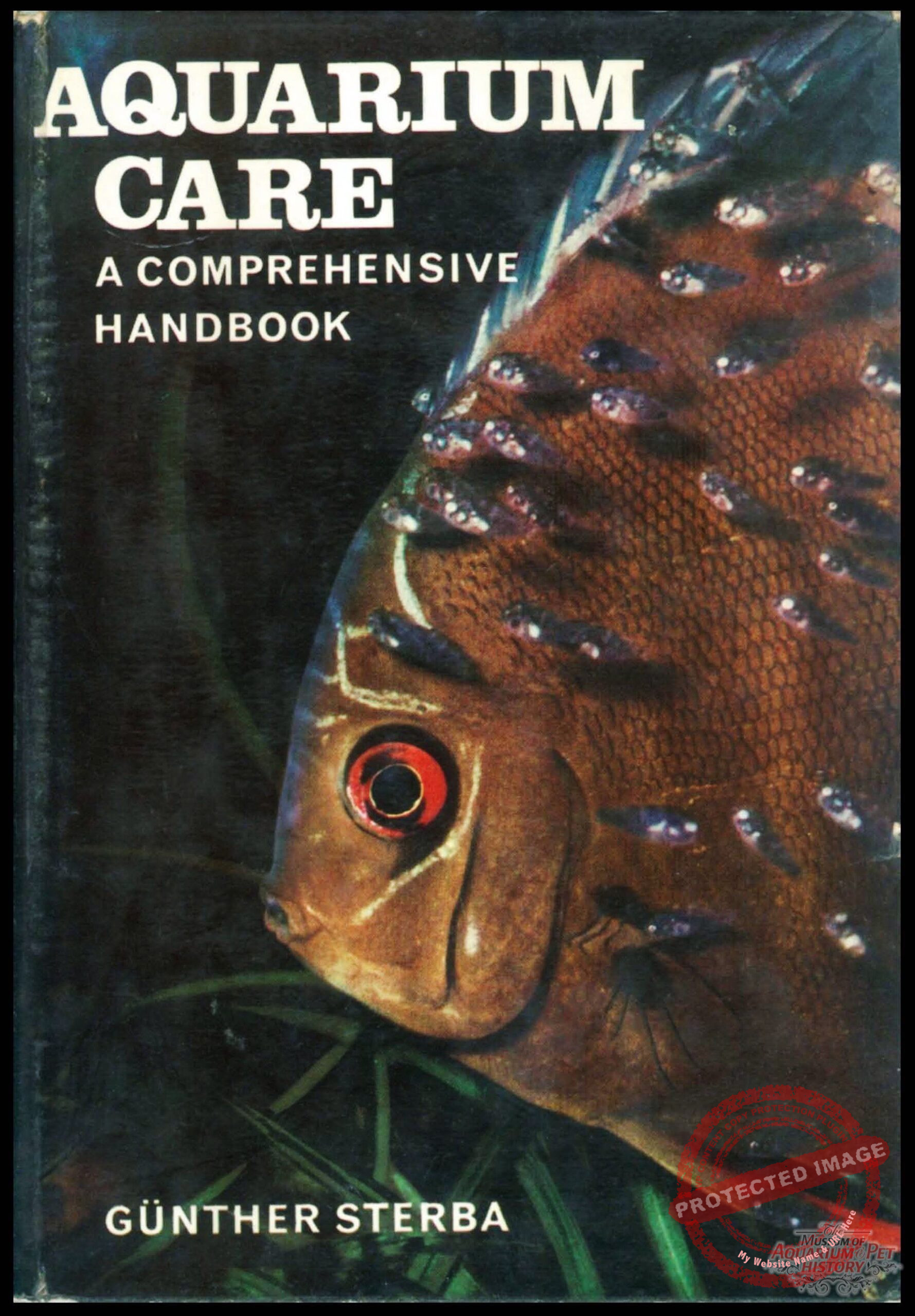
The licensed English-language edition Aquarium Care
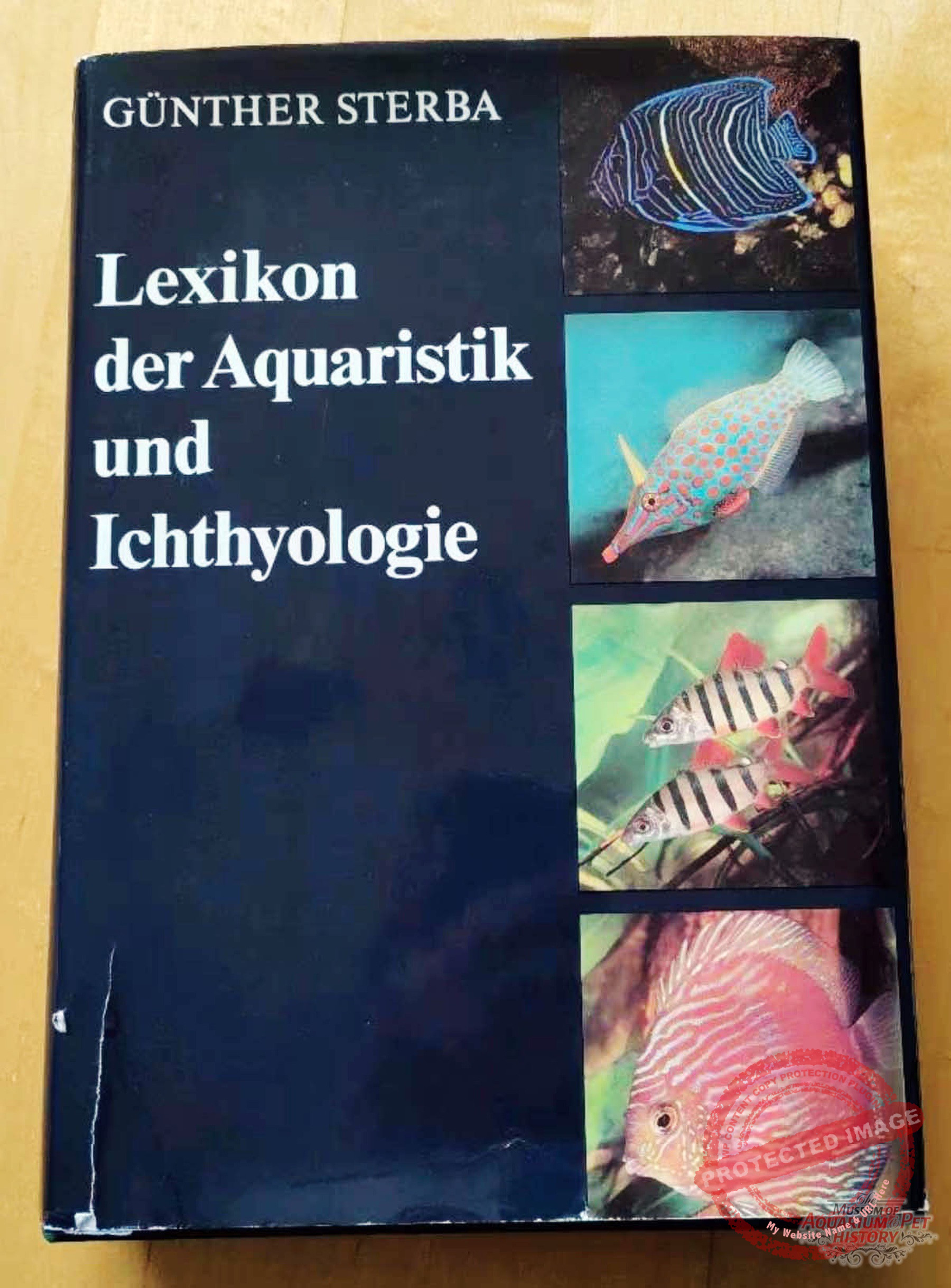
Encyclopedia of Aquatics and Ichthyology
One may wonder why such a free spirit—a man of exceptional intelligence and deeply humanistic convictions, to whom so many doors stood open—did not leave for a university in the West before the inner-German border was sealed in the summer of 1961. Before that year, he had received offers and participated in appointment negotiations with the Universities of Marburg and Heidelberg in West Germany, as well as Halle, Tharandt, and Leipzig in East Germany. After the border closure, no East German academic was permitted to accept a position at a Western university. As a result, Leipzig became the most attractive option available to him. Sterba later told me that, looking back, he never regretted that decision in the slightest. At Leipzig he successively occupied several professorial chairs and served for decades as Director of the Zoological Institute on Thalstraße. This became his true academic home. No matter how many journeys he undertook or how many tempting offers he received elsewhere, it was always to Leipzig that he returned.
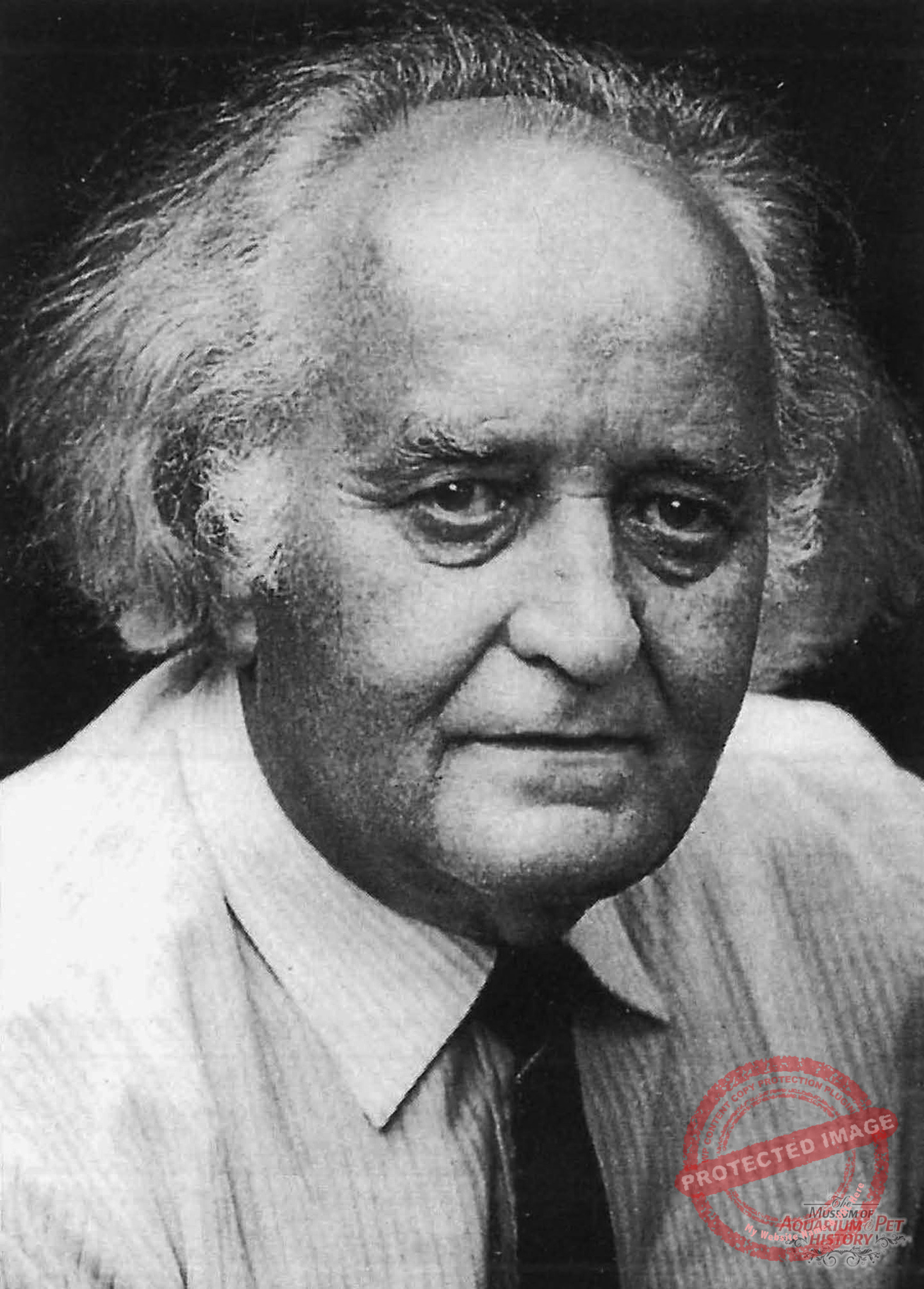
Günther Sterba during his years as a faculty member at the University of Leipzig
For Sterba personally, one of the most groundbreaking developments in his scientific career arose from a conference presentation. During a lecture given by a colleague, he saw a projected chemical formula and immediately became convinced that the substance represented by that formula ought to fluoresce. He was right. That insight became the foundation of what is now known worldwide as the pseudoisocyanine reaction in fluorescence microscopy. With this major breakthrough, Sterba became an immensely valuable figure for the East German state as a generator of foreign currency. From then on, it was no longer only his aquarium books that could be marketed internationally, but also his scientific discoveries. Unlike almost all other citizens of the GDR, he was permitted to travel abroad freely—and he did so with enthusiasm. He was highly regarded wherever he went. After becoming a member of both the Academy of Sciences and the German Academy of Natural Scientists Leopoldina, he received an honorary doctorate from the University of Utrecht in the Netherlands in 1971. In 1979 he accepted an invitation from Japanese Crown Prince Akihito for a private audience. In 1982 he was elected a foreign member of the Royal Swedish Academy of Sciences. His contributions to aquarium science through his books were recognized by the Federation of British Aquatic Societies, which appointed him a lifelong Vice President.
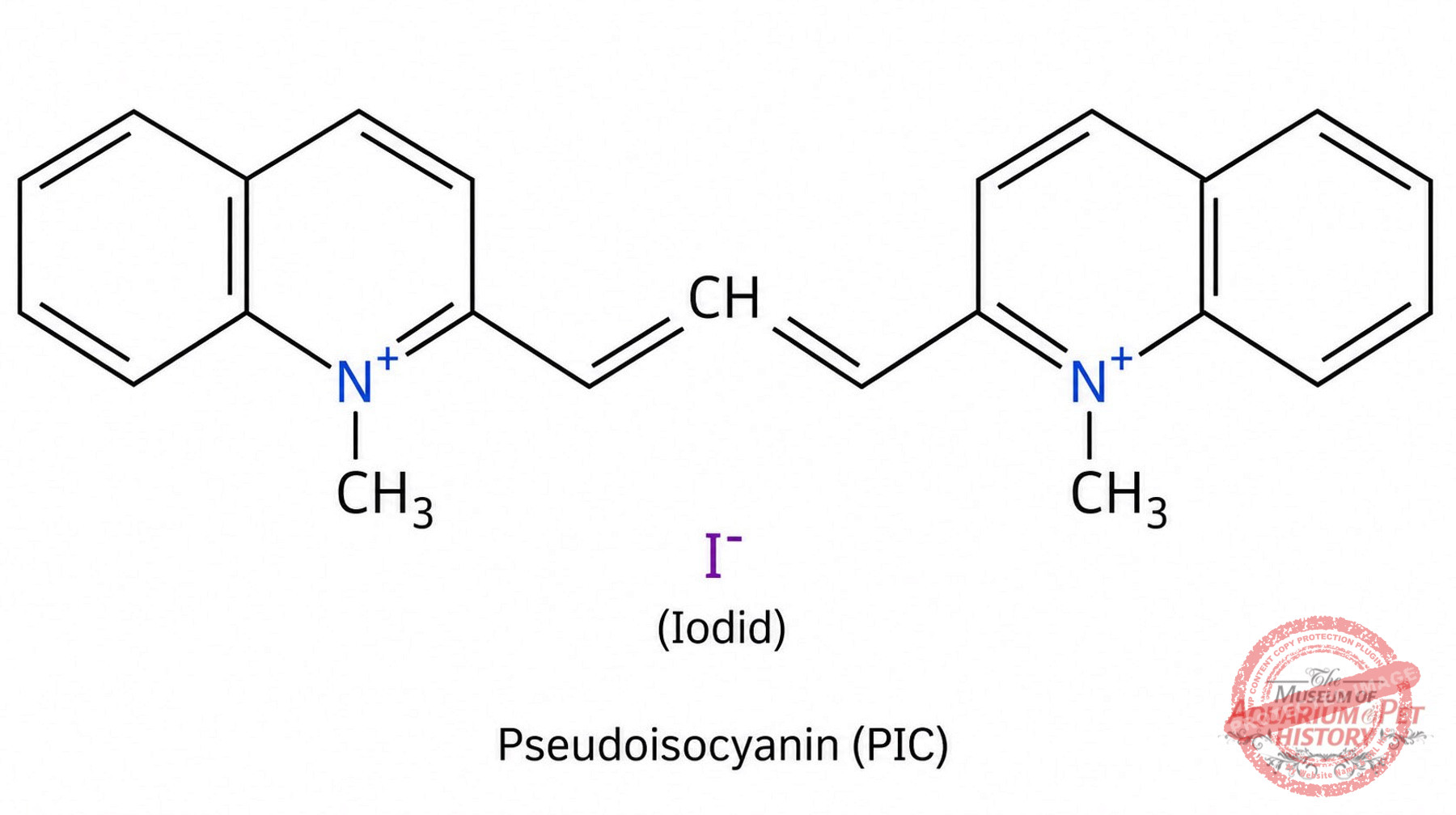
Chemical structural formula of the fluorescent dye pseudoisocyanine
Although dedicatory species names have fallen somewhat out of favor in modern systematic zoology—largely because some patrons, investors, or businessmen now pay scientists to immortalize their names through newly described species—the taxa named after Günther Sterba should be viewed in an entirely different light. In 1961, his student Dr. Joachim Knaack, a renowned specialist on armored catfishes, honored his doctoral advisor by naming one of the most beautiful species Corydoras sterbai. Likewise, Axel Zarske, who earned his doctorate under Sterba’s supervision, commemorated him in the species names Gerrichthys sterbai (1997) and Serapinnus sterbai (2012). Günther Sterba was admired by his students and doctoral candidates, respected by his colleagues, and beloved by aquarists, whom he met as equals during meetings of his Leipzig aquarium society, Nymphaea. Anyone who observed him in conversation with people from vastly different backgrounds immediately understood why he was held in such affection. Sterba never appeared arrogant, despite having every reason to be. Instead, he approached each person with genuine courtesy and warmth. He never sought to lecture from an elevated position, even when he clearly knew more than those around him. When he corrected someone, he did so gently and with remarkable kindness. His responses often took forms such as: “Of course, I may be mistaken, but if I remember correctly, the matter is actually this way…” or: “Would it perhaps be possible that the situation is rather as follows…” These formulations were characteristic of the man. They reflected both intellectual humility and profound respect for others.
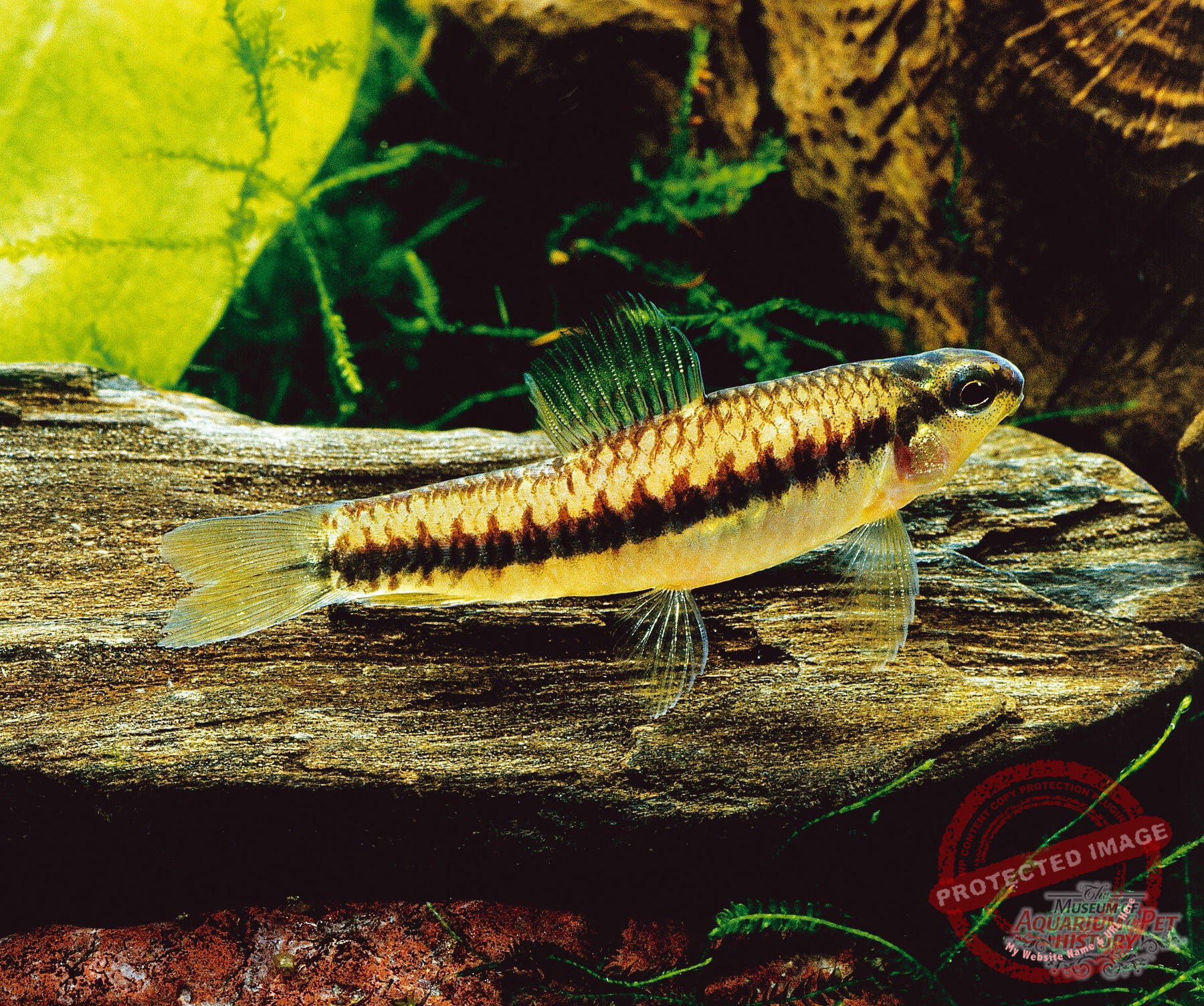
Geryichthys sterbai
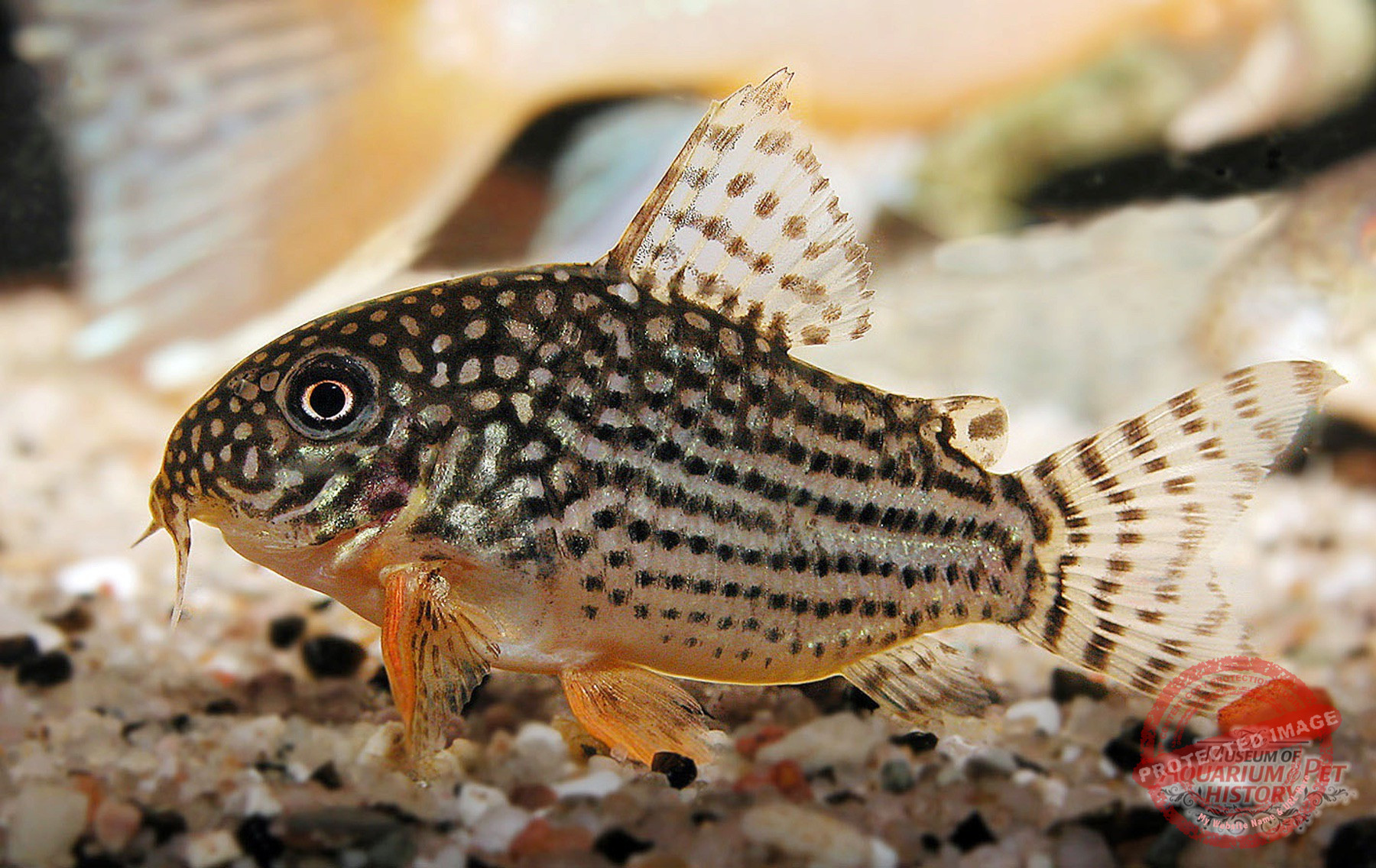
Corydoras sterbai (Sterbas Cory)
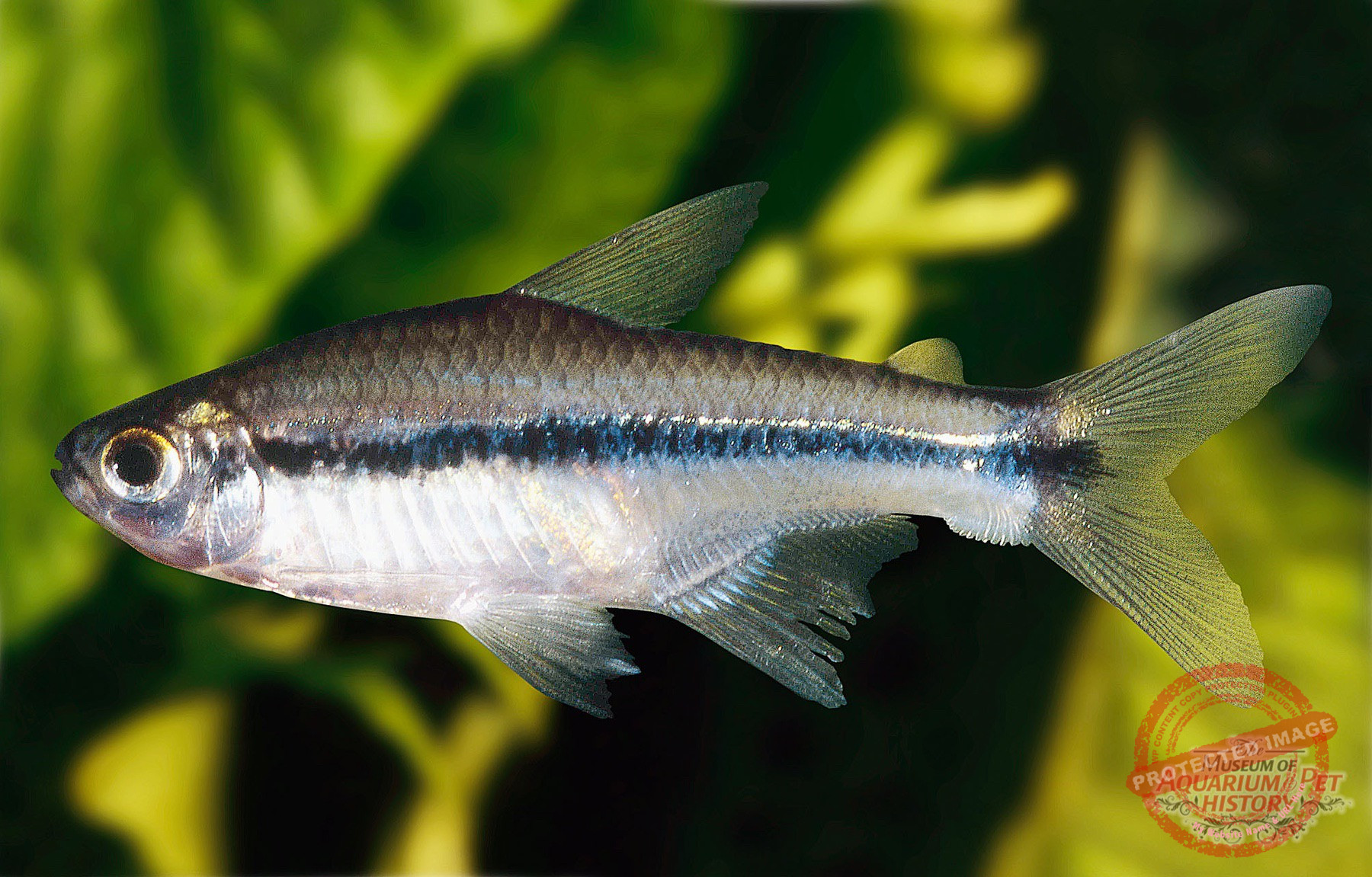
Serrapinnus sterbai
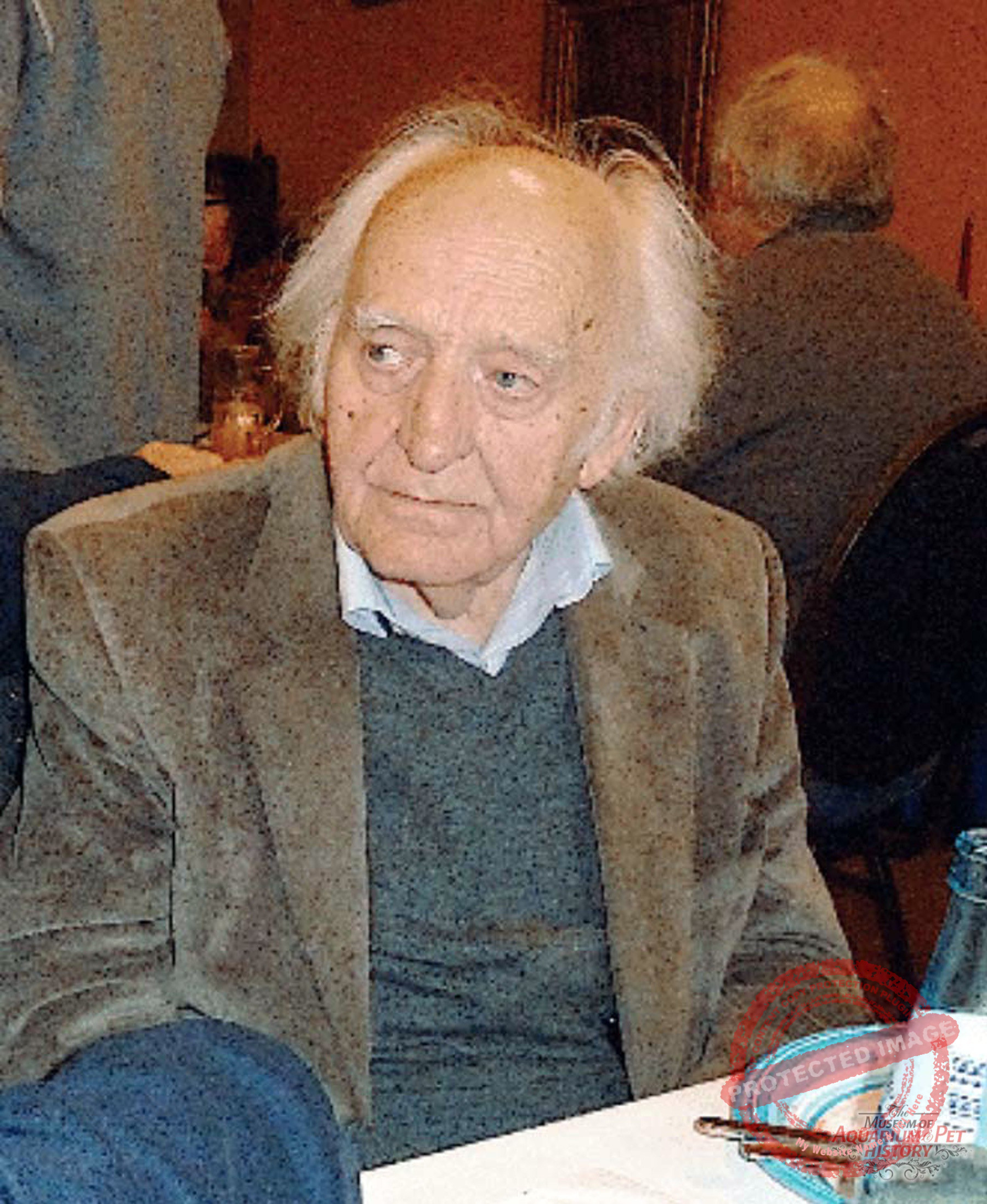
Despite his advanced age, Günther Sterba continued to attend meetings of the Leipzig aquarium society Nymphaea
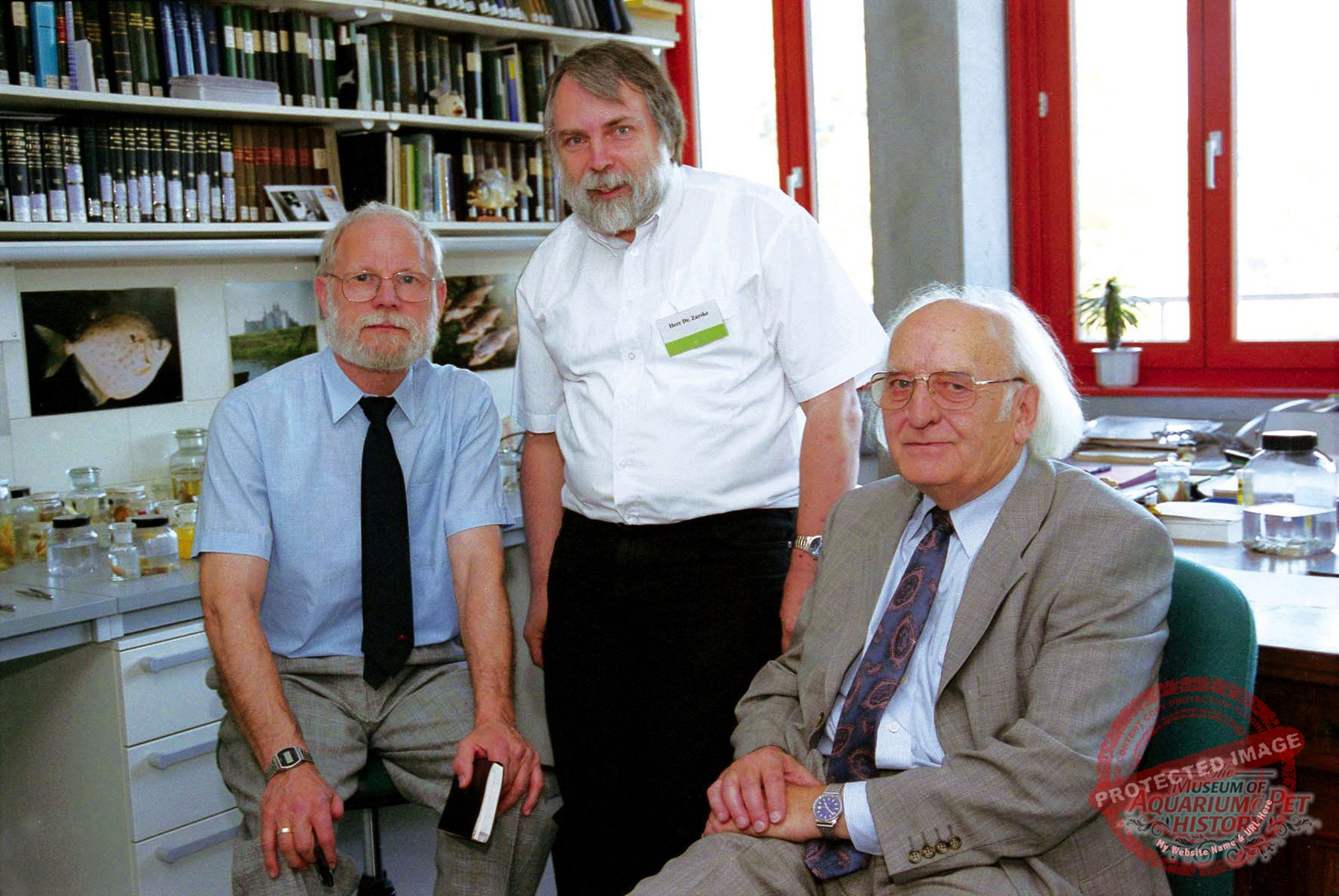
Prof. Sterba (right) with two of his former students: Dr. Hans-Joachim Paepke (left), longtime Curator of Ichthyology at Berlin’s Museum of Natural History, and Dr. Axel Zarske (center), longtime Curator of Ichthyology at the Museum of Zoology in Dresden, who described two fish species in honor of Sterba
I intend to present the deeply personal and human side of Günther Sterba in a video based on an audio recording made in 2016. With his permission, I spent an entire afternoon talking with him in his beautiful home in Markkleeberg near Leipzig. Our conversation ranged across a remarkable variety of subjects: the transportation of live fishes—even sharks—across the border of the German Democratic Republic; his earliest experiences in aquarium keeping and his family’s reaction to them; his books; and the technological developments that have transformed aquarium keeping in modern times. I will not omit the passages in which Günther Sterba engages in the most ordinary acts of hospitality, because they testify better than anything else to how attentive, considerate, and warm-hearted he truly was. Today, I regret that we recorded only audio. At the time, the recording was intended merely as source material for an article. What a camera could have captured! Sterba’s alert and mischievous facial expressions framed by his striking white hair; the remarkable agility he retained despite his advanced age; the beauty of his home and its historic furnishings; his porcelain collection; his plants; and, above all, the demonstration he gave me under a stereomicroscope, showing how he sculpted tiny, exquisitely delicate cameos as a miniature artist.
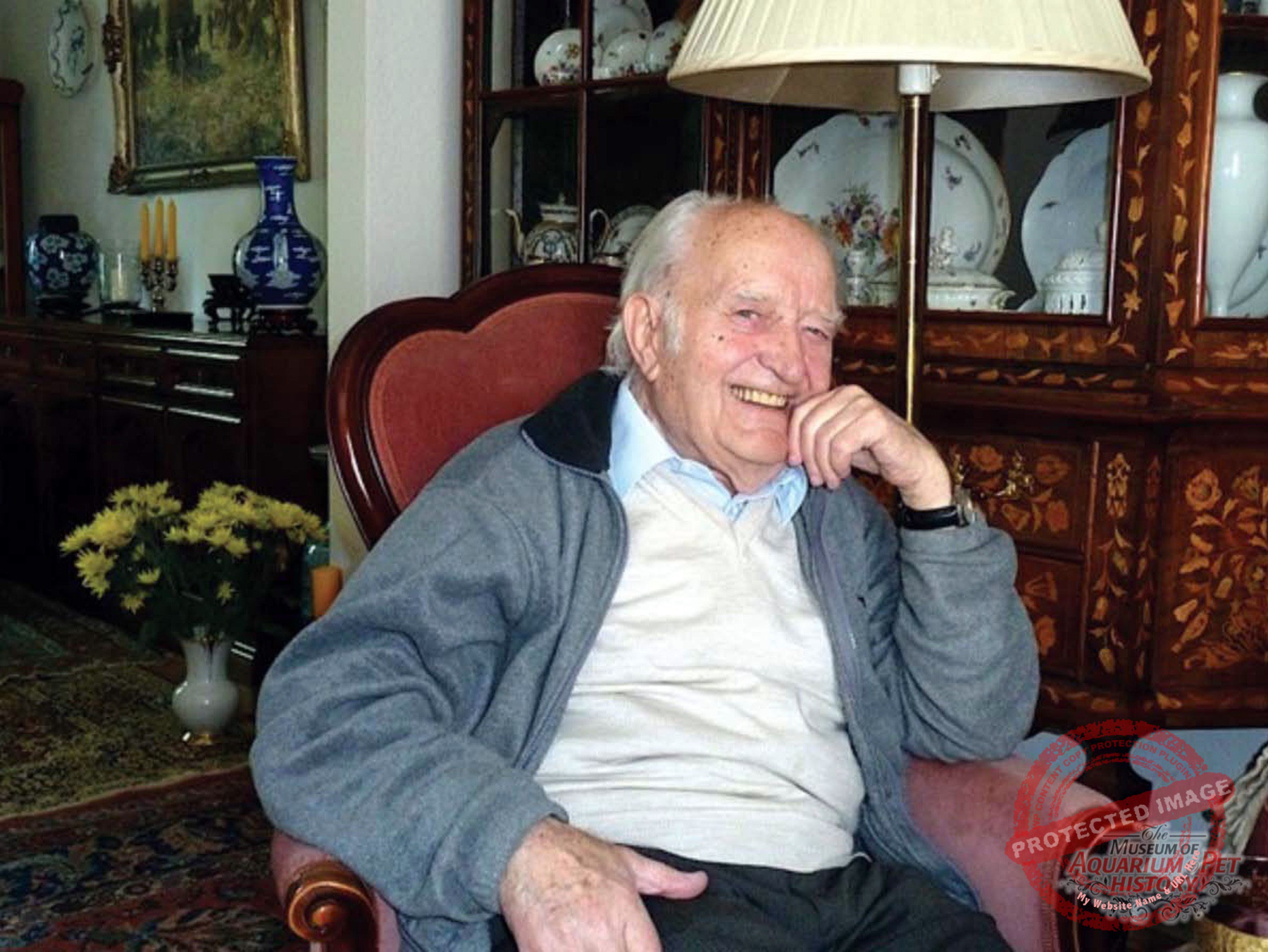
Well into advanced old age, Günther Sterba remained active and lived with his daughter in his home in Markkleeberg. Here he is surrounded by historic furnishings and selected pieces from his porcelain collection
Before continuing, I would like to provide a small selection of publications by this extraordinary scholar—works chosen from the vastness of Sterba’s bibliography because they illustrate his remarkable versatility. Beyond these, he also published historical, artistic, methodological, and philosophical writings. After reading this list, you may well conclude that only a genius could have accomplished so much. You would be right. Günther Sterba was a genius.
Selected Non-Aquaristic Publications
1961
A New Method for the Detection of Neurosecretion
Acta Biologica et Medica Germanica 7: 218–231
1966
(with W. Naumann)
Electron-Microscopic Investigations of Reissner’s Fiber
Zeitschrift für Zellforschung 72: 516–524
1971
(with A. Ermisch, A. Müller, J. Hess)
Autoradiographic Studies of the Subcommissural Organ
Acta Zoologica 52: 1–21
1973
(with J. Hess)
Function of the Subcommissural Organ
Brain Research 58: 303–312
1974
Ascending Neurosecretory Pathways of the Peptidergic Type
in Neurosecretion (Springer)
1976
(with W. Naumann)
Ultrastructural Studies on Neurophysine Vesicles
Cell and Tissue Research 165: 545–553
1979
(with G. Hoheisel et al.)
Peptide-Containing Vesicles within Neuro-Neuronal Synapses
Brain Research 169: 55–64
1980
(with Naumann and Hoheisel)
Exohypothalamic Axons
Progress in Brain Research 53: 141–158
1982
(with Chr. Kießig et al.)
Secretion of the Subcommissural Organ
Cell and Tissue Research 226: 427–439
For specialists and particularly interested readers, the following were Günther Sterba’s principal academic fields of research. In these areas he published more than two hundred scientific papers in leading journals.
Endocrinology of Lower Vertebrates
- Thyroid and thymus function in cyclostomes
- Development of the branchial gut system
- Parthenogenesis in Daphnia
Neurosecretion
- Peptidergic synapses
- Neurophysins
- Hypothalamic systems
Cerebrospinal Fluid and Brain Research
- The subcommissural organ
- Reissner’s fiber
- Circumventricular organs
At times, these scientific findings even benefited aquarium keeping. One example was his work on the parthenogenetic reproduction of water fleas under optimal environmental conditions. When conditions are ideal, their populations can explode dramatically. Whenever such blooms occur, the collecting nets of aquarists gathering live food become abundantly filled—and shortly thereafter, so do the bellies of their fishes. Immediately after his retirement, Günther Sterba began realizing projects for which his university career had previously left little time. Drawing upon his extensive collection of Meissen porcelain, he published in 1988: Meissen Domestic Porcelain: An Introduction to the Manufacture, History, and Decoration of Porcelain. During the final decade of his life, he donated portions of his treasured collections to scientific and cultural institutions. In 2019, for example, he presented the Leipzig Grassi Museum with thirty-six plates from the service of Empress Joséphine.
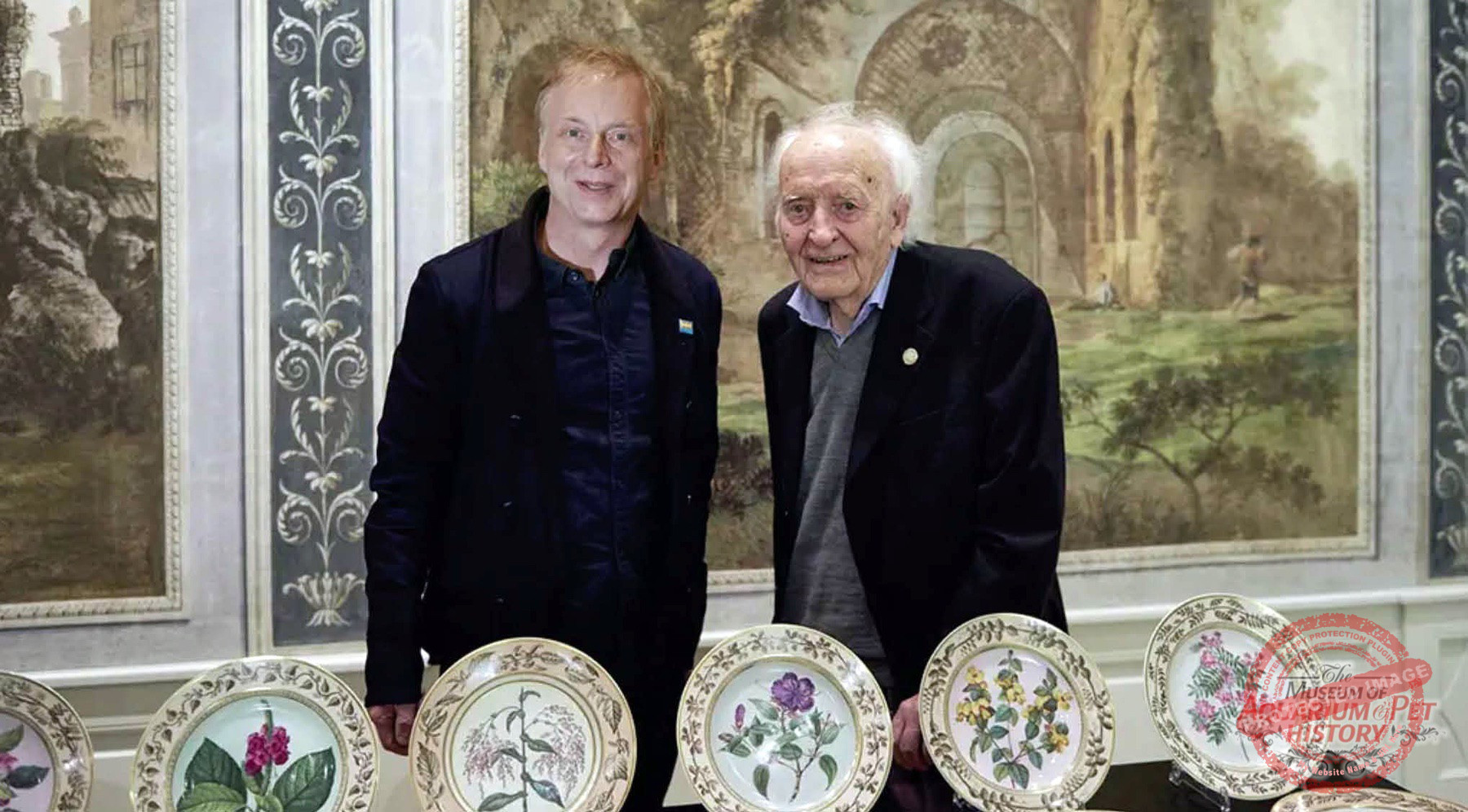
Günther Sterba with Olaf Thormann of the Grassi Museum during the presentation of the valuable porcelain collection
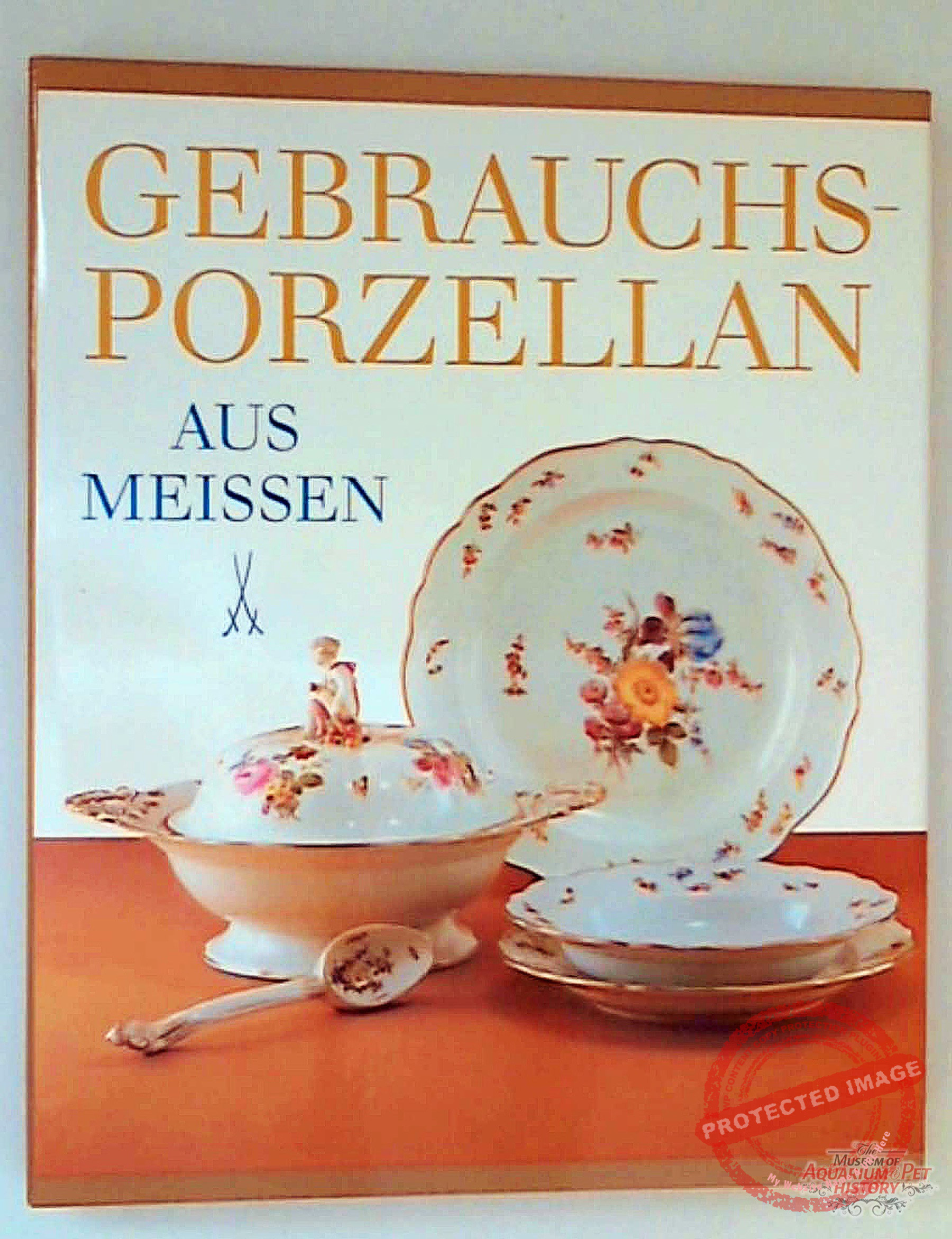
Sterba’s book Domestic Porcelain from Meissen
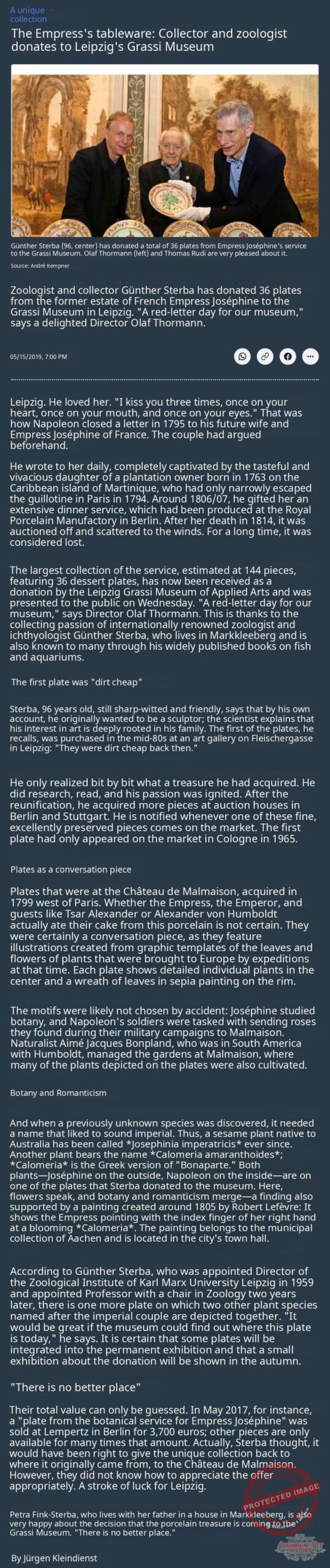
In 2019, Günther Sterba donated 36 plates from an Empress Joséphine dinner service to Leipzig’s Grassi Museum. Translated using notegpt.io.
Particularly during his years as professor emeritus, Sterba turned increasingly toward historical topics related to fishes. He published studies such as Tilesius as an Ichthyologist and Illustrator of Japanese Fishes and, together with Wolf Eberhard Engelmann—one of his former students—his final major work, On Several Remarkable Objects in the Fish Collection of Linck’s Cabinet of Natural Curiosities. A scholarly monograph on the gastropod family Olividae documented his extraordinary knowledge of these mollusks, whose porcelain-like shells first attracted him through their beauty and ultimately inspired his deep engagement with their systematics. For us, however—for those who will forever regard him as the gray eminence of aquarium science—it is his aquarium books that remain a treasure trove of knowledge, serving simultaneously as guide, inspiration, and source of information. Let us therefore conclude by allowing Günther Sterba himself to speak. The following passages, taken from the two volumes of Aquarium Science, reveal the qualities that made his writing exceptional: literary elegance combined with scientific precision, a model of outstanding popular science communication and a testament to his greatness.
In the first volume of Aquarium Science, Sterba introduces the chapter on aquarium maintenance with the following words:
“To beginners in ornamental fish keeping, the first accumulation of detritus or the first decaying leaf often becomes a source of great distress. In their opinion, the entire aquarium must now be renewed— that is, the animals removed, the water discarded, the plants uprooted, the substrate replaced, and everything started anew. And preferably every four weeks, precisely when the organisms have begun to establish a balanced existence with one another. Nothing could be more mistaken than this method of aquarium maintenance. A properly established aquarium can remain in operation for years without complete renewal; indeed, it becomes more beautiful the longer it is allowed to thrive undisturbed. Of course, one should not imagine an aquarium of pristine white sand, plants without a single decaying leaf, and not the slightest trace of detritus as the ideal of beauty. The unique attraction of an aquarium lies precisely in the conscious—and often only dimly perceived—awareness of the biological unity of the underwater world enclosed within its panes of glass.”
In the second volume of Aquarium Science, he opens the section on marine aquariums with these words:
“Few biological terms stir the imagination of the ichthyologist as powerfully as the sober phrase ‘coral fishes.’ Thoughts of this extraordinarily colorful assemblage of species evoke vivid images of sunlit tropical seas teeming with strange creatures and of islands shaded by palms. Within us awakens a longing to glimpse this symphony of life. Orchids are the queens of beauty among flowers, butterflies the fluttering palettes among insects, and hummingbirds the glittering jewels among birds. Coral fishes, however, are the harlequins among fishes.”
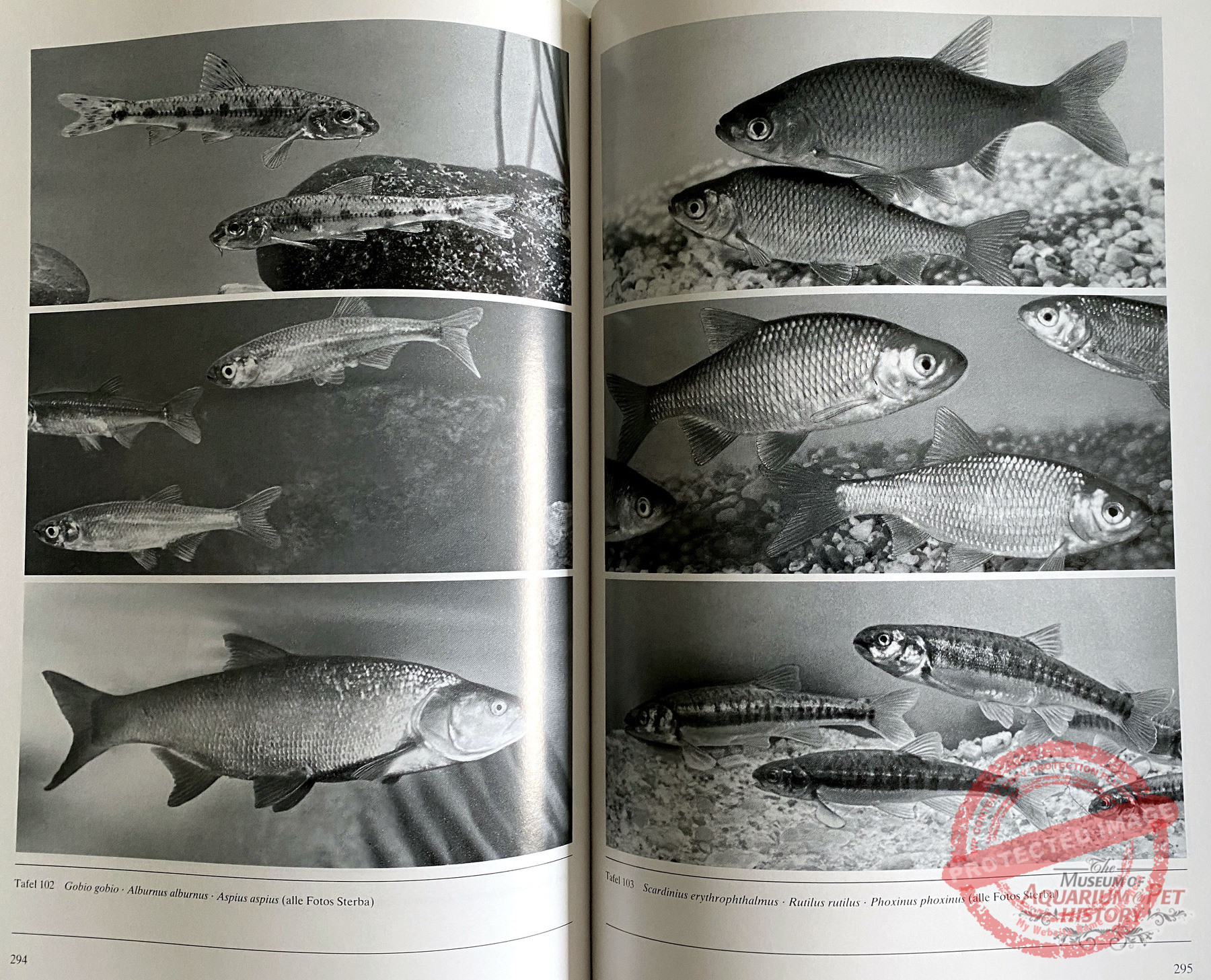
Photographs by Günther Sterba featured in illustration plates. Left: Gobio gobio (Gudgeon), Alburnus alburnus (Bleak), Aspius asius (Asp), right: Scardinius erythrophthalmus (Rudd), Rutilus rutilus (Roach), Phoxinus phoxinus (Eurasian Minnow)
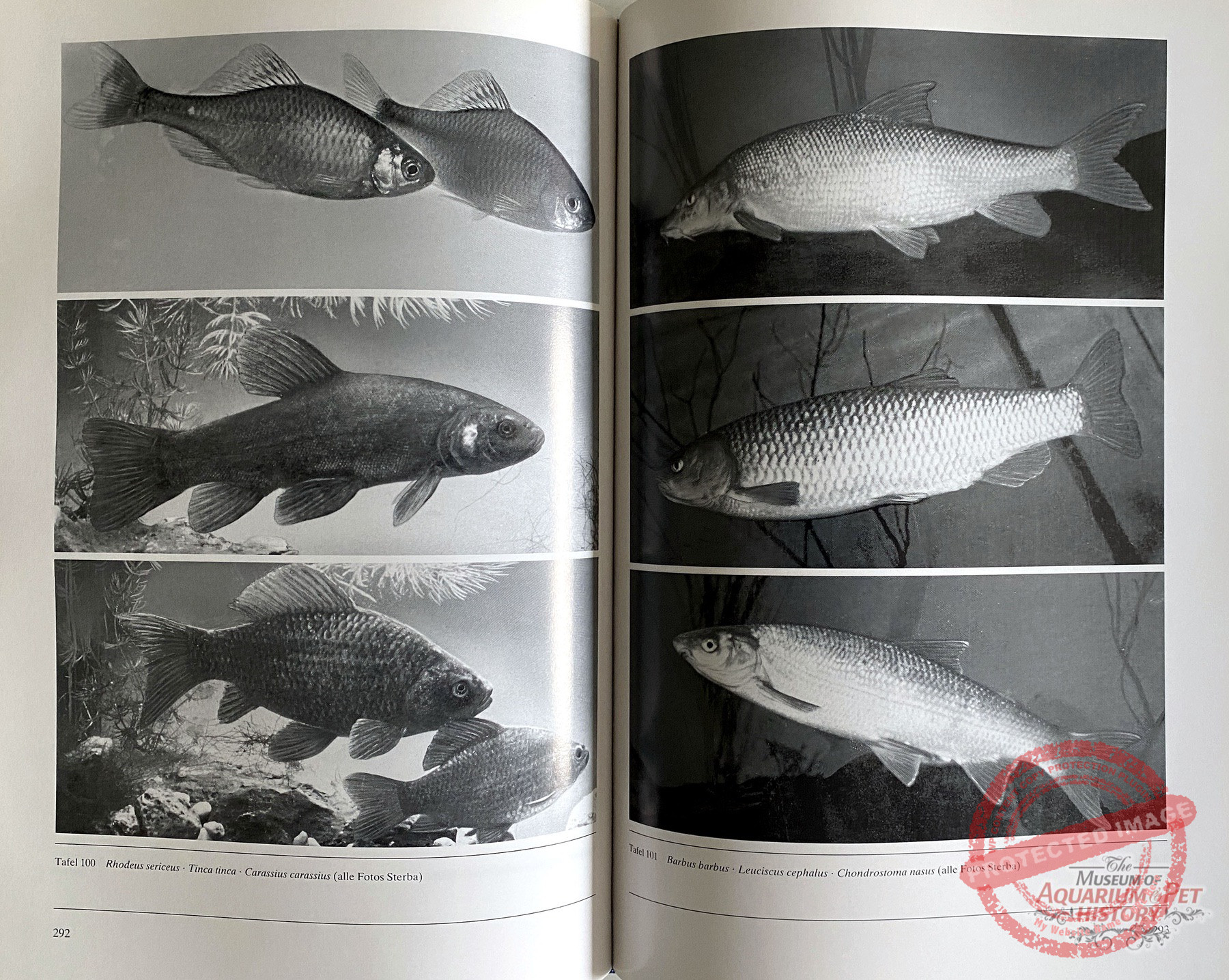
Photographs by Günther Sterba featured in illustration plates. Links: Rhodeus sericeus (Bitterling), Tinca tinca (Tench), Carassius carassius (Crucian Carp), right: Barbus barbus (Barbel), Leuciscus cephalus (European Chub), Chondrostoma nasus (Common Nase)
Finally, in 2022, city officials together with local heritage enthusiasts and conservationists decided to convert the site of the aquarium into a protected biotope for wetland animals and plants. The aquarium club, which continues to meet in the restaurant “Aquarium,” welcomes this stewardship by the city. The members are now elderly and urgently need younger reinforcements. Uwe Heustock is the current chairman and guards the relics of the founding era like a treasure. Given the ups and downs in the now 144-year history of the Gotha club, one may expect that a renewal will soon come again—with new impulses, ideas, and goals, always grounded in the knowledge-based broad field of aquaristics and vivaristics.
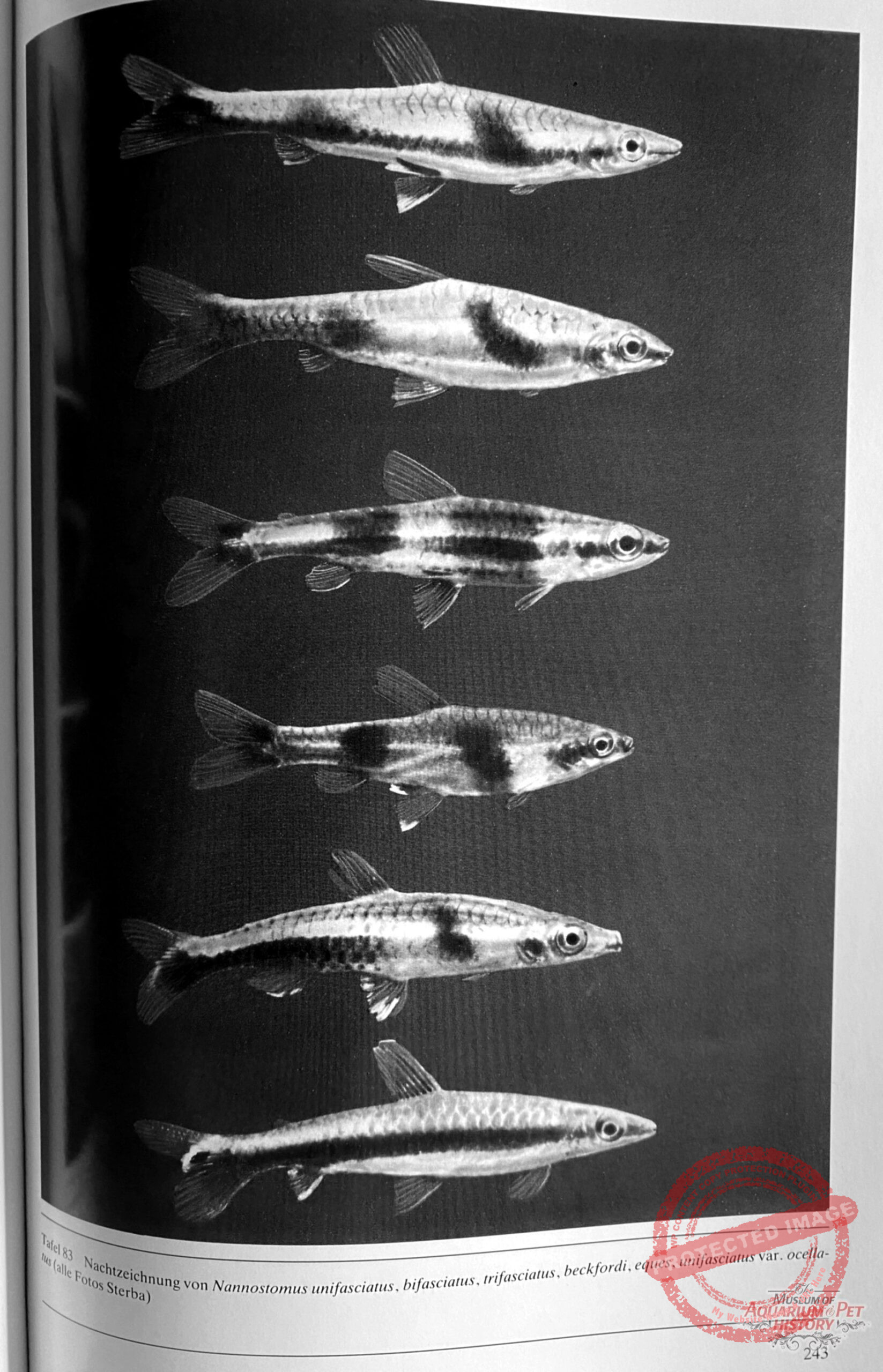
Photographs by Günther Sterba featured in illustration plates. Night pattern uf the pencil fishes Nannostomus unifasciatus, bifasciatus, trifasciatus, beckfordi, eques, unifasciatus var. ocellatus
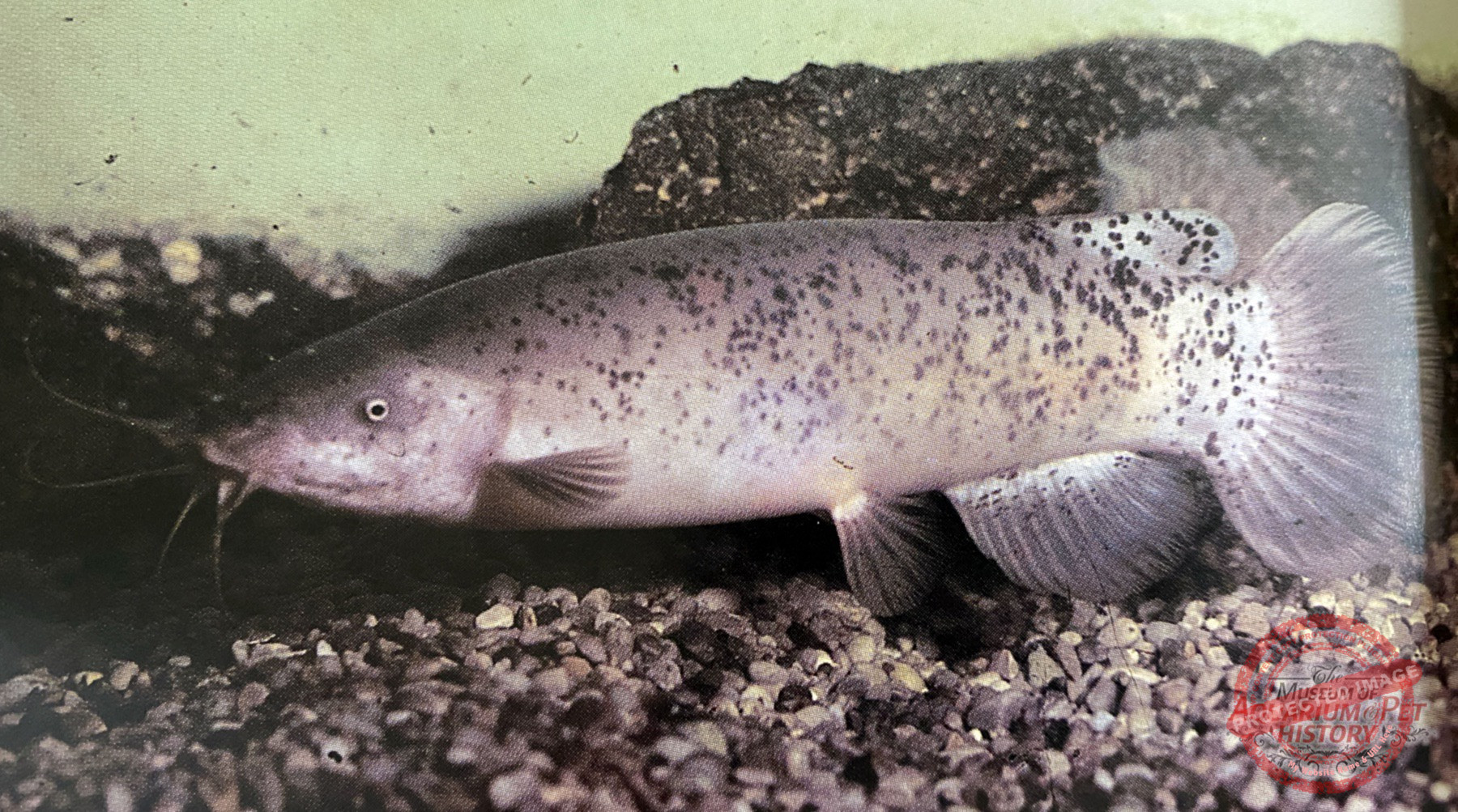
Photographs by Günther Sterba featured in illustration plates. Malapterurus electricus (electric catfish)
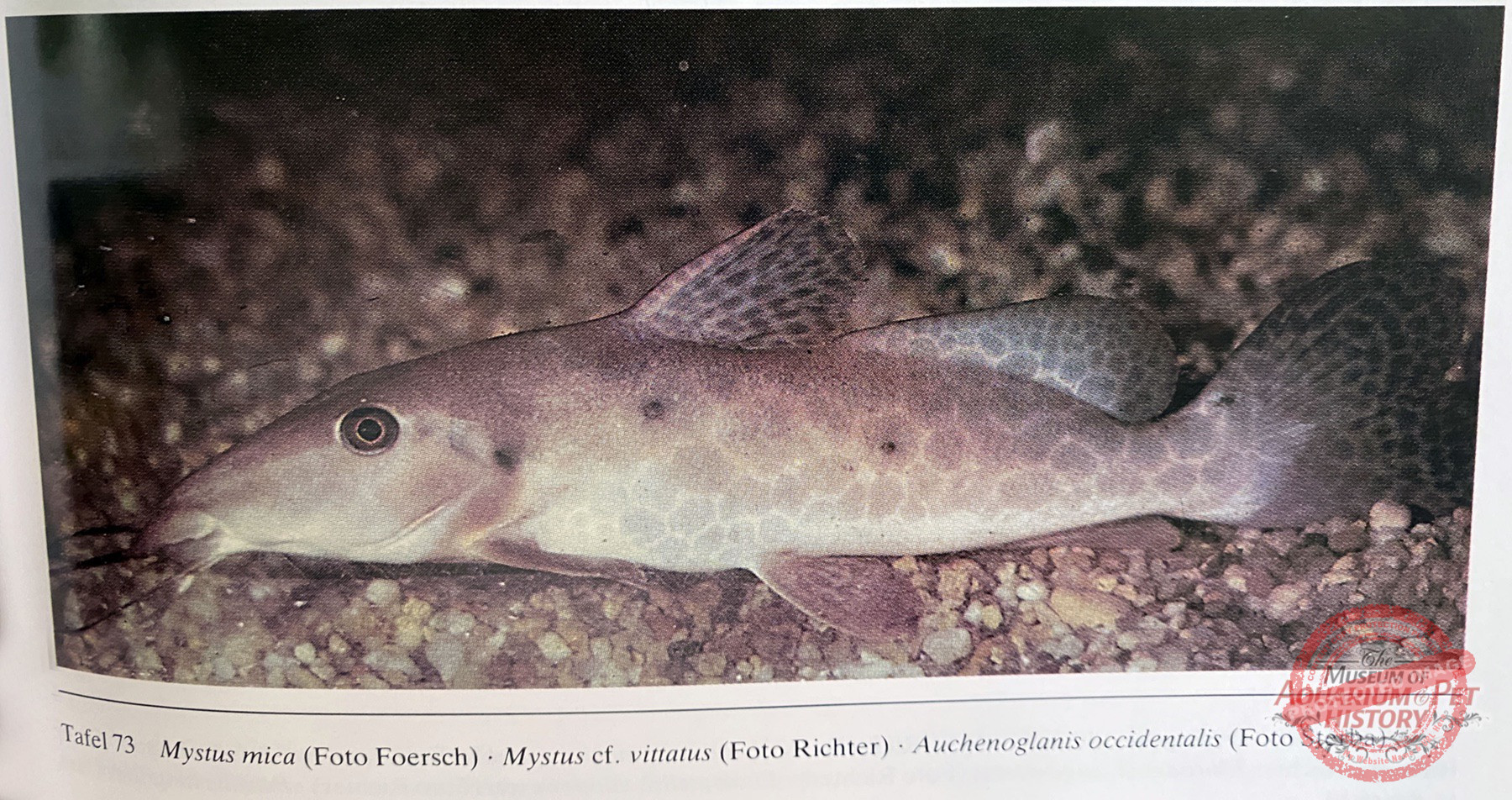
Photographs by Günther Sterba featured in illustration plates. Auchenoglanis occidentalis (giraffe catfish)
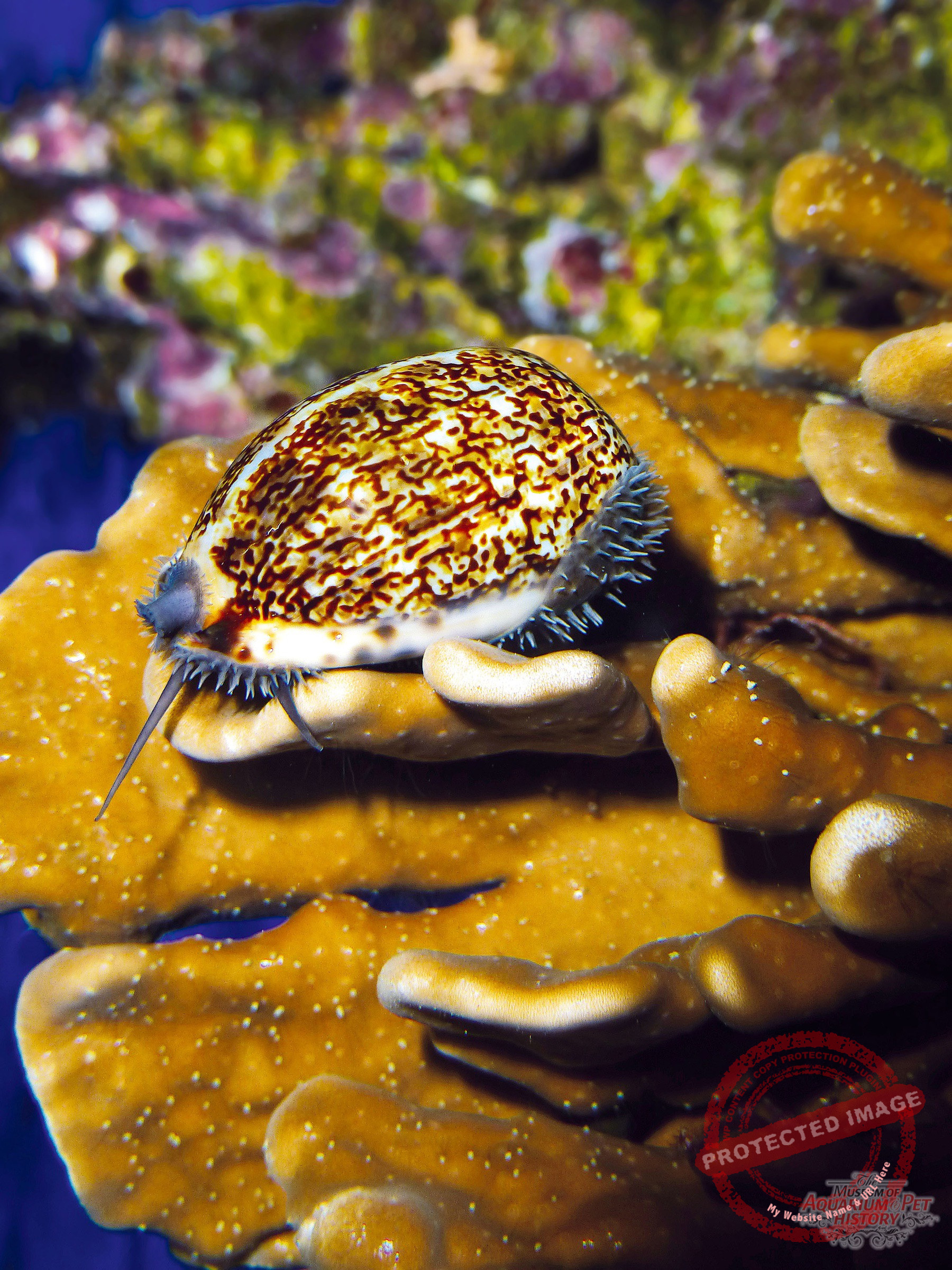
Günther Sterba was an authority on olive shells (family Olividae) and published a monograph on this group of mollusks
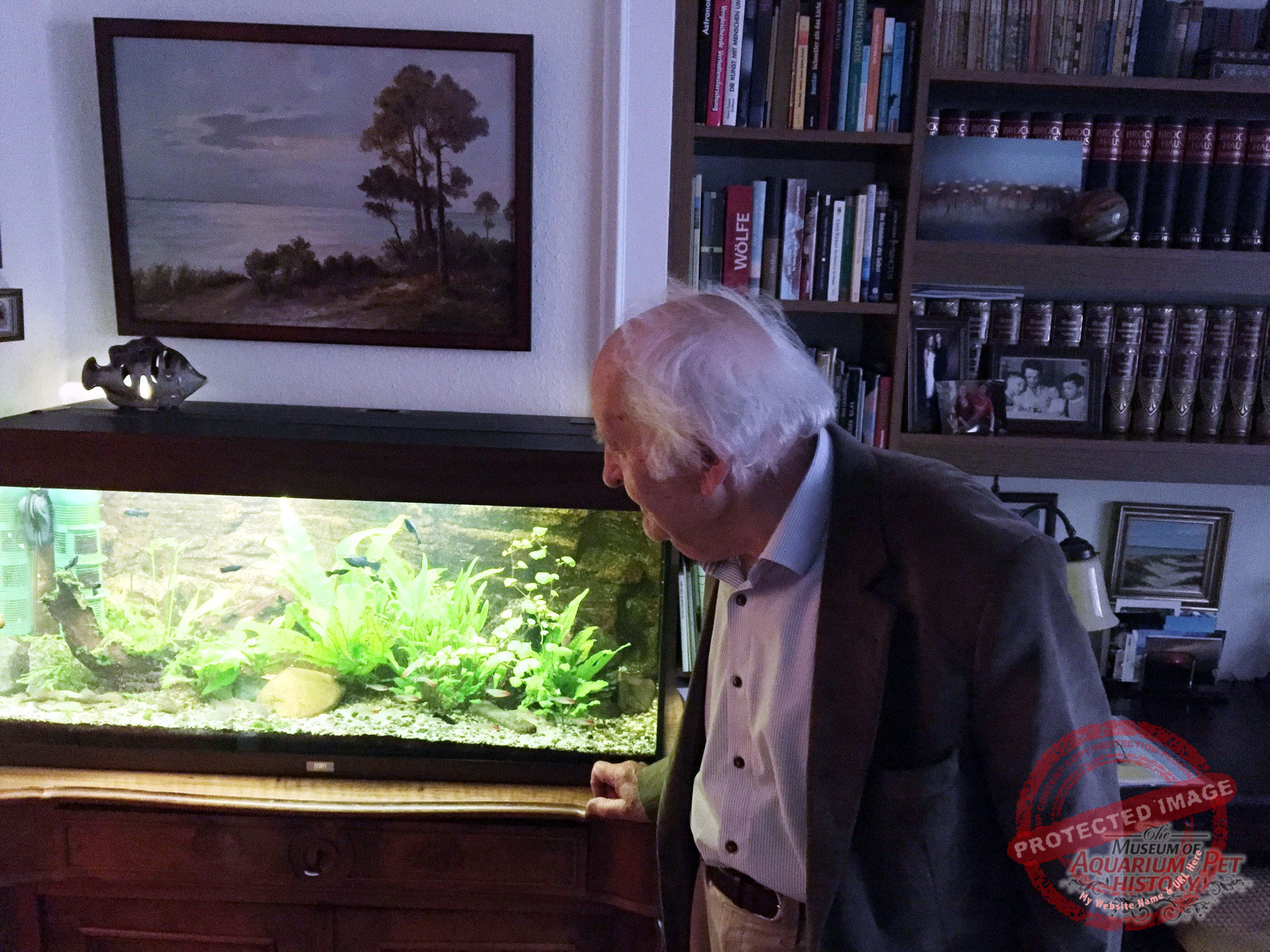
Günther Sterba in front of an aquarium containing mollies. He remained devoted to the aquarium hobby until the end of his life.
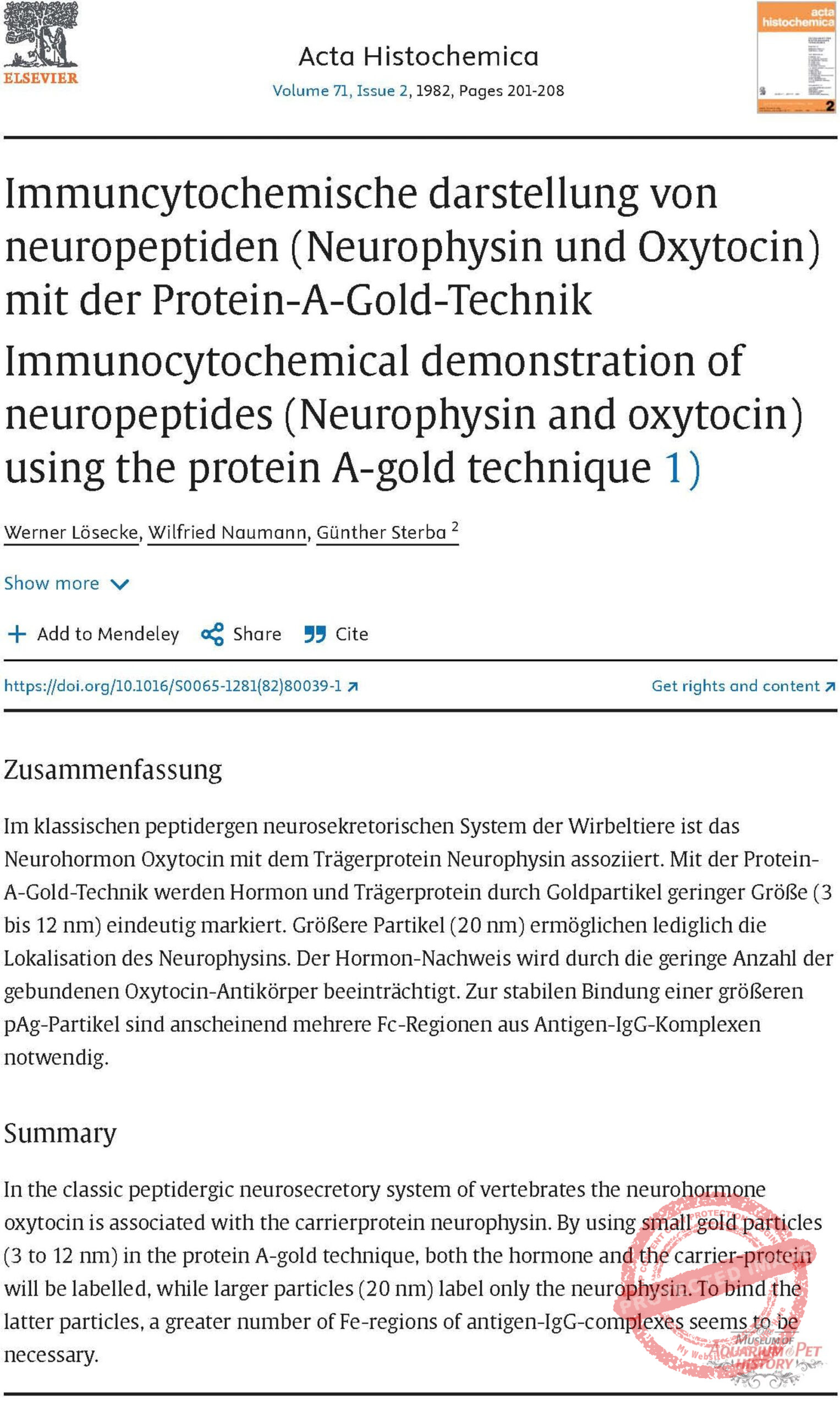
One of Günther Sterba’s countless scientific publications
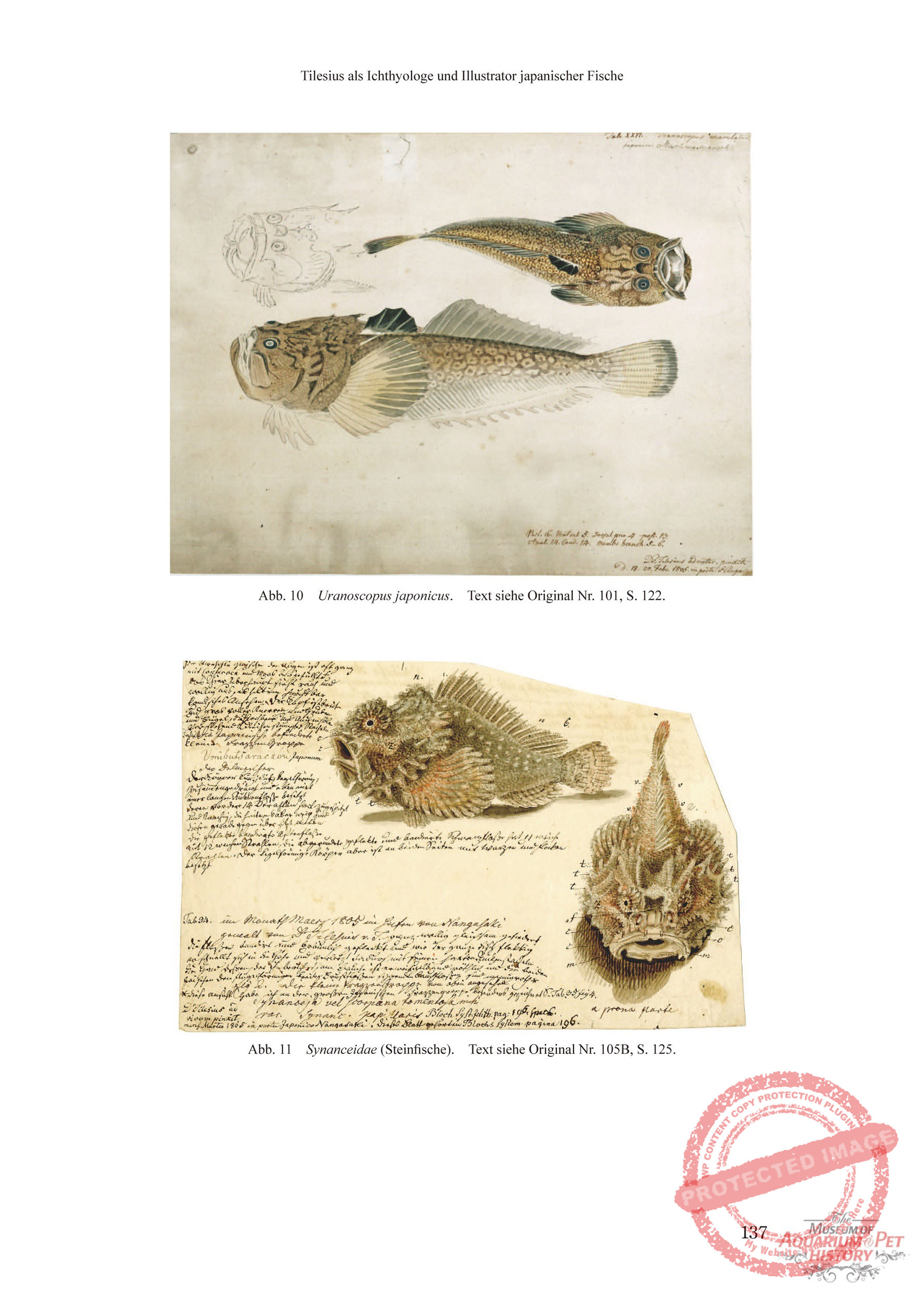
Page from the publication on Tilesius mentioned in the text
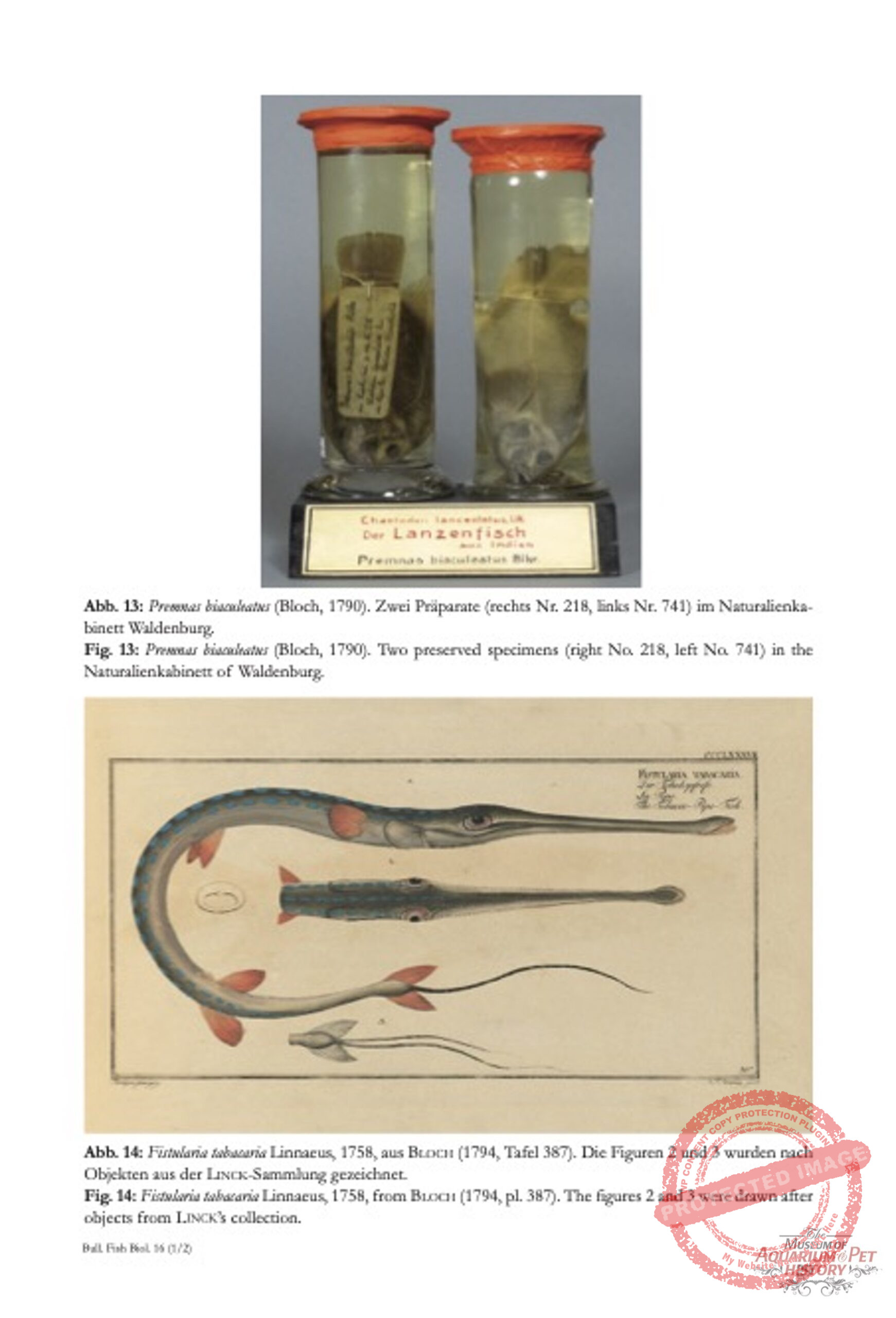
In 2017, the article on the fish collection of Linck’s Cabinet of Natural Curiosities was published
The illustrations from Prof. Sterba’s publications speak for themselves, reflecting the remakable breadth of his scientific work. What connected me to himon a personal level, what I lerarned from him, and why I hold him in such profound admiration will become clear in the video that will be released here soon. There is so much to tell – about him and in his own words – that I believe you will find it well worth the wait.