Pet Keeping in 1797 Germany – Chapter 3 Part 2

This is a historical book written in 1797 about German pet keeping history, including keeping native fish in captivity. This reprint was privately published and edited by Kurt Jacobs, who wrote the seminal work “Livebearing Aquarium Fishes.”
Each month MOAPH will release one chapter translated into English.
Includes verbatim excerpts from 1855, 38th issue of the Illustrated Family Magazine “Die Gartenlaube” (The Gazebo) pages 503-506.
How does one take care of the Ocean on the Table, or the Marine Aquarium:
The cobbler’s lamp ball-like room decorations1 with a few sad, bored goldfish does not correspond to the tastes and needs of the scientific present anymore than homemakers.“Die Gartenlaube” (The Gazebo) got its hands on new encouraging evidence of modern aquarium practices, as it references the “Ocean auf dem Tisch”(Ocean on the Table) which aroused great interest everywhere, including all regions of Germany and the nation of Russia. In countless letters people asked for more information and instructions on how to care for their aquariums and their inhabitants. We want to give this information as precisely and practically as possible in order to “reveal wonders of the ocean depths” and to make the information accessible through words, images and color.
The marine aquarium, which offers us the strangest shaped creatures of all forms, colors and ways of life including herbal organisms, lively plants, mollusks, crustaceans, castles with undersea gardens2 and forests3 are amongst the most wonderful elements of an ocean. They are all on display, like an ocean on the table. There is no specific rule to an aquarium, and can take many diverse forms depending on the space, means and taste of the individual. To help you to always have a lively room decoration right from the start, we have included an aesthetic model aquarium with a fountain, as it was designed for Professor Gosse in Edinburgh.
The Marine-Aquarium must be a small ocean in the glass, accessible to the light of the sun and the eye from all sides. It can sit near a window, as long as all sides have access to sunlight. The Aquarium has a magnificent effect on the entire room, as the author of this communication I have seen for myself these magnificent aquariums often in the English “drawing rooms”. In such cases, of course, the glass panes must be cemented together with good, non-harmful material, ideally gutta-percha4. There is, however, a limit in terms of size, as they are difficult to blow over twelve inches in diameter and are also very easy to break during use. The height also depends on taste, which should be given important attention right from the start, especially with vases. Vase-like shapes themselves, are designed for smaller private collections and are where they are most useful.
If you give the walls of an aquarium tank a straight, octagonal structure, you immeditale avoid the distortion of the internal plants and animals, as can be caused by light reflectors on curved walls and spherical shapes. If you want to keep the spherical shape, you should ensure that the depth of the miniature sea is very shallow so that you can always see all the way to the ground from above, the only correct observation point.
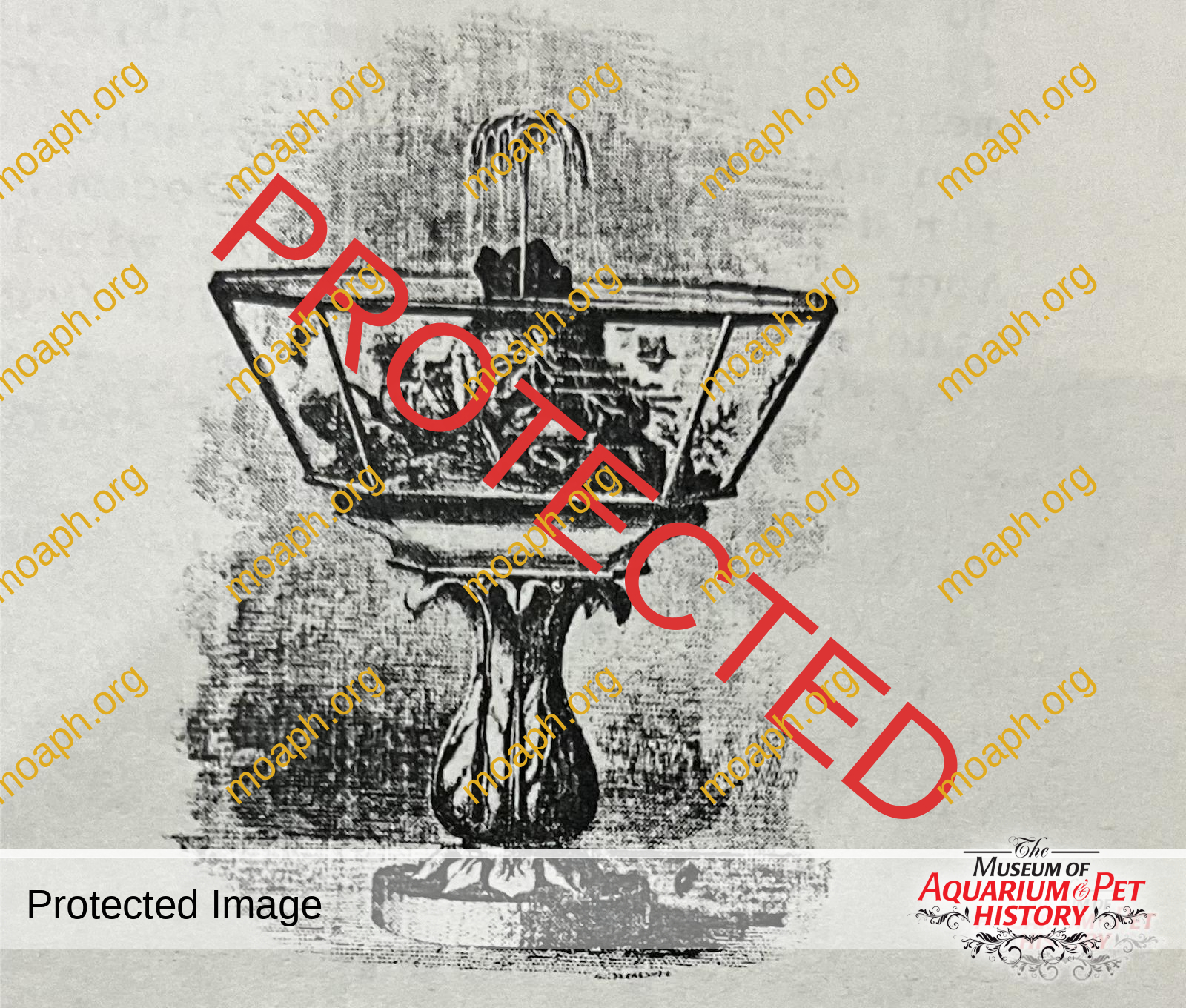
“Der Ocean auf dem Tische5” (Ocean on the Table) Original photo from the Bavarian State Library in Munich
Animals, and especially plants, in the small artificial ocean should receive full light which is why the aquarium must be in the sunniest and brightest part of the room. It is a very graceful spectacle to observe how, under the influence of the transfiguring rays of the sun, thousands of small diamonds are made of pure oxygen. Since this forms the “living air” for animals (and also benefits our rooms and lungs), one will immediately see the importance of this pearl shower. Only in summer when it is very hot should the smaller aquarium with less water be protected against the direct burning of the sun with muslin, oiled paper or frosted glass. If the water is too warm, the animals will die.
The most important point in practical terms, especially for German areas that cannot discover a sea shore with the best telescope6, is the cost of the initial purchase. As far as the prices for vessels7 are concerned, in England they are 3 pounds and 10 shillings for the largest ones which are made of stucco with an ornamental shape consisting of 24x18x18 zoll8. They cost 7 thalers9 for smaller ones of 15x12x12 zoll. But how do you bring the real ambiance of the sea into the aquarium? First of all, you have to take care of the area, mainly the underwater landscape and here you can use your wildest imagination. You can with little pieces of rock and compose corals like those found in the sea. However, where this is not easy, roman or portland cement, which hardens into rocks under the water, provides even greater scope for ceramic talent. With this cement you can knead cliffs and crevices, caves and huts for the future inhabitants to your heart’s content. Pieces of branched coral, caves, stone fragments, cliffs, overhanging rocks are partly necessary for the flourishing of plants and animals. Natural embellishments are especially valuable as garlands and hanging sea plants gardens make a very picturesque, almost wallpaper like scenery. Coral branches can also be planted like trees in the still soft cement so that afterwards they grow on the hardened rock like maritime trees and provide animals and plants with points of contact.
It should be noted that the cement to be used beforehand must be thoroughly leached to render it harmless. For this purpose it must be kept for at least a month and frequently replaced with new water. As long as the water becomes cloudy and foam forms on the surface, it is unsuitable. By neglecting this caution, all the animals that were subsequently settled have often been killed.
Sea creatures, like rabbits, rats, and mice of the land, love to dig under the ground for treasure, and therefore, must be given the opportunity to do so. The ground should be covered 1-3 inches thick with coarse sea or river sand. Carefully add new stones, and provide protection and hiding places, sometimes meaning that you have to build and assemble them. Sandstone, granite, limestone and conglomerate are all forms of good building materials, granted, you make sure there are no harmful substances that could be transferred into the water. To be on the safe side, materials from the sea should be preferred to all others, unless washing and leaching is done in water, then in real water or artificial ice water is definitely necessary. You have to look for some wildness and roughness. The more pores, holes, caves, and nooks and crannies the better. No decorative polish is appropriate here. We have already said something about the preparation of artificial sea water. Cities that are in close contact with the sea and port cities can easily obtain natural sea water. For larger quantities there are barrels for use (new, leached or at least those that do not contain chemicals or acids). But one should be concerned with oak barrels, which, despite all the leaching, still develop some gallic acid. Stone jars are ideal for smaller quantities, but don’t forget to use leached plugs or other closures. Sea water does not suffer from a long journey on land.
But now life, how do you get life into the aquarium? Rocks, caves, huts, chasms, seabeds, empty sea water, everything is there, but the plants and the animals! At the top of all good advice is the following: you are the fan! The necessary number of colonists10 should be taken out of the sea! Of course, it is difficult for many of us to have access to seawater so we have to find other ways and means, so we can have them transported. As long as the matter is new, one certainly has little choice, and as far as England, the birthplace of the marine aquariums, I don’t know anyone who could serve the Germans other than myself, I count on a gentleman11 recommended by Professor Gosse, who has offered to provide the necessary animals and plants for massive prices. But these are the least of it, as long as they were not brought to the spot. How do you transport them? Many can only be shipped in damp packaging, but some sensitive ones can only travel in water. So you have to buy train tickets for these creatures and let them travel overland. For trips of this kind, you can initially only generally advise that passengers who are not at all used to land travel can easily get land sick, the same way we get sick under water if we stay too long. Sometimes, it is necessary to let these creatures go into freshwater and expose them to light. Although they live in water, like we live in land they are not allowed to get wet from the water that rains in our country. But you can easily protect them from the rain even in open containers under the rain as long as you make openings directly above the surface of the sea level of the containers.
Live sea plants can be sent without water. They are packed in suitable botanical capsules, which are protected by wickerwork. Below you place common seaweed (Fucus serratus) fresh and still completely wet, on this bed with the necessary piece of rock (which must be protected against shifting and shaking) the specimens to be sent, on this again fresh seaweed filing with precise design feeding the gaps until the large space is so filled that when it is closed everything is secure and fairly tight. Sea plants packaged in this way always arrive safely over hundreds of miles, even the extremely delicate Delisseria. Of the animals, the Molluscs, many Echinodermata, some species of Crustacea and all Actiniae can be sent in the same way more cheaply and conveniently than in water. A handful of sea wax, still completely wet from sea water, with the relevant specimen of the animal in a cork or some other closure (but not completely filled with sea wax so that no pressure arises) is all that is required.
Fish, of course, many Crustaceans, most Annelids, all Medusae and the more delicate species of Zoophytes must have been transported in sea water. Wide-mouthed jugs made of earthenware with watertight screwed-on knobs, several of which can be packed into a wicker basket, zinc buckets protected by a slatted box, with finely perforated screwed-on lids, square-shaped zinc cans with perforated lids, lined in an open box– all of them. These methods of shipping in sea water were used with success. With a little insight and thought, perhaps even better methods can be found such as glass balls hanging in a box so that the open side is always facing upwards, no matter how you turn and turn the box. Oyster shells or stones from the sea, which are often densely inhabited by zoophytes and annelids, can be easily transported in an ordinary net that is fastened in the middle of the lid of the vessel.
Despite all the current traffic, it goes without saying that one must look for the quickest possible route and, where possible, arrange for immediate transport by express. Immediately upon arrival, the exhausted newcomers should be taken to open vessels half-filled with fresh seawater and given time to recover and think about what had become of them and where their great sea might have gone. Every single animal that arrives is examined to see whether they are sick, healthy, dead or alive. The dead can be buried properly, the sick usually get well again through an air bath in the water, just as we locals often regain our strength through a lake bath.
You bathe the sea water in air through a syringe, you make a small sea storm until the same purpose that the sea has through the wind, which whips the waves tower-high and valley-deep, miles across the shore and in foam that scratches the sky against the rocks, is fulfilled12. This airing and ventilation of the sea water in the aquarium is a main reason for the flourishing of the plants and animals. That’s why it’s good to provide constant ventilation. The simplest method is a drip glass, a glass with an opening at the bottom, which is closed with a sponge so that the water can always seep through drop by drop and thus always come into as much contact as possible with the atmospheric air. You hang the glass over the aquarium and fill it from time to time. The higher it hangs, the better, because then each drop has more contact with the air before it touches the water.
Even more practical and indestructible, is the small fountain in the aquarium that flows through rocks into the high, bubbling fountain, as we see it installed in our model aquarium. To the average individual, this beauty may seem difficult for private rooms or impossible because of the carpet. But nothing is easier and cleaner. You set up a reservoir somewhere above the aquarium, perhaps in the room above it, and through it you direct the water from the reservoir between the wall under the floor in a gutta-percha hose (this is the best and cheapest, metal grates) into the pipes running through aquariums (which can be nicely hidden by rocks, so that children and adults have to wonder half to death)– and the fountain is finished, fine as a silver silk thread, with which you can also screw on other openings, gaps and cracks can be used to create a variety of small water works.
“But dear heavens, how much does that have to cost?”. I hear some godfather, aunt or stepmother of the German Michel13 exclaim. Maybe it costs something, very probably, but still not nearly as much as the bad beer, the stultifying alcohol, or the expensive wine, or the addiction to cleaning, or laziness14. Once you know how to enjoy the spirit of this living lake water at home, you will save the costs of the whole thing in a few months at most and from then on you will live purely on the interest of this saved capital.
But for our lecture, once the creatures who have arrived have been duly refreshed and the dead have been separated from the living ones, they are neatly placed in their small, new colony. The water is a little cloudy for a day or two, but then becomes clear and then crystal clear; the plants begin to unfold their flowers and fauna, the animals with their colorful shades all in harmony. It offers all sorts of delight to see these wonderful creatures put on a most beautiful prismatic play of colors, boasting like Mexican princes. Some, who locked themselves in self-built, wonderful castles and fortresses, emerge with their “stoppers” and lean out of the window to take a proper look at the new world. If they find no danger present, they fetch their tools and their plundering instruments, and commence the business of knights, namely, robbery15. Others look at the vegetables, taste them and eat them. Still others, who live more for pleasure, practice all kinds of allotria16.
But more about that another time. Many of them do not survive the new settlement. During the first week there are more funeral celebrations than life. An infinite number of microscopic animals growing in the sea, hidden on shells and stones, die and spoil the water, which can be recognized by its new cloudiness and milkiness. As you will notice, the water must be carefully drained using a siphon into other vessels, in which animals and plants can also be temporarily placed until the aquarium vessel has been properly rubbed out and cleaned out. Now the water is filtered through a glass tube that is slightly closed with a sponge at the bottom and animals and plants are also placed in it. Stones and shells that look suspicious through a magnifying glass should be kept in a special container until you can determine their condition.
Even if the first crisis (during the first 10 days) has passed, as in human life, occasional deaths occur. That’s why you have to subject the entire aquarium to a special hassle about every eight days, and remove anything dead or otherwise inappropriate with a small tin log bent at a right angle and attached to a thin rod (silver and gold are not forbidden). A few other thin sticks, some cut at the end like a spade, can occasionally be used to send this or that resident out, moving out, or just walking somewhere else. No nets (muslin, loosely fastened between rings and these on a stick) are the best instruments for catching this or that specimen, pulling it out and specifically examining or relocating it. The rule must be clear: never use an animal as a joke! You should never touch one!
Over time, the mere water of the lake evaporates, which must therefore be maintained in quantity by occasionally adding pure, fresh water (not sea water). Distilled water is of course the best, but river water is also possible. Strictly speaking, you don’t have to get both the same quantity and the same density of seawater, but a draw just where the water ends on the wall of the aquarium is enough to always add as much river water as is not available in the aquarium sinks below this mark.
“Cleanliness is the next thing to godliness,” say the English. The little ocean, because it is essentially a prison, has to be kept clean with particular care. So we hire a few snails to act as our street sweepers – the “periwinkles” which are eaten by the millions every day in England – who use their tongues, in the absence of a broom, to diligently free the inner walls of the green, animal-like attachment, but not always quite regularly. So it’s a good idea, perhaps once every month, to thoroughly sweep all the internal walls with a fine cleaning cloth (tied to a stick). But you have to protect the settlements of the individual inhabitants as much as possible and leave the spawn that is attached to the walls completely untouched so that the colonists are not deprived of the sun.
If the rocks and stones take on a spring-like appearance, you shouldn’t think about the scrub caps, but rather sing the praises of the marinated spring. The small shoots of green algae grow quickly over the ground and rocks, clothing them in the most delicate velvet coat of spring, from which millions of oxygen diamonds soon emerge, bringing health and happiness to all animals. As soon as the green touch takes on a wooly, downy appearance, we are over the mountain17 and can say; Our ‘ocean on the table’ is a truth, a life-assured fact. Sprouts and branches jagged and tongued and reached their natural dimensions. Everything you then have to do is limited to rejecting too much expansion and development, so that here and there you may weed, break off and reduce.
Yes, but you can’t settle all the inhabitants of the big ocean in the small one, no whales, sharks or seals. For different purposes you have to choose different animals with the exclusion of the freshwater crayfish, common bream and the common roach. For scientific purposes one pays less attention to immediate beauty; for private purposes this will have to be put at the top. There is still an endless field of choice and modification here. For those in the field, we only mention here that the following small sea wonders are best suited to our oceans on the table and thrive best in them: The various species of Gasterosteus and some rockfish, among the molluscs; Aplysia, Periwinkles, Chitones, the sand diggers of the Bivalves, especially Venus, Pullastra, of Crustaceans Eurynome, Portunus puber, Carcinus maenas, Ebalia corystes, Pagurus, Porcellana platycheles, Crangones, Palaemones; of annelids: Pectinaria, Sabellae, Serpulae, Pontobdella muricata; of zoophytes, all Actiniadae and many Madreporites. The fish that are more difficult to obtain are Cottus (sea scorpion), the fifteen-thorned gasterosteus, suckerfish ascidiae, of the Crustaceans the Pisae, Protuni, small lobsters, Athanas nitescens, Hyppolytes, Pandalus, Gammarus, Idotia: of the Annelids, Terebella, Aprodite aculeata and the Planarian; of echinoderms Cribella, Palmipes, Asternia, Asteria, Echinus and cucumaria, harder to obtain, but all very interesting and yet also proven to be viable for months in the world’s ocean prison18.
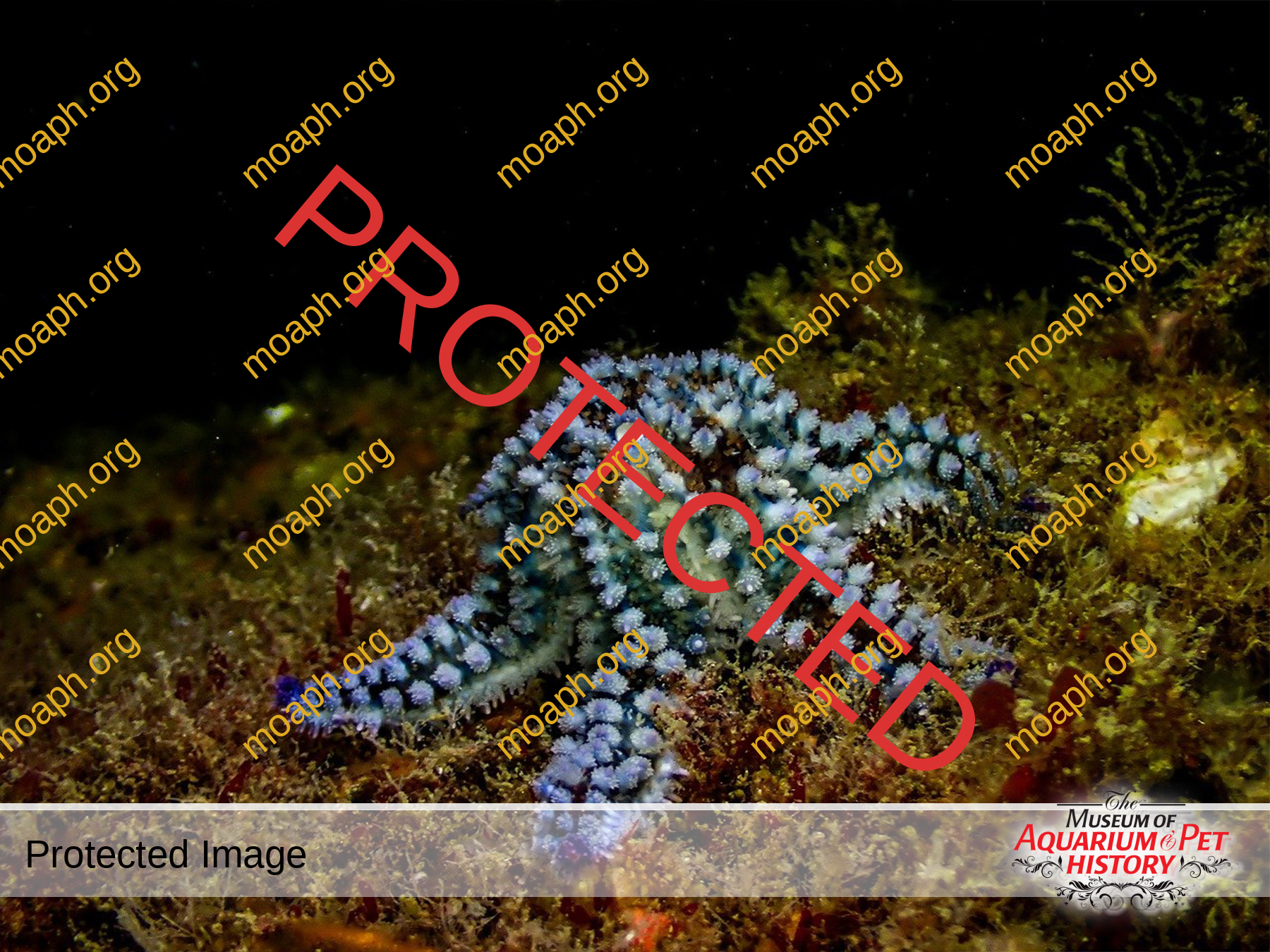
Star Fish (Echinoderm)
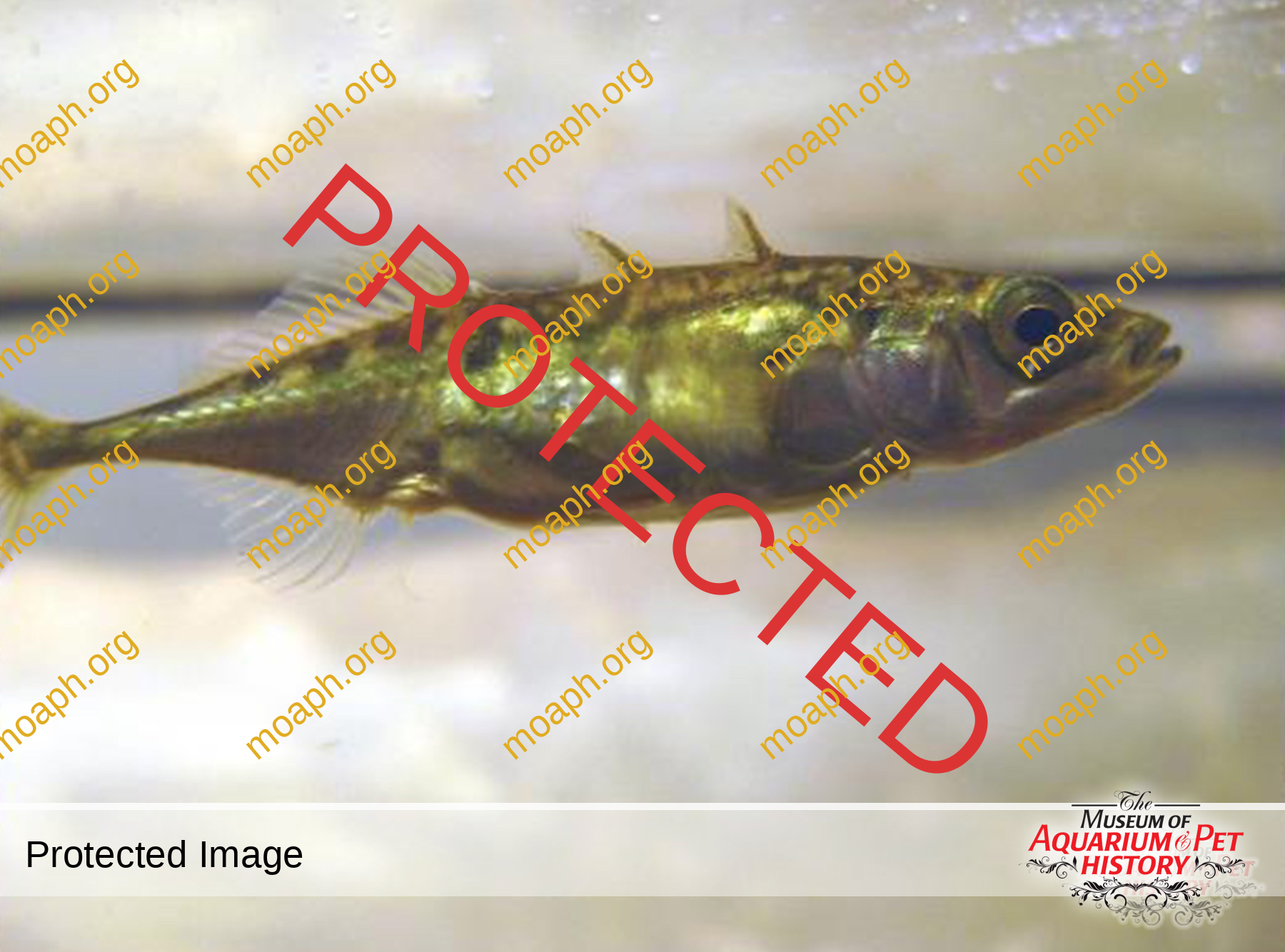
Stickleback (Gastrosteus)
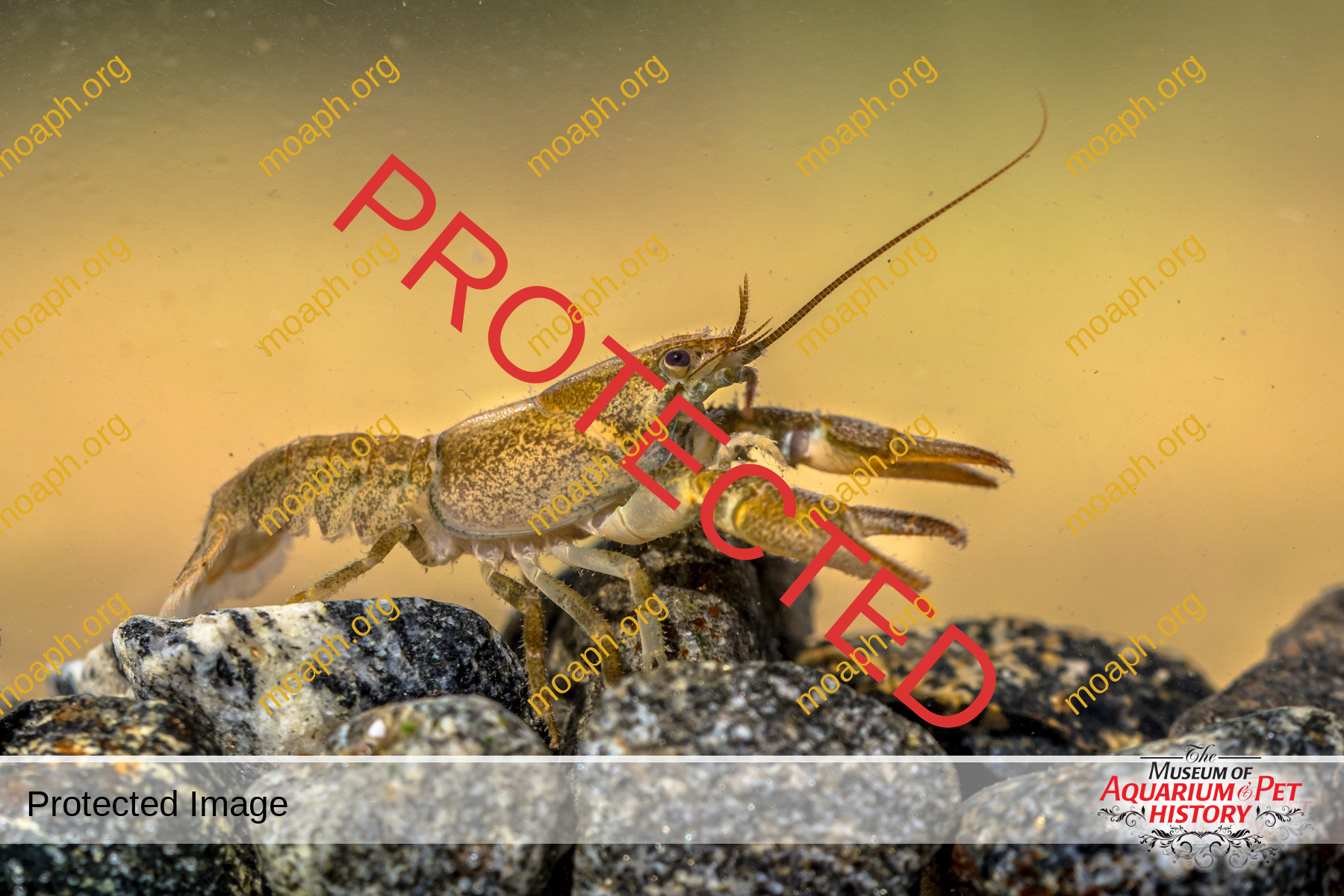
Eur0pean Crayfish (Astacus astacus)
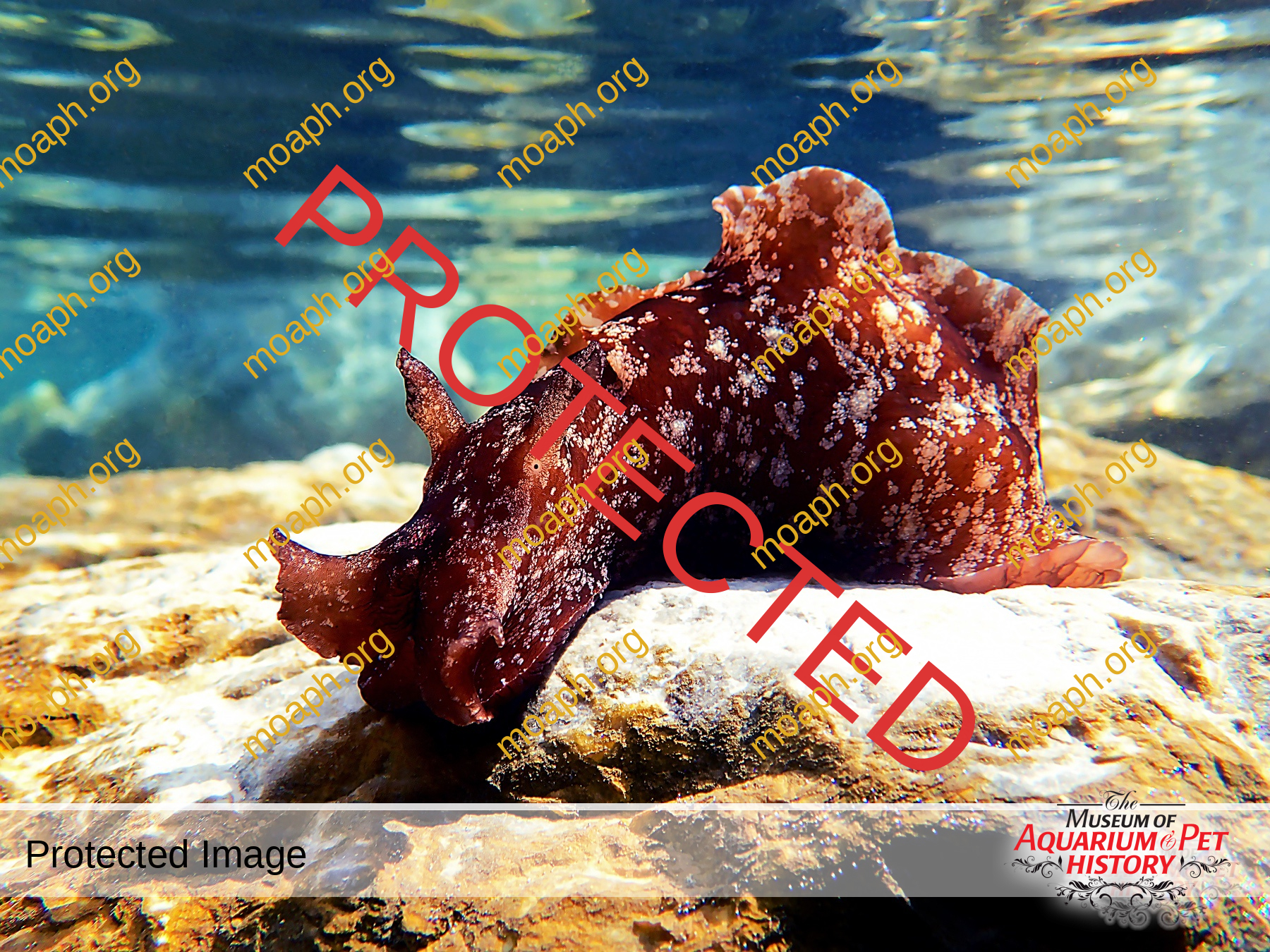
Sea Slug (Alypsia)
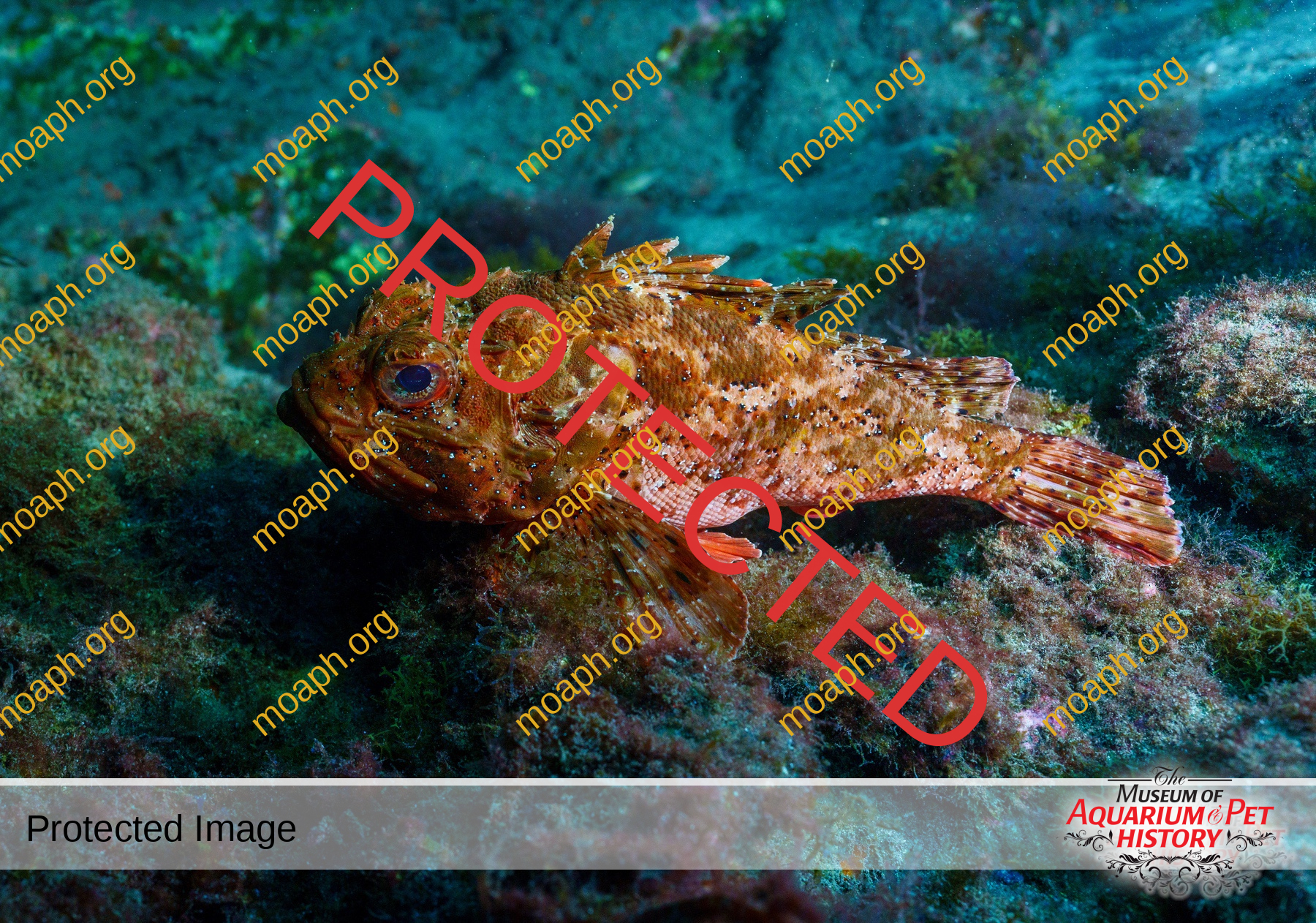
Rockfish (Scornpinadae)
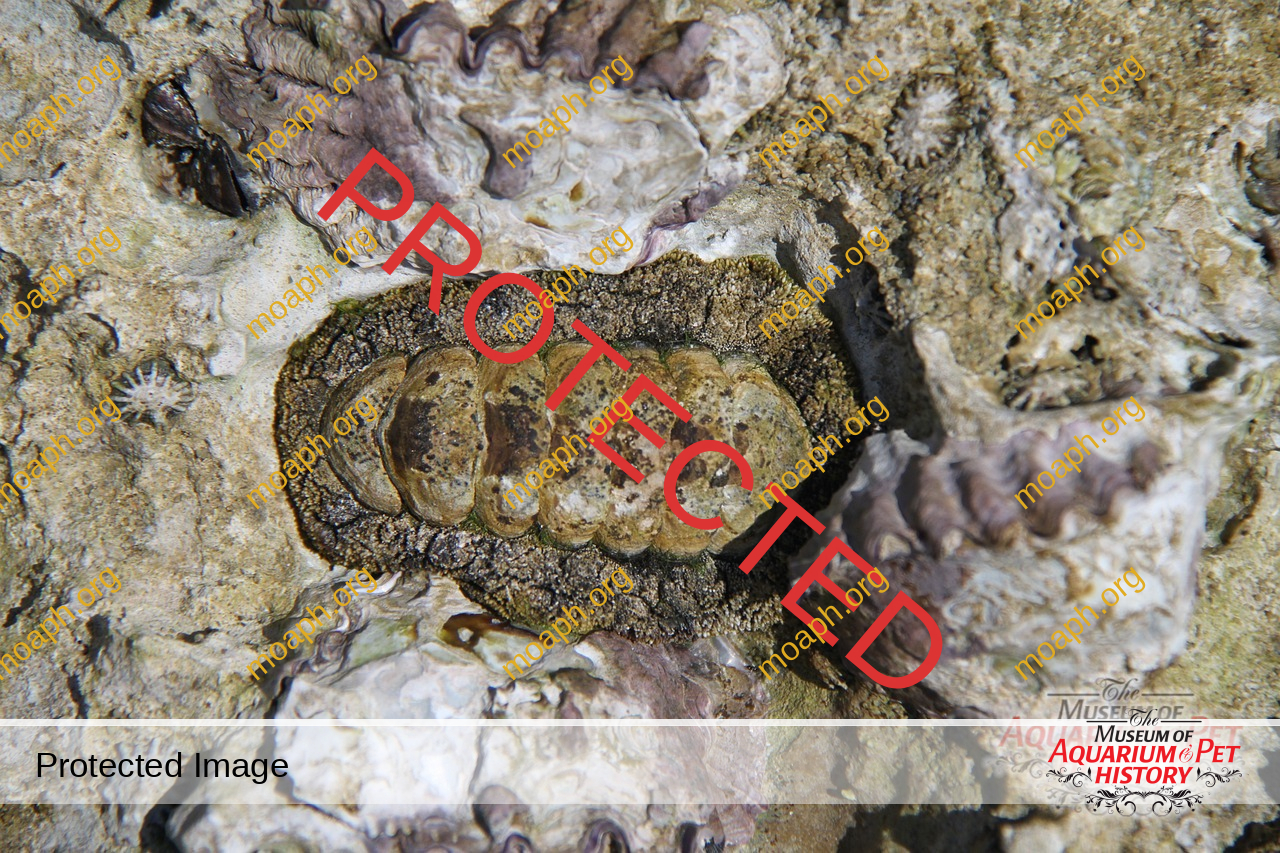
Chiton (Mollusks)
But I should be happy to be able to contribute something to the naturalization of the ‘ocean on the table’ in Germany. With the permission of my dear friend Keil19 I would like to first show everyone that they should want little sea treasures for their marine aquarium. From this we can see whether it is worth the effort to find an arrangement for the importation of these treasures and to get in touch with the still sparse sources of supply in England. If the case is favorable, a connection is made, costs are calculated, sponsorships are obtained for safe introduction and those interested are asked to deposit the amounts they would like to use with the editorial team of this paper. If I were a money-making genius, I would not make this proposal because it is for the benefit of those interested, not mine. But since I can’t get rich through big commercial profits, I think I can at least acquire a quarter of immortality as a spokesman for one of the most beautiful scientific innovations and domestic decorations in the world.
“Die Gartenlaube” (The Gazebo)
Illustrated Family Magazine
Which in the years 1854-1856 contributed to a considerable popularization of the aquarium hobby in the middle of the nineteenth century.
Description:
1854: Issue 33/ Page 392 under the heading “Leaves and Flowers” the essay “The Ocean on the Table”
1855: Issue 4/ Page 56 under the heading “Leaves and Flowers” a second treatise on “The Ocean on the Table”
1855: Issue 28/ Page 376 under the heading “Leaves and Flowers” a third essay on the topic “The Ocean on the Table”
1855: Issue 38/ Page 503-506 the essay “How to Keep the Ocean on the Table or the Marine Aquarium”
1856: Issue 19/Pages 252-256 Emil Adolf Rossmassler with the illustrated essay “The Lake behind the Glass”
REFERENCES
1 MOAPH: a cobblers waiting room with a very minimalistic boring aquarium
2 MOAPH: most likely referencing the coral like castles that are found in the ocean
3 MOAPH: referencing seaweed and kelp forests
4 MOAPH: Thermoplastic latex derived from trees that acts like a rubber glue
5 MOAPH: The fountain at the very top of the small aquarium is further referenced in the final paragraph on page five.
6 MOAPH: A lighthearted joke referring to areas in Germany too far from the ocean
7 MOAPH: these vessels are methods of transporting sea creatures to areas more inland
8 MOAPH: one zoll=one inch
9 MOAPH: Thaler= a currency used in Northern Germany prior to the unification of Germany, used throughout the Austrian and Prussian empires.
10 MOAPH: Term for the animals who will inhabit the aquarium.
11 MOAPH: The author intentionally left his name out of the article but explains that the address can be provided at the request of the reader.
12 MOAPH: Essentially mimicking currents and waves and introducing fresh water and oxygen.
13 MOAPH: The German Michel was a personification of the German people that originated in the later half of the 19th century.
14 MOAPH: It is very likely the author is exclaiming that Aquarium keeping is a healthy alternative to these obsessive or addicting tendencies of the average German during this time.
15 MOAPH: Certain species of fish exhibit predatory tendencies to take over other animals’ habitat for their benefit. Essentially, certain fish have more tendencies for aggression than others. Knights are mentioned as a sort of colorful way of describing this encounter between various fish.
16 MOAPH: An old German word used to describe ‘fooling around’.
17 MOAPH: ‘over the mountain’ most likely referring to the hardships of successfully creating a functioning aquarium.
18 MOAPH: The author often refers to the aquarium as an ocean prison..
19 Ernst Keil: publisher of the Gartenlaube during this time