Portrait of a Herpetologist as a Young Man – Part 1
From the Bulletin of the Chicago Herpetological Society
“THOSE WHO CARE FOR THE STUDY OF AMPHIBIA AND REPTILES — THE HERPETOLOGISTS, TO GIVE THEM THEIR SCIENTIFIC TITLE —HAVE NEVER BEEN NUMEROUS; BUT MOST OF THEM HAVE BEEN SERIOUS STUDENTS. ONE REASON FOR THE FACT THAT THIS BRANCH OF NATURAL HISTORY IS NOT VERY POPULAR, IS A PREJUDICE AGAINST CREATURES SOME OF WHICH ARE CLAMMY AND COLD TO THE TOUCH, AND SOME OF WHICH MAY BE POISONOUS. PEOPLE WHO DELIGHT IN KEEPING NEWTS OR FROGS, TORTOISES, OR SNAKES, ARE, AS A RULE, CONSIDERED ECCENTRIC.”
–HANS GADOW, AMPHIBIA AND REPTILES, MACMILLAN, UK, 1901
Some of the vignettes in this article have been published elsewhere, but are included again here to produce continuity.
Anyone who becomes passionate about amphibians and reptiles — especially snakes — has a challenging life ahead, as these rank near the top of surveys as the most disliked creatures on the planet by humans. Since I really cannot recollect stunning stories of field experiences or terrifying encounters with herps, permit me to recall interactions with a wary public, and suggest that you, dear reader, may have had similar experiences.
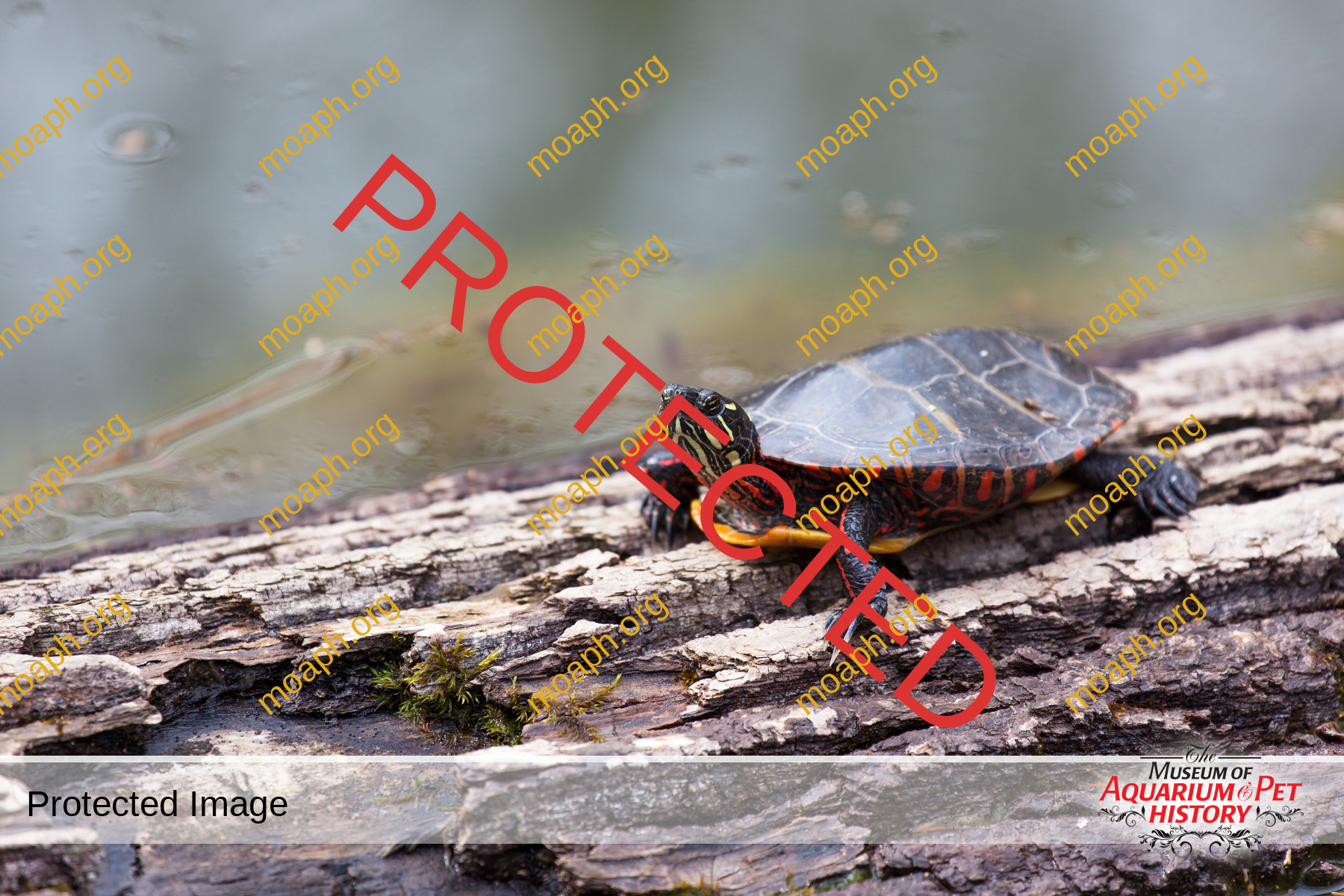
When I was seven years old — reaching that so-called Age of Reason known to all parents — my mother and I were strolling down an avenue in Chicago (where I was born) whereupon I glanced into a dramatic front glass window display in a pet store. There was an artificial pond housing several adult Eastern Painted Turtles. I was thunderstruck as these were the first living chelonians I had ever seen. No animal should ever look like that! I pleaded with my mother to buy one to put into my grandparents’ outdoor goldfish pond where it lived for several decades in spite of the brutal winter temperatures in the Windy City. This unforgettable episode sent me careening down a herpetological trajectory toward my eventual professional zoo career, admittedly with modest financial rewards.
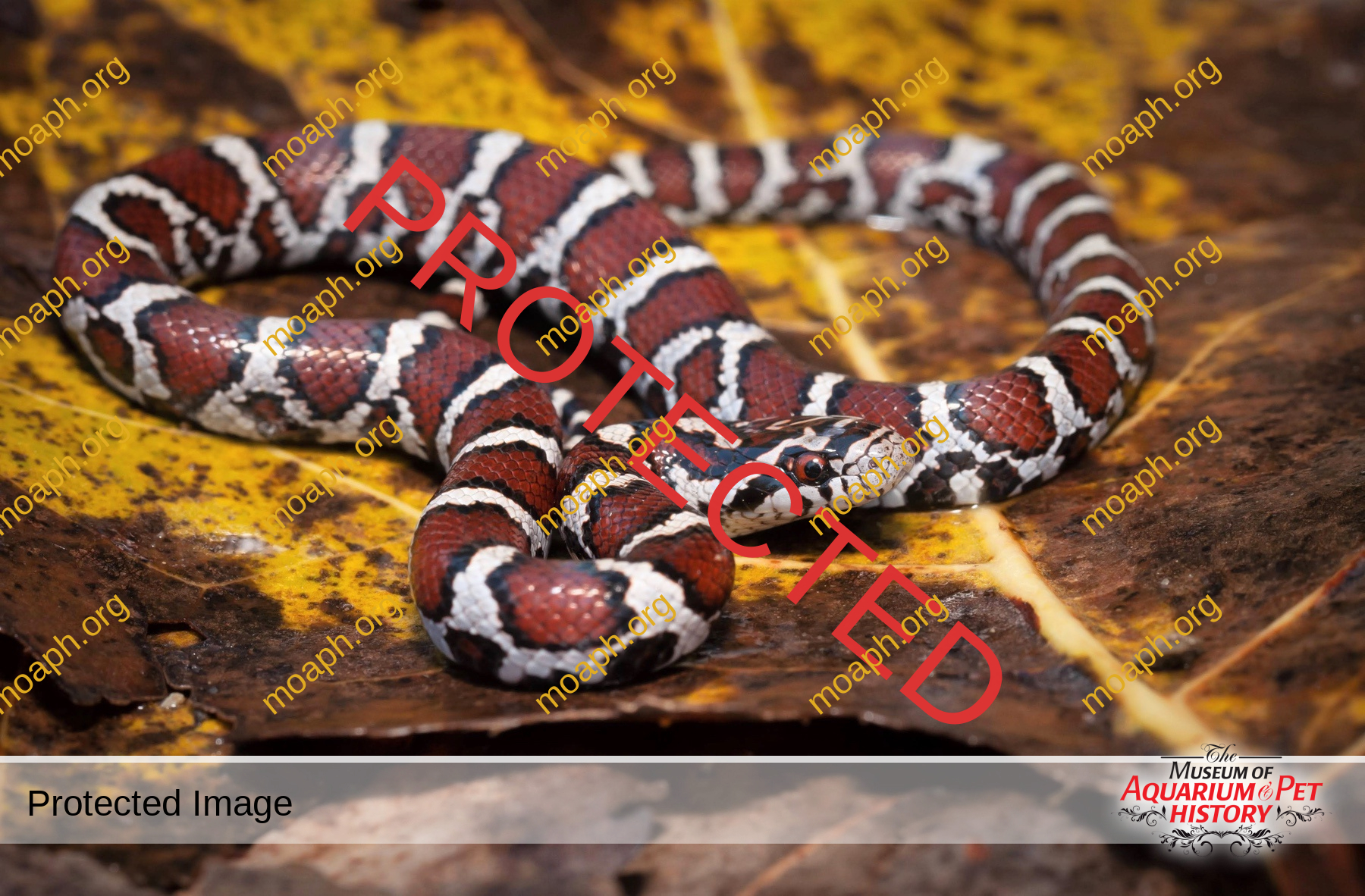
I was born in 1939 to parents who had never been exposed to reptiles or amphibians. As I developed interest in these creatures for no reason discernible to them, they had a considerable period of adjustment as I filled my bedroom with aquariums and cages of all sizes and descriptions and later broadened my collection by adding more enclosures in the basement. Eventually, my family (parents and two younger sisters, Susan and Patricia) endured lizards on the curtains, snakes in the basement, crocodilians in the bathtub, minnows in the laundry room, mealworms in the refrigerator, box turtles in the fireplace, aquaria in the living room, crickets in the bedroom, aquatic turtles in the sink, salamanders in the kitchen, and frog tanks on the fireplace mantle. They learned early on that it is challenging to explain a budding herpetologist’s interests to friends and acquaintances. Such interests were considered bizarre and hardly acceptable in polite society, a difficulty exacerbated when his favorite creatures chose to escape. In one instance, an adult Eastern Milksnake peeked its head out from beneath the couch cushion during my mother’s tea party, causing great consternation. My parents’ patience was awe-inspiring during my formative years although when my maiden aunt took my mealworms, which were nestled in bran in the fridge to avoid metamorphosis, and ate the lot believing that these were cereal, their mettle was tested.
Very early one morning, a friend and I stopped at a gas station in our Chicago suburb to fill inner tubes for a canoe trip to northern Minnesota. Soon police arrived and interrogated us at length about the reason for our presence — the officers thought that we might be casing the place. When they asked us for identification, they saw my name and shared the story that my appellation was well known throughout the village as one who kept snakes in his parents’ home. In fact, they said, my name and portrait (culled from the local newspaper) with a snake picture affixed was hanging in the police station as a warning not to enter our house under any circumstance unless accompanied by one of my family. These alerts had been distributed and posted not only in the police station but also the fire station, city hall, water department, and even the power company. My parents had to read the electric meter each month and call in the results because the employees refused to enter our home.
During high school, I pestered Gene Hartz, Ed Almandarz, Marlin Perkins and Ed Maruska at Lincoln Park Zoo; Ray Pawley, Robert Snedigar and George Rabb at Brookfield Zoo; Howard Gloyd at the Chicago Academy of Sciences; and Hymen Marx at the Field Museum. All were extremely supportive despite my consistent badgering, and some became important mentors.
My parents worried about my arrested social development on all levels, and it’s true that my contacts with others, even including those interested in herpetology, were exceedingly limited. In an attempt to enlarge my horizons, my parents insisted that I attend a university away from home, and so off to Xavier University in Cincinnati I went, with intentions of becoming a successful businessman as suggested by my father. Little did any of us realize that I was to meet herpetologists of such wretched design that my entire life has been irrevocably altered.
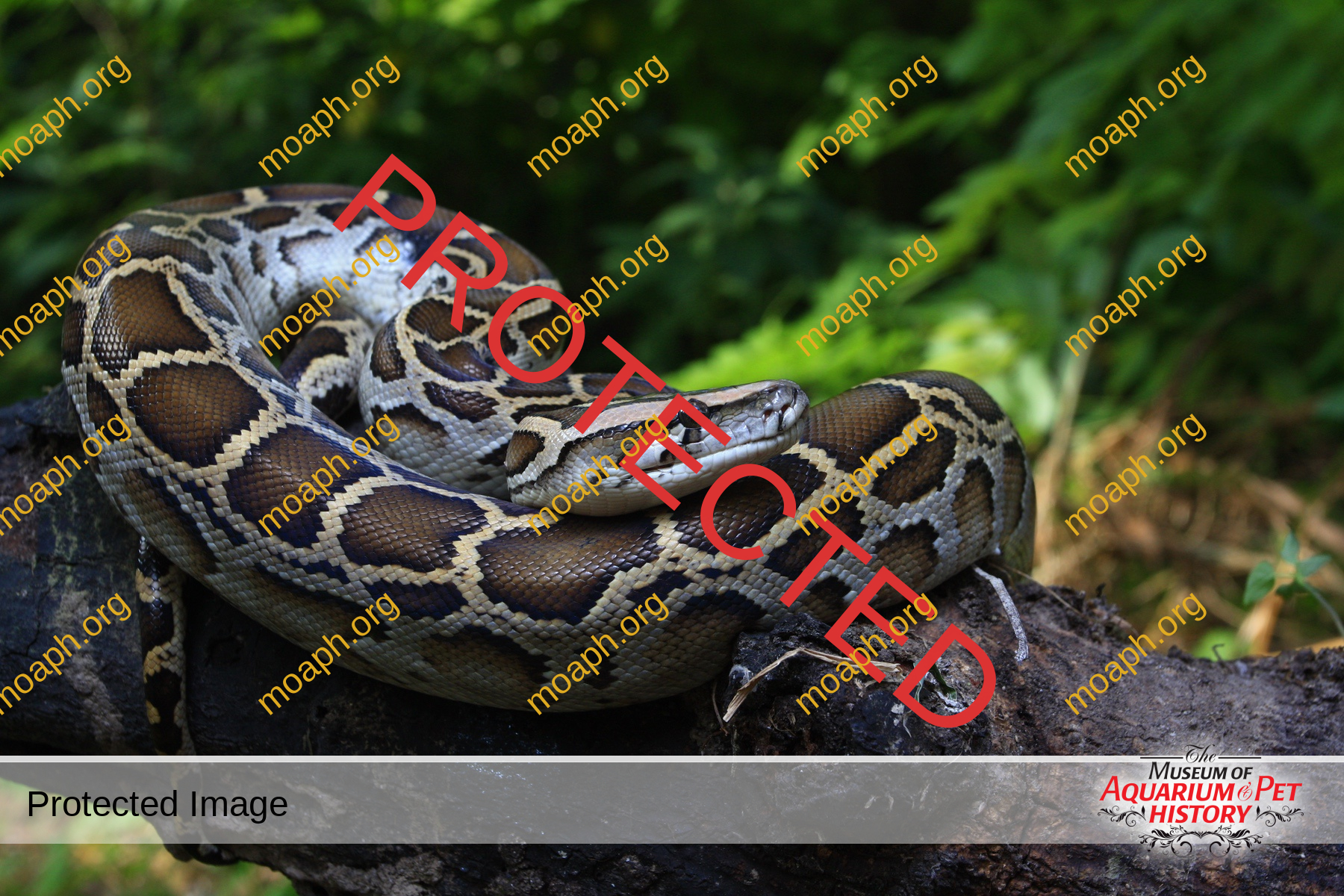
My first contact was with George McDuffie, a corpulent gentleman who was on his hands and knees, filling the hopper cars of his train set with his coin collection. As George arose to greet me, I could not help but notice that his clothing was covered with food stains and fecal matter from his sizable collection of reptiles. George was notable in many ways, for he could recite limericks for hours without repetition, each so disgusting in content that eventually the listener would run screaming from the room. No one I had ever known kept a large “pet” leech on his forearm during social gatherings as George did. George kept a collection of monstrous crocodiles, large lizards and turtles, some without legs or other vital parts. Many of these creatures were allowed to wander freely among students in the classroom where George was a high school teacher. One of George’s friends was the late Joseph T. Collins, a clean-shaven, rabid, right-wing conservative, known as one of the poorest card players in the City of Hills. Friday nights were reserved for marathon card games and on one occasion, Collins prepared a lavish pizza for one of his guests by incorporating reptilian metabolic by-products from his Burmese Python so unmentionable that I cannot describe them in polite society. Collins supplemented his meager income by swallowing various lower vertebrates (on a bet); prices were established beforehand according to grossness and inedibility.
Since the Columbus Zoo had an excellent collection, it was imperative that I meet the curator, the late Lou Pistoia. Lou was a short, hyperkinetic, cigar-smoking Italian with an imposing mustache. As an example of his love for humanity, he discovered one of his keepers (his wife) screaming in pain while lying on the floor covered with blood amidst a tray of broken rodent watering bottles. Instead of assisting her, he ranted and raved about his precious bottles that he’d had since 1939. His wife carried a tame black-and-white rat on her shoulder. As their relationship began to deteriorate, Lou would tell colleagues that “She loved that damn rat more than me!”
When we met, he spent a few hours explaining that many of his herpetological colleagues were incompetent for recommending methods for keeping reptiles successfully in captivity. “How could they dare to suggest to Lou Pistoia any technique for keeping reptiles?” he said. Holding his hands in the air, looking skyward and then looking lovingly at his hands, he screamed passionately, “These are the hands that shed the bushmaster and king cobra!”
On one visit, while Lou was showing me his new reptile building, he noticed a woman, surrounded by a group of out-of control urchins, flicking her tongue at various ophidians, while leaving globs of saliva on the glass. Lou shouted, “Lady put your tongue back in your mouth where it belongs!” at a decibel level equivalent to a passing train.
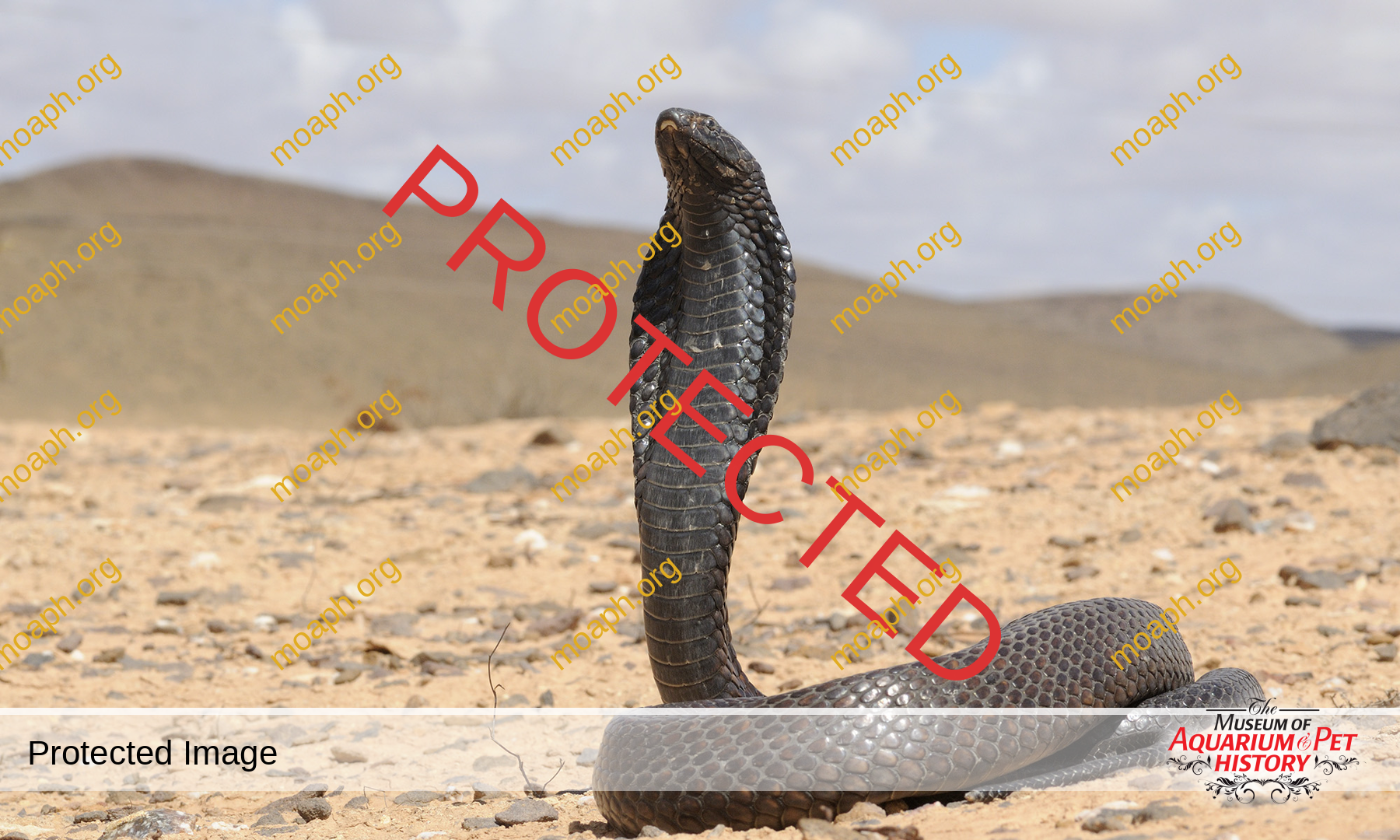
One of his stories goes that an Egyptian cobra escaped in the rear section of the reptile building and crawled to the top of a rack of cages to eye-level, whereupon it struck him on the cheek as he was checking the collection. Fortunately, it was a “dry bite” so no venom was injected. As he explained to me, “The snake realized during the strike that his best friend was the intended victim and closed its mouth during mid-strike.” He just picked up the ophidian with his hands and returned it home.
Careening madly from one experience to the next, I decided to drive to Indiana University one spring and there had occasion to meet Charlie Radcliffe, Jim Langhammer and Jim Wertz, all of whom had large private herp collections. Radcliffe was distressed because he had just suffered an automobile accident; there was only one other car in a two-acre parking lot and he had hit it. Prominently displayed in one corner of his apartment was a waist-high pile of dirty clothing that smoldered like a compost heap. Legend has it that while looking for the least offensive set of clothes to wear that day, Charlie discovered a large dried pizza in the pile . . . and speculated as to whether it might still be edible. Langhammer, meanwhile, while fondling his large, tame anaconda or reticulated python, informed me that his life was predetermined from the time he was six years old. And Wertz, with a pipe clenched in his teeth at all times, mumbled incomprehensibly that he was a “broken man” and unfit for survival in the United States – while he free-handled African vipers. He later migrated to Australia and lived naked in a rain forest growing exotic bamboo for nurseries.
Drifting through my life during these tumultuous times were various members of the so-called “Ohio Mafia.” They included Kraig Adler, who was elegantly attired even then; Ray Ashton, who manifested a cherubic countenance; Corson Hirschfel (excellent photographer); Dave Dennis, co-founder with Adler of the Society for the Study of Amphibians and Reptiles (SSAR), who later became an accomplished artist and photographer; and Marty Huelsmann and Jim Corrado, co-owners with Collins of the nonprofit (vigorously so) “Ohio Valley Herpetological Laboratory” on the outskirts of Cincinnati, situated in the middle of the pasture at a sheep farm (one had to tread carefully when arriving for a visit).
Many of these personages were maintaining large living collections. Some were early members of the Ohio Herpetological Society (OHS), later to become the SSAR. They stimulated my interest in amassing a sizable array of live reptiles. Since funds were limited, I sold most of my belongings (including clothes) in order to buy more snakes.
Fellow students learned that there was a snake collection in my university dorm room. Weekly feedings were attended by an increasing number of onlookers packed into limited space to the point where a new venue was needed. Feeding times were posted in the school newspaper and hundreds gathered in the main lobby — some standing on tables, chairs and couches for a better view. As an aside, I received my alumni magazine about a year ago with a picture of a boa constrictor and discovered that the feedings were highlighted as one of the most memorable happenings in the history of the university, equal to winning a basketball championship.
For my speech class I decided that I would give a presentation about snakes, and had an adult black coachwhip quietly resting in a cloth bag at my side. My talk was punctuated by a lengthy description of the black mamba, speedy and agile, and its powerful venom. I opened the bag and my pet exploded from it into the front row of students. All shouted in primal fear and dashed madly for the three exits, including the teacher who told me later that I would receive an A+ for the class for ingenuity and sadism.
I learned firsthand about ophiophobia. When a new custodian came into my dorm room to clean, he saw the snakes, crashed through the closed wooden door with a force so strong that the entire metal door frame was dislodged and fell into the hallway with the poor fellow lying on top. He never returned to work.
I also learned that keeping a collection of live snakes is a sure way to get evicted from an apartment: I was asked to leave four dwellings during my later college days. In one case, I told the landlady beforehand that I had a reptile collection but she did not realize that snakes were reptiles. She did not see the collection until a hundred laboratory feeder mice escaped from their quarters and were running throughout the apartment. Unfortunately, the landlady saw the rodents (and snakes) and threatened to call police. As she left my rooms she muttered in progressively softer tones, “No human being lives like this . . . no human being lives like this . . . no human being lives like this . . . no human being.” She actually did call law enforcement when a bluegrass musician came to see her in order to rent an apartment, using my name as a reference. I had been the drummer in his band for a few months. He had bright green-dyed hair and beard, a tame raven on his shoulder, and a young lion on a leash. The police arrived soon after her phone call and I was again on the street searching for an abode.
In another instance, the landlord discovered my ophidians during an inspection in my apartment and insisted that I leave the premises in haste. I refused and was stunned when a few neighbors gathered signatures on pro-or-con petitions on snake keeping throughout the neighborhood. Unfortunately, the snakehaters won in a landslide, but I was grateful for the efforts of the snake-lovers!
Some of my turtles, lizards, amphibians, hummingbirds, honey creepers, and Neotropical tanagers (by then my interests had expanded to include exotic birds) required fruits, vegetables, insectivorous mix, and winged fruit flies. Inevitably, the insects escaped and became so prolific because of the plentiful liquefying piles of uneaten food that clouds of them filled my apartment, and then began to expand their range throughout the apartment complex. Drosophila biomass was so extraordinary that the rooms seemed to be in fog. After many complaints from my neighbors to the landlord, I started yet another journey to find new accommodations.
One day my friend and fellow student Bob O’Brien and I were taking his bongo drums to downtown Cincinnati to replace one of the cracked skin heads. As we walked down one of the main streets toward the music store, he began loudly banging the defective coiled skin on the intact one. This was at the end of the working day so many persons, a burly policeman, traffic and a passing bus all stopped to see what the commotion was about. Bob, quick on his feet, told the cop that his tame falcon escaped as he was carrying it to a nail salon to have its talons clipped, but that it would return upon hearing the drumbeat. A nearby reporter from The Cincinnati Enquirer newspaper asked if she could interview Bob. She asked the falcon’s name, and Bob came up with “Mosca.” Mosca is Italian for “fly,” and is the name of the servant in the play Volpone by Ben Johnson. Only an overworked college student could have come up with it.
The reporter was quite clever and asked if the staff photographer could take our picture on top of the giant Enquirer sign on the skyscraper. So there we stood banging our drum and calling for the bird to return. A number of TV channels came and the whole saga lasted for over an hour. For the next few days, all media outlets called and interviewed us on the air. The whole scenario caused country-wide attention — imagine my parents’ shock back in Chicago when they saw a story about their son on The Tonight Show Starring Johnny Carson.
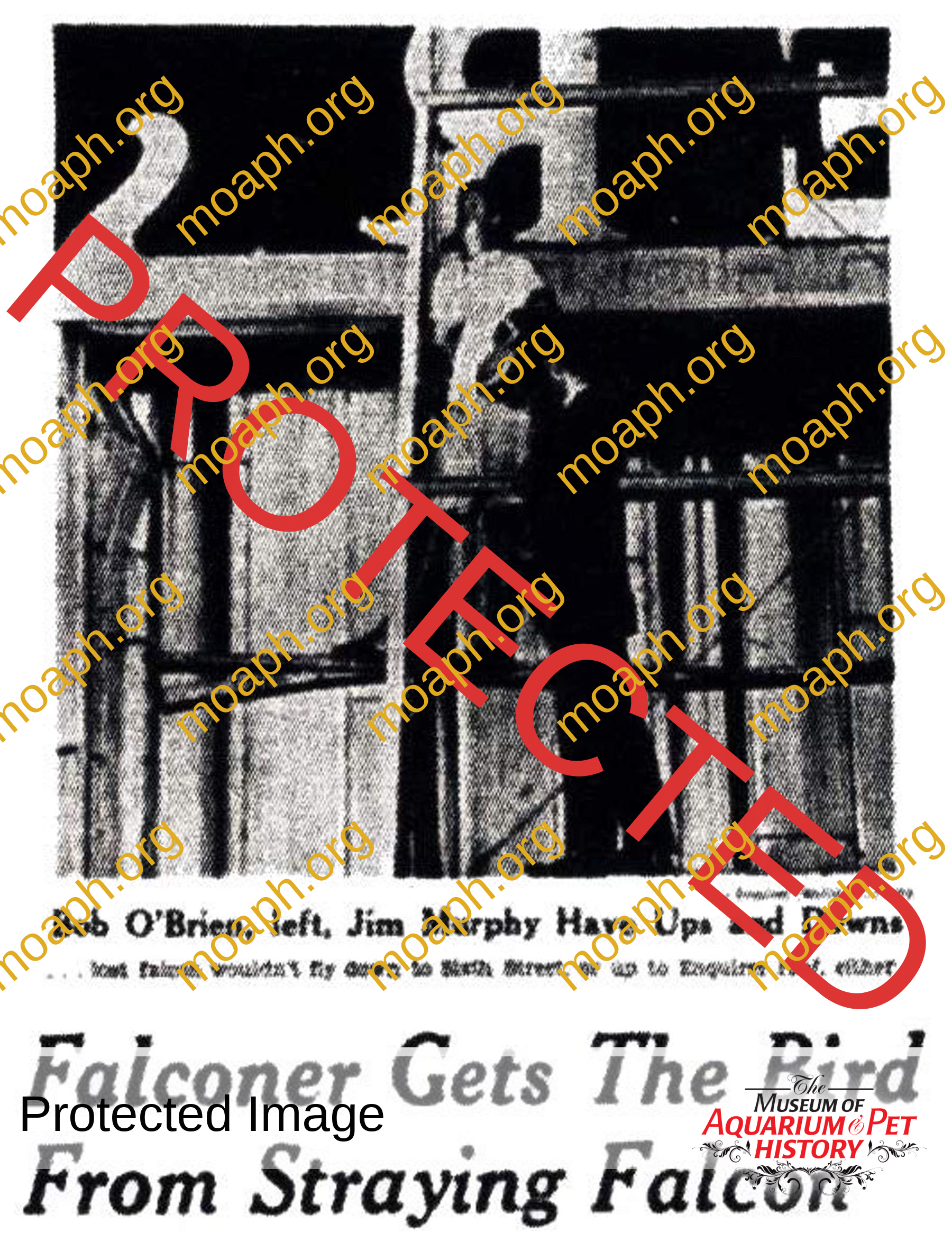
The front page of the July 31, 1963, Kentucky Edition of the Cincinnati Enquirer prominently featured this photograph and an article about the fictional falcon.
A week later, a woman called me and said that our falcon was catching grasshoppers in her front yard. She sent her young son to begin banging on a sauce pan with a hammer since she did not have drums, but the bird ignored him. I asked her to describe the bird and it sounded like a sparrow hawk. I drove to her home and it was, in fact, a tame sparrow hawk! I threw a coat over it and released it in my bedroom.
Later Bob and I were having a leisurely drink at our favorite pub and he told the owner about our ruse: that there was no bird but one had appeared. He immediately called every newspaper, radio station and TV outlet, and so the interviews began anew.
My final move was precipitated when my elderly landlady, who owned a boarding house with many student residents, discovered an adult tame sparrow hawk flying around my room with a squeaking white mouse in its talons. She begrudgingly had accepted herps and liked birds but the last straw for her was that memorable day when she saw her soiled bed linen covered with the bird’s gastrocolic waste. In my defense, I was planning on cleaning it up later. Moving heavy, cumbersome cages is no easy task, especially when my car was a tiny Volkswagen “bug.” Enclosures and aquaria were strapped to the roof, causing bewildered looks from pedestrians and other drivers.
Is it any wonder then, with influences such as these described, that I returned home to my parents as a raving, bearded, callow student, with roomfuls of living reptiles, socially unacceptable, hovering precipitously on the brink of insanity, with career aspirations, of all things, toward working at a zoological garden?
Thanks to Judith Block, Bill Lamar and George Zug for multiple courtesies.
To be continued.