James Murphy
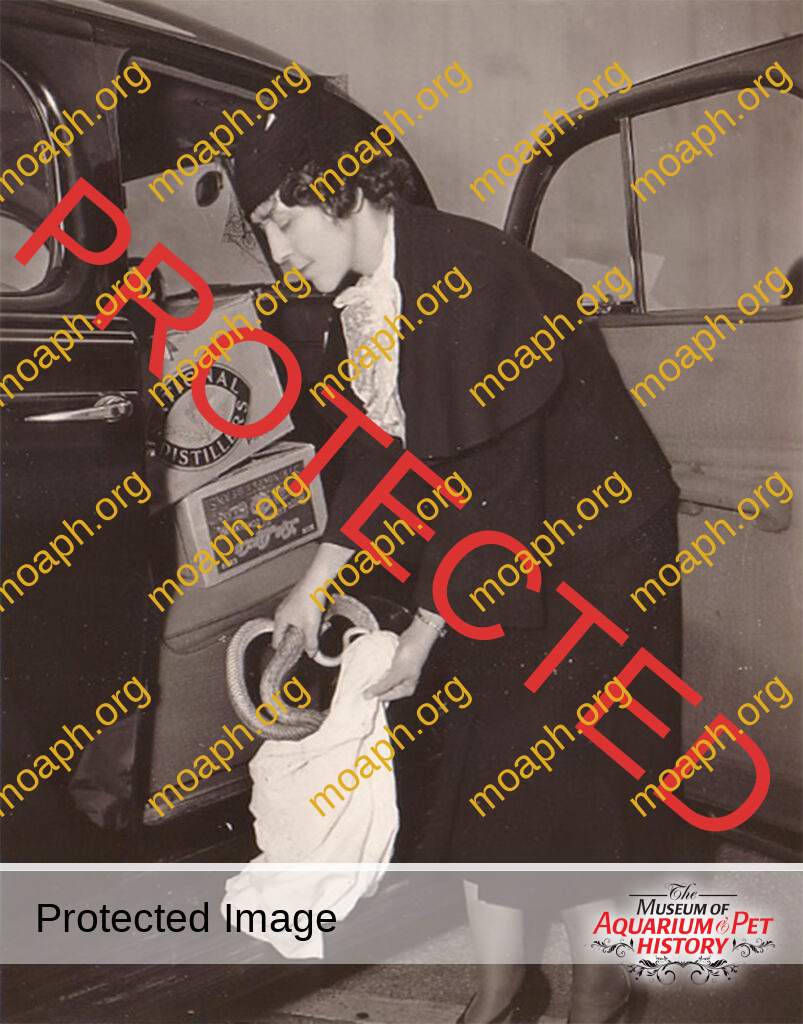
Grace Olive Wiley: Zoo Curator with Safety Issues
Grace Olive Wiley (1883–1948), a librarian at the Minneapolis Public Library, wrote a letter to John J. McCutcheon, president of the Brookfield Zoo’s Zoological Society on 29 January 1927, applying ...
Portrait of a Herpetologist – Part 8: The Past to Now
Most of the historical illustrations in this presentation are from the collections of the Smithsonian Institution Libraries (the Joseph F. Cullman 3rd, Library of Natural History and the National Museum ...

Portrait of a Herpetologist as an Older Man – Part 7: The Galápagos Islands
The late Ray Ashton worked for an ecotourism company some years ago and asked me to lead some trips. One such opportunity involved two visits to the Galápagos Islands. Usefully, ...
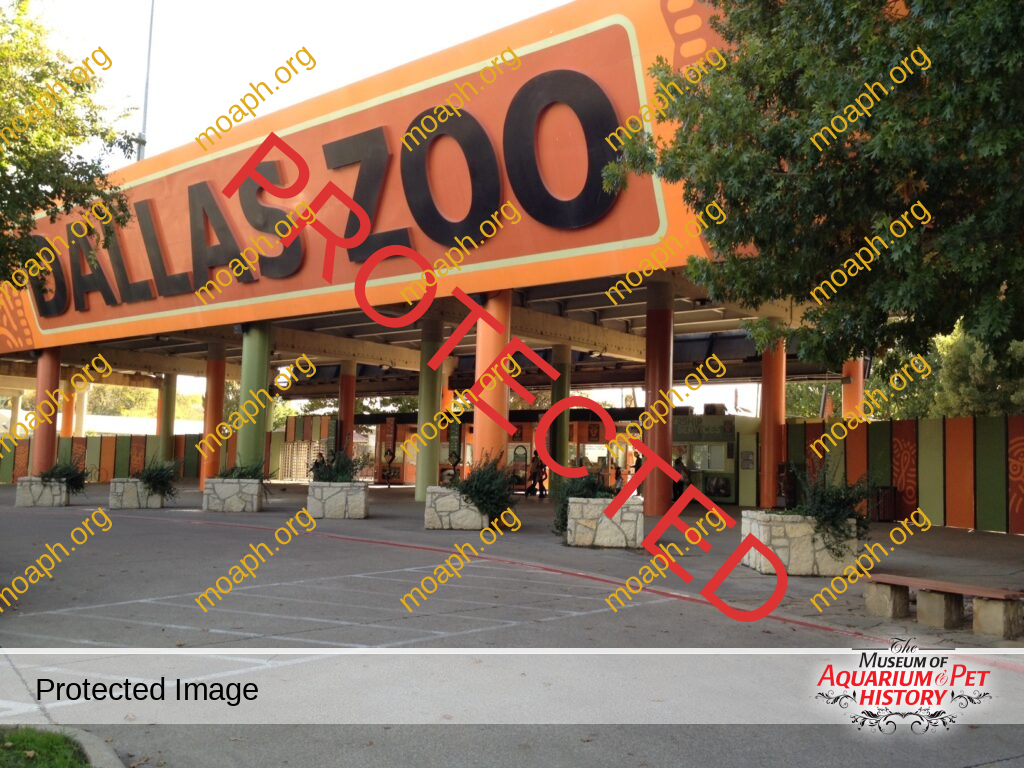
Portrait of a Herpetologist as a Middle-Aged Man – Part 6: History of the Dallas Zoo Department of Herpetology (1965-2005) and Comments on the Shrinking Importance of Zoo Herpetology
From 1966 to retirement 30 years later, I was in charge of the Department of Herpetology in the Pierre A. Fontaine reptile building at the Dallas Zoo and later the ...
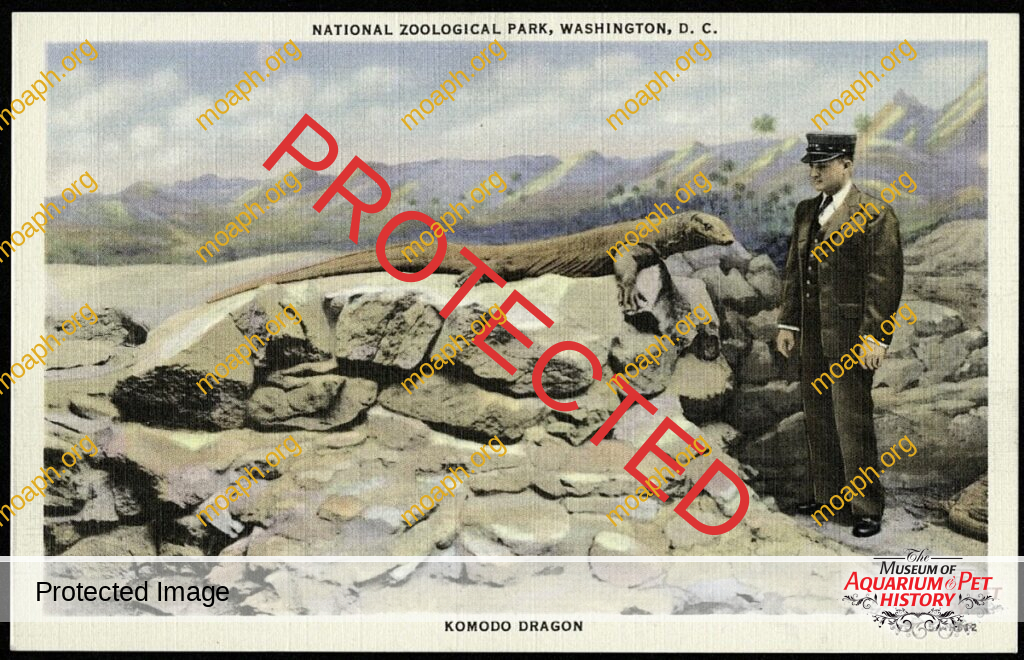
Portrait of a Herpetologist as an Older Man – Part 5: Monitor Lizards and the Leader of Them All, the Komodo Dragon
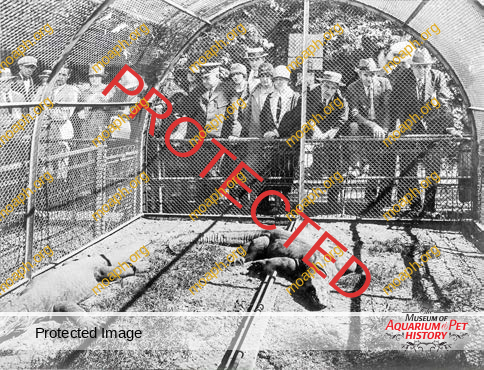
In 1926, the first living Komodo dragons (Varanus komodoensis), known as “oras” in Indonesia, were placed on exhibit in New York’s Bronx Zoo (Figure 1) and the Amsterdam Zoo (Figure 2), but the ...
Portrait of a Herpetologist as an Older Man – Part 4: Studying Chameleons
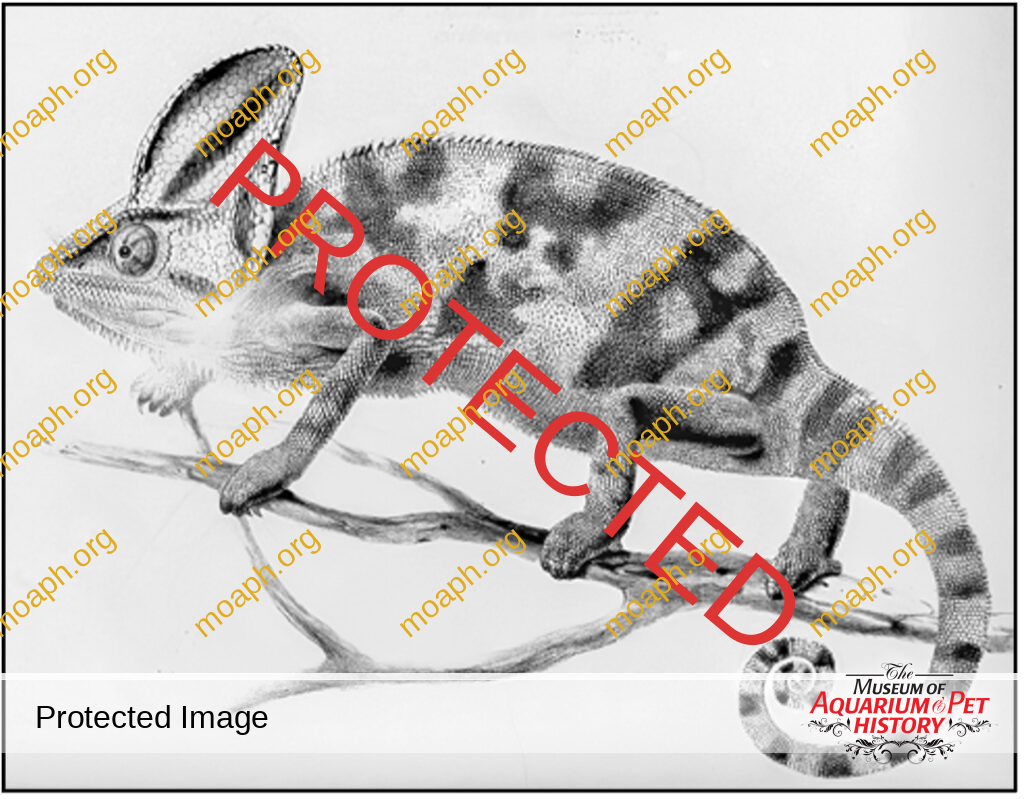
There have been two groups of lizards that have held my interest from the beginning: chameleons and monitors. The latter group, especially the Komodo Dragon, I will cover in my ...
Portrait of a Herpetologist as an Older Man – Part 3: Zoo Years
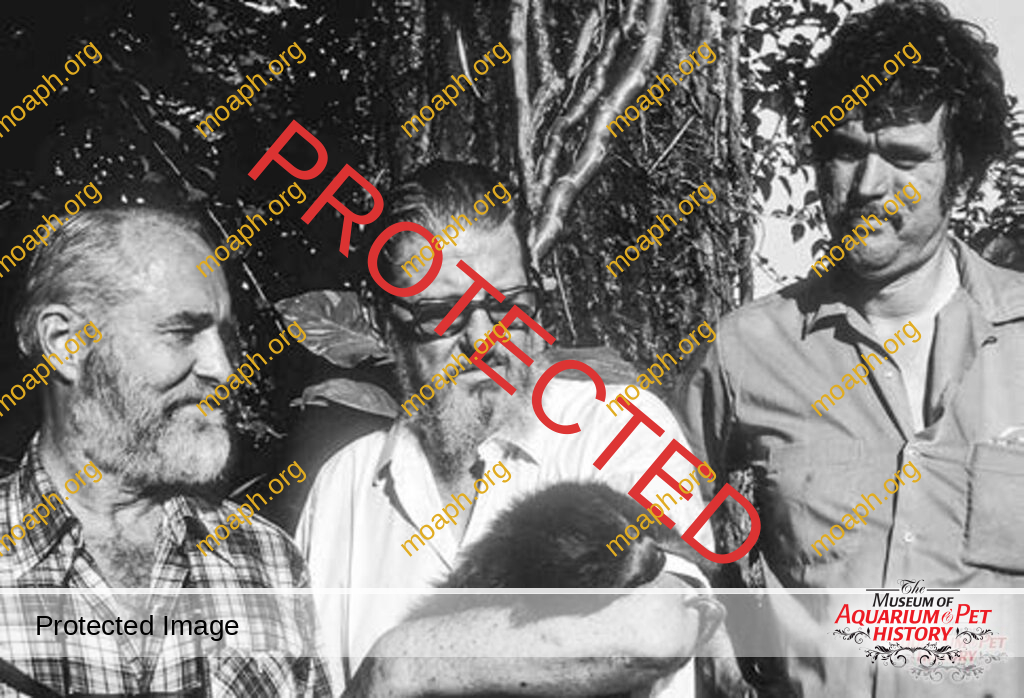
In 1966 I was delighted to learn that Dallas Zoo would cover expenses for a collecting trip to the Bahamas to secure specimens for our collection. My plan was to ...
Portrait of a Herpetologist as a Young Man – Part 2
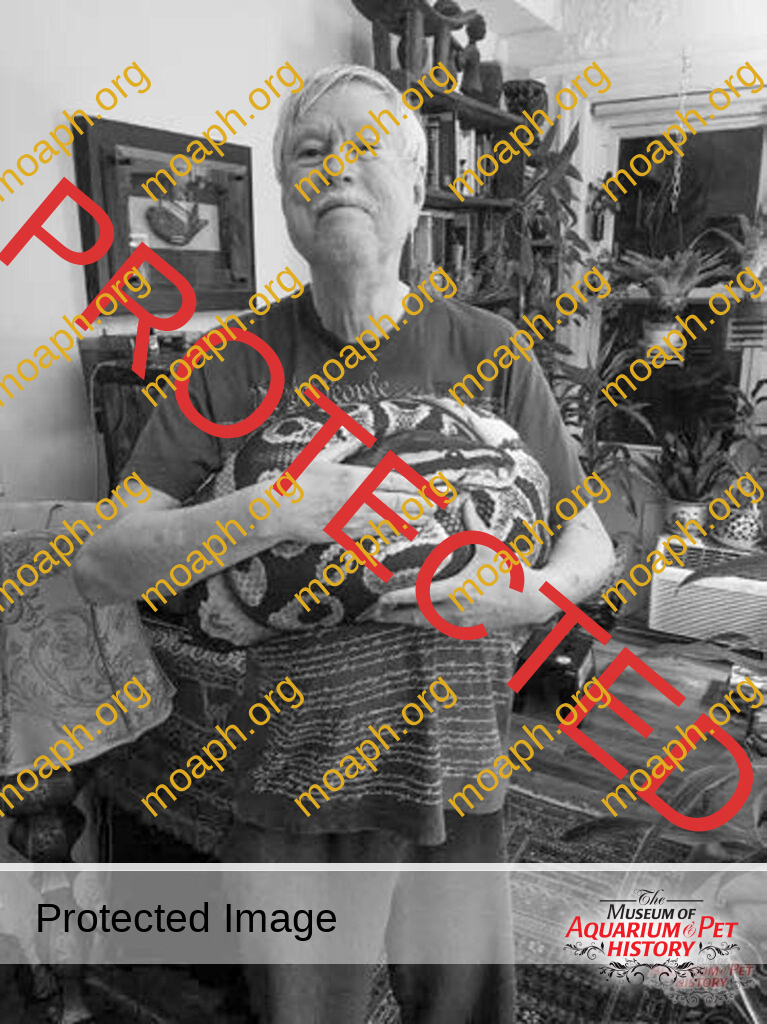
During college, we often traveled to the Appalachian region as J. T. Collins and others were assembling a collection from the area. One day we arrived at a creek where ...
Portrait of a Herpetologist as a Young Man – Part 1
I was born in 1939 to parents who had never been exposed to reptiles or amphibians. As I developed interest in these creatures for no reason discernible to them, they ...
Aquaria Terraria
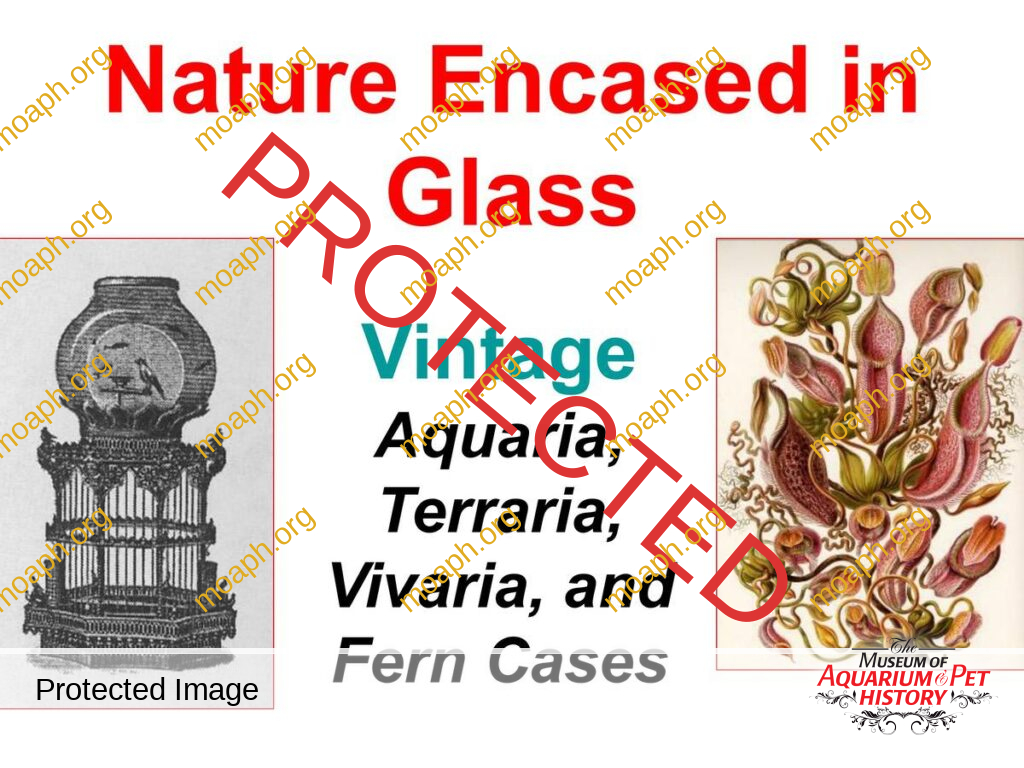
The following is a PowerPoint presentation on "Nature Enclosed in Glass," covering antique aquaria, terraria, vivaria, and fern cases from the mid 1800s up until the 1920s. MOAPH would like ...
Wild and Ferocious Reptiles in the Tower of London
The Tower of London is best known as a prison where human inmates were subjected to harsh and cruel punishments so it might be surprising that this forbidding venue also ...
The Evolution of Keeping Captive Amphibians and Reptiles
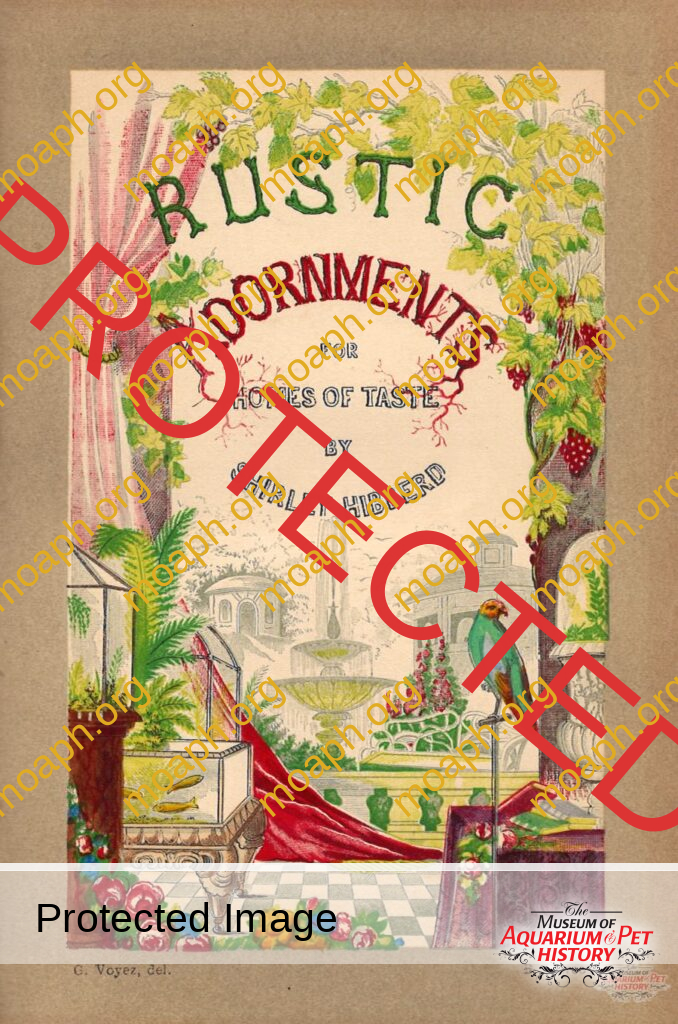
In 1688, the French produced polished plate glass in large sizes by casting and hand polishing. Over 45 years later in the United Kingdom, Robert Lucas Chance introduced improved cylinder ...
Reptile Dealers and Their Price Lists
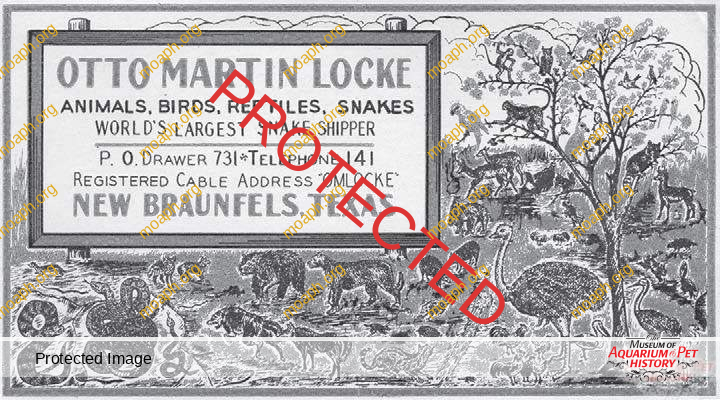
by James Murphy and Ken McCloudIf one tracks the development of herpetoculture by using reptile dealer price lists as a source, major trends are apparent. Due to loss of biodiversity ...