
Portrait of a Herpetologist as an Older Man – Part 4: Studying Chameleons
Some of the vignettes in this article have been published elsewhere, but are included again here to produce continuity.
Introduction
There have been two groups of lizards that have held my interest from the beginning: chameleons and monitors. The latter group, especially the Komodo Dragon, I will cover in my next chapter. Here I will touch on my involvement with chameleons, including images of some of my favorite chameleon structures / ornaments from the literature.
A few amusing stories to start your day
During college years whenever I visited Jim Langhammer in Detroit, Michigan, we always tried to get together with three of our favorite raconteurs: Bill Austin, curator of herpetology at Detroit Zoo; Don Hunt, owner of Bwana Don’s Animal Ex- change; and George Campbell from Grosse Pointe, vice presi- dent of overseas operations at the Parke-Davis drug firm. While all three are gone now, I will highlight stories from each so you can form an accurate picture.
Don Hunt started Bwana Don’s Pet Shop in Ferndale, Michi- gan, and International Animal Exchange (IAE) that supplied a number of animals for zoos as well as private customers. He was well known in the area, wearing safari garb, for a popular TV program using live animals as props. He had an enormous number of contacts in the animal business. He told us about his time in Africa, collecting Goliath Frogs (Conraua goliath) in Cameroon for sale to zoos — not an easy business. The two dozen anurans were sent to the drive-through animal park out- side Dallas (IAE). John Mehrtens at the Fort Worth Zoo bought several and placed them in a large enclosure with hanging soft plastic sheets on all walls to prevent injury. It did not work.
Since they are the largest frog in the world, over a foot in body length, they are tremendous leapers — often injuring them- selves in captivity. I have seen two methods for successful maintenance: (1) a small aquarium at Antwerp Zoo barely con- taining the anuran; (2) an enormous semi-aquatic crocodilian- sized enclosure with the large pool in front at Brookfield Zoo in Chicago.
Later, another venture was a drive-through animal park near Dallas with Don and his brother Brian. There were several large lakes on the property and one included a paddock housing a group of giraffes. When my son James was a dozen years of age, we were allowed to go fishing there. On one occasion, he hooked a rather impressive gar and the struggle began. In the middle of the bout, an adult giraffe stood over him, splayed its front legs, and lowered its neck over him to drink, so both worked to land the fish together for 15 minutes — quite a sight. We became nervous though when the beast moved to the car and started licking the windshield, pulling the wipers with its mouth and stepped on the fishing rod, breaking it in the middle. It was time to leave.
George Campbell was executive vice-president in charge of overseas drug sales for Parke-Davis drug company that offered him an opportunity to travel the world. He lived in a mansion in Grosse Pointe, Michigan, and invited us to visit his menagerie. I never saw it saw it myself but I was warned that sometimes he would meet guests in the spacious front yard acting like Tarzan by yodeling, wearing brief shorts, no shirt or shoes, and whip- ping guests with a long camel whip.
In his menagerie a five-gallon jug with a tiny spout held an adult snapping turtle, placed at hatching like a ship in a bottle. In his capacity as an international traveler, he would stuff ani- mals into socks in his luggage. Thus, George was able to build a collection of small crocodilians (most species) under 6 feet and multitudes of chelonians. For his numerous small birds, the cages were permanently stapled to the top corners of each room; bird defecations and uneaten food would drop to the floor. To clean all of these creatures, he flooded the floor, wore hip boots and put in some plugs, causing the water to rise to his waist.
Are mandrills dangerous? The answer is yes. When this monkey felt unsafe, he would turn aggressive. Sometimes, when George was in his hammock, it would open its mouth and place its canines on either side of George’s neck; George remained motionless for many minutes, and said that it was a test of domi- nance he always won.
The mandrill has a bald face with an elongated muzzle with the characteristic features of red, bluish, green and shades of yellow. George owned a sports car convertible and so he would put a yachting cap on the primate after it was in the passenger seat and buckled in for a drive through Detroit. George told the story that a driver in the adjacent car saw the monkey, acciden- tally hit the accelerator, sent his car through a grocery store plate glass window. The perpetrator and companion promptly left the scene and neither was ever arrested.
When he retired to Florida, he sold his crocodilian collection to Ross Allen. Read his autobiographical book, Jaws Too.
Studies on several chamaeleon taxa
Many years ago, a female Jackson’s chameleon (Trioceros j. jacksonii) gave birth at Dallas Zoo, so I invited Professor Gary Ferguson and his biology class at Texas Christian University in Fort Worth, Texas, to see the little critters up front and per- sonal. The lizards were being kept in a large screened enclosure outdoors. Gary had never seen living ones so he dropped to his knees transfixed and immobile for many minutes soaking up their essence. A chameleonophile was born! What was particu- larly endearing was watching a young lizard practicing the extension of the tongue to secure prey. When missing the target the tongue would stick to the cage so the reptile would walk forward and “reel in” the tongue, much like fly fisherman walk- ing to a stuck lure in a branch.
Because these highly territorial lizards are incompatible, a number of large Ficus trees were placed on the floor of a Jack- son’s chameleon exhibit — each with a single chameleon — and encircled with a sheet metal barrier at the base to keep the liz- ards separated.. Daily feeding demonstrations were held and were exceedingly popular with visitors. Occasionally, sarcopha- gid fly larvae would be missed by the chameleons and would escape into the flower pots whereupon these insects hatched in the exhibit and were later plucked off by the lizards. One day, a fly landed on the inside of the glass at an adult human’s eye level and a visitor witnessed the chameleon tongue up front and personal. She emitted a scream rivaling the decibel level of a jet plane and fell backwards into the crowd, taking a few small children to the floor with her.
On rare occasions, a male lizard would escape outside the barrier and travel to the highest possible point in the enclosure (30 ft). We released another male that immediately chased the escapee at the highest possible “chameleon speed” until the end of the exhibit was reached. Without hesitation, the subdominant lizard released its grip and dropped outside the exhibit without injury, and then hightailed it on the floor to the far end of the building.
In 1982 Gary Ferguson, Rick Hudson from Fort Worth Zoo, and I traveled to Kenya to collect specimens for Texas zoos and preserve a series of Jackson’s chameleons for a description of what was to become a new taxon: now Triceros jacksonii xantholophus Eason, Ferguson, Hebrard 1988 (see Ferguson et al., 1991). We also examined Kinyongia boehmei, Chamaeleo dilepis and Chamaeleo gracilis.
Our host was Jim Hebrard, a faculty member at University of Nairobi, who also invited Edmund D. “Butch” Brodie, Ron Nussbaum, Tom Madsen, Ken Dodd, and the three of us to bunk out in his apartment, which then became mindful of a homeless shelter. Butch and Ron studied caecilians, and Tom had just finished a splendid documentary for Swedish television on predator / prey relationships of the Water Cobra (Boulengerina [now Naja] annulata) and shell-dwelling cichlids (Lampro- logus) in Lake Tanganyika.
Our sponsor was Alex Duff-MacKay from the Nairobi Natu- ral History Museum and Zoo, who arranged logistical elements, travel and permits. When we went to the Zoo, a keeper dumped a large number of chameleons into the Boomslang yard as food, and the lizards were set upon immediately. This snake, a rear- fanged highly venomous species capable of causing human deaths, immediately began vigorous chewing but these saurians struggled for a surprising lengthy time — could they be partially immune?
Many Kenyans view chameleons with mixed feelings, in large part due to their unusual morphology and belief that they are highly poisonous if their sharp claws pierce the skin. We offered to pay local people to collect them, but their responses were unpredictable — certain death from disease or poison versus extra money! I only saw one man hold a captive by hand; all other collectors brought them to us holding onto long branches (often longer than 10 feet). We let the lizards crawl up on our bodies and clothes. Women and children loudly screamed and ran into the bush and men backed off out of range. Gaining courage, they slowly returned for the money.
Gary purchased some metal tree-climbing gear, hoping to reach the tips of the canopy to secure that special out-of-reach chameleon, but the maiden voyage did not go well. After figur- ing out all of the intricacies of the lines, belts, spikes and so on, Gary certainly was remindful of the famous Paul Bunyan image — the only missing features were the heavy wool plaid shirt and heavy-duty roughneck double-bit axe. Gary gained a
few yards up the tree only to fall in a heap of metal at the base — the first and final voyage!
The best way to collect chameleons is at night using flash- lights, as they lose their striking colors and turn pale and whitish against vegetation. On our first attempt that was admittedly terrifying. Tree hyraxes began screaming like barfing chickens, a magnificent yet horrifying sound indeed. Large mega-mammals crashed through the bush, a leopard ran in front of us, lions began roaring, and it began to dawn on me that Africa was the first collecting site I had been to where we could be killed by animals. The next day, we drove out to the camping ground at Amboseli to see if we might consider sleeping there overnight. A flat-bed truck was being used by solders to transport a dead body to Nairobi to be autopsied. I asked a shaken couple what had happened. A drunken man was out of his tent in the night, singing and yelling, and was attacked by lions. This poor couple heard his screams for help for many minutes but were afraid to leave their tent. The woman was so shaken that she insisted that they return home to Sweden immediately. No tent dwelling for us; a banda inn [hotel] would do nicely. Bandas are found throughout Kenya, available for a nominal rental price. They have fireplaces and the women make a modest living selling firewood to tourists as evenings are sometimes quite cool. One evening after a long day collecting, we sat on the patio at night, having a drink and enjoying a starry night. After a few hours, we turned on a flashlight to get some ice inside and about a half- dozen spotted hyenas stared at us from a few yards away. We slowly shuffled back inside and the other mammals remained outside — no telling what their intentions were, but becoming a meal was possible.
In Amboseli, we rented a car and watched four lionesses and six half-grown cubs resting in a small patch of grass. In the distance, several hundred wildebeest, walking slowly and bleat- ing, approached the patch so the lions silently dropped down into the grass until all were camouflaged. Amazingly, although we knew that the carnivores were next to us, they were invisible. The lead antelope looked directly into the patch and snorted. All the rest turned as one and stared toward the lions that immedi- ately stood up and sauntered off — the rapid signals given be- tween predator and prey were impressive.
Butch and Ron had been studying Kinyongia boehmei, for which the IUCN Red List gives two alternative English common names: Taita Blade-horned Chameleon and Böhm’s Two-horned Chameleon. They also studied the Taita African Caecilian (Boulengerula taitana). Both of these species are endemic to Kenya. They suggested that we travel to the Taita Hills where they had been hiring local collectors for some time. When we arrived, they asked questions about our intentions. They had a specialized hand-written price list using scientific names — sex, reproductive status, size and other pertinent data. We accepted their terms and off they went into the bush. They came back in an hour with handfuls of both species so we had our pick. When we said that our needs had been fulfilled, the collectors insisted that we purchase all animals and blocked our departure as we moved slowly away. Gary was driving so they threw dozens of animals on top of him through the open window as he was trying to escape — we released all extra herps when out of sight.
Gary was working on a paper describing a new subspecies, the Mt. Kenya Jackson’s Chameleon (now Trioceros jacksonii xantholophus). So we visited Don Hunt at Mt. Kenya, who kindly allowed us free lodging, delicious meals, and a totally tame cheetah as a dinner companion. Don invited us to go on several collecting trips for large mammals: rhino, giraffe, eland, and several antelope taxa. Since I am allergic to anything or- ganic, an added benefit was to have access to antihistamine drugs, cortisone and epinephrine from Don’s vet.
A Trip to Madagascar to study the Panther Chameleon
The purpose of Gary’s and my book, The Panther Chame- leon: Color Variation, Natural History, Conservation, and Captive Management, was to review the natural history and conservation of the Panther Chameleon on Madagascar and nearby islands in the Indian Ocean. Color variation of male interactions were examined from Nosy Be, Ambanja, Diego Suarez, Sambava, Tamatave, Maronantsetra, Ankaram, Île Ste. Marie, Île Reunion, and Fenerive. Overnight accommodations in all places were alike — no screens on windows to keep out biting insects, no indoor shower or plumbing, just a bucket without toilet tissue!
One chapter of the book includes collecting and exportation. Although we had received a scientific permit in Texas, addi- tional signed approvals to obtain scientific permits were covered by three different agencies in Antananarivo, all of which were in conflict with each other. A regular collapse of telephone service forced us to hire taxis to go personally to each agency, only to learn that often the proper signatory was on vacation and no other official could sign the document. Piles of unsigned permits covered the floor of each agency — I saw no file cabinet in Mad- agascar! The whole process postponed our study for slightly over a week, resulting in increased cost. Ironically, had we wanted to export these lizards for sale, an export permit could be purchased and issued in a few days. The species that are allowed currently for sale are Oustalet’s Chameleon (Furcifer oustaleti), Warty Chameleon ( F. verrucosus), Carpet Chameleon (F. lateralis), and Panther Chameleon (F. pardalis).
When we arrived at in-country customs, we had to declare and show all of our money to the agents as the concern was money laundering. The only way to change to Malagasy cur- rency was to use approved exchanges that later proved to be a significant problem because transfer receipts were required to be shown upon departure. Independence Day in Madagascar is June 26, an annual national holiday which commemorates the country’s final shaking of colonial rule. It is celebrated all across the archipelago with feasting, drinking, music, and dance. The time span for this celebration usually lasts a week during which all money exchanges are closed. Since credit cards were not used in Madagascar, the country totally stops any financial transactions and we were desperate to find any monies to pay expenses for a week. A benevolent hotel owner covered our costs until the country awakened for business.
Some of the chameleons that we encountered were tempo- rarily collected and held briefly to introduce to another free- living lizard to elicit postures and color changes during ensuing social encounters. Color photos of the encounters were used to perform color analyzes to explore differences or similarities throughout the range.
One evening, Gary and I examined a global list of chame- leons to determine this group’s future conservation status. We projected that common taxa like Veiled, Oustalet’s, Panther, Warty, Carpet, Jackson’s and other weedy species that adjust well to captivity likely have a stable future, whereas those from forested habitats are in trouble. As an example, we saw bare remnants of primary forest in Madagascar, mostly along the banks of rivers and streams, and populations of species in these places were smaller. This was not a detailed scientific study but rather based on our observations in the field, discussions with colleagues, and literature. We concluded, much to our horror, that probably two-thirds were at serious risk of extinction throughout the world and these were mostly taxa that lived in primary forest or fragile areas modified by humans.
Why do some chameleons do poorly in captivity? Here is a hint from a section in one of my earlier papers: “A new chal- lenge is the recent study by Karsten and associates which ex- plains why some imported animals could probably never have been successfully kept in captivity for extended periods. They found that Labord’s Chameleon (Furcifer labordi), from arid

Figure 1. Gamaleon [chameleon] from a body of works called Hortus sanitatis [Garden of Health] that appeared not after 21 October 1497. The following quote is from the text of an early English version: “a beste with ii wynges and four fete havinge an hede lyke an adder and a longe wronge tayle lyke a dragon and bereth gere [hair?] on his backe lyke woll and the clothe that therof is made can nat burne.” Courtesy of Smithsonian Institution Libraries, Washington, D.C.

Figure 2. Illustration from Konrad Gesner (= Conrad Gessner) in 1563. [Animal Atlas: a brief description of all quadrupeds living on dry land and in water, together with their correct depiction. First described in Latin by D. Cunrat Gessner, but now also translated into German and arranged in a brief, proper order by D. Cunrat Forer.] From the collections of the Ernst Mayr Library, Museum of Comparative Zoology, Harvard University.
southwestern Madagascar, is an ‘annual’ lizard living mostly as an egg for about nine months and then only four or five months outside the egg. These lizards reach sexual maturity in two months. This may mean that the brief life span of chameleons in captivity might, for some species, actually represent the natural adult life span. So questions are asked and suggestions given by the authors in their abstract: ‘Consequently, a new appraisal may be warranted concerning the viability of chameleon breeding programs, which could have special significance for species of conservation concern. Additionally, because F. labordi is closely related to other perennial species, this chameleon group may prove also to be especially well suited for comparative studies that focus on life history evolution and the ecological, genetic, and/or hormonal determinants of aging, longevity, and senescence’” (Murphy, 2009: p. 141).
Chameleons: Johann von Fischer and other perspectives
Quoting from Murphy (2005): “European chameleons are delicate captives and multi-generations are uncommon even today (Neèas, 1999). Hence, it is remarkable that Johann von Fischer kept colonies in Vienna in 1882 and made detailed observations on capture, transport, husbandry, behavior, color- ation, and reproductive biology. His studies have been largely unavailable to English readers . . . ” Those studies (Fischer, 1882) were translated by Lucian Heichler in Murphy (2005). Fischer’s 120-year-old examination was written in remarkably archaic German — with spellings that have not been used in many decades. Clearly, he was concerned about the humane treatment of chameleons and passionately pleads for proper care during capture and transport.
The European chameleon studied by Fischer is found in the Sinai Peninsula (Chamaeleo chamaeleon musae), Arabia (C. c. orientalis), eastern Mediterranean region (C. c. recticrista), and northern Africa and southwest Europe (C. c. chamaeleon).
Neèas (1999) described the climate and habitat. Elevations range from sea level to as high as 2600 m. The lizard is found in semi-deserts in association with eucalyptus, tamarisk bushes, acacias, and grassy savannahs. Temperatures range from –5° to 40°C with as much as a 20°C daily fluctuation. Annual precipi- tation ranges between 400 and 800 mm and relative humidity from 13 to 80%.
European chameleons are under siege, due primarily to habitat destruction (as an example see photograph by L. Lee Grismer in Pianka and Vitt [2003: p. 254]) and overcollecting. In the early 1990s, I saw thousands of lifeless, dried, common chameleons strung together and offered for sale in Kasbahs throughout Morocco. Averaging 30–40 lizards per strand, the chameleons were hung from hooks affixed to walls and ceilings in these shops. The proprietors said that they were being sold for medici- nal purposes and they claimed that ingestion of chameleons was an effective remedy in curing diseases. When asked what dis- eases were cured with chameleons, no shopkeeper could identify a specific ailment successfully treated, although a few added that regular consumption of chameleons could restore sexual vigor.
How to Draw a Chameleon
Early illustrators and naturalists during the 15th and 16th centuries were often at a loss to produce lifelike representations of chameleons. In 1497, a woodcut showing a “gamaleon” was published in a body of works called Hortus sanitatus [Garden of Health], but the creature looks more like a canine with wings than a chameleon (Figure 1). Chameleons do not look or act like other lizards — rotating eye turrets, zygodactyl feet, extensible prey-catching tongues, prehensile tails, elaborate ornamentation, and rapid color changes — so it is not surprising that these artists were bewildered. The common chameleon, due to availability, was often the subject of European authors and artists.
Shown here are further examples of early artistic renderings (Figures 2–16).
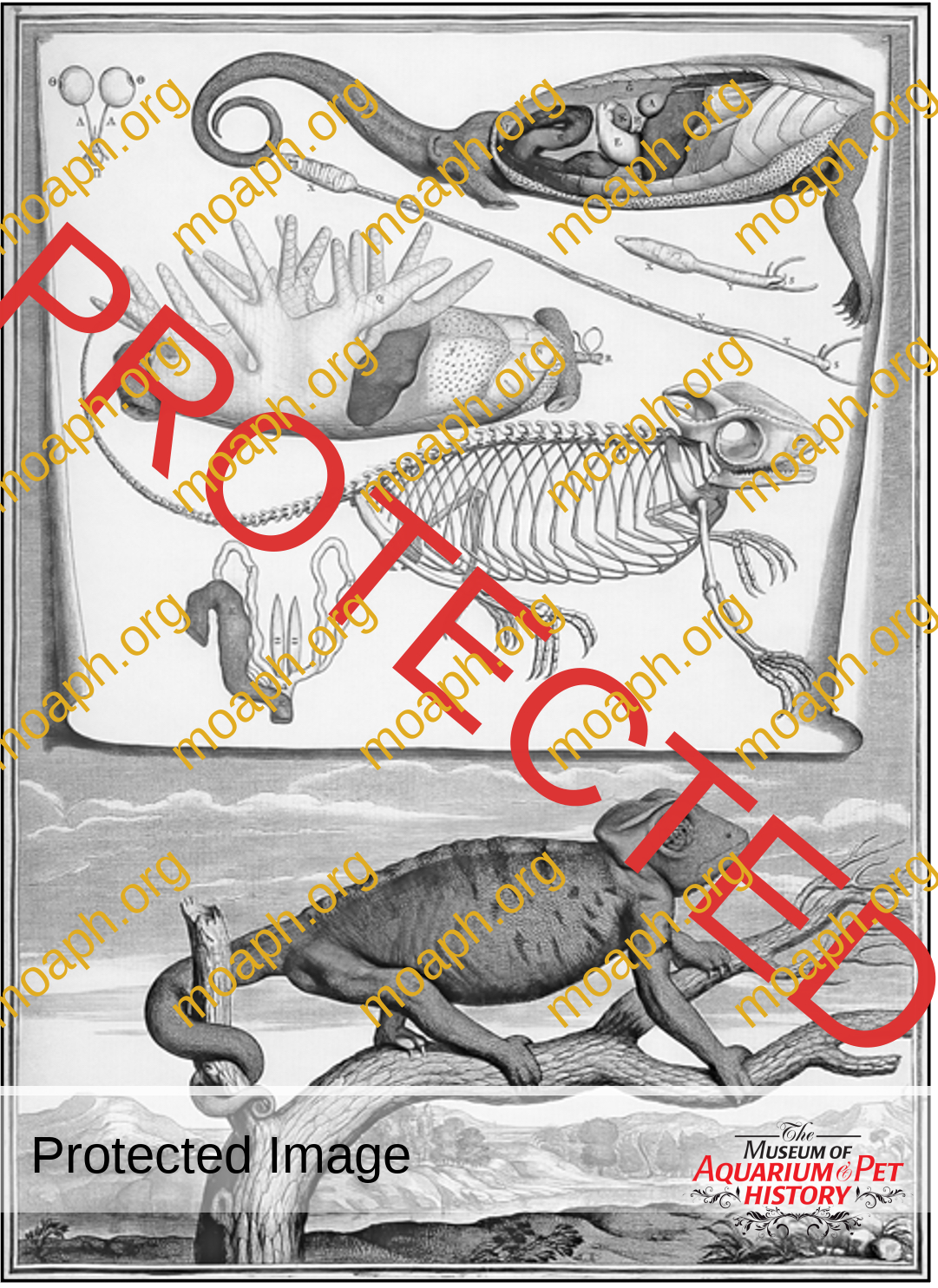
Figure 3. Illustration of chameleon from Mémoires pour servir à l’histoire naturelle des animaux . . . by Claude Perrault in 1676. Courtesy of Smithsonian Institution Libraries, Washington, D.C.
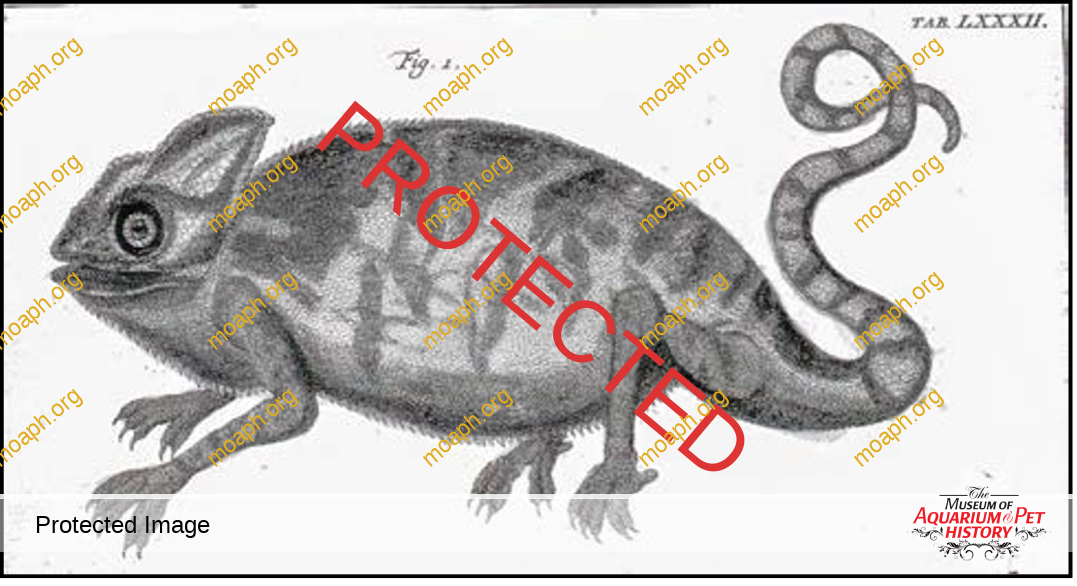
Figure 4. Illustration of chameleon from Locupletissimi rerum naturalium thesauri by Albertus Seba in 1734–1765. Courtesy of Smithsonian Institution Libraries, Washington, D.C.
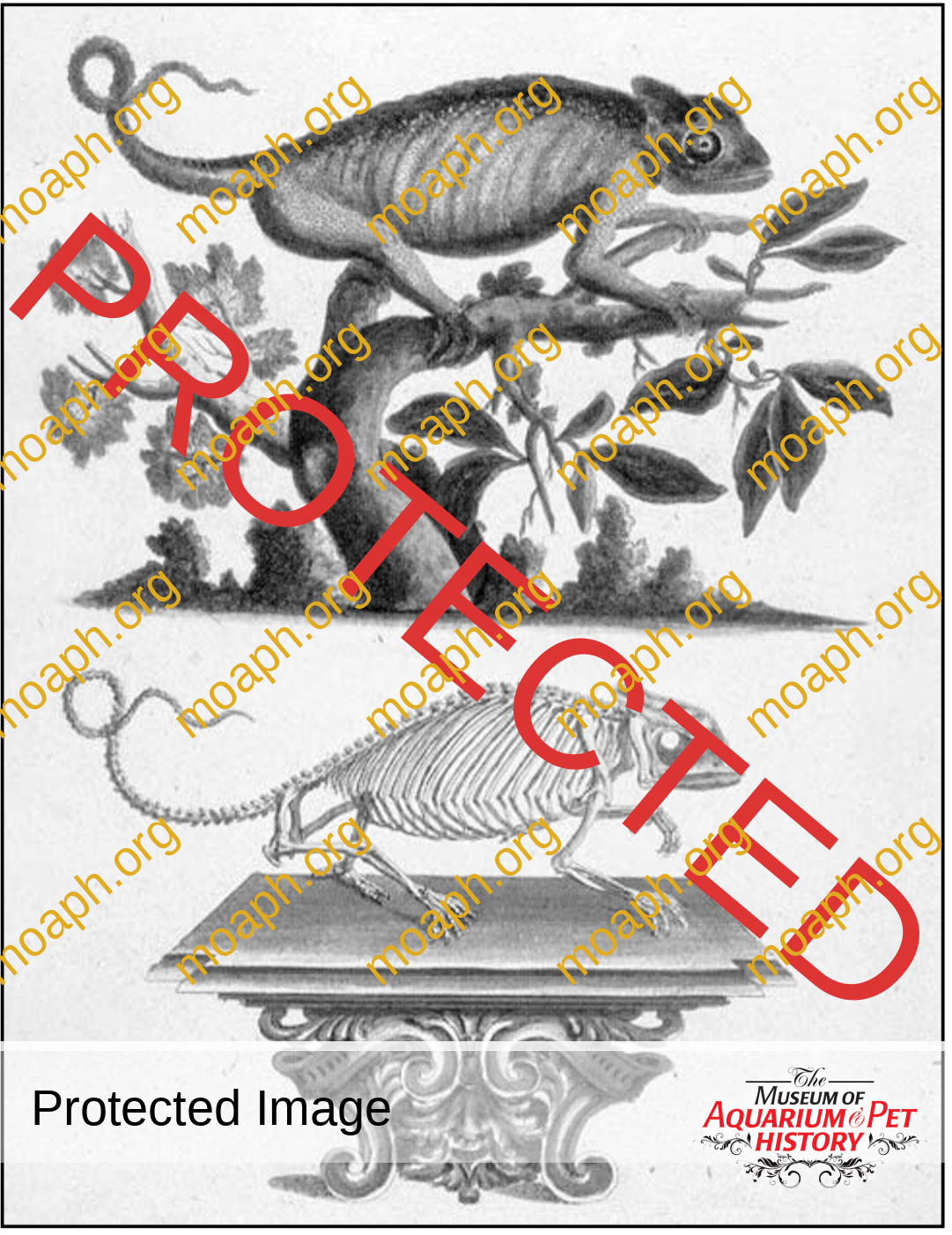
Figure 5. Illustration of chameleon from Angenehmer und nützlicher Zeit-Vertreib mit Betrachtung curioser Vorstellungen Allerhand Kriechender . . . Thiere by Daniel Meyer in 1748-1756. Courtesy of Kraig Adler.
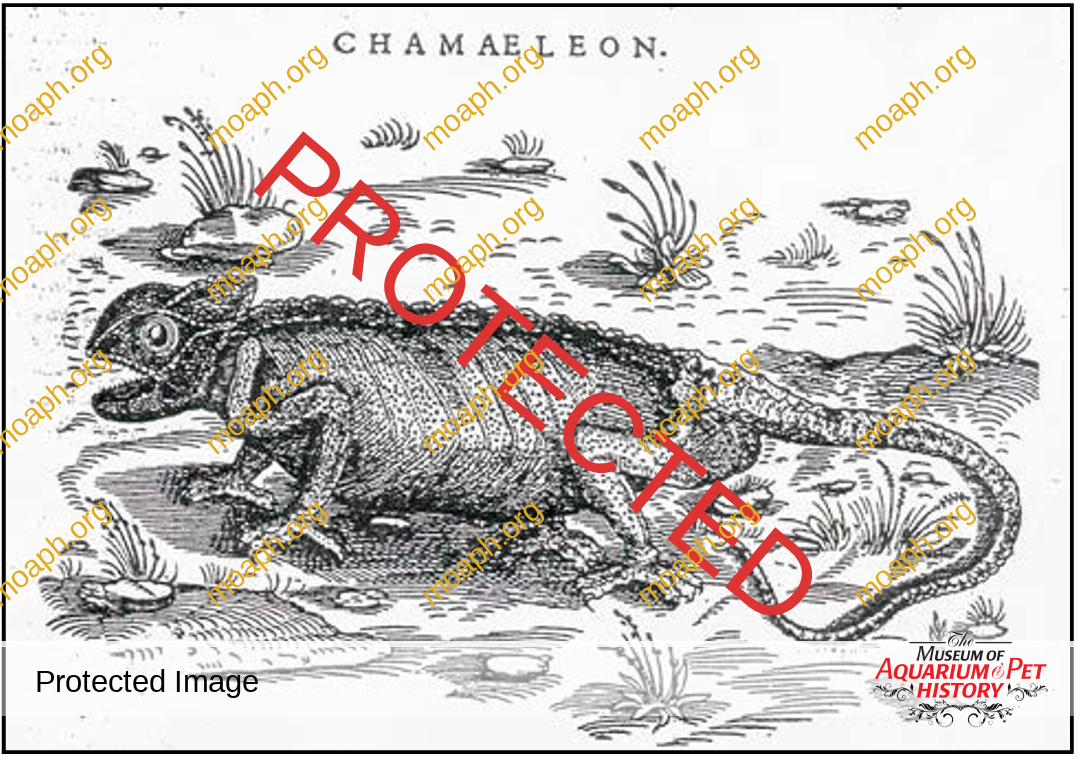
Figure 6. Illustration of chameleon in Senensis medici, Commentarii in sex libros Pedacii Dioscoridis Anazarbei De medica materia / / iam denuo ab ipso autore recogniti, et locis plus mille aucti ; adiectis magnis, ac nouis plantarum, ac animalium iconibus, supra priores editiones longè pluribus, ad uiuum delineatis ; accesserunt quoque ad margines Græci contextus quàm plurimi, ex antiquissimis codicibus desumpti, qui Dioscoridis ipsius deprauatam lectionem restituunt ; Cum locupletissimis indicbus . . . by Petri Andreæ Matthioli in 1565. Courtesy of Smithsonian Institution Libraries, Washington, D.C.
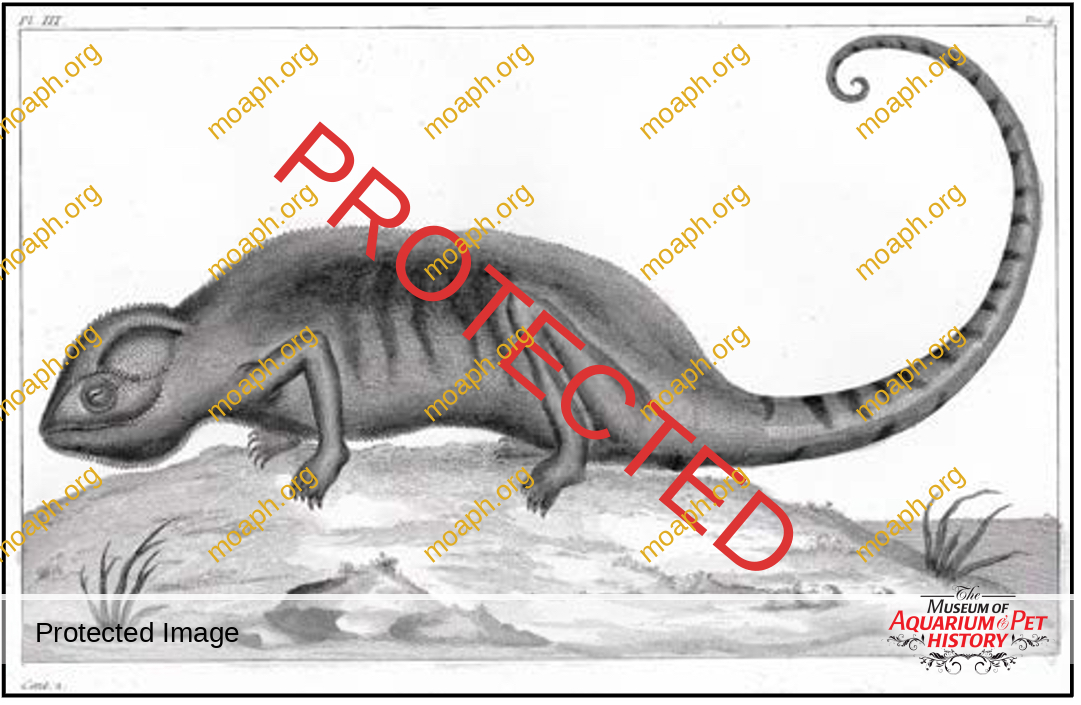
Figure 7. Buc’hoz, P.-J., 1775–1781. Première (& Seconde) Centurie de plances. Paris. From the collections of the Botany Libraries of Harvard University.
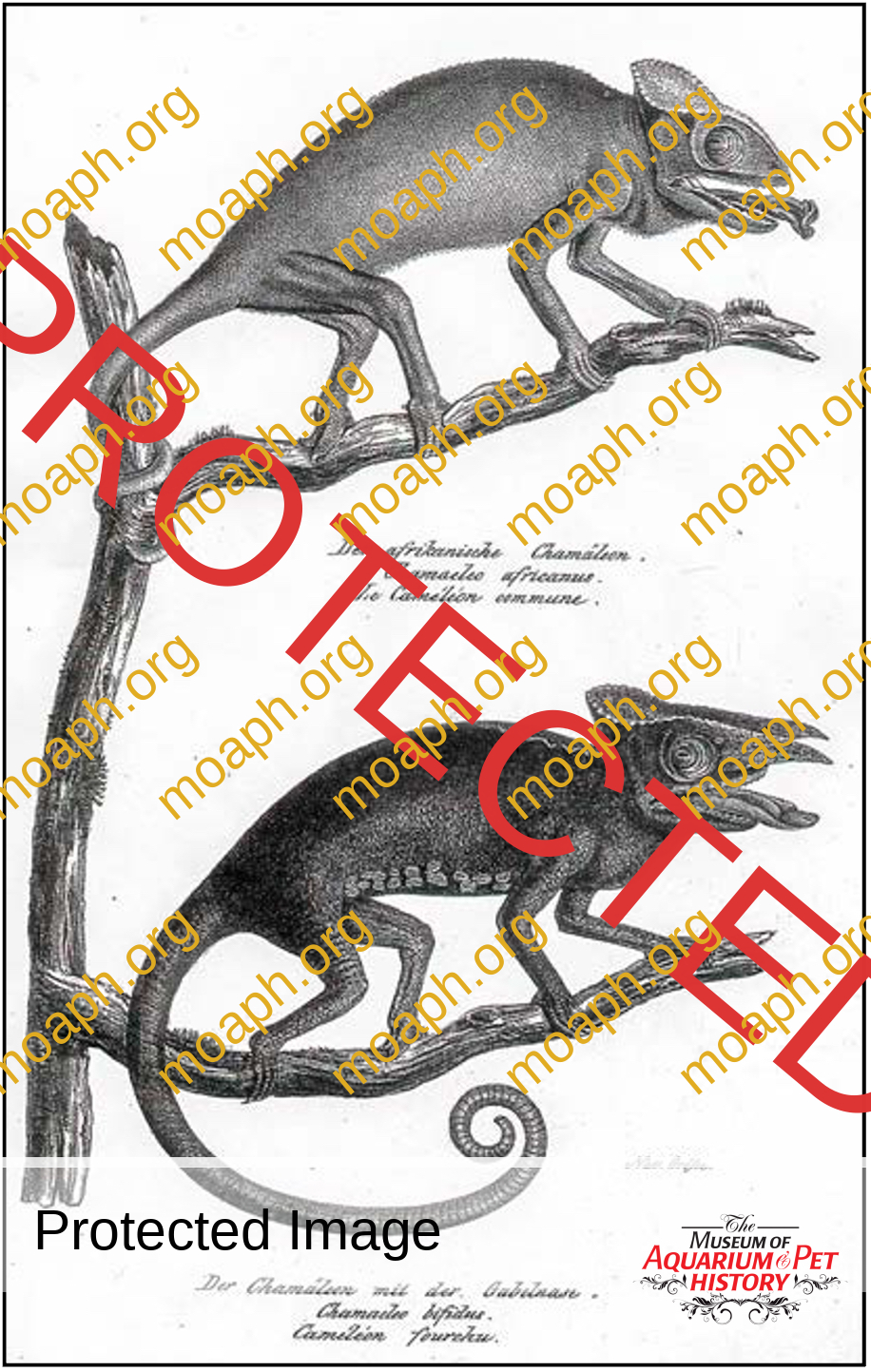
Figure 8. Illustrations of chameleons (Chamaeleo africanus and C. bifidus, both now Furcifer) from Heinrich Rudolf Schinz, Naturgeschichte und Abbildungen der Reptilien in 1833. Courtesy of Smithsonian Institution Libraries, Washington, D.C.
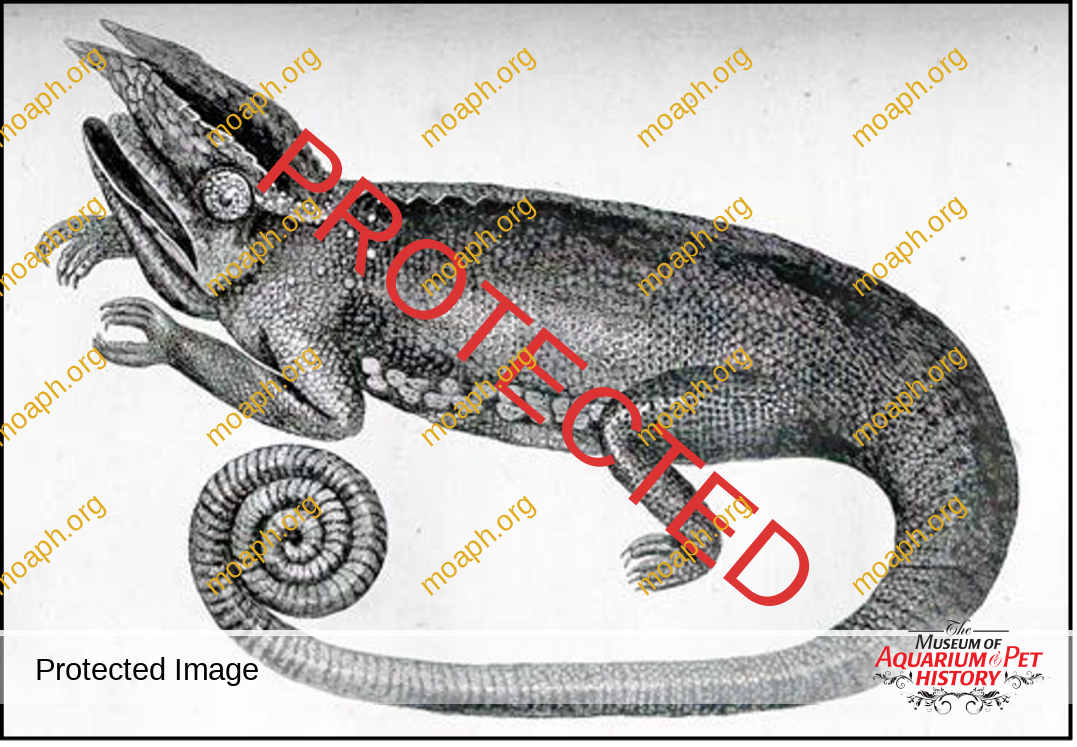
Figure 9. Illustration of Caméléon Nez-Fourchu (Chamaeleo bifidus or fourchu, now Furcifer bifidus) in Histoire naturelle, générale et particulière, des reptiles; ouvrage faisant suite à l’Histoire naturelle générale et particulière, composée par Leclerc de Buffon, et rédigée par C. S. Sonnini. / Par F. M. Daudin by François-Marie Daudin in 1802–1803. Courtesy of Smithsonian Institution Libraries, Washington, D.C.
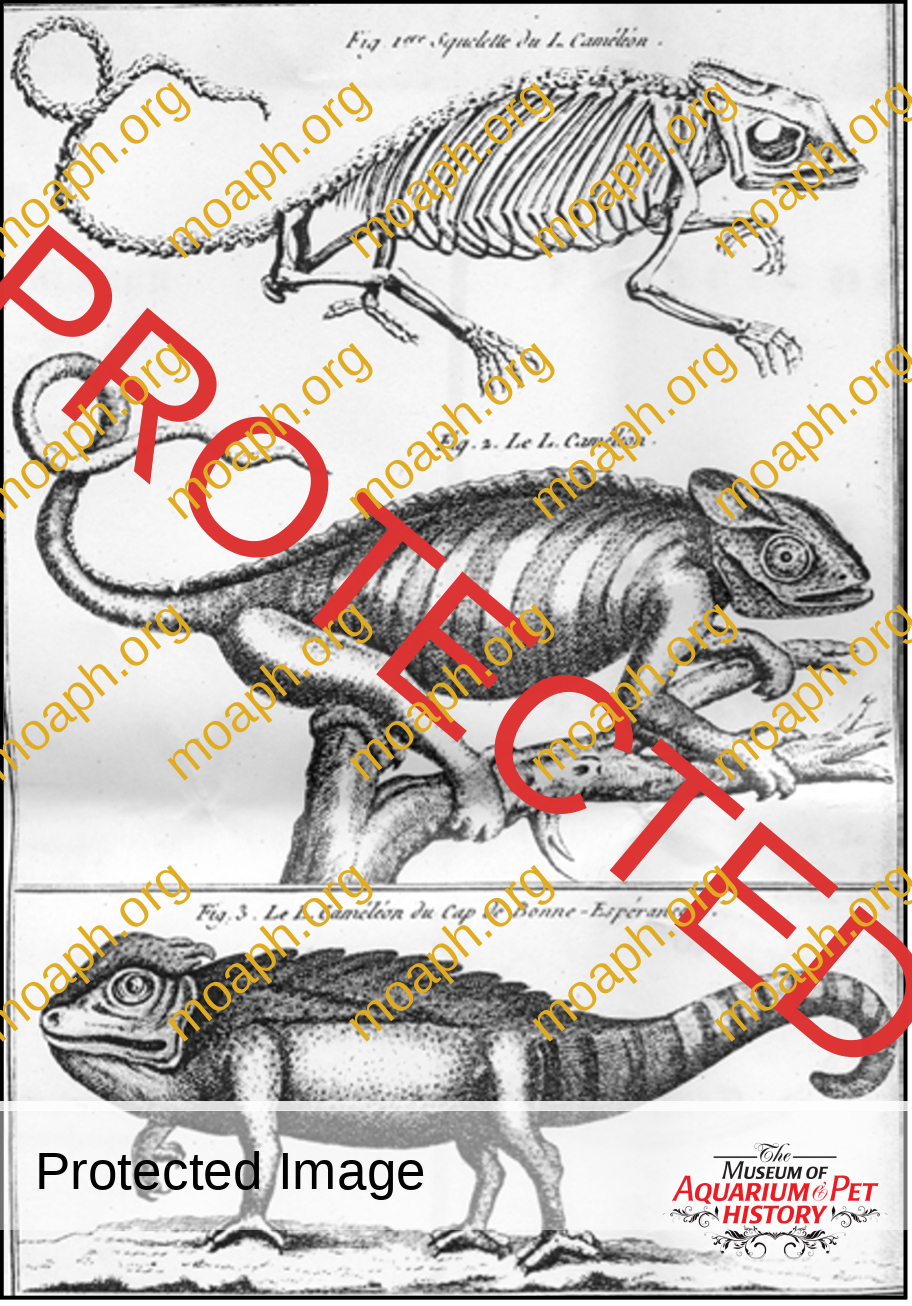
Figure 10. Illustration of chameleon from Tableau encyclo- pédique et méthodique des trios règnes de la nature . . . Erpétologie. / Par m. l’abbé Bonnaterre . . . by Abbé Pierre Joseph Bonnaterre in 1789. Courtesy of Smithsonian Institution Libraries, Washington, D.C.
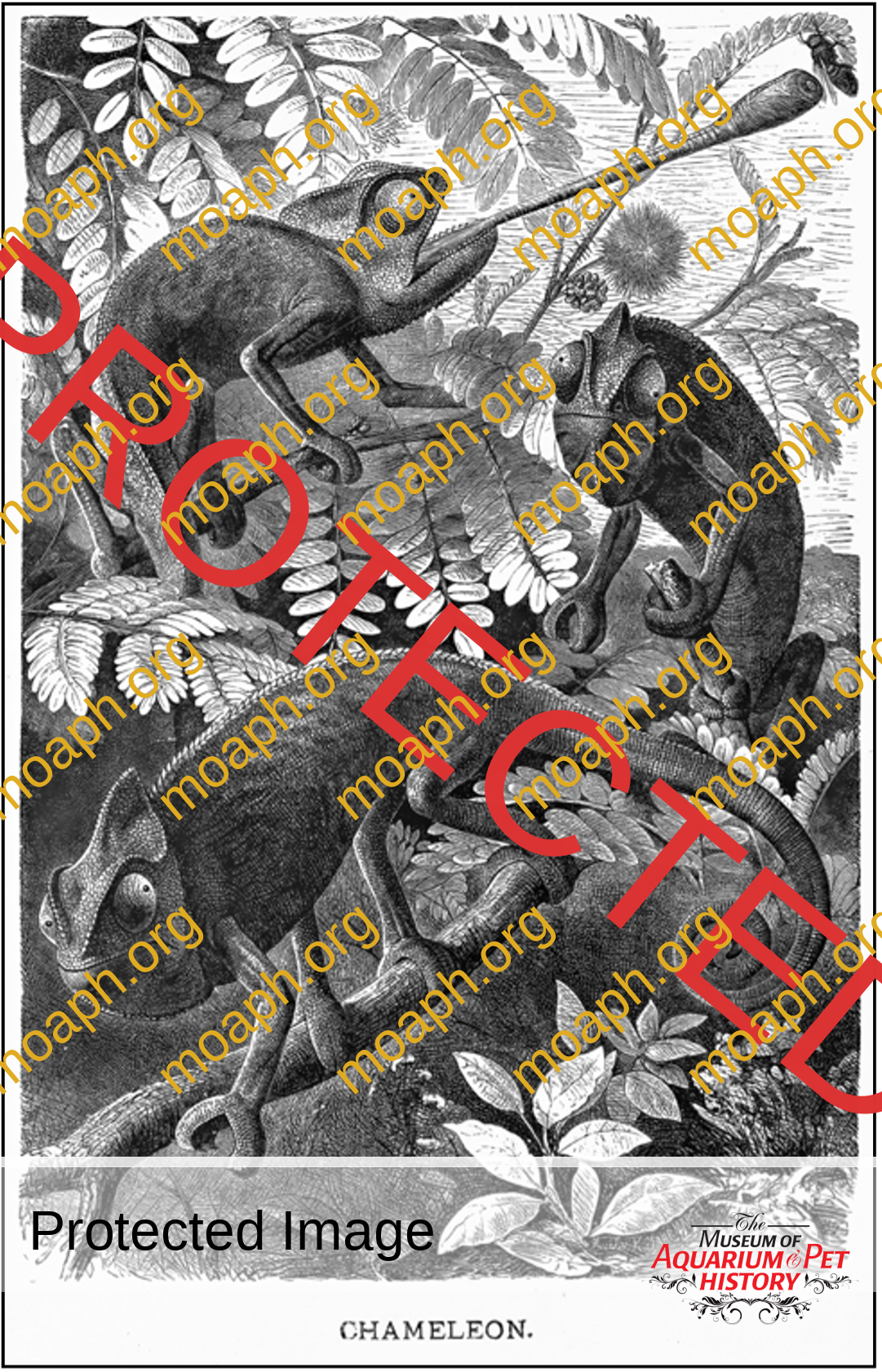
Figure 11. Illustration of chameleons in Animate Creation: Popular Edition of “Our Living World,” a Natural History, by the Rev. J. G. Wood. Revised and Adapted to American Zoology, by Joseph B. Holder by J. G. Wood circa 1885. From the collections of the Ernst Mayr Library, Museum of Comparative Zoology, Harvard University.

Figure 12. Illustration of Socotra Chameleon (Chamaeleo monachus) in Revision of the genera and species of Chamaeleonidae, with the description of some new species by John Edward Gray in 1865.
Courtesy of Smithsonian Institution Libraries, Washington, D.C
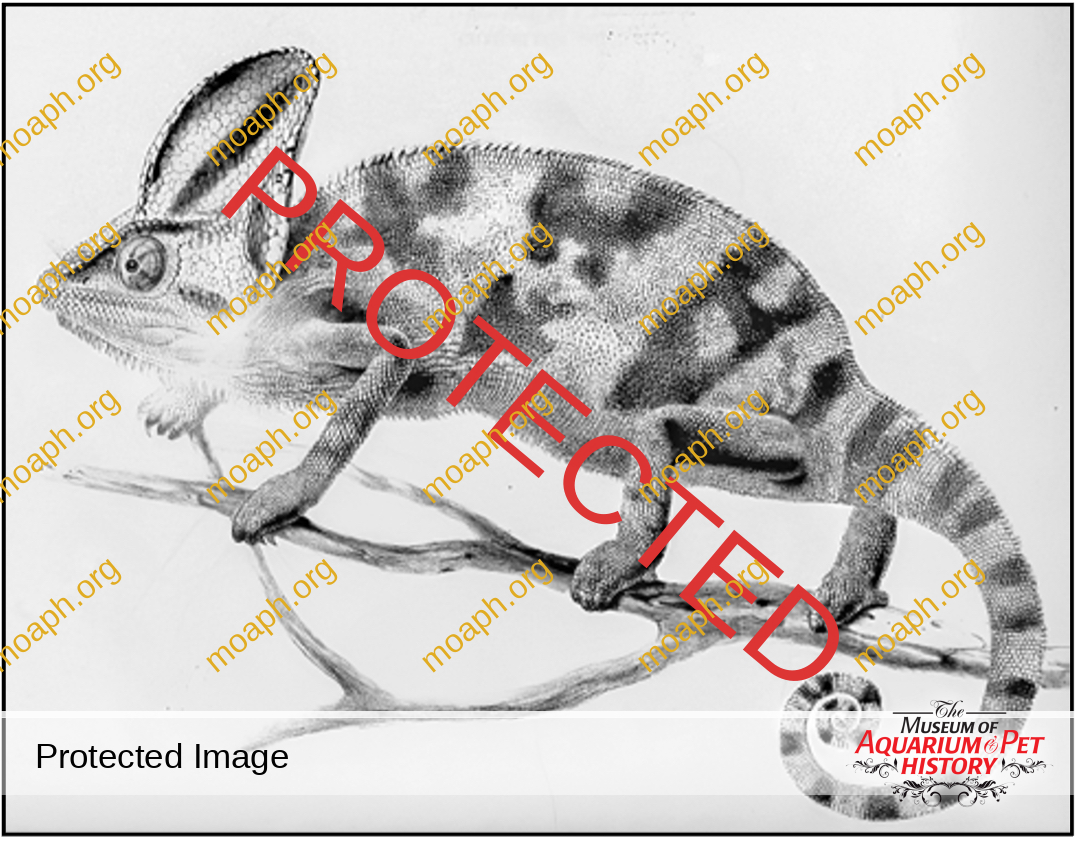
Figure 13. Illustration of Veiled Chameleon (Chamaeleo calyptratus) in John Anderson’s Zoology of Egypt in 1898. Courtesy of Smithsonian Institution Libraries, Washington, D.C.
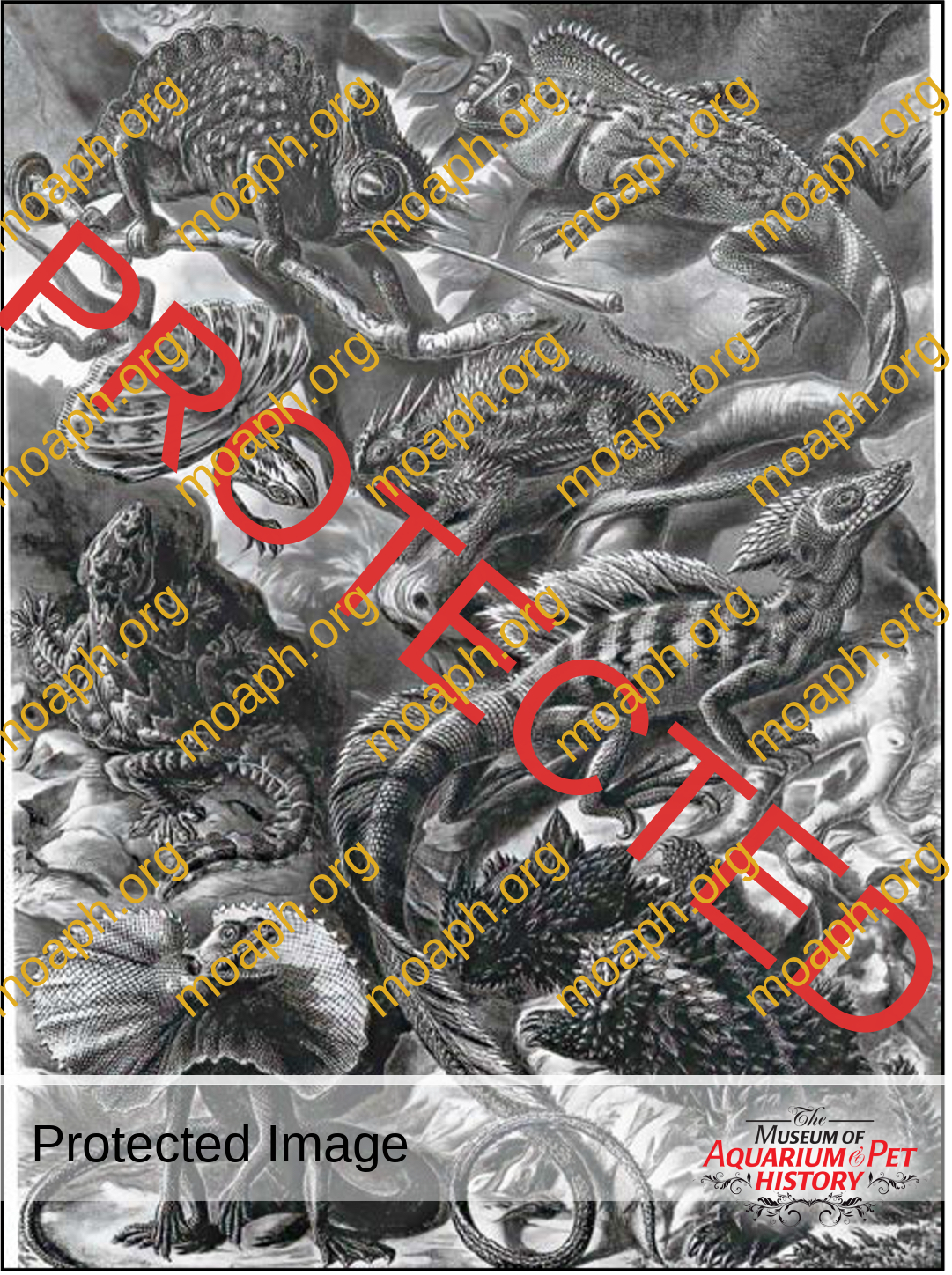
Figure 14. Cameroon Sailfin Chameleon (Chamaeleon montium, now Chamaeleo montium) in Kunstformen der Natur by Ernst Haeckel in 1903.
Courtesy of Smithsonian Institution Libraries, Washington, D.C.
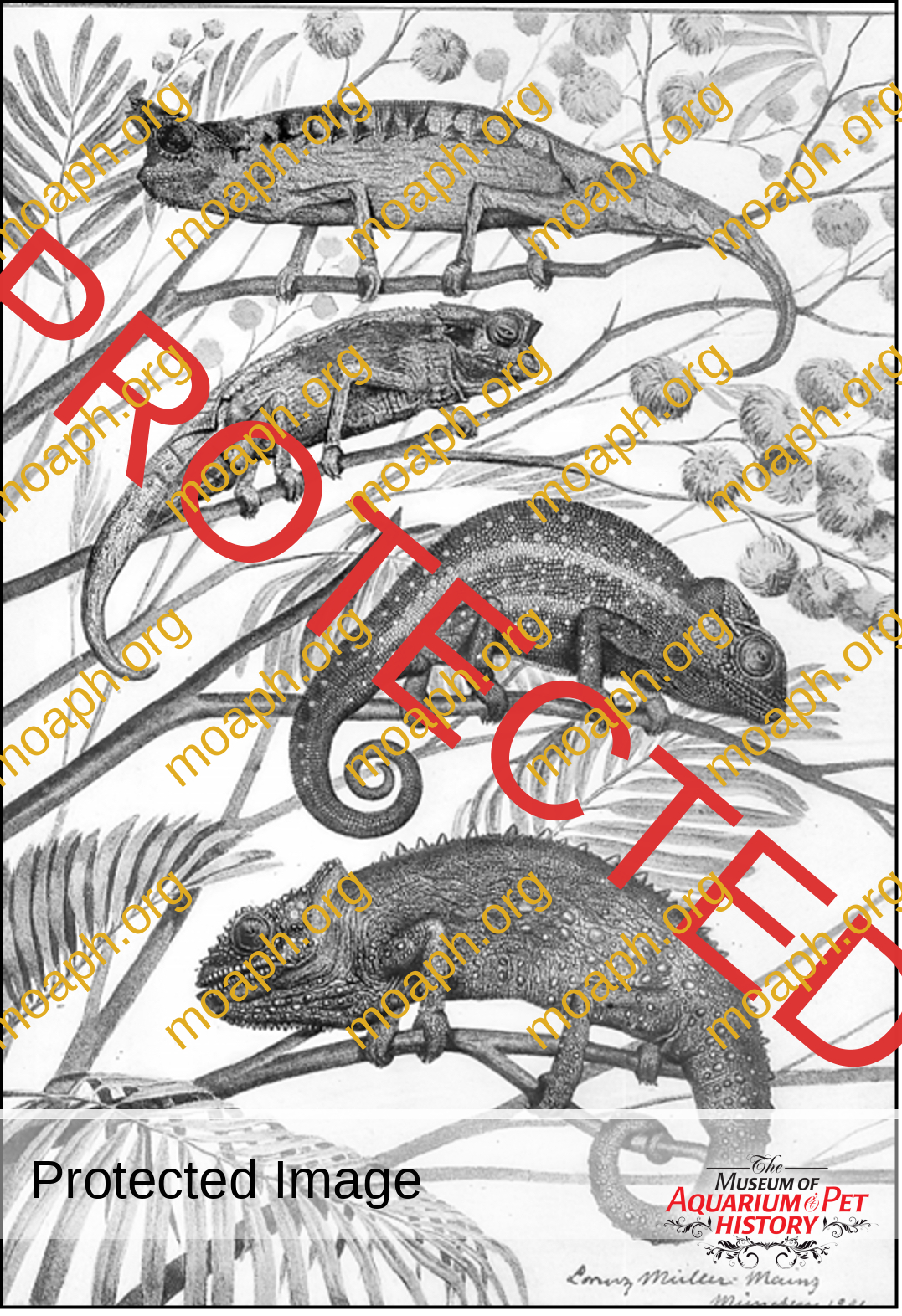
Figure 15. Illustration by Lorenz Müller of chameleons from Prodromus einer Monographie der Chamäleonten by Franz Werner in 1902. Top to bottom: Brookesia superciliaris; B. stumpffi; Chamaeleo (Furcifer) campani; C. melanocephalus, now Bradypodion melanocephalum.
Courtesy of Smithsonian Institution Libraries, Washington, D.C.
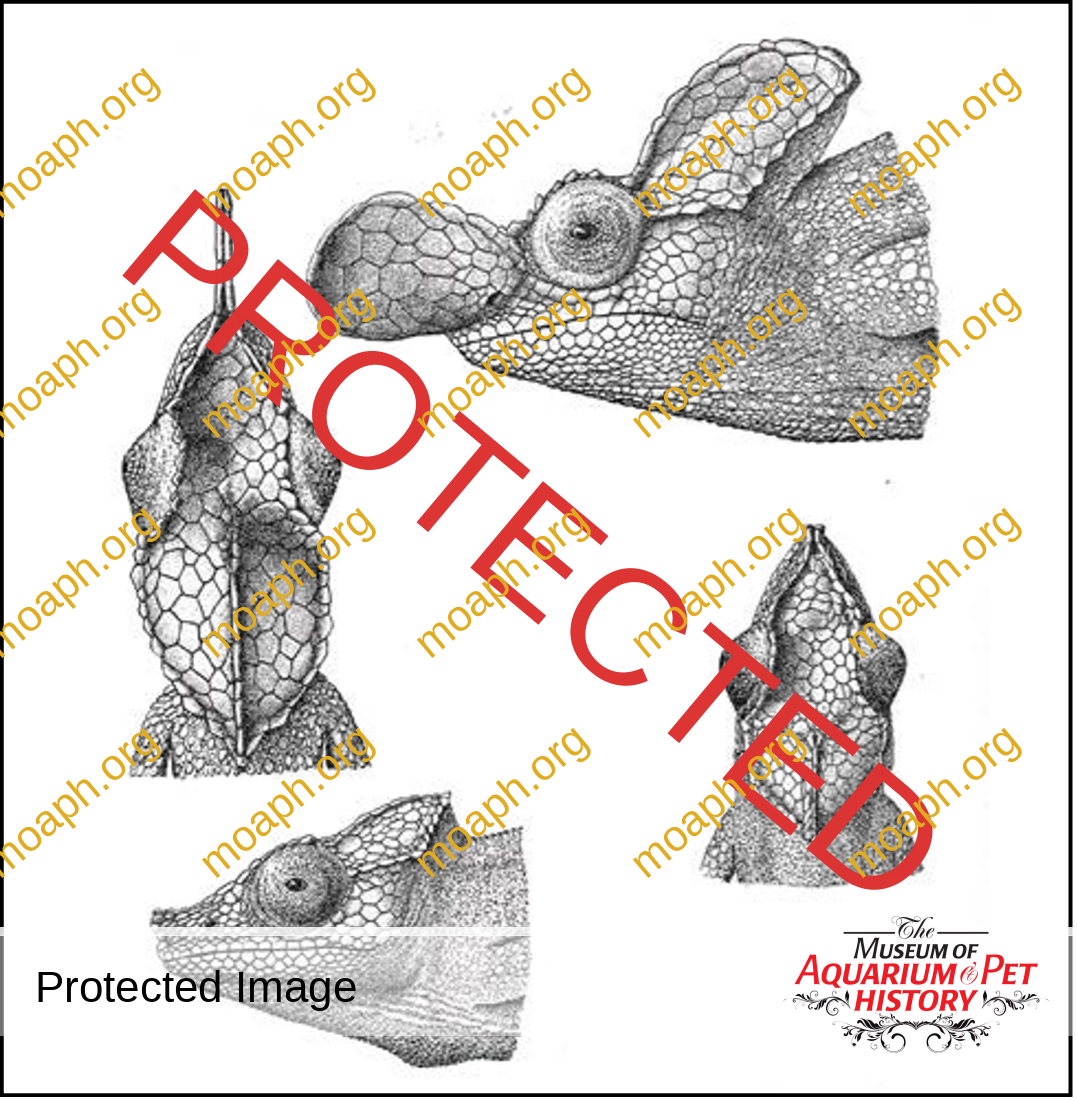
Figure 16. Strange-horned Chameleon (Chamaeleo xenorhinus, now Kinyongia xenorhina) from Les caméléons de l’Afrique centrale : république démocratique du Congo, République du Rwanda et Royaume du Burundi in 1965 by Gaston-François de Witte. Artists were Mme. Mertens and Mr. H. Dupond.
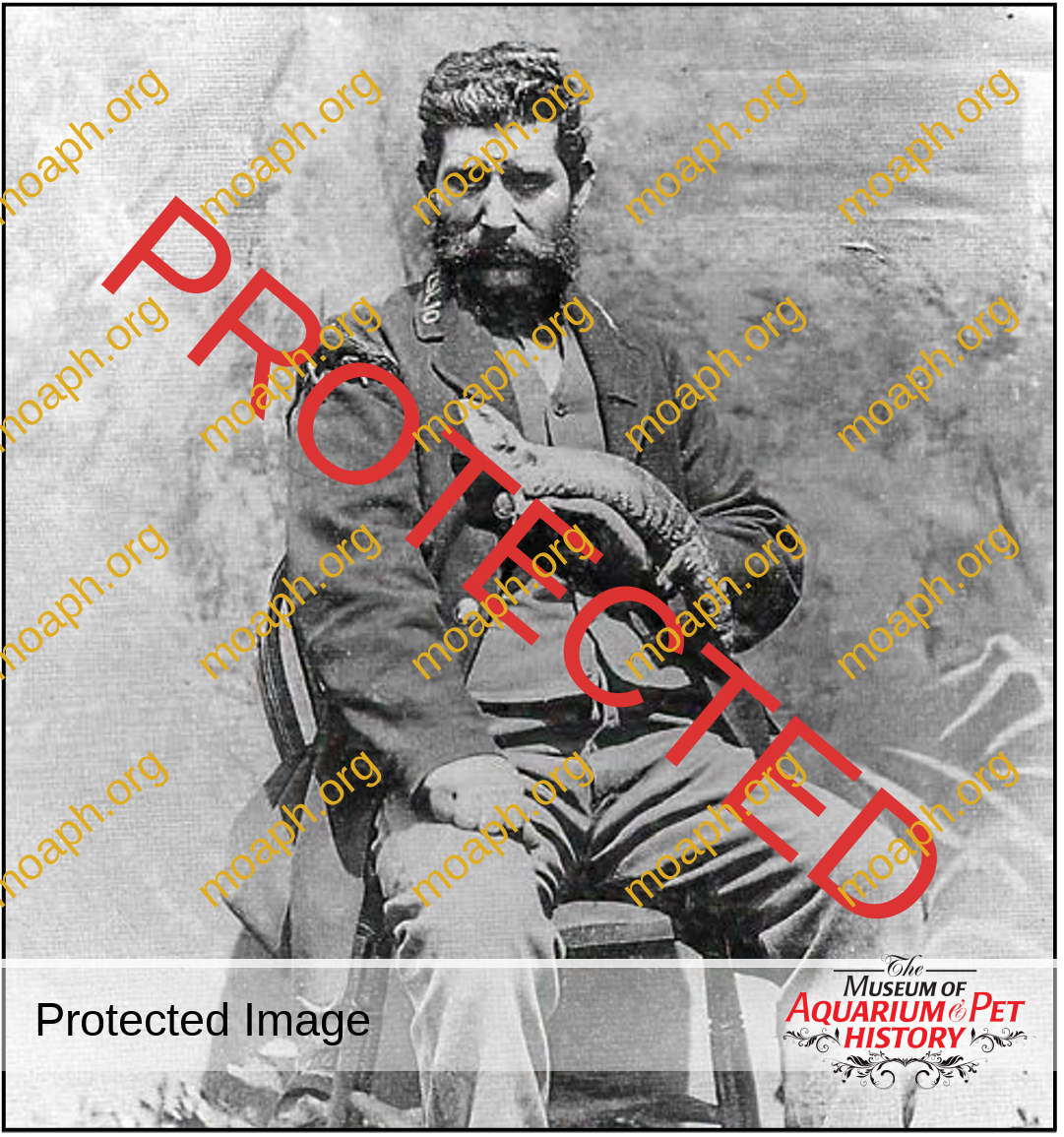
Figure 17. London Zoo keeper with chameleon on shoulder and blue- tongued skink (Tiliqua gigas) ca. 1872. Photograph by Frederick York, provided by John Edwards.
Acknowledgments
Gary W. Ferguson, professor of biology at Texas Christian University in Fort Worth, Texas USA, has increased our under- standing of lizard biology through his many writings. His re- search on chameleons includes ecology, reproductive biology, social behavior, conservation and captive management. Judith Block, Gary Ferguson and Bill Lamar reviewed early drafts of this manuscript.
For various courtesies, I am indebted to Chris Raxworthy, Fran Woods, Nat Quansah, Warren Iliff, Ardi Abata, Lucien Heichler, John Endler, Falk Dathe, Wolf-Eberhard Engelmann, Ron Tremper, Ray Pawley, Trooper Walsh, Rick Hudson, Frank and Kate Slavens, Gerard Visser, Kevin Wright, and Scott Stahl.
Literature Cited
Eason, P. K., G. W., Ferguson and J. Hebrard. 1988. Variation in Chamaeleo jacksonii (Sauria, Chamaeleonidae): Description of a new subspecies. Copeia 1988(3):580-590.
Ferguson, G., J. Murphy and R. Hudson. 1991. The quest for the Mount Kenya muriyu. The Vivarium 3(1):18-22, 36-38.
Ferguson, G., J. B. Murphy, A. Raselemananana and J.-B. Ramanamanjato. 1995. Panther chameleon (Chamaeleo pardalis): Natural history, captive management and breeding. Pp. 5-32. In: P. de Vosjoli and G. Ferguson, editors, Care and breeding of panther, Jackson’s, veiled and Parson’s chameleons. Santee, California: Advanced Vivarium Systems.
Ferguson, G. W., J. B. Murphy, J.-B. Ramanamanjato and A. P. Raselimanana. 2004. The panther chameleon: Color variation, natural history, conservation, and captive management. Malabar, Florida: Krieger Publishing Company.
Ferguson, G. W., J. Murphy, A. Raselimanana, J.-B. Ramanamanjato and J. Annis. 1994. Chameleon profile: The panther chameleon (Chamaeleo pardalis). Chameleon Information Network Journal 11:11-20.
Fischer, J. v. 1882. Das Chamäleon (Chamaeleo vulgaris), sein Fang und Versandt, seine Haltung und seine Fortpflanzung in der Ge- fangenschaft [The chameleon (Chamaeleo vulgaris), its capture and transport, its care, and its reproduction in captivity]. Frankfurt am Main: Der Zoologische Garten: Zeitschrift für Beobachtung, Pflege und Zucht der Thiere 23(1):4-13; 23(2):39-48; 23(3):70-82 [three parts].
Murphy, J. B. 2005. Chameleons: Johann von Fischer and other perspectives. SSAR Herpetological Circular 33.
)))))))). 2009. Zoo view: Updating the bookshelves part iv: Important herpetological books appearing during the last two decades.
Herpetological Review 40(2):134-142.
Neèas, P. 1999. Chameleons: Nature’s hidden jewels. Frankfurt am Main: Edition Chimaira, Frankfurt am Main.
Pianka, E. R., and L. J. Vitt. 2003. Lizards: Windows to the evolution of diversity. Berkeley: University of California Press.
From the Bulletin of the Chicago Herpetological Society
Some of the vignettes in this article have been published elsewhere, but are included again here to produce continuity.