Grace Olive Wiley: Zoo Curator with Safety Issues
“When first taken captive most wild creatures are quite terrified and panicky – this was true of the rattlesnake that bit me and yet on my return from the hospital this same nervous fellow was tamed without any trouble – it was done in two weeks, with only one hand!”
-Grace Olive Wiley in 1930
Grace Olive Wiley (1883–1948), a librarian at the Minneapolis Public Library, wrote a letter to John J. McCutcheon, president of the Brookfield Zoo’s Zoological Society on 29 January 1927, applying for the curatorial job of reptiles. In a later letter to director Edward Bean on 29 May 1933, she offered to donate her enormous private collection (115 species and 330 individuals) and a number of cages to the Zoo if the position were offered to her. During that time, it was highly unusual for women to hold curatorial positions in zoos but apparently her résumé and offer were convincing for she was hired that year (Fig. 1).
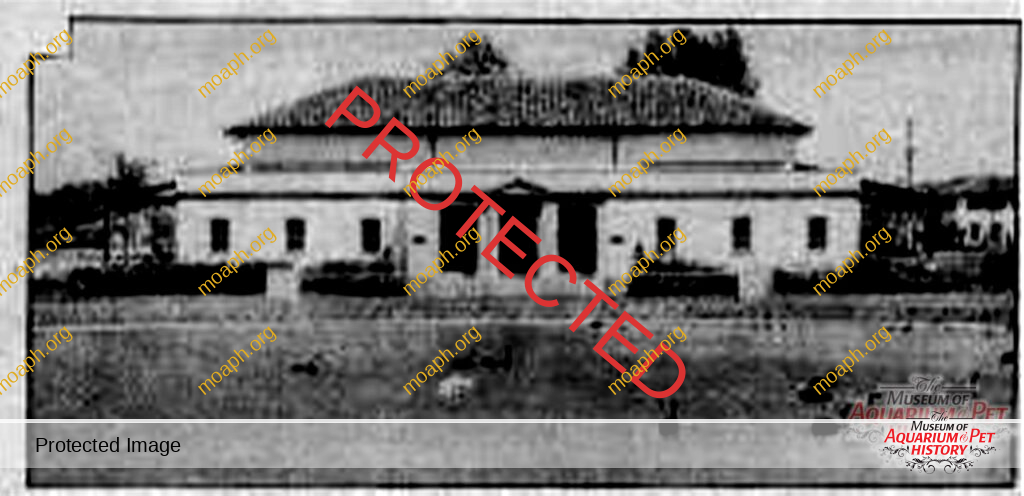
FIG. 1. Undated picture (likely in 1933) of reptile house at Chicago Zoological Park (Brookfield Zoo) from Minneapolis Sunday Tribune article announcing opening and installation of Grace Olive Wiley as curator. This building still functions as an amphibian and reptile exhibit. Credit: provided by George Rabb, Chicago Zoological Society.
Wiley held the curatorial position for two years and her time at the Zoo was filled with controversy. She believed that venomous reptiles could be tamed and handled with bare hands, a practice that did not endear her to her superiors (Fig. 2). Although she was told to stop handling them, she refused to do so. Later in fact, Wiley wrote an article in Natural History Magazine in 1937, outlining her techniques for taming king cobras, Egyptian cobras, puff adders, Australian black snakes, Australian tiger snakes, green mambas, sea snakes, coral snakes, fer-de-lance, moccasins, copperheads, thirteen species of rattlesnakes, and Gaboon vipers, which could not only be handled without any danger but enjoyed being stroked. In the article, Wiley offered this observation: “Somehow they know very, very soon that I am friendly and like them. They appear to listen intently when I stand quietly at their open door and talk to them in a low, soothing voice. In some unknown manner my idea of sympathy is conveyed to them.” After a series of 19 snake escapes, some of which included three Egyptian cobras, one bandy-bandy, and several venomous sand snakes, her boss Acting Director Robert Bean lost patience and fired her in September 1935. One reason was monetary: because of her, the upcoming liability insurance payment for the Zoo was increased to the point it exceeded her annual salary.
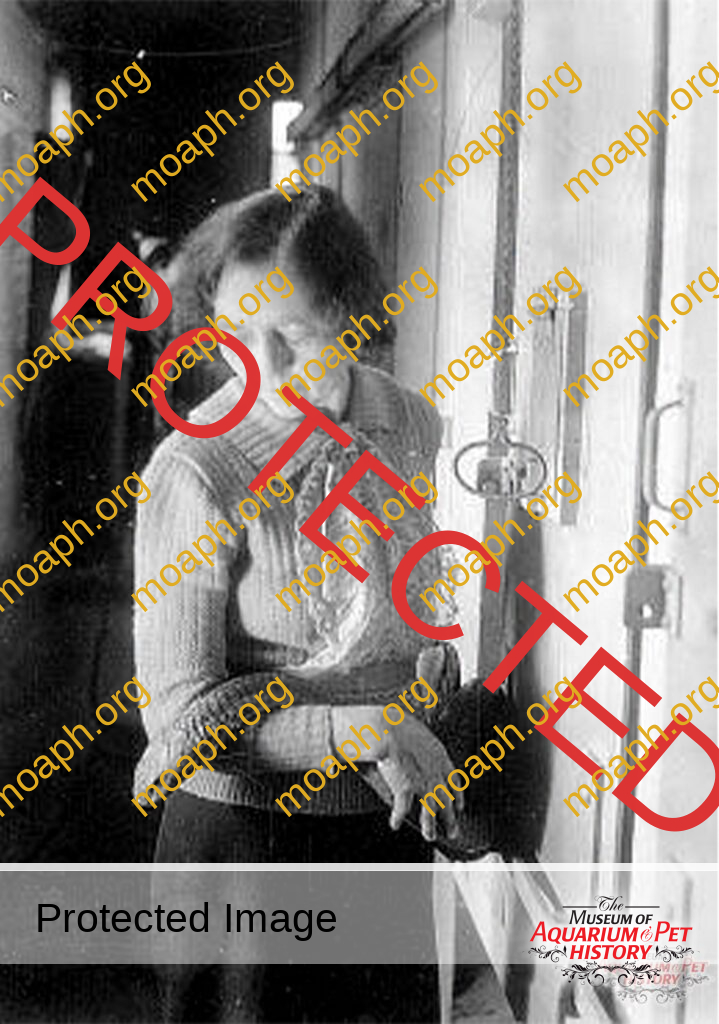
FIG. 2. Although there is no information attached to this photograph of Grace Olive Wiley and her friend, it appears to have been taken in the service area of the reptile building at Brookfield Zoo. Episodes such as this led to her dismissal as reptile curator in 1935.
Wiley complained to a Time magazine reporter on 30 September: “I hate to say it and I know some persons who don’t like snakes are very nice persons but Mr. Bean was frightened and frightened persons will exaggerate. I do not feel I was guilty of carelessness. I just forgot, simply forgot, to close the door to the cobra’s cage after I cleaned it. I couldn’t do everything at once. All the other snakes that got away were harmless except Bandy-Bandy and I’m sure he went down the drain pipe. ‘’The cobra,’ she added, ‘just found the coziest place it could in the whole reptile house. If most persons were half as nice as snakes, this world would be a better place.” When a keeper put his hand into a bag of dried leaves which he planned to use for cage decorations, he found “Bandy-Bandy.”
The news media followed these incidents and her career with interest. A few newspaper headlines: “Woman’s Kindness Wins Deadly Snakes at Brookfield Zoo;” “19 Snakes Got Away, Grace Wiley Fired as Snakes Escape;” “Bandy-Bandy Found Alive;” “Mrs. Grace Wiley Packs Her Reptile Friends;” “Snakes Depart. Long Beach Herpetologist Taking Collection to Hollywood.”
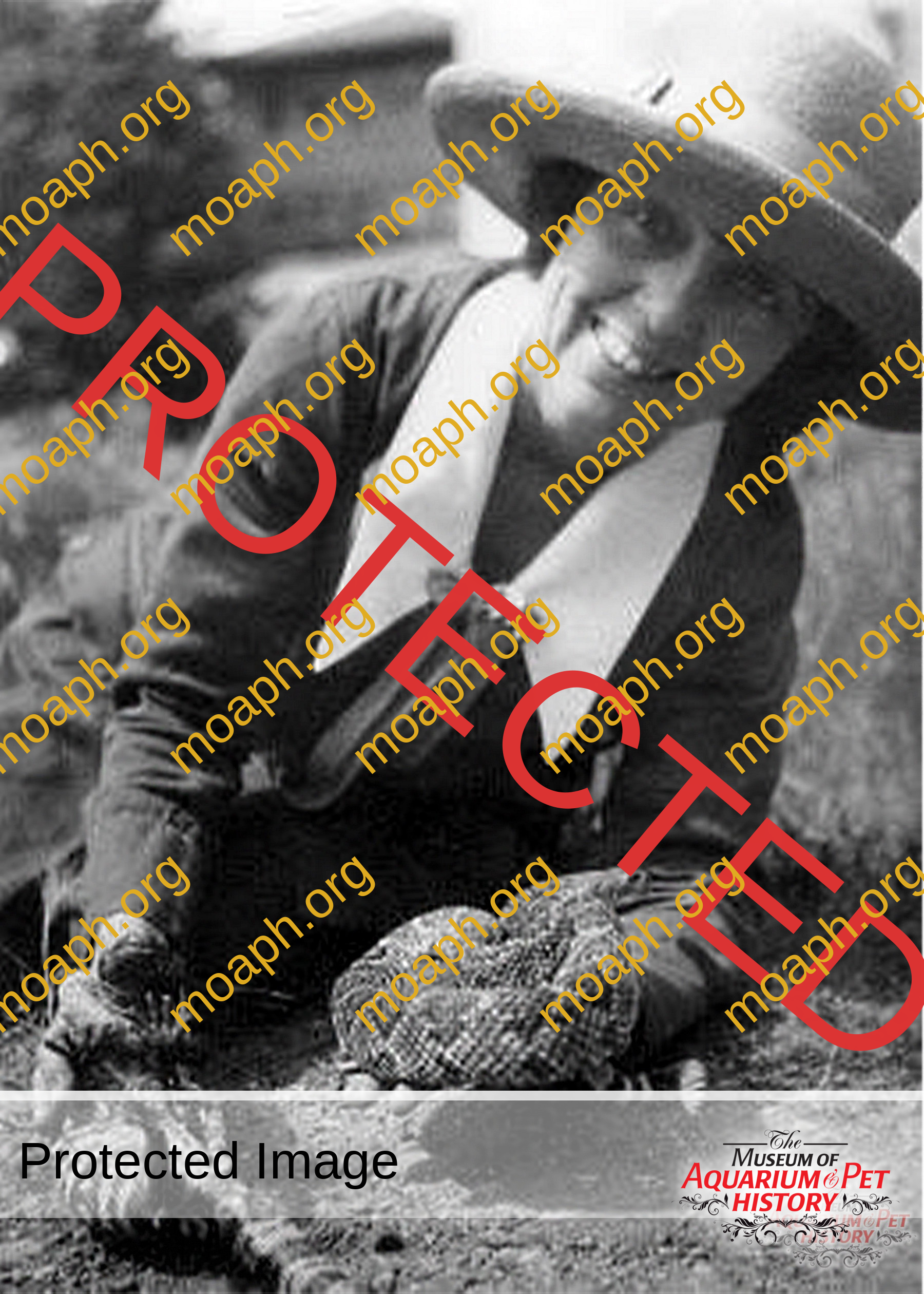
FIG. 3. A delighted Grace Olive Wiley with Gila monster and rattlesnake.
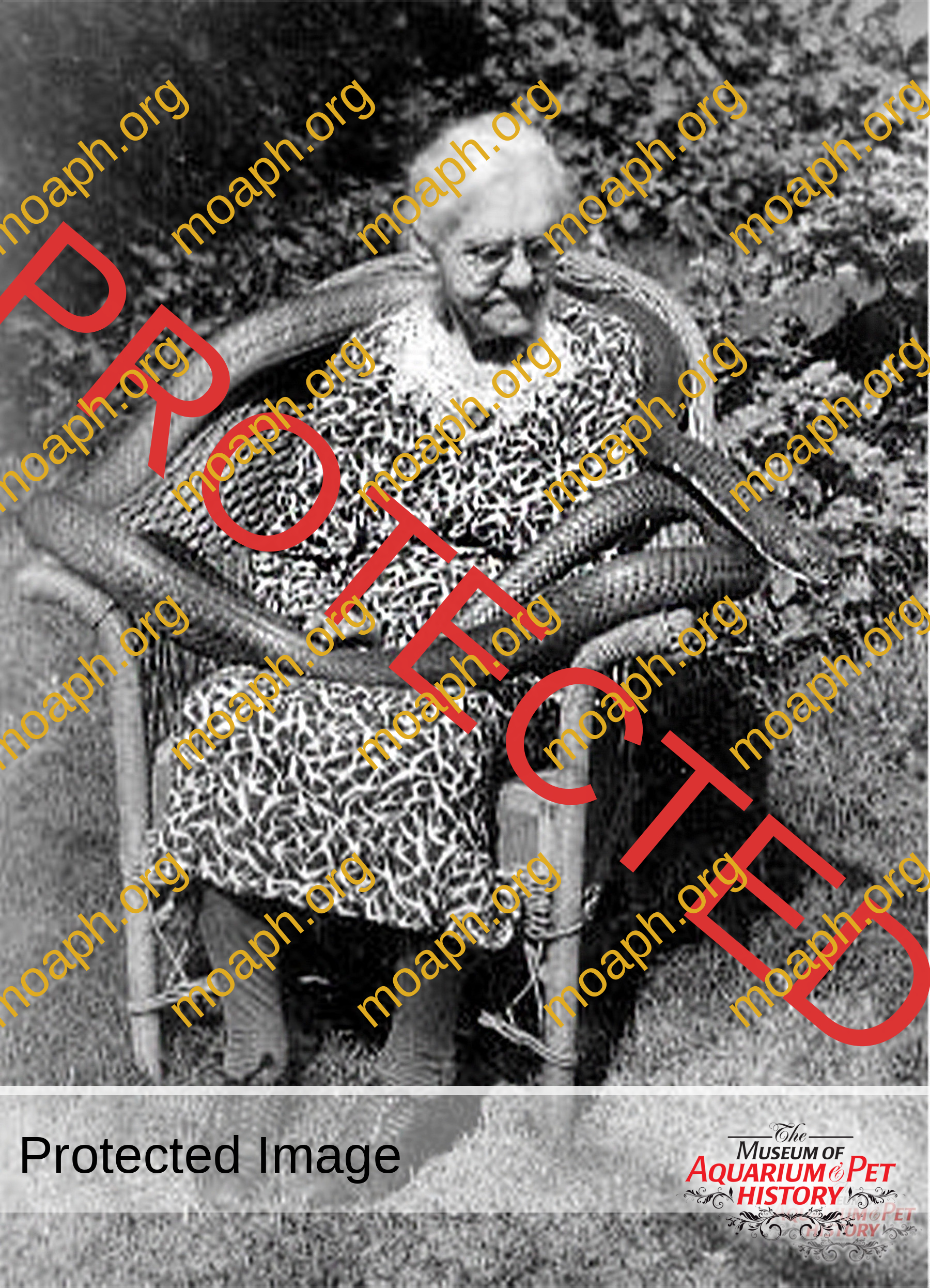
FIG. 4. In this undated photo, Wiley’s mother is shown with a king cobra.
After leaving the Zoo, she had started a private roadside reptile exhibit called “Grace Wiley—Reptiles” in Cypress, California where she allowed venomous snakes, including king cobras, tiger snakes, gaboon vipers, kraits, copperheads, and rattlesnakes, to be handled by children and crawl through crowds of visitors for a small fee. Although undated with provenance unknown, the photographs in this article (Figs. 3–4) were probably taken in Long Beach, California. They were found in the collection of Wesley Dickinson, her close friend who died from a king cobra bite.
Wiley died from an Indian cobra bite. She had only one vial of anti-snakebite serum on hand because it was expensive and she needed so many types for her collection. Unfortunately, this single glass vial of Haffkine serum was not used as it was accidentally broken shortly after the bite. She was rushed to Long Beach Hospital in an ambulance but died ninety minutes after being bitten.
Acknowledgments.—George Rabb and Ray Pawley provided materials from the Brookfield Zoo archives.
ADDITIONAL READINGS
CARD, W., AND J. B. MURPHY. 2000. Lineages and histories of zoo herpetologists in the United States. Herpetol. Circ. 27:1–45. [biography of Grace Olive Wiley].
MANNIX, J. 1954. Married to Adventure. Hamish Hamilton Ltd., London. [description of Wiley’s fatal snakebite].
MURPHY, J. B., AND D. E. JACQUES. 2005. Death by snakebite: The entwined histories of Grace Olive Wiley and Wesley H. Dickinson. Chicago Herpetol. Soc. Special Suppl. In press.
WILEY, G. O. 1929. Notes on the Texas rattlesnake in captivity with special reference to the birth of a litter of young. Bull. Antivenin Inst. Amer. 3(1):8–14. [Wiley described taming western diamondback rattlesnakes].
––––––. 1930. Notes on the Neotropical rattlesnake Crotalus terrificus basiliscus in captivity. Bull. Antivenin Inst. Amer. 3(4):103–105. [Wiley described taming this rattlesnake species].
––––––. 1937. Taming king cobras. Nat. Hist. 1937:60–63.
Originally published in Herpetological Review, 2005, 36(4), 365-367.