Portrait of a Herpetologist as an Older Man – Part 3: Zoo Years
In 1966 I was delighted to learn that Dallas Zoo would cover expenses for a collecting trip to the Bahamas to secure specimens for our collection. My plan was to meet curators from Waco and Houston Zoos on New Providence Island to bring additional funds for an extended trip to other sites. Unfortunately, they were delayed and I soon was penniless. For a week, I slept in an auto junkyard. Legions of bloodthirsty mosquitoes nearly exsanguinated me.
Luckily, I met a young street urchin who taught me how to steal conchs and shellfish on the piers without being caught. When my friends finally arrived, we traveled on a mail boat to Bimini, Exuma, and Andros Islands and found a number of ground iguanas, boas, geckos, anoles and amphibians for the three zoos. The other two went on to Haiti and Grand Cayman Island and we met back in Florida to split the spoils.
One saddening sight was seeing a Haitian boat — small and barely seaworthy — off the Exuma coast, packed with fleeing Haitian families being arrested by gendarmes from New Providence Island. Our mail boat attached a line to the smaller one, and turned around toward Haiti. The desperate outcry of these families when learning of their fate was heartbreaking. I asked the New Providence officials why these poor souls could not be taken into custody to their country. They explained that this would cause an international incident.
Traveling back to Florida on an airplane with the mass of animals for all three zoos was quite an experience. Flight attendants noticed the cloth bags jumping around, so I had to spill the beans; they insisted that I show all of the passengers our animals so I stood in the aisle doing show and tell for the entire return trip. The iguanas stole the show and the snakes were a close second! Kids loved the frogs.
When we met back in Florida, my friends’ stories about the state of affairs in Haiti were horrendous. One example will suffice: locals were enlisted to bring specimens to trade for new apparel brought from U.S. Most were wearing ragged shorts and T-shirts. Those able to make a trade tore off their clothes and threw the items in the wet mud. Others then jumped into the mud to retrieve those garments, and tore off the ones they had been wearing. This scenario continued until only scraps of cloth remained.
My treasured friendship with William W. Lamar
Bill Lamar and I first met at the Dallas Zoo when he was in Dallas in 1974 to attend a wedding. He graced us with his ethereal presence and we had an excellent, lengthy visit. That was when Bill first met the herp crew as well. Bill moved to Colombia in 1976 to work as research assistant to Federico Medem at the Instituto Roberto Franco, a branch of the National University in Villavicencio, a 4-hour drive from the capital of Bogotá. Upon completion of that work, his long-suffering wife Nancy and he remained in Colombia to finish a research project he planned to use for his graduate school thesis back in the states. They took jobs working for Gonzalo Chacón, owner of the Zoológico Santa Cruz, a zoo situated in a mountainside cloud forest south of the capital.
From the outset they struggled, as Gonzalo had undisciplined notions of how to run a zoo. These conflicted with Bill’s desire to modernize and gain recognition. The collection included numerous rare creatures seldom exhibited. Gonzalo and Bill had gone from pleasant to strained relations over a host of issues; Gonzalo was at fault for numerous transgressions and Lamar was at fault for lack of diplomacy. Once things nearly came to an end but they had managed to patch things up. Bill’s wife Nancy ran the restaurant and gift shop and she did her usual marvelous job, endearing herself to all who worked for her. And she was always gracious to Gonzalo.
But then one day Gonzalo, upset over some imagined thing, unloaded on her in a public venue and reduced her to tears. This was the breaking point; either they made their departure or else Bill was going to wind up assaulting the owner. Moreover, their passports were expiring so they decided to take their leave, obtain new passports at the embassy, and embark on a lengthy trip visiting other South American countries. After that interlude, Bill returned to Villavicencio to finish up his fieldwork. They were in the process of packing up when Jack Joy and I came down for a visit. We were able to lend a hand packing and were able to spend time at the zoo and help with packing and moving. We also did some herping in the eucalyptus forest below the zoo, finding a weird blindsnake and some pygmy geckos (Pseudogonatodes) as well as striped racers (Dendrophidion bivittatus) and a coralsnake (Micrurus mipartitus). We then adjourned to Villavicencio where we met Fred Medem (Figures 1 and 2), viewed the institute, and went on some fun herping excursions. On one of these we ascended the forested slope of the Andes Mountains above the Bavaria Brewery. They protected their watershed, so the habitat was excellent despite its proximity to town.
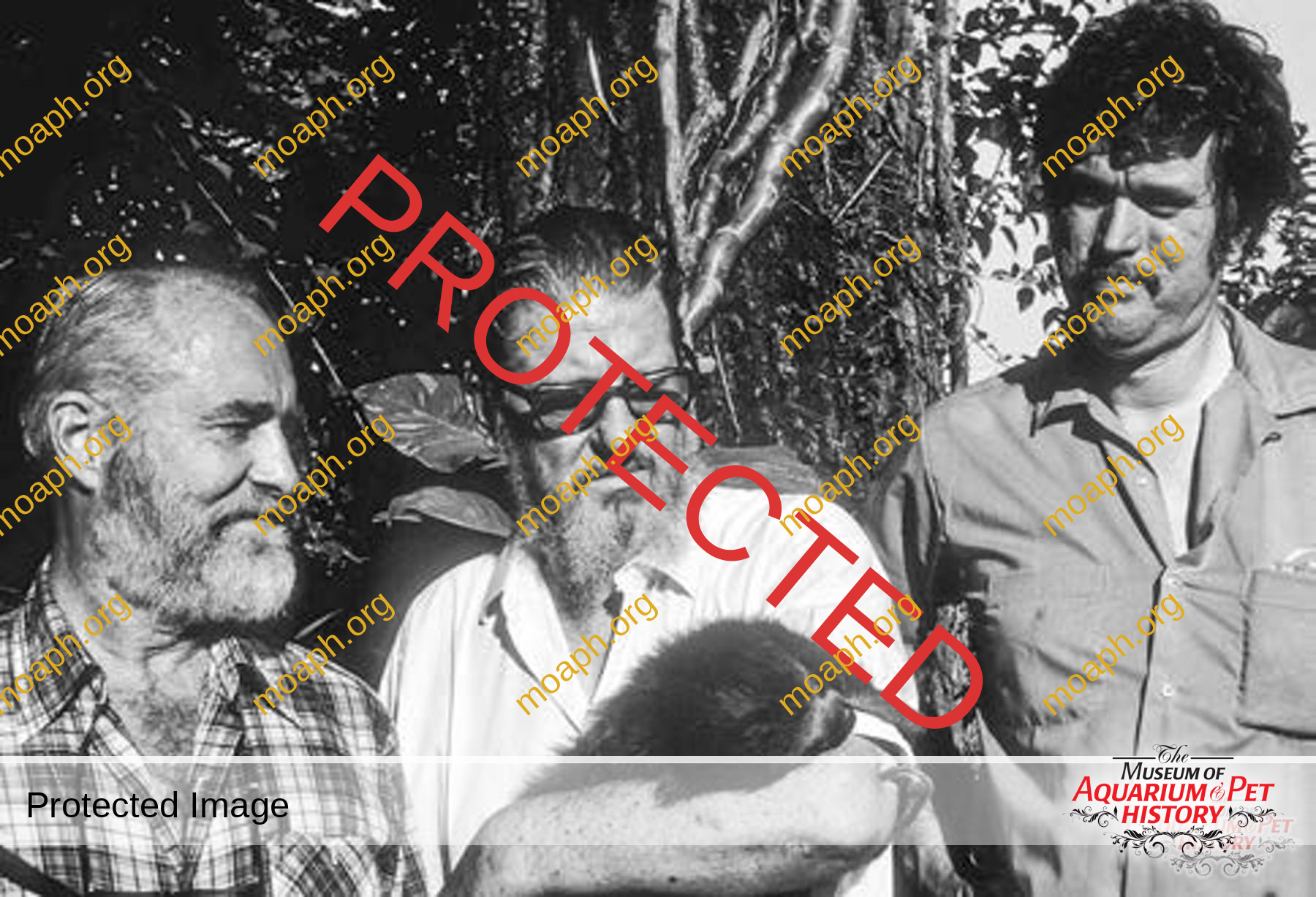
Figure 1. Jack Joy, Fred Medem and Jim Murphy examining a sloth. Photograph by Bill Lamar.
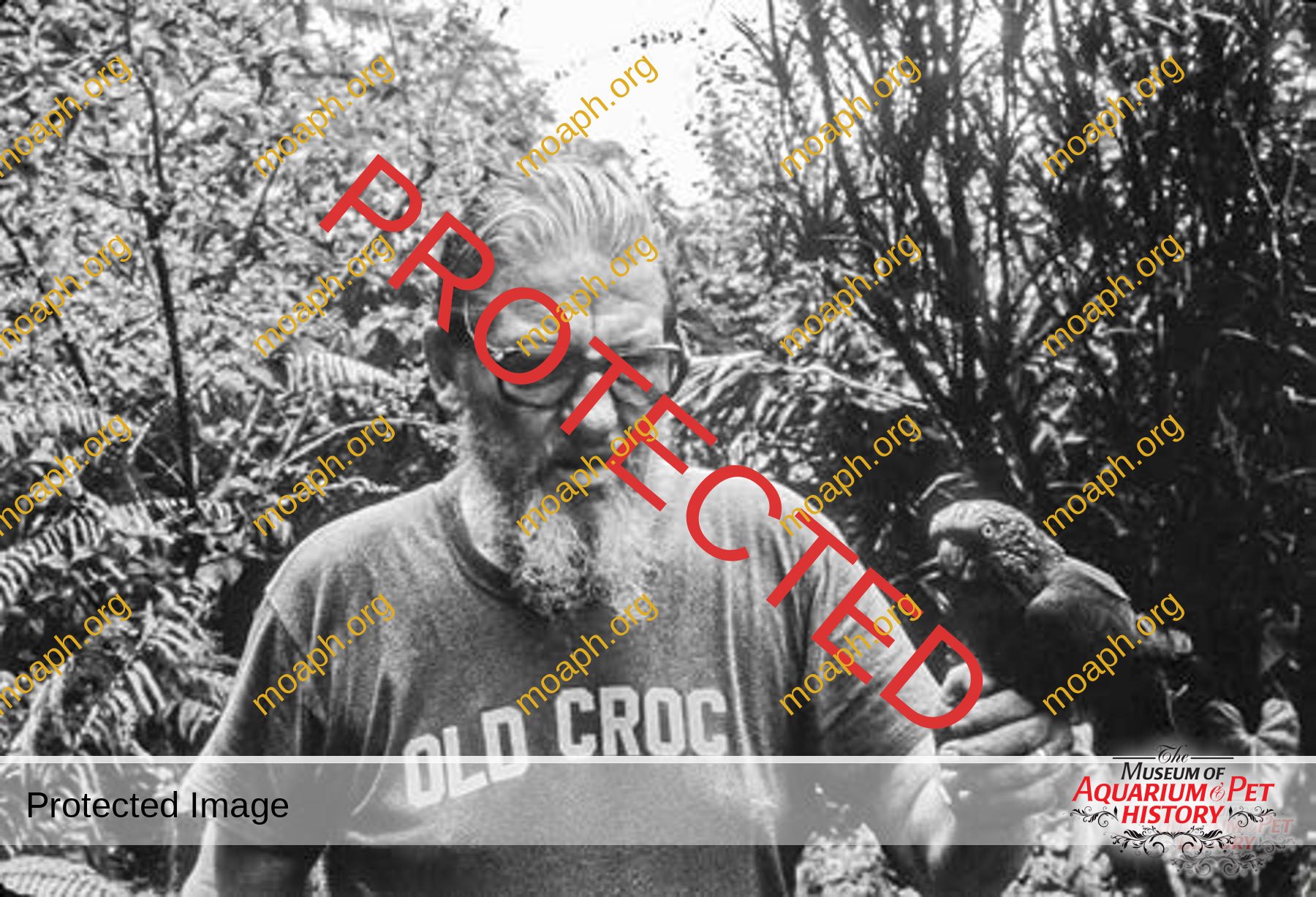
Figure 2. Fred Medem with a Hawk-Headed Parrot (Deroptyus accipitrinus). Photograph by Bill Lamar.
While spotlighting for herps one night we collected a Smoothfronted Caiman (Paleosuchus trigonatus), which pleased Fred no end. We also went up into the mountains and hiked down into the Río Negro valley where we spent an afternoon at Finca Las Orquídeas herping before slowly making our way back up to the road where we snagged a bus back to Villavicencio. During all our herping trips, I distinguished myself by lounging around at every opportunity while the peripatetic Jack Joy (Figure 3), possessed of boundless energy, was in constant motion.
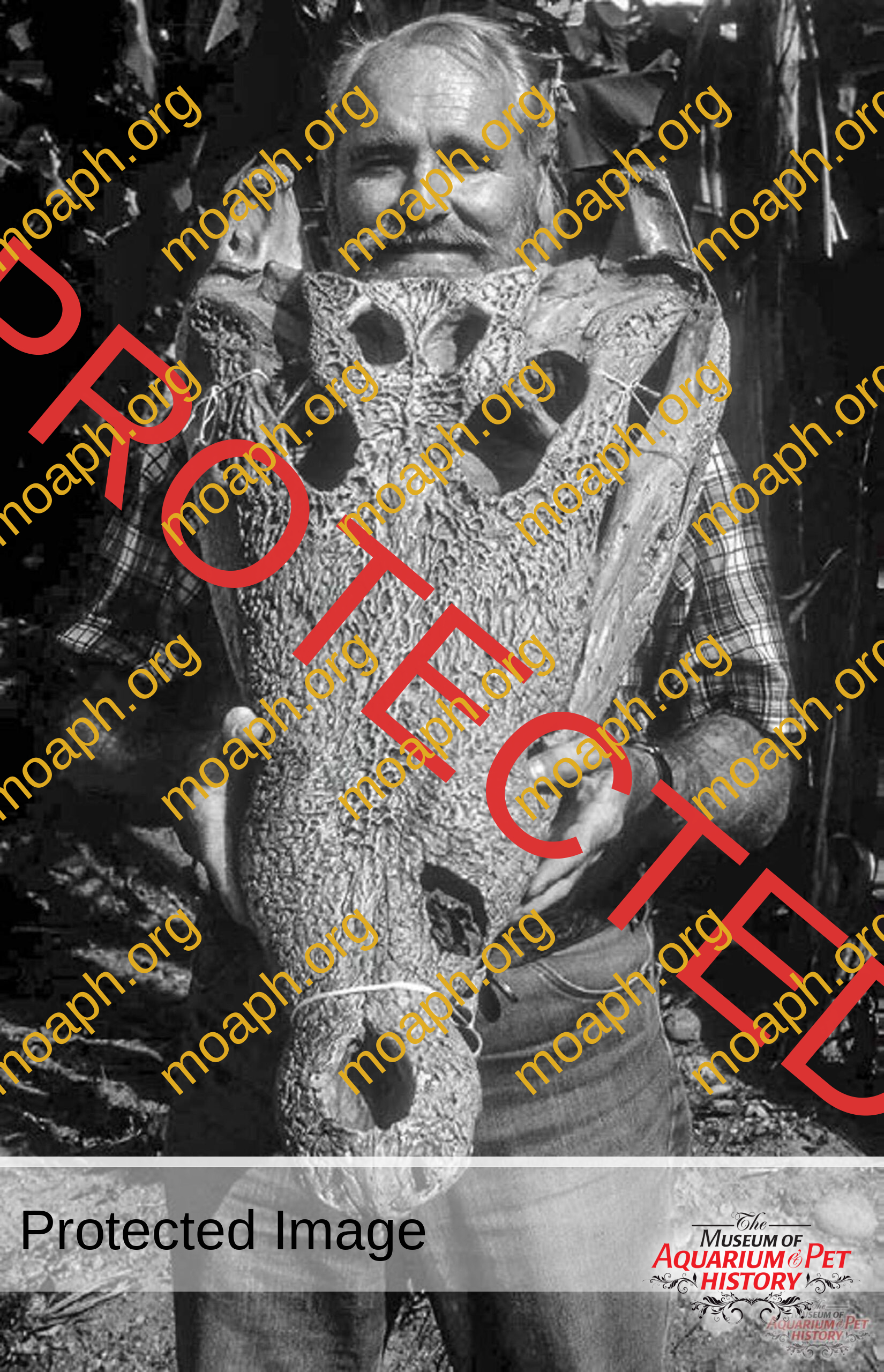
Figure 3. Jack Joy holding a large Crocodylus intermedius skull. Photograph by Bill Lamar.
Memorably, when we took our leave from Medem and Villavicencio, we took an express cab — one that needed five passengers in order to leave. Bill and Jack were the first to arrive and being tall, I sat up front. We waited and waited and an oddlooking Colombian with thick glasses and a briefcase periodically came out and stared at us. Finally the cabbie rudely informed us that the guy was going along but did not like gringos so he made me sit in the back — in the middle — for a very uncomfortable and lengthy ride. Lamar simmered at the racism and when the sun set took out his knife and surreptitiously sawed a football-sized hole in the seat. When we reached the outskirts of Bogotá, Bill had him let us out and we escaped into an urban cab to reach our destination.
When we visited Juan Manuel Renjifo at his office at the Instituto Nacional de Salud in Bogotá (Figure 4), where Colombia’s antivenom is produced, we were talking about a Micrurus mipartitus Bill had collected at the Santa Cruz Zoo (Figure 5). Suddenly there was the sound of breaking glass in a lab next to Juan’s office. We went in and found that one of the technicians had just dropped a container holding several years’ worth of serum. Juan seemed unfazed, explaining that it would be used to counteract cattle snakebites.
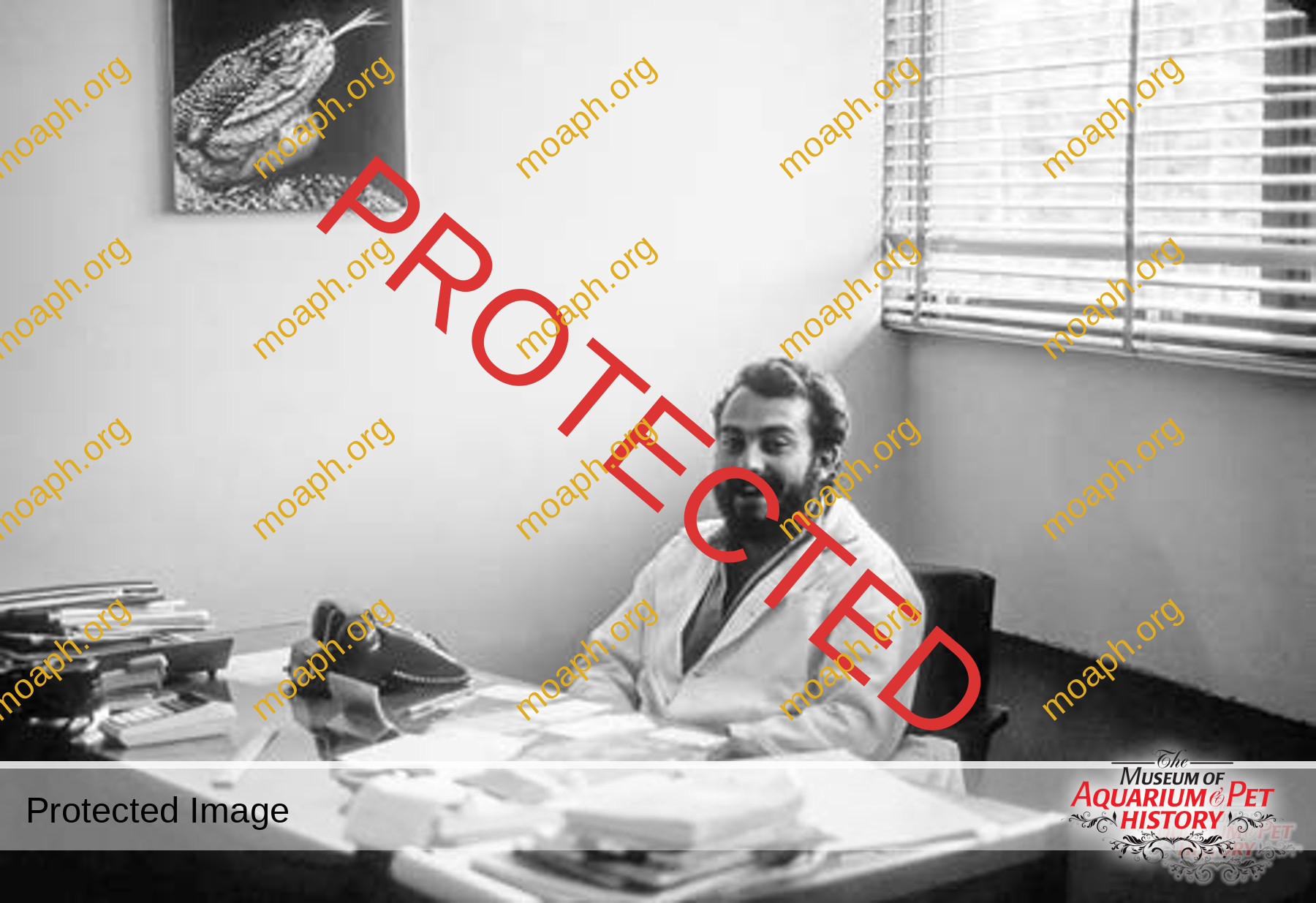
Figure 4. Juan Manuel Renjifo, Director, Instituto Nacional de Salud in Bogotá. Photograph by Bill Lamar.
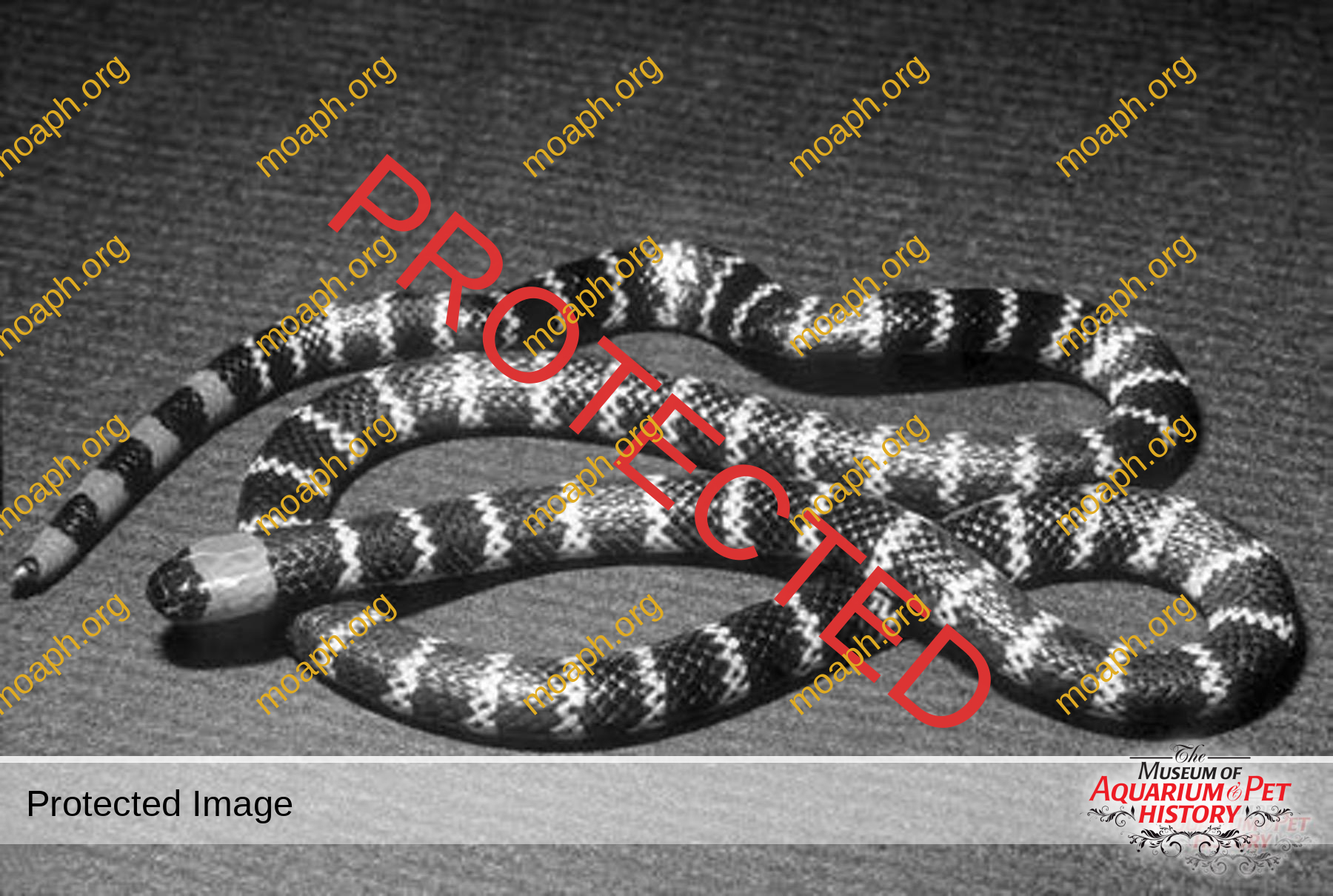
Figure 5. Red-banded Coralsnake, Micrurus mipartitus. Photograph by Bill Lamar.
Juan had a young student visitor from Universidad Nacional de Colombia (National University of Colombia). When we asked about her experiences there, she had just graduated with an undergraduate degree after eight years. The campus was surrounded with a high fence with concertina wire and armed guards. Political and student protests had closed the school for half of the time.
Later we went down to the Río Magdalena valley to the town of Armero, Tolima, to visit one of the serpentaria and milking stations used by the institute. The water was rushing so thousands of fish were moving upriver to mate. Fishermen were scooping them up with huge nets, for sale as food in Bogotá. I have been an aquarist for most of my life so the sight of these aquarium gems broke my heart — loricariids, pimelodids, etc. While there, Jack Joy collected the unusual hemiphractid frog Cryptobatrachus fuhrmanni; it was a specimen bearing eggs on its back (Figure 6). Bill prepared squamate specimens for the collection (Figure 7) while I oversaw the procedure at my leisure (Figure 8).
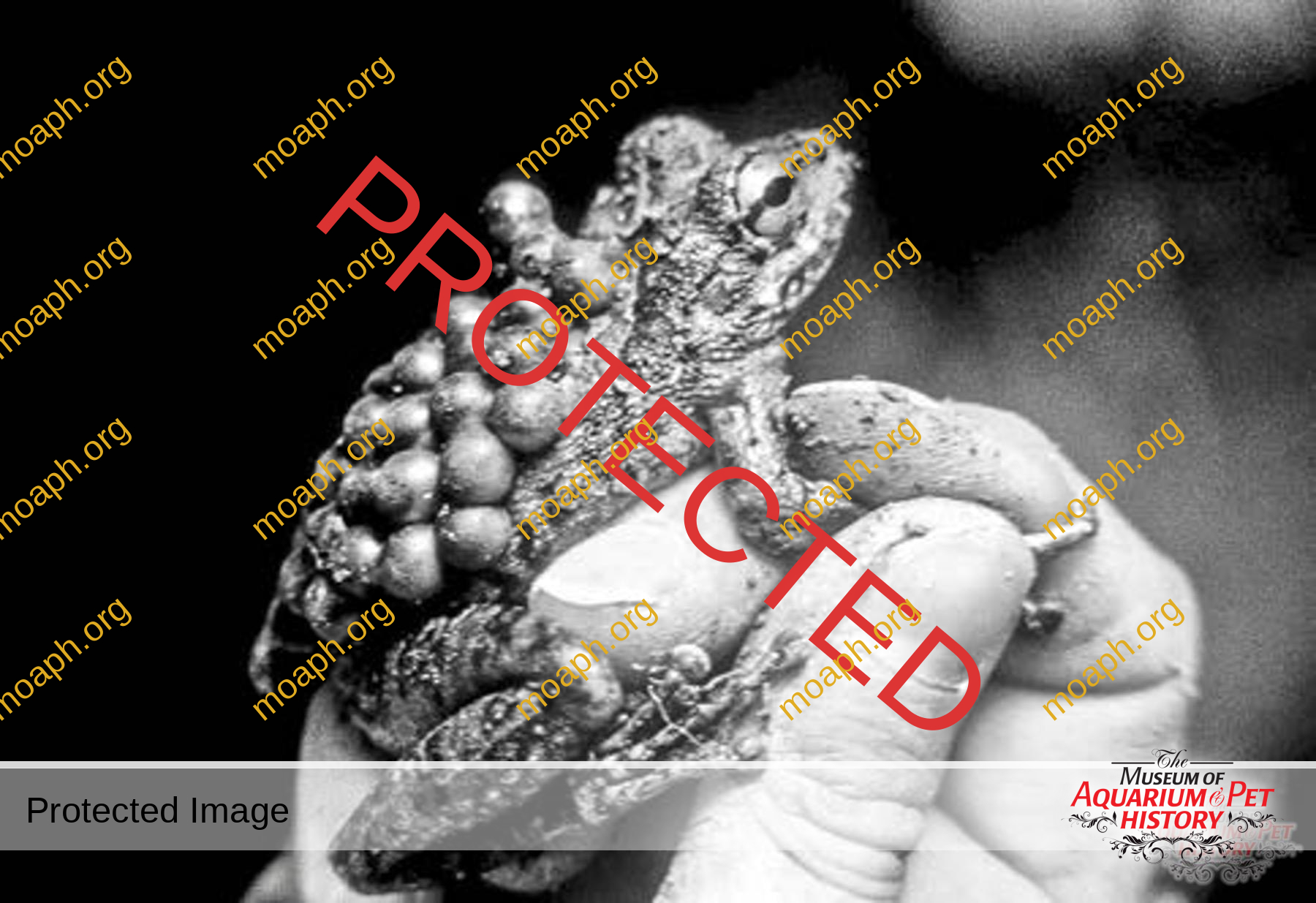
Figure 6. Cryptobatrachus fuhrmanni bearing eggs. Photograph by Bill Lamar.
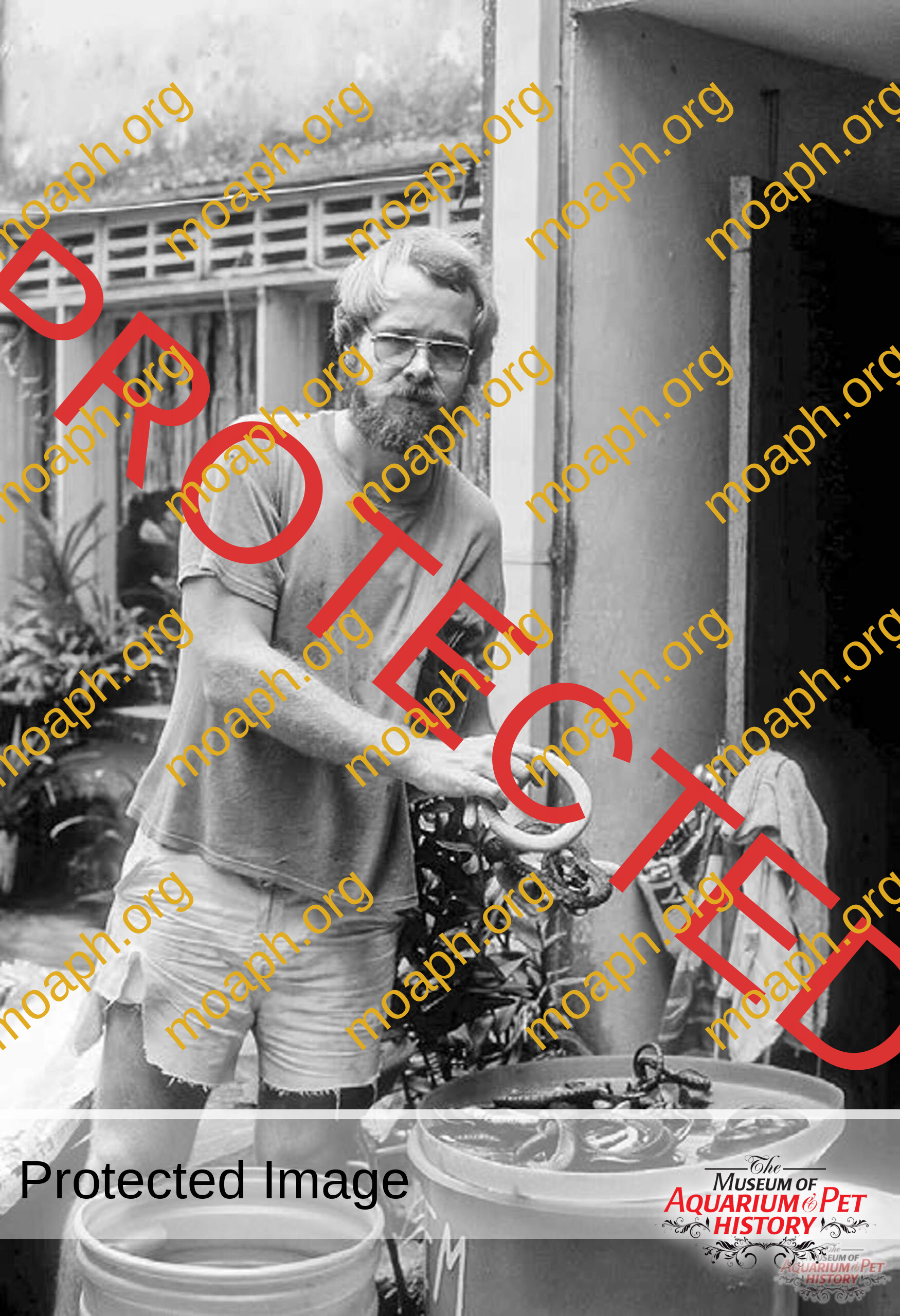
Figure 7. Bill Lamar in Villavicencio unpacking snakes from a field trip.
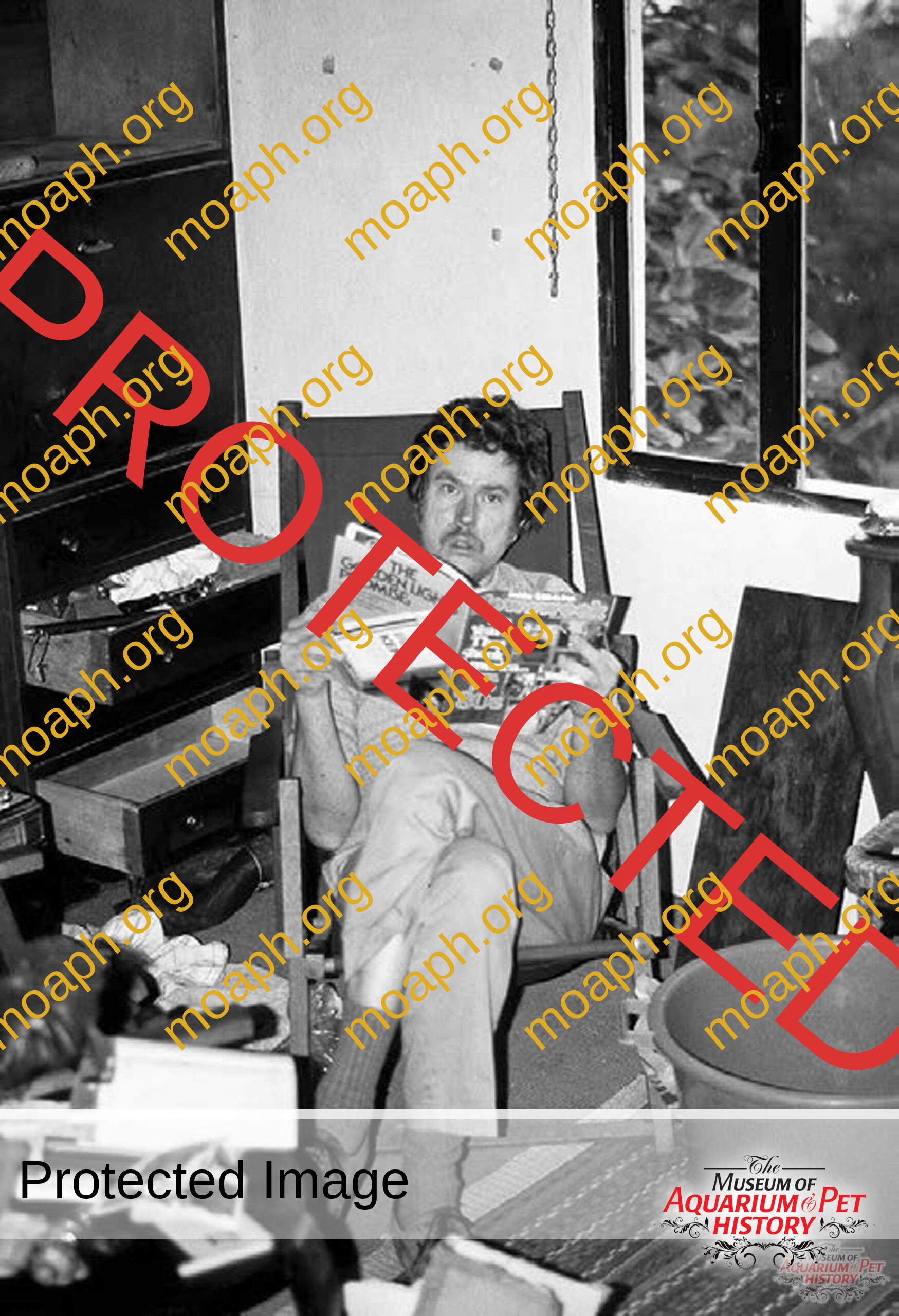
Figure 8. Jim Murphy relaxing at Santa Cruz Zoo. Photograph by Bill Lamar.
The nearby Nevado del Ruíz, at 17,500 feet, famously erupted in 1985. Within four hours of the eruption, lahars traveled over 60 miles, killing more than 23,000 people, injuring over 5,000, and destroying more than 5,000 homes. Hardest hit was the town of Armero, where three quarters of the 28,700 inhabitants died. I was watching the news on TV and an aerial shot showed the area — only the church steeple was visible.
About a year after our visit Gonzalo Chacón met an untimely end. It was payday at the zoo and a couple of thieves from a nearby town robbed Gonzalo of the payroll and shot him nine times. He died on the doorstep of the house we had shared with Bill and Nancy.
My treasured friendship with Jonathan A. Campbell
When I started working at Dallas Zoo in 1965, one of the first herpetologists I met was supervisor Jon Campbell at the Fort Worth Zoo, and we remain friends to this day. Rather than spending time outlining his extraordinary accomplishments in our profession, consult my article No Ordinary Jon. A Look at the Life of Jonathan A. Campbell (Fauna Magazine. 1997. 1(1): 72-78).
Jon lived in Guatemala City for his grade school days. He collected herps there at that time, and also did so every summer during graduate school. He kindly convinced me to join him in Guatemala and so we stayed at his family’s luxurious home with swimming pool, surrounded by servants catering to our every whim. Never had my shoes been polished to such a sheen, nor the car been so clean, or the meals so delicious. Jon took me to his favorite sites but one surprise was the basket hanging by a thin wire on the porch of his house with a Helmeted Iguana, Corytophanes percarinatus, resting in the plants (Figure 9). We were both stunned as there seemed to be no other means of reaching the planter other than dropping from the sky. Unlike the other species in the genus, this taxon is viviparous.
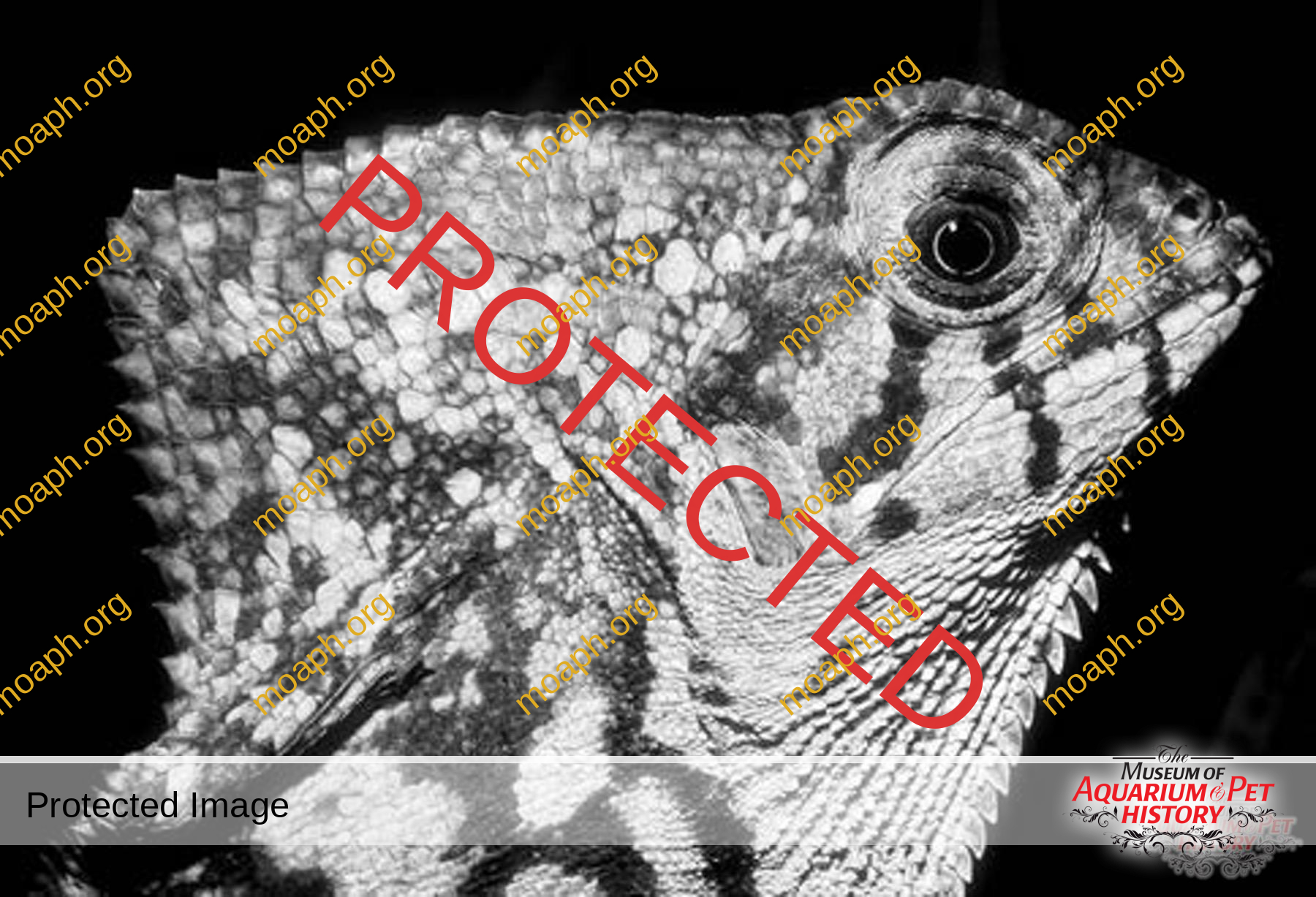
Figure 9. Helmeted Iguana, Corytophanes percarinatus. Photograph by Bill Lamar.
A welcome stroke of fate occurred in 1973 when Campbell met Barry L. Armstrong, a rattlesnake enthusiast from California. Barry had placed a number of living rattlesnakes on loan at the Dallas Zoo, and when Jon mentioned that he was planning some trips to Mexico and Guatemala, I suggested that he extend an invitation to Barry, a skillful field biologist. Their relationship proved to be highly productive and a number of rare taxa were collected.
This meant that Barry and Jon had to periodically travel back to Dallas so that animals were not held for weeks in the field. Based on their field and captive observations, papers dealing with systematics, biogeographical, behavioral, reproductive and other data from the animals collected on these excursions were published later. A number of the rare venomous snakes and coral snake mimics placed at the zoo were photographed for a subsequent book.
During our travels, the wholesale destruction of habitats was overwhelming; Jon was visibly shaken across the road from the Quetzal Preserve [Reserva Natural Ranchitos del Quetzal near Purulhá, Guatemala] when we drove to see his dissertation site of splendid tree fern cloud forest habitat cleared, with a leather fern plantation for the commercial market replacing it.
From there to the site of another disaster, the clearing and burning of most of the middle Motagua Valley which had recently been given over to cultivation of cantaloupe and tobacco. This area had been badly degraded by humans, as noted by Jon and his co-author Jay Vannini in their description of the Guatemalan Beaded Lizard, Heloderma charlesbogerti (Figure 10).

Figure 10. Publication by Jon Campbell and Jay Vannini on Guatemala and Belize.
My first trip in Guatemala without Jon was to Tikal, the ruins of an ancient city found in a rainforest in Guatemala, a large archeological site. It was an urban center of the pre-Columbian Maya civilization. It is located in the region of the Petén Basin in what is now northern Guatemala. Situated in the Department of El Petén, the site is part of Guatemala’s Tikal National Park and in 1979 it was declared a UNESCO World Heritage Site.
Jon took me to the airport in Guatemala City and I was escorted to a DC3 airplane where, surrounded by a few plane crashes alongside the runway, I was escorted to my seat by a wizened old male air steward. The floor was unpainted plywood and children’s school desks with inkwells were bolted to it — not a pleasant excursion for an adult human of normal size. After a two-hour flight over unbroken lowland rainforest, the air strip was surrounded on both sides by remnants of unsuccessful flights. Once on firm ground, I began to see much wildlife such as numbers of beautiful, tame, Painted Wood Turtles, Rhinoclemmys areolata, and ocellated turkeys, equally tame, being hand fed by the tourists.
Another trip, to Lake Petén, included my wife Judith and Jon’s wife Tanya — both ladies tolerating their spouses who preferred watching frogs and Morelet’s crocodiles to shopping for jade jewelry (it must be said here, dear reader, that I bought my wife a lovely array of jade jewels in the gift shop). The owners of this cabin complex showed us an enormous croc skull [at least for a Morelet’s crocodile] and described several instances of fatalities. A large number of mid-sized ones were basking on the shore. Judith found many anurans, spiders and scorpions in the shower, and spotted a mid-sized boa constrictor when she finished her bathing. Our return trip to the city was eventful when our DC3 hit an air pocket, dropping ca. 5000 ft according to the pilot who was apologetic and shaken as splattering beverages and food rained down upon us from the ceiling and covered our bodies.
The Zoo La Aurora, located in the heart of Guatemala City, is one of the largest gardens in the city with 287 species and more than 2100 animals in the entire collection. The zoo receives more than 1.5 million visitors yearly. All the efforts are focused on public education, innovation, and renovation of the park. The Zoo covers over 15 hectares with animals from around the world such as Humboldt penguins, chimpanzees, big cats, Asian elephants, giraffes, and the new project El Reino Kan y sus Reptiles that is the biggest project in the zoo’s history with a building and naturalistic outdoor enclosures housing more than 50 species of reptiles, amphibians and spiders. We arranged to work with Lorena Calvo from Guatemala Zoo on this project that included scientific exploration and collection of specimens for both zoos.
Our first trip was disappointing. Some years ago, Jonathan, Edmund D. “Butch” Brodie, Jr., and I traveled at night from Guatemala City to Finca Chiblac, on the northern slope of the Sierra de los Cuchumatánes. The main purpose of our trip was to collect several species of rare salamanders, particularly Nyctanolis and Bradytriton. The former is a large, active, longlimbed nocturnal salamander that acts more like an anoline lizard than a salamander. Since much of Brodie’s research has documented salamander antipredator behavior, we were interested in obtaining living specimens for behavioral observations. After being hassled at various military checkpoints, we finally arrived at the finca, where we noticed a number of human statues carved from tree fern trunks on the roofs of the building and scattered around the farm. This was an area of considerable guerrilla activity and we learned that the statues were placed strategically to confuse the rebels so that the farm would appear to be filled with defenders. We began to collect in the mornings, but we were nervous about the political instability in the area; hence, we decided to return to Guatemala City in the early afternoon to avoid any encounters with the rebels. For example, we kept hearing explosions that sounded like a major thunderstorm on the adjacent mountain range but learned that it was the soldiers bombing the guerillas. I noticed gun barrels glinting in the sunshine on the hillside. As we were driving back, we noticed with horror that the forest had been completely leveled on both sides of the road by the Guatemalan military in order to eliminate hiding places for the guerrillas. Their scheme certainly worked, for there was no cover remaining, neither for the rebels nor for herps.
Another trip, this time to Quetzaltenango, included Butch, Jon, Jay Vannini and me. Jon and Butch flew on a small private plane with inclement weather a concern between two of the major volcanoes, Volcán de Agua and Volcán Acatenango. Jay and I wisely drove. We stayed at Jay’s farm, Finca El Faro, in Departamento de Quetzaltenango, and enjoyed a lovely vacation with fine cuisine, plentiful libations and limitless herps. The setting was spectacular with the Santa María volcano in the background. and the associated Santiaguito Volcano, one of the most active lava dome complexes in the world. All of a sudden, pent-up smoke, ash, fire and lava blew out the side of the mountain with a stupendous roar, and white ash covered the whole area like a major snowstorm. Mercifully, there was a valley between us.
Butch was collecting lizards by using a heavy rubber band like a slingshot to stun them. When I asked if he ever missed, he claimed that he was legendary — without a peer in our community. I was skeptical so I challenged him to a duel with a reasonable wager, much like Robin Hood shooting an apple off a human head. Drum roll! A lighted cigarette was at a jaunty angle in my mouth, with visions of easy cash. Butch loaded and shot the cig clean out of my mouth. Double or nothing — vanquished again!
Collecting was successful: Plectrohyla avia, Micrurus latifasciatus, Oedipina stenopodia, Ninia sebae, Micrurus nigrocinctus, Sibon nebulata, and many others.
Barry and Jon were in Dos Aguas, Michoacán, during the 1970s searching for the elusive Tancitaran dusky rattlesnake. Several local cowboys began to taunt the two herpetologists, pointing out that Americans were soft, spoiled, lazy, and incapable of hard work. The greatest insult hurled at them was that they were incapable of using a lasso properly. Unknown to the locals, Campbell had worked on a ranch each summer while he was in high school where he learned to rope cattle with great skill. As the two sides argued, Campbell picked up the lasso. Three burros were galloping down the dusty road toward them at great speed. John twirled the rope around his head and casually flipped it backwards over his body. Miraculously, the rope settled over the first burro’s head and tightened on its neck. In one deft motion, Jon wrapped the other end around a fence post that caused the burro to flip into the air and crash to the ground. The cowboys were incredulous at Jon’s proficiency and were totally deferential and respectful for the remainder of the trip.
In 1984, Jonathan was diagnosed with a probable malignant thyroid tumor; it appeared as though his days were numbered. He put his affairs in order and prepared for death. A number of his friends came to Arlington to say goodbye and we had a somber final meal at my house before his surgery, scheduled for the near future. It was a relief to all of us to learn that the tumor, although exceedingly large, was benign. In spite of this close call, Jon was not the most responsible patient after surgery, for he often forgot to take his thyroid medication. His friends reminded him constantly to pay attention to his regimen. A few years later, he presented a paper at a major herpetological society meeting. Naturally, he forgot to take his elixir. Jon began his presentation with great energy and enthusiasm, but slowed to a snail’s pace toward the end. His predicament reminded me of a child’s windup toy winding down.
When Jon retired, Tanya and he decided to stay in Texas. They spent time in Palacios on the Texas coast before deciding to permanently relocate to Llano, Texas. Jon and Tanya were invited to a neighborhood party there where the wealthy host turned out to be interested in herps and stopped the gathering in midstream and announced to all that a distinguished author was in their midst. Jon learned that the host owned a three-story Victorian house that was currently vacant and for sale. Jon asked the cost and the owner paused for a moment and said that he would trade an inscribed set of Campbell’s two-volume Venomous Reptiles of the Western Hemisphere for the house — incredible! Jon later backed out of the deal as the house required major renovation and would have to be moved a couple of miles — no small undertaking.
Tanya and Jon wanted to live in a natural setting but could not find a suitable dwelling. Eventually, they passed a large, vacant, for-sale church, built in 1904, with a tall steeple, altar, seating for parishioners, podium, original collection plates, bell tower and bell (Figures 11 and 12). When he bought it, I asked if he planned to sell indulgences. The church had to be moved as it was located some 25 miles away. They hired a house-moving company and police as escorts to accompany this imposing bundle but had to also hire the electric and telephone utilities to disconnect overhead wires, as the steeple was too tall to pass. The bell needed to be repaired — when rung, local people stopped by and asked when services would begin. Remodeling the innards was quite a lengthy and expensive chore but the final result is impressive. Jon has completed a turtle pool and dog runs for three white adult German Shepherds (Figure 13) are being planned.
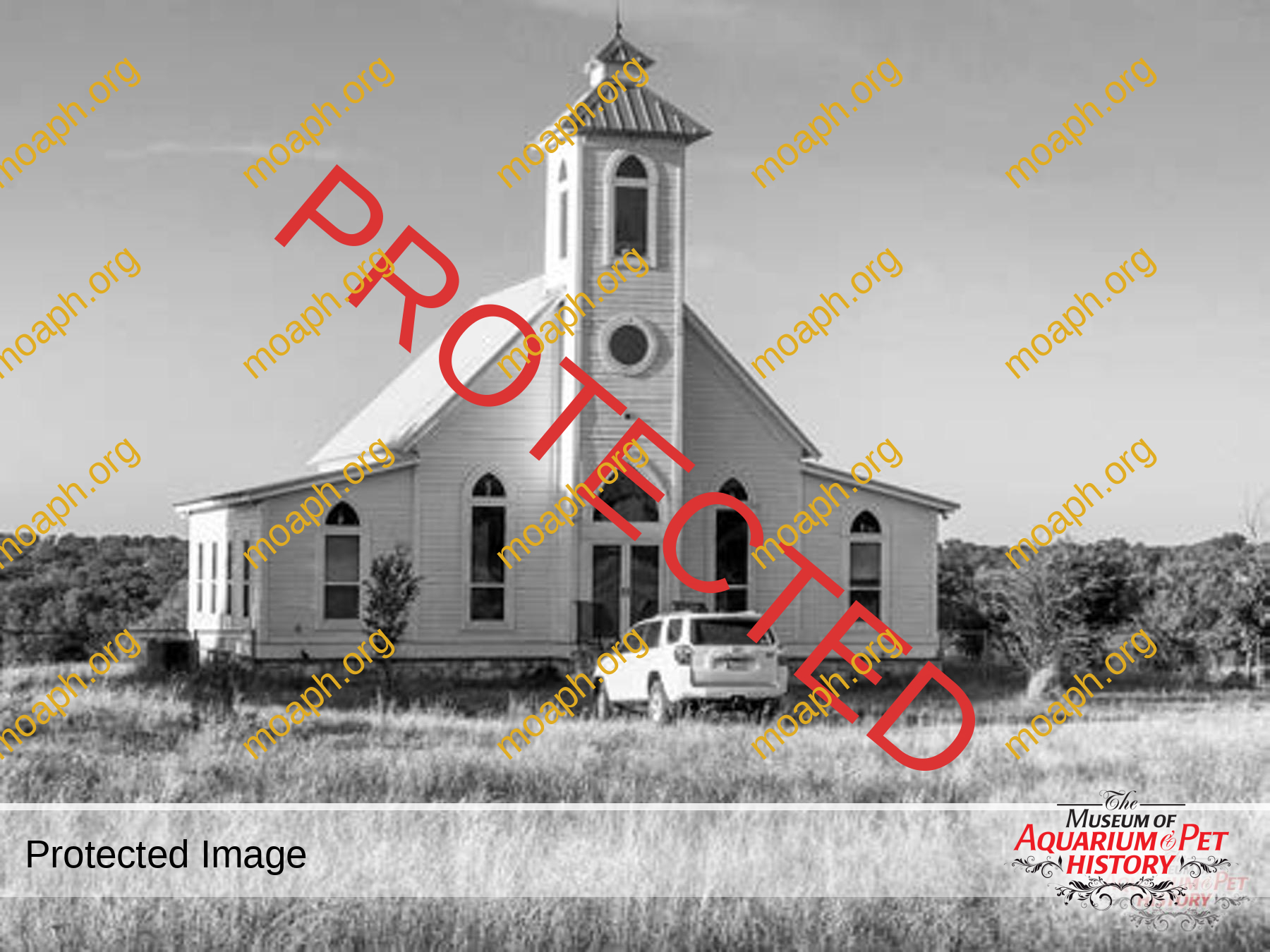
Figure 11. The abode of the Campbell family in summer. Photograph by Jon Campbell.
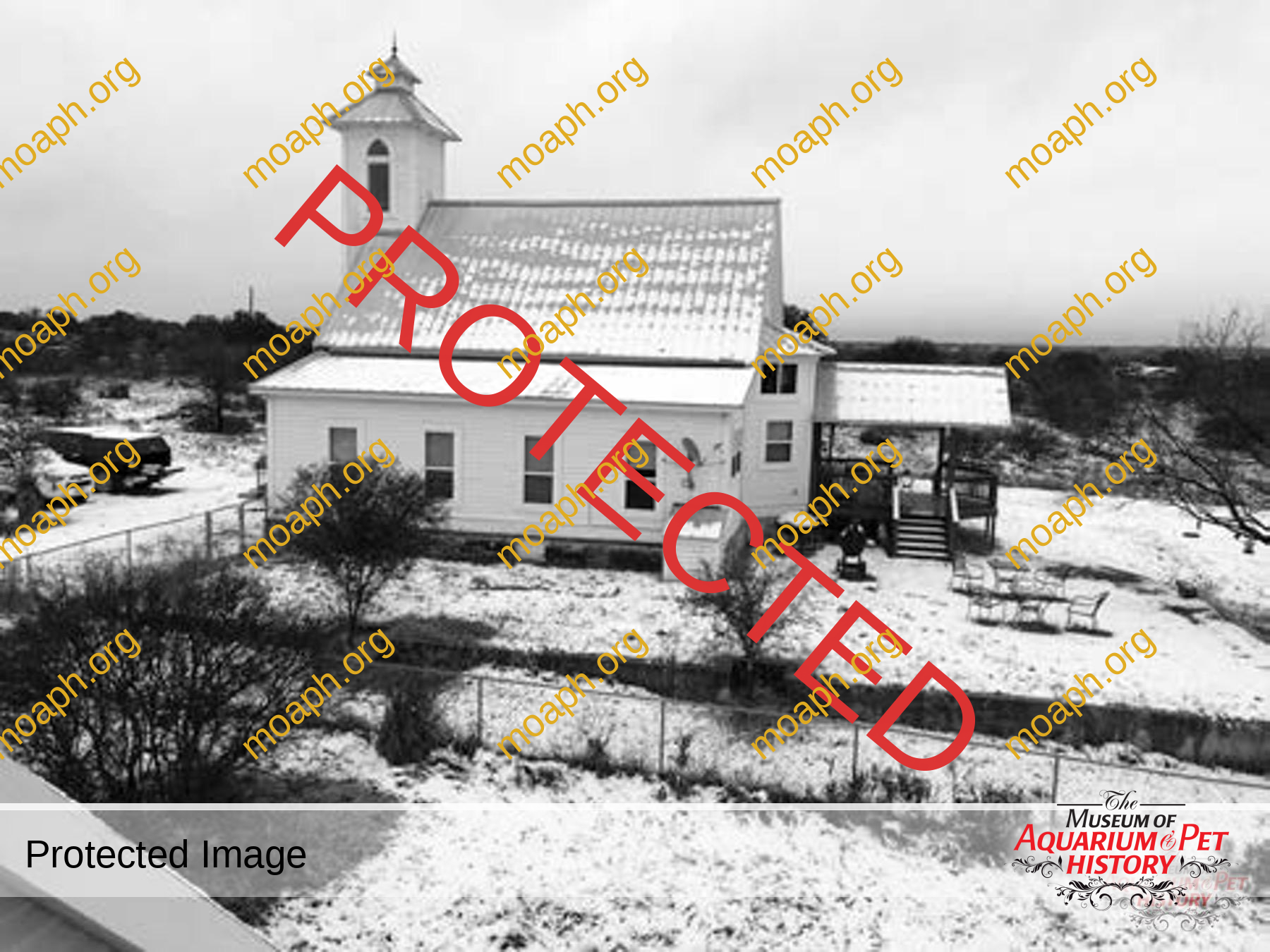
Figure 12. The abode of the Campbell family in winter. Photograph by Jon Campbell.
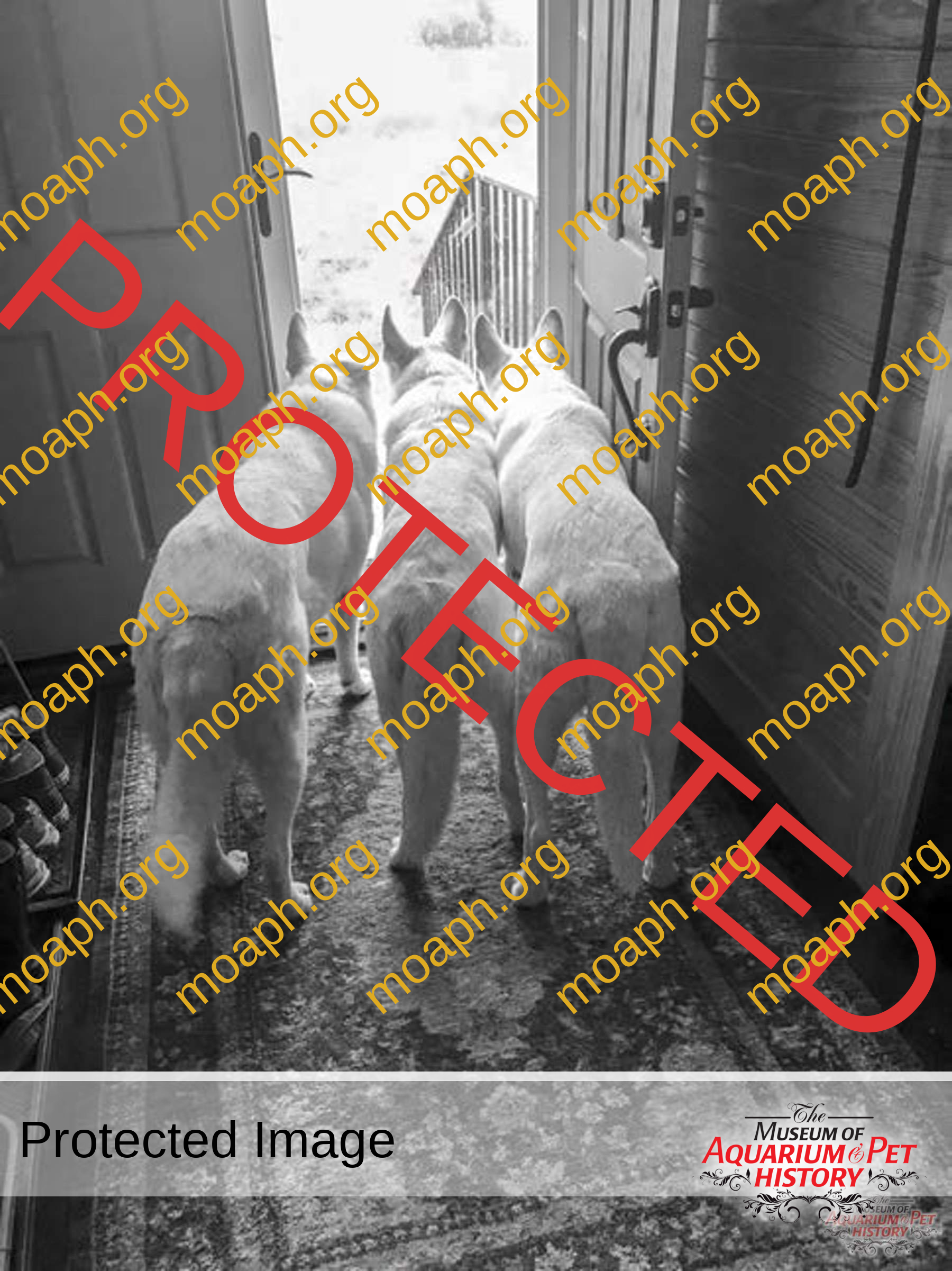
Figure 13. Jon purchased a van so he can take his three white German Shepherd canines conveniently down to the Llano River to swim. Photograph by Jon Campbell.
Acknowledgments
Thanks to Judith Block, Jon Campbell, and Bill Lamar for many happy moments in the field over many years.
To be continued
From the Bulletin of the Chicago Herpetological Society
Some of the vignettes in this article have been published elsewhere, but are included again here to produce continuity.