Aquarium de Paris (1900): An Immersive Aquatic Theater – Part 1
Visiting the 1900 Paris Exposition must have been a truly breathtaking experience, both for visitors and exhibitors alike. Speaking of the latter, France invited 56 countries, and 40 of them accepted, along with several colonies and protectorates of Great Britain, the Netherlands, Portugal, and France itself. This colossal world’s fair lasted seven months, from April 14 to November 12, and attracted more than 50 million visitors. Organized with no expense spared, the Exposition Universelle was intended to celebrate the industrial and technological advancements, traditions, culture, and artistic excellence that would lead the participating nations into the newly begun century.
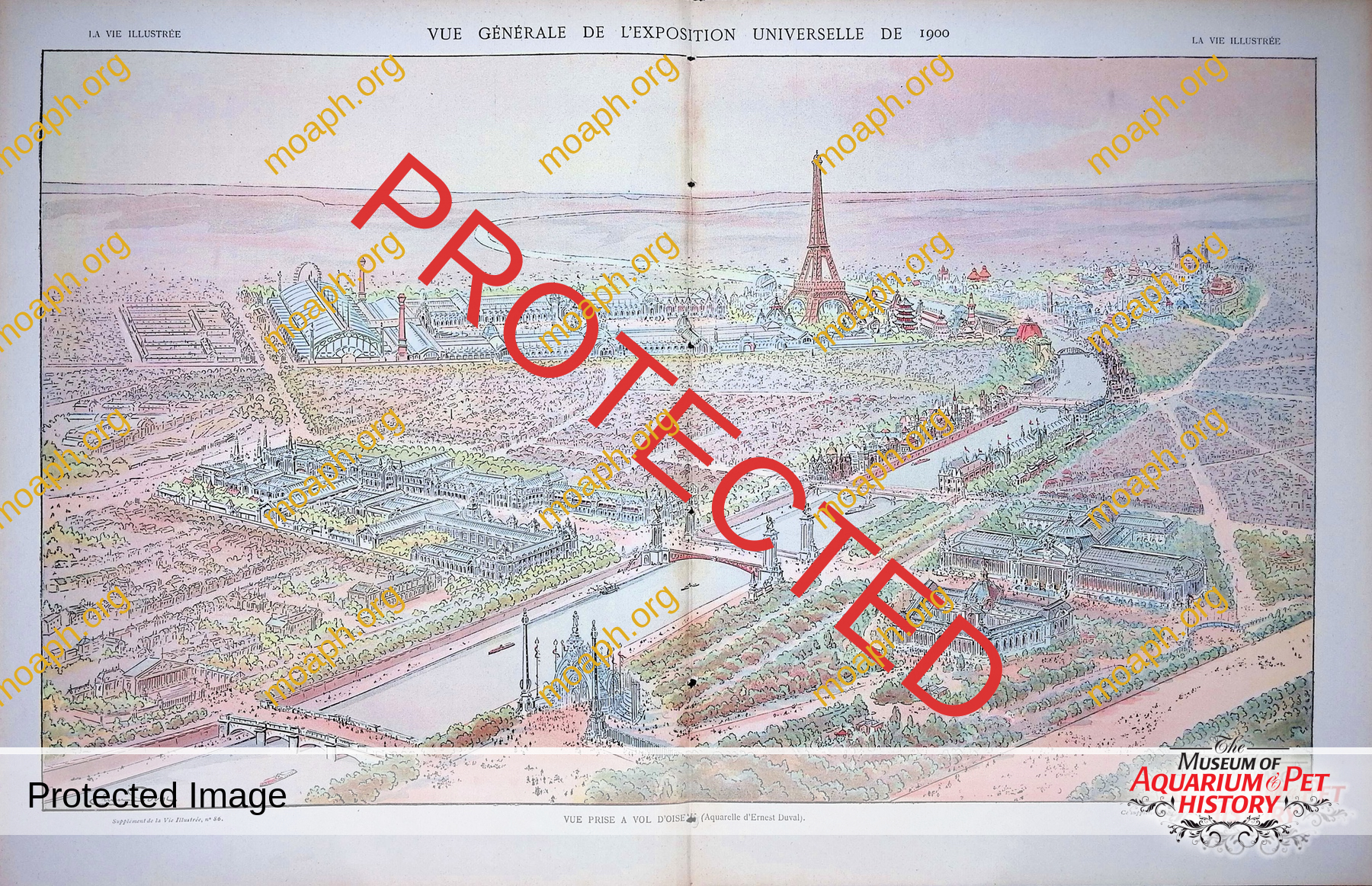
Double-page illustration from a watercolor by Ernest Duval. Supplement to the French magazine La Vie Illustrée No. 86 (June 8, 1900).
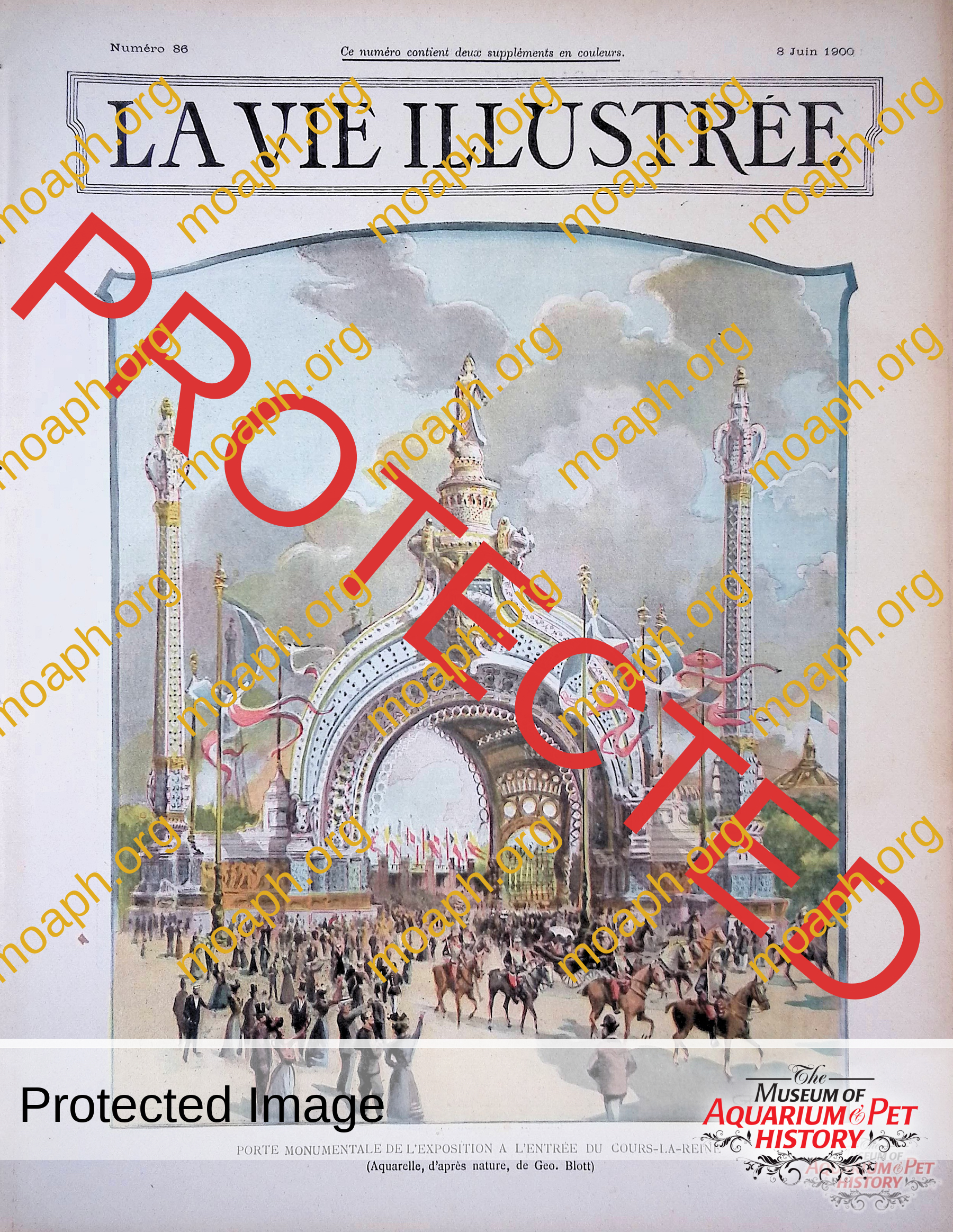
The Porte Monumentale de Paris, main entrance of the exposition. Its overall design was inspired by the biological studies of Ernst Haeckel. Illustration from the cover of La Vie Illustrée No. 86 (June 8, 1900).
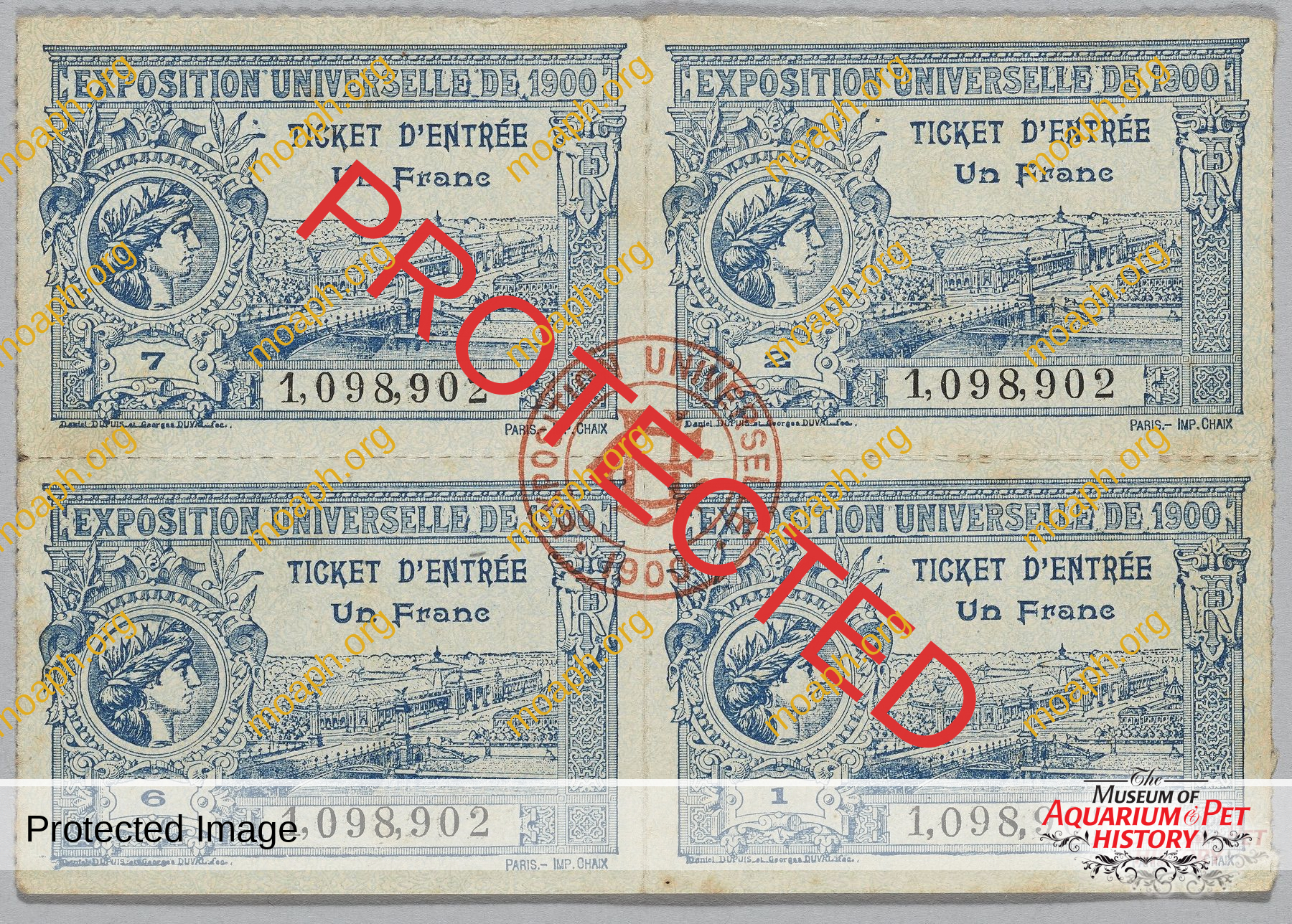
Original entrance tickets. Under the Porte Monumentale, visitors could find 26 ticket booths. CC0 Paris Musées / Musée Carnavalet, Histoire de Paris.
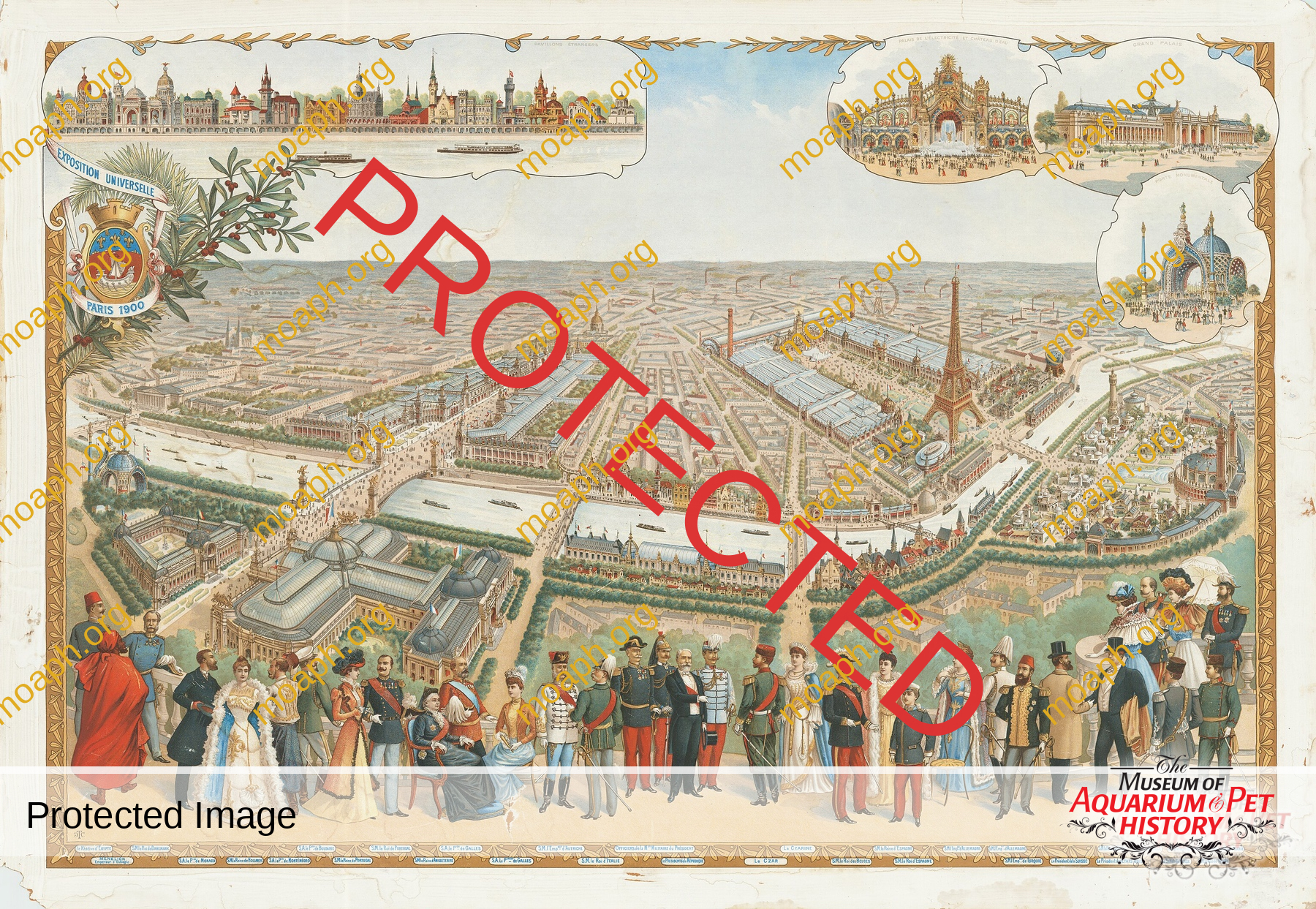
Stunning color-lithographed poster showing Paris and a few world leaders in the foreground, such as Queen Victoria and her son, Emperor Franz Joseph I of Austria-Hungary, Emperor Nicholas II and Empress Alexandra of Russia, and Menelik II, Emperor of Ethiopia.
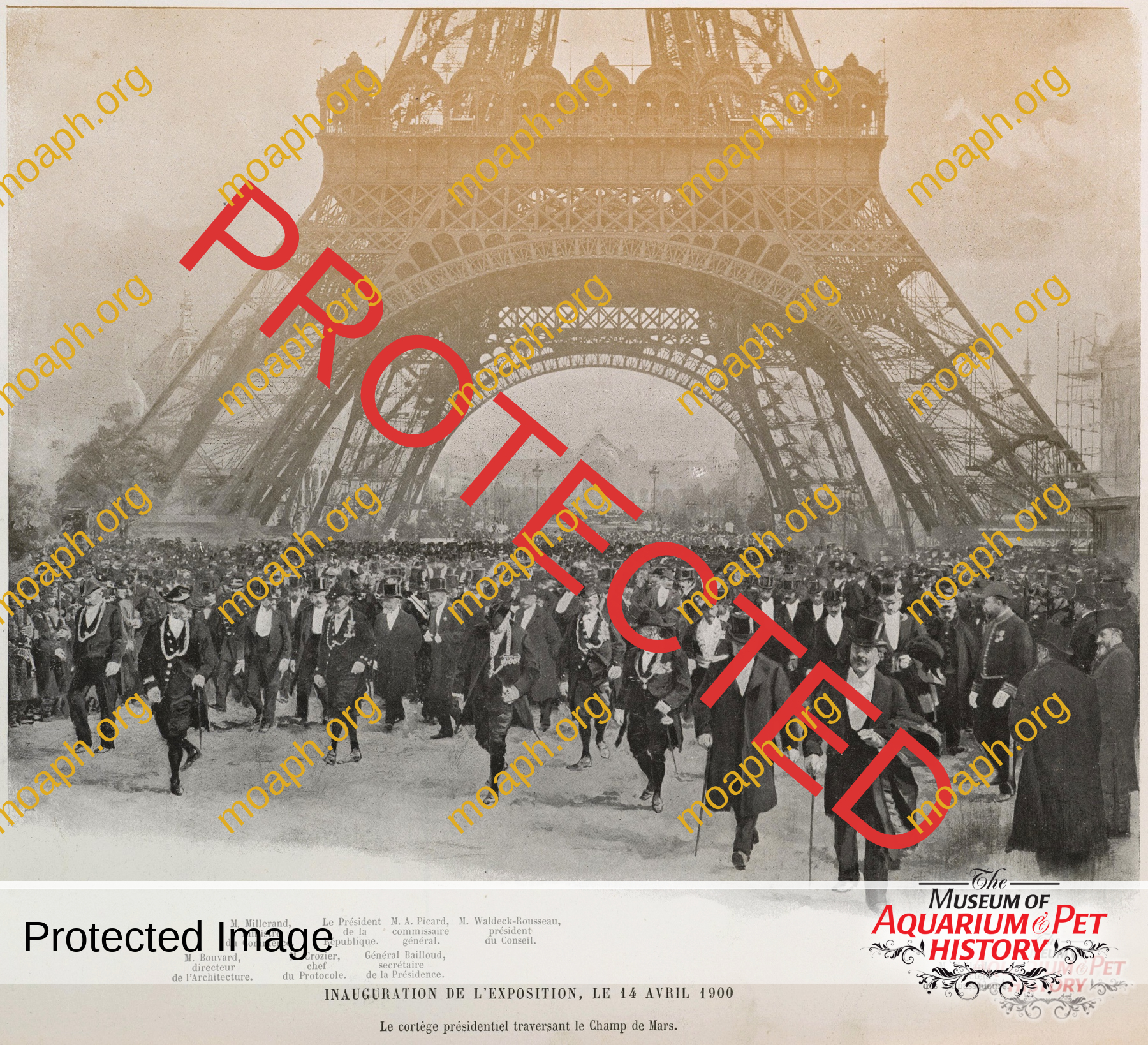
Presidential procession at the opening ceremony of the Exposition. Among the many politicians and military figures captured in this photo, there is also the President of the French Republic, Emile Loubet. CC0 Paris Musées / Musée Carnavalet, Histoire de Paris.
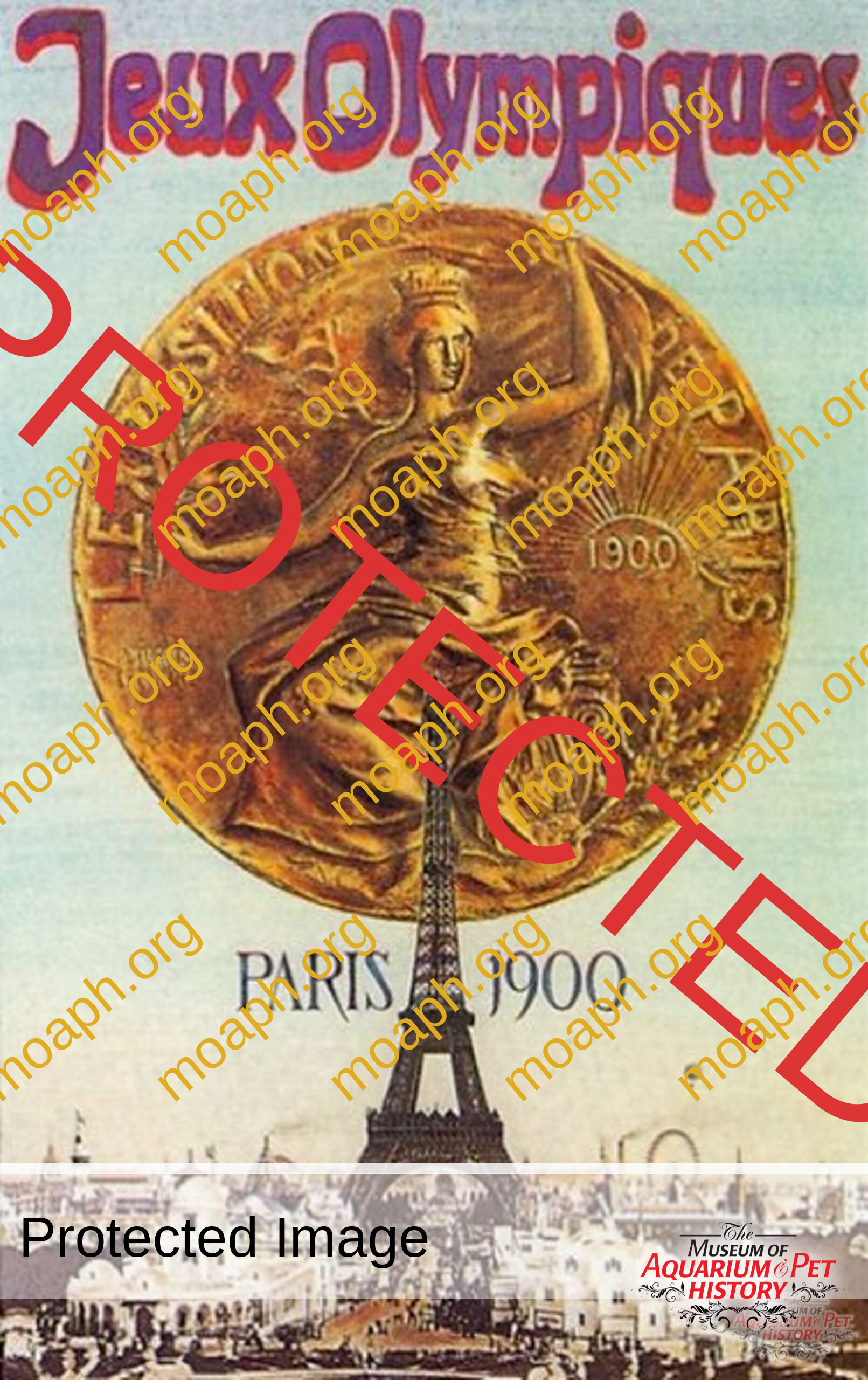
That same year, from May 14 to October 28, Paris also hosted the second modern Olympic Games, another historic event that drew large crowds.
Widely regarded as the cradle of Art Nouveau, the city was at the peak of its splendor. For the occasion, it unveiled luxurious new buildings, the subway system (Métro), a new public lighting network powered by electricity, and a gigantic Ferris wheel (Grande Roue de Paris) which could carry 1,600 passengers at a time and even featured a restaurant cabin!
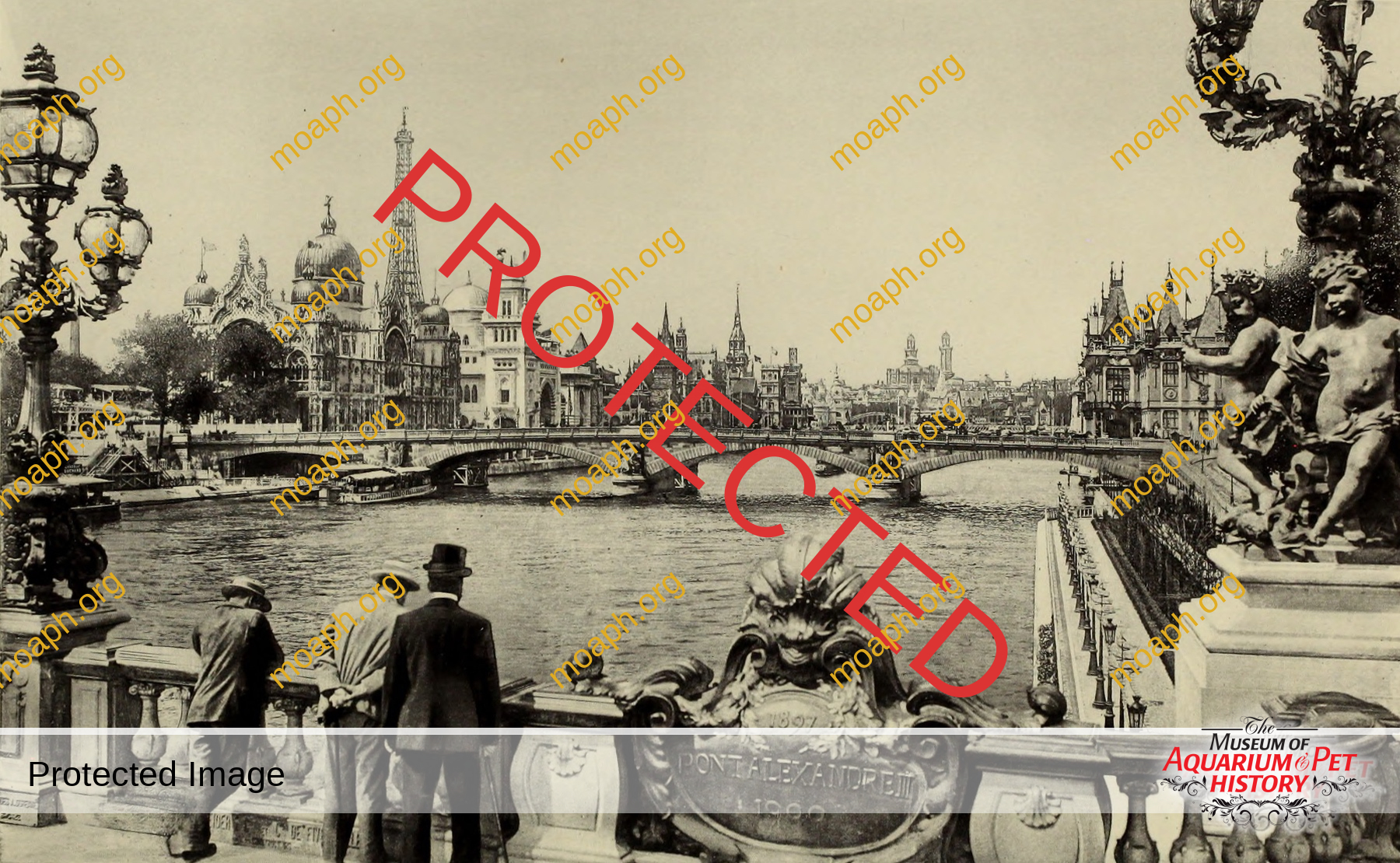
View of the Seine from the Pont Alexandre III. On the left, a few of the multiple, stunning pavilions built by the foreign exhibitors. CC0 Paris Musées / Musée Carnavalet, Histoire de Paris.
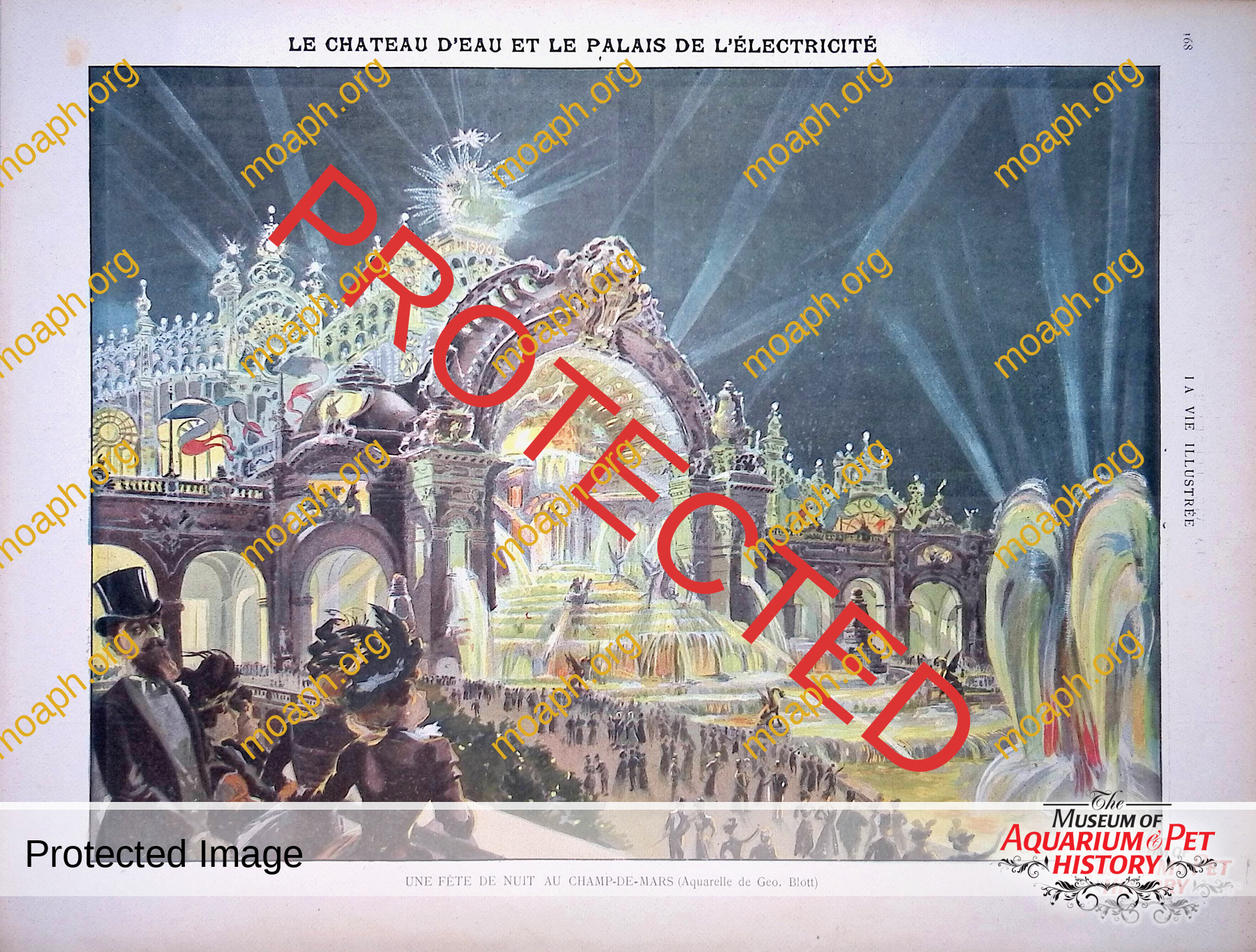
The Palace of Electricity was among the most popular sights. Its design suggested a giant peacock spreading the tail. The 1900 Paris Exposition was also a celebration of electricity. Electrical lighting was used extensively to keep this world’s fair open well into the night. Illustration from La Vie Illustrée No. 86 (June 8, 1900).
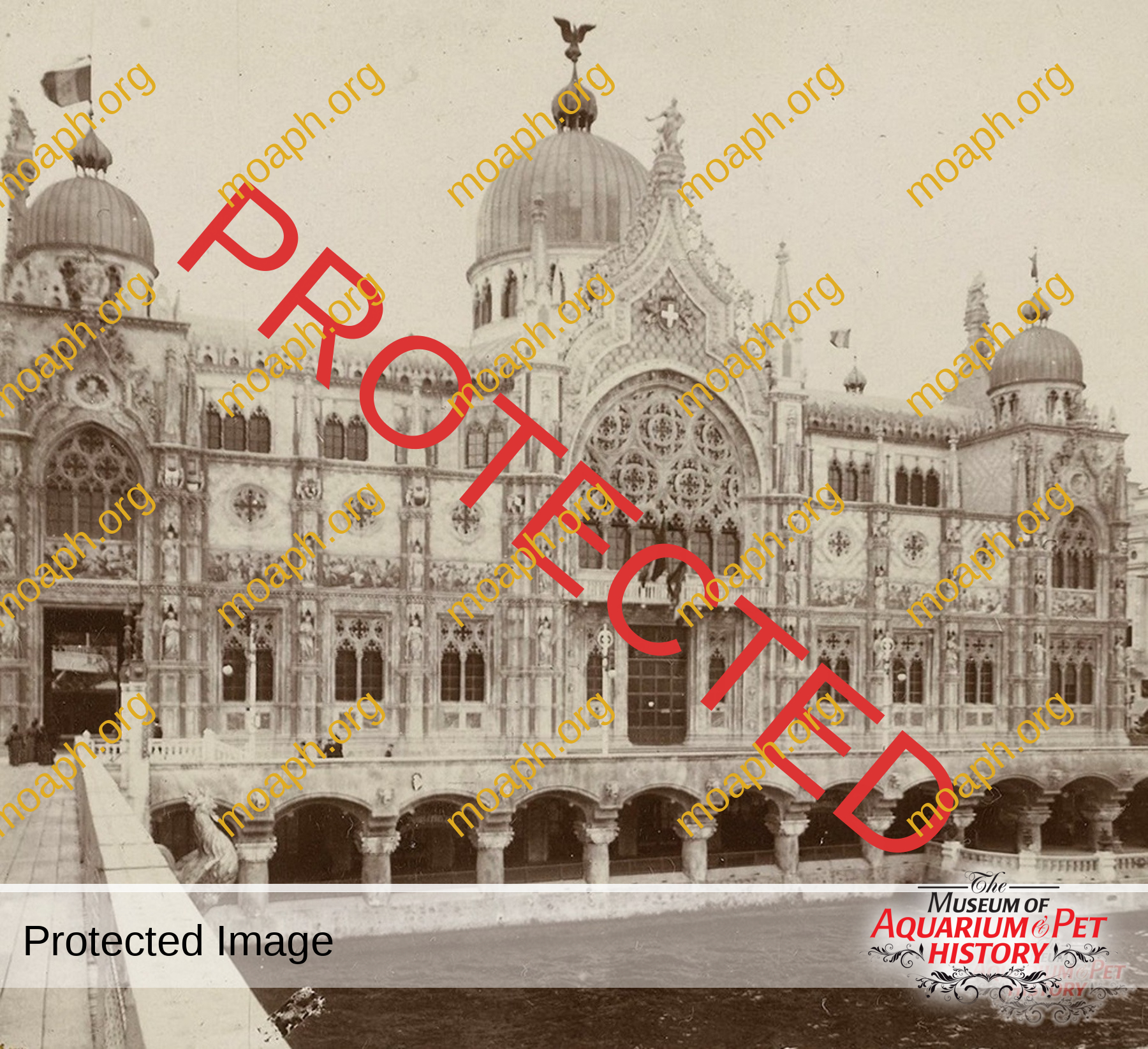
Designed by the architects Ceppi, Gilodi and Salvadori, the pavilion of Italy was one of the most admired during the Parisian kermesse. CC0 Paris Musées / Musée Carnavalet, Histoire de Paris.
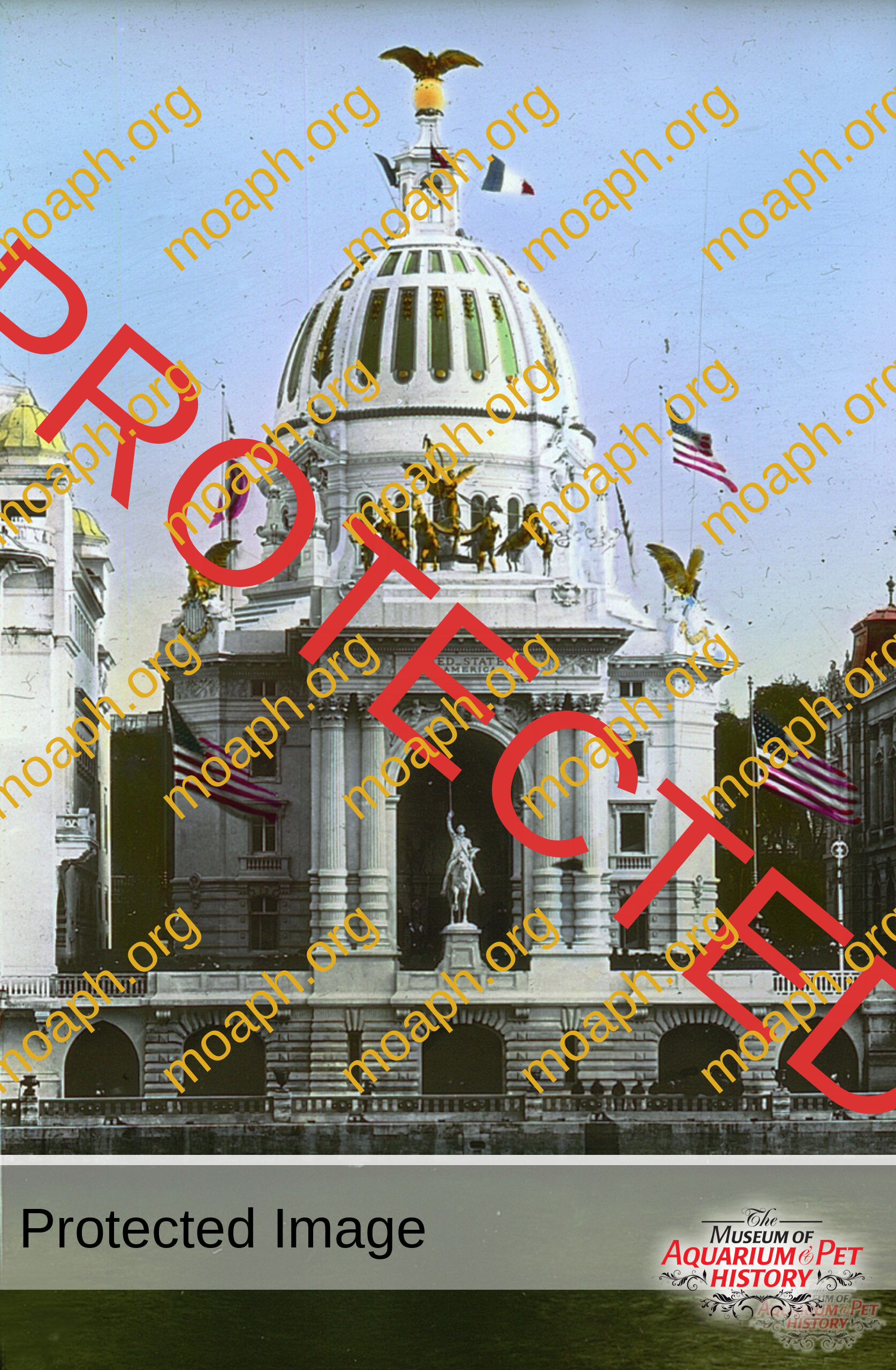
Pavilion of the United States. CC0 Paris Musées / Musée Carnavalet, Histoire de Paris.
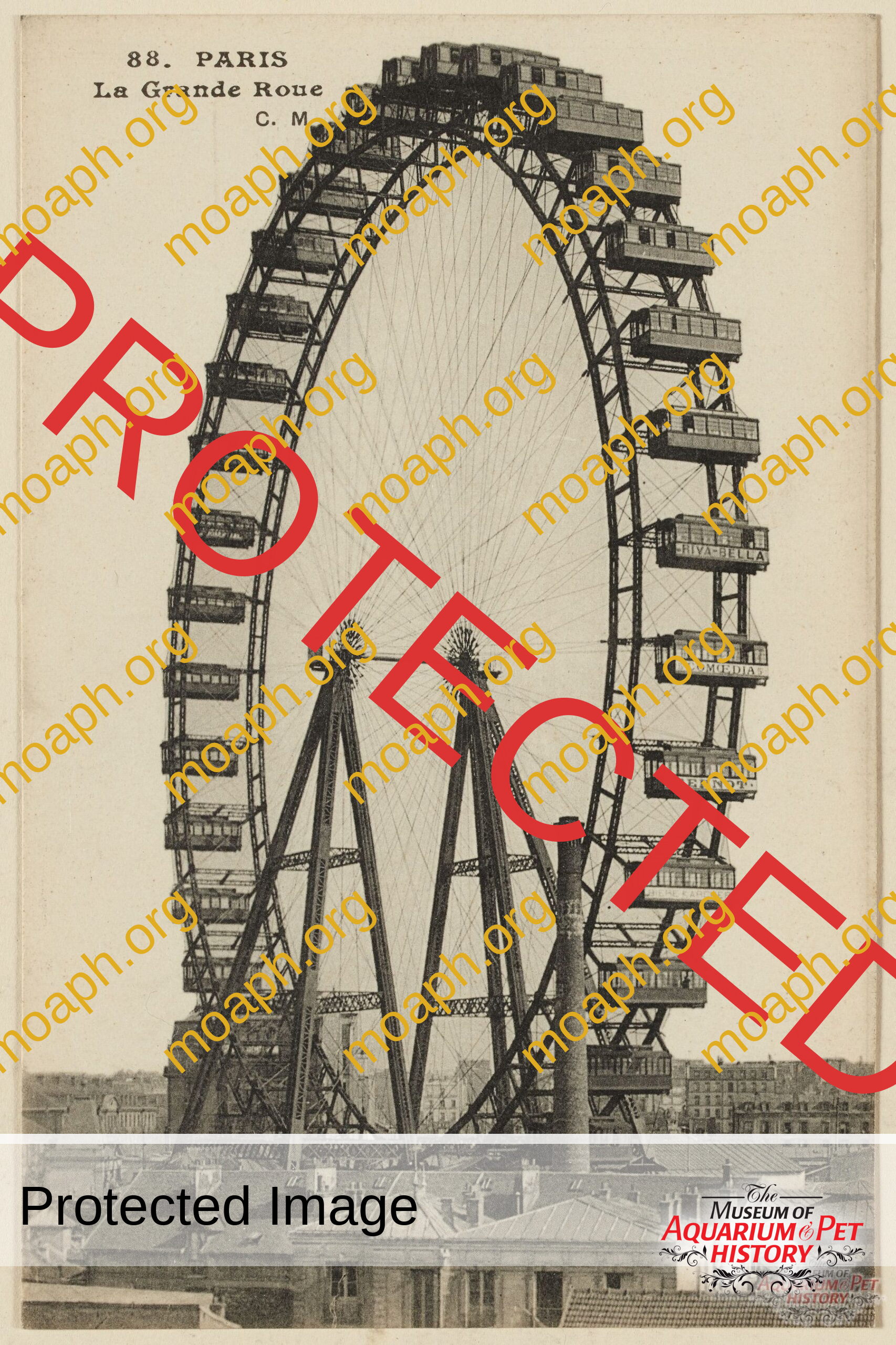
The Grande Roue de Paris was a very popular attraction and the tallest Ferris wheel (315 feet – 96 meters) in the world at the time of its opening. CC0 Paris Musées / Musée Carnavalet, Histoire de Paris.
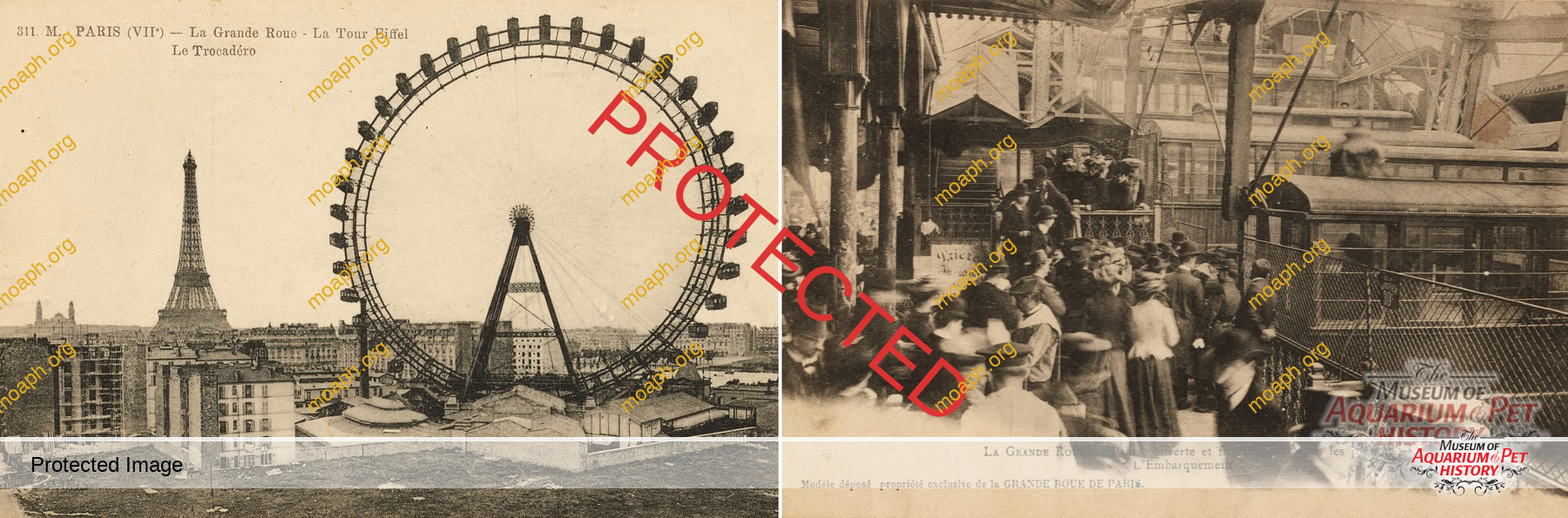
The cost of a ride was one franc for a second class car, and two francs for a more spacious first-class car. CC0 Paris Musées / Musée Carnavalet, Histoire de Paris.
Visitors found countless things to see and to experience for the first time in their lives.
Technology in the service of entertainment
The Lumière brothers, for instance, presented their films on a colossal 69 feet by 52 feet (21 meters by 16 meters) screen set up in the Gallery of Machines.
Another innovation in motion pictures was presented at the Phono-Cinema Theater. It was a talking movie where the images on the screen were synchronized to the sound from phonographs.
An even more ambitious experiment was the Cinéorama of Raoul Grimoin-Sanson, which simulated a voyage in a balloon. A film depicting a landscape passing below was projected onto a circular screen 305 feet (93 meters) in circumference using ten synchronized projectors, while the spectators sat on a large platform resembling the basket of a balloon and placed above the projectors.
Worthy of mention is also Maréorama by Hugo d’Alesi, a novel entertainment attraction which simulated a voyage by ship. The viewers, in this case, stood on the railing of a ship simulator, watching painted images of cities and seascapes pass by. The illusion was aided by machinery that rocked the ship, and fans which blew gusts of wind.
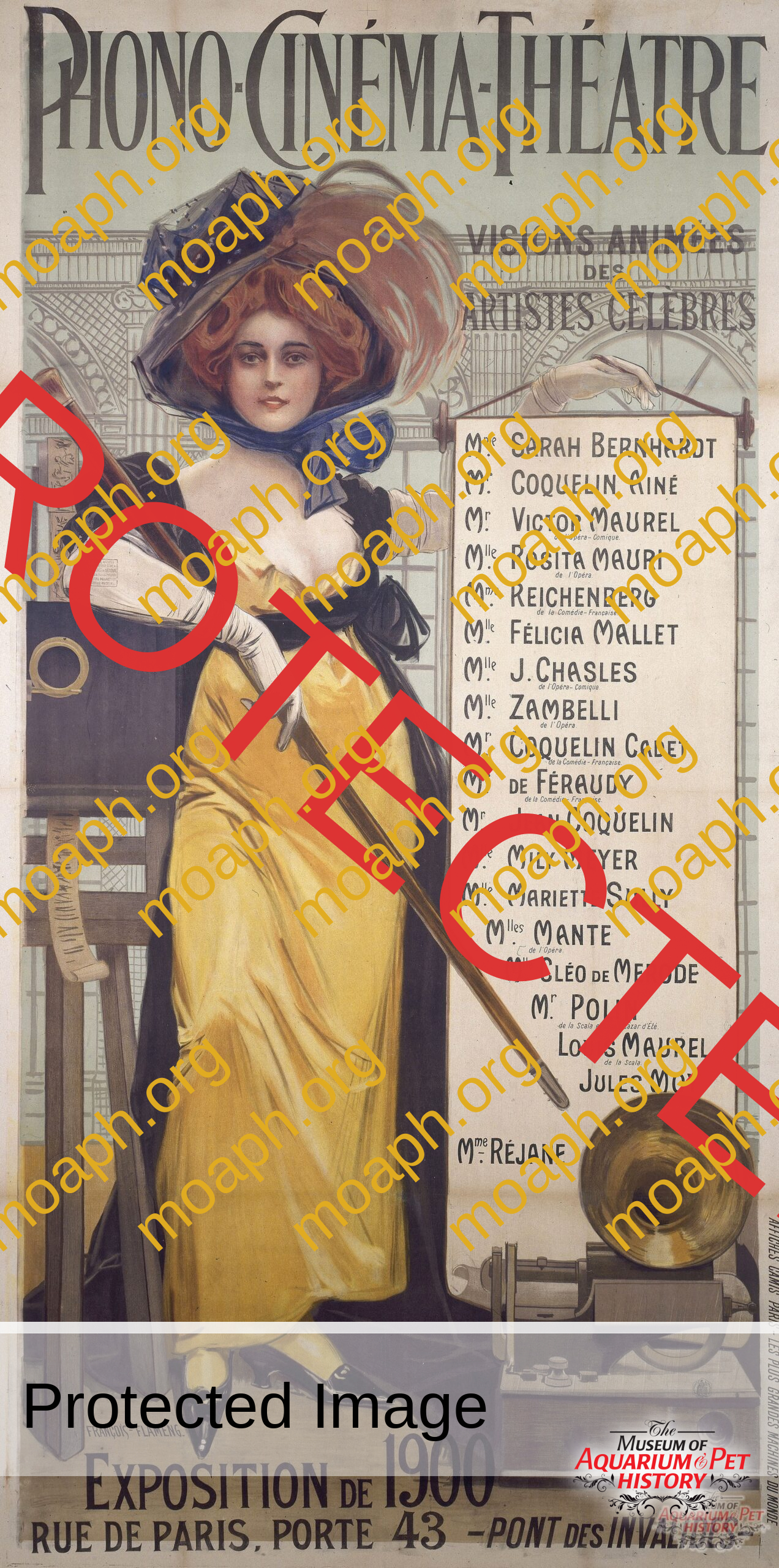
Poster advertising the Phono-Cinéma-Théatre. CC0 Paris Musées / Musée Carnavalet, Histoire de Paris.
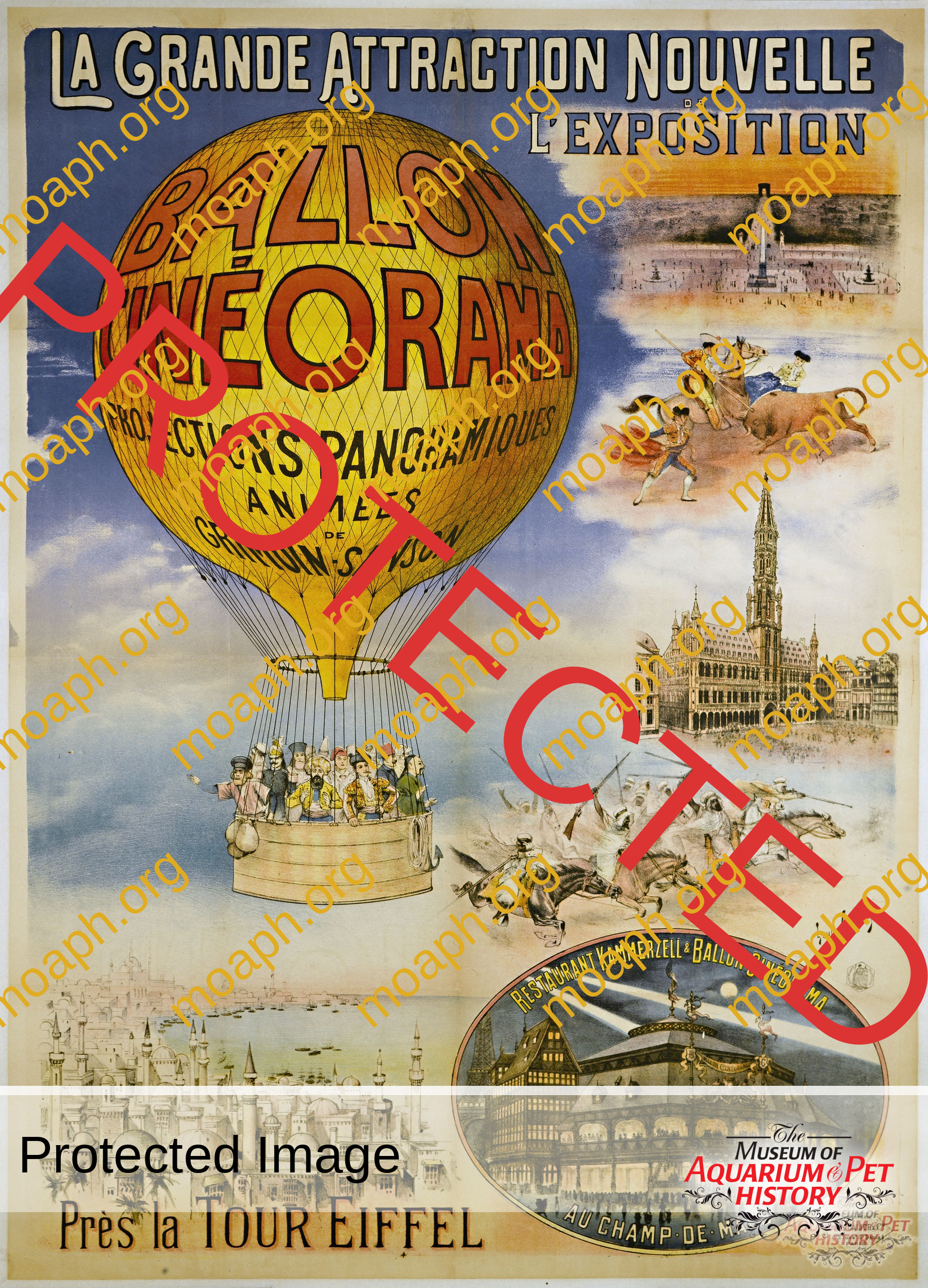
Poster advertising Cinéorama. CC0 Paris Musées / Musée Carnavalet, Histoire de Paris.
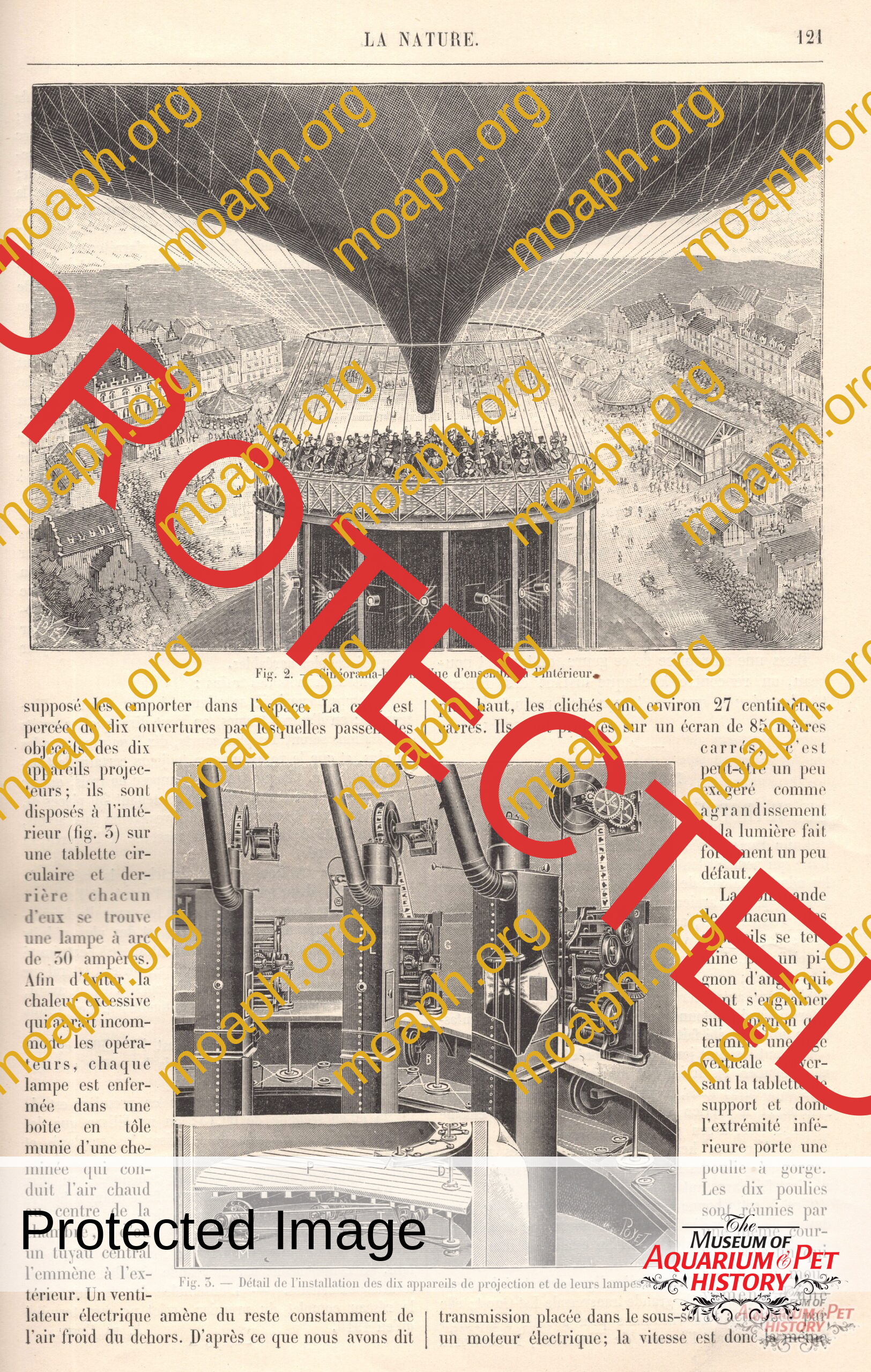
Cinéorama. Illustrations from La Nature – Revue des sciences et de leurs applications aux arts et à l’industrie Vol. 28 No. 1417 (July 21, 1900, p. 121).
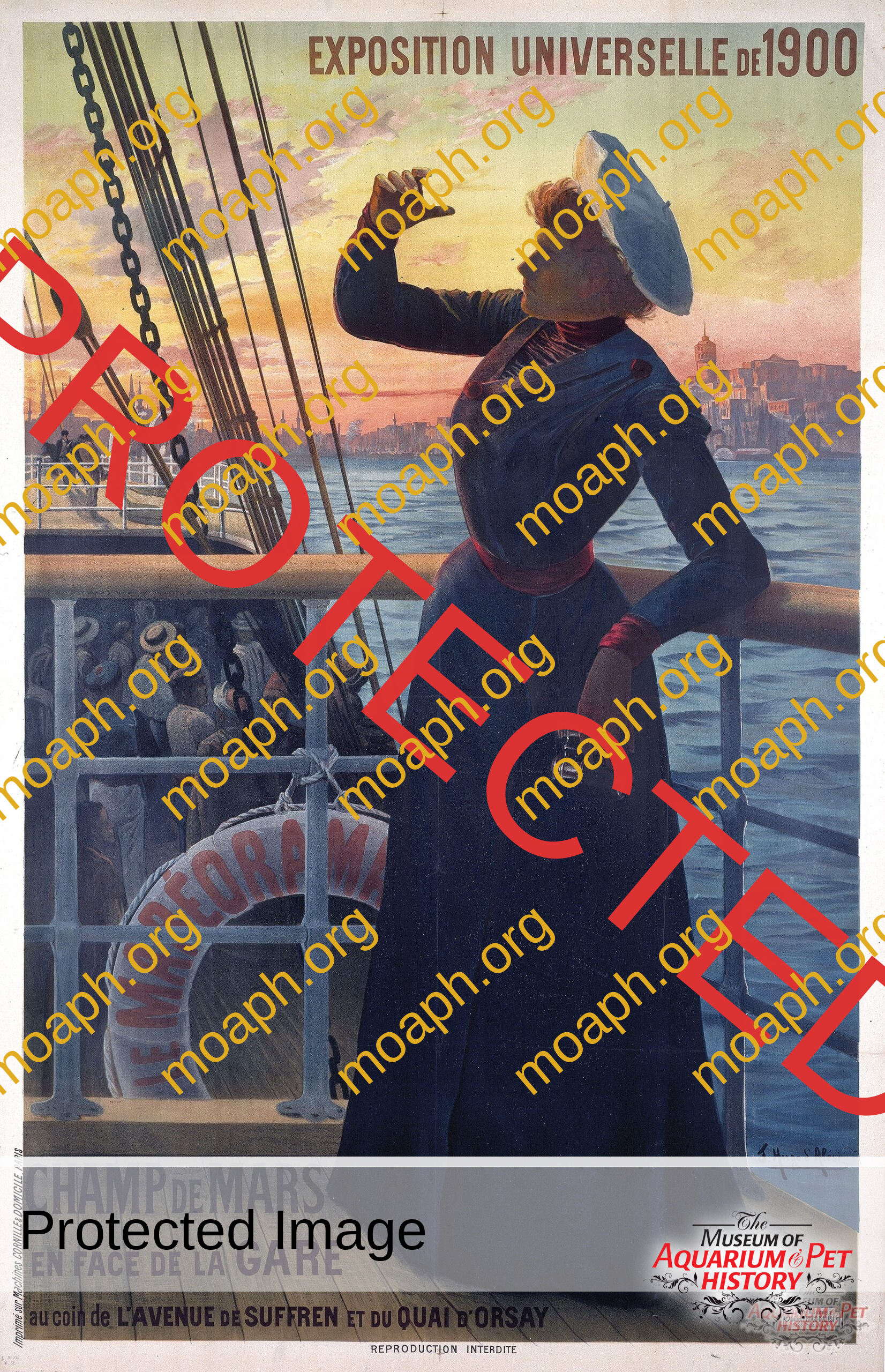
Poster advertising Maréorama. CC0 Paris Musées / Musée Carnavalet, Histoire de Paris.
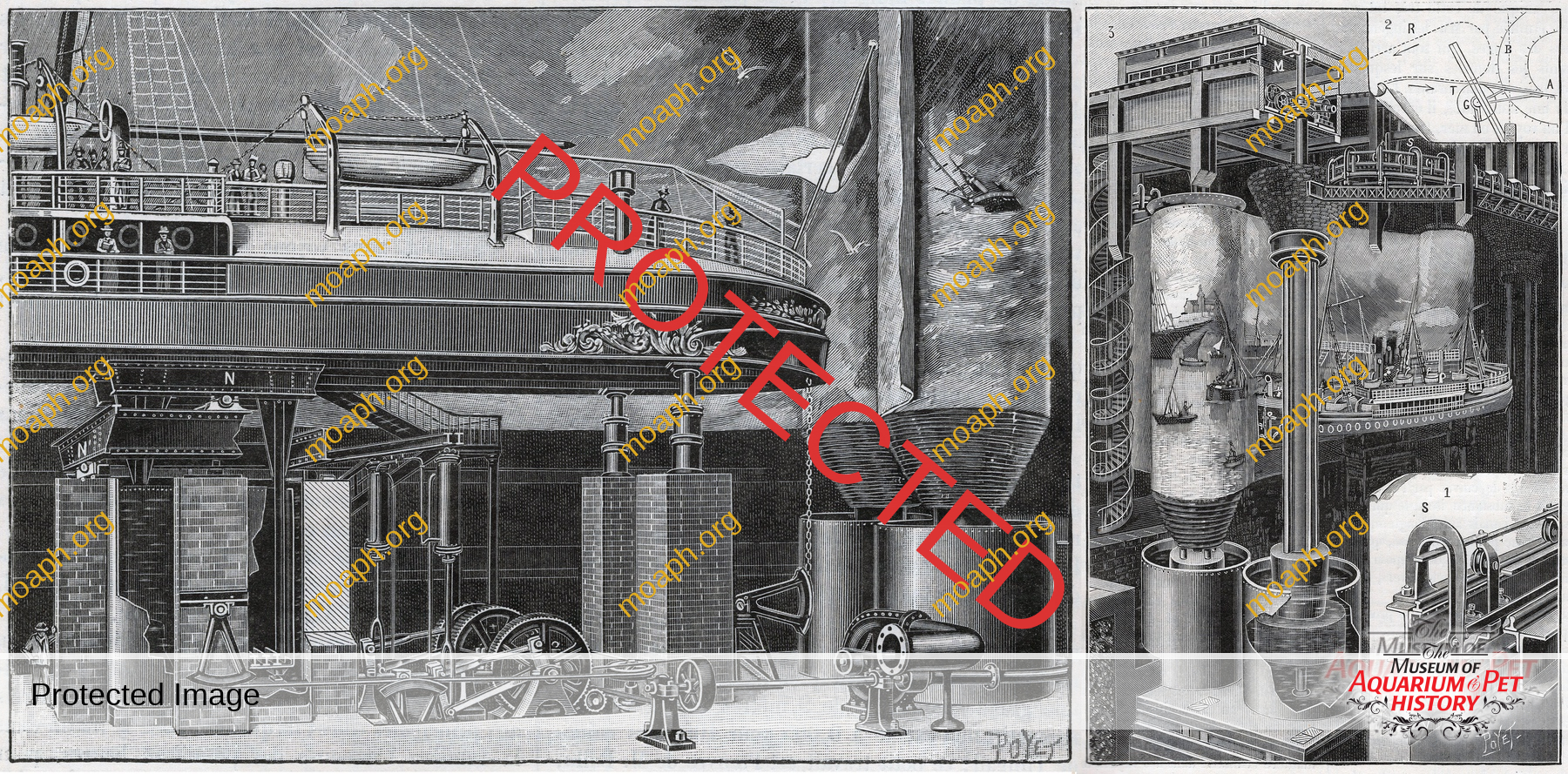
Maréorama. Illustrations from La Nature – Revue des sciences et de leurs applications aux arts et à l’industrie Vol. 28 No. 1413 (June 23, 1900, pp. 68-69).
One of the most successful attractions of this Universal Exposition was undoubtedly Le Monde sous-marin (“The Underwater World”), a phenomenal public aquarium designed by brothers Albert and Henri Guillaume. The immersive experience it offered visitors through a unique blend of science, stage machinery, and art was something unprecedented in the world of large-scale Aquariums.
Interestingly, the Guillaume brothers were not aquarium experts, and up until just a few years before 1900 they had been working in entirely different fields.
Albert Guillaume was a talented painter, illustrator, poster and scenery designer, and caricaturist. In 1900, he was only 27 years old. Today he is remembered, rather than for this Aquarium, for his theater and advertising posters, as well as for his satirical drawings published in the most prominent Parisian humor magazines.
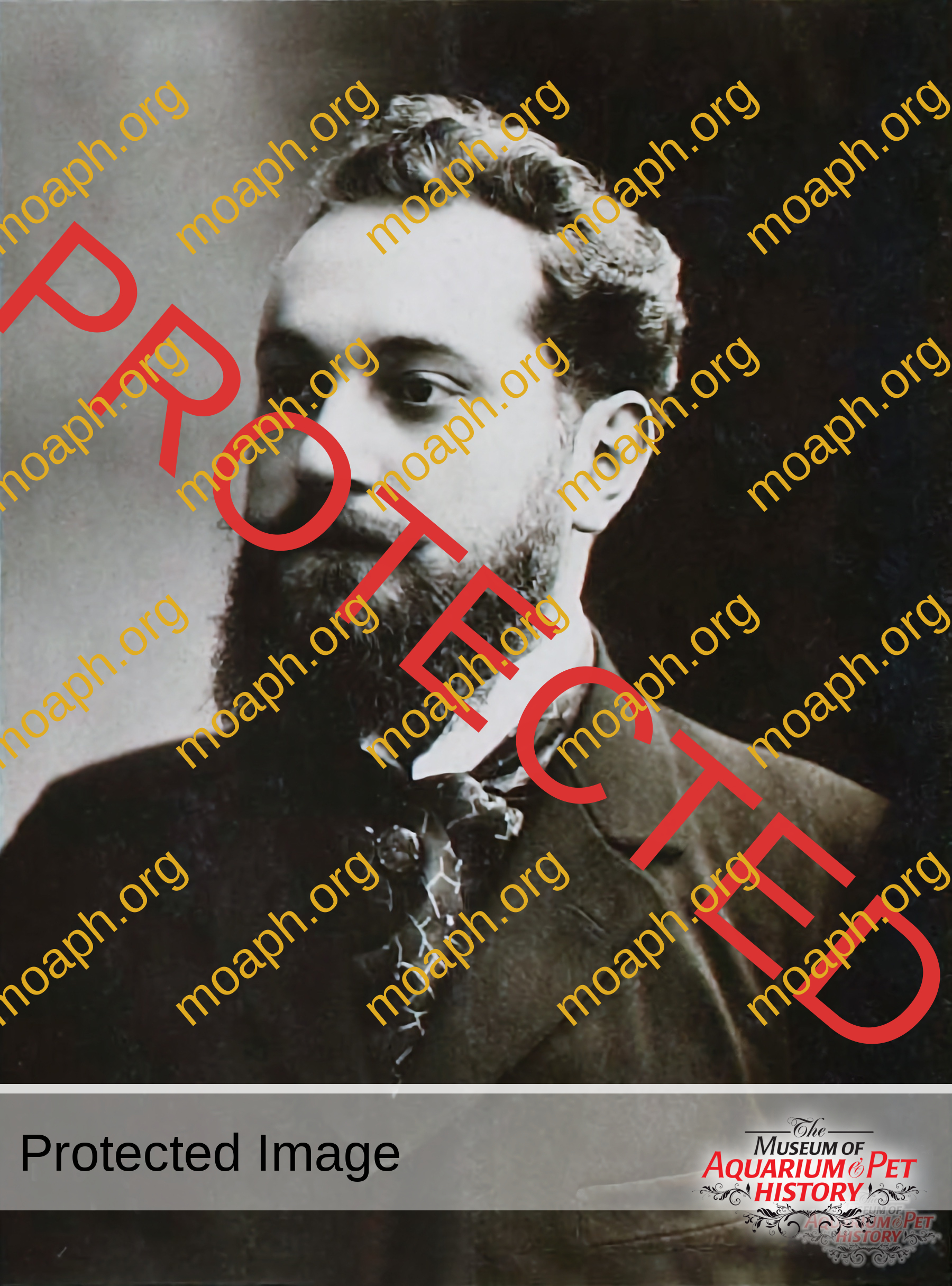
Albert Guillaume.
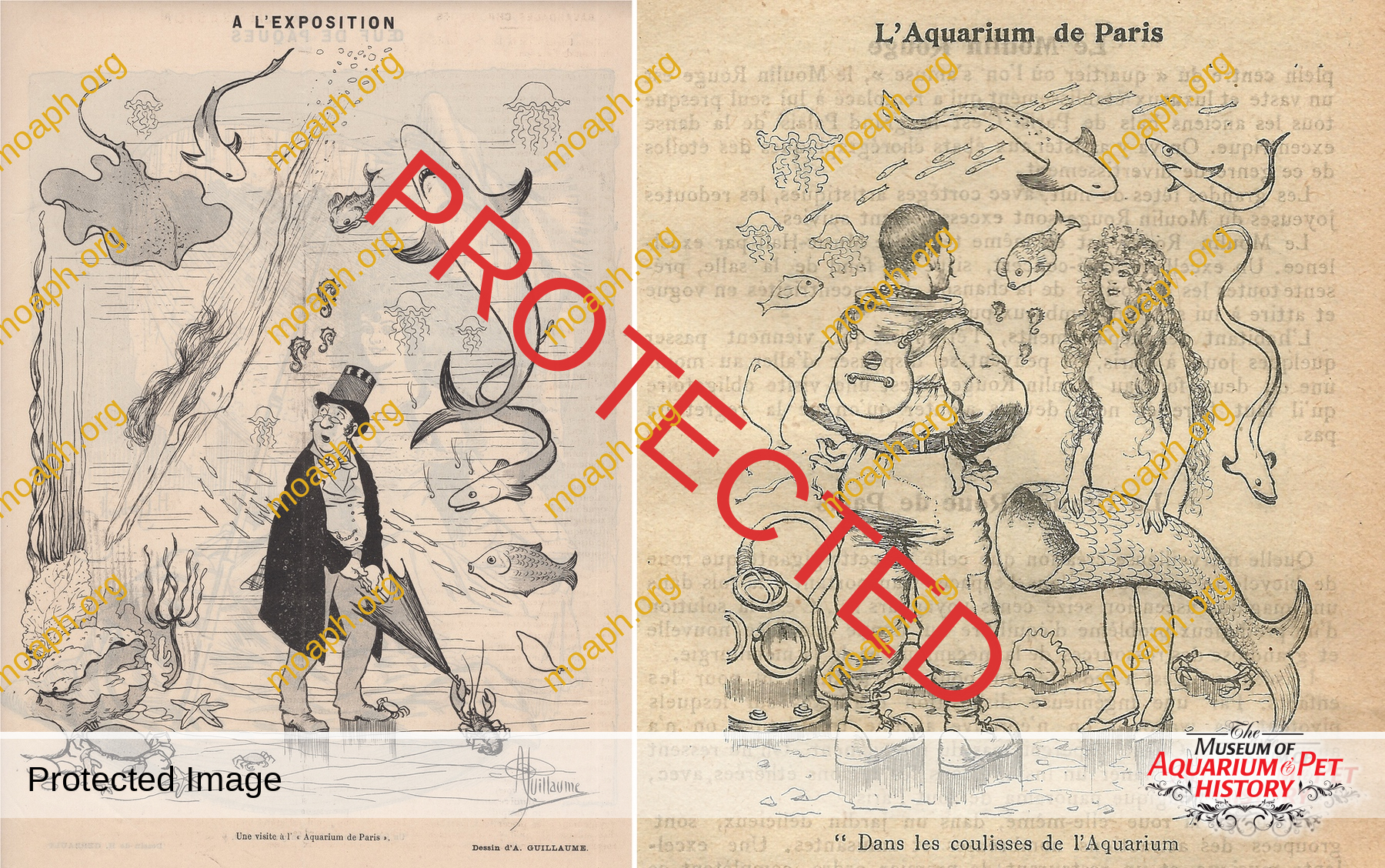
Amusing aquarium-themed cartoons drawn by Albert Guillaume in 1900.
Henri was an architect like his father Edmond. He personally took charge of the numerous bureaucratic procedures and architectural aspects of the project, making it possible to bring to life the creative ideas of his brother. Graduated at the prestigious École des Beaux-Arts in Paris, Henri had a decorative style which was a modern interpretation of 18th-century French artistic traditions. The elegant facade of the Théâtre des Bonshommes Guillaume, an innovative puppet theater designed by the two brothers for the 1900 Paris Exposition, is regarded as one of his most significant works.
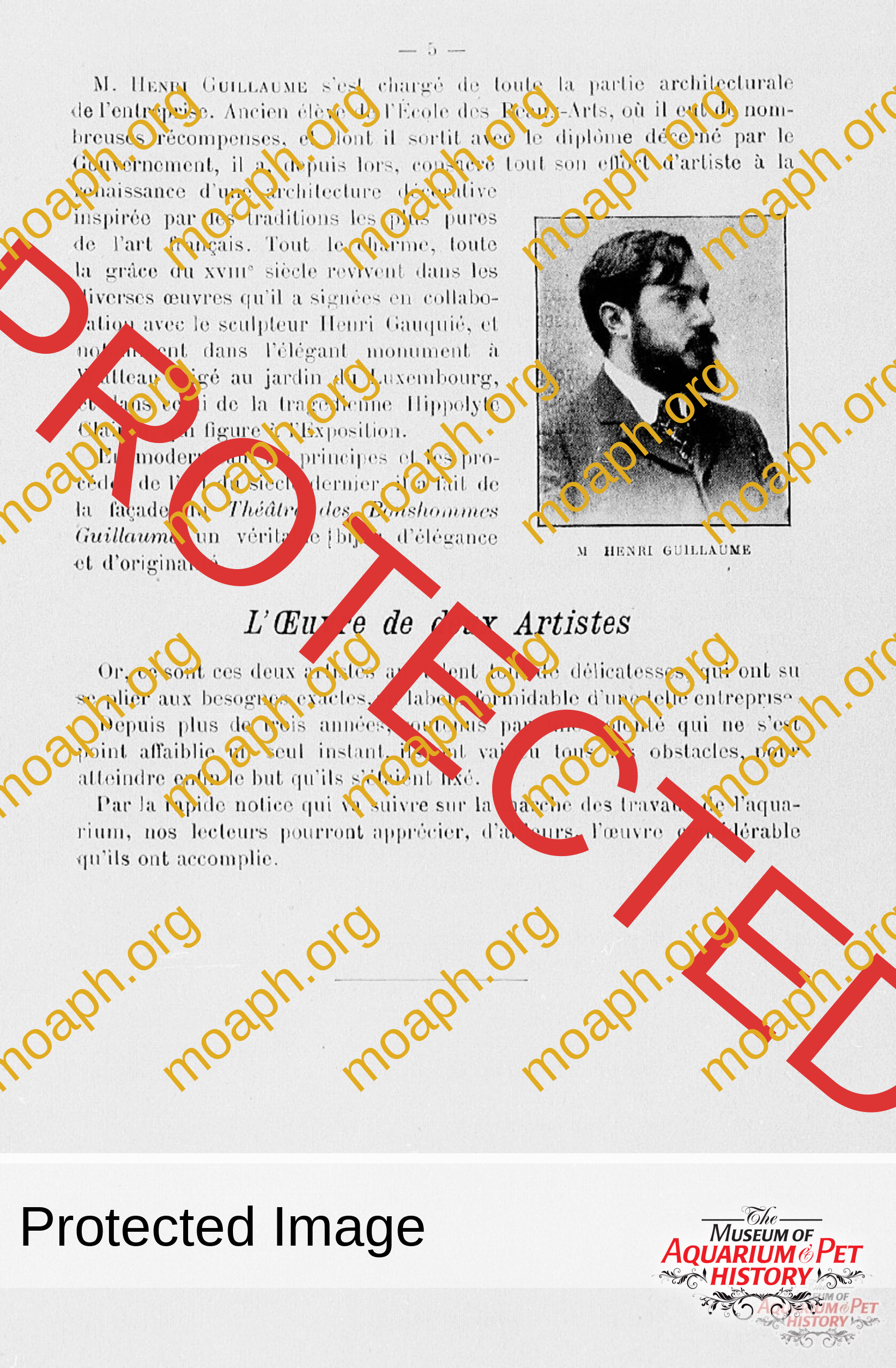
Henri Guillaume depicted at page 5 of the Guide-souvenir de l’Aquarium de Paris. Source: gallica.bnf. fr / Bibliothéque nationale de France, département sciences et techniques.
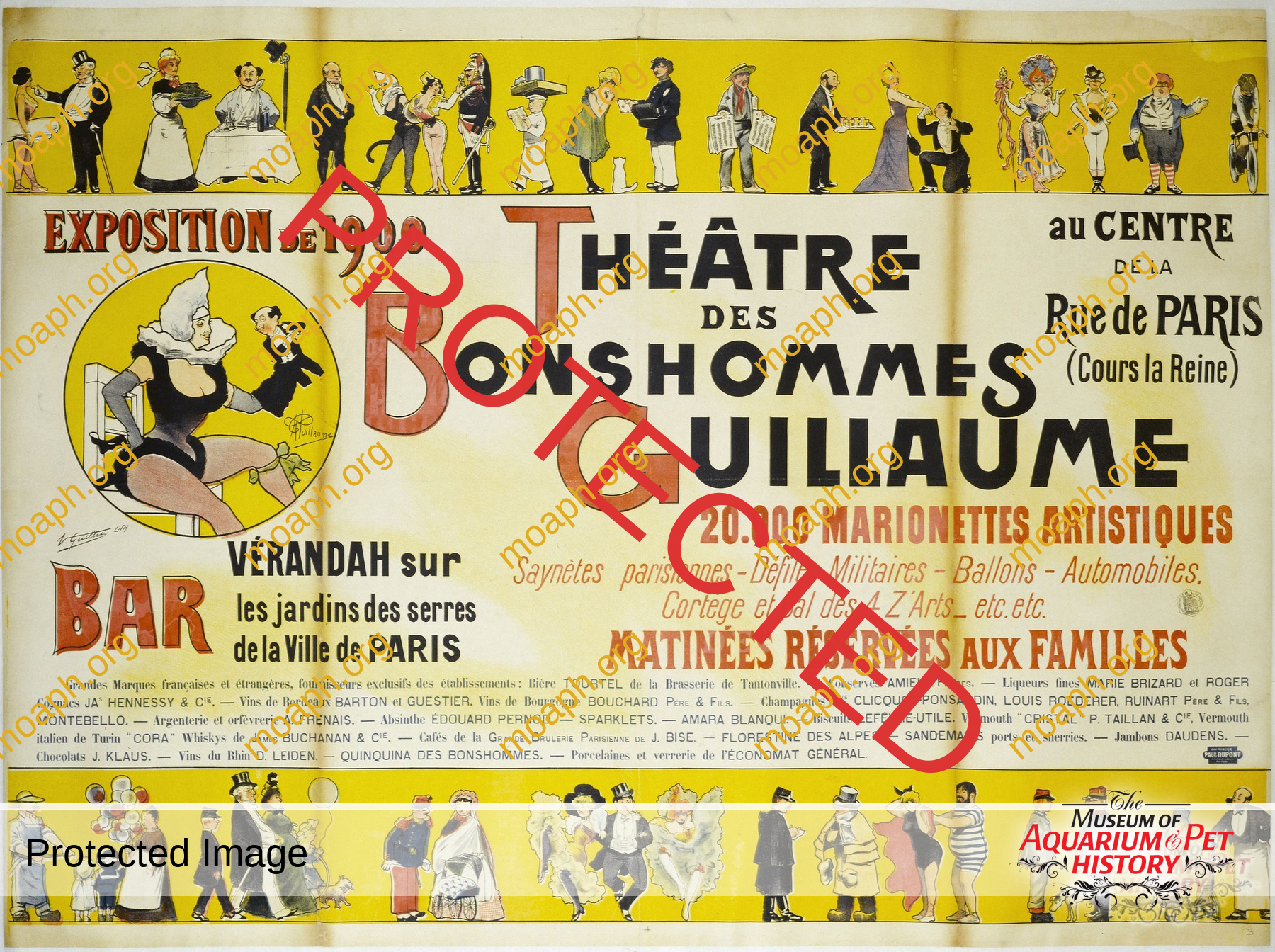
Poster advertising the Théâtre des Bonshommes Guillaume. CC0 Paris Musées / Musée Carnavalet, Histoire de Paris.
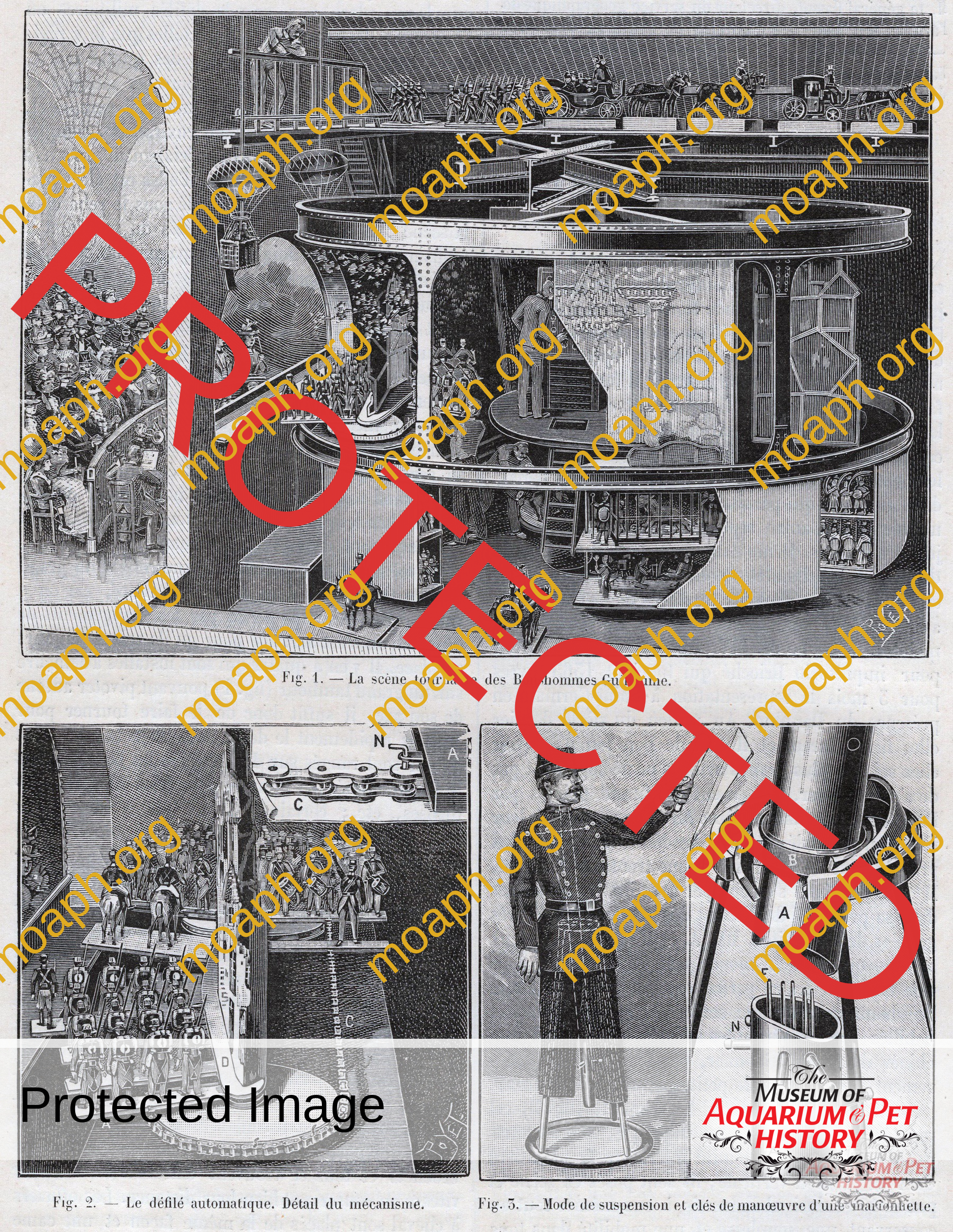
Théâtre des Bonshommes Guillaume. Illustrations from La Nature – Revue des sciences et de leurs applications aux arts et à l’industrie Vol. 28 No. 1424 (September 8, 1900, p. 240).
Extensive technical information and illustrations on the development of Le Monde sous-marin can be found in the Guide-souvenir de l’Aquarium de Paris (“Souvenir guide to the Aquarium of Paris”, 1900, author unknown), a booklet that has since become a true “unicorn” among collectors and, more importantly, remains an invaluable source for reconstructing the history of this one-of-a-kind Aquarium.
Early steps
The plan was submitted by the Guillaume brothers to the General Commission for the Universal Exposition in November 1894, and received final approval from three committees in 1897. Once authorized to proceed, the brothers registered a patent with the Ministère du Commerce et de l’Industrie (“Ministry of Commerce and Industry”). The documents and the drawings filed showed much more than a simple fish exhibition. The new Aquarium de Paris would be a complex aquatic theater.
Aware of their lack of knowledge about public aquariums, Albert and Henri set off on a Grand Tour across Europe to visit the most important Aquariums and study their architecture and operation. The journey took them to London, Amsterdam, Frankfurt, Berlin, Naples, and the marine laboratory at Tatihou near Saint-Vaast-la-Hougue.
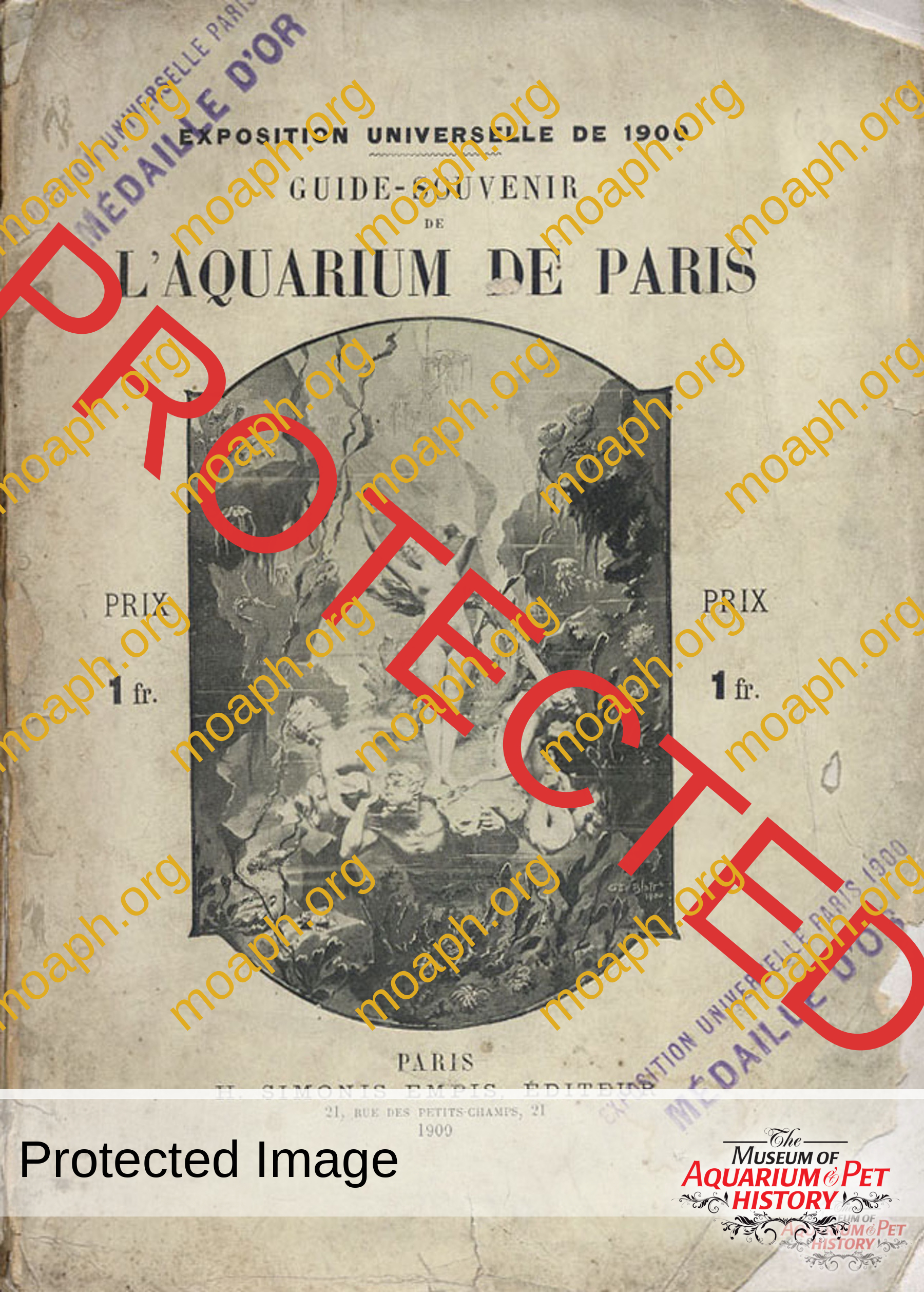
Guide-souvenir de l’Aquarium de Paris, first edition, 1900. Editor: H. Simonis Empis, Paris. Author unknown.
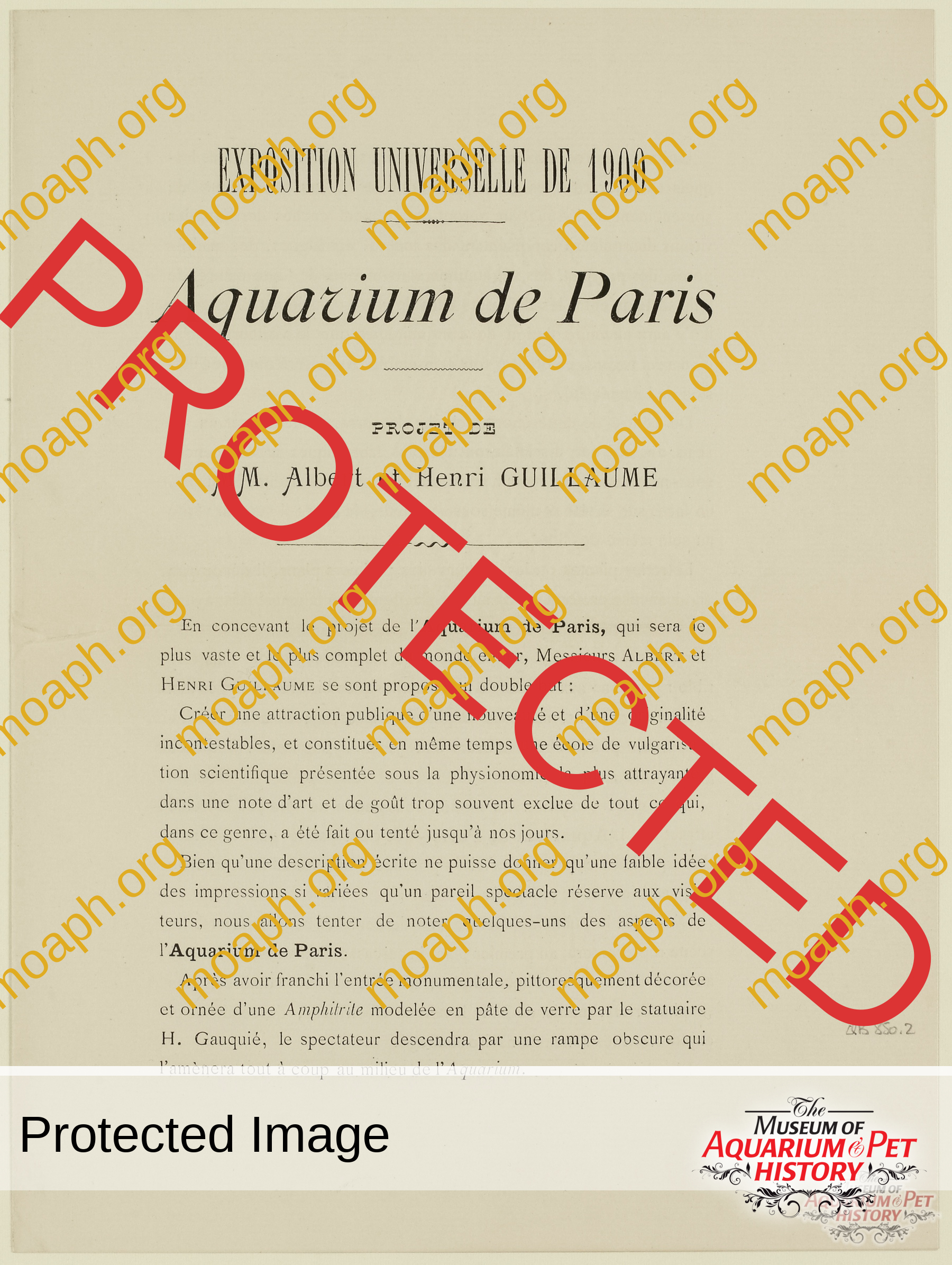
First page of the Aquarium de Paris project. CC0 Paris Musées / Musée Carnavalet, Histoire de Paris.
In addition, they began enlisting qualified collaborators, starting with Bouchereaux, who was an expert in ichthyology, fish farming and aquariums, as well as the former director of the Aquarium at the Jardin d’Acclimatation in Paris. The French man of science was appointed technical and scientific director.
Back to their Parisian atelier at rue Jean Bart, the two brothers devoted themselves to building a 1:10 scale model of the Aquarium, crafted with the utmost care and completed in September 1897.
This maquette was intended to showcase to the Exposition administrators what the finished facility would look like. It also allowed the Guillaume brothers to test lighting effects, carry out experiments with scenic illusions, and determine the most effective decorative styles for the tanks.
The model was a major success, drawing in politicians, artists, scientists, and journalists over the course of three months, all of whom voiced enthusiastic approval. High-ranking officials such as Alfred Picard, General Commissioner of the Exposition; Chardon, Secretary General; and Bouvard, Director of Architectural Services, visited the Guillaume atelier and renewed their full support.
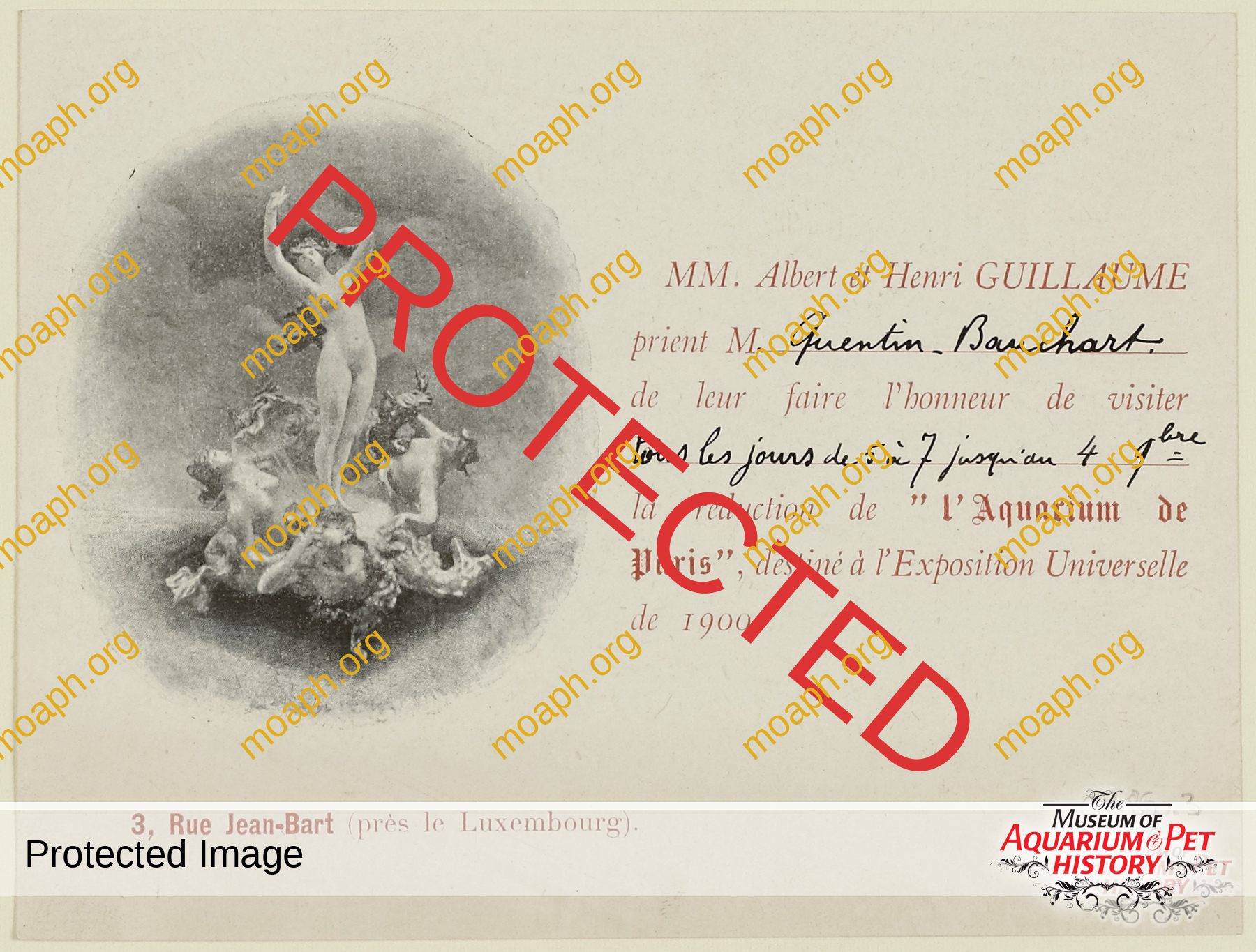
Addressed to the politician and city council member Maurice Quentin-Bauchart, this invitation card refers to a visit to the 1:10 scale model of the Aquarium made by the Guillaume brothers. CC0 Paris Musées/Musée Carnavalet, Histoire de Paris.
Buoyed by this early success, and confident that the Aquarium had all the features and requirements to become more than a temporary enterprise, the Guillaume brothers petitioned the Paris Municipal Council and secured a concession to operate it for nine years beyond the end of the Exposition (some sources report a longer period, namely until 1920). At the end of this period, ownership would be transferred to the city.
The first full-scale technical experiments began in March 1898 in a massive test tank. Its glass panels, produced by the Saint-Gobain factory, were 1.18 inches (30 millimeters) thick and reached a height of 13.1 feet (4 meters). Once assembled with the support of a metal frame, they proved capable of withstanding the pressure exerted by 6,340 gallons (24,000 liters) of water. Shaded from sunlight, the tank was then decorated with rocks, corals, and algae. A rear dry chamber, which served as a “multifunctional backstage”, and strategically placed mirrors enhanced its depth, creating stunning visual effects also thanks to the fully electric lighting.
Officials, including the already mentioned Alfred Picard, were invited to witness the project’s progress. They watched scenes featuring divers, actresses dressed as mermaids “swimming in the distance”, and a staged underwater volcanic eruption. The show probably reminded the audience of the popular aquatic performances from the Nouveau-Cirque of Paris, whose arena could be hydraulically lowered to form a water basin where spectacles such as divers playing cards at an underwater table were standard fare. References to Jules Verne’s novels were clearly evident as well, and would strongly influence the set up of almost all the display tanks of the Aquarium de Paris.
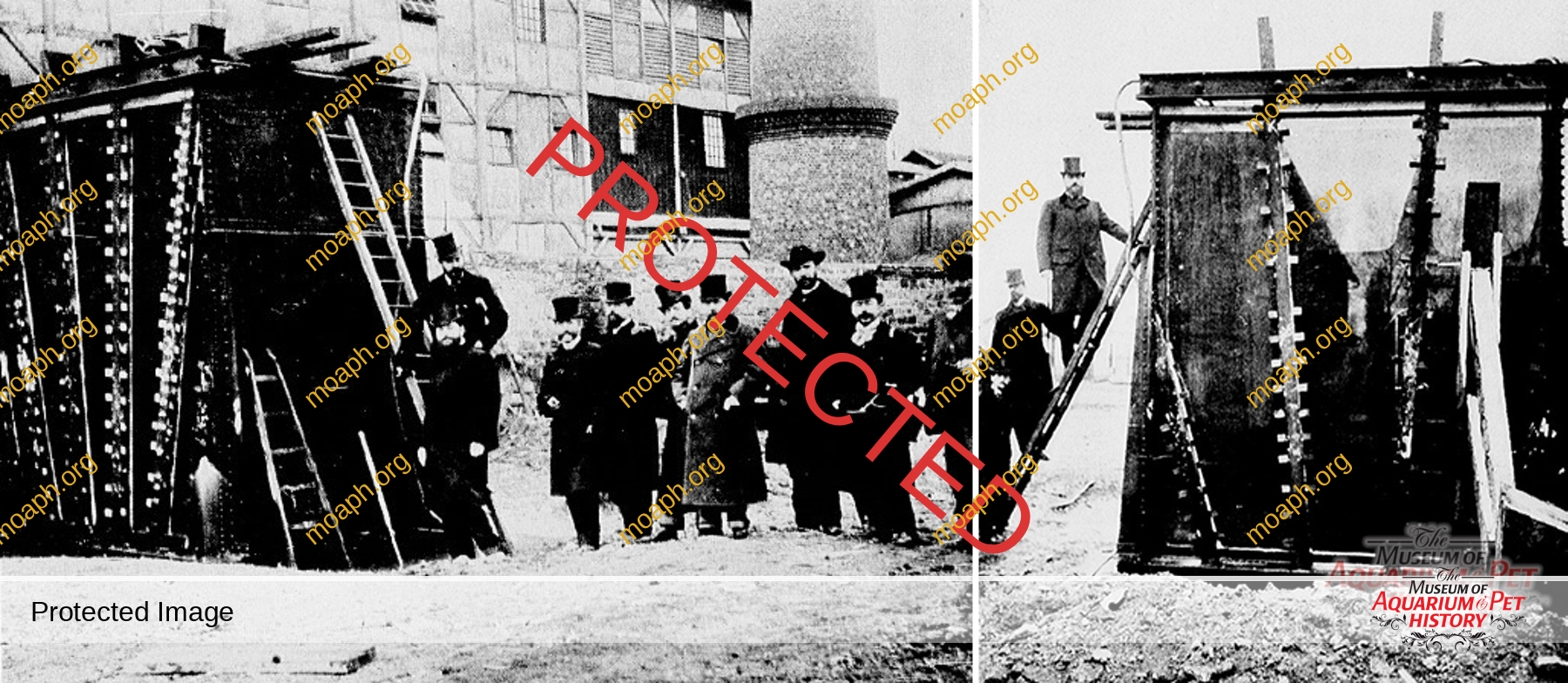
Photographs showing the test tank. Guide-souvenir de l’Aquarium de Paris, 1900. Source: gallica.bnf.fr / Bibliothéque nationale de France, département sciences et techniques.
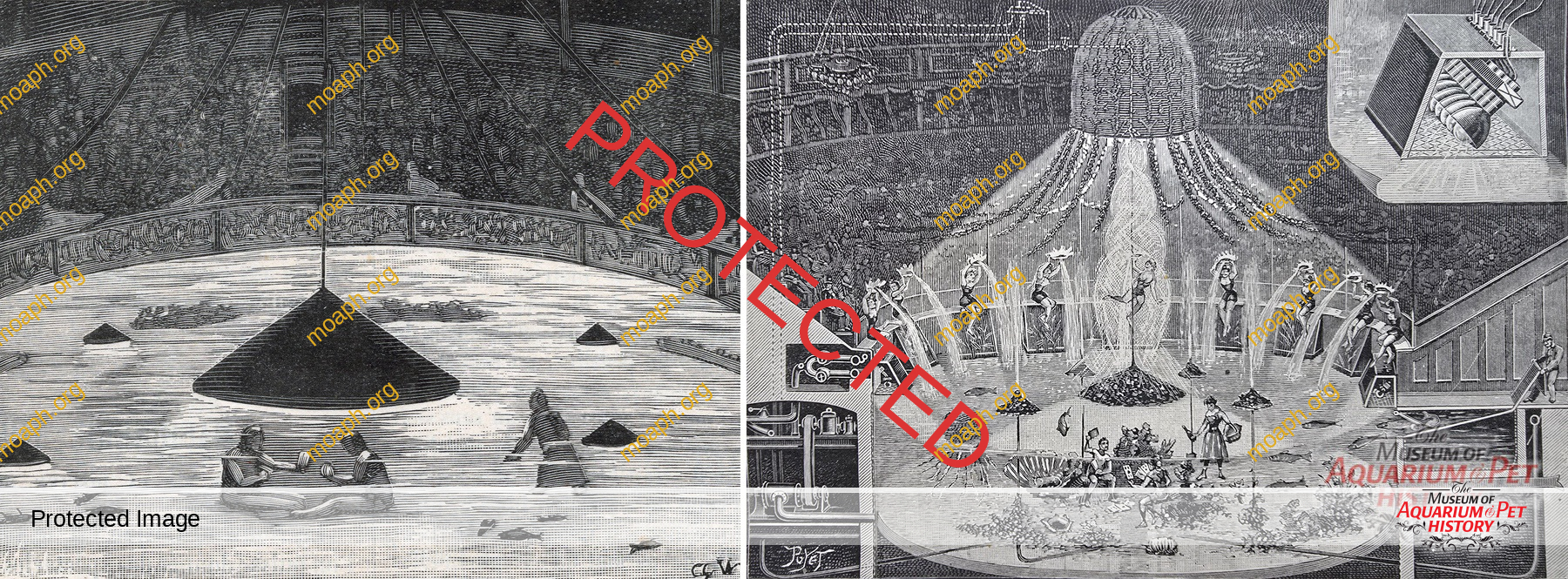
The Nouveau-Cirque was a circus located in Paris at 251 rue Saint-Honoré. Owned by Joseph Oller, co-founder of the famous Moulin Rouge, it was inaugurated in 1886, and closed in 1926. Patrons of this upscale establishment had to wear formal attire. Illustrations from La Nature – Revue des sciences et de leurs applications aux arts et à l’industrie Vol. 28 No. 1388 (December 30, 1899, pp. 84-85).
On July 23, 1898, following further experiments on immersive staging effects, Albert and Henri submitted an addition to the existing patents.
Breaking ground
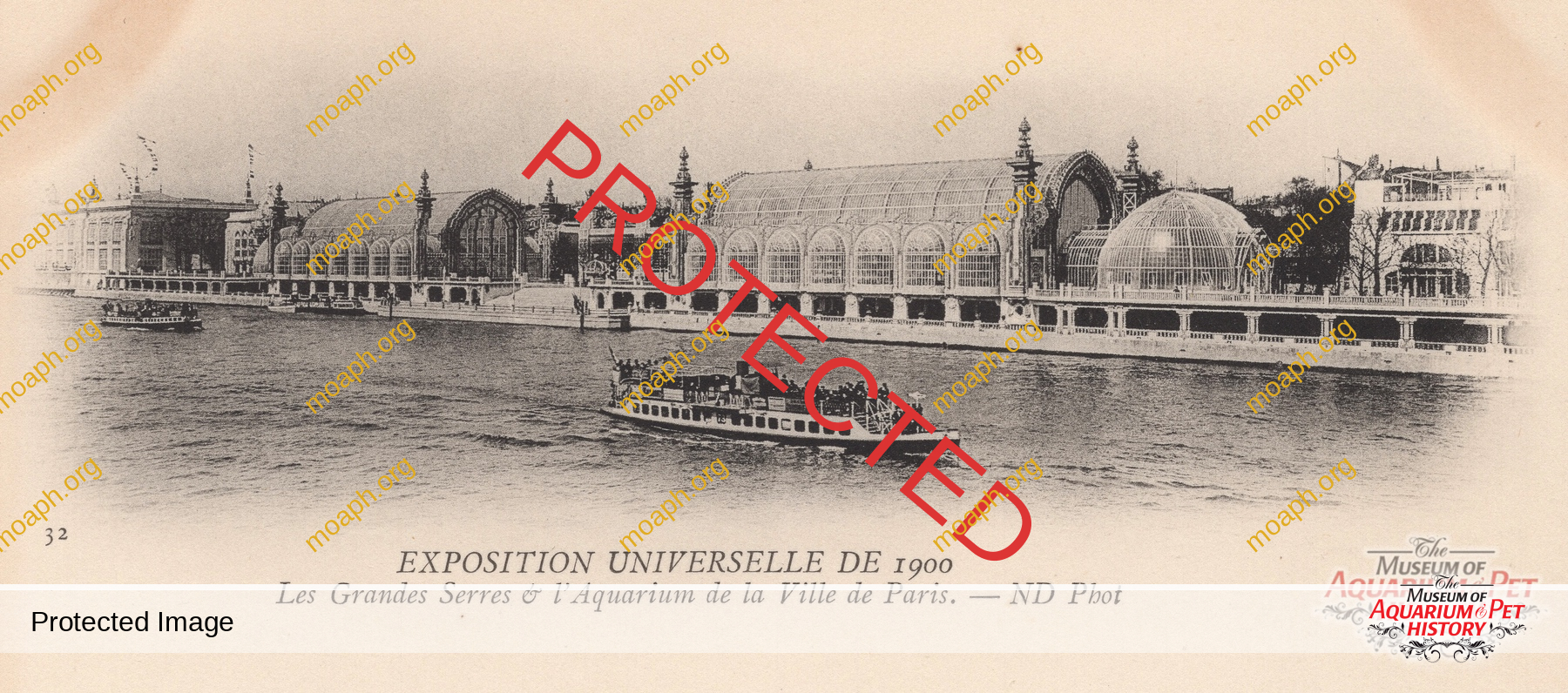
On January 1, 1899, the two brothers officially acquired the land granted to them on the Quai de la Conférence (right bank of the Seine), across from Cours-la-Reine and the Palais de l’Horticulture with its beautiful gardens and greenhouses. In front of this location, on the opposite bank of the river, stood the pavilions of several foreign nations, including Italy and the United States.
To evoke the feeling of descending to the bottom of the sea, this marine Aquarium was designed as an underground facility, with entrance and exit flanking a grand staircase leading to the gardens and greenhouses. Once water and gas lines, tram tracks, paving stones, and sidewalks were removed, a massive 147.6 feet (45 meters) by 82 feet (25 meters) temporary hangar was erected. This covered nearly the entire construction site, enabling work to continue even in adverse weather conditions.
Excavation began at a rapid pace thanks to a powerful steam crane. Upon reaching a depth of 16.4 feet (5 meters), however, groundwater from the Seine began seeping in, rendering the soil too muddy for stable foundations. Ingenious engineering solutions ultimately overcame this challenge.
The facility’s foundations, walls, and ceiling were then built using reinforced concrete, a French invention introduced to the world in the 1860s. The whole structure was monitored for 15 days to ensure it could withstand the lateral and upward pressure from the Seine. Once confirmed, construction moved to the next steps.
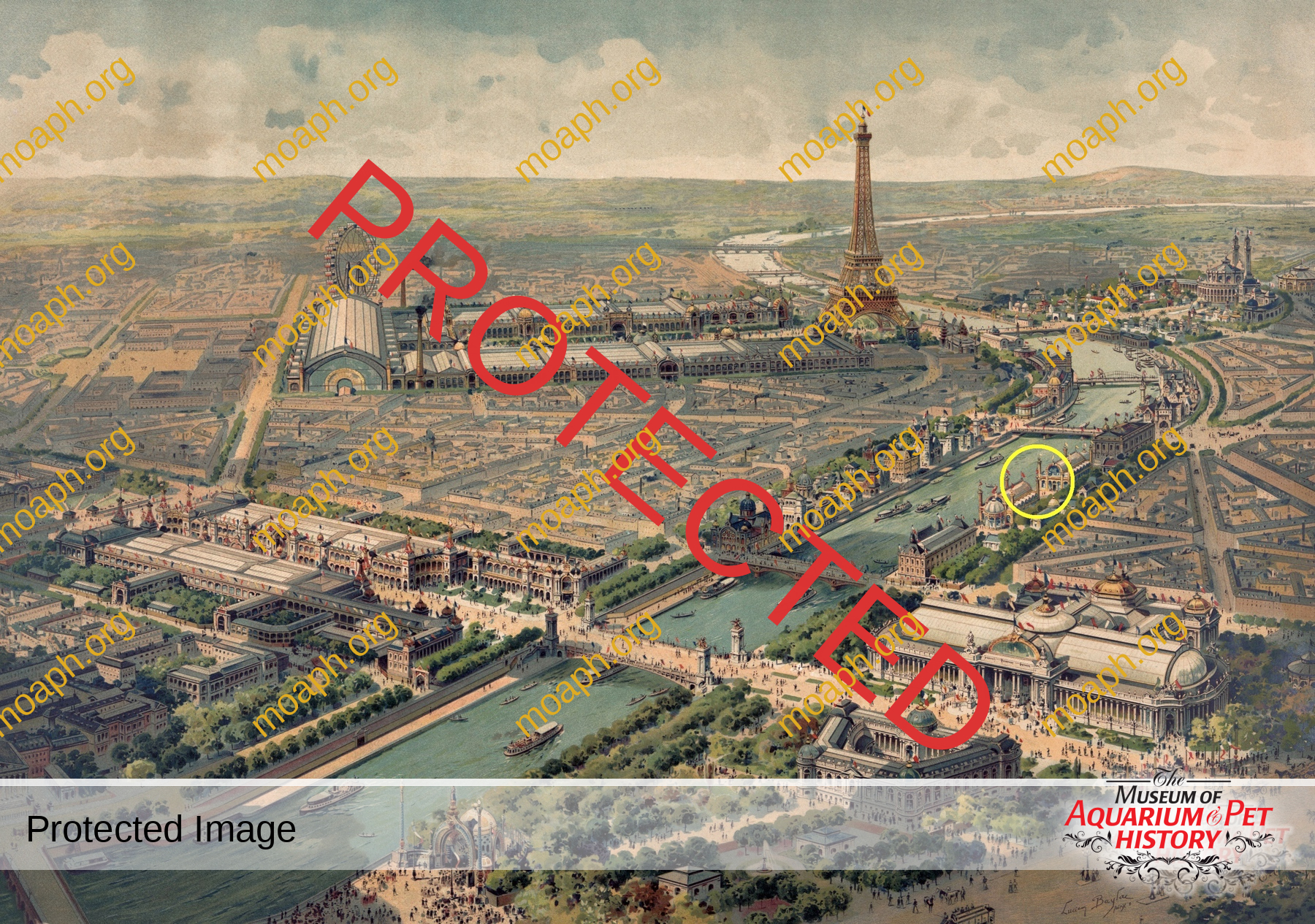
Aquarium site. Illustration by Lucien Baylac.
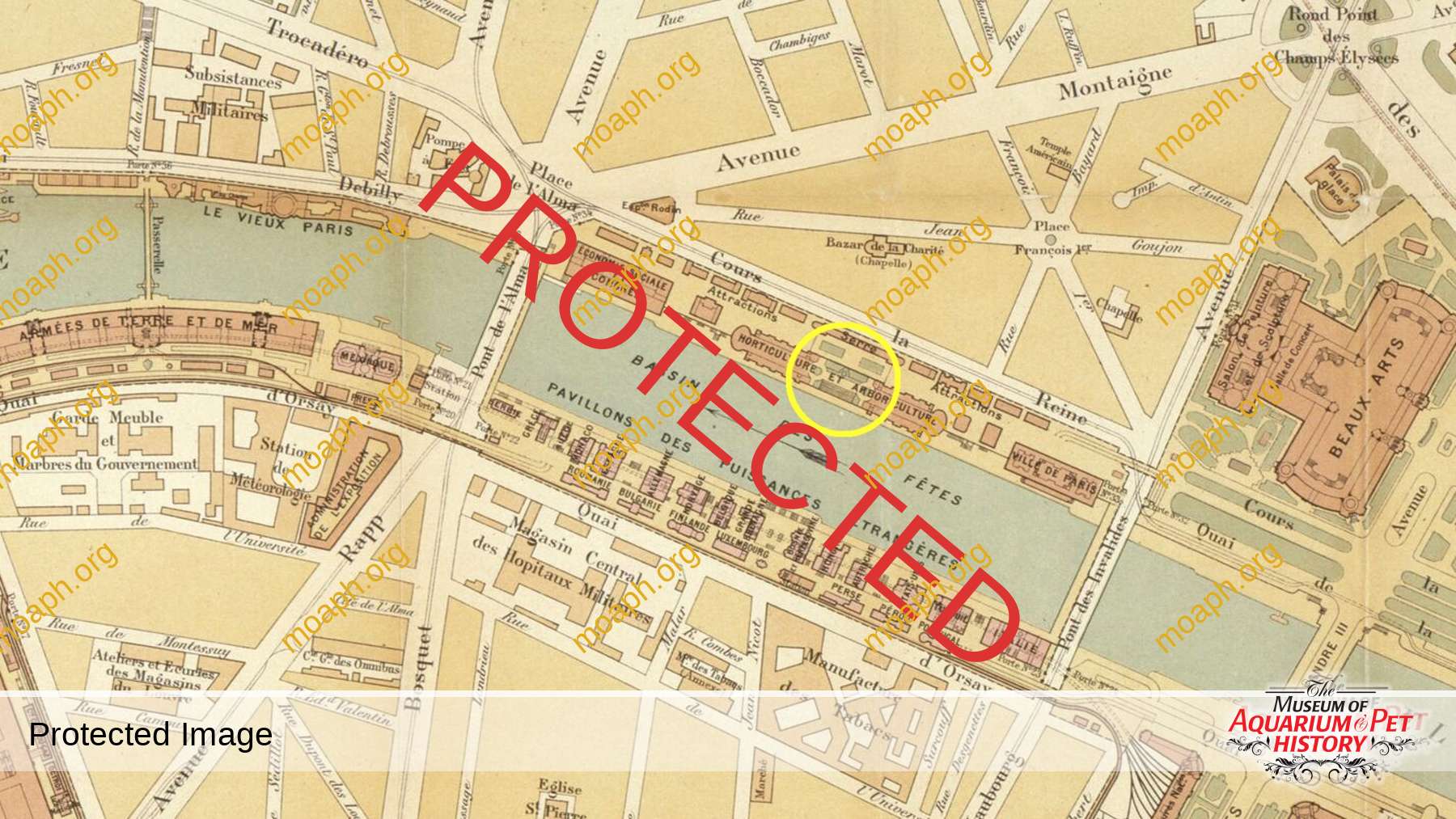
A closer look at the Aquarium site. CC0 Paris Musées / Musée Carnavalet, Histoire de Paris.
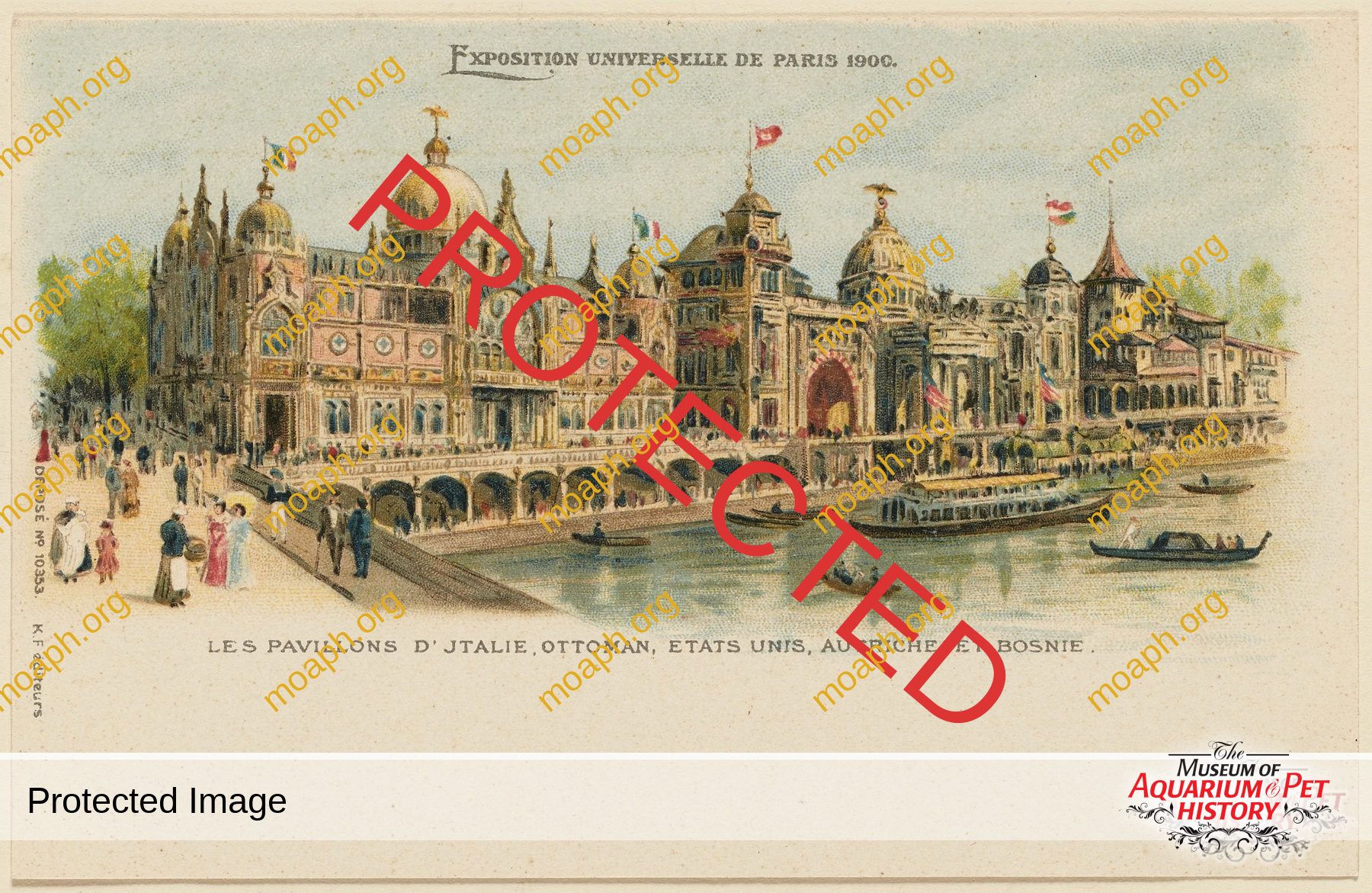
Old postcard showing a section of the opposite bank of the Seine during the Exposition Universelle, in the stretch between Pont des Invalides and Pont de l’Alma.
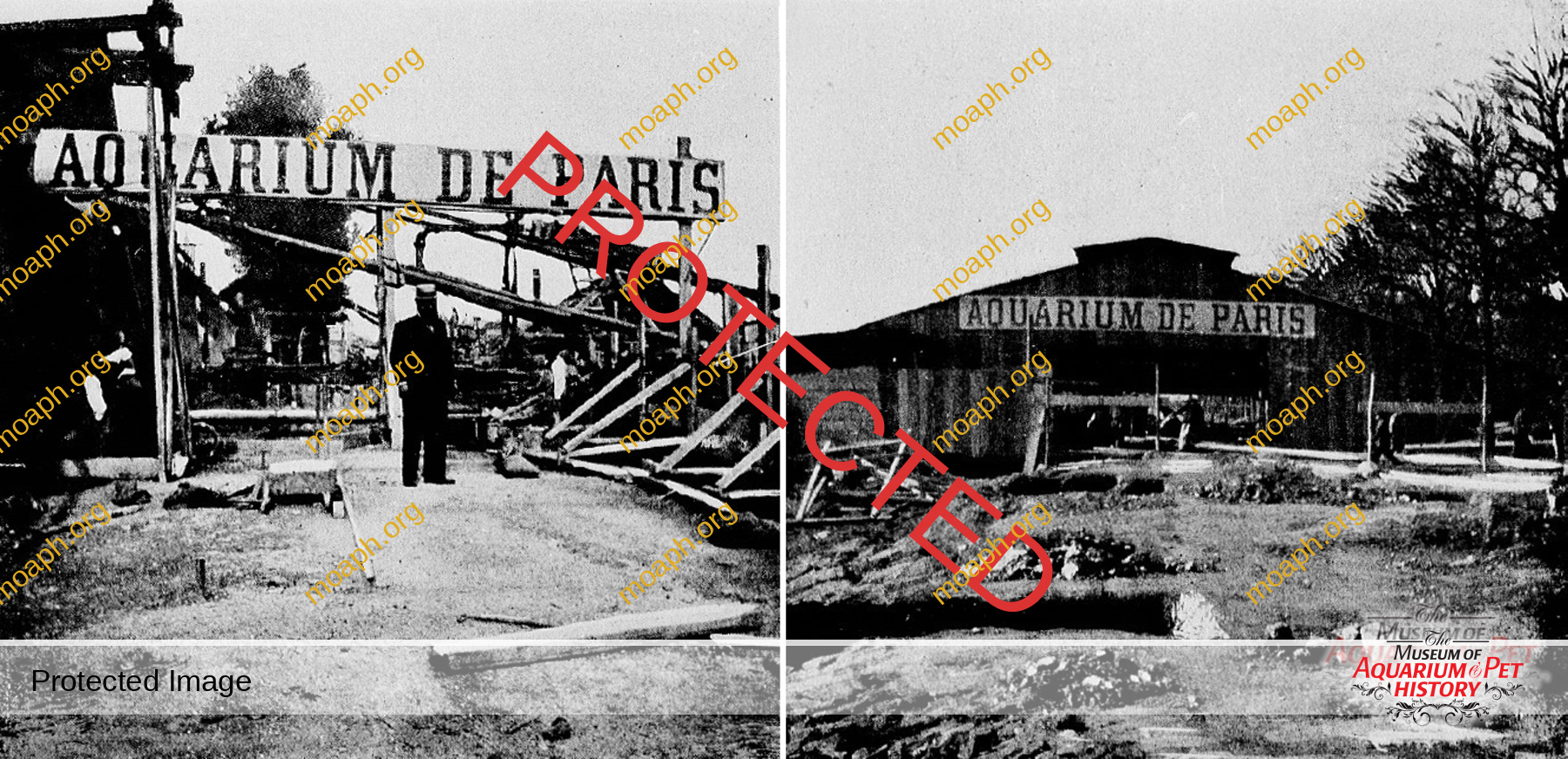
Construction site with its hangar. Guide-souvenir de l’Aquarium de Paris, 1900. Source: gallica.bnf.fr / Bibliothéque nationale de France, département sciences et techniques.
The exhibition layout followed an elliptical path. Tanks had bottoms made of concrete, and featured rear glass walls (not that common in large tanks of the Victorian era) so visitors could view the performances happening behind them. The single aquariums were placed close together, with visual continuity achieved through decorative transitions like rocks, seaweed, corals, parts of shipwrecks, or artificial stalactites.
The tank frames were made of iron treated with anti-rust and anti-corrosion coatings (e.g. red lead). Glass panels, again manufactured by Saint-Gobain, were about 1.3 inches (33 millimeters) thick. The height of the front ones was 137.8 inches (3.5 meters). The rear glass panels, instead, were 78.7 inches (2 meters) high. This design choice resembled the early English “slope-back tanks” from the 1850s-1860s.
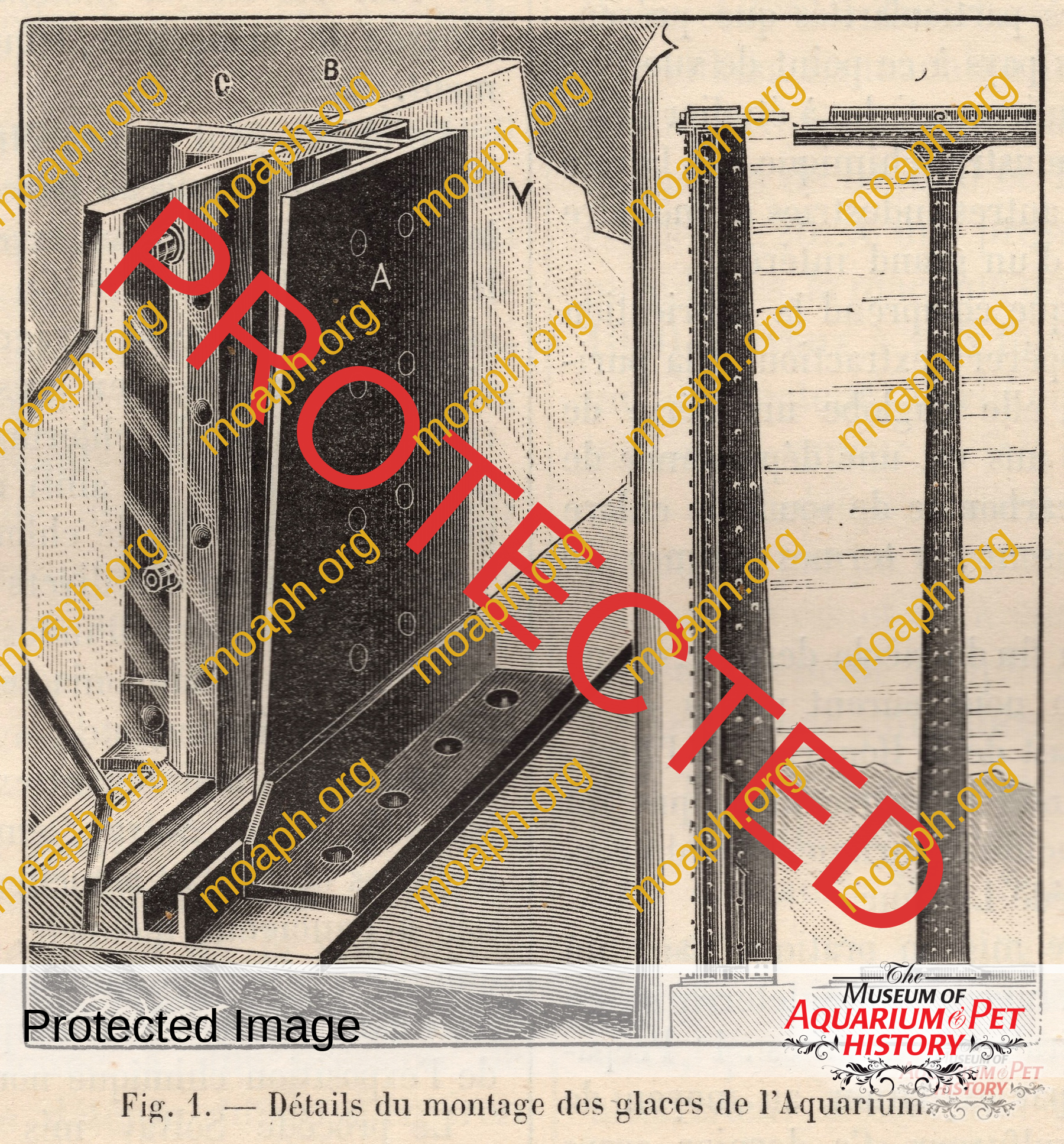
Detail of the aquarium glass installation in the frame. Illustrations from La Nature – Revue des sciences et de leurs applications aux arts et à l’industrie Vol. 28 No. 1425 (September 15, 1900, p. 252).
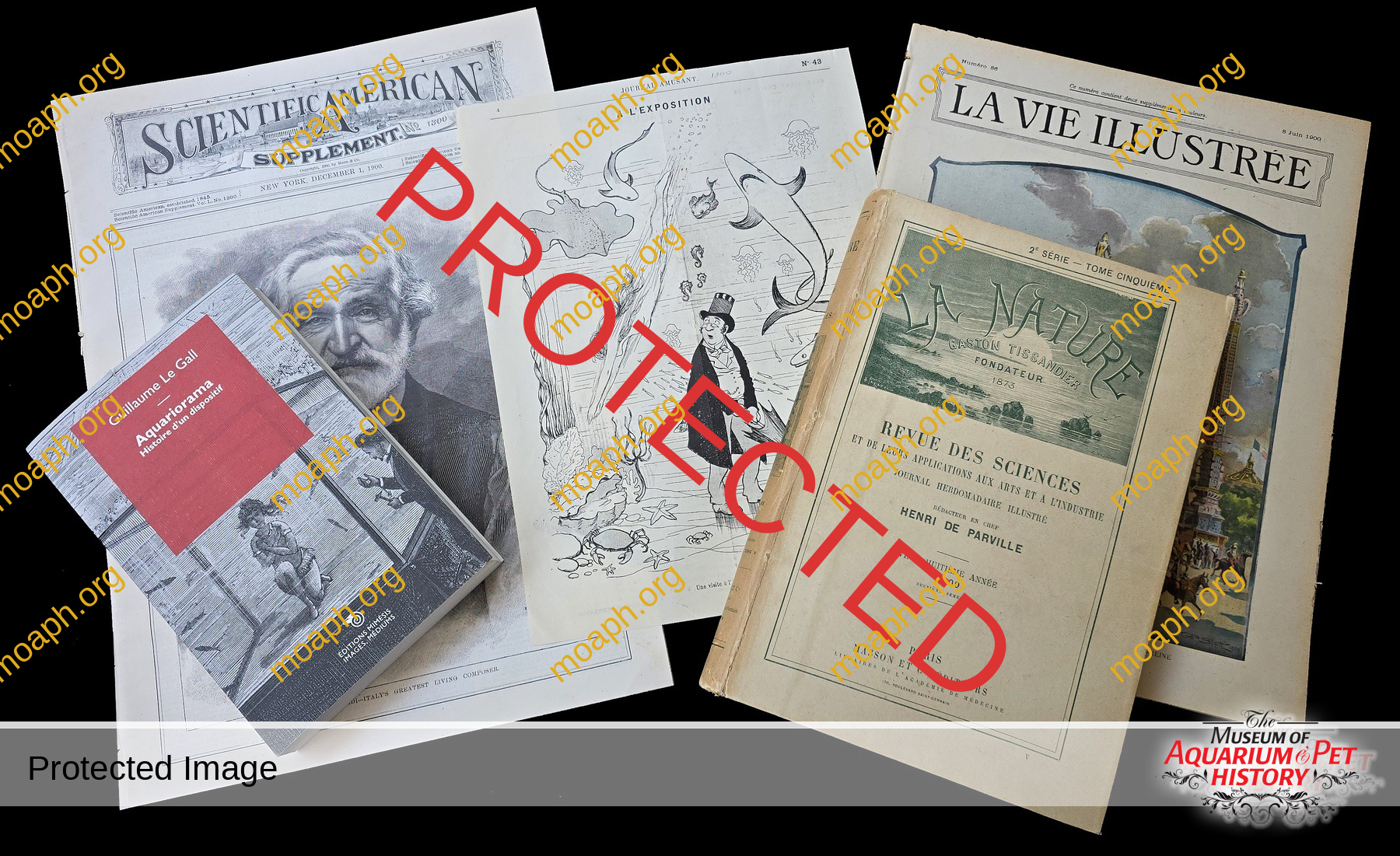
Sources and interesting reads from the author’s collection.
Other fragile materials entered the facility. Multiple mirrors, in fact, were used to create the illusion of extended depth and visual continuity, and mounted both in the backstage and along the side walls of some tanks.
Filling the tanks
Waterproofing tests were conducted using freshwater for practical reasons. Afterward, the tanks were decorated with marine-sourced materials: rocks, corals, madrepores, seaweed, and sponges. The Aquarium also featured, for decorative purposes, a real shipwreck, huge quantities of natural and artificial rocks, fake stalactites, ice blocks and ancient-style columns, as well as statues and other scenic elements.
Seawater was supplied by the merchant ships of Burnett and Sons, which routinely entered the Seine to load goods at Port Saint-Nicolas. These ships had to take on seawater in their ballast tanks to increase their draft to easily pass beneath the many Parisian bridges. During or before cargo loading, the ballast water was discharged into the river. The Aquarium negotiated an agreement to use it. The deal, however, required the ballast tanks be cleaned in advance and that the seawater be drawn far offshore, away from the polluted estuary of the Seine.
Burnett and Sons made five trips to supply the Aquarium. As for the total water capacity of the facility, I found varying figures depending on the source consulted. According to the previously mentioned Guide-souvenir de l’Aquarium de Paris, the boats poured 350 cubic meters of water (92,460 gallons) into the Aquarium de Paris. The magazine Scientific American, in an article published on December 1, 1900 (basically a translation of a piece originally published by the French magazine La Nature), reported that the Aquarium had a total water capacity of 132,000 gallons. The French magazine L’Exposition en famille: revue illustrée de l’Exposition universelle de 1900 (No. 4, June 5, 1900, pp. 62-64) mentioned 450 cubic meters (approximately 118,887 gallons). Regardless of which figure is most accurate, these were impressive volumes by any standard, placing this Aquarium among the largest in operation in Europe at the time.
The Aquarium was completely powered by electricity, and relied on a high-performance aerating apparatus. Seawater flowed from dark reservoirs by gravity into three bronze and copper airlift pumps, which propelled it into the display area via a labyrinth of lead pipes. Tanks received it from above in a forceful, bubble-rich stream. A siphoning system then drew it from the bottom of the tanks, channeling it through earthenware and lead pipes to the filtration system. Filled with alternating layers of marine sand and pebbles, the filter cleaned it as much as possible before sending it back to the reservoirs.
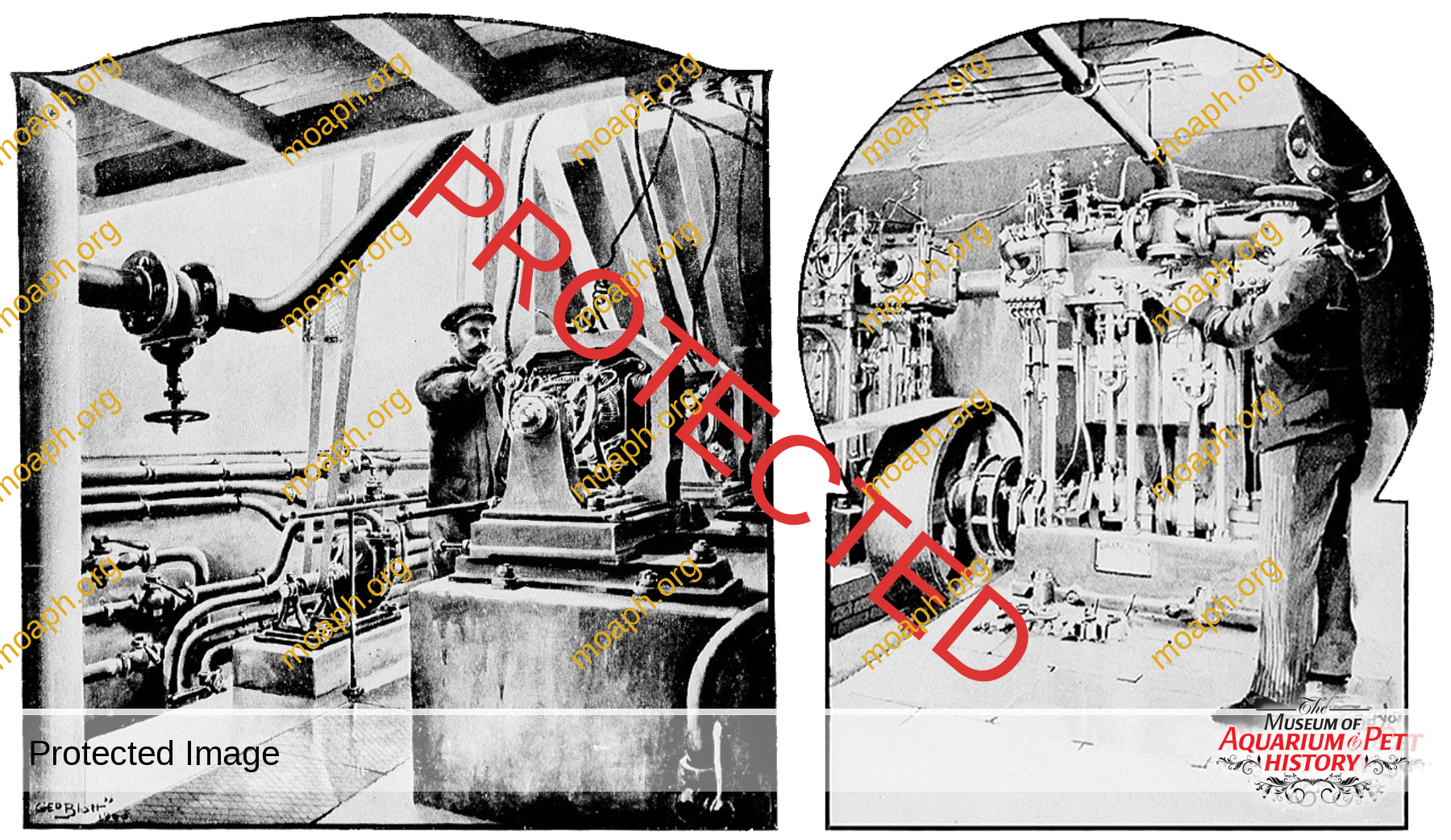
Machine room (left) and aerating apparatus. Guide-souvenir de l’Aquarium de Paris, 1900. Source: gallica.bnf.fr / Bibliothéque nationale de France, département sciences et techniques.
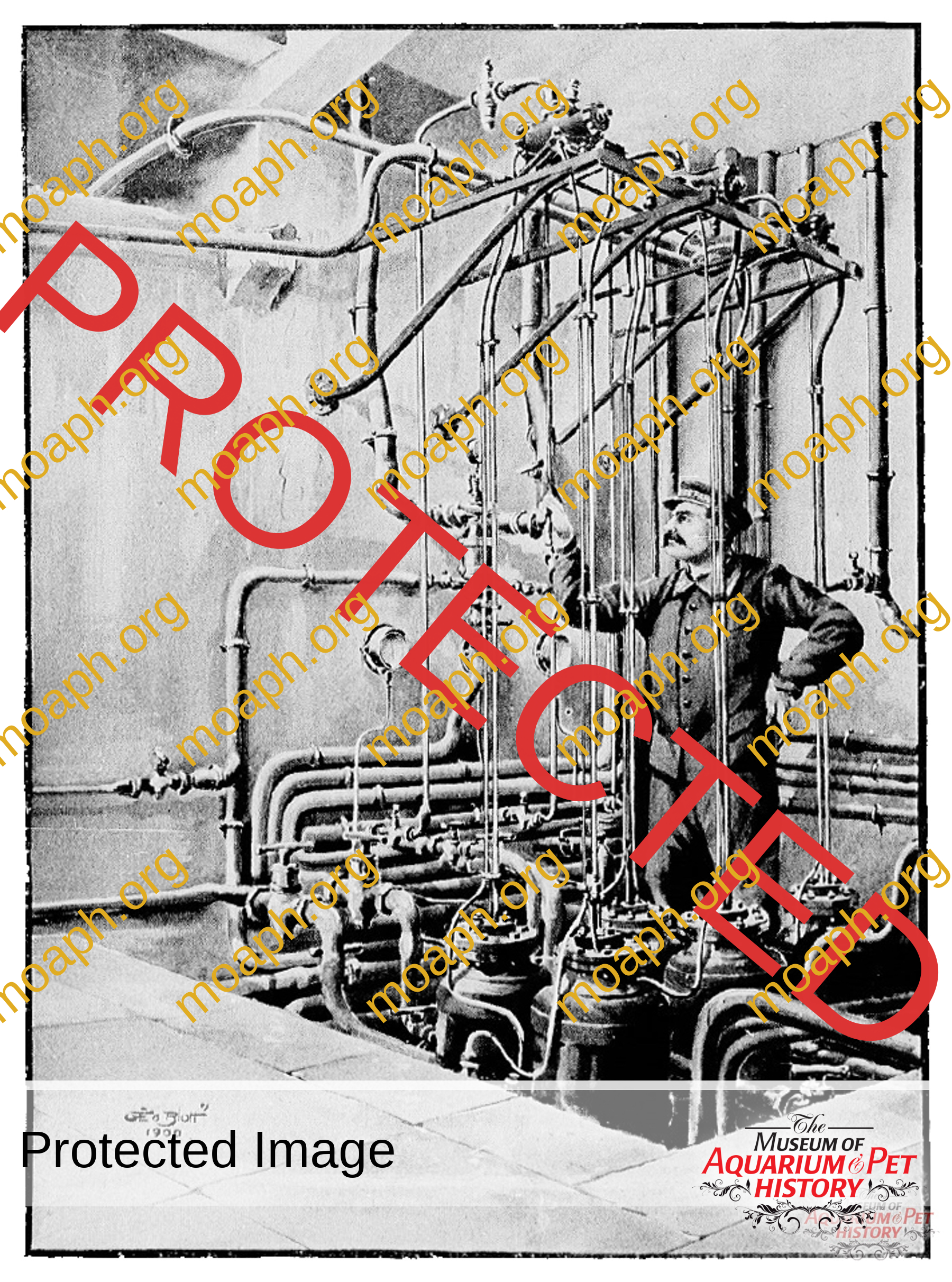
Airlift pumps. Guide-souvenir de l’Aquarium de Paris, 1900. Source: gallica.bnf.fr / Bibliothéque nationale de France, département sciences et techniques.
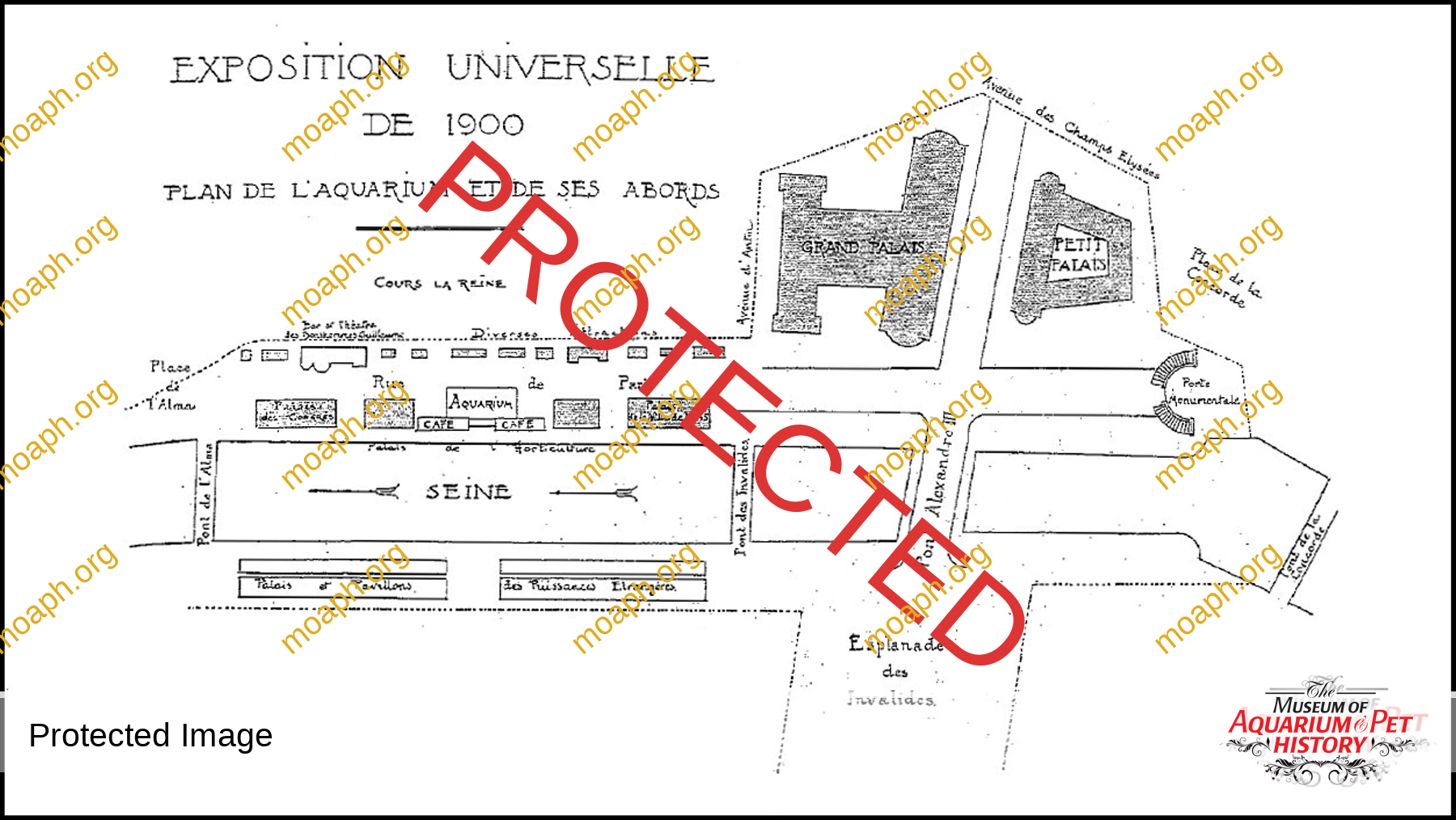
Map of the Aquarium site. Guide-souvenir de l’Aquarium de Paris, 1900. Rue de Paris was the official address of the Aquarium. Source: gallica.bnf.fr / Bibliothéque nationale de France, département sciences et techniques.
Regarding the size of the reservoirs, I couldn’t find any solid information. If, however, we consider the engineering choices made for this Aquarium, it is reasonable to assume that they were not particularly large. What we know for sure is that the reservoirs, as well as the filter, had interior walls covered by glass tiles for a easier cleaning.
Ready to amaze the world
Lighting was 100% artificial, and provided by numerous arc lamps which were chosen over incandescent bulbs for their cool, moonlight-like glow and dramatic shadow effects. Besides, these lamps were ideal for casting the silhouettes of real fish and crustaceans in motion onto the velum du plafond. This evocative special effect, like all the many others, will be explored in more detail in the second part of this article.
Bouchereaux meanwhile had already stocked the early marine animals in a specially equipped lab near Paris, at Choisy-le-Roi. The goal was to start populating the Aquarium months before the grand opening, as to allow a proper acclimatisation for its inhabitants. The Aquarium de Paris benefited also from a network of correspondents and collectors located along the English Channel, the western French coasts washed by the Atlantic Ocean, and the southern shores bordering the Mediterranean. Thanks to them, a large number of marine animals were set to join the collection.
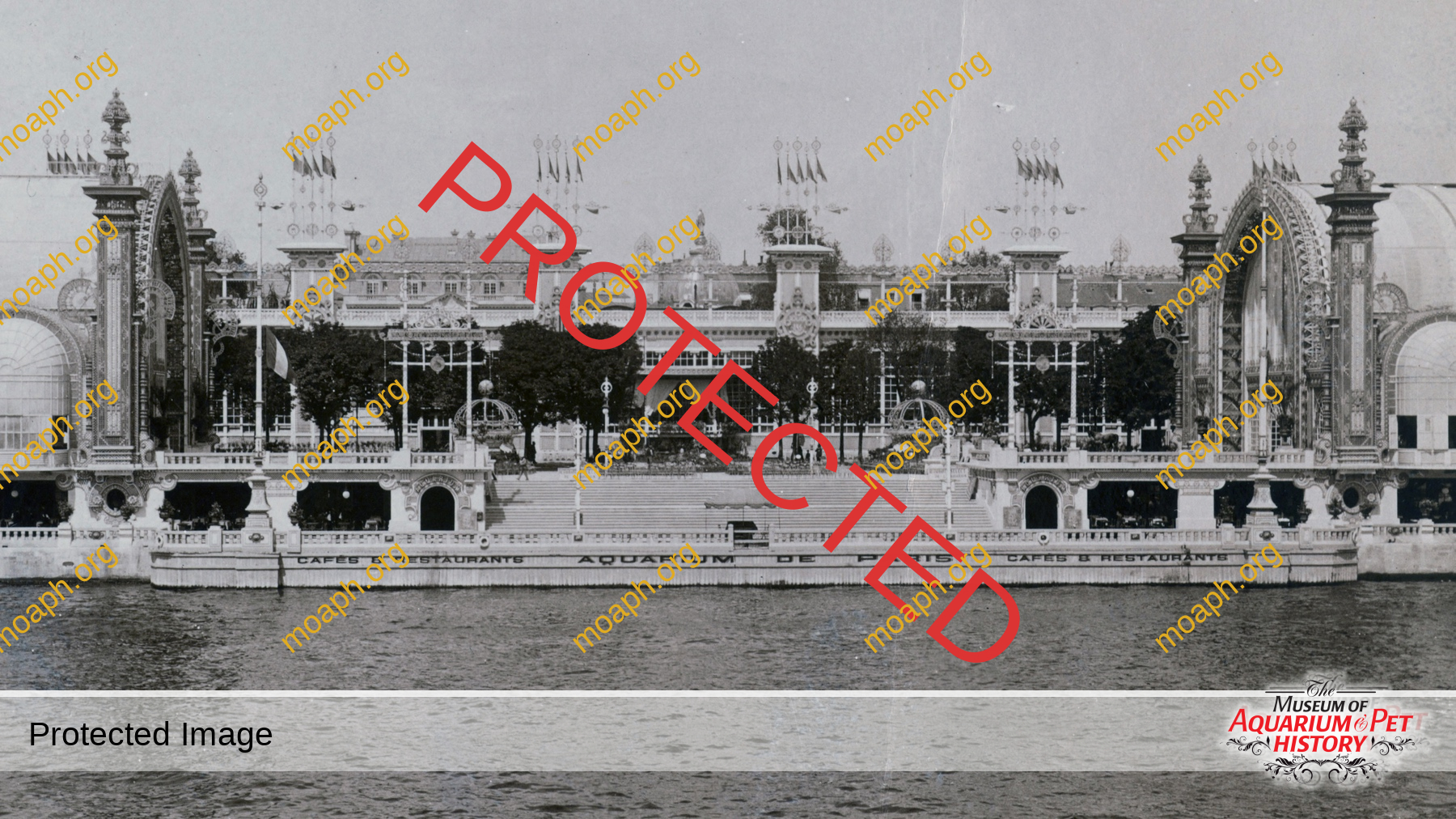
Panoramic photograph of the Aquarium site. CC0 Paris Musées / Musée Carnavalet, Histoire de Paris.
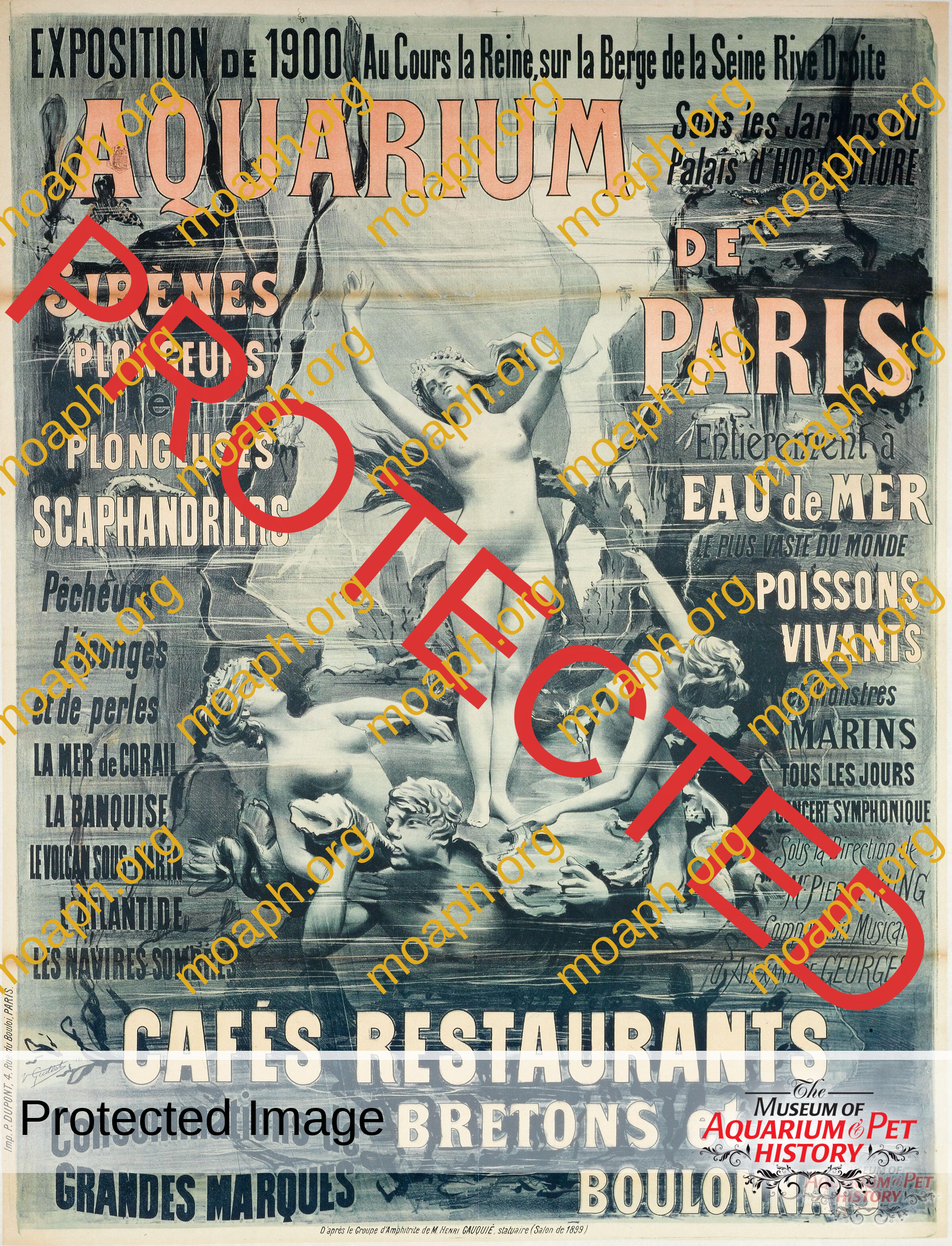
The Guillaume brothers were now nearly ready to impress the world. To promote their project, they hired artist V. Guillet to design an eye-catching poster, which was then printed by the Paul Dupont company. The poster featured the sculptural group Le Triomphe d’Amphitrite (“The Triumph of Amphitrite,” queen of the sea and Poseidon’s consort in Greek mythology). This statue was specially crafted for the Aquarium by Henri Gauquié, a sculptor who had worked with Henri previously, and it was permanently submerged in the tank that would welcome visitors in the grotto-style foyer of the facility.
End of Part 1.