My Life in the Pet Industry – Part 5
If you missed parts 1-4 of this article, read them at the links below.
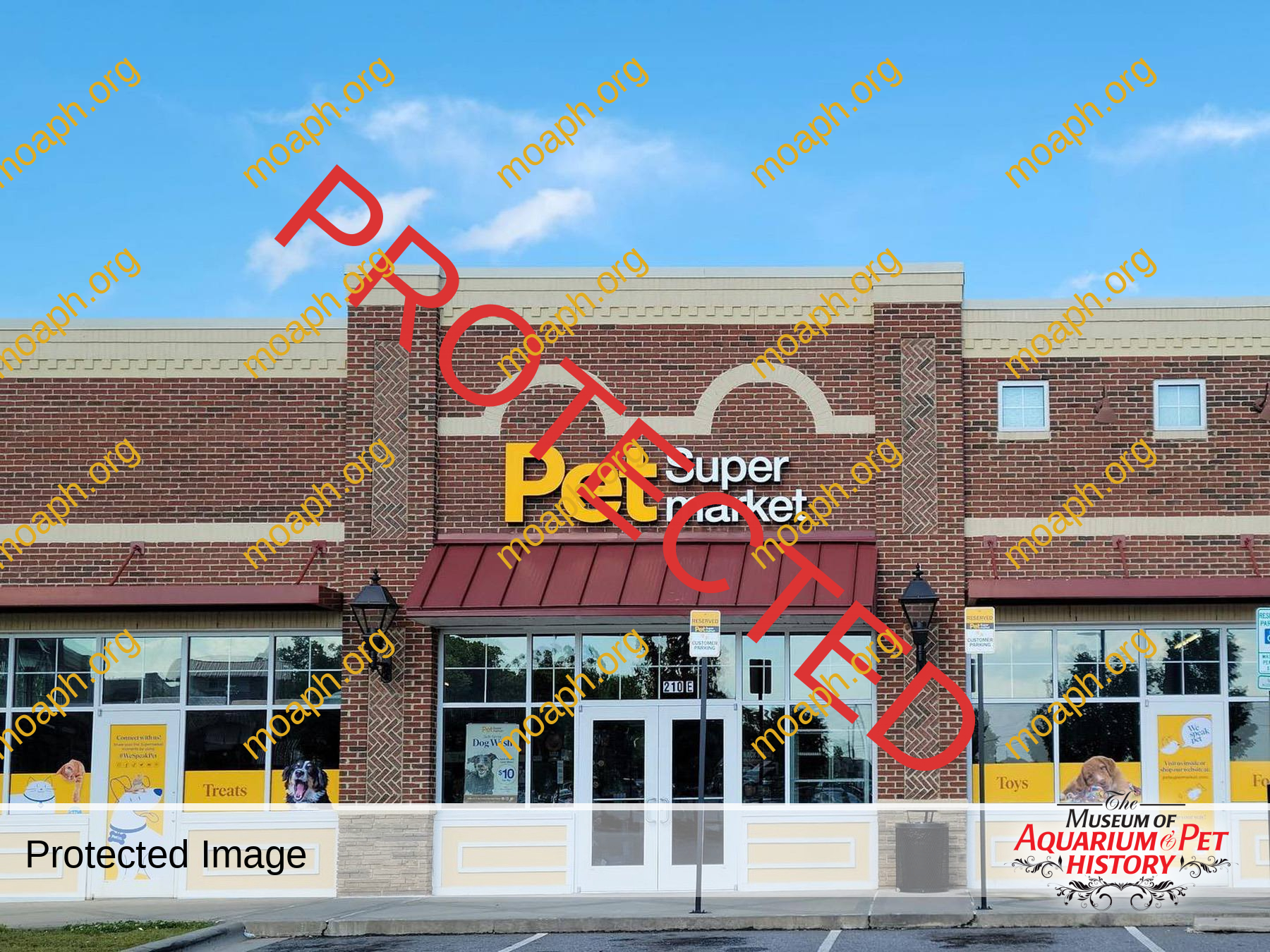
Pet Supermarket was entering new markets. Using the psychographic data that told us what our customer profile looked like, we were able to pinpoint our marketing efforts to consumers who resembled our best customers.
New markets always received special attention. Typically, we would look for current store management who were willing to relocate to a new market. It was an easy way to export our culture.
Pet Supermarket’s brand had never been stronger. How did we know? We had a very robust customer loyalty program – Very Important Pet (VIP). By now, we had a million names and emails in our database. To make sure that our customers benefitted from our VIP program, there was always promotional activity specific to each individual customer.
Popular products in every pet category (even Chinchilla supplies) were specially priced for VIP customers. This special pricing always ran concurrently with our regular general sales event. I always invited all of my vendors to participate by offering a promotion on any of the items we stocked. Their only exposure was the redemption at the end of the event, backed up with scan data. Every penny spent went right to the consumer. Sales always spiked. I had a lot of participation. With my selections and vendor offers, there were typically 300 items specially priced throughout the store. Sales and VIP offers changed every six weeks. We learned that most customers shopped with us every four to six weeks. Six-week intervals allowed all of our customers to take advantage of our promotions.
But the VIP program was so much more. With strong participation, we were able to capture every VIP transaction by date, time, and items purchased. We used this information to highly personalize how we communicated with our VIP’s.
We told you when products you purchased were on sale, we said we missed you if we hadn’t seen you in a while (along with a coupon), we told people who bought large breed dog food that we had new toys for large breed dogs, we could send the database of an individual store that needed a little boost for the weekend a coupon for a total sale discount that weekend, in that store. All of this could happen, same day.
I had a program with a very large, international flea control company. If you bought a six month supply, based on the date of purchase, we would sent an email at five months reminding you that you might be down to your last dose, along with a $10 off, vendor funded coupon, good only at Pet Supermarket.
Vendors were also allowed to speak with and promote to their customers through the VIP database, but controlled and executed by us. We promised never to share our customer information with outside sources.
We mined the database on a regular basis. There was always a “call to action” reason to come visit with us.
Aside from the financial benefits of the VIP program, customers appreciated that our communications were always relevant to them. We knew who they were.
Along with the in-store activity, we were advertising effectively across all forms of media.
One particular Sunday newspaper coupon ($2 off any purchase of $10 or more) that appeared in a multi coupon insert had as many as 25,000 redemptions across the chain. The average sale associated with the coupon was always significantly higher than $10. The best part was that this media targeted grocery consumers. It brought them into our store.
I always enjoyed participating in the filming of our television commercials. Most sessions lasted from 6PM on a Sunday (after the filming store location closed) until 2 or 3 in the morning. All to produce a :30 second spot. I was on hand to make sure everything we produced was pet correct. You can still see them on YouTube.
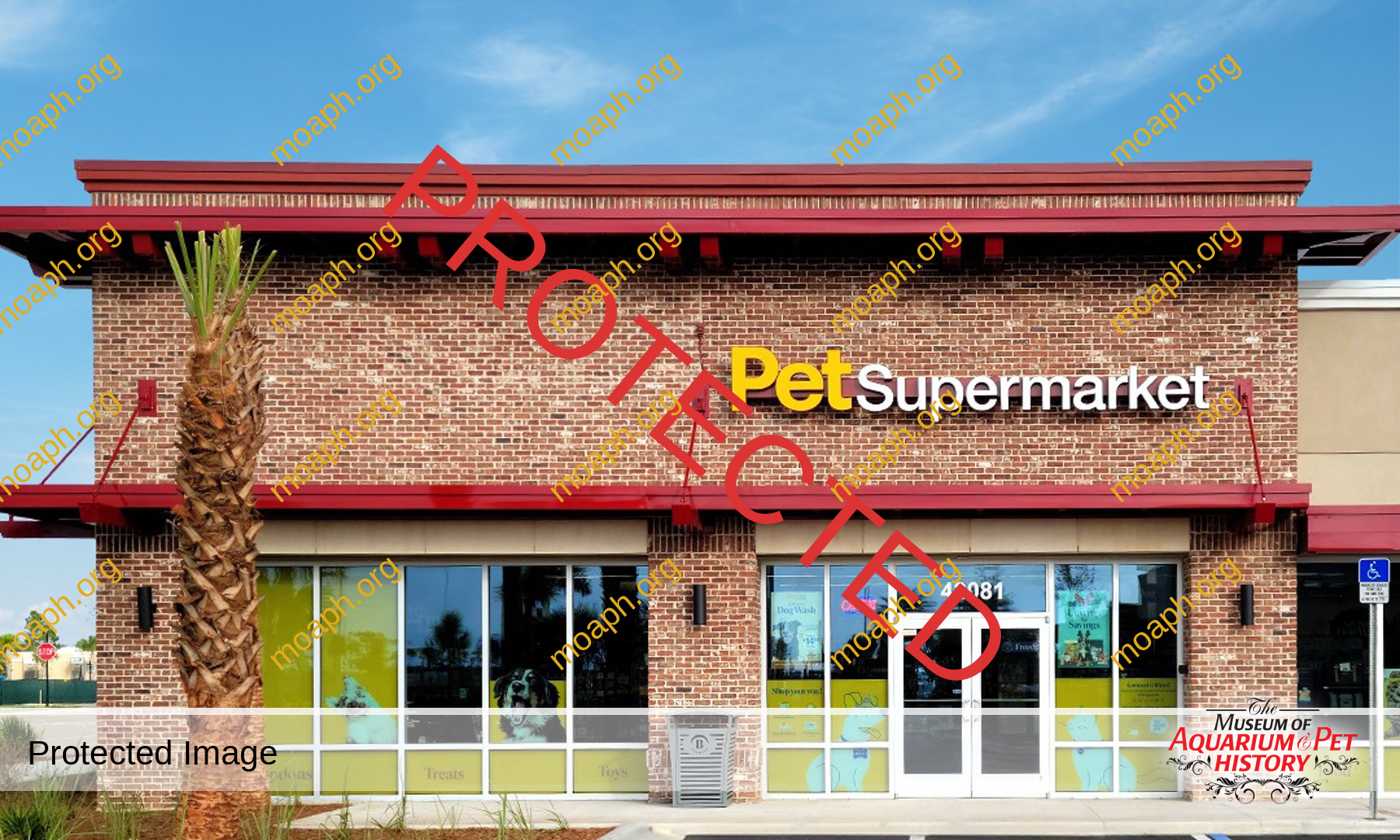
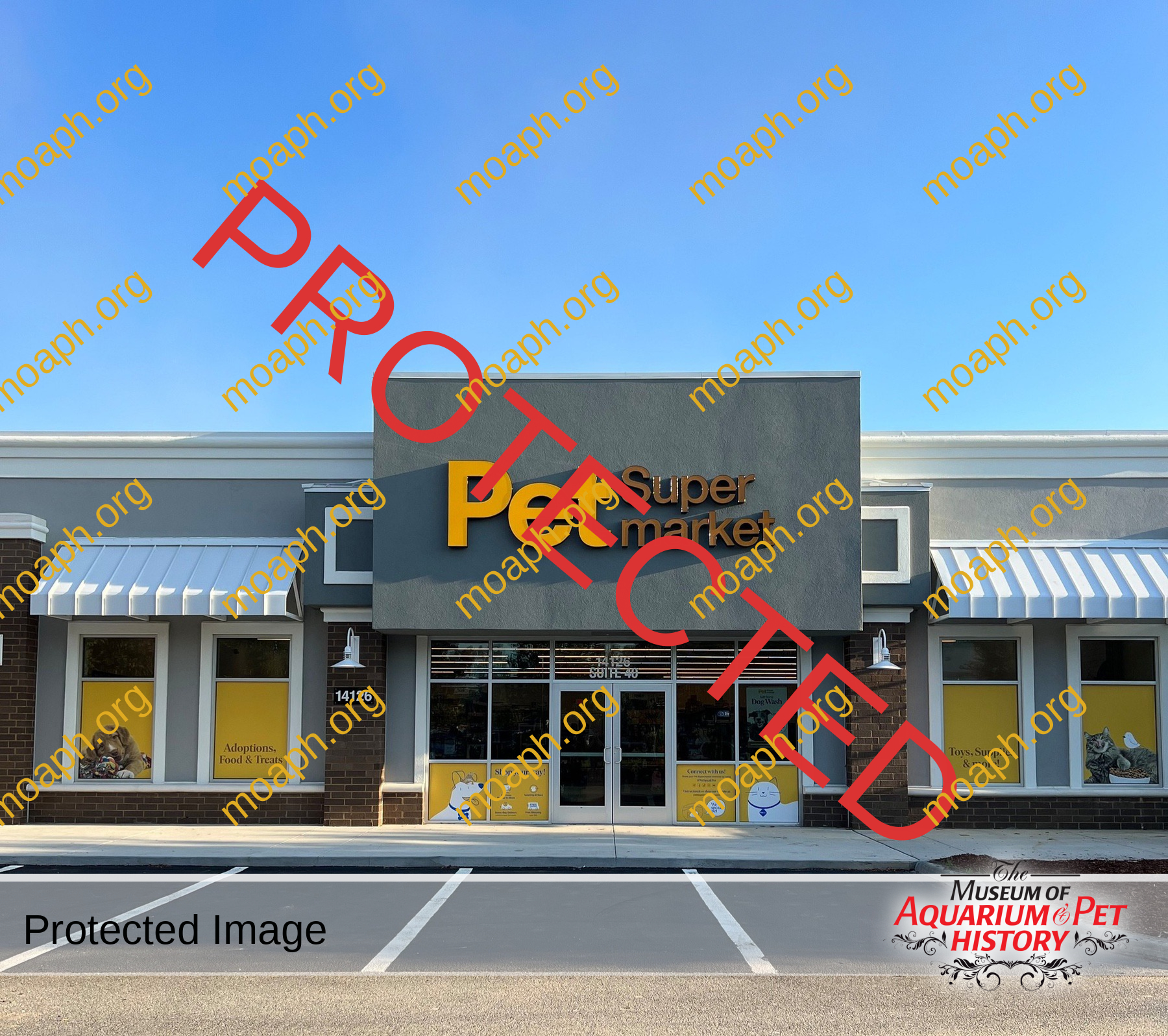
We were opening stores very quickly. One of my tasks was designing the layout and category placement of the store. I had a huge drafting table in my office.
Some years ago, I visited a very large national consumer products vendor that had a large offering in the pet category. They had a “top secret” lab in a nondescript industrial park in the Midwest. We had to sign NDAs before the visit. I thought they were going to blindfold us on the way there.
Anyhow, they had set up a complete pet store in this lab. They invited test subjects to shop. These people were fitted with monitors, microphones, cameras, and blood pressure cuffs (I might be exaggerating there..), and they were studied as they shopped. The vendor kept rearranging the store to determine the optimal flow and setup. They found out how product placement affected the experience and the shop itself. They studied the synergies. What belonged where and adjacent to what else. Synergies. They shared their results we us.
I made sure to include those synergies in all of my store designs.
We grew to 165 stores in nine states. In 2017, the company was sold to Roark Capital out of Atlanta. My official last day was June 30, 2018. That’s when I retired.
I am so grateful for having had a career that couldn’t have been more rewarding and enjoyable. I am grateful for my mentors. They helped instill much of my business philosophy.
I am grateful for the wonderful relationships that I enjoyed and still enjoy with many today.
I am grateful for my crew. Kim, Lia, Elaine, and Jodi.
I am grateful to everyone who was a part of this amazing company.
Most of all I’m grateful to Chuck West for giving me the trust, latitude and autonomy to take good care of his business.
I am so proud to have been a part of it.
MOAPH would like to thank Steve Feinberg for his enjoyable 40 year tour through his life in the pet trade. Steve is still working in the pet trade as a consultant.