1882 – The Founding of the World’s First Aquarium Society in Gotha
For lovers of nature, May is the most beautiful month in Central Europe. Fresh greenery is everywhere; a lavish splendor of blossoms adorns the countryside, gardens, and parks. Everyone basks in the sunlight and, after the long dark season, delights in the scents of spring, in all the growth and flourishing, the birdsong, the fresh breezes, the radiant colors. Spring feelings are awakened, for everything is directed toward reproduction. Those who are especially attuned to aquatic life notice the courtship displays of male newts, hear the nocturnal mating calls of frogs, and observe the bustling activity of fishes amid the dense vegetation along the water’s edge. And those who keep aquatic creatures at home in aquaria now have an abundance of food at hand, easily gathered with a dip net. May is warm, and pond-dipping is once again a joy, for there is no need to hack holes into the ice merely to collect a few Daphnia. A walk to the pond for mosquito larvae and tiny crustaceans now becomes restorative. For many naturalists, it was the high point of the day, the moment to look forward to while enduring dreary hours of work.
So it was for several aquarists from Gotha, who would meet at a particularly bountiful pond teeming with luxuriant aquatic plants: the Röhrenteich, in the Uelleber Ried. This pond, fed on its southern side by several small, relatively warm springs, was not overly large, yet clear and soft in its waters. Because of the constant inflow of temperate water, it never froze in winter; in a sense, it was a natural precursor to the heated pond—or aquarium. Its name, Röhrenteich (“Pipe Pond”), harked back to the days before iron pipes were common, when hollowed wooden logs were used for wells and boreholes. A long-extinct trade was that of the “pipe-borer,” who drilled through larch trunks, thought to be especially suitable. To keep the logs from drying out and splitting, they were stored in soft water, which swelled the wood and made it more durable. The warm spring-fed pond was ideal for this, hence its name.
The Röhrenteich became a gathering place for aquarists. Much as anglers agree to meet at the water’s edge to enjoy the peace, the company, and good conversation, so too did the aquarists. But unlike the anglers, they always had more to discuss and were more high-spirited. There was no need for silence, no risk of scaring away fish—for the object of their quest was food, and plankton could not be frightened. Once their fine-meshed nets had filled buckets, jars, or damp newspapers with pond plankton, red mosquito larvae, Tubifex, or Daphnia, they would exchange insights, share observations, and debate ideas. In time, the discussions eclipsed the collecting. They came to the Röhrenteich less for the dipping itself than for the companionship of like-minded friends.
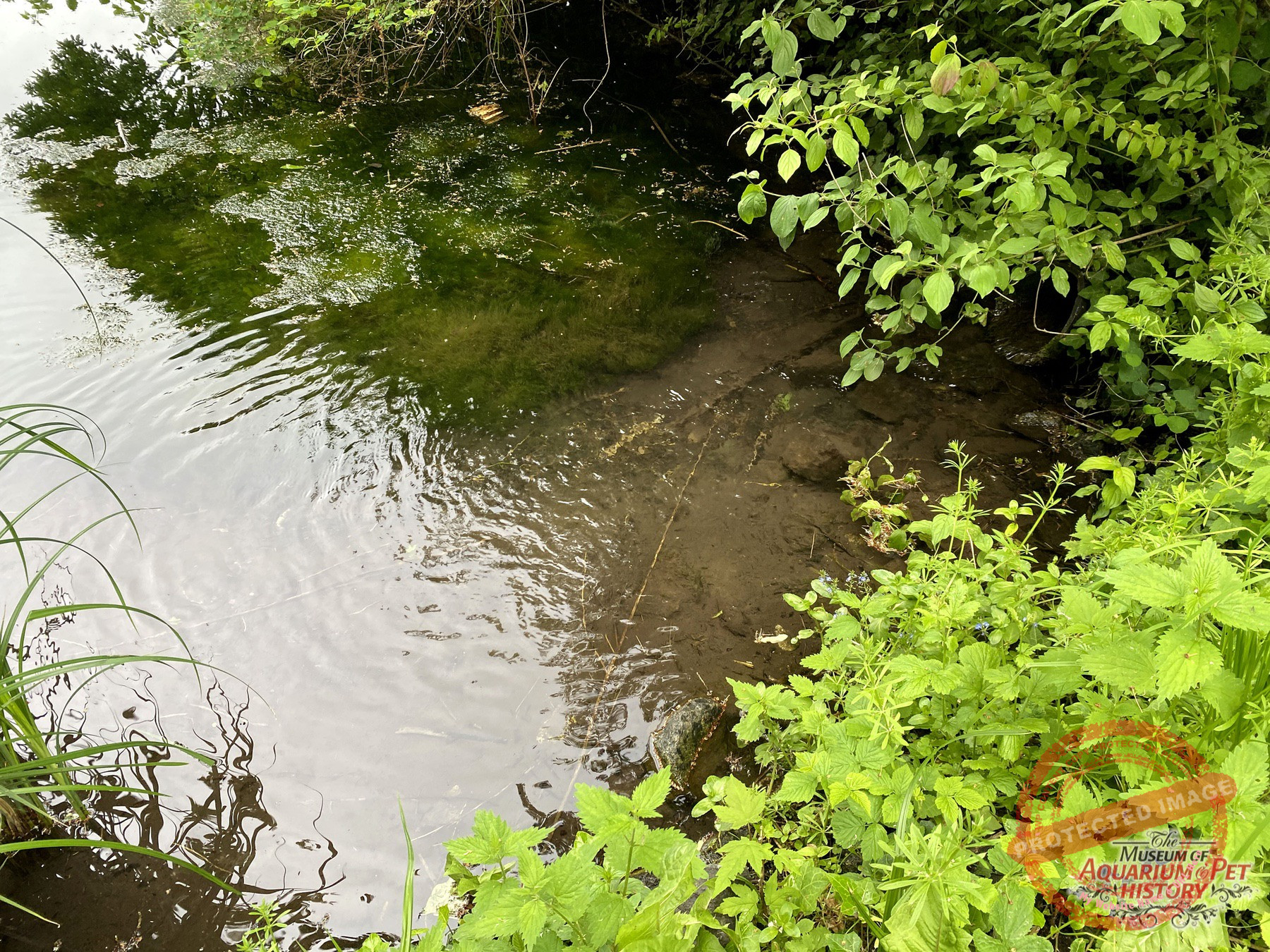
The Röhrenteich still carries clear, soft spring water to this day and remains slightly tempered year-round.
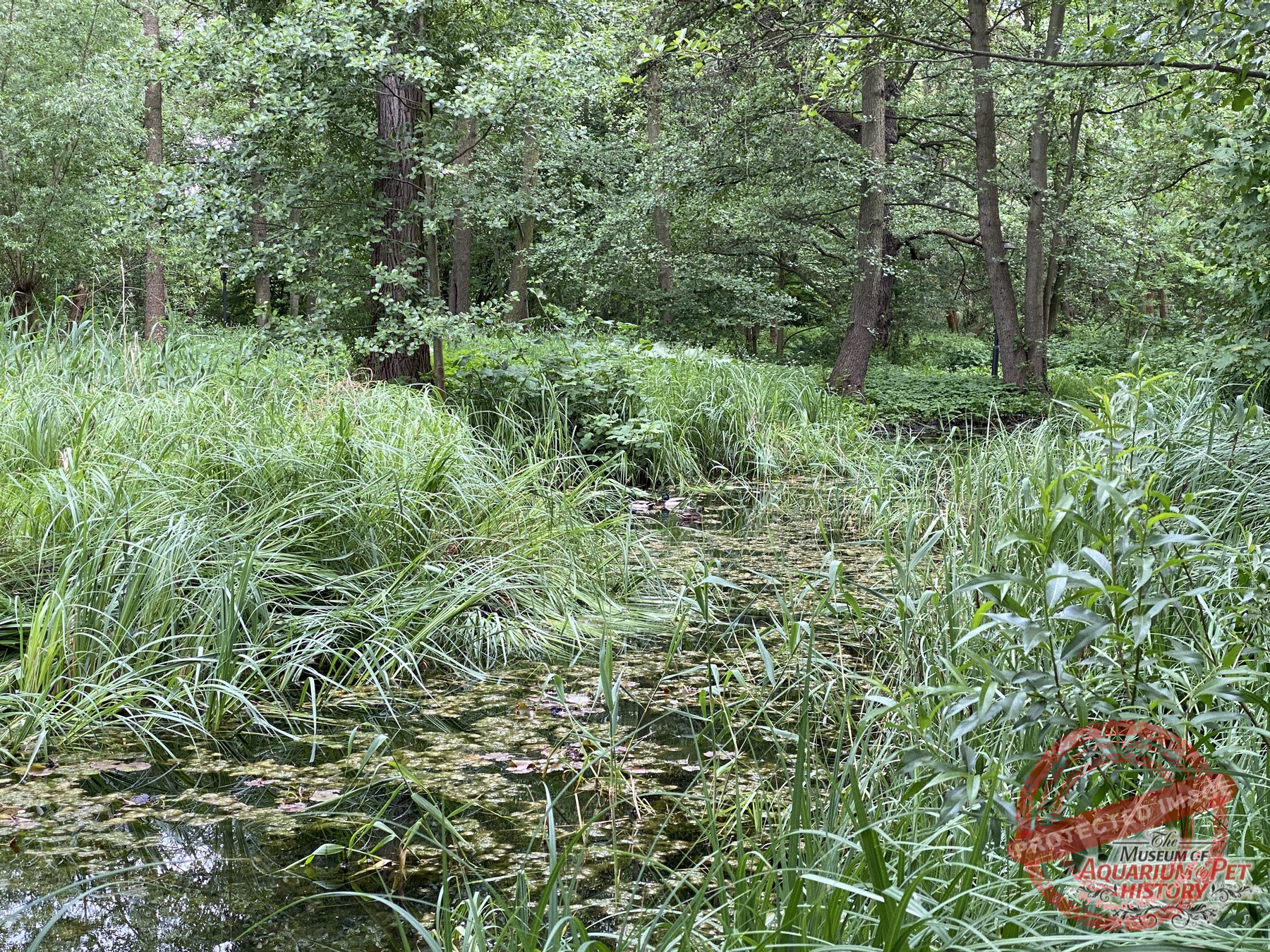
Today, many of the water surfaces are heavily overgrown with marsh plants.
Finally, some of Gotha’s educated bourgeois citizens—men of science and comfortable means—conceived the idea of meeting regularly. In summer they would gather at the pond; in winter, in the back room of a tavern. Inspired perhaps by the season’s stirrings, most certainly by the example of music and literary societies, they founded, on May 9, 1882, the association Aquarium. None of them knew whether such a society already existed elsewhere; none had experience in such matters. Today we know that it could not have been otherwise: this was indeed the first aquarium society in the world. Though the original founding documents, like so much else, were lost during the Second World War, secondary materials confirm the date beyond doubt.
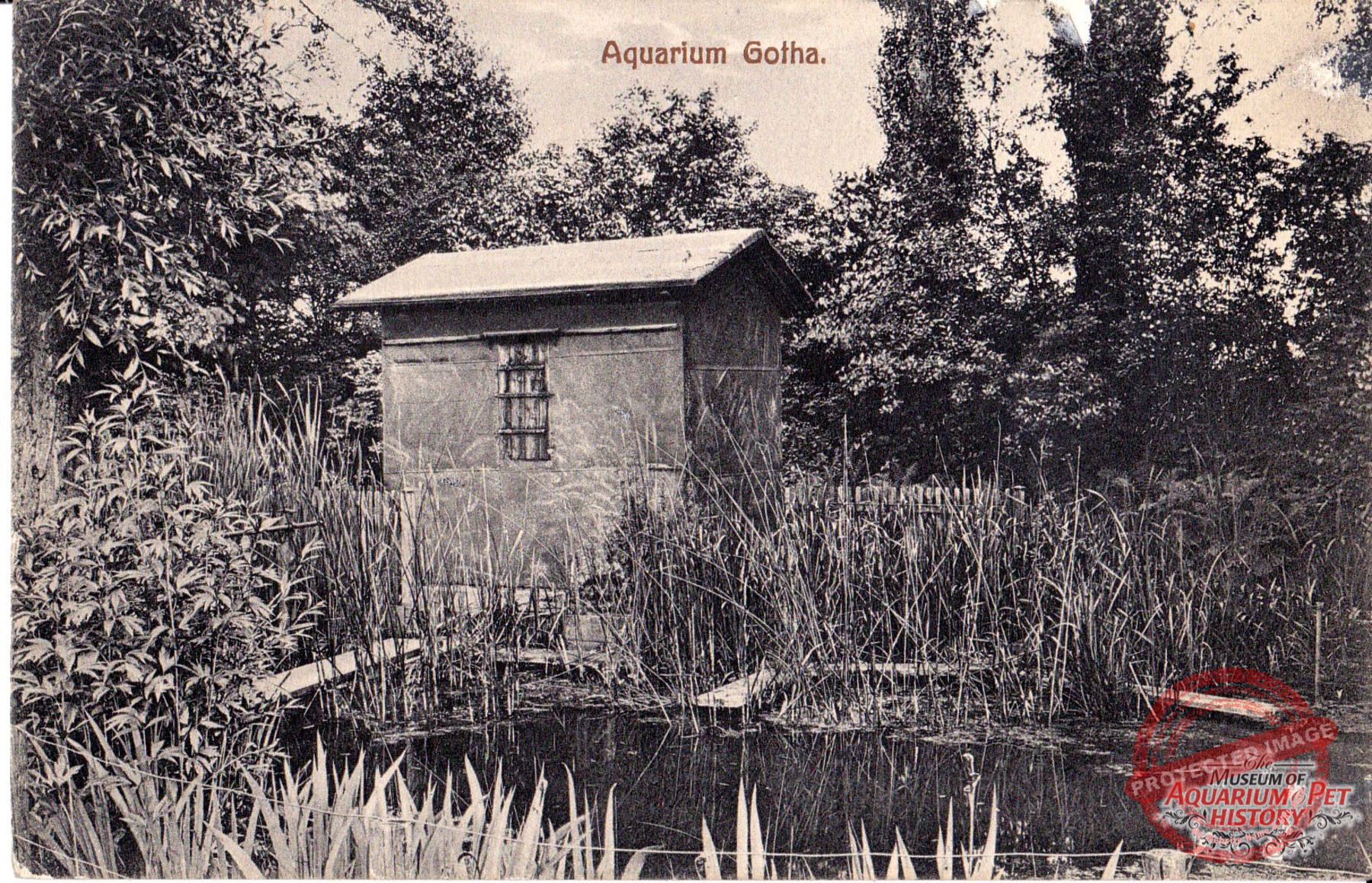
Postcard with a view of the Röhrenteich.
Reverse side of such a postcard.
Each man had his own aquarium at home, but they aspired to more. They were not narrow-minded petty bourgeois: among them were teachers, entrepreneurs, and also workers—often bright and eager for knowledge, though denied higher education by circumstance. These Gotha aquarists labored for a year to create an open-air aquarium, a place for themselves, their families, and their friends, who marveled at it and soon caught the enthusiasm for aquatic life. Around the Röhrenteich and as far as the little stream Ratsrinne to the north, they planted trees and shrubs, laid out paths and seating, and placed aquaria and terraria along the waysides. But their chief task was to clean out the Röhrenteich itself, long used as a kind of dump. On June 2, 1883, the Gotha society Aquarium opened its “Aquarium”: a park-like open-air facility, free to all. Word of this first outdoor aquarium spread quickly, first across Germany, then beyond its borders.
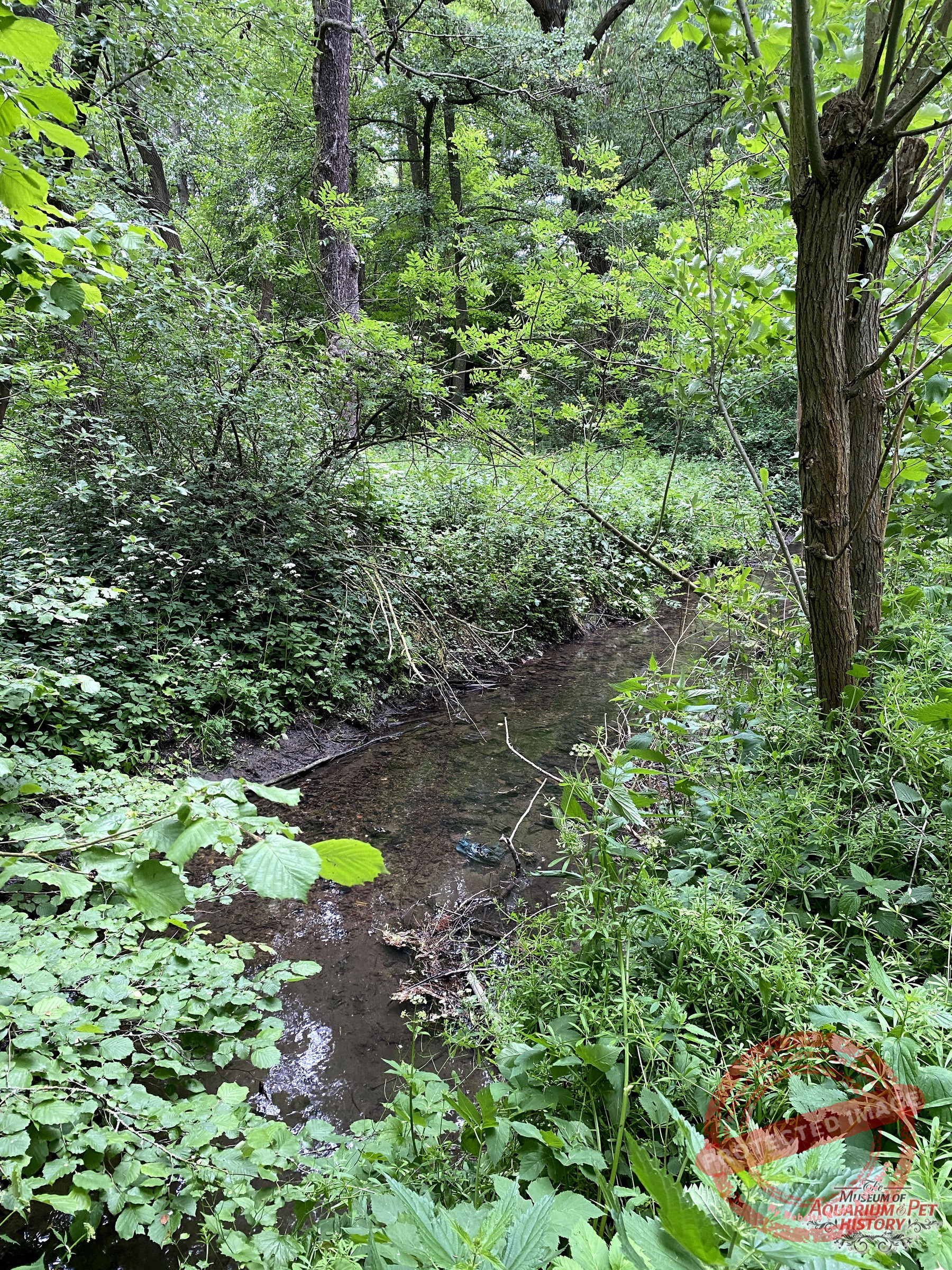
The Ratsrinne, a small, crystal-clear stream, has bordered the grounds of the Aquarium on one side since its opening in 1883.
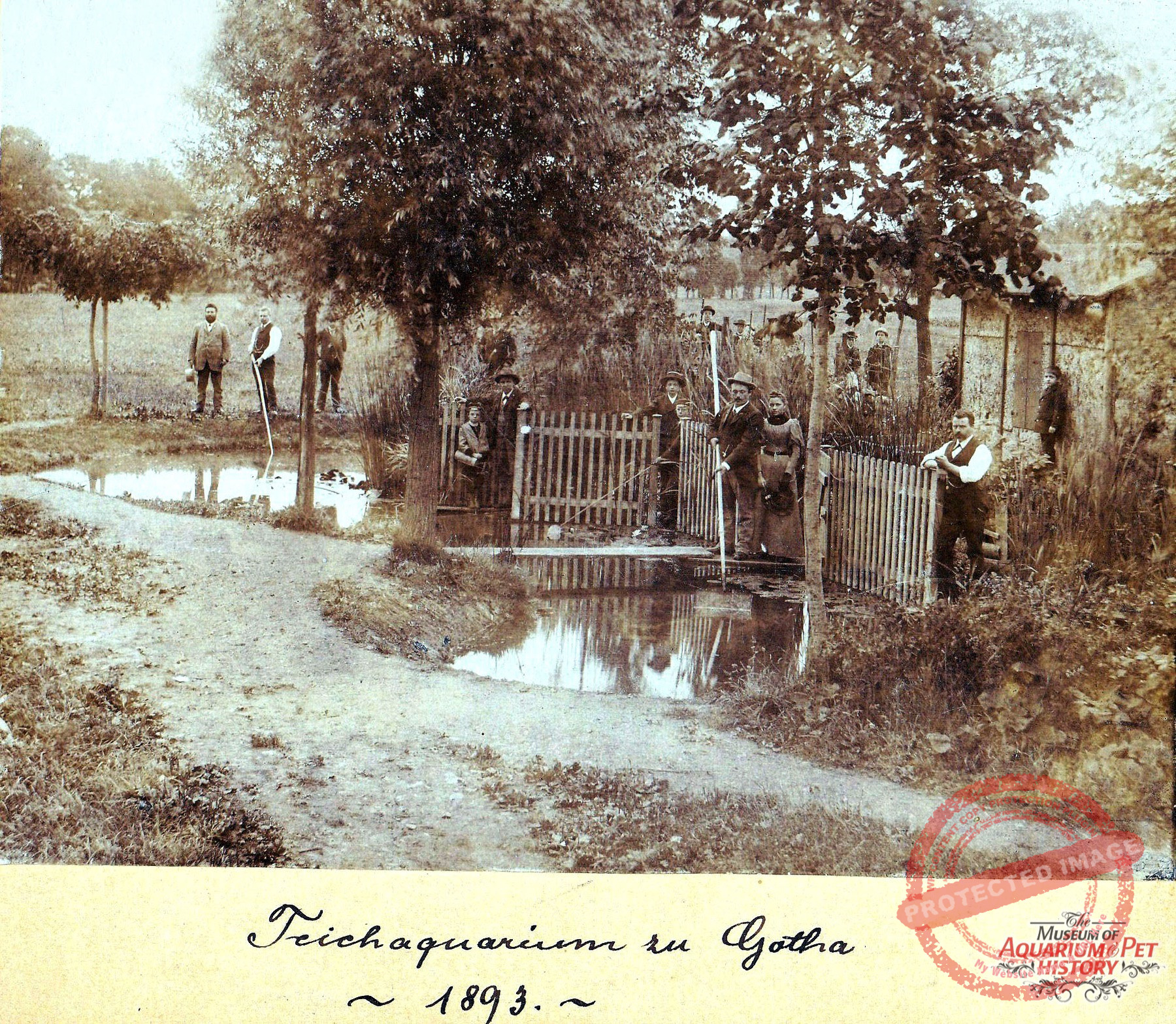
The members of the Aquarium society were diligent architects of water gardens, working with their own hands to create ever new features in their aquarium park.
On that opening day the Gothaische Zeitung carried a long article describing the inauguration of the new leisure park “Aquarium” in the Uelleber Ried:
“The local society ‘Aquarium’ has taken care to transform the vicinity of the pond it has used—the Röhrenteich, formerly of poor appearance—into a pleasant place of sojourn. The many trees, shrubs, and plants that have been set out thrive exceedingly well; the various aquatic plants within the pond extend themselves on every side. The sand paths, winding serpent-like between fresh lawns, give the whole a park-like character, and every visitor takes delight in watching the multitude of little fishes darting and frolicking in the pond.”
(It seems, incidentally, that journalists of that era, like some today, often wrote in an execrable German: clumsy in style, careless in knowledge, punctuation, and grace alike.)
Nor was the Röhrenteich to remain the only pond. Between 1895 and 1897 a second, the Schäfferteich, was created, initiated by the society’s first chairman, who played a particularly important role. This pond was supplied with water from the river Ratsrinne, conveyed by a pipe laid with the city’s support. Around the turn of the century a third pond followed, the Matthaesteich, named for the member Director Matthaes. With the society’s growing membership came greater vigor and enthusiasm for expanding its outdoor aquarium. At that time a collection of willows was also established, numbering by 1908 no fewer than 474 species—an extraordinary total, scarcely rivaled even by botanical gardens. Many of the members were Gotha schoolteachers, and so the outdoor aquarium took on a special pedagogical role, in keeping with Gotha’s reputation as a city of progressive scientific education. Natural history was taught here, with lessons held among the ponds. Later, part of the grounds would serve as a school garden, but that belonged to another century.
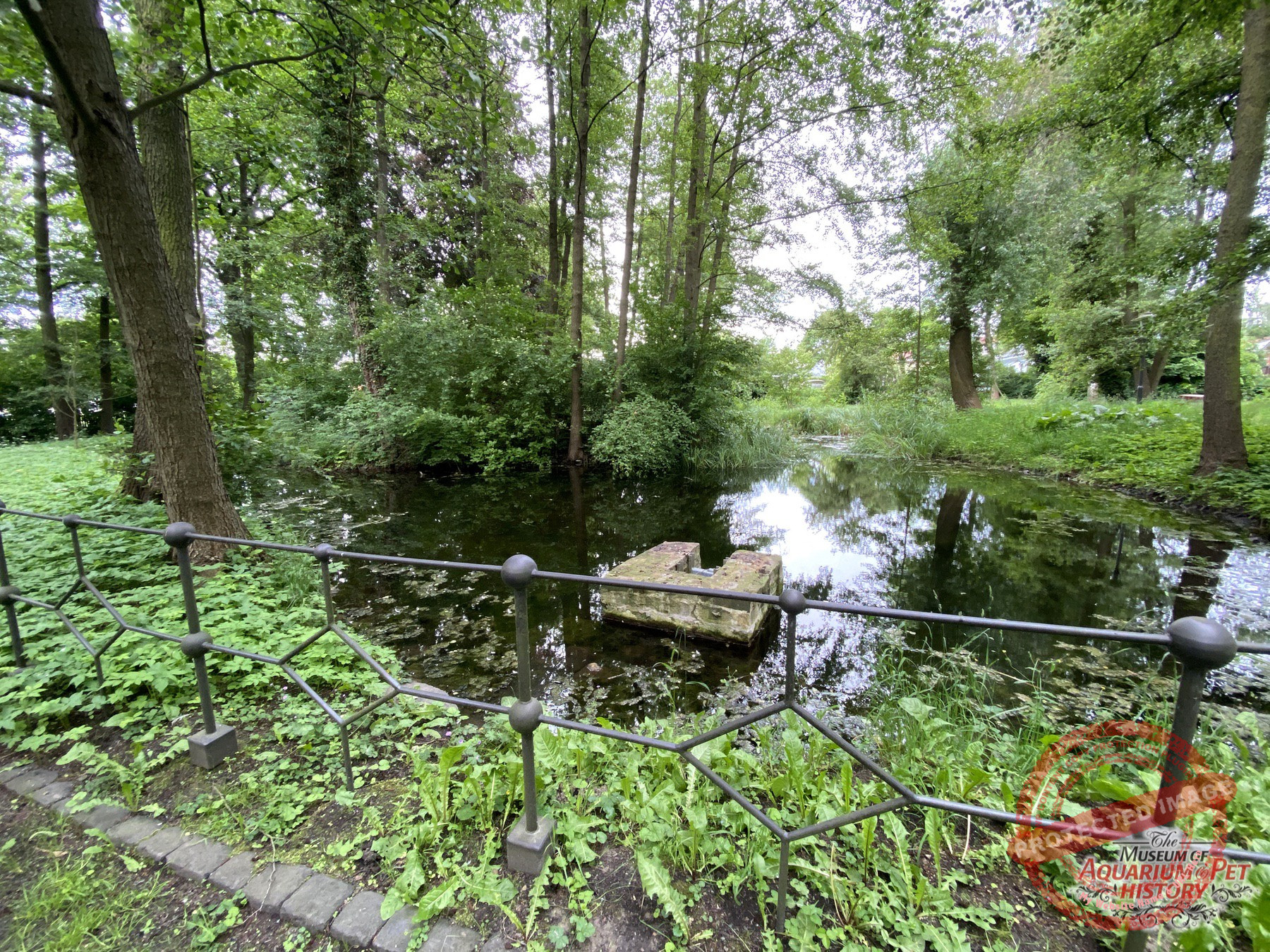
A pipeline supplies the Schäfferteich with water drawn from the Ratsrinne.
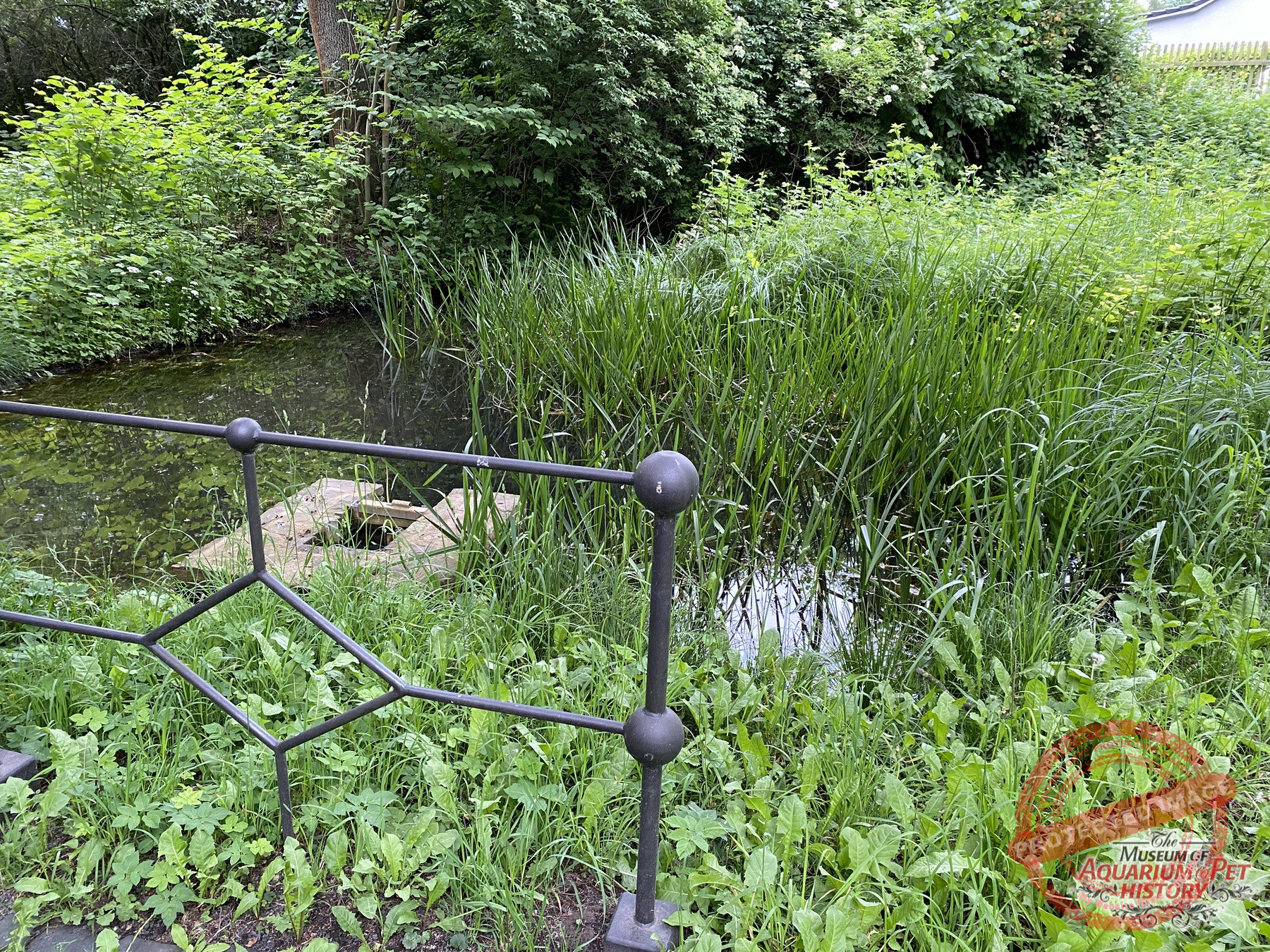
Much of the original technical water management system for the ponds has survived and continues to function to this day.
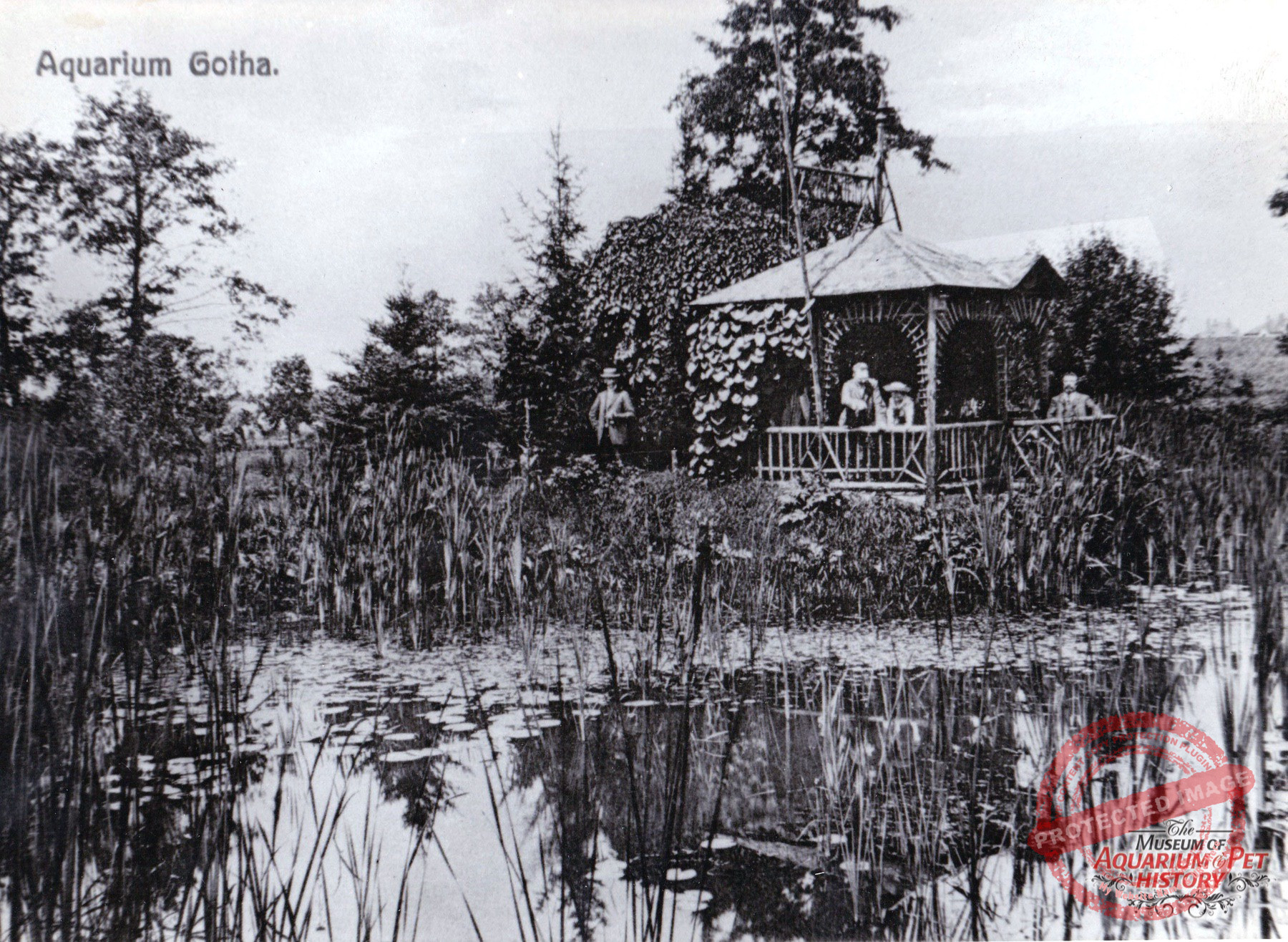
Postcard, ca. 1900, showing the Schäfferteich with its pavilion.
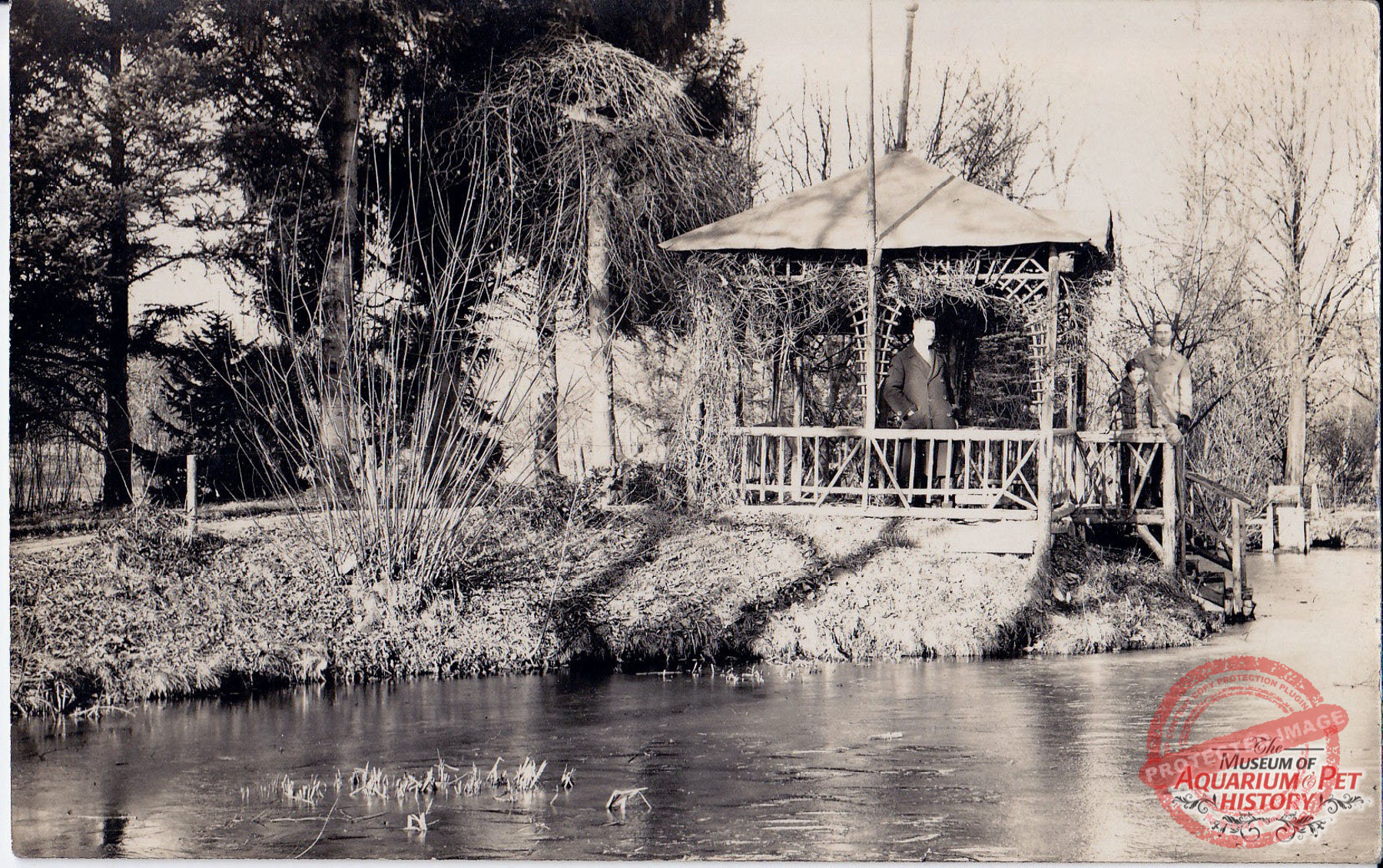
Postcard depicting the pavilion erected beside the Schäfferteich.
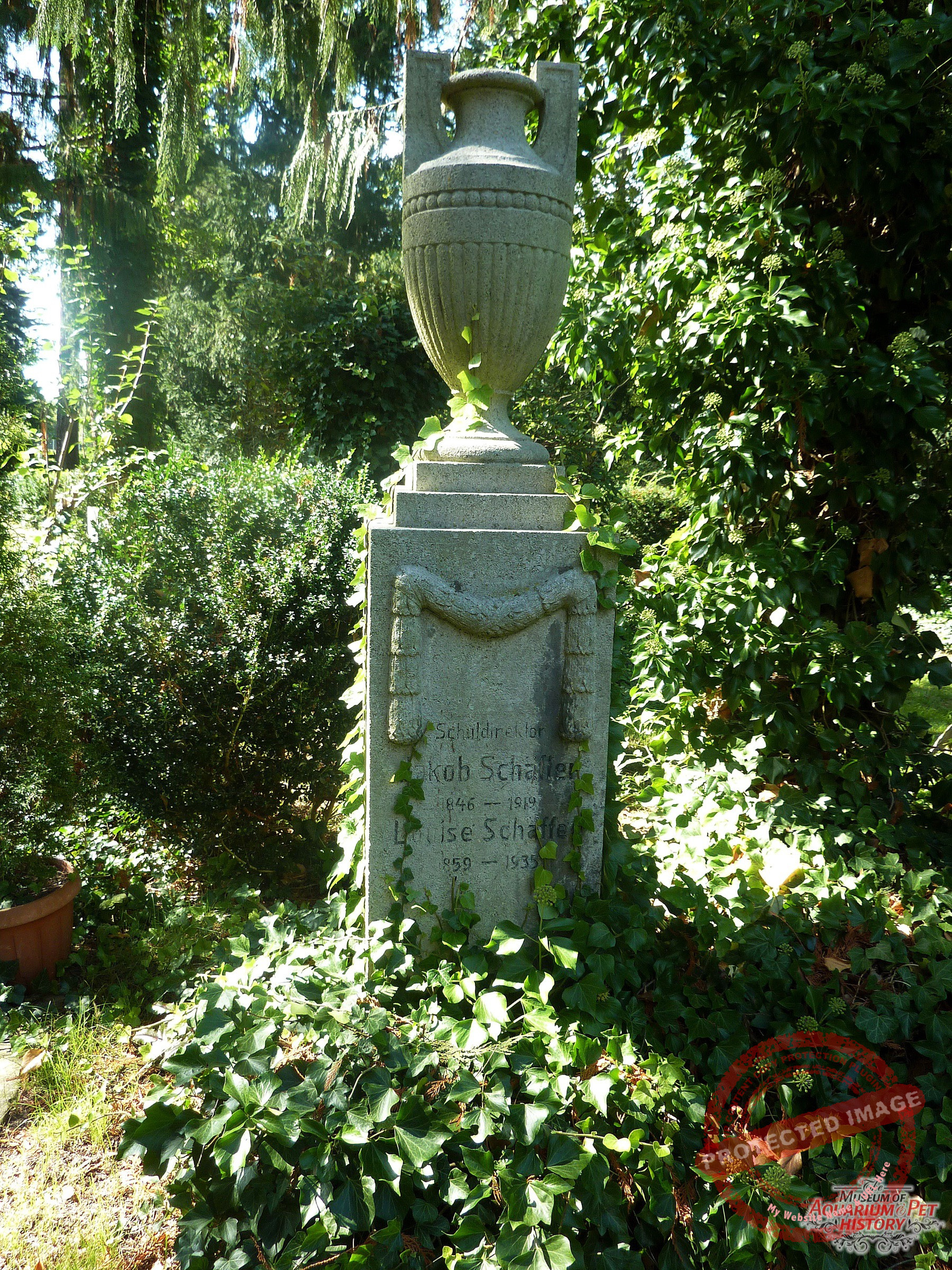
At the center of these activities stood Jacob Schäffer, a 36-year-old teacher from Mandern in the Principality of Waldeck. Having attended Gotha’s teachers’ seminary in 1866/67, he had settled in Gotha in 1873, following the call of Carl Eduard, Duke of Saxe-Coburg and Gotha, also known as the Second Prince of Albania. Today Schäffer is honored as the founder of the world’s first aquarium society. For a long time, however, people were reluctant to speak of his private life. After his death in 1919, it was agreed that only a century later should certain matters be disclosed. There had apparently been difficulties in his early career at a girls’ school in Korbach, yet in Gotha’s liberal milieu he established himself as a respected pedagogue. With his wife Louise and their children he lived outwardly exemplary lives, though from today’s perspective his blending of personal and society interests might seem questionable. On the Röhrenteich’s island he built a kind of summerhouse, used by his family but also serving useful functions for aquatic plant culture.
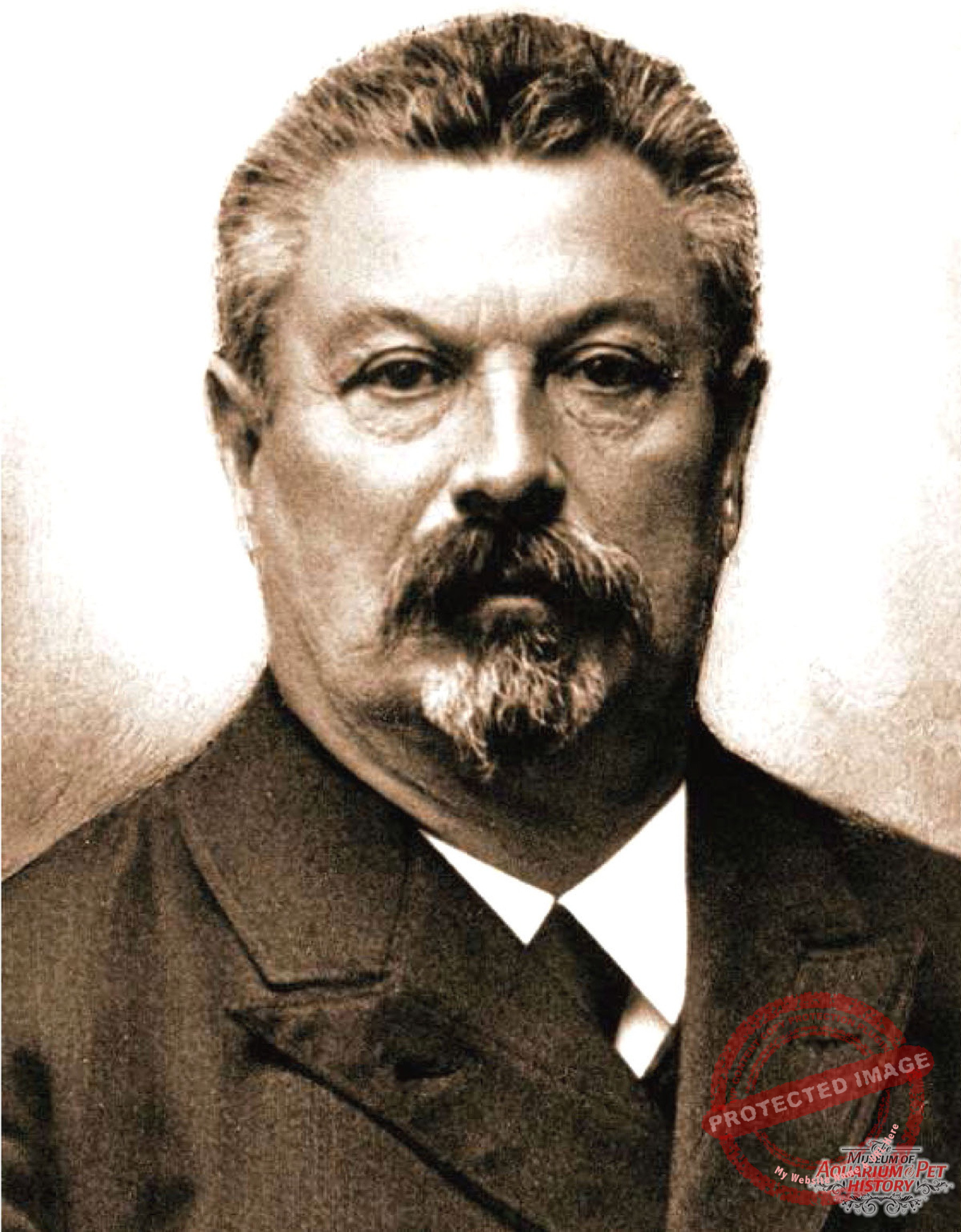
Jacob Schäffer, then a young teacher, founded the world’s first aquarium society in Gotha in 1882.
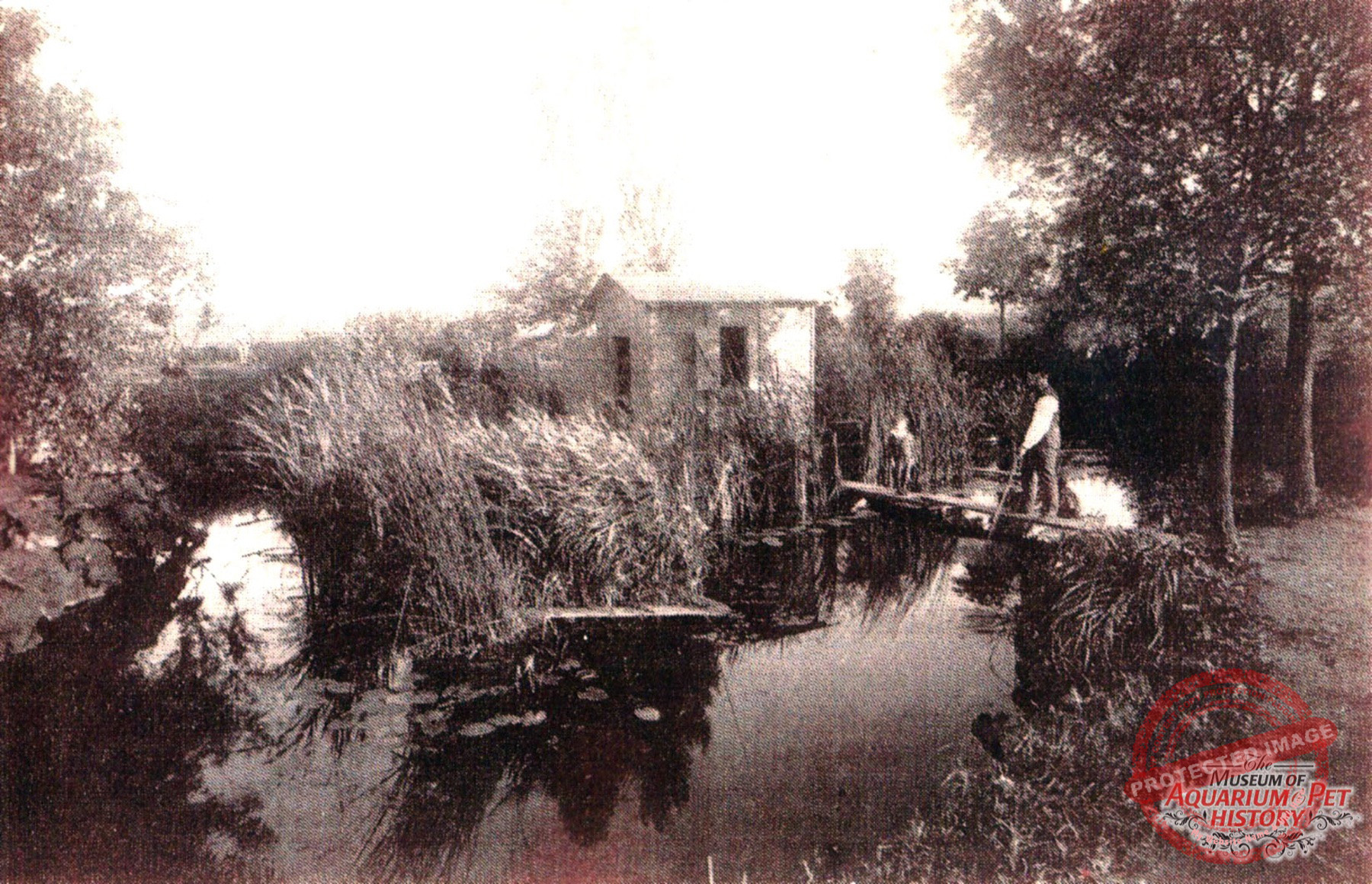
Schäffer with one of his children on the footbridge leading to the island in the Röhrenteich.
Schäffer’s efforts, and his connections to Gotha’s affluent citizens, secured his standing. He won as patron Justus Perthes, descendant of the famous family of map publishers and art collectors, and enlisted Senator Ehrenfried Freund as protector of the society. From 1901 to 1914 Schäffer served as director of Gotha’s continuing education school. His Aquarium society soon grew to 60 members and gained international importance, with corresponding members not only across Germany but also in America, the Netherlands, Denmark, and Hungary.
Viewed today, the goals of the world’s first aquarium society seem strikingly modern, even exemplary:
- Establishment and maintenance of aquaria of every kind
- Cultivation of contacts with aquarists locally and elsewhere
- Identification of economical and suitable sources for aquarium specimens; procurement and distribution of such for observation, with journals or questionnaires to guide the study
- Mutual advancement of members through the exchange of observations and experiences, both personal and from others
- Properly conducted lectures
- Occasional visits to aquaria and collecting excursions to nearby waters
- Acclimatization trials with aquatic animals and plants of the Central European freshwater fauna and flora, especially in the society’s pond aquarium
- Publication of specialized journals or those relating to kindred scientific pursuits
- Use of a question box
- Collections and preparation of relevant specimens
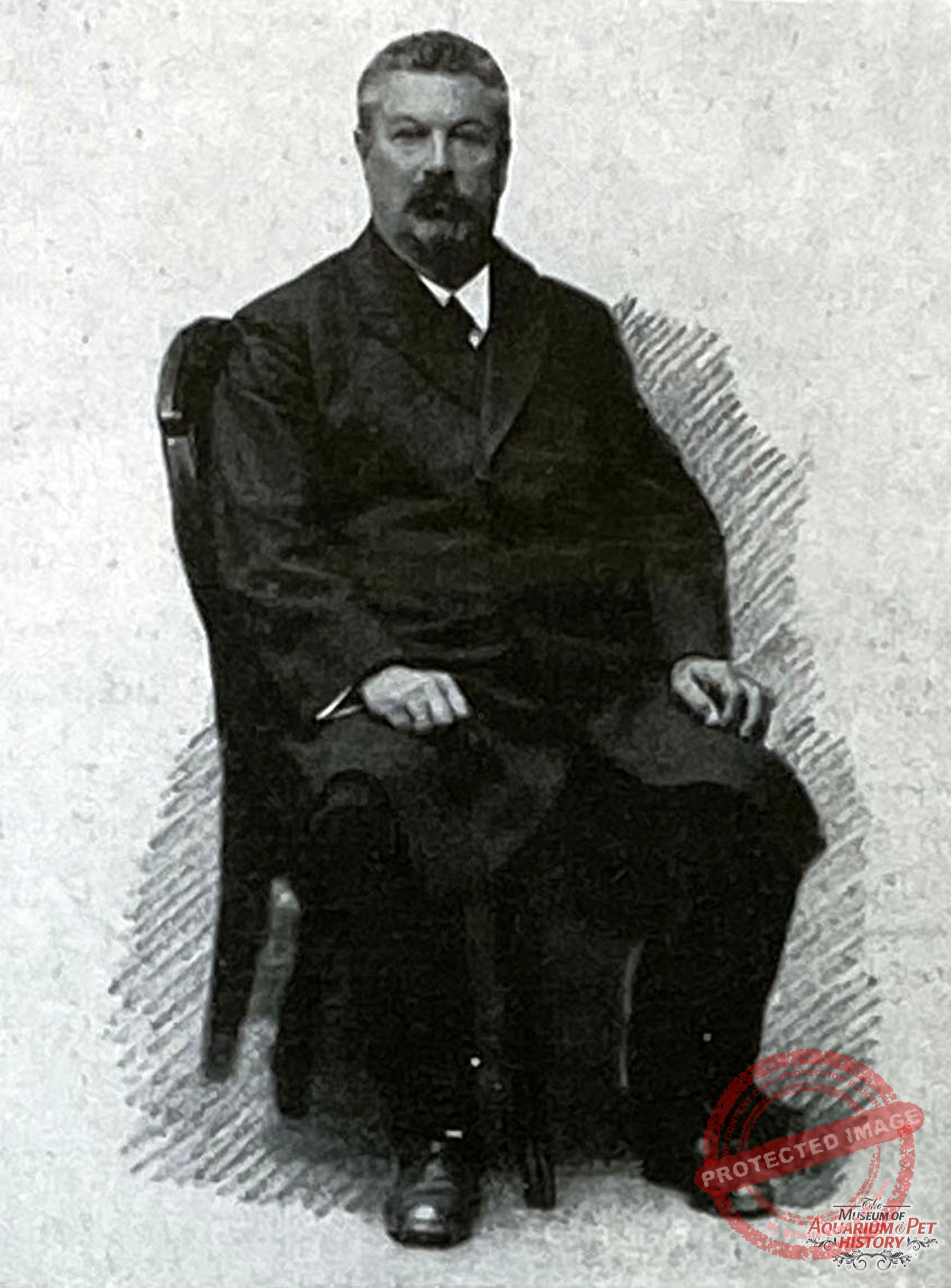
In 1901 Jacob Schäffer was appointed director of Gotha’s continuing education school, his biological expertise having earned him a wide reputation.
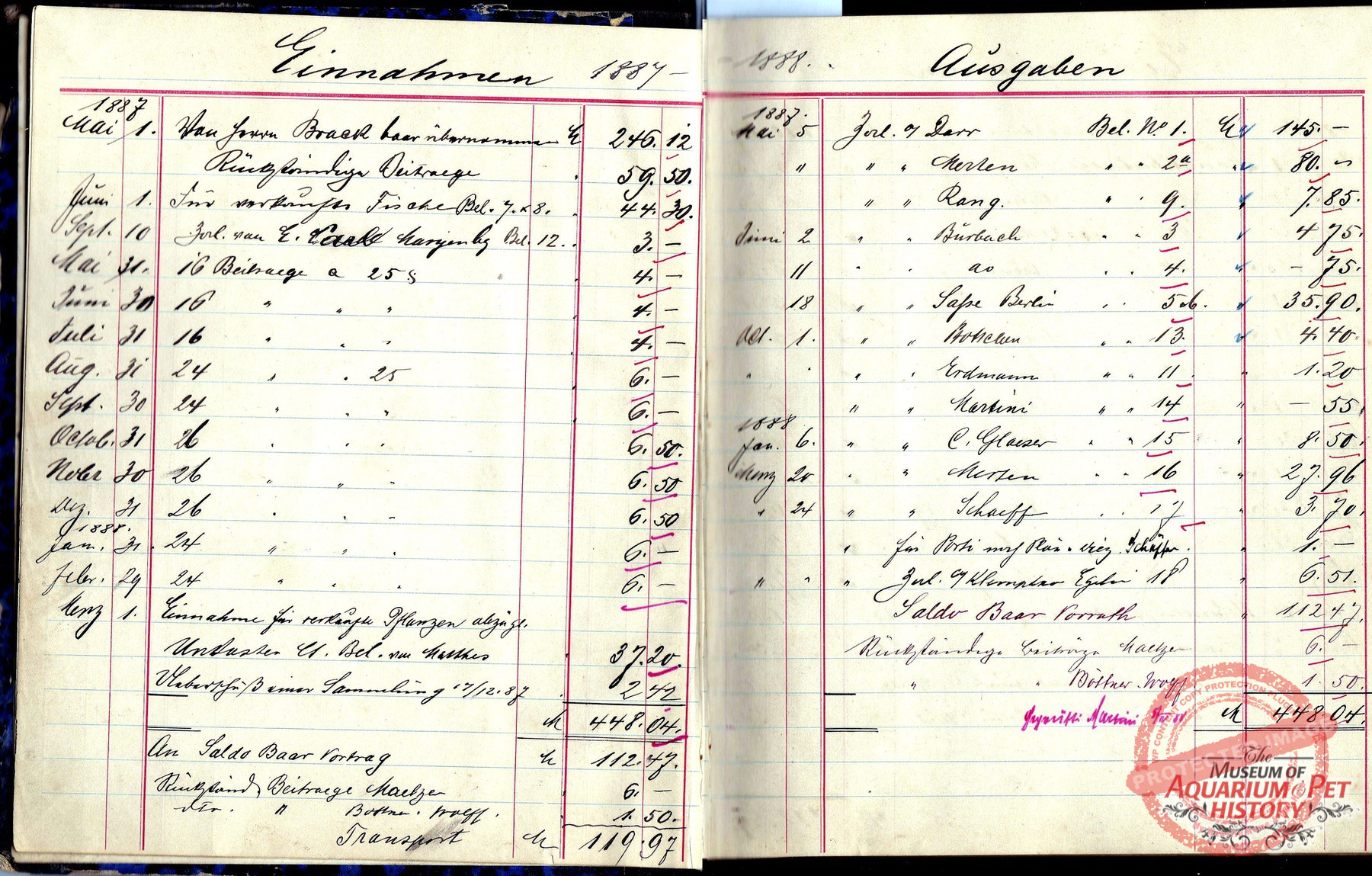
Only a few documents from the society’s early years have survived—here, a page from the account book of 1887/88.
The truly revolutionary feature of the Gotha outdoor aquarium was its cultivation of aquatic plants. Not only Schäffer but the other members were well informed on the biology of marsh and aquatic vegetation, both native and exotic. Whenever they suspected that a species might overwinter in Gotha’s cool climate, provided it was free of ice in the Röhrenteich, they planted specimens and observed the results. Thus, the pond served as an experimental station and plant reservoir for their home aquaria. This simple, risky method is rarely attempted today; even seasoned botanists tend merely to repeat century-old dicta on a plant’s supposed needs. As a native of Gotha, I prefer to follow the tradition of my forebears: I test many exotic plants in my water garden, and visitors are astonished at what survives the winter outdoors. One must try—and be amazed! The Gotha aquarists set the example since 1882.
In the middle of the Röhrenteich lay a small island where Schäffer and his helpers built a shelter. Its banks were reinforced with pilings and tiered, and partitions extended outward to divide the waters around the island into sectors functioning as planting beds. These were used for culture trials of new plants, shielded from fish damage by protective barriers. A sliding plank bridge allowed flexible access to the island and to each underwater bed. Outside these enclosures, more robust plants flourished despite the fishes. Goldfish (Carassius auratus), rudd (Scardinius erythrophthalmus), and golden orfe (Leuciscus idus) were kept in the pond to please the many visitors who now came to the Aquarium. Later, the additional ponds were devoted mainly to fish, while the Röhrenteich remained for four decades a botanical testing ground.
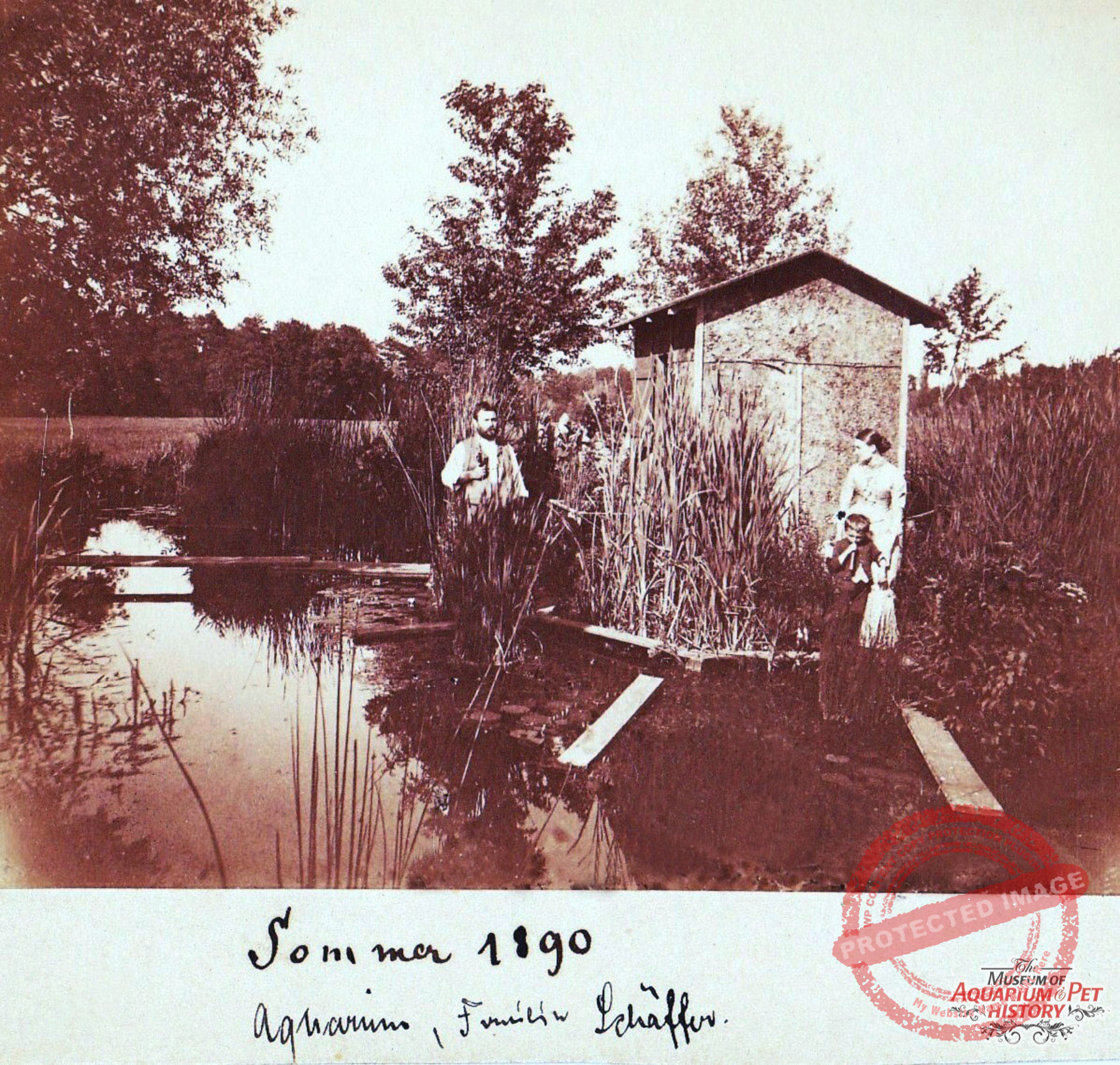
The Schäffer family often spent their summers on the island and throughout the grounds of the Aquarium.
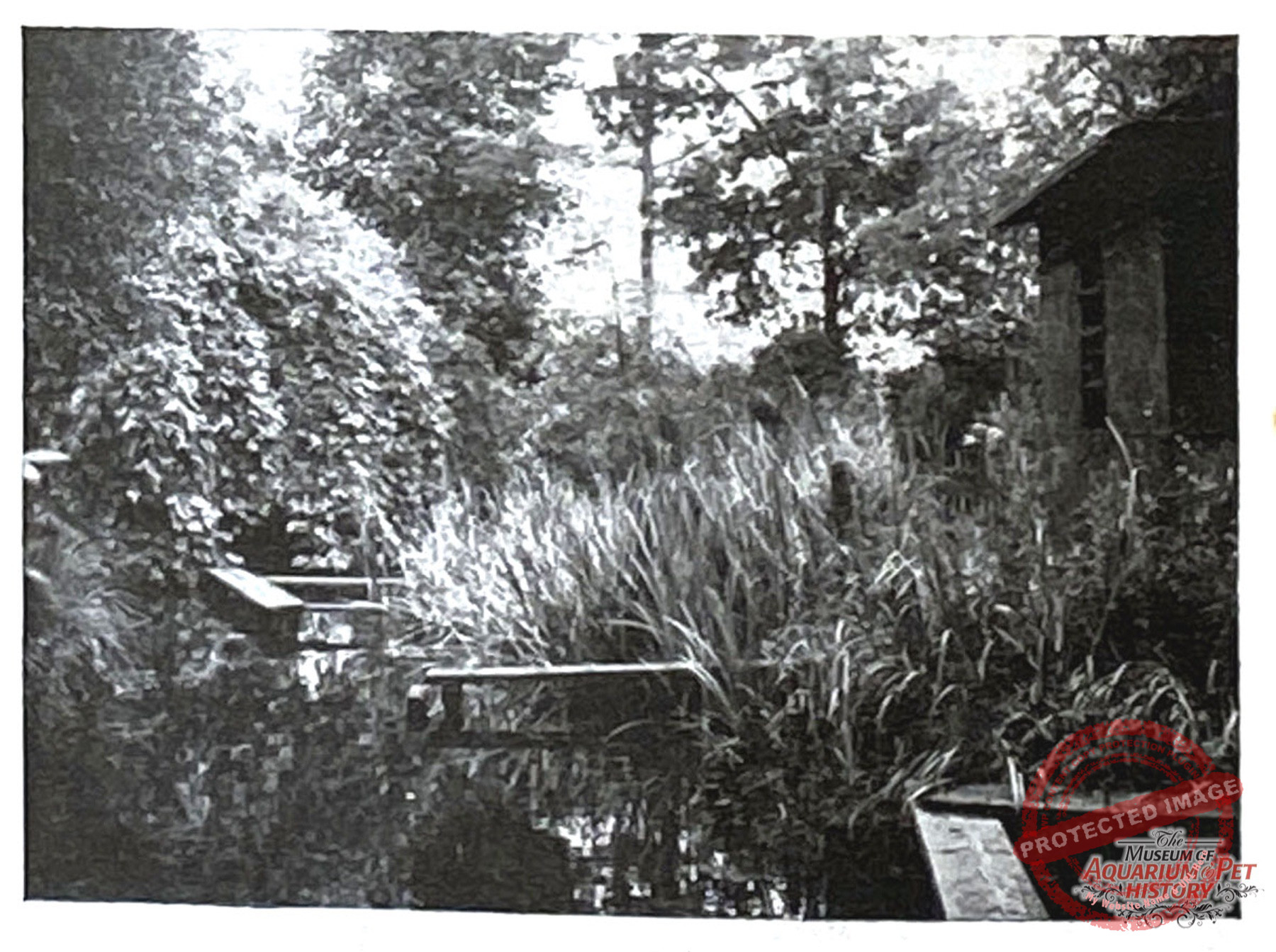
Shortly before Schäffer’s death, the underwater beds around the Röhrenteich island had become increasingly lush, now filled with many exotic aquatic plants.
During these years, Schäffer and his colleagues tested about 150 species of aquatic and marsh plants for their suitability to aquaria. Myriophyllum aquaticum (then still known as Myriophyllum proserpinacoides) was among the first, followed by Myriophyllum verticillatum and Aponogeton distachyus. The last they nicknamed “marzipan flowers,” for they truly smelled of marzipan. They eventually covered the pond floor, untouched by the fish. Each year, new species were added, altering the vegetation and providing ever-fresh aesthetic impressions. In 1888, Berlin saw the founding of its Triton aquarium society, much larger in membership from the outset. Two years later, it held the first aquarium exhibition, where the more experienced Gotha aquarists, their society four years older, won first prize for their breathtakingly beautiful planted aquaria—a medal survives as witness.
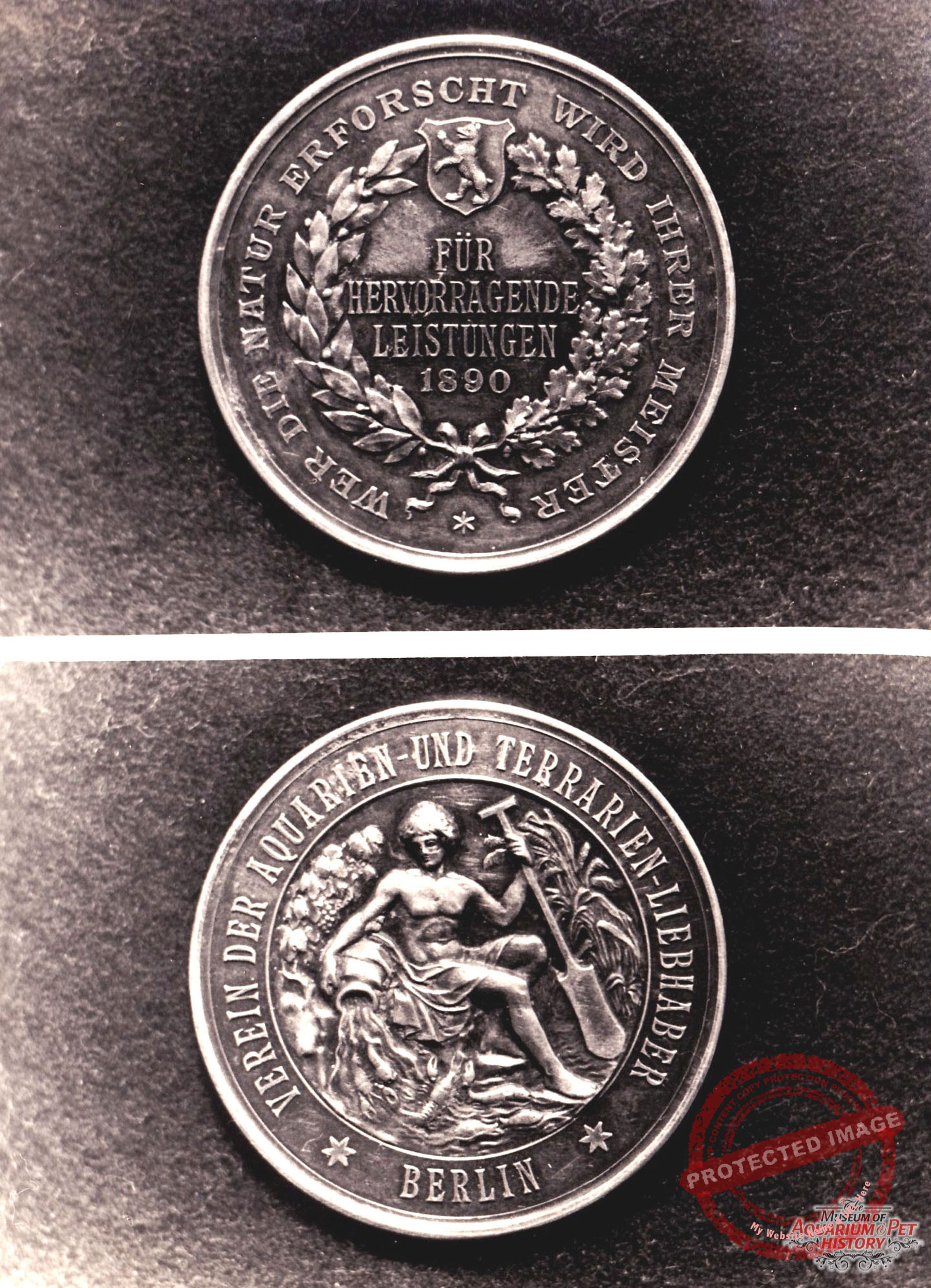
Medal awarded for the most beautifully planted aquaria of the Gotha society members at the first aquarium exhibition of Berlin’s Triton society in 1888.
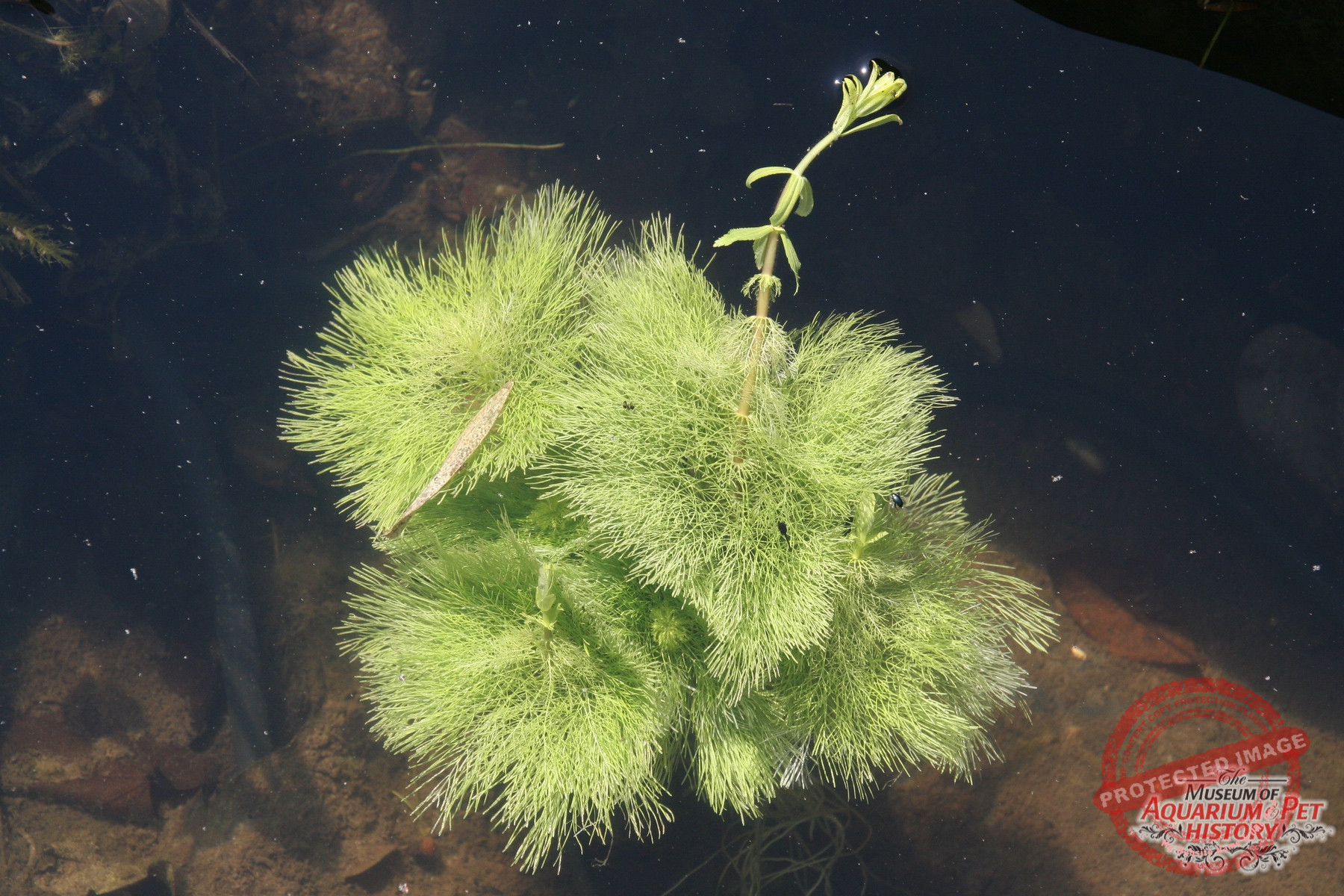
Myriophyllum aquaticum was among the first aquatic plants cultivated for aquarium use, introduced to the Röhrenteich as early as 1883.
By the turn of the century, the Aquarium grounds had become a fine park attracting visitors from near and far. The new ponds were stocked with carp (Cyprinus carpio) and tench (Tinca tinca), which also supplied the tables of members’ households. The shorelines broadened into reed beds; some members, fond of succulents, established a splendid rock garden that included hardy cacti. A large outdoor terrarium six meters long and two wide, maintained by members inclined toward terrestrial herpetology, housed snakes, amphibians, and turtles. Even weatherproof parlor aquaria were set outdoors in summer along the main paths. Nowhere else did such an establishment exist. Teachers recognized its value at once and increasingly brought their natural history classes there. In later years it would become Gotha’s model school garden.
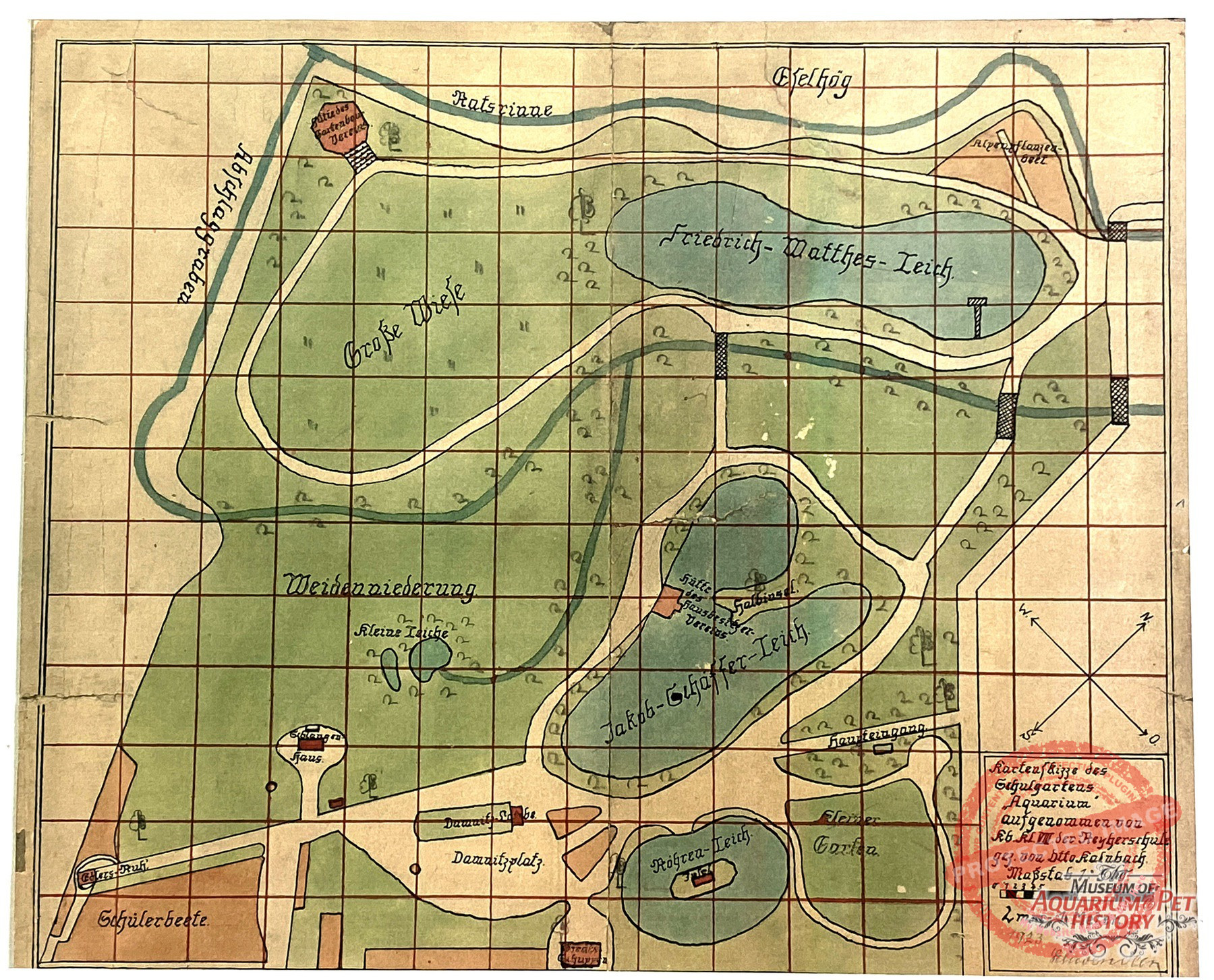
Since the very beginning Gotha’s teachers had used the Aquarium as a place of instruction; later it was further developed into a full school garden.
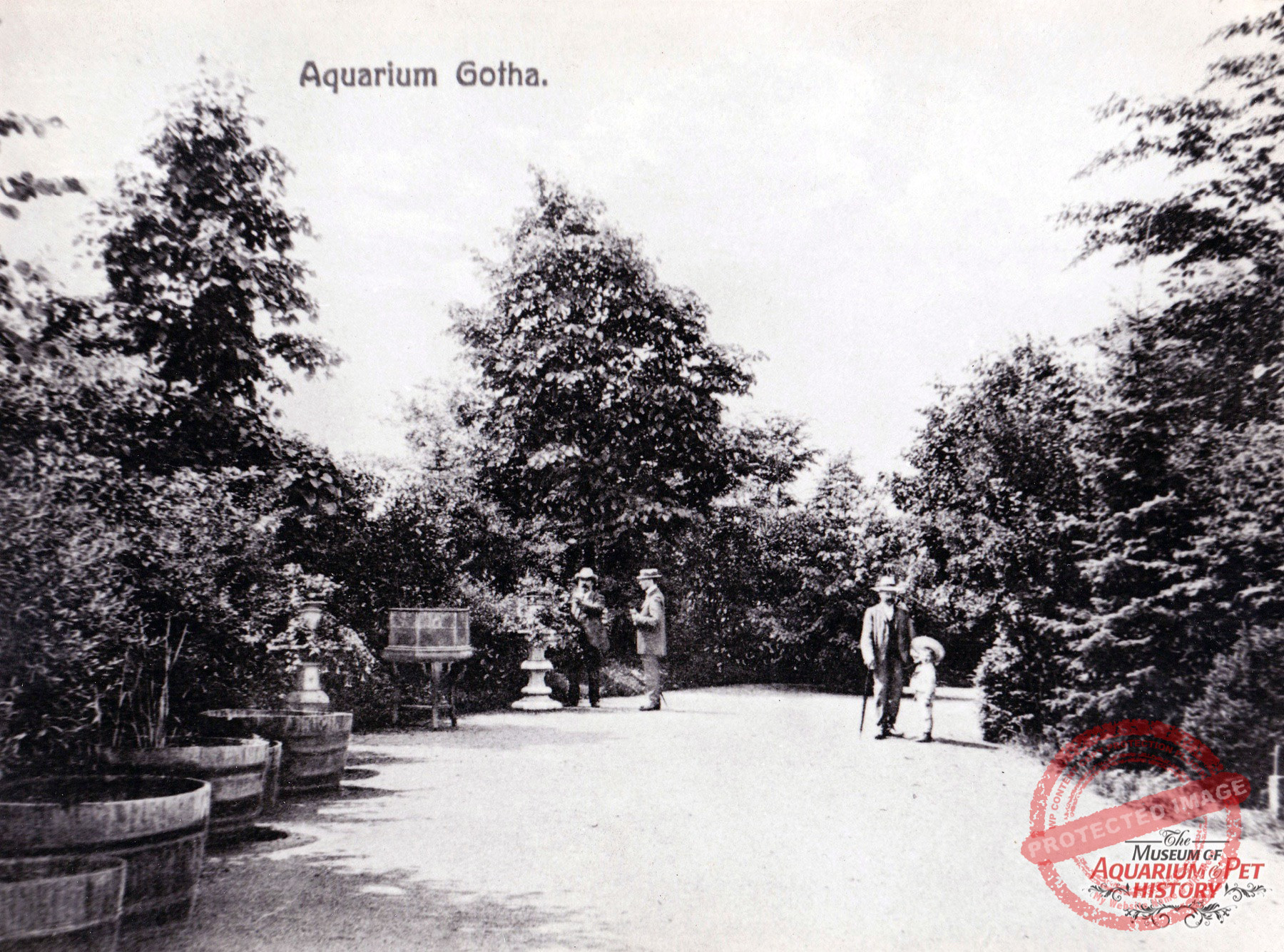
Postcard showing one of the main paths lined with aquaria and tubs containing fishes and plants.
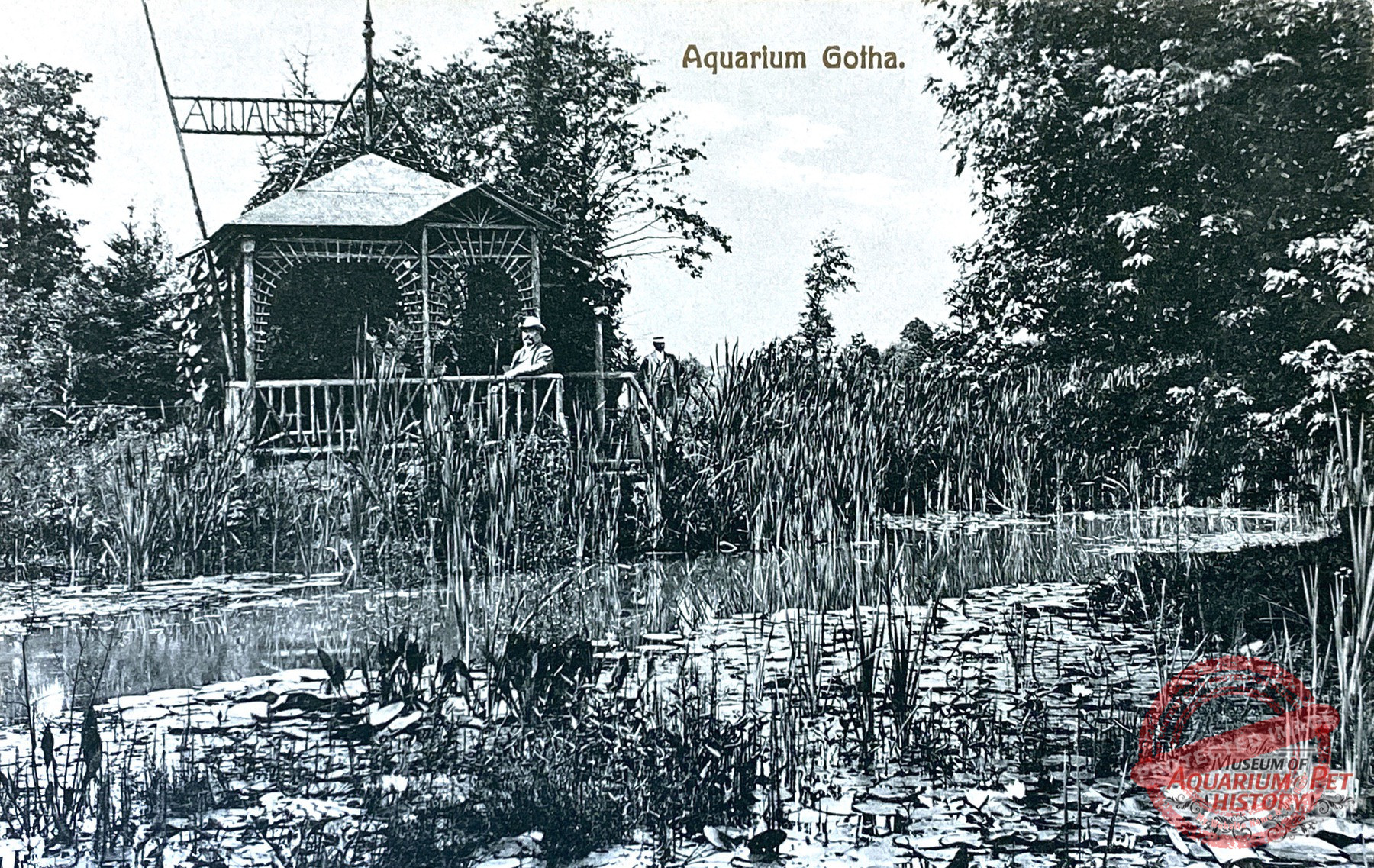
The Aquarium had become a sight worth traveling for, even from afar; the society had postcards printed and sold them for profit.
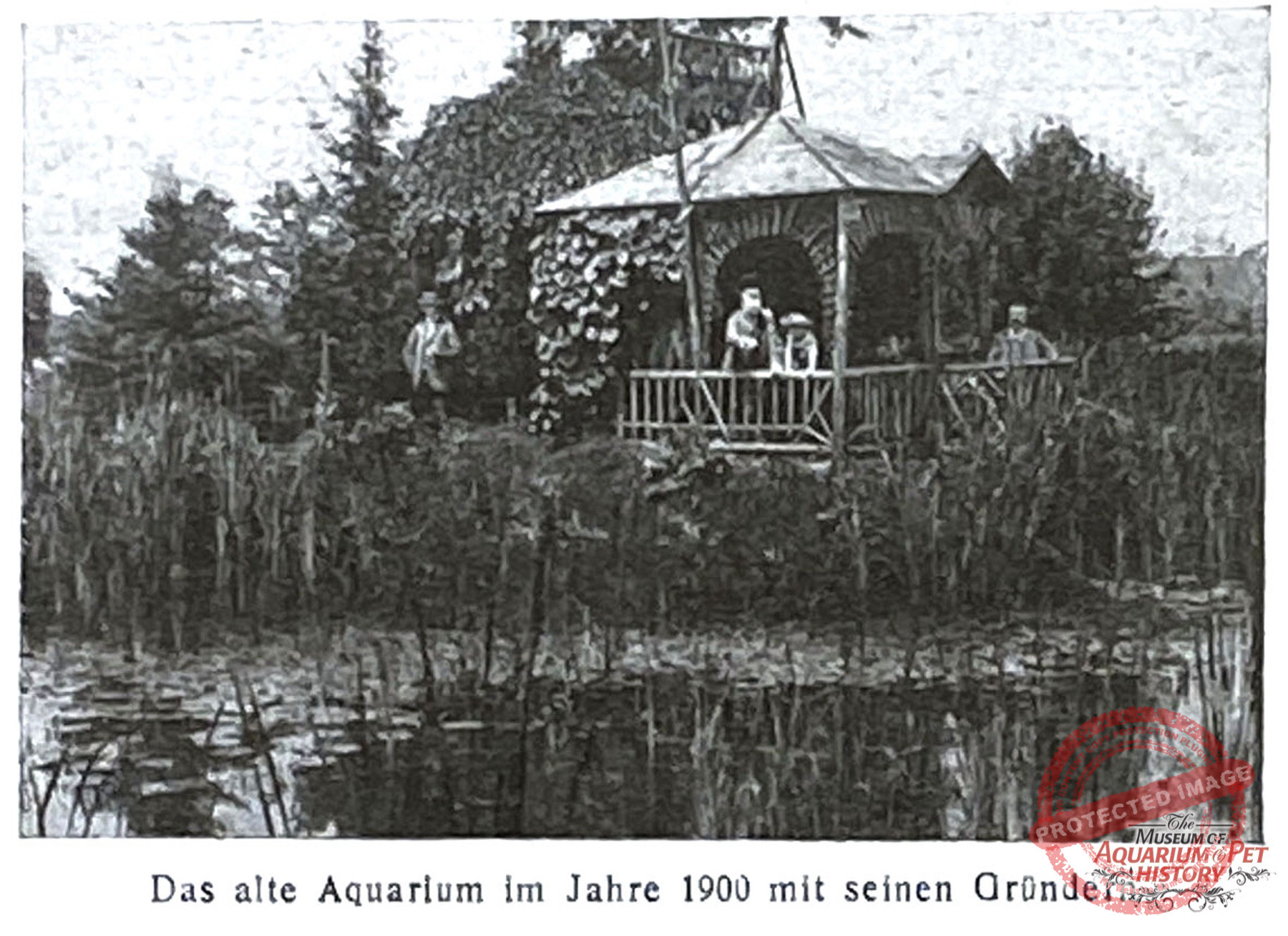
By the turn of the century, Gotha’s Aquarium had become a renowned and highly regarded institution of the aquarium society that bore its name.
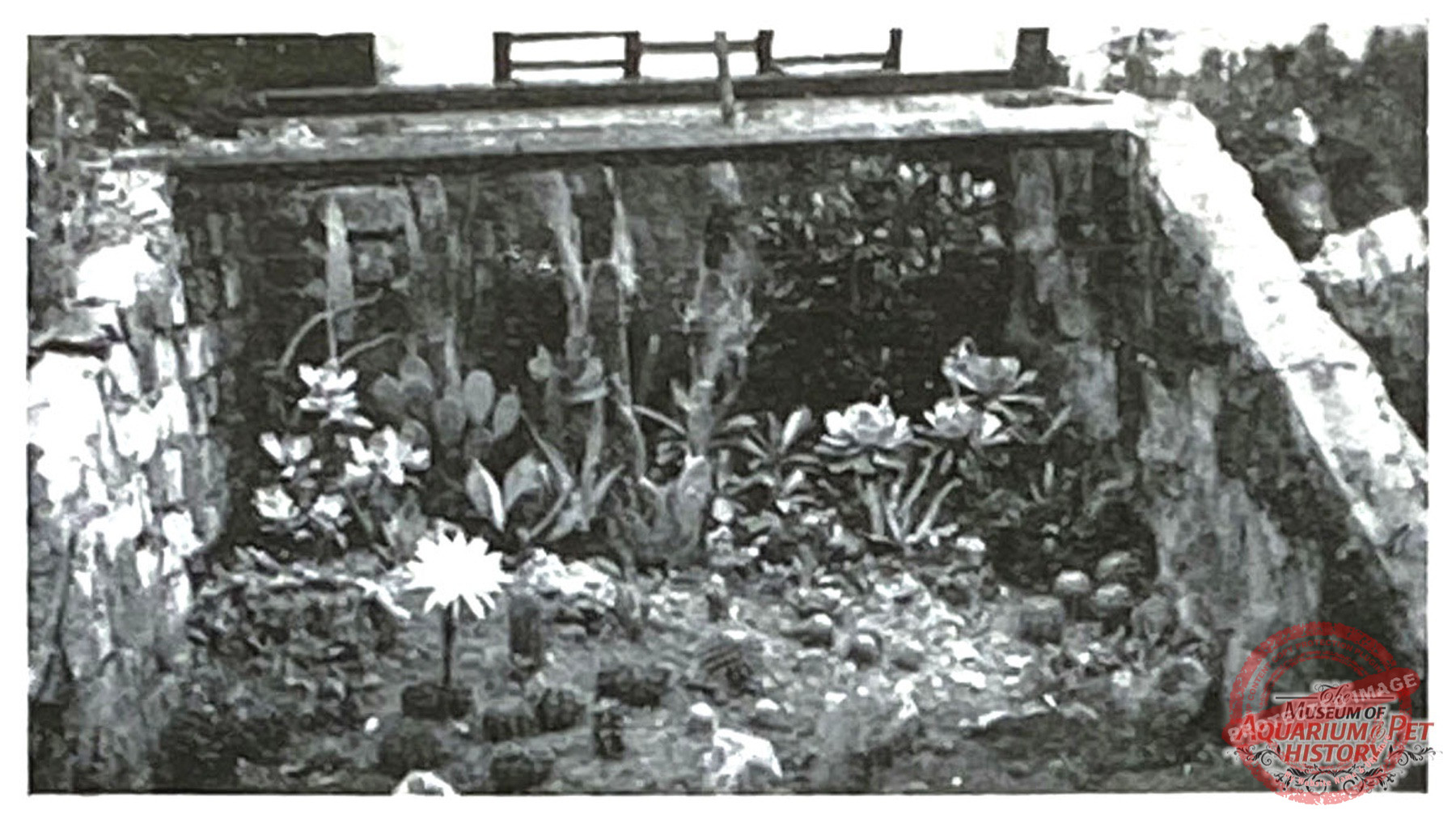
In addition to ponds and aquaria, terraria and botanical rarities were also on display in the Aquarium—including not only an extensive willow collection but also rare succulents.
In Germany, a tradition endures among hobbyists of many fields: the Fischbörse, or exchange fair, where members meet to trade, sell, and purchase. Philatelists, mineral collectors, numismatists, and aquarists alike hold them; aquarists especially when offering home-bred stock. The Gotha aquarists began at once: in their second year, 1883, they organized the first such fair. On February 4, the Gothaische Zeitung reported that “a large batch of valuable aquarium fishes, including golden orfe, black orfe, bitterlings, Havel smelt, various carp, weather loach, stone loach, etc.” were offered for sale. This stimulated membership growth, for “non-members too were allowed to share the benefit of low prices… The throng of comers and goers between 8 and 11 in the evening made the locale nearly into a Fischbörse.” Thus, for the first time in print, appeared the term Fischbörse, later of great significance throughout Europe, at first supplementing, then rivaling, the pet shops as a prime source for aquarium fishes and plants.
Into the second decade of the 20th century the Gotha Aquarium society remained vigorous and exemplary. Aquarists across Germany followed its model, founding their own societies; terrarists soon joined the movement. Many were broadly curious, maintaining aquaria, terraria, ponds, and exotic plants alike. These pursuits all rest upon knowledge: only with sufficient understanding of the life and biology of each species can one keep and breed it. It was thus providential that the founder of the world’s first aquarium society was a school director with a passion for biology. Yet he stretched matters too far: the summerhouse on the Röhrenteich island, so entwined with family leisure, represented a kind of personal entanglement. Elitism crept in; the manual labor was done, and the proletarian members, once indispensable, were now less encouraged, their role diminished to that of tolerated outsiders. Such tensions led to developments of which I shall speak in the next part of this historical series.
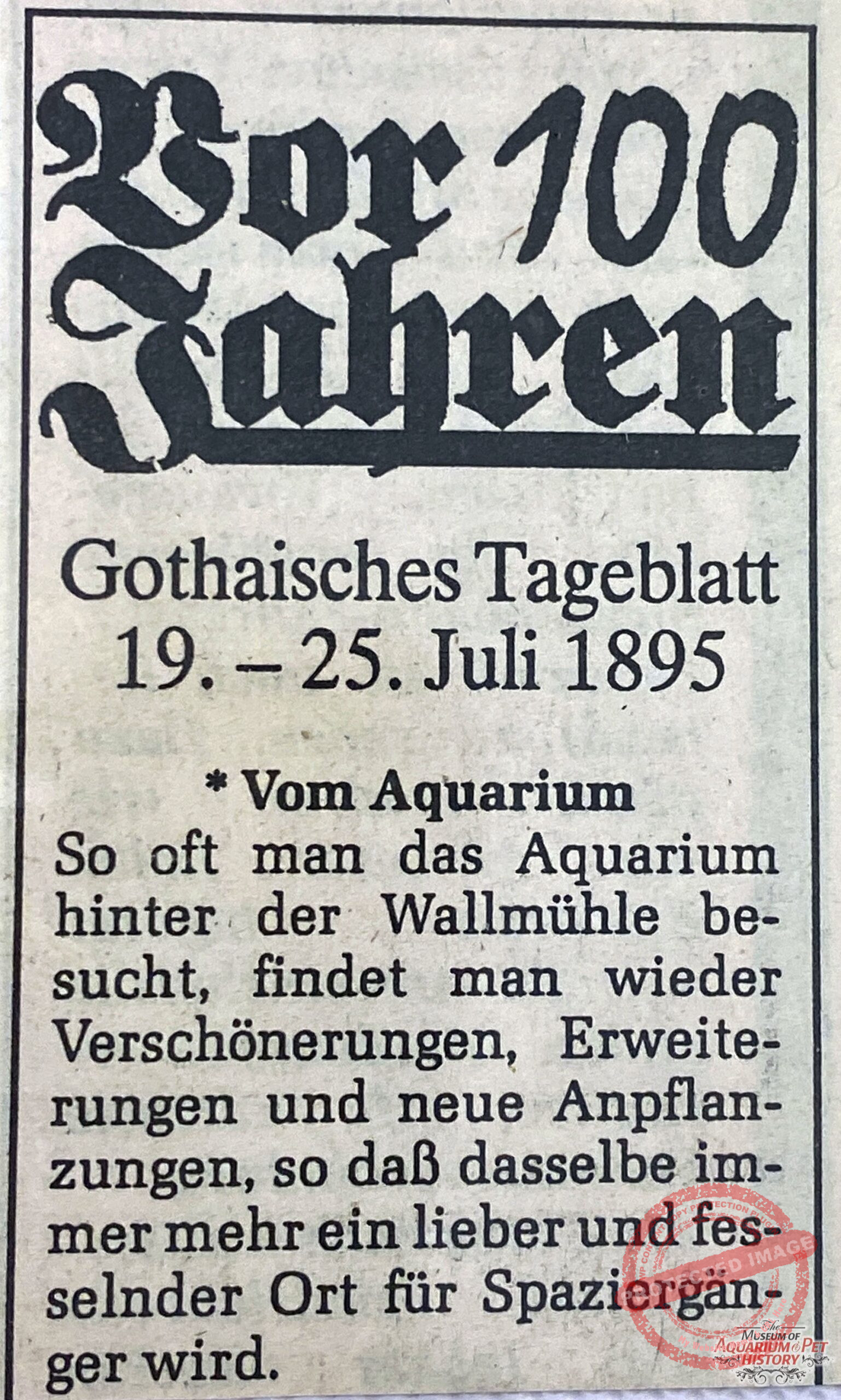
Again and again, later publications in the Gotha press carried reminiscences of the founding era of the Aquarium.
Acknowledgments: I extend my thanks to my family (in particular Charly Fuchs), to friends and colleagues in Gotha—above all to Uwe Heustock, current chairman of the Gotha Aquarium Society—and to the staff of the Gotha City Archives, Dr. Julia Beez and Dorett Sagner, for allowing me to view, scan, and photograph documents, and for providing many photographs, information, and surviving original objects.
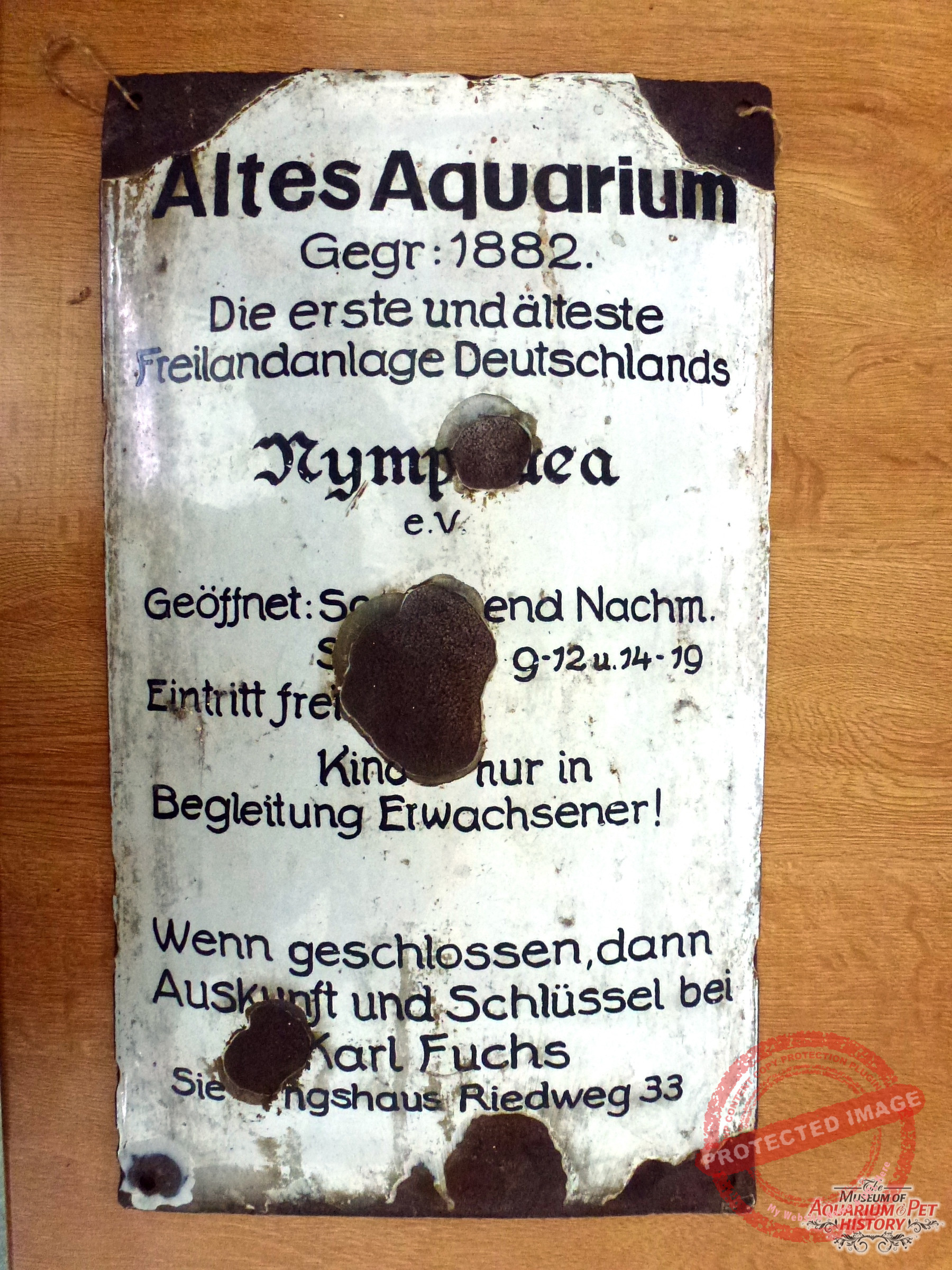
This old enamel sign dates from the period when my great-uncle Charlie Fuchs was in charge of the Aquarium.