Three Open-Air Aquariums in Gotha from 1929
Many hobbyists today may find it difficult to imagine the immense importance that open-air facilities once held for early aquarists and terrarists. At that time, long-distance travel to tropical regions was beyond the reach of most people. Yet interest in exotic animals and plants had been steadily inflamed by an increasing number of books and magazine articles, as well as by the first documentary films. Imagination and knowledge thus blended into a longing that demanded more than the comparatively small tanks one could keep in house or apartment. What people wanted were park-like settings that evoked a tropical atmosphere—created with hardy, yet exotic-looking plants; with some frost-sensitive tub plants overwintered in cold houses; and, above all, with fish, amphibians, and reptiles that were transferred to aquariums and terrariums during winter but spent as much of the year as possible outdoors. Naturally, these so-called open-air aquariums bore little resemblance, in either appearance or species composition, to genuine tropical habitats. But that hardly mattered, since none of the dedicated hobbyists had ever set foot in the tropics.
This situation, incidentally, continued in the GDR. While air travel to tropical and subtropical regions had long been possible in Western countries, it was not an option for us East Germans, who were permitted to travel only within the small number of states under Soviet influence—and often only in a very limited way. I remember devouring the few books available to us about expeditions and research journeys in the tropics. When, for example, the renowned Dresden zoo director Prof. Dr. Wolfgang Ullrich—famous for his outstanding television program Der gefilmte Brehm—described how he lay in wait with his camera in a tent beside an antelope killed by a lion in the Serengeti, hoping for good footage of the animals, I would take my small Soviet camera, a Zenit with a 200-mm telephoto lens (which I had finally been able to afford as a schoolboy after saving for a long time), place it on my lap along with a bottle of Quick-Cola (a GDR brand most similar to Western Coca-Cola), sit as if on a hunting stand inside a tent, and read Ullrich’s book Wildnis ohne Hoffnung? He wrote that Coca-Cola was his only provision. And so I imagined—summoning all my powers of fantasy—what it must feel like to observe animals in the tropics. I wanted to learn how that feeling might be. Like many others, I tried to recreate something exotic in my own garden, as best one could at the time with a wash-tub pond and homemade terrariums. Today I know that many of our ideas back then were glorified by imagination; that is why so many historic gardens appeared—and still appear—lusher and more beautiful than any natural landscape.
I recount this because my own history in the hobby allows me to understand very well why early aquarists and terrarists placed such great value on their open-air facilities. At times they even neglected their home aquariums and terrariums in order to put in work hours at the club grounds. Families sometimes saw their fathers only briefly before bedtime, because they went straight from work to the open-air aquarium—especially during the phases of planning and construction. Increasingly, however, they spent entire days there, as unemployment reached immeasurable proportions in Germany at the end of the 1920s. Hobby work, no matter how arduous and exhausting, offered emotional and physical compensation for a battered psyche.
The oldest open-air aquarium in Gotha, located in the Uelleber Ried and in existence since 1883, did not pass into the possession of the legal successor, the Gotha club Nymphaea, after the collapse of the world’s first aquarium society. Apparently, a few teachers—colleagues of the founder Schäffer and his friend, the senior school official Matthaes—were the only ones who did not join the successor association. They ensured that their life’s work, the aquarium at the Uelleber Ried, was placed under the authority of the Gotha school administration. From then on, it was maintained by students and school staff, and part of its grounds were used as a school garden. One must bear in mind that gardening was considered an important educational discipline at the time. Especially after the First World War and the famines that followed, people sought to cultivate the ability to provide for oneself. I, too, had school-garden classes in the GDR; it was a compulsory subject, since self-cultivation contributed to food supply there as well. Today, school gardening is voluntary and handled differently by each school, usually as part of biology instruction. But in the 1920s of the Weimar Republic it still carried particular significance—and the Gotha aquarium offered ideal conditions for it. Thus, the park-like grounds created by aquarists acquired a new function, while remaining a local recreational destination. The ponds were still stocked with attractive plants and a variety of fish, so that the site’s original purpose remained unmistakable.
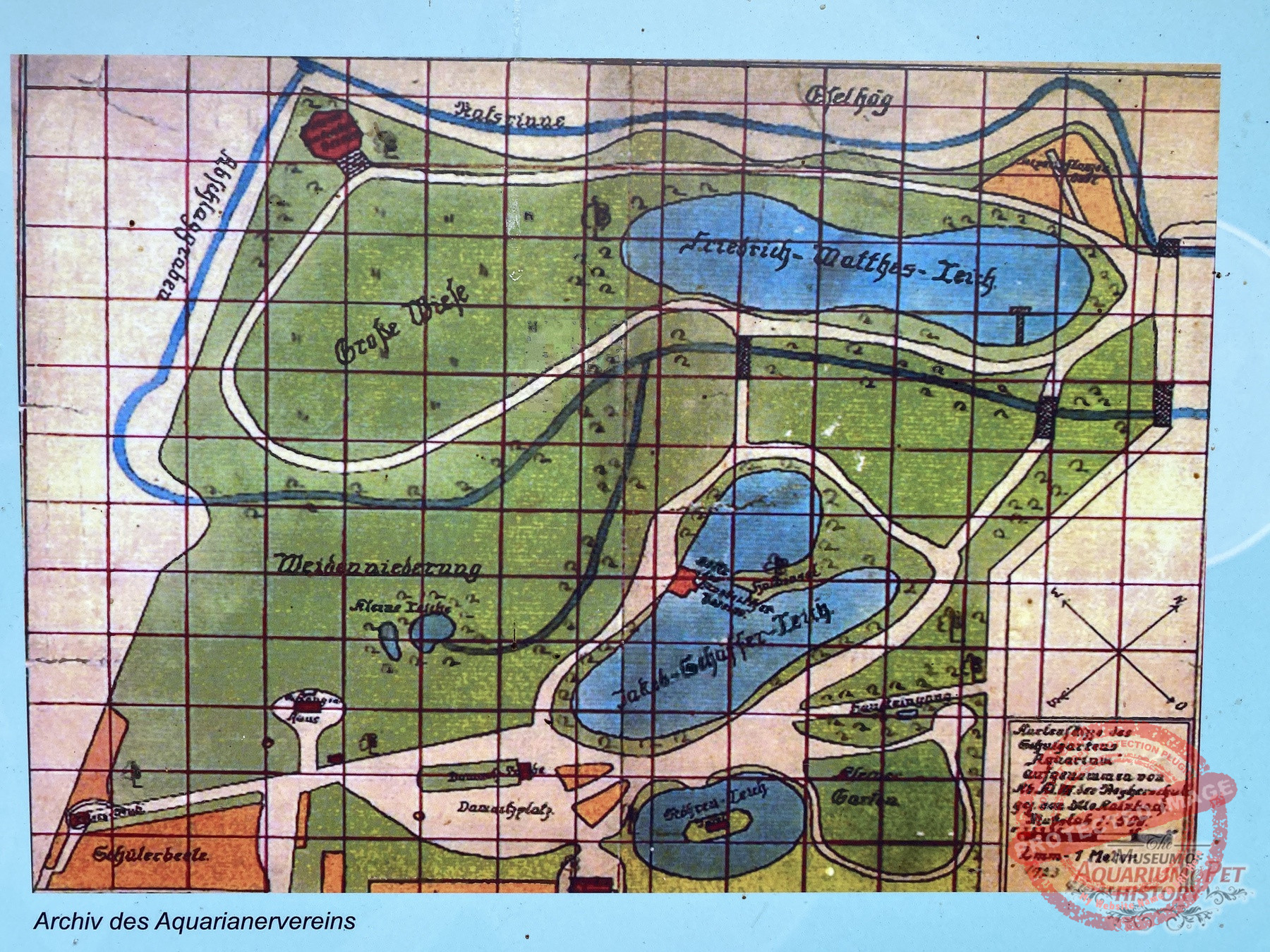
Map view of the old Gotha Aquarium, which, after the dissolution of the first aquarium society, was placed under the authority of the school administration and used primarily as a school garden.
I have already reported, in the previous installment of this article series, on the two clubs that had since emerged in Gotha—Nymphaea and Danio—and on their activities involving exhibitions, lectures, and breeding programs. Their rivalry spurred each on and led to remarkable results. Thanks to the commercial success of the impressive Danio exhibition in the Gotha Orangerie in 1925, the club was able, on April 1, 1926, to lease a 0.366-hectare plot on the Seeberg, a sandstone and shell-limestone ridge in the southwest of Gotha, with the intention of transforming it into a “pond garden,” as the resolution put it. Once again, it was the particularly energetic Kurt Koch to whom credit was due for turning a swampy, treeless meadow owned by the city of Gotha into a place of instruction and recreation through intense construction work carried out in a short time. It was a risky undertaking, and Koch staked a great deal on it. He had to rely on the loose verbal assurances of his fellow members that all work would be done by their own hands. There was hardly any money, no patrons, and little external support—but there was ample time. The economic crisis meant that many club members were unemployed and thus available to work on the grounds. The surplus from the Orangerie exhibition was almost entirely consumed by the purchase of fencing and the enclosure of the site over several hundred meters (annual rent of 40 marks and 400 marks for fence panels from the firm Rühl).
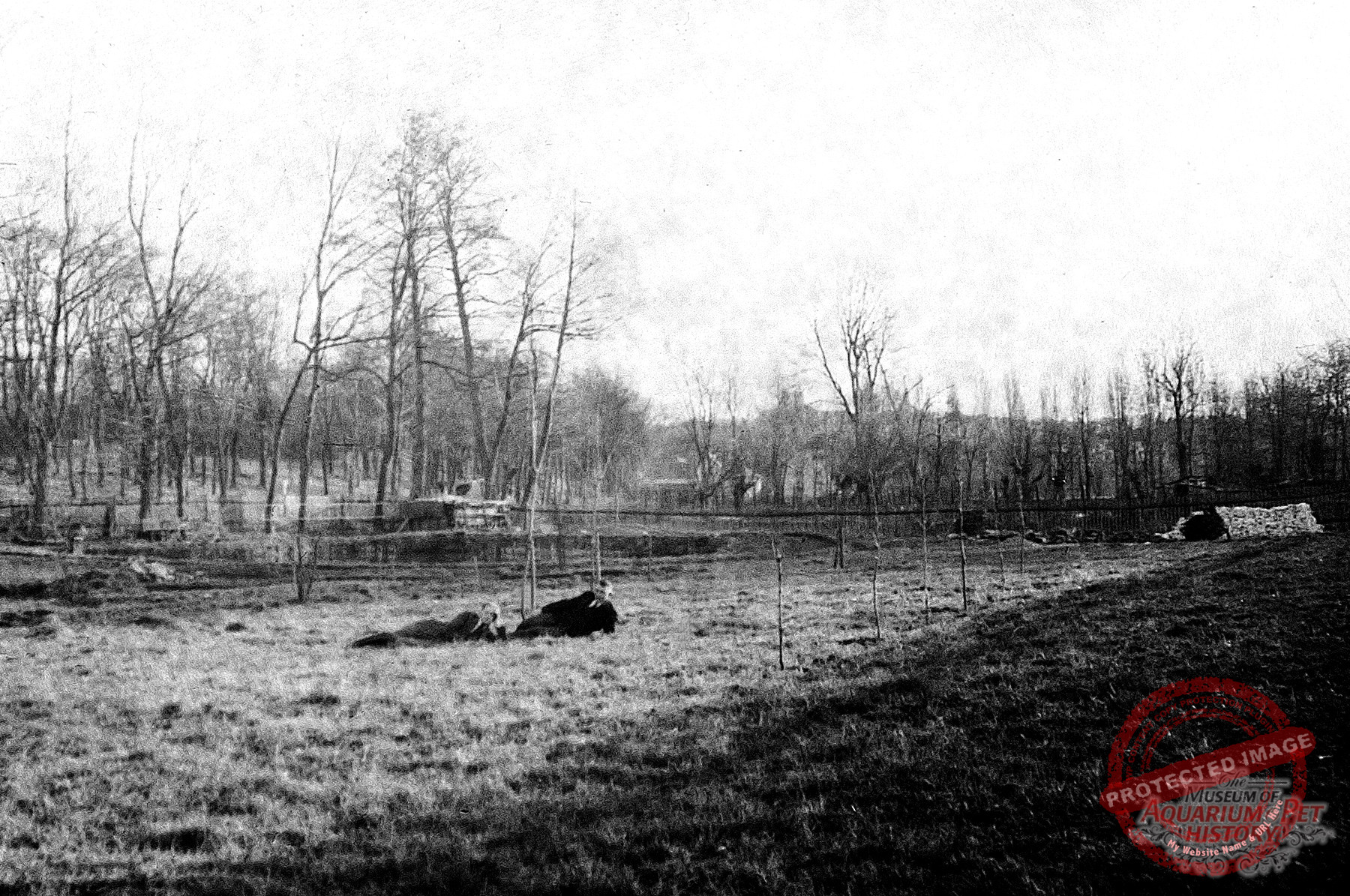
In 1926, a swampy area of 0.366 hectares was leased by the Danio club.
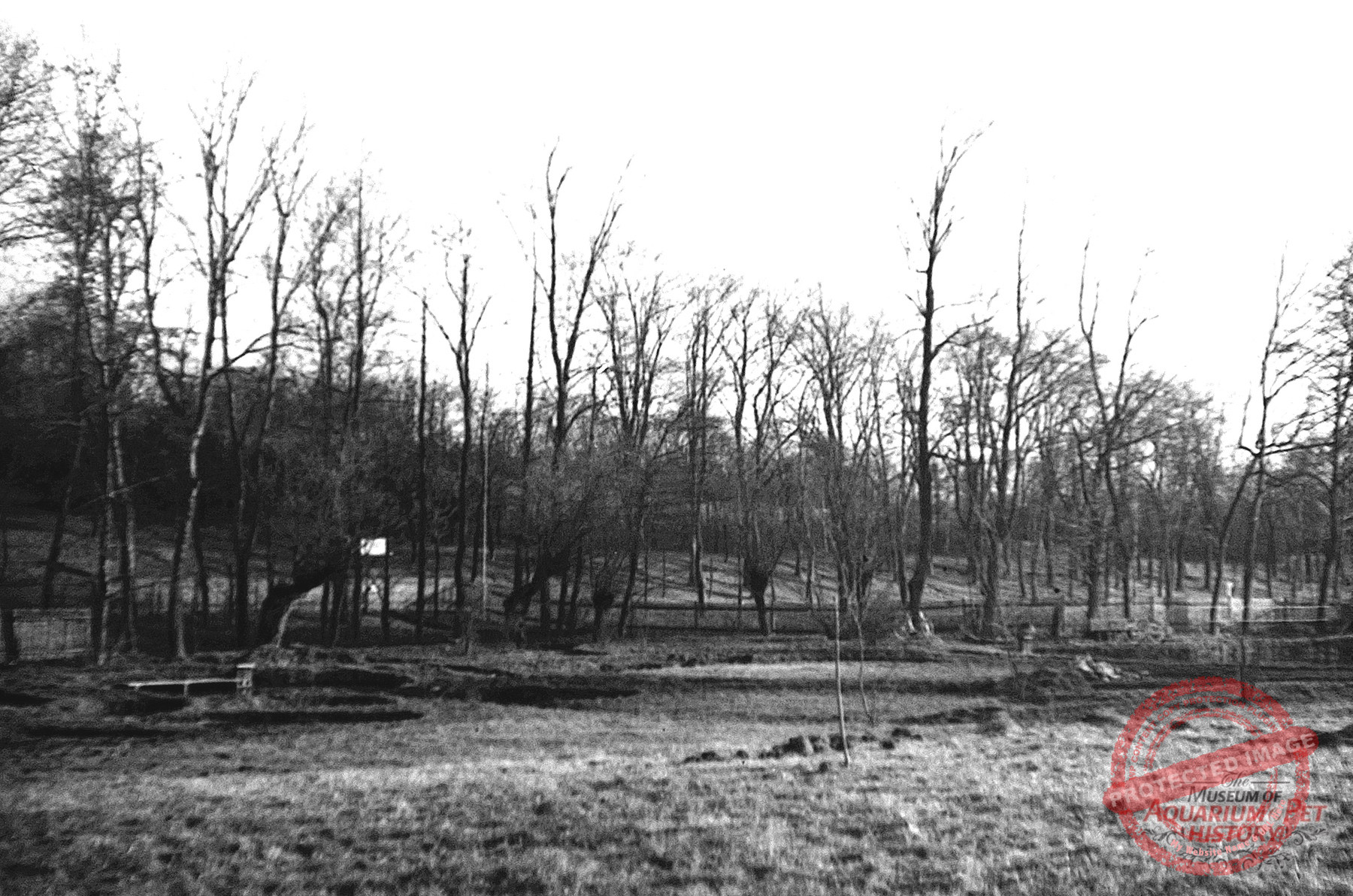
Although scarcely any assistance or investor support was available, the Danio members resolved to develop, civilize, and transform this land into an open-air aquarium.
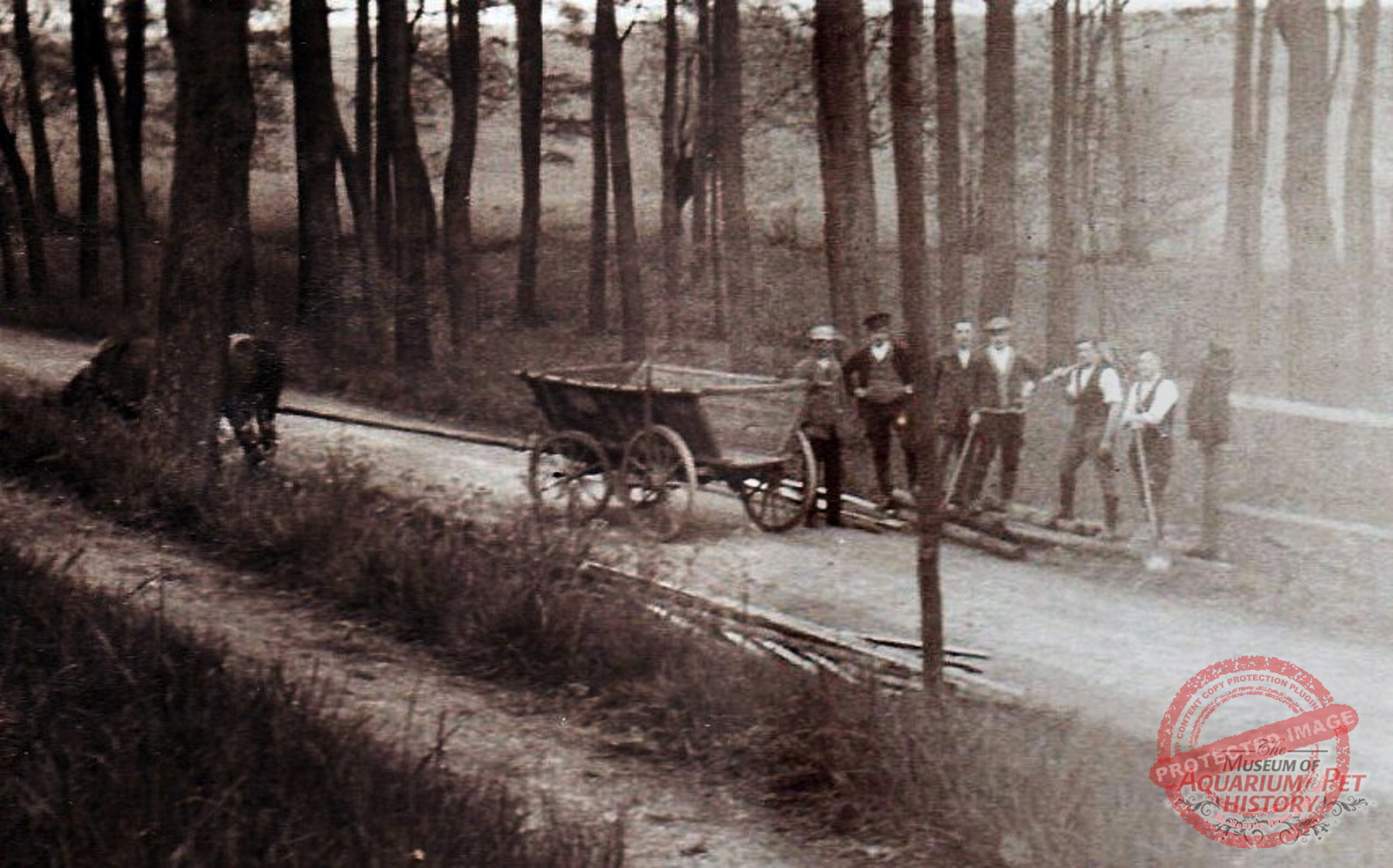
There were no funds for contracted labor; the plans could therefore be realized only through the members’ strenuous physical work, using the simplest of means.
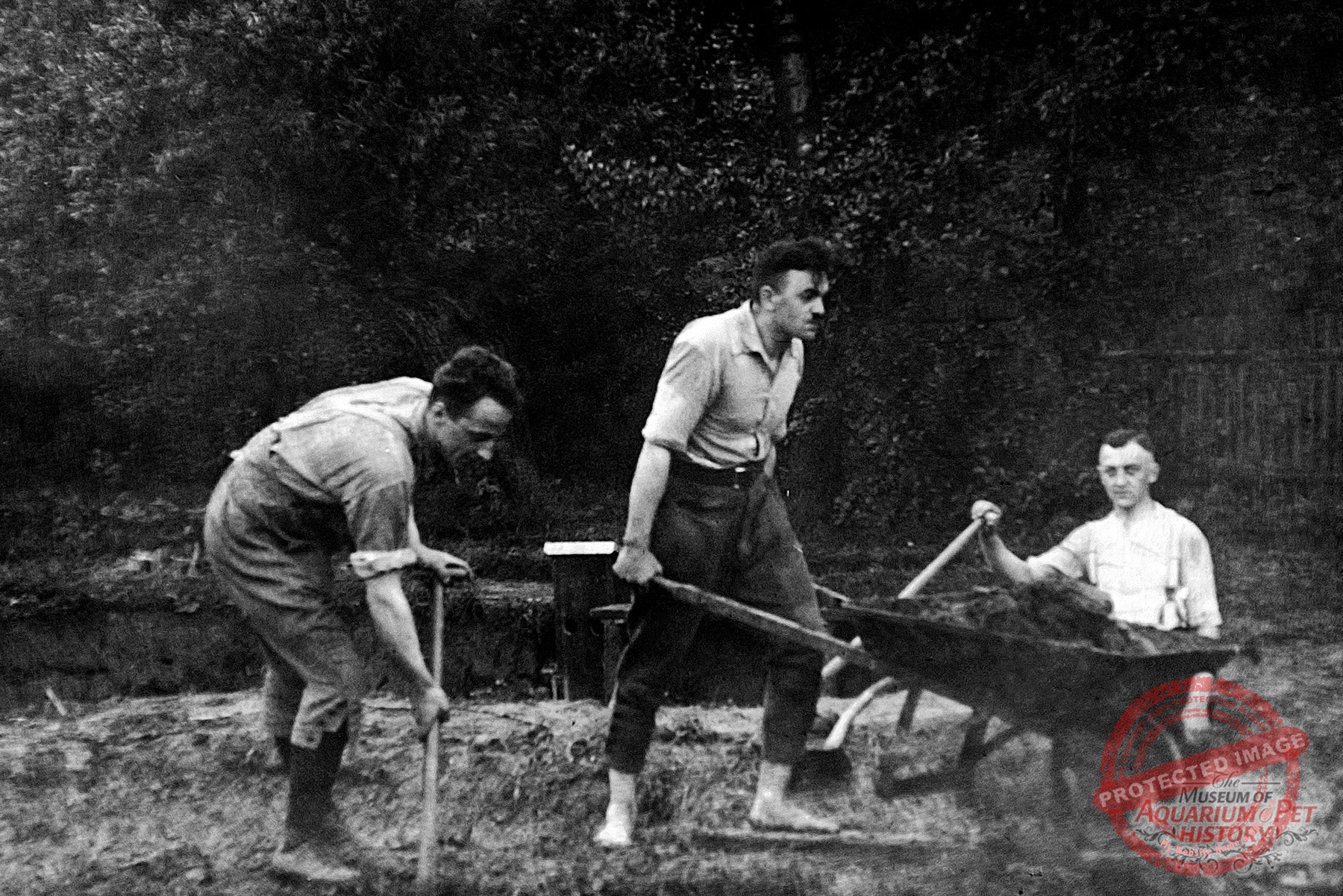
Without the technology ubiquitous today, pond basins were dug by hand with spades, and the excavated soil was hauled away in wheelbarrows.
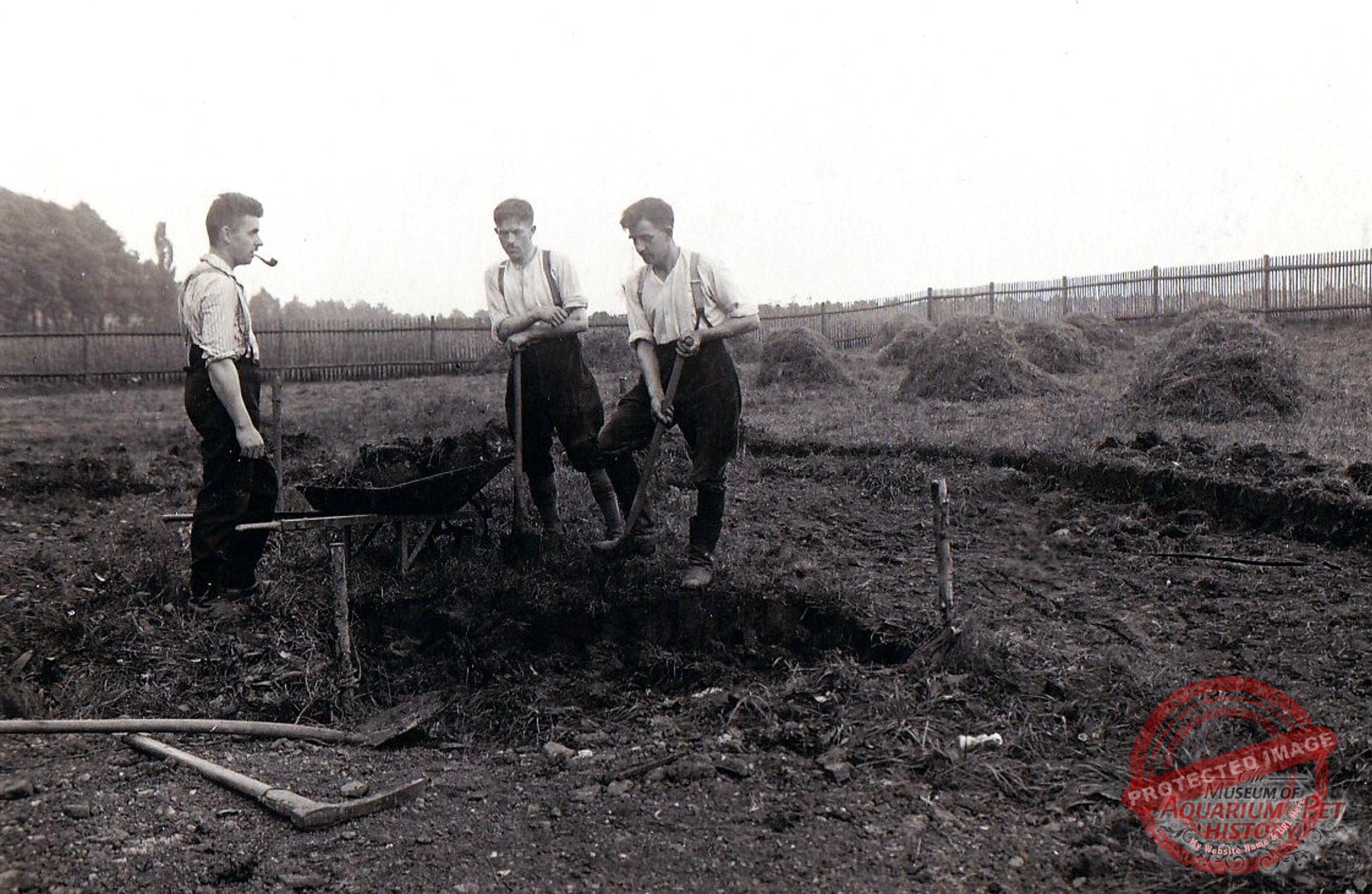
At the outset, it was difficult for anyone to imagine how attractive the pond installations would later become.
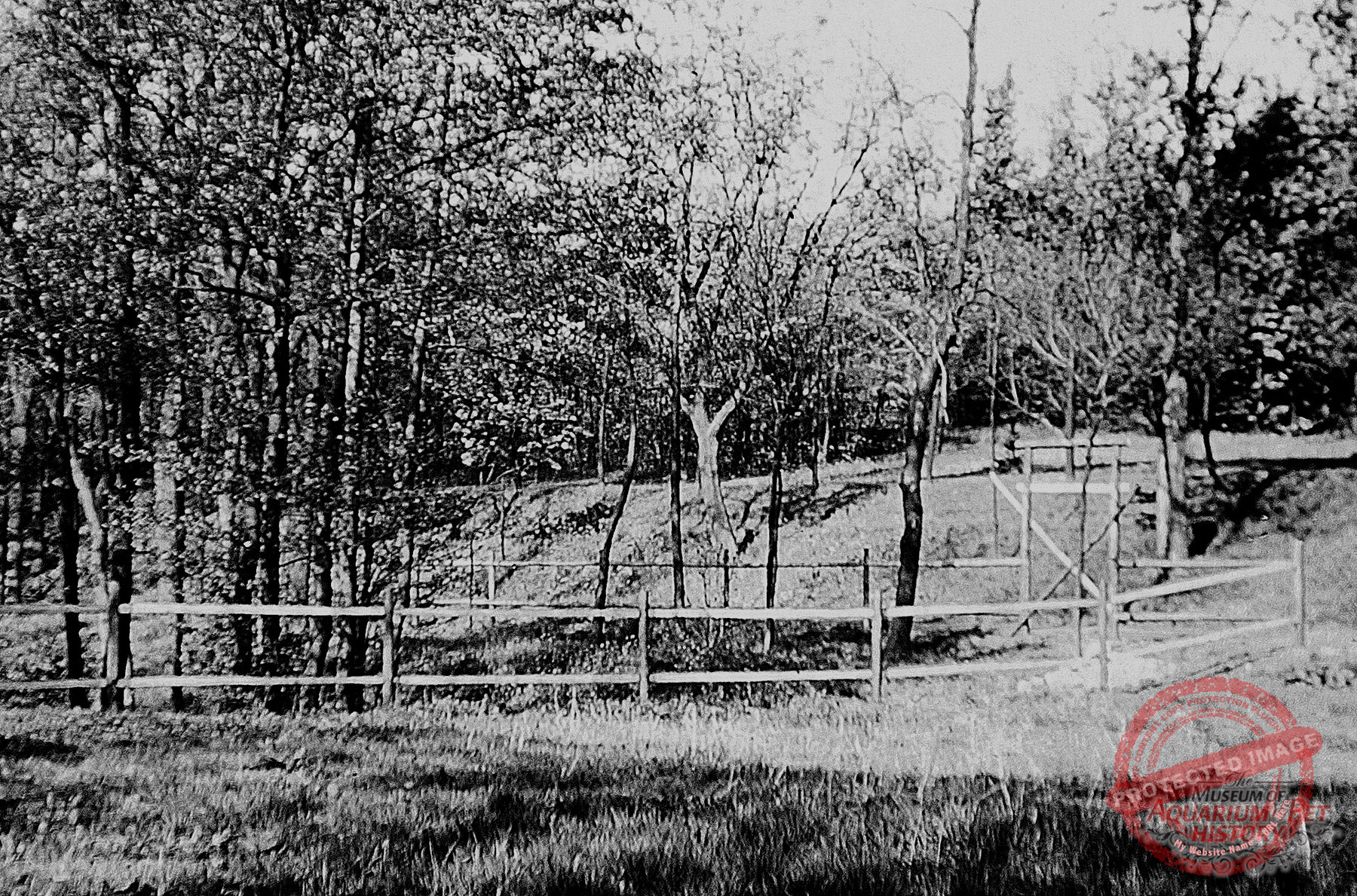
To ensure that the few existing groups of trees were not damaged during construction, they were precautionarily enclosed with temporary fencing.
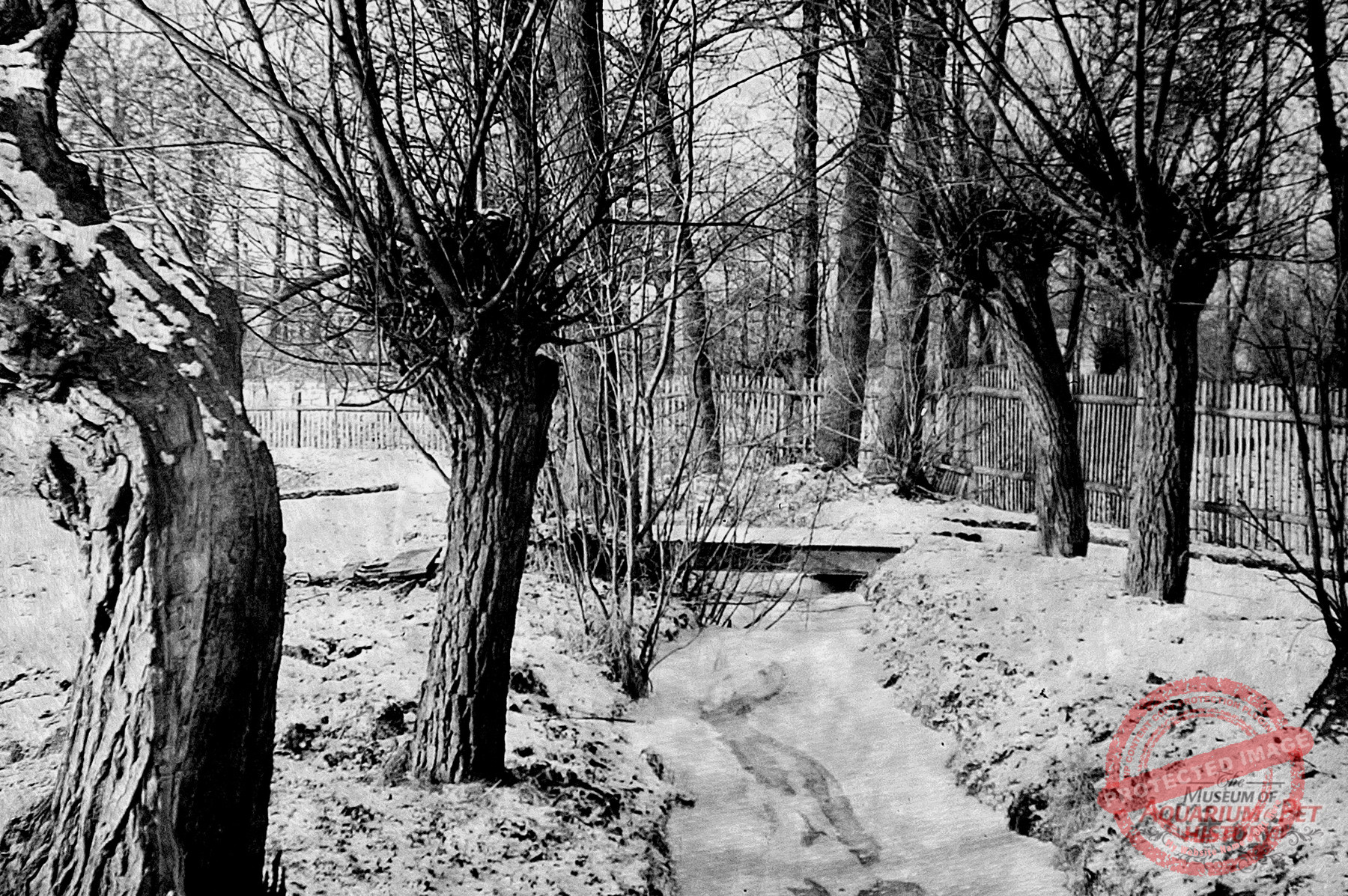
Along the small stream Flachsröste grew pollarded willows, deliberately preserved as an attractive feature of the future park-like grounds.
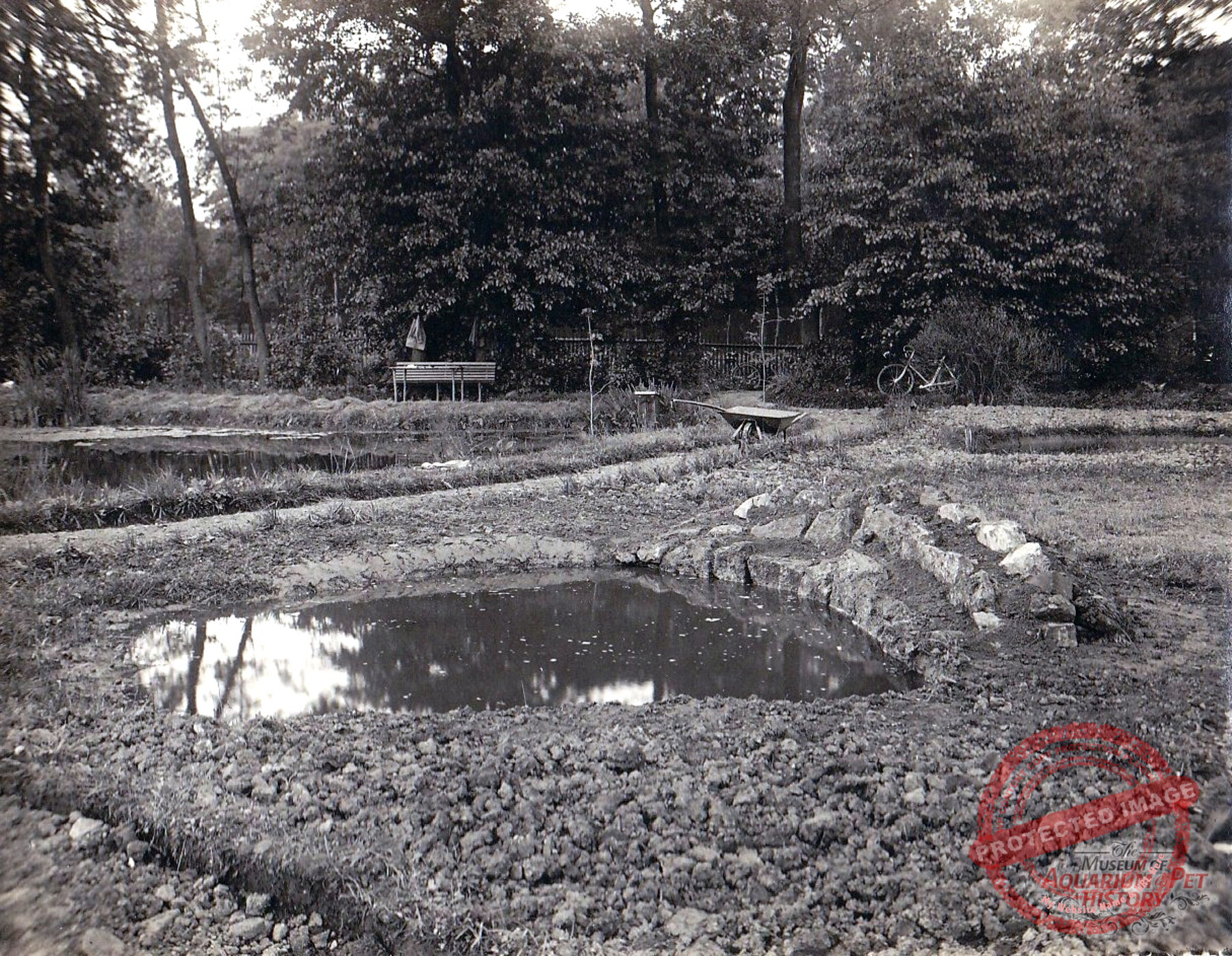
The ponds were excavated, reinforced, and filled with water.
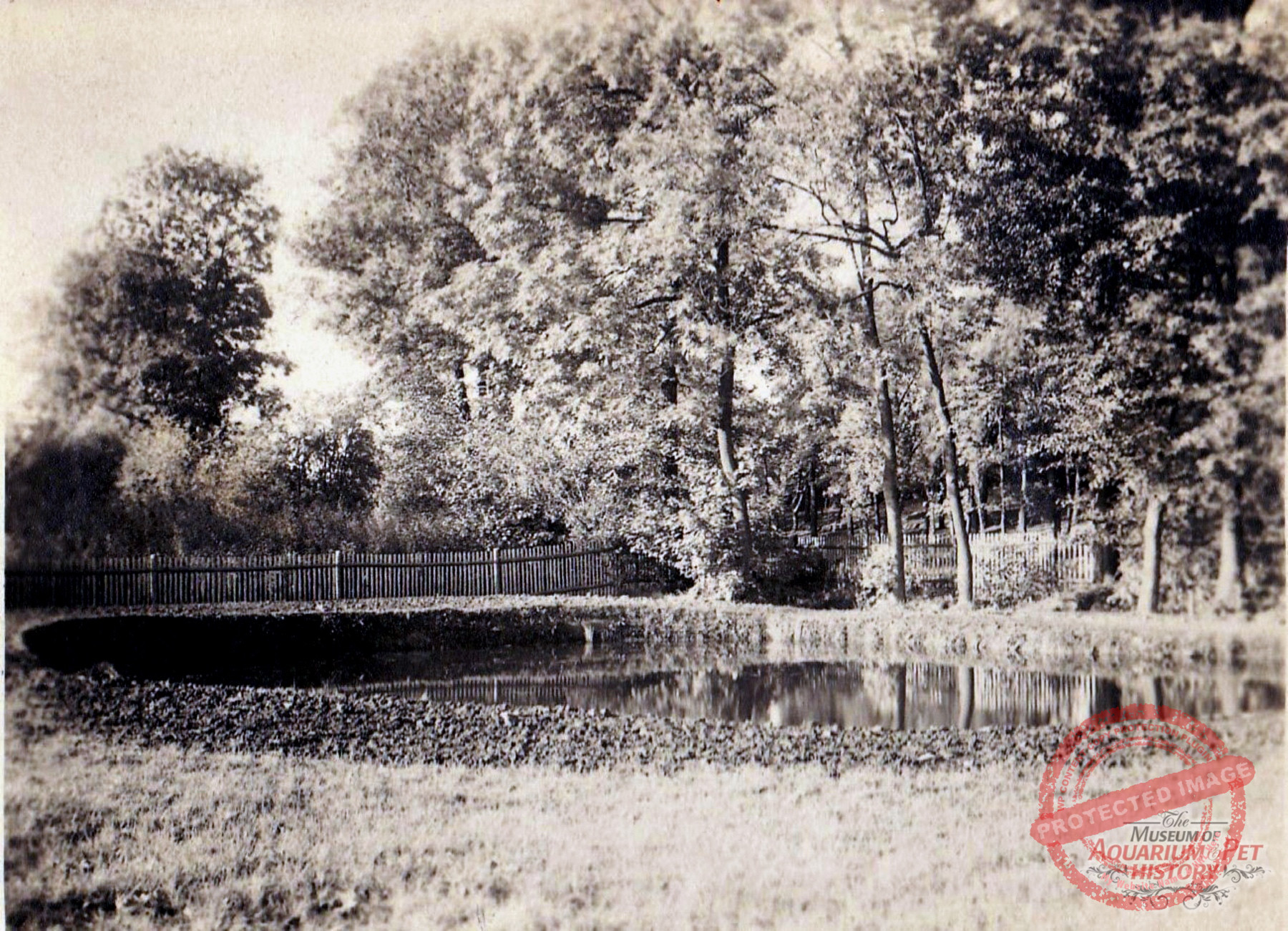
The enclosure created with the purchased fence panels ensured that unauthorized persons were kept out.
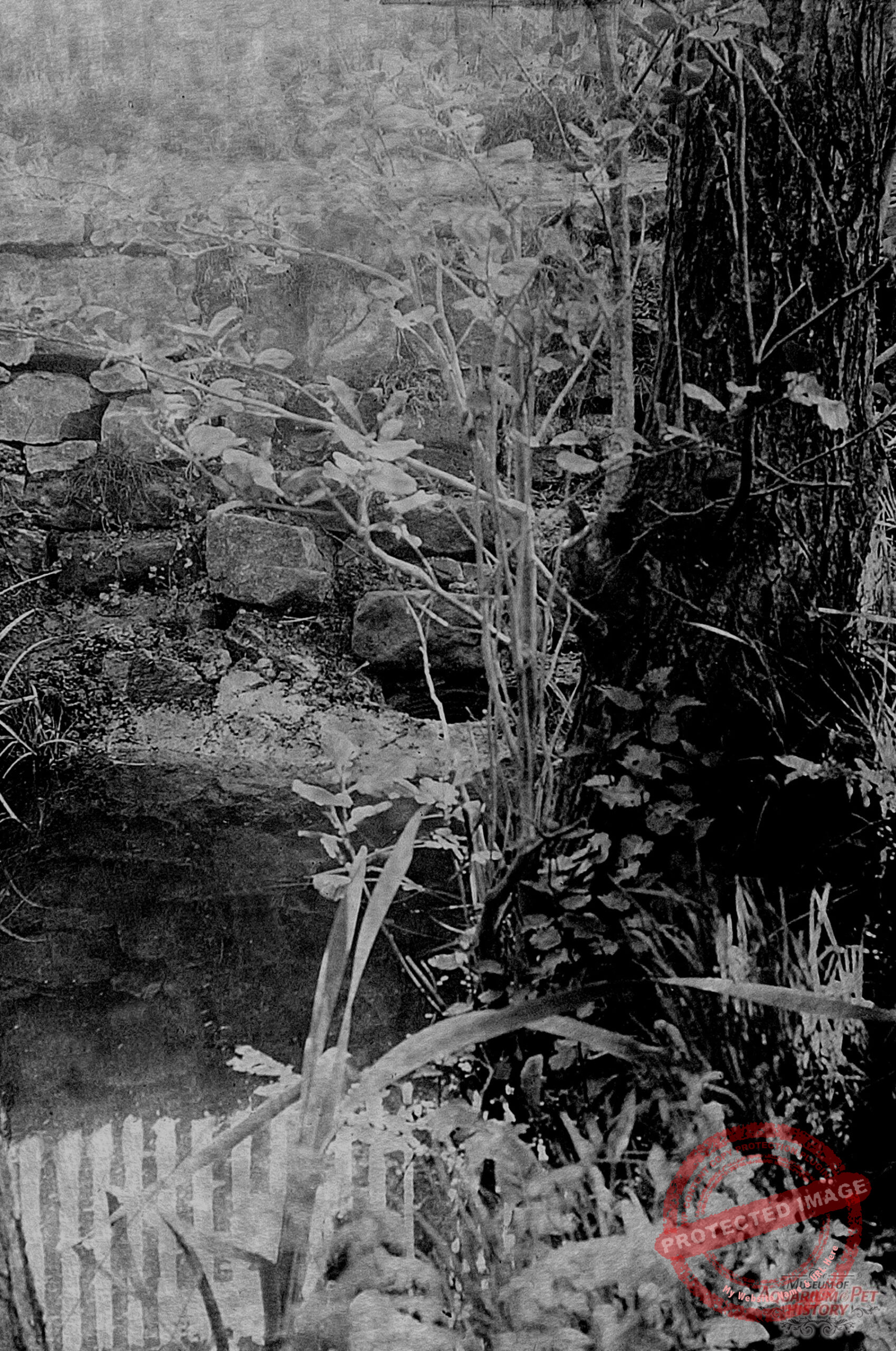
Small auxiliary ponds were used as open-air terrariums and covered with wire mesh.
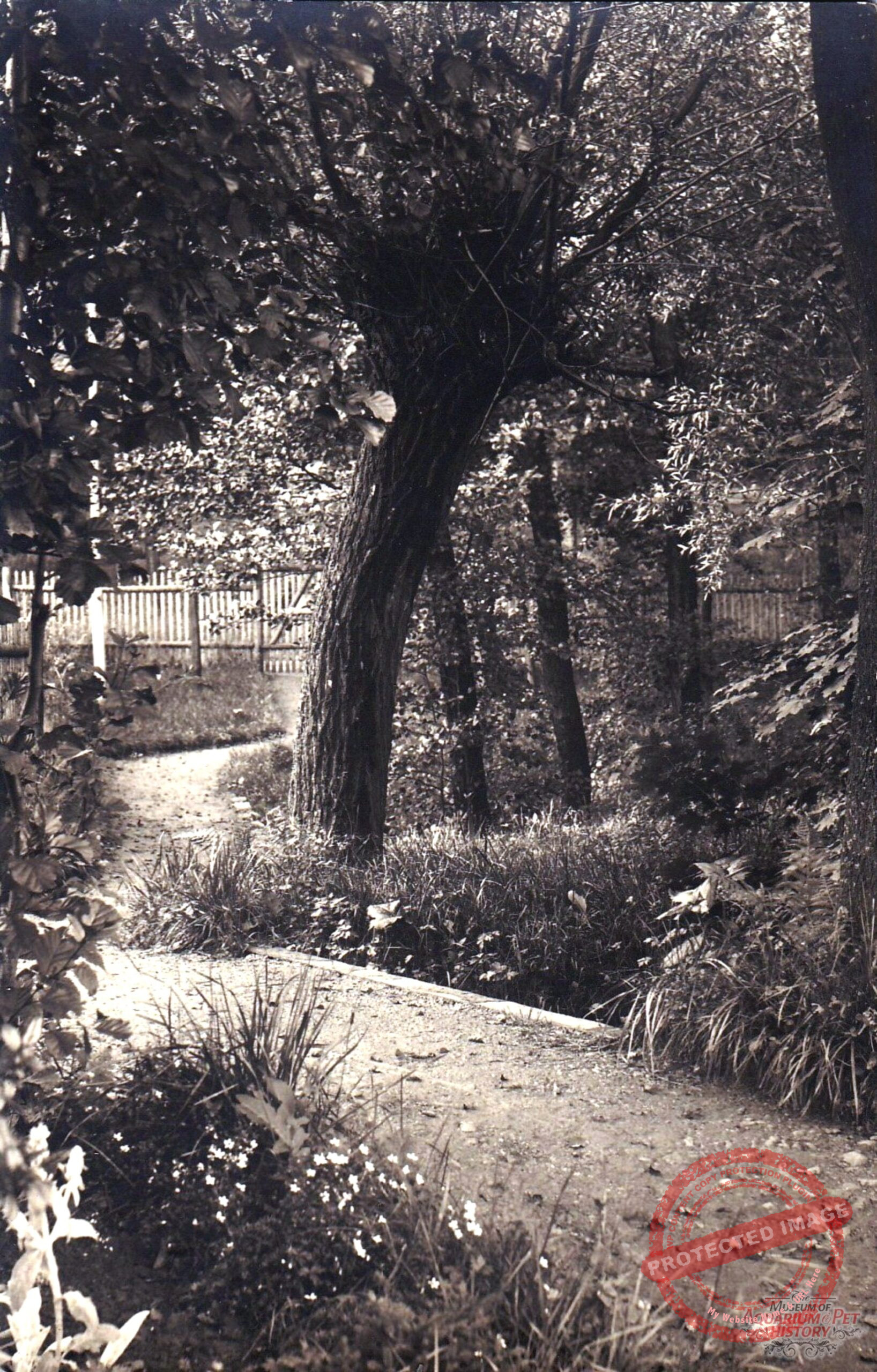
For the period, path edging with stone borders was highly professional.
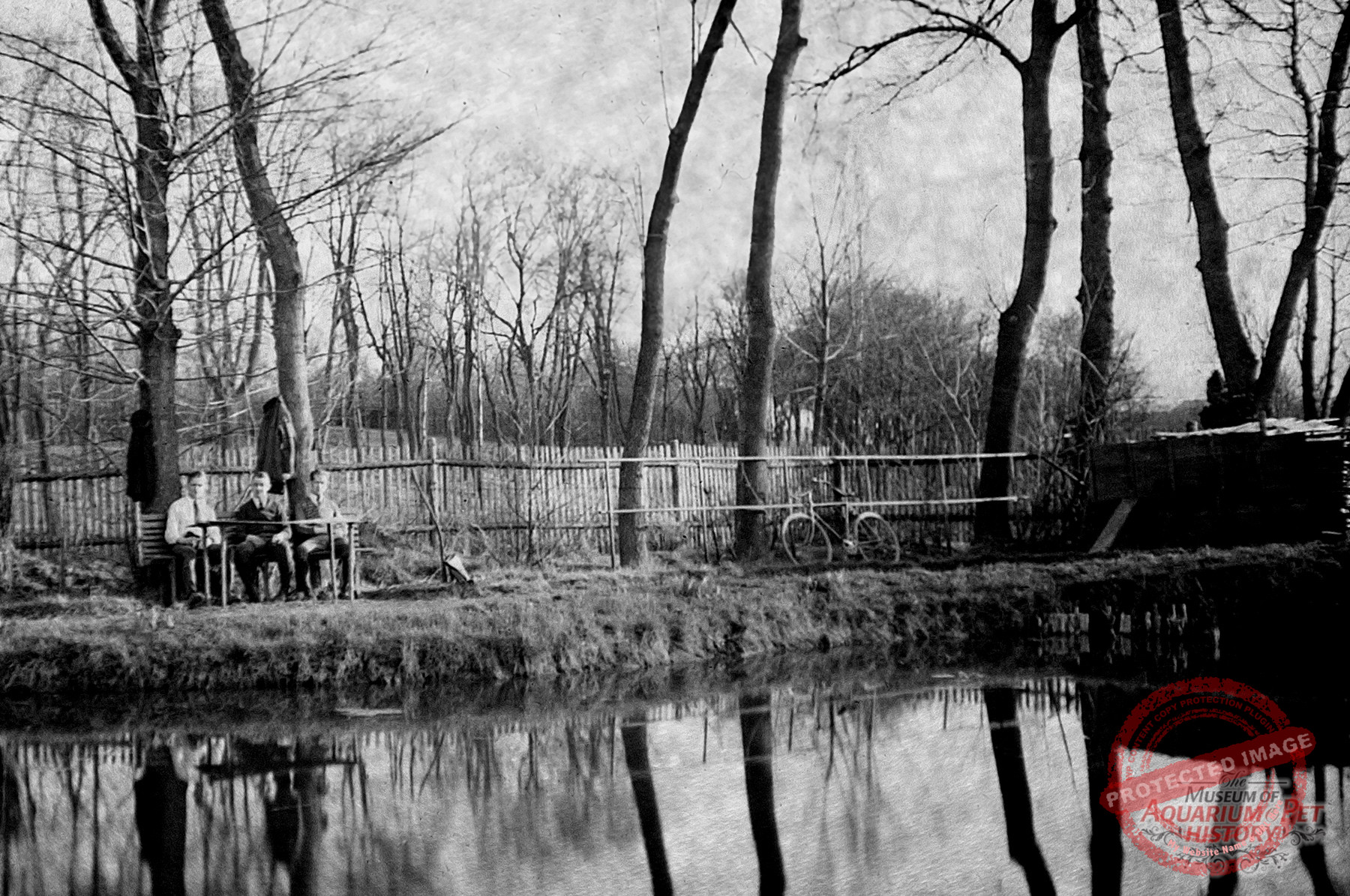
The most difficult and time-consuming tasks had been completed, yet the respite was brief, as attention now turned to the detailed design of the grounds.
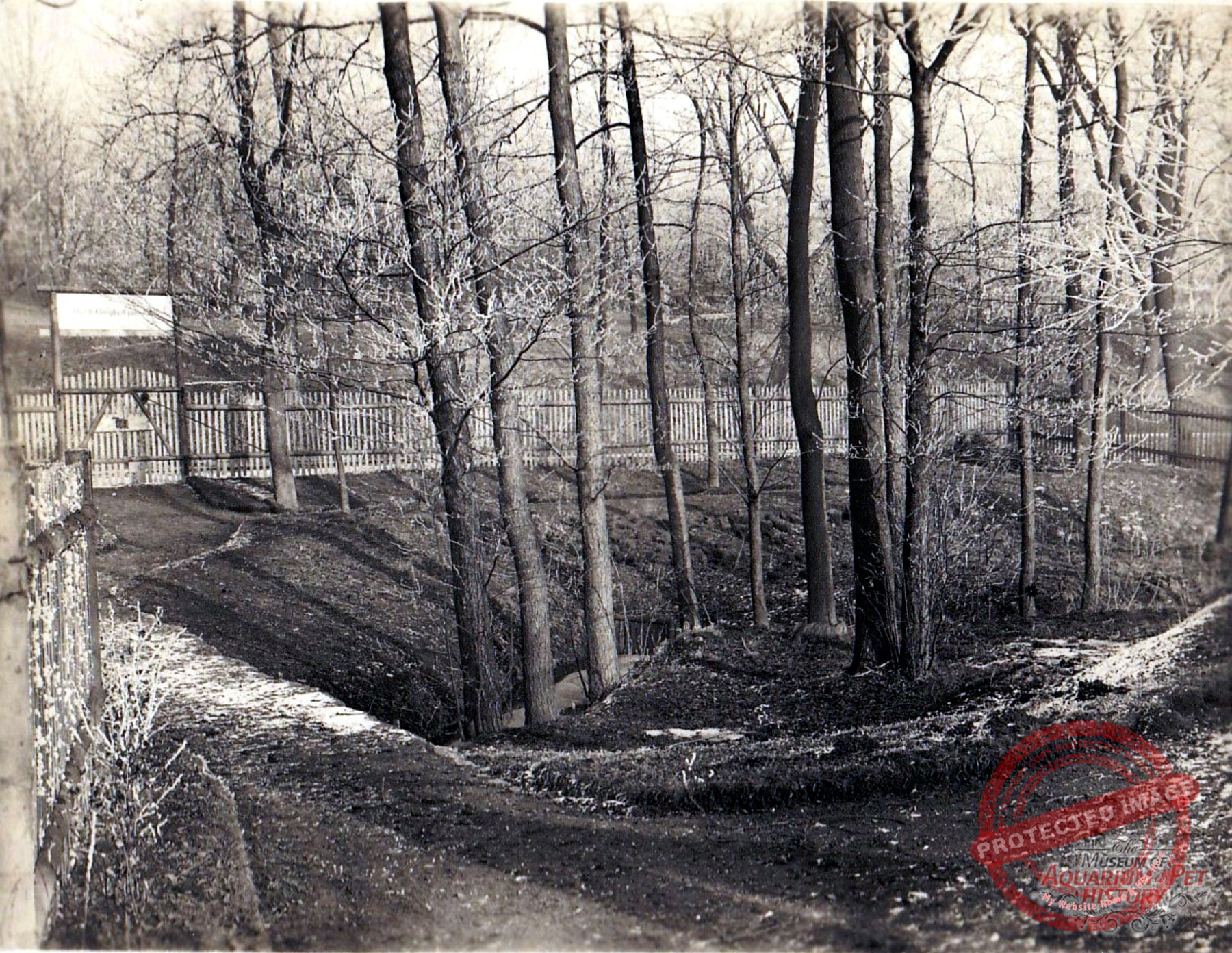
The bed of the Flachsröste lies relatively deep, allowing the movement of soil to be used creatively in the overall design.
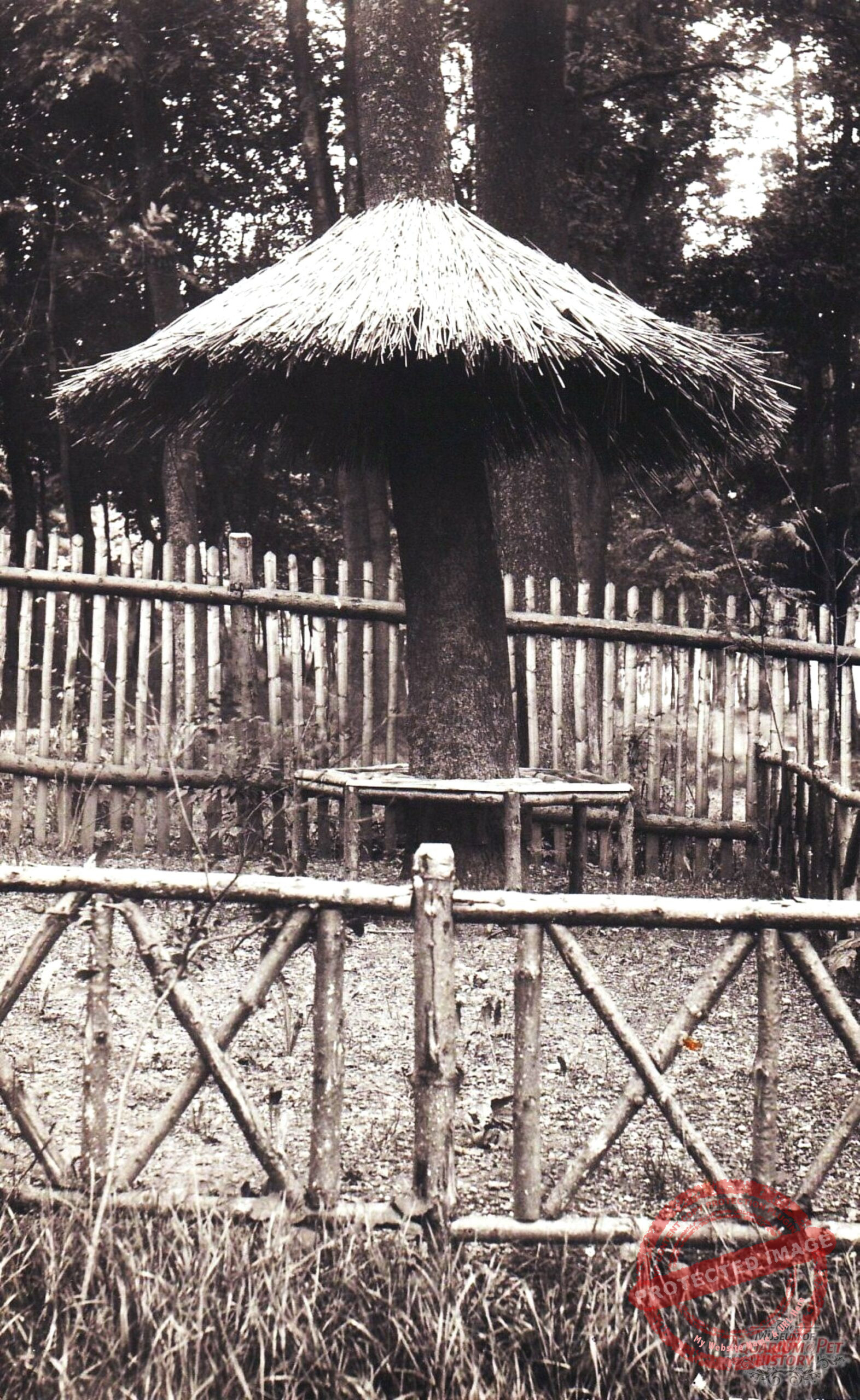
In rainy weather, visitors found shelter beneath a straw parasol.
Attention then turned to joint planning of a structure—essentially a garden-architectural concept. Ponds were planned, along with at least one building for meetings and for the gentle overwintering of frost-sensitive species. Aquariums, terrariums, and much more were also to find space there. The site was a relatively large marshy meadow, now structured by paths, groups of trees and shrubs, perennial plantings, three ponds, a small clubhouse, and a wide variety of animal enclosures. The small stream Flachsröste was harmoniously integrated and also used as a water source. It took four years before the so-called Danio grounds were finally opened in 1929 as a new open-air aquarium. Yet it was far more than that: in the clubhouse, alongside aquariums and terrariums, collections of butterflies, beetles, and minerals were displayed. Most nature enthusiasts who are drawn to aquaristics or terraristics have much broader interests, which could be put to good use here. On the right side of the clubhouse, a feed kitchen was added, where a wide range of foods was prepared or assembled for the animals. On the left stood a greenhouse containing aquariums. Another small building served for overwintering parrots and monkeys, which now also belonged to the residents of the Gotha Danio club’s open-air aquarium.
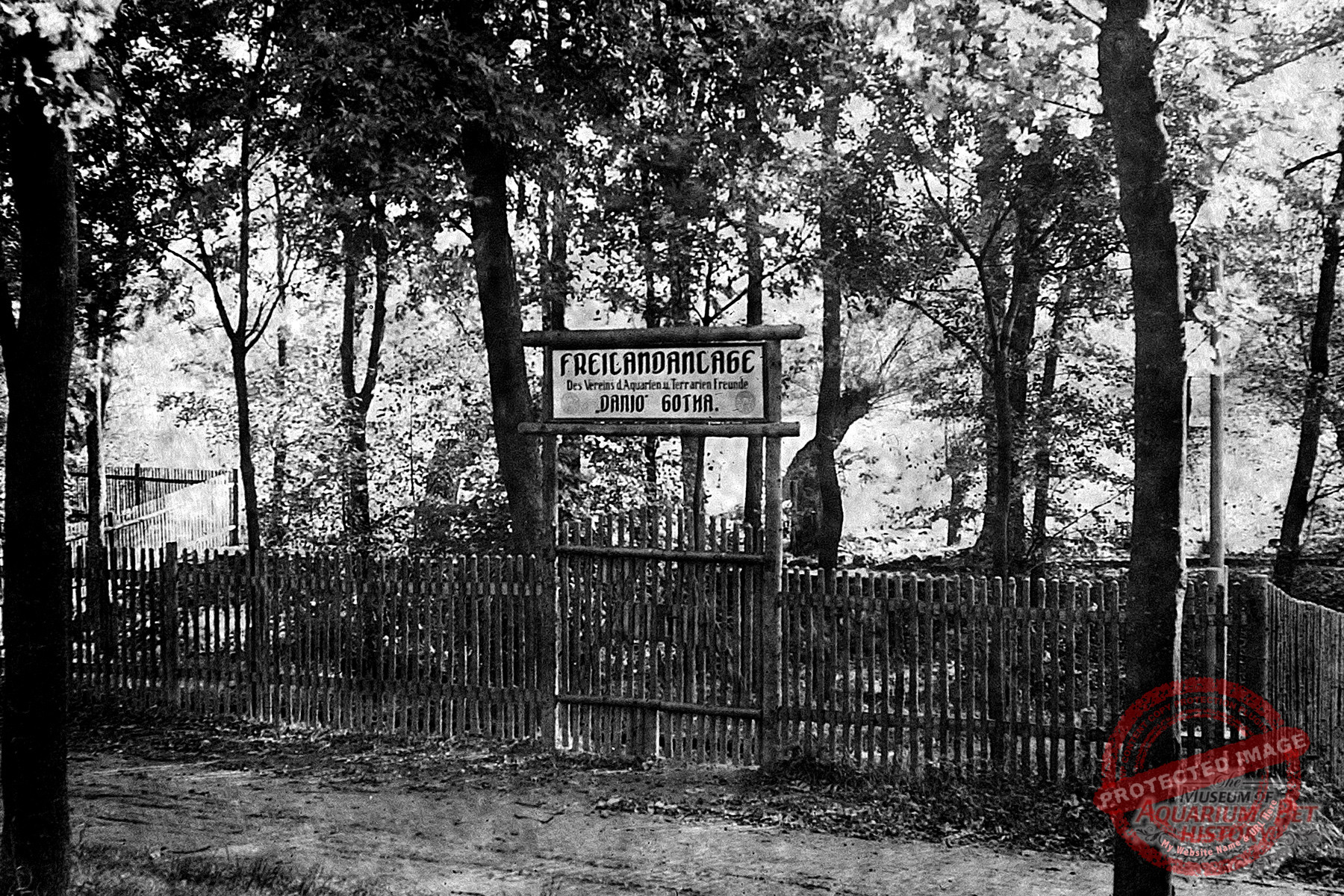
This is what the entrance to the Danio open-air grounds looked like.
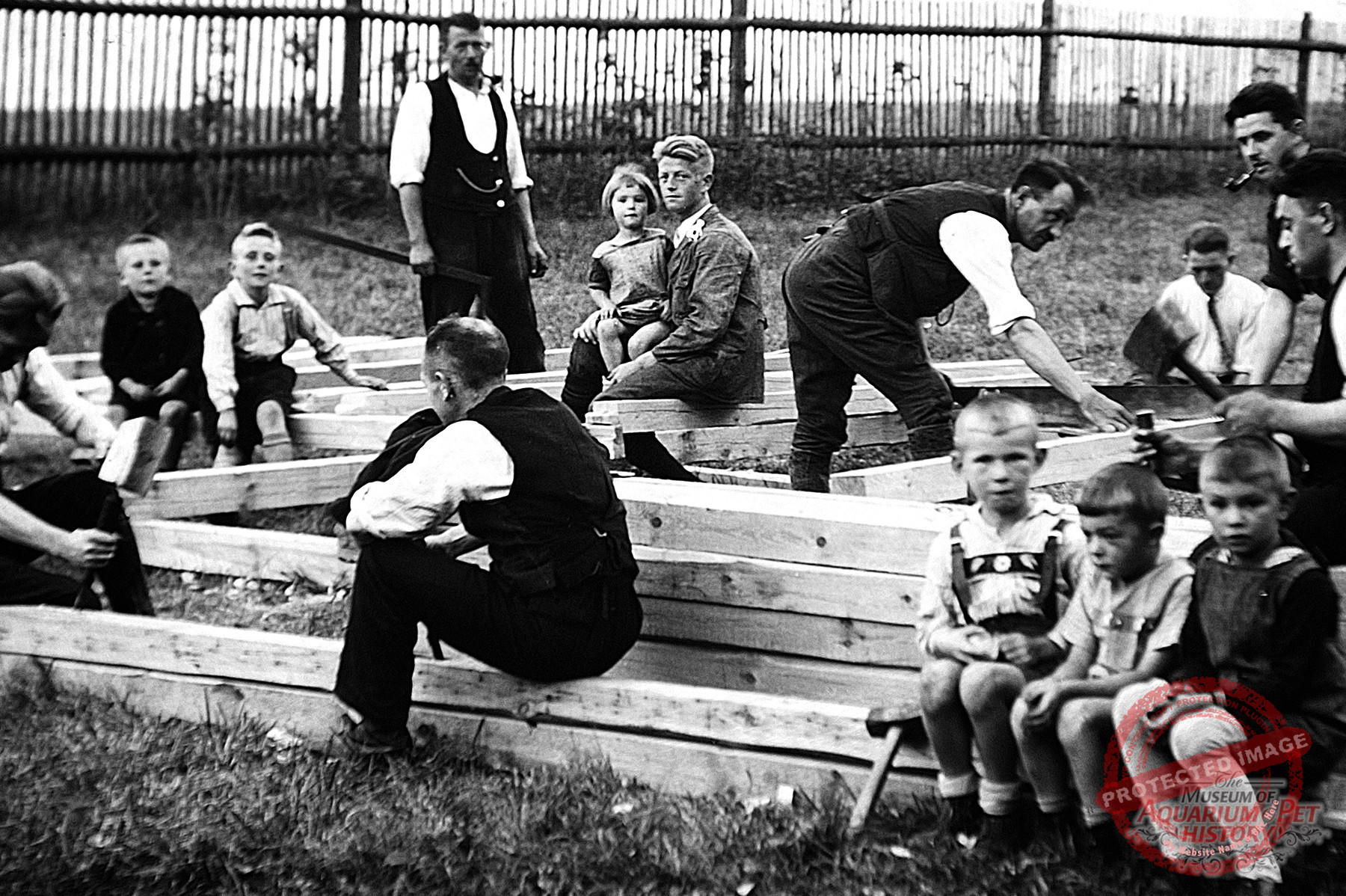
As the final measure, the small clubhouse was erected behind the first pond.
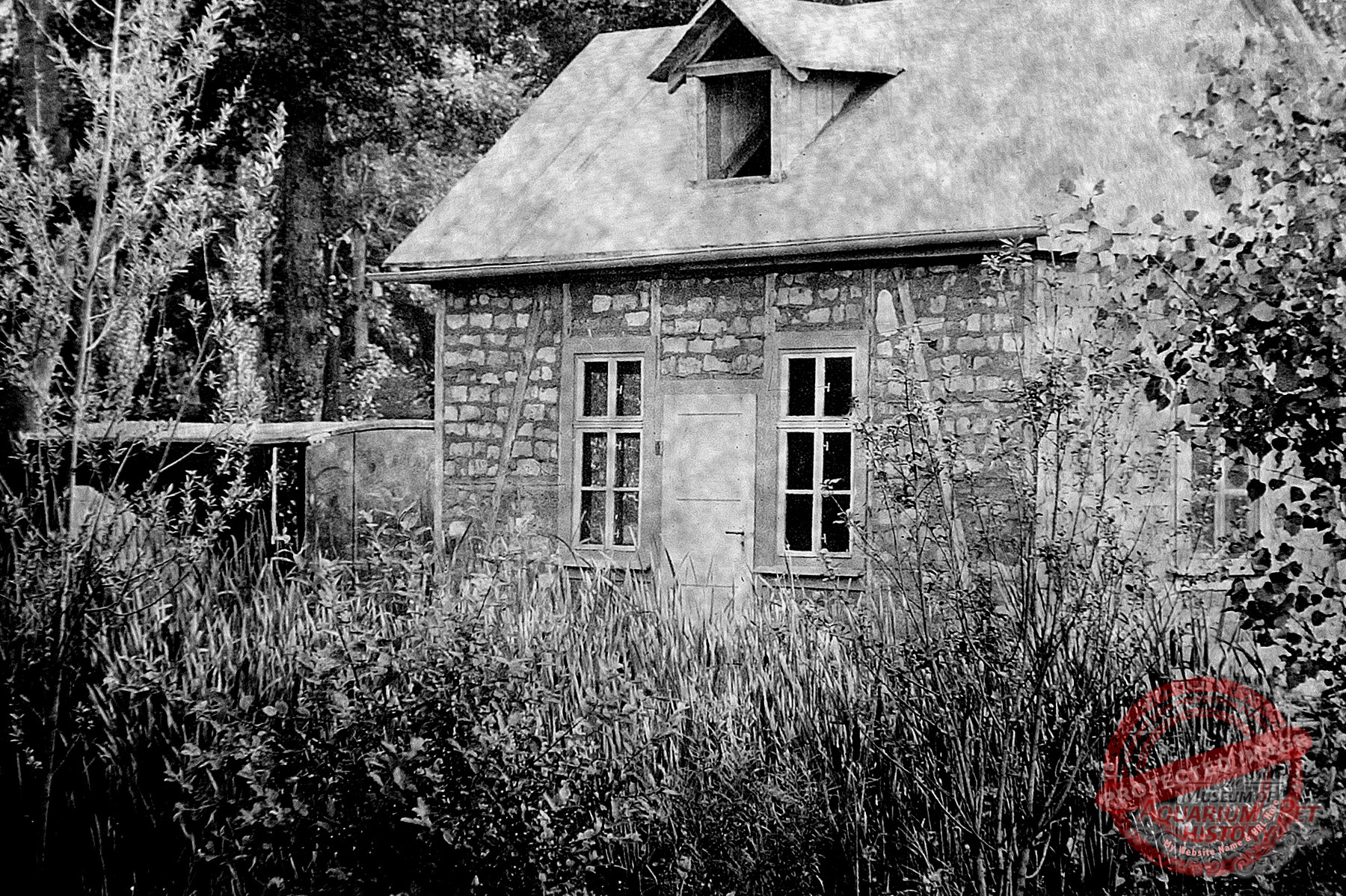
The unplastered shell of the building was completed.
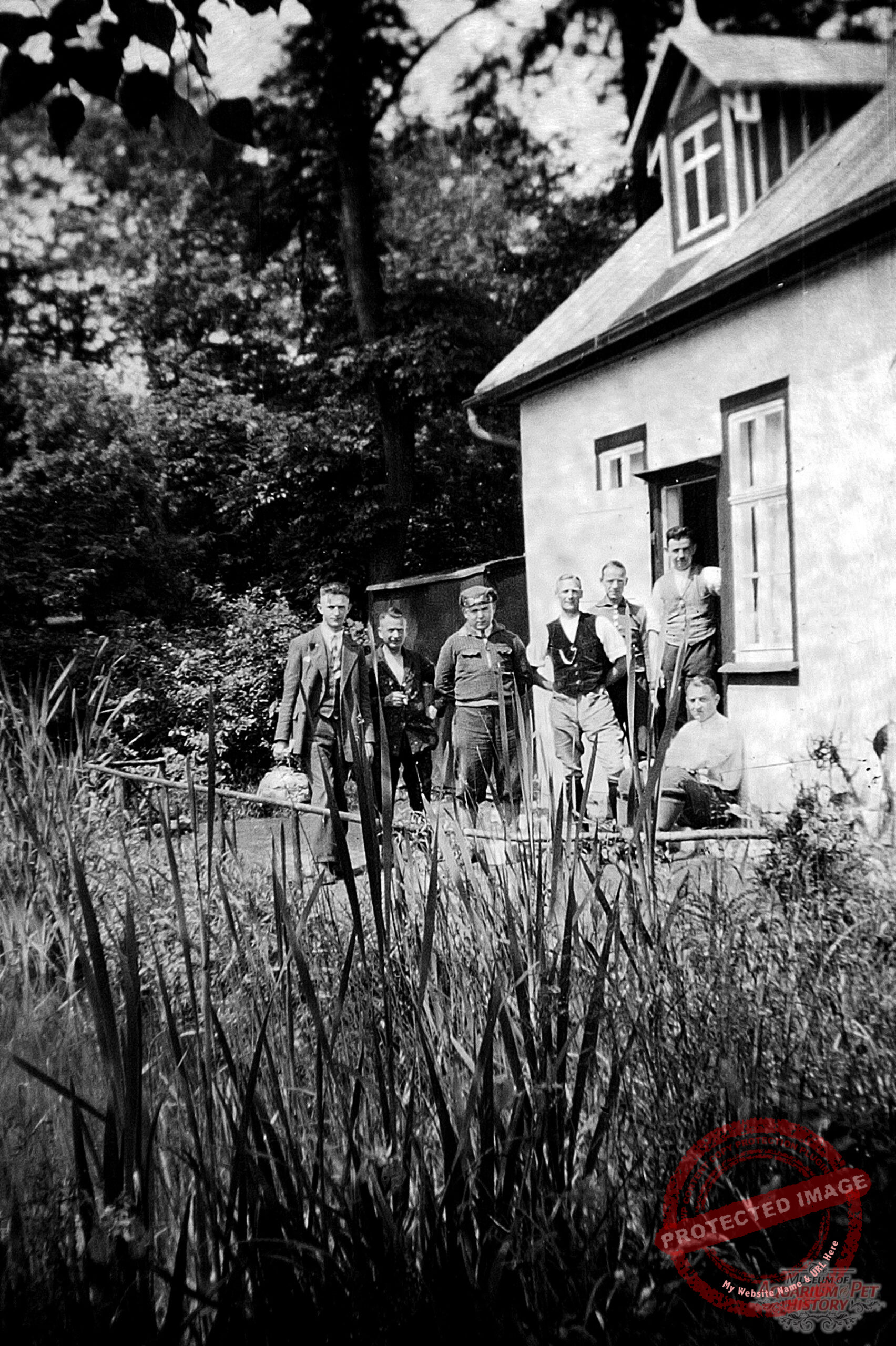
Once plastered and fitted with its extensions, the proud club members could take pleasure in the finished structure.
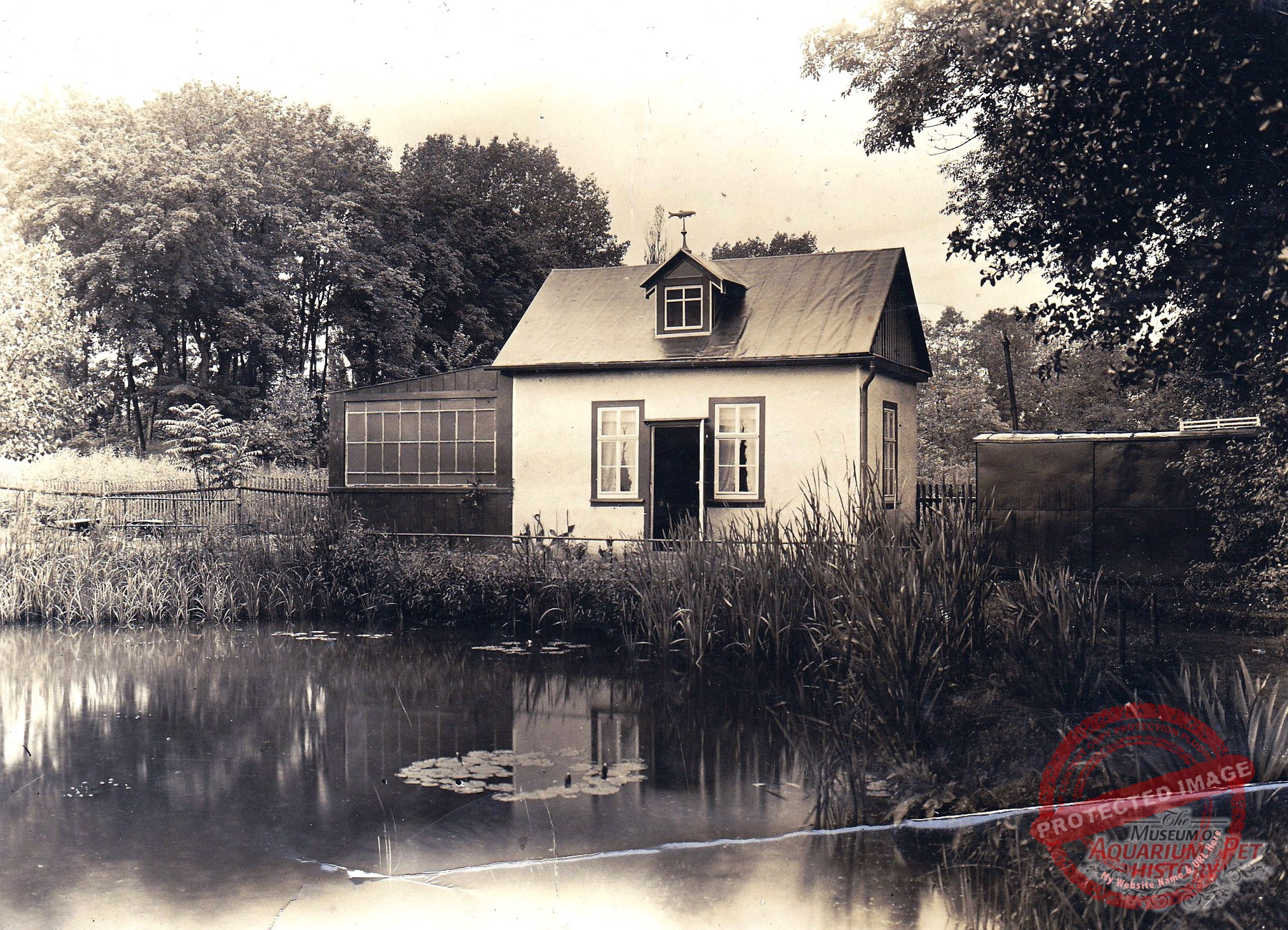
Behind the first pond, the building blended picturesquely into the landscape of the Danio grounds.
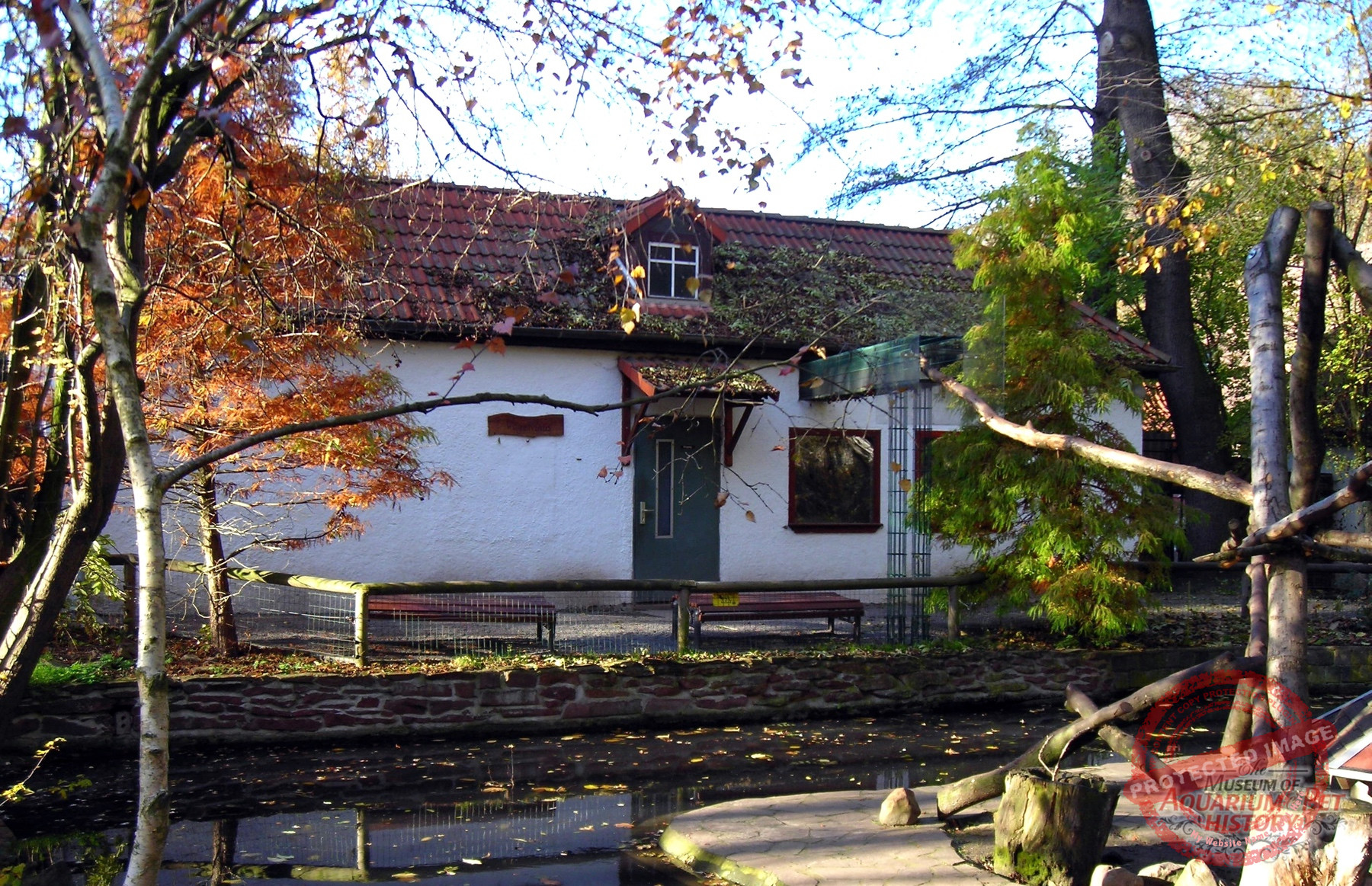
While until the 1980s the original clubhouse served as housing for budgerigars (Melopsittacus undulatus) and cockatiels (Nymphicus hollandicus), it was converted in the 1990s—when this photograph was taken—into an animal house for the neighboring island open-air enclosure; today it has been replaced by another building.
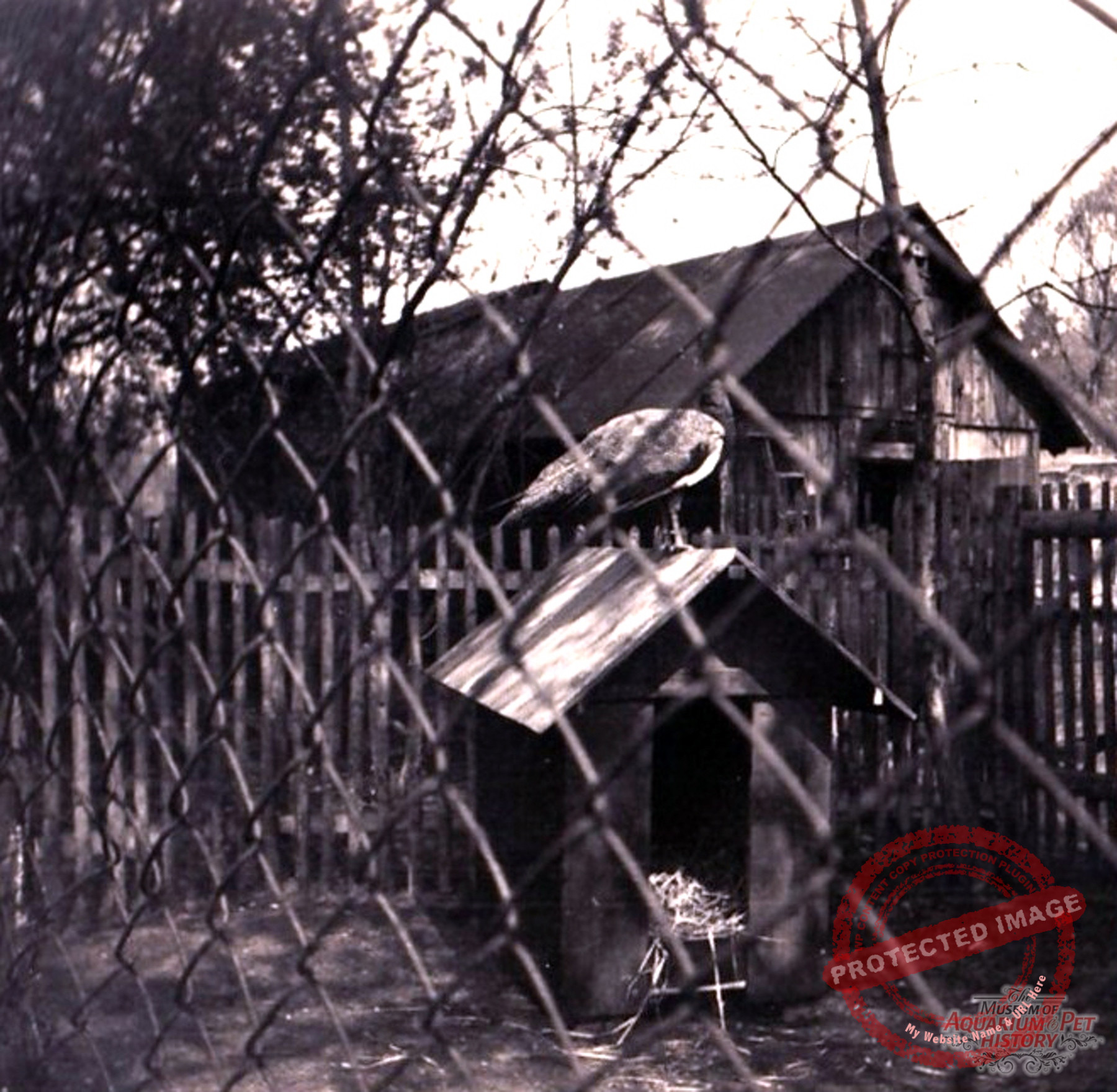
Behind the clubhouse was a rear courtyard with enclosures for gallinaceous birds; shown here is a peacock (Pavo cristatus).
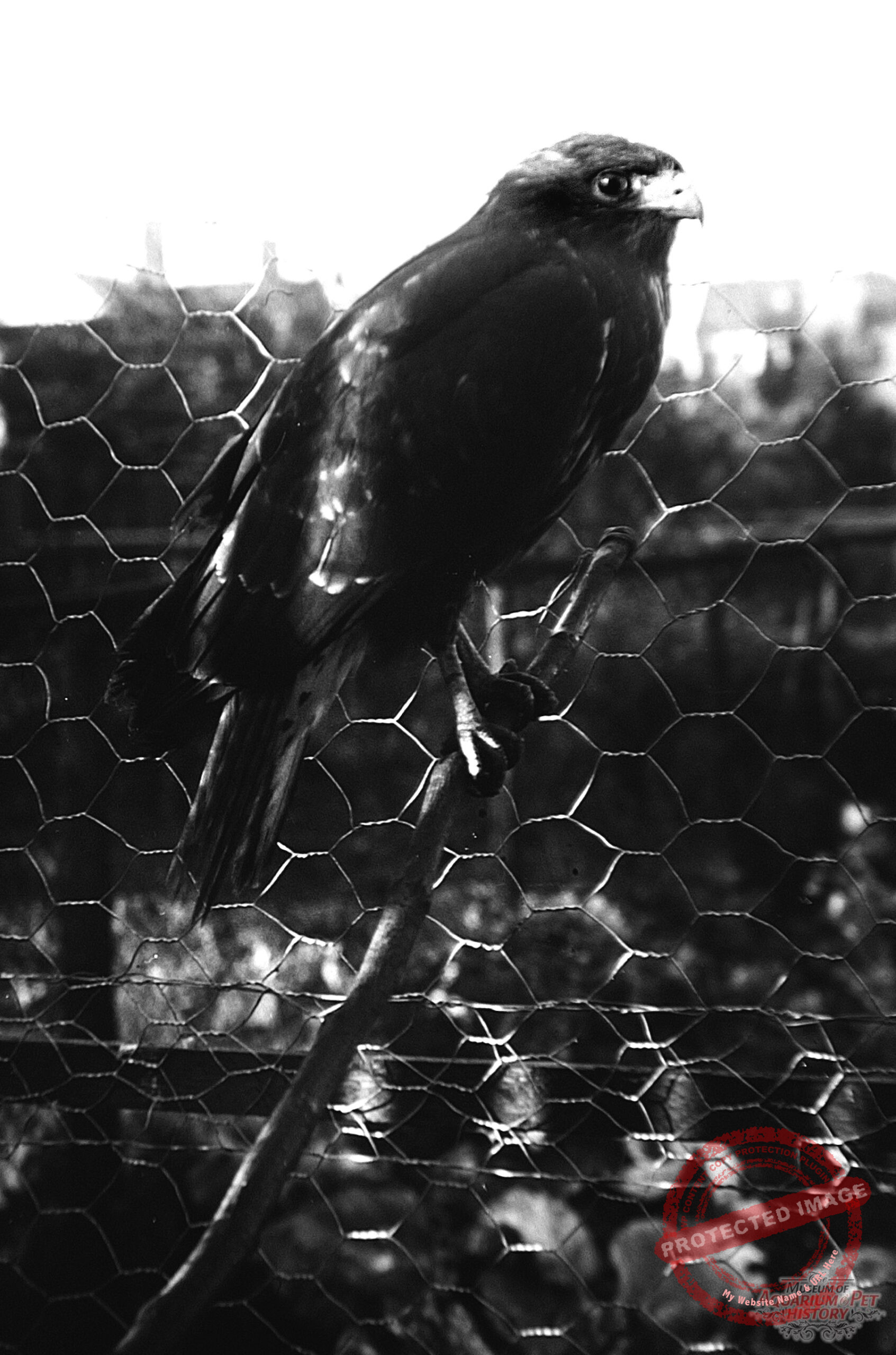
Aviaries housing birds of prey were also located on the grounds; shown here is a common buzzard (Buteo buteo).
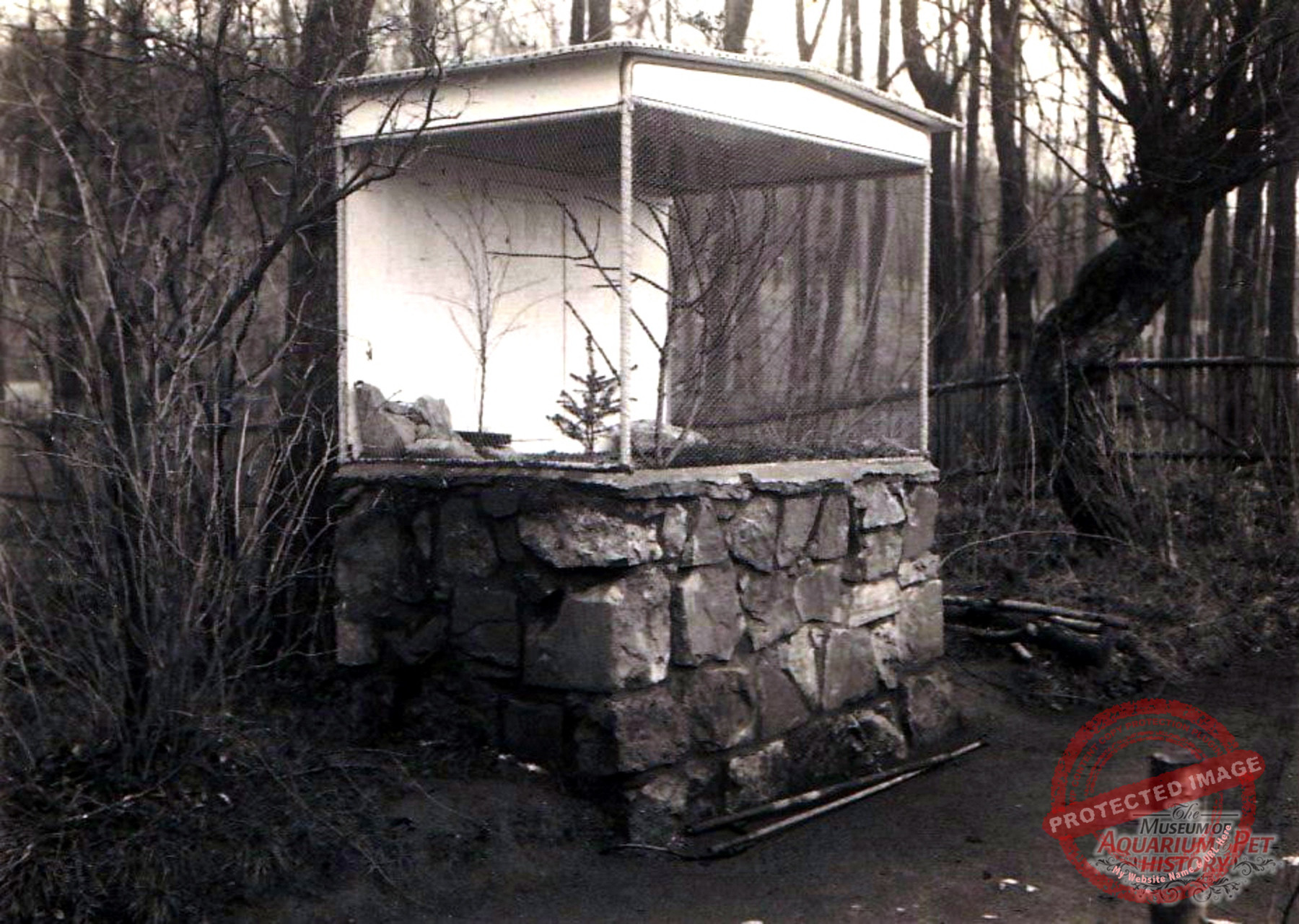
This small enclosure originally housed red squirrels (Sciurus vulgaris); later, in the 1970s, a little owl (Athene noctua).
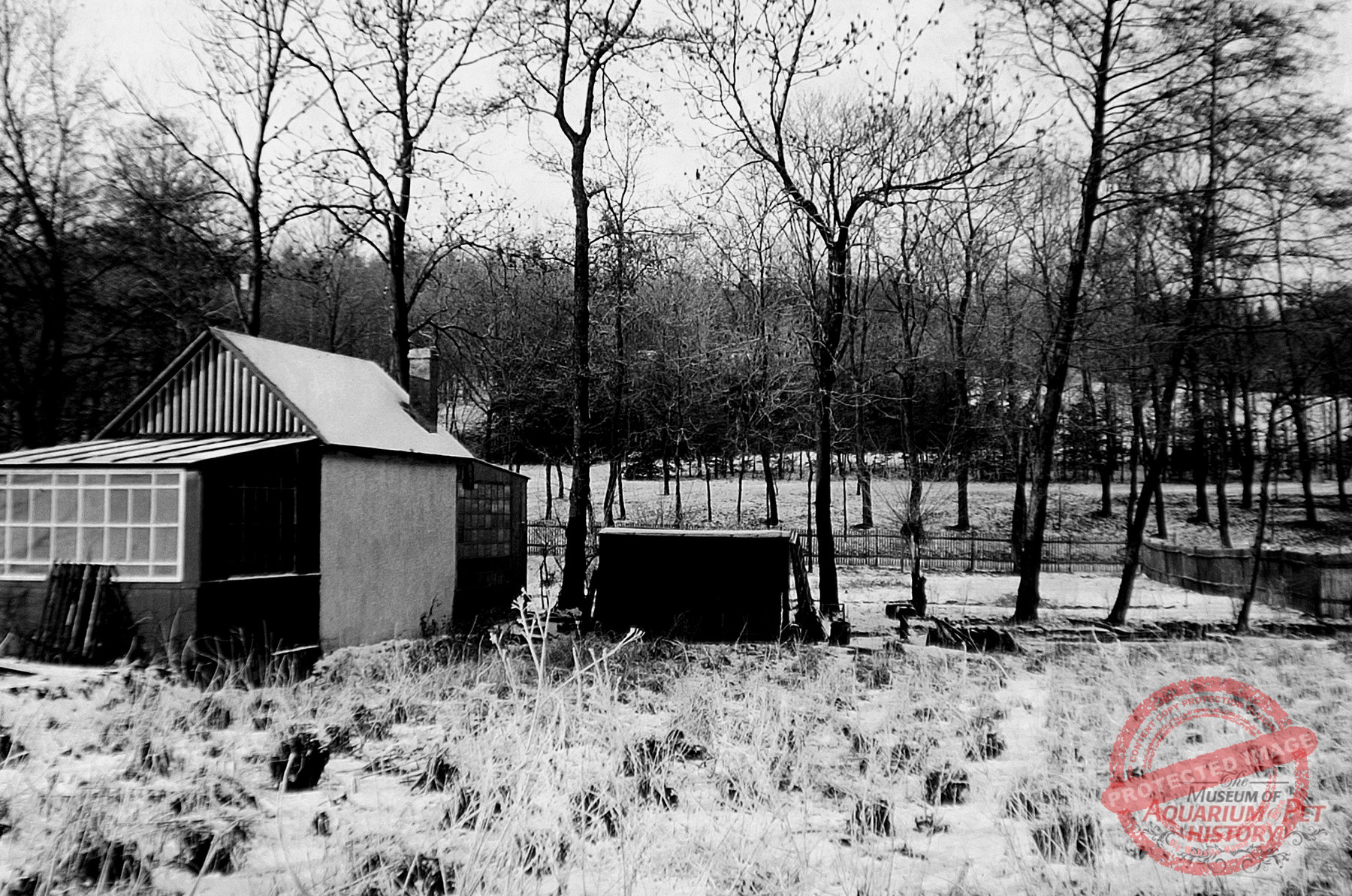
In this winter photograph, the extensions and auxiliary outbuildings are clearly visible from the rear of the clubhouse.
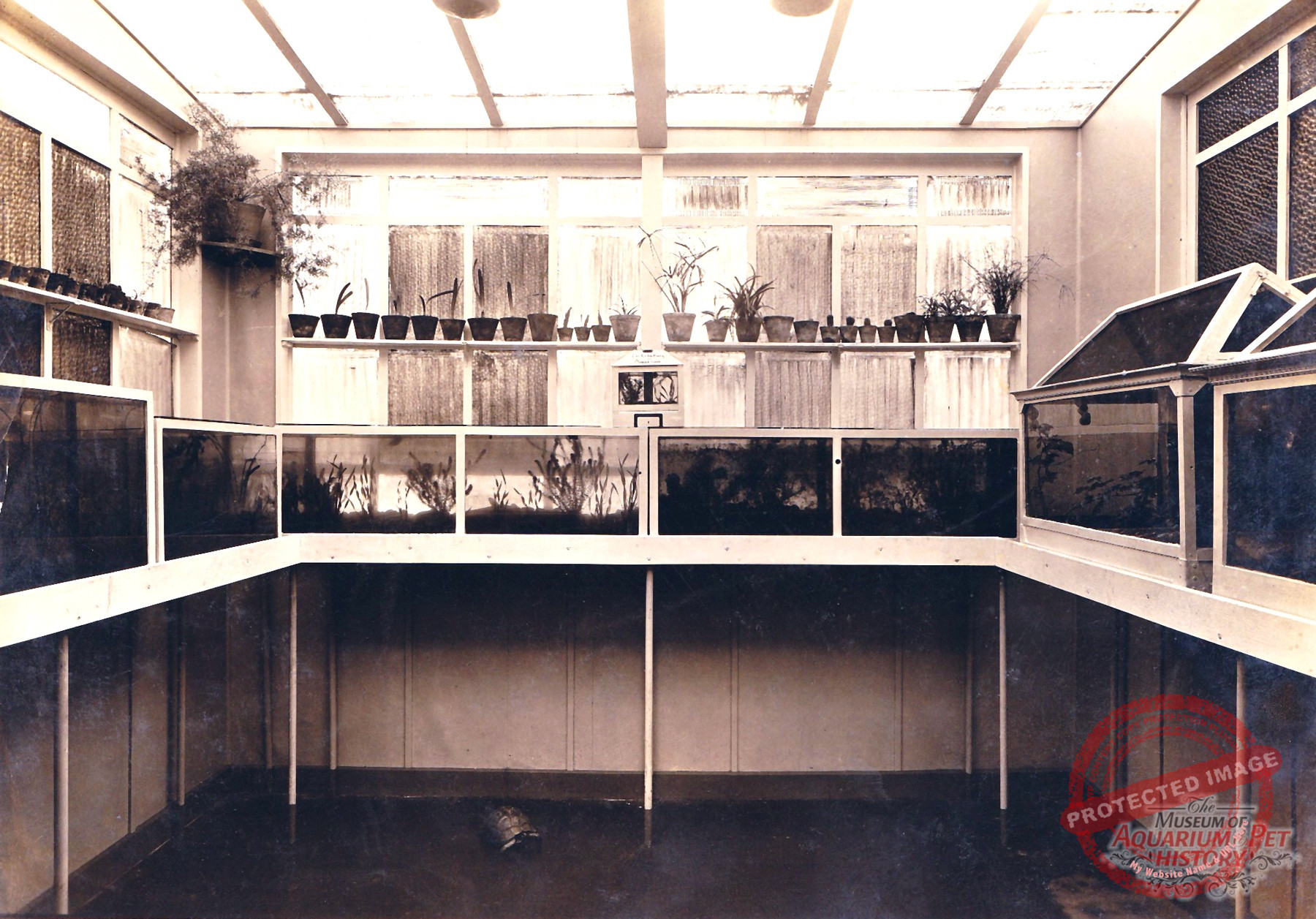
Inside, aquariums and plants lined the walls on all sides.
Outdoors, the trees gradually grew into a small park. Dense shrubs were designated as bird-protection thickets. An alpine garden showcased succulent plants. Most impressive, however, were the ponds: magnificent stands of water lilies, irises, and water plantain adorned all the waters. Among the fish kept there, visitors could most easily observe goldfish (Carassius auratus), bitterlings (Rhodeus amarus), crucian carp (Carassius carassius), and golden ide (Leuciscus idus). The latter proved to be extraordinarily long-lived, as they inhabited the foremost pond of the complex, which was particularly cool due to its inflow. In the 1960s I marveled at these enormous ide, swimming ponderously in the cold water. I have never again seen golden ide so old, so huge, and so clearly marked by age. They dated back to the founding year of 1929, and a few specimens survived into the 1980s—the last Methuselah lived for sixty years! Out of nostalgic remembrance of these splendid fish, I stocked one of my garden ponds with large golden ide again a few years ago. We shall see how many years they outlive me.
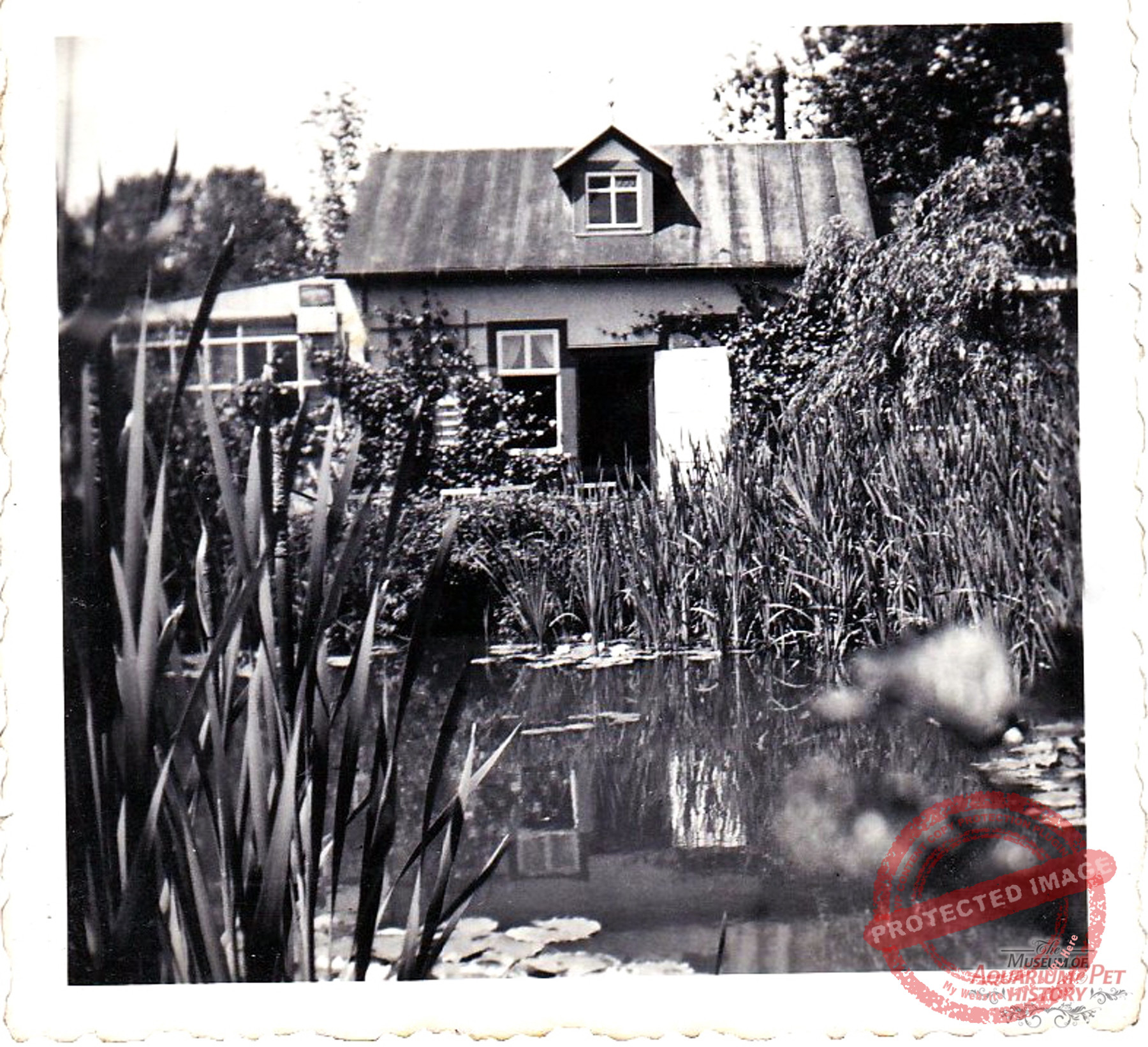
After only a short time, the first pond was luxuriantly overgrown with aquatic and marsh plants; within it swam the golden ide that would later reach a great age.
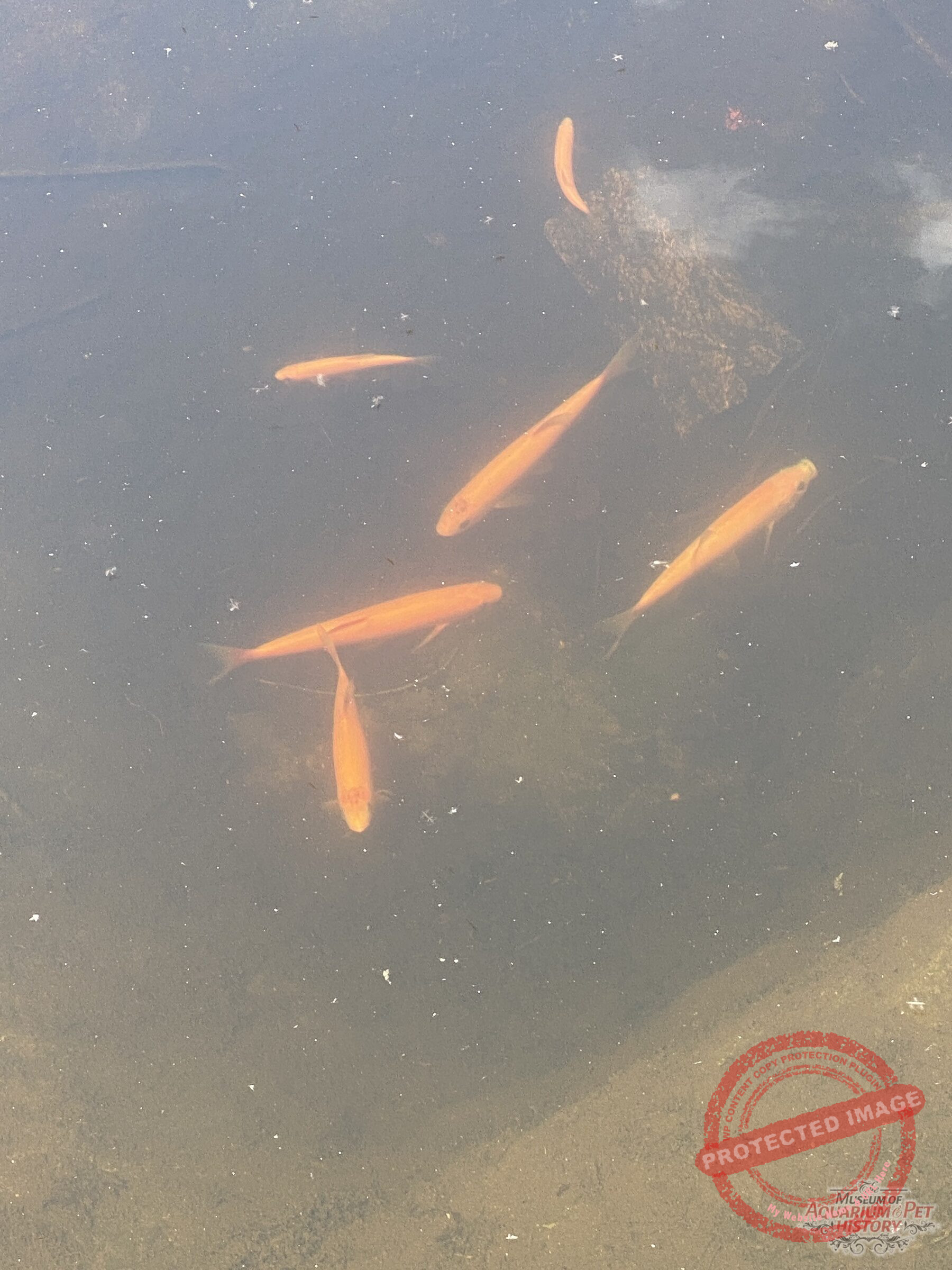
Old and less aged golden ide, Leuciscus idus.
The middle pond, with an island at its center, was intended from the outset as an ornamental waterfowl pond. Muscovy ducks (Cairina moschata), wood ducks (Aix sponsa), and Mandarin ducks (Aix galericulata) frolicked there. Visitors delighted in these colorful birds, but the pond’s function was above all aquaristic: the droppings of the ducks enriched the water with nutrients, leading each year to the development of a massive population of water fleas (Daphnia pulex), which reproduce very rapidly by parthenogenesis. This remained the case well into the 1970s, as I know from personal experience. Four or five netfuls were enough to supply almost all aquarium fish in the animal park with food. The water was literally filled with red clouds of fleas. The third pond bordered a meadow for wading birds, where even a trained white stork (Ciconia ciconia) lived, which could be prompted to clatter its bill by presenting it with a herring. But there was much more on the Danio grounds: seven open-air terrariums and numerous small enclosures and aviaries with exotic birds, birds of prey, raccoons (Procyon lotor), red foxes (Vulpes vulpes), roe deer (Capreolus capreolus), and wild boar (Sus scrofa). Of particular interest was a predator enclosure in which, at times, a young lion (Panthera leo) or a spotted hyena (Crocuta crocuta) was displayed.
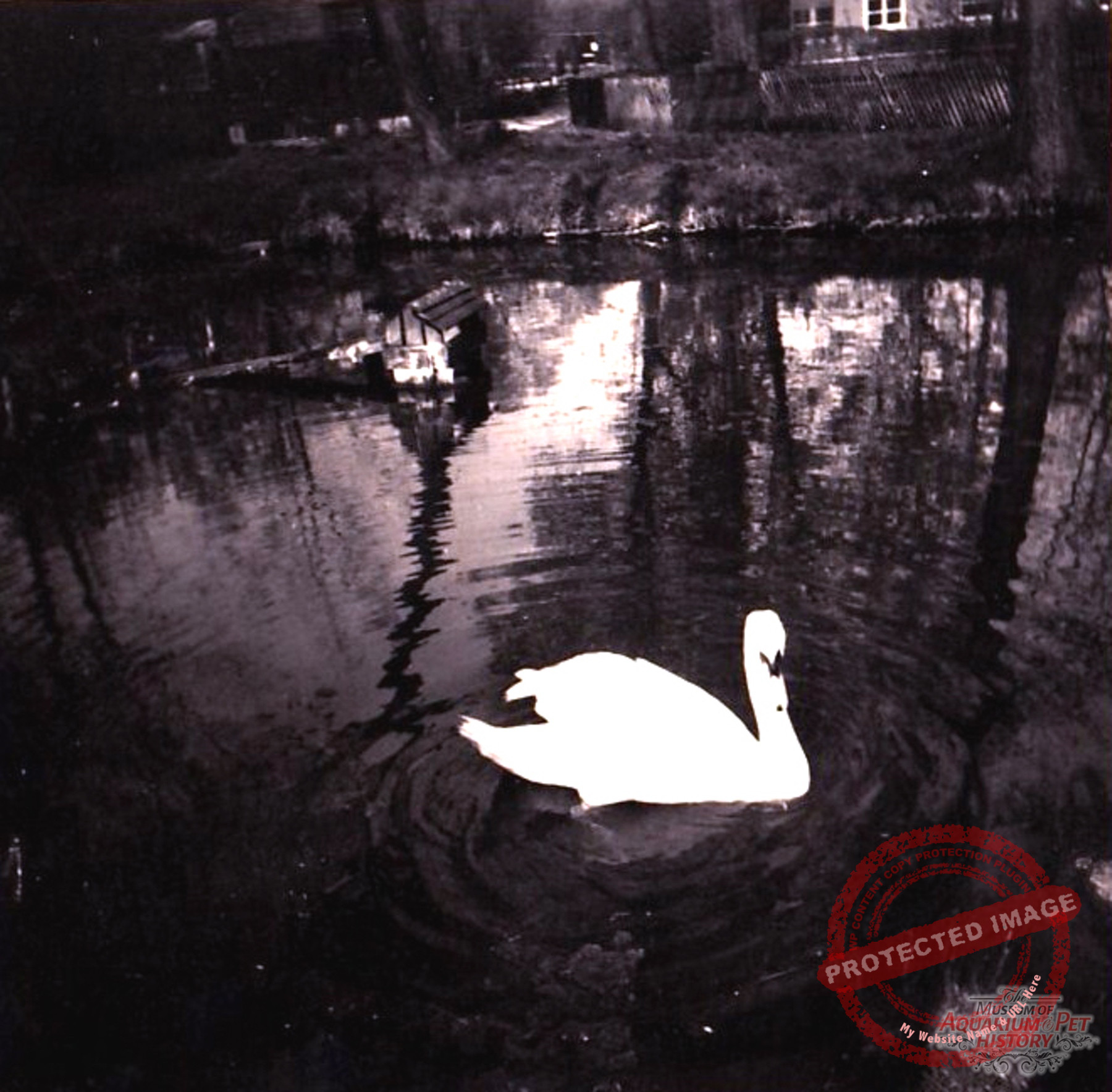
On the rear pond lived a pair of mute swans (Cygnus olor), as well as the white stork (Ciconia ciconia) trained to clatter its bill.
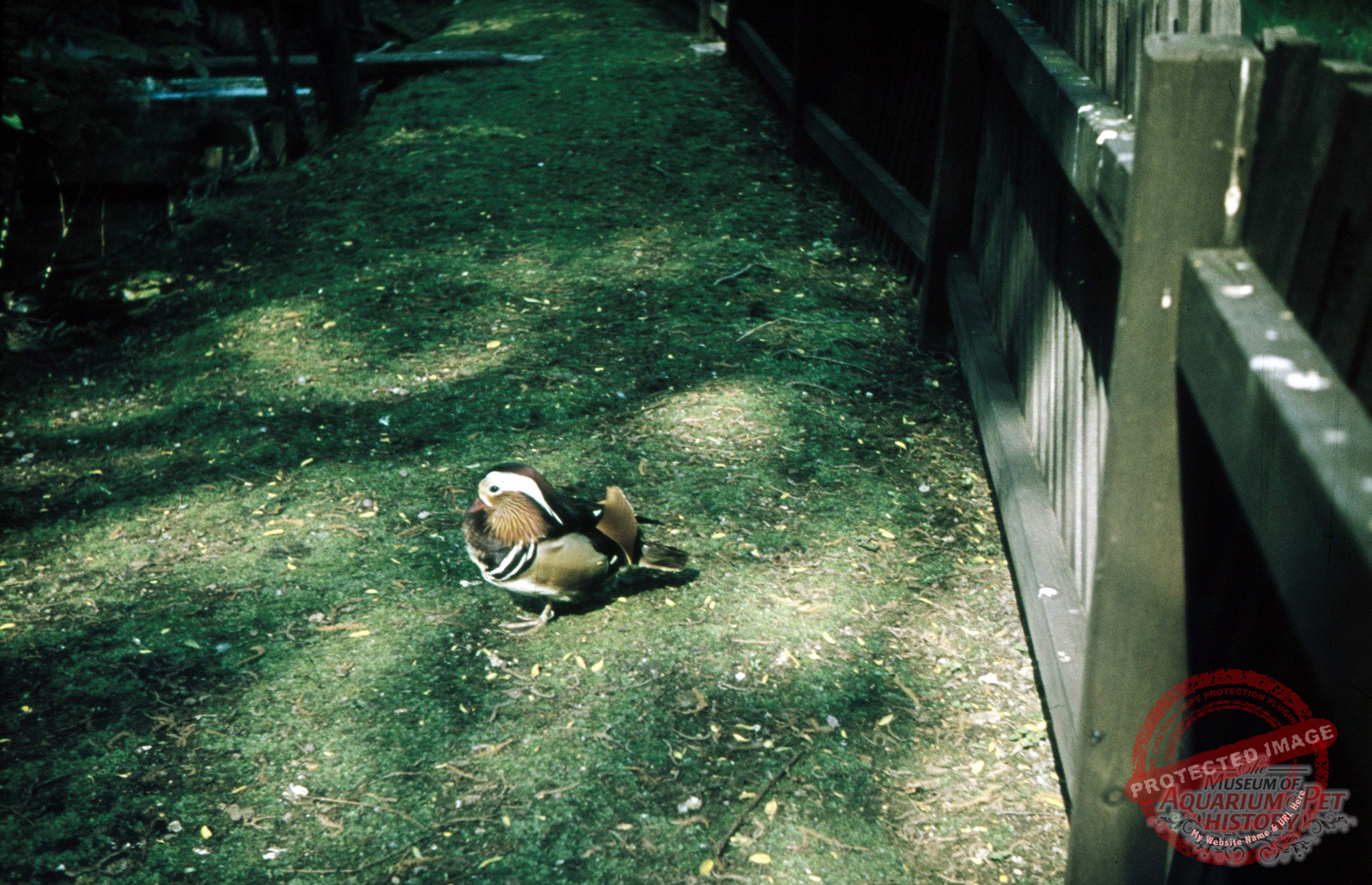
Until the late 1980s, the duck pond originally created for “water flea production” still existed; shown here is a Mandarin duck (Aix galericulata) in this facility.
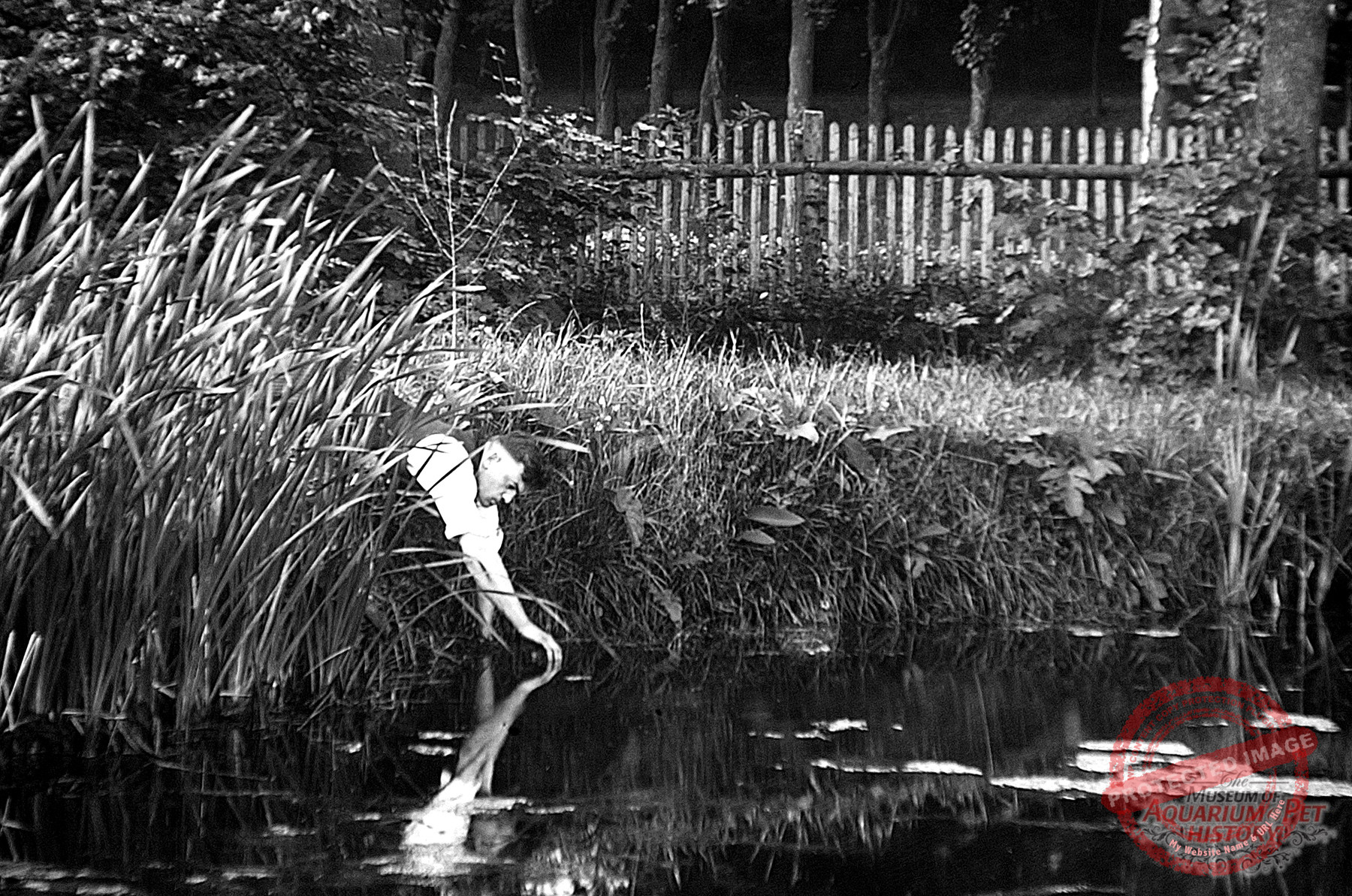
In most cases, food collected from the facility’s own ponds sufficed for the fish kept in the aquariums of the clubhouse.
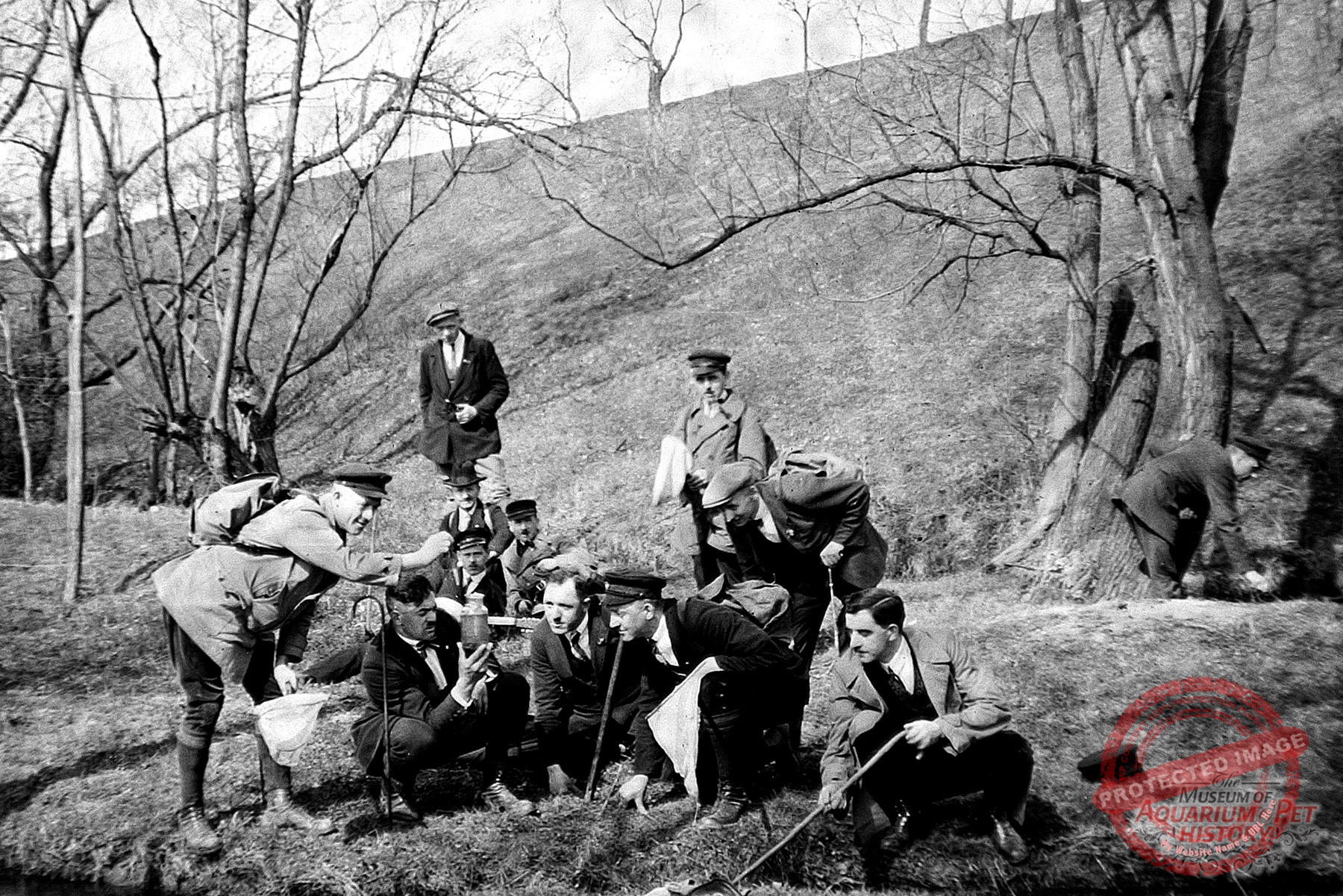
On holidays—here on Good Friday, April 7, 1930—the club members undertook pond-collecting excursions in the surrounding area, for example to the Apfelstädt valley and the Siebleben pond.
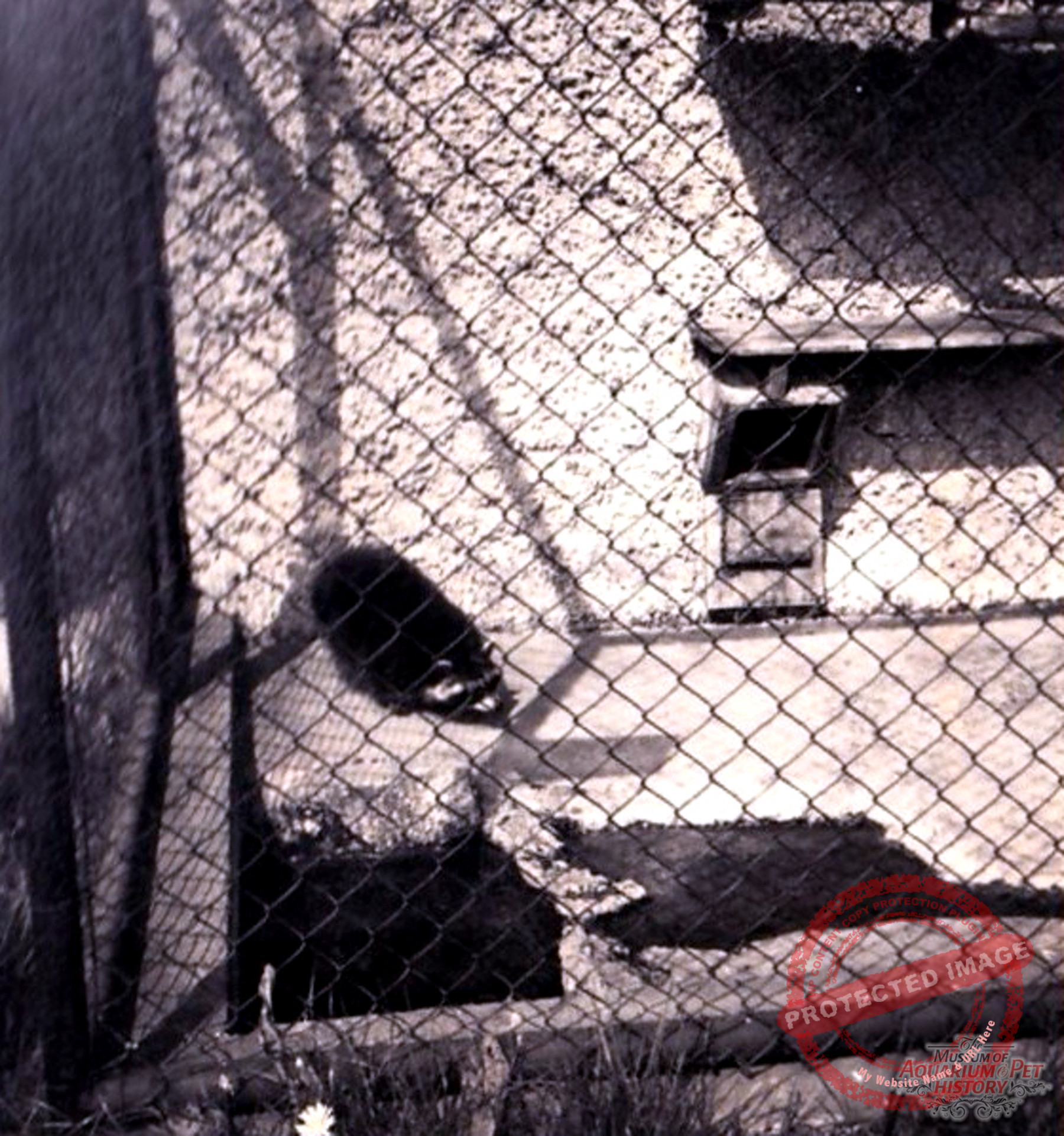
Small mammals, for example raccoons (Procyon lotor), were among the exhibited animals.
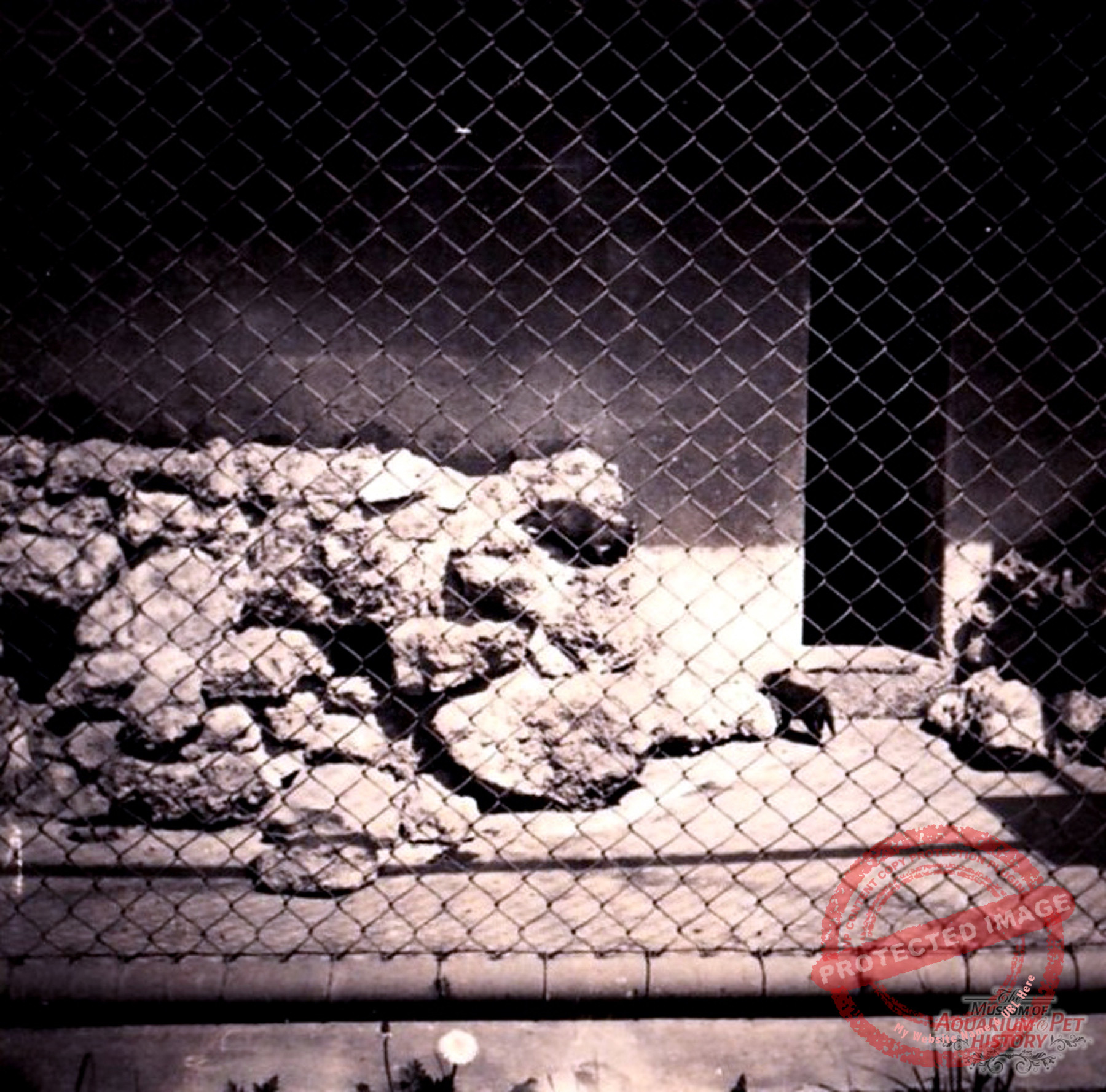
The red foxes (Vulpes vulpes) even produced offspring.
After the tremendous effort of construction came the daily toil of maintenance. Still unemployed, many club members spent their days at the open-air aquarium, effectively serving as animal keepers—without pay. Like actors savoring the final applause, the praise of up to 800 visitors a day (especially on Sundays) was their finest reward. These club members, all passionate aquarists and terrarists, were entirely in their element; they lived and loved their hobby. Inevitably, as in the much older aquarium, school classes also came here to conduct vivid lessons in natural history. Thus, a new rivalry arose—this time between the old Gotha aquarium and the new Danio grounds. But that was not all: the Nymphaea club was nearly as strong, and, as with the Orangerie exhibition, its members were determined not to fall behind.
To keep pace with the others, Nymphaea decided to establish yet another open-air aquarium in close proximity to the old Gotha aquarium: the “Pond Garden at the Seven Ponds.” Groundbreaking took place on May 15, 1927. Interestingly, I learned of this because my great-uncle Charly Fuchs happened to tell me about it on that very day on my birthday (which was 31 years later). By November 1927, the Nymphaea members, no less industrious than their Danio counterparts, had already contributed 1,336 hours of unpaid labor; in 1930, the total reached 2,738 hours. Here, Charly Fuchs emerged as the leading aquarist. His organizational talent, conciliatory nature, and remarkable adaptability ensured that the enthusiasm of his Nymphaea colleagues never waned. At the time he was a young man full of vigor, born on September 12, 1900, and newly married to his first wife, Minna. Following the successful Nymphaea exhibition of 1929 in the Gotha Orangerie, the construction of the open-air aquarium at the Seven Ponds allowed him to demonstrate conclusively what he was capable of.
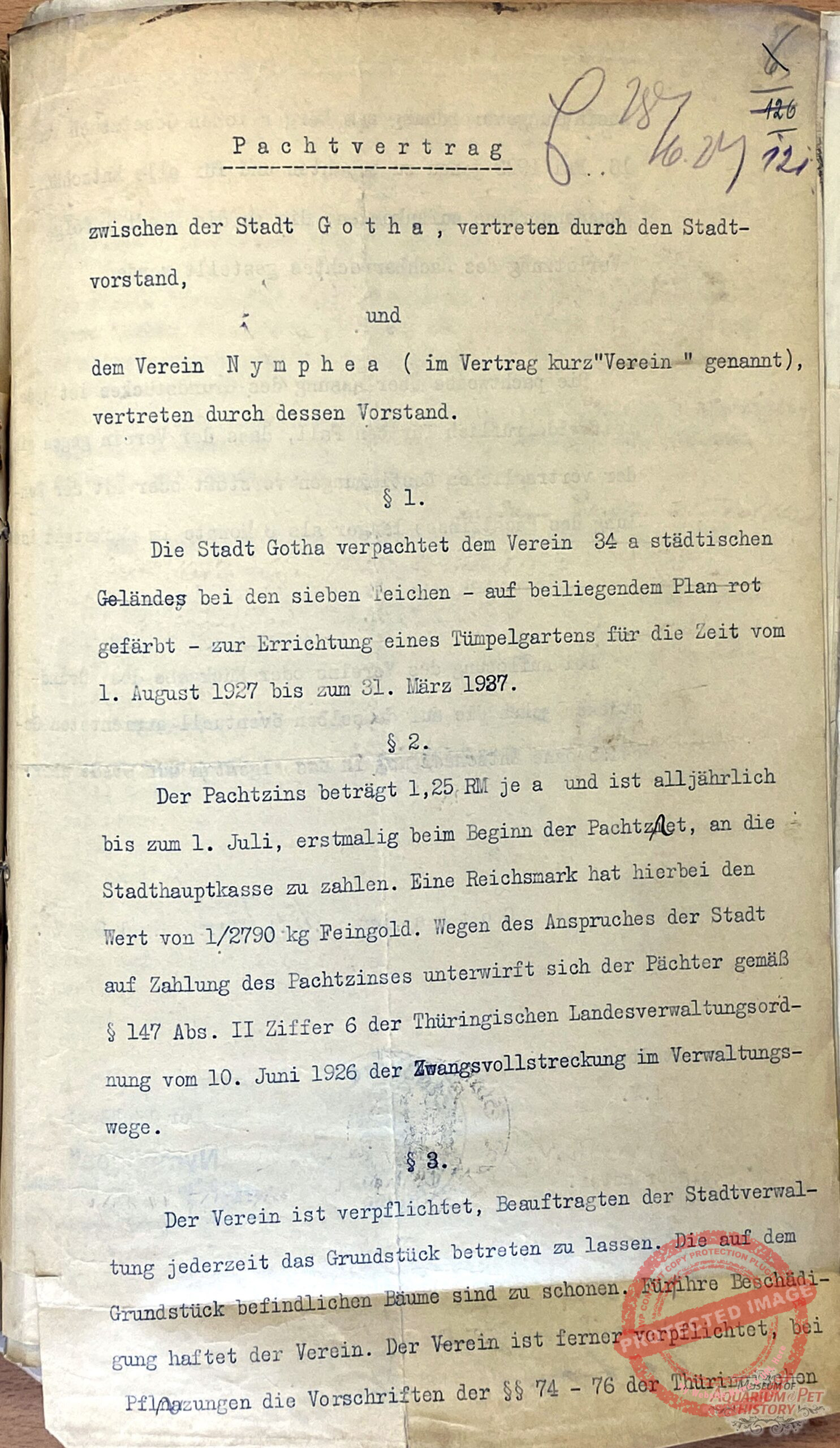
First page of the lease agreement concluded between the Nymphaea club and the city of Gotha, permitting use of the grounds at the Seven Ponds for the construction of their open-air aquarium.
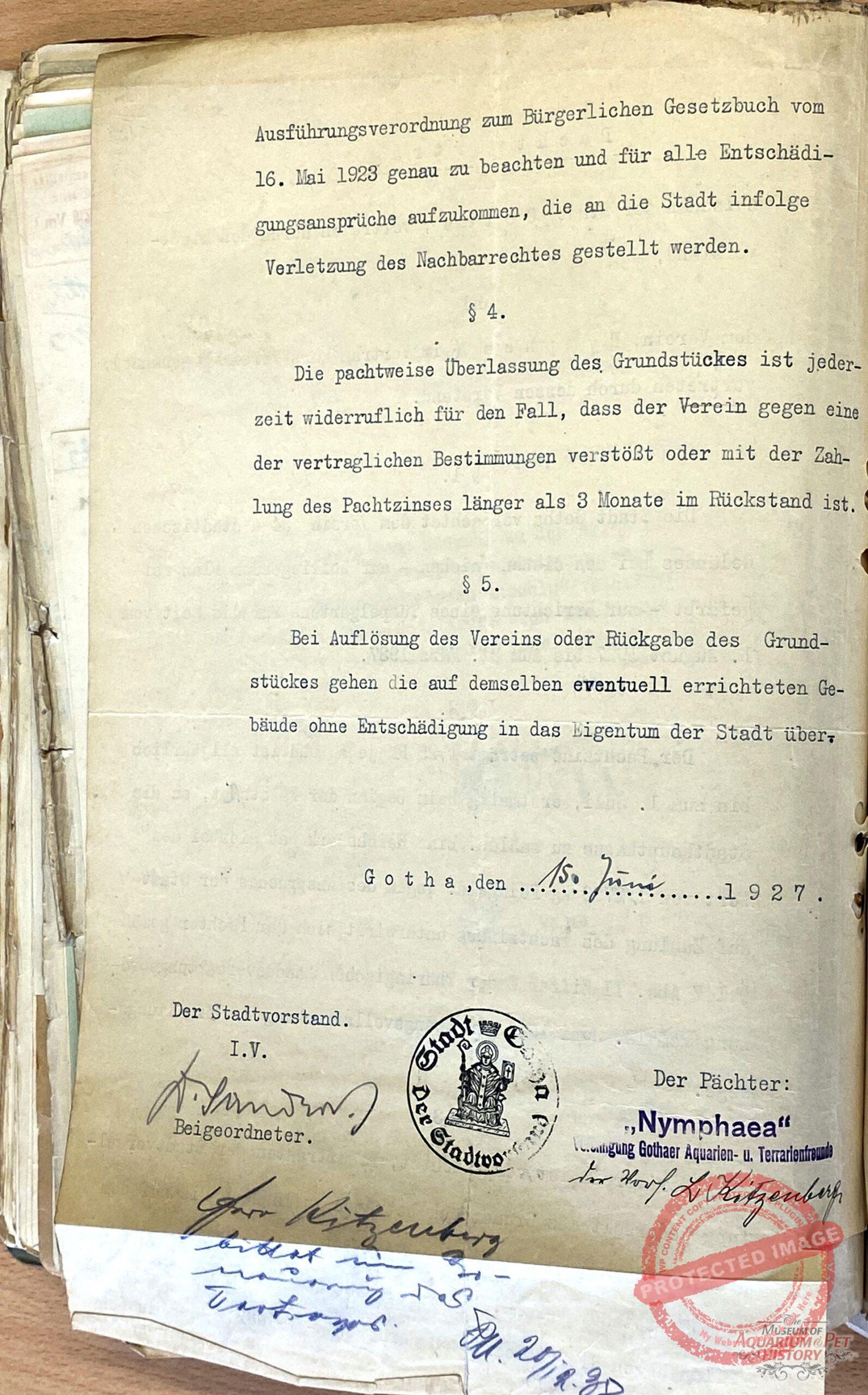
Second page of the lease agreement concluded between the Nymphaea club and the city of Gotha, permitting use of the grounds at the Seven Ponds for the construction of their open-air aquarium.
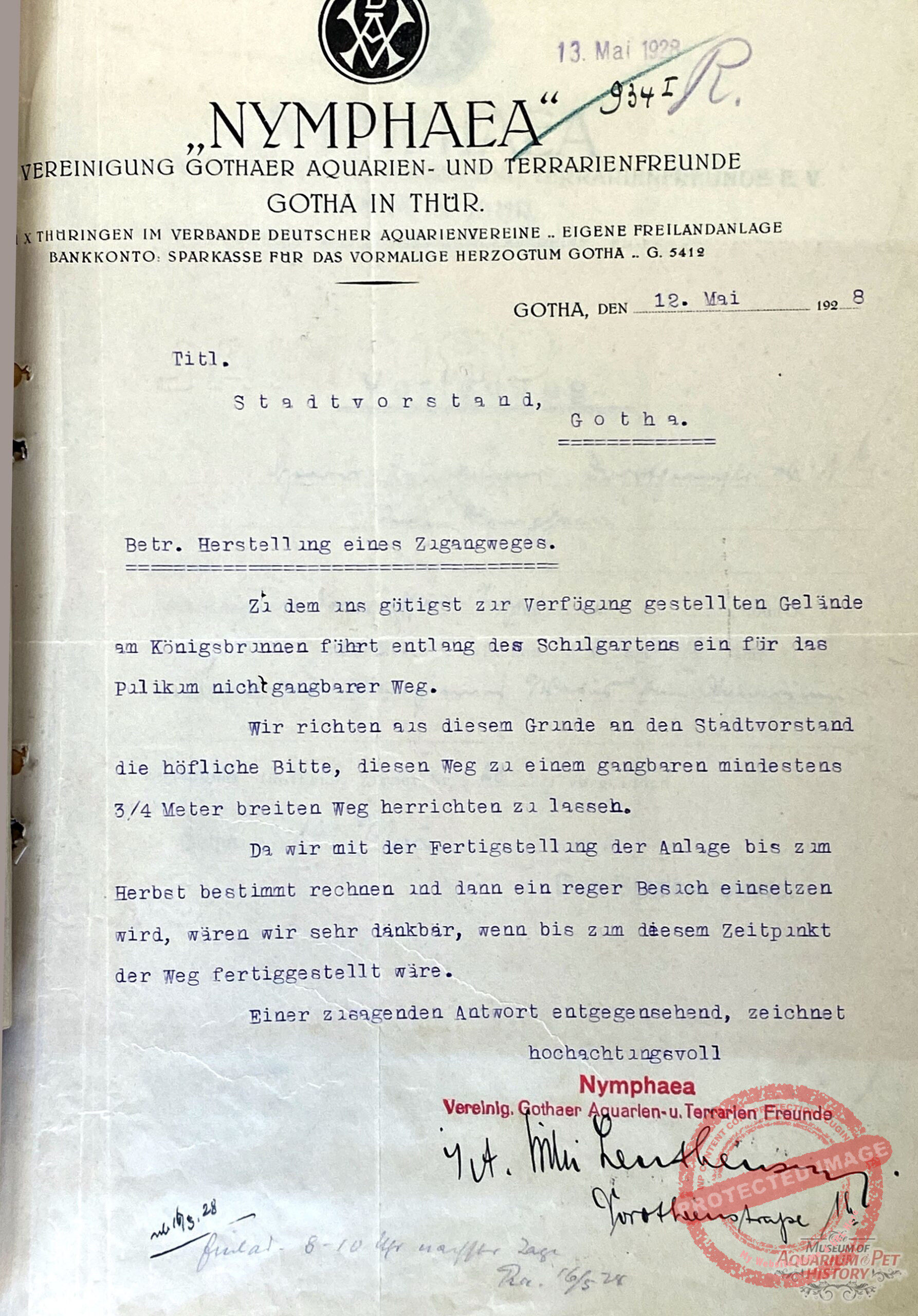
Shortly thereafter, the Nymphaea club requested the construction of an access path from the old open-air aquarium—now used as a school garden—to the Nymphaea grounds at the Seven Ponds, to enable visitors to reach both facilities quickly.
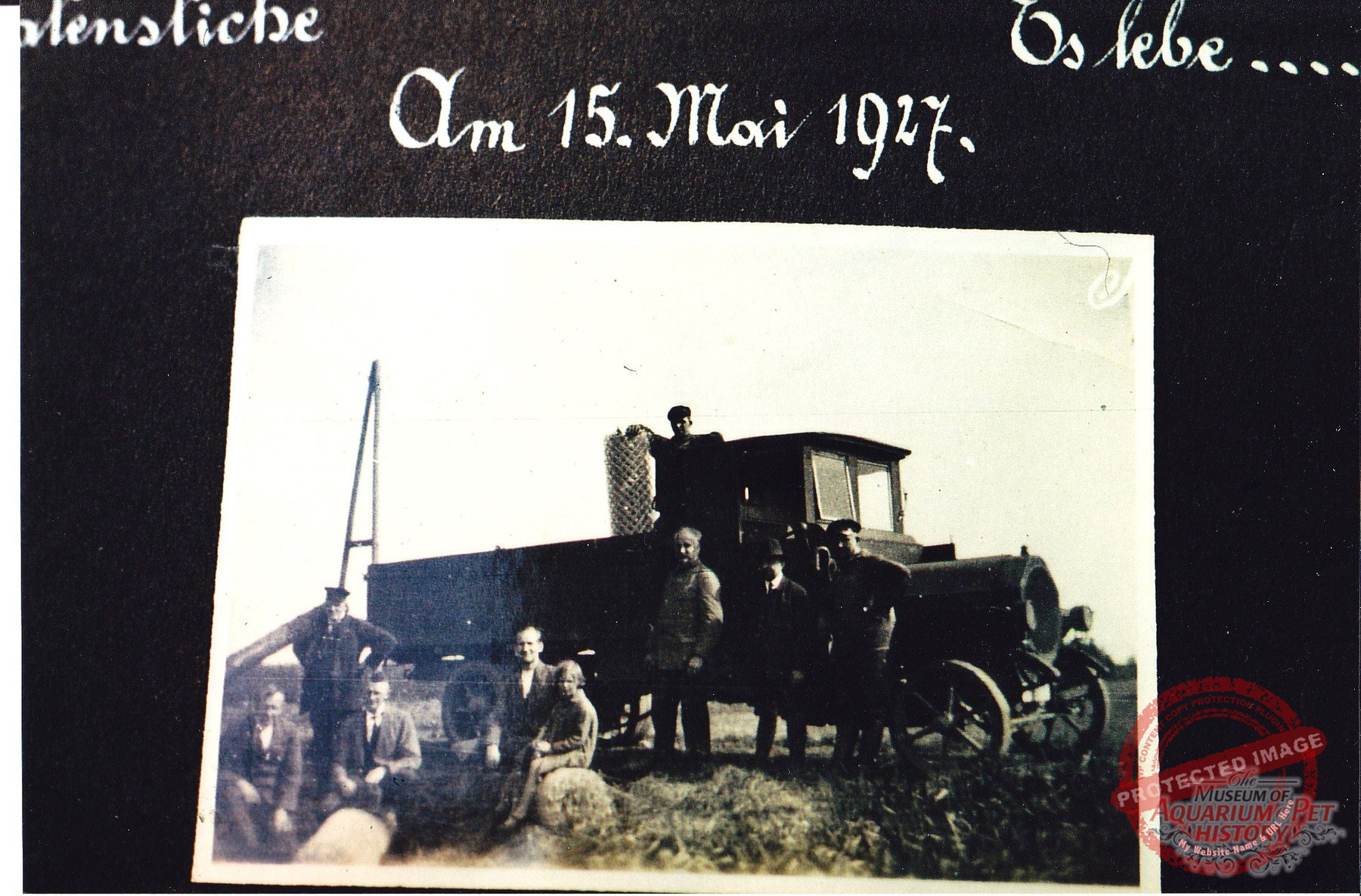
The groundbreaking for the new facility took place on May 15, 1927.
The grounds were smaller than those leased by Danio on the Seeberg, but they lay close to the oldest aquarium, the newly established outdoor swimming pool, and a peripheral settlement that had arisen nearby—where a street called An den sieben Teichen still commemorates that era, even though the ponds themselves no longer exist. The topography alone virtually guaranteed a steady stream of visitors. The result of the work was a sparsely enclosed area containing small, arbor-like buildings and ponds. With relatively few trees, it differed markedly from the other two Gotha open-air aquariums. Here, in the largely open landscape, everything resembled a well-kept garden. Perennial plantings and conifers, as well as attractive aquatic and marsh plants, adorned the site. There were also several open-air terrariums, some closable with glass like cold frames, others built of masonry with a front window. The ponds were connected by ditches and a gentle flow, crossed by small bridges made of wide planks. On the final pond stood a peninsula with a small wooden house for waterfowl—again with the same aim as the duck pond on the Danio grounds: to ensure a constant supply of water fleas.
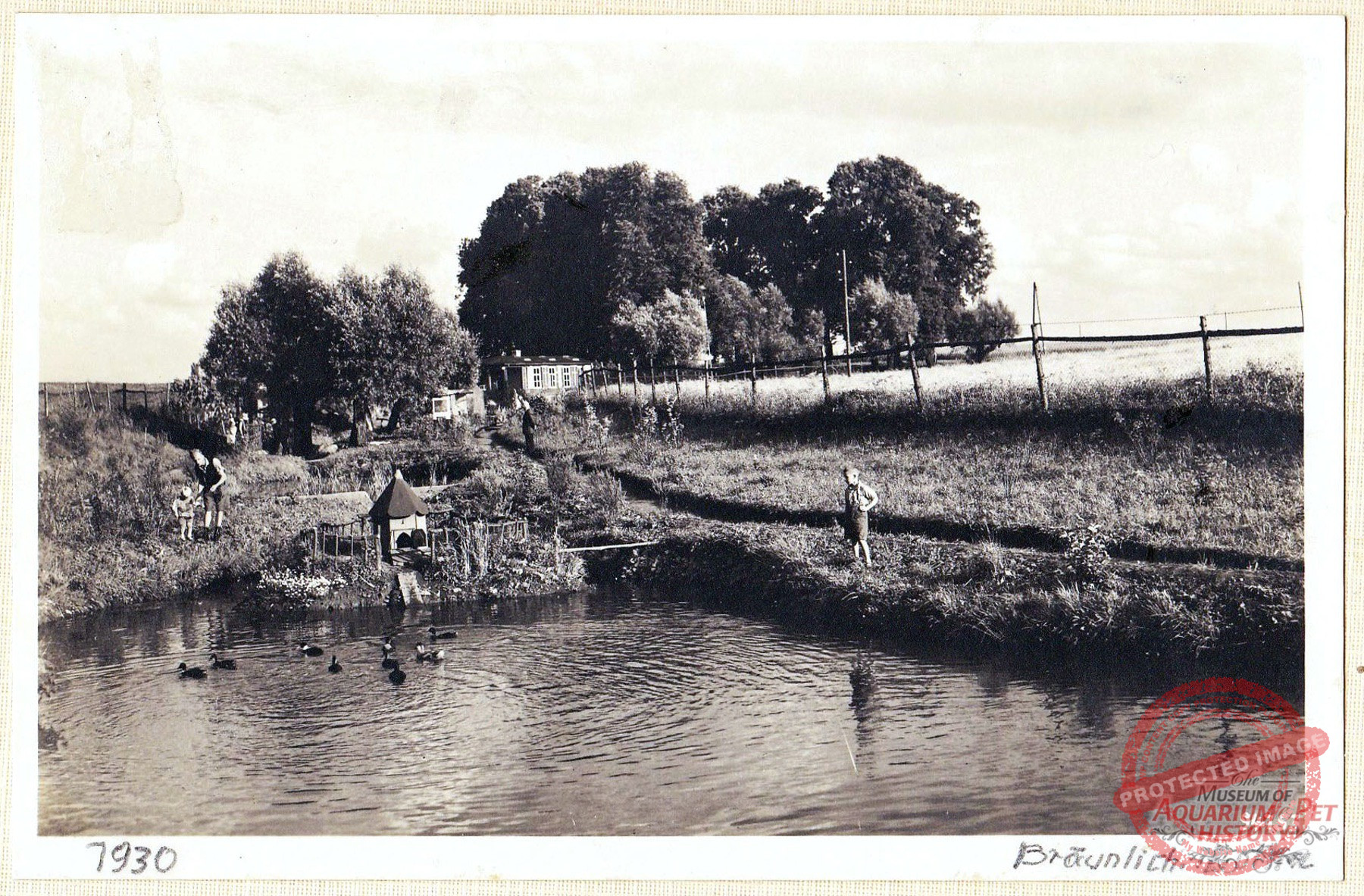
At the end of the rear pond, an island with a duck house had been created; the waterfowl ensured an ample supply of water fleas in the pond.
In the bungalow-style clubhouse, people gathered for every imaginable occasion. Everyone contributed items from their own possessions that were best suited, both in content and decoration, to the displays: educational posters from natural-history classes; taxidermied birds of prey and a tuna; the saw of a sawfish; numerous minerals; turtle shells; and even the world’s largest nut—the Seychelles nut of the coco de mer palm (Lodoicea maldivica). Plants that needed frost-free winter quarters were placed in the center and along the walls. Someone had also built a miniature world reminiscent of the artificial landscapes of model-railroad layouts. Most important, however, were the aquariums arranged around the room, housing those specimens that each member could spare from their home collections. A sign from the Gotha pet shop Johann Böhlke attests to contact with its proprietor for selling offspring and acquiring new imports. This, in turn, must have been a thorn in the side of Kurt Koch—the leader of Danio and later founder of his other club—who was then preparing to establish an ornamental-fish business in Gotha with his own private breeding facility. The rivalry that arose persisted into the 1970s in the GDR and was carried on by the successor clubs and pet shops. But more on that later, when the focus turns to Gotha aquaristics during the GDR era.
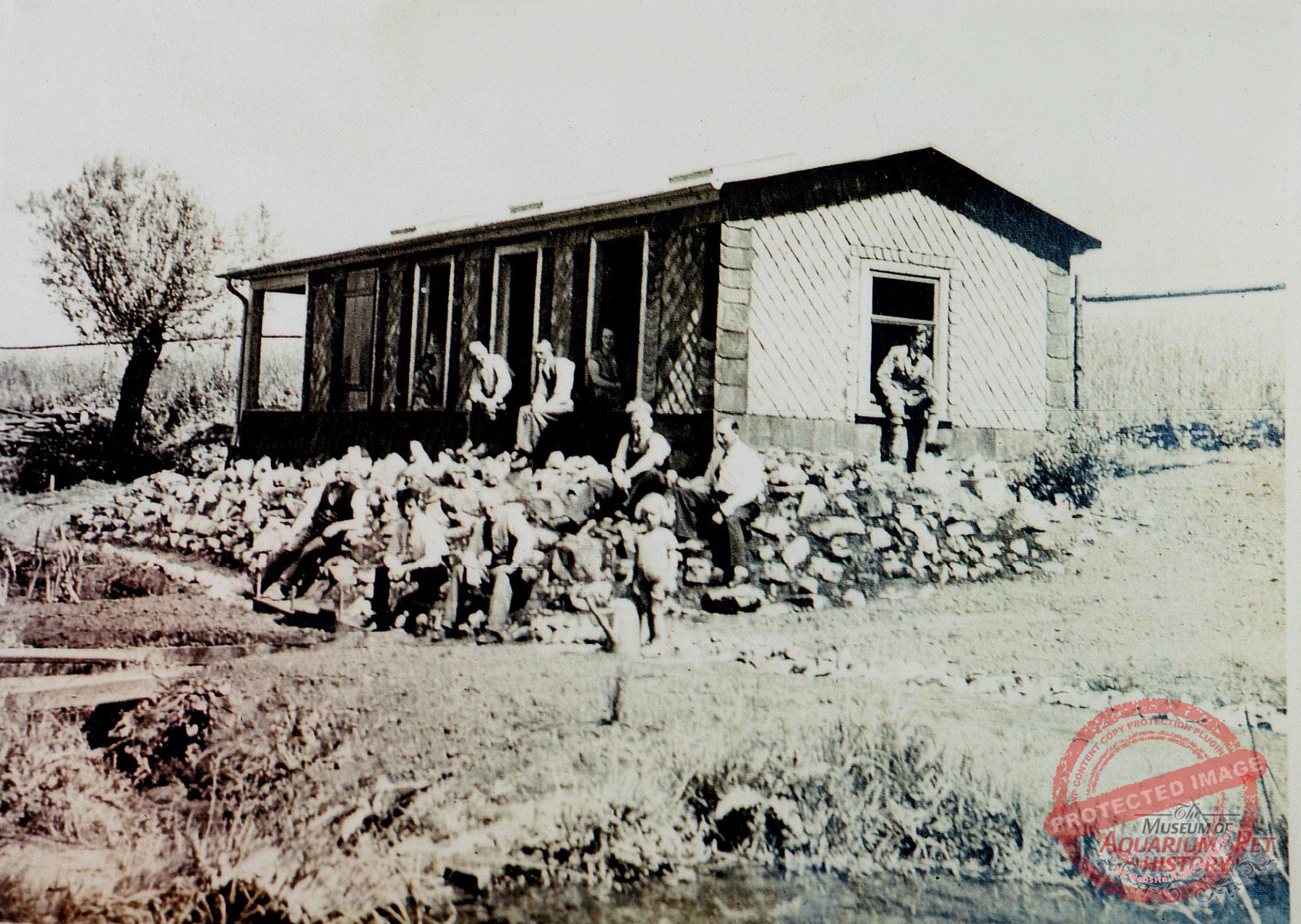
Like the Danio members, the Nymphaea members built everything themselves through voluntary labor, including their clubhouse, erected on a rise of piled stone.
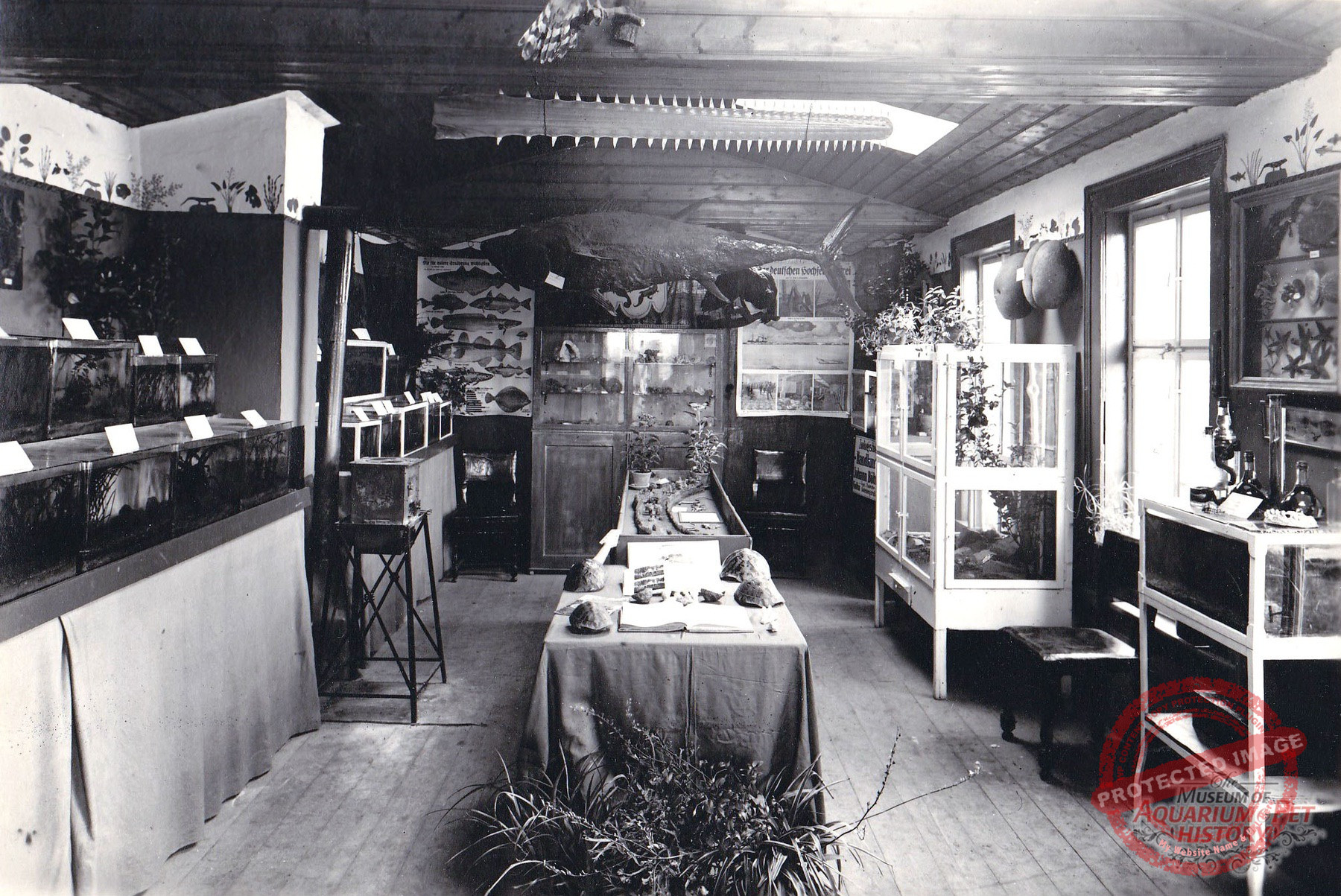
The clubhouse was filled to the brim with everything the club members’ hearts desired.
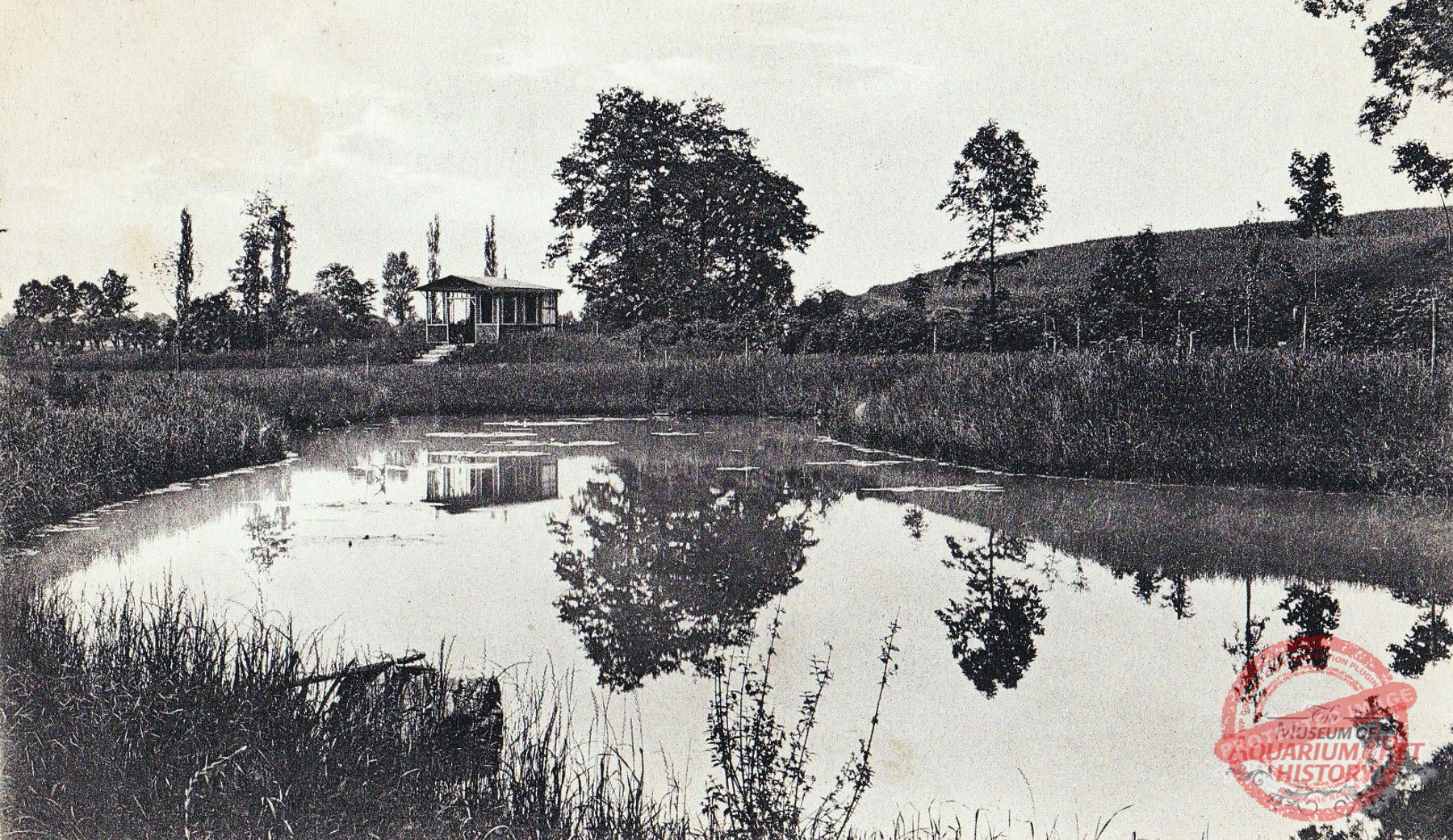
On the opposite side of the grounds stood another small building constructed of wood.
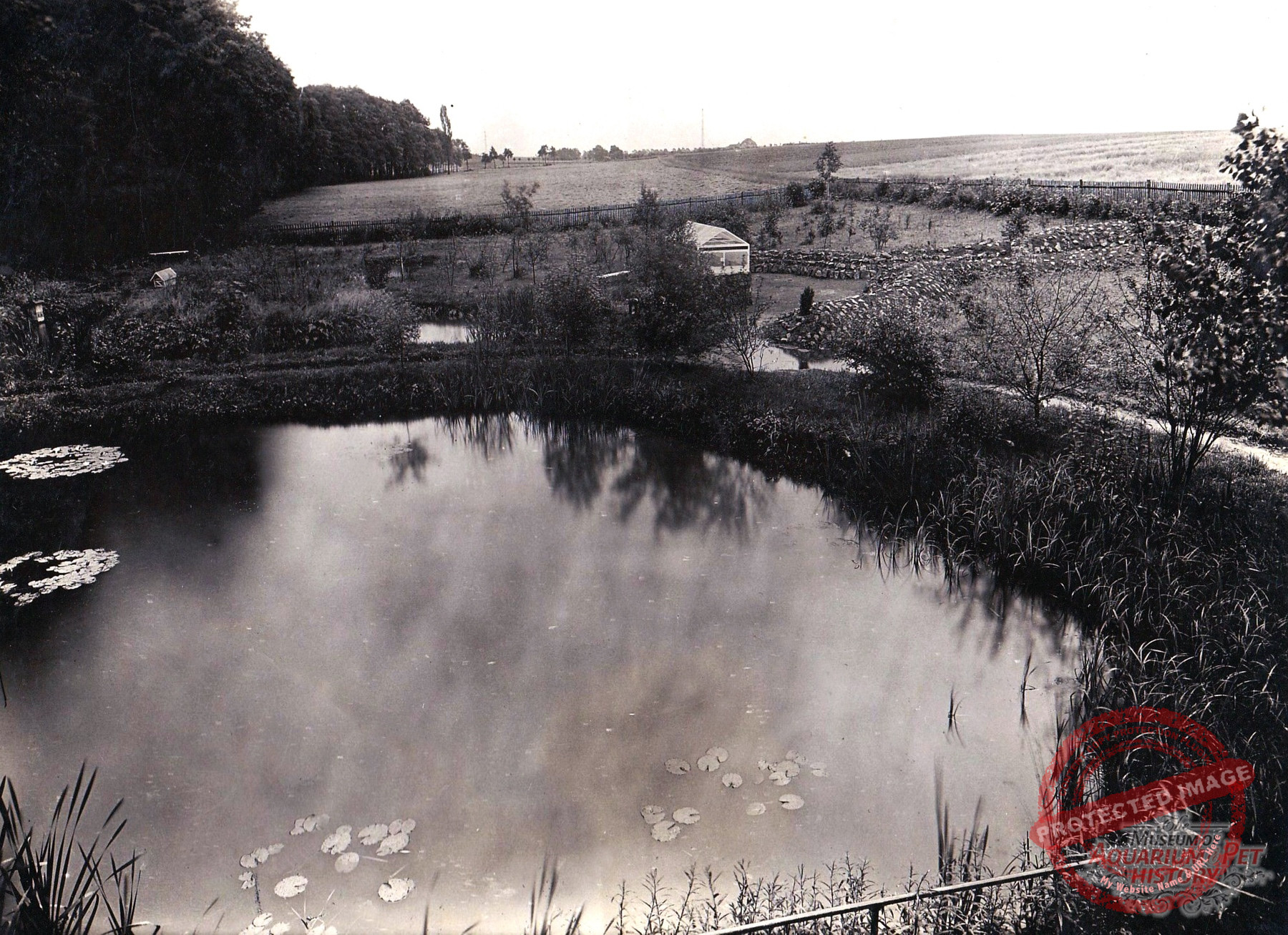
The area was largely treeless, with fields and meadows stretching beyond.
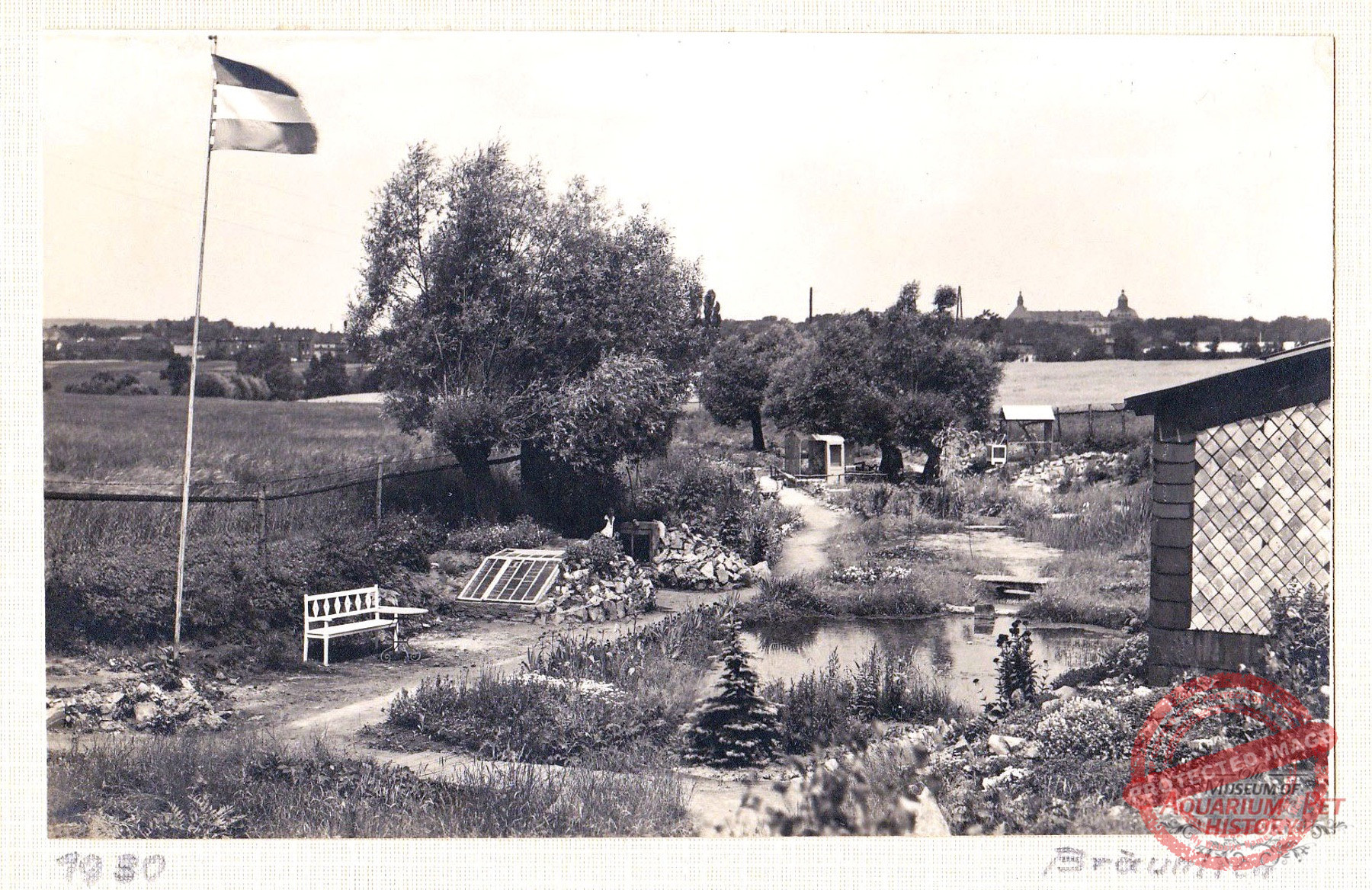
Open-air terrariums of varying designs lined the paths; otherwise, perennial plants and conifers dominated the plantings.
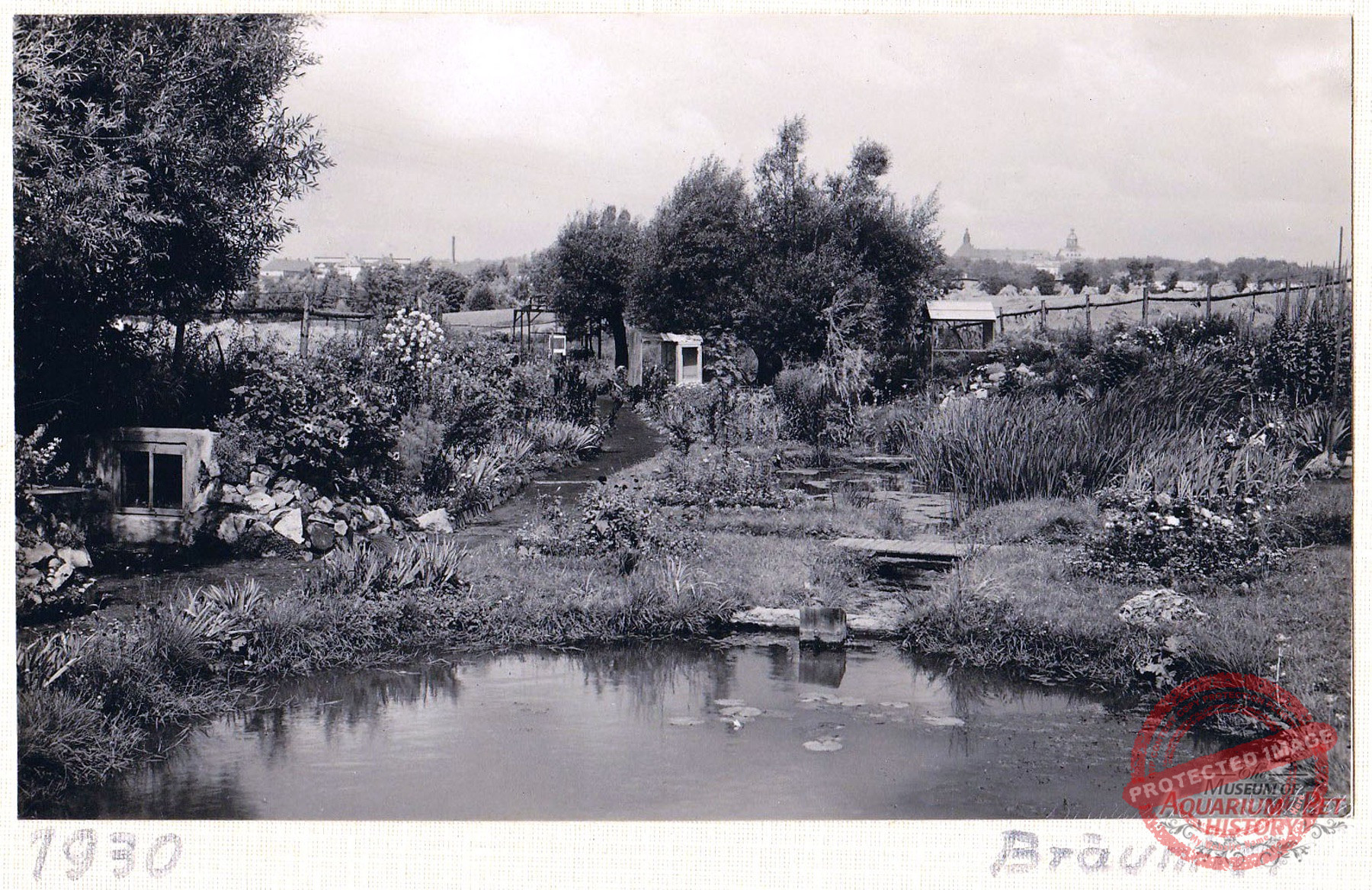
Small bridges made of wooden planks crossed the watercourse connecting the ponds.
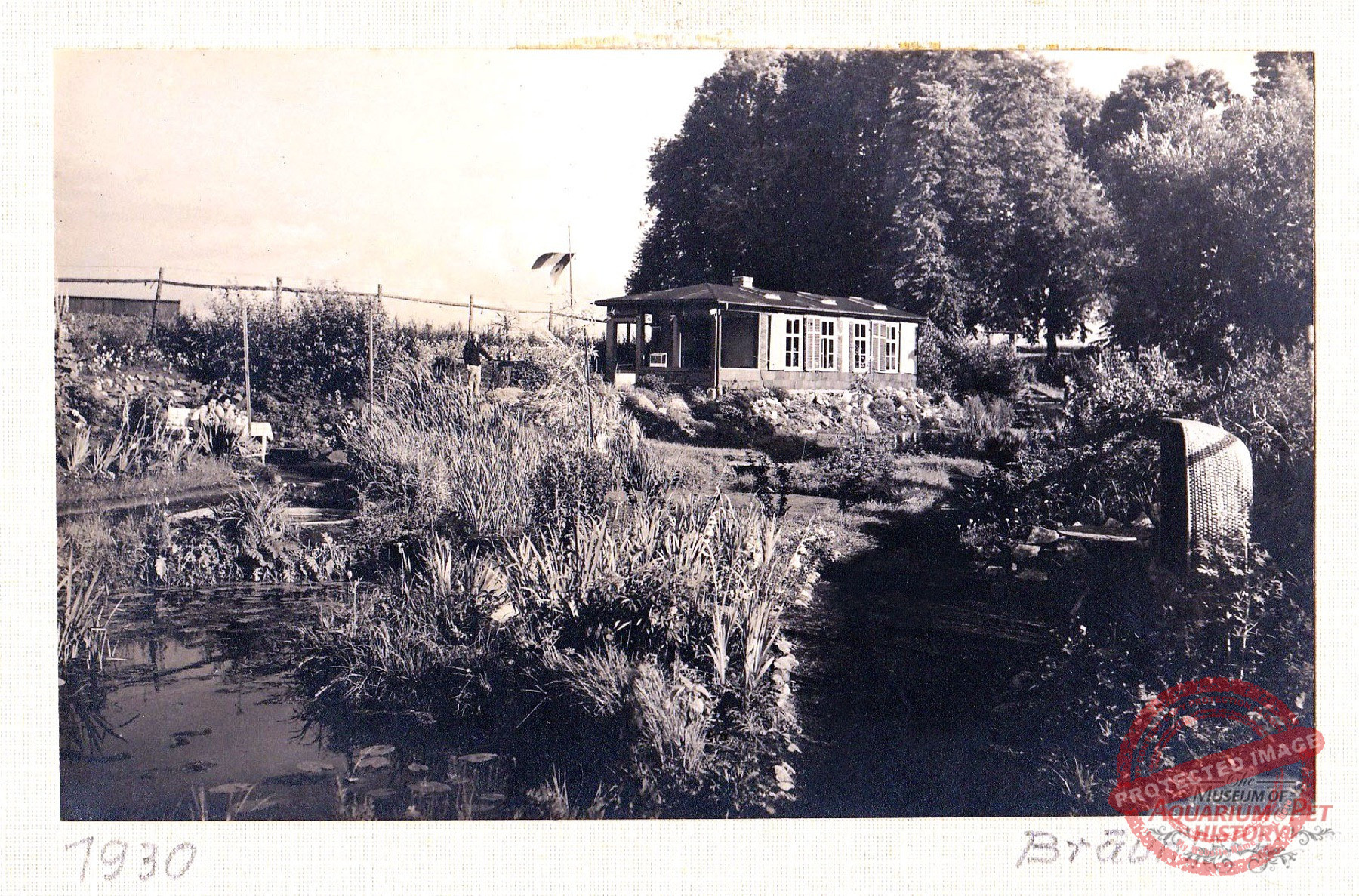
At the edges of the large natural ponds, smaller concrete ponds had been constructed, in which Danio and Puntius species as well as paradise fish (Macropodus) were kept during summer.
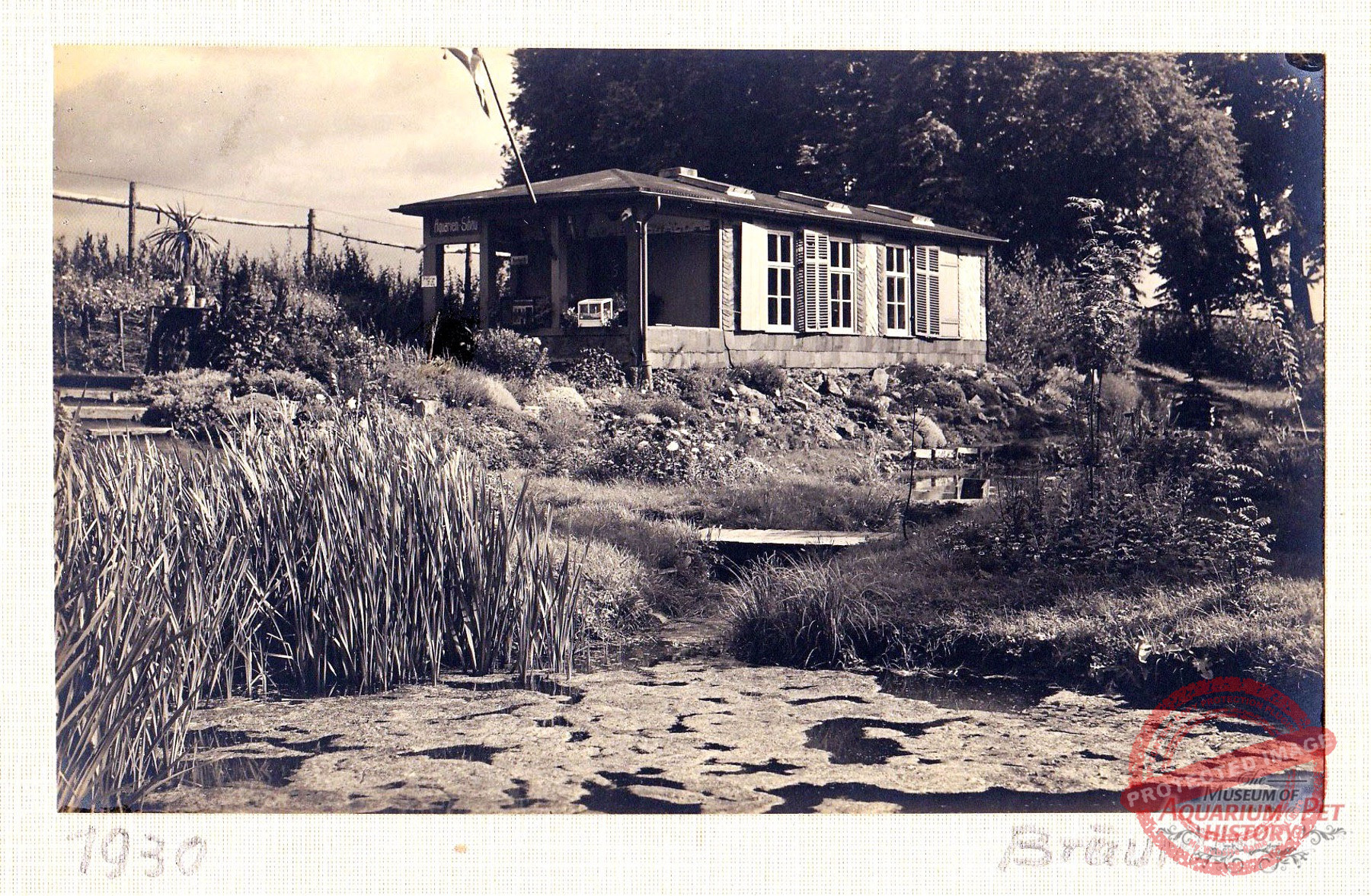
Over time, the open-air aquarium at the Seven Ponds also became luxuriantly overgrown and highly attractive.
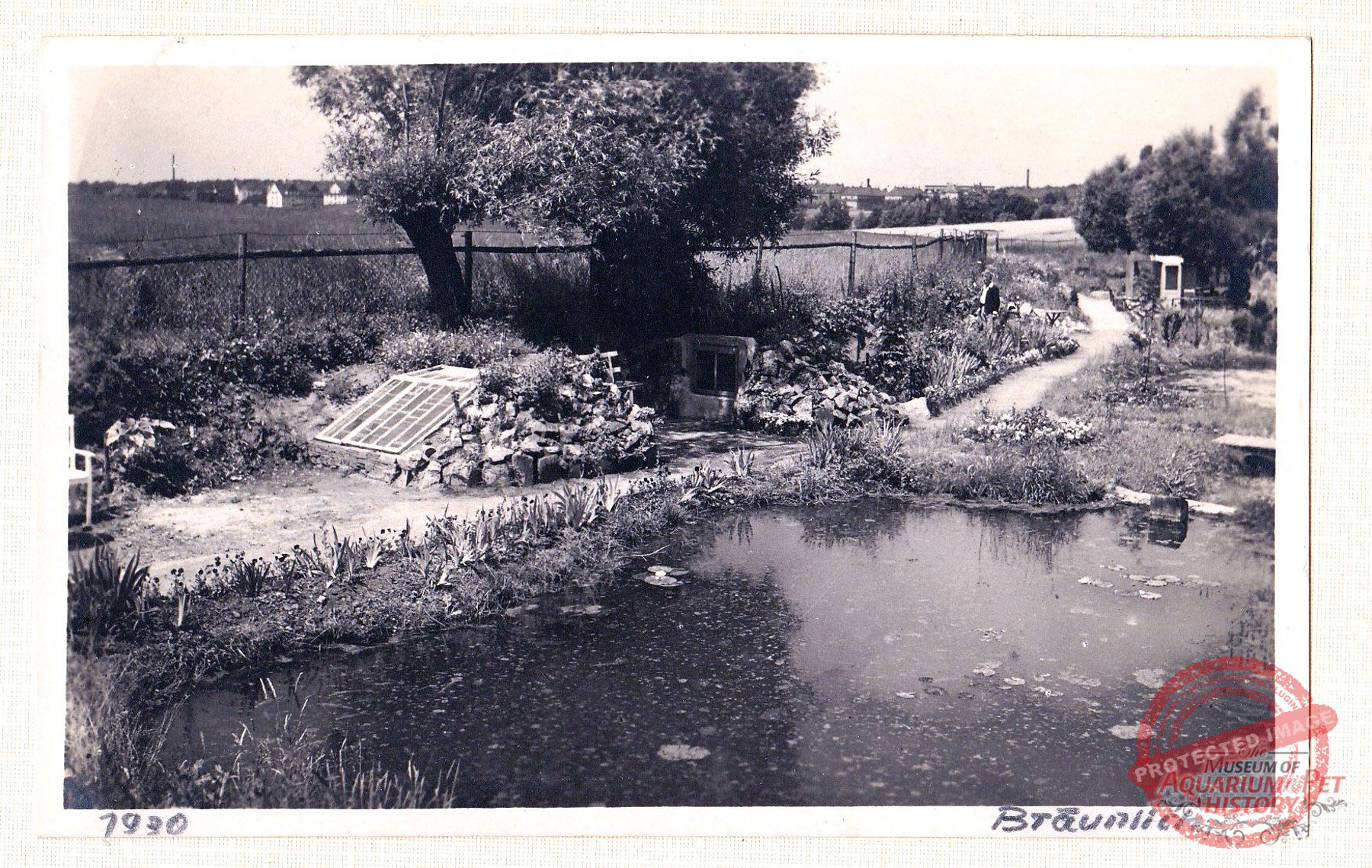
Two open-air terrariums are visible here: on the left resembling a cold frame, on the right a masonry structure with a windowed front.
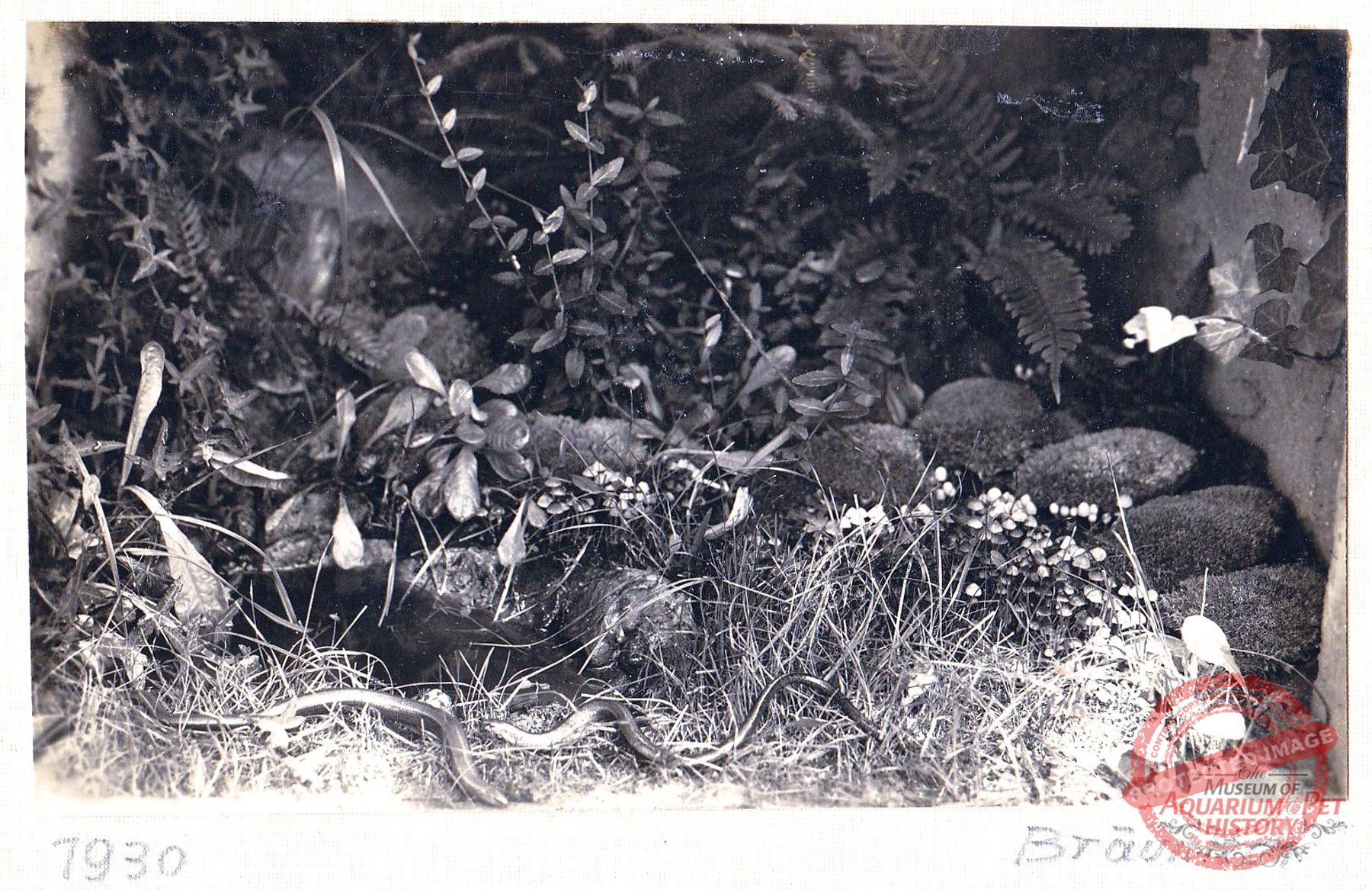
Historic photograph of slow worms (Anguis fragilis) in one of the open-air terrariums.
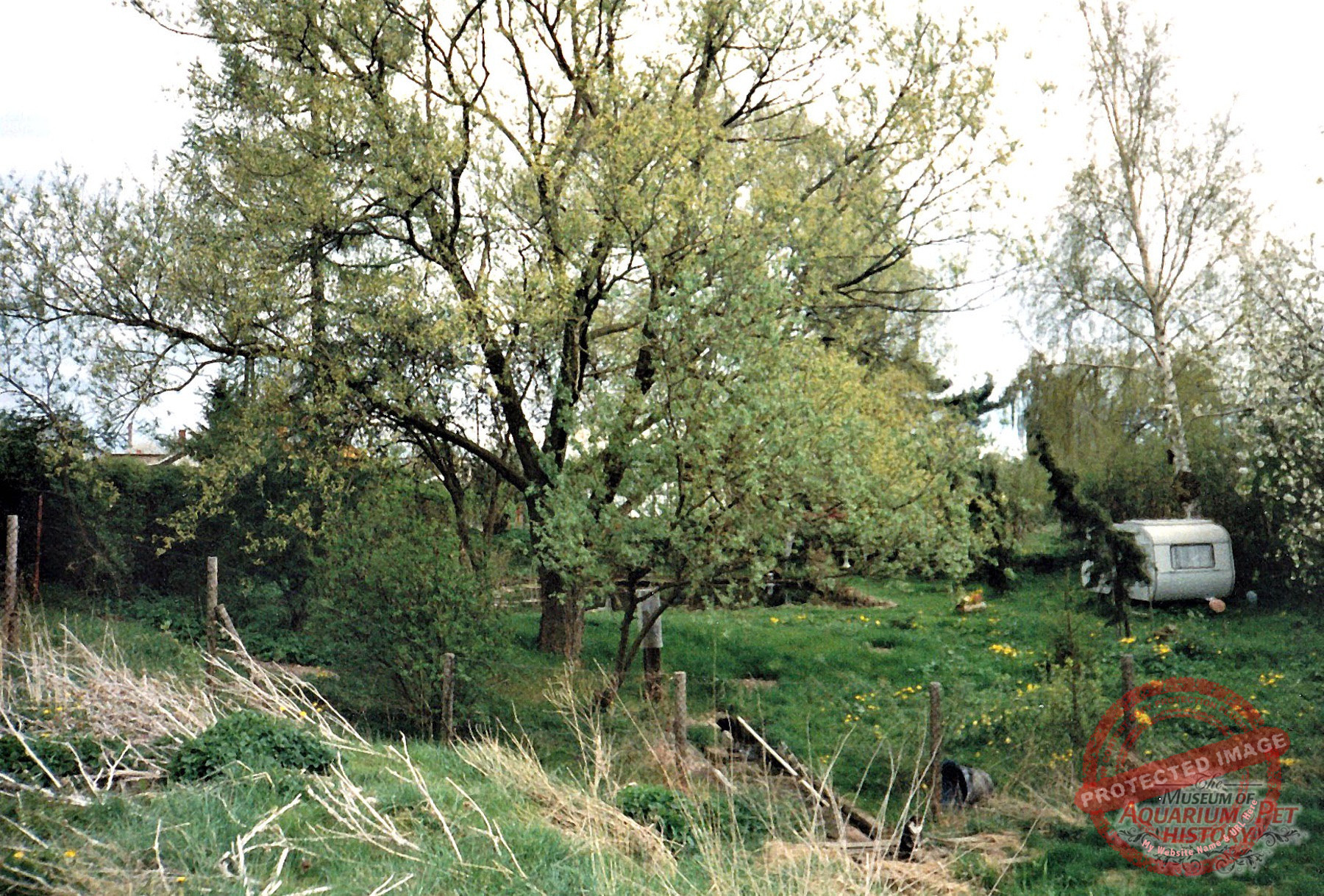
In the final years of the GDR and the early 1990s, the former grounds at the Seven Ponds were neglected and without an owner.
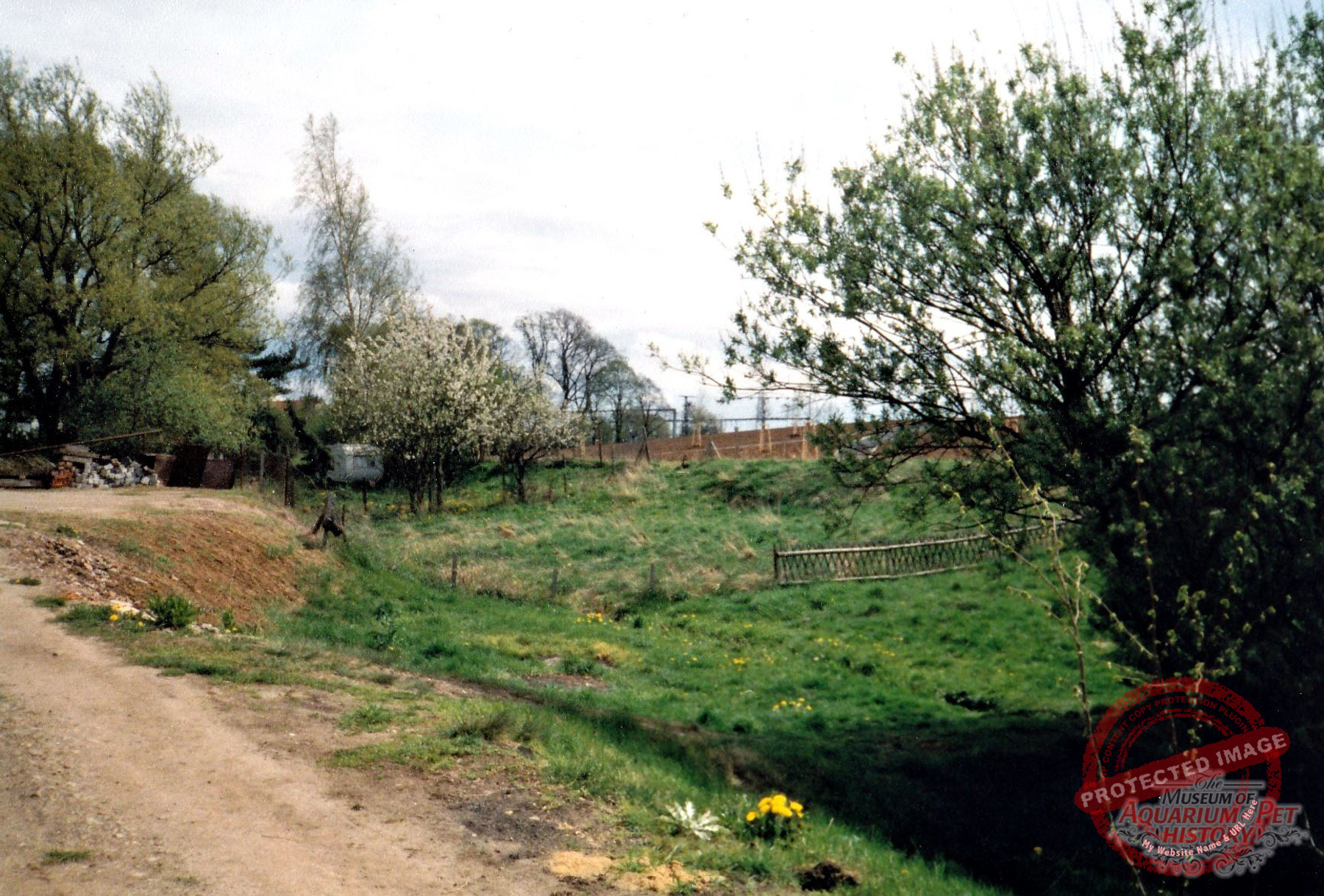
Hardly anything still hinted at the former plantings and ponds.
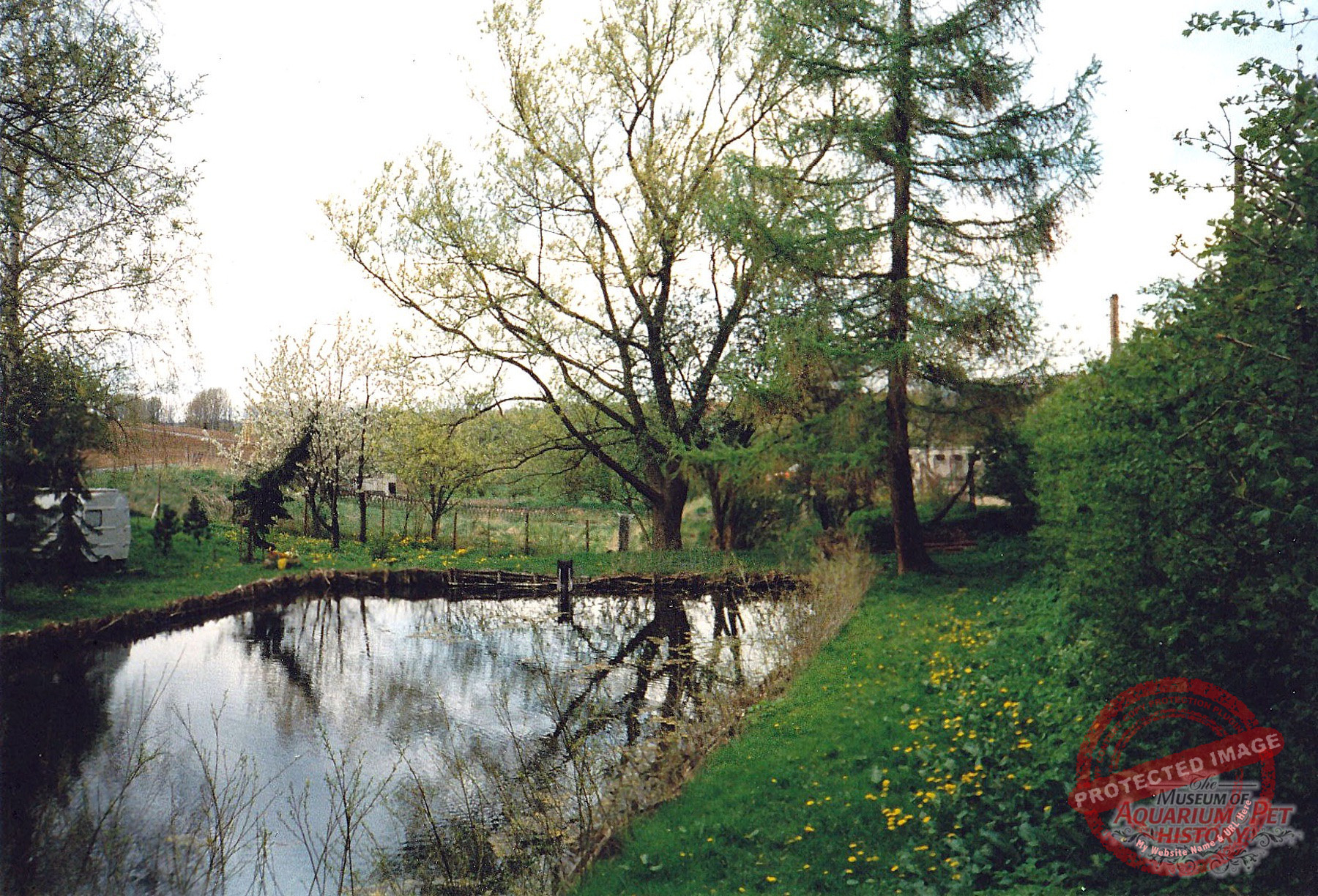
Only a single pond, apparently used for fish farming, remained.
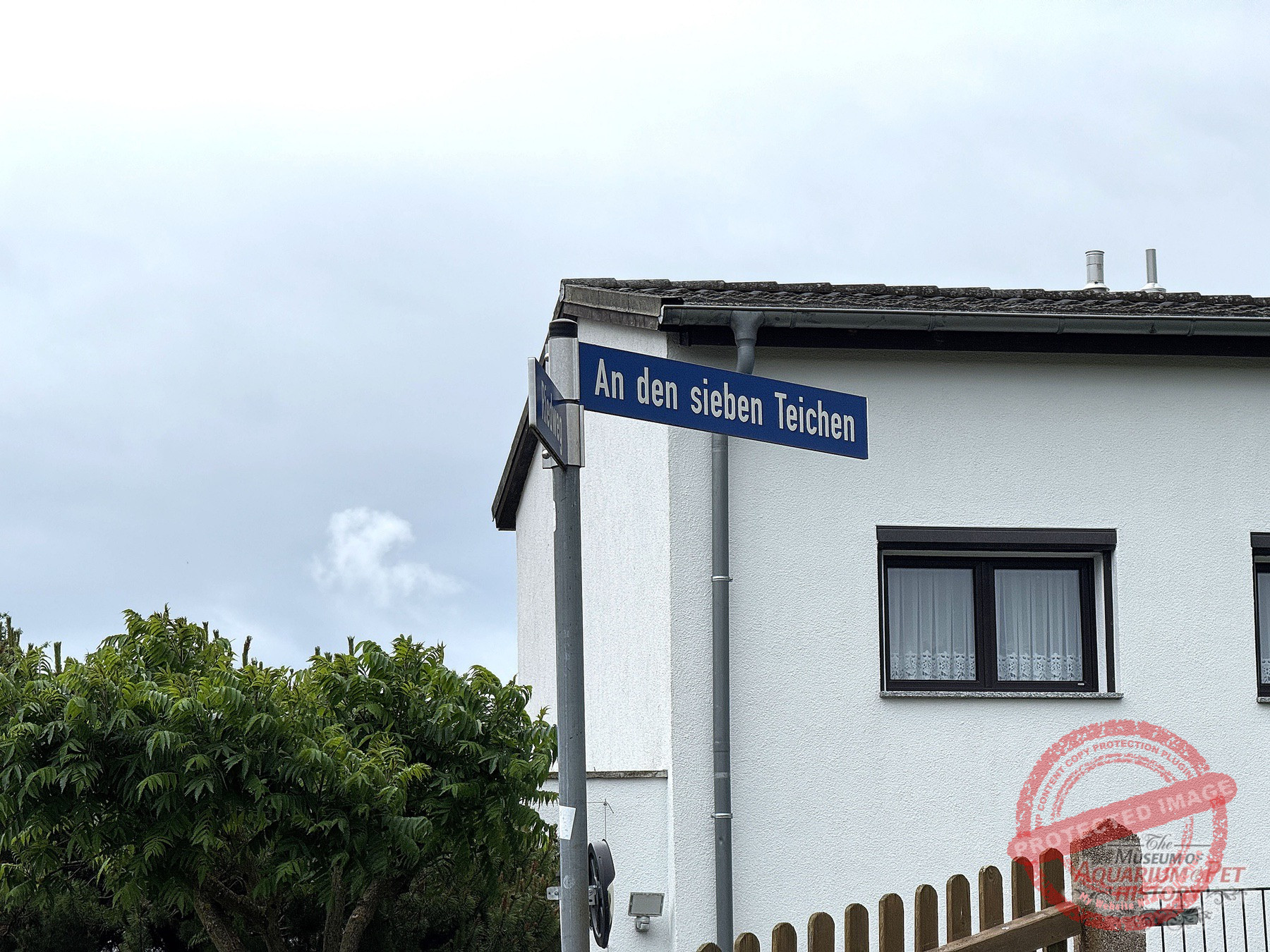
Today, only the street name recalls the former Nymphaea open-air facility at the Seven Ponds.
With the founding in 1927 of the fourth Gotha vivaristic association—the Verein für Aquarien und volkstümliche Naturkunde – Zierfischfreunde—by Kurt Koch, as discussed in the previous installment, the Danio members were left to their own devices. Interestingly, under the leadership of Karl Wagner they concentrated far more than the Nymphaea members on the outdoor facility itself, the Danio grounds. Aquarium care, lectures, and fish breeding receded into the background. By contrast, Charly Fuchs ensured among his Nymphaea colleagues that every aspect of the hobby retained a balanced place in club life. This was undoubtedly easier to achieve, since the Pond Garden at the Seven Ponds did not include as many animals unrelated to the core hobby that required extensive care. Here the focus lay on fish, amphibians, and reptiles. Fuchs and other members moved their residences from Gotha’s city center to the peripheral settlement, bringing them closer to the open-air aquarium and allowing them to devote more time to it.
Three open-air aquariums existing simultaneously in a city of modest size—Gotha had just under 48,000 inhabitants in 1933—serving both as local recreational destinations and as vivid centers of natural-science education, functioning at once like a small zoo and a small botanical garden, may rightly be described as a luxurious situation. Above all because they were not municipally funded but created and maintained through voluntary labor, this was an extraordinary—perhaps globally unique—ideal that has never since been repeated. Only the professional yet consistently peaceful rivalry among the clubs produced this level of quality, an escalation of aspirations and practical activity. Nothing could have been worse than eliminating that competition. And yet that is precisely what happened with the seizure of power by the NSDAP—the fascists—in Germany in 1933. The consequences, and how club life managed to survive, however precariously, during the darkest period of German history—and what humiliating concessions aquarists and terrarists were forced to make to aggressive politics in order to pursue their hobby at all—will be the subject of the next installment in this series.
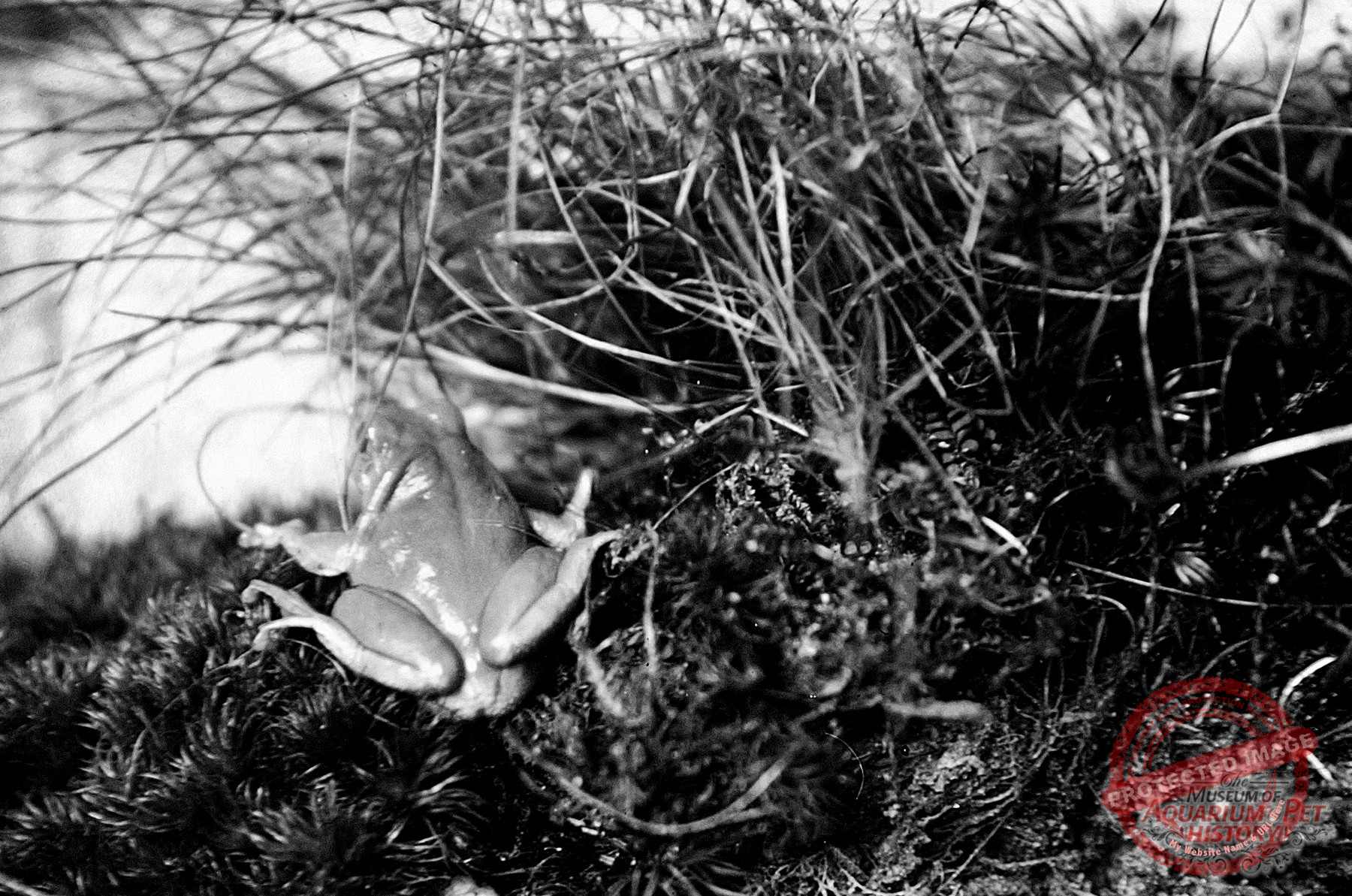
Historic photograph of a European tree frog (Hyla arborea) in an outdoor terrarium.
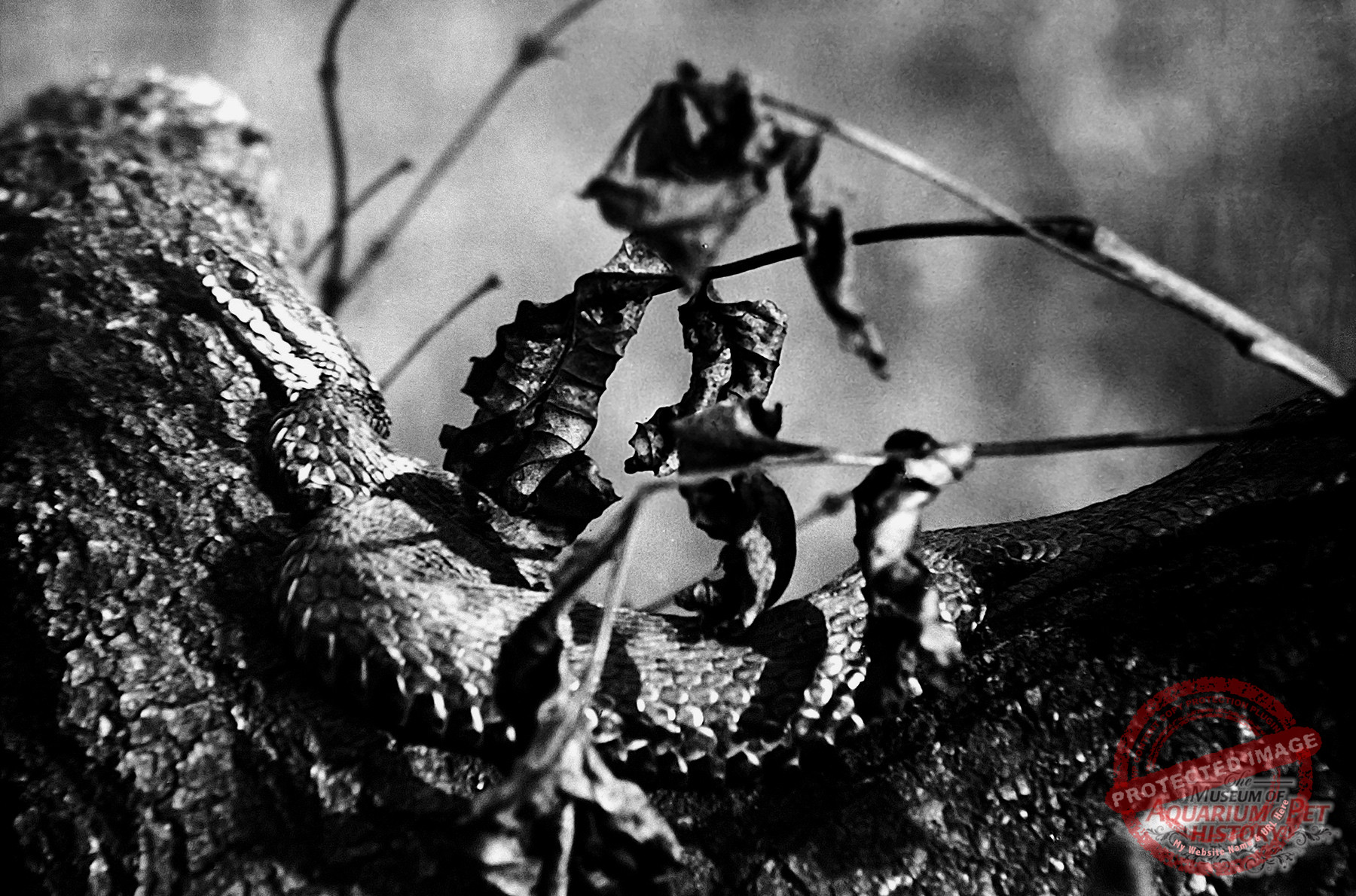
Historic photograph of a European adder (Vipera berus) in an open-air terrarium.
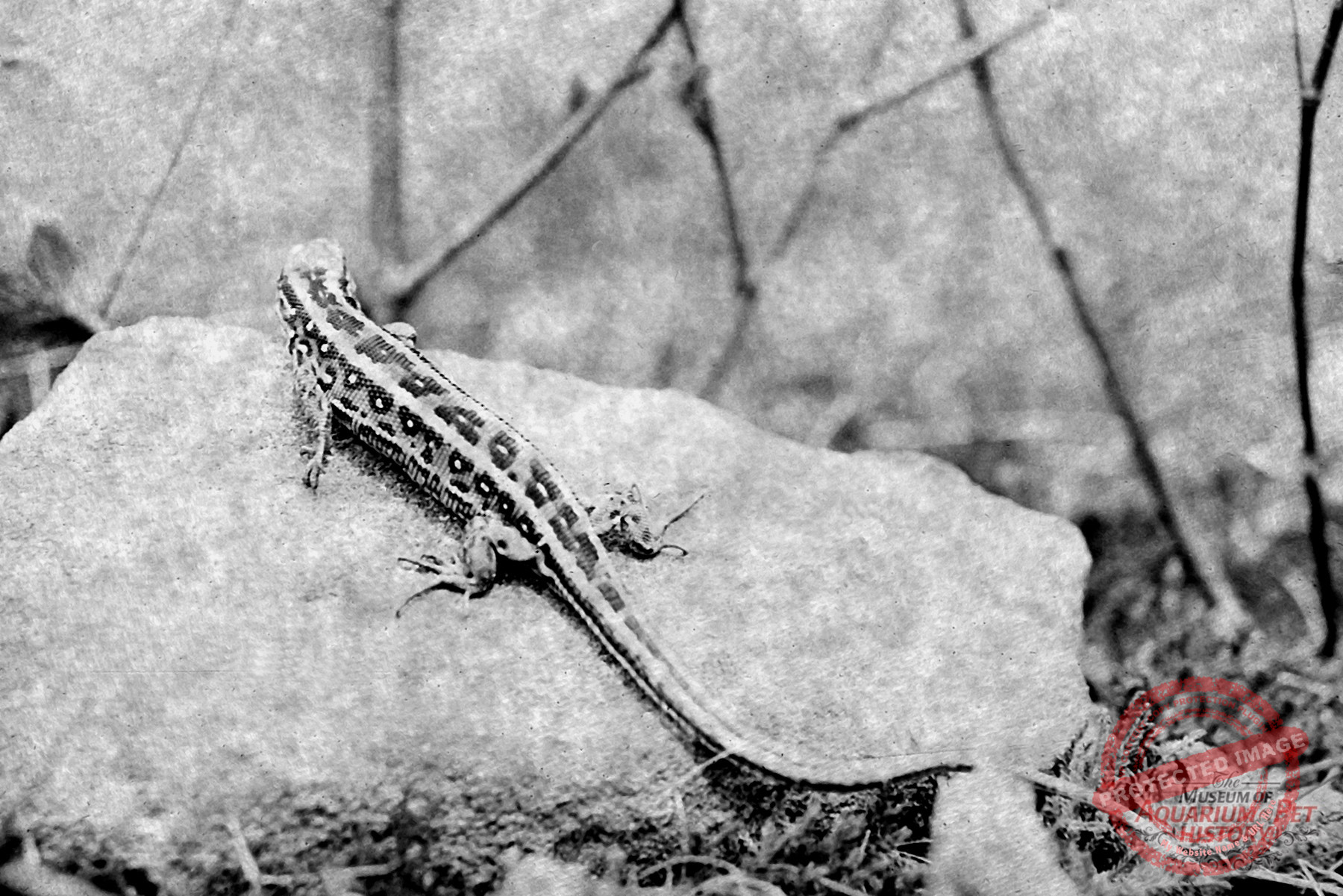
Historic photograph of a sand lizard (Lacerta agilis) in an open-air terrarium.
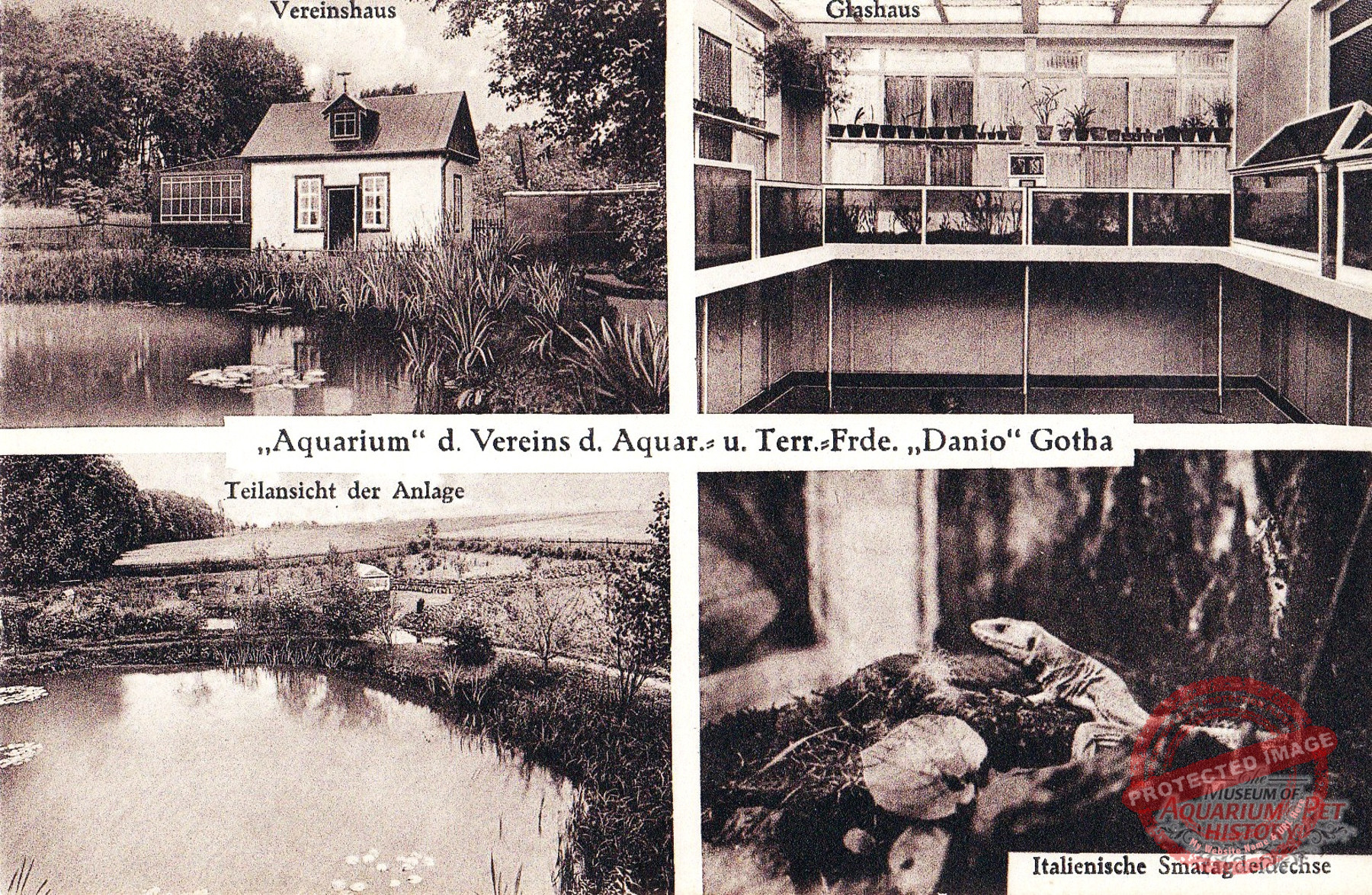
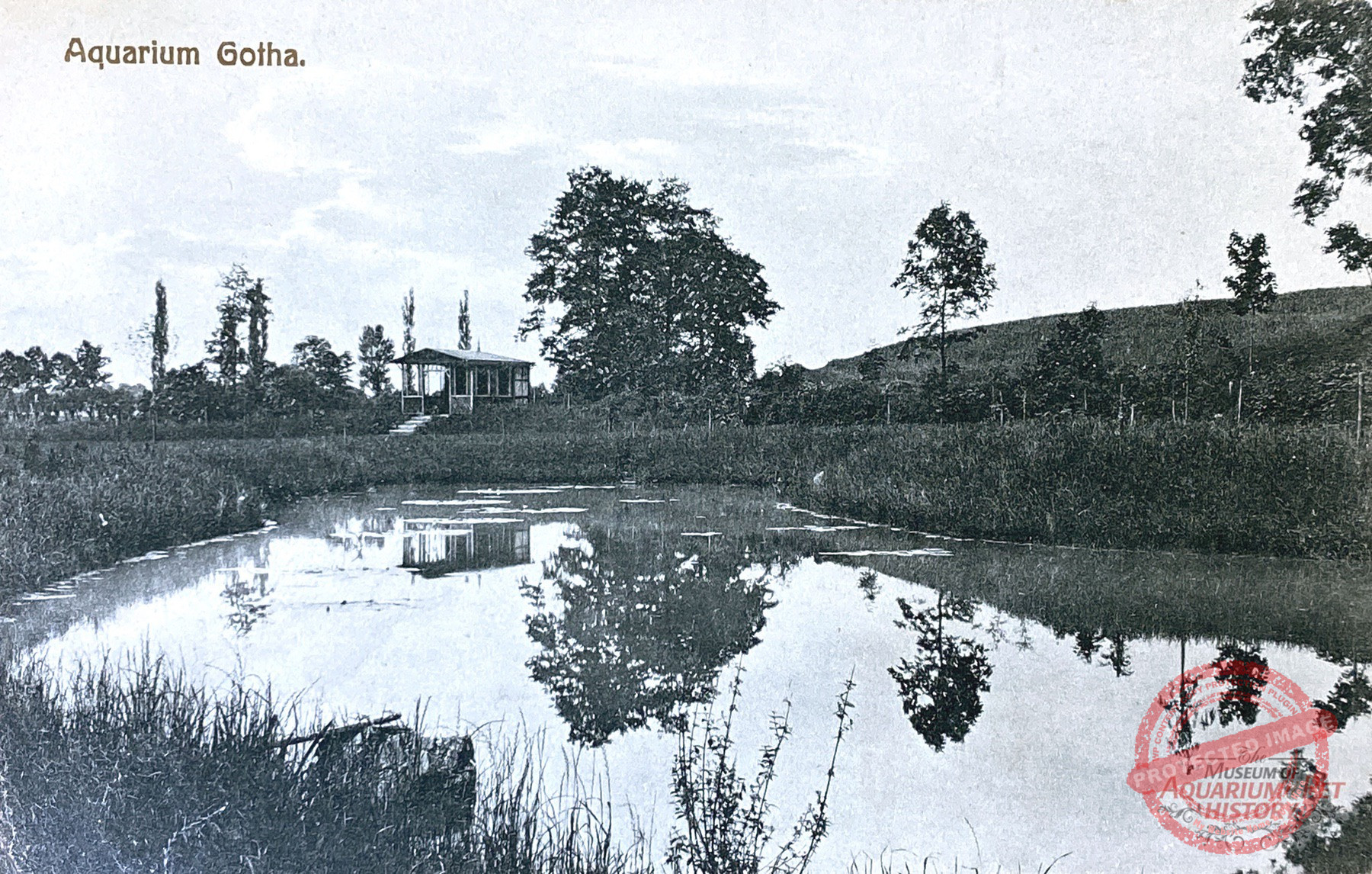
The Danio club proudly presented its open-air facility and promoted it with this postcard.